

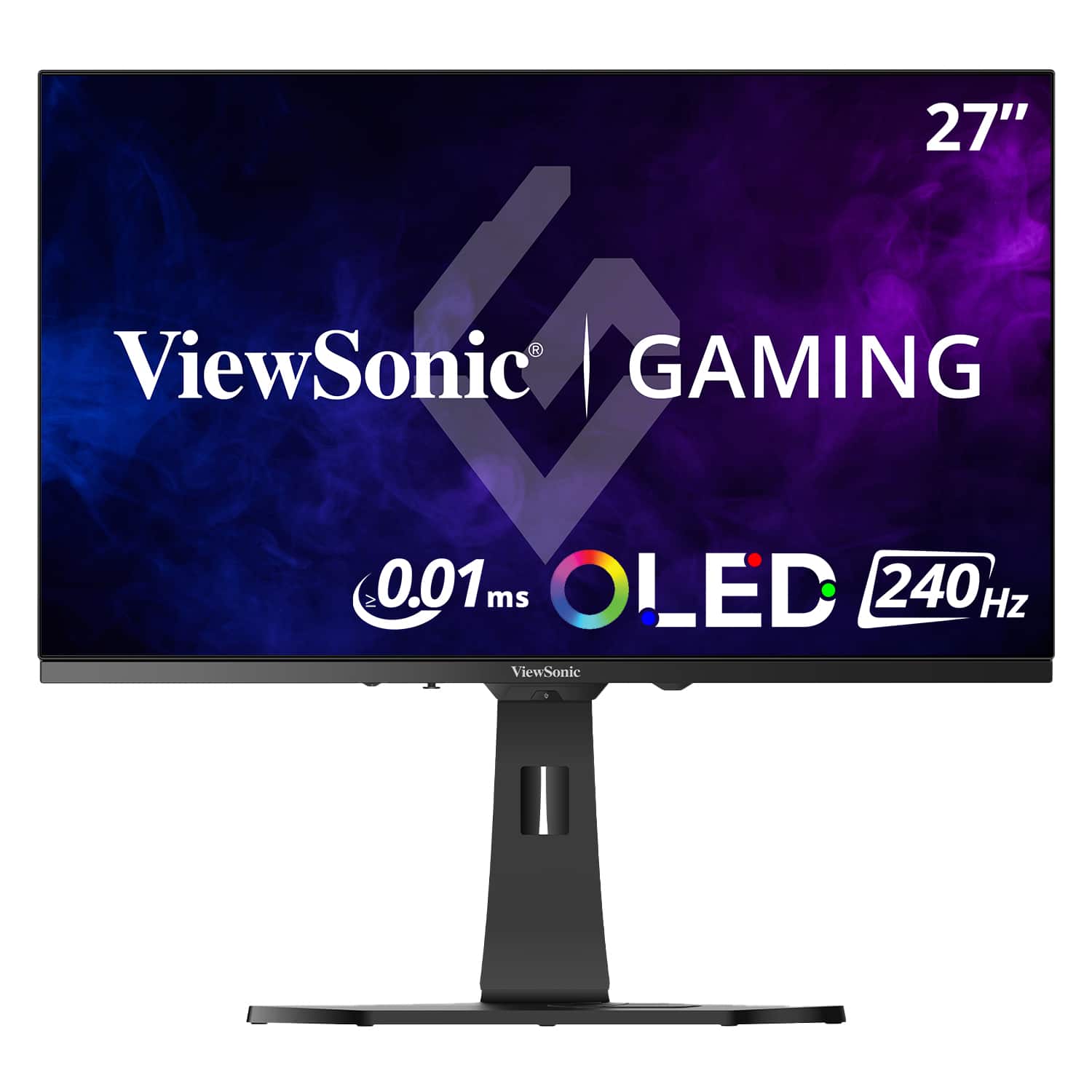
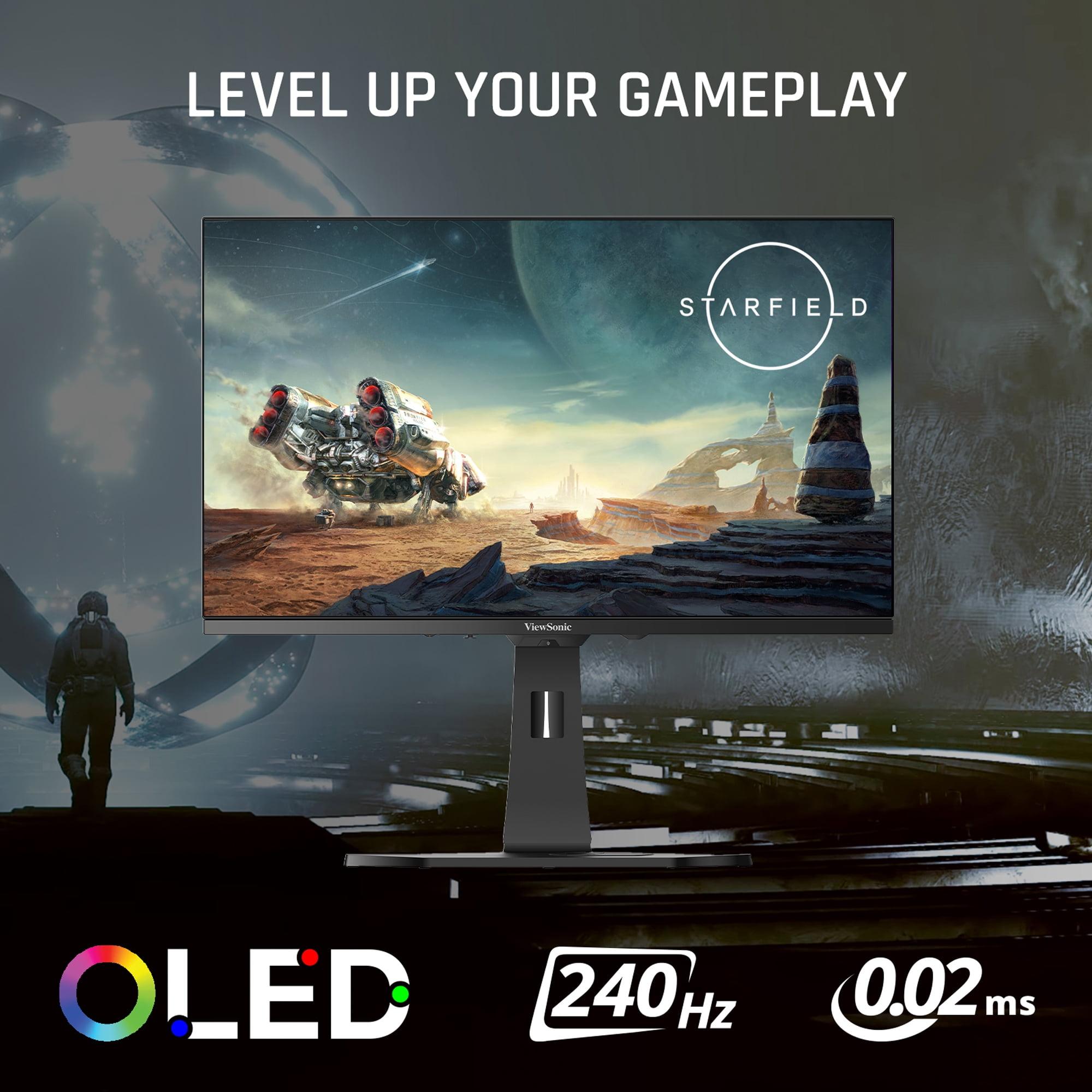
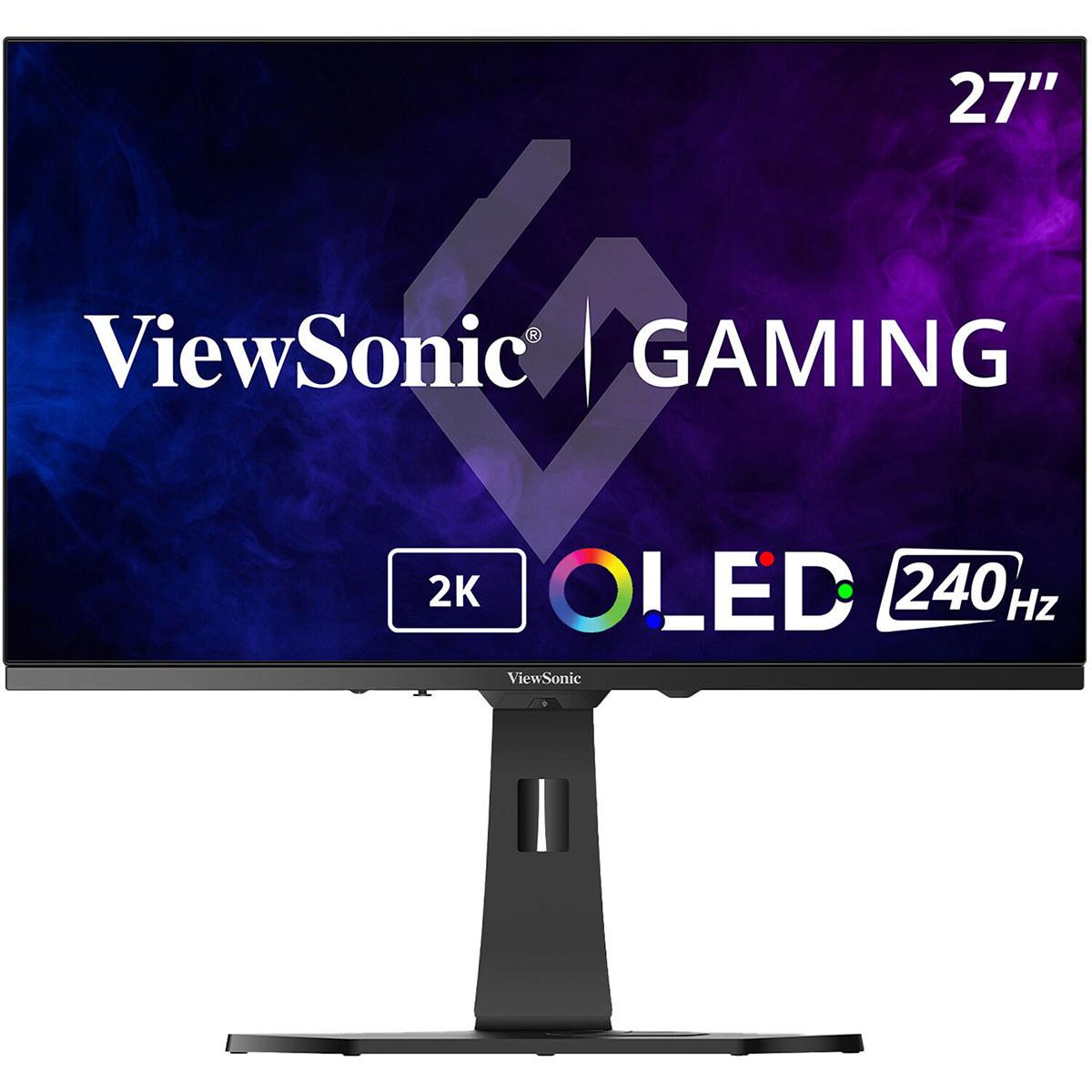
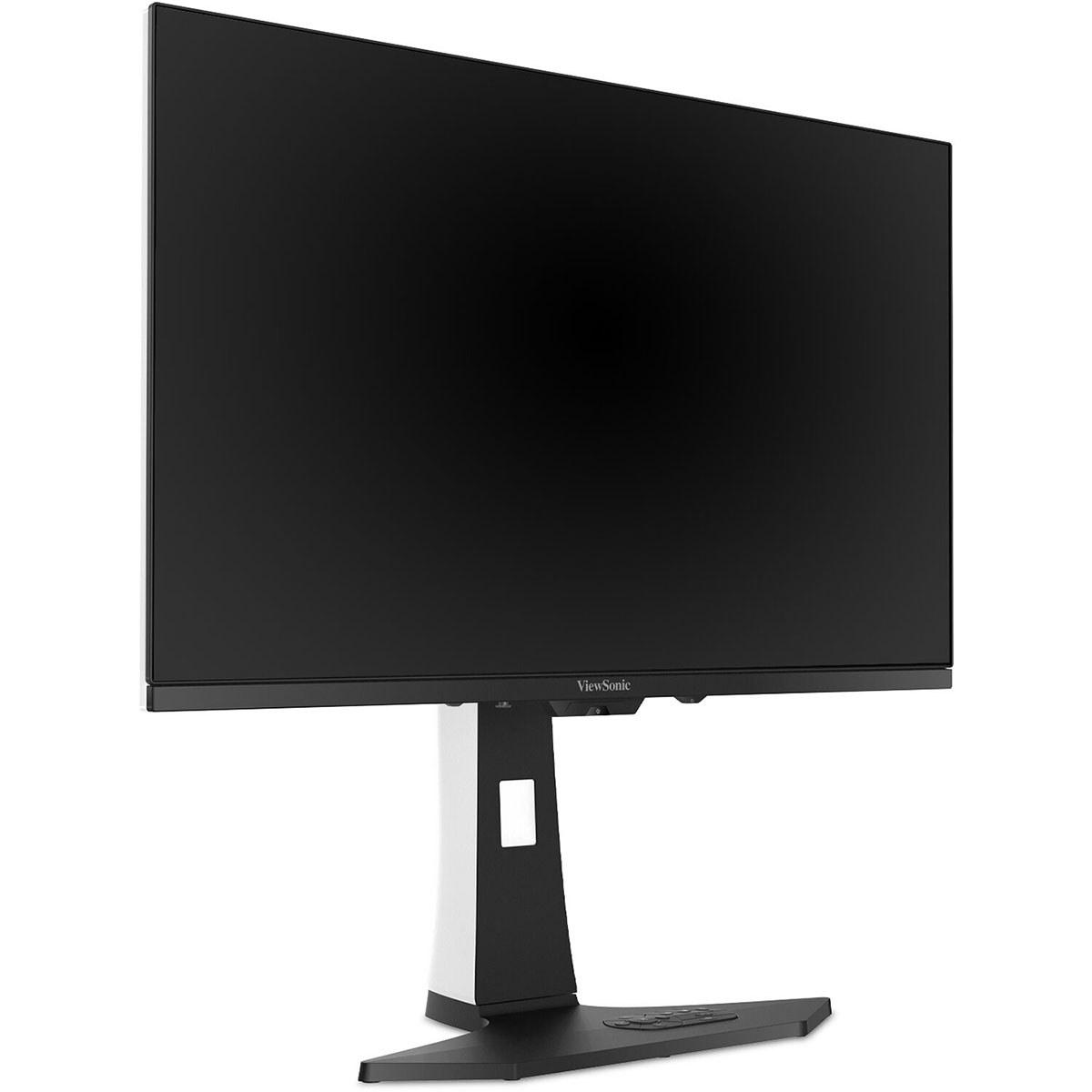
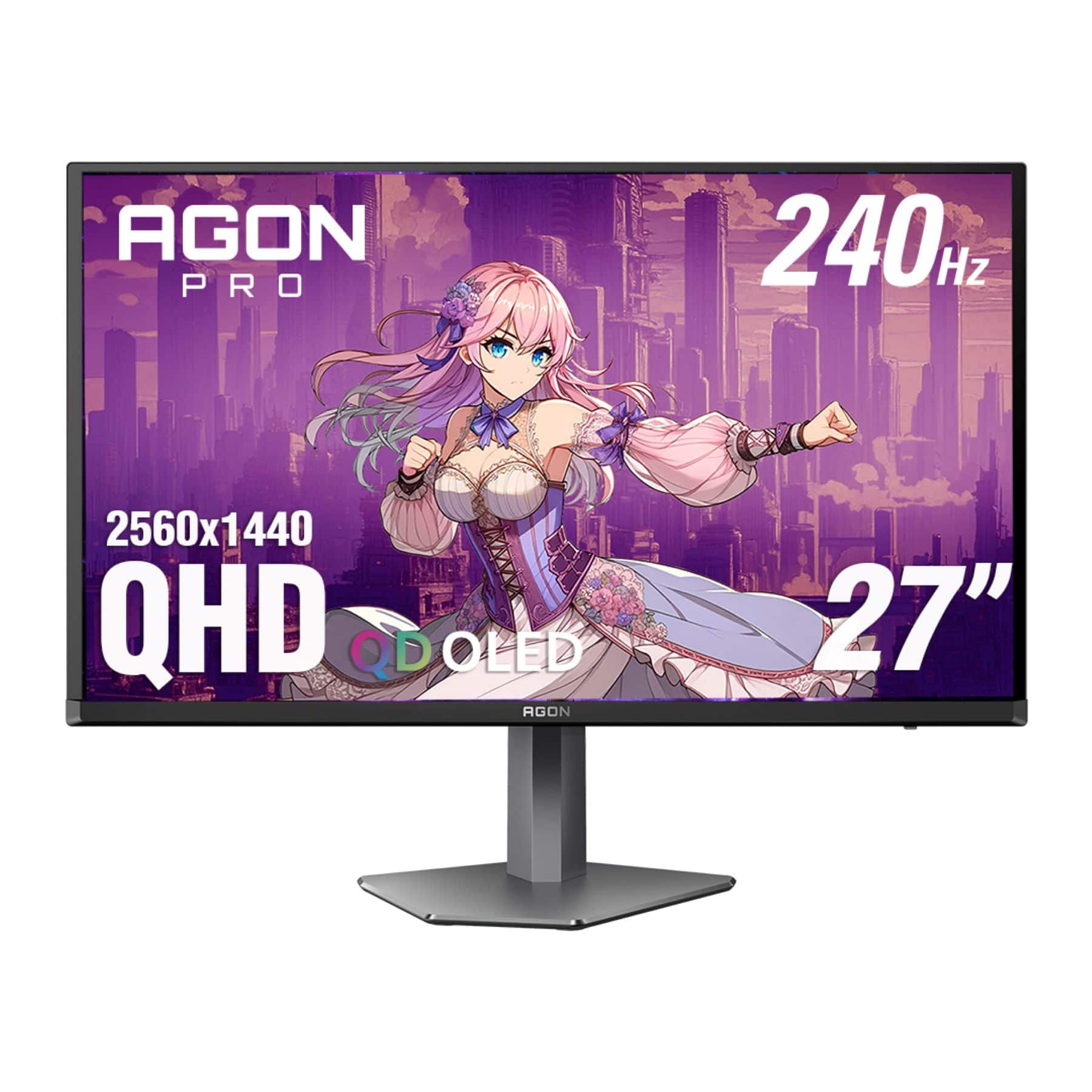
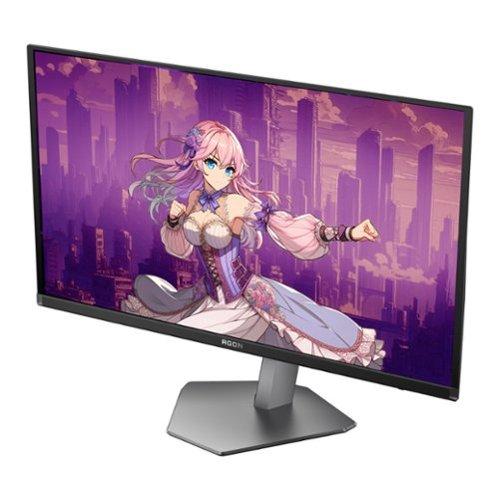
OLED gaming monitors have completely transformed how we experience games, and nowhere is this more apparent than in the competitive 27-inch QHD space. After spending considerable time with both the ViewSonic XG272-2K-OLED and AOC Agon Pro AG276QZD2, I can tell you that while these monitors share the same screen size and refresh rate, they represent fundamentally different approaches to OLED gaming technology.
Both monitors launched in 2024, riding the wave of OLED technology finally becoming accessible for PC gaming. Just a few years ago, you'd pay thousands for an OLED display of this caliber. Now, we're seeing competitive pricing that makes OLED gaming a realistic option for many enthusiasts, though the price gap between these two models tells an interesting story about different target markets.
Before diving into the comparison, let's talk about what makes OLED special for gaming. Unlike traditional LCD monitors that rely on a backlight shining through liquid crystal layers, OLED (Organic Light-Emitting Diode) panels have pixels that emit their own light. This means when a pixel needs to display black, it simply turns off completely – creating true blacks rather than the dark gray you get from LCD monitors.
This fundamental difference creates what we call "infinite contrast" – the ratio between the brightest whites and darkest blacks becomes essentially unlimited. For gaming, this translates to incredible depth in dark scenes, vibrant colors that pop off the screen, and an overall visual experience that feels more like looking through a window than at a monitor.
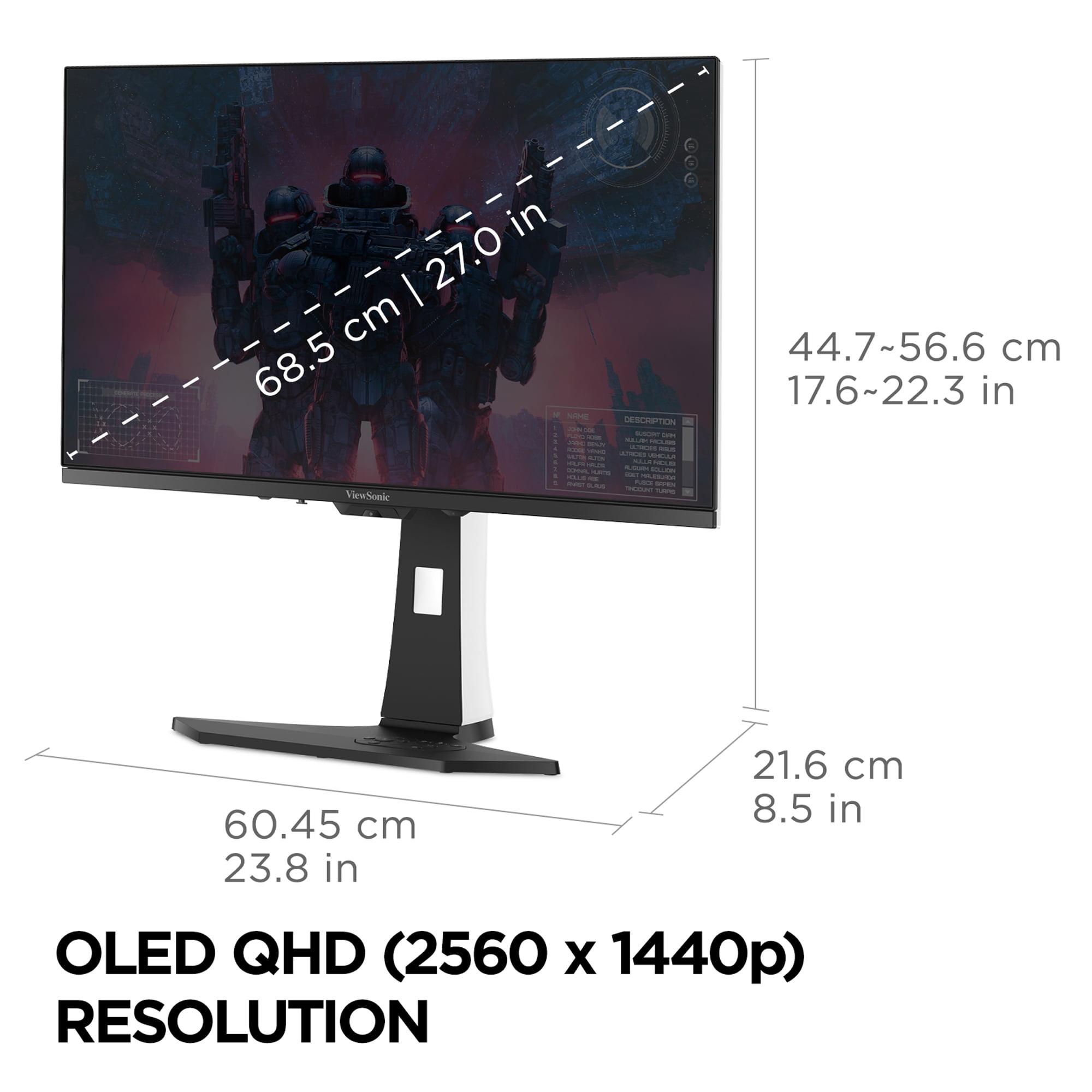
The 27-inch QHD (2560x1440) format has become the sweet spot for competitive gaming because it offers sharp detail without the GPU demands of 4K gaming. With 109 pixels per inch, text stays crisp while games maintain high frame rates on modern graphics cards.
Here's where things get interesting: the ViewSonic XG272-2K-OLED and AOC Agon Pro AG276QZD2 use completely different OLED technologies, and this choice affects everything from color reproduction to brightness capabilities.
The ViewSonic employs W-OLED (White OLED) technology, which uses white sub-pixels combined with color filters to create the final image. Think of it like having a white flashlight shining through colored glass – effective, but requiring more light to achieve bright colors.
The AOC monitor uses QD-OLED (Quantum Dot OLED), which combines OLED pixels with quantum dots – tiny semiconductor particles that convert blue light into precise red and green wavelengths. This approach typically produces more saturated colors naturally, especially in reds and greens, without needing as much filtering.
In practical terms, the QD-OLED in the AOC delivers more vivid, saturated colors that some users describe as more "TV-like." The W-OLED in the ViewSonic tends toward more accurate, professional-grade color reproduction that's better suited for content creation work.
The most significant performance gap between these monitors lies in brightness capability, and this difference fundamentally changes how you can use each display. The ViewSonic XG272-2K-OLED delivers approximately 450 nits of brightness – nearly double the AOC's roughly 250 nits output.
To put this in perspective, 250 nits works well in dim or dark rooms but struggles against even moderate ambient light. If you have windows in your gaming space or prefer some room lighting while playing, the AOC might appear washed out, with its perfect blacks turning gray as they reflect ambient light.
The ViewSonic's 450 nits, while not matching high-end HDR TVs, provides enough output to maintain contrast and color accuracy in most lighting conditions. I've found this brightness difference becomes particularly noticeable during HDR gaming, where brighter highlights create more convincing dynamic range.
This brightness advantage makes the ViewSonic significantly more versatile for different room setups and usage scenarios. If your gaming space has natural light or you ever watch movies during the day, this extra brightness becomes essential for maintaining the OLED advantage.
Despite their different technologies, both monitors deliver virtually identical gaming performance in the metrics that matter most for competitive play. The ViewSonic claims a 0.01ms pixel response time, while the AOC specifies 0.03ms GTG (Gray-to-Gray) response time. In practical terms, both eliminate motion blur completely at 240Hz.
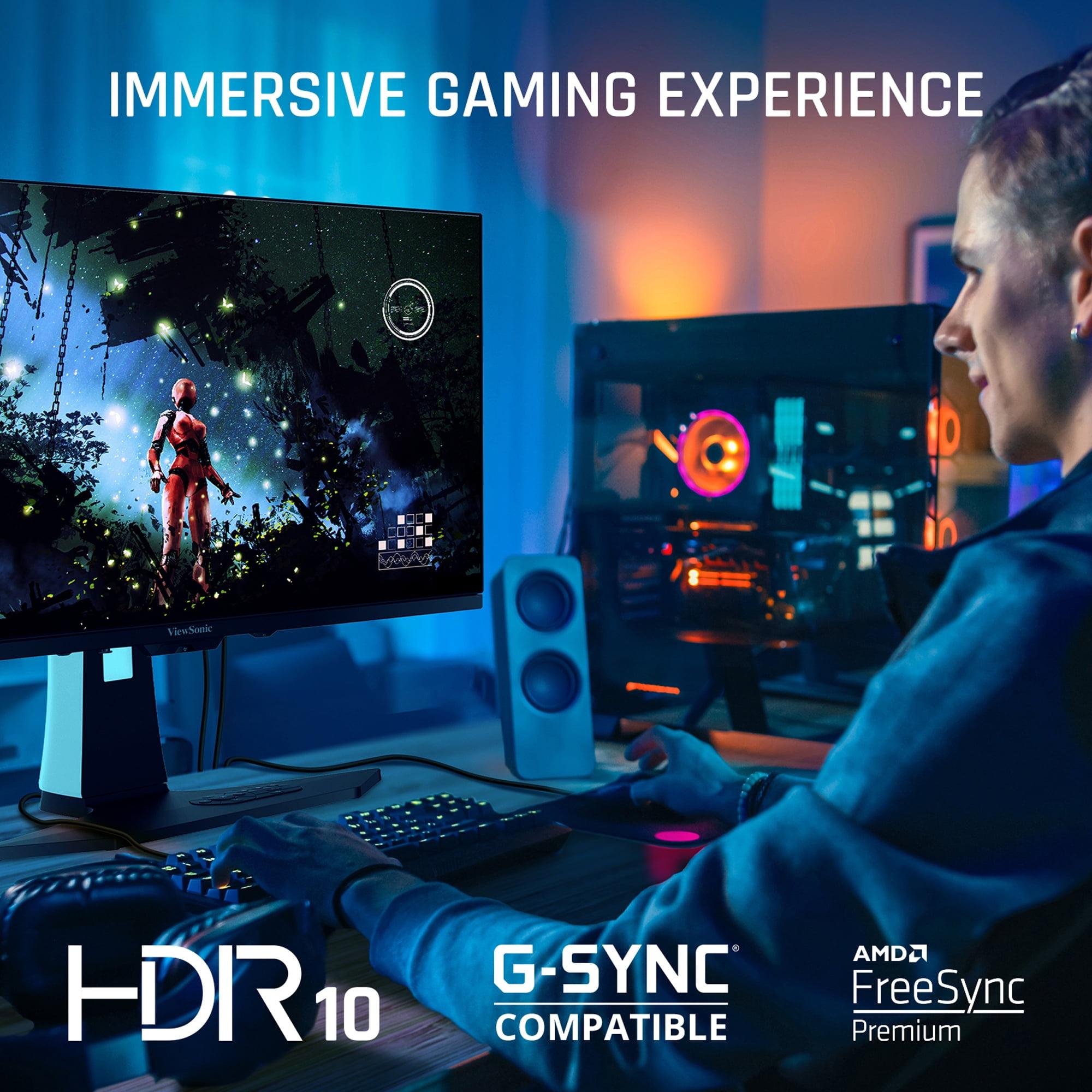
Both monitors support the full range of adaptive sync technologies – AMD FreeSync Premium and NVIDIA G-Sync compatibility – ensuring smooth, tear-free gaming regardless of your graphics card choice. Variable refresh rate (VRR) works flawlessly on both, automatically adjusting the display's refresh rate to match your GPU's frame output.
The 240Hz refresh rate represents the current sweet spot for competitive gaming. While 360Hz monitors exist, the visual improvement becomes minimal beyond 240Hz, and the GPU requirements become extreme. At 240Hz, both monitors deliver incredibly smooth motion that makes tracking fast-moving targets easier and reduces the disorienting effect of rapid camera movements.
Input lag – the delay between your action and seeing it on screen – measures extremely low on both monitors. This responsiveness gives competitive gamers the edge they need in fast-paced titles where milliseconds matter.
High Dynamic Range (HDR) gaming represents one of the most significant advances in visual technology, expanding the range between the darkest shadows and brightest highlights to create more realistic images. However, HDR's effectiveness depends heavily on a monitor's peak brightness capability.
The ViewSonic XG272-2K-OLED excels in HDR gaming thanks to its superior brightness output. Games like Cyberpunk 2077 or Elden Ring showcase dramatic improvements in atmosphere and visual impact, with neon lights, explosions, and bright outdoor scenes displaying the enhanced dynamic range that makes HDR worthwhile.
The AOC Agon Pro AG276QZD2, despite supporting HDR10 and carrying VESA DisplayHDR True Black 400 certification, struggles to deliver compelling HDR experiences due to its brightness limitations. While it maintains OLED's perfect black levels, the limited highlight brightness means HDR content often looks similar to well-calibrated SDR content.
This HDR performance difference extends beyond gaming. If you plan to use your monitor for streaming HDR movies or YouTube content, the ViewSonic provides a significantly more engaging experience.
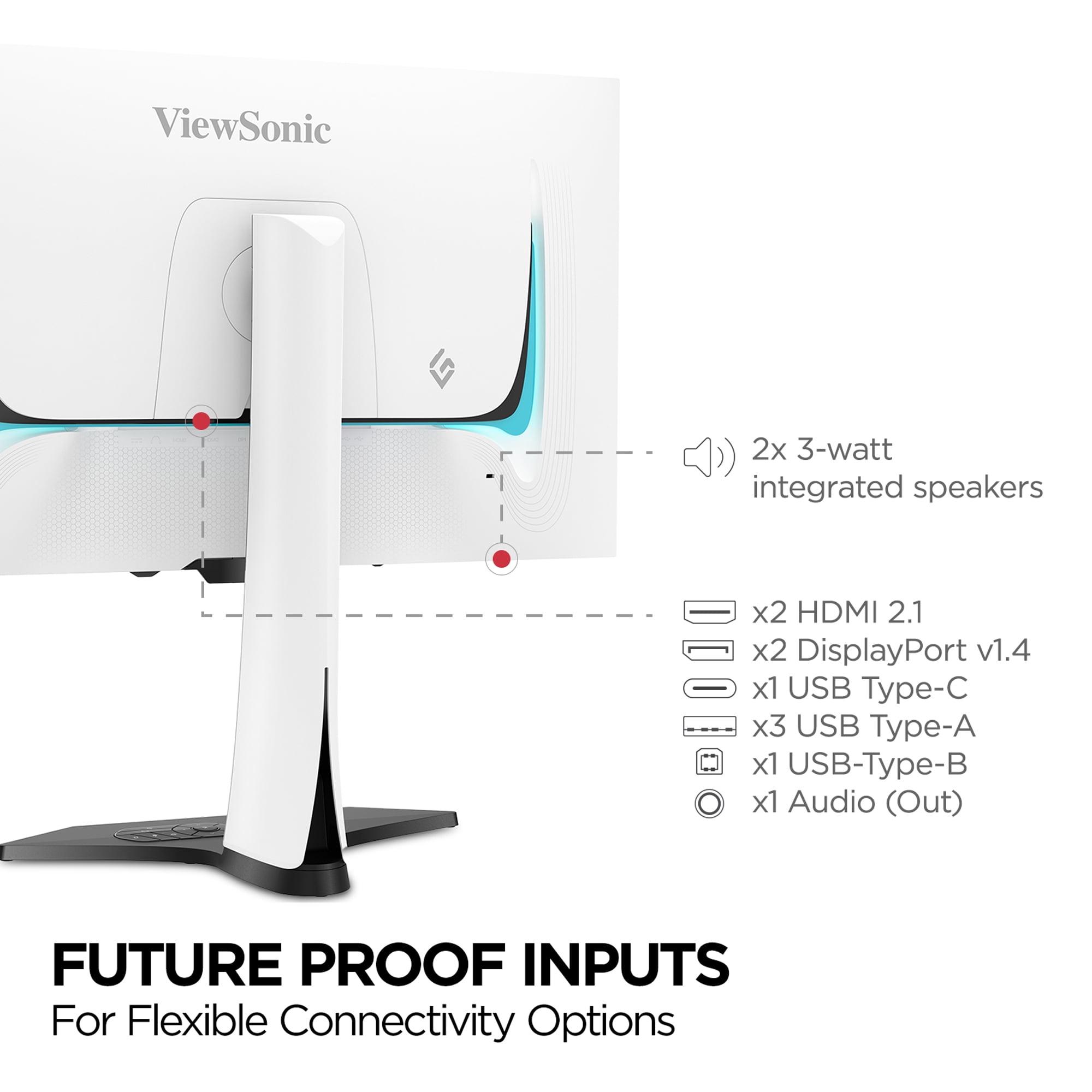
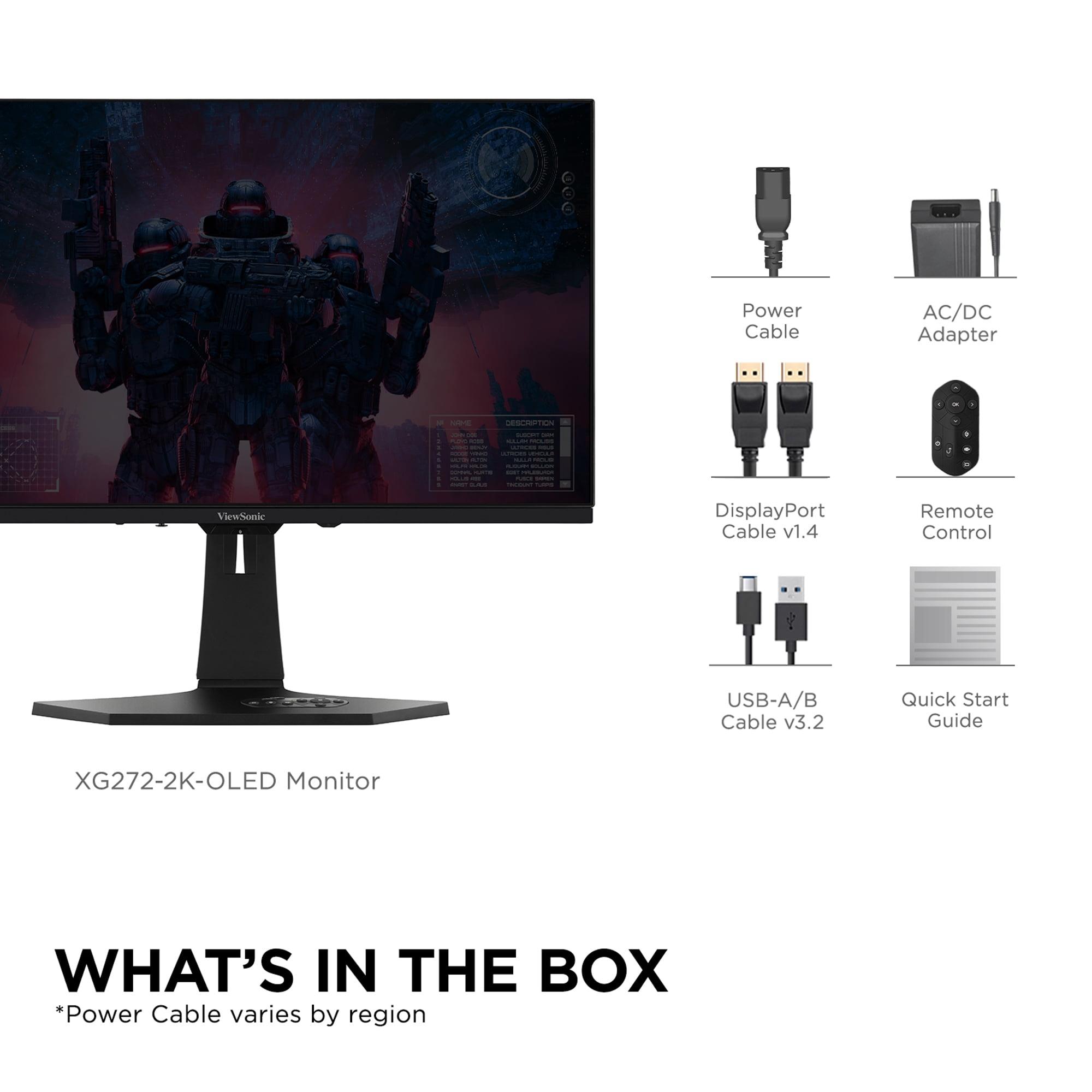
Modern gaming setups often involve multiple devices – gaming PCs, consoles, laptops, and streaming devices – making connectivity a crucial consideration. The ViewSonic XG272-2K-OLED clearly targets users with complex setups, offering comprehensive connectivity that includes:
The AOC Agon Pro AG276QZD2 provides more basic connectivity with 2x HDMI 2.0, 2x DisplayPort 1.4, and a standard USB 3.2 hub. While adequate for most gaming setups, the HDMI 2.0 limitation means reduced bandwidth for console gaming, and the lack of USB-C eliminates easy laptop connectivity.
The KVM functionality in the ViewSonic deserves special mention – it allows seamless switching between different connected devices while sharing a single keyboard and mouse. This feature proves invaluable for users who game on PC but also use Mac laptops for work.
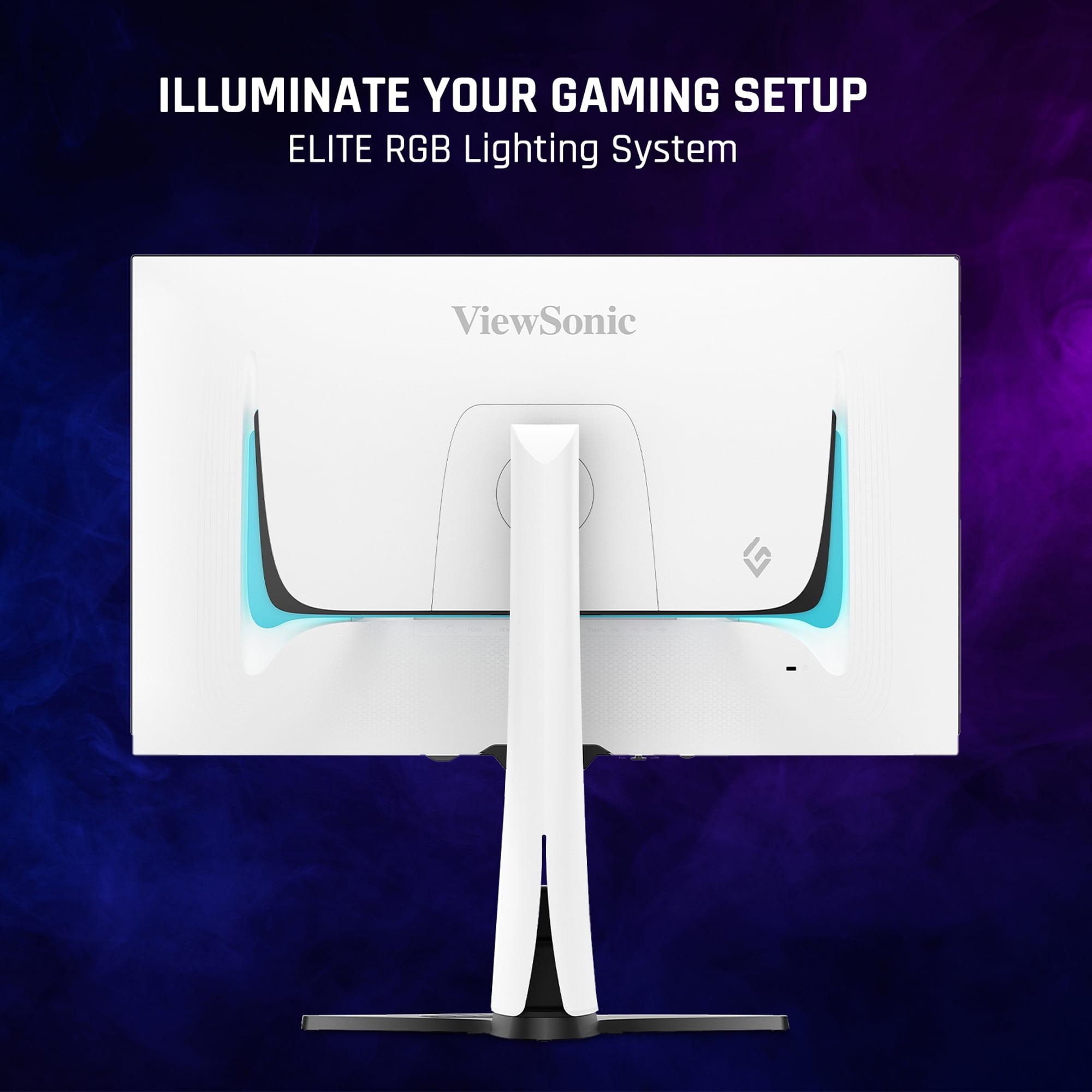
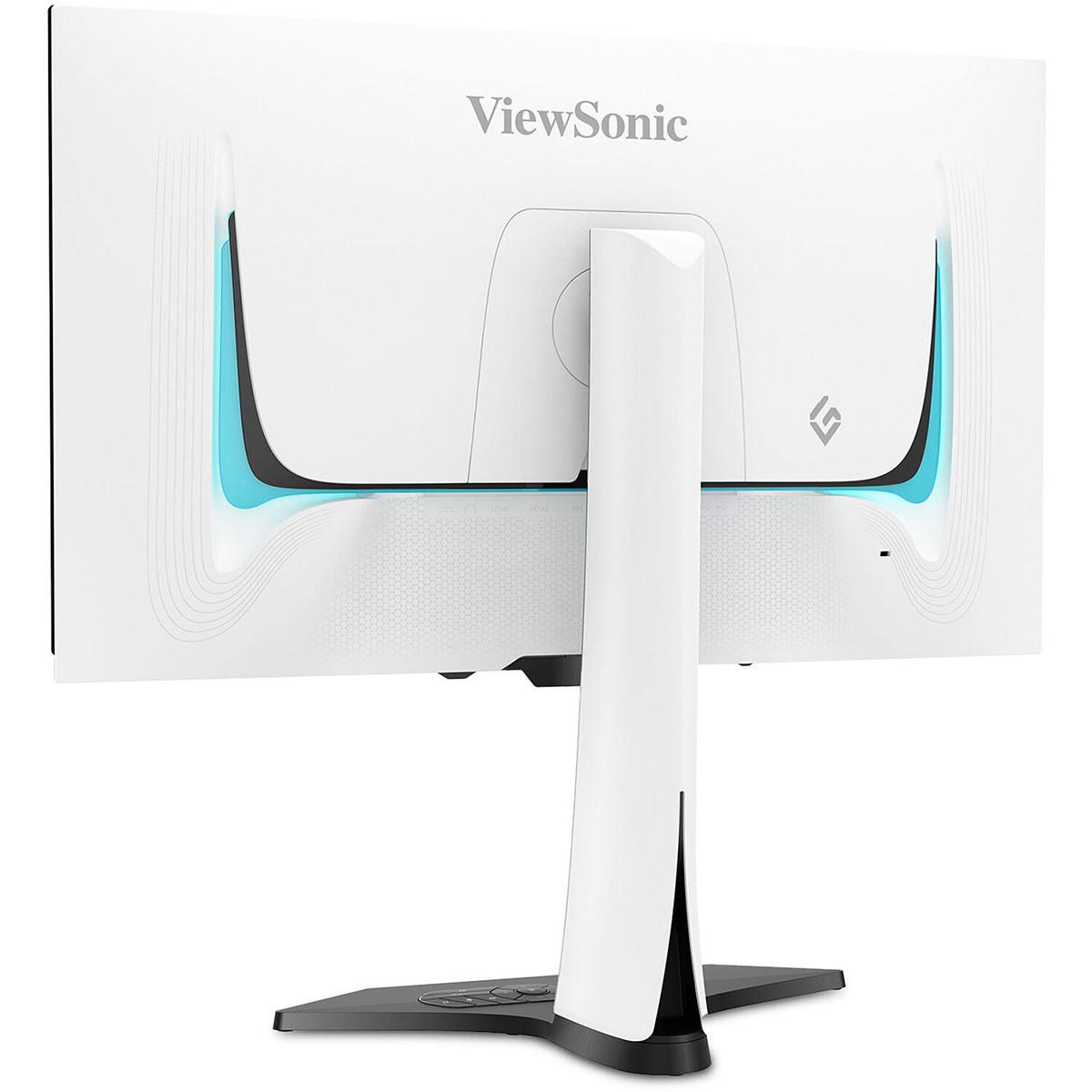
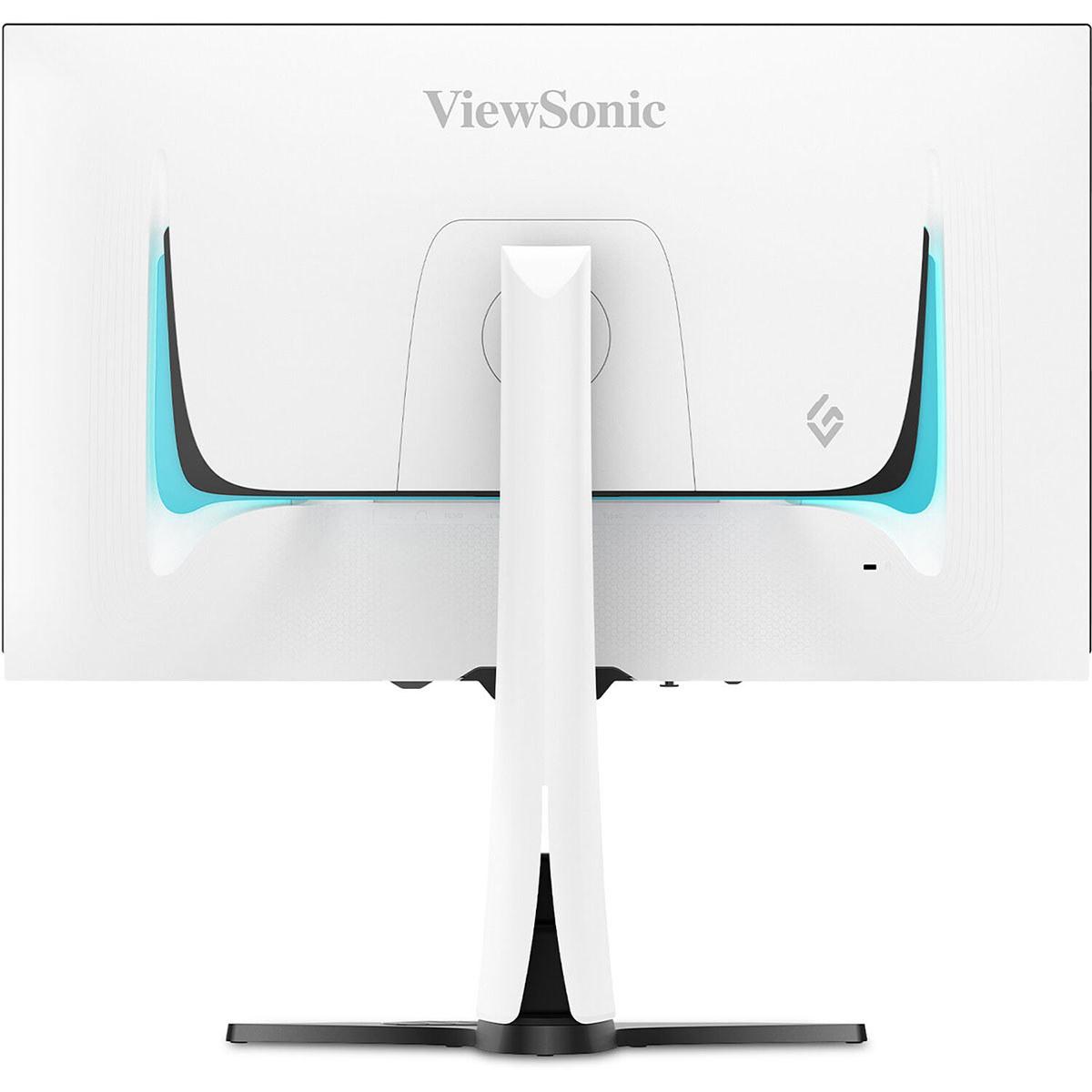
Both monitors feature premium build quality appropriate for their OLED technology, but with different design philosophies. The ViewSonic sports an attractive white chassis that stands out in modern gaming setups, complete with customizable RGB lighting and an included handheld remote for easy menu navigation.
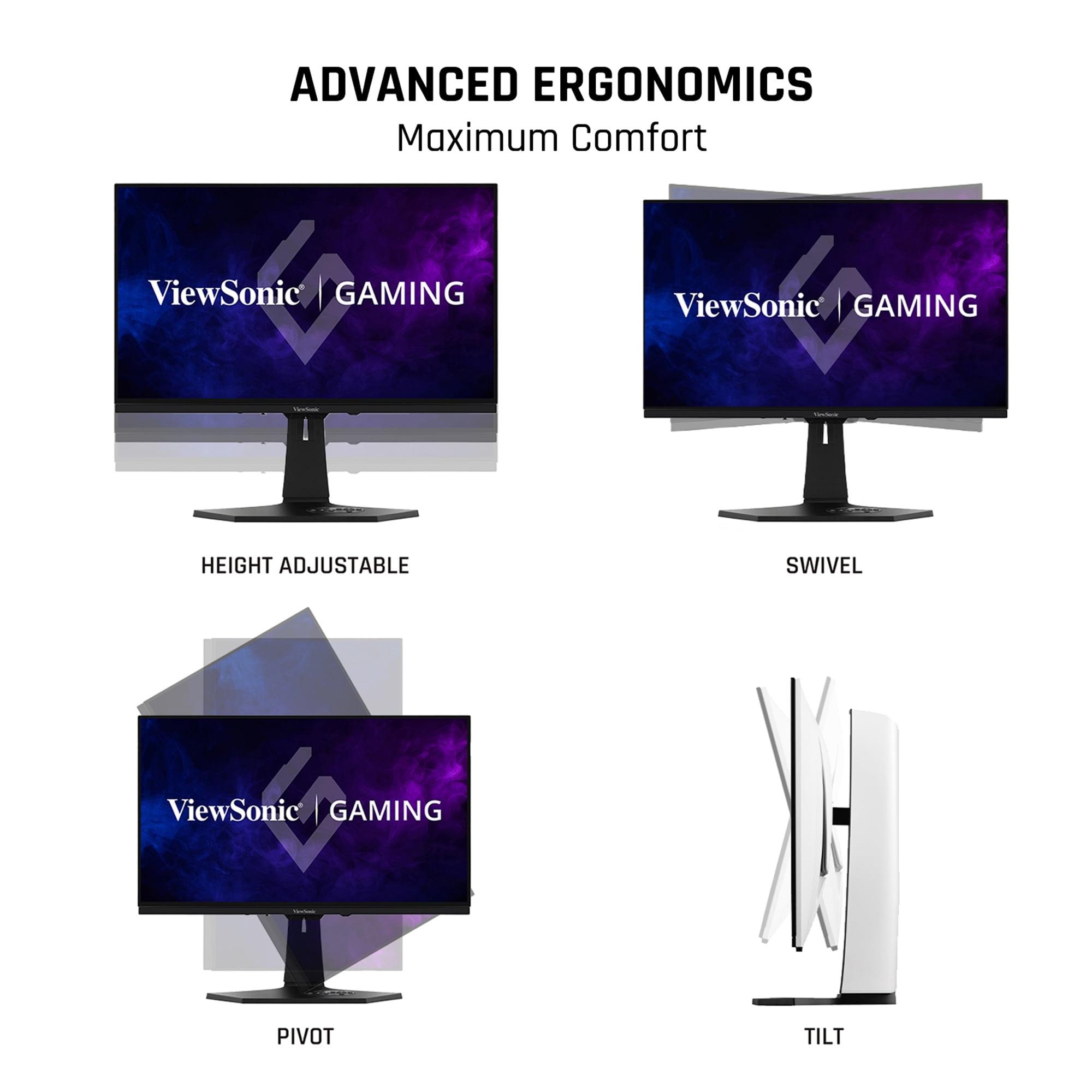
The AOC takes a more traditional approach with its black design and esports-focused ergonomics. Both offer full adjustment capabilities – height, tilt, swivel, and pivot – ensuring comfortable viewing angles for extended gaming sessions.
Anti-glare coatings on both monitors help reduce reflections, though this matte treatment slightly reduces color vibrancy compared to glossy OLED TVs. This represents a necessary compromise for monitor usage, where ambient light control is less predictable than in home theater environments.
At the time of writing, these monitors occupy very different price segments, with the AOC Agon Pro AG276QZD2 positioned as exceptional value in the OLED gaming space, while the ViewSonic XG272-2K-OLED commands premium pricing that reflects its advanced features and superior brightness.
The AOC's pricing represents a breakthrough in OLED accessibility, bringing quantum dot OLED technology to a price point that makes it competitive with high-end LCD gaming monitors. For competitive gamers focused purely on motion performance and contrast, it delivers 90% of premium OLED benefits at a significantly lower cost.
The ViewSonic justifies its premium positioning through superior brightness, advanced connectivity, and better versatility across different usage scenarios. The extra cost translates directly into expanded functionality and better performance in challenging conditions.
While primarily gaming monitors, both displays can serve double duty in entertainment setups, though with important limitations. The ViewSonic XG272-2K-OLED proves more suitable for movie watching thanks to its higher brightness, which helps HDR films display proper dynamic range.
However, both monitors lack the larger screen sizes and specialized TV features that dedicated home theater displays provide. The 27-inch size works well for desktop viewing but feels small for couch-based entertainment. Additionally, neither monitor includes smart TV functionality, requiring external streaming devices.
For compact spaces where a single display must handle both gaming and entertainment duties, the ViewSonic represents the better compromise, though dedicated home theater enthusiasts should consider larger OLED TVs with gaming modes instead.
After extensive use with both displays, I can recommend specific scenarios where each monitor excels:
Choose the ViewSonic XG272-2K-OLED if you:
Choose the AOC Agon Pro AG276QZD2 if you:
Both the ViewSonic XG272-2K-OLED and AOC Agon Pro AG276QZD2 represent excellent examples of OLED gaming technology, but they serve distinctly different users and scenarios. The AOC democratizes OLED gaming, offering incredible performance at unprecedented value, while the ViewSonic provides premium features and superior versatility for users who need maximum functionality.
For pure competitive gaming in optimal lighting conditions, both perform identically where it matters most. However, the ViewSonic's brightness advantage becomes increasingly important as you expand beyond this narrow use case. If you can only afford one monitor for all your computing needs, the extra versatility often justifies the premium cost.
The AOC excels as a specialized gaming display that happens to be exceptionally affordable, while the ViewSonic succeeds as a comprehensive display solution that excels at gaming among many other tasks. Your choice should align with both your budget and how you actually use your monitor day to day.
| ViewSonic XG272-2K-OLED | AOC Agon Pro AG276QZD2 |
|---|---|
| Panel Technology - Affects color reproduction and brightness capabilities | |
| W-OLED with color filters (more accurate, professional colors) | QD-OLED with quantum dots (more saturated, vivid colors) |
| Brightness - Critical for HDR performance and bright room usage | |
| 450 nits (excellent for most lighting conditions and HDR) | ~250 nits (requires dim/dark rooms for optimal contrast) |
| Response Time - Speed for competitive gaming | |
| 0.01ms pixel / 0.02ms GTG (virtually instant) | 0.03ms GTG (virtually instant) |
| HDR Performance - Enhanced visual experience in games and movies | |
| HDR10 with class-leading brightness for 27" OLED | HDR10 + DisplayHDR True Black 400 (limited by brightness) |
| Connectivity - Future-proofing and device compatibility | |
| 2x HDMI 2.1, 2x DP 1.4, USB-C + KVM switch | 2x HDMI 2.0, 2x DP 1.4, USB 3.2 hub |
| Color Coverage - Important for content creation and gaming | |
| 97% DCI-P3, 137% sRGB (professional accuracy) | 99% DCI-P3, 98% Adobe RGB (vivid reproduction) |
| Special Features - Added value and convenience | |
| OSD remote, RGB lighting, burn-in protection | RGB LightFX, AOC G-Menu software, esports ergonomics |
| Build Quality - Design and adjustability | |
| Premium white chassis, full ergonomic adjustments | Traditional black design, esports-optimized base |
| Warranty Coverage - Protection for OLED investment | |
| 3-year standard warranty including burn-in protection | 3-year warranty including burn-in coverage |
| Value Proposition - Who this monitor targets | |
| Premium features justify higher cost for versatile users | Exceptional OLED value for budget-conscious gamers |
| Best Use Cases - Where each monitor excels | |
| Bright rooms, HDR gaming, multi-device setups, content creation | Dark room gaming, competitive esports, maximum value |
Both the ViewSonic XG272-2K-OLED and AOC Agon Pro AG276QZD2 deliver virtually identical gaming performance where it matters most. They both feature 240Hz refresh rates, near-instantaneous response times (0.01-0.03ms), and support for FreeSync and G-Sync compatibility. For competitive gaming, motion clarity, and input lag, you won't notice any meaningful difference between these two OLED monitors.
The biggest difference is brightness capability. The ViewSonic XG272-2K-OLED produces 450 nits compared to the AOC Agon Pro AG276QZD2's 250 nits. This means the ViewSonic works much better in bright rooms and delivers superior HDR performance, while the AOC requires darker environments to maintain its contrast advantage.
The ViewSonic XG272-2K-OLED is significantly better for HDR gaming due to its higher brightness output. While both monitors support HDR10, the ViewSonic's 450 nits allows for more impactful highlights and better dynamic range. The AOC monitor's lower brightness limits its HDR effectiveness, making HDR content appear similar to well-calibrated SDR.
No, only the ViewSonic XG272-2K-OLED handles bright rooms well. Its 450 nits brightness maintains contrast and color accuracy even with ambient light. The AOC Agon Pro AG276QZD2 at 250 nits will appear washed out in bright conditions, with blacks turning gray as they reflect room lighting.
The AOC Agon Pro AG276QZD2 offers exceptional value, bringing QD-OLED technology to a much more affordable price point while delivering 90% of premium OLED gaming performance. The ViewSonic XG272-2K-OLED costs significantly more but justifies the premium with superior brightness, advanced connectivity, and better versatility.
The ViewSonic XG272-2K-OLED offers more advanced connectivity with HDMI 2.1 ports, USB-C with power delivery, and built-in KVM switch functionality for seamless device switching. The AOC Agon Pro AG276QZD2 provides basic connectivity with HDMI 2.0 and standard USB hub features, which is adequate for most gaming setups but less future-proof.
Both excel in different ways. The ViewSonic XG272-2K-OLED with W-OLED technology provides more professional, accurate colors suitable for content creation. The AOC Agon Pro AG276QZD2 with QD-OLED delivers more saturated, vivid colors that many gamers prefer for their visual impact, though they're less suitable for color-critical work.
Yes, both work with consoles, but the ViewSonic XG272-2K-OLED is better suited due to its HDMI 2.1 ports supporting full 4K 120Hz for PS5 and Xbox Series X. The AOC monitor's HDMI 2.0 ports limit console performance and don't support the latest gaming features at full resolution.
In completely dark rooms, both the ViewSonic XG272-2K-OLED and AOC Agon Pro AG276QZD2 deliver excellent performance with perfect blacks and infinite contrast. However, the AOC's more saturated QD-OLED colors may appear more visually striking in dark environments, while the ViewSonic offers better versatility if you ever change your lighting setup.
Yes, both the ViewSonic XG272-2K-OLED and AOC Agon Pro AG276QZD2 include comprehensive burn-in prevention features like pixel shifting, automatic dimming when idle, and usage reminders. Both also come with 3-year warranties that cover OLED burn-in, providing peace of mind for long-term ownership.
For pure competitive gaming performance, both the ViewSonic XG272-2K-OLED and AOC Agon Pro AG276QZD2 are essentially identical. The choice comes down to budget and room conditions. If you game in dark rooms and want maximum value, choose the AOC. If you need versatility for different lighting or use cases, the ViewSonic is worth the premium.
The ViewSonic XG272-2K-OLED is significantly better for movies due to its higher brightness enabling proper HDR playback. While both have perfect blacks ideal for cinema content, the AOC Agon Pro AG276QZD2's limited brightness makes HDR movies less impactful. However, at 27 inches, both are better suited for desktop viewing rather than dedicated home theater setups.
We've done our best to create useful and informative comparisons to help you decide what product to buy. Our research uses advanced automated methods to create this comparison and perfection is not possible - please contact us for corrections or questions. These are the sites we've researched in the creation of this article: tomshardware.com - viewsonic.com - cgmagonline.com - bhphotovideo.com - forums.blurbusters.com - pangoly.com - youtube.com - rtings.com - youtube.com - bhphotovideo.com - viewsonic.com - assetserver.net - viewsonic.com - viewsonic.com - colamco.com - viewsonic.com - store.connectcause.com - displayspecifications.com - bhphotovideo.com - manuals.viewsonic.com - viewsonic.com - pangoly.com - visioncomputers.com - bestbuy.com - tomshardware.com - techpowerup.com - tomshardware.com - aoc.com - tftcentral.co.uk - aoc.com - rtings.com - bestbuy.com - youtube.com - displayspecifications.com - aoc.com - microcenter.com - guru3d.com

Privacy Policy
Terms and Conditions - Affiliate Policy
Home Security
© Copyright 2008-2026.
11816 Inwood Rd #1211, Dallas, TX 75244