




When OLED technology finally made its way to PC gaming monitors in 2022, it transformed what we expected from our displays. Gone were the days of choosing between fast response times and beautiful colors. These new panels offered both, along with perfect blacks that make games look more cinematic than ever before. Today, we're comparing two standout models that represent different approaches to OLED gaming excellence: the ViewSonic XG272-2K-OLED and the LG UltraGear 27" OLED.
OLED stands for Organic Light-Emitting Diode, which is a fancy way of saying each pixel creates its own light. Unlike traditional LCD monitors that use a backlight (imagine a flashlight shining through a colored filter), OLED pixels can turn completely off to create true black. This technology creates incredibly vibrant colors and contrast ratios that make games pop off the screen.
For gaming, this translates to several key advantages. Dark areas in games like horror titles or space sims look genuinely dark instead of grayish. Bright explosions and muzzle flashes have more impact. Most importantly for competitive gaming, OLED pixels can change states almost instantaneously – we're talking about response times measured in hundredths of milliseconds.
The main things to consider when shopping for an OLED gaming monitor are refresh rate (how many times per second the screen updates), response time (how quickly pixels can change), brightness levels, connectivity options, and burn-in prevention features. Let's dive into how our two contenders stack up.
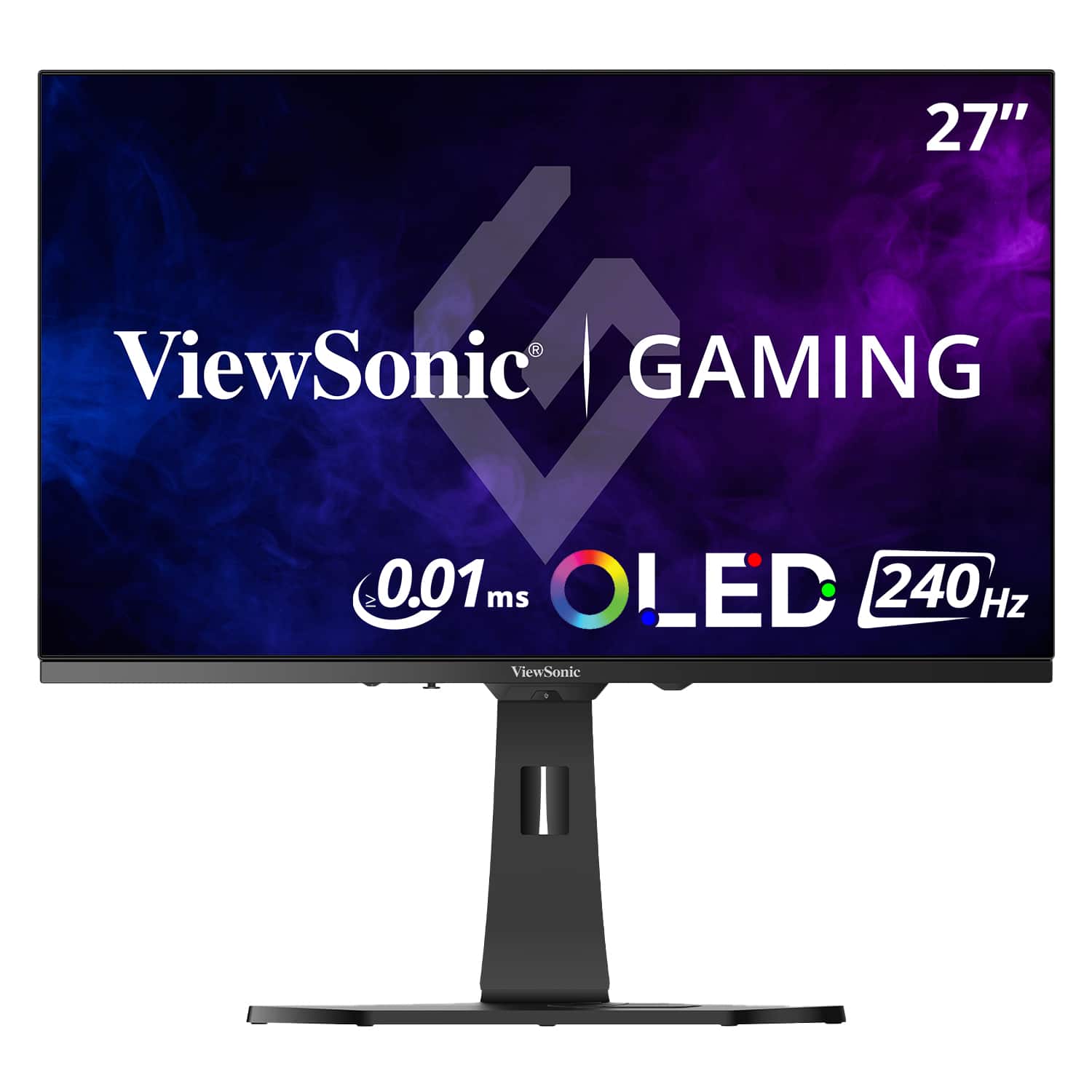
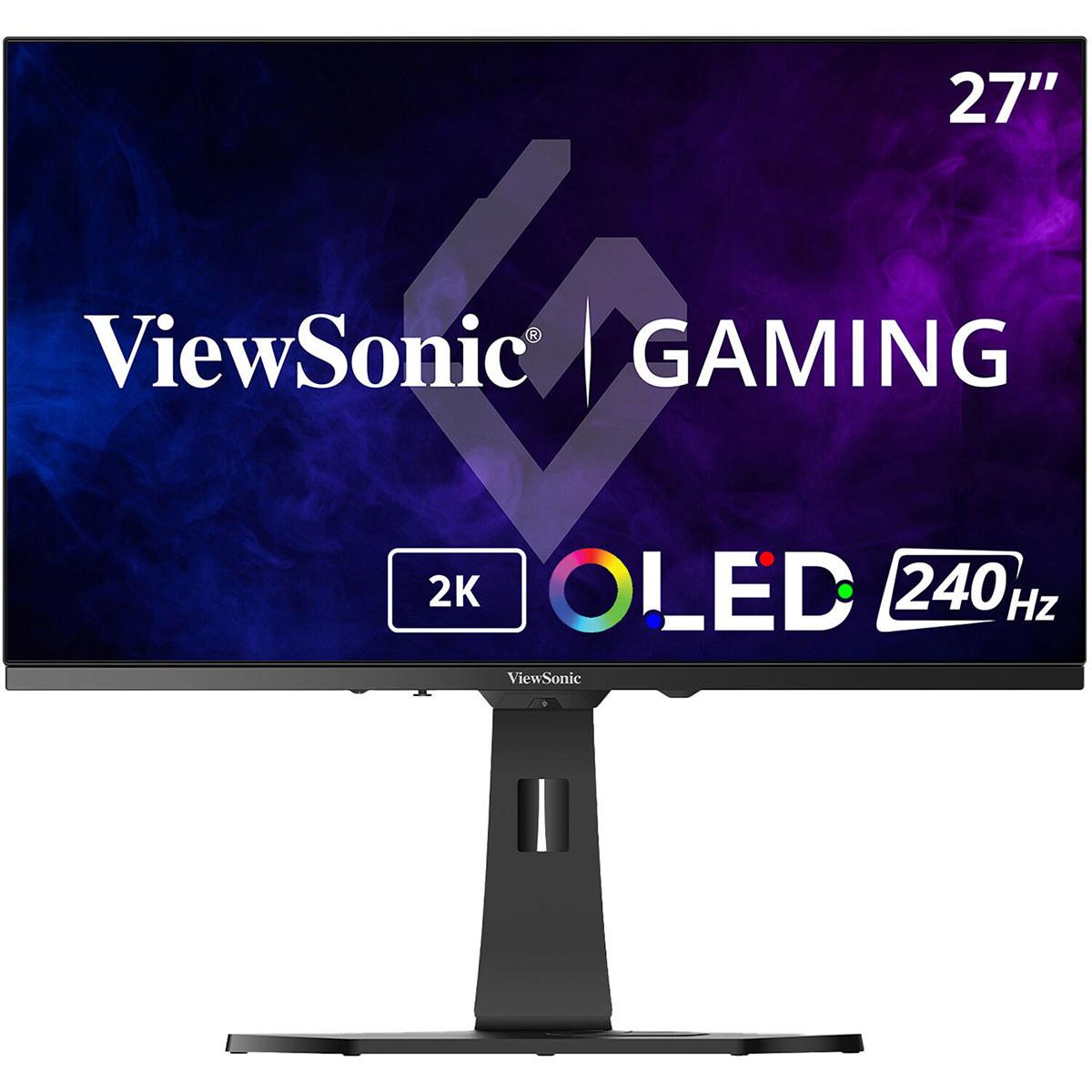
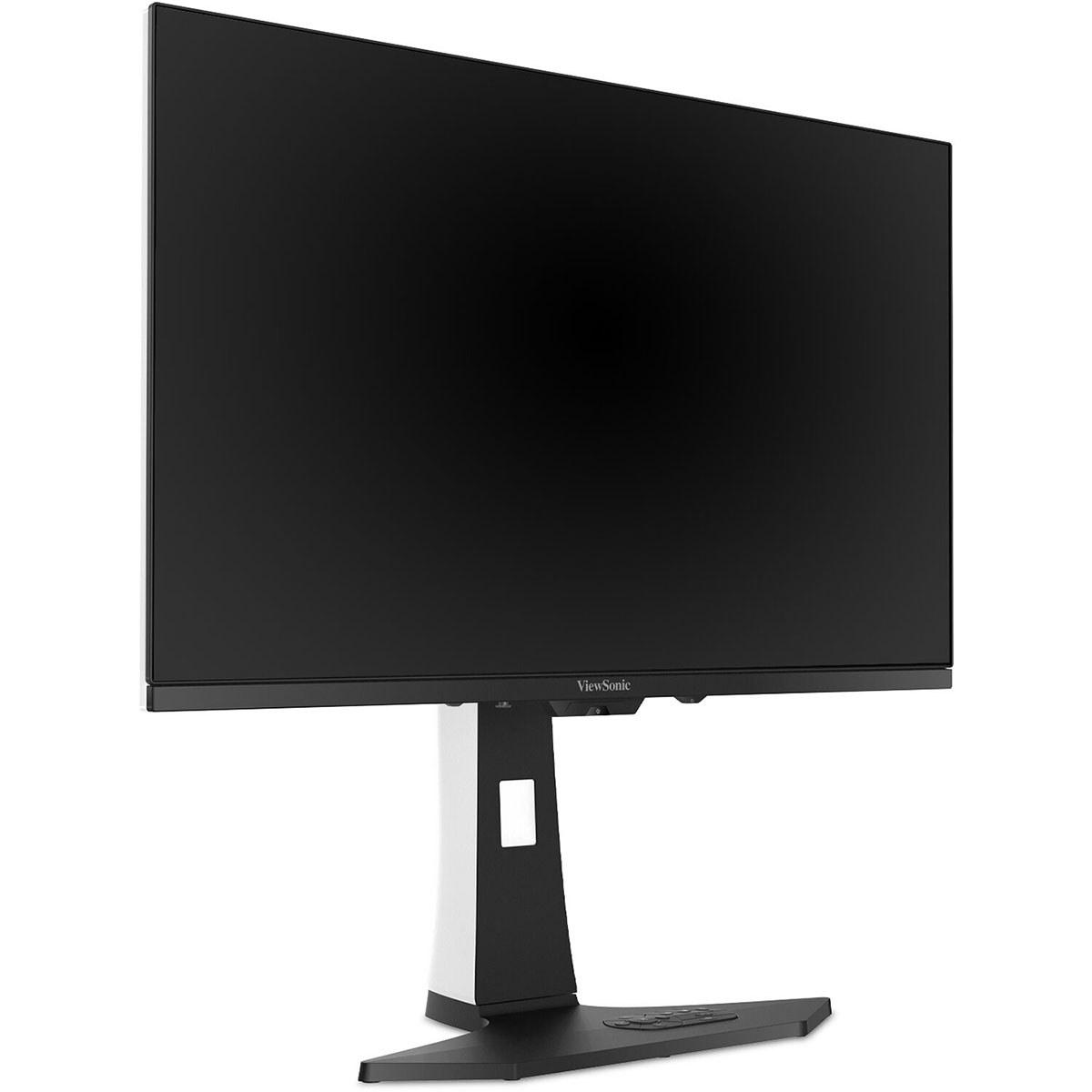
The ViewSonic XG272-2K-OLED, released in 2024, takes a premium approach. At the time of writing, it commands a higher price point but delivers a more complete package with aesthetic flourishes and convenience features. ViewSonic has positioned this as a monitor that looks as good on your desk as it performs in games.
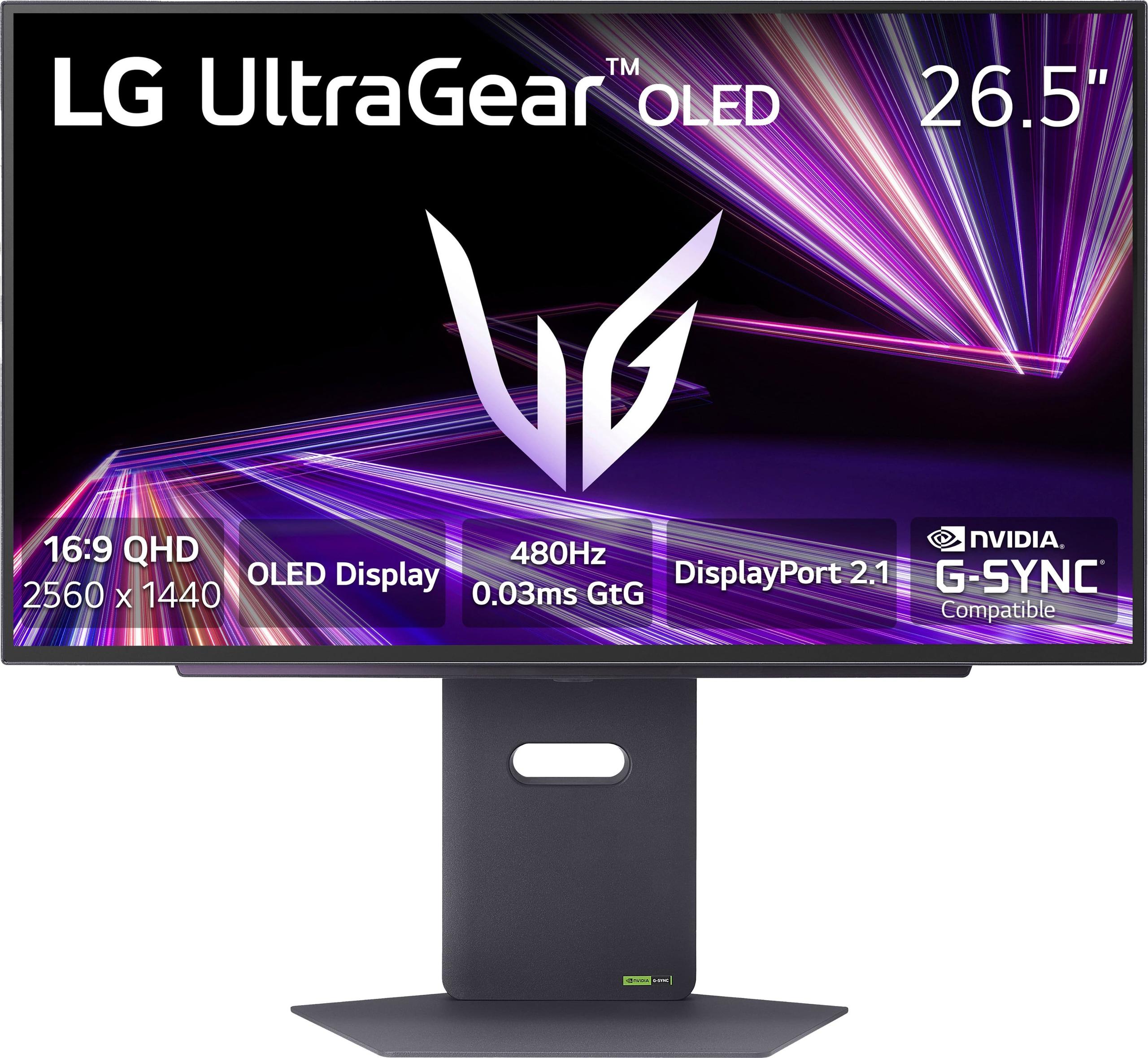
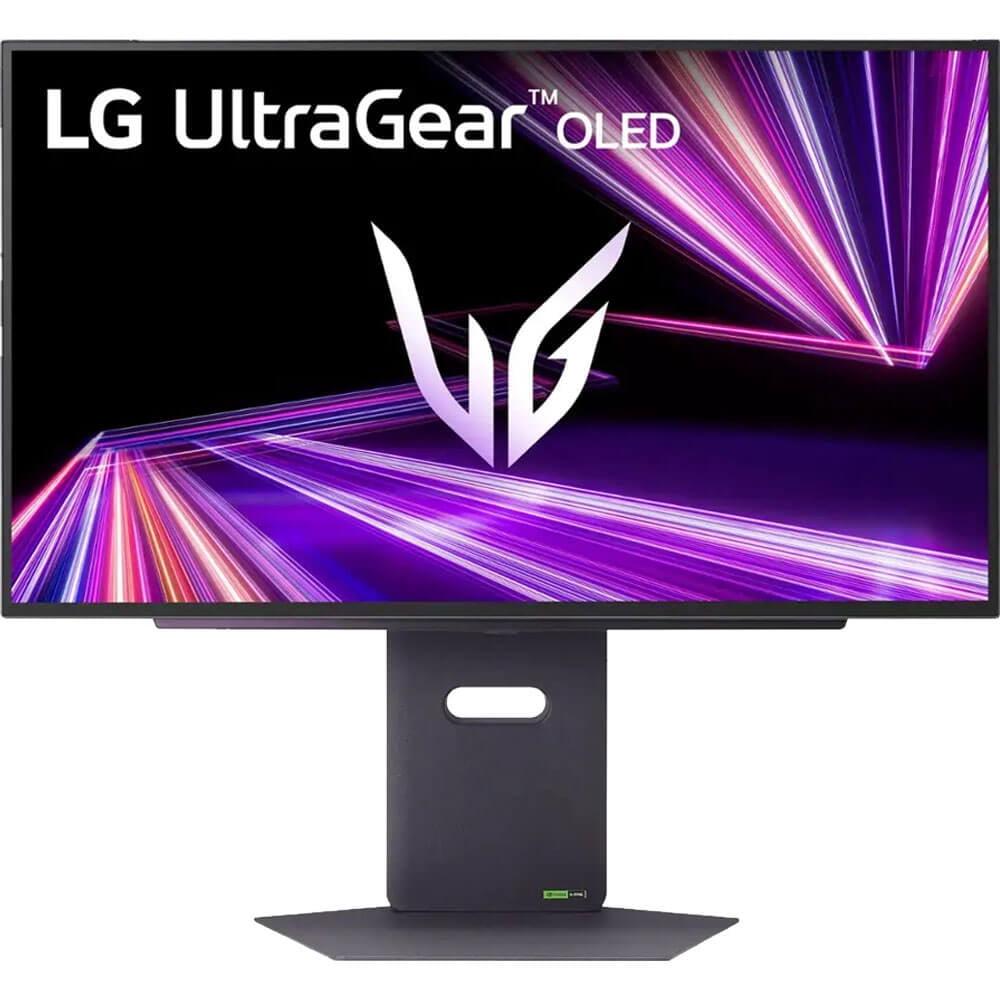
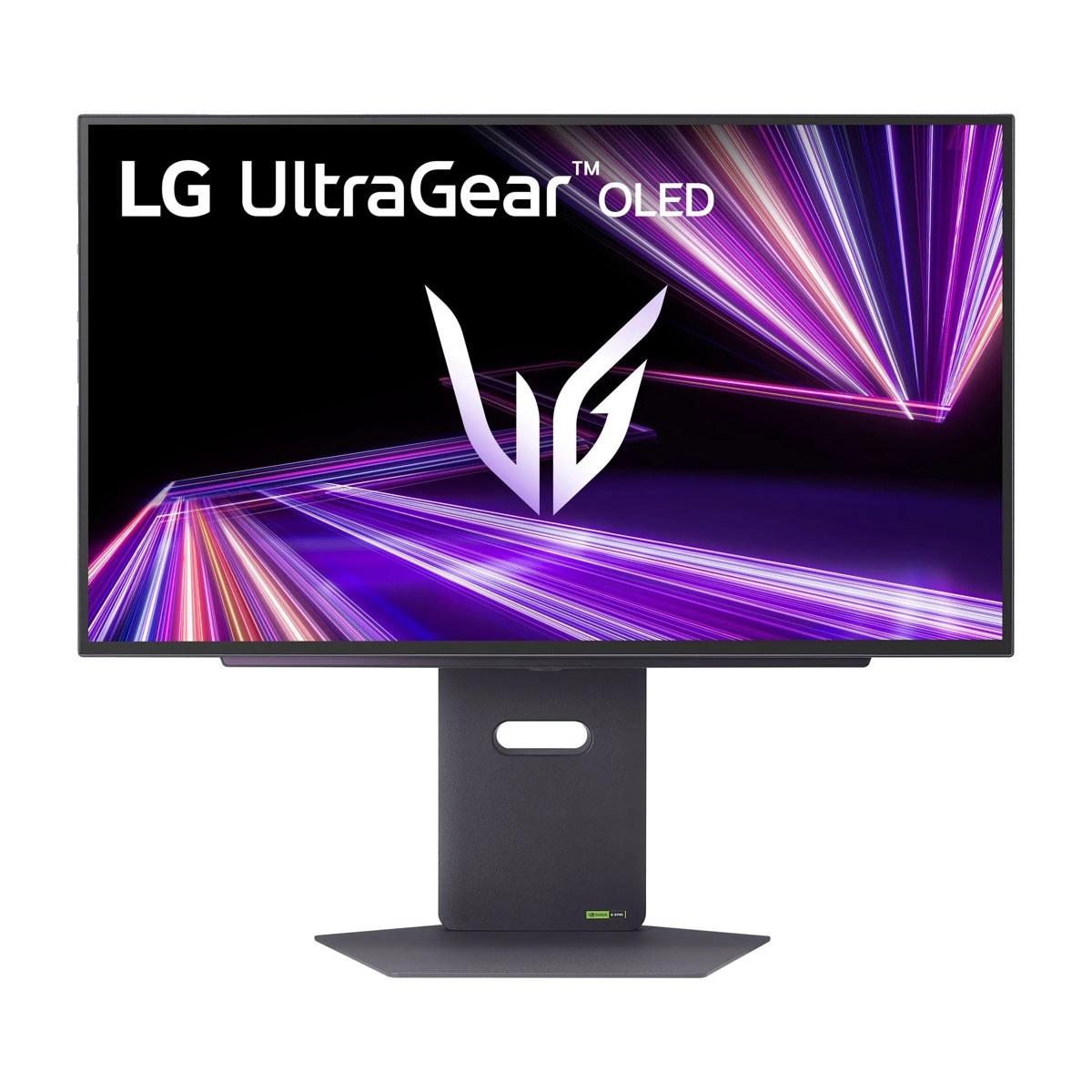
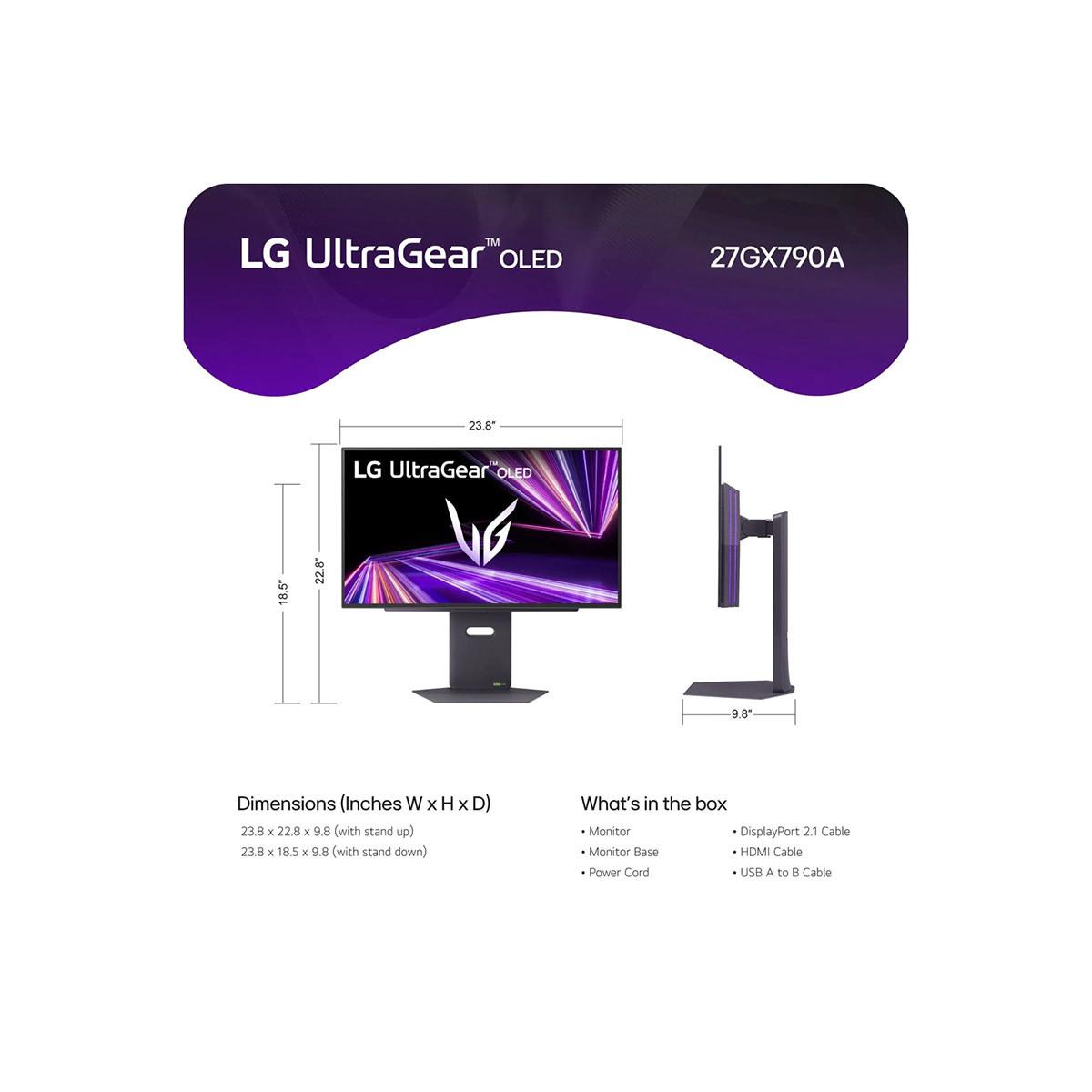
The LG UltraGear 27" OLED, also arriving in 2024, takes a different route. LG focused on pushing the absolute limits of refresh rate technology, creating what was the fastest 27-inch QHD OLED monitor available at launch. It typically costs less than the ViewSonic while delivering superior raw performance – a compelling proposition for serious gamers.
Both monitors represent the latest generation of OLED gaming technology, benefiting from improved manufacturing processes and burn-in prevention features that weren't available in earlier OLED panels.
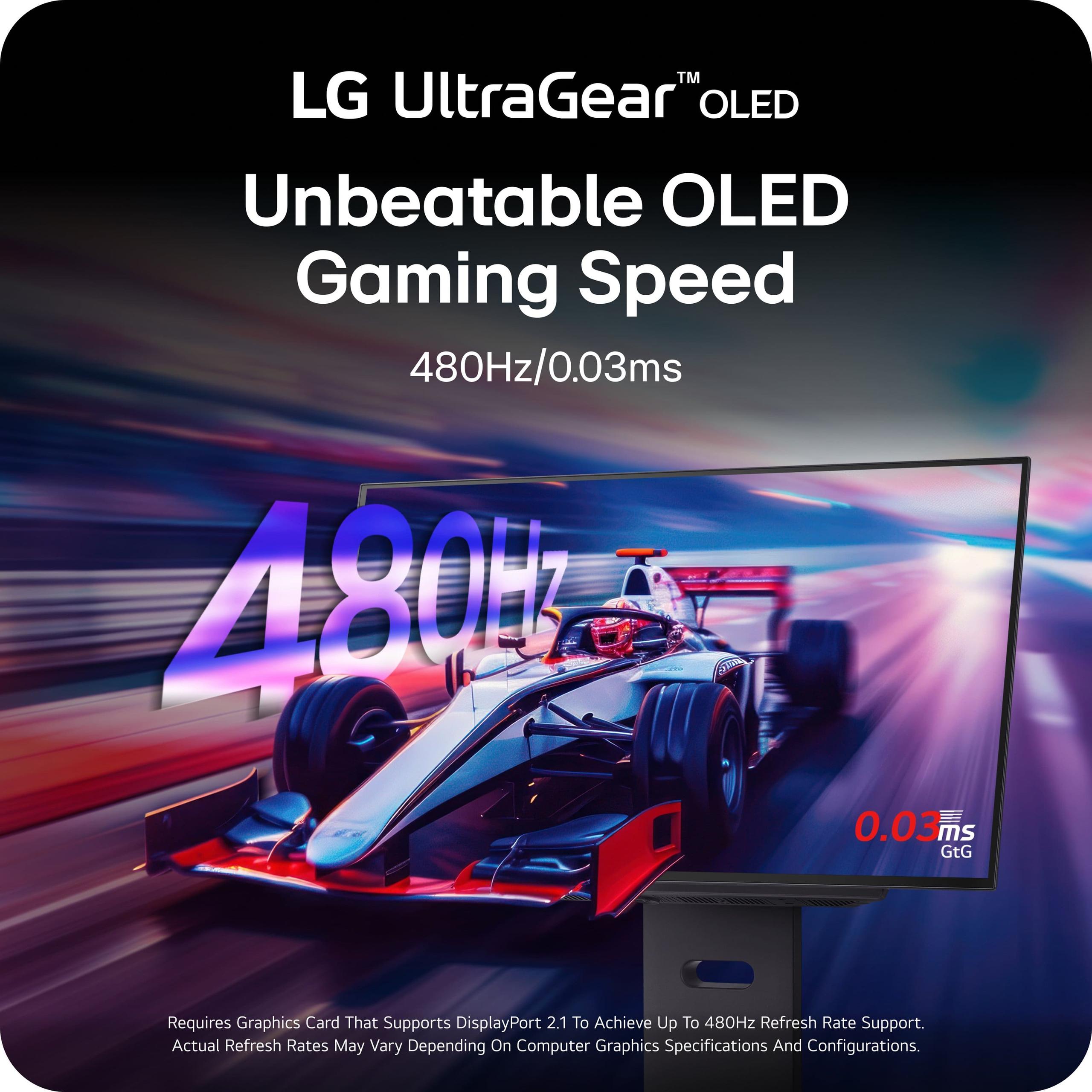
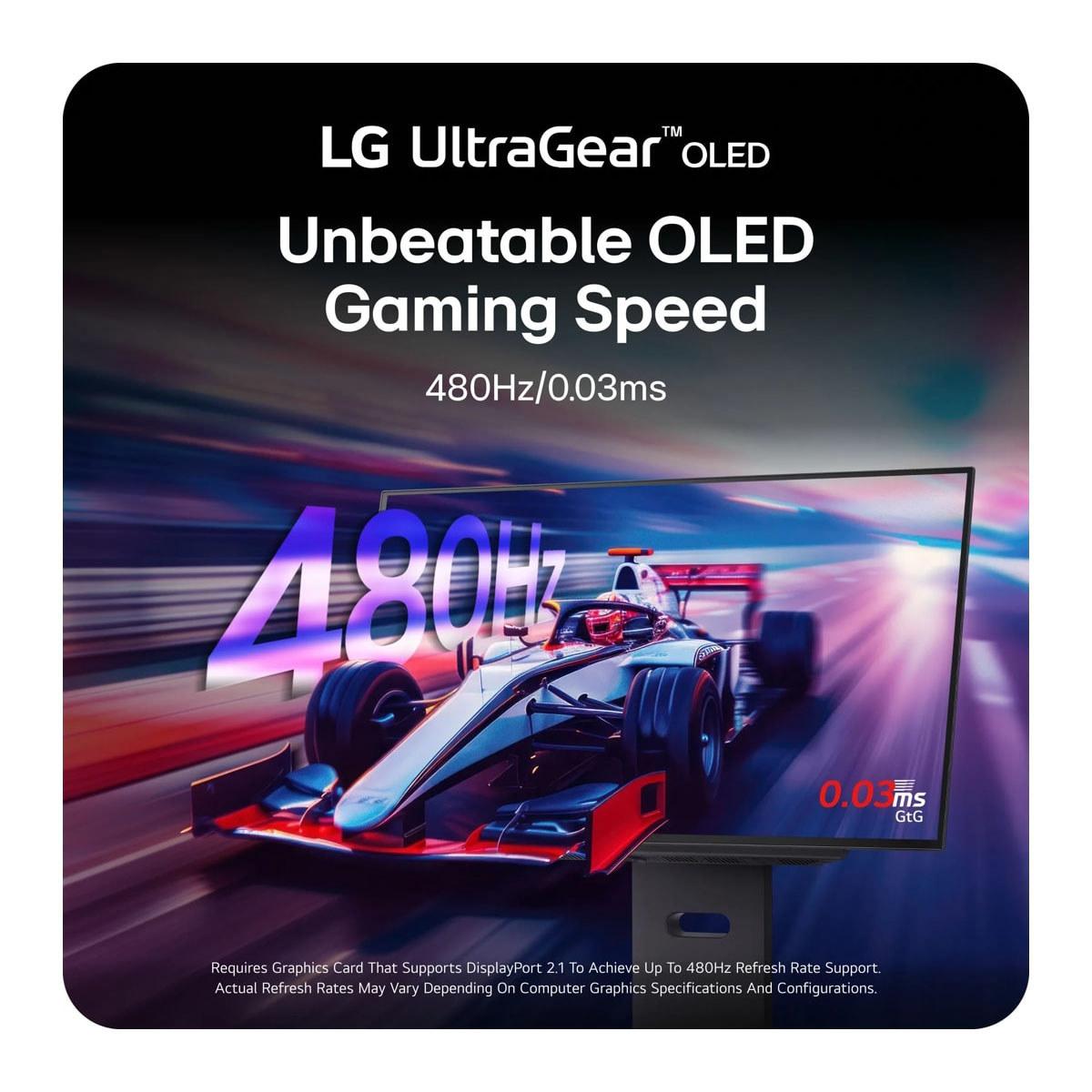
Here's where these monitors diverge most dramatically. The LG UltraGear runs at 480Hz, while the ViewSonic operates at 240Hz. To understand what this means, think of refresh rate as how many individual pictures your monitor can show each second. Higher refresh rates create smoother motion, especially in fast-paced games.
The difference between 240Hz and 480Hz is substantial in competitive gaming scenarios. When tracking enemies in first-person shooters like Counter-Strike or Valorant, that extra smoothness can provide a real advantage. Your mouse movements translate to on-screen action with less delay, and fast-moving objects appear clearer.
However, there's a crucial caveat: your computer needs to generate enough frames to match the monitor's capabilities. Running games at 480 frames per second at 1440p resolution requires serious hardware – we're talking RTX 4080 or RTX 4090 graphics cards paired with high-end processors. The ViewSonic's 240Hz target is more achievable with mid-to-high-end gaming PCs.
In practical terms, if you're playing competitive esports titles and have the hardware to push those frame rates, the LG's 480Hz advantage is noticeable. For most other gaming scenarios, including single-player adventures or strategy games, the difference becomes less meaningful.
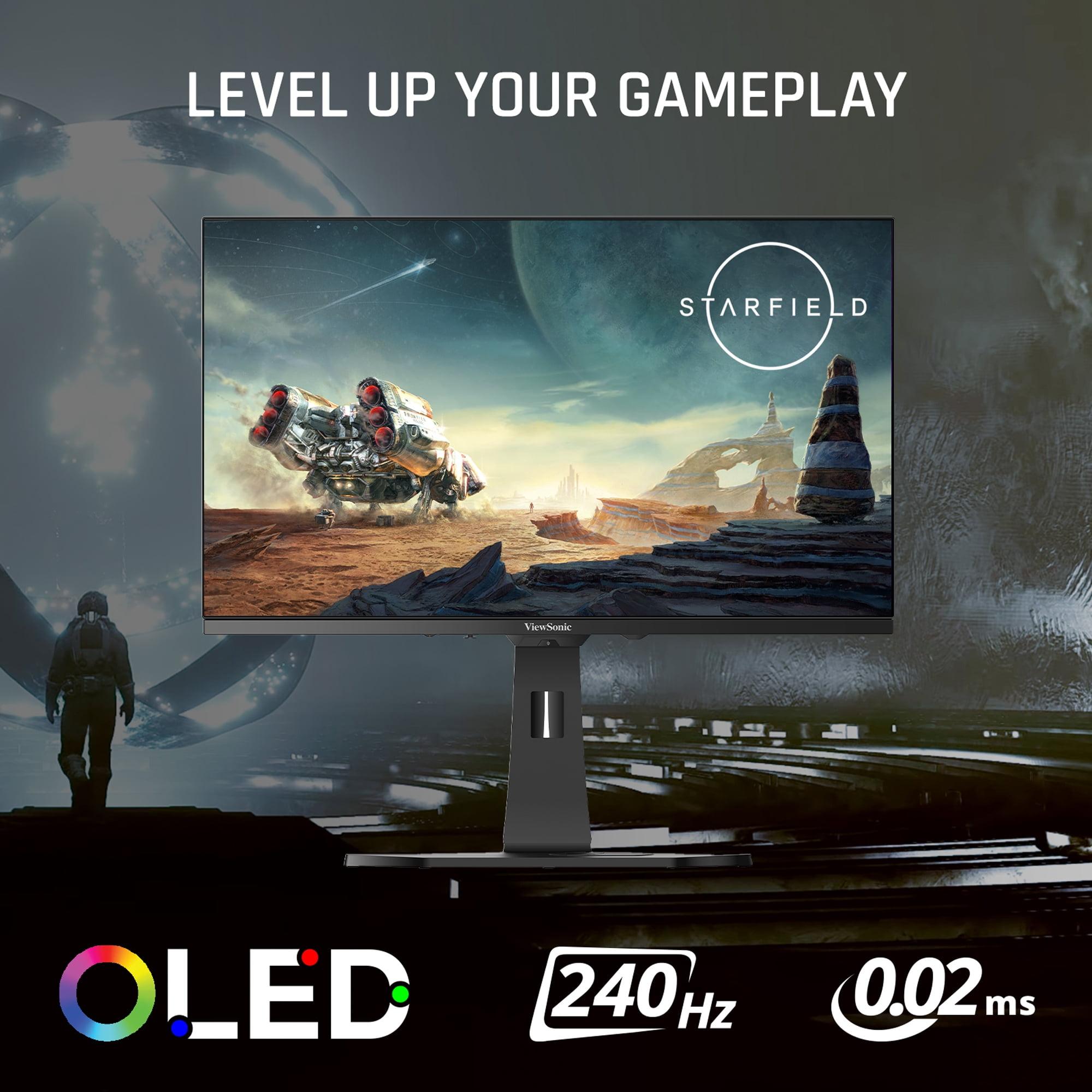
Response time measures how quickly a pixel can change from one color to another, typically measured in gray-to-gray (GtG) transitions. Both monitors excel here, with the ViewSonic achieving 0.01ms pixel response time and the LG hitting 0.03ms GtG.
To put this in perspective, a blink of an eye takes about 300 milliseconds. We're talking about differences measured in tiny fractions of that time. In real-world gaming, both monitors eliminate motion blur and ghosting (when fast-moving objects leave trails). You won't notice the difference between 0.01ms and 0.03ms during actual gameplay.
What matters more is that both monitors completely eliminate the motion blur that plagued older LCD gaming monitors. Fast-paced games look incredibly crisp, with moving objects maintaining sharp definition even during rapid camera movements or high-speed chases.
OLED monitors traditionally struggle with peak brightness compared to high-end LCD displays, but both monitors handle this challenge differently. The ViewSonic delivers 450 nits of brightness consistently across the entire screen, which works well for most gaming scenarios and performs better in brightly lit rooms.
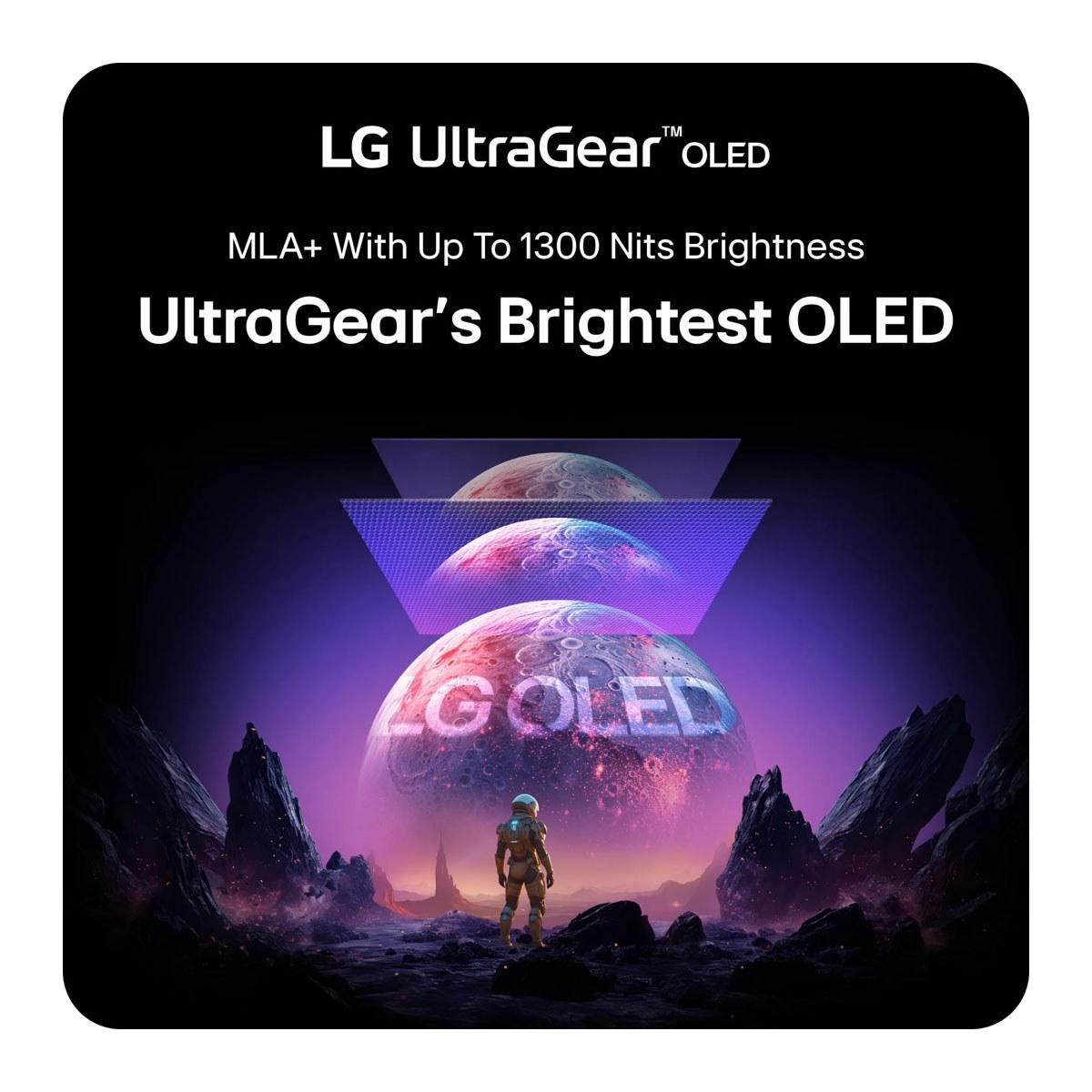
The LG uses Micro Lens Array+ (MLA+) technology to boost brightness in specific areas up to 1,300 nits. This creates more dramatic HDR highlights – think of the sun reflecting off water or bright explosions – but the overall screen brightness is lower than the ViewSonic in typical use.
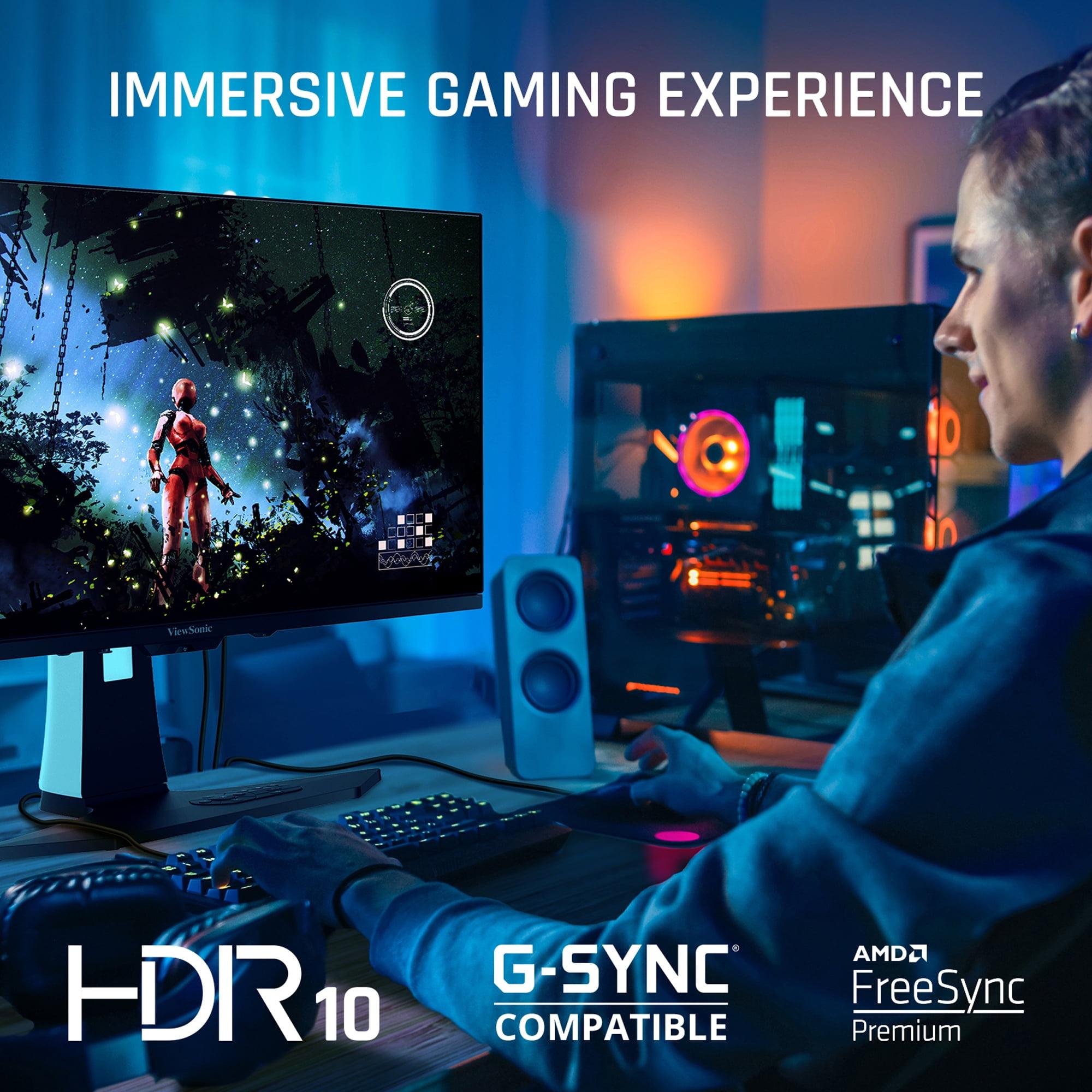
For HDR gaming, both monitors support different standards. The ViewSonic handles HDR10, while the LG is VESA DisplayHDR True Black 400 certified. Both create the deep blacks and bright highlights that make HDR content more immersive, though the LG's peak brightness advantage shows up more in specific HDR scenarios.
If you game in a bright room with windows, the ViewSonic's consistent brightness gives it an edge. For darkroom gaming where you want maximum drama in HDR content, the LG's peak brightness capabilities shine.
Color reproduction on both monitors is excellent, covering wide color gamuts that display more colors than standard monitors. The ViewSonic covers 97% of the DCI-P3 color space (the standard used in digital cinema) and 137% of sRGB (the standard for web content and older games). The LG pushes slightly higher with 98.5% DCI-P3 coverage.
In practical terms, both monitors make games look vibrant and lifelike. The ViewSonic tends toward slightly more saturated colors out of the box, while the LG offers more accurate color reproduction for professional work. However, both can be calibrated to achieve excellent color accuracy.
The ViewSonic uses a matte coating that reduces reflections but can make colors appear slightly less vibrant than glossy screens. The LG also uses an anti-glare coating that strikes a good balance between reflection control and color vibrancy.
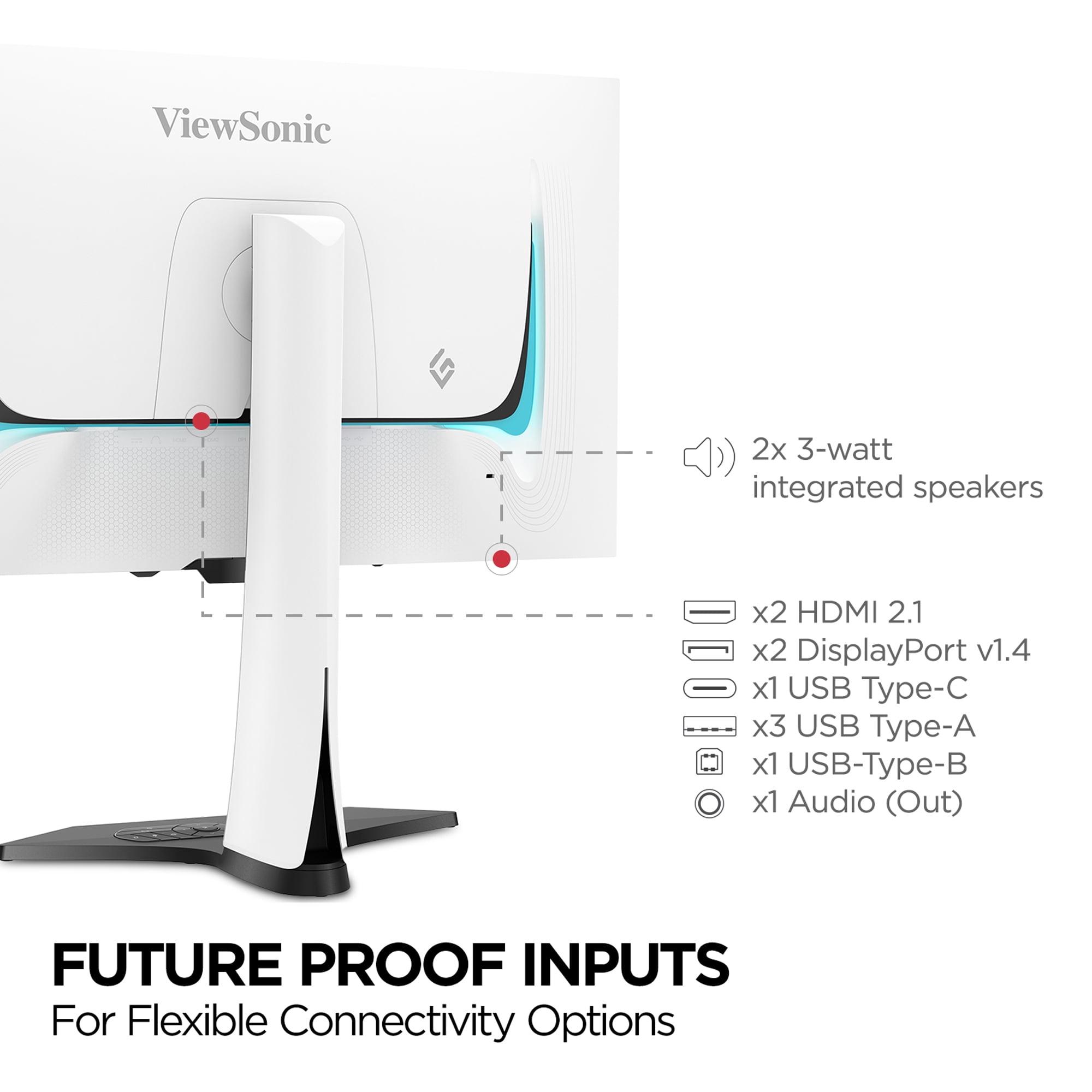
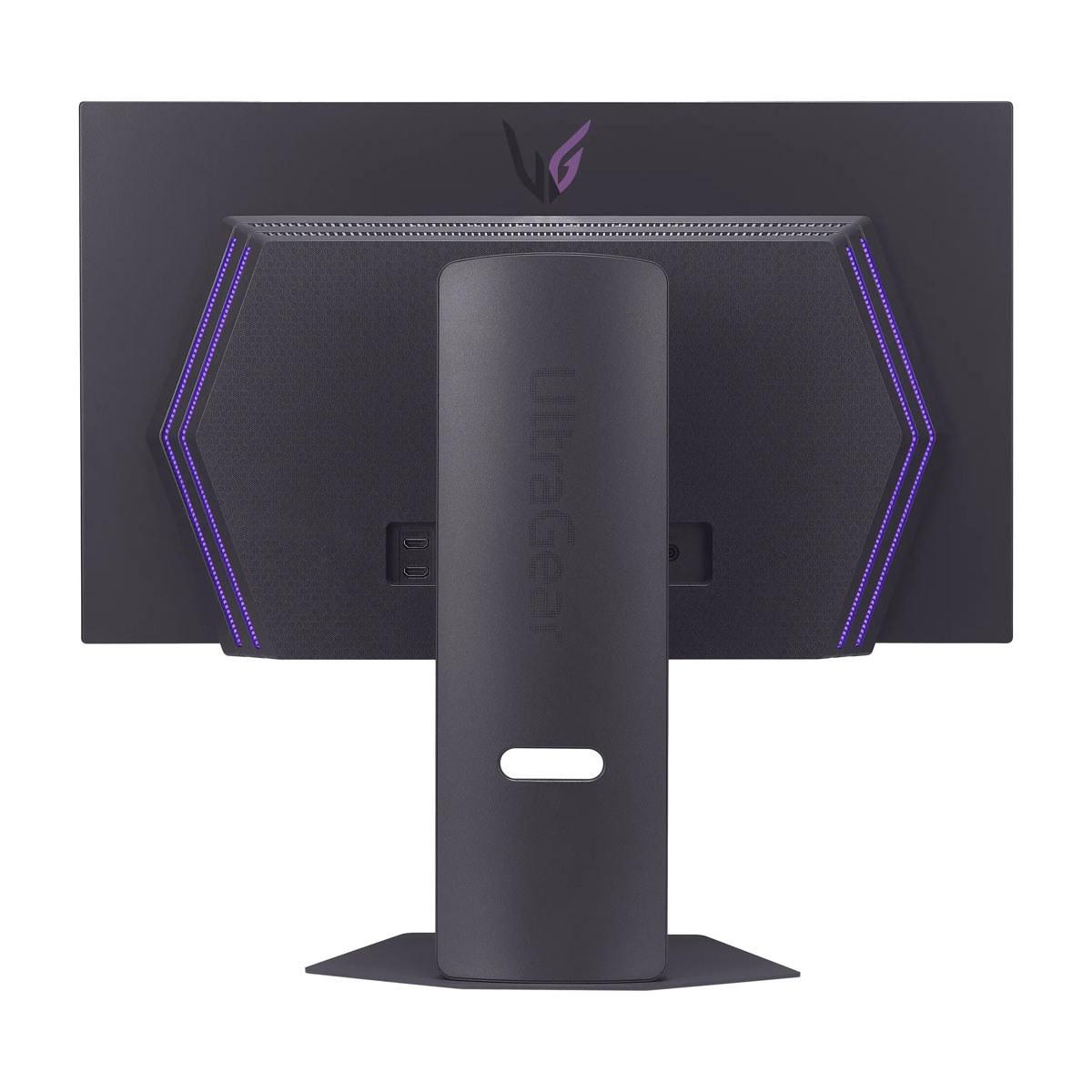
This is where the LG UltraGear pulls ahead significantly. While both monitors include multiple HDMI 2.1 ports for next-gen console compatibility, the LG includes DisplayPort 2.1 – a major advantage for PC gaming.
DisplayPort 2.1 offers much higher bandwidth than the DisplayPort 1.4 ports on the ViewSonic. This means the LG can run at its full 480Hz refresh rate without compression artifacts, and it's better prepared for future graphics cards that might push even higher resolutions or refresh rates.
The ViewSonic includes more convenience features like USB-C connectivity with power delivery, allowing you to connect and charge laptops with a single cable. It also includes a USB hub for connecting peripherals directly to the monitor.
For console gaming, both monitors work excellently with PlayStation 5 and Xbox Series X, though neither console can fully utilize the high refresh rates these monitors offer. The adaptive sync technologies (G-Sync and FreeSync) ensure smooth gameplay by matching the monitor's refresh rate to your graphics card's frame output.
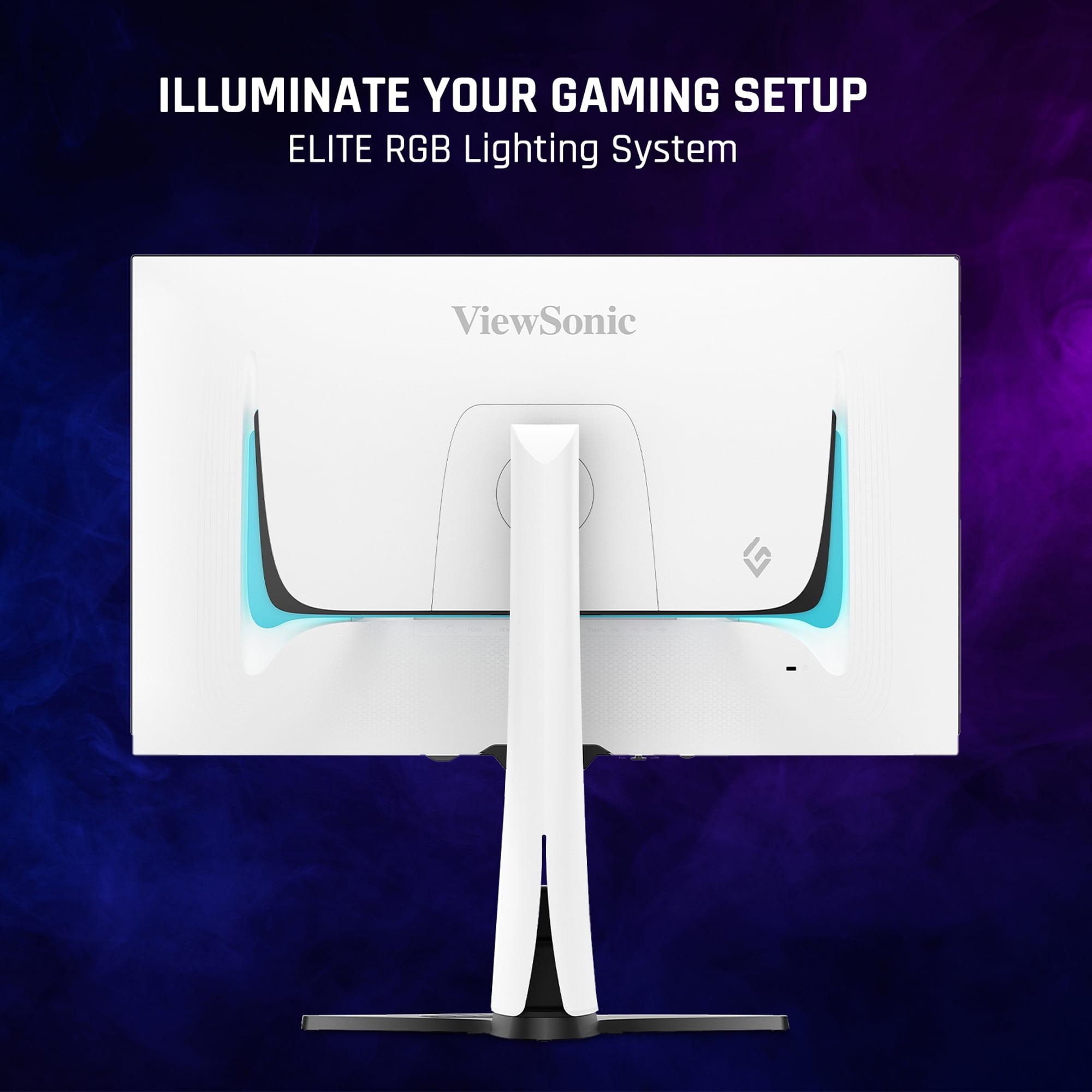
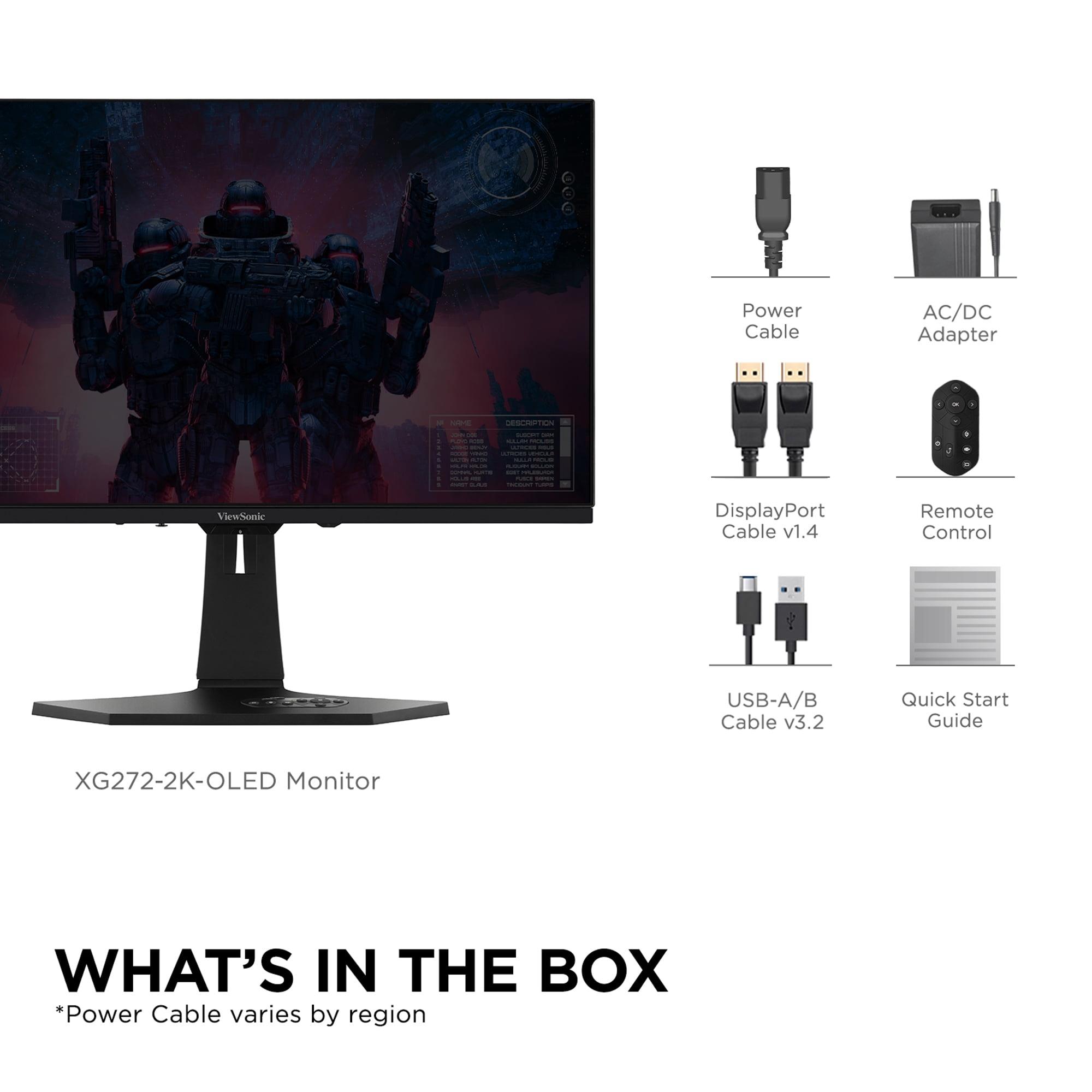
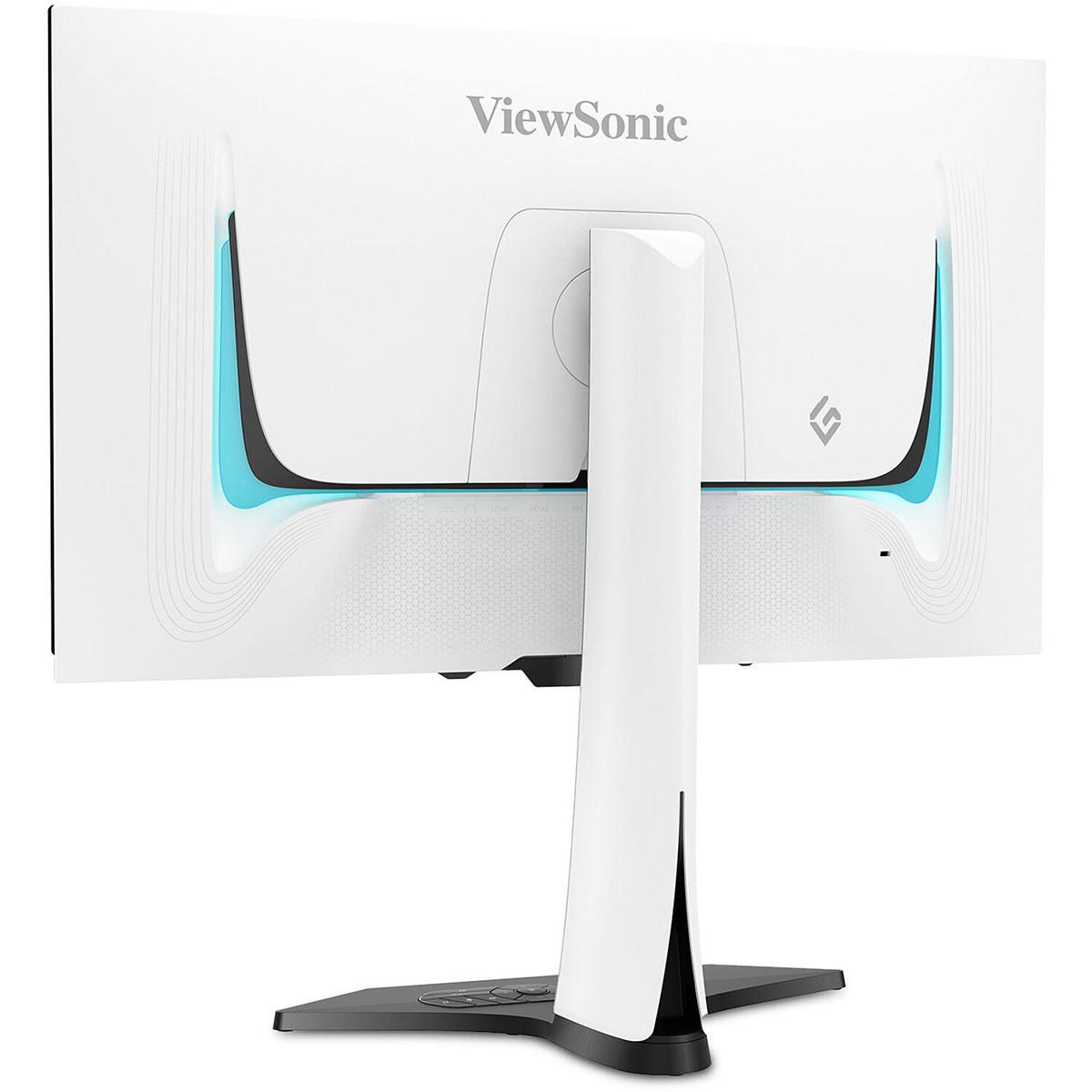
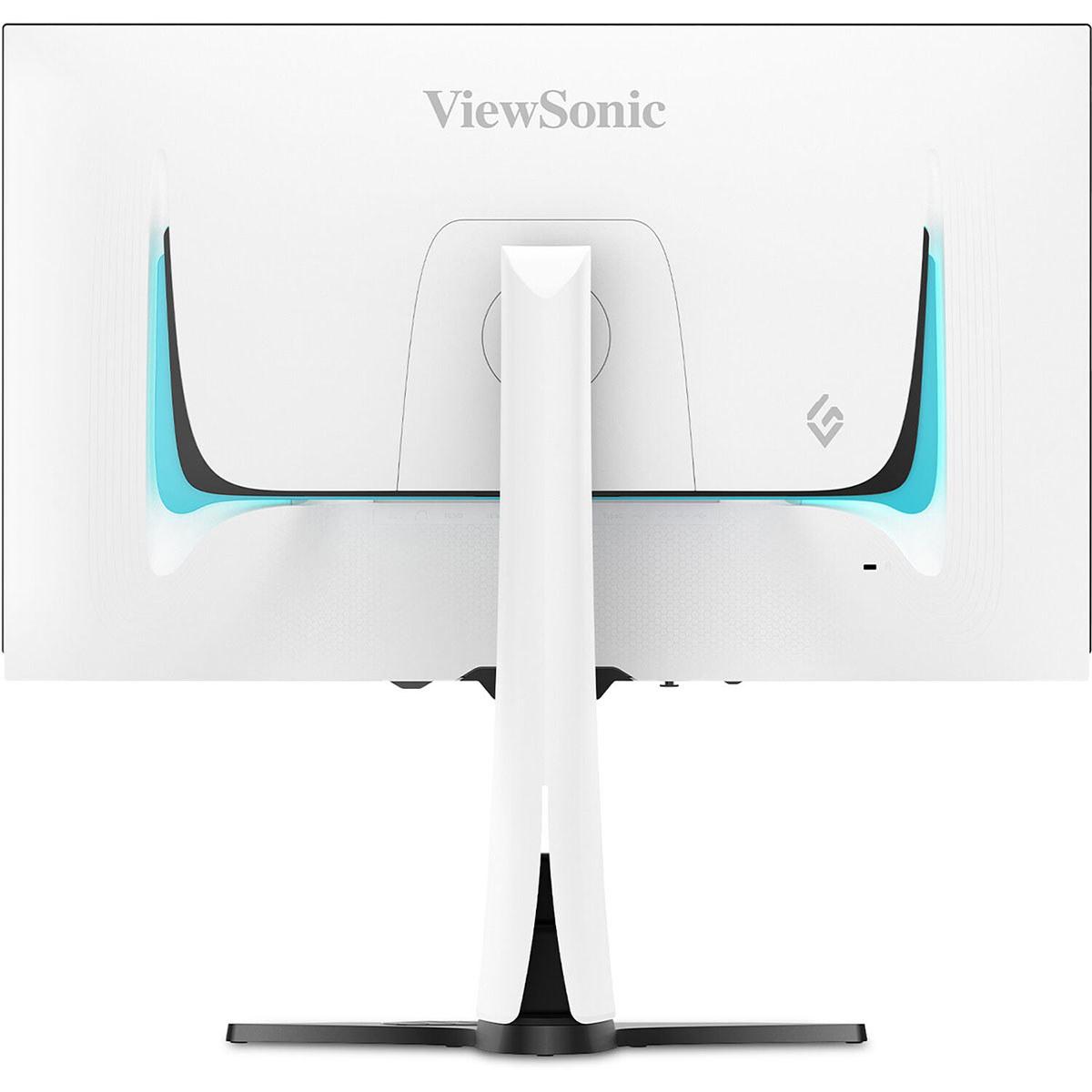
The ViewSonic XG272-2K-OLED makes a statement with its white chassis and integrated RGB lighting. It includes a remote control for adjusting settings – a thoughtful touch that makes tweaking display settings much easier than navigating with tiny buttons. The remote even stores in the monitor base when not in use.
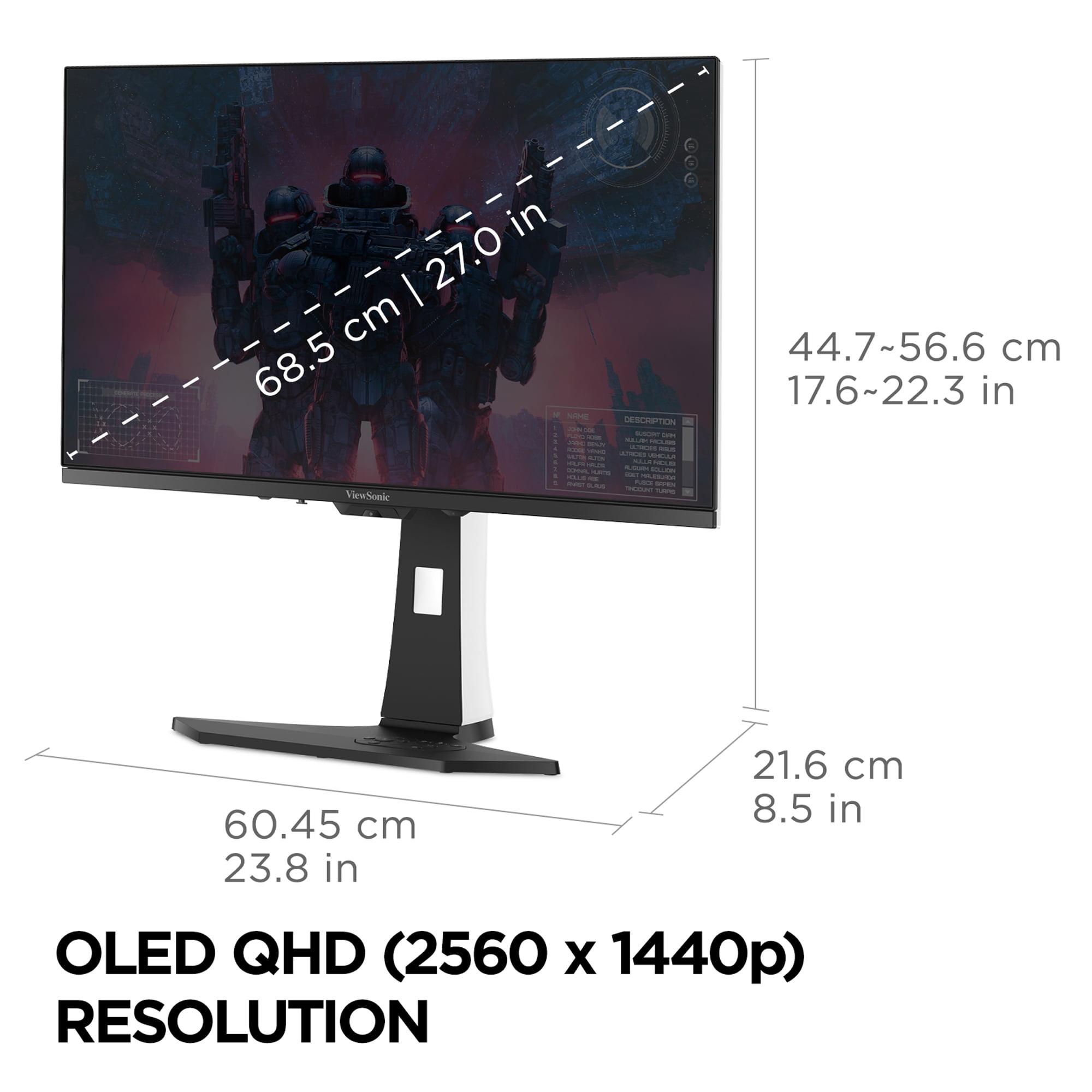
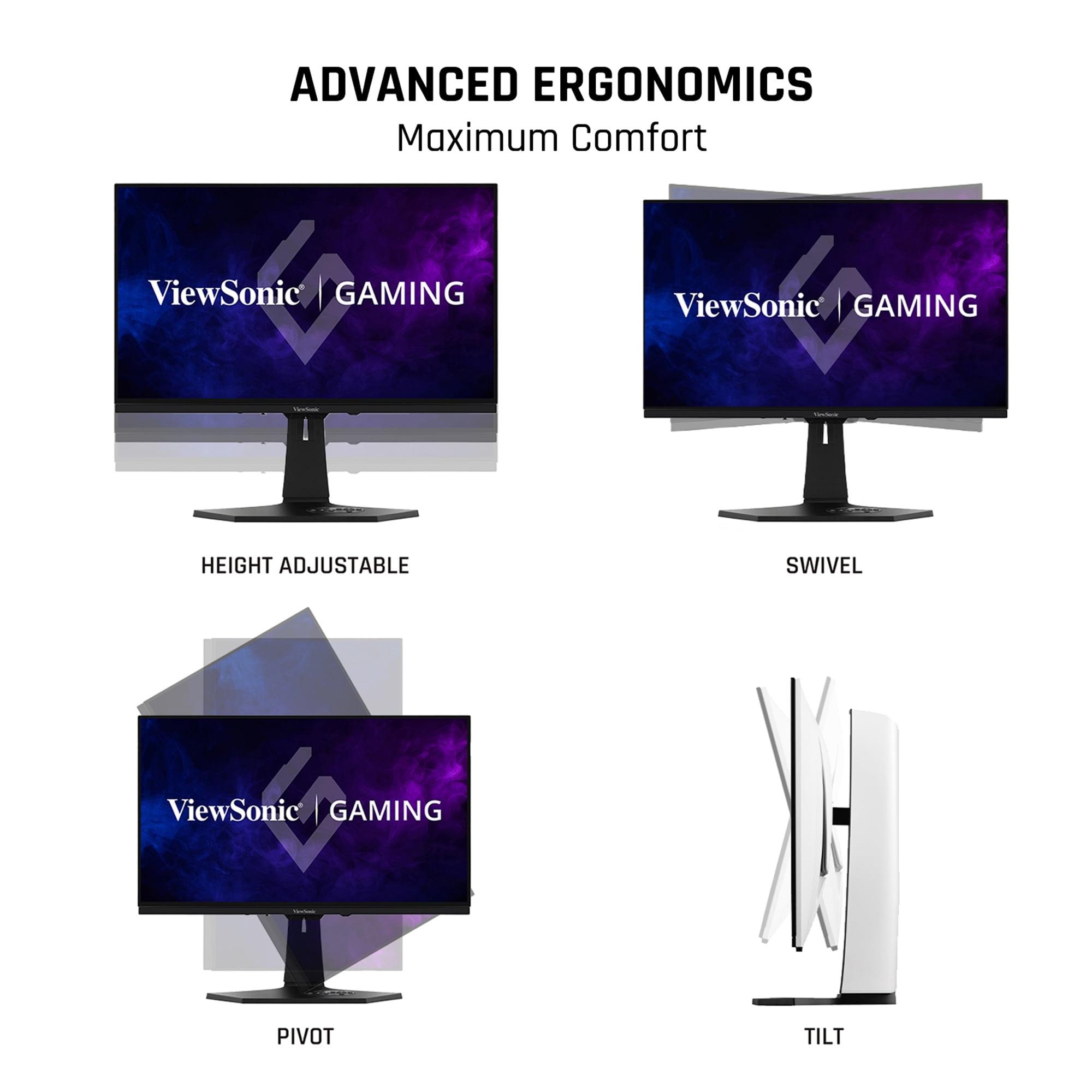
The monitor also includes built-in speakers, which aren't going to replace a good headset or speaker system but provide convenience for casual gaming or when watching videos. The stand offers full ergonomic adjustability, and the overall build quality feels premium.
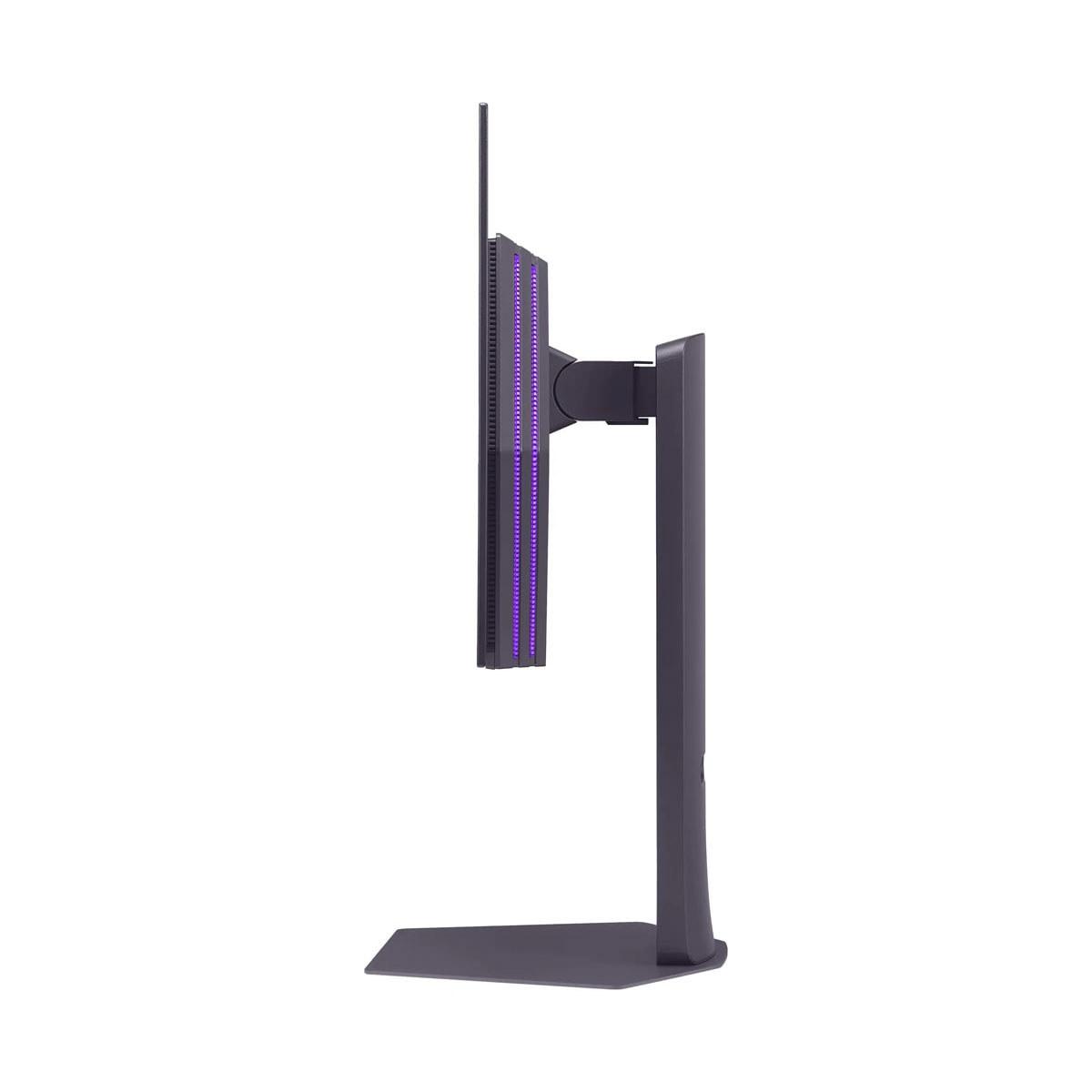
The LG UltraGear takes a more understated approach with its black design and subtle RGB backlighting. It focuses resources on performance rather than aesthetics, which helps explain its typically lower price point. The stand is equally adjustable, but the monitor lacks built-in speakers and convenience features like the remote control.
OLED burn-in occurs when static images are displayed for extended periods, potentially causing permanent image retention. Both monitors include various protection features, but they take different approaches.
The ViewSonic includes pixel shifting (slightly moving the image periodically), automatic brightness adjustments when static content is detected, and prompts encouraging breaks during long gaming sessions. These features work automatically and unobtrusively.
The LG includes more comprehensive OLED Care features and backs the monitor with a 2-year OLED-specific warranty. This suggests LG has more confidence in their burn-in prevention technology and is willing to stand behind it.
In my experience with OLED gaming monitors, burn-in is less of a concern than it once was, especially if you vary your content and don't leave static images on screen for hours at a time. Both monitors should handle typical gaming usage without issues.
Both monitors can serve double duty as small home theater displays, though each has different strengths in this role. The ViewSonic's built-in speakers and brighter panel make it more convenient for casual movie watching. The anti-glare coating also helps in rooms where you can't completely control lighting.
The LG's superior HDR peak brightness creates more dramatic lighting effects in movies, and its support for DTS Headphone:X provides better surround sound when using headphones. However, the lack of built-in speakers means you'll need external audio.
For a bedroom or smaller room where the monitor might serve multiple purposes, the ViewSonic offers more convenience. For a dedicated gaming/entertainment setup where you're likely to have separate audio equipment, the LG's superior performance characteristics matter more.
I've spent considerable time gaming on both monitors, and the differences become apparent depending on what you're playing. In competitive shooters like Valorant or CS2, the LG's 480Hz refresh rate provides a noticeable advantage if you have the hardware to push those frame rates. Enemy movements appear smoother, and there's a subtle but real improvement in tracking fast-moving targets.
For single-player games like Cyberpunk 2077 or The Witcher 3, both monitors excel, but the differences matter less. The OLED technology's perfect blacks make nighttime scenes incredibly atmospheric on both displays. The ViewSonic's brighter panel does help with visibility in complex scenes with mixed lighting.
Racing games showcase both monitors well, with the fast response times eliminating motion blur during high-speed sequences. The LG's higher refresh rate makes wheel-to-wheel racing feel slightly more connected, while the ViewSonic's color saturation makes car liveries and track details pop.
The LG UltraGear 27" OLED makes the most sense for serious competitive gamers who have high-end hardware and prioritize performance above all else. If you're playing esports titles regularly, have an RTX 4080 or better, and want the absolute best performance for the money, this is your monitor.
The ViewSonic XG272-2K-OLED appeals to gamers who want a more premium, well-rounded experience. If you're building a showcase gaming setup, need the monitor for mixed use including productivity work, or simply prefer the aesthetic and convenience features, it's worth the extra investment.
For console gamers, either monitor works well, though you won't fully utilize their high refresh rates. The ViewSonic's built-in speakers and brighter panel might make it slightly more appealing for this use case.
Both monitors represent excellent choices in the OLED gaming category, but they serve different priorities. The LG UltraGear offers exceptional performance value, delivering cutting-edge refresh rate technology at a typically lower price point. The ViewSonic XG272-2K-OLED provides a more premium experience with better build quality, convenience features, and versatility.
Your choice ultimately depends on whether you prioritize raw gaming performance or overall experience quality. Both will transform your gaming visuals compared to traditional LCD monitors, but they'll do so in slightly different ways that cater to different types of users and setups.
| ViewSonic XG272-2K-OLED | LG UltraGear 27" OLED |
|---|---|
| Refresh Rate - Higher rates provide smoother motion in competitive gaming | |
| 240Hz (excellent for most games, achievable with mid-high end GPUs) | 480Hz (industry-leading, requires RTX 4080+ for full utilization) |
| Response Time - Lower numbers eliminate motion blur and ghosting | |
| 0.01ms pixel response (imperceptibly fast) | 0.03ms Gray-to-Gray (imperceptibly fast) |
| Peak Brightness - Higher brightness improves visibility in bright rooms | |
| 450 nits consistent (better for bright environments) | Up to 1,300 nits peak with MLA+ (dramatic HDR highlights) |
| Color Coverage - Wider gamuts display more vibrant, accurate colors | |
| 97% DCI-P3, 137% sRGB (excellent color reproduction) | 98.5% DCI-P3 (slightly more accurate colors) |
| Connectivity - Future-proofing for next-gen hardware | |
| 2x HDMI 2.1, 2x DisplayPort 1.4, USB-C with 15W power | 2x HDMI 2.1, 1x DisplayPort 2.1 (higher bandwidth, no compression) |
| Built-in Audio - Convenience for casual gaming and media | |
| 2x 3W speakers included | No speakers, DTS Headphone:X support for headphones |
| Design Features - Aesthetic and convenience elements | |
| White chassis, RGB lighting, OSD remote control | Black design, RGB backlighting, traditional controls |
| Burn-in Protection - Long-term panel reliability | |
| Standard OLED protection features | Advanced OLED Care with 2-year OLED warranty |
| Target Use Case - Who each monitor serves best | |
| Premium gaming setup, mixed use, bright room gaming | Competitive esports, maximum performance per dollar |
The LG UltraGear 27" OLED offers superior gaming performance with its 480Hz refresh rate compared to the ViewSonic XG272-2K-OLED's 240Hz. However, you'll need high-end hardware like an RTX 4080 or better to fully utilize the LG's speed advantage. For most gamers, both monitors provide excellent performance with imperceptible response times.
The LG UltraGear at 480Hz can display twice as many frames per second as the ViewSonic XG272-2K-OLED at 240Hz. This creates smoother motion in competitive games, but the difference is most noticeable in fast-paced esports titles when your PC can generate enough frames to match the monitor's capabilities.
The LG UltraGear 27" OLED is better for competitive gaming due to its 480Hz refresh rate and DisplayPort 2.1 connectivity. It provides a competitive edge in esports titles, while the ViewSonic XG272-2K-OLED is more suited for general gaming with premium features and convenience.
Yes, both the ViewSonic XG272-2K-OLED and LG UltraGear work excellently with next-gen consoles through HDMI 2.1 ports. However, consoles typically output at lower refresh rates, so you won't fully utilize either monitor's high refresh rate capabilities with console gaming.
Both monitors offer exceptional OLED picture quality with perfect blacks and vibrant colors. The ViewSonic XG272-2K-OLED provides more consistent brightness at 450 nits, while the LG UltraGear can reach higher peak brightness up to 1,300 nits for more dramatic HDR highlights.
The ViewSonic XG272-2K-OLED includes built-in 2x 3W speakers for convenience, while the LG UltraGear 27" OLED has no built-in speakers but offers DTS Headphone:X support for enhanced headphone audio. Most serious gamers prefer external audio solutions regardless.
The LG UltraGear typically offers better value for performance-focused gamers, providing cutting-edge 480Hz technology at a lower price point. The ViewSonic XG272-2K-OLED costs more but includes premium features like built-in speakers, RGB lighting, and a remote control.
The ViewSonic XG272-2K-OLED offers 2x HDMI 2.1, 2x DisplayPort 1.4, USB-C with power delivery, and a USB hub. The LG UltraGear features 2x HDMI 2.1, 1x DisplayPort 2.1 (higher bandwidth), and USB 3.0 ports. The LG's DisplayPort 2.1 is better for future-proofing.
Both the ViewSonic XG272-2K-OLED and LG UltraGear 27" OLED include burn-in prevention features like pixel shifting and automatic brightness adjustments. The LG UltraGear offers more comprehensive OLED Care technology and a 2-year OLED-specific warranty for added peace of mind.
The ViewSonic XG272-2K-OLED performs better in bright rooms with its consistent 450-nit brightness and anti-glare coating. While the LG UltraGear can reach higher peak brightness, the ViewSonic maintains better overall visibility in well-lit environments.
Both monitors work well for productivity tasks. The ViewSonic XG272-2K-OLED is more versatile for mixed use with its built-in speakers, USB-C connectivity, and brighter panel. The LG UltraGear focuses more on gaming performance but still handles productivity work effectively.
Choose the LG UltraGear 27" OLED if you're a competitive gamer with high-end hardware who prioritizes performance and value. Select the ViewSonic XG272-2K-OLED if you want premium features, better bright-room performance, and a more complete package for mixed gaming and productivity use.
We've done our best to create useful and informative comparisons to help you decide what product to buy. Our research uses advanced automated methods to create this comparison and perfection is not possible - please contact us for corrections or questions. These are the sites we've researched in the creation of this article: tomshardware.com - viewsonic.com - cgmagonline.com - bhphotovideo.com - forums.blurbusters.com - pangoly.com - youtube.com - rtings.com - youtube.com - bhphotovideo.com - viewsonic.com - assetserver.net - viewsonic.com - viewsonic.com - colamco.com - viewsonic.com - store.connectcause.com - displayspecifications.com - bhphotovideo.com - manuals.viewsonic.com - viewsonic.com - pangoly.com - visioncomputers.com - bestbuy.com - bestbuy.com - bhphotovideo.com - engadget.com - newegg.com - youtube.com - bestbuy.com - techpowerup.com - techpowerup.com - rtings.com - lg.com - lgnewsroom.com - rtings.com - bestbuy.com - jonesapplianceandtv.com - thefrogpadappliances.com - lg.com - lg.com - lg.com - techpowerup.com - lg.com - lg.com

Privacy Policy
Terms and Conditions - Affiliate Policy
Home Security
© Copyright 2008-2026.
11816 Inwood Rd #1211, Dallas, TX 75244