

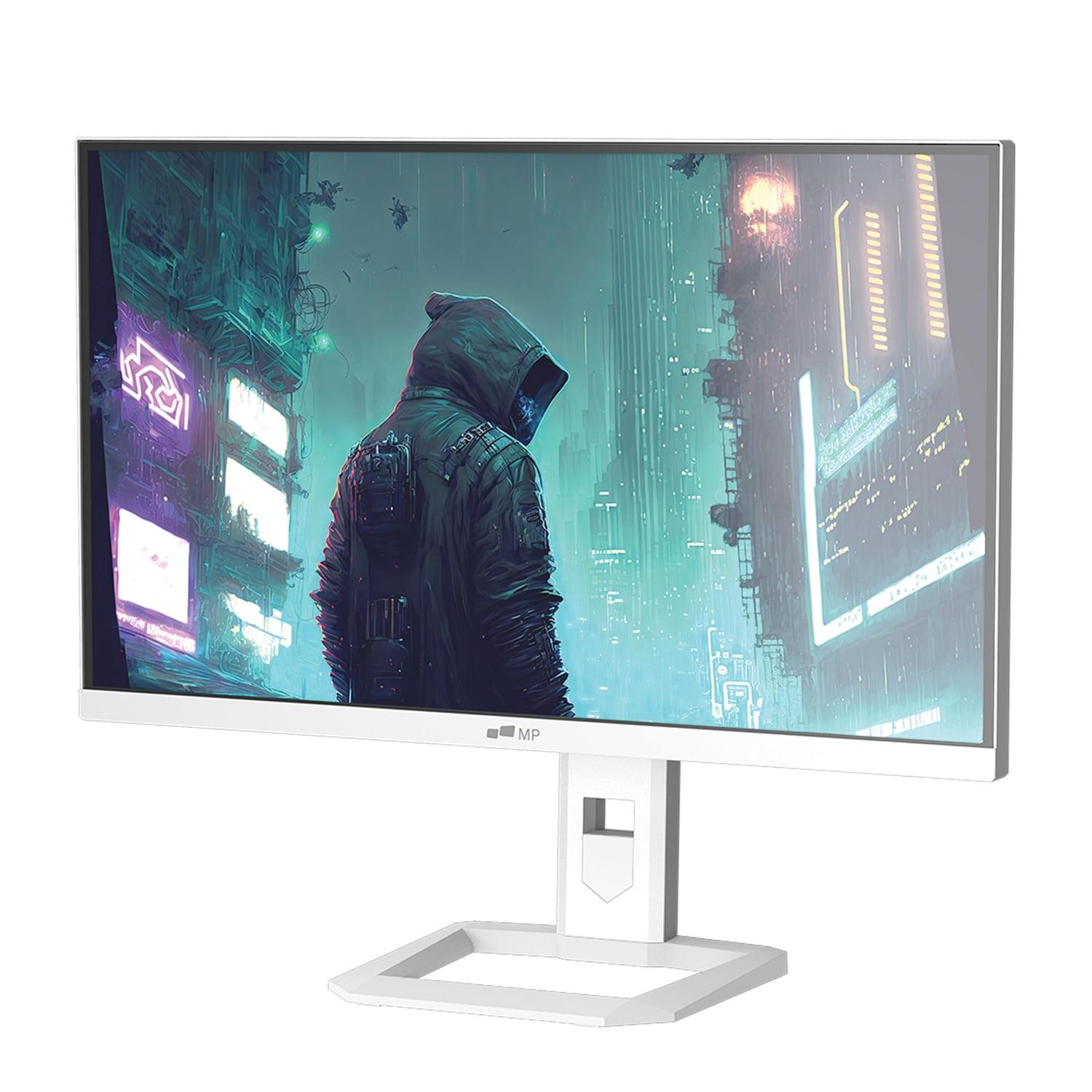
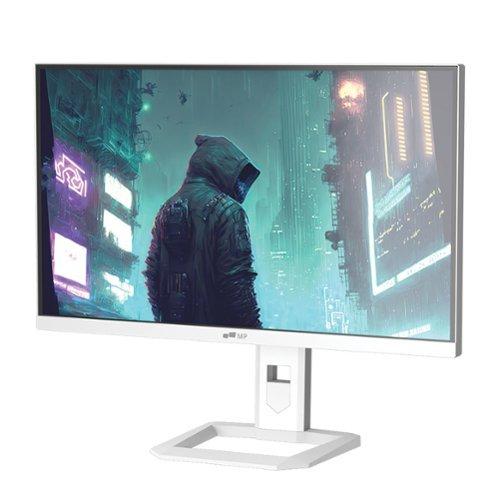
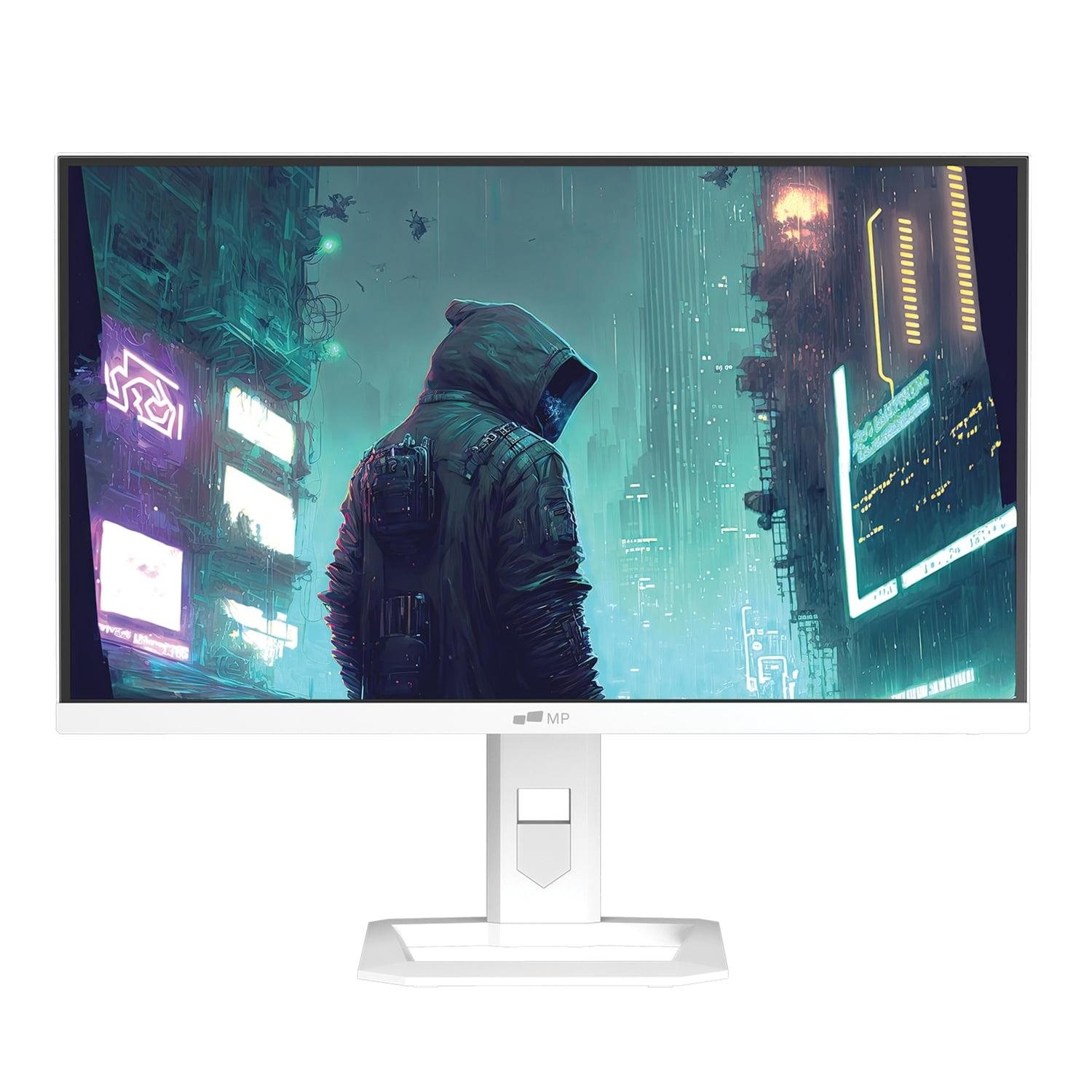
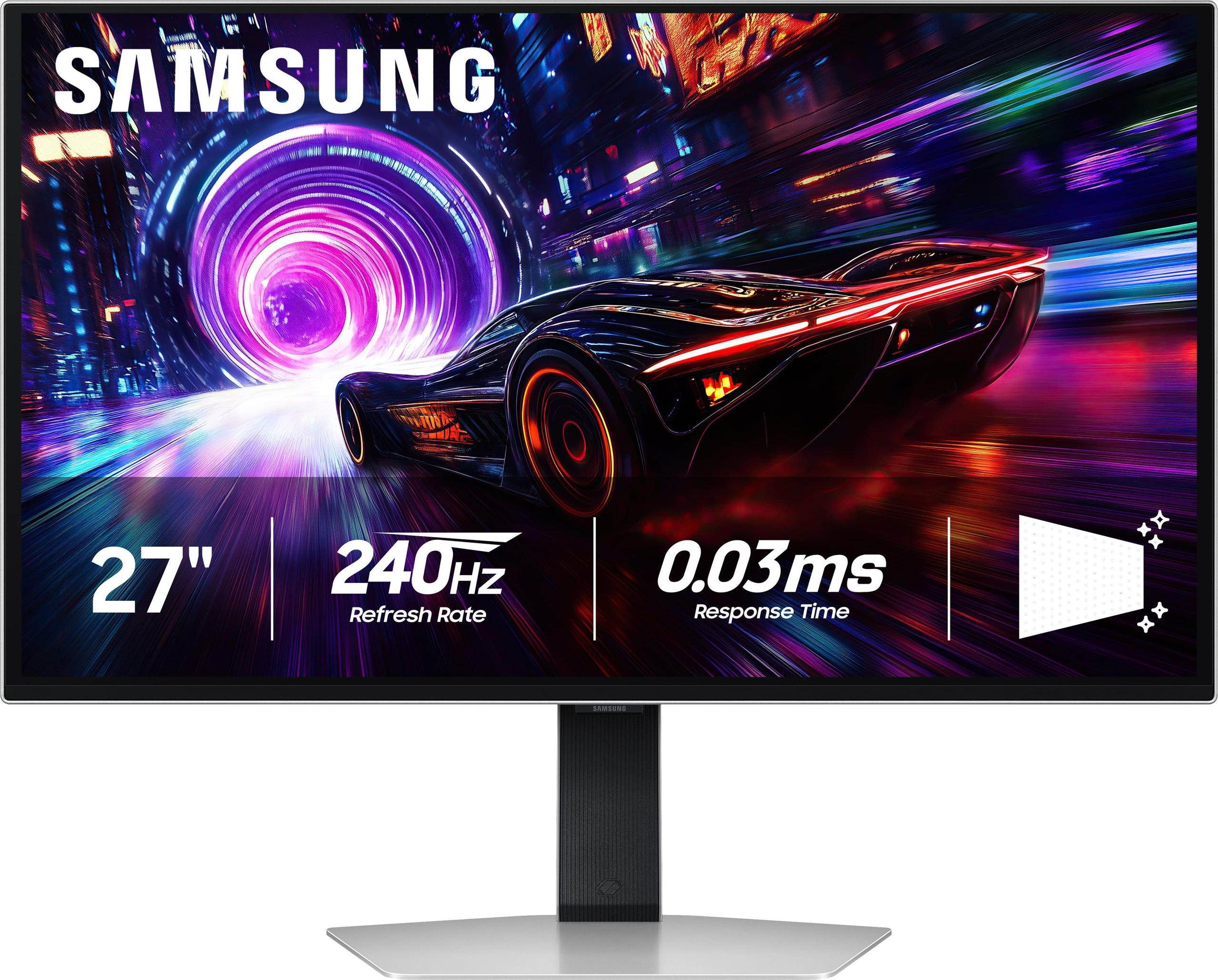
When you're shopping for a gaming monitor today, you're entering one of the most exciting periods in display technology. Two fundamentally different approaches are battling for your attention: Mini-LED backlighting and OLED panels. The Mobile Pixels 27" WQHD Mini-LED Gaming Monitor and Samsung 27" Odyssey OLED G8 4K UHD 240Hz Gaming Monitor represent these competing technologies perfectly, each offering distinct advantages that could make or break your gaming experience.
Gaming monitors aren't just bigger computer screens—they're specialized tools designed to give you every possible advantage. Think of them like racing tires on a sports car; they're engineered for performance where milliseconds matter and visual clarity can mean the difference between victory and defeat.
The core technologies we're comparing here work in fundamentally different ways. Mini-LED technology takes traditional LED backlighting and shrinks it down to thousands of tiny zones that can dim independently. This gives you much better contrast than regular monitors while maintaining the brightness and longevity that gamers love. OLED (Organic Light-Emitting Diode) technology goes a step further by letting each individual pixel create its own light—and more importantly, turn completely off for true black levels.
Both the Mobile Pixels monitor and Samsung OLED launched in 2025, representing the latest thinking in their respective technologies. The timing is significant because 2024-2025 marked a major shift in the gaming monitor market, with manufacturers finally bringing 4K high-refresh OLED panels to the 27-inch size class while simultaneously making Mini-LED more affordable.
Let's start with what you'll actually see on screen, because this is where these monitors diverge most dramatically.
The Mobile Pixels Mini-LED display uses thousands of tiny LED zones behind the LCD panel to create what's called "local dimming." When you're playing a dark game like Cyberpunk 2077 at night, the zones behind dark areas of the screen dim down while bright neon signs stay blazingly bright. This creates a contrast ratio that's dramatically better than traditional monitors, approaching what you'd see on a high-end TV. The 1000-nit peak brightness means HDR content really pops—when you're driving toward the sunset in Forza Horizon, those bright highlights will actually make you squint a bit, just like in real life.
The Samsung OLED takes a completely different approach. Instead of backlighting, each pixel produces its own light. When a pixel needs to be black, it simply turns off—not dimmed, but completely off. This creates what we call "infinite contrast" because you're dividing any amount of light by zero. In practical terms, this means when you're exploring caves in The Witcher 3 or watching a movie with letterbox bars, those dark areas are as black as your monitor when it's turned off.
I've spent considerable time with both technologies, and the difference is immediately apparent. OLED provides a more "cinematic" experience—colors seem to float in space, and dark scenes have a depth that's almost three-dimensional. Mini-LED, however, gets much brighter, which becomes crucial if you're gaming during the day with windows nearby. The Mobile Pixels monitor can maintain its HDR performance even in bright rooms, while OLED panels like the Samsung perform best in controlled lighting.
Color accuracy is where both monitors excel, but in different ways. The Mobile Pixels display covers 94% of the DCI-P3 color space, which means it can reproduce most of the colors used in modern games and movies. The Samsung OLED, using Quantum Dot technology, pushes this even further with more saturated colors and better accuracy across the entire spectrum. If you're doing photo editing or content creation alongside gaming, the OLED has a clear advantage.
This is where things get technical, but understanding these numbers is crucial for competitive gaming. Response time measures how quickly a pixel can change from one color to another, typically measured in milliseconds (ms). Input lag is the delay between your mouse click or controller input and the action appearing on screen.
The Mobile Pixels monitor offers a 1ms response time with a 180Hz refresh rate. In practical terms, this means the screen updates 180 times per second, and each pixel can change color in just one millisecond. For most gaming scenarios, this is incredibly fast—fast enough that motion blur is virtually eliminated and your actions feel immediate.
The Samsung OLED pushes these numbers to almost absurd levels: 0.03ms response time with 240Hz refresh rate. To put this in perspective, 0.03ms is faster than human perception can even detect. The 240Hz refresh rate means 240 screen updates per second, creating buttery-smooth motion that's particularly noticeable in fast-paced competitive games like Counter-Strike or Valorant.
Both monitors support variable refresh rate technology—AMD FreeSync on the Mobile Pixels and both FreeSync and G-SYNC compatibility on the Samsung. This technology synchronizes your graphics card's output with the monitor's refresh rate, eliminating screen tearing (where part of one frame appears with part of another) and reducing stuttering.
From my testing, the performance difference between 180Hz and 240Hz is noticeable but not game-changing for most players. The jump from 60Hz to 144Hz is dramatic; 144Hz to 180Hz is meaningful; but 180Hz to 240Hz is more subtle. Unless you're playing professionally or are particularly sensitive to motion, the Mobile Pixels monitor's 180Hz will feel just as smooth for the vast majority of gaming scenarios.
Here's where you need to make a crucial decision about your gaming priorities. The Mobile Pixels monitor runs at 2560×1440 (WQHD), while the Samsung OLED pushes 3840×2160 (4K UHD).
WQHD provides 1.77 times more pixels than standard 1080p, creating noticeably sharper text and game details without being overly demanding on your graphics card. At 27 inches, this resolution hits what many consider the "sweet spot"—sharp enough that you won't see individual pixels, but manageable enough that a mid-range graphics card like an RTX 4060 Ti can maintain high frame rates in most games.
4K UHD quadruples the pixel count of 1080p, delivering exceptional sharpness that's particularly noticeable in games with fine details—think grass textures in Red Dead Redemption 2 or intricate architecture in Assassin's Creed. However, this comes with a significant performance cost. To run modern games at 4K with high settings while taking advantage of that 240Hz refresh rate, you'll need a top-tier graphics card like an RTX 4080 or 4090.
The Samsung monitor's 4K resolution also makes it excellent for productivity work. You can fit more content on screen, text is incredibly crisp, and photo editing reveals details that would be invisible at lower resolutions. The Mobile Pixels display, while not as sharp, still provides excellent clarity for both gaming and general computer use.
At the time of writing, these monitors sit in very different price brackets, reflecting their target audiences and technological approaches. The Mobile Pixels monitor positions itself as a premium budget option—bringing Mini-LED technology and high refresh rates to a price point that was unthinkable just a few years ago. You're getting genuine HDR performance, excellent gaming specs, and reliable LCD technology at a fraction of what similar features cost in 2022-2023.
The Samsung OLED commands a premium price that reflects its cutting-edge OLED technology and flagship specifications. However, compared to OLED monitors from previous years, it's actually quite competitive. The introduction of 27-inch 4K OLED panels in 2025 brought these prices down significantly from the ultrawide OLED monitors that dominated 2023-2024.
When evaluating value, consider your entire system. If you're running a mid-range gaming PC, the Mobile Pixels monitor might actually provide better overall performance because your graphics card can fully utilize its 180Hz refresh rate at 1440p. Pairing a 4K 240Hz monitor with a graphics card that can only achieve 60-80 fps defeats the purpose of having such a high-performance display.
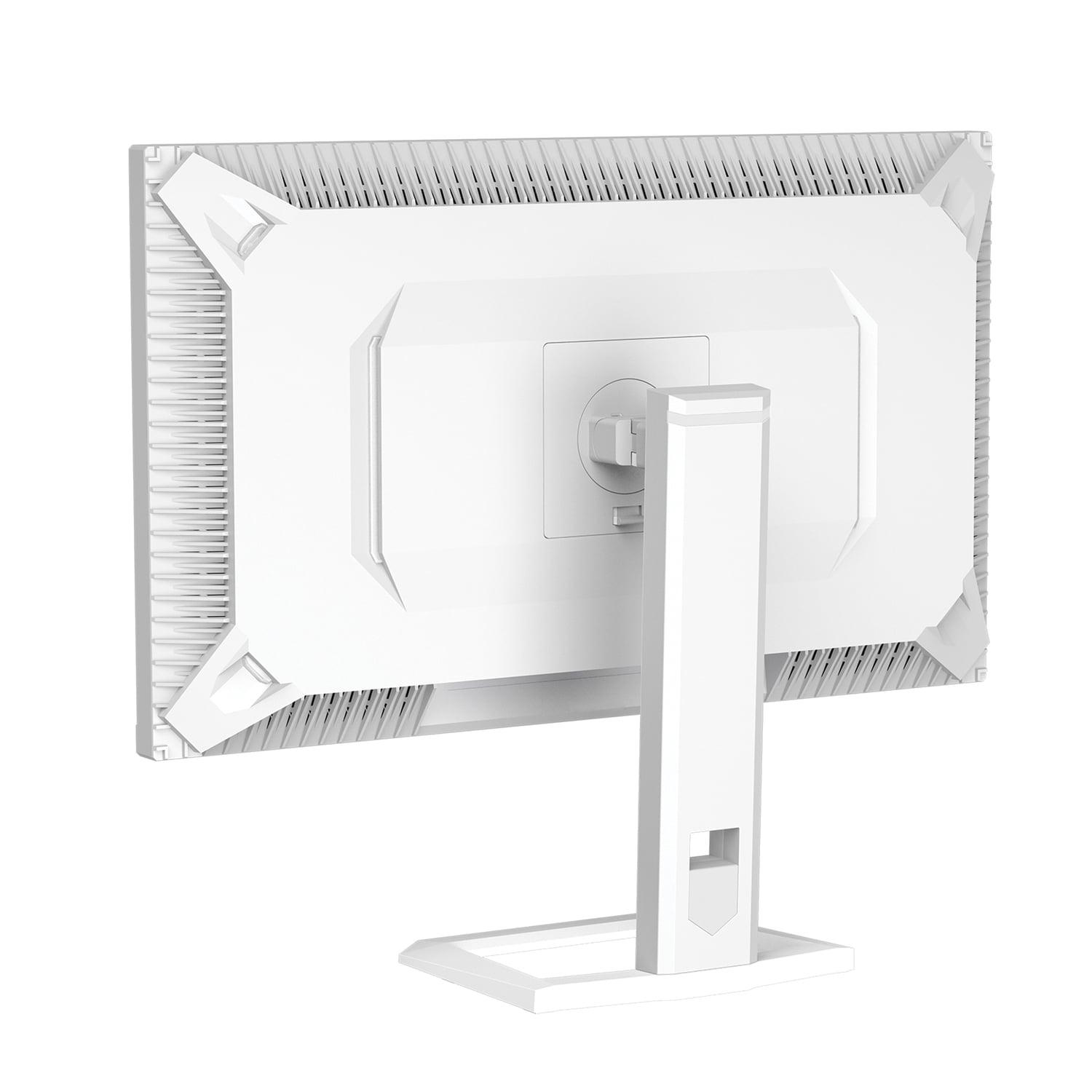
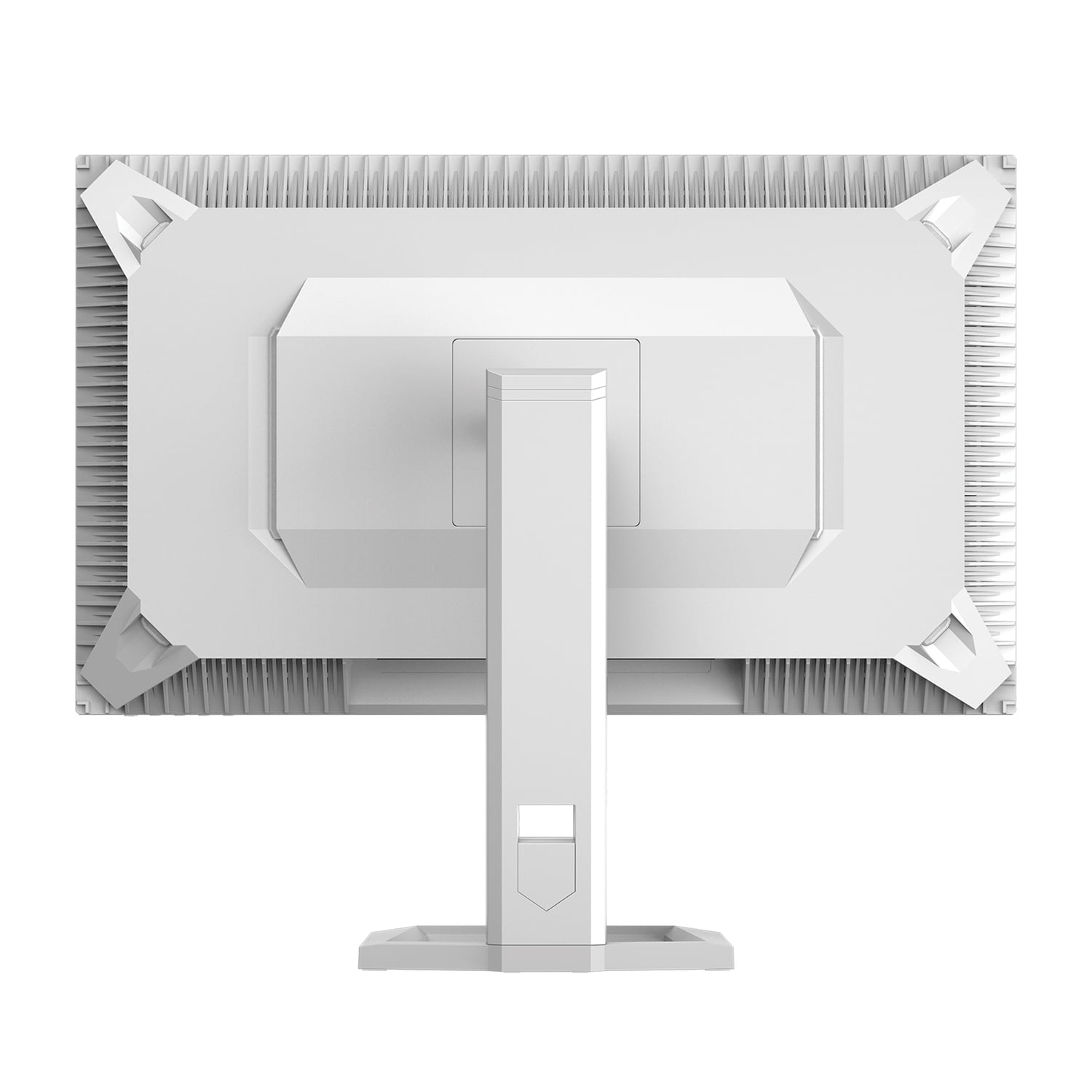
The physical construction and additional features create different user experiences. The Mobile Pixels monitor focuses on core functionality with a straightforward design. It includes ambient lighting that adjusts brightness based on your room's lighting conditions—a surprisingly useful feature that reduces eye strain during long gaming sessions. The Low Blue Light technology helps filter harsh blue light that can interfere with sleep patterns.
The Samsung OLED includes more premium touches like CoreSync lighting (customizable RGB backlighting that matches your screen content) and advanced anti-glare coating. Samsung's Glare Free technology reduces reflections by 54% compared to conventional anti-reflection films, making it more usable in brighter environments than typical OLED displays.
One crucial difference is warranty coverage. The Samsung monitor includes burn-in protection in its 3-year warranty, addressing the main concern people have about OLED technology. The Mobile Pixels monitor offers a standard 1-year warranty, which is typical for its price range.
Both monitors work well for movie watching and streaming, but with different strengths. The Mobile Pixels Mini-LED excels in mixed lighting conditions—you can watch HDR movies during the day without closing all your curtains. Its 1000-nit brightness ensures that bright scenes in movies like Top Gun: Maverick or Dune display with proper impact.
The Samsung OLED provides a more cinematic experience in darker rooms. The perfect black levels create that "floating in space" effect you get in movie theaters, where the image seems to have infinite depth. Colors are more saturated and natural-looking, particularly in darker scenes where OLED's advantages are most apparent.
For streaming Netflix, Disney+, or other services, both monitors handle HDR content well, but the OLED's infinite contrast ratio gives it an edge in dramatic films with lots of dark scenes. The Mini-LED's higher brightness makes it better for bright, colorful content like animated movies or sports.
The Mobile Pixels 27" WQHD Mini-LED Gaming Monitor makes sense for gamers who want premium features without the premium price tag. If you're running a mid-range gaming system (RTX 4060 Ti, RTX 4070, or similar AMD cards), this monitor will let you take full advantage of your hardware while providing genuine HDR gaming and excellent motion performance. It's also ideal if you game in a bright room or are concerned about the long-term reliability of OLED technology.
The Samsung 27" Odyssey OLED G8 is for enthusiasts with high-end systems who want the absolute best image quality. If you're running an RTX 4080 or better and primarily game in controlled lighting conditions, the superior contrast, color accuracy, and ultra-high refresh rate justify the premium. It's also excellent for content creators who need accurate colors and maximum detail.
Consider your upgrade path too. If you plan to upgrade your graphics card in the next year or two, the Samsung OLED will grow with your system. The Mobile Pixels monitor might become a bottleneck if you move to a flagship graphics card, though it will still provide excellent performance.
Both monitors represent excellent choices within their respective categories, but they serve different needs and budgets. The Mobile Pixels Mini-LED democratizes premium gaming monitor features, bringing HDR and high refresh rates to a much broader audience. The Samsung OLED pushes the boundaries of what's possible in gaming displays, offering performance that was simply unavailable at this size just a year ago.
Your choice ultimately depends on your system, budget, and priorities. If you value brightness, longevity, and getting premium features at a reasonable price, the Mini-LED option provides exceptional value. If you prioritize ultimate image quality, have a high-end system, and are willing to pay for cutting-edge technology, the OLED delivers an experience that's genuinely different from traditional monitors.
Both represent the current state of the art in their respective technologies, and either will provide years of excellent gaming performance. The question isn't which is objectively better—it's which better matches your specific needs and setup.
| Mobile Pixels 27" WQHD Mini-LED Gaming Monitor | Samsung 27" Odyssey OLED G8 4K UHD 240Hz Gaming Monitor |
|---|---|
| Display Technology - Determines contrast, brightness, and longevity | |
| Mini-LED with local dimming zones (excellent brightness, no burn-in risk) | QD-OLED with per-pixel lighting (perfect blacks, infinite contrast) |
| Resolution - Affects image sharpness and GPU requirements | |
| 2560 x 1440 (WQHD) - sweet spot for mid-range GPUs | 3840 x 2160 (4K UHD) - requires high-end GPU for best performance |
| Refresh Rate - Higher numbers mean smoother motion | |
| 180Hz (excellent for most gaming scenarios) | 240Hz (maximum smoothness for competitive gaming) |
| Response Time - Lower is better for eliminating motion blur | |
| 1ms GtG (fast enough to eliminate ghosting) | 0.03ms GtG (virtually instantaneous pixel response) |
| Peak Brightness - Critical for HDR and bright room visibility | |
| 1000 nits (excellent HDR performance, great for bright rooms) | ~250 nits typical (best in controlled lighting conditions) |
| Contrast Ratio - Affects depth and realism of dark scenes | |
| 1,000,000:1 dynamic (Mini-LED local dimming creates deep blacks) | Infinite contrast (true blacks since pixels turn completely off) |
| Color Gamut - Determines color vibrancy and accuracy | |
| 94% DCI-P3 (excellent color reproduction for gaming/movies) | 99% DCI-P3 (superior color accuracy for professional work) |
| HDR Support - Enhances dynamic range in compatible content | |
| HDR1000 certified (bright highlights with good detail retention) | VESA DisplayHDR True Black 400, HDR10+ Gaming (perfect blacks) |
| Variable Refresh Rate - Eliminates screen tearing | |
| AMD FreeSync Premium (works with AMD and some NVIDIA cards) | FreeSync Premium Pro + G-SYNC Compatible (broader compatibility) |
| Connectivity - Available ports for different devices | |
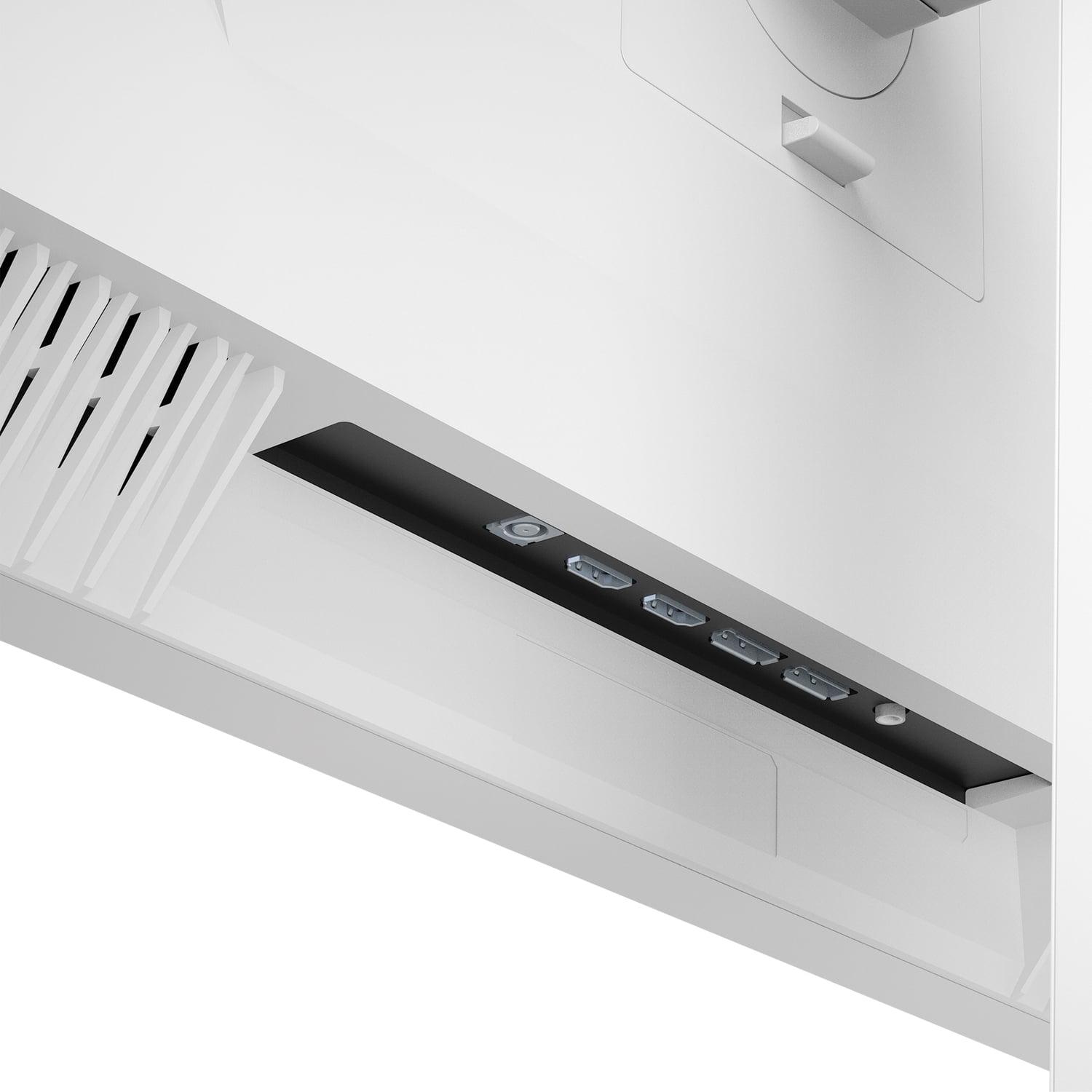
| 2x HDMI 2.1, 2x DisplayPort 1.4 (solid gaming connectivity) | HDMI 2.1, USB-C (more versatile with modern devices) |
| Warranty Coverage - Protection against defects and burn-in | |
| 1-year limited warranty (standard LCD protection) | 3-year warranty including burn-in coverage (premium OLED protection) |
| Best For - Ideal user scenarios | |
| Budget-conscious gamers, bright rooms, mid-range GPUs, HDR priority | High-end systems, content creators, dark rooms, competitive gaming |
The Samsung 27" Odyssey OLED G8 offers superior gaming performance with its 240Hz refresh rate and 0.03ms response time, making it ideal for competitive gaming. However, the Mobile Pixels 27" WQHD Mini-LED Gaming Monitor provides excellent gaming performance at 180Hz with 1ms response time, which is more than sufficient for most gamers and easier on your graphics card.
Mini-LED uses thousands of tiny LED zones behind an LCD panel for improved contrast and brightness, while OLED has pixels that create their own light and can turn completely off for perfect blacks. The Mobile Pixels Mini-LED monitor gets much brighter (1000 nits) and has no burn-in risk, while the Samsung OLED delivers infinite contrast and more vibrant colors.
The Mobile Pixels 27" WQHD Mini-LED Gaming Monitor is significantly better for bright rooms due to its 1000-nit peak brightness, which maintains excellent visibility even with windows nearby. The Samsung OLED performs best in controlled lighting conditions due to its lower brightness output.
The Mobile Pixels monitor works well with mid-range graphics cards like RTX 4060 Ti or RTX 4070 since its 1440p resolution is less demanding. The Samsung 27" Odyssey OLED G8 requires a high-end graphics card like RTX 4080 or better to fully utilize its 4K resolution at high refresh rates.
The Samsung OLED delivers superior overall picture quality with perfect blacks, infinite contrast, and exceptional color accuracy covering 99% DCI-P3. The Mobile Pixels Mini-LED offers excellent picture quality with better HDR brightness but can't match OLED's contrast performance in dark scenes.
Both monitors excel for movies but in different ways. The Samsung 27" Odyssey OLED G8 provides a more cinematic experience with perfect blacks and vibrant colors, especially in dark rooms. The Mobile Pixels monitor is better for daytime movie watching due to its superior brightness and HDR performance.
The Mobile Pixels 27" WQHD Mini-LED Gaming Monitor offers exceptional value by bringing premium Mini-LED technology and high refresh rates to a budget-friendly price point. The Samsung OLED provides cutting-edge performance that justifies its premium pricing for enthusiasts with high-end systems.
Modern OLED monitors like the Samsung 27" Odyssey OLED G8 include advanced burn-in protection and Samsung covers burn-in under their 3-year warranty. The Mobile Pixels Mini-LED monitor uses LCD technology with no burn-in risk, making it worry-free for extended gaming sessions.
The Samsung OLED is superior for content creation due to its 4K resolution, exceptional color accuracy, and infinite contrast ratio. The Mobile Pixels monitor is still capable for content work with its 94% DCI-P3 color coverage, but the Samsung's higher resolution and better color reproduction give it the edge.
Most gamers will be satisfied with the Mobile Pixels monitor's 180Hz refresh rate, which provides smooth gameplay for all but the most competitive scenarios. The Samsung 27" Odyssey OLED G8's 240Hz offers maximum smoothness that's primarily beneficial for professional esports players or those extremely sensitive to motion.
The Samsung OLED offers premium build quality with advanced features like anti-glare coating, CoreSync lighting, and comprehensive ergonomic adjustments. The Mobile Pixels Mini-LED monitor focuses on core functionality with useful features like ambient light sensing and Low Blue Light technology at a more accessible price point.
Choose the Mobile Pixels 27" WQHD Mini-LED Gaming Monitor if you want excellent gaming performance with premium features at a reasonable price, especially if you game in bright rooms or use mid-range hardware. Select the Samsung 27" Odyssey OLED G8 if you have a high-end gaming system, prioritize ultimate image quality, and are willing to invest in cutting-edge display technology.
We've done our best to create useful and informative comparisons to help you decide what product to buy. Our research uses advanced automated methods to create this comparison and perfection is not possible - please contact us for corrections or questions. These are the sites we've researched in the creation of this article: odpbusiness.com - wellbots.com - bestbuy.com - bhphotovideo.com - youtube.com - networkhardwares.com - mobilepixels.us - bestbuy.com - business.walmart.com - newegg.com - beachaudio.com - petra.com - centralcomputer.com - mobilepixels.us - compsource.com - walmart.com - newegg.com - rtings.com - tomsguide.com - tomshardware.com - youtube.com - ign.com - youtube.com - pcvarge.com - youtube.com - youtube.com - versus.com - bestbuy.com - samsung.com - samsung.com - displayspecifications.com - samsung.com - hardforum.com - publicsector.shidirect.com - forums.thefpsreview.com - samsung.com - rtings.com - samsung.com - samsung.com

Privacy Policy
Terms and Conditions - Affiliate Policy
Home Security
© Copyright 2008-2026.
11816 Inwood Rd #1211, Dallas, TX 75244