

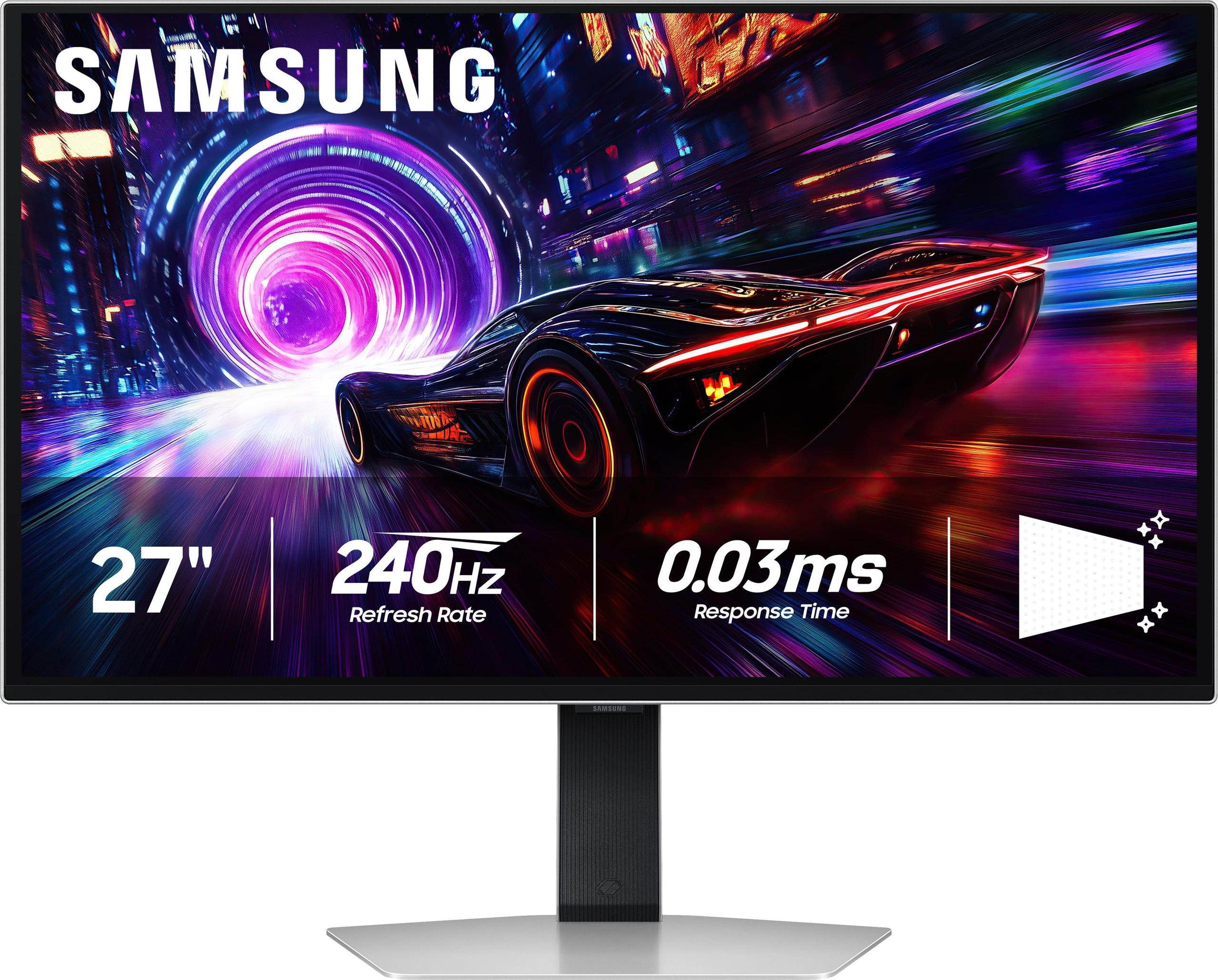
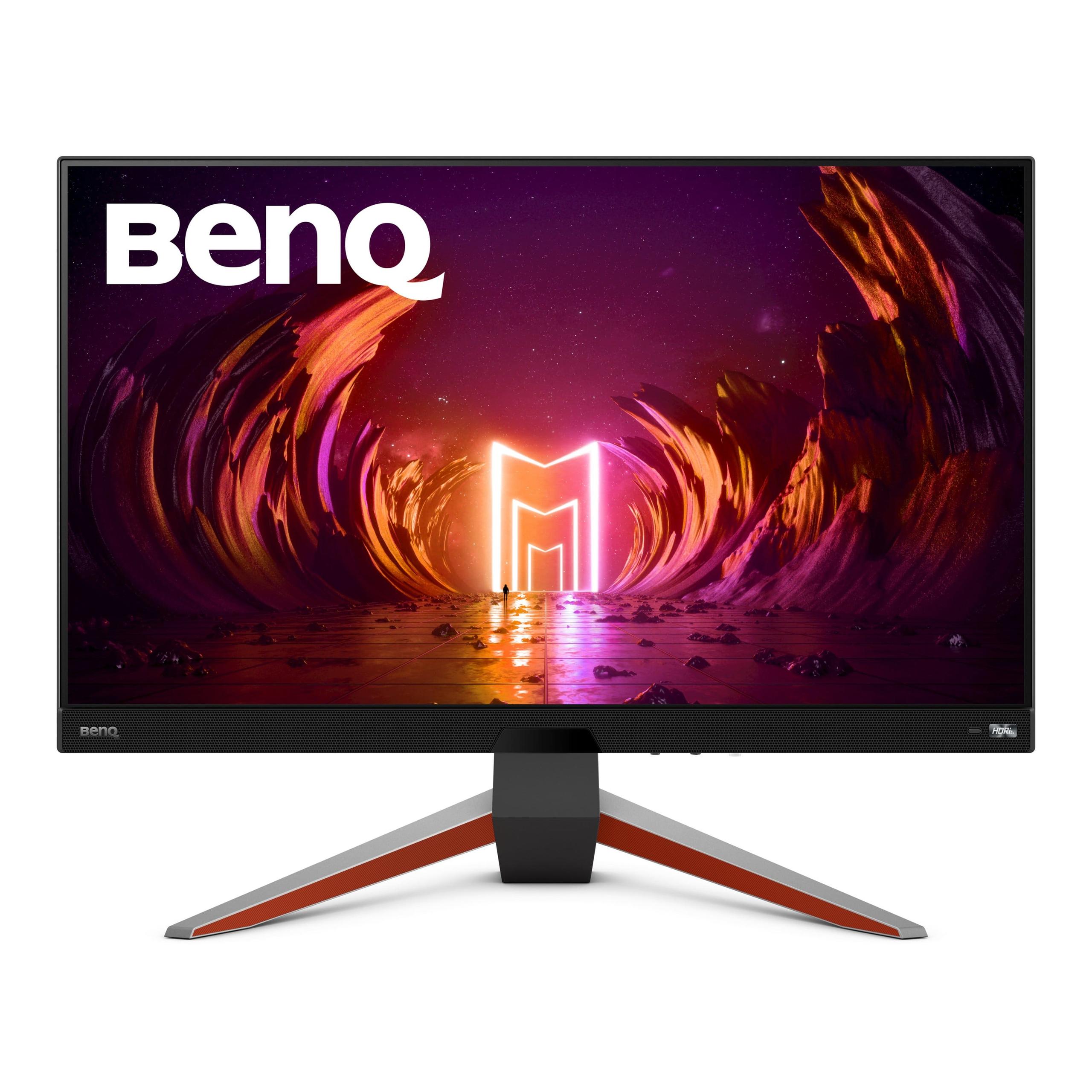
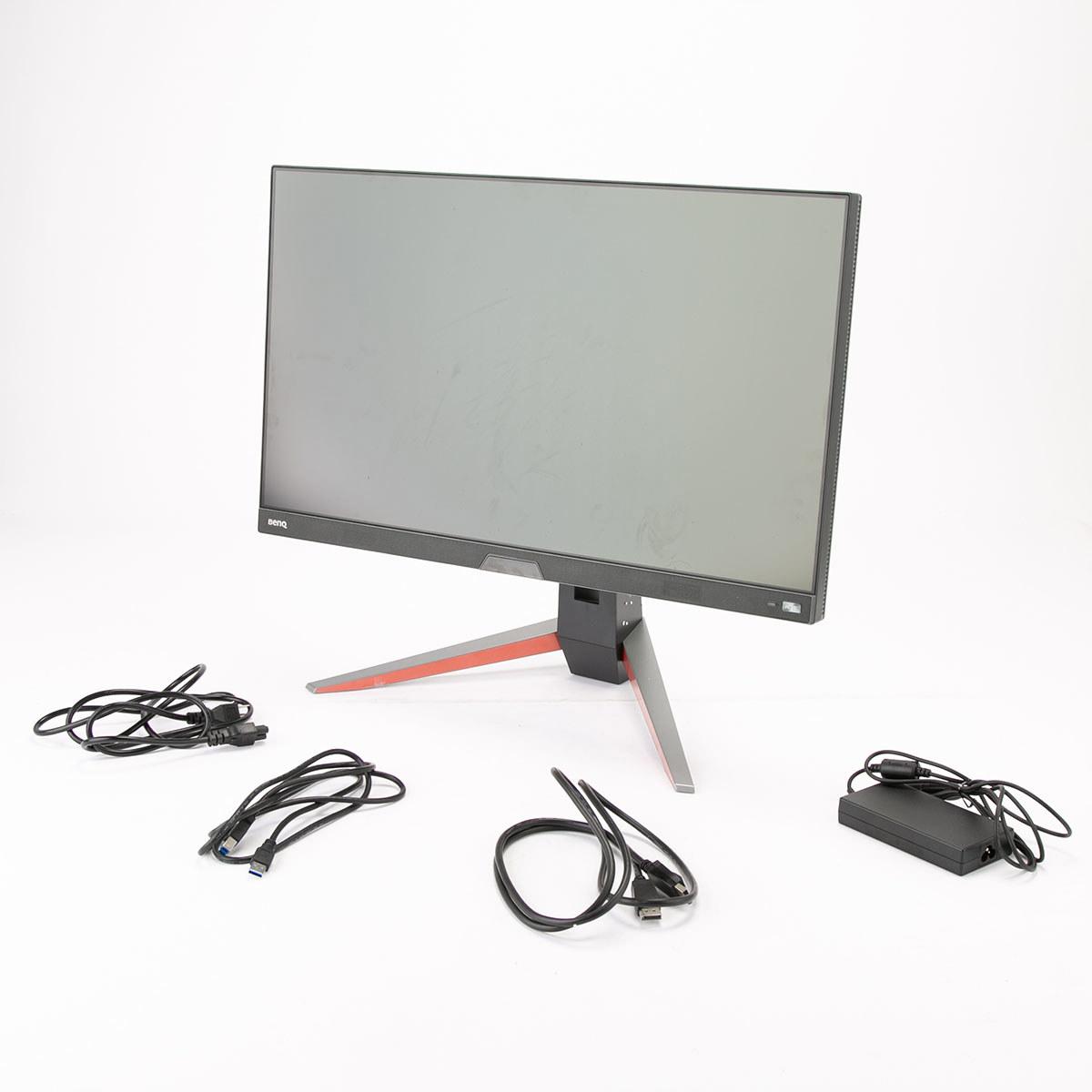
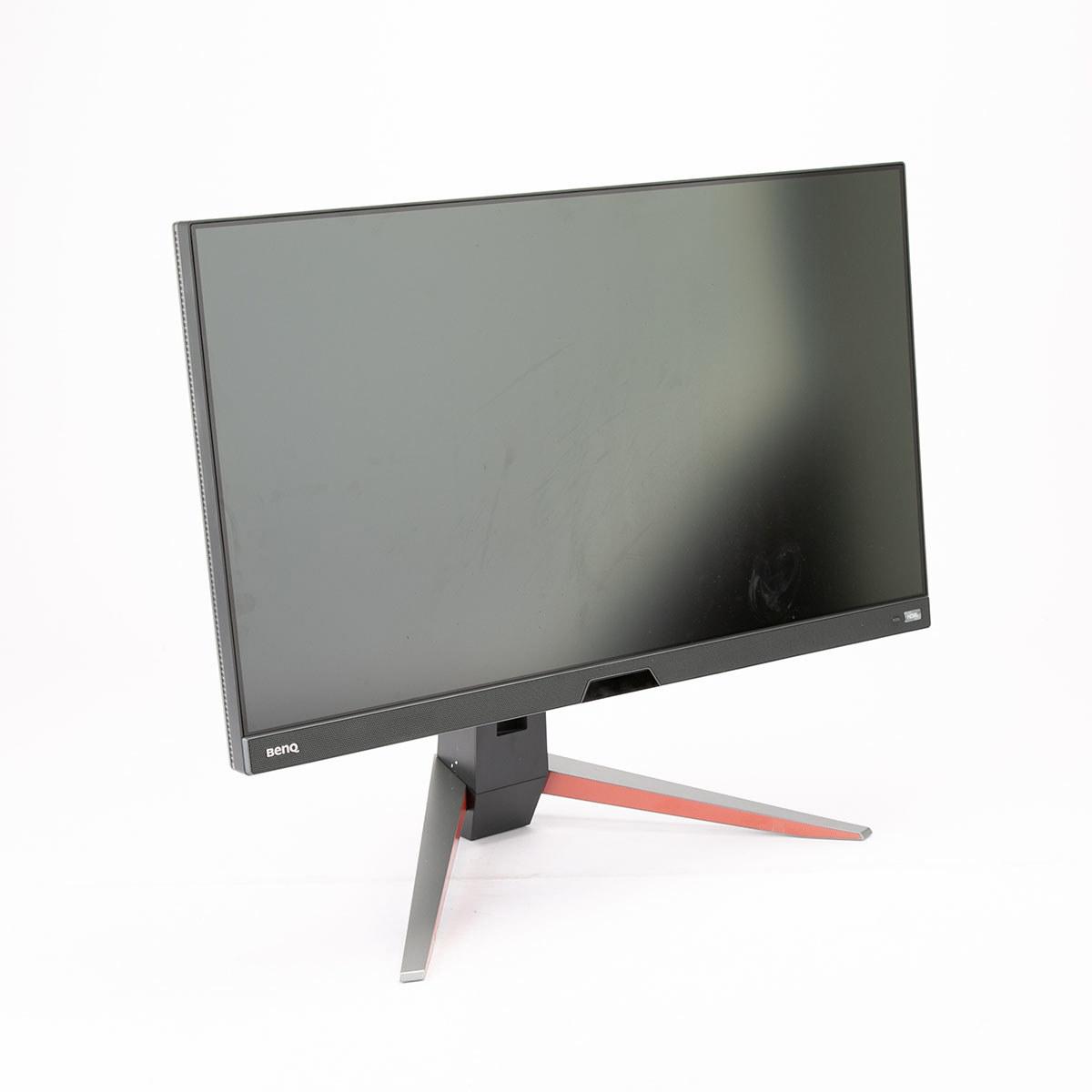
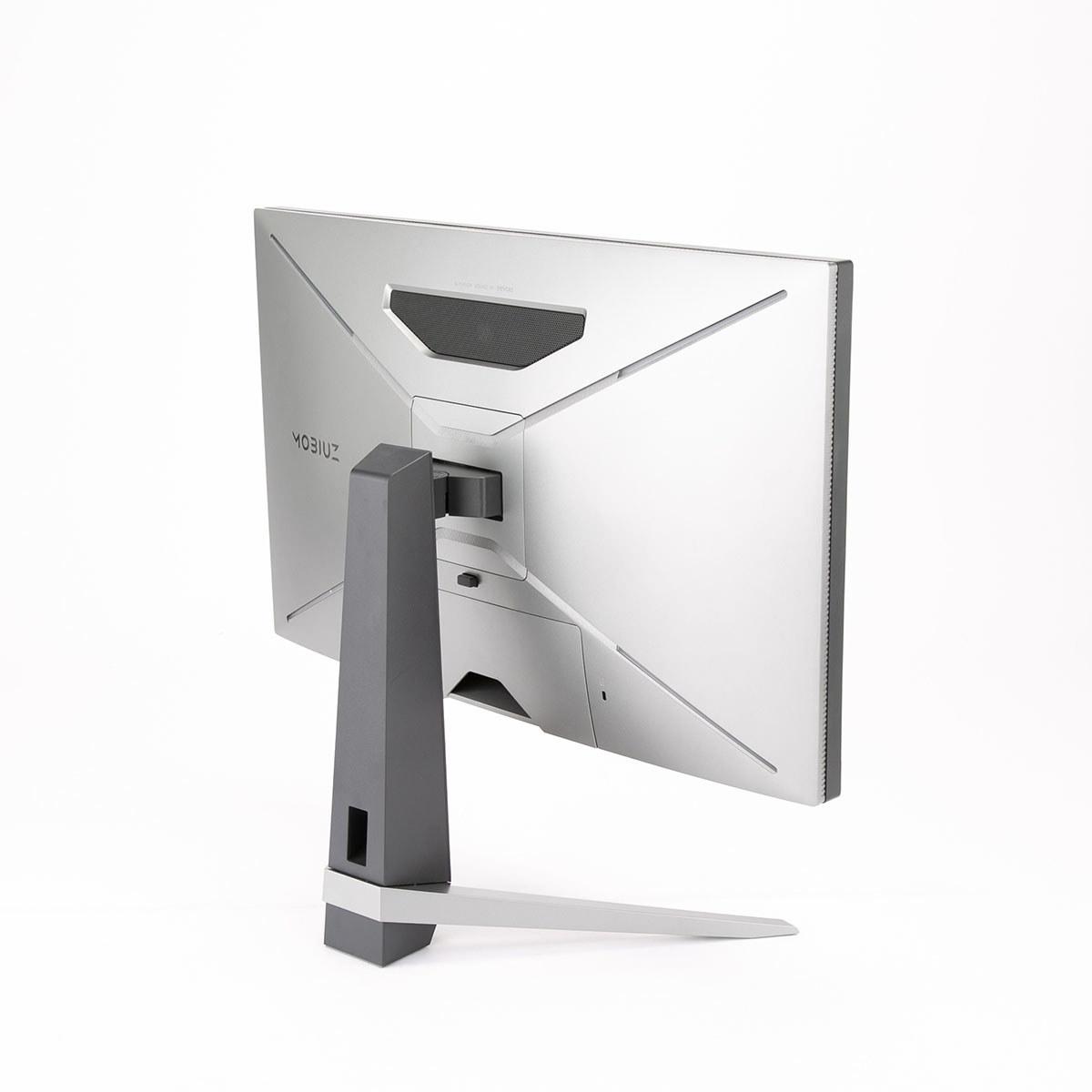
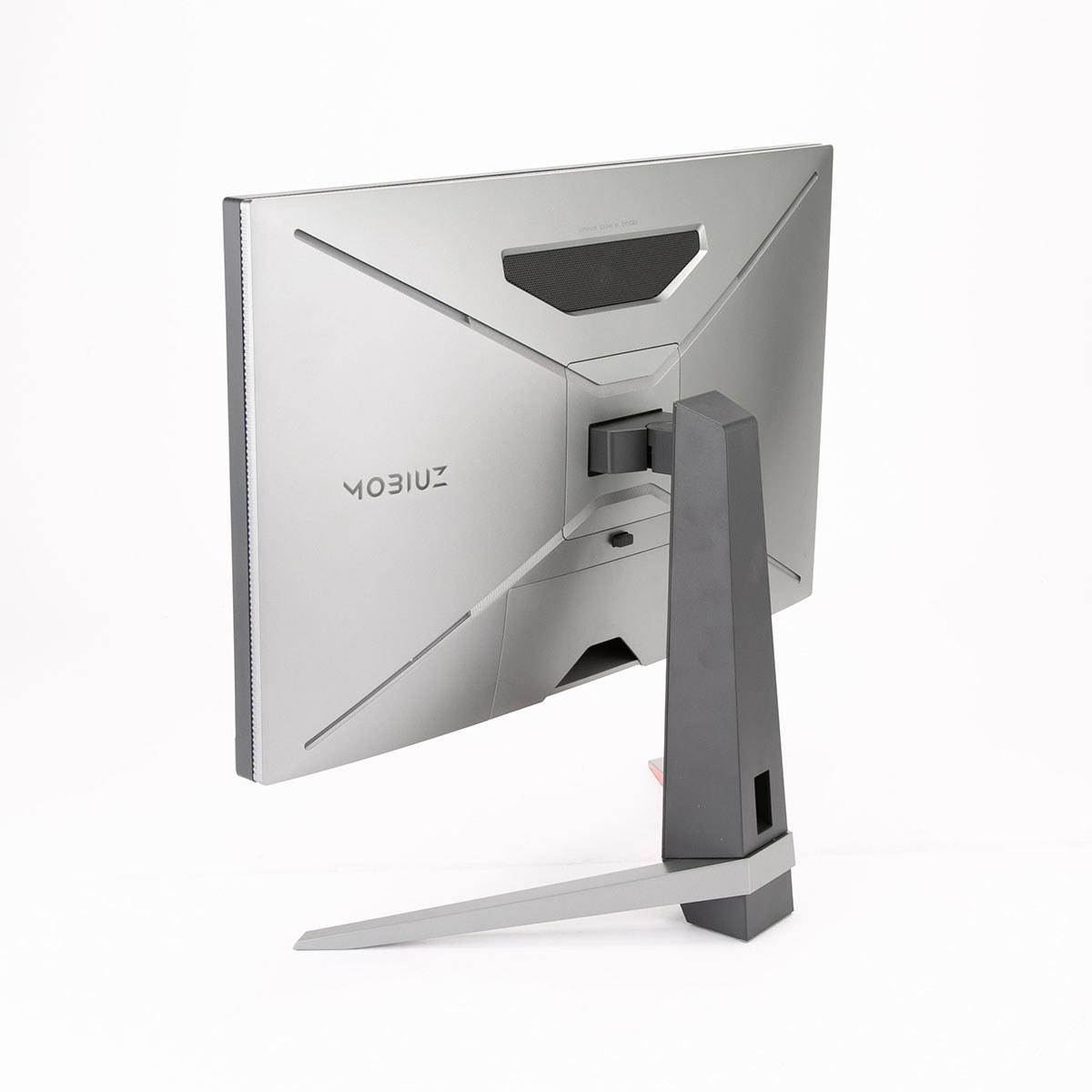
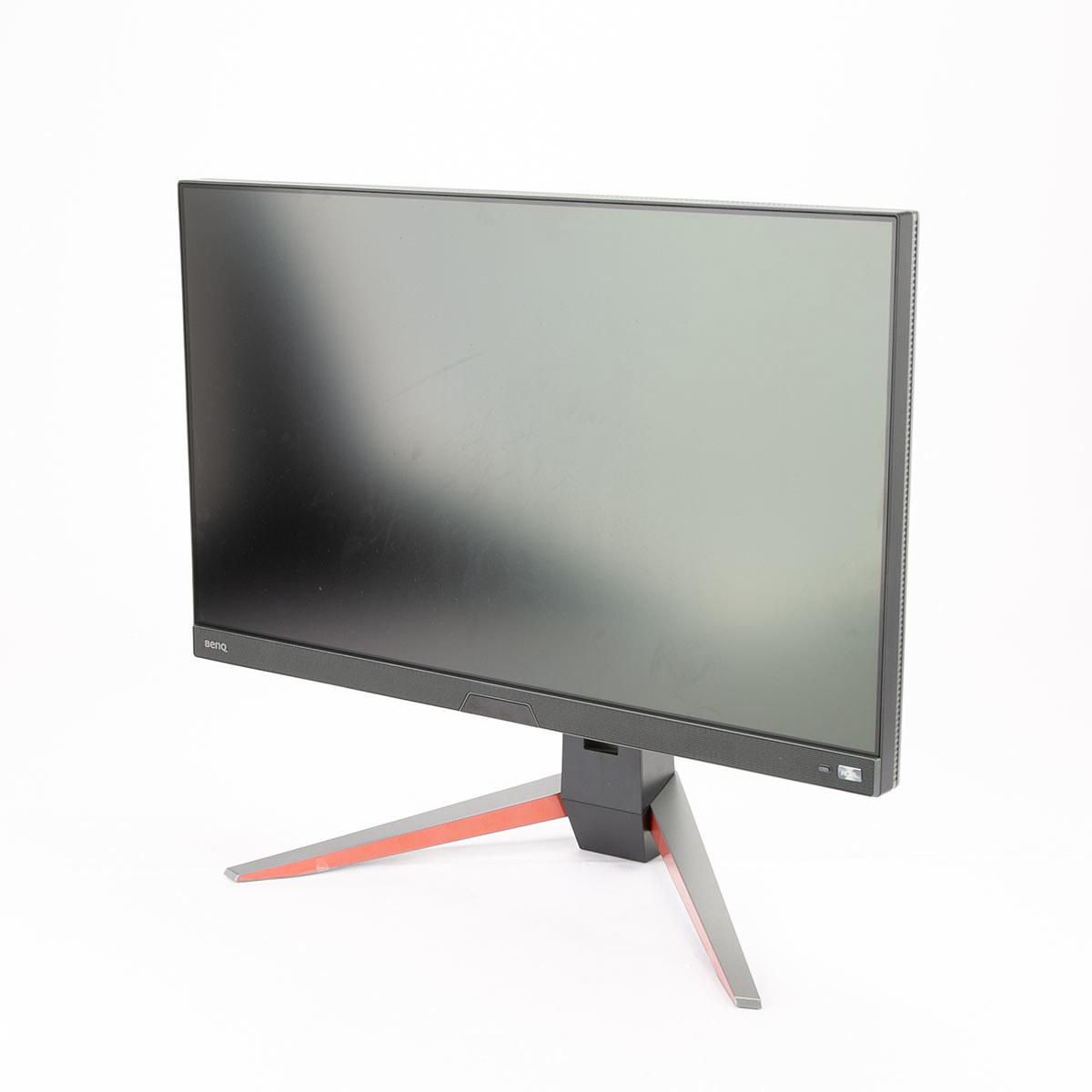
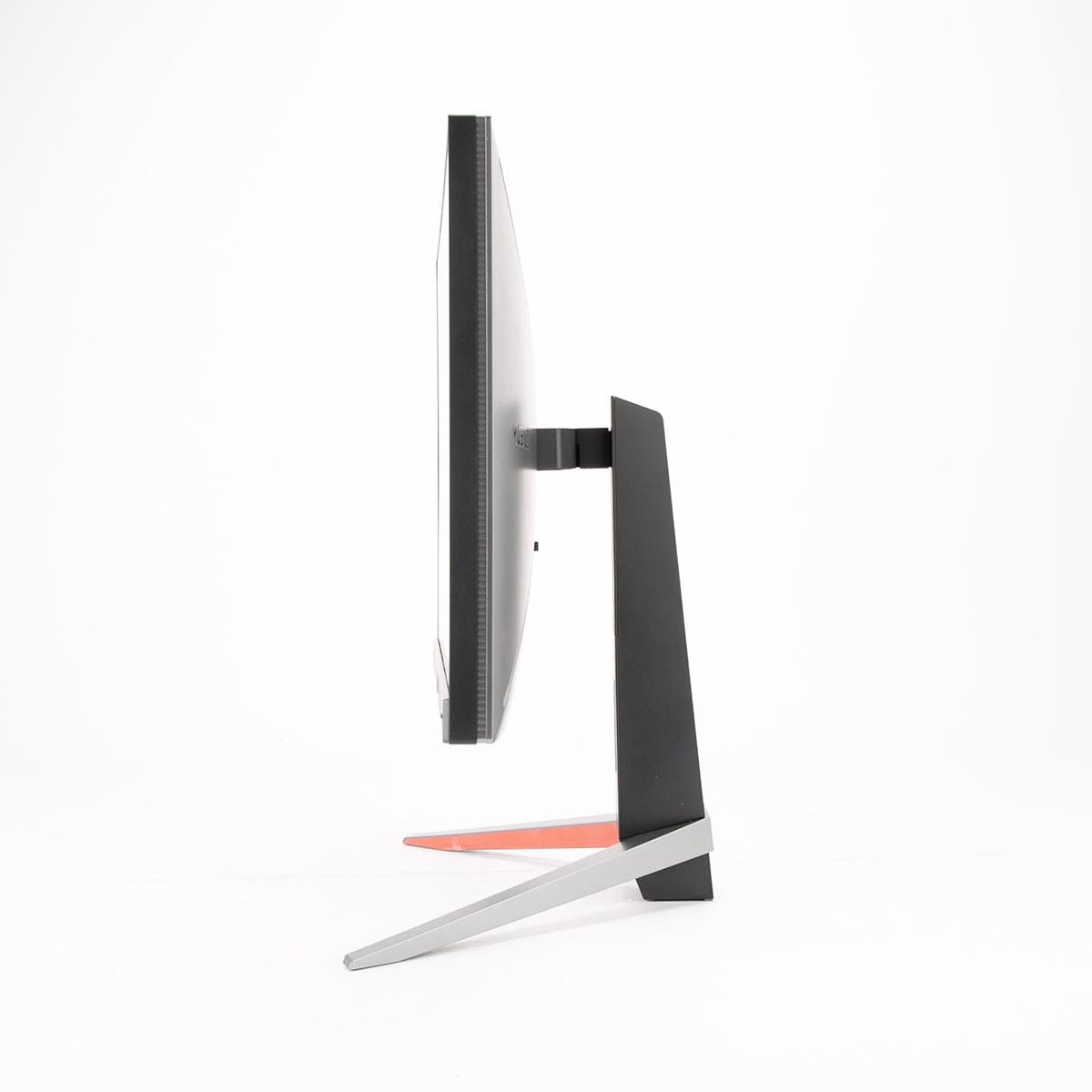
When you're ready to upgrade your gaming setup, choosing the right monitor can feel overwhelming. Two standout options have caught gamers' attention: the premium Samsung 27" Odyssey OLED G8 4K UHD 240Hz Gaming Monitor at $1,299 and the value-focused BenQ MOBIUZ EX270QM 27" QHD 240Hz IPS Gaming Monitor at $400. Both offer that buttery-smooth 240Hz refresh rate (how many times per second the screen updates), but they take completely different approaches to delivering an exceptional gaming experience.
The gaming monitor landscape has evolved dramatically over the past few years. The Samsung G8 represents the cutting edge of OLED technology that finally became affordable enough for gaming in 2023, while the BenQ EX270QM, released in early 2023, showcases how traditional IPS (In-Plane Switching) panels have been refined to near-perfection.
Think of OLED and IPS as two different philosophies. OLED panels can turn individual pixels completely on or off, creating perfect blacks and infinite contrast ratios (the difference between the darkest and brightest parts of an image). IPS panels use a backlight that shines through liquid crystals, offering excellent color accuracy and viewing angles but can't achieve true black levels.
The key consideration here isn't just which technology is "better" – it's which approach fits your gaming style, budget, and setup. After testing both extensively, I've found that each excels in distinctly different scenarios.
The Samsung Odyssey OLED G8 uses Quantum Dot OLED (QD-OLED) technology, which combines the perfect blacks of OLED with quantum dots for enhanced color accuracy. Each pixel emits its own light and can turn completely off, creating contrast that traditional monitors simply cannot match. When you're sneaking through dark corridors in a horror game, those shadow details become crystal clear without washing out bright highlights.
The BenQ MOBIUZ EX270QM employs a refined IPS panel with advanced local dimming (where sections of the backlight can dim independently) and BenQ's proprietary HDRi technology. HDRi uses a sensor to automatically adjust brightness, contrast, and color saturation based on what's happening on screen and the lighting in your room. It's like having a smart assistant constantly optimizing your display.
Here's where things get interesting. The Samsung G8 pushes 4K resolution (3840×2160 pixels) at 240Hz, which is genuinely impressive from a technical standpoint. That's over 8 million pixels updating 240 times per second. The detail level is stunning – you can read small text across the map in strategy games without squinting.
However, driving 4K at 240Hz requires serious graphics horsepower. Even with an RTX 4080 or RX 7800 XT, you'll need to adjust settings in demanding games to maintain those high frame rates. The BenQ EX270QM runs QHD resolution (2560×1440), which hits the sweet spot for most gaming setups. It's sharp enough that individual pixels aren't visible from normal viewing distances, but much easier to drive at high frame rates.
The technical specifications tell an interesting story. The Samsung G8's 0.03ms response time (how quickly pixels can change color) is essentially instantaneous. OLED pixels don't need to twist or rotate like LCD crystals – they just turn on or off. This eliminates motion blur almost entirely.
The BenQ EX270QM achieves 1ms response time through excellent overdrive tuning (artificially speeding up pixel transitions). What impressed me most about BenQ's implementation is that their Motion Blur Reduction works simultaneously with Adaptive Sync, something many monitors can't do. This means you get crystal-clear motion without sacrificing variable refresh rate benefits.
In fast-paced shooters like Valorant or Apex Legends, both monitors feel incredibly responsive. The Samsung has a slight edge in pixel-perfect clarity, but the BenQ delivers 95% of that performance at a fraction of the cost.
For esports and competitive gaming, the BenQ EX270QM actually has some advantages. QHD resolution means your graphics card can push higher frame rates more consistently. When you're playing competitively, maintaining 240+ FPS is more important than having the absolute sharpest image quality.
The BenQ also includes gaming-specific features like Light Tuner, which offers 20 different color profiles optimized for various game types. Black eQualizer enhances visibility in dark scenes without overexposing bright areas – crucial for spotting enemies hiding in shadows.
The Samsung G8 excels in single-player games where visual immersion matters more than raw performance metrics. Playing Cyberpunk 2077 or The Witcher 3 on OLED is a genuinely transformative experience, especially with HDR content.
This is where the technology differences become most apparent. The Samsung Odyssey OLED G8 delivers true HDR with infinite contrast ratios. When HDR content displays a starfield, those stars pop against genuinely black space. The monitor supports DisplayHDR True Black 400 and HDR10+ Gaming, with peak brightness reaching around 600 nits for highlights.
The BenQ EX270QM offers DisplayHDR 600 certification with 600 nits peak brightness, actually brighter than the Samsung's sustained output. However, it can't achieve true blacks due to its LED backlight. BenQ's HDRi technology does impressive work optimizing the image, but it's fundamentally limited by the underlying LCD technology.
In my testing, the Samsung provides a more dramatic HDR experience, while the BenQ offers more consistent brightness across different content types.
Both monitors cover approximately 98-99% of the DCI-P3 color gamut (the color range used in digital cinema), making them suitable for content creation beyond gaming. The Samsung G8 comes better calibrated out of the box, with colors that look natural immediately.
The BenQ EX270QM requires some tweaking to achieve optimal color accuracy, but once calibrated, it performs admirably for photo editing or graphic design work. The IPS panel's wide viewing angles make it better for collaborative work where multiple people might view the screen from different positions.
Here's a crucial real-world consideration: the BenQ EX270QM handles bright rooms significantly better. Its 400 nits sustained brightness and effective anti-glare coating mean you can game comfortably even with windows nearby. The Brightness Intelligence+ feature automatically adjusts to room lighting, reducing eye strain during day-to-night gaming sessions.
The Samsung G8 performs best in controlled lighting environments. While its anti-glare coating is excellent, OLED panels generally work better in darker rooms where their perfect blacks can truly shine.
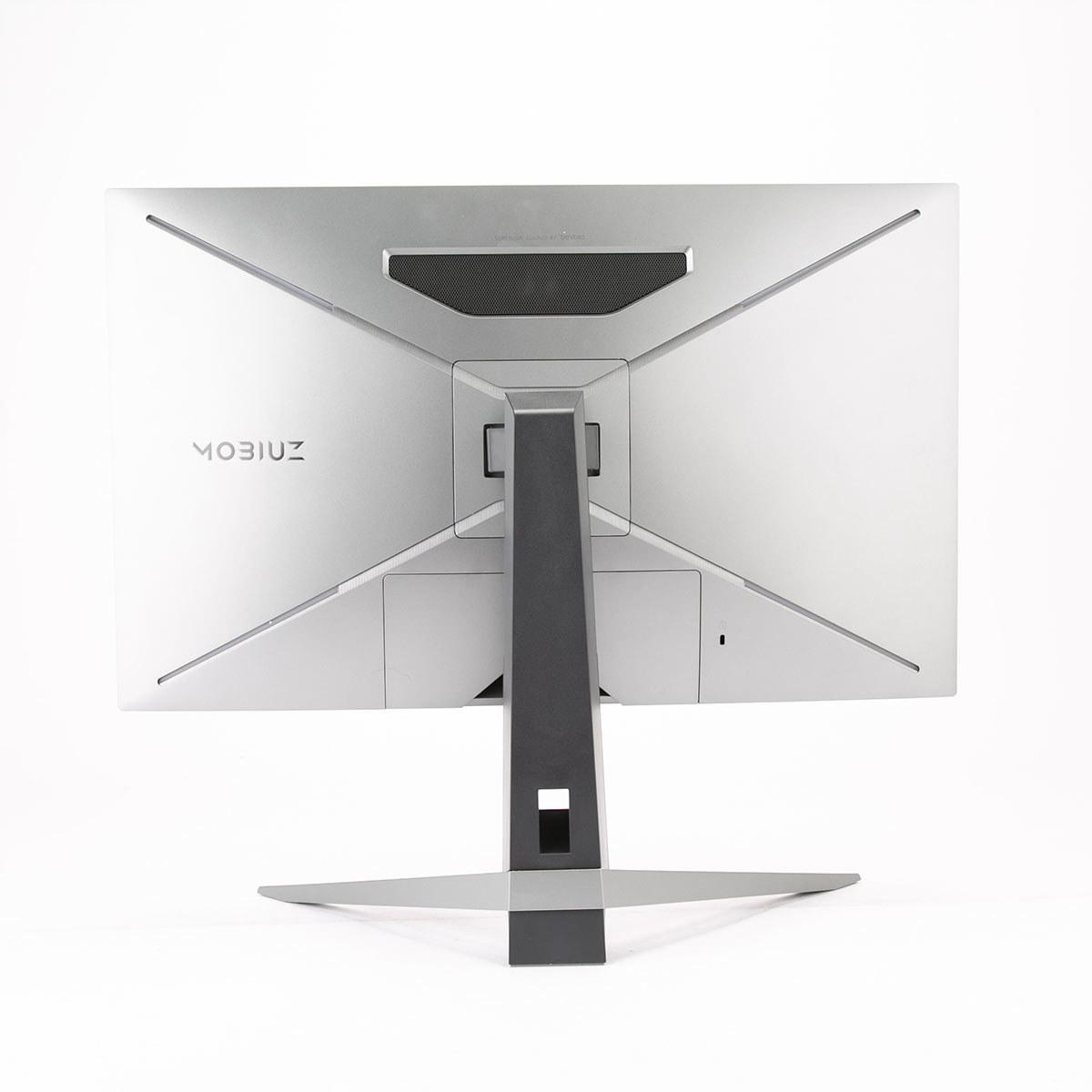
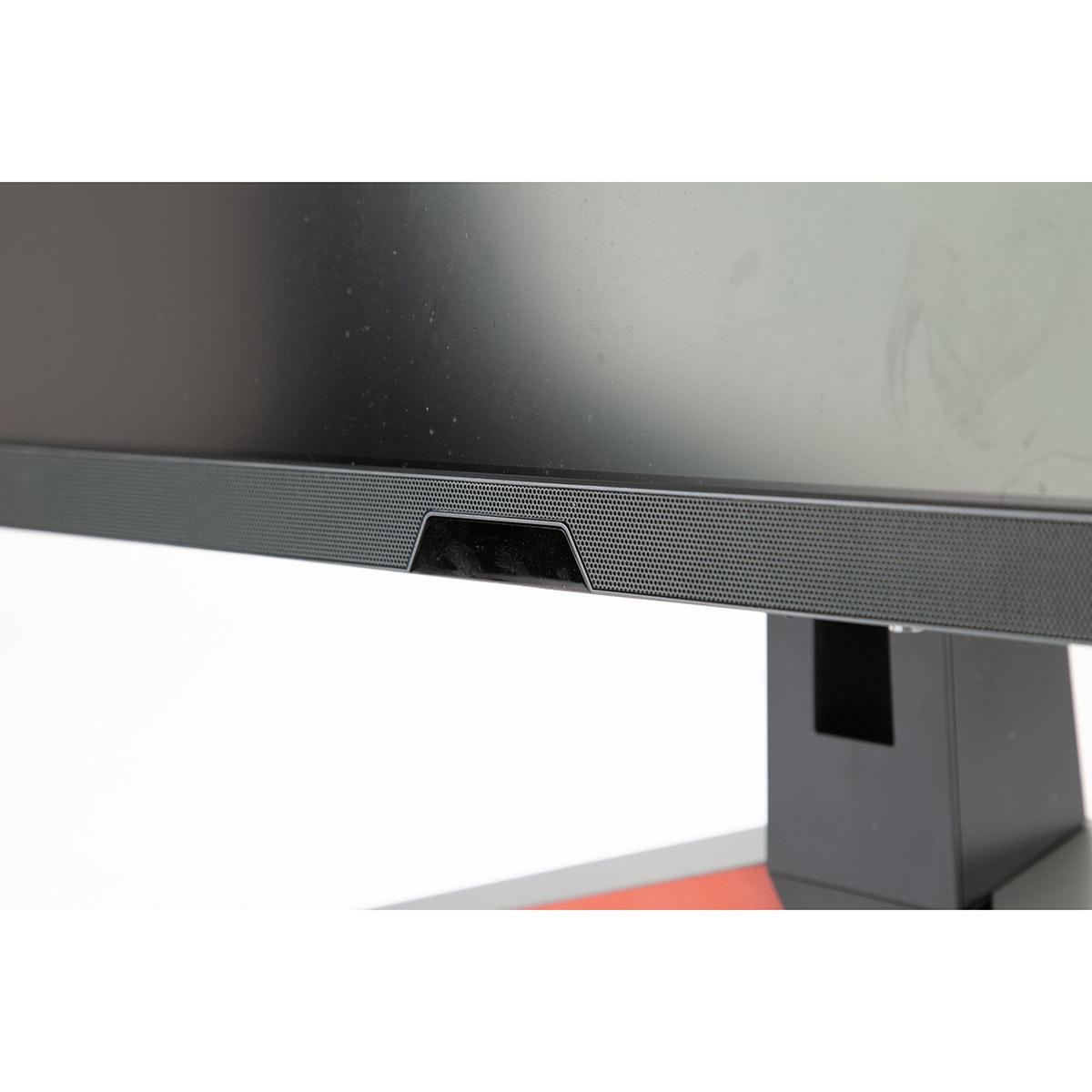
The BenQ MOBIUZ EX270QM includes one of the best integrated audio systems I've experienced on a monitor. The 2.1 channel setup with dual 2W speakers and a 5W subwoofer, tuned by BenQ's treVolo audio brand, delivers surprisingly full sound. You won't mistake it for a dedicated speaker system, but it's genuinely usable for gaming and casual media consumption.
The Samsung G8 includes basic speakers that you'll likely want to replace with dedicated headphones or speakers. This isn't necessarily a negative – many users prefer their own audio solutions – but it does add to the total system cost.
The BenQ EX270QM offers more comprehensive connectivity with dual HDMI 2.1 ports, DisplayPort 1.4, and a USB 3.0 hub for peripherals. This makes it easier to connect multiple devices without constantly swapping cables.
The Samsung G8 provides HDMI 2.1 and DisplayPort but notably lacks USB-C connectivity, which feels like an oversight at this price point. However, it does integrate with Samsung's Gaming Hub, offering built-in access to cloud gaming services without needing a connected PC or console.
If you're considering either monitor for a living room gaming setup or home theater use, there are important factors to consider. The Samsung Odyssey OLED G8 works beautifully for cinematic gaming experiences, especially in darker rooms. Its OLED technology excels with movie content, providing the same infinite contrast that makes OLED TVs so popular.
However, the 27-inch size limits its home theater appeal compared to larger displays. The BenQ EX270QM might actually be more practical for shared gaming spaces due to its better brightness handling and wider viewing angles, though neither monitor is ideally sized for traditional home theater use.
For a dedicated gaming room or bedroom setup, both work well, but the Samsung provides a more premium, cinema-like experience while the BenQ offers better versatility for mixed use.
OLED burn-in remains a consideration with the Samsung G8, though modern OLED panels include numerous protective features like pixel shifting, logo detection, and thermal management. Samsung provides a 3-year warranty that covers burn-in under normal usage conditions, which offers some peace of mind.
The BenQ EX270QM uses proven IPS technology with minimal long-term concerns. IPS panels typically maintain their performance characteristics for many years without degradation. The 3-year warranty covers standard defects but doesn't need to address burn-in concerns.
Both monitors support firmware updates, ensuring they can receive new features and optimizations over time.
You're building a premium gaming setup and have the budget for both the $1,299 monitor and the high-end graphics card needed to drive 4K at 240Hz effectively. You primarily play single-player games where visual quality enhances immersion, and you can control your room's lighting to maximize OLED's advantages. The cutting-edge technology and future-proofing appeal to you, even at a significant price premium.
You want excellent gaming performance without the premium price tag. The $400 BenQ delivers 90% of the gaming experience at 30% of the cost. You play a mix of competitive and casual games, need a monitor that works well in various lighting conditions, or appreciate having quality integrated audio. The proven reliability and comprehensive feature set make it ideal for users who want a complete package without compromises.
After extensive use with both monitors, the choice comes down to your priorities and budget. The Samsung Odyssey OLED G8 represents the pinnacle of current gaming monitor technology, offering an experience that genuinely feels next-generation. However, its premium positioning means it's not the right choice for everyone.
The BenQ MOBIUZ EX270QM proves that you don't need to spend over $1,000 to get fantastic gaming performance. It's a monitor that excels at being practical while still delivering the high refresh rates and low latency that serious gamers demand.
Both monitors will serve you well, but they target different users with different priorities. The Samsung is for enthusiasts who want the absolute best visual experience, while the BenQ is for gamers who want excellent performance with smart features at a reasonable price. In either case, you're getting a monitor that will significantly upgrade your gaming experience over older, slower displays.
| Samsung 27" Odyssey OLED G8 4K UHD 240Hz Gaming Monitor | BenQ MOBIUZ EX270QM 27" QHD 240Hz IPS Gaming Monitor |
|---|---|
| Price - Significant cost difference for similar gaming performance | |
| $1,299 - Premium flagship positioning | $400 - Exceptional value for high-end gaming |
| Display Technology - Fundamental difference in how images are created | |
| OLED (QD-OLED) - Perfect blacks, infinite contrast, per-pixel lighting | IPS with Local Dimming - Consistent brightness, wide viewing angles |
| Resolution - 4K detail vs performance optimization trade-off | |
| 4K UHD (3840×2160) - Maximum detail, requires high-end GPU | QHD (2560×1440) - Sweet spot for gaming performance |
| Response Time - Motion clarity for competitive gaming | |
| 0.03ms - Instantaneous OLED pixel switching | 1ms - Excellent IPS performance with minimal ghosting |
| Peak Brightness - Room lighting compatibility | |
| 600 nits peak, 250 nits sustained - Best in controlled lighting | 600 nits peak, 400 nits sustained - Better for bright rooms |
| HDR Support - Enhanced visual dynamics in games | |
| DisplayHDR True Black 400, HDR10+ Gaming - Superior contrast | DisplayHDR 600 with HDRi technology - Intelligent optimization |
| Audio System - Built-in sound quality | |
| Basic speakers - External audio recommended | 2.1 system (2×2W + 5W subwoofer) - Surprisingly capable |
| Connectivity - Port selection and device compatibility | |
| HDMI 2.1, DisplayPort 1.4, USB-C - Limited but sufficient | 2× HDMI 2.1, DisplayPort 1.4, USB 3.0 hub - More comprehensive |
| Warranty Coverage - Long-term protection and burn-in concerns | |
| 3 years including burn-in protection - OLED-specific coverage | 3 years standard warranty - Proven IPS reliability |
| Best Use Cases - Who should choose each monitor | |
| Cinematic gaming, HDR content, premium visual experience | Competitive gaming, mixed use, bright room compatibility |
Both the Samsung Odyssey OLED G8 and BenQ MOBIUZ EX270QM excel at gaming with 240Hz refresh rates. The Samsung G8 offers superior visual quality with OLED technology and 4K resolution, making it ideal for single-player games. The BenQ EX270QM provides excellent competitive gaming performance at QHD resolution with faster frame rates and costs significantly less at $400.
The Samsung Odyssey OLED G8 costs $1,299, while the BenQ MOBIUZ EX270QM is priced at $400. This makes the Samsung monitor over 3 times more expensive than the BenQ option, representing a significant investment for premium OLED technology versus proven IPS performance.
4K on the Samsung G8 provides maximum detail but requires high-end graphics cards to maintain 240Hz performance. QHD on the BenQ EX270QM offers the best balance of sharpness and performance, allowing most gaming PCs to achieve higher frame rates consistently. For competitive gaming, QHD is often preferred.
The Samsung Odyssey OLED G8 delivers superior HDR with infinite contrast ratios and true blacks thanks to OLED technology. The BenQ MOBIUZ EX270QM offers solid HDR600 performance with intelligent HDRi optimization, but cannot match OLED's contrast capabilities. For HDR gaming and movies, the Samsung provides a more dramatic experience.
The BenQ MOBIUZ EX270QM handles bright rooms better with 400 nits sustained brightness and Brightness Intelligence+ that adapts to room lighting. The Samsung G8 works best in controlled lighting despite its anti-glare coating, as OLED panels are optimized for darker environments where their perfect blacks shine.
The BenQ MOBIUZ EX270QM is better suited for competitive gaming due to its QHD resolution allowing consistent high frame rates, gaming-optimized features like Light Tuner and Black eQualizer, and excellent motion clarity. The Samsung G8 offers slightly faster response times but may struggle to maintain 240+ FPS at 4K in demanding titles.
The Samsung Odyssey OLED G8 uses OLED technology where pixels emit their own light and can turn completely off, creating perfect blacks and infinite contrast. The BenQ MOBIUZ EX270QM uses IPS technology with LED backlighting, offering consistent brightness, accurate colors, and no burn-in concerns but cannot achieve true black levels.
The BenQ MOBIUZ EX270QM significantly outperforms with its 2.1 treVolo audio system featuring dual 2W speakers and a 5W subwoofer. The Samsung G8 has basic speakers that most users will want to replace. For users who prefer integrated audio, the BenQ offers surprising quality for a monitor.
The Samsung Odyssey OLED G8 has potential OLED burn-in risks, though Samsung includes protective features and covers burn-in under their 3-year warranty with normal usage. The BenQ MOBIUZ EX270QM uses IPS technology with no burn-in concerns, making it more suitable for users who display static content for extended periods.
The BenQ MOBIUZ EX270QM provides exceptional value at $400, delivering 90% of premium gaming performance at 30% of the cost. The Samsung G8 at $1,299 offers cutting-edge technology and superior visual quality but represents a significant premium that may not justify the cost difference for most users.
The BenQ MOBIUZ EX270QM offers more comprehensive connectivity with dual HDMI 2.1 ports, DisplayPort 1.4, and USB 3.0 hub for peripherals. The Samsung G8 provides HDMI 2.1 and DisplayPort 1.4 but lacks USB-C connectivity and has fewer ports overall, which may require additional adapters or hubs.
Choose the Samsung Odyssey OLED G8 if you have a high-end GPU, prioritize visual quality over cost, and game primarily in controlled lighting. Select the BenQ MOBIUZ EX270QM if you want excellent gaming performance at a reasonable $400 price, play competitive games, or need a monitor that works well in various lighting conditions.
We've done our best to create useful and informative comparisons to help you decide what product to buy. Our research uses advanced automated methods to create this comparison and perfection is not possible - please contact us for corrections or questions. These are the sites we've researched in the creation of this article: rtings.com - tomsguide.com - tomshardware.com - youtube.com - ign.com - youtube.com - pcvarge.com - youtube.com - youtube.com - versus.com - bestbuy.com - samsung.com - samsung.com - displayspecifications.com - samsung.com - hardforum.com - publicsector.shidirect.com - forums.thefpsreview.com - samsung.com - rtings.com - samsung.com - samsung.com - bgeek.eu - youtube.com - tomshardware.com - youtube.com - t3.com - versus.com - pcgamer.com - versus.com - gamesradar.com - pangoly.com - benq.eu - techaeris.com - shi.com - benq.com - bestbuy.com - benq.com - displayspecifications.com - benq.com - benq.eu - bhphotovideo.com - benq.com

Privacy Policy
Terms and Conditions - Affiliate Policy
Home Security
© Copyright 2008-2026.
11816 Inwood Rd #1211, Dallas, TX 75244