


Gaming monitors have undergone a dramatic transformation over the past few years, moving far beyond the simple LED-backlit screens that dominated the market for decades. Today, we're witnessing a fascinating battle between two advanced technologies: Mini-LED and OLED displays. Each approach offers unique advantages, but choosing between them requires understanding what makes each technology tick and how those differences translate to real-world performance.
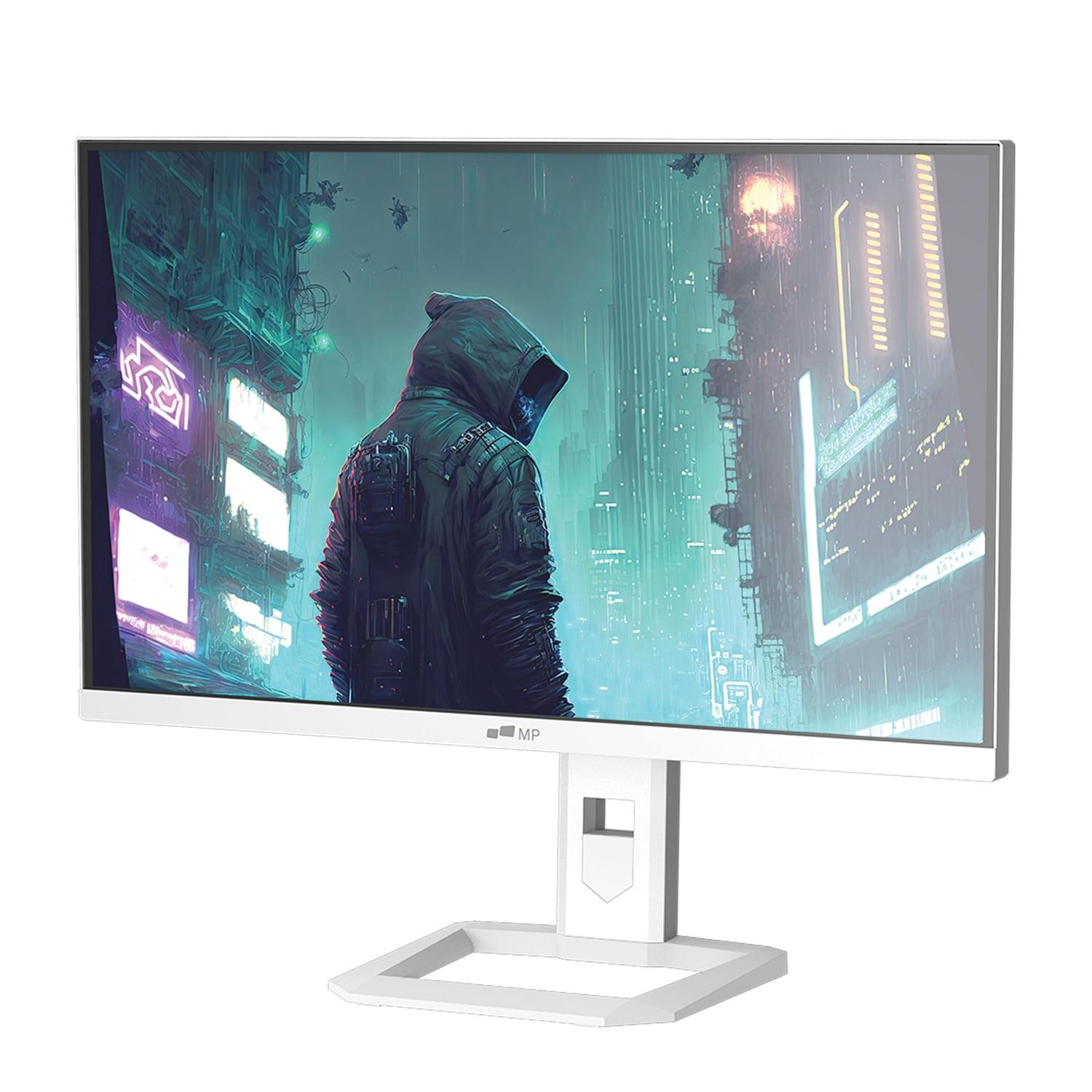
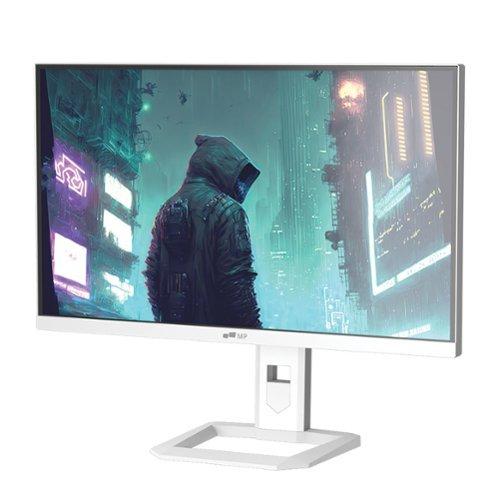
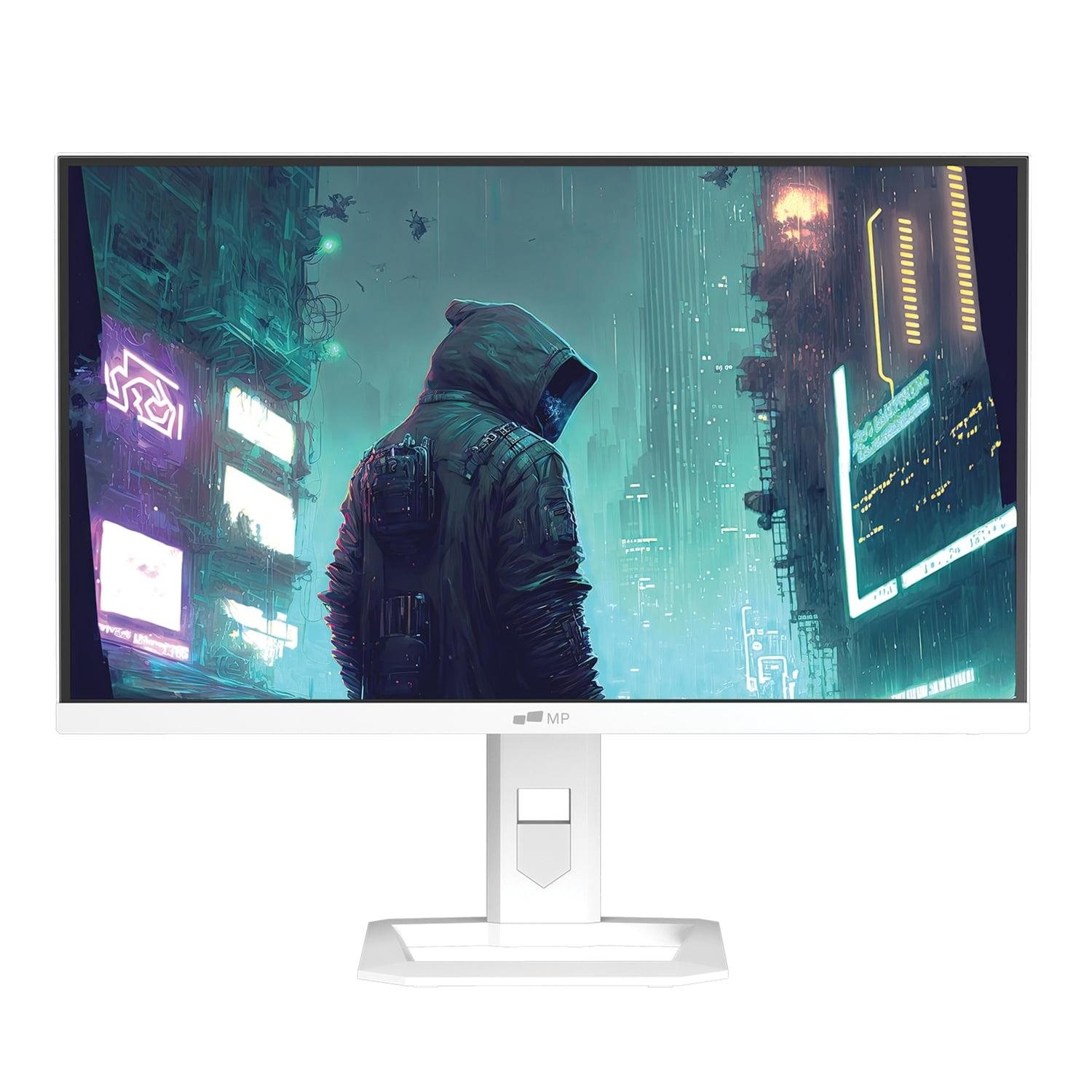
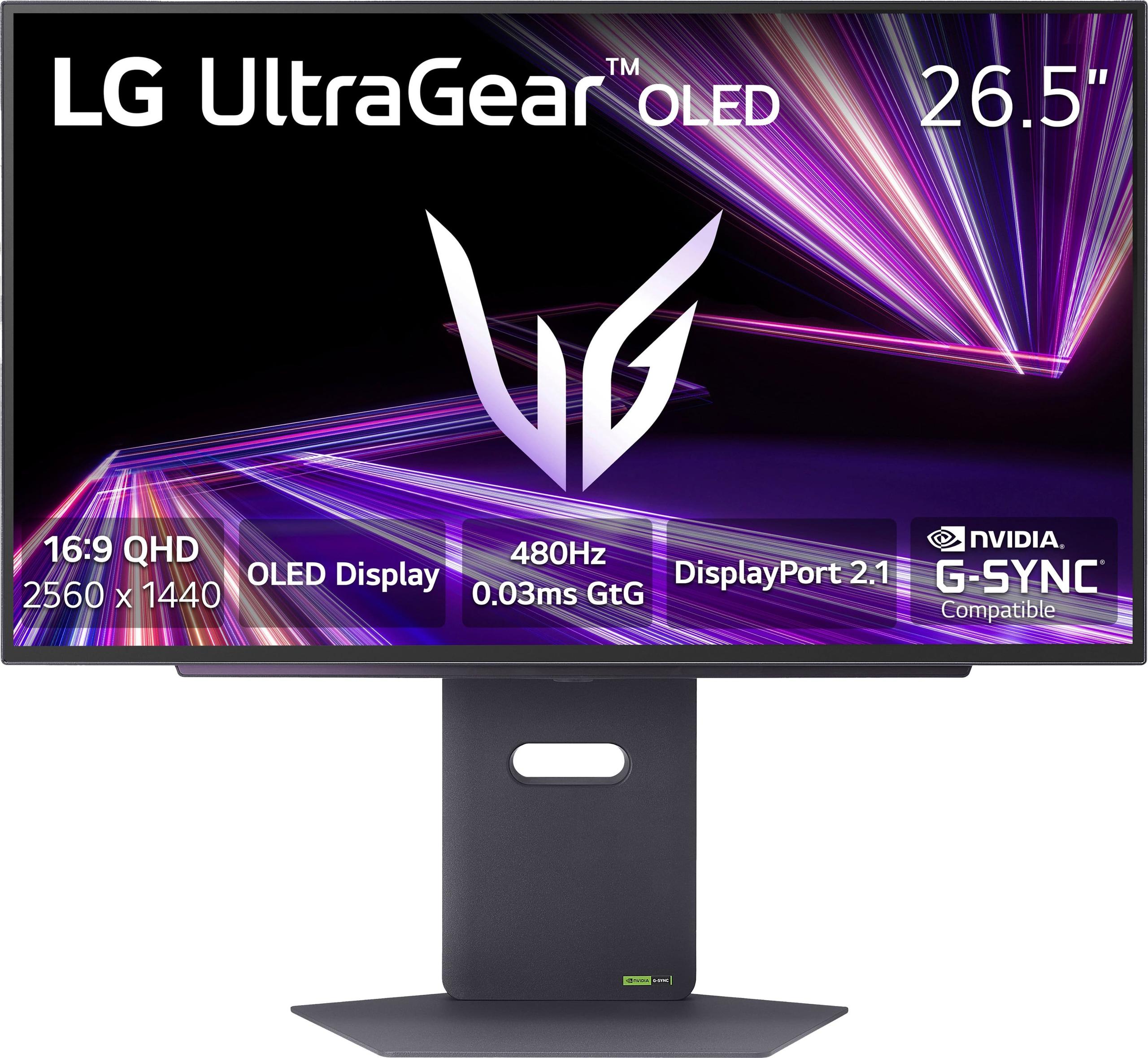
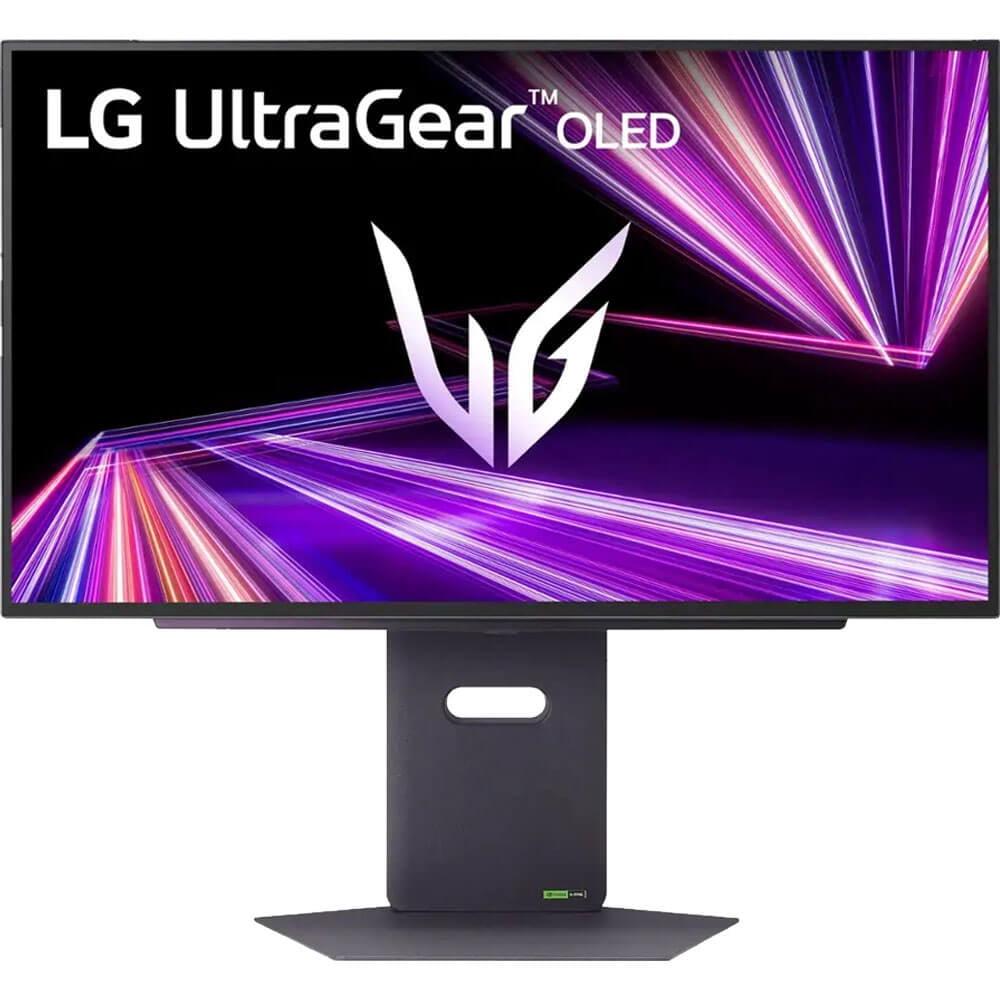
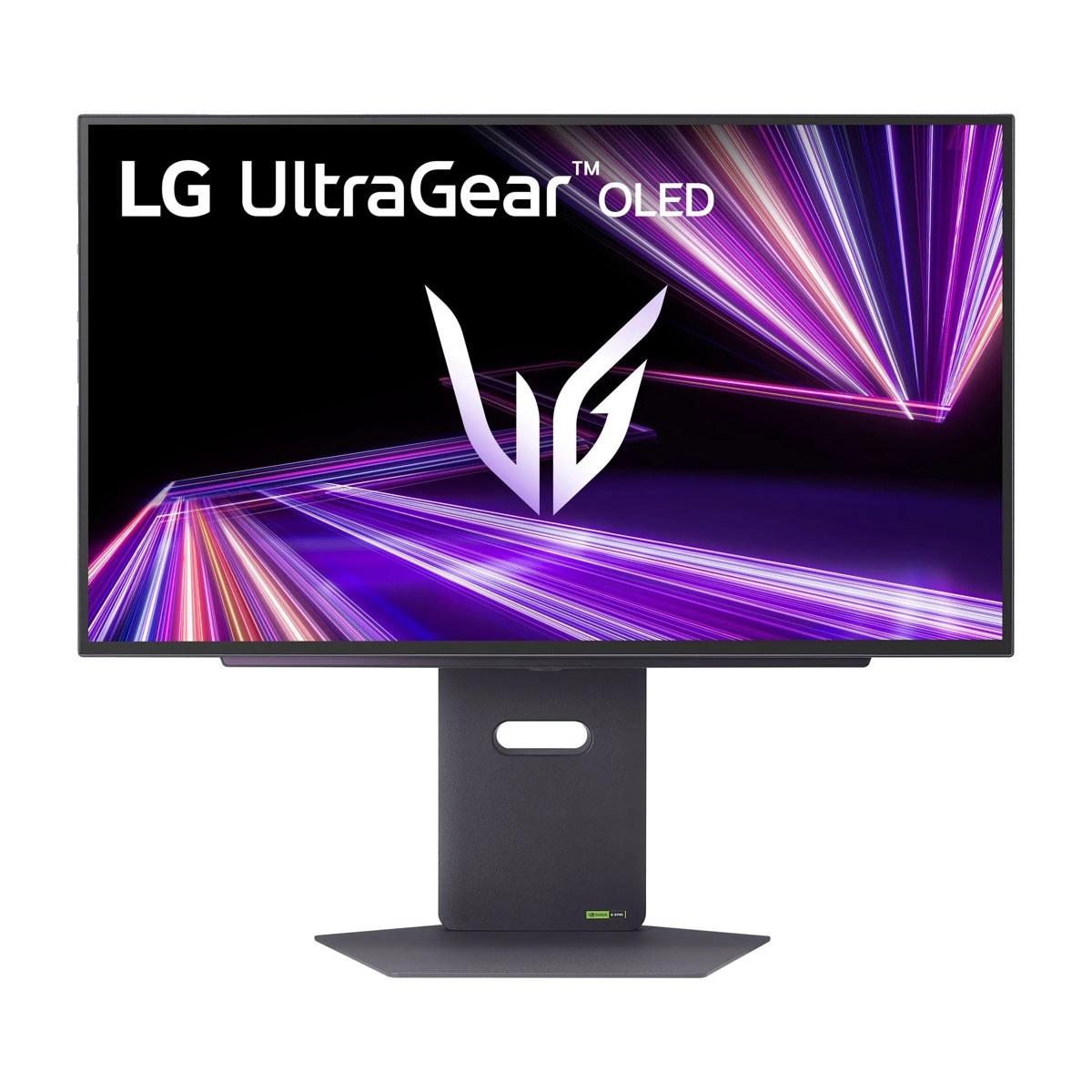
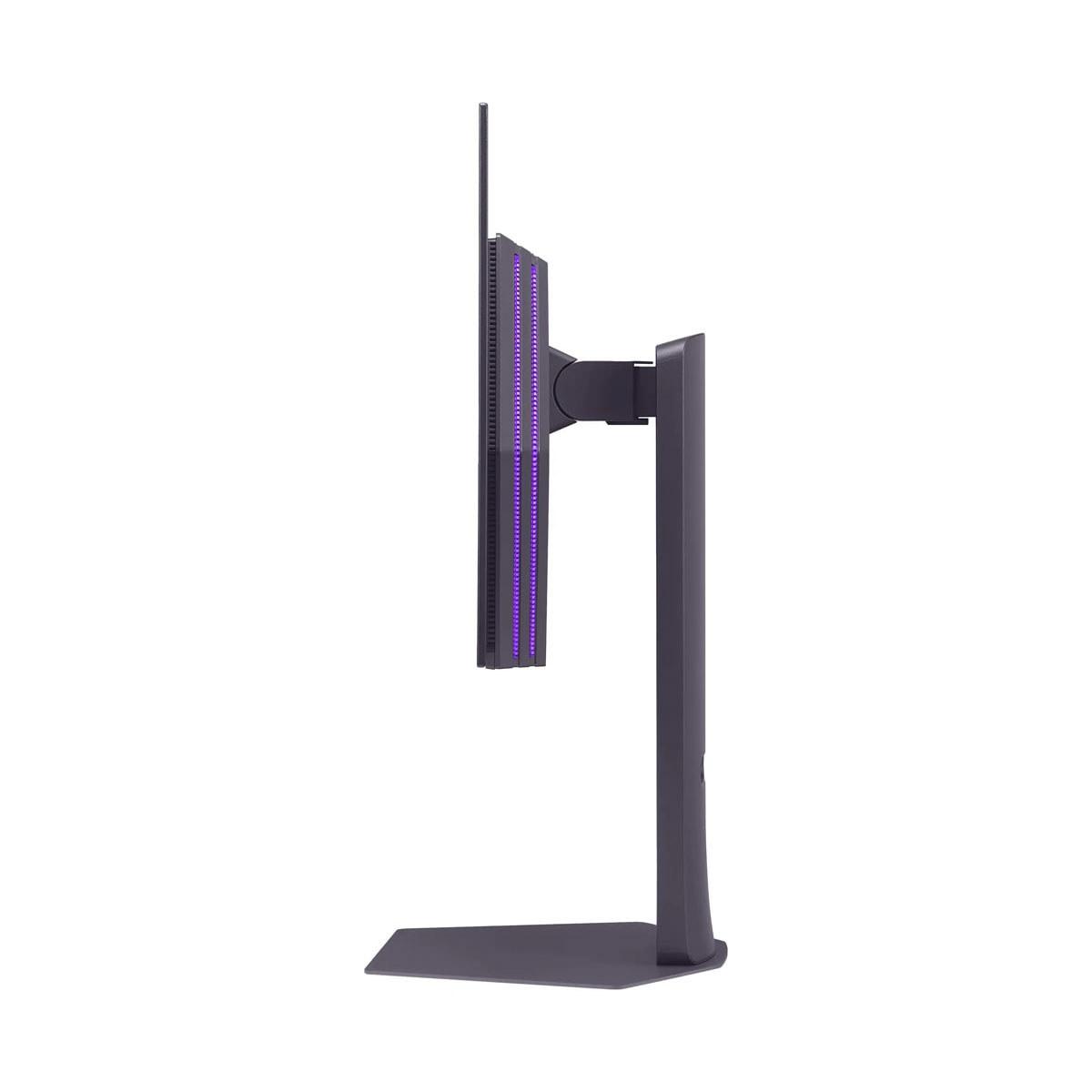
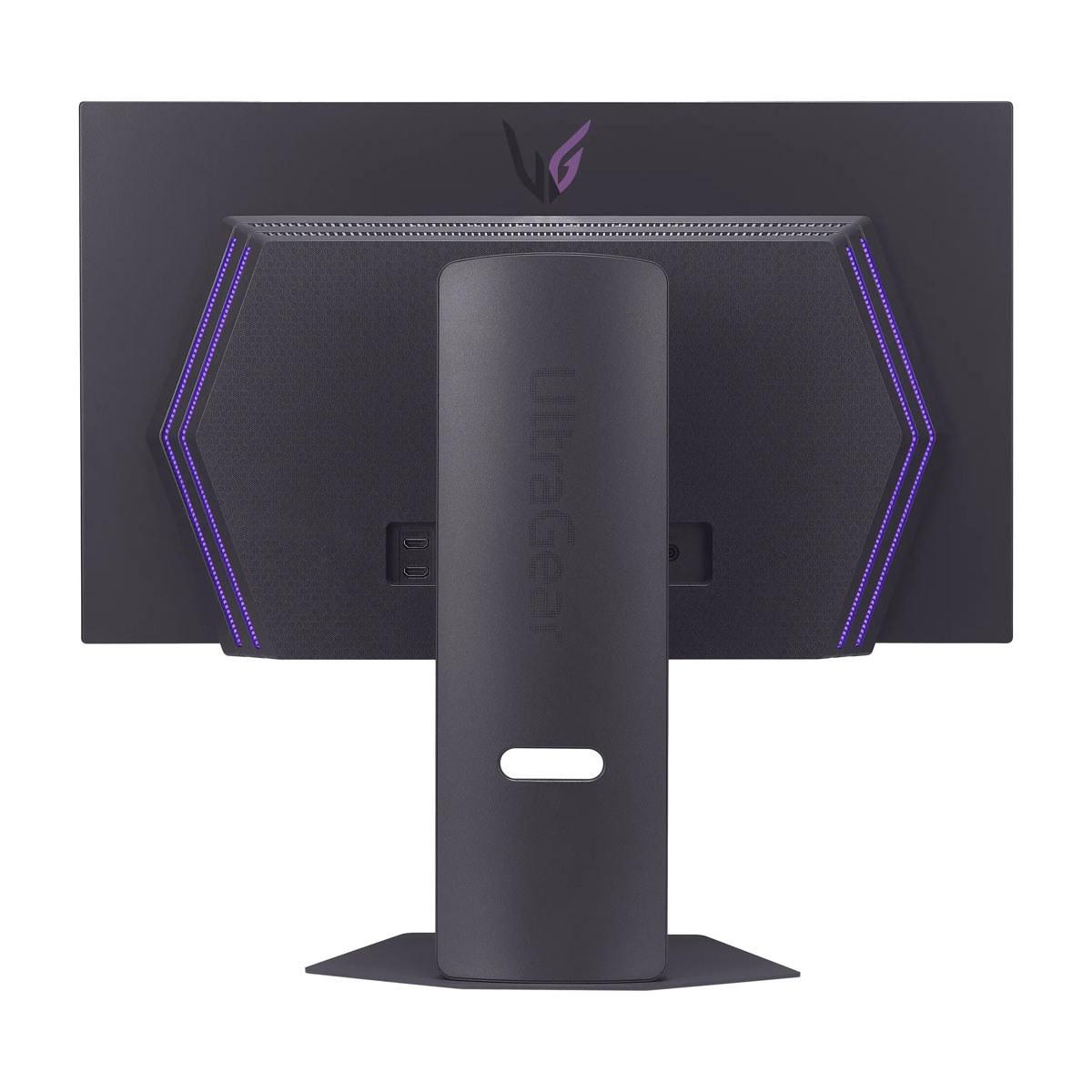
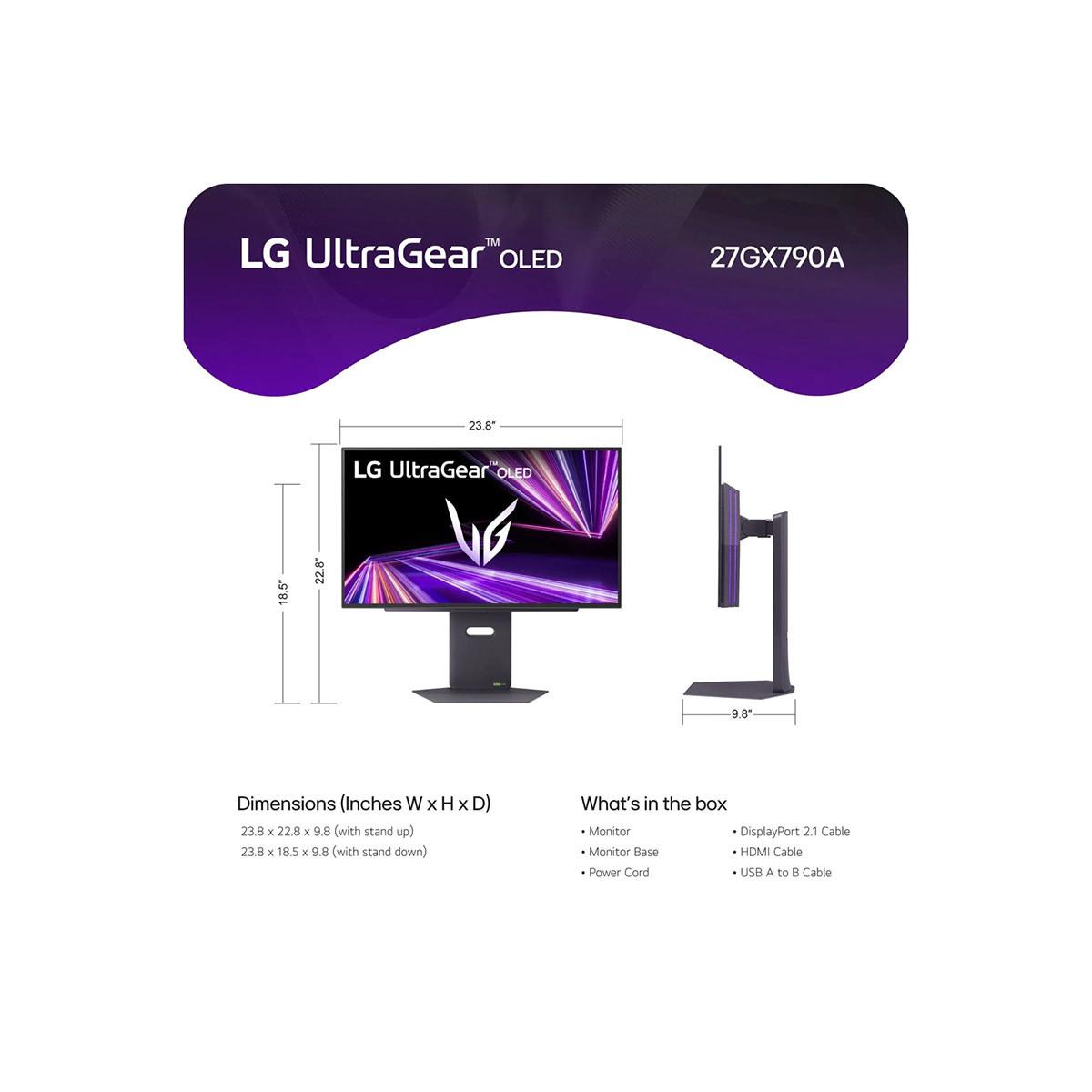
I've spent considerable time testing both the Mobile Pixels 27" WQHD Mini-LED Gaming Monitor and the LG UltraGear 27" OLED QHD 480Hz Gaming Monitor, and the differences between these technologies are more nuanced than you might expect. While both deliver exceptional gaming experiences, they achieve their performance through fundamentally different methods that cater to different types of users.
Before diving into specific comparisons, it's crucial to understand what Mini-LED and OLED actually are, because these terms get thrown around a lot without proper explanation.
Mini-LED technology takes the traditional LCD approach and supercharges it. Instead of using large LED strips to backlight the entire screen, Mini-LED displays use thousands of tiny LEDs arranged behind the panel. The Mobile Pixels monitor utilizes this technology to create more precise lighting zones, which means brighter highlights and deeper shadows compared to standard LCD monitors. Think of it like having thousands of tiny flashlights behind your screen instead of a few large ones – you get much more control over which parts of the screen are bright or dark.
OLED (Organic Light-Emitting Diode) technology is entirely different. Each pixel generates its own light using organic compounds that glow when electricity passes through them. The LG UltraGear uses this approach, which means individual pixels can turn completely off to create perfect blacks, or shine brightly for vivid colors. It's like having millions of tiny colored light bulbs that can independently control their brightness.
These fundamental differences create distinct advantages for each technology. Mini-LED excels at sustained brightness and durability, while OLED dominates in contrast and response times. Understanding these trade-offs is essential for making the right choice.
The refresh rate battle between these monitors is where things get really interesting. The Mobile Pixels Mini-LED monitor operates at 180Hz, which means it can display up to 180 frames per second. This represents a significant jump from the standard 60Hz displays most people are used to, providing noticeably smoother motion in fast-paced games.
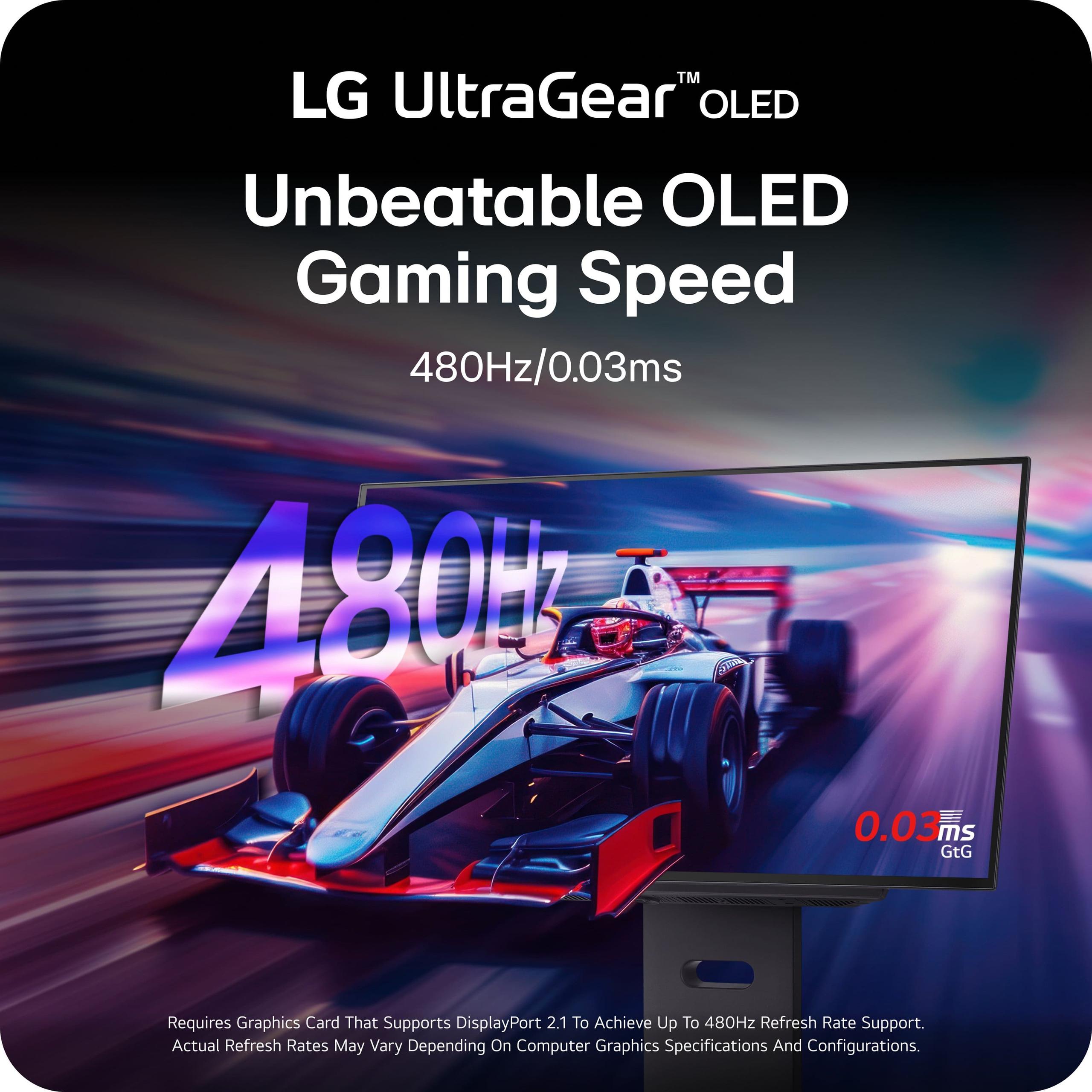
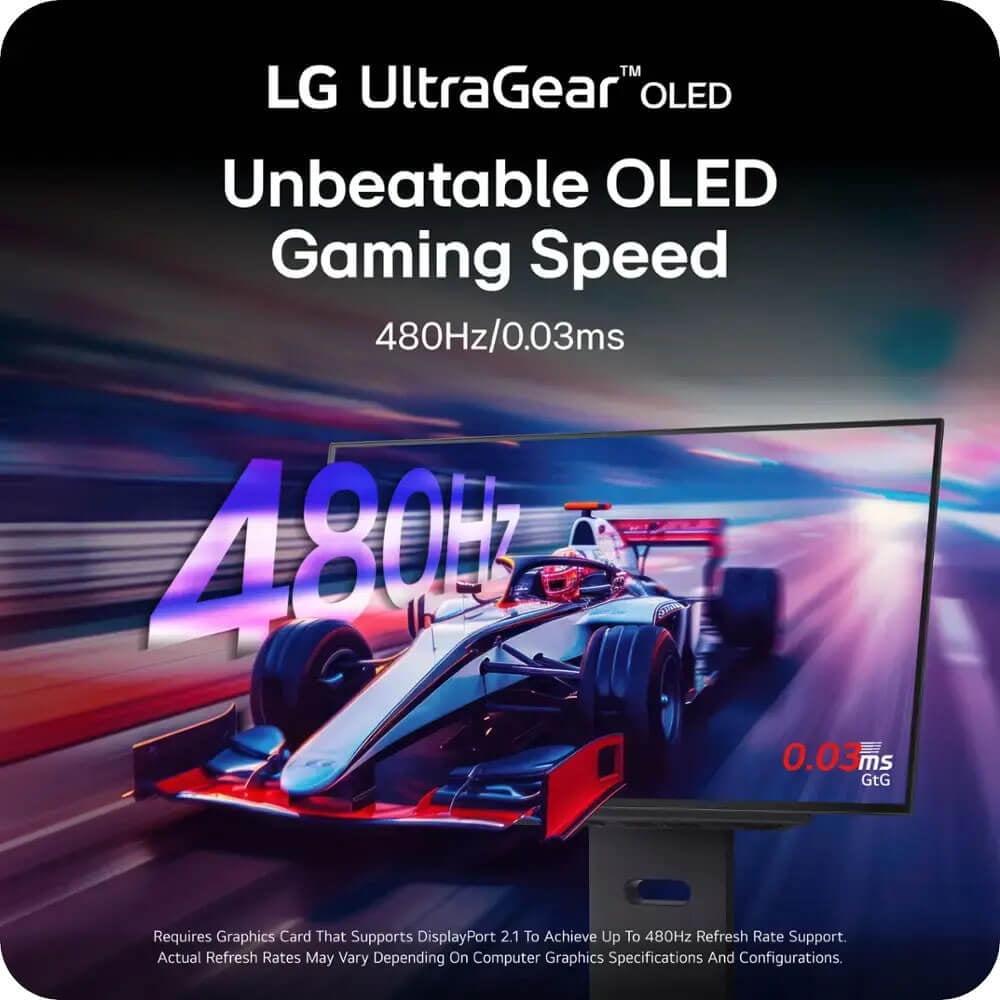
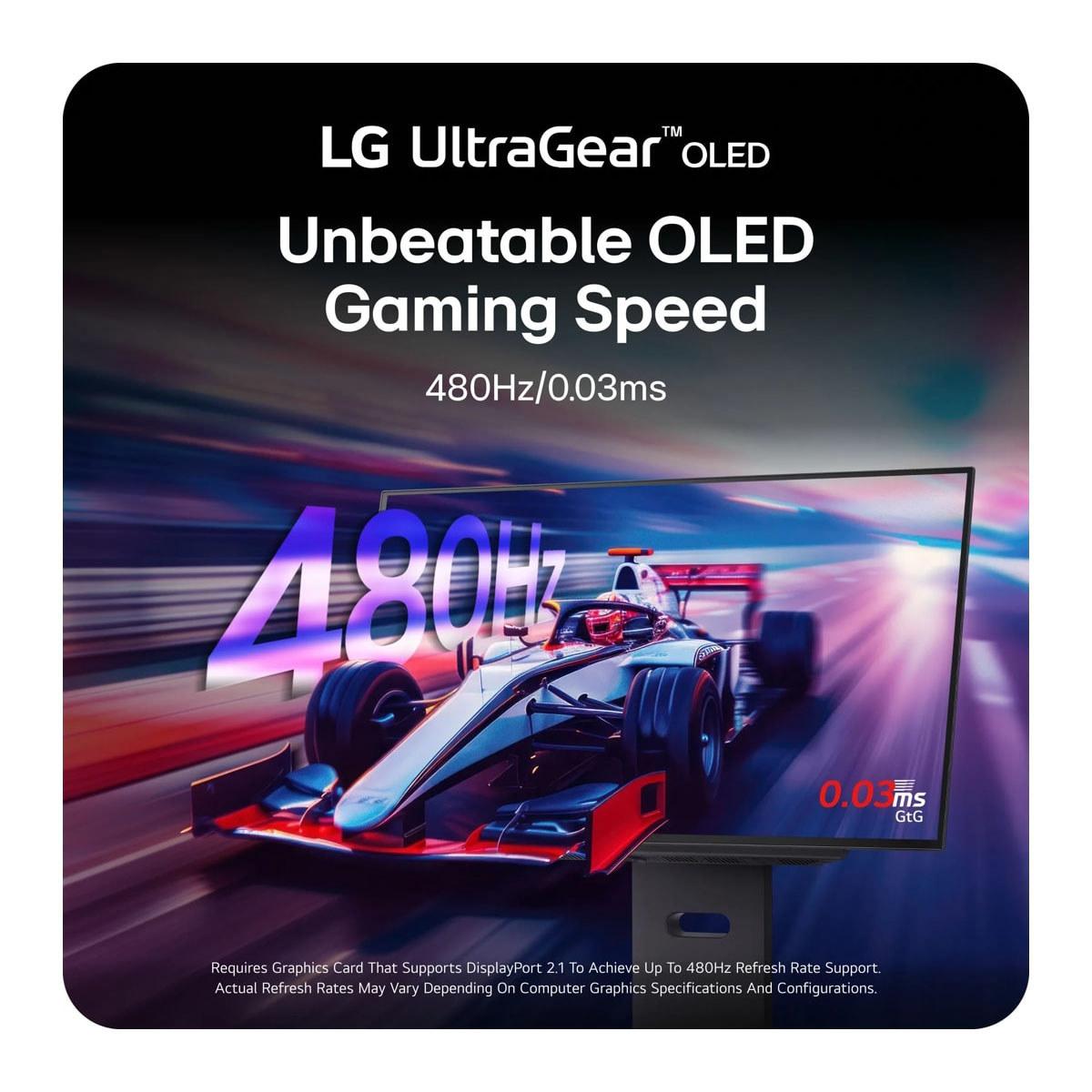
However, the LG UltraGear OLED pushes this to an extreme 480Hz – nearly triple the refresh rate. In practical terms, this means the LG can display 480 unique frames every second, creating incredibly smooth motion that's particularly beneficial in competitive gaming scenarios.
But here's the thing: the difference between 180Hz and 480Hz isn't as dramatic as the jump from 60Hz to 144Hz. While professional esports players might notice the advantage, most gamers will find 180Hz perfectly smooth for their needs. The real question becomes whether the additional performance justifies the significantly higher cost.
Response time measures how quickly a pixel can change from one color to another, typically measured in milliseconds (ms). The Mobile Pixels monitor achieves a respectable 1ms response time, which effectively eliminates motion blur in most gaming scenarios.
The LG UltraGear takes this to an extreme with a 0.03ms response time – essentially instantaneous by current standards. This ultra-fast response virtually eliminates any ghosting or trailing effects, even in the most demanding competitive gaming situations.
In my experience, the difference in response times becomes most apparent in fast-paced first-person shooters like Counter-Strike or Valorant, where tracking moving targets requires absolute precision. For single-player games or slower-paced titles, both monitors perform excellently.
Here's where the rubber meets the road: actually achieving these high refresh rates requires serious hardware. The Mobile Pixels monitor is more realistic for most gaming setups. A mid-range graphics card like an RTX 4060 or RX 7600 can comfortably drive many games at 1440p resolution to take advantage of the 180Hz refresh rate.
The LG UltraGear, despite its impressive 480Hz capability, demands top-tier hardware to reach its full potential. You're looking at RTX 4080 or higher territory, and even then, only certain competitive games will consistently hit 480fps at 1440p resolution. For most AAA games, you'll be utilizing a fraction of the monitor's capabilities.
This creates an interesting value proposition. The Mobile Pixels monitor allows most gamers to fully utilize its performance, while the LG UltraGear future-proofs your setup for when hardware catches up to its capabilities.
This is where the fundamental technology differences become most apparent. The LG UltraGear OLED delivers perfect blacks because individual pixels can turn completely off. When you're exploring a dark cave in a game or watching a movie with night scenes, the blacks are truly black – not the dark gray you get with LCD-based displays.
The Mobile Pixels Mini-LED monitor significantly improves upon traditional LCD contrast with its advanced backlighting system, achieving impressive black levels for an LCD display. However, it can't match OLED's perfect blacks. You might notice some "blooming" around bright objects on dark backgrounds – a slight halo effect where the Mini-LED zones aren't perfectly precise.
In practical terms, the OLED provides a more cinematic experience with dramatic lighting and shadows, while the Mini-LED offers excellent contrast that works well in various lighting conditions.
Here's where things get interesting from a different angle. The Mobile Pixels monitor can sustain 1000 nits of brightness across the entire screen, making it excellent for HDR gaming in bright rooms. This sustained brightness means you can enjoy vibrant HDR content even with windows open during the day.
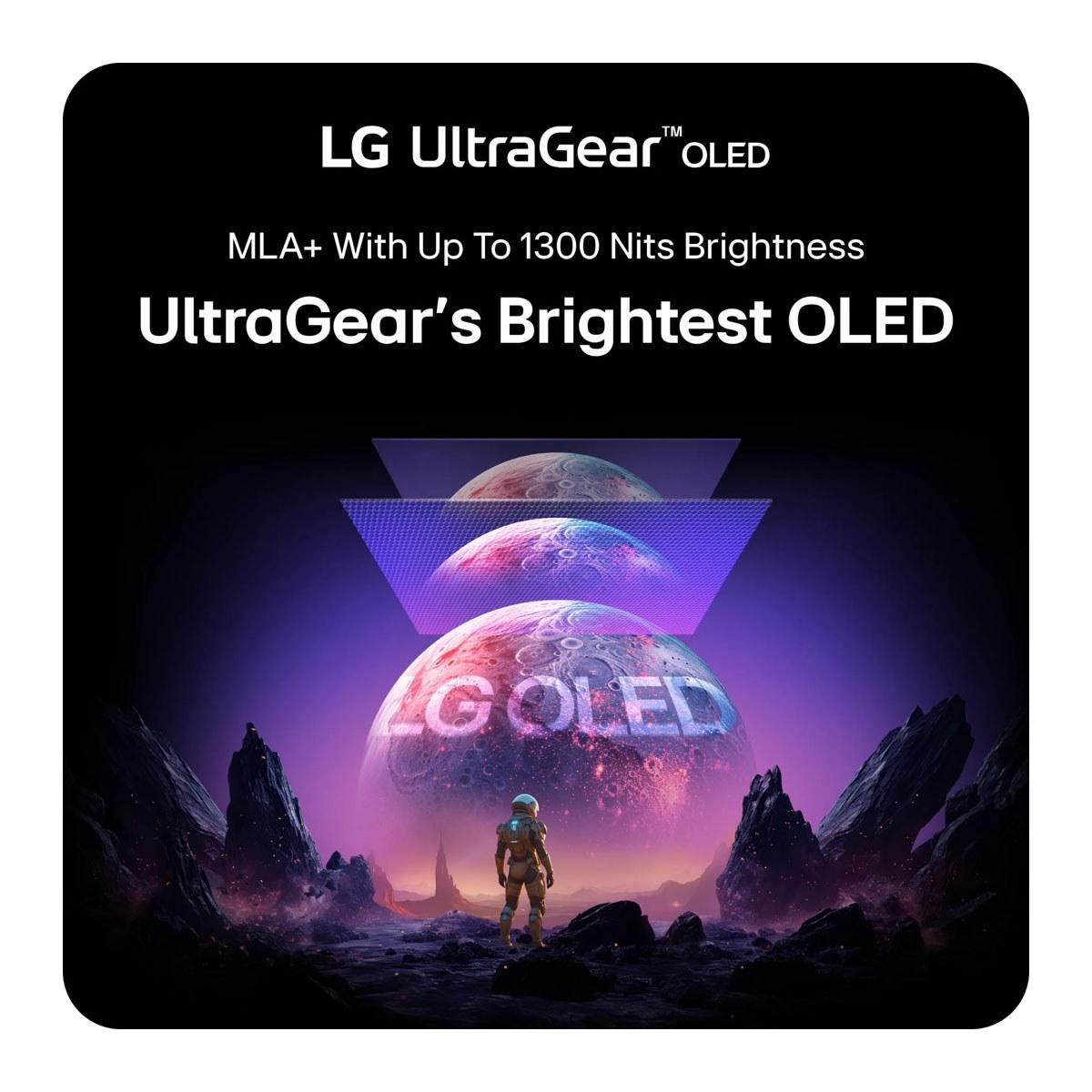
The LG UltraGear can hit peaks of 1300 nits in small areas but maintains lower overall brightness for full-screen content. This is perfectly fine for dark room gaming but might struggle in bright environments where you need the screen to compete with ambient light.
For home theater use, this difference is particularly relevant. If your gaming setup doubles as a media center in a living room with natural light, the Mobile Pixels monitor provides better visibility. For a dedicated dark gaming room, the LG UltraGear creates a more immersive experience with its superior contrast.
Both monitors excel in color reproduction, but with different strengths. The LG UltraGear covers 98.5% of the DCI-P3 color space, providing incredibly vibrant and accurate colors that are particularly beneficial if you do any content creation alongside gaming.
The Mobile Pixels monitor achieves 94% DCI-P3 coverage, which is still excellent and provides rich, vibrant colors for gaming and media consumption. The difference is subtle in most gaming scenarios but becomes more apparent in color-critical applications like photo editing.
Both monitors represent significant advances from where gaming displays were just a few years ago. The Mobile Pixels monitor, released in 2024, showcases how Mini-LED technology has matured to provide premium features at more accessible price points. When Mini-LED first appeared in high-end TVs, it was prohibitively expensive – seeing it in a gaming monitor at this price point represents impressive progress.
The LG UltraGear, also from 2024, demonstrates how OLED gaming monitors have evolved from early panels that suffered from burn-in concerns and limited brightness. Modern OLED gaming monitors include sophisticated care features and improved longevity that address many earlier limitations.
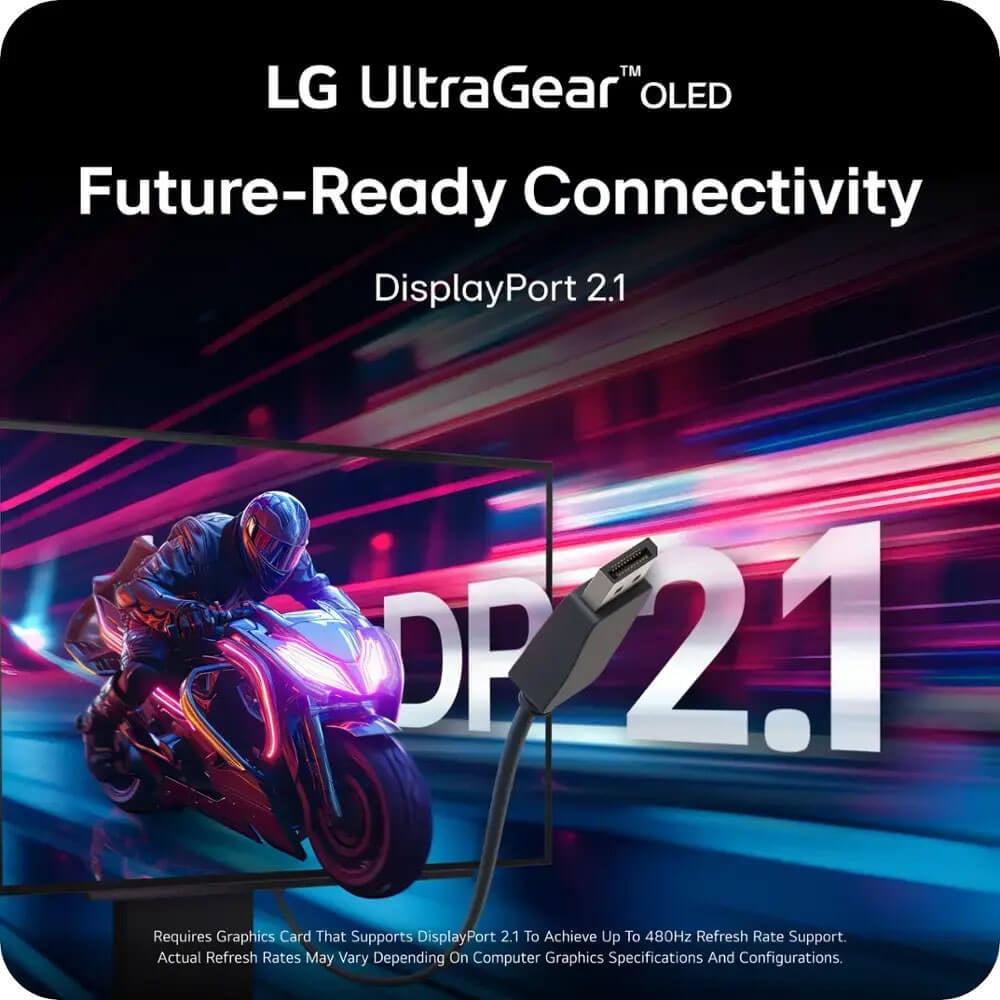
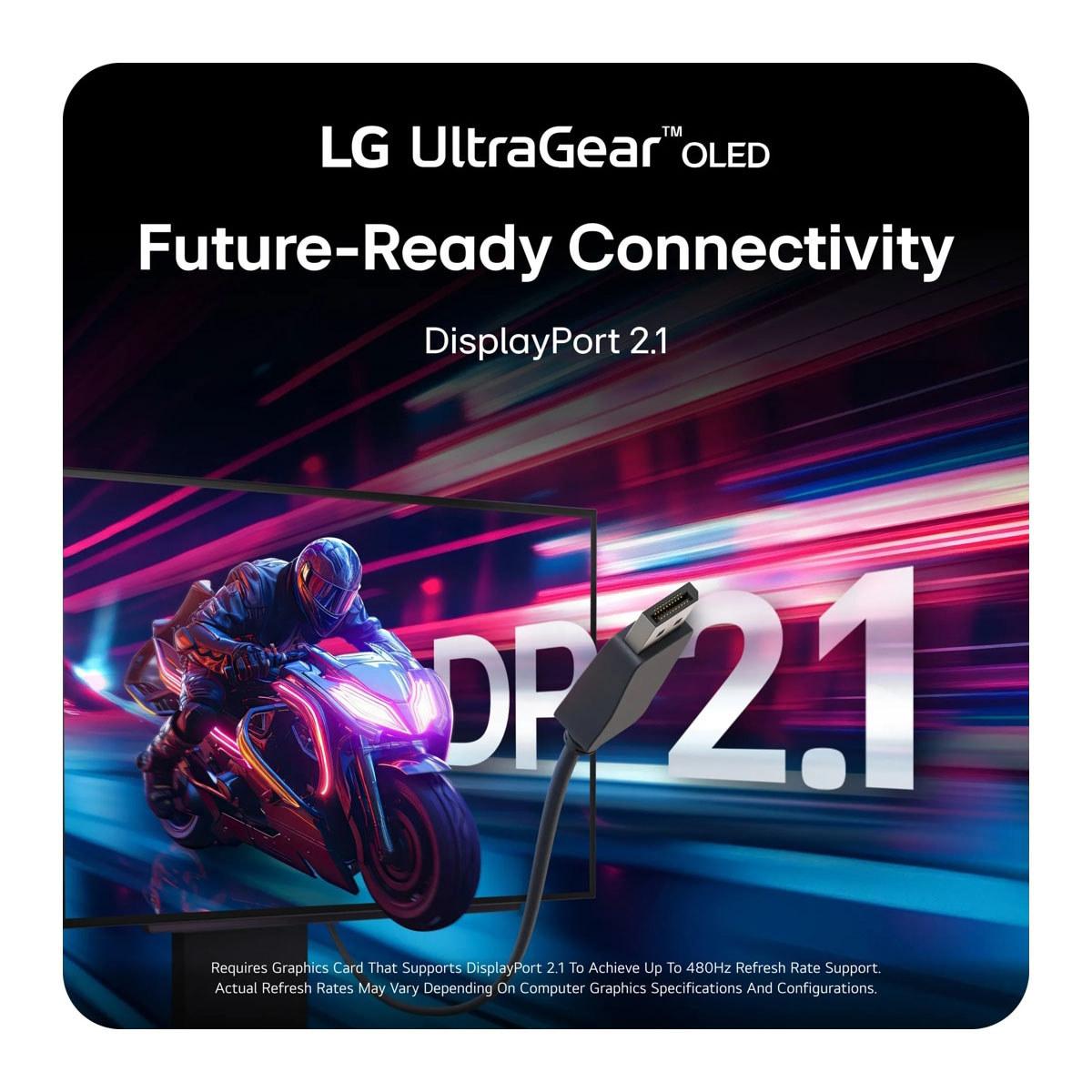
The inclusion of DisplayPort 2.1 in the LG UltraGear is particularly forward-looking, providing the bandwidth needed for next-generation graphics cards expected in 2025 and beyond. This represents genuine future-proofing for enthusiasts planning to keep their monitors for several years.
Longevity is a crucial factor that often gets overlooked in performance comparisons. The Mobile Pixels Mini-LED monitor uses traditional LCD technology as its foundation, which means no risk of burn-in from static elements like taskbars, game HUDs, or desktop icons. This makes it ideal for users who switch between gaming and productivity tasks.
The LG UltraGear OLED includes OLED Care features designed to prevent burn-in, and modern OLED panels are much more resistant to this issue than earlier generations. However, the risk still exists, particularly for users who leave static elements on screen for extended periods. LG addresses this concern with a 2-year OLED warranty, showing confidence in their panel longevity.
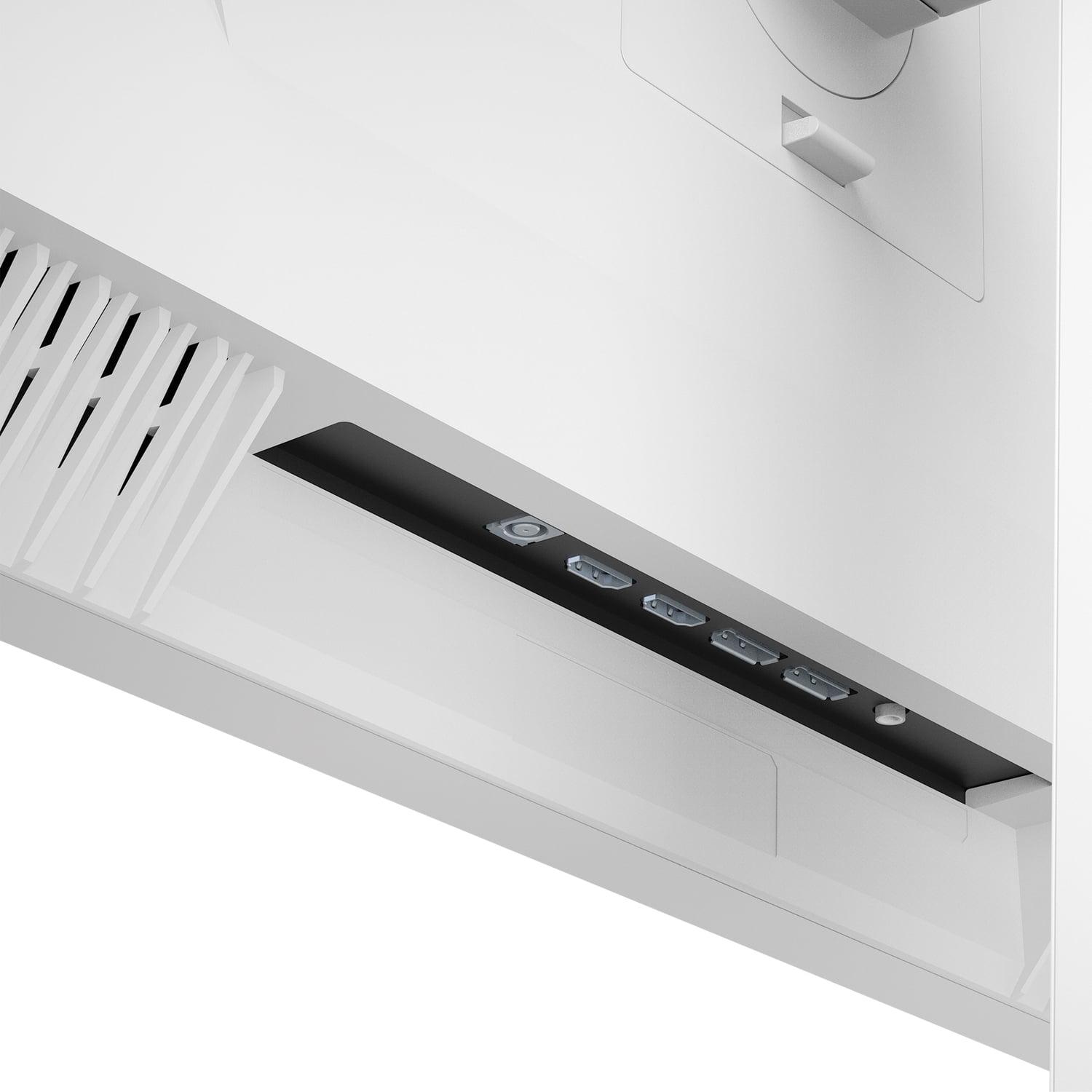
The connectivity story reveals another layer of the value proposition. The LG UltraGear includes DisplayPort 2.1, which provides significantly more bandwidth than the DisplayPort 1.4 connections found on most monitors. This matters because it eliminates the need for Display Stream Compression (DSC) at high refresh rates, potentially providing better image quality and compatibility with future graphics cards.
The Mobile Pixels monitor uses more standard connectivity options that work perfectly with current hardware but may become a limitation as graphics technology advances. For most users planning to upgrade their monitor every 3-5 years, this isn't a significant concern.
At the time of writing, the Mobile Pixels monitor offers exceptional value for mainstream gamers. It provides premium features like Mini-LED backlighting, high refresh rates, and excellent HDR performance at a price point that makes sense for most gaming budgets. The performance-per-dollar ratio is impressive, delivering roughly 85% of the LG UltraGear's visual quality at approximately half the cost.
The LG UltraGear commands a premium price that reflects its cutting-edge technology and maximum performance capabilities. This monitor makes sense for enthusiasts who want the absolute best performance available, competitive gamers who can benefit from ultra-high refresh rates, and users who plan to keep their monitor for many years as a centerpiece of their setup.
After extensive testing with both monitors, my recommendation depends heavily on your specific situation and priorities.
Choose the Mobile Pixels Mini-LED monitor if you're a practical gamer who wants excellent performance without breaking the bank. It's perfect for most gaming scenarios, works well in various lighting conditions, and provides enough performance headroom for current and near-future hardware. The lack of burn-in risk makes it ideal for mixed-use scenarios where you'll be gaming, working, and consuming media on the same display.
The LG UltraGear OLED is the right choice if you're serious about competitive gaming, have high-end hardware that can take advantage of its capabilities, or want the absolute best visual experience available. It's also perfect for dedicated gaming setups in dark rooms where its superior contrast can truly shine.
For home theater applications, consider your viewing environment carefully. The Mobile Pixels monitor works better in bright living rooms, while the LG UltraGear creates a more cinematic experience in dedicated dark spaces.
Ultimately, both monitors represent excellent choices in their respective categories. The Mobile Pixels monitor delivers premium gaming performance at a price that makes sense for most enthusiasts, while the LG UltraGear pushes the boundaries of what's possible in gaming display technology. Your choice should align with your budget, performance requirements, and how you plan to use your display over the coming years.
The gaming monitor market continues to evolve rapidly, but both of these displays represent solid investments in their respective price categories. Whether you prioritize value and versatility or maximum performance and future-proofing, there's a clear path forward based on your specific needs and gaming habits.
| Mobile Pixels 27" WQHD Mini-LED Gaming Monitor | LG UltraGear 27" OLED QHD 480Hz Gaming Monitor |
|---|---|
| Display Technology - Determines contrast, durability, and visual quality | |
| Mini-LED LCD with local dimming zones | WOLED with individual pixel lighting |
| Refresh Rate - Higher Hz means smoother motion in fast games | |
| 180Hz (excellent for most gaming scenarios) | 480Hz (cutting-edge for competitive esports) |
| Response Time - Lower ms reduces motion blur and ghosting | |
| 1ms GTG (eliminates blur in most games) | 0.03ms GTG (virtually instantaneous pixel response) |
| Peak Brightness - Important for HDR and bright room viewing | |
| 1000 nits sustained (excellent for daytime HDR) | 1300 nits peak areas only (better for dark rooms) |
| Contrast Ratio - Affects depth and realism in dark scenes | |
| 1,000,000:1 dynamic (very good for LCD) | 1,500,000:1 native (perfect blacks with OLED) |
| Color Coverage - Wider gamuts provide more vibrant colors | |
| 94% DCI-P3 (great for gaming and media) | 98.5% DCI-P3 (excellent for content creation) |
| Connectivity - Future-proofing for next-gen hardware | |
| 2x HDMI 2.1, 2x DisplayPort 1.4 | 2x HDMI 2.1, 1x DisplayPort 2.1 (67% more bandwidth) |
| Burn-in Risk - Important for mixed gaming/productivity use | |
| No burn-in risk (safe for static elements) | Minimal risk with OLED Care features (2-year warranty) |
| Best Use Case - Who should choose each monitor | |
| Versatile gaming in bright rooms, mixed productivity use | Dark room competitive gaming, premium cinematic experience |
| Value Proposition - Performance vs cost consideration | |
| Excellent price-to-performance for mainstream gamers | Premium pricing for maximum performance and future-proofing |
The LG UltraGear 27" OLED QHD 480Hz Gaming Monitor is superior for competitive gaming with its 480Hz refresh rate and 0.03ms response time, providing the fastest possible motion clarity and input responsiveness. However, the Mobile Pixels 27" WQHD Mini-LED Gaming Monitor still offers excellent competitive performance at 180Hz for most players at a more accessible price point.
Mini-LED uses thousands of tiny LEDs behind an LCD panel for precise backlighting control, while OLED has pixels that light themselves individually. The Mobile Pixels Mini-LED monitor offers better sustained brightness and no burn-in risk, while the LG UltraGear OLED provides perfect blacks and infinite contrast ratios for superior image quality in dark scenes.
The Mobile Pixels 27" WQHD Mini-LED Gaming Monitor offers significantly better value, delivering approximately 85% of the visual quality at roughly half the cost of the LG UltraGear. The Mini-LED monitor provides premium gaming features without the premium price tag.
Both excel at HDR but in different ways. The Mobile Pixels monitor sustains 1000 nits across the full screen, making it excellent for bright room HDR gaming. The LG UltraGear OLED delivers superior HDR contrast with perfect blacks but works best in darker viewing environments.
The Mobile Pixels 27" WQHD Mini-LED Gaming Monitor performs better in bright rooms due to its higher sustained brightness of 1000 nits across the entire screen. The LG UltraGear can struggle with reflections and lower overall brightness in well-lit environments.
The Mobile Pixels monitor works well with mid-range graphics cards (RTX 4060/RX 7600) to fully utilize its 180Hz refresh rate. The LG UltraGear OLED requires high-end hardware (RTX 4080 or better) to take full advantage of its 480Hz capabilities at 1440p resolution.
The LG UltraGear 27" OLED QHD 480Hz Gaming Monitor offers superior color accuracy with 98.5% DCI-P3 coverage compared to 94% on the Mobile Pixels monitor. This makes the LG better for content creation and color-critical work alongside gaming.
The Mobile Pixels 27" WQHD Mini-LED Gaming Monitor has no burn-in risk, making it ideal for mixed gaming and productivity use. The LG UltraGear OLED has minimal burn-in risk with modern OLED Care features and includes a 2-year warranty for peace of mind.
Both monitors work excellently with consoles, but the LG UltraGear has a slight edge with DisplayPort 2.1 for future console compatibility. The Mobile Pixels monitor provides great console performance at a more budget-friendly price point for casual console gamers.
The LG UltraGear OLED has an ultra-fast 0.03ms response time that virtually eliminates all motion blur and ghosting. The Mobile Pixels monitor offers a very good 1ms response time that eliminates motion blur in most gaming scenarios, which is sufficient for the majority of players.
The LG UltraGear 27" OLED QHD 480Hz Gaming Monitor provides a more cinematic experience with perfect blacks and superior contrast, ideal for dark room viewing. The Mobile Pixels monitor offers better brightness for daytime viewing and works well in various lighting conditions.
The Mobile Pixels 27" WQHD Mini-LED Gaming Monitor is excellent for mixed gaming and productivity use with no burn-in concerns from static desktop elements. The LG UltraGear can handle mixed use but requires more care with static elements due to OLED burn-in considerations, though modern panels are much more resistant than older generations.
We've done our best to create useful and informative comparisons to help you decide what product to buy. Our research uses advanced automated methods to create this comparison and perfection is not possible - please contact us for corrections or questions. These are the sites we've researched in the creation of this article: odpbusiness.com - wellbots.com - bestbuy.com - bhphotovideo.com - youtube.com - networkhardwares.com - mobilepixels.us - bestbuy.com - business.walmart.com - newegg.com - beachaudio.com - petra.com - centralcomputer.com - mobilepixels.us - compsource.com - walmart.com - newegg.com - bestbuy.com - bhphotovideo.com - engadget.com - newegg.com - youtube.com - bestbuy.com - techpowerup.com - techpowerup.com - rtings.com - lg.com - lgnewsroom.com - rtings.com - bestbuy.com - jonesapplianceandtv.com - thefrogpadappliances.com - lg.com - lg.com - lg.com - techpowerup.com - lg.com - lg.com

Privacy Policy
Terms and Conditions - Affiliate Policy
Home Security
© Copyright 2008-2026.
11816 Inwood Rd #1211, Dallas, TX 75244