

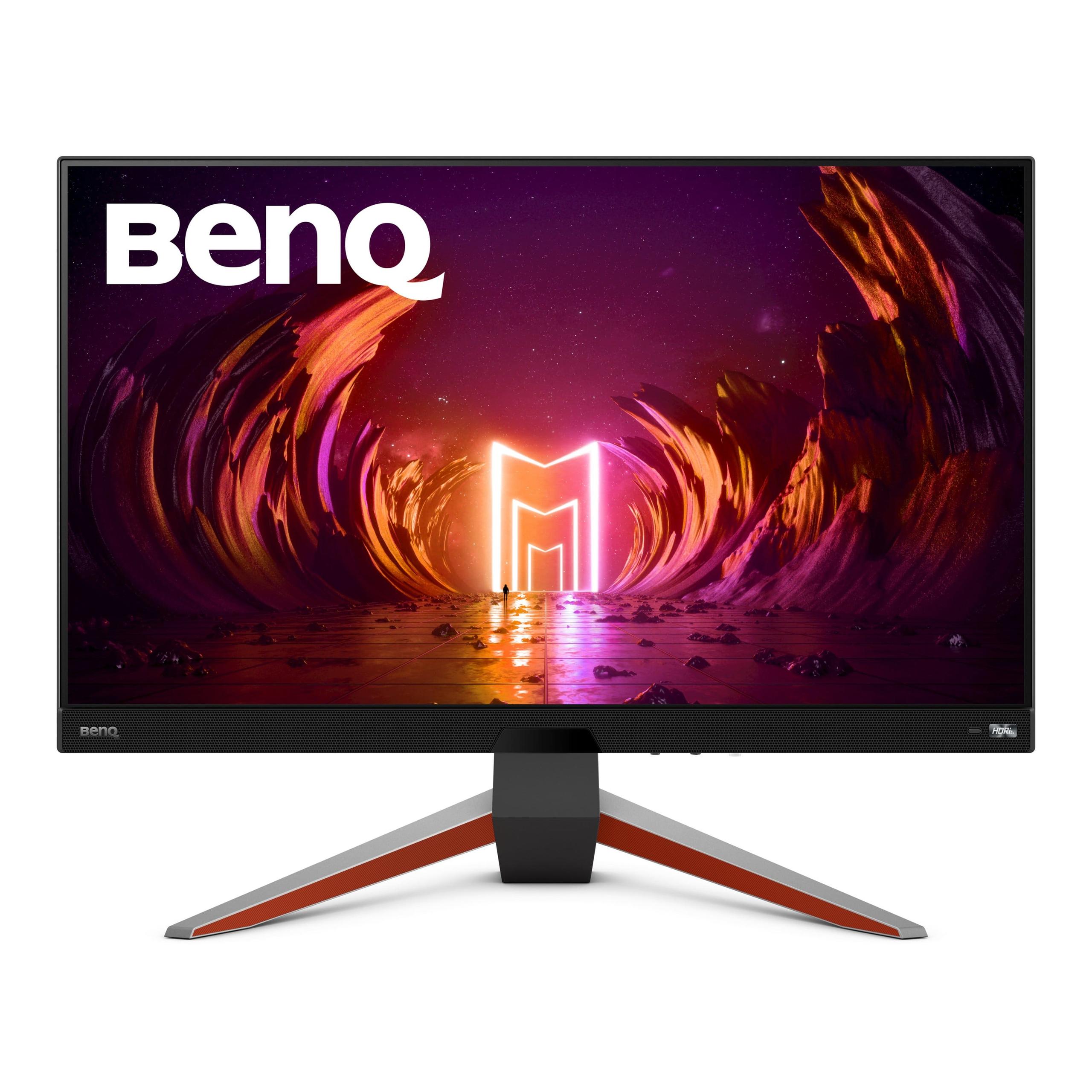
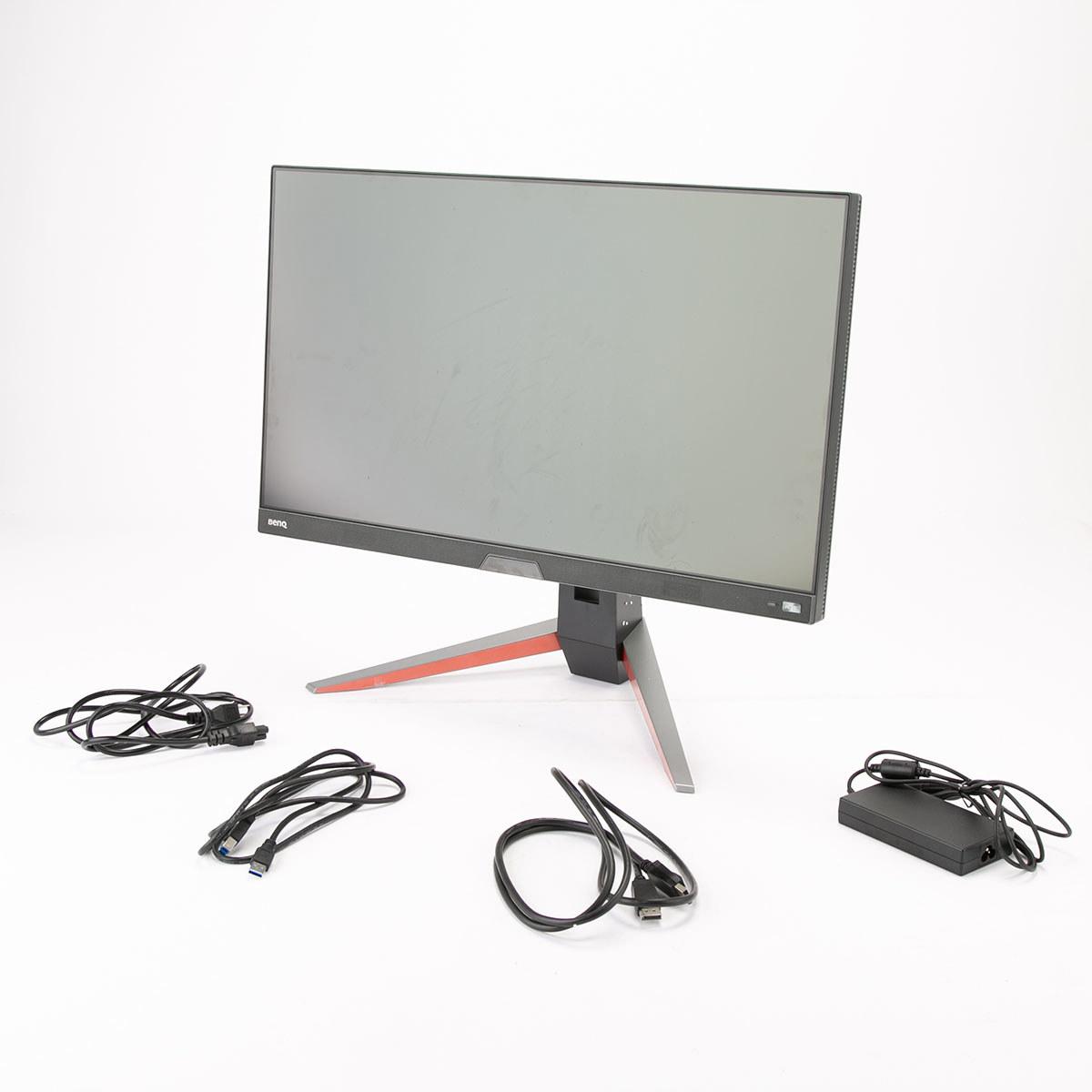
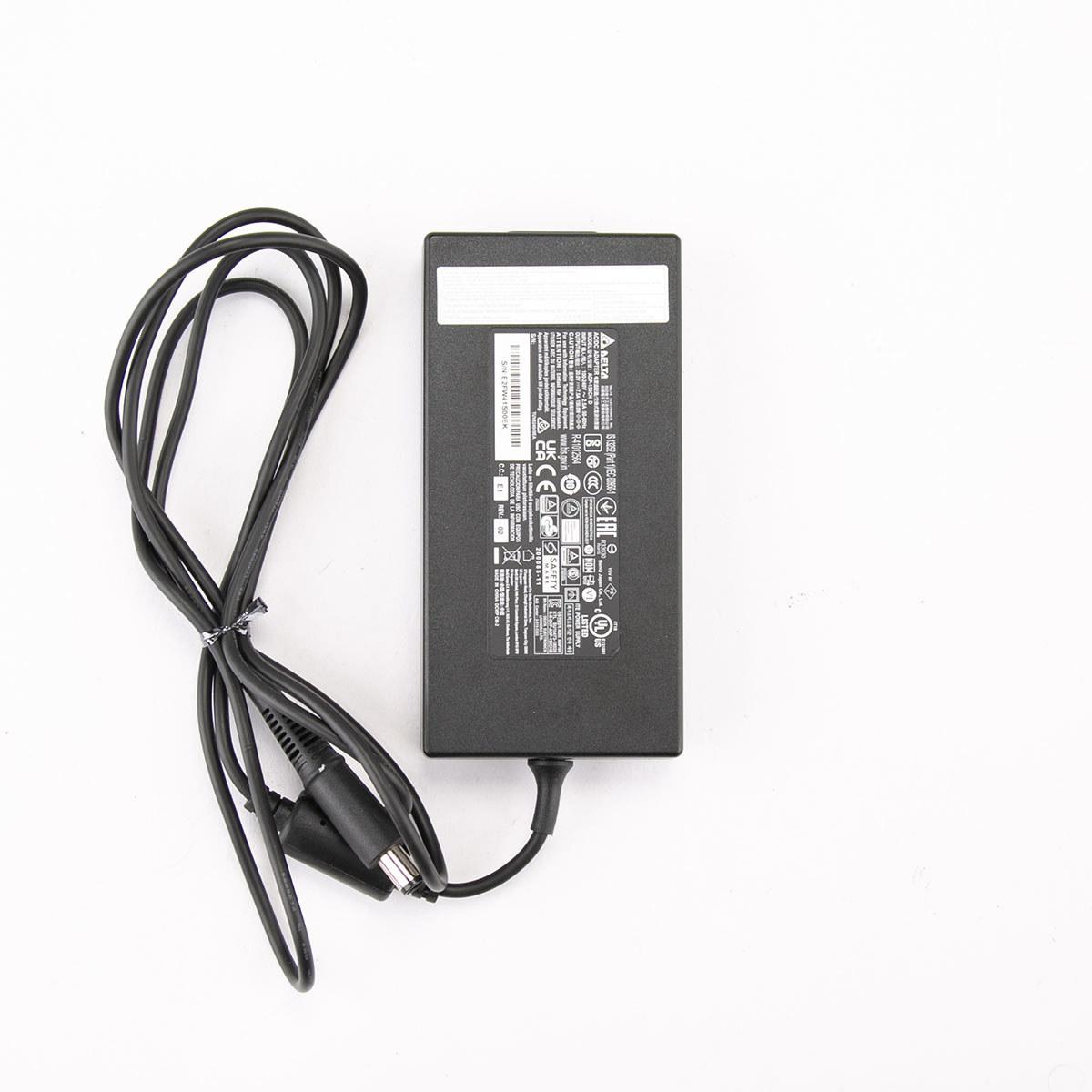
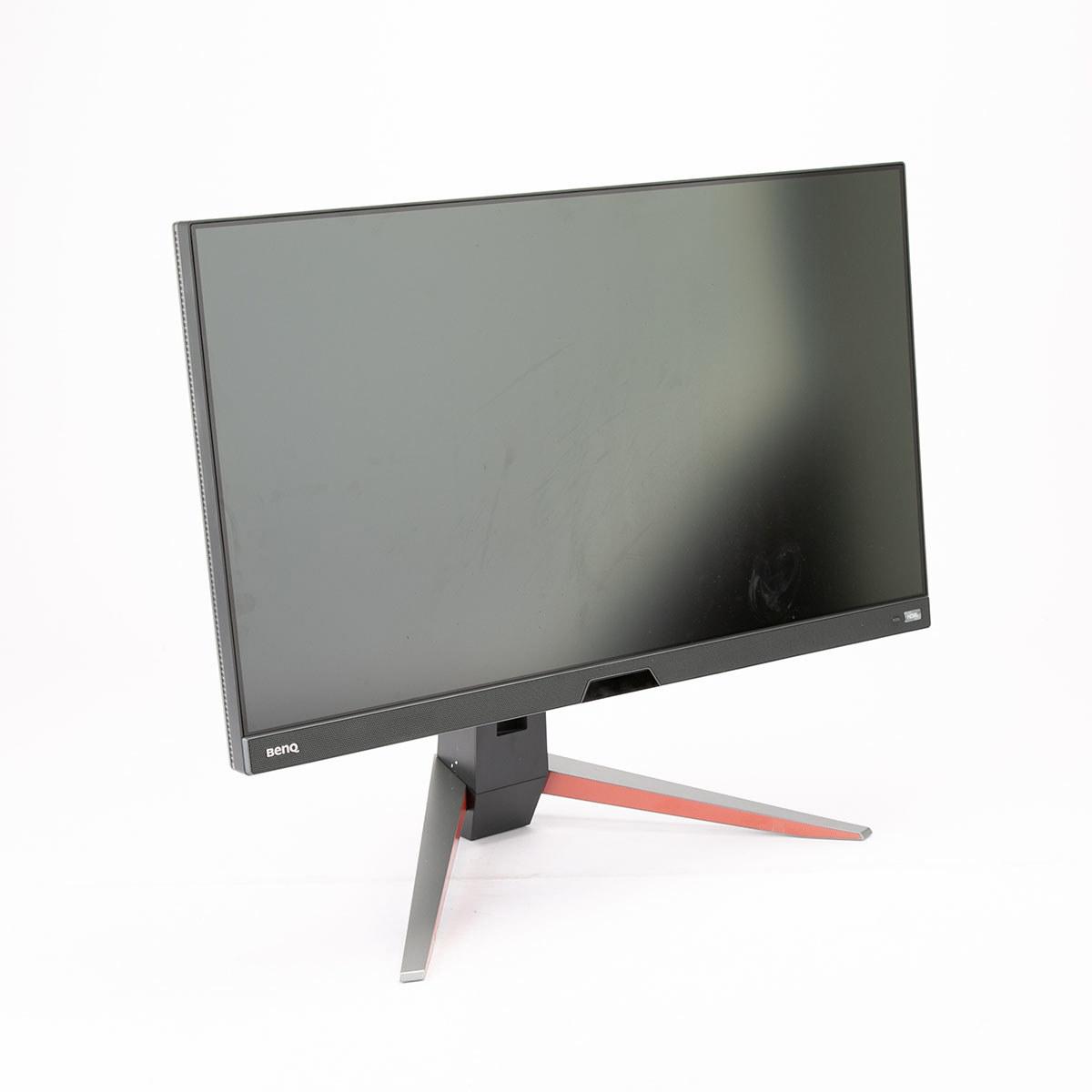
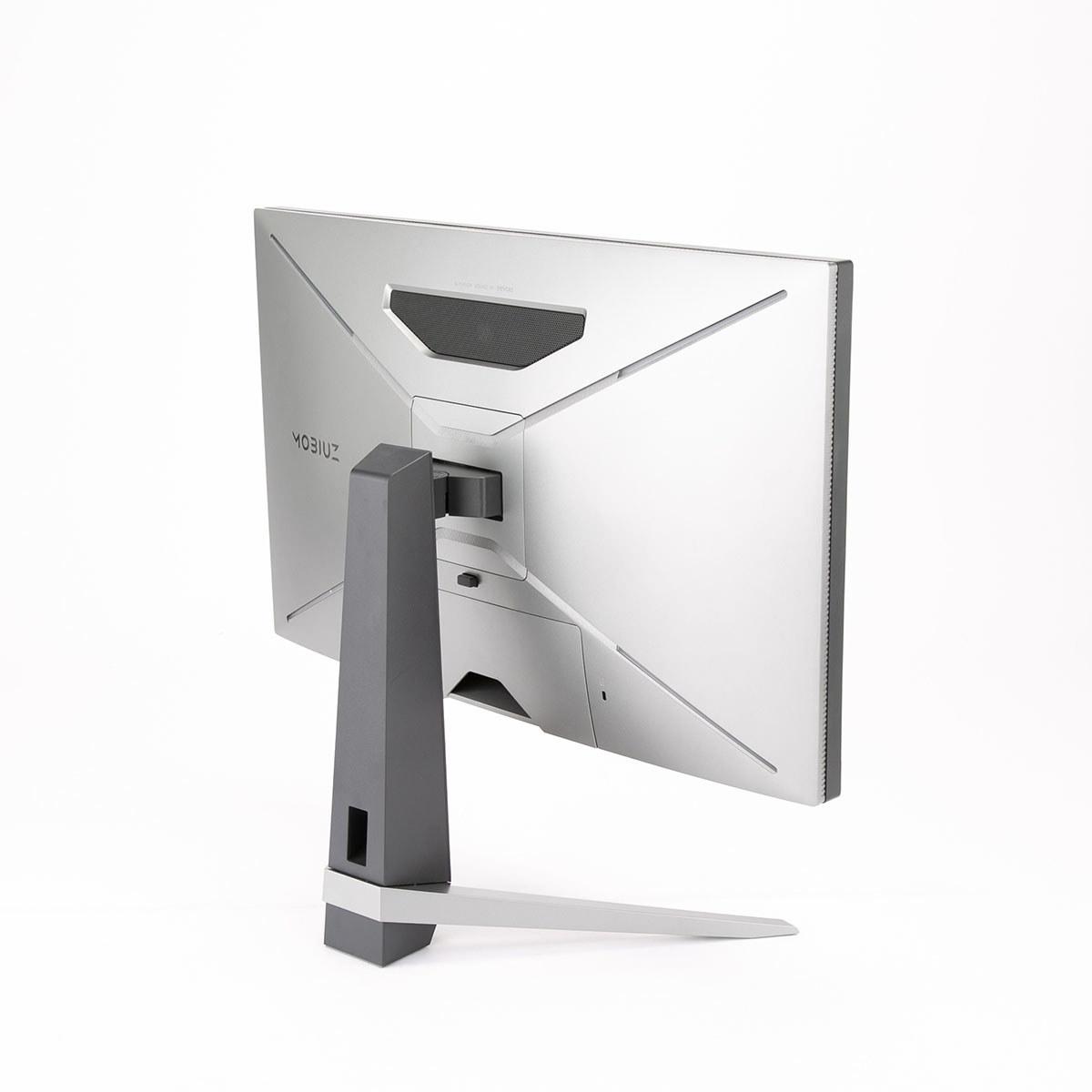
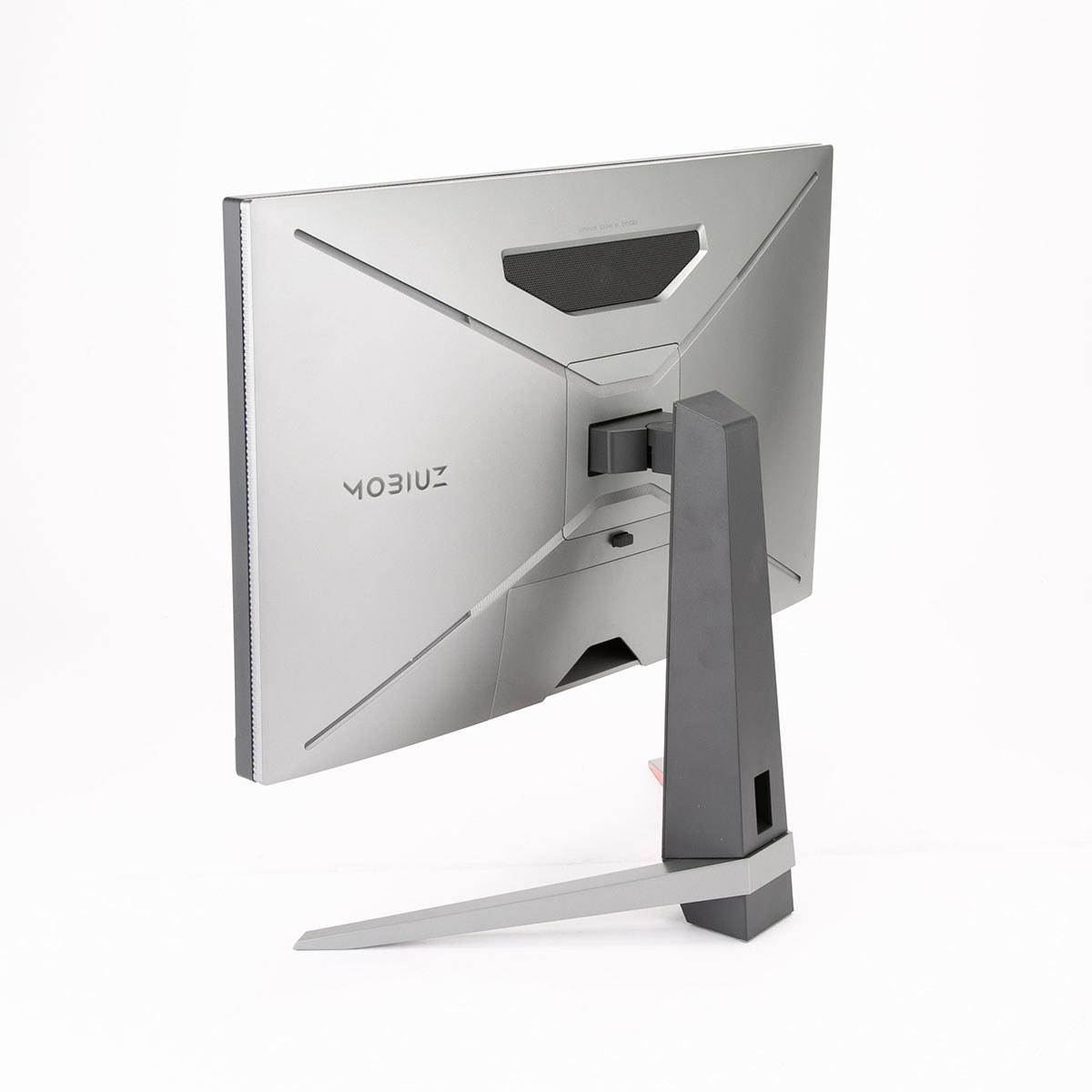
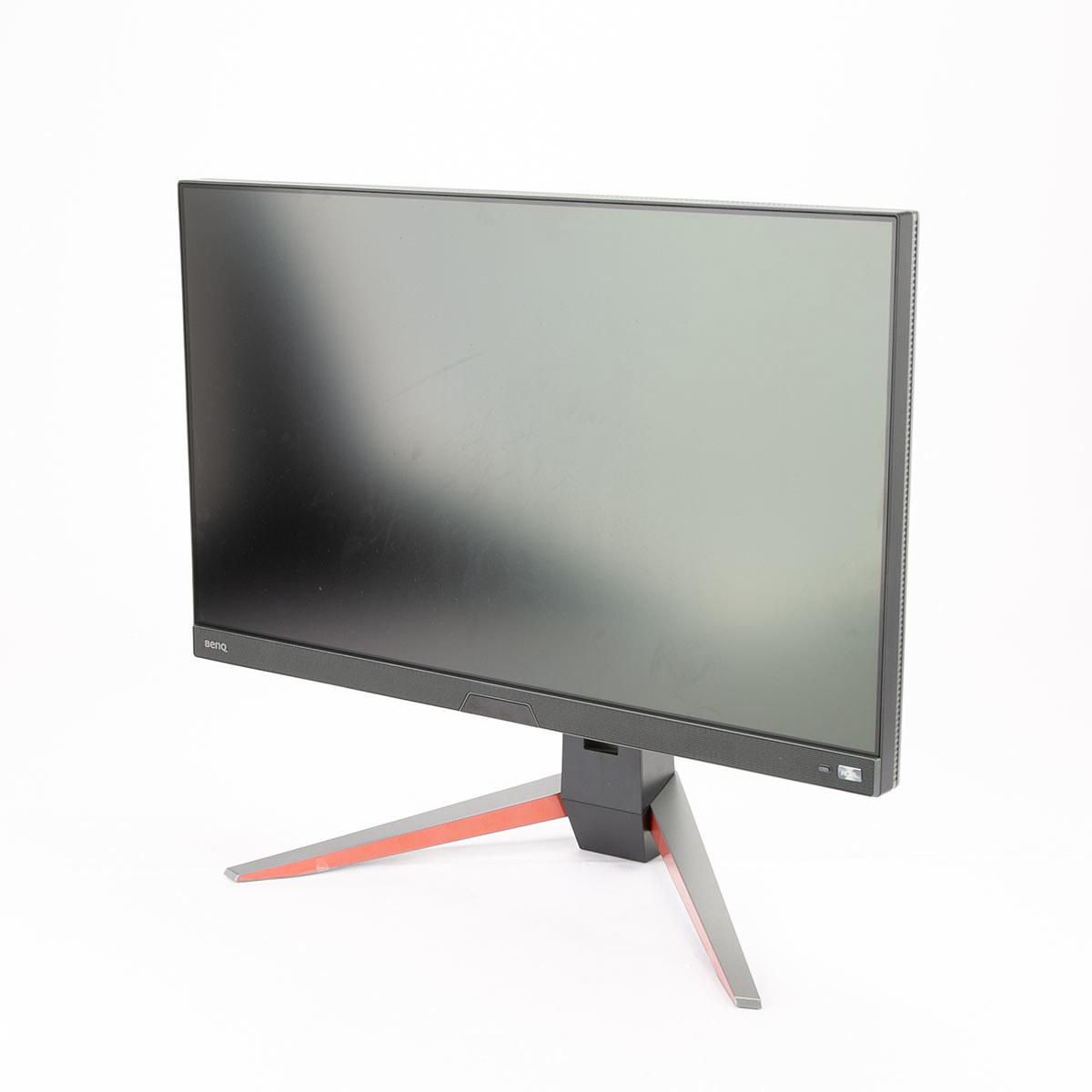
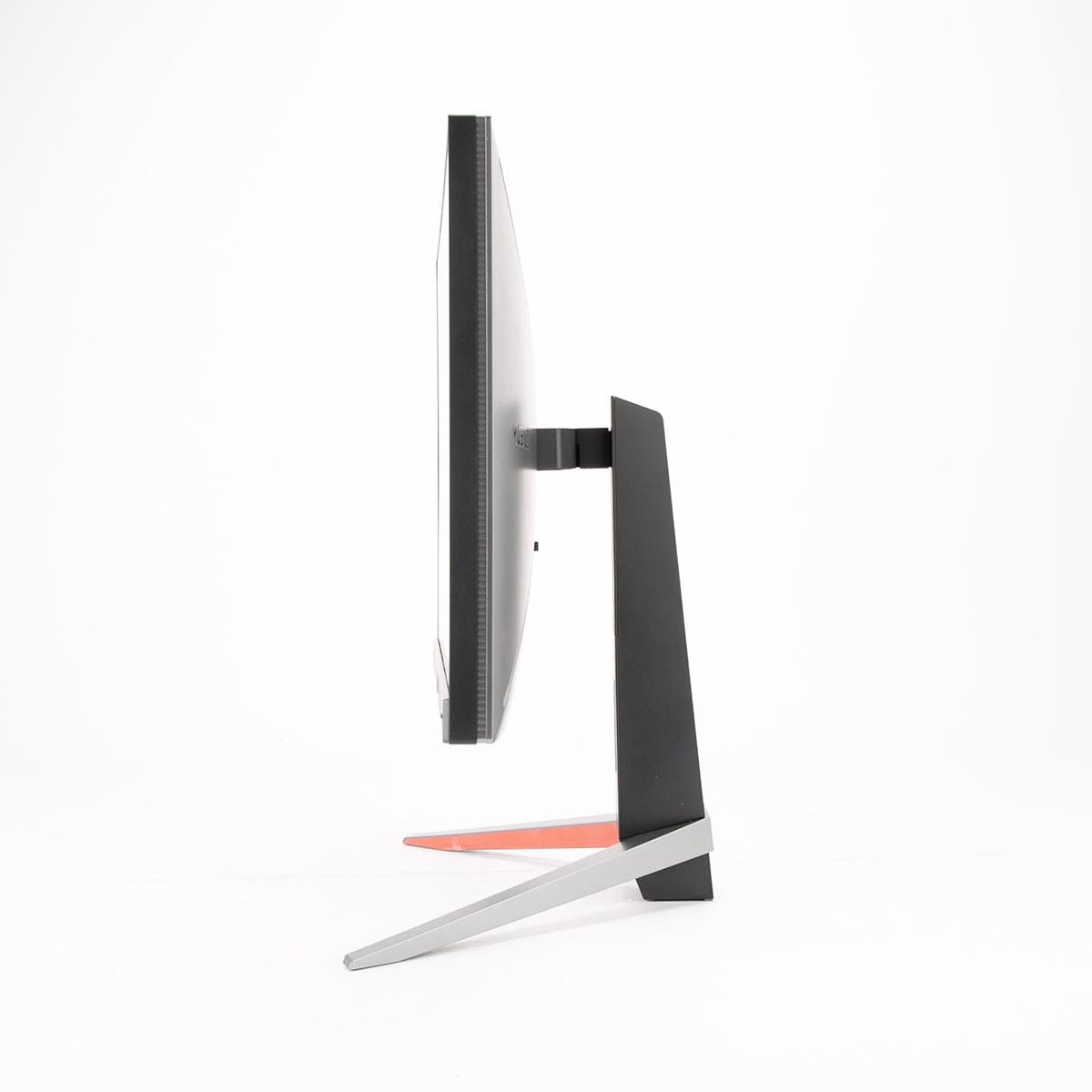
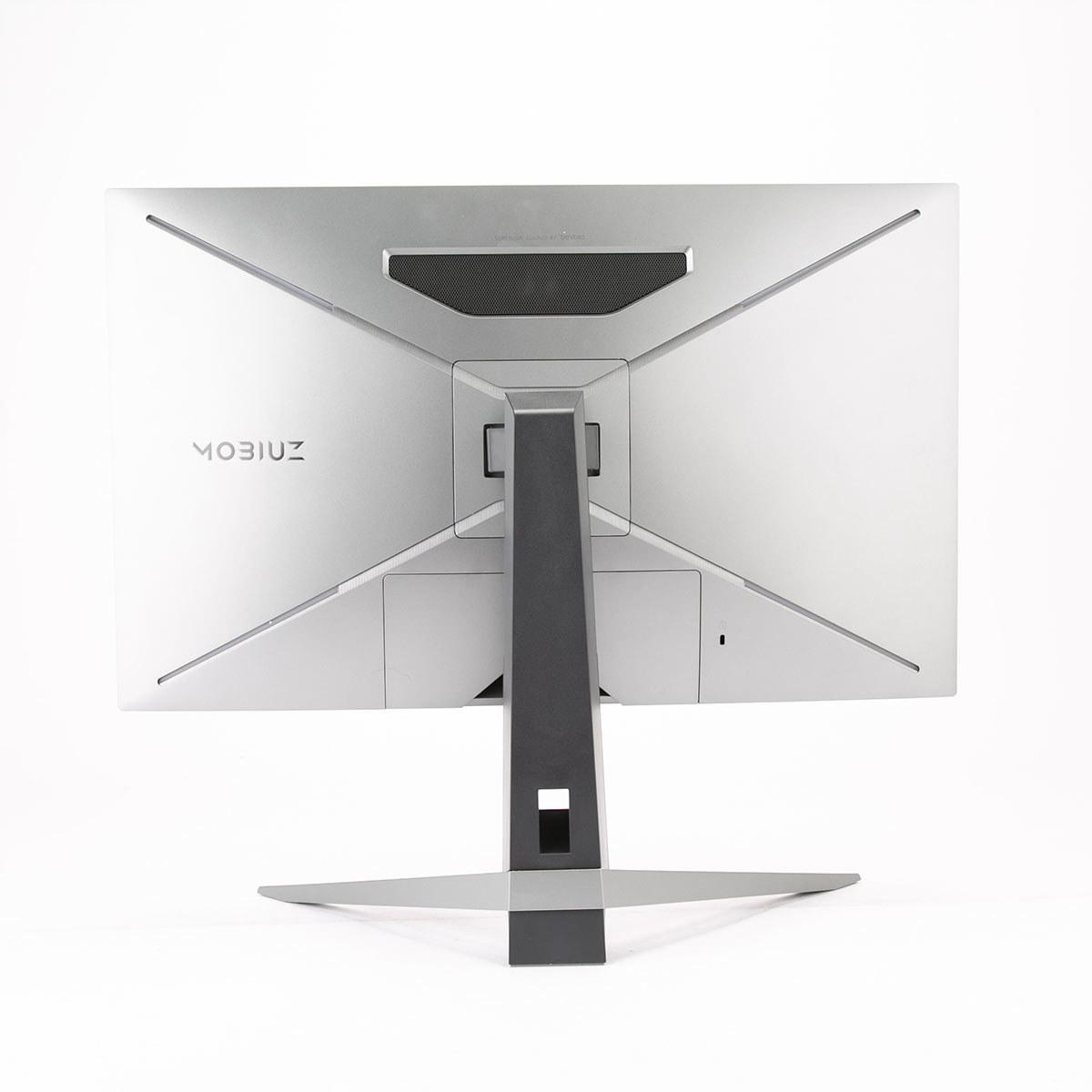
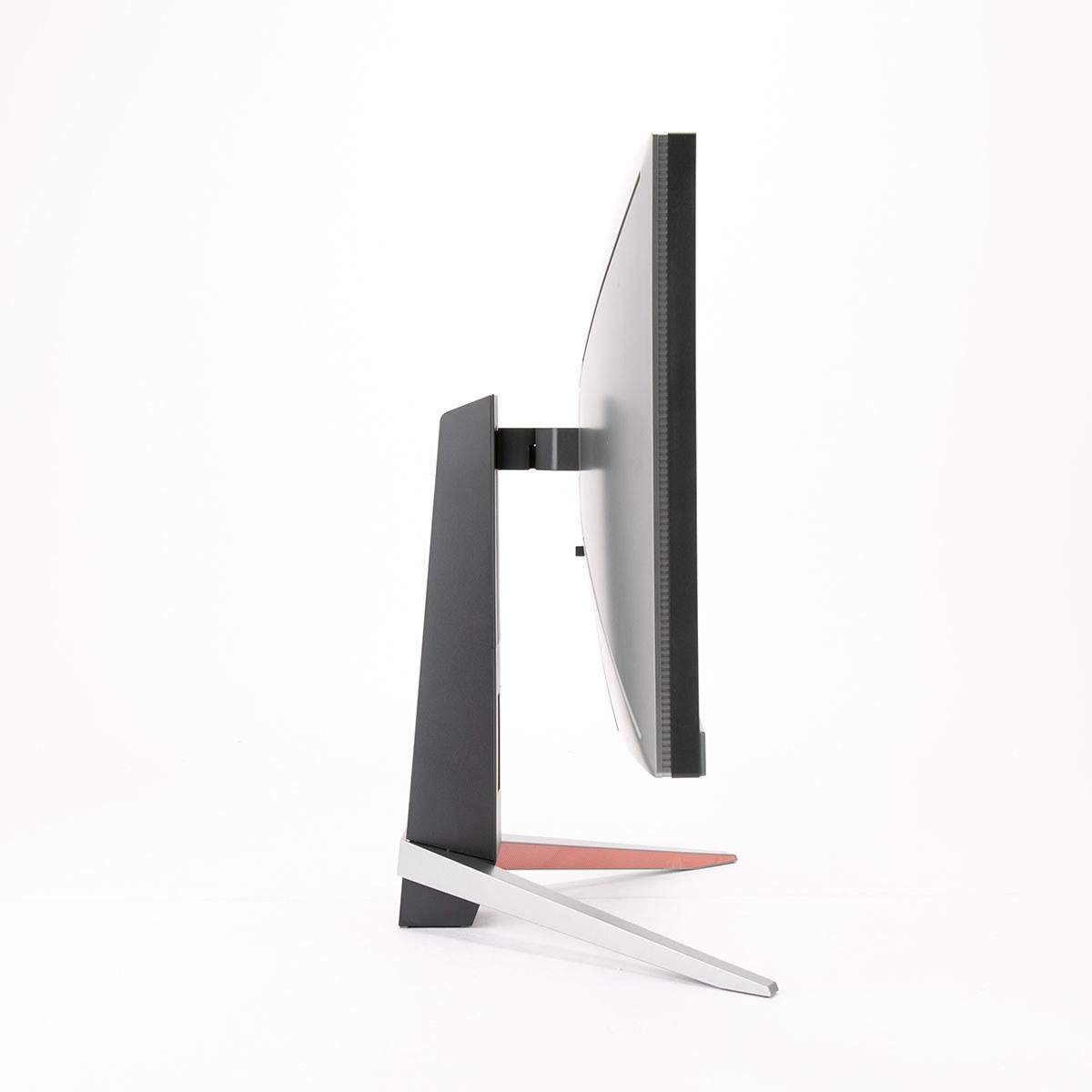
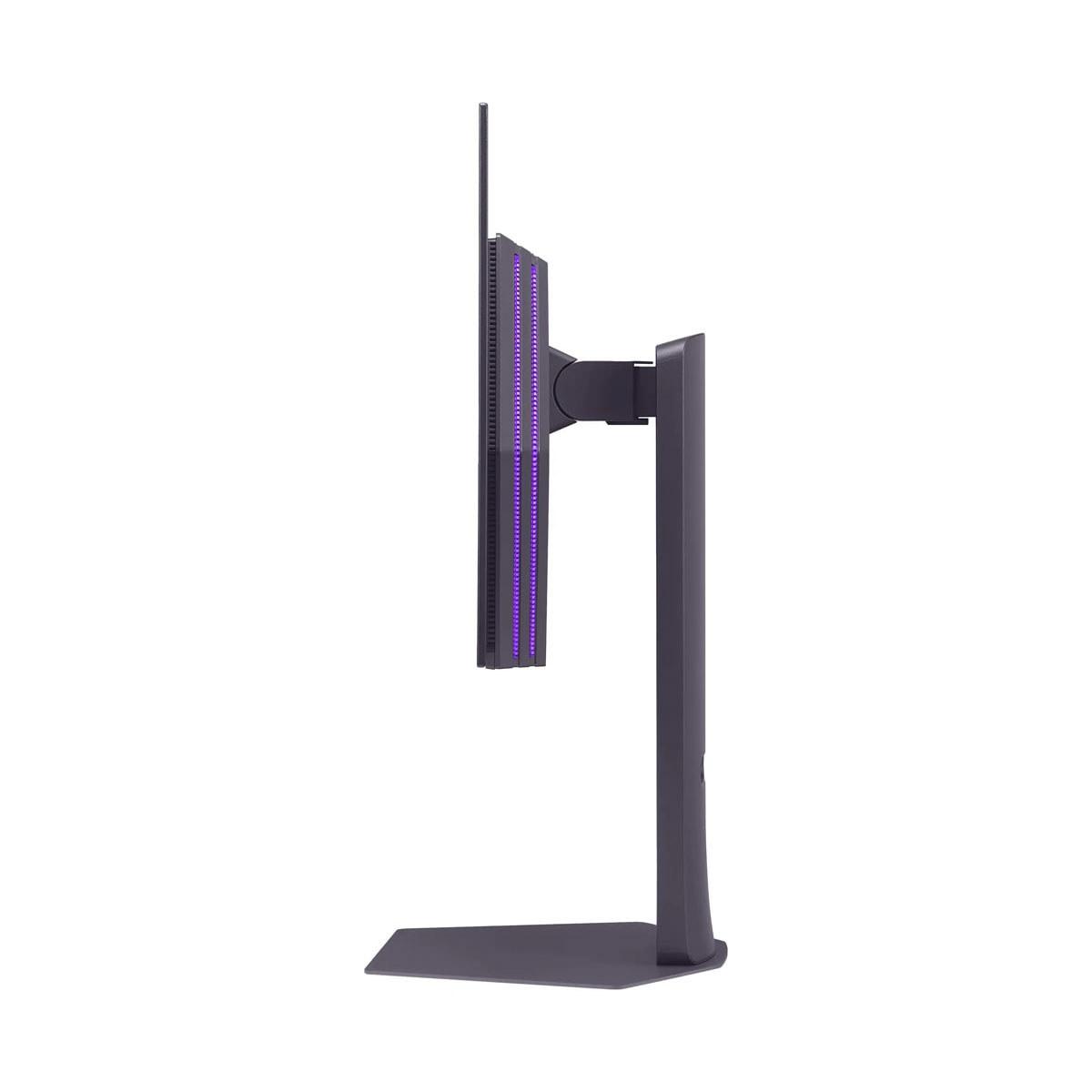
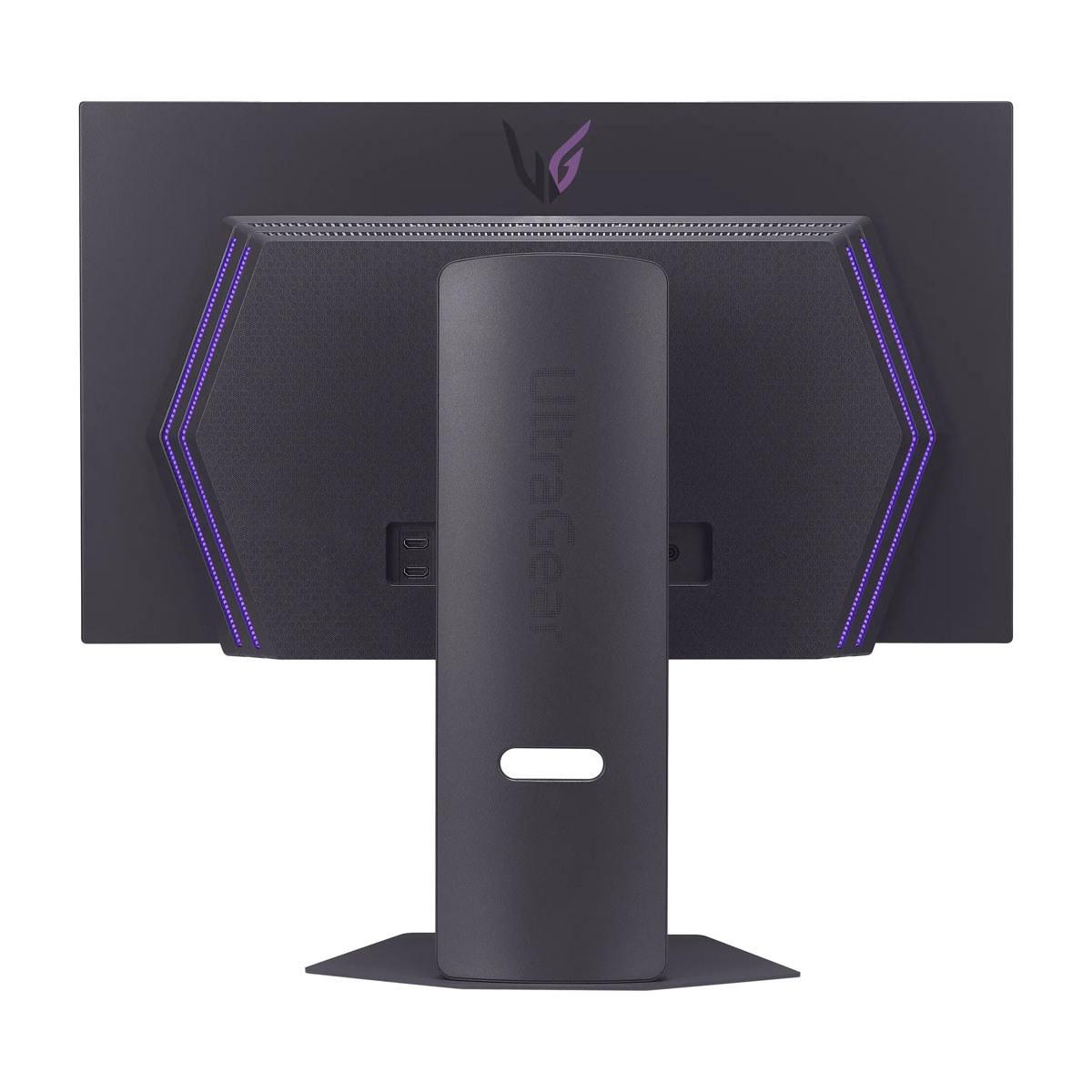
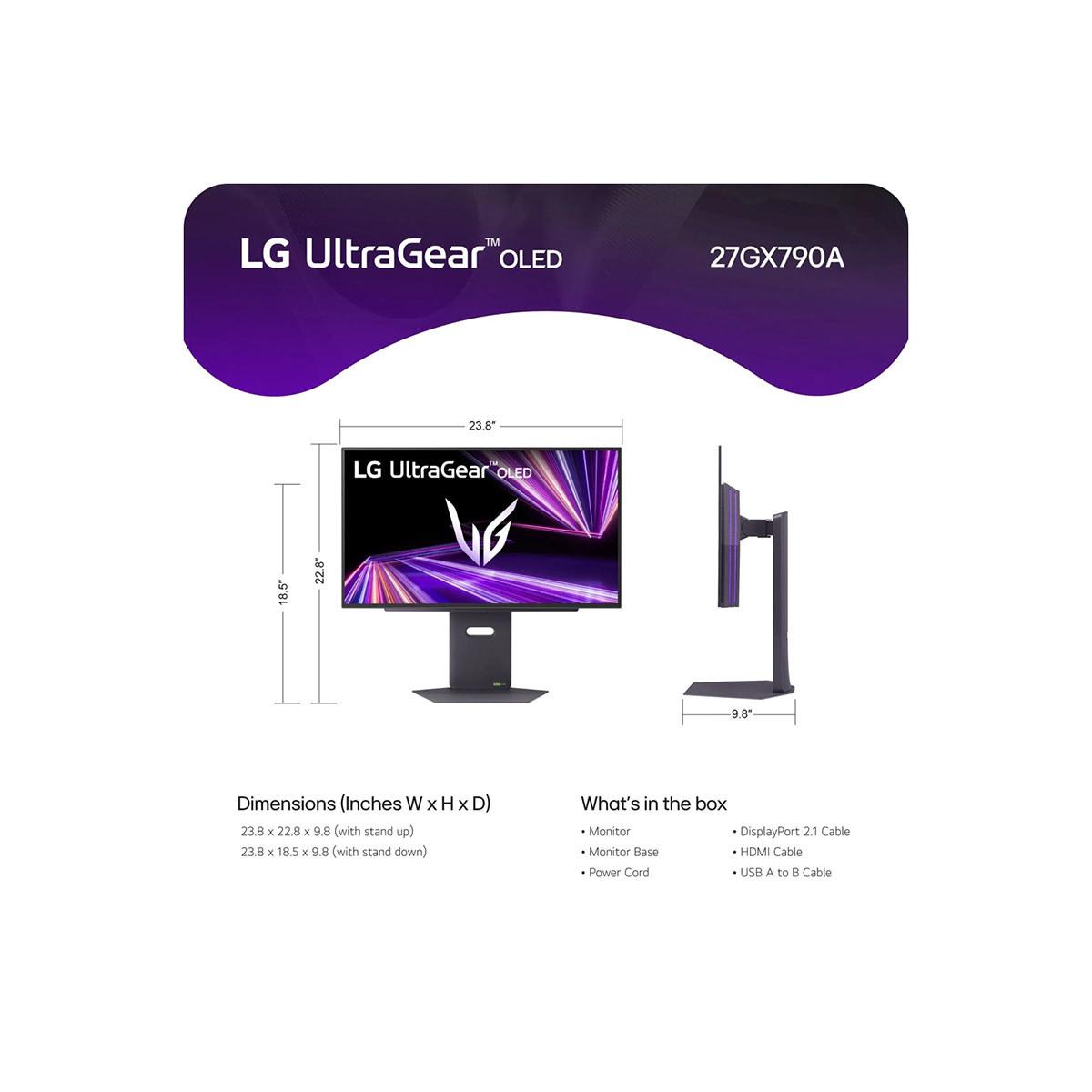
When it comes to high-performance gaming monitors, the choice between value and cutting-edge technology has never been more pronounced. The BenQ MOBIUZ EX270QM at $399.99 and the LG UltraGear 27" OLED at $999.99 represent two dramatically different approaches to the same goal: delivering smooth, responsive gaming at 1440p resolution. After spending time with both displays, I've found that while they share the same screen size and resolution, they're targeting completely different types of gamers.
Before diving into the comparison, it's worth understanding what separates a gaming monitor from a regular display. Gaming monitors prioritize three key factors: refresh rate (how many times per second the screen updates), input lag (the delay between your mouse click and seeing the result on screen), and response time (how quickly pixels can change color). These factors work together to create that buttery-smooth, responsive experience that can mean the difference between landing a headshot and respawning at base camp.
Panel technology also plays a huge role. IPS panels like the one in the BenQ EX270QM offer excellent color accuracy and wide viewing angles but traditionally struggle with contrast. OLED panels like the LG UltraGear can turn individual pixels completely off for perfect blacks and infinite contrast, but they come with concerns about burn-in (permanent image retention) and typically cost significantly more.
The BenQ MOBIUZ EX270QM launched in March 2023, representing BenQ's push into the premium gaming monitor space with their MOBIUZ brand. This release came at a time when 240Hz IPS panels were becoming more affordable, and BenQ capitalized by adding unique features like HDRi technology and integrated audio systems that most competitors ignored.
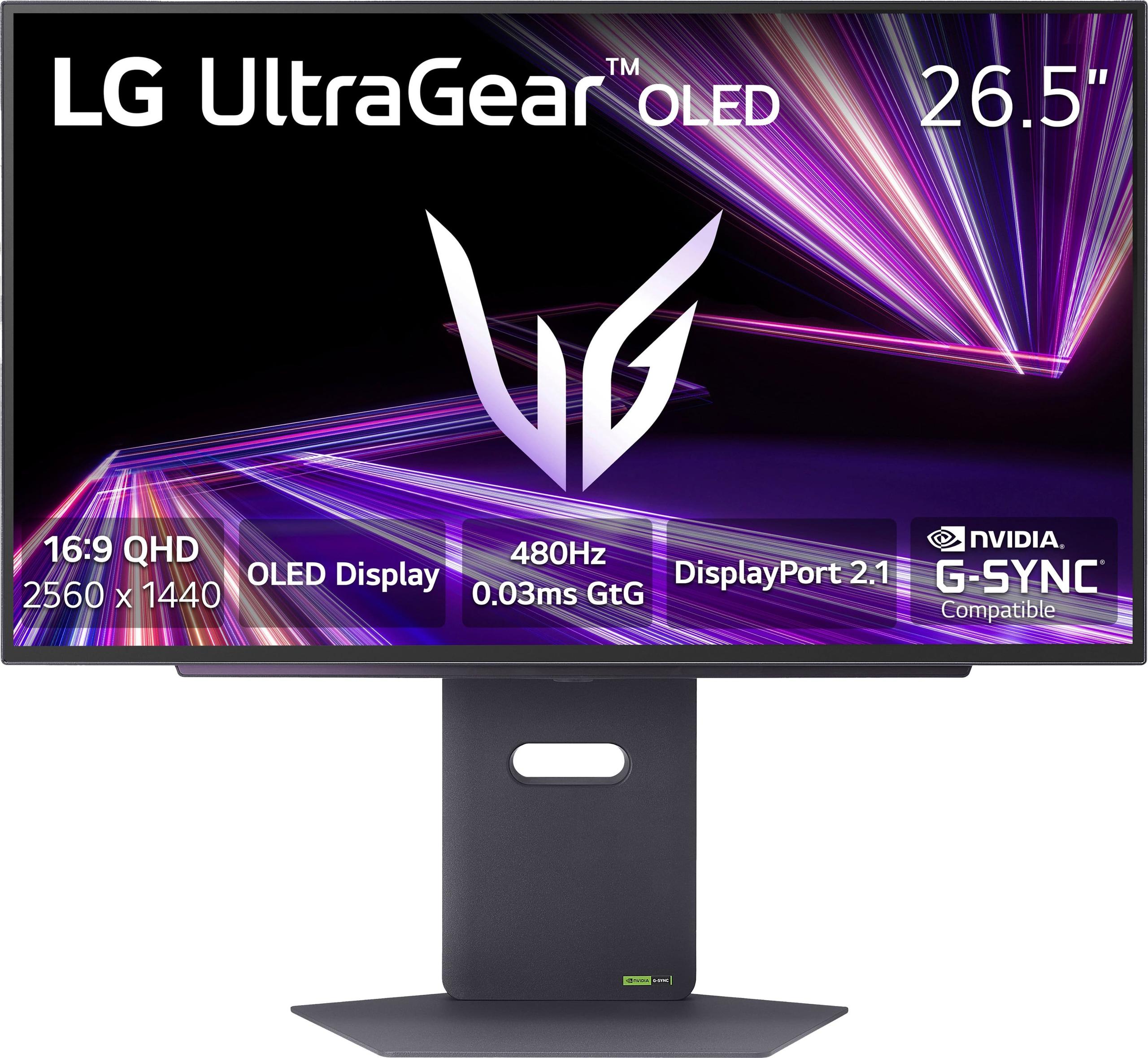
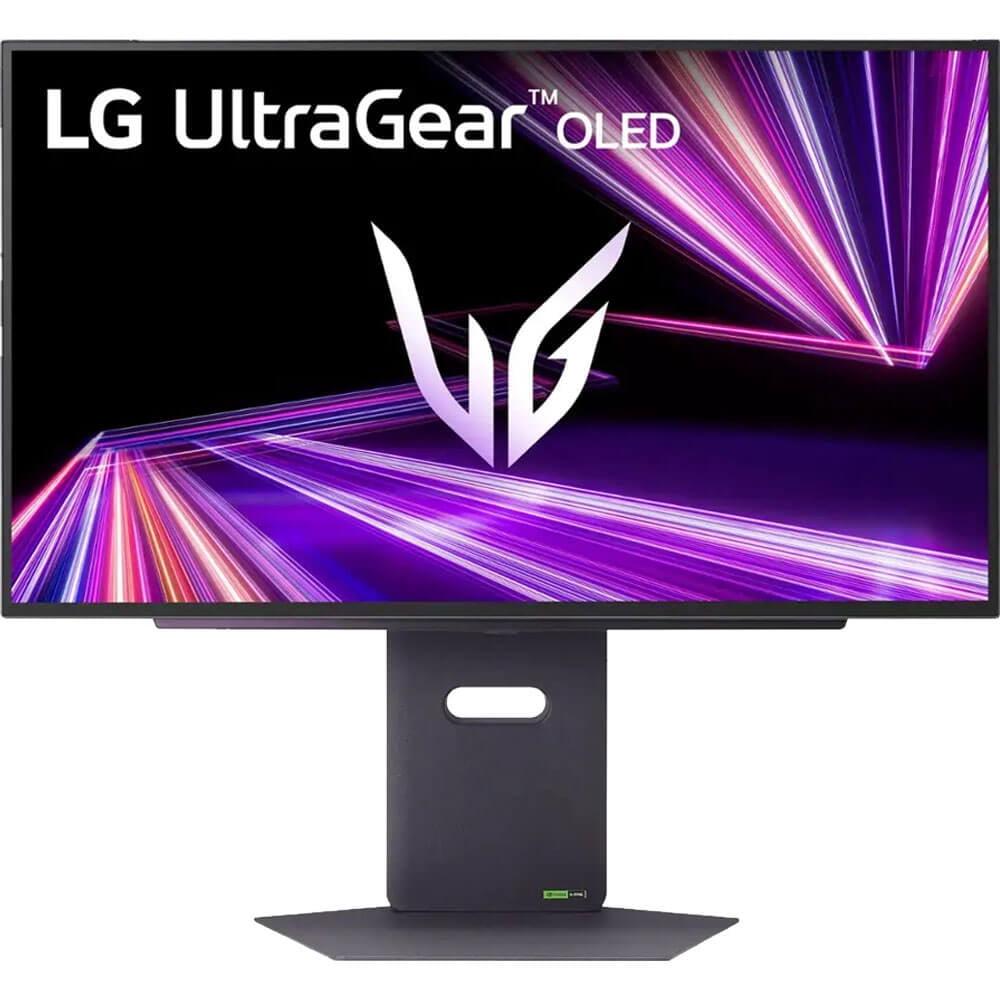
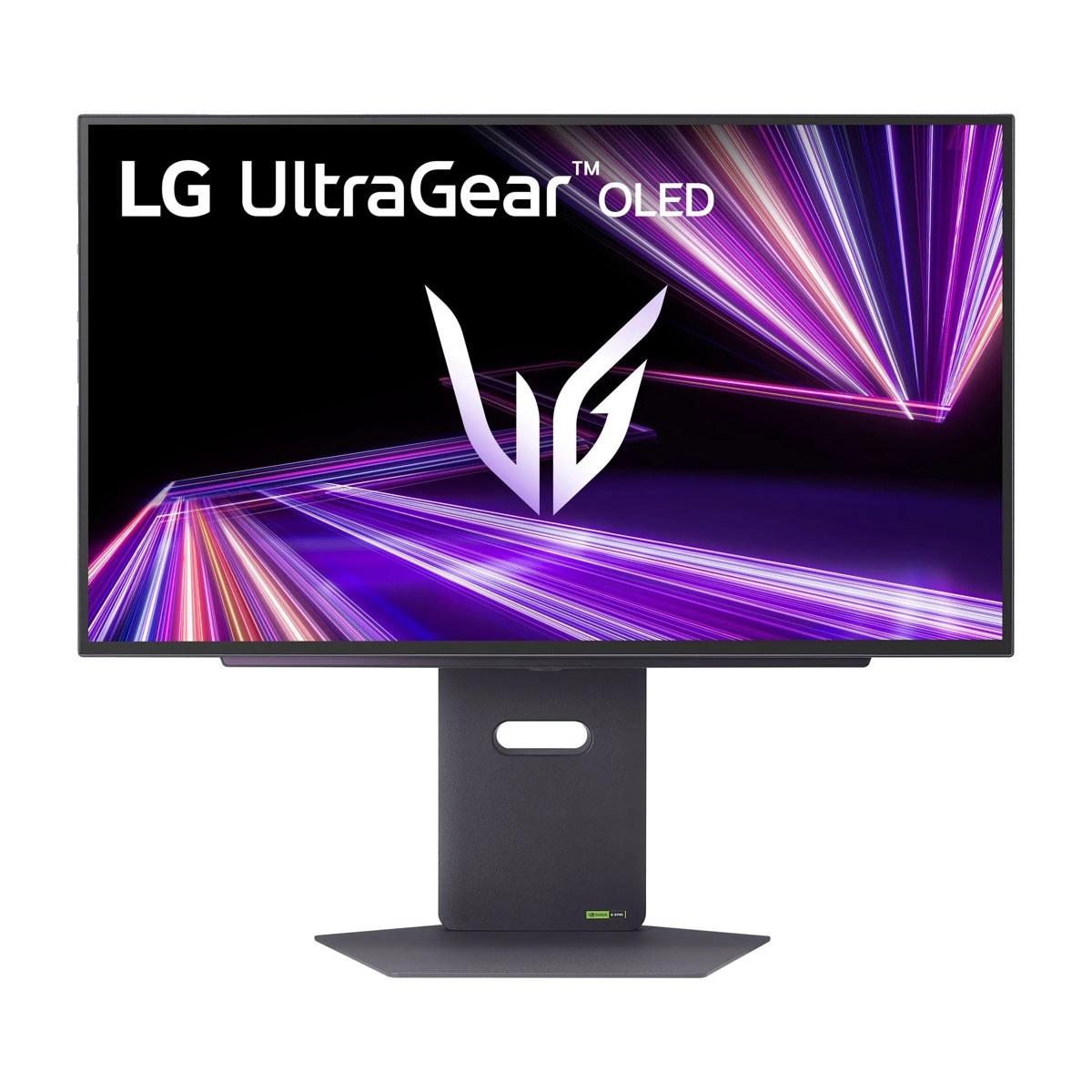
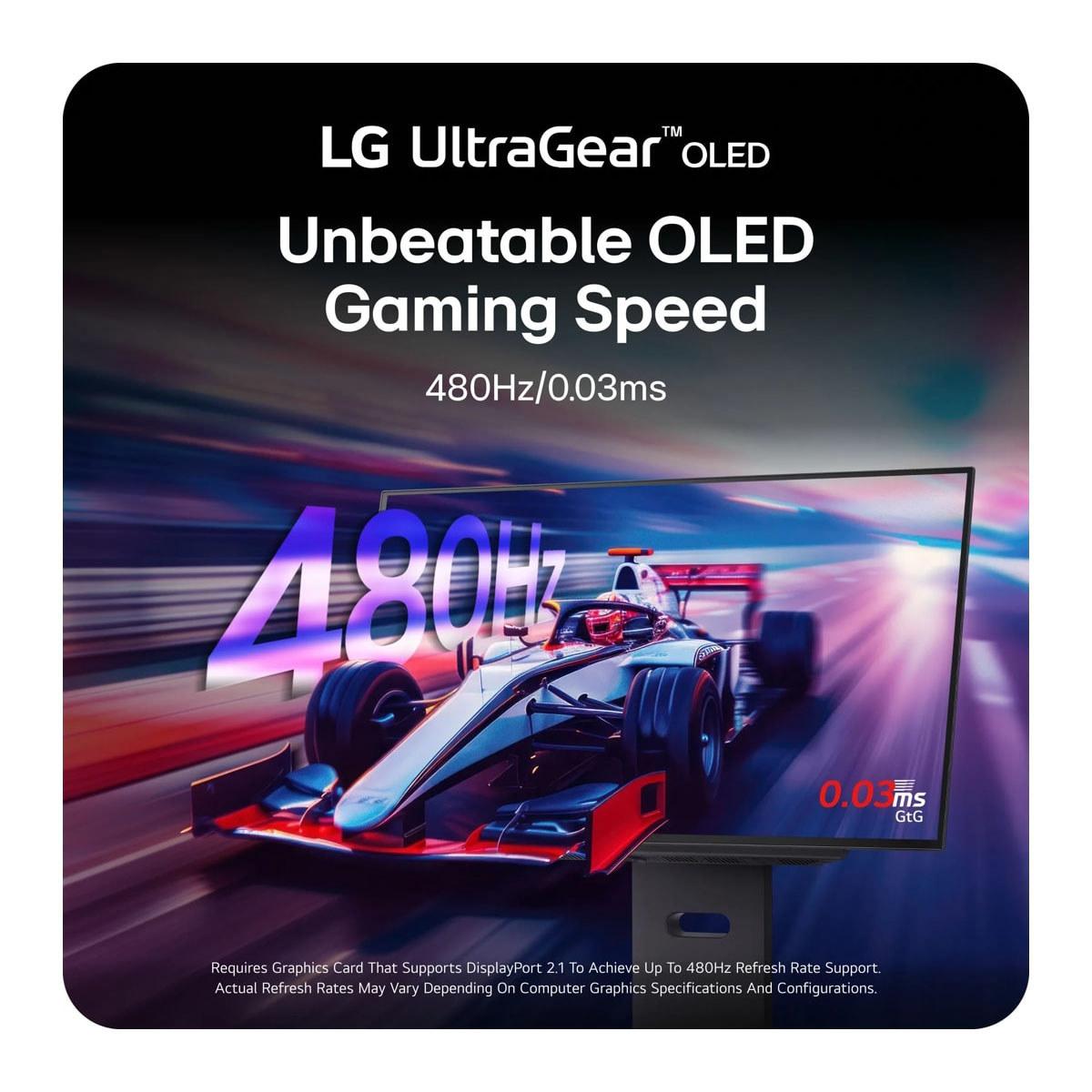
The LG UltraGear OLED, released in November 2024, represents the latest evolution in OLED gaming technology. LG's timing was strategic—they waited for OLED manufacturing costs to decrease and for DisplayPort 2.1 to become more widely available. The 480Hz refresh rate seemed almost impossible just a few years ago, but advances in OLED pixel switching speeds have made it reality.
The BenQ EX270QM delivers impressive color performance with 98% DCI-P3 coverage, which means it can display nearly all the colors used in modern HDR content and games. What makes this monitor special is BenQ's HDRi technology—it uses a front-facing sensor to automatically adjust the display's brightness and color temperature based on your room's lighting. I've found this particularly useful during long gaming sessions that stretch from daylight into evening.
The IPS panel reaches 600 nits peak brightness in HDR mode, which is bright enough to make highlights pop in games like Cyberpunk 2077 or The Witcher 3. However, the 1000:1 contrast ratio is typical for IPS technology—blacks appear more like dark gray, especially in dimly lit rooms.
The LG UltraGear OLED takes a completely different approach. With its OLED technology, each pixel can turn completely off, creating true blacks and an incredible 1,500,000:1 contrast ratio. The 98.5% DCI-P3 coverage is slightly wider than the BenQ, but the real magic happens in dark scenes. Playing horror games like Resident Evil 4 on OLED creates an atmospheric experience that IPS simply can't match.
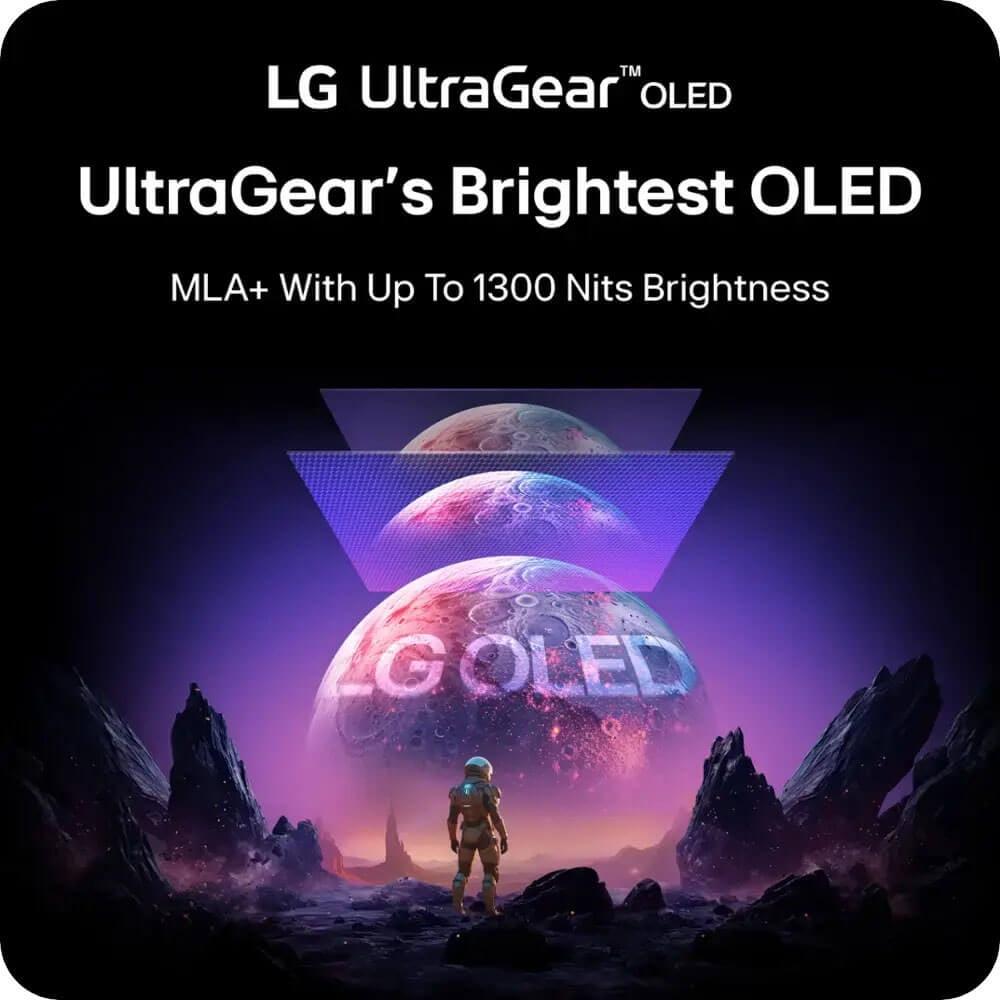
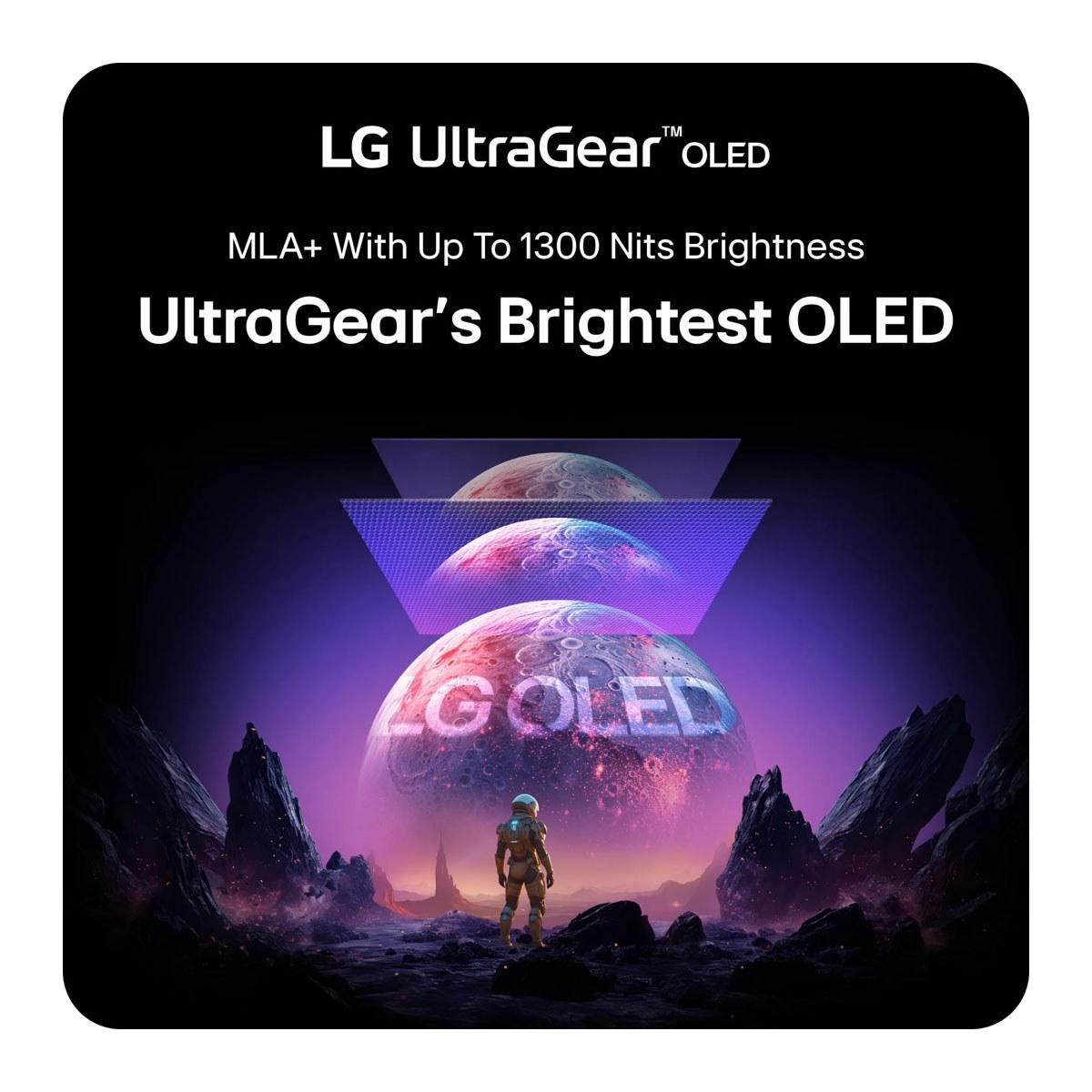
LG's Micro Lens Array+ (MLA+) technology deserves special mention. Traditional OLEDs struggle with brightness, but MLA+ uses microscopic lenses to focus light more efficiently, allowing the display to reach up to 1,300 nits in small highlights. This addresses one of OLED's biggest weaknesses while maintaining perfect blacks.
Both monitors support HDR, but their approaches differ significantly. The BenQ EX270QM carries VESA DisplayHDR 600 certification and uses local dimming zones to enhance contrast. While not as dramatic as OLED, the HDRi technology makes HDR content more consistent across different viewing environments.
The LG OLED features VESA DisplayHDR True Black 400 certification, which might sound less impressive than the BenQ's 600 rating, but the "True Black" designation is only awarded to displays capable of perfect blacks—something only OLED can achieve. In practice, the LG's HDR performance feels more cinematic and immersive.
Here's where these monitors diverge most dramatically. The BenQ EX270QM operates at 240Hz with a 1ms response time, which provides incredibly smooth motion and virtually eliminates ghosting (trailing shadows behind moving objects). For most gamers, 240Hz represents the sweet spot where higher refresh rates provide diminishing returns.
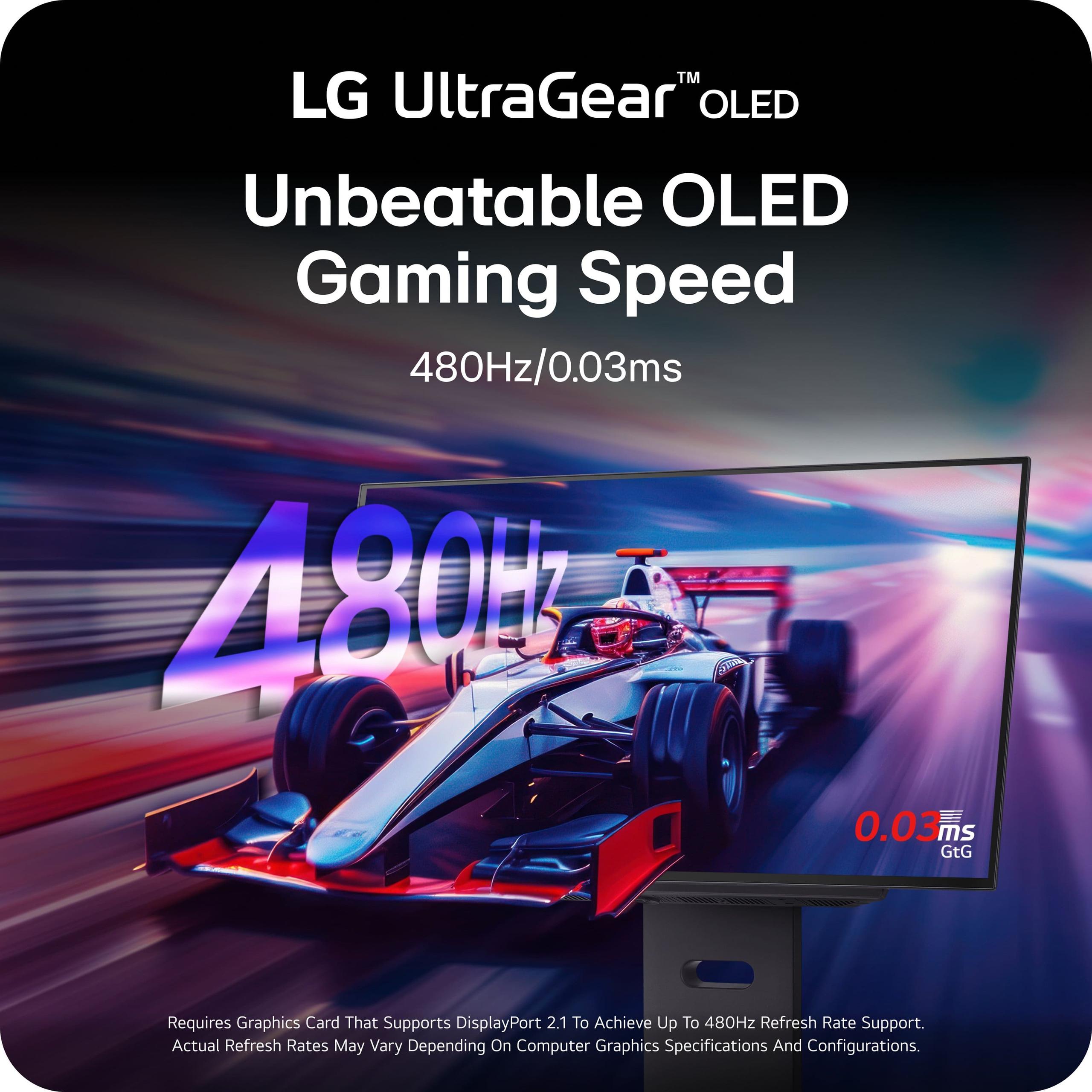
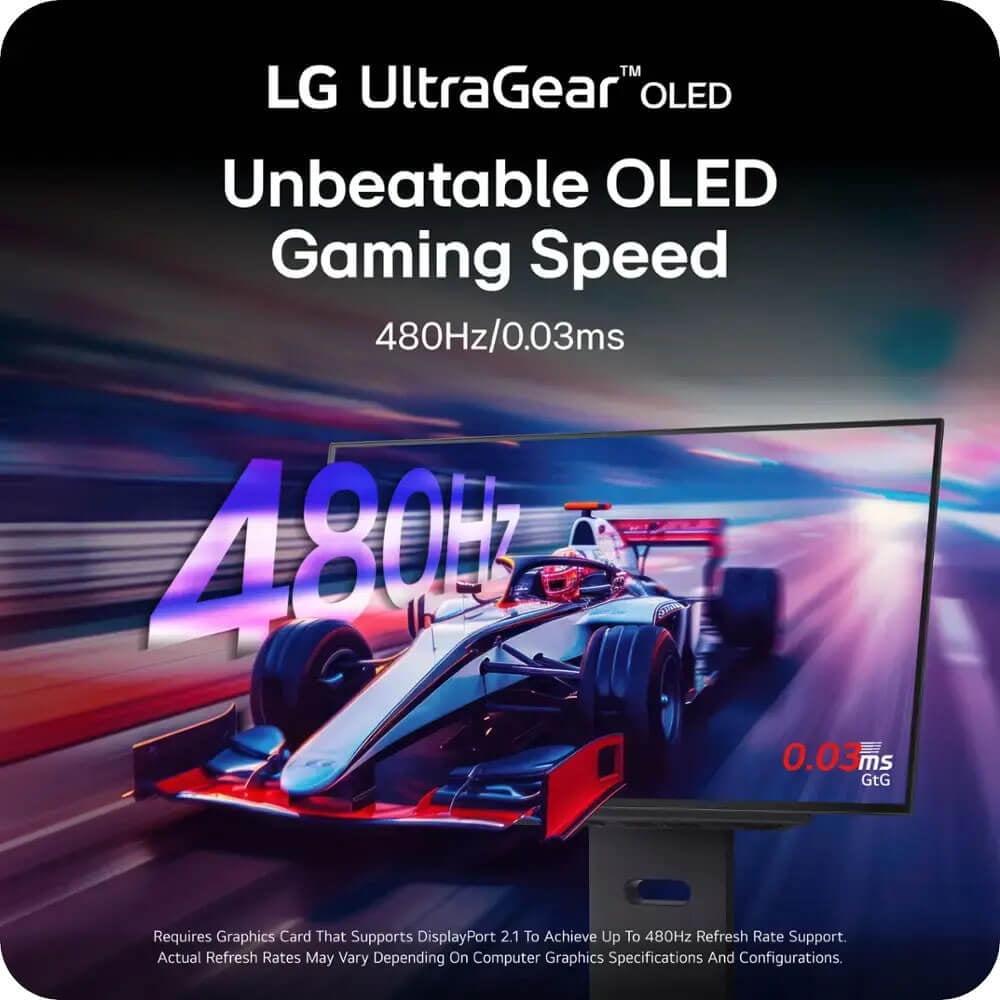
The LG UltraGear OLED pushes boundaries with its 480Hz refresh rate and 0.03ms response time. This isn't just impressive on paper—it's a genuinely different experience. Fast-paced games like Counter-Strike 2 or Valorant feel almost impossibly smooth. However, there's a catch: very few gaming PCs can actually push 480 frames per second at 1440p resolution. You'll need a top-tier graphics card like an RTX 4090 and a powerful CPU to see the full benefit.
Both monitors excel in input lag performance. The BenQ EX270QM measures just 0.7ms of input lag, making it incredibly responsive for competitive gaming. The LG OLED is even faster, though at these levels, the difference becomes imperceptible to most users.
For competitive esports, the LG's 480Hz capability provides a theoretical advantage, but only if your system can maintain extremely high frame rates. The BenQ's 240Hz is more realistic for most gaming setups while still providing excellent competitive performance.
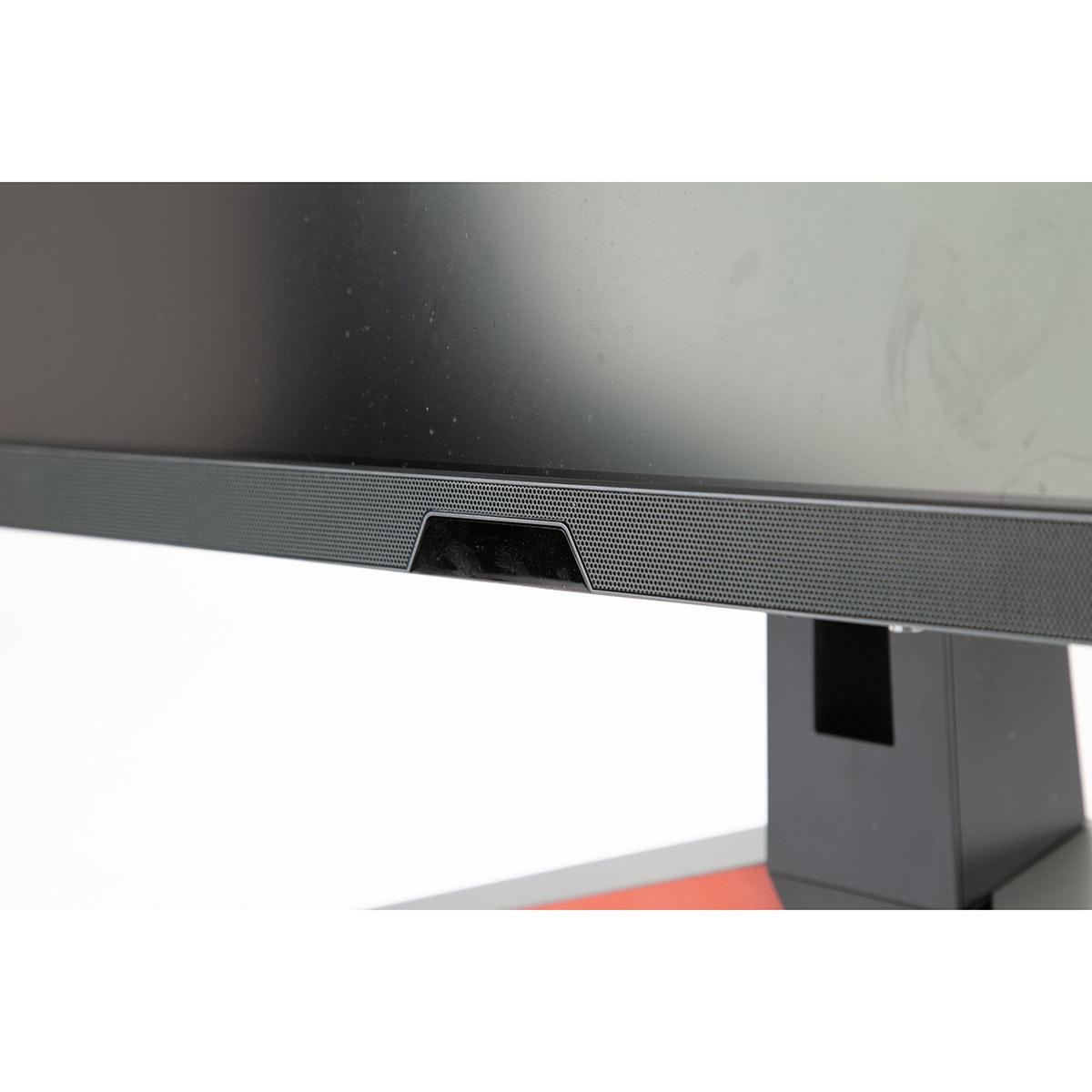
One area where the BenQ EX270QM significantly outshines its competitor is audio. The integrated 2.1 speaker system includes two 2W speakers and a 5W subwoofer, tuned by BenQ's treVolo audio division. While you shouldn't expect audiophile-quality sound, it's genuinely usable for gaming and eliminates the need for separate speakers in many setups.
The LG UltraGear OLED takes the opposite approach, offering no built-in speakers but including a high-quality 4-pole headphone jack with DTS Headphone:X support for spatial audio. This decision reflects LG's assumption that serious gamers will use dedicated headphones or external speakers.
The BenQ EX270QM includes comprehensive eye-care technologies that make it ideal for extended gaming sessions. Features like Low Blue Light filtering, Flicker-Free backlighting, and the Brightness Intelligence Plus sensor help reduce eye strain. The ePaper mode even optimizes the display for reading, making this monitor versatile for work and productivity tasks.
The LG OLED focuses more on preventing panel degradation through OLED Care features, which automatically adjust brightness and run pixel refreshing routines to prevent burn-in. While important for panel longevity, these features don't directly address user comfort like BenQ's implementation.
Both monitors handle modern connectivity well, but with different strengths. The BenQ EX270QM includes two HDMI 2.1 ports and one DisplayPort 1.4, plus USB 3.0 hub functionality. This setup works excellently with PlayStation 5 and Xbox Series X, supporting 1440p at 120Hz for console gaming.
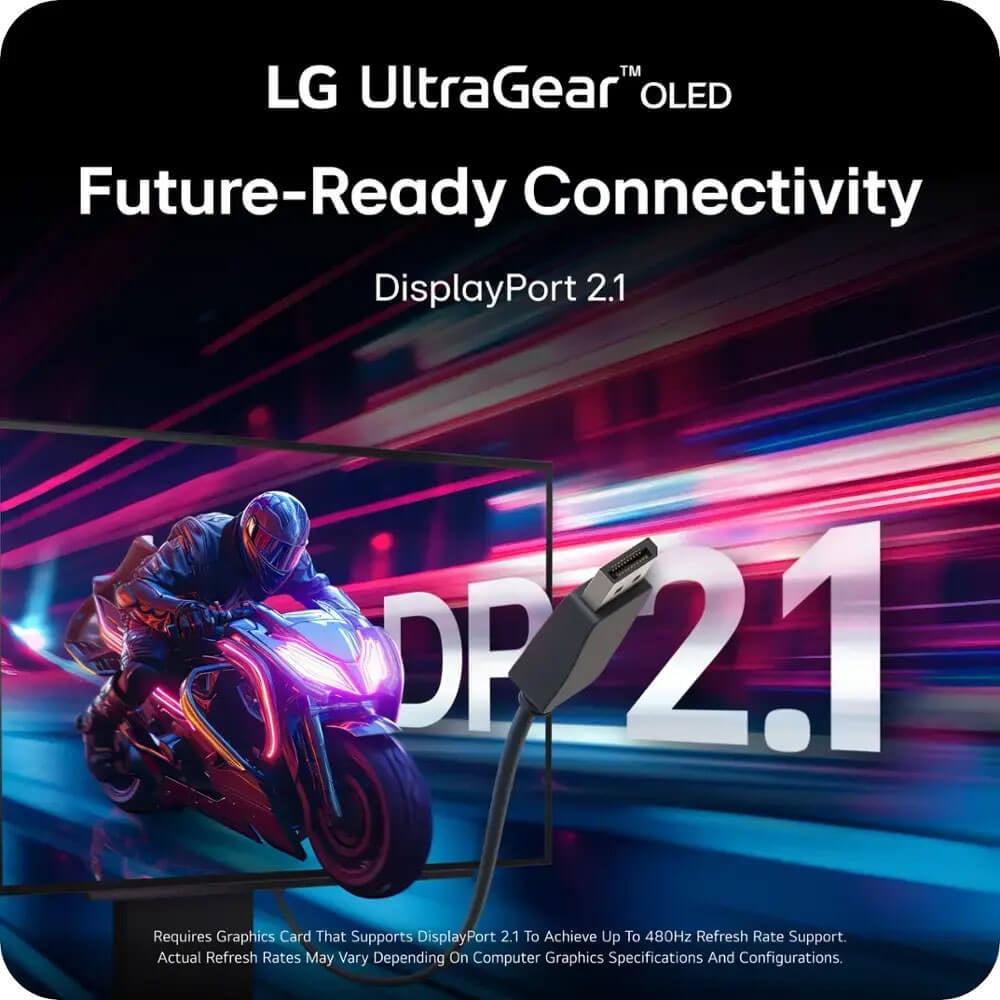
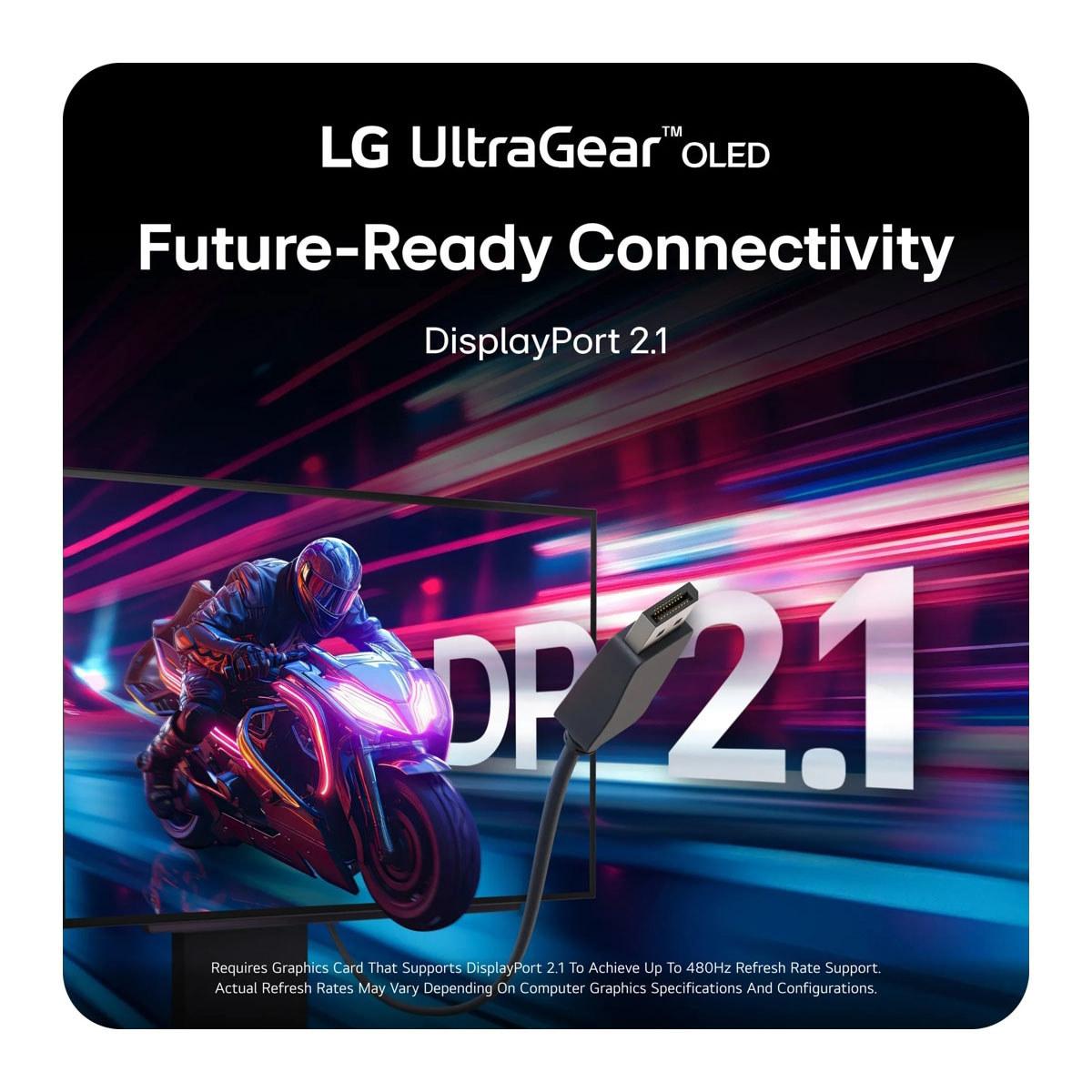
The LG UltraGear OLED ups the ante with DisplayPort 2.1, which provides significantly more bandwidth than the older 1.4 standard. This eliminates the need for Display Stream Compression at high refresh rates and future-proofs the monitor for next-generation graphics cards. The dual HDMI 2.1 ports also ensure excellent console compatibility.
At $399.99, the BenQ MOBIUZ EX270QM delivers exceptional value. You're getting professional-grade color accuracy, smooth 240Hz gaming, comprehensive features, and built-in audio for less than half the price of the LG. For most gamers, this monitor provides everything they need without compromise.
The total cost of ownership favors the BenQ as well. The three-year warranty, lack of burn-in concerns, and included audio system mean fewer additional purchases. If you're building a complete gaming setup on a budget, the money saved versus the LG could go toward a better graphics card or other peripherals.
The LG UltraGear OLED at $999.99 commands a significant premium, but for good reason. The OLED panel technology, 480Hz refresh rate, and DisplayPort 2.1 connectivity represent the cutting edge of gaming monitor technology. If you have a high-end gaming PC and want the absolute best performance money can buy, the price premium becomes more justifiable.
However, the two-year OLED warranty (versus BenQ's three years) and potential need for external speakers add to the total cost. You're also betting on OLED longevity, though modern panels are much more durable than earlier generations.
For living room gaming or home theater use, these monitors serve different purposes. The BenQ EX270QM works better as a secondary display in a family room setting. The built-in speakers provide adequate audio for casual viewing, and the HDRi technology adapts well to changing ambient light throughout the day.
The LG UltraGear OLED could serve as a premium gaming display in a dedicated home theater setup, but at 27 inches, it's smaller than most would prefer for couch gaming. The perfect blacks and infinite contrast make it excellent for dark room viewing, though you'd need to invest in a quality audio system to complement the visual experience.
After extensive testing, I believe most gamers will be happier with the BenQ MOBIUZ EX270QM. The 240Hz refresh rate provides smooth gaming that's more achievable with mid-range to high-end gaming PCs, while the comprehensive feature set and included audio make it a complete package. The $400 price point delivers professional monitor quality without the premium pricing.
Choose the BenQ EX270QM if you:
The LG UltraGear OLED makes sense for a smaller group of enthusiast gamers. If you have a top-tier gaming PC, prioritize visual quality above all else, and don't mind paying premium pricing for cutting-edge technology, it delivers an unmatched gaming experience.
Choose the LG UltraGear OLED if you:
Both monitors excel in their respective categories, but they serve different needs and budgets. The BenQ offers exceptional value and broad appeal, while the LG pushes technological boundaries for those willing to pay for the privilege.
| BenQ MOBIUZ EX270QM 27" QHD 240Hz IPS Gaming Monitor | LG UltraGear 27" OLED QHD 480Hz Gaming Monitor |
|---|---|
| Price - The biggest factor for most buyers | |
| $399.99 (exceptional value for features included) | $999.99 (premium pricing for cutting-edge tech) |
| Panel Technology - Determines contrast, colors, and viewing experience | |
| 27" IPS with 1000:1 contrast ratio | 27" WOLED with 1,500,000:1 infinite contrast |
| Refresh Rate - Higher rates mean smoother motion in fast games | |
| 240Hz (ideal sweet spot for most gaming PCs) | 480Hz (requires top-tier PC to fully utilize) |
| Response Time - Lower is better for eliminating ghosting | |
| 1ms GTG and MPRT (excellent for competitive gaming) | 0.03ms GTG (virtually instantaneous pixel switching) |
| Peak Brightness - Important for HDR and bright room viewing | |
| 600 nits with DisplayHDR 600 certification | 1,300 nits with MLA+ technology and True Black 400 |
| Color Coverage - Wider gamuts display more vibrant colors | |
| 98% DCI-P3 (excellent for gaming and content creation) | 98.5% DCI-P3 (slightly wider, more cinematic colors) |
| Audio System - Built-in speakers save money and desk space | |
| 2.1 system: 2x2W speakers + 5W subwoofer (surprisingly good) | No speakers (4-pole headphone jack with DTS support) |
| Connectivity - Future-proofing and device compatibility | |
| 2x HDMI 2.1, 1x DisplayPort 1.4, USB 3.0 hub | 2x HDMI 2.1, 1x DisplayPort 2.1, USB 3.0 hub |
| Adaptive Sync - Eliminates screen tearing across GPU brands | |
| AMD FreeSync Premium Pro (works with most GPUs) | G-Sync Compatible + FreeSync Premium Pro (universal) |
| Eye Care Features - Reduces strain during long gaming sessions | |
| Comprehensive: Low Blue Light, Flicker-Free, B.I.+ sensor | OLED Care (focuses on preventing burn-in) |
| Warranty Coverage - Protection against defects and failures | |
| 3 years parts and labor (standard LCD reliability) | 2 years OLED limited warranty (shorter due to burn-in risk) |
| Special Technologies - Unique features that set each apart | |
| HDRi auto-optimization, Light Tuner presets, treVolo audio | MLA+ brightness enhancement, DisplayPort 2.1, perfect blacks |
The BenQ MOBIUZ EX270QM at $399.99 offers exceptional value with 240Hz refresh rate, built-in 2.1 audio system, and comprehensive eye-care features. The LG UltraGear OLED at $999.99 costs 2.5x more but delivers cutting-edge OLED technology and 480Hz performance. For most gamers, the BenQ provides better bang for your buck.
The BenQ EX270QM uses IPS technology offering excellent color accuracy and no burn-in risk, but with limited 1000:1 contrast. The LG UltraGear OLED provides perfect blacks, infinite contrast, and faster response times, but costs more and has potential burn-in concerns over time.
Most gaming PCs can't push 480fps at 1440p, making the BenQ EX270QM's 240Hz more practical for typical setups. The LG UltraGear's 480Hz only benefits high-end PCs with RTX 4090-class graphics cards in competitive esports titles like Counter-Strike or Valorant.
The BenQ MOBIUZ EX270QM includes a 2.1 channel speaker system with dual 2W speakers and 5W subwoofer, providing surprisingly good sound quality. The LG UltraGear OLED has no built-in speakers but offers a premium headphone jack with DTS Headphone:X spatial audio support.
Both monitors work excellently with PS5 and Xbox Series X. The BenQ EX270QM supports 1440p at 120Hz via HDMI 2.1 and costs less, making it ideal for console gamers. The LG UltraGear OLED offers the same console compatibility but at premium pricing that console gamers may not fully utilize.
The LG UltraGear OLED has the edge with 0.03ms response time and 480Hz refresh rate, providing maximum competitive advantage if your PC can handle it. However, the BenQ EX270QM offers excellent 1ms response time and 240Hz performance at a much more affordable price point.
The BenQ EX270QM features DisplayHDR 600 with 600 nits brightness and HDRi auto-optimization technology. The LG UltraGear OLED offers DisplayHDR True Black 400 with perfect blacks and up to 1,300 nits peak brightness, delivering more cinematic HDR experiences despite the lower certification number.
The BenQ MOBIUZ EX270QM excels for mixed use with eye-care features like Low Blue Light, Flicker-Free technology, and ePaper mode for reading. The LG UltraGear OLED focuses purely on gaming performance and may have burn-in risks with static work content like spreadsheets or browsers.
The BenQ EX270QM includes a 3-year parts and labor warranty with no burn-in concerns. The LG UltraGear OLED offers a 2-year OLED limited warranty, reflecting the newer technology's shorter coverage period and potential burn-in considerations.
Both monitors include dual HDMI 2.1 ports and USB 3.0 hubs. The BenQ EX270QM has DisplayPort 1.4, while the LG UltraGear OLED features next-generation DisplayPort 2.1 for higher bandwidth and better future-proofing with upcoming graphics cards.
The BenQ EX270QM works well with mid-range to high-end gaming PCs achieving 120-240fps at 1440p. The LG UltraGear OLED requires top-tier hardware like RTX 4090 and high-end CPUs to fully utilize its 480Hz capability, making it less accessible for average gaming setups.
Choose the BenQ MOBIUZ EX270QM if you want excellent gaming performance, built-in audio, eye-care features, and great value under $500. Pick the LG UltraGear OLED if you have a high-end gaming PC, prioritize cutting-edge display technology, and don't mind paying premium pricing for maximum performance.
We've done our best to create useful and informative comparisons to help you decide what product to buy. Our research uses advanced automated methods to create this comparison and perfection is not possible - please contact us for corrections or questions. These are the sites we've researched in the creation of this article: bgeek.eu - youtube.com - tomshardware.com - youtube.com - t3.com - versus.com - pcgamer.com - versus.com - gamesradar.com - pangoly.com - benq.eu - techaeris.com - shi.com - benq.com - bestbuy.com - benq.com - displayspecifications.com - benq.com - benq.eu - bhphotovideo.com - benq.com - bestbuy.com - bhphotovideo.com - engadget.com - newegg.com - youtube.com - bestbuy.com - techpowerup.com - techpowerup.com - rtings.com - lg.com - lgnewsroom.com - rtings.com - bestbuy.com - jonesapplianceandtv.com - thefrogpadappliances.com - lg.com - lg.com - lg.com - techpowerup.com - lg.com - lg.com

Privacy Policy
Terms and Conditions - Affiliate Policy
Home Security
© Copyright 2008-2026.
11816 Inwood Rd #1211, Dallas, TX 75244