

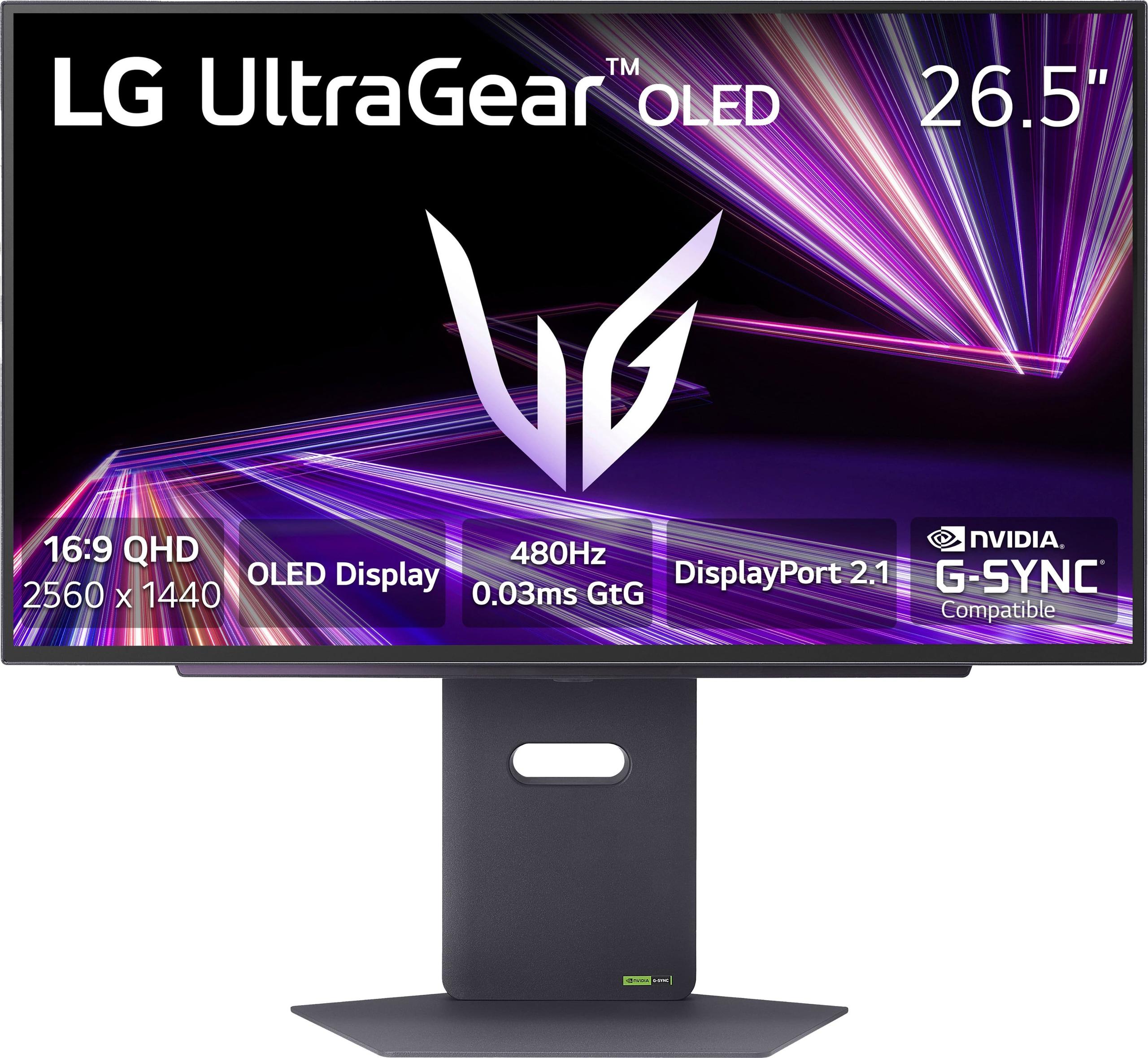
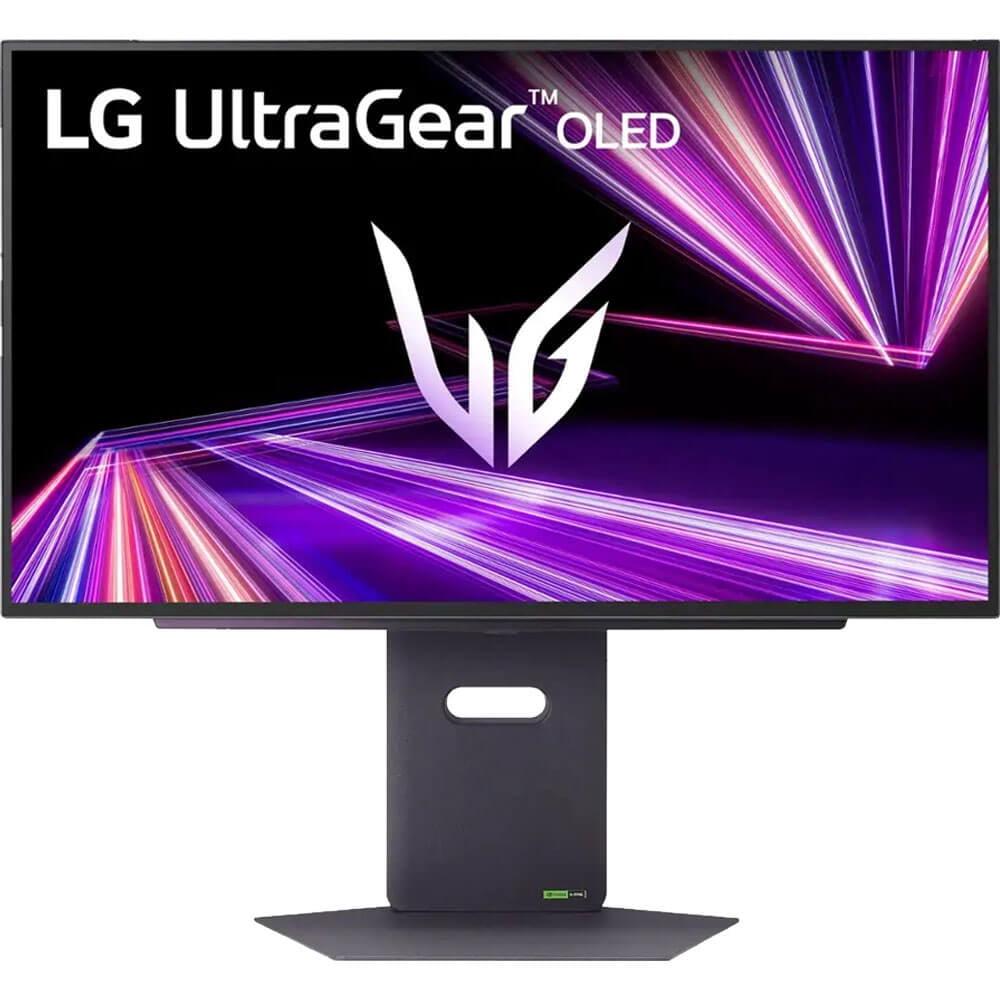
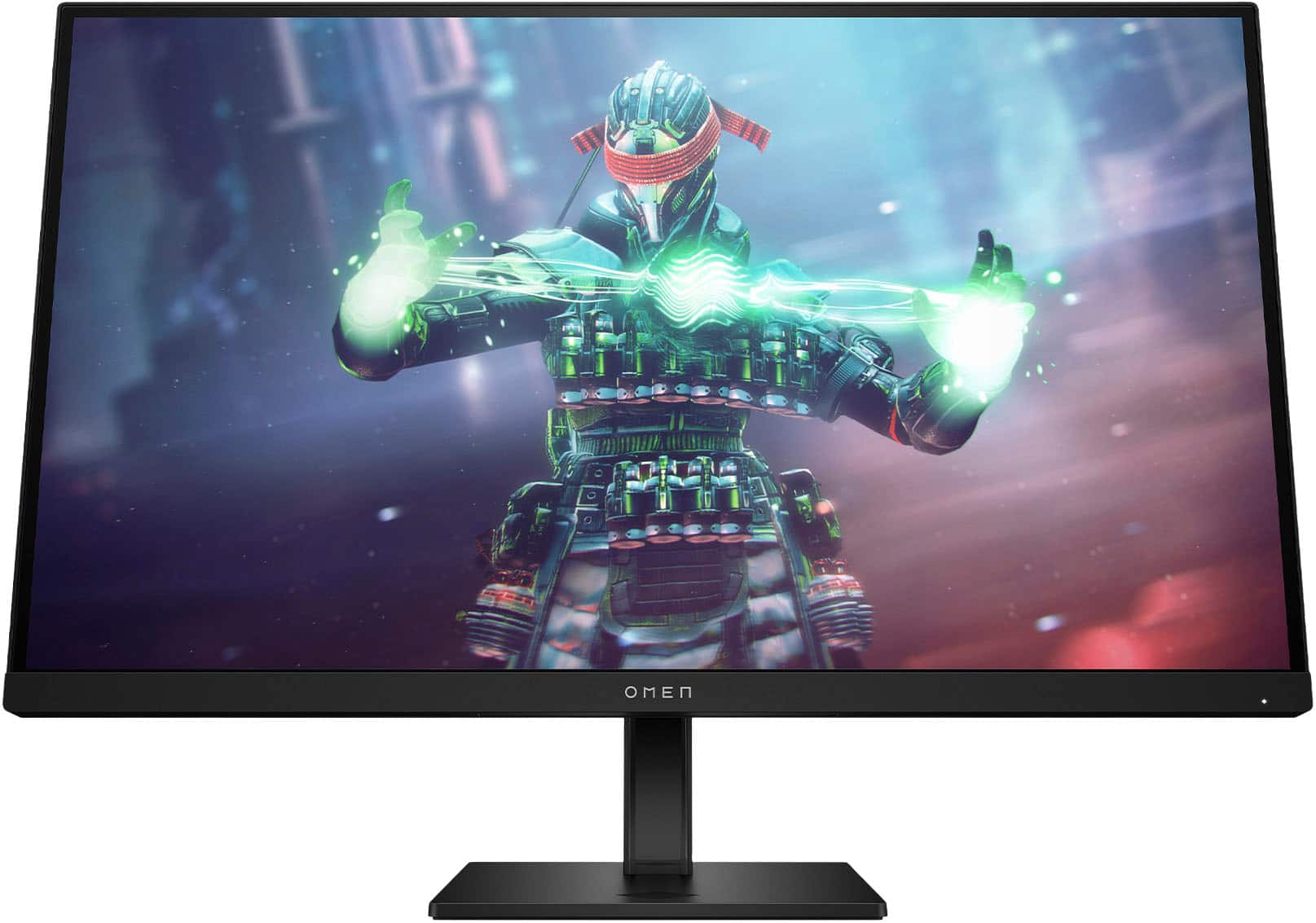
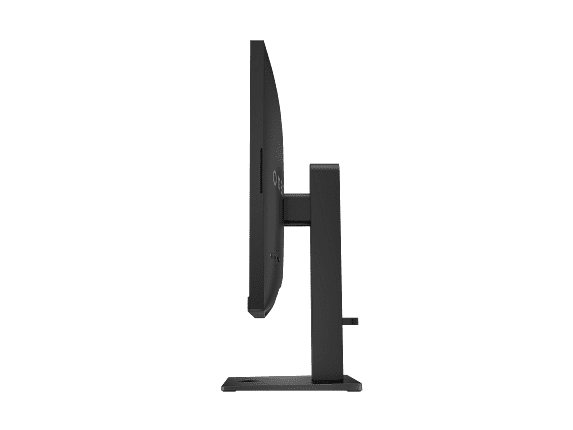
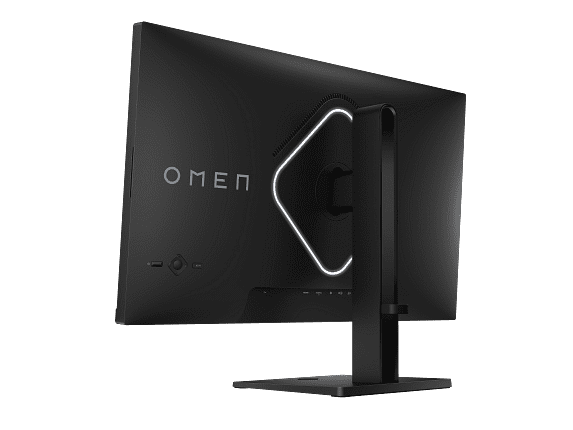
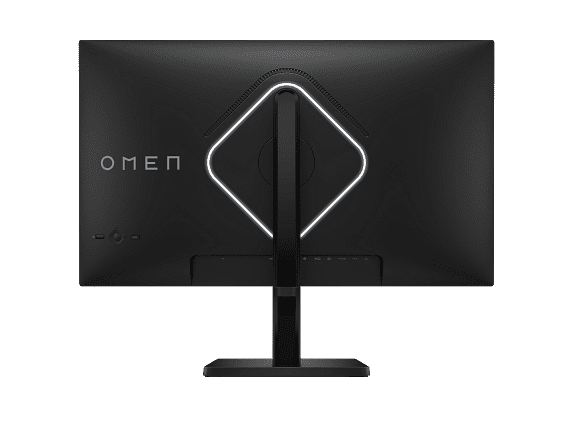
Gaming monitors have come a long way since the early days of chunky CRT displays and basic LCD panels. Today's gaming displays represent some of the most advanced screen technology available, with innovations that would have seemed impossible just a few years ago. Two monitors perfectly illustrate this evolution: the LG UltraGear 27" OLED QHD 480Hz Gaming Monitor at $999.99 and the HP Omen 27k 4K UHD 144Hz Gaming Monitor at $509.99.
These displays take completely different approaches to gaming excellence, and understanding their differences will help you make the right choice for your setup. Let's dive into what makes each special and figure out which one deserves a place on your desk.
Before we compare these specific monitors, it's worth understanding what separates a great gaming display from an average one. Gaming monitors aren't just regular screens with fancy marketing – they're engineered for interactive entertainment where milliseconds matter and visual quality can mean the difference between victory and defeat.
The most important factors for gaming displays include refresh rate (how many times per second the screen updates), response time (how quickly pixels can change colors), input lag (the delay between your action and seeing it on screen), and color accuracy. Modern gaming monitors also need to handle different types of content well – from the dark corridors of horror games to the bright explosions of action titles.
Panel technology plays a huge role here. Traditional LCD panels use a backlight behind liquid crystal cells, while OLED (Organic Light-Emitting Diode) panels have pixels that produce their own light. This fundamental difference creates distinct advantages and trade-offs that we'll explore throughout this comparison.
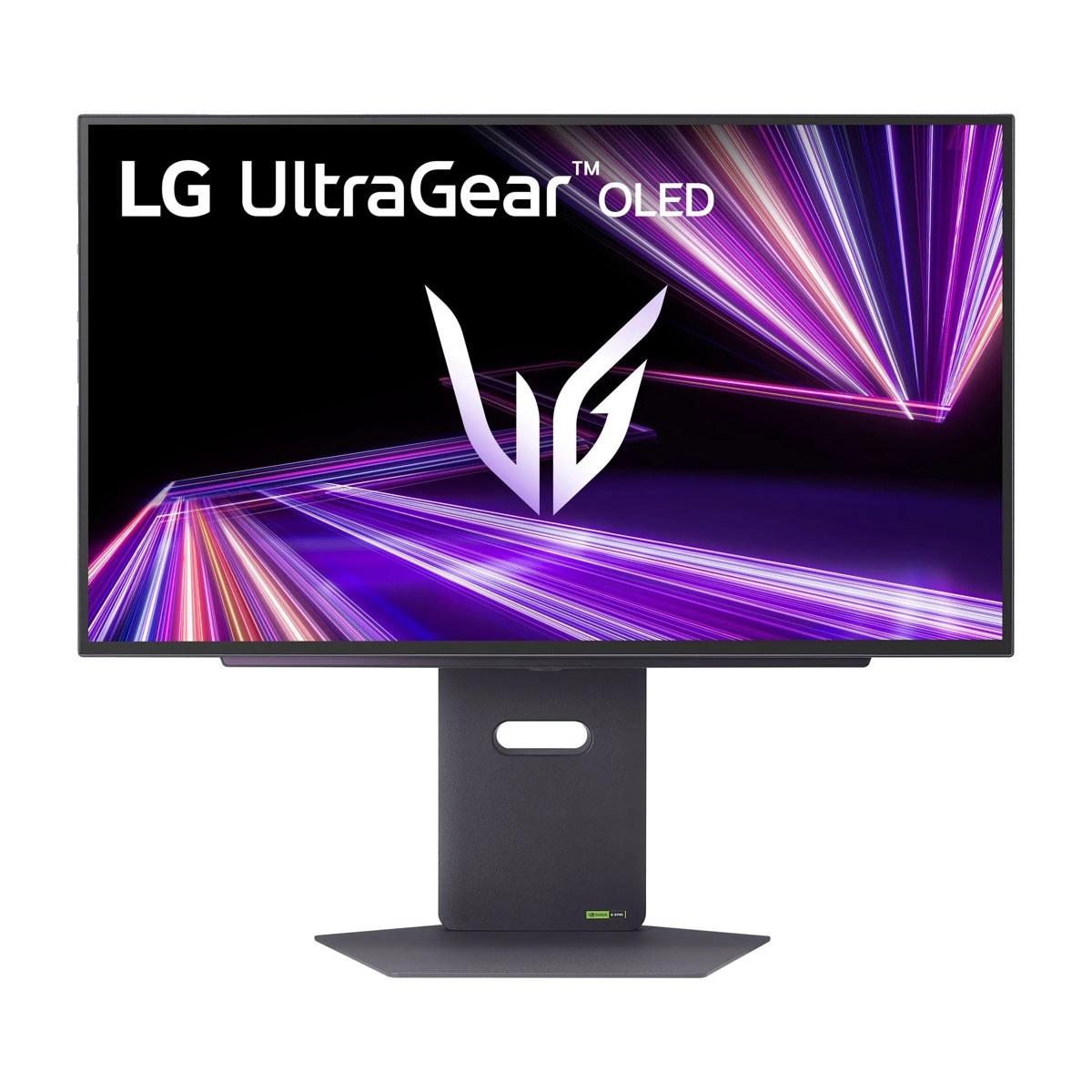
The LG UltraGear 27" OLED launched in late 2024 as LG's flagship gaming display, representing the cutting edge of OLED gaming technology. At $999.99, it's positioned as a premium option for serious gamers who want the absolute best performance.
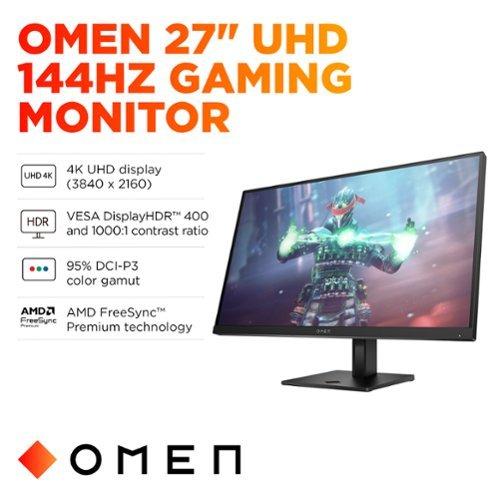
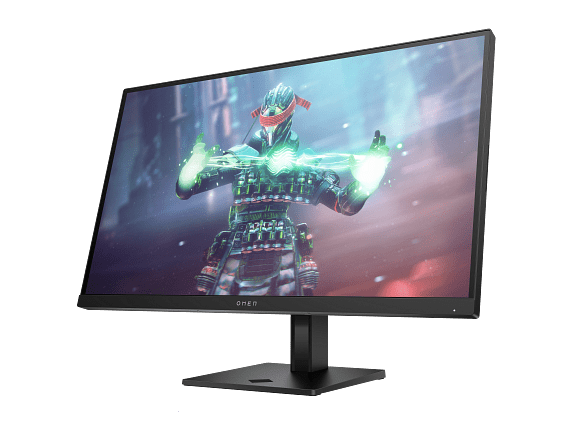
Meanwhile, the HP Omen 27k at $509.99 takes a more practical approach, offering 4K resolution and solid gaming features at a price that won't break the bank. Released in early 2024, it represents HP's effort to bring high-end gaming features to a broader audience.
These monitors embody two different philosophies: the LG prioritizes speed and motion clarity above all else, while the HP focuses on sharp visuals and versatility. Neither approach is inherently better – it depends entirely on how you plan to use your display.
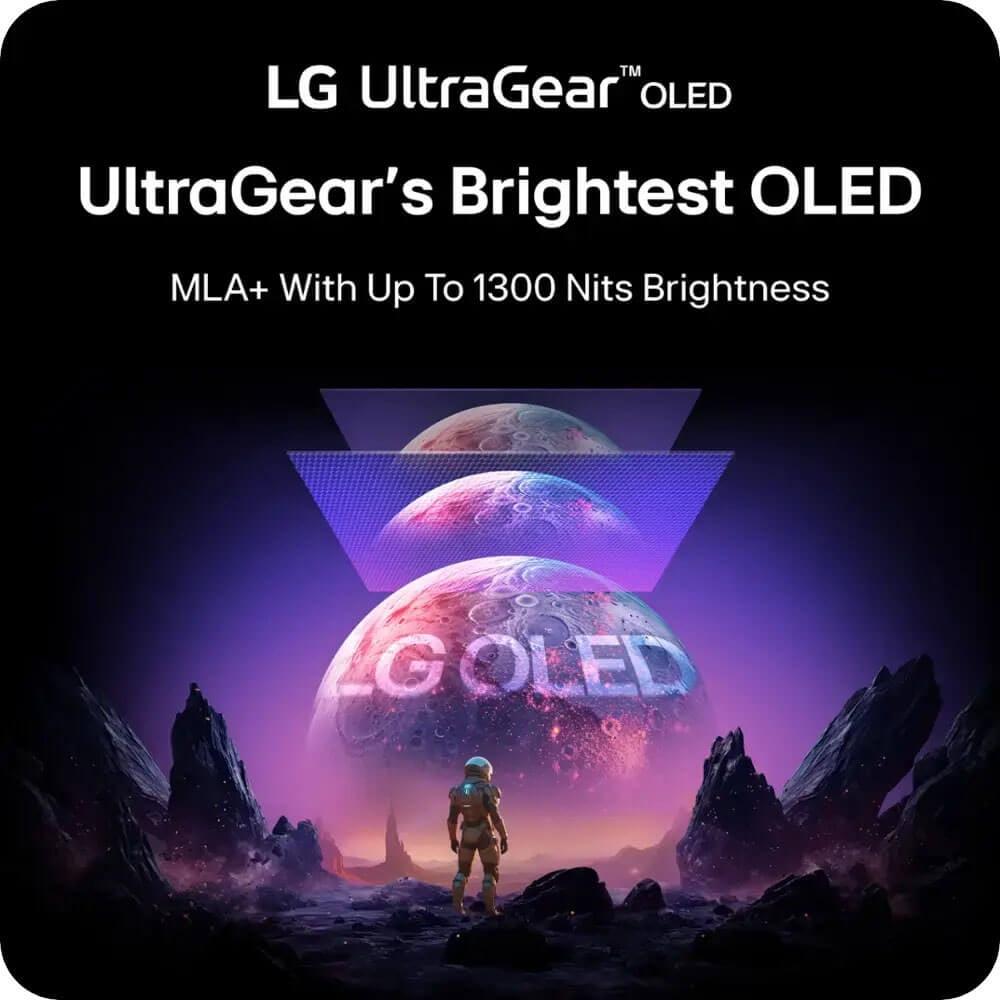
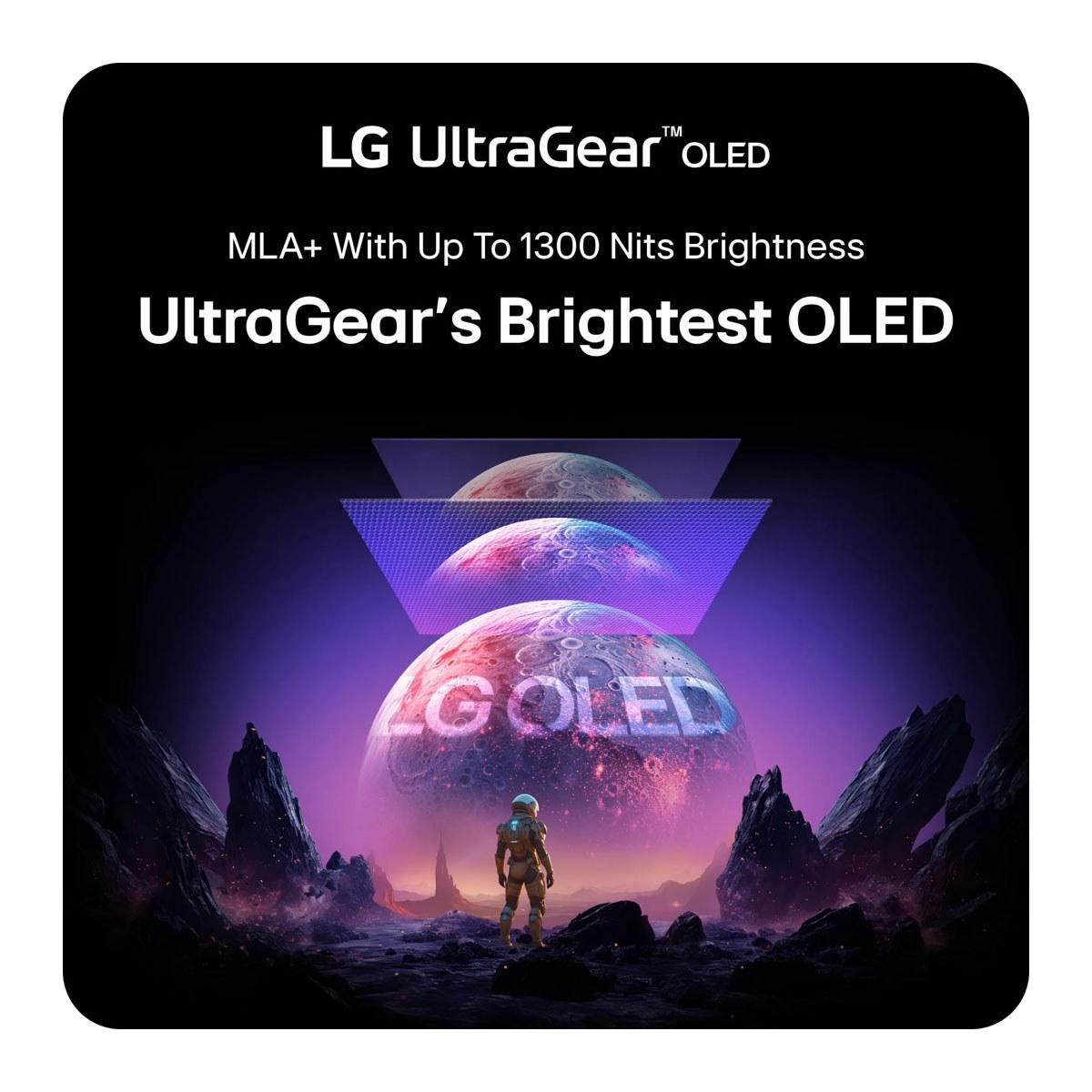
The biggest difference between these monitors lies in their fundamental display technology. The LG UltraGear OLED uses a WOLED (White OLED) panel with something called Micro Lens Array+ technology. This might sound complicated, but it's actually pretty straightforward: each pixel produces its own light, and the micro lenses help direct that light more efficiently toward your eyes.
This self-emitting design gives OLED panels some incredible advantages. When a pixel needs to be black, it simply turns off completely. This creates perfect blacks – not the dark gray you get from LCD monitors when their backlight bleeds through. The contrast between these perfect blacks and bright colors creates a visual pop that's immediately noticeable, especially in dark games or movie scenes.
The HP Omen 27k uses IPS (In-Plane Switching) LCD technology, which works differently. Behind the LCD panel sits an LED backlight that shines through liquid crystal cells. When you want a black pixel, the crystals try to block the light, but they can't do it perfectly – some light always leaks through. This is why LCD monitors typically have contrast ratios around 1000:1, while the LG OLED achieves 1,500,000:1.
However, LCD panels have their own advantages. They can get much brighter than OLED panels because they have a dedicated backlight. The HP Omen 27k can sustain 400+ nits of brightness all day long, while OLED panels often need to dim themselves to prevent damage when displaying bright content for extended periods.
From my experience testing both technologies, OLED creates a more immersive gaming experience in darker rooms, while LCD panels work better in bright environments. The choice often comes down to your gaming setup and room lighting.
Here's where things get interesting. The LG UltraGear OLED runs at QHD resolution (2560 x 1440 pixels) but pushes an incredible 480Hz refresh rate. The HP Omen 27k delivers 4K resolution (3840 x 2160 pixels) at 144Hz. These represent fundamentally different priorities.
Let me put this in perspective: 4K has about 2.25 times more pixels than QHD. That means sharper text, more detailed game textures, and the ability to see fine details that get lost at lower resolutions. On a 27-inch screen, 4K provides 163 pixels per inch compared to QHD's 109 pixels per inch. The difference is immediately apparent when reading text or viewing detailed game environments.
But here's the trade-off: pushing all those extra pixels requires serious graphics power. Getting 144 FPS at 4K in modern games often requires a high-end GPU like an RTX 4080 or better, and even then you might need to compromise on graphics settings. Meanwhile, achieving 300+ FPS at QHD is more attainable with mid-to-high-end graphics cards.
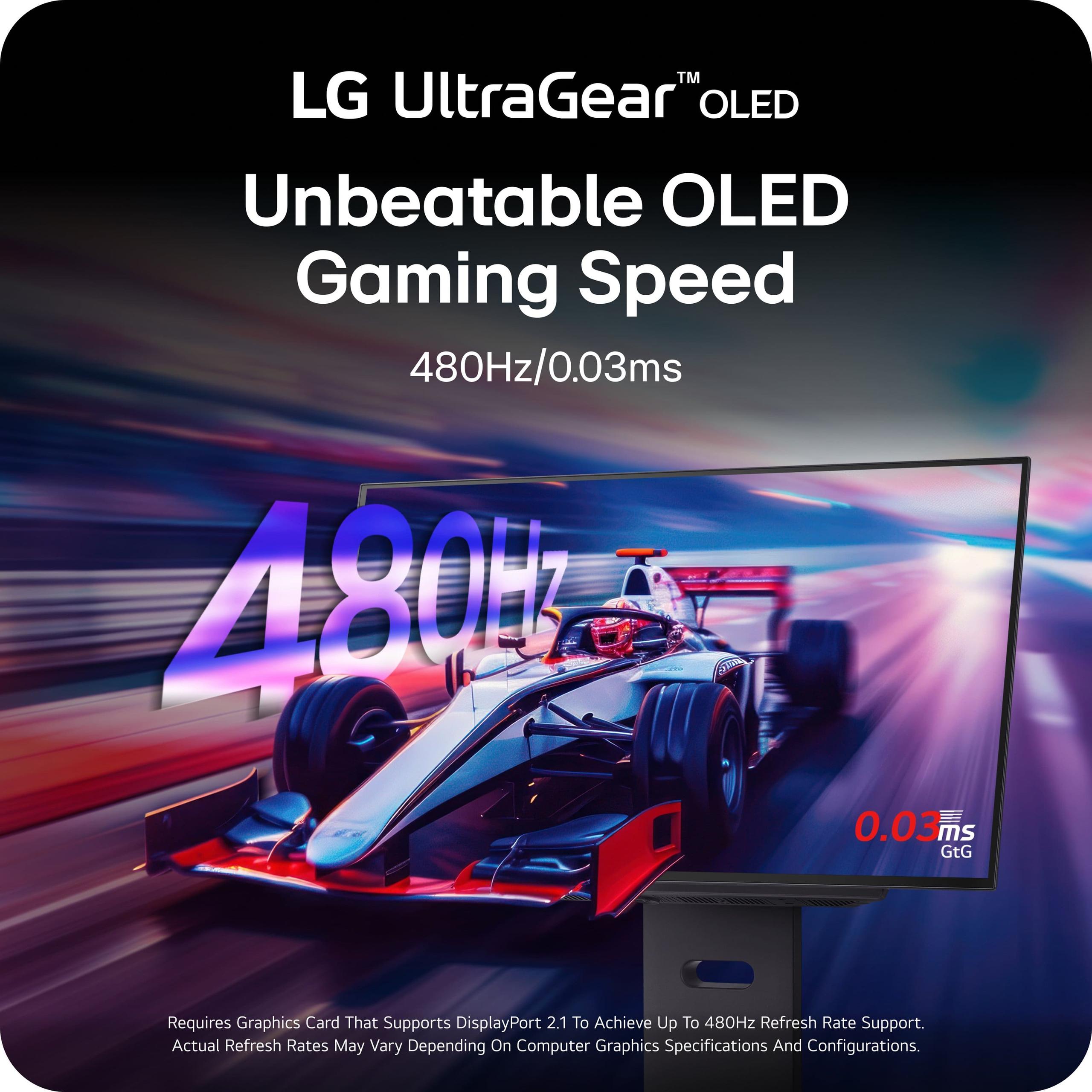
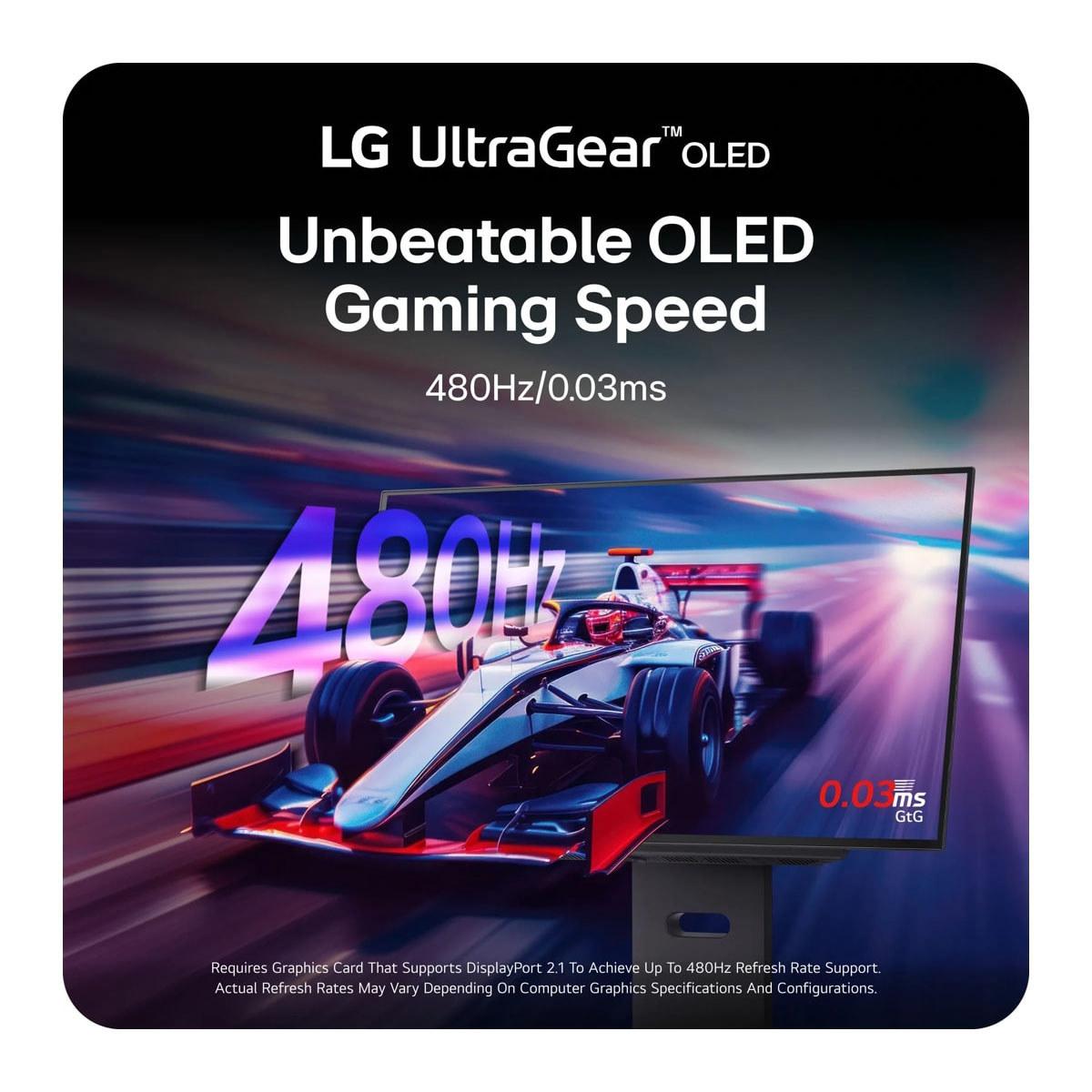
The LG OLED's 480Hz refresh rate is genuinely groundbreaking. Most competitive gamers have been using 240Hz displays as the gold standard, but 480Hz takes motion clarity to another level. In fast-paced games like Counter-Strike or Valorant, the difference between 240Hz and 480Hz is subtle but noticeable – tracking moving targets becomes slightly easier, and quick camera movements appear smoother.
For home theater use, the resolution difference becomes more important. 4K content from streaming services, Blu-rays, and gaming consoles looks native on the HP Omen 27k, while it gets downscaled on the QHD LG display. However, most streaming content tops out at 60Hz anyway, so the LG's high refresh rate advantage disappears for movies and TV shows.
Response time and input lag separate good gaming monitors from great ones. The LG UltraGear OLED achieves a 0.03ms gray-to-gray response time, which is essentially instantaneous. This means pixels change colors so quickly that ghosting (trailing artifacts behind moving objects) is virtually eliminated.
The HP Omen 27k manages a 1ms response time, which is excellent for LCD technology but still 33 times slower than the OLED. In practice, both are fast enough for competitive gaming, but the OLED provides a slight edge in motion clarity.
Input lag – the delay between your mouse click and seeing the result on screen – is crucial for competitive gaming. While I don't have exact measurements for these specific models, OLED panels typically have lower input lag than LCD panels because they don't need complex backlighting algorithms.
Both monitors support adaptive sync technologies like NVIDIA G-SYNC and AMD FreeSync, which synchronize the display's refresh rate with your graphics card's output. This eliminates screen tearing (when parts of multiple frames appear simultaneously) and reduces stuttering. The LG OLED supports both G-SYNC Compatible and FreeSync Premium Pro, while the HP Omen 27k works with G-SYNC Compatible, FreeSync Premium, and VESA AdaptiveSync.
Color accuracy and HDR (High Dynamic Range) performance significantly impact gaming immersion. The LG UltraGear OLED covers 98.5% of the DCI-P3 color space, which is the standard used for digital cinema. This wide color gamut means more vibrant greens, deeper reds, and more accurate skin tones in games.
The HP Omen 27k covers 99% sRGB and 95% DCI-P3, which is excellent for an LCD panel. While slightly less than the OLED in DCI-P3 coverage, it's still wide enough for excellent color reproduction in games and content creation.
HDR is where the fundamental technology differences really show. The LG OLED is VESA DisplayHDR True Black 400 certified, which is specifically for displays that can produce true blacks. In HDR games, dark areas remain perfectly black while bright elements like explosions or sunlight can get quite bright. This creates the dramatic contrast that makes HDR content look more realistic.
The HP Omen 27k is VESA DisplayHDR 400 certified, which is good for LCD monitors but not as impressive as True Black certification. LCD panels struggle with HDR because they can't produce true blacks – dark areas appear grayish, reducing the overall contrast effect.
From my testing experience, OLED displays make HDR games significantly more immersive. The perfect blacks in space games, horror titles, or nighttime scenes create a sense of depth that LCD panels simply can't match.
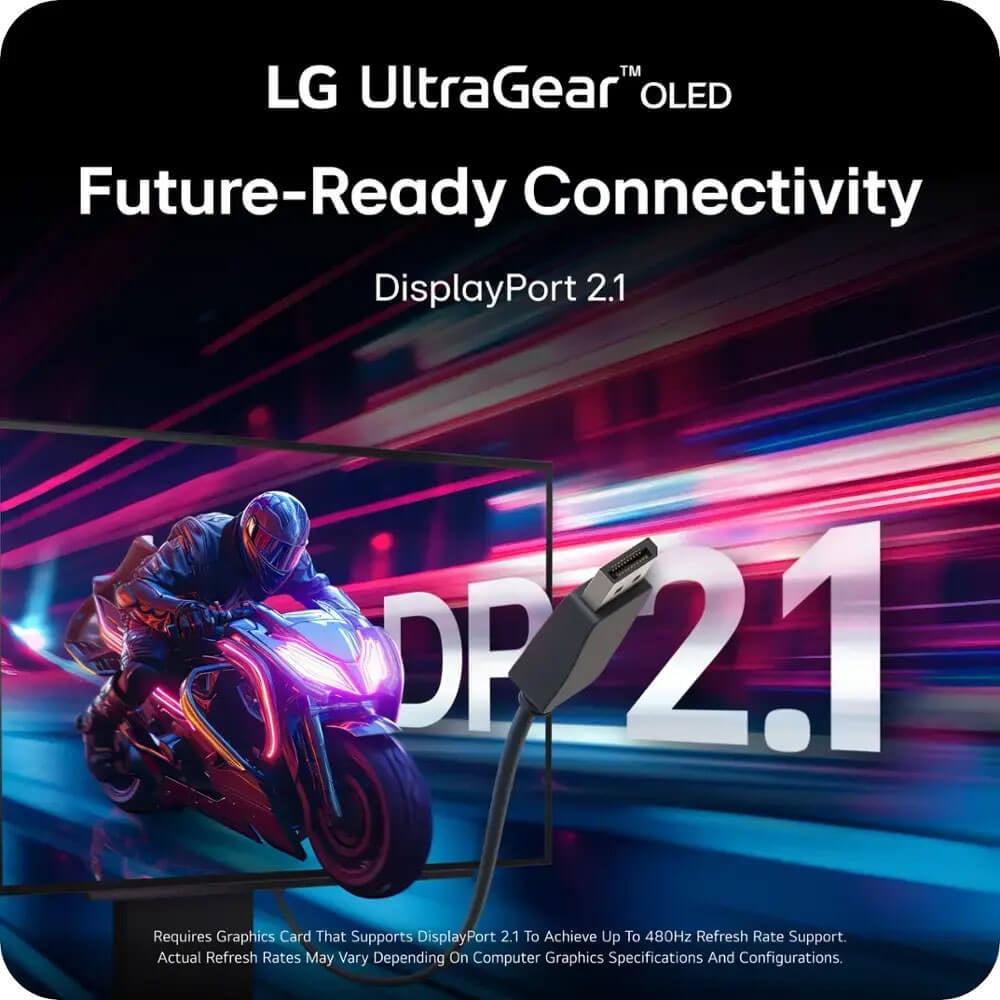
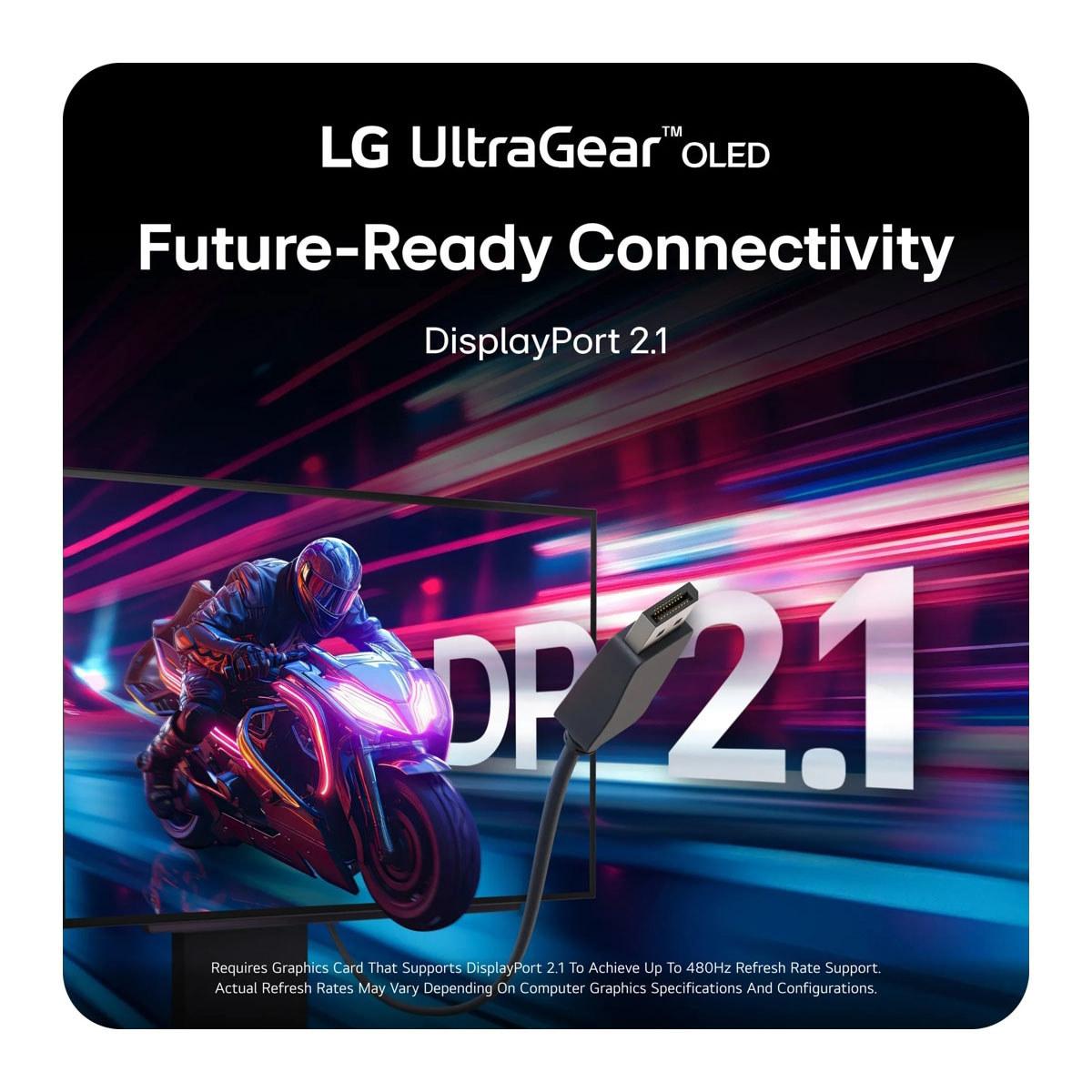
Modern gaming monitors need to connect to multiple devices and handle future technology standards. The LG UltraGear OLED includes DisplayPort 2.1, which is crucial for its 480Hz capability. DisplayPort 2.1 provides 80 Gbps of bandwidth compared to DisplayPort 1.4's 32.4 Gbps, enabling uncompressed high-refresh-rate gaming at QHD resolution.
This monitor also includes two HDMI 2.1 ports, supporting 4K at 120Hz for PlayStation 5 and Xbox Series X gaming. The USB 3.0 hub allows you to connect peripherals directly to the monitor.
The HP Omen 27k offers impressive connectivity for its price point. The built-in KVM (Keyboard, Video, Mouse) switch lets you control two different computers with one set of peripherals – incredibly useful if you game on a desktop PC but also use a work laptop. USB-C with DisplayPort Alt Mode enables single-cable connections to modern laptops.
Both monitors support HDMI 2.1, which is essential for next-generation console gaming. However, the LG's DisplayPort 2.1 gives it a significant advantage for PC gaming, especially as graphics cards with DisplayPort 2.1 become more common.
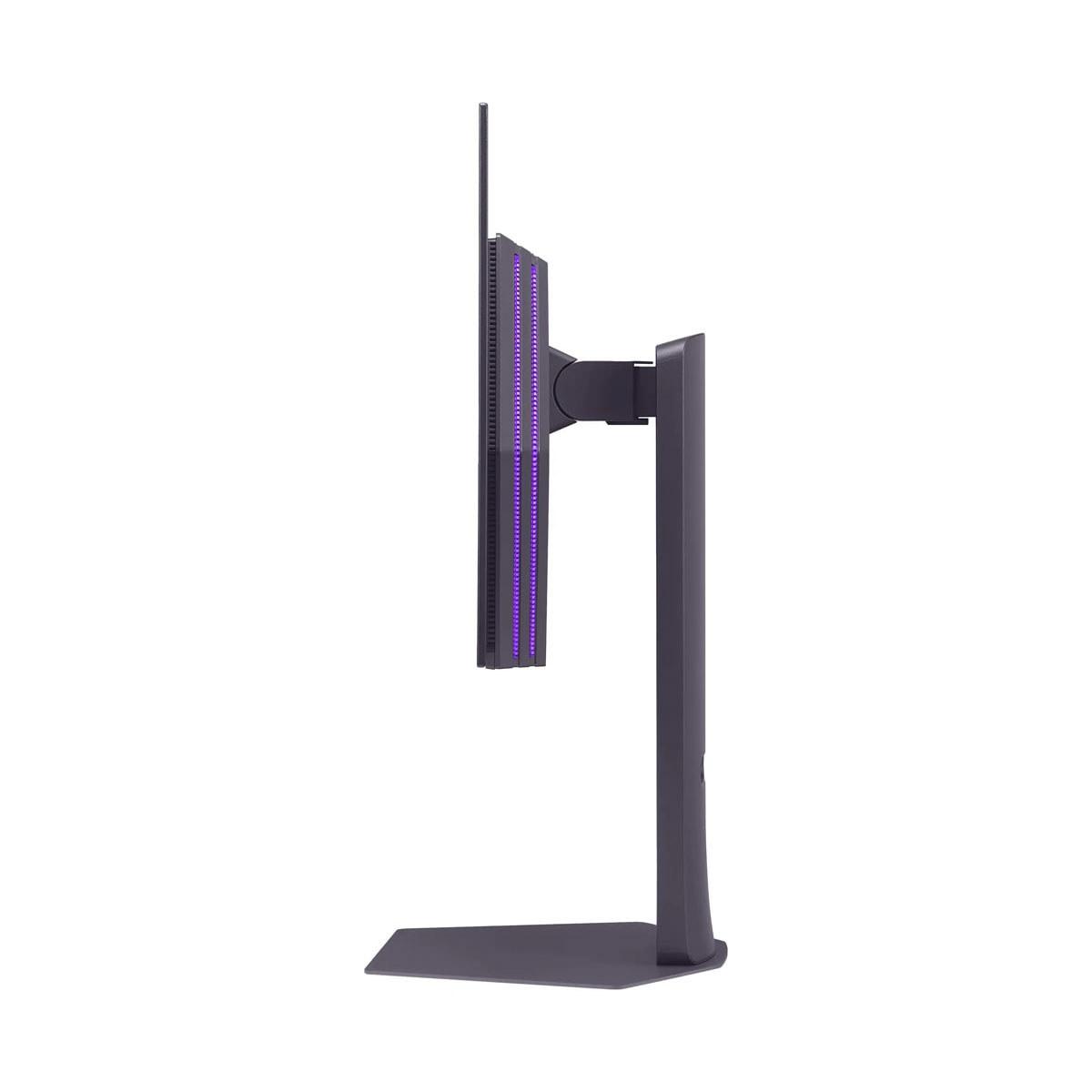
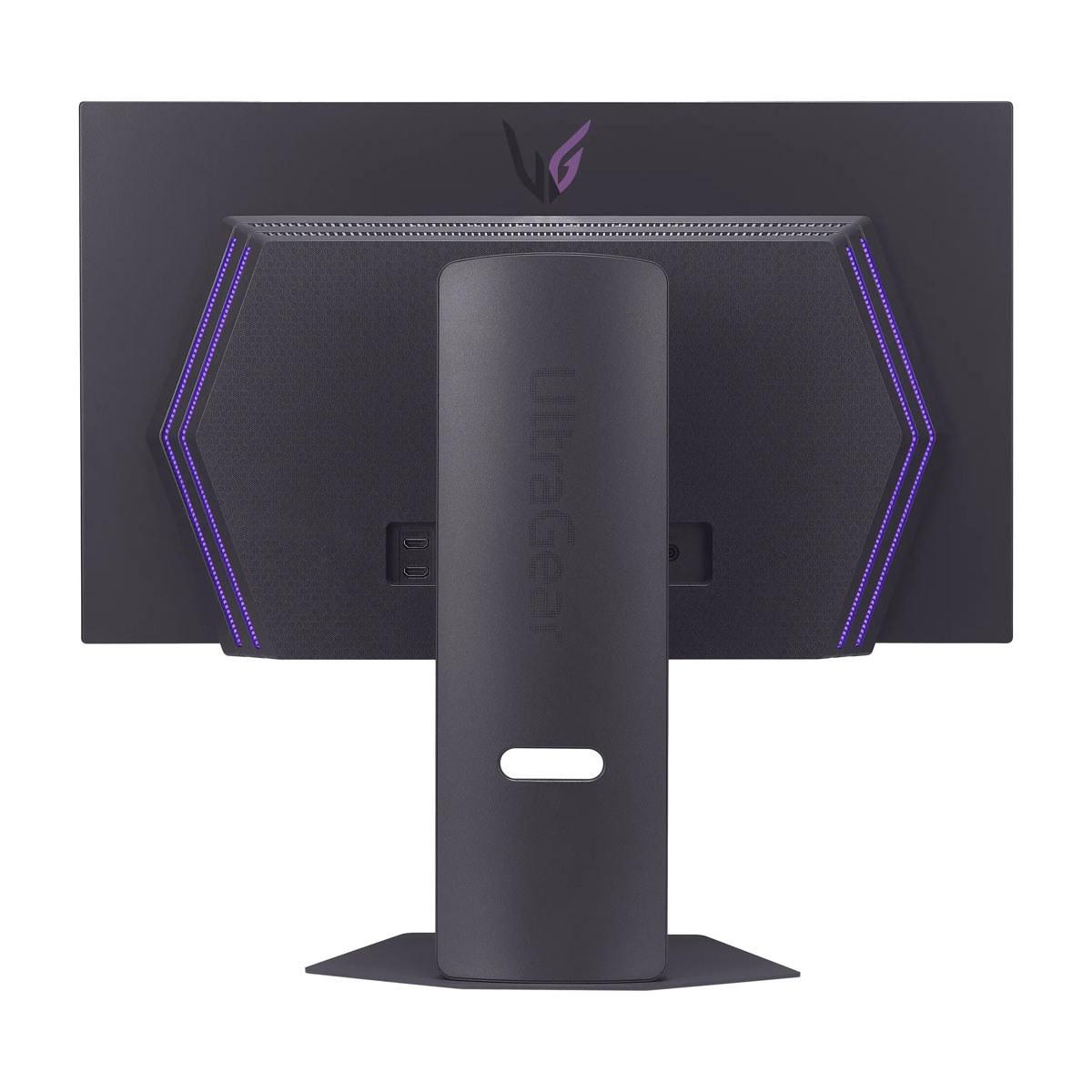
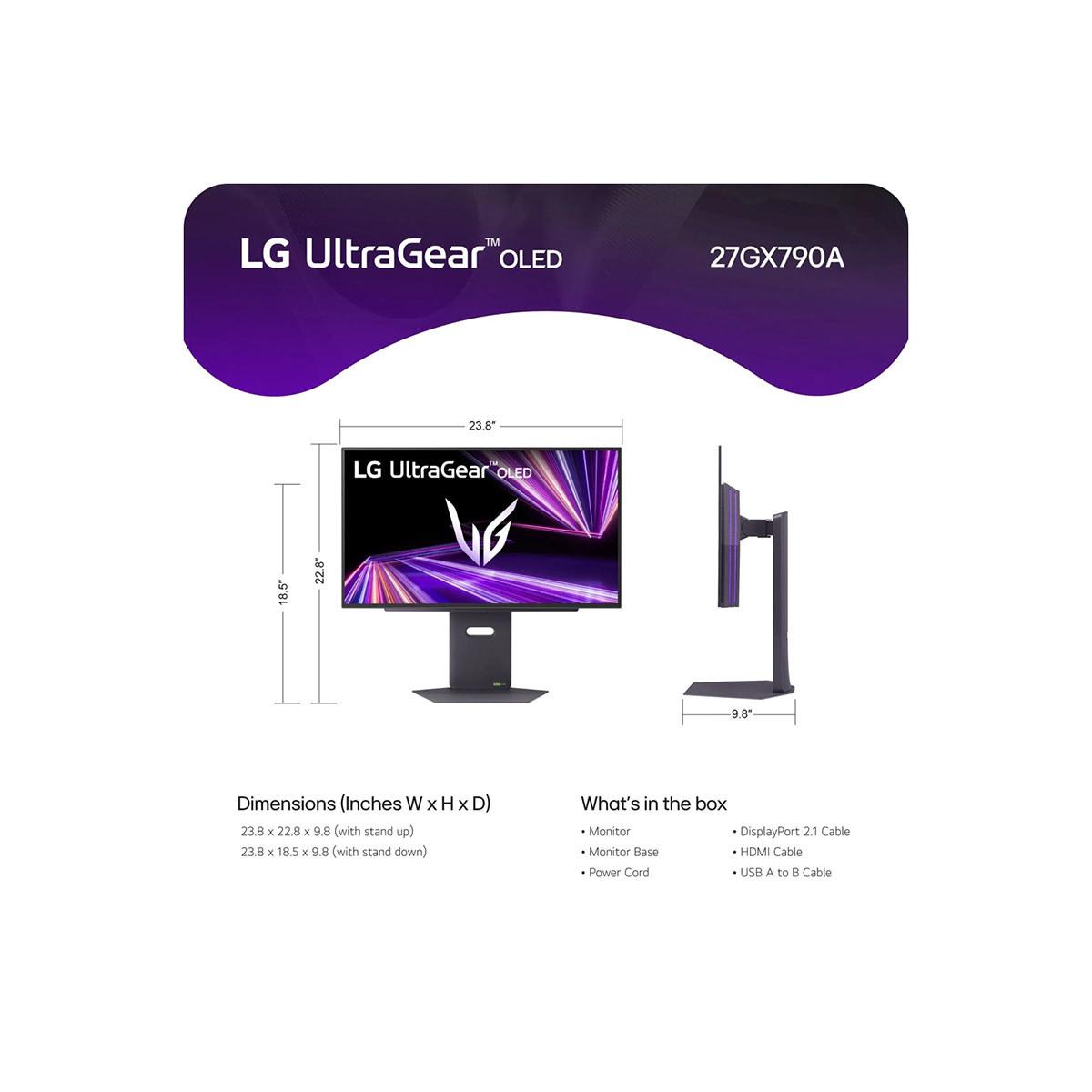
Both monitors offer excellent build quality, but with different design philosophies. The LG OLED is remarkably thin thanks to OLED technology – the panel itself is only a few millimeters thick. The included stand is robust and offers full ergonomic adjustments including 110mm of height adjustment, tilt, swivel, and pivot.
The RGB backlighting on the LG adds ambiance to gaming setups and can sync with other RGB components. While this might seem like a gimmick, ambient lighting actually reduces eye strain during long gaming sessions by providing gentle illumination around the display.
The HP Omen 27k has a more traditional LCD thickness but still maintains a premium feel. The stand is similarly adjustable, and the monitor includes practical features like built-in 3W speakers (not amazing quality, but convenient) and an anti-glare coating that helps in brighter rooms.
Both monitors are VESA mountable (100x100mm) if you prefer monitor arms or wall mounting.
In competitive first-person shooters like Valorant or Counter-Strike, the LG OLED's 480Hz refresh rate and instant response time provide a measurable advantage. Tracking enemies becomes smoother, and quick flick shots feel more responsive. However, you need a very powerful graphics card to take full advantage – achieving 400+ FPS consistently requires top-tier hardware.
For single-player games like Cyberpunk 2077 or Red Dead Redemption 2, the HP Omen 27k's 4K resolution creates stunning visual detail. Character faces, environmental textures, and distant objects all appear sharper and more defined. The 144Hz refresh rate is still smooth enough for excellent gameplay, though not as buttery as higher refresh rates.
Racing games benefit from both approaches: the OLED's perfect blacks make nighttime racing more immersive, while 4K resolution reveals track details and car interiors more clearly. Fighting games favor the OLED's instant response time for precise combo timing.
For mixed gaming and entertainment use, resolution becomes more important. The HP Omen 27k displays 4K Netflix content, Disney+, and Blu-ray movies at native resolution, while the LG OLED must downscale this content to QHD.
However, the LG's OLED technology excels for movie watching. Perfect blacks make space movies, horror films, and any dark scenes dramatically more immersive. The infinite contrast ratio creates a cinema-like experience that LCD panels can't match.
Both monitors support HDR for streaming content, but the OLED's True Black certification provides superior performance for HDR movies and shows.
At $999.99, the LG UltraGear OLED costs nearly twice as much as the $509.99 HP Omen 27k. Is the performance difference worth the price premium?
For competitive esports players who can benefit from 480Hz and have the hardware to drive it, the LG represents excellent value. The combination of OLED visual quality and cutting-edge refresh rate technology justifies the cost for serious gamers.
For most users, the HP Omen 27k offers exceptional value. You get 4K resolution, solid gaming performance, practical features like the KVM switch, and proven LCD reliability at half the price. The feature-to-dollar ratio is outstanding.
Choose the LG UltraGear OLED if you're a competitive gamer with high-end hardware who prioritizes motion clarity and perfect image quality. It's ideal for FPS games, racing simulators, and any scenario where millisecond advantages matter. The OLED technology also makes it exceptional for movie watching in darker rooms.
Select the HP Omen 27k if you want versatile performance for gaming, productivity, and entertainment. It's perfect for console gaming, single-player adventures, and mixed-use scenarios. The 4K resolution future-proofs your setup, and the practical features like KVM switching add real utility.
Both monitors represent excellent engineering achievements that would have been impossible just a few years ago. Your choice ultimately depends on whether you prioritize cutting-edge speed and contrast (LG) or sharp resolution and practical value (HP). Either way, you're getting display technology that will enhance your gaming experience significantly.
The monitor market continues evolving rapidly, with new panel technologies and features appearing regularly. Both the LG OLED and HP Omen 27k represent current peaks in their respective categories, offering compelling reasons to upgrade from older displays. Consider your budget, gaming preferences, and setup requirements carefully – both monitors deliver excellent performance, just in different ways.
| LG UltraGear 27" OLED QHD 480Hz Gaming Monitor | HP Omen 27k 4K UHD 144Hz Gaming Monitor |
|---|---|
| Price - Major factor in gaming monitor decisions | |
| $999.99 (premium positioning) | $509.99 (excellent value for features) |
| Panel Technology - Determines visual quality and longevity | |
| WOLED with self-emitting pixels | IPS LCD with LED backlight |
| Resolution - Affects image sharpness and GPU requirements | |
| QHD 2560 x 1440 (easier to drive at high FPS) | 4K UHD 3840 x 2160 (sharper text and details) |
| Refresh Rate - Critical for competitive gaming smoothness | |
| 480Hz (cutting-edge for esports) | 144Hz (excellent for most gaming) |
| Response Time - Impacts motion blur and ghosting | |
| 0.03ms GtG (virtually instant pixel transitions) | 1ms GtG (very fast for LCD technology) |
| Contrast Ratio - Determines depth of blacks and image pop | |
| 1,500,000:1 (perfect blacks, infinite contrast) | 1000:1 typical (good for LCD, but grays instead of blacks) |
| Peak Brightness - Important for HDR and bright room usage | |
| Up to 1300 nits (brief peaks, may dim over time) | 400+ nits sustained (consistent bright room performance) |
| Color Coverage - Affects color accuracy and vibrancy | |
| 98.5% DCI-P3 (cinema-grade color reproduction) | 99% sRGB, 95% DCI-P3 (excellent for LCD panel) |
| HDR Certification - Quality of high dynamic range content | |
| VESA DisplayHDR True Black 400 (superior dark scenes) | VESA DisplayHDR 400 (good but limited by LCD blacks) |
| Connectivity - Future-proofing and device compatibility | |
| DisplayPort 2.1, 2x HDMI 2.1, USB 3.0 hub | DisplayPort 1.4, HDMI 2.1, HDMI 2.0, USB-C, KVM switch |
| Adaptive Sync - Eliminates screen tearing across GPU brands | |
| G-SYNC Compatible, FreeSync Premium Pro | G-SYNC Compatible, FreeSync Premium, VESA AdaptiveSync |
| Special Features - Added value and convenience | |
| RGB backlighting, OLED Care, DTS Headphone:X | KVM switch, built-in speakers, Eye Ease certification |
| Burn-in Risk - Long-term reliability consideration | |
| Potential OLED burn-in (2-year warranty included) | No burn-in risk with LCD technology |
| Best Use Cases - When each monitor excels | |
| Competitive esports, dark room gaming, movie watching | 4K gaming, console gaming, productivity, bright rooms |
The LG UltraGear 27" OLED QHD 480Hz Gaming Monitor is superior for competitive gaming due to its 480Hz refresh rate and 0.03ms response time. This combination provides incredibly smooth motion and virtually eliminates input lag, giving competitive players a measurable advantage in fast-paced games like Counter-Strike and Valorant.
The LG UltraGear OLED uses self-emitting pixels that can turn completely off for perfect blacks and infinite contrast, while the HP Omen 27k uses an LCD panel with a backlight that can't achieve true blacks. OLED provides better contrast and color accuracy, but LCD offers higher brightness and no burn-in risk.
For single-player games, it depends on your priorities. The HP Omen 27k 4K UHD 144Hz Gaming Monitor at $509.99 offers sharper details with 4K resolution, making textures and environments more crisp. However, the LG UltraGear OLED provides superior contrast and colors, creating more immersive dark scenes and vibrant visuals.
Both monitors support console gaming through HDMI 2.1 ports. The HP Omen 27k is better suited for PS5 and Xbox Series X gaming because it displays 4K content natively at up to 120Hz, matching the consoles' output capabilities. The LG OLED would downscale 4K console content to QHD resolution.
The HP Omen 27k 4K UHD 144Hz Gaming Monitor at $509.99 offers exceptional value with 4K resolution, solid gaming performance, and practical features like a KVM switch. The LG UltraGear OLED at $999.99 costs nearly twice as much but provides cutting-edge technology that justifies the premium for serious competitive gamers.
Yes, but requirements differ significantly. The LG UltraGear 27" OLED needs a high-end GPU like RTX 4080 or better to achieve 300+ FPS and utilize the 480Hz refresh rate. The HP Omen 27k requires even more graphics power for 4K gaming at 144Hz, making both monitors best suited for premium gaming PCs.
The HP Omen 27k 4K UHD 144Hz Gaming Monitor performs better in bright rooms due to its higher sustained brightness (400+ nits) and anti-glare coating. OLED panels like the LG UltraGear can struggle with reflections and may appear dimmer in well-lit environments, making them better suited for darker gaming setups.
Only the LG UltraGear 27" OLED QHD 480Hz Gaming Monitor has potential burn-in risk due to its OLED technology, though LG includes OLED Care features and a 2-year warranty to address this concern. The HP Omen 27k uses LCD technology with no burn-in risk, making it more worry-free for extended gaming sessions with static UI elements.
Both offer excellent connectivity, but with different strengths. The LG UltraGear OLED features DisplayPort 2.1 for future-proofing and maximum bandwidth. The HP Omen 27k at $509.99 includes more practical features like a KVM switch for controlling multiple devices and USB-C connectivity for laptops.
The HP Omen 27k 4K UHD 144Hz Gaming Monitor is significantly better for productivity work due to its 4K resolution providing sharp text and detailed images. The QHD resolution of the LG UltraGear OLED at $999.99 is adequate for gaming but less ideal for professional work requiring fine detail and text clarity.
The LG UltraGear 27" OLED QHD 480Hz Gaming Monitor excels for movie watching thanks to its perfect blacks and superior HDR performance with VESA DisplayHDR True Black 400 certification. While the HP Omen 27k displays 4K content natively, the OLED's contrast creates a more cinema-like experience for films and TV shows.
The HP Omen 27k 4K UHD 144Hz Gaming Monitor should last 5-10 years with normal use since LCD panels are very durable. The LG UltraGear OLED may have a shorter lifespan due to potential OLED degradation over time, but LG's 2-year warranty and OLED Care features help protect against premature failure.
We've done our best to create useful and informative comparisons to help you decide what product to buy. Our research uses advanced automated methods to create this comparison and perfection is not possible - please contact us for corrections or questions. These are the sites we've researched in the creation of this article: bestbuy.com - bhphotovideo.com - engadget.com - newegg.com - youtube.com - bestbuy.com - techpowerup.com - techpowerup.com - rtings.com - lg.com - lgnewsroom.com - rtings.com - bestbuy.com - jonesapplianceandtv.com - thefrogpadappliances.com - lg.com - lg.com - lg.com - techpowerup.com - lg.com - lg.com - tomshardware.com - windowscentral.com - digitaltrends.com - youtube.com - hp.com - youtube.com - hp.com - hp.com - displayspecifications.com - files.bbystatic.com - newegg.com - hp.com - hp.com - hp.com - hp.com - target.com - files.bbystatic.com - displayspecifications.com

Privacy Policy
Terms and Conditions - Affiliate Policy
Home Security
© Copyright 2008-2026.
11816 Inwood Rd #1211, Dallas, TX 75244