

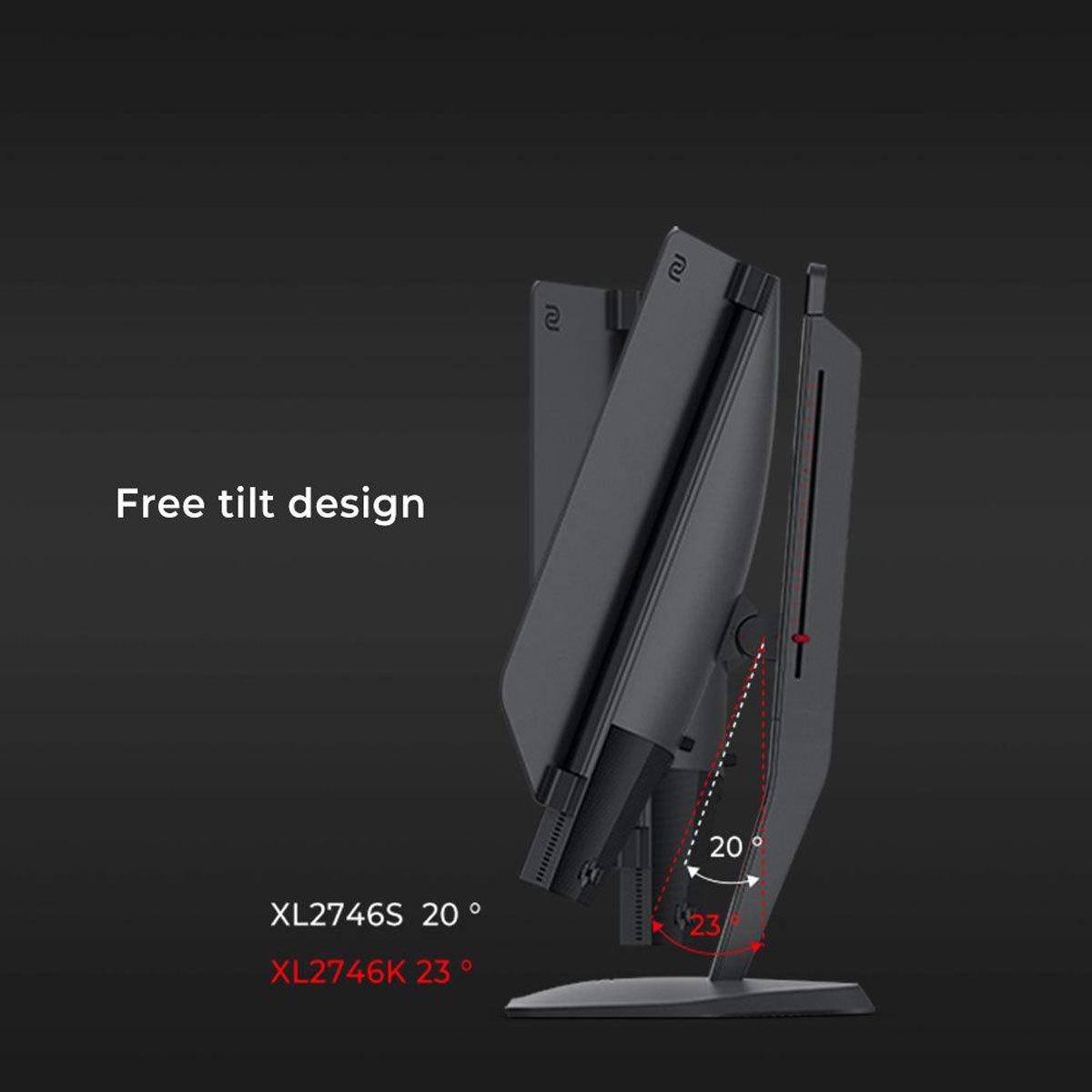
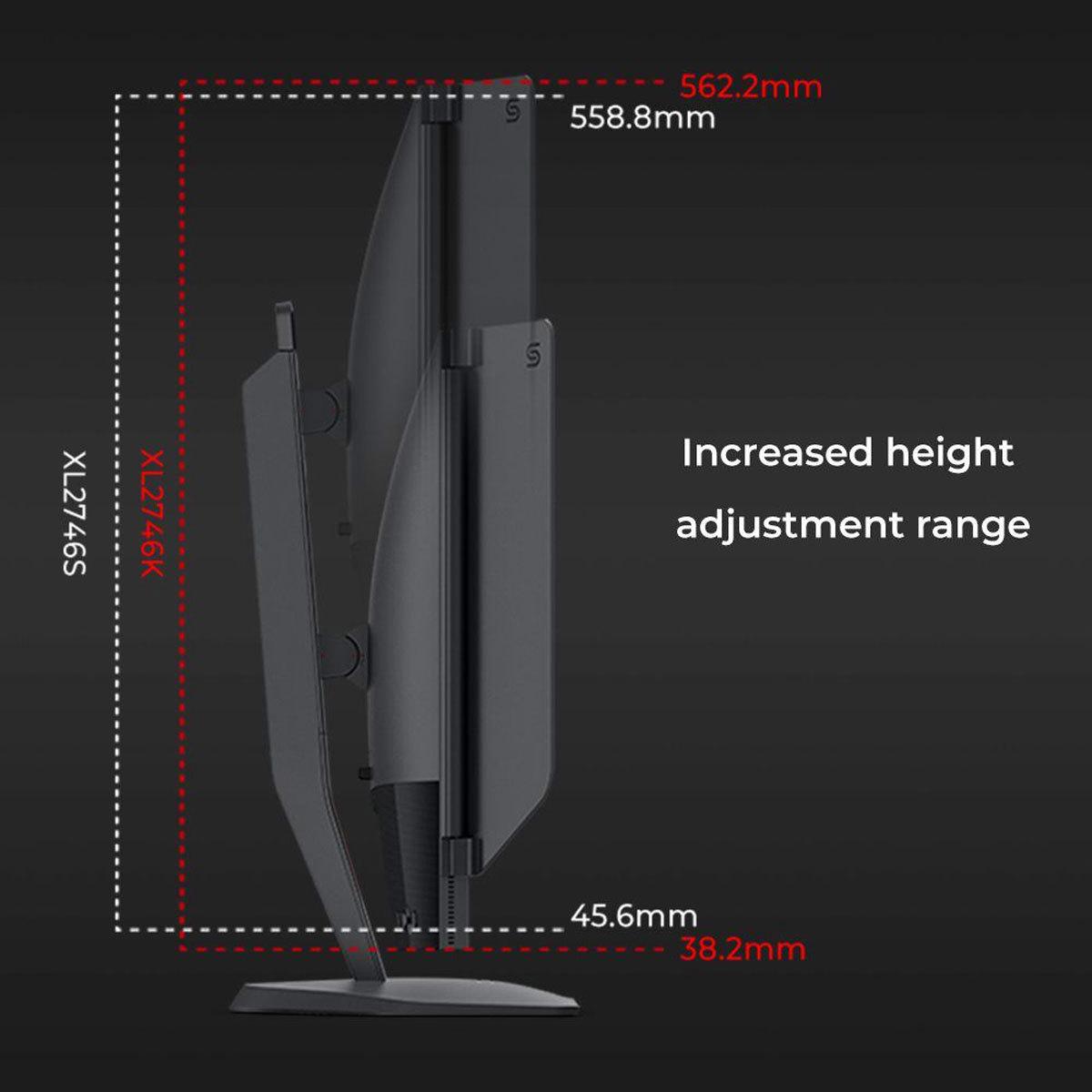
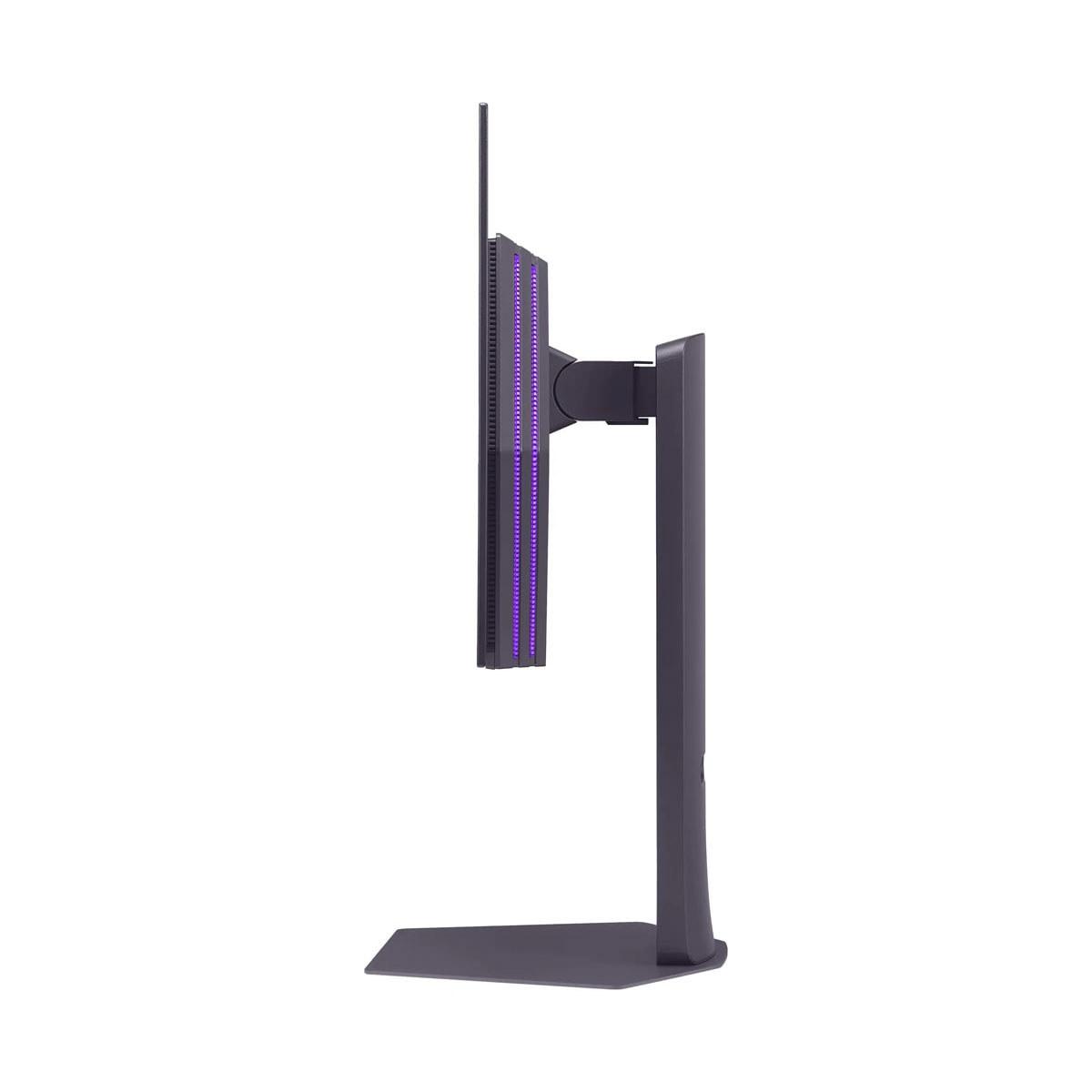
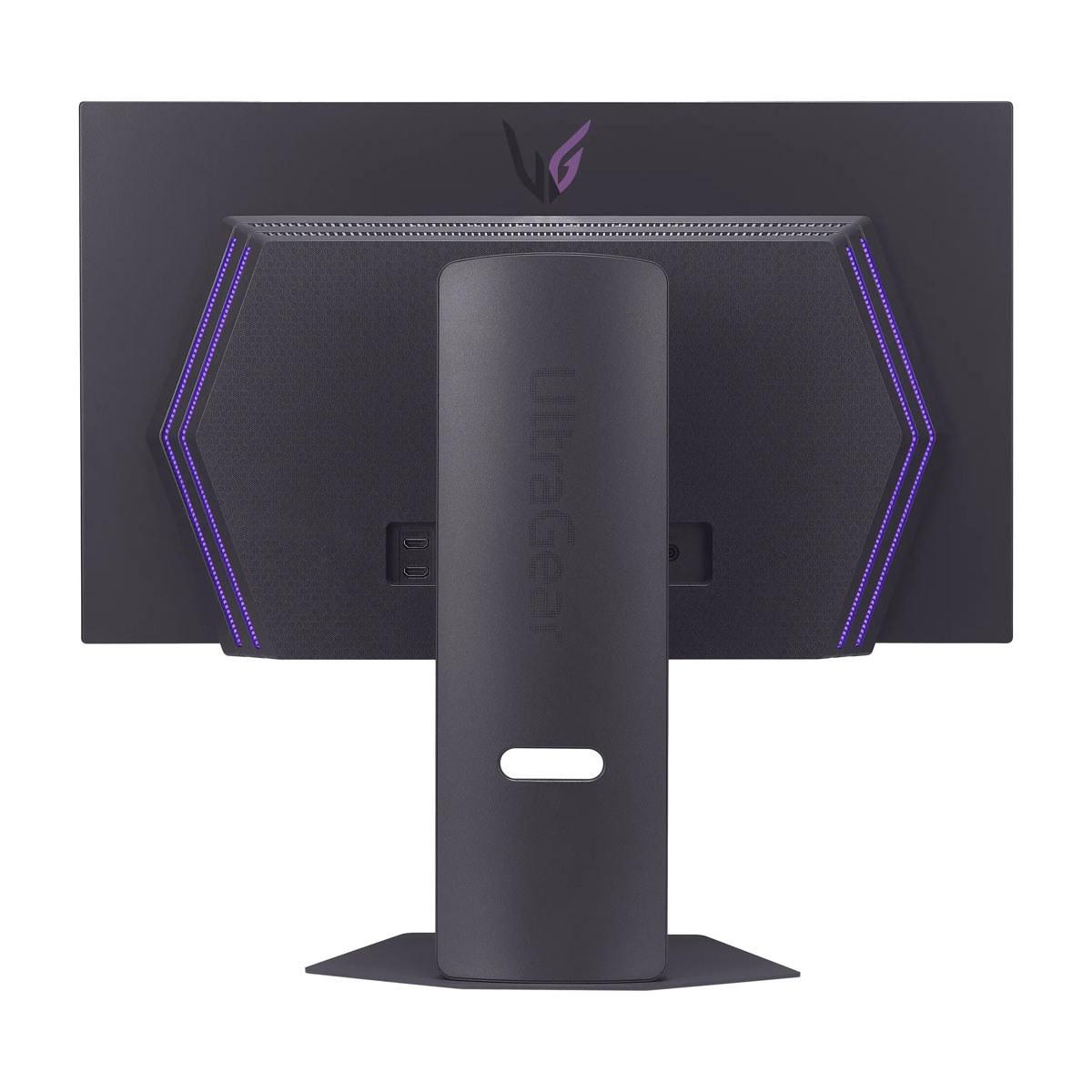
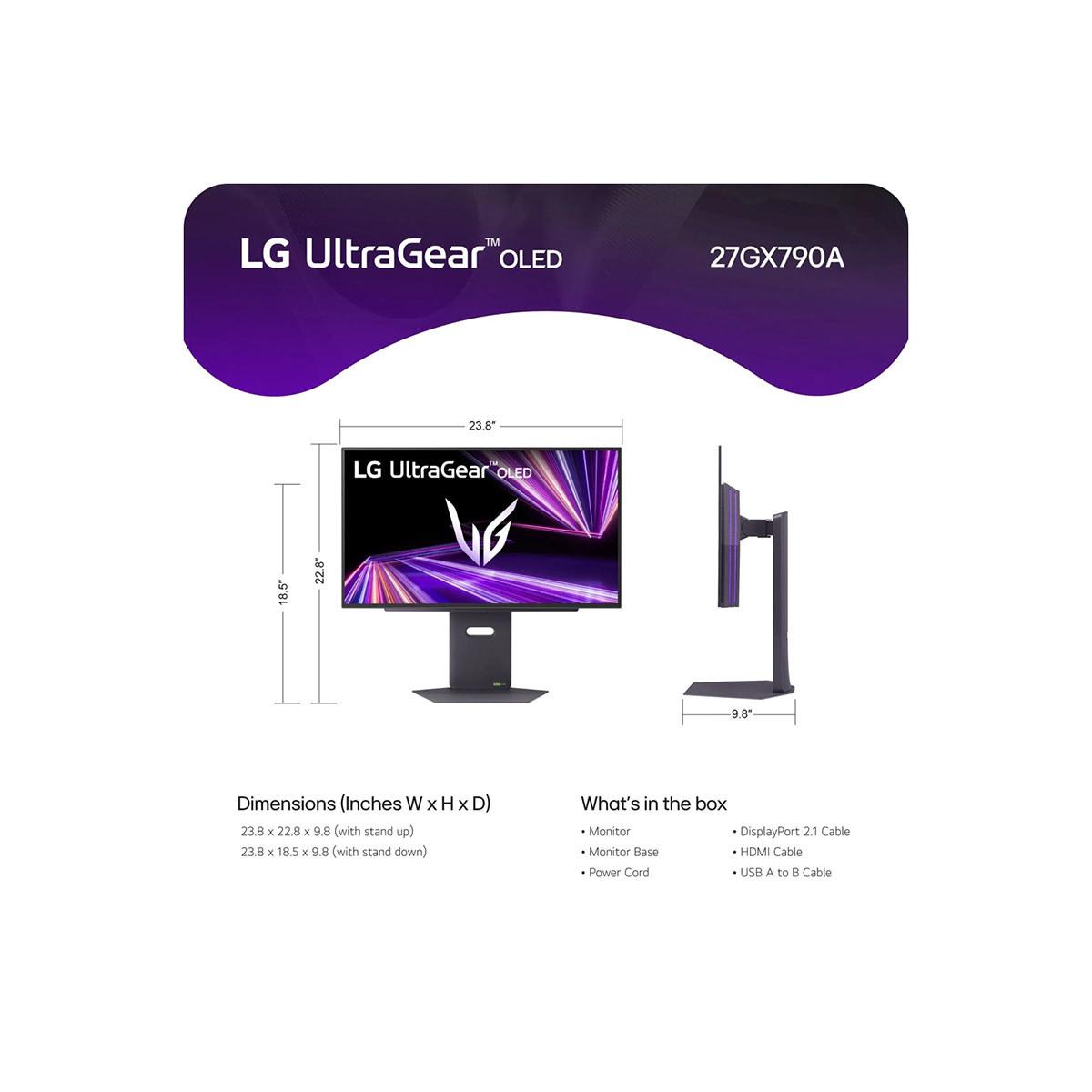
Choosing a gaming monitor in 2024 feels a bit like deciding between a race car built for a specific track versus a supercar packed with the latest technology. The BenQ Zowie XL2746K and LG UltraGear 27" OLED represent these two philosophies perfectly – one laser-focused on competitive esports, the other pushing the boundaries of what's possible with display technology.
Gaming monitors have evolved dramatically over the past few years. What used to be a simple choice between "fast" and "pretty" has become a complex decision involving refresh rates, panel technologies, and specialized features that can genuinely impact your performance. Both monitors sit in the premium 27-inch category, but they take completely different approaches to achieving gaming excellence.
Before diving into these specific monitors, it's worth understanding what makes a gaming display different from your average office monitor. Gaming monitors prioritize three main characteristics: refresh rate (how many new images appear per second), response time (how quickly pixels can change colors), and input lag (the delay between your actions and seeing results on screen).
Refresh rate, measured in hertz (Hz), directly affects how smooth motion appears. Think of it like frames per second in a movie – higher numbers mean smoother action. Response time, measured in milliseconds (ms), determines how quickly pixels can shift from one color to another. Slower response times create ghosting effects where moving objects leave trails behind them. Input lag represents the total delay from when you press a button to when you see the result, which can be the difference between landing that crucial headshot or watching your opponent get there first.
Panel technology forms the foundation of any monitor's performance. Traditional LCD panels use backlights shining through liquid crystals, while OLED (Organic Light-Emitting Diode) panels have pixels that produce their own light. This fundamental difference affects everything from contrast ratios to response times.
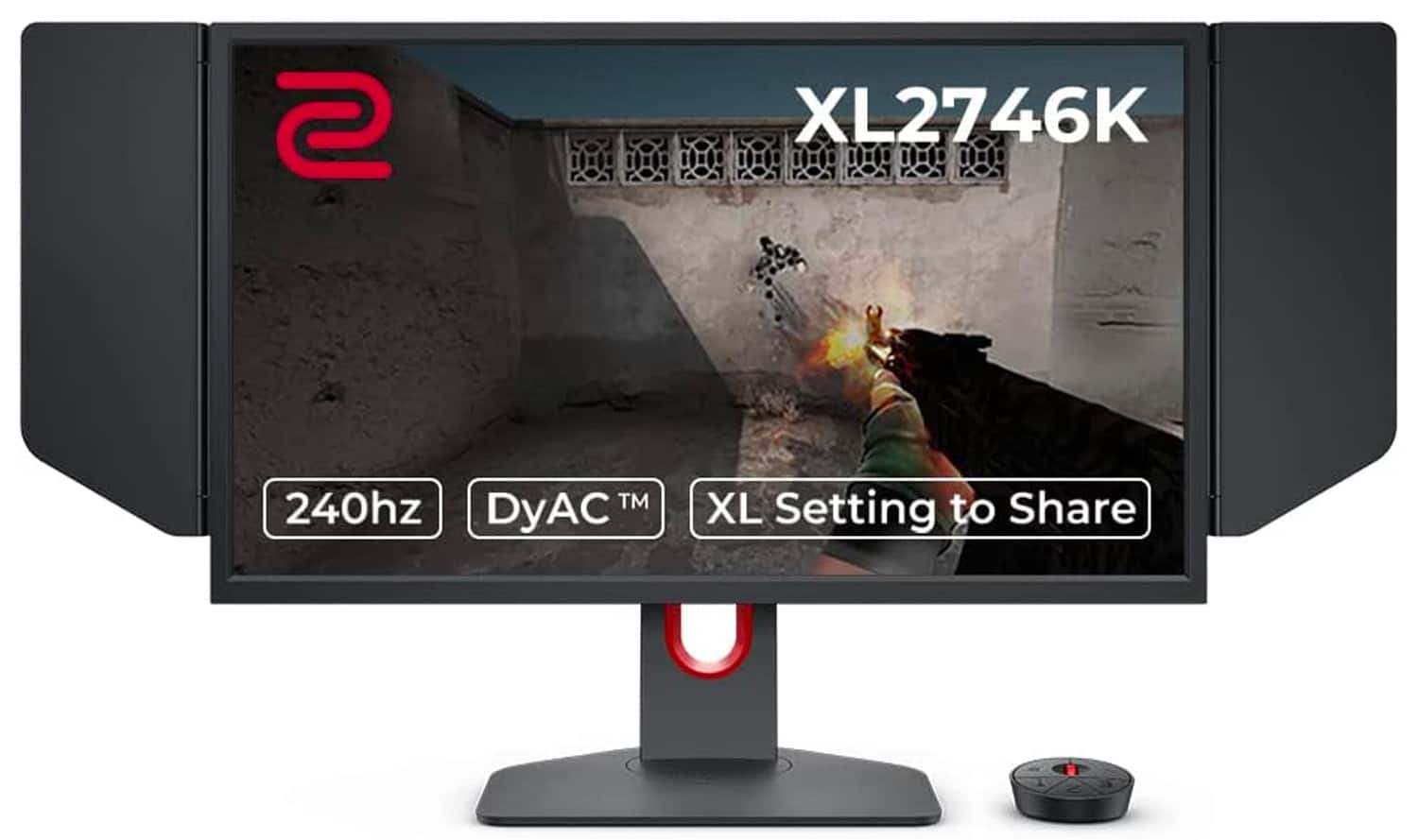
Released in 2020, the BenQ Zowie XL2746K represents the culmination of years spent in tournament venues, listening to professional players, and refining features specifically for competitive gaming. At its heart lies a 27-inch TN (Twisted Nematic) panel running at 240Hz with 1920x1080 resolution.
TN panels might sound outdated compared to newer technologies, but they offer something crucial for competitive gaming: consistency. These panels provide uniform performance across the entire screen with minimal variation in response times. The XL2746K delivers reliable, predictable performance that professional players have trusted in high-stakes tournaments for years.
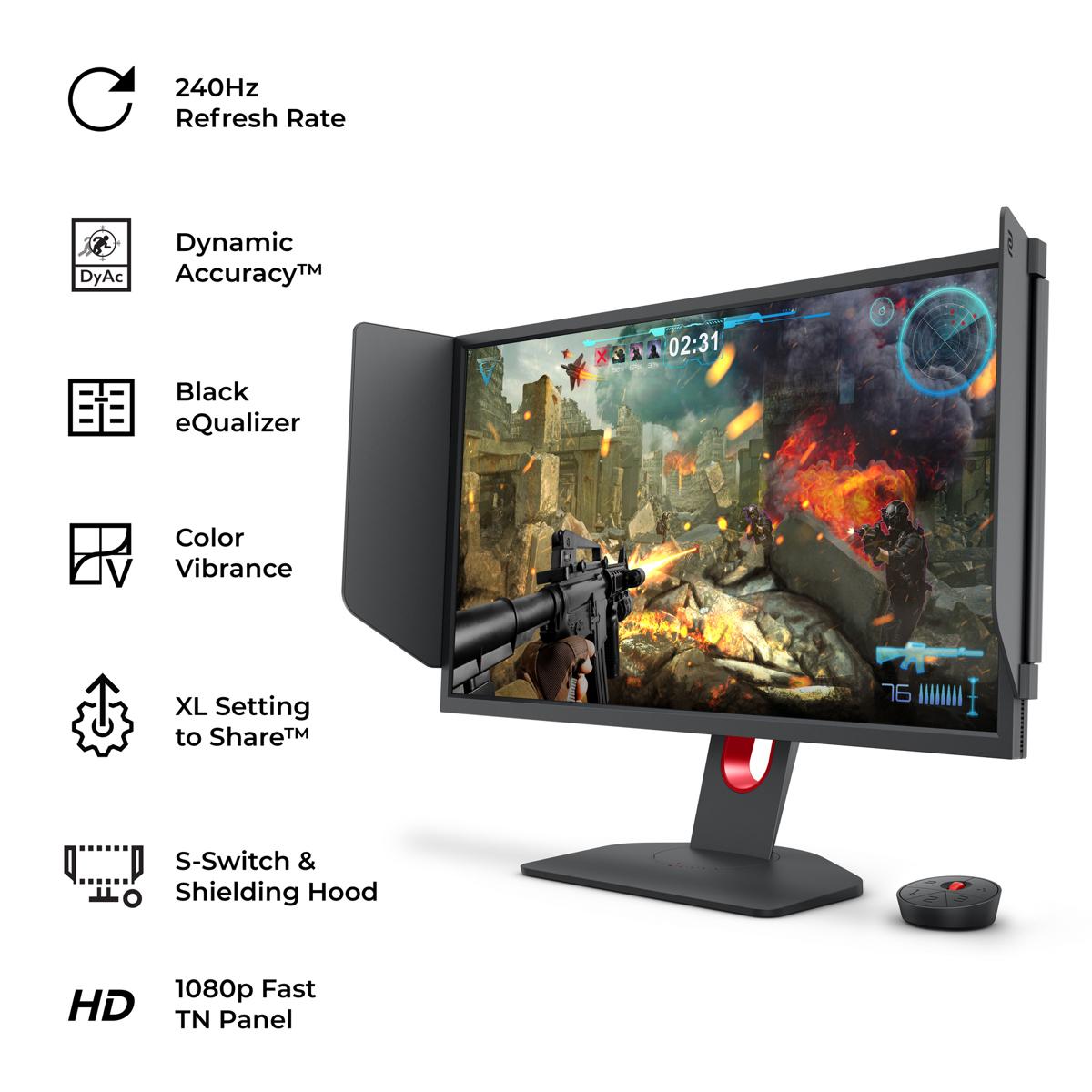
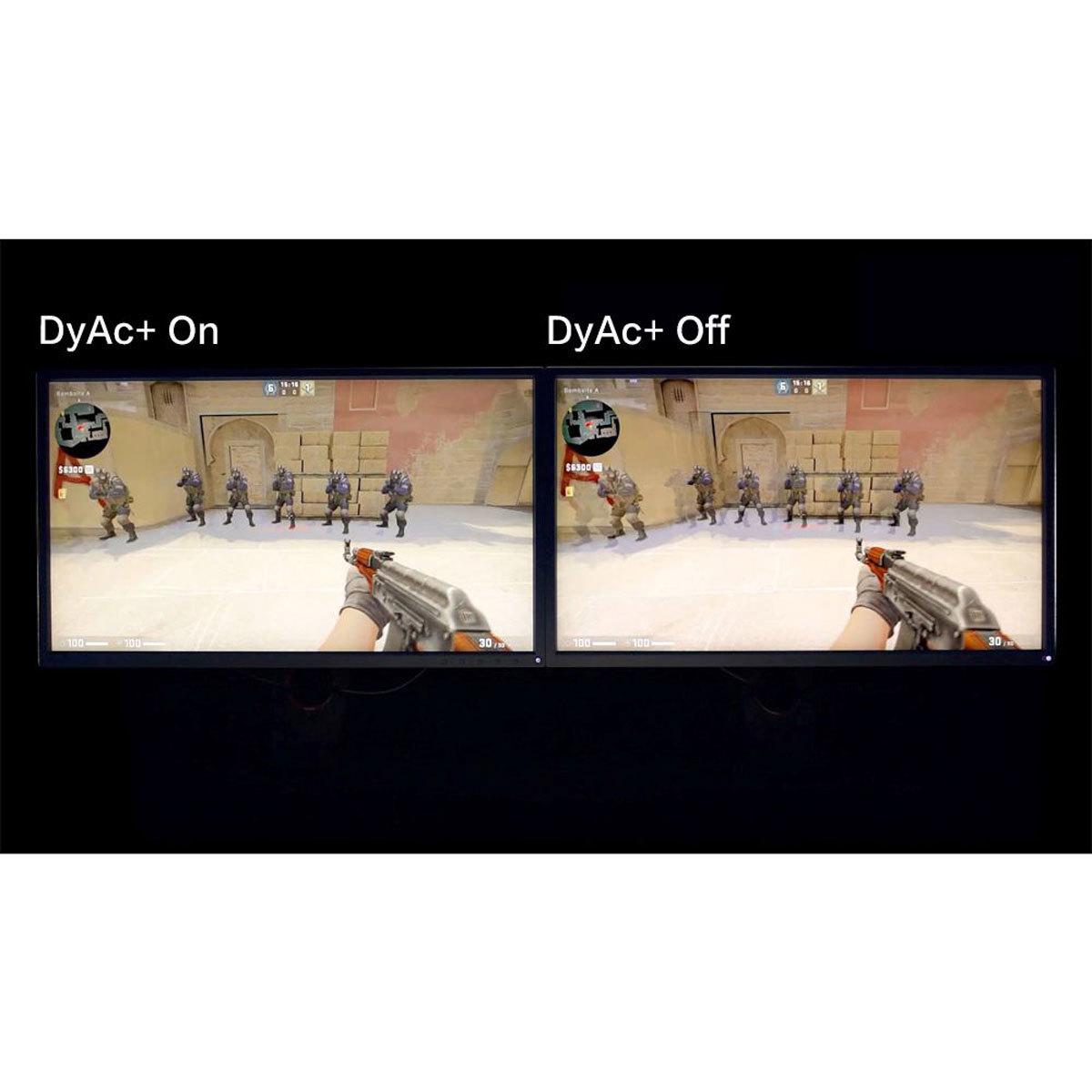
The monitor's standout feature is DyAc+ (Dynamic Accuracy Plus) technology, which uses backlight strobing to reduce motion blur. When objects move quickly across the screen – like an enemy player strafing – DyAc+ helps keep them sharp and clearly defined. It's particularly effective in first-person shooters where tracking moving targets is essential. I've noticed this makes a genuine difference when following enemies through smoke or around corners in games like Counter-Strike.
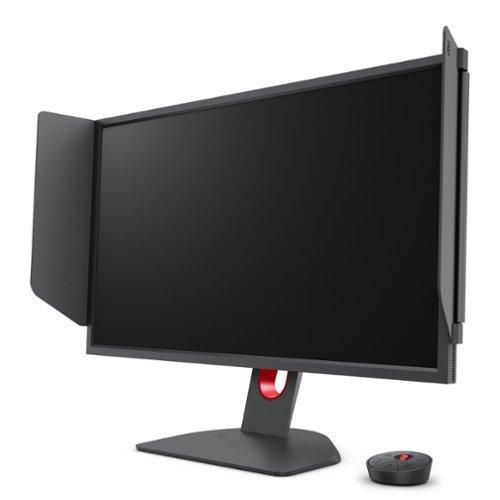
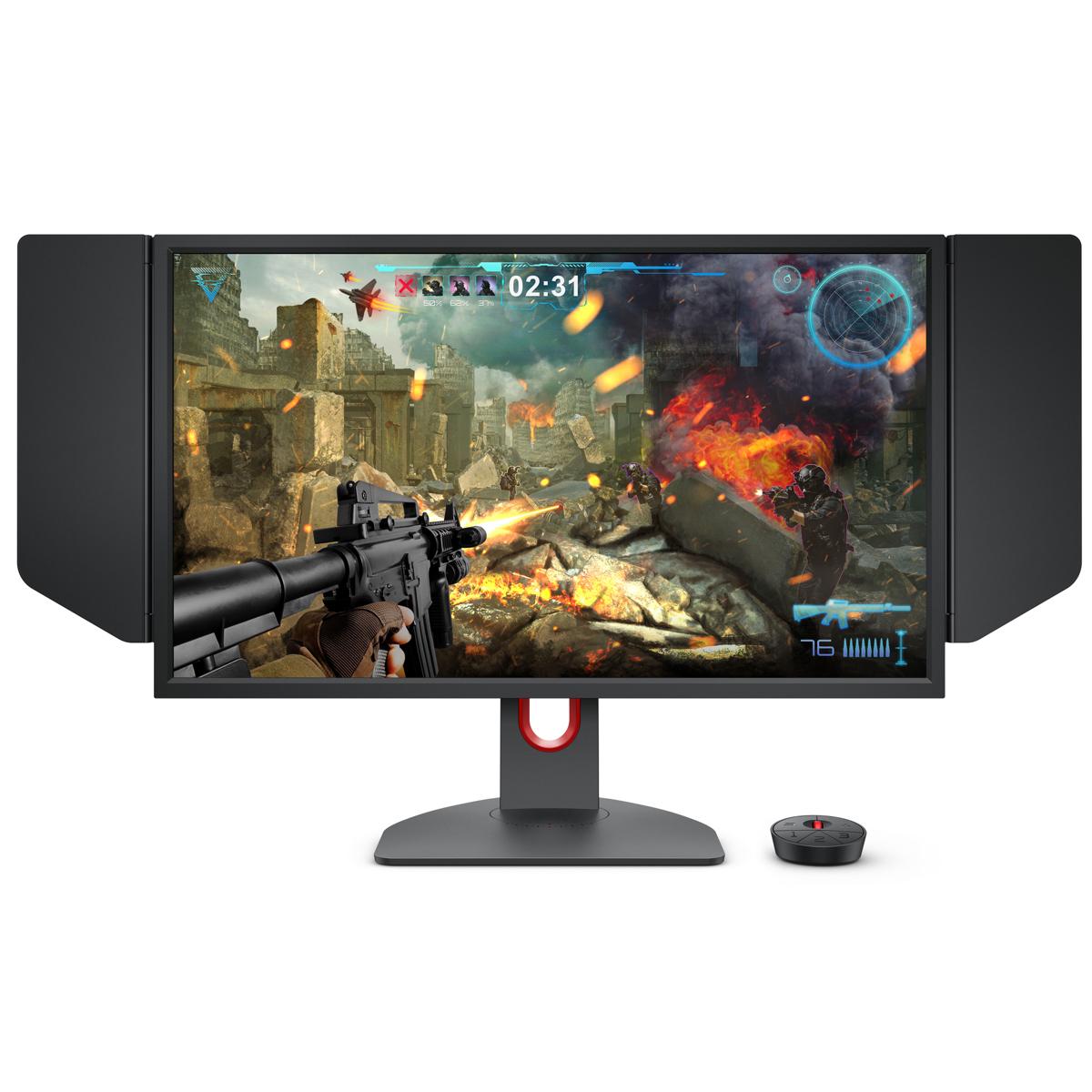
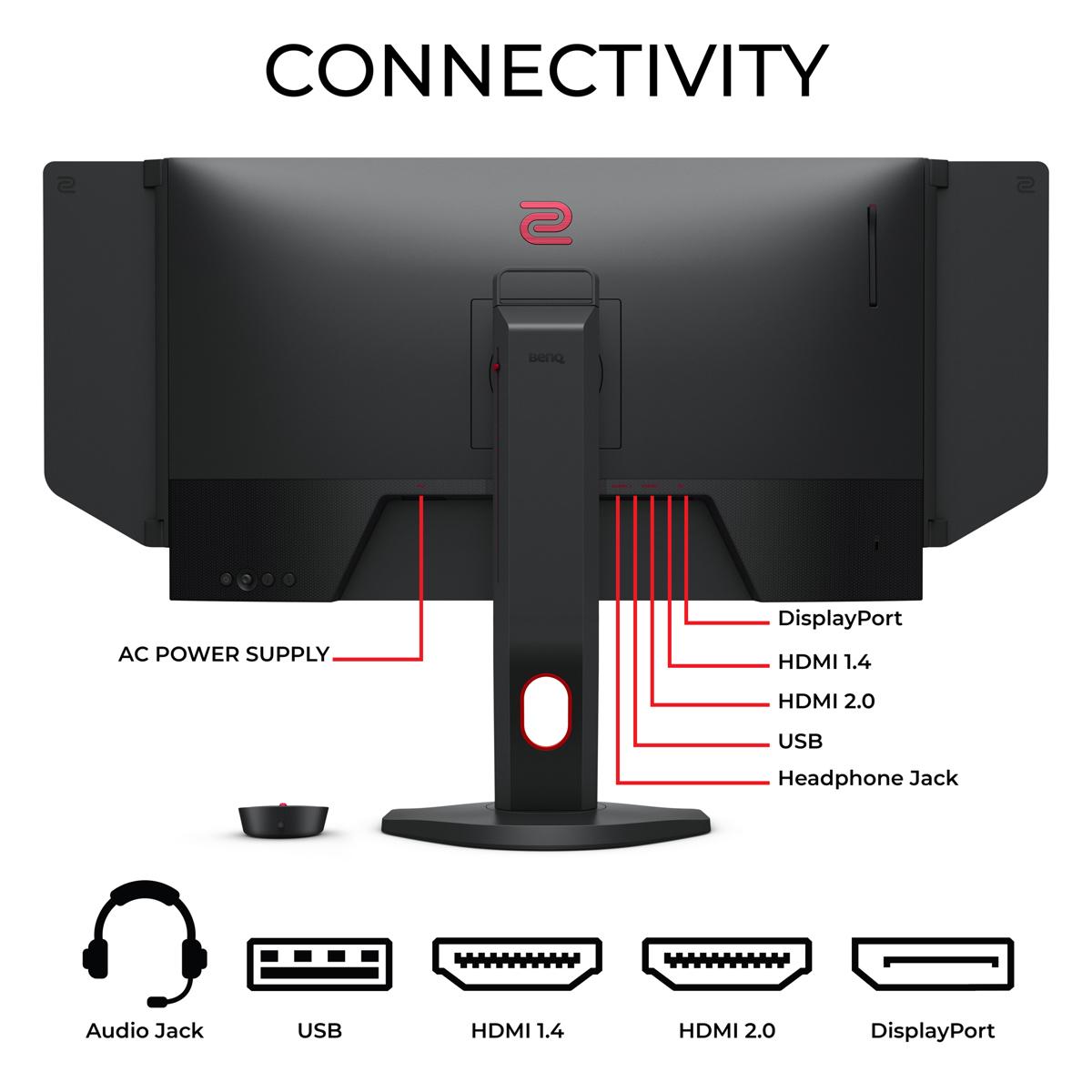
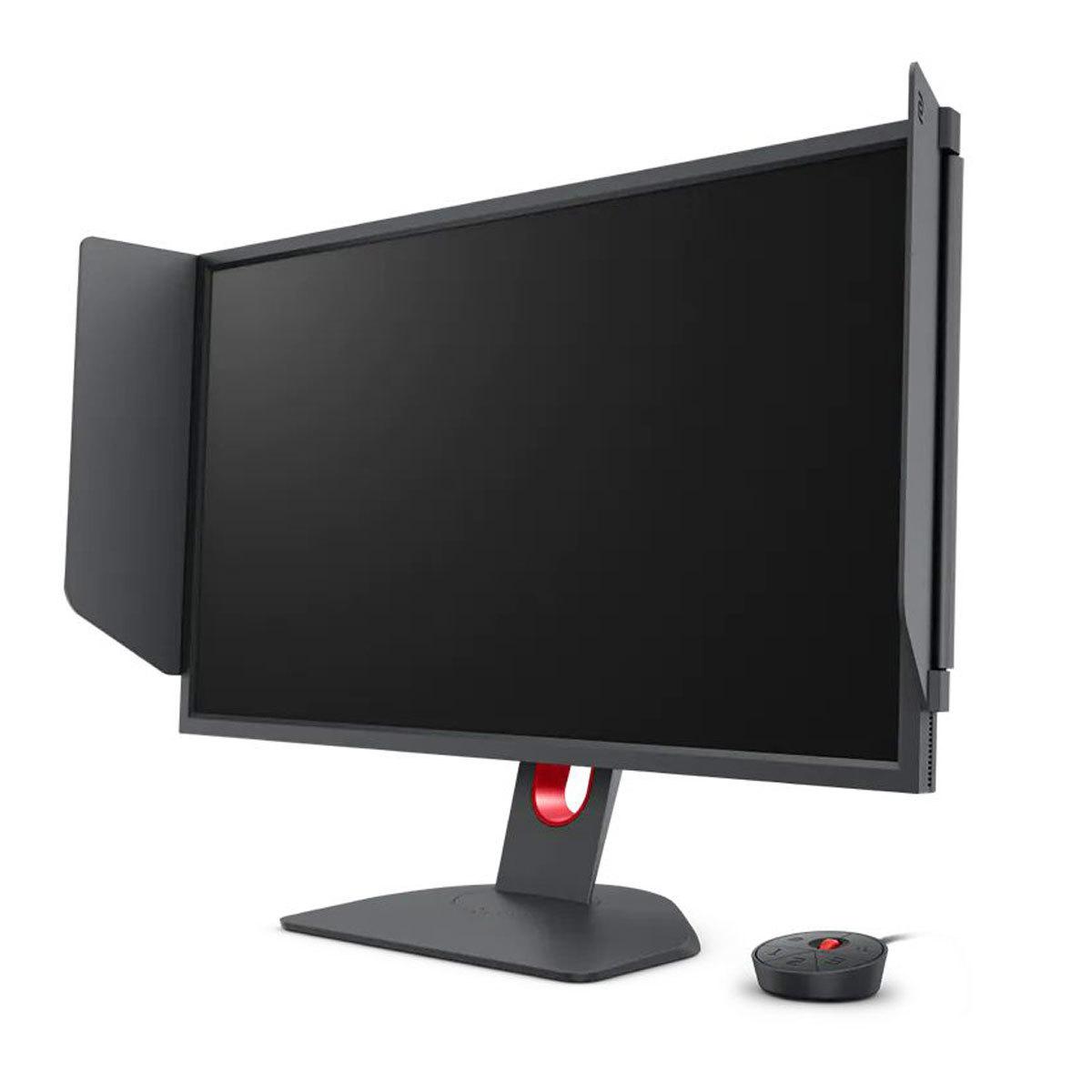
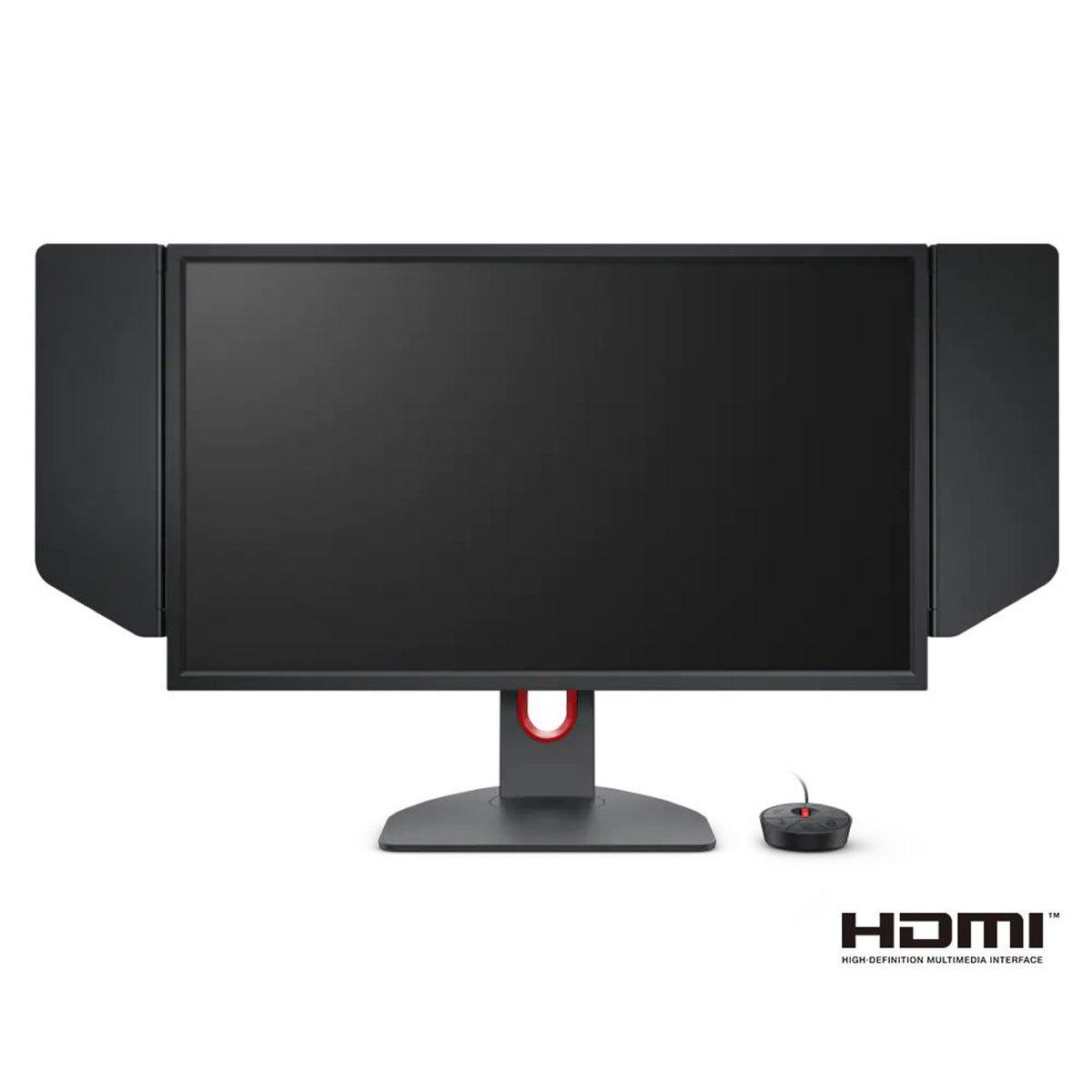
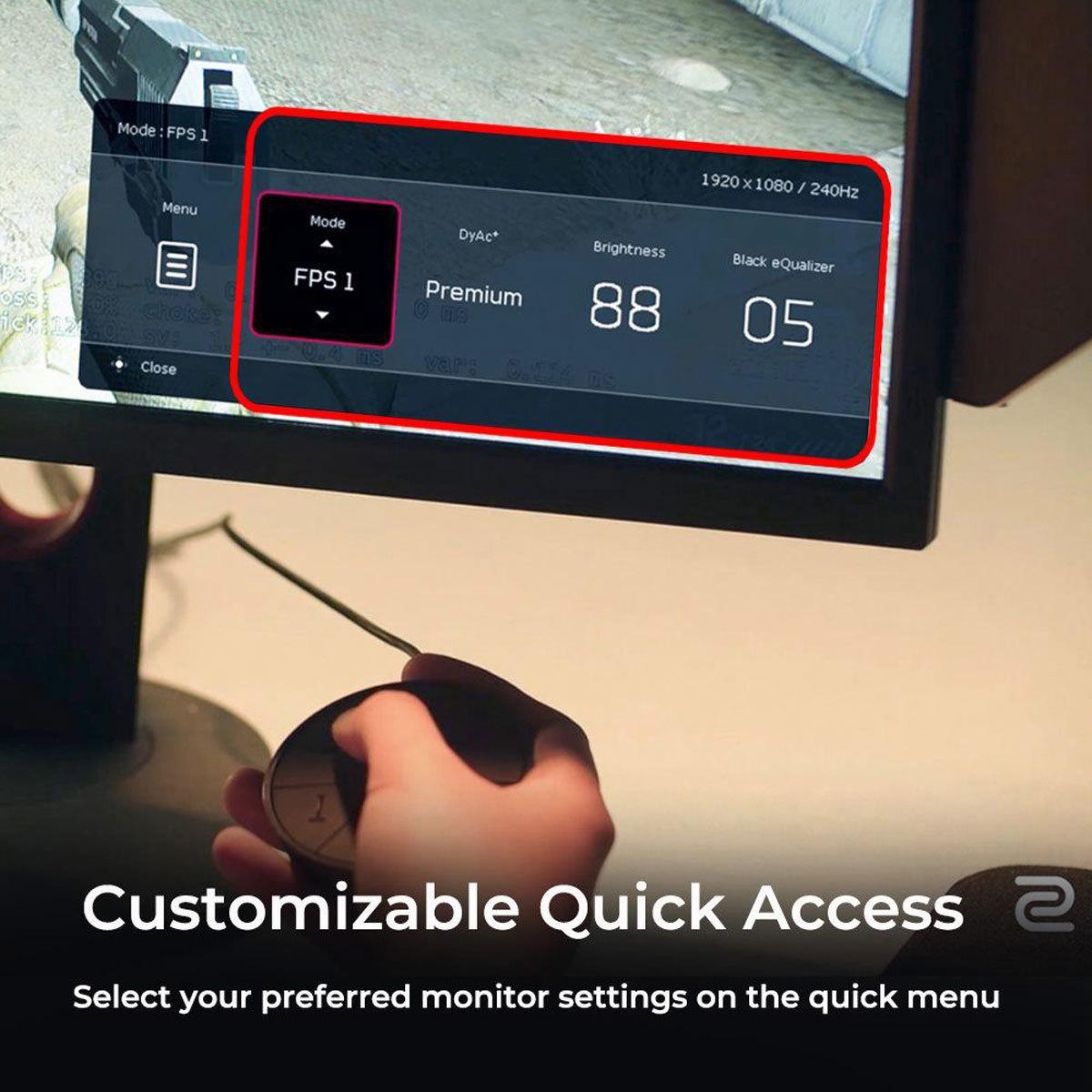
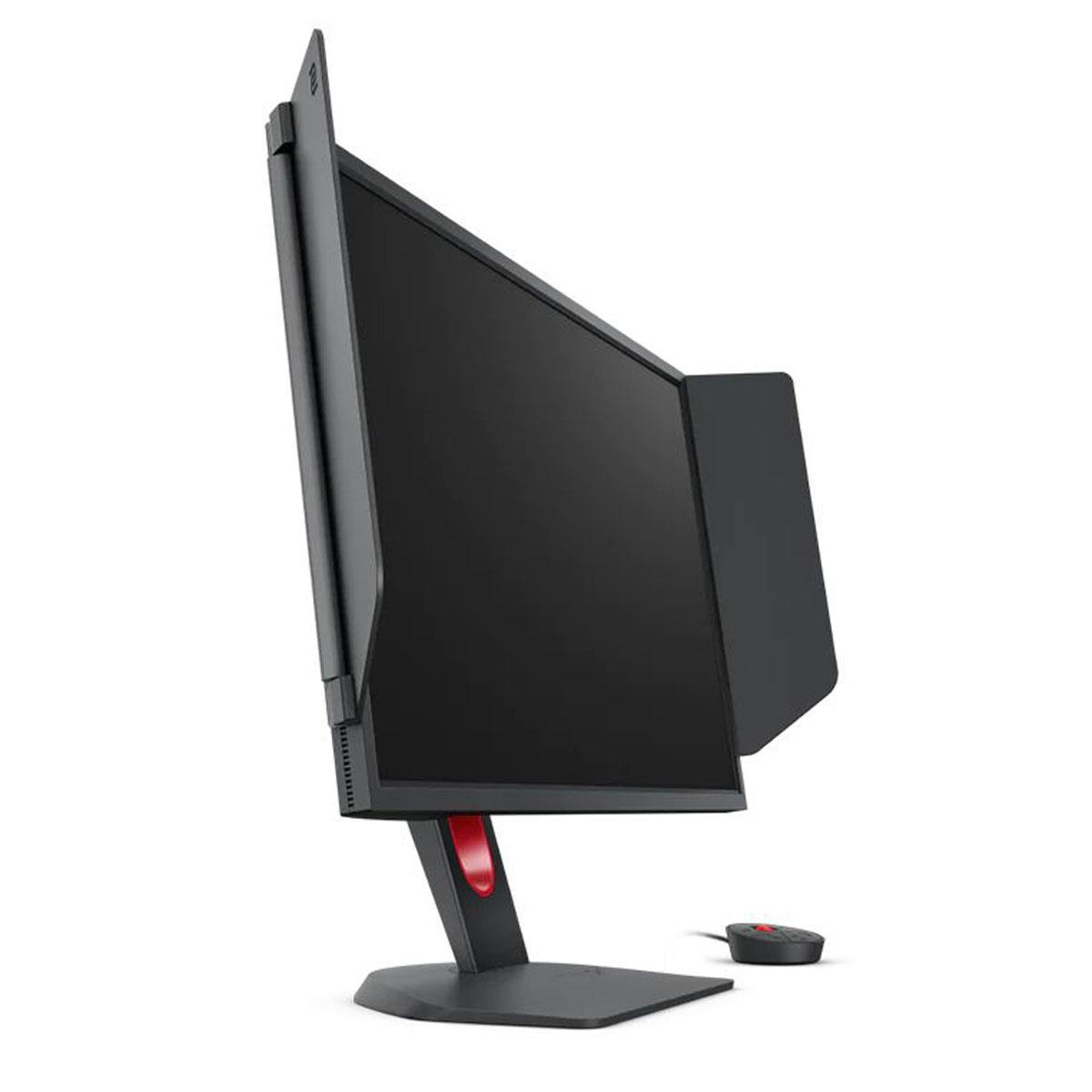
What sets the BenQ Zowie apart from generic gaming monitors is its esports-specific feature set. The S Switch is a physical controller that lets you quickly cycle through different settings without diving into menus. During intense gaming sessions, being able to switch from your standard settings to a high-contrast mode for dark maps with a single button press is incredibly valuable.
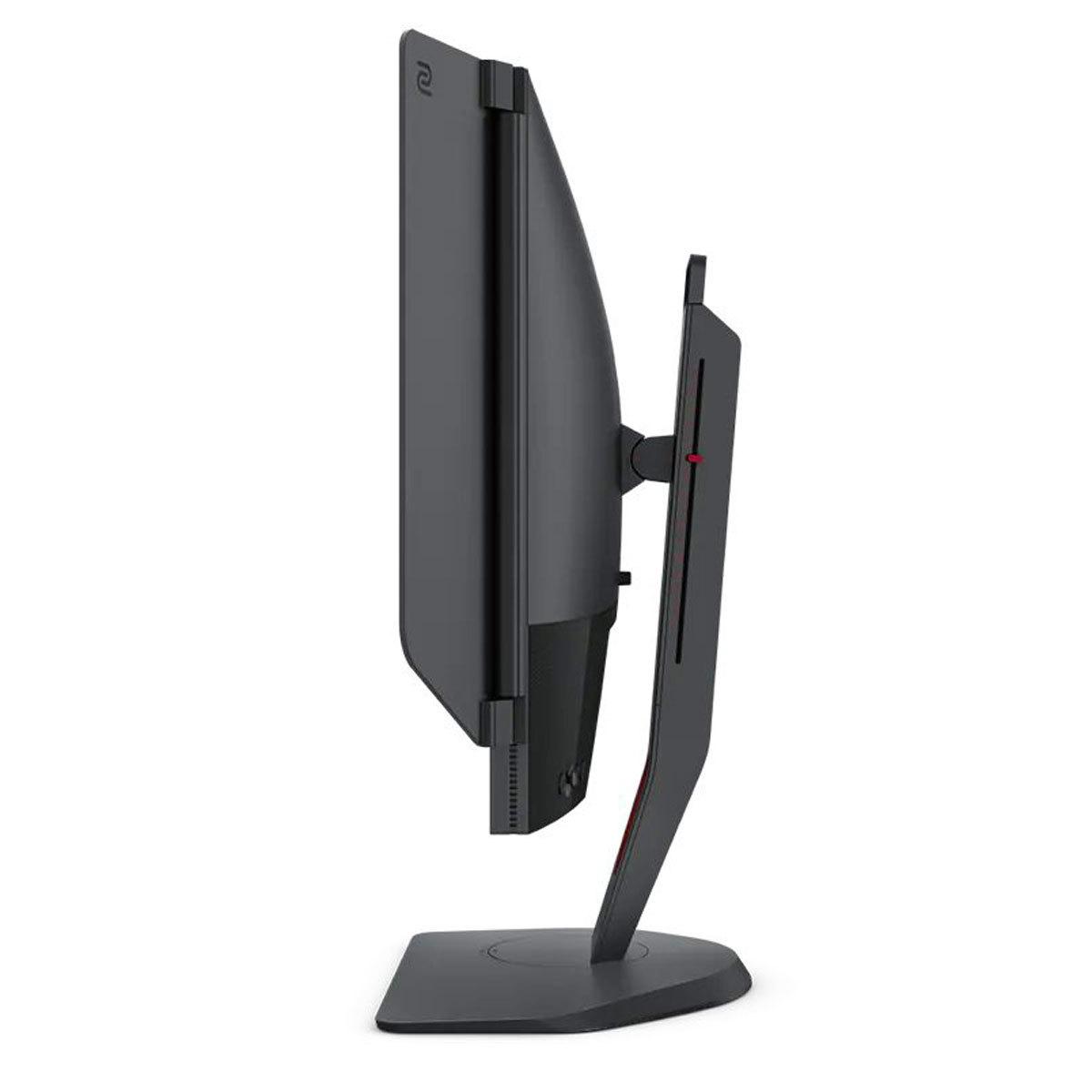
The included Shielding Hood might look like a gimmick, but it serves a real purpose. These side panels attach to the monitor and block peripheral distractions – something that's particularly useful in tournament environments with bright lights and other players nearby. Even at home, it helps maintain focus during competitive matches.
Black eQualizer is another competitive gaming feature that brightens dark areas without overexposing bright regions. This means you can spot enemies hiding in shadows without getting blinded when looking at bright areas like the sky. It's essentially giving you better visibility in games that use darkness as a tactical element.
The monitor's 1080p resolution might seem limiting in 2024, but there's method to this choice. Lower resolution means your graphics card can push higher frame rates, which is crucial when you're trying to maximize that 240Hz refresh rate. Many competitive players actually prefer 1080p because it keeps their systems running at peak performance during tournaments.
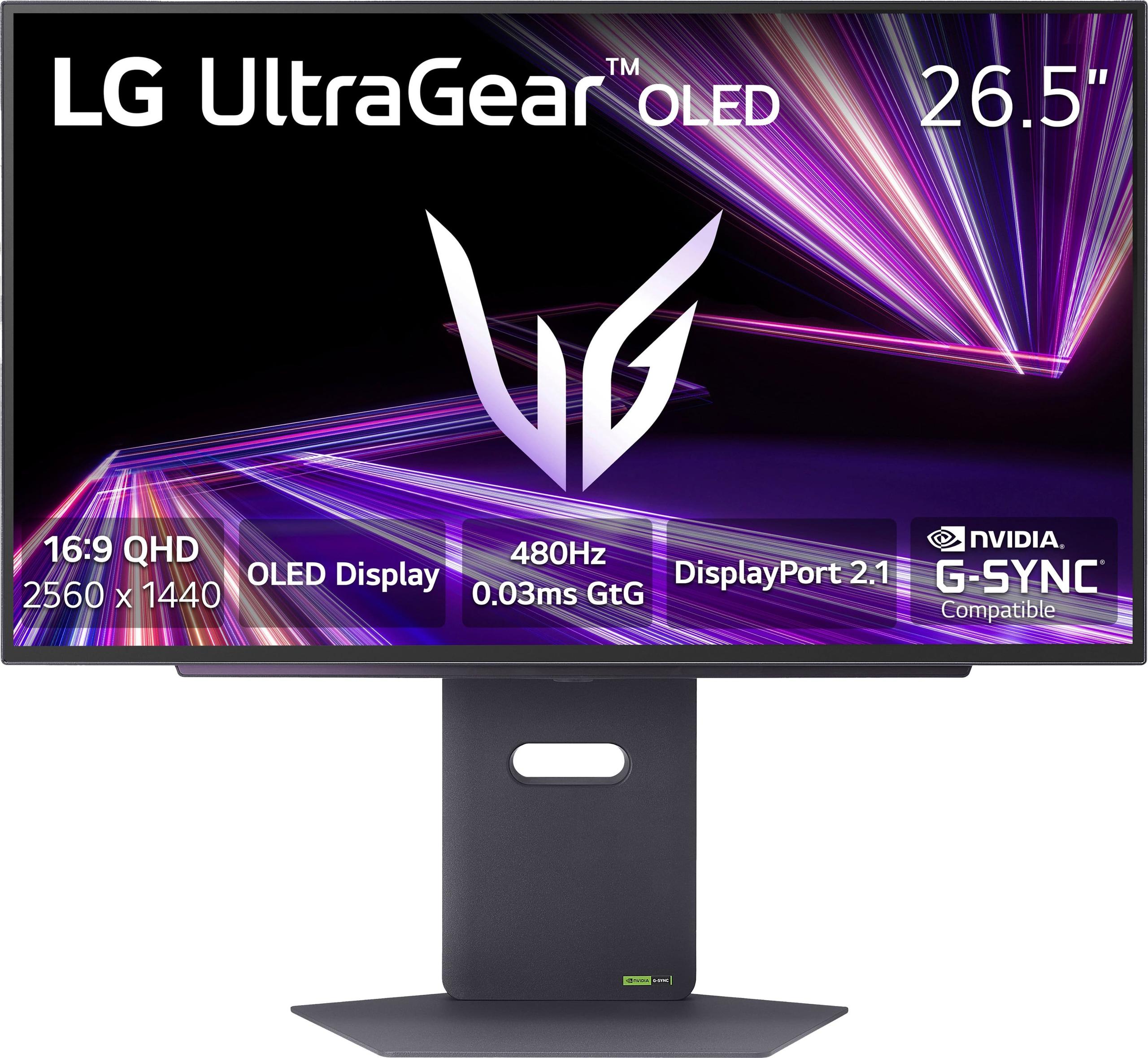
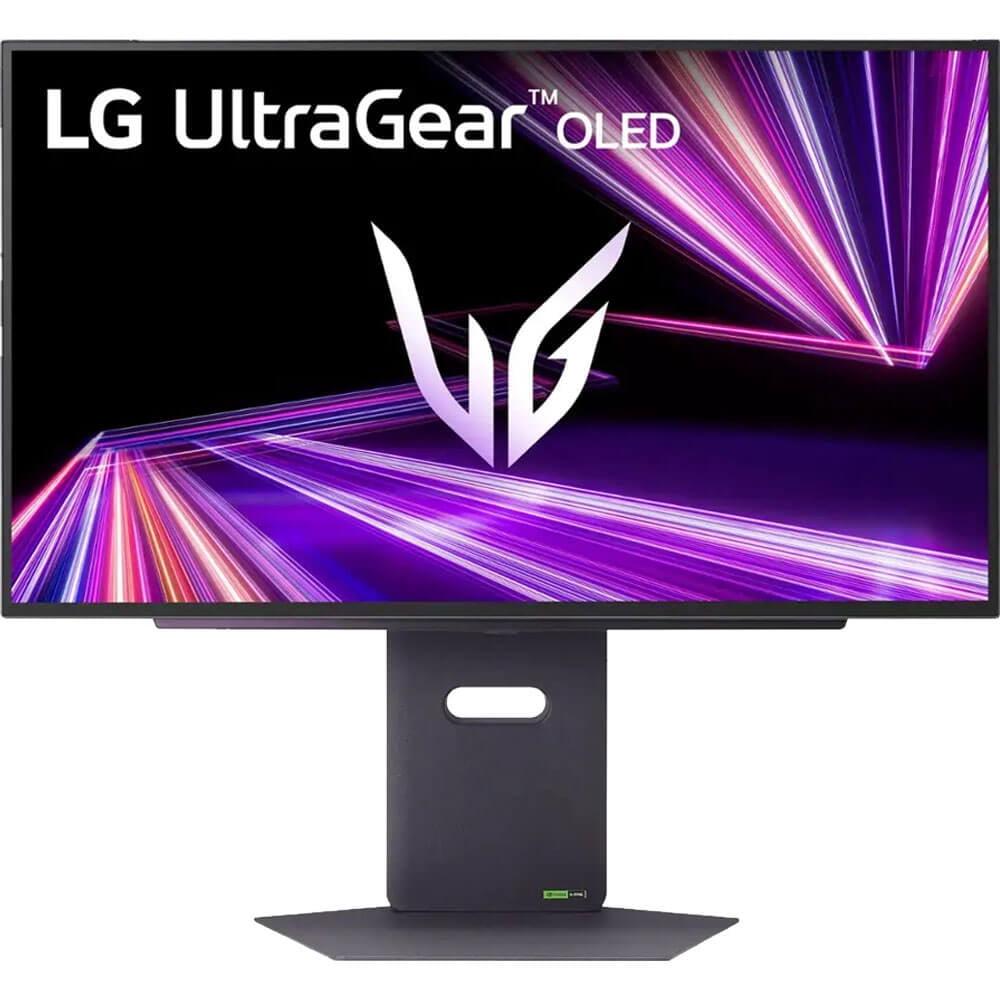
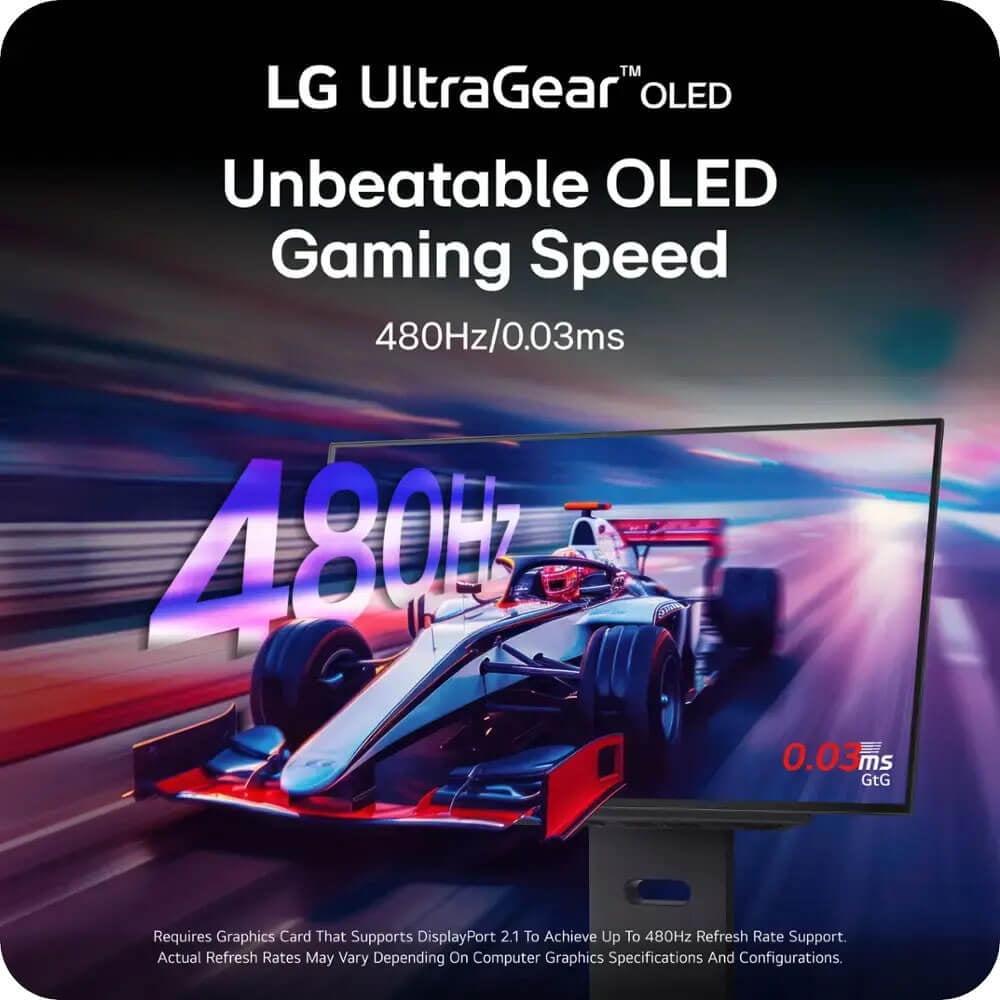
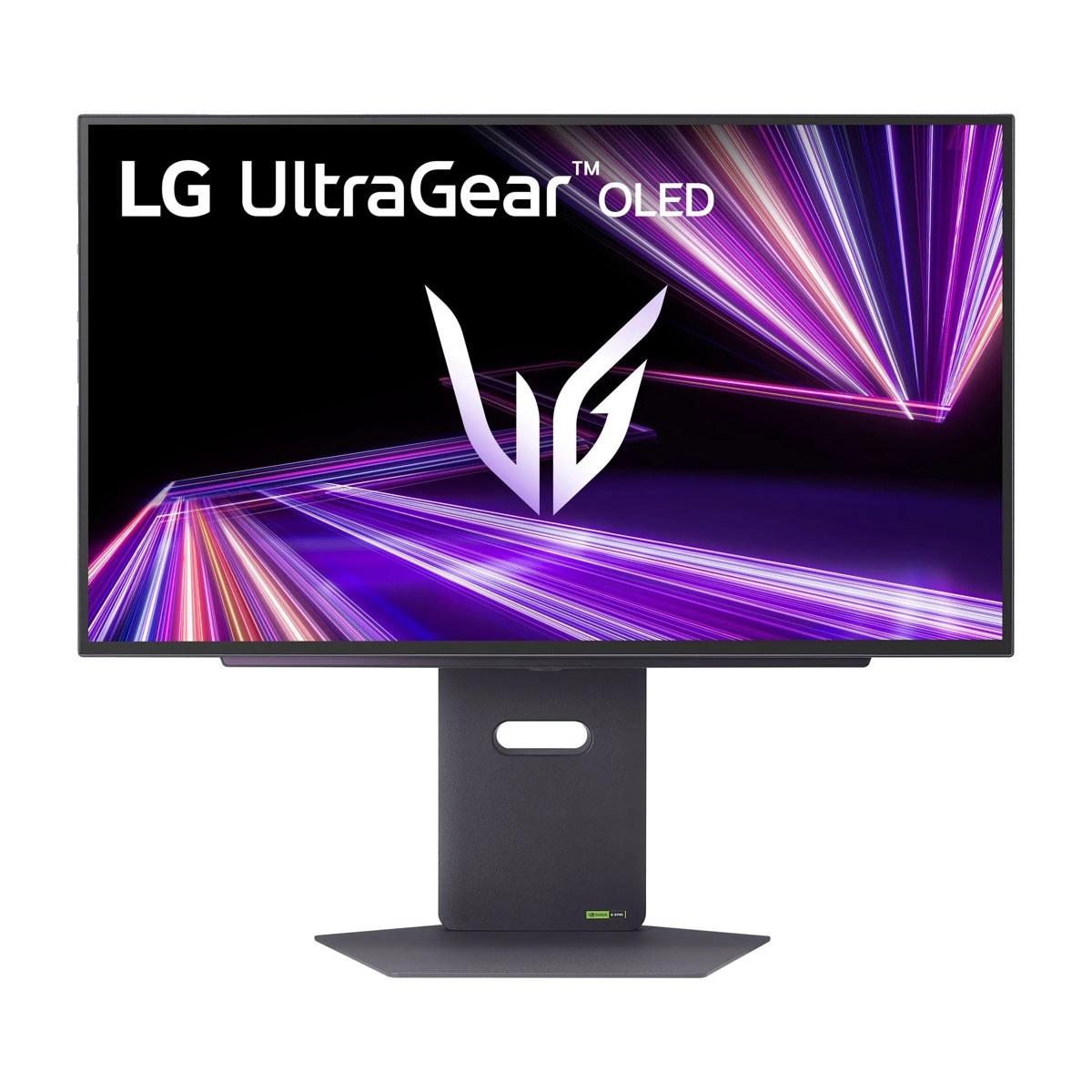
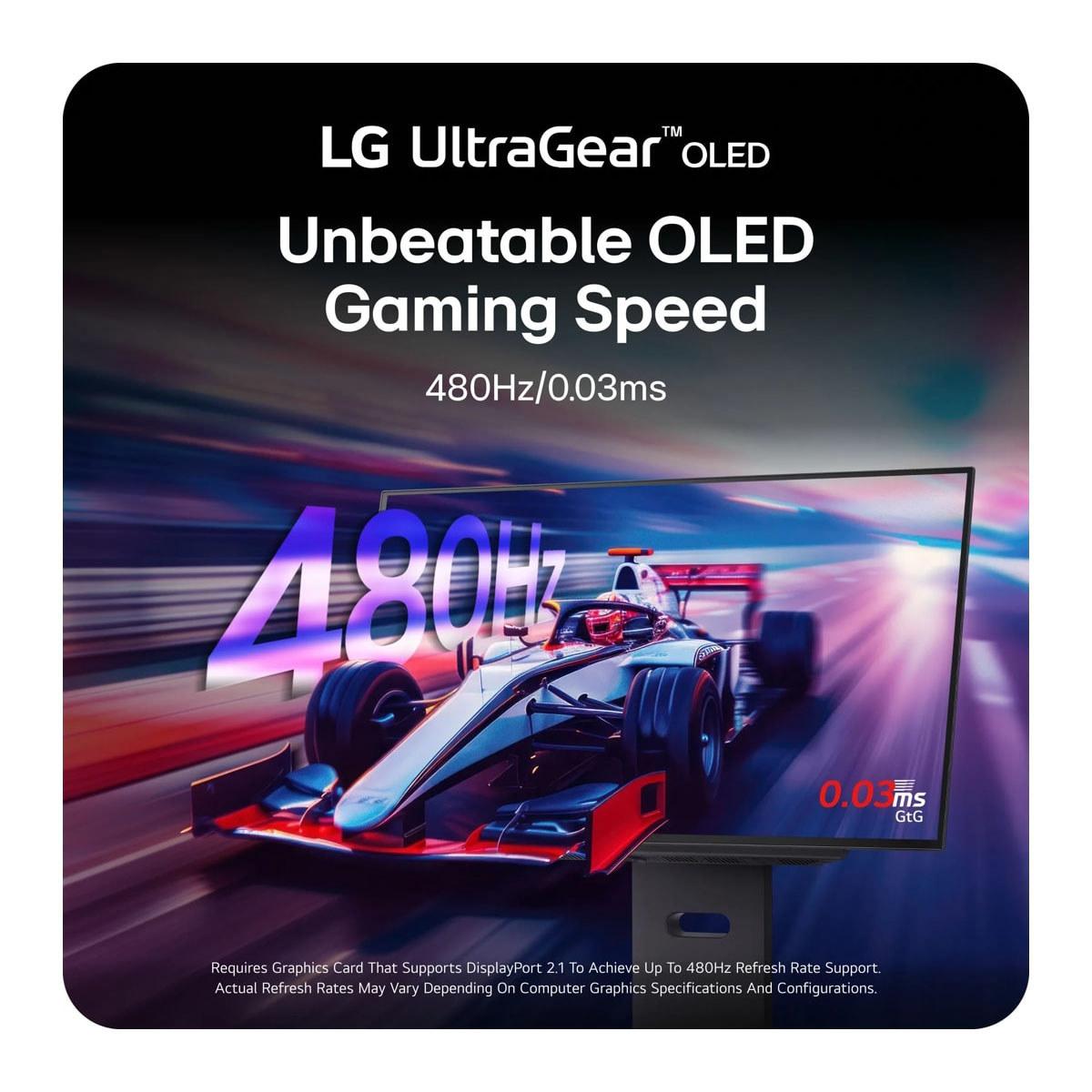
The LG UltraGear 27" OLED, released in late 2024, represents everything cutting-edge in gaming monitor technology. This display pushes boundaries with a 480Hz refresh rate – double what most high-end monitors offer – combined with OLED technology that delivers perfect blacks and vibrant colors.
OLED technology fundamentally changes how displays work. Instead of backlights shining through liquid crystals, each pixel produces its own light. This means when a pixel needs to be black, it simply turns off completely, creating true black rather than the dark gray you get with traditional LCD monitors. The result is a contrast ratio that's essentially infinite – perfect blacks next to bright whites.
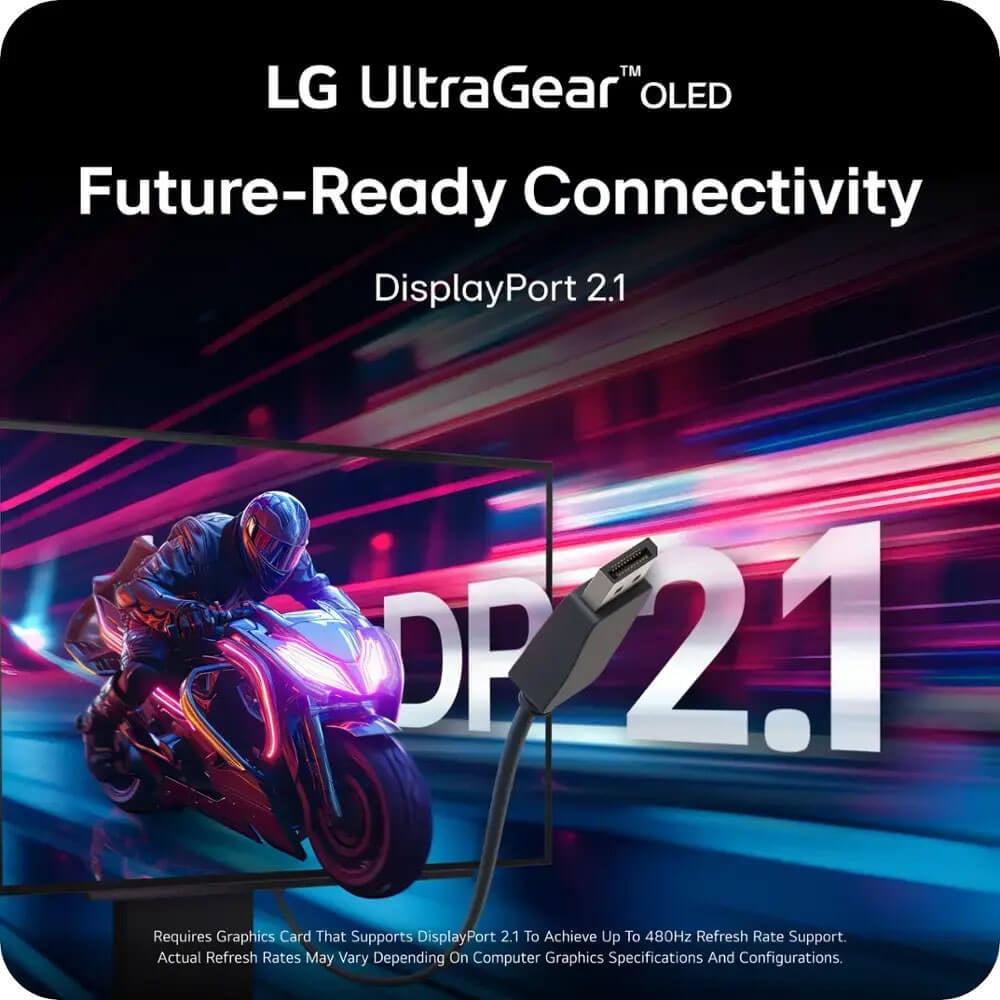
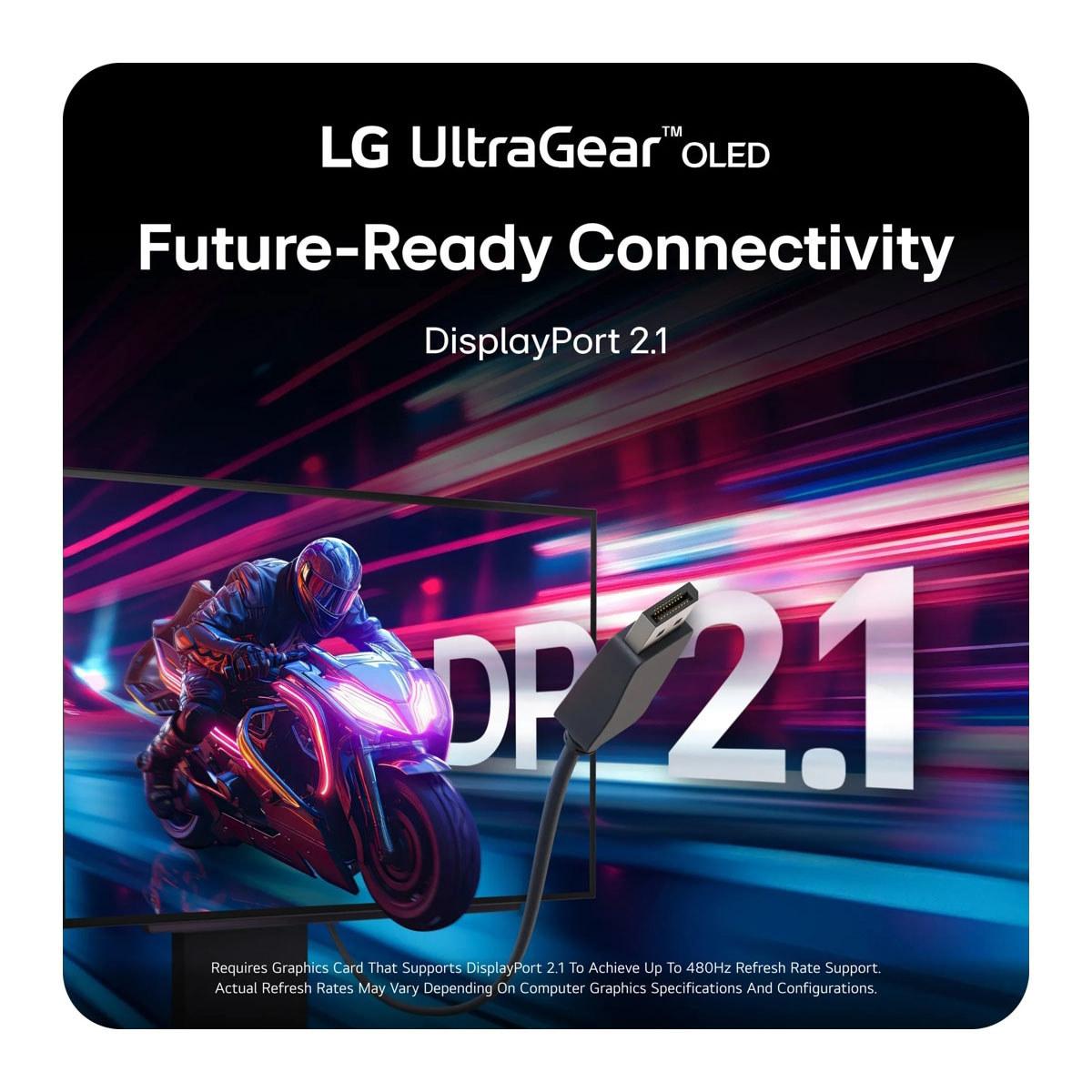
The LG monitor achieves its 480Hz refresh rate through careful engineering and modern connectivity. DisplayPort 2.1 provides the bandwidth needed to push 2560x1440 resolution at such extreme refresh rates without compression. This matters because compression can introduce artifacts that defeat the purpose of having such a fast display.
At 2560x1440 resolution, the LG monitor offers 78% more pixels than the BenQ's 1080p display. This means sharper text, more detailed game environments, and better overall visual fidelity. The higher pixel density becomes particularly noticeable when reading text or examining detailed textures in games.
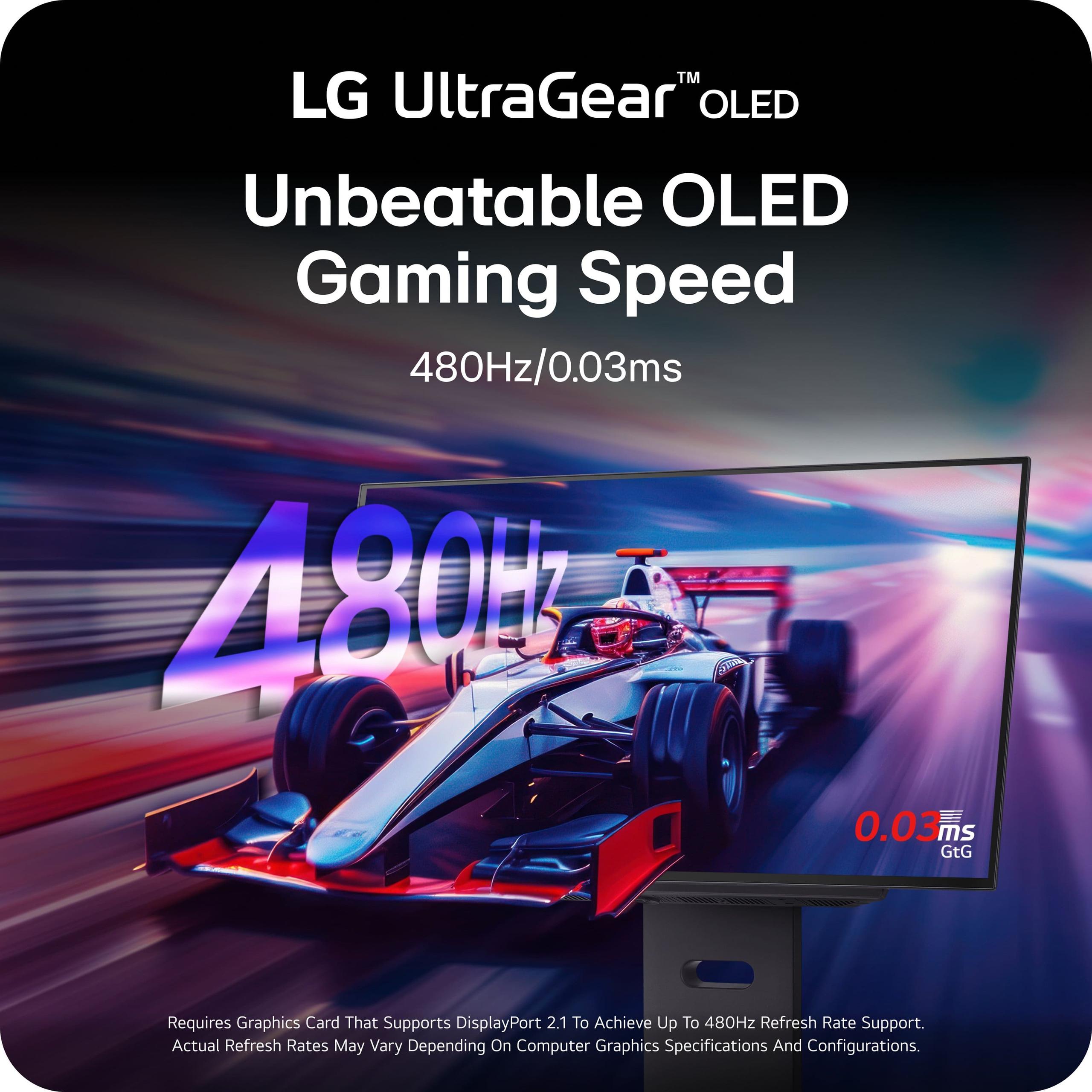
The monitor's 0.03ms response time is achieved through OLED's inherent speed advantage. Since pixels can turn on and off nearly instantaneously, there's virtually no ghosting or trailing during fast motion. This creates incredibly clean motion that surpasses what's possible with traditional LCD technology.
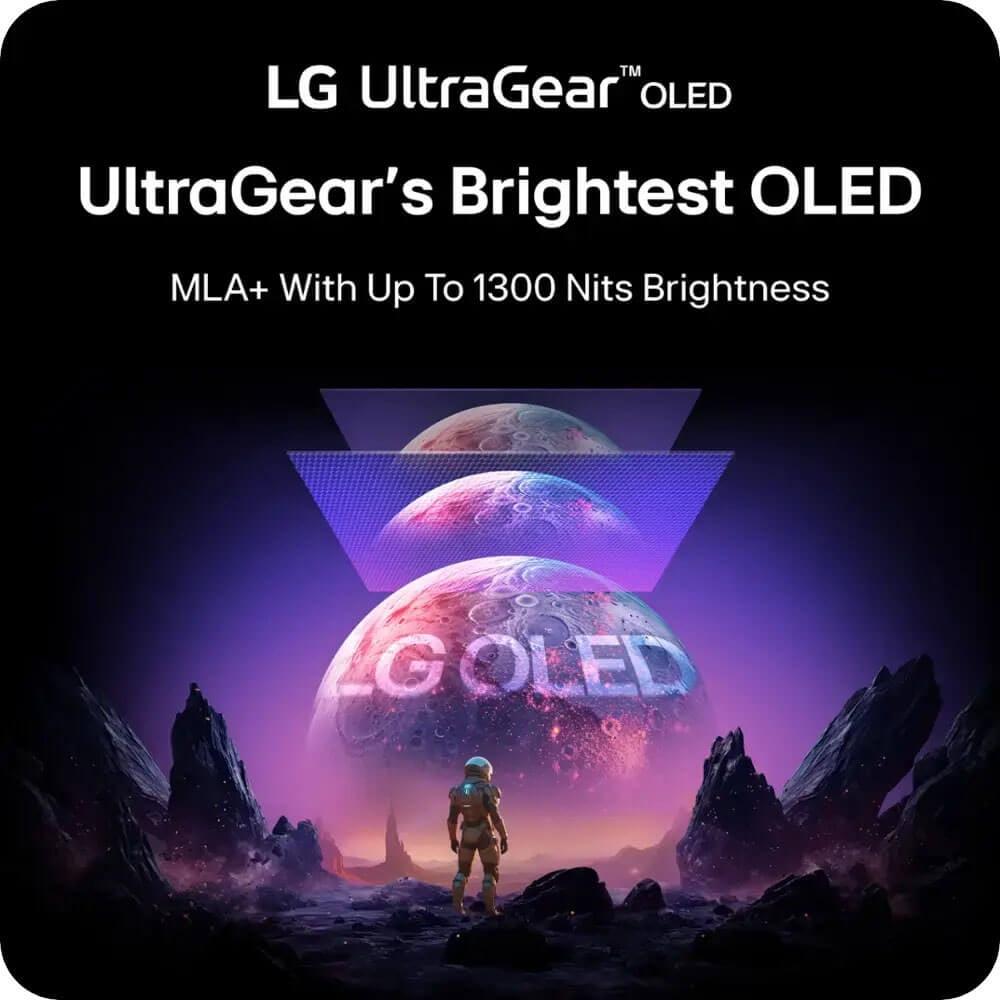
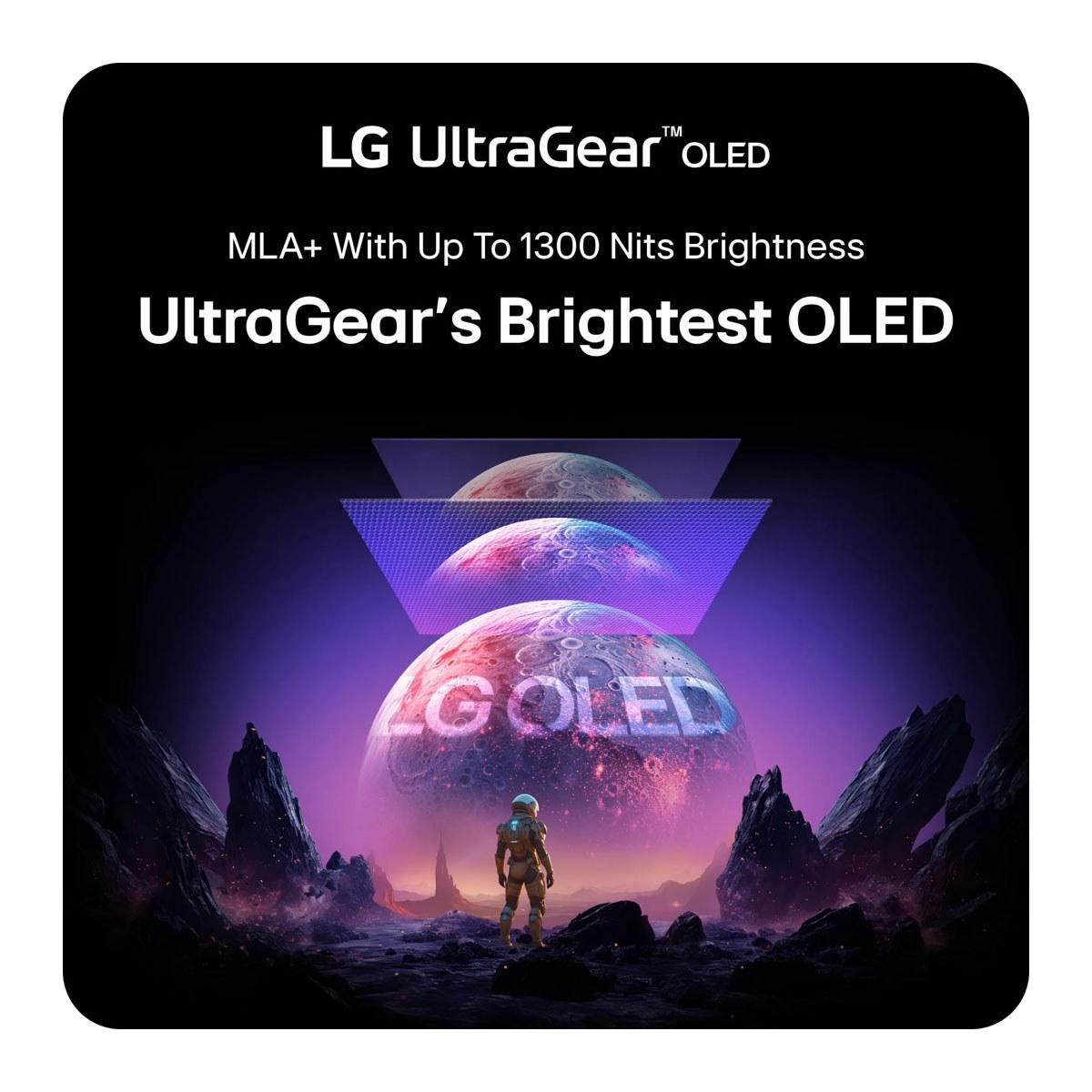
Micro Lens Array+ (MLA+) technology addresses one of OLED's traditional weaknesses – peak brightness. By using microscopic lenses to direct more light toward the viewer, the display achieves higher brightness levels without increasing power consumption or heat output. This helps the monitor perform better in brighter rooms while maintaining OLED's signature deep blacks.
The fundamental difference between these monitors becomes most apparent during fast-paced gaming scenarios. The BenQ's DyAc+ technology creates exceptional motion clarity through backlight strobing, effectively eliminating motion blur during rapid movements. When tracking enemies in competitive shooters, this technology helps maintain sharp target definition even during quick flicks and sprays.
However, the LG's 480Hz refresh rate combined with near-instantaneous OLED response times creates a different kind of motion clarity. Instead of using strobing to reduce blur, it simply updates the image so frequently that blur becomes nearly imperceptible. At 480Hz, the display shows a new frame every 2.08 milliseconds, compared to the BenQ's 4.17 milliseconds at 240Hz.
In practice, both approaches work well, but they feel different. The BenQ's motion clarity feels more artificial but highly effective for competitive gaming. The LG's approach feels more natural while providing objectively smoother motion. For competitive players who've adapted to DyAc+ technology, the BenQ might feel more familiar and comfortable.
Here's where the technology gap becomes most apparent. The LG's OLED panel delivers visual quality that traditional LCD technology simply cannot match. Perfect blacks create incredible contrast that makes games feel more immersive and realistic. HDR content truly shines on OLED, with bright highlights and dark shadows coexisting in the same scene without compromise.
The BenQ monitor, while optimized for competitive gaming, shows the limitations of TN panel technology. Colors appear washed out compared to modern standards, and viewing angles are limited – move too far to the side and colors shift noticeably. However, for competitive gaming where visual fidelity takes a backseat to performance, these limitations are acceptable trade-offs.
Color accuracy heavily favors the LG monitor, with its 98.5% DCI-P3 coverage delivering vibrant, accurate colors that make games look as developers intended. The BenQ's color reproduction is functional but uninspiring, designed more for consistency than accuracy.
For competitive esports titles like Counter-Strike, Valorant, or Apex Legends, both monitors excel but in different ways. The BenQ's specialized features like Black eQualizer and DyAc+ provide tactical advantages that many professional players swear by. Its 1080p resolution ensures you can maintain high frame rates even with mid-range graphics cards.
The LG monitor shines across all gaming genres. Its higher resolution and superior image quality make single-player adventures like Cyberpunk 2077 or The Witcher 3 look stunning, while its 480Hz capability ensures even the most demanding competitive games run with unprecedented smoothness. However, you'll need high-end hardware to fully utilize its capabilities.
At the time of writing, these monitors occupy different price tiers that reflect their target audiences and technology levels. The BenQ Zowie XL2746K comes at a more accessible price point, making it attractive for dedicated competitive players who want proven tournament-grade performance without paying for technologies they won't use.
The LG UltraGear OLED commands a premium price that reflects its cutting-edge technology and superior specifications. For users who want the absolute best gaming performance available today, the price premium may be justified by the significant technology advantages.
If your gaming revolves around competitive titles and tournament play, the BenQ monitor makes compelling sense. Its features are specifically designed for this use case, and its proven track record in tournament environments provides confidence that it will perform when it matters most. The lower resolution actually becomes an advantage when you want to maximize frame rates for competitive play.
Professional esports players often prefer the consistency and reliability that comes with established technology. When prize money is on the line, you want equipment that behaves predictably rather than cutting-edge technology that might have unexpected quirks.
For gamers who play across multiple genres or want the best possible visual experience, the LG monitor offers significantly more value despite its higher price. The combination of 480Hz refresh rate, OLED image quality, and higher resolution makes it excellent for everything from competitive gaming to single-player adventures to media consumption.
The monitor's DisplayPort 2.1 and HDMI 2.1 connectivity future-proofs your setup for upcoming graphics cards and gaming consoles. As games continue to push higher frame rates and resolutions, having a display capable of keeping up becomes increasingly valuable.
The LG OLED monitor doubles effectively as a premium display for movies and streaming content. OLED technology's perfect blacks and vibrant colors make it excellent for watching HDR movies, while its 27-inch size works well for desktop viewing. The wide color gamut ensures content appears as creators intended.
The BenQ monitor is primarily a gaming-focused display. While it can handle media consumption, the TN panel's limited color accuracy and viewing angles make it less suitable for serious movie watching or content creation work.
Gaming monitor technology has accelerated rapidly since 2020 when the BenQ XL2746K was released. At that time, 240Hz was considered cutting-edge, and OLED gaming monitors were still experimental. The LG monitor represents how much the landscape has changed in just a few years.
OLED technology has matured significantly, with modern panels incorporating burn-in prevention features and improved longevity. The LG monitor includes OLED Care features that automatically adjust brightness and shift static elements to prevent image retention. These improvements address the primary concerns that previously made OLED unsuitable for computer monitors.
Looking ahead, display technology will likely continue pushing higher refresh rates and resolutions. The LG monitor's DisplayPort 2.1 connectivity and extreme specifications position it well for future graphics cards and gaming developments. The BenQ monitor, while still excellent for its intended purpose, represents more mature technology that may feel outdated as gaming hardware continues advancing.
Choosing between these monitors ultimately depends on your priorities and how you plan to use them. The BenQ Zowie XL2746K excels as a specialized tool for competitive gaming, offering proven performance and features specifically designed for tournament play. If your gaming focuses primarily on esports titles and you value the tactical advantages its specialized features provide, it represents excellent value.
The LG UltraGear 27" OLED positions itself as a premium, versatile gaming display that pushes performance boundaries while delivering stunning visual quality. If you want the absolute best gaming performance available today and plan to use your monitor for various gaming genres and media consumption, its higher price becomes more justifiable.
Consider your current and future hardware when making this decision. The BenQ monitor works well with mid-range systems and ensures you can maintain high frame rates in competitive games. The LG monitor requires high-end hardware to fully utilize its capabilities but provides room to grow as you upgrade your system.
Both monitors represent excellent choices within their respective niches. Your personal gaming preferences, budget considerations, and intended use cases should guide your final decision. Either way, you'll be getting a high-quality gaming monitor that will serve you well for years to come.
| BenQ Zowie XL2746K | LG UltraGear 27" OLED |
|---|---|
| Panel Technology - Determines image quality, response time, and longevity | |
| TN (Twisted Nematic) - Fast but limited colors and viewing angles | WOLED - Perfect blacks, vibrant colors, but potential burn-in risk |
| Resolution - Affects image sharpness and GPU performance demands | |
| 1920 x 1080 (Full HD) - Lower GPU requirements, higher frame rates | 2560 x 1440 (QHD) - 78% more pixels, sharper image quality |
| Refresh Rate - How smooth motion appears in fast-paced games | |
| 240Hz - Excellent for competitive gaming | 480Hz - Double the smoothness, cutting-edge performance |
| Response Time - How quickly pixels change color (lower is better) | |
| ~1ms GtG - Very fast for LCD technology | 0.03ms GtG - Nearly instantaneous OLED advantage |
| Contrast Ratio - Difference between darkest and brightest areas | |
| 1,000:1 - Standard LCD limitation | 1,500,000:1 - Perfect OLED blacks create infinite contrast |
| Color Accuracy - How vibrant and accurate colors appear | |
| Standard sRGB coverage - Functional but not impressive | 98.5% DCI-P3 - Cinema-grade color reproduction |
| Gaming-Specific Features - Specialized tools for competitive advantage | |
| DyAc+, Black eQualizer, S Switch, Shielding Hood - Tournament-proven esports features | Micro Lens Array+, OLED Care, RGB lighting - Modern gaming enhancements |
| HDR Support - Enhanced contrast and color range for supported content | |
| No HDR support - Limited to standard dynamic range | VESA DisplayHDR True Black 400 - Excellent HDR performance |
| Connectivity - Future-proofing and compatibility options | |
| 3x HDMI 2.0, 1x DisplayPort 1.2 - Standard gaming connectivity | 2x HDMI 2.1, 1x DisplayPort 2.1 - Next-gen console and GPU ready |
| Target Audience - Who benefits most from each monitor's strengths | |
| Competitive esports players prioritizing proven tournament performance | Enthusiast gamers wanting cutting-edge technology and visual quality |
| Burn-in Risk - Long-term durability consideration | |
| No burn-in risk - LCD technology immune to permanent image retention | Potential OLED burn-in - Requires careful usage with static elements |
| Warranty Coverage - Protection for your investment | |
| 3-year comprehensive warranty - Longer protection period | 2-year OLED limited warranty - Shorter but includes burn-in protection |
The BenQ Zowie XL2746K is specifically designed for competitive esports with features like DyAc+ motion blur reduction, Black eQualizer for spotting enemies in dark areas, and an S Switch for quick setting changes. It's widely used in professional tournaments. The LG UltraGear 27" OLED offers higher performance with 480Hz refresh rate and faster response times, but the BenQ XL2746K provides more specialized competitive gaming features that many pro players prefer.
The BenQ Zowie XL2746K offers 240Hz refresh rate, while the LG UltraGear 27" OLED delivers 480Hz - exactly double the frame rate capability. Higher refresh rates create smoother motion and can provide competitive advantages in fast-paced games. However, you need powerful hardware to fully utilize the LG monitor's 480Hz capability at its QHD resolution.
The LG UltraGear 27" OLED significantly outperforms the BenQ Zowie XL2746K in image quality. The OLED panel provides perfect blacks, infinite contrast ratio, and 98.5% DCI-P3 color coverage compared to the BenQ's standard TN panel. The LG monitor also offers higher 2560x1440 resolution versus the BenQ's 1080p, resulting in sharper, more detailed images.
Only the LG UltraGear 27" OLED supports HDR with VESA DisplayHDR True Black 400 certification, making it excellent for watching movies and HDR content. The BenQ Zowie XL2746K lacks HDR support and is primarily focused on gaming rather than media consumption. For home theater use, the LG OLED monitor is the clear winner.
The LG UltraGear 27" OLED is more future-proof with DisplayPort 2.1 and dual HDMI 2.1 connectivity, supporting next-generation graphics cards and gaming consoles. The BenQ Zowie XL2746K uses older connectivity standards. The LG's cutting-edge 480Hz refresh rate and modern OLED technology will remain relevant longer than the BenQ's 2020-era specifications.
The LG UltraGear 27" OLED does carry potential burn-in risk with static images like game HUDs or desktop icons, though it includes OLED Care features to minimize this. The BenQ Zowie XL2746K uses LCD technology that's completely immune to burn-in. For users concerned about long-term durability with static content, the BenQ monitor offers peace of mind.
The LG UltraGear 27" OLED requires significantly more powerful hardware due to its higher 2560x1440 resolution and 480Hz capability. You need a high-end graphics card to fully utilize its performance. The BenQ Zowie XL2746K works well with mid-range systems thanks to its 1080p resolution, making it more accessible for budget-conscious competitive gamers.
The LG UltraGear 27" OLED offers superior 0.03ms response time compared to the BenQ Zowie XL2746K's approximate 1ms response time. This means less ghosting and clearer motion during fast gameplay. However, both monitors provide response times well below human perception thresholds, so the difference may not be noticeable to all users in practical gaming scenarios.
Value depends on your priorities. The BenQ Zowie XL2746K offers excellent value for competitive esports players who want proven tournament features without paying for unnecessary technology. The LG UltraGear 27" OLED provides better value for enthusiast gamers who want cutting-edge performance and superior image quality across all gaming genres and media consumption.
Both monitors support gaming consoles, but the LG UltraGear 27" OLED is better equipped with HDMI 2.1 ports supporting 120Hz for PlayStation 5 and Xbox Series X. The BenQ Zowie XL2746K has HDMI 2.0 ports that work with consoles but at lower refresh rates. For console gaming, the LG monitor offers better compatibility and performance.
The BenQ Zowie XL2746K includes a 3-year comprehensive warranty, providing longer protection. The LG UltraGear 27" OLED comes with a 2-year OLED limited warranty that includes burn-in protection. While the BenQ offers longer coverage, the LG warranty specifically addresses OLED-related concerns that matter for that technology.
For mixed use, the LG UltraGear 27" OLED is significantly better due to its higher resolution, superior color accuracy, and excellent image quality for productivity tasks and media consumption. The BenQ Zowie XL2746K is specialized for competitive gaming with limited color accuracy and 1080p resolution that feels outdated for general computer use. The LG monitor excels at both gaming and everyday computing tasks.
We've done our best to create useful and informative comparisons to help you decide what product to buy. Our research uses advanced automated methods to create this comparison and perfection is not possible - please contact us for corrections or questions. These are the sites we've researched in the creation of this article: rtings.com - youtube.com - bestbuy.com - versus.com - youtube.com - versus.com - forums.blurbusters.com - pcmonitors.info - youtube.com - bhphotovideo.com - zowie.benq.com - bhphotovideo.com - device.report - newegg.com - bestbuy.com - displayspecifications.com - provantage.com - zowie.benq.com - smallonlineshop.com.sg - camcor.com - bestbuy.com - bhphotovideo.com - engadget.com - newegg.com - youtube.com - bestbuy.com - techpowerup.com - techpowerup.com - rtings.com - lg.com - lgnewsroom.com - rtings.com - bestbuy.com - jonesapplianceandtv.com - thefrogpadappliances.com - lg.com - lg.com - lg.com - techpowerup.com - lg.com - lg.com

Privacy Policy
Terms and Conditions - Affiliate Policy
Home Security
© Copyright 2008-2026.
11816 Inwood Rd #1211, Dallas, TX 75244