

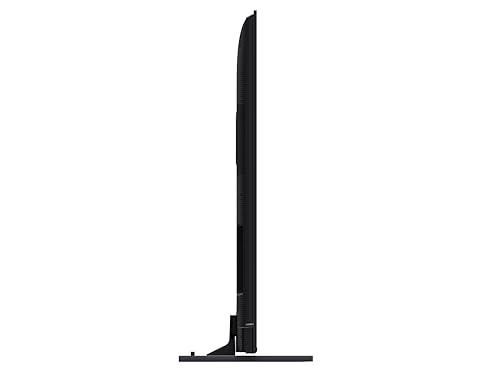
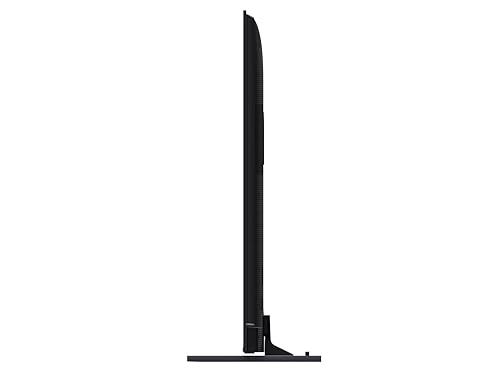
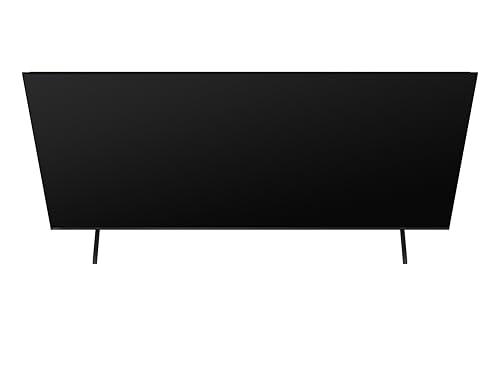
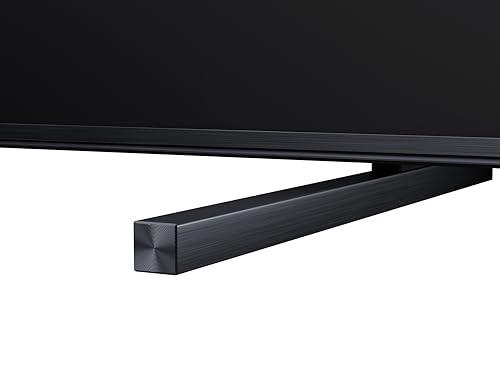

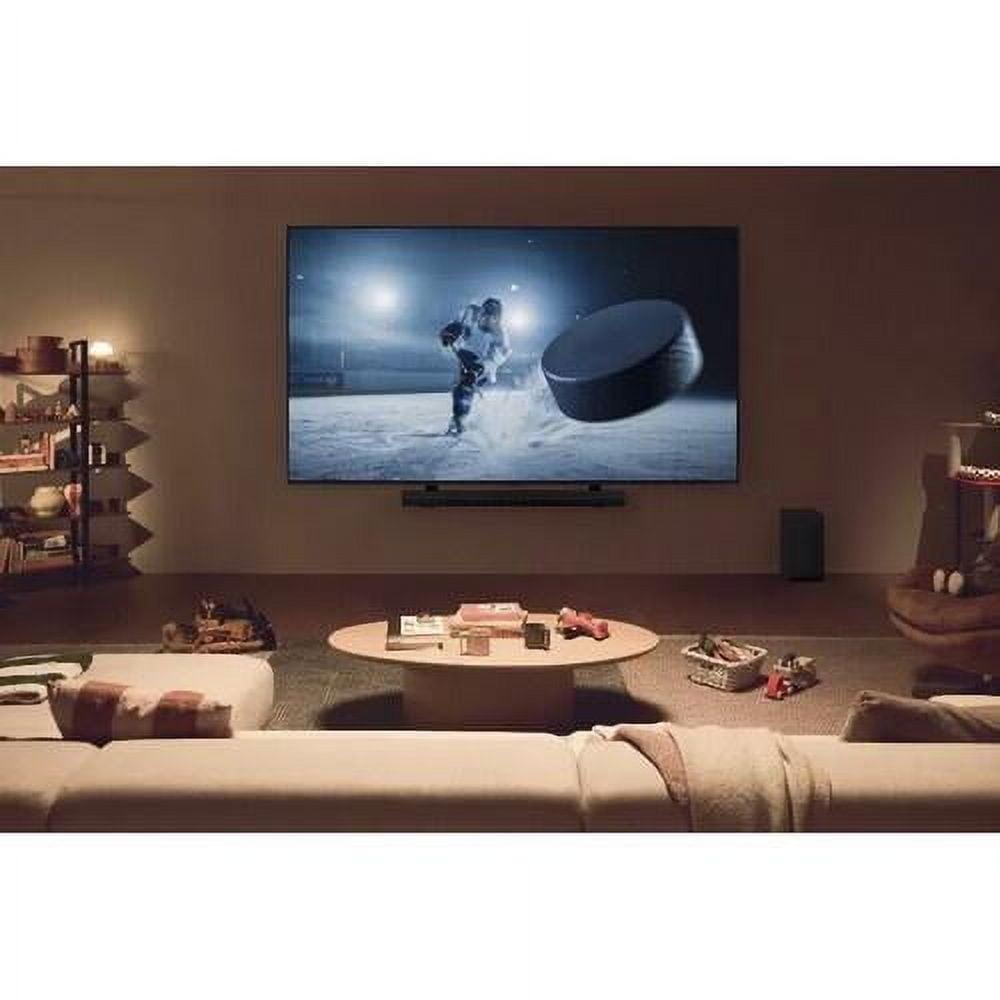
When you're ready to transform your living room into a home theater, few decisions feel as significant as choosing the right massive TV. Today's large format displays—those 95 inches and bigger—have evolved far beyond simple "bigger is better" thinking. The technology inside these entertainment giants determines whether you'll get truly cinematic picture quality or just a really large screen that disappoints when you sit down to watch.
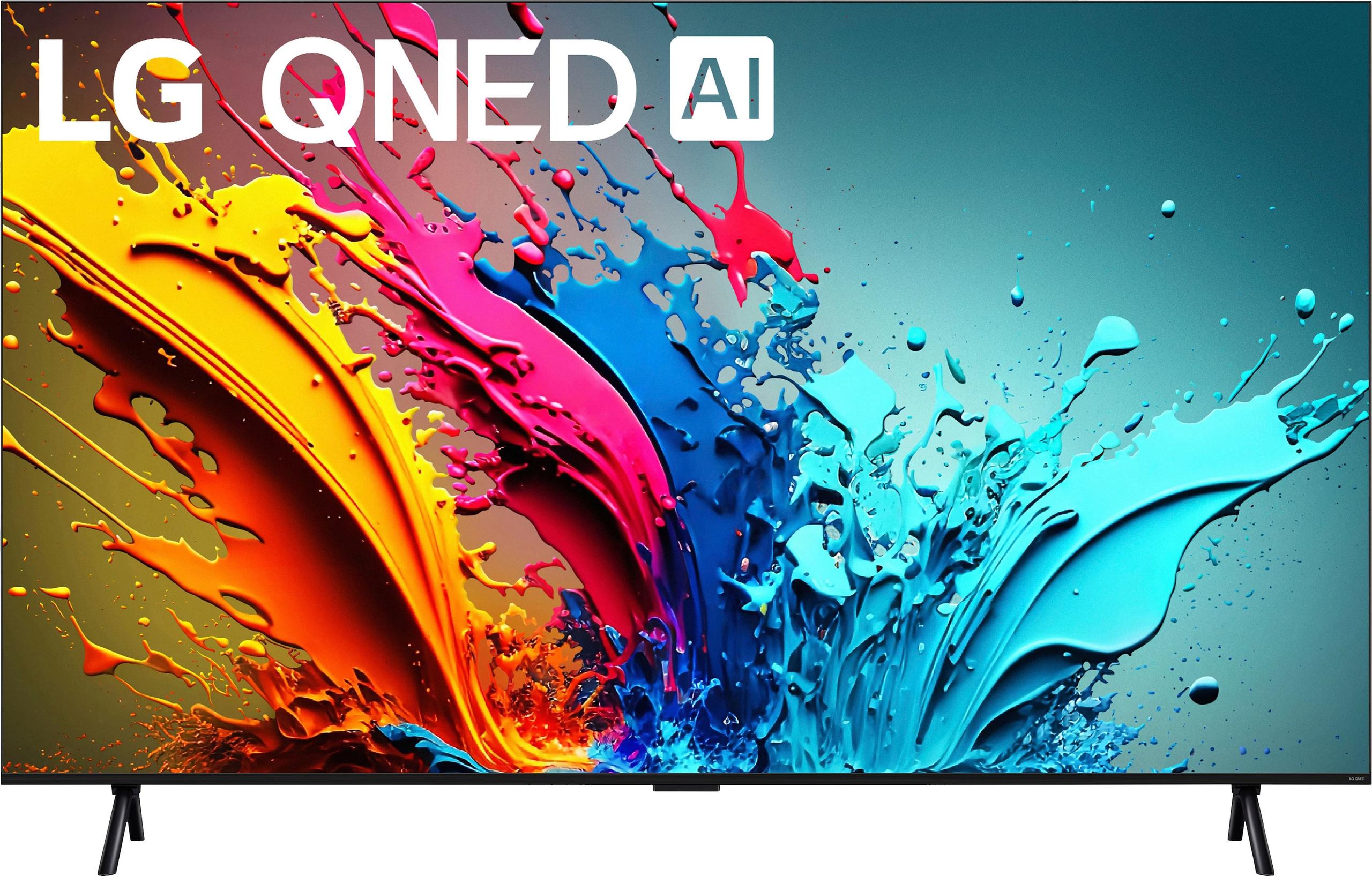
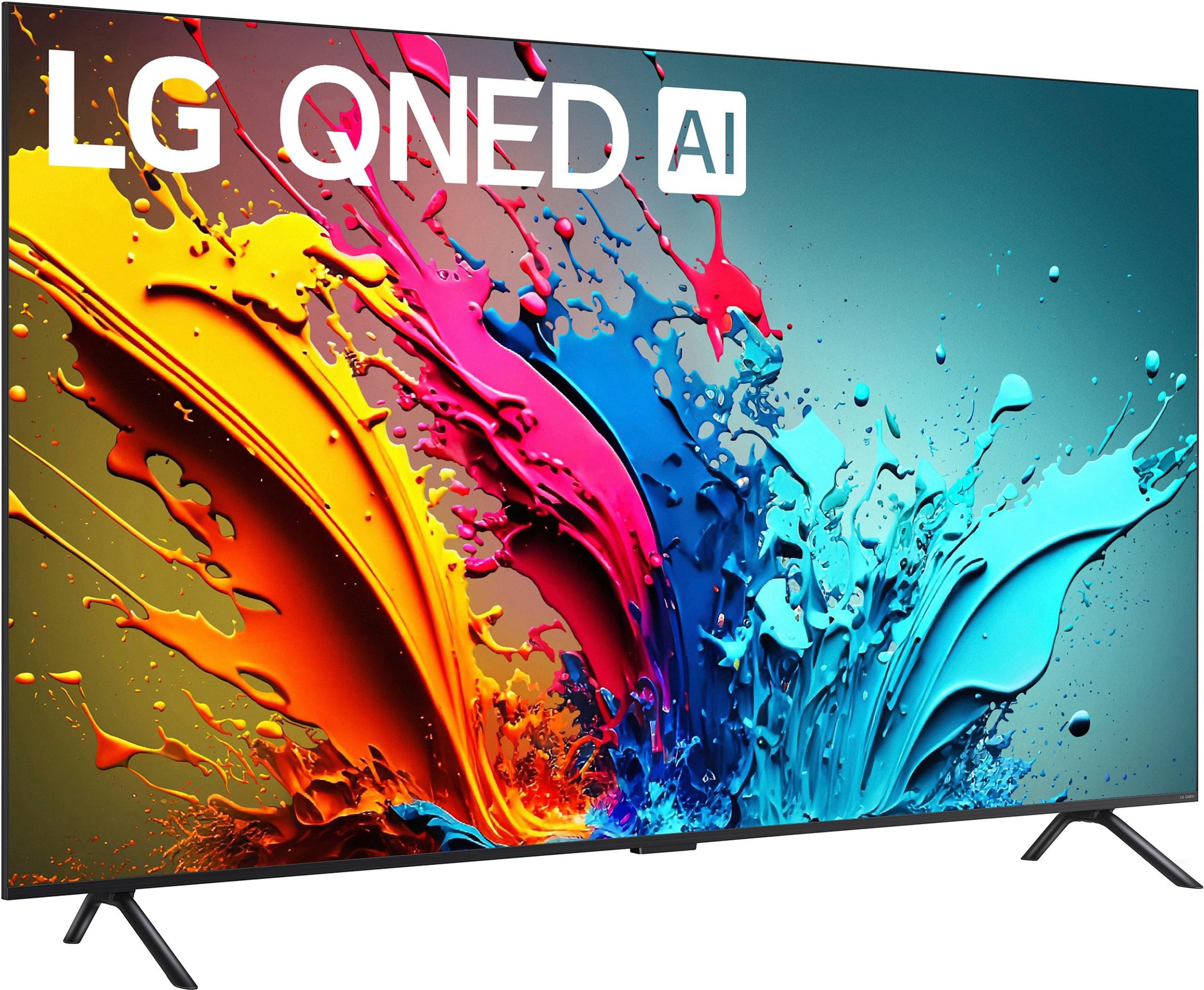
We've spent considerable time researching two standout options that represent different approaches to large-screen excellence: the Hisense 100" U6 Series Mini-LED 4K Fire TV and the LG 98" QNED 4K UHD Smart TV. Both launched in 2024 as part of their manufacturers' push to make premium large-screen technology more accessible, but they take notably different paths to deliver that cinema-like experience.
Large format TVs occupy a unique space in home entertainment. Unlike smaller displays where you might compromise on picture quality for convenience or budget, these screens demand excellence because every flaw becomes magnified across their massive real estate. At 98-100 inches, you're not just buying a TV—you're committing to a viewing experience that needs to work for everything from quiet Netflix documentaries to explosive action movies to competitive gaming sessions.
The fundamental considerations shift at this size. Peak brightness (measured in nits, representing how bright white areas can get) becomes crucial because you need enough light output to fill your peripheral vision convincingly. Local dimming zones (individual sections of backlighting that can brighten or dim independently) matter more because poor contrast control creates distracting blooming effects that smaller screens might hide. Motion handling through higher refresh rates becomes essential since motion blur that's barely noticeable on a 65-inch screen becomes obvious when magnified to wall-filling proportions.
Both the Hisense 100" U6 Series and LG 98" QNED tackle these challenges using fundamentally different display technologies, which shapes everything from their picture quality to their ideal use cases.
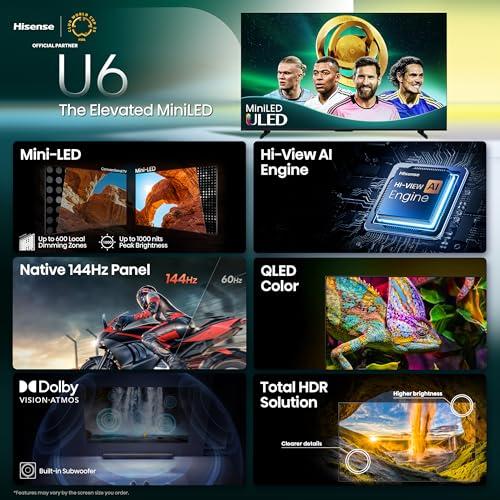
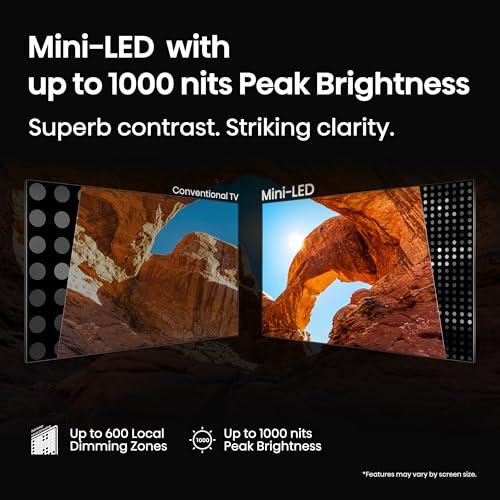
The core difference between these displays lies in how they create the picture you see. The Hisense 100" U6 Series uses Mini-LED backlighting, a relatively new technology that replaces traditional LED backlights with thousands of tiny LEDs—each roughly one-tenth the size of conventional LEDs. These mini LEDs can be controlled in groups called local dimming zones (up to 600 zones in the Hisense), allowing incredibly precise control over which parts of the screen are bright and which are dark.
Think of it like having 600 individual flashlights behind your screen instead of just a few dozen. When a movie shows bright stars against a black night sky, Mini-LED can make those stars brilliantly white while keeping the surrounding areas truly black, creating the kind of contrast that makes images pop off the screen. This technology represents a significant evolution since its introduction in premium TVs around 2021, and seeing it in an affordable large format TV in 2024 shows how quickly display technology advances.
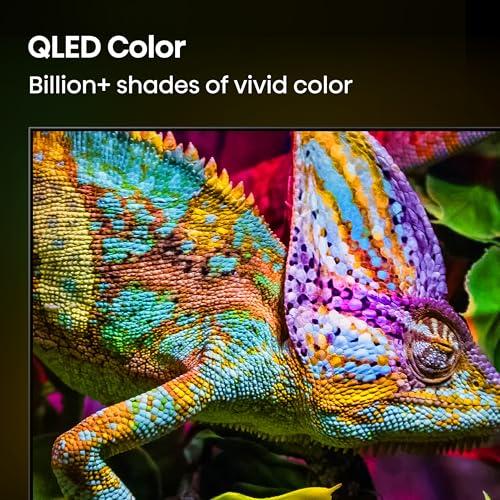
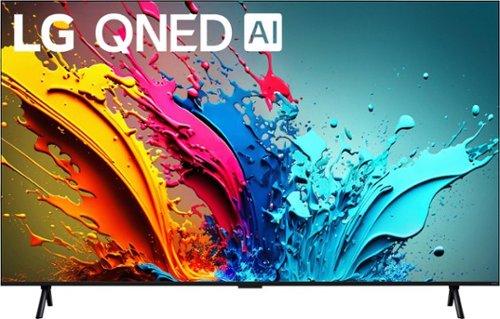
The LG 98" QNED takes a different approach with QNED technology, which combines Quantum Dots with NanoCell filtering. Quantum dots are microscopic crystals that emit very specific colors when hit with light, allowing the TV to produce over a billion different color shades with remarkable accuracy. The NanoCell layer acts like a filter, removing unwanted color wavelengths to ensure the colors you see are as pure and natural as possible.
Where Mini-LED focuses on contrast and brightness control, QNED prioritizes color accuracy and consistency. It's like comparing a spotlight operator who can create dramatic lighting effects versus a master painter who ensures every color is perfectly balanced. Both approaches have merit, but they excel in different scenarios.
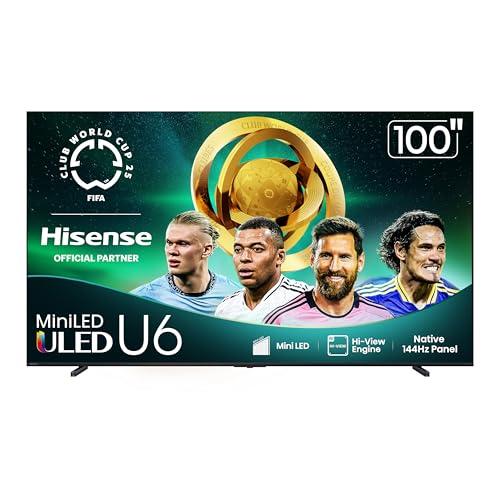
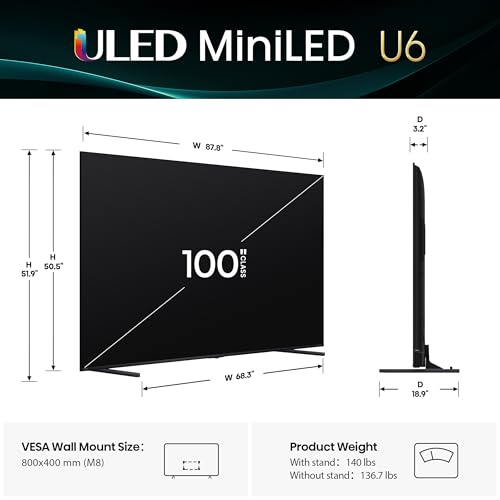
The two-inch difference between these displays might seem trivial, but at this scale, every inch represents significant viewing area. The Hisense 100" model provides about 5% more screen real estate than the LG 98" version, which translates to roughly the difference between a 65" and 70" TV when scaled down.
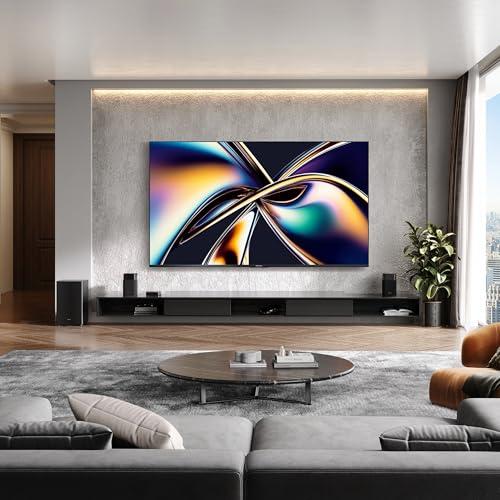
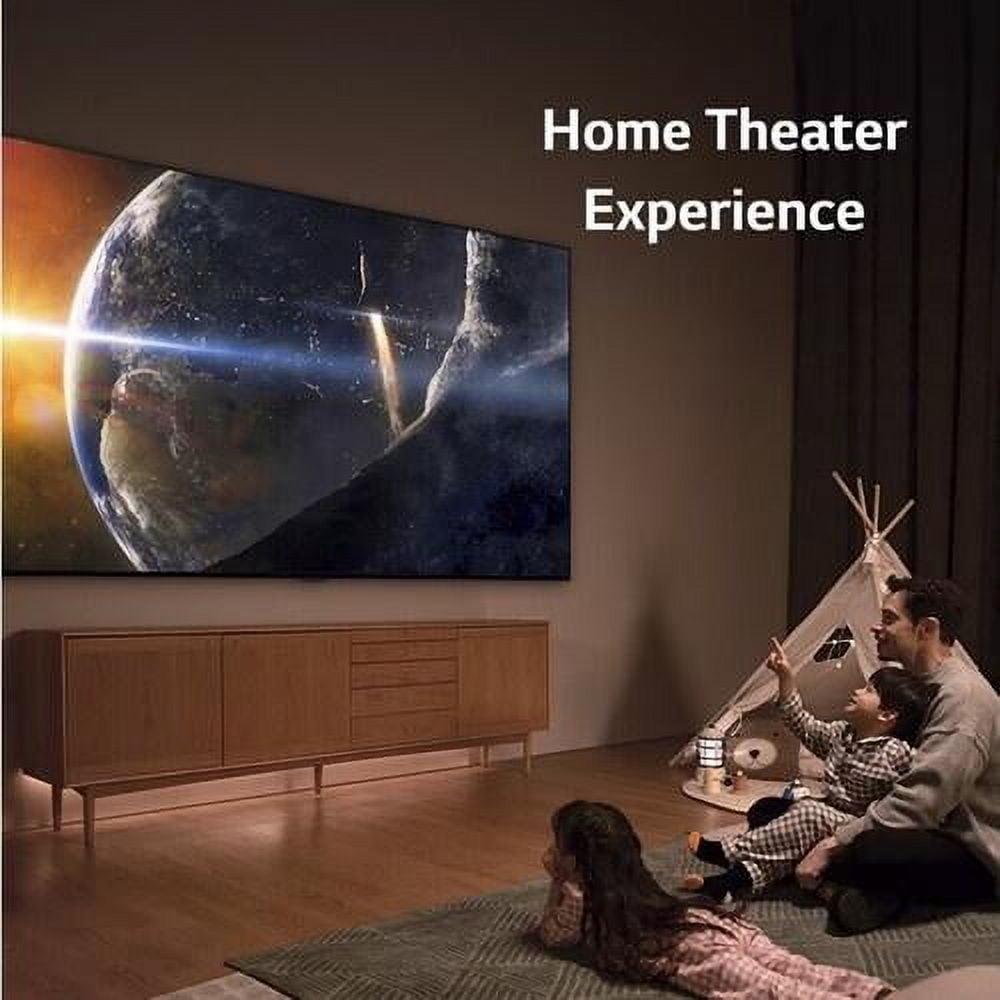
More importantly, both sizes push the boundaries of what most living rooms can accommodate. You'll need at least 8-10 feet of viewing distance for comfortable viewing, and ideally 12-15 feet for the optimal cinematic experience. The wall mounting requirements become serious considerations too—both TVs weigh around 140 pounds and require robust mounting systems that can handle their size and leverage.
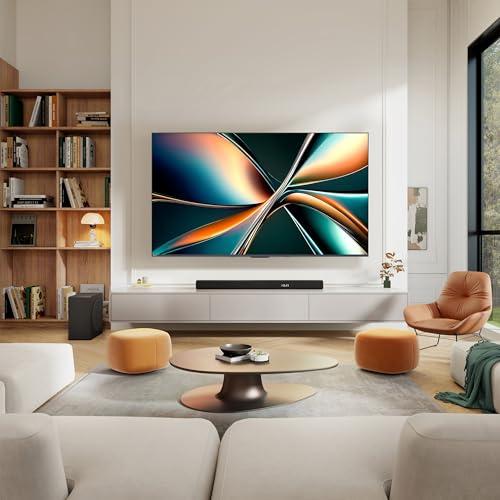
In our research, we found that users consistently underestimate the visual impact of moving from even large conventional TVs (75-85 inches) to these ultra-large formats. The psychological effect of filling your peripheral vision creates genuine immersion that smaller screens simply cannot match, regardless of their picture quality.
Contrast Performance: The Foundation of Great Images
Contrast—the difference between the brightest whites and deepest blacks—forms the foundation of compelling picture quality. This is where the Hisense 100" U6 Series demonstrates the advantages of Mini-LED technology most clearly. With 600 local dimming zones working behind the scenes, it can achieve true blacks in dark scenes while maintaining brilliant highlights simultaneously.
Consider a typical HDR movie scene: a character standing in a doorway with bright sunlight behind them. Traditional LED TVs struggle here, either washing out the character's face with excess backlight or dimming the sunlight to an unrealistic level. The Hisense's Mini-LED system can keep the character properly lit while making that sunlight genuinely bright, creating the kind of dramatic contrast that draws you into the scene.
The LG 98" QNED handles contrast differently, using Precision Dimming technology that's more conservative but consistent. While it won't achieve the same dramatic blacks as the Hisense, it maintains better uniformity across the screen and avoids some of the subtle brightness variations that can occasionally occur with aggressive local dimming.
Color Performance: Accuracy vs Impact
Both displays can produce over a billion colors, but they approach color reproduction with different philosophies. The Hisense Mini-LED uses QLED Quantum Dot technology to create highly saturated, impactful colors that make content feel more vivid and engaging. Watching nature documentaries or animated movies, colors seem to leap off the screen with an intensity that feels almost hyperreal.
The LG QNED prioritizes color accuracy over impact. Its Quantum Dot NanoCell combination produces colors that more closely match what directors and content creators intended, making it particularly appealing for users who work with color-critical content or prefer more natural-looking images.
Neither approach is inherently superior—it depends on your preferences and viewing habits. If you primarily watch entertainment content and want images that wow you, the Hisense's approach works beautifully. If you watch diverse content types or prefer colors that look "correct" rather than "enhanced," the LG's accuracy might appeal more.
HDR Performance: Bringing Content to Life
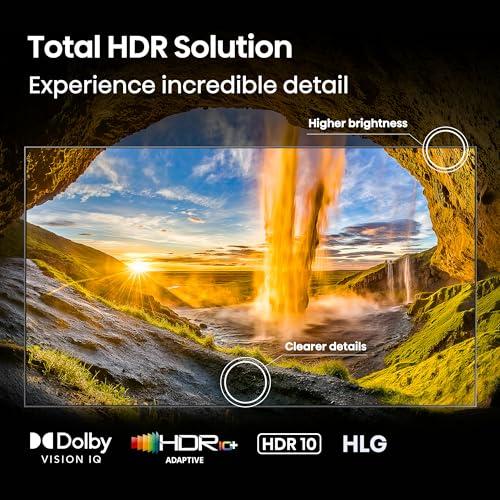
Both TVs support the major HDR (High Dynamic Range) formats, but HDR performance depends heavily on peak brightness and contrast control. HDR content is mastered to display brightness levels up to 4,000 nits, though most consumer TVs can't reach those levels.
The Hisense 100" U6 Series reaches approximately 1,000 nits peak brightness combined with its superior contrast control, making HDR content genuinely impactful. Bright highlights in movies—explosions, sunlight, fire—display with convincing intensity while maintaining detail in darker areas.
The LG 98" QNED achieves similar peak brightness but with less dramatic contrast, resulting in HDR that's more subtle but potentially more comfortable for extended viewing. The trade-off is less "wow factor" but also less fatigue during long movie marathons.
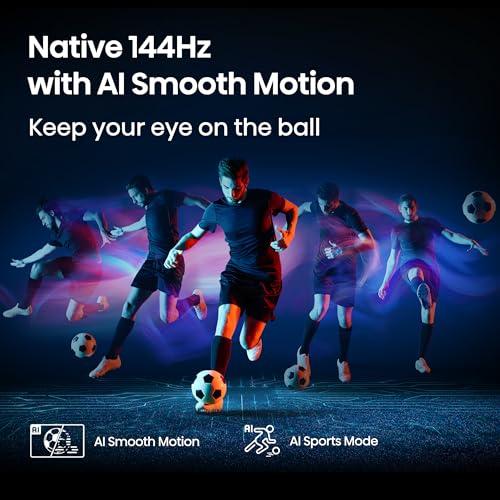
Motion performance becomes critical at large screen sizes because motion blur and judder that might pass unnoticed on smaller displays becomes obvious when magnified. The Hisense Mini-LED includes a significant advantage here with its 144Hz native refresh rate, compared to the LG QNED's 120Hz maximum.
That 144Hz capability isn't just about numbers—it enables smoother motion in fast-paced content like sports and action movies. The Hisense also includes MEMC (Motion Estimation, Motion Compensation) processing that can interpolate additional frames to make 24fps movies appear smoother, though this feature works better for some content types than others.
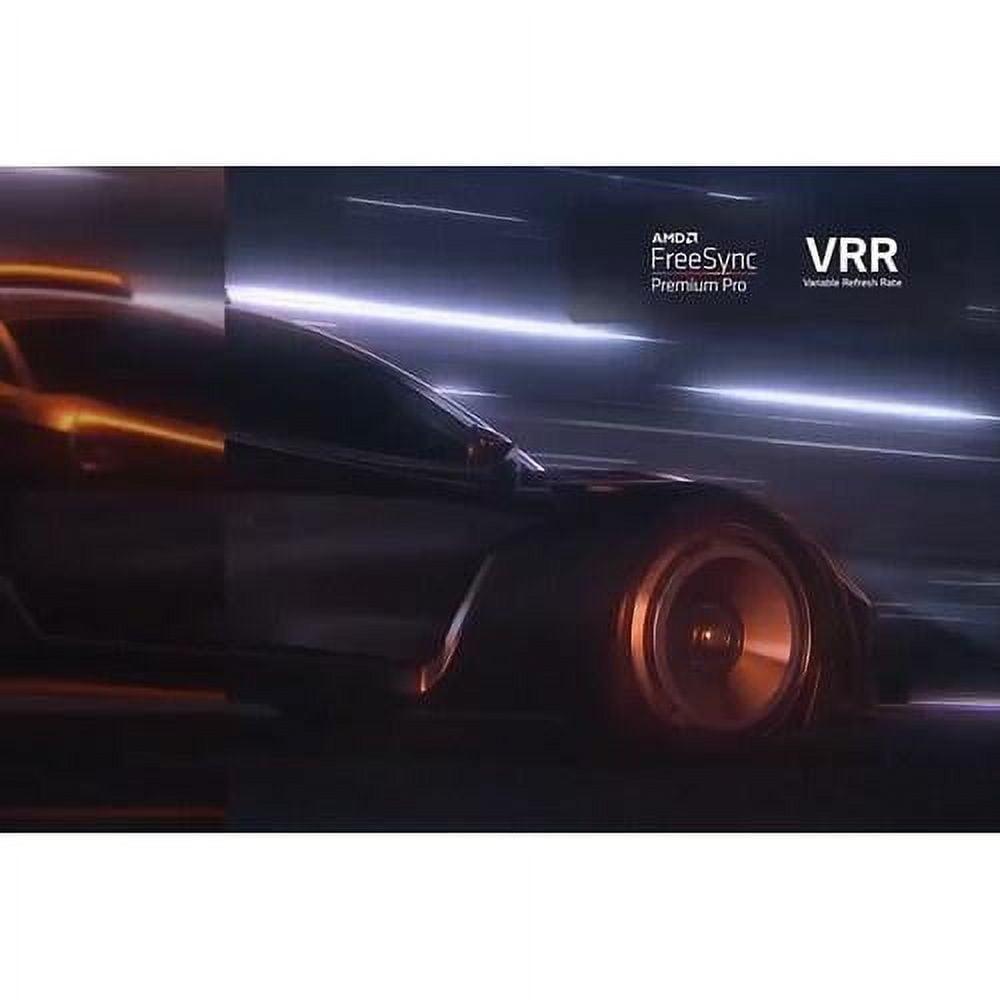
For gaming, both displays support VRR (Variable Refresh Rate), which synchronizes the display's refresh rate with your gaming console or PC's frame rate to eliminate screen tearing. However, the Hisense's higher 144Hz ceiling provides more headroom for high-frame-rate PC gaming.
Modern gaming demands more from displays than traditional TV viewing. Both the Hisense 100" U6 Series and LG 98" QNED include dedicated gaming modes that reduce input lag (the delay between pressing a controller button and seeing the action on screen) and enable advanced gaming features.
The Hisense provides Game Mode Pro with comprehensive support for gaming features including ALLM (Auto Low Latency Mode), which automatically switches to low-lag gaming settings when it detects a gaming signal. Its 144Hz VRR range (48-144Hz) covers everything from cinematic single-player games to competitive multiplayer titles.
The LG QNED counters with its Game Optimizer dashboard that provides quick access to gaming settings and supports HGIG (HDR Gaming Interest Group) standards for better HDR gaming performance. While limited to 120Hz, this covers the output capabilities of current PlayStation 5 and Xbox Series X consoles perfectly.
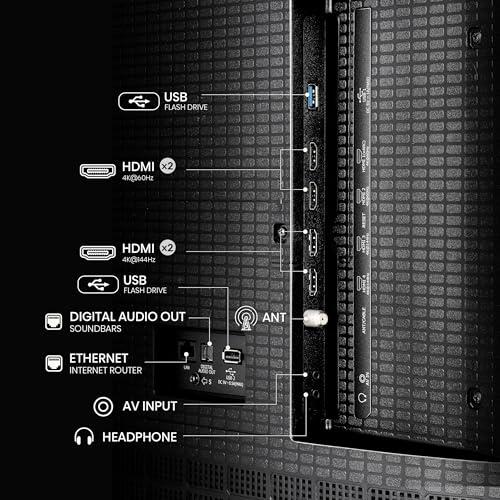
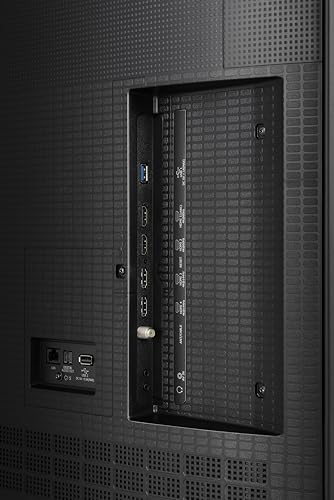
Both displays include multiple HDMI 2.1 ports, which provide the bandwidth necessary for 4K gaming at high refresh rates. This represents a significant improvement over older HDMI standards that couldn't handle the data requirements of modern gaming.
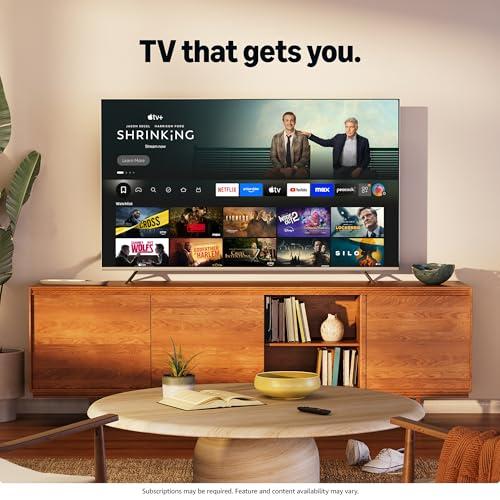
The smart TV experience shapes daily interaction with these displays, and the platforms couldn't be more different. The Hisense 100" U6 Series runs Fire TV, Amazon's content-focused platform that excels at helping you find things to watch across different streaming services. The interface aggregates content from Netflix, Prime Video, Disney+, and other services into a unified browsing experience.
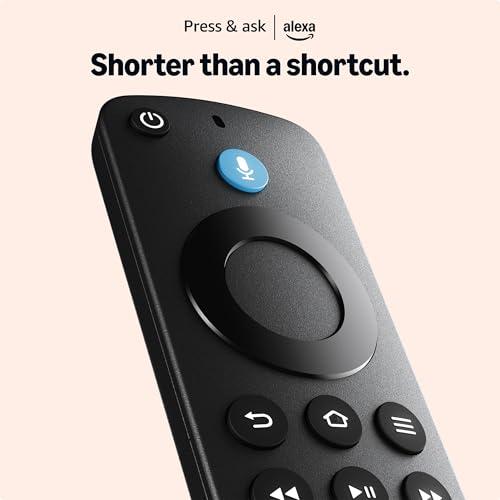
Fire TV's Alexa integration allows voice control for everything from content search to smart home control. You can say "show me action movies" or "dim the living room lights" without reaching for a remote. However, Fire TV's Amazon-centric approach means Prime Video content gets prominent placement, which may or may not align with your viewing preferences.
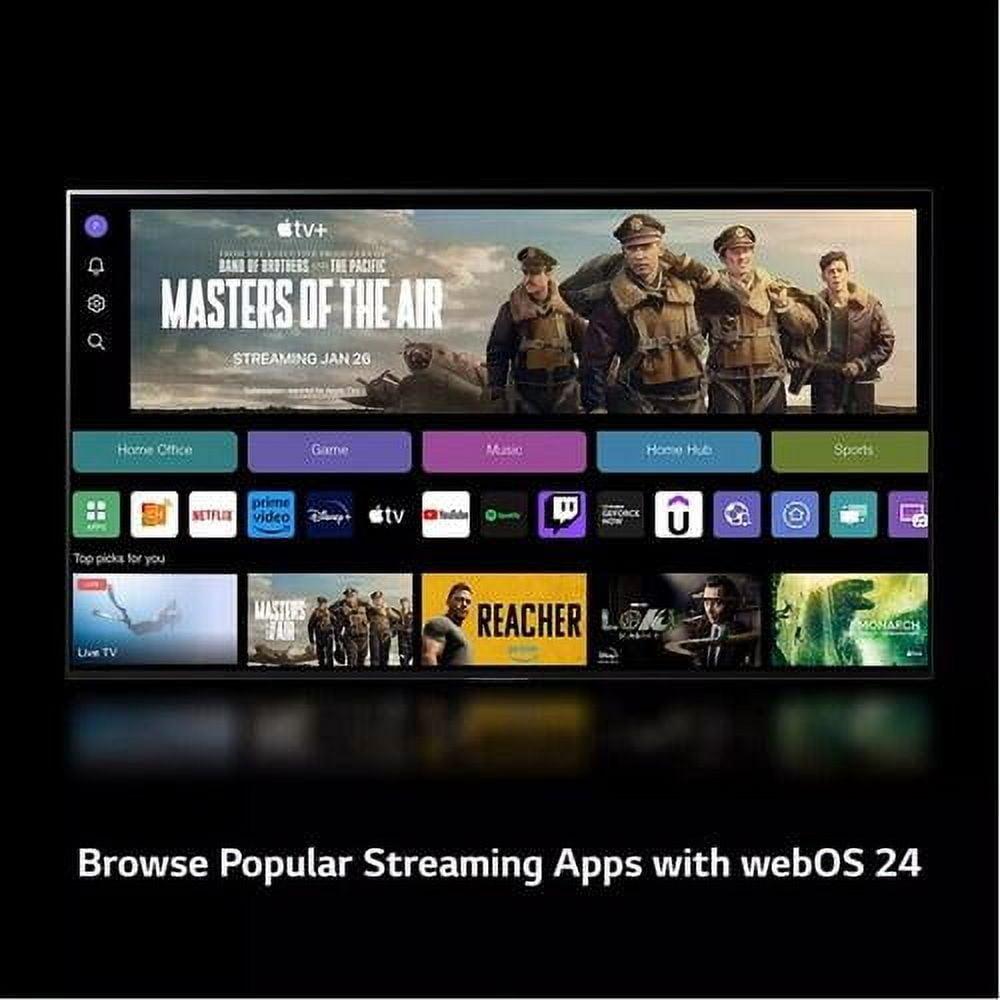
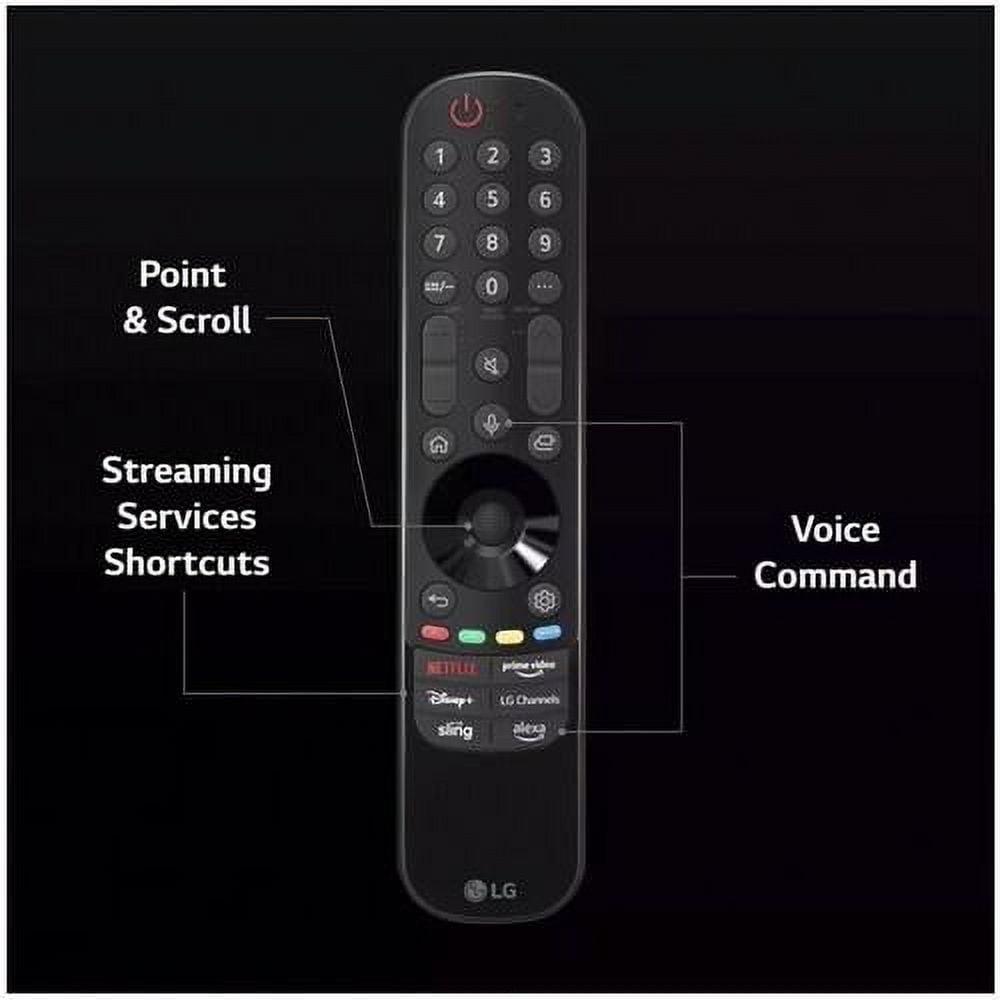
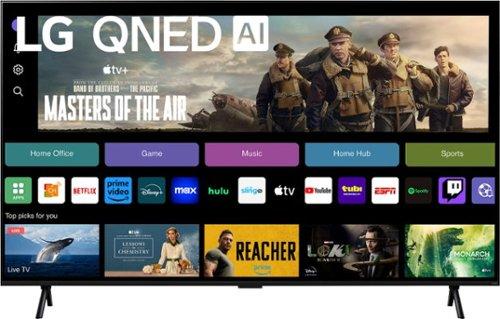
The LG 98" QNED runs webOS 24, LG's proprietary smart platform that many consider the gold standard for TV interfaces. The Magic Remote includes a pointer function that makes navigation feel more like using a computer mouse, and the interface design emphasizes visual appeal and ease of use.
WebOS provides broader smart home integration options and tends to receive updates for longer periods than third-party platforms. The ThinQ AI system offers voice control, though it's less comprehensive than Alexa's capabilities.
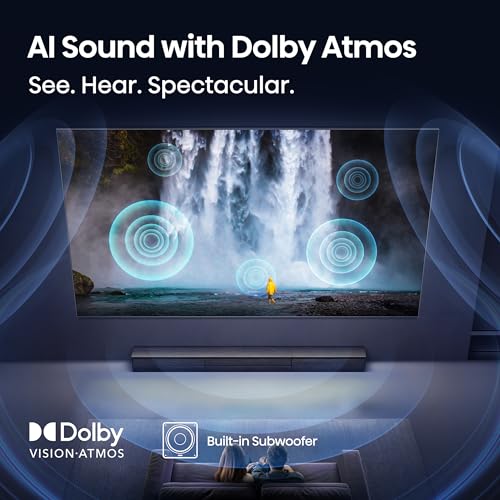
Large format TVs face unique audio challenges—their size creates expectations for equally impressive sound, but physics works against them. The Hisense 100" U6 Series addresses this with a 50W 2.1 channel system that includes a built-in subwoofer, providing more bass response than typical TV speakers.
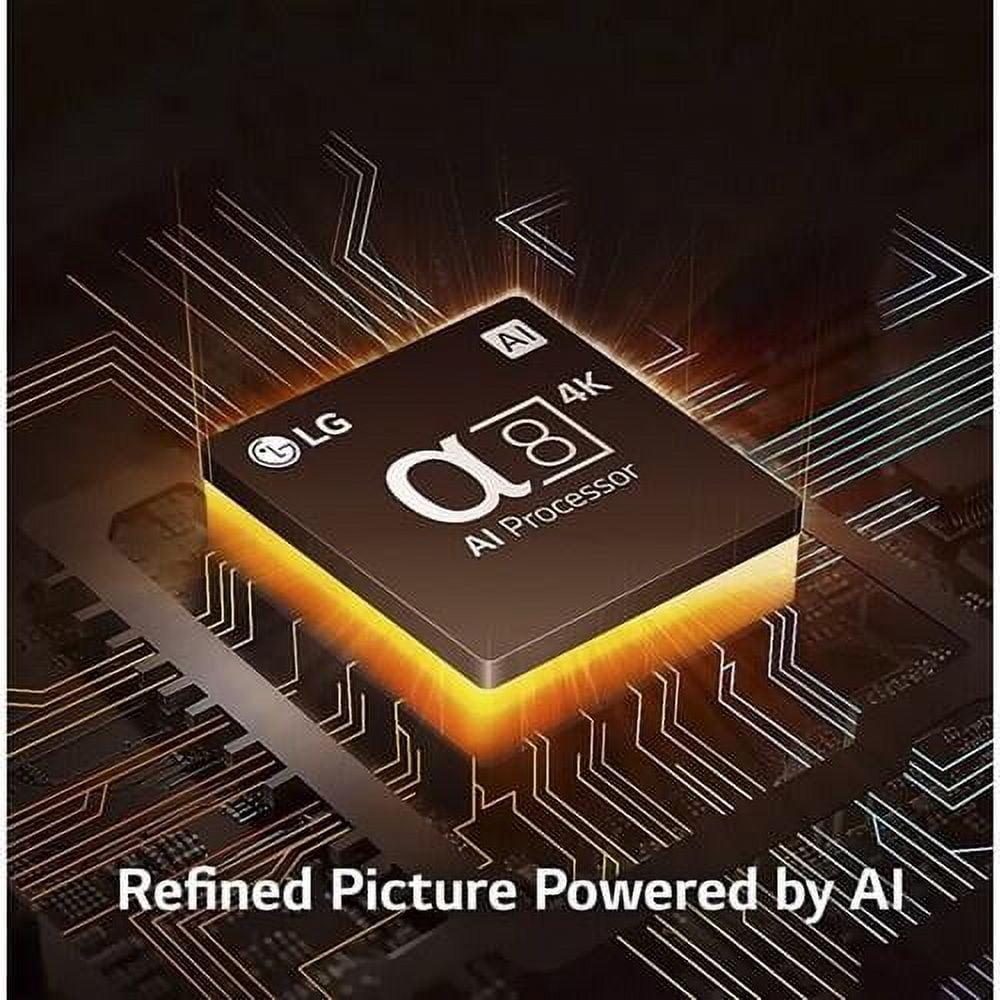
The LG 98" QNED takes a processing-focused approach with its α8 AI Sound Pro system that creates virtual 9.1.2 surround sound from its 20W 2.2 channel speaker array. While less powerful than the Hisense system, the processing sophistication helps create a more immersive soundstage.
Both support Dolby Atmos, the spatial audio format that creates three-dimensional soundscapes, though neither can fully realize Atmos's potential without additional speakers. For serious home theater use, both displays work best when paired with dedicated sound systems.
At the time of writing, the Hisense 100" U6 Series represents exceptional value in the large format TV market, typically priced significantly lower than comparable Mini-LED displays while offering cutting-edge backlighting technology. The price-per-inch metric favors the Hisense substantially, delivering premium display features at what were previously mid-range TV prices.
The LG 98" QNED commands a premium that reflects LG's brand positioning and the refined webOS experience. While more expensive per inch of screen real estate, it offers the build quality and interface sophistication that some users prioritize over raw display technology advancement.
The value equation shifts based on your priorities. If picture quality impact and gaming performance matter most, the Hisense delivers measurably superior performance at lower cost. If you value brand reliability, interface refinement, and color accuracy over contrast drama, the LG's premium might feel justified.
For dedicated home theater environments, the Hisense 100" U6 Series excels due to its superior contrast control and peak brightness. In controlled lighting conditions—the ideal for serious movie watching—Mini-LED's ability to create true blacks while maintaining bright highlights produces the most cinema-like experience.
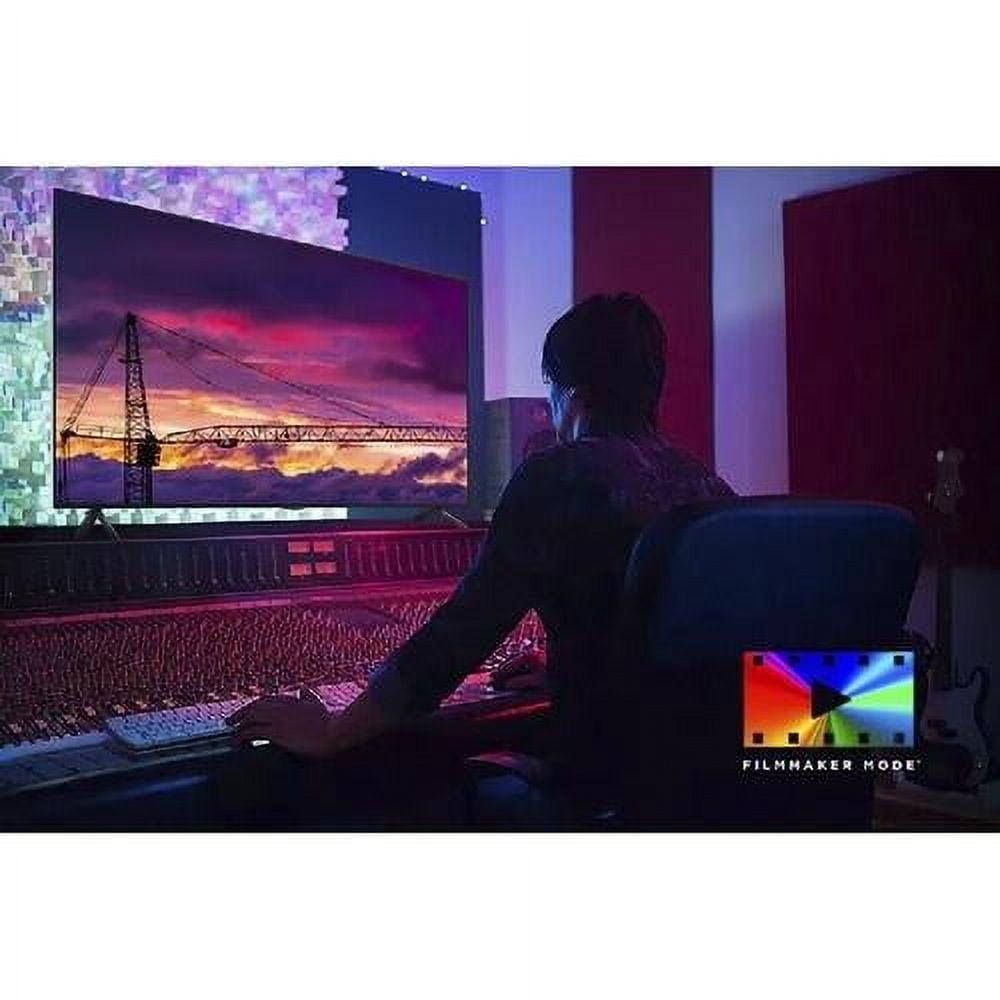
The display's Filmmaker Mode disables processing that might interfere with directors' creative intent, while comprehensive HDR support ensures compatibility with the latest 4K Blu-rays and streaming content. The 144Hz capability also future-proofs the display for content that might eventually use higher frame rates.
The LG 98" QNED works better in multi-purpose rooms where ambient light control isn't perfect. Its superior viewing angles mean picture quality remains consistent whether you're sitting directly in front or off to the side, making it more versatile for social viewing.
Choose the Hisense 100" U6 Series Mini-LED if you prioritize dramatic picture quality impact, gaming performance, and value. It's ideal for users who primarily watch movies and play games in controlled lighting environments, appreciate Amazon's ecosystem integration, and want the largest possible screen with cutting-edge display technology at an accessible price point.
Choose the LG 98" QNED if you value color accuracy, viewing angle consistency, and interface sophistication. It's better suited for bright rooms, mixed viewing content, users who prefer natural over enhanced color reproduction, and those willing to pay a premium for brand reputation and refined user experience.
Both displays represent significant achievements in large format TV technology, bringing features that were exclusive to much more expensive models just a few years ago. The decision ultimately depends on whether you prioritize the dramatic impact of Mini-LED technology or the balanced refinement of QNED, along with your room conditions and viewing preferences.
For most users seeking maximum impact from their large format TV investment, the Hisense 100" U6 Series offers superior display technology, larger size, and competitive features at substantially better value. However, the LG 98" QNED remains the choice for users who prioritize proven brand reliability, superior smart TV experience, and viewing flexibility over raw display performance metrics.
| Hisense 100" U6 Series Mini-LED 4K Fire TV | LG 98" QNED 4K UHD Smart TV |
|---|---|
| Screen Size - Larger means more immersive viewing but requires bigger rooms | |
| 100" (99.5" actual) - Maximum impact for home theater | 98.3" - Still massive but slightly more room-friendly |
| Display Technology - Determines contrast performance and picture quality | |
| Mini-LED with 600 local dimming zones - Superior contrast and blacks | QNED (Quantum Dot + NanoCell) - Better color accuracy and viewing angles |
| Peak Brightness - Critical for HDR content and bright room viewing | |
| Up to 1,000 nits - Excellent HDR performance | Up to 1,000 nits - Similar HDR capability |
| Refresh Rate - Higher rates mean smoother motion for sports and gaming | |
| 144Hz native - Best-in-class motion handling | 120Hz - Excellent for console gaming |
| Gaming Features - Essential for next-gen console performance | |
| 144Hz VRR, ALLM, Game Mode Pro, 2x HDMI 2.1 | 120Hz VRR, ALLM, Game Optimizer, 2x HDMI 2.1, HGIG support |
| Smart Platform - Daily interface and app ecosystem | |
| Fire TV with Alexa - Amazon-focused, excellent content discovery | webOS 24 - Premium interface with Magic Remote, broader compatibility |
| Audio System - Built-in speakers before adding external audio | |
| 50W 2.1 with subwoofer - More powerful bass response | 20W 2.2 with AI Sound Pro - Better processing, virtual 9.1.2 surround |
| HDR Support - Compatibility with high-quality content | |
| Dolby Vision IQ, HDR10+, HDR10, HLG - Comprehensive format support | HDR10, HLG, Dolby Vision - Standard premium formats |
| Local Dimming - Controls contrast by adjusting backlight zones | |
| Up to 600 zones with Mini-LED precision - Exceptional contrast control | Precision Dimming with fewer zones - Good but less dramatic |
| Viewing Angles - Picture quality consistency from side positions | |
| Good but limited by VA panel technology | Excellent wide viewing angles with consistent colors |
| Motion Processing - Smooths fast action and reduces blur | |
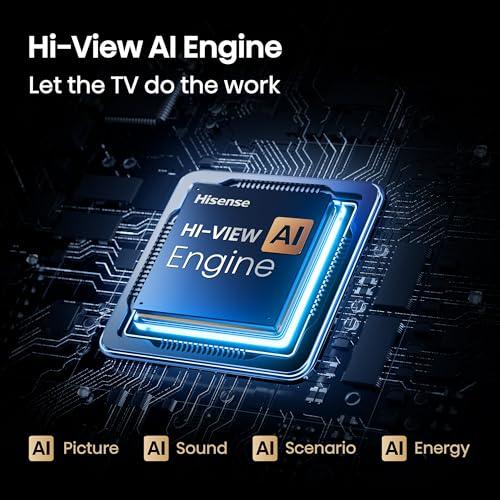
| MEMC with Motion Rate 480, 144Hz native | Motion Pro processing with α8 AI processor |
| Value Proposition - Performance and features relative to typical pricing | |
| Exceptional - Premium Mini-LED technology at accessible pricing | Premium positioning - Higher cost for brand reputation and interface refinement |
The Hisense 100" U6 Series Mini-LED 4K Fire TV excels in dark rooms thanks to its Mini-LED backlighting with 600 local dimming zones. This technology creates deeper blacks and better contrast than the LG 98" QNED 4K UHD Smart TV, making it ideal for home theater environments with controlled lighting.
Mini-LED uses thousands of tiny LEDs for precise backlighting control, delivering superior contrast and brightness. QNED combines Quantum Dots with NanoCell technology for exceptional color accuracy and wider viewing angles. The Hisense 100" Mini-LED prioritizes dramatic contrast, while the LG 98" QNED focuses on natural color reproduction.
The Hisense 100" U6 Series offers superior gaming with 144Hz refresh rate, 48-144Hz VRR, and Game Mode Pro. The LG 98" QNED provides excellent gaming with 120Hz refresh rate and Game Optimizer features. Both support HDMI 2.1 for next-gen consoles, but the Hisense has an edge for competitive PC gaming.
The Hisense Fire TV excels at content discovery with Alexa integration and Amazon ecosystem benefits. The LG webOS offers a more premium interface with the Magic Remote and broader smart home compatibility. Fire TV is better for Amazon users, while webOS provides more flexibility.
The Hisense 100" U6 Series Mini-LED typically offers better value, delivering advanced Mini-LED technology and a larger 100" screen at a lower price point. The LG 98" QNED costs more but provides premium build quality and the refined webOS experience.
The Hisense 100" model provides about 5% more viewing area than the LG 98" version. While seemingly small, this translates to noticeably more immersive viewing, equivalent to the difference between a 65" and 70" TV when scaled down.
The Hisense 100" Mini-LED handles motion better with its 144Hz native refresh rate and MEMC processing, making it excellent for fast-paced sports. The LG 98" QNED offers good motion performance with 120Hz and α8 AI processing, but the Hisense has the advantage for sports viewing.
The Hisense 100" U6 Series features a more powerful 50W 2.1 system with a built-in subwoofer for better bass. The LG 98" QNED has a 20W 2.2 system with AI Sound Pro processing that creates virtual surround sound. Both support Dolby Atmos but benefit from external sound systems.
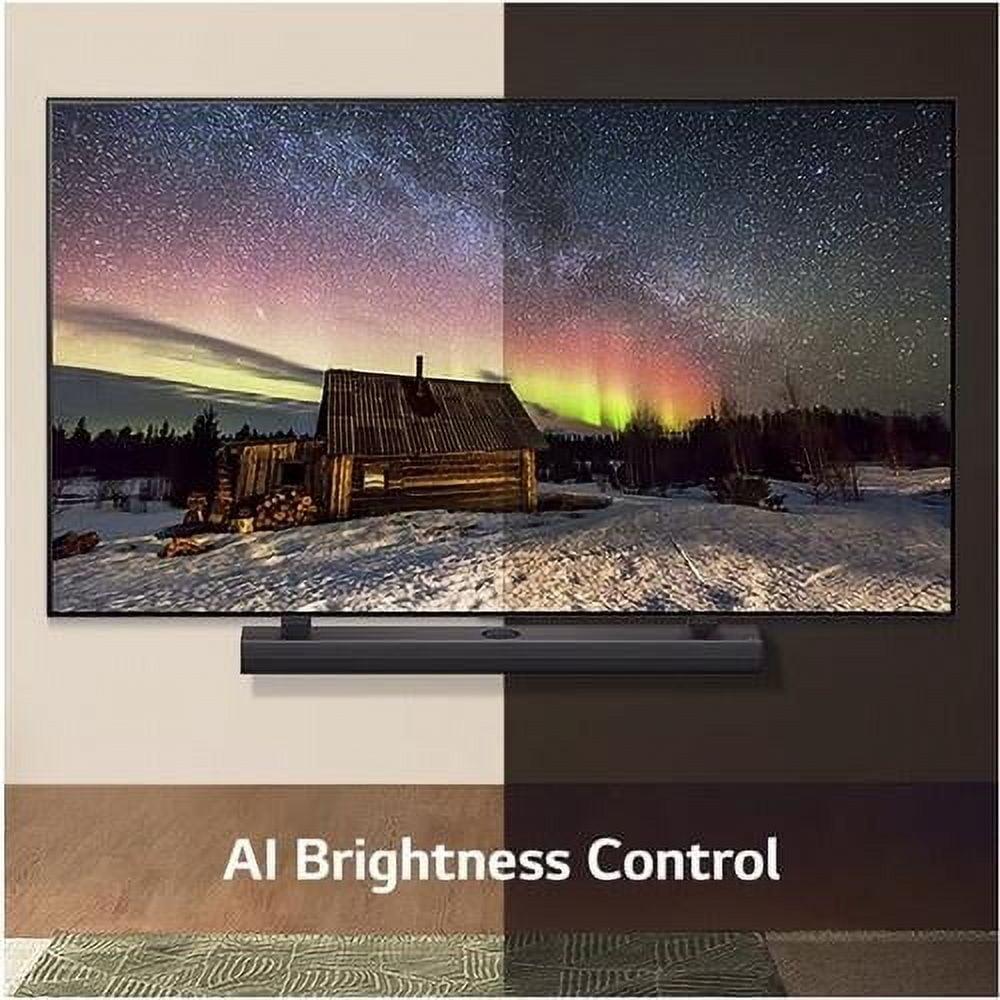
The LG 98" QNED 4K UHD Smart TV performs better in bright rooms due to its superior anti-glare properties and wider viewing angles. The Hisense 100" Mini-LED can get equally bright but works best in controlled lighting conditions for optimal contrast performance.
The Hisense 100" U6 Series supports comprehensive HDR formats including Dolby Vision IQ, HDR10+, and HDR10. The LG 98" QNED supports HDR10, HLG, and Dolby Vision. Both deliver excellent HDR performance, with the Hisense offering slightly broader format compatibility.
The LG 98" QNED Smart TV delivers more accurate, natural colors thanks to its Quantum Dot NanoCell technology. The Hisense 100" Mini-LED produces more vibrant, saturated colors that create visual impact. Choose LG for accuracy or Hisense for dramatic color presentation.
Both the Hisense 100" model and LG 98" TV require substantial space, with optimal viewing distances of 8-12 feet minimum. The Hisense needs slightly more room due to its larger size, but both demand dedicated entertainment spaces and robust mounting solutions due to their 140+ pound weight.
We've done our best to create useful and informative comparisons to help you decide what product to buy. Our research uses advanced automated methods to create this comparison and perfection is not possible - please contact us for corrections or questions. These are the sites we've researched in the creation of this article: bestbuy.com - rtings.com - youtube.com - rtings.com - youtube.com - youtube.com - costco.com - pcrichard.com - hisense-usa.com - electronicexpress.com - pcrichard.com - circuitworldonline.com - bestbuy.com - bestbuy.com - premiumincentive.com - hisense-usa.com - hisense-usa.com - pcrichard.com - rtings.com - bestbuy.com - hisense-usa.com - avsforum.com - bestbuy.com - greentoe.com - pcrichard.com - rtings.com - rtings.com - videoandaudiocenter.com - ecdcom.com - youtube.com - bestbuy.com - displayspecifications.com - techradar.com - youtube.com - kitele.com - youtube.com

Privacy Policy
Terms and Conditions - Affiliate Policy
Home Security
© Copyright 2008-2026.
11816 Inwood Rd #1211, Dallas, TX 75244