

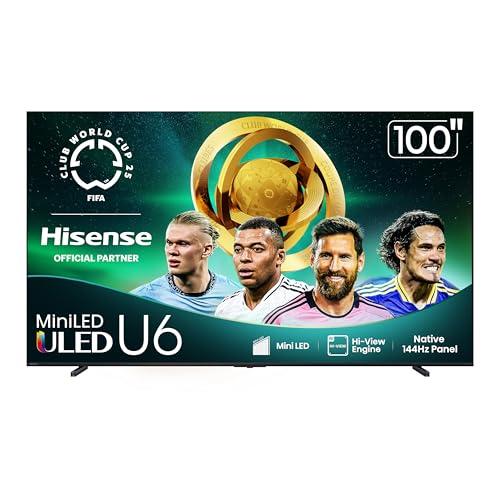
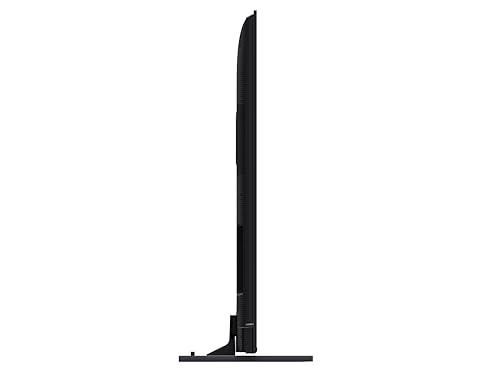
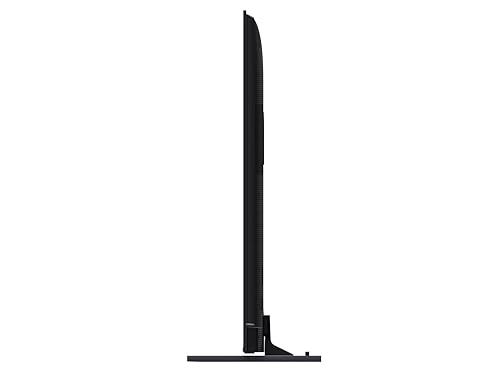
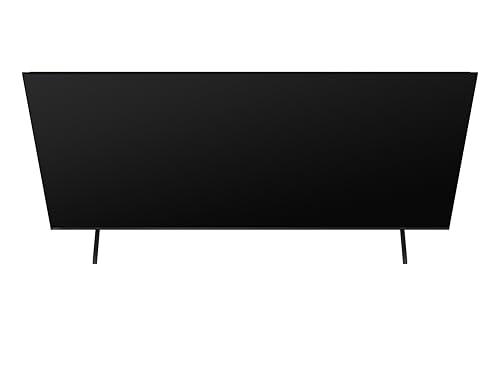
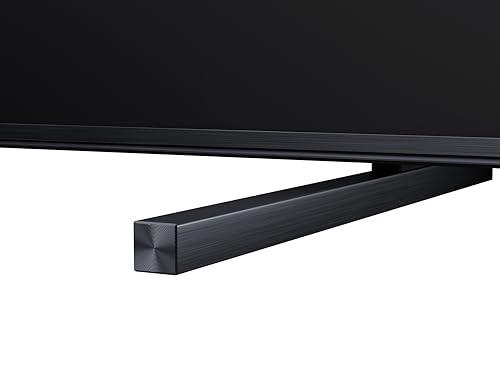

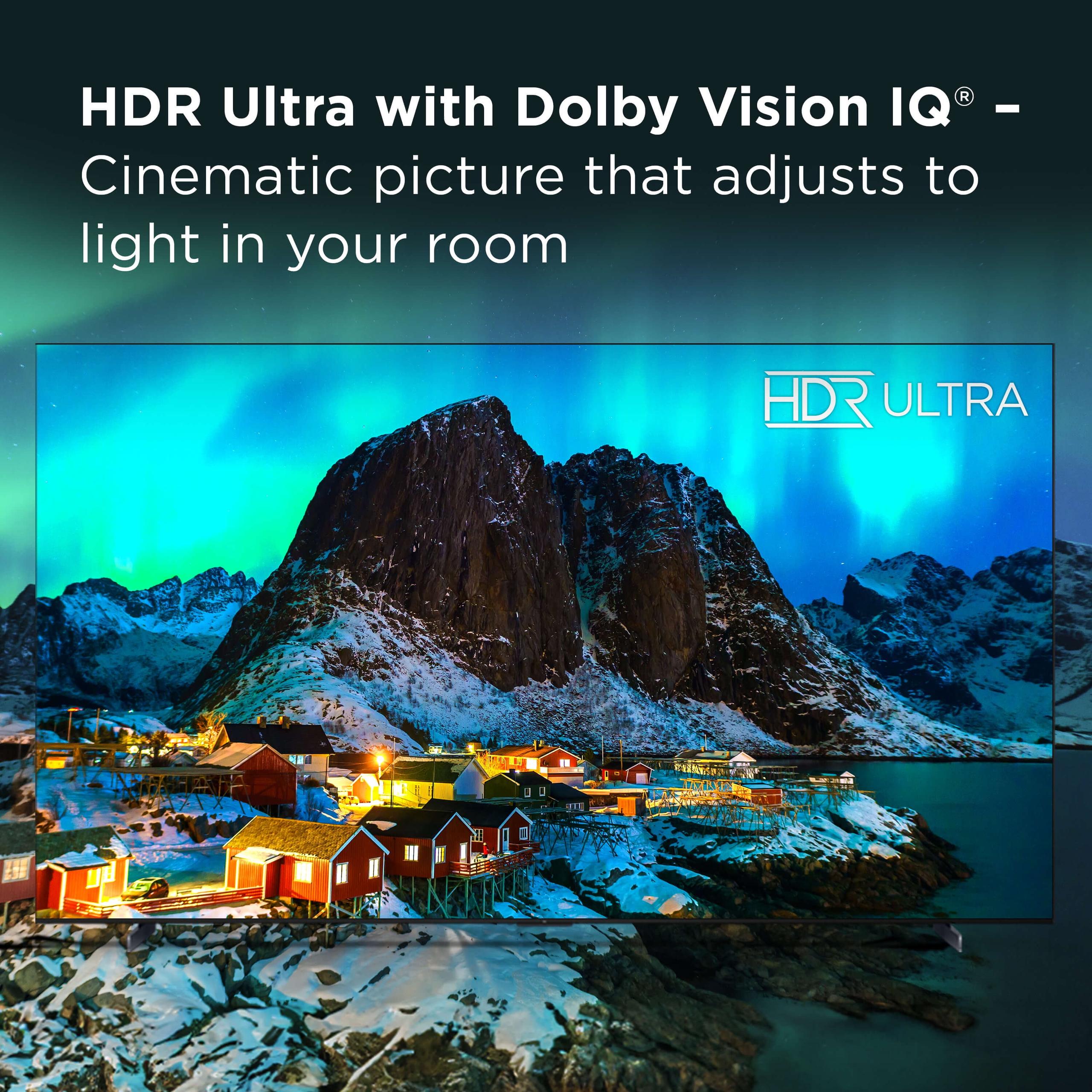
The world of ultra-large televisions has exploded in recent years, bringing cinema-sized screens into our living rooms at prices that would have seemed impossible just a few years ago. Today, we're comparing two titans in this space: the Hisense 100" U6 Series Mini-LED and the TCL 115" QM8 Series. These aren't just big TVs—they represent fundamentally different approaches to delivering massive screen entertainment.
At the time of writing, these two models sit at opposite ends of the ultra-large TV spectrum. The Hisense 100" U6 positions itself as an accessible entry point into premium large-format viewing, while the TCL 115" QM8 represents the pinnacle of consumer TV technology with a price tag to match. Understanding which one fits your needs requires diving deep into what makes each unique.
Before we dive into specifics, it's worth understanding what we're dealing with here. Ultra-large TVs (100 inches and beyond) have transformed from luxury novelties into legitimate home theater alternatives. The key considerations for any buyer in this category go far beyond simple screen size.
Display technology sits at the foundation—how the TV creates light, controls darkness, and reproduces colors determines everything you'll see. Size versus performance balance becomes critical because maintaining picture quality across such massive screens presents unique engineering challenges. Smart platform integration matters more at this price point since buyers expect premium software experiences. Gaming capabilities have become increasingly important as console gaming on large screens gains popularity. Finally, the value proposition varies dramatically across this category, with some models offering surprising performance per dollar while others command premium prices for cutting-edge features.
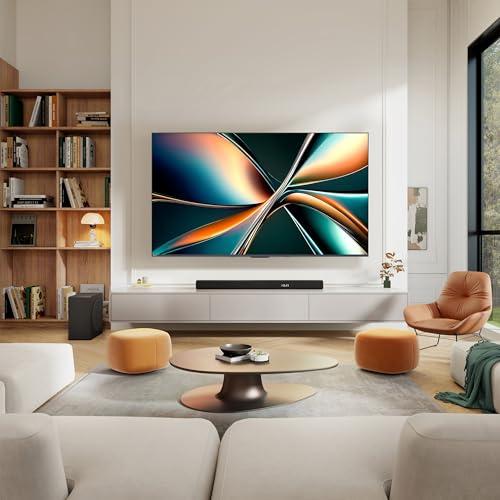
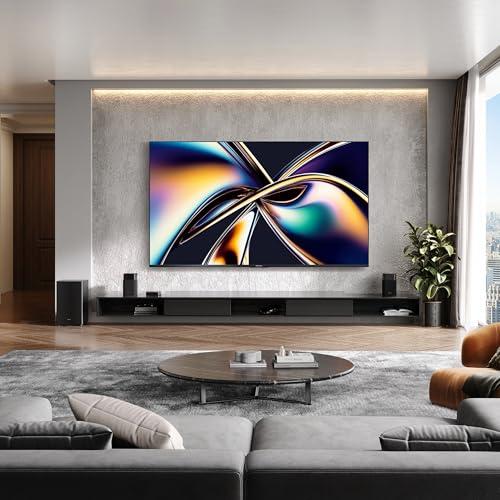
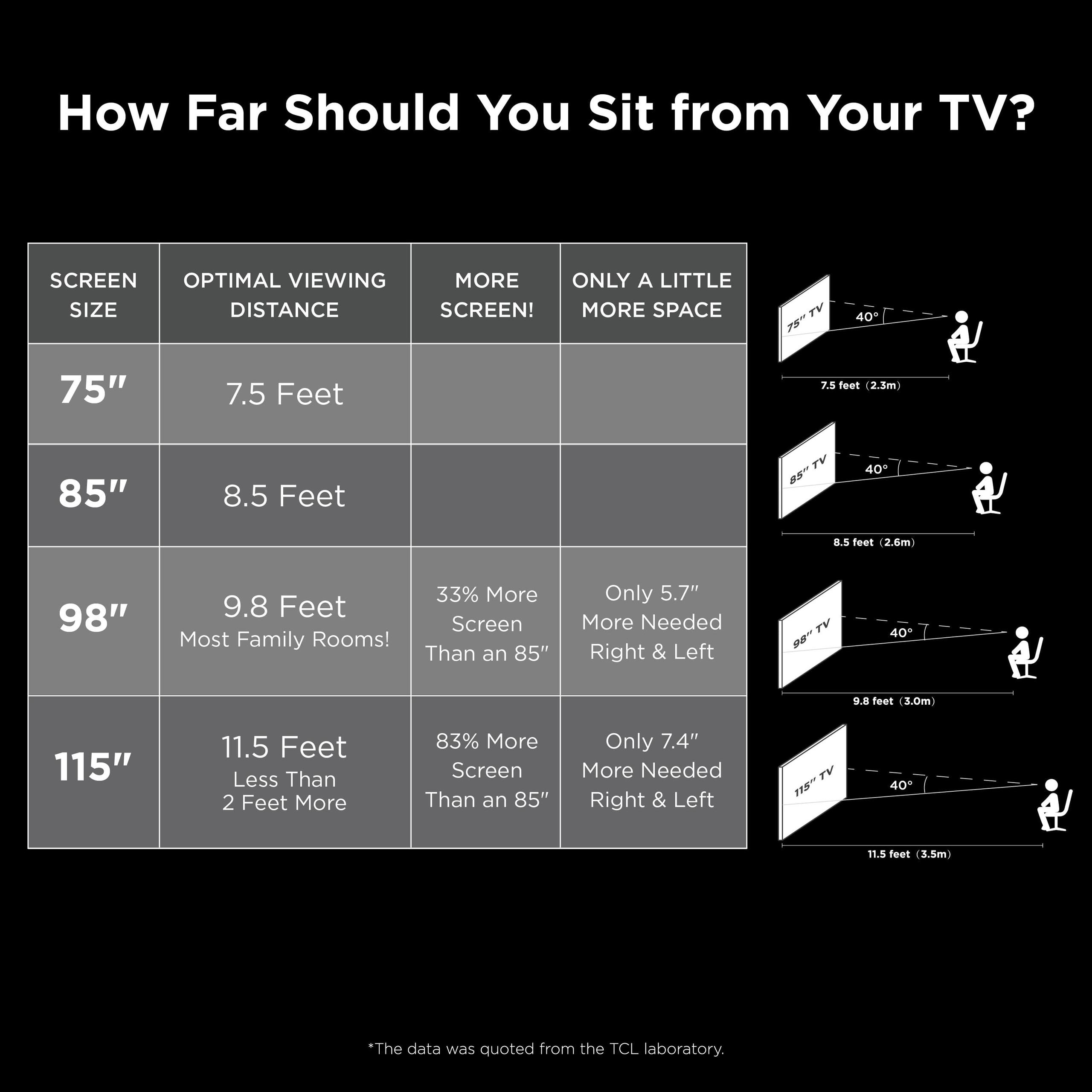
The most important thing to understand is viewing distance. These aren't living room TVs in the traditional sense—they require 10-15 feet of viewing distance for optimal experience, making them better suited for dedicated media rooms or very large spaces.
Released in 2025, the Hisense 100" U6 Series represents Hisense's strategy of democratizing premium display technology. This model brings Mini-LED backlighting—previously reserved for much more expensive TVs—to a surprisingly accessible price point. Since its introduction, Hisense has refined their Mini-LED implementation, and the 2025 U6 series benefits from improved processing and better local dimming algorithms compared to earlier generations.
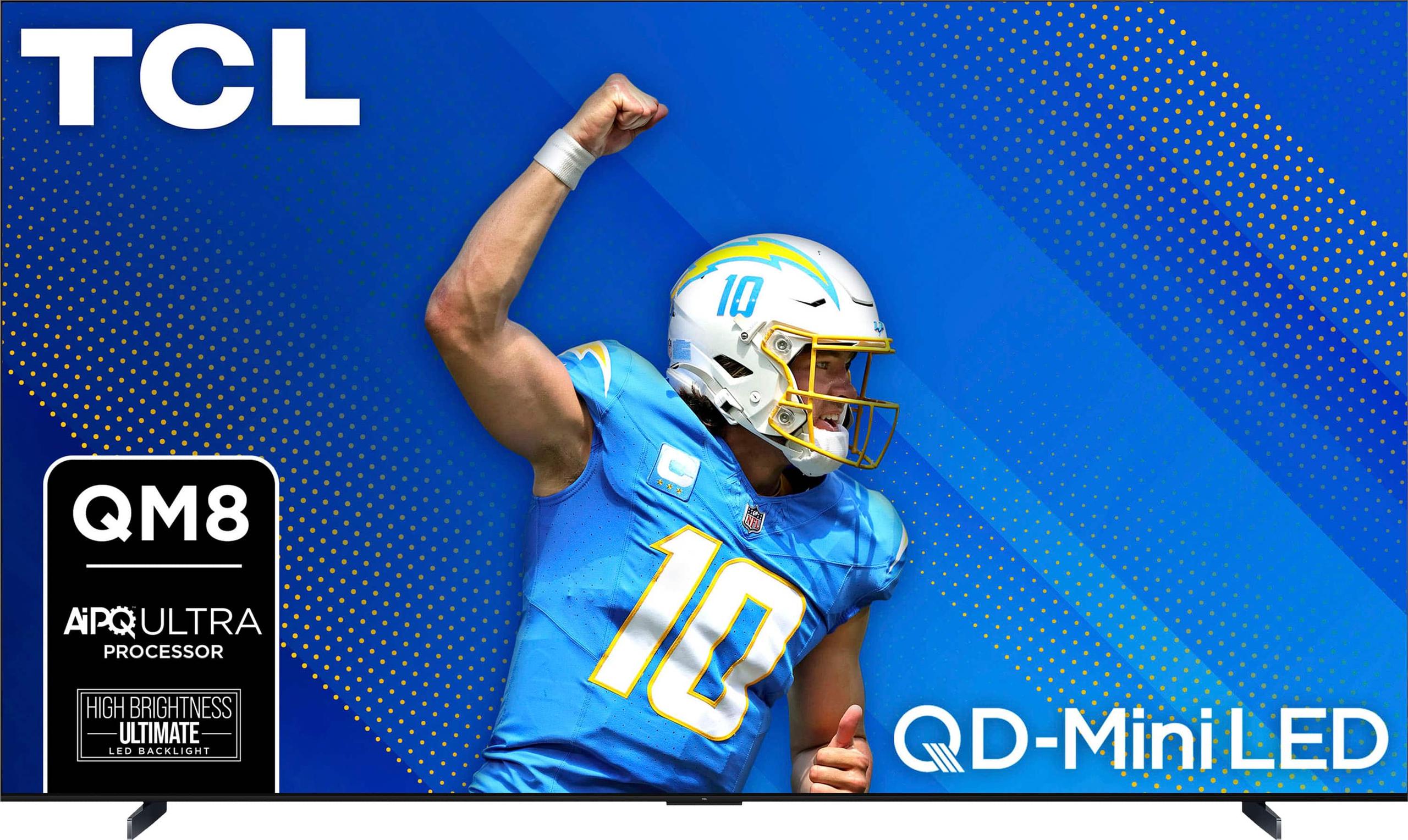
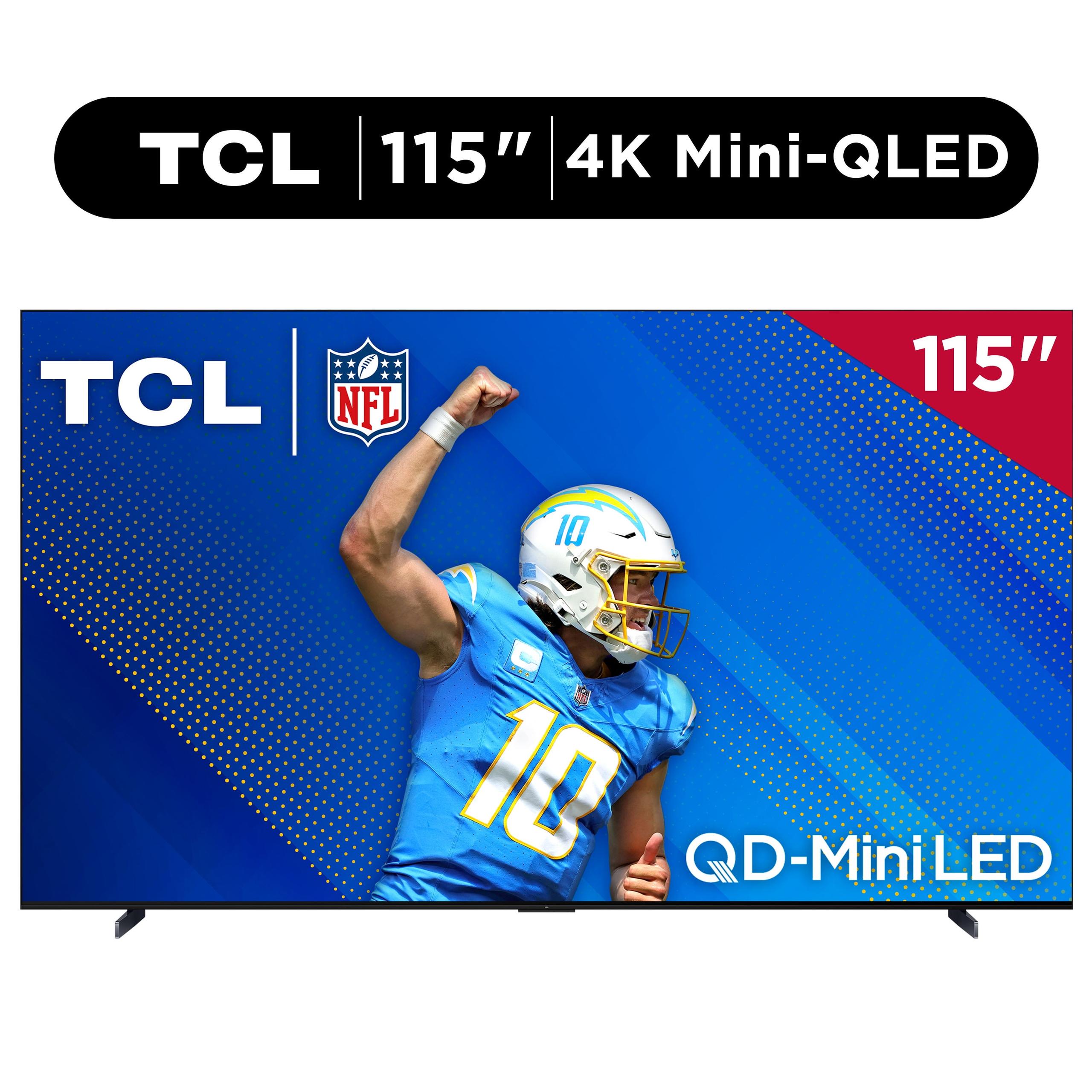
The TCL 115" QM8 Series, available since 2024, takes an entirely different approach. Rather than focusing on value, TCL positioned this as their flagship demonstration of what's possible when budget isn't the primary constraint. The QM8 showcases TCL's most advanced QD-Mini LED technology, representing the company's answer to premium offerings from Samsung and Sony.
The fundamental difference between these TVs lies in their display technology, and understanding this difference is crucial for making the right choice.
Both TVs use Mini-LED backlighting, but not all Mini-LED implementations are created equal. Traditional LED TVs use dozens of LEDs behind the screen. Mini-LED TVs use thousands of much smaller LEDs, allowing for precise control over specific screen areas—this is called "local dimming."
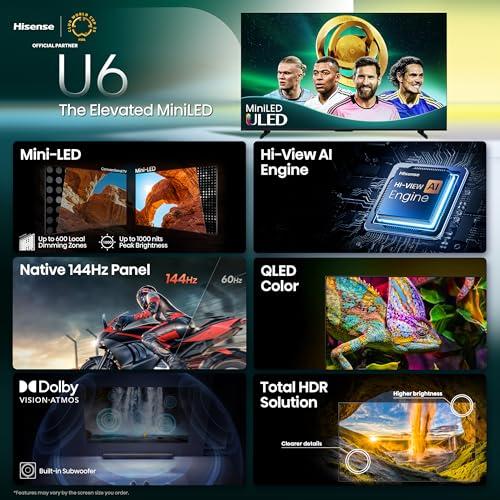
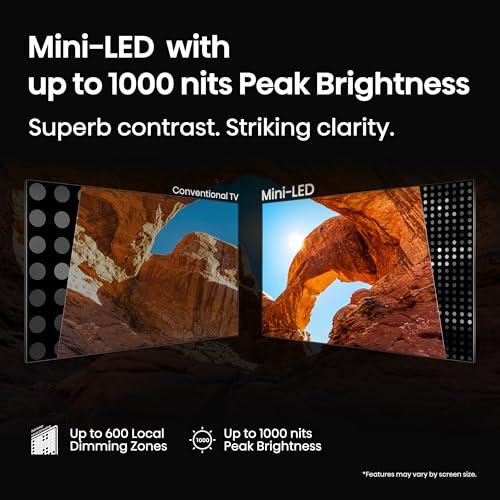
The Hisense 100" U6 features approximately 608 local dimming zones. Think of each zone as a small area of the screen that can be brightened or dimmed independently. When you're watching a scene with stars in a dark sky, the TV can make the star areas bright while keeping the surrounding sky areas completely dark. This creates the deep blacks and bright whites that make HDR content look realistic.
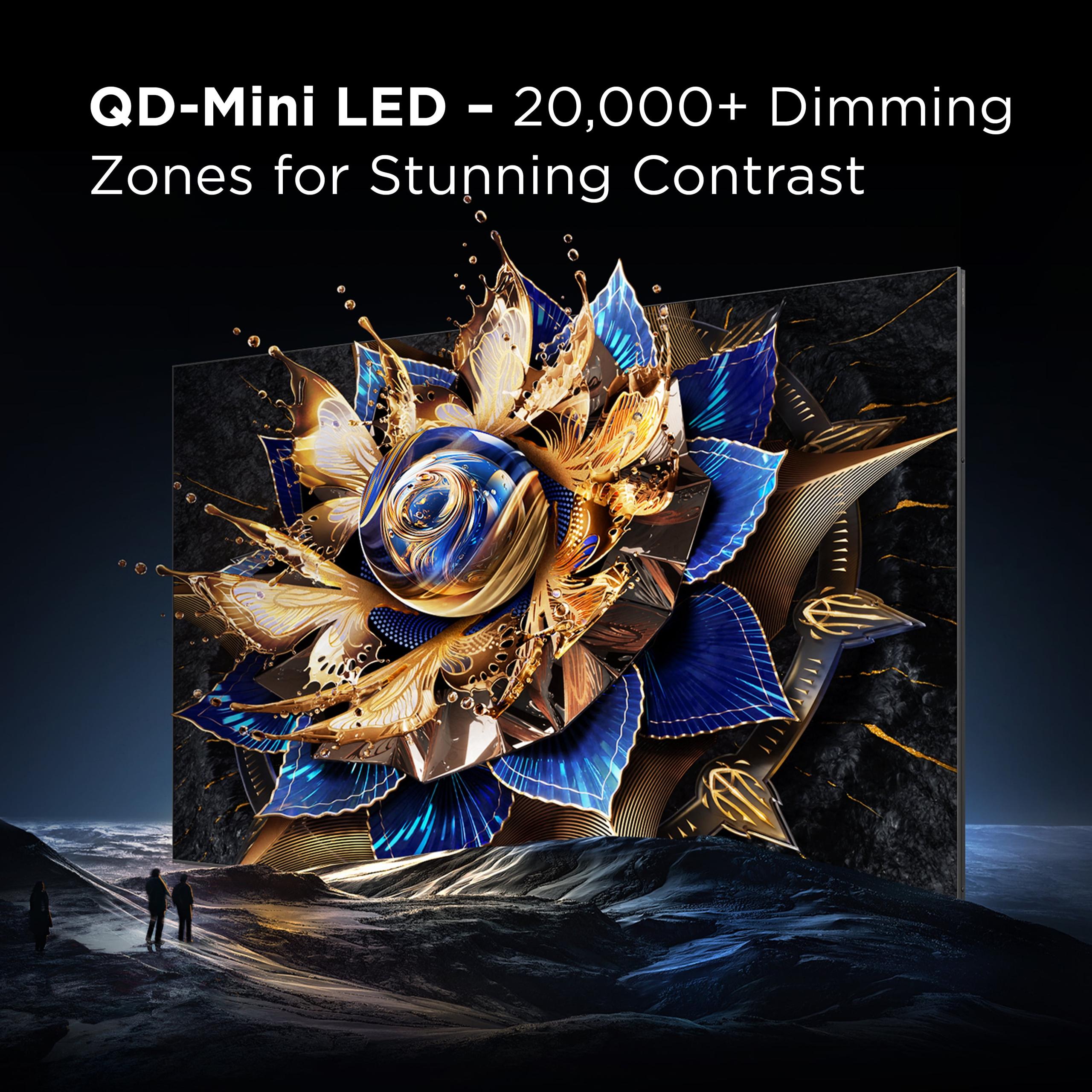
The TCL 115" QM8 takes this concept to an extreme with 20,000 local dimming zones. This massive increase in zones means much finer control over light and darkness. Where the Hisense might control groups of pixels together, the TCL can control almost individual elements. This translates to virtually no "blooming"—that halo effect you sometimes see around bright objects on dark backgrounds.
Peak brightness determines how well a TV can display High Dynamic Range (HDR) content. HDR movies and shows contain information about very bright highlights—like sunlight reflecting off water or car headlights—that regular content doesn't include.
The Hisense 100" U6 reaches up to 1,000 nits peak brightness. This is solid for HDR content and will make highlights pop noticeably compared to standard TVs. In most home environments, this brightness level delivers satisfying HDR performance that clearly outperforms non-HDR displays.
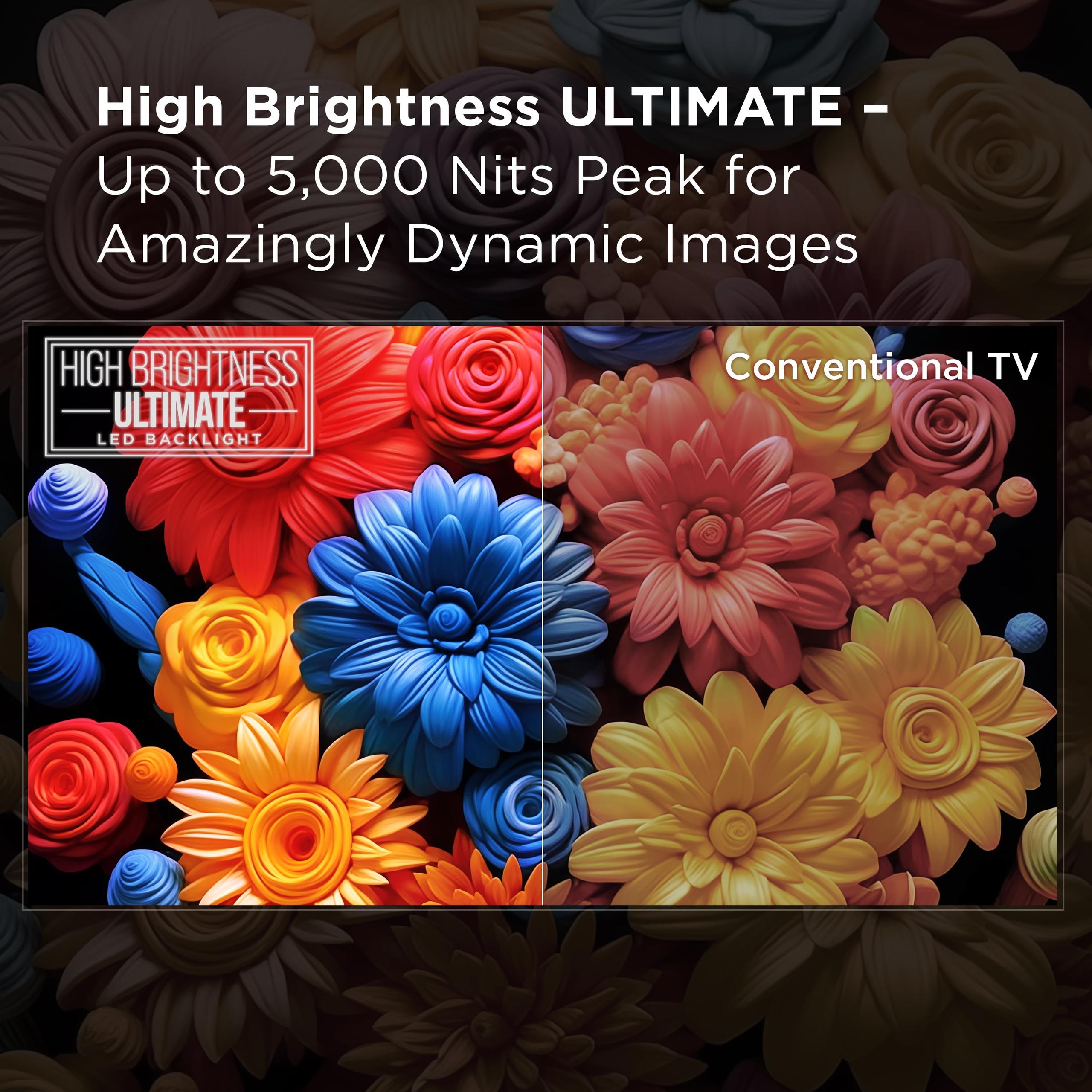
The TCL 115" QM8 pushes this to 5,000 nits—five times brighter. This extreme brightness capability means HDR content appears almost lifelike. Sunsets look genuinely bright, explosions have real impact, and even in well-lit rooms, the TV maintains its HDR performance. This level of brightness approaches what you'd experience in commercial cinemas.
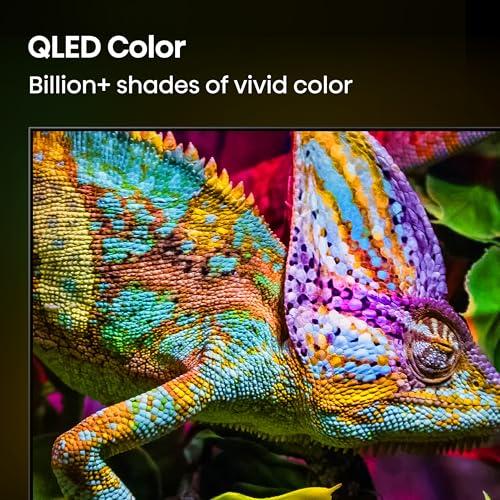
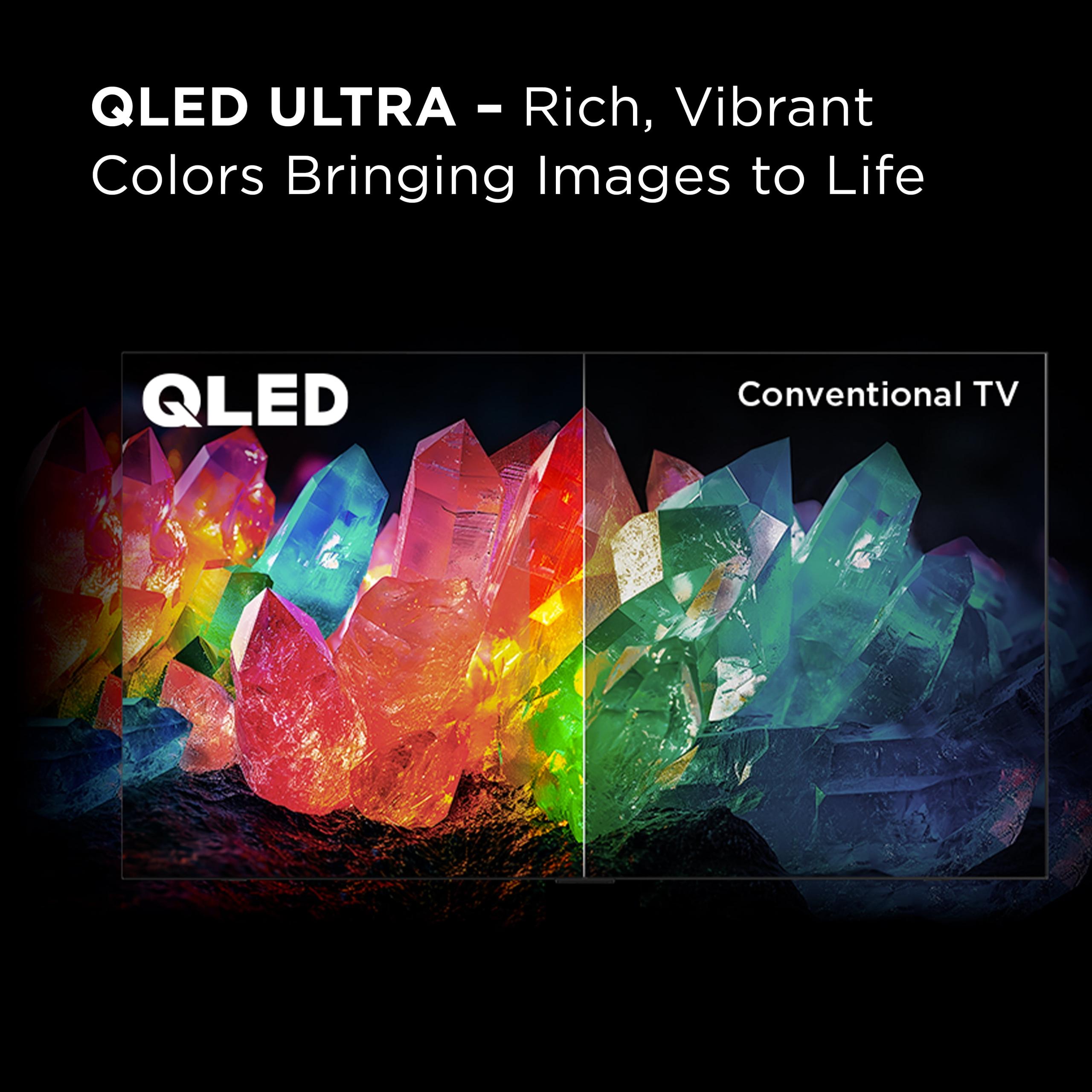
Both TVs use Quantum Dot technology (QLED), but again, the implementation differs significantly. Quantum dots are microscopic particles that emit very pure colors when hit by light. This allows TVs to display a much wider range of colors than traditional displays.
The Hisense 100" U6 covers a wide color gamut that satisfies most viewing needs. Colors appear vibrant and accurate, with particularly good performance in greens and reds that often challenge lesser displays.
The TCL 115" QM8 achieves nearly complete coverage of the DCI-P3 color space—the professional standard used in movie production. This means you're seeing colors essentially as filmmakers intended, with subtle gradations and nuances that lesser displays simply can't reproduce.
Gaming has become a crucial consideration for large TVs, especially as PlayStation 5 and Xbox Series X consoles have popularized 4K gaming at high frame rates.
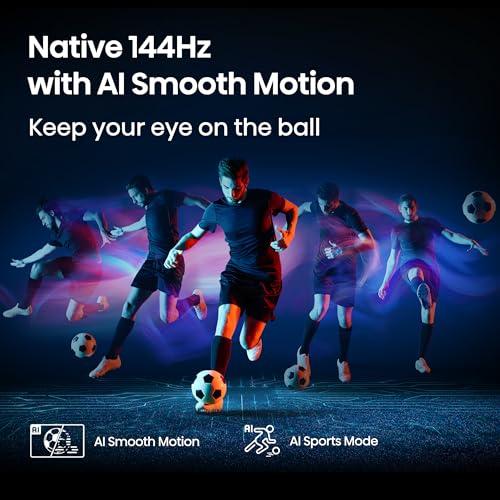
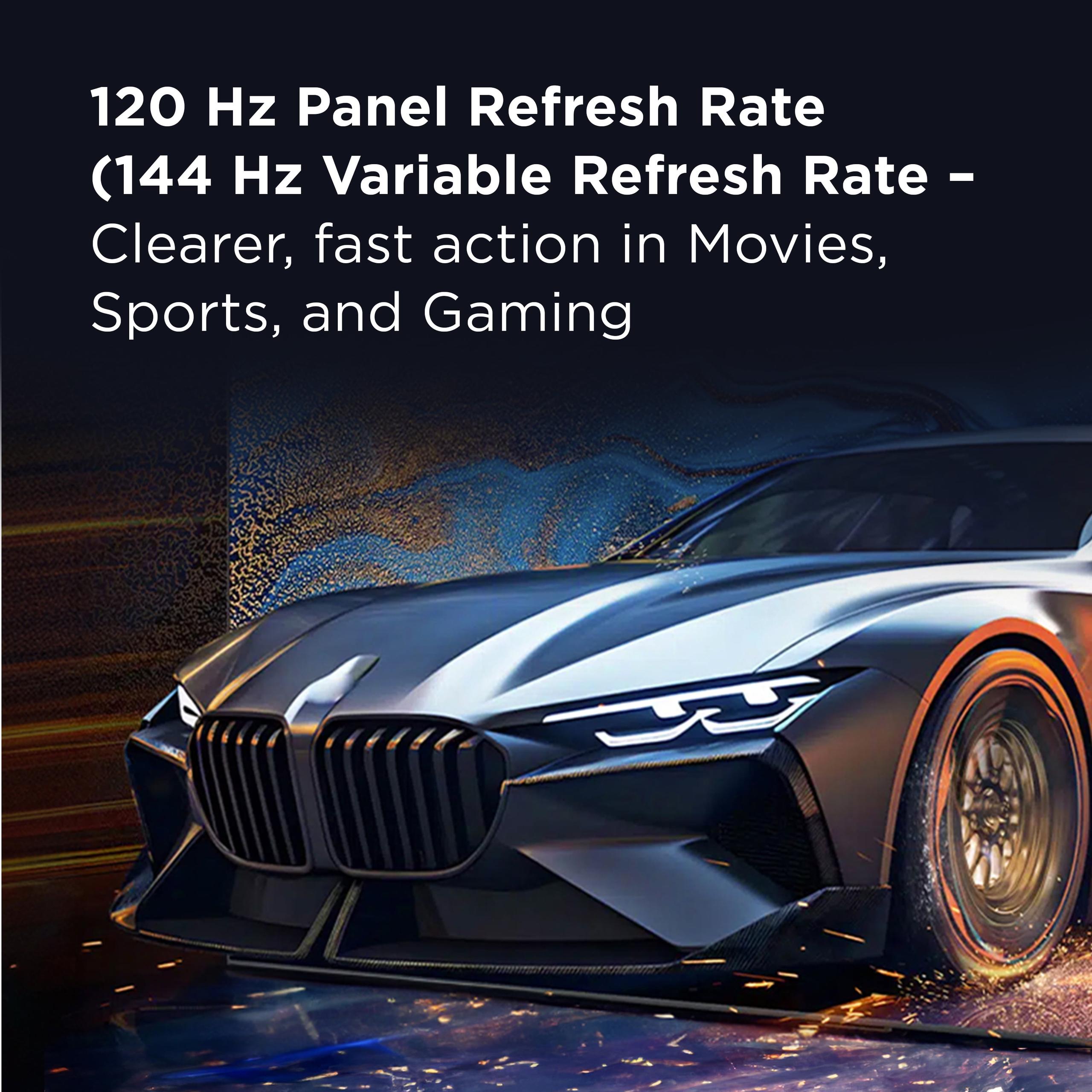
The Hisense 100" U6 features a 144Hz native refresh rate—higher than many competing TVs. This means the screen can display 144 frames per second, creating incredibly smooth motion for gaming and sports content. Variable Refresh Rate (VRR) technology synchronizes the TV's refresh with your gaming console's output, eliminating screen tearing and stuttering.
The TCL 115" QM8 combines a 120Hz native panel with Game Accelerator 240 technology. While the base refresh rate is lower, the advanced processing creates an equivalent 240Hz gaming experience through motion interpolation and reduced input lag techniques.
Both TVs include Auto Low Latency Mode (ALLM), which automatically switches to game mode when it detects gaming content. This reduces input lag—the delay between pressing a button and seeing the result on screen—to typically under 20 milliseconds.
The Hisense 100" U6 supports FreeSync Premium, AMD's variable refresh rate standard that works with both gaming consoles and PC graphics cards.
The TCL 115" QM8 goes further with AMD FreeSync Premium Pro, which adds HDR gaming support and stricter performance requirements. This makes it particularly appealing for high-end PC gaming where every millisecond matters.
The smart TV platform affects how you'll interact with your TV every single day, making this choice more important than many realize.
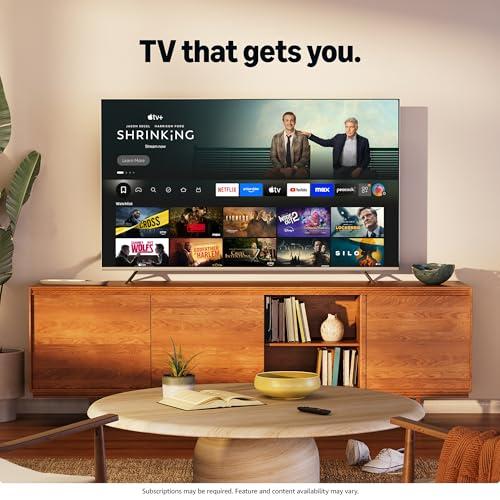
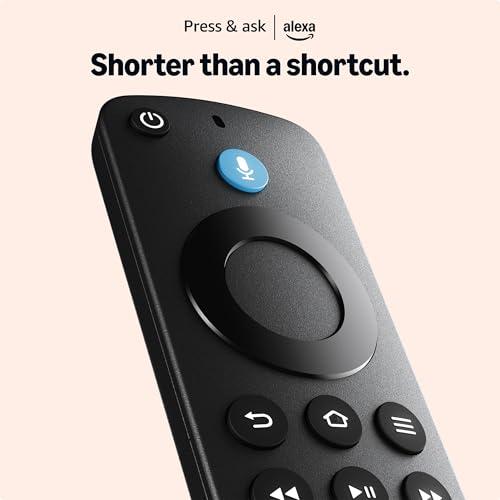
The Hisense 100" U6 runs Fire TV, Amazon's streaming platform. If you're already invested in Amazon's ecosystem—using Alexa devices, shopping on Amazon, or subscribing to Prime Video—this integration feels seamless. Voice commands work naturally, and the interface prioritizes Amazon content while still providing access to all major streaming services.
The TCL 115" QM8 uses Google TV, which offers broader app compatibility and more neutral content recommendations. Google TV excels at aggregating content from multiple streaming services into unified recommendations, making it easier to find something to watch across your various subscriptions.
Both platforms support major streaming services like Netflix, Disney+, and Apple TV+, but their approaches to content discovery and voice control differ meaningfully in daily use.
Large screen TVs present unique audio challenges—the bigger the screen, the more immersive the audio needs to be to match the visual impact.
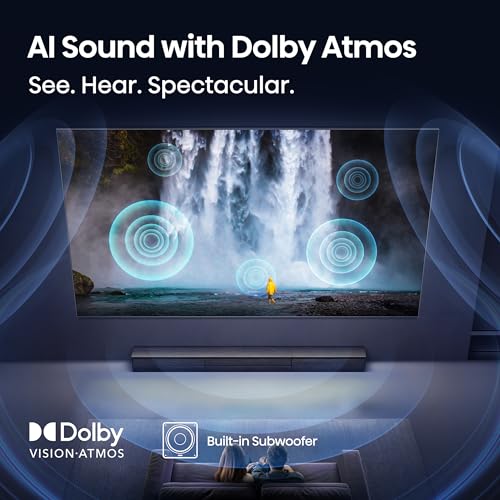
The Hisense 100" U6 includes a 2.1 channel system with an integrated subwoofer and Dolby Atmos support. While adequate for casual viewing, the audio quality feels modest relative to the massive screen. Most users will benefit from adding a soundbar or external speakers for truly cinematic audio.
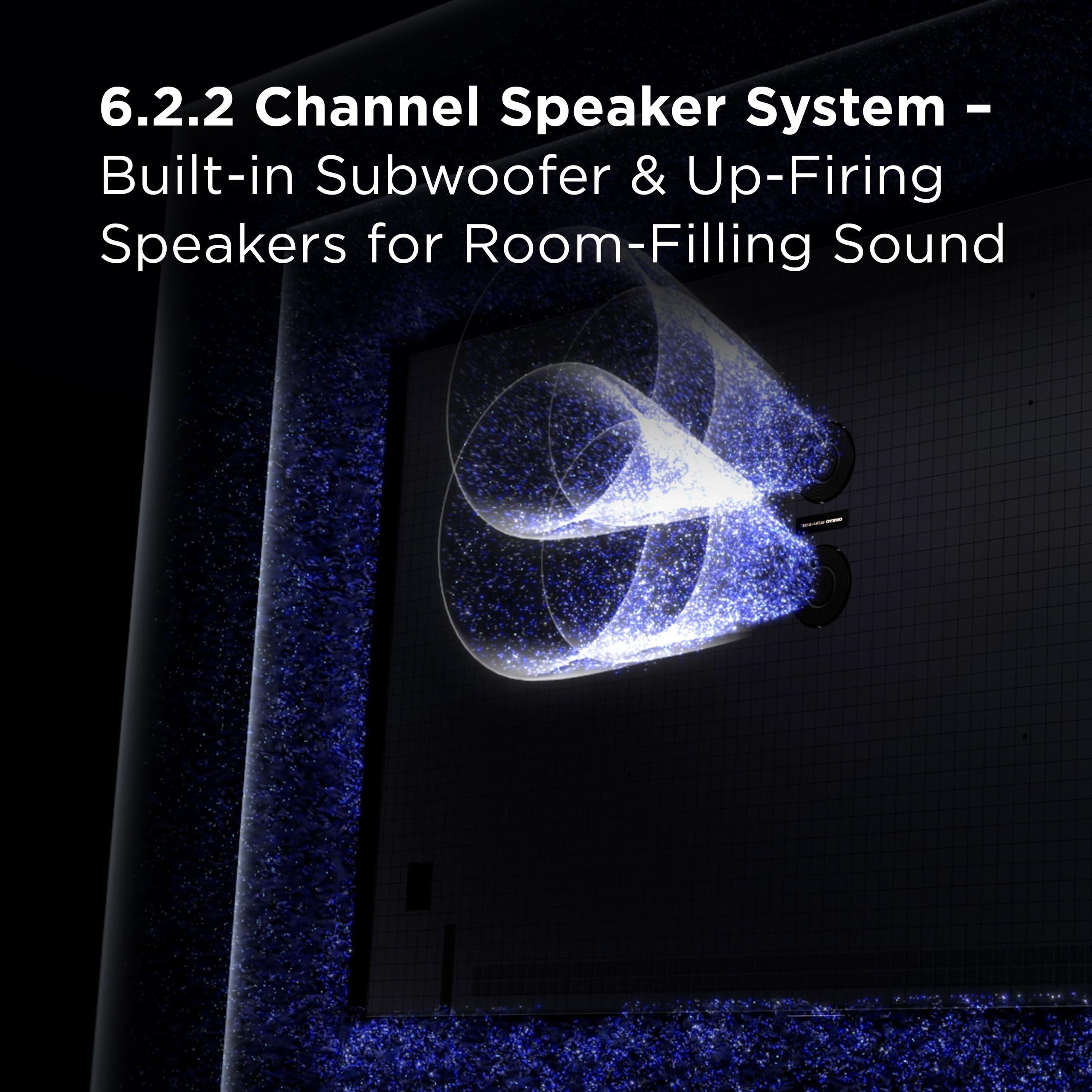
The TCL 115" QM8 features an Onkyo-designed 6.2.2 speaker system with 120 watts of total power. This includes dedicated surround speakers, up-firing drivers for overhead effects, and dual subwoofers. The built-in audio system approaches the quality of mid-range sound bars, potentially eliminating the need for additional audio equipment.
At the time of writing, these TVs occupy completely different value territories, making direct price comparisons less meaningful than understanding what you get for your investment.
The Hisense 100" U6 delivers exceptional performance per dollar. You're getting Mini-LED technology, high refresh rate gaming, and a massive 100-inch screen at a price that would have been impossible just a few years ago. For families upgrading from standard LED TVs, the improvement in picture quality will be dramatic and immediately noticeable.
The TCL 115" QM8 commands a significant premium, but the additional cost brings genuinely cutting-edge technology. The 20,000 dimming zones, 5,000-nit brightness, and premium audio system represent the current state-of-the-art in consumer TV technology. This TV competes with high-end projector installations while offering the convenience and reliability of a traditional display.
If you're building a dedicated home theater, several additional factors become important.
Room lighting control becomes crucial with displays this large. The Hisense 100" U6 performs well in moderately lit rooms but shows its limitations in bright spaces. The TCL 115" QM8 maintains picture quality even with ambient lighting, thanks to its extreme peak brightness.
Viewing angles matter more as screen size increases. Both TVs maintain good color and contrast when viewed off-center, but the TCL's superior local dimming provides more consistent performance across wider viewing angles.
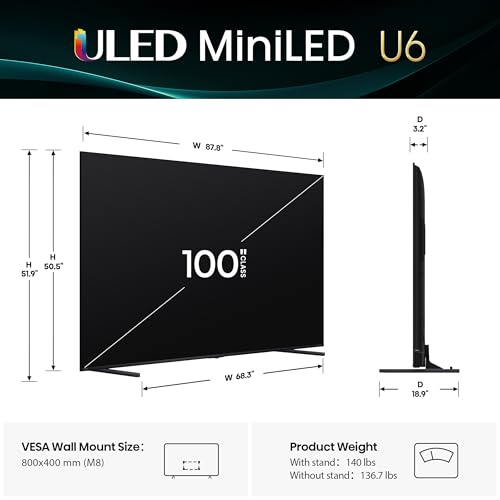
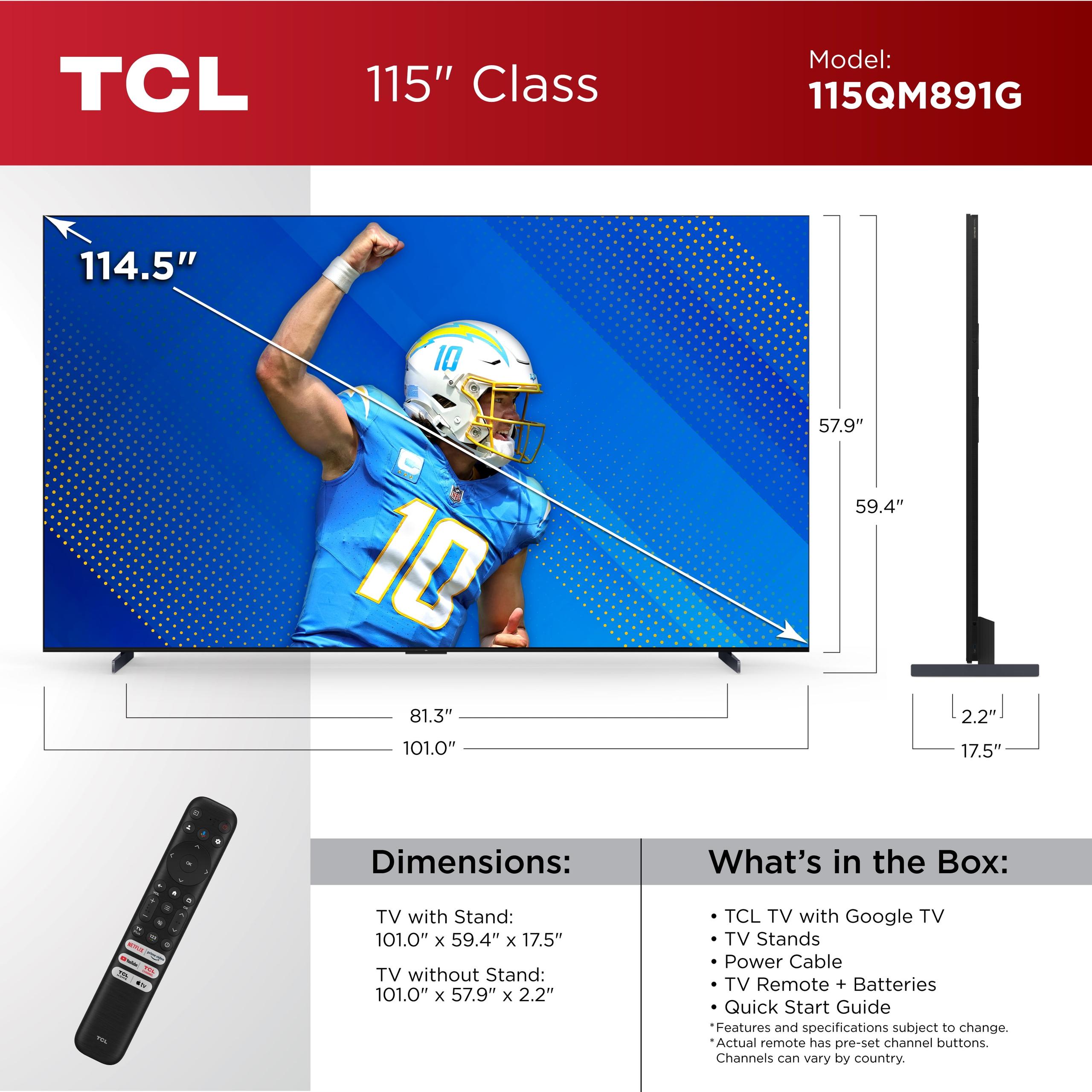
Installation requirements differ significantly. The Hisense 100" U6 weighs 140 pounds and requires sturdy wall mounting or a very stable stand. The TCL 115" QM8 demands professional installation and potentially custom mounting solutions due to its size and weight.
After extensive research into user experiences and expert reviews, clear usage scenarios emerge for each TV.
Choose the Hisense 100" U6 Series if you:
Choose the TCL 115" QM8 Series if you:
Both TVs excel in their intended markets, but they serve fundamentally different needs. The Hisense 100" U6 democratizes premium large-format viewing, bringing technology that was recently exclusive to much more expensive models down to accessible pricing. It's an excellent choice for most buyers wanting to experience cinema-sized viewing at home.
The TCL 115" QM8 pushes the boundaries of what's possible in consumer display technology. Its extreme brightness, precise local dimming, and premium audio create an experience that rivals commercial cinema installations. However, it demands both the budget and room space to fully appreciate its capabilities.
For most buyers, the Hisense 100" U6 represents the sweet spot of size, performance, and value in today's ultra-large TV market. But for those building ultimate home theaters where compromise isn't acceptable, the TCL 115" QM8 delivers unmatched performance that justifies its premium positioning.
The choice ultimately depends on your specific priorities: exceptional value versus uncompromising performance, with both TVs excelling in their respective approaches to ultra-large format entertainment.
| Hisense 100" U6 Series Mini-LED 4K Fire TV | TCL 115" QM8 Series 4K UHD Smart Google TV |
|---|---|
| Screen Size - Bigger isn't always better without proper viewing distance | |
| 100" (requires 10-13 ft viewing distance) | 115" (requires 13-15 ft viewing distance) |
| Local Dimming Zones - More zones mean better contrast and less blooming | |
| 608 zones (solid performance for the price) | 20,000 zones (flagship-level precision) |
| Peak Brightness - Critical for HDR impact and bright room viewing | |
| 1,000 nits (good HDR in most rooms) | 5,000 nits (cinema-grade brightness) |
| Refresh Rate - Smoother motion for sports and gaming | |
| 144Hz native (excellent for gaming) | 120Hz native with 240Hz processing |
| Gaming Features - Essential for console and PC gaming | |
| Game Mode Pro, FreeSync Premium, VRR 48-144Hz | Game Accelerator 240, FreeSync Premium Pro, ALLM |
| Smart Platform - Your daily interface experience | |
| Fire TV with Alexa (best for Amazon ecosystem) | Google TV (neutral platform, broader compatibility) |
| Audio System - Built-in sound quality affects need for external speakers | |
| 2.1 system with subwoofer (adequate, soundbar recommended) | Onkyo 6.2.2 system, 120W (premium built-in audio) |
| HDR Support - Format compatibility for streaming and gaming | |
| Dolby Vision IQ, HDR10+, HDR10, HLG | Dolby Vision IQ, HDR10+, HDR10, HLG |
| Connectivity - HDMI 2.1 ports matter for 4K gaming | |
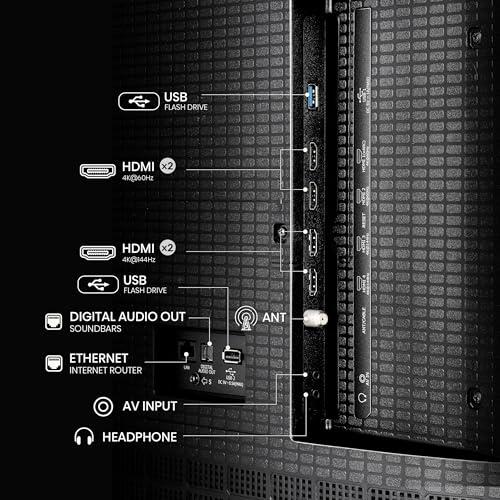
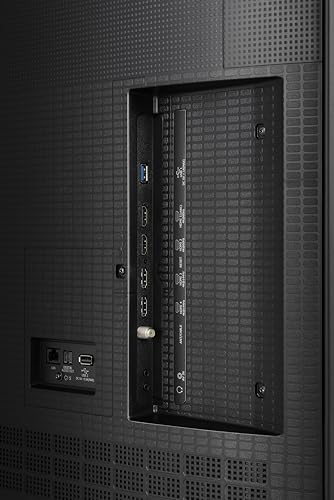
| 4 HDMI (2 with HDMI 2.1), Wi-Fi 6 | 4 HDMI (including eARC), Wi-Fi 6, USB 3.0 |
| Target Buyer - Who should consider each model | |
| Value-focused buyers wanting Mini-LED at accessible pricing | Premium buyers demanding absolute best performance |
| Best Use Case - Where each TV truly excels | |
| Large living rooms, family entertainment | Dedicated home theaters, luxury installations |
| Value Proposition - Performance relative to investment | |
| Exceptional performance per dollar | Premium pricing for cutting-edge technology |
The Hisense 100" U6 Series offers excellent gaming performance with its 144Hz native refresh rate and VRR support up to 144Hz, making it ideal for console gaming. The TCL 115" QM8 Series features Game Accelerator 240 technology with AMD FreeSync Premium Pro, providing ultra-responsive gaming with HDR support. Both TVs include Auto Low Latency Mode, but the TCL 115" QM8 has a slight edge for competitive PC gaming due to its advanced processing.
The Hisense 100" U6 Series delivers solid Mini-LED performance with 608 local dimming zones and 1,000 nits peak brightness, providing good contrast and HDR impact. The TCL 115" QM8 Series offers flagship-level picture quality with 20,000 local dimming zones and 5,000 nits peak brightness, resulting in exceptional contrast, virtually no blooming, and cinema-grade HDR performance that significantly outperforms the Hisense 100" U6.
The Hisense 100" U6 Series provides exceptional value, bringing Mini-LED technology and premium features to an accessible price point. While the TCL 115" QM8 Series commands a significant premium, it delivers cutting-edge display technology with 20,000 dimming zones and 5,000-nit brightness. For most buyers, the Hisense 100" U6 offers the better price-to-performance ratio.
The Hisense 100" U6 Series requires 10-13 feet of viewing distance and about 88 inches of wall width. The TCL 115" QM8 Series needs 13-15 feet of viewing distance and approximately 100 inches of wall space. Both TVs are best suited for large living rooms or dedicated home theater spaces rather than typical bedrooms or smaller rooms.
The Hisense 100" U6 Series runs Fire TV, which excels if you're invested in Amazon's ecosystem with Alexa devices and Prime Video. The TCL 115" QM8 Series uses Google TV, offering more neutral content recommendations and broader app compatibility. Both platforms support all major streaming services, so choose the Hisense 100" U6 for Amazon integration or the TCL 115" QM8 for Google's unified search experience.
The Hisense 100" U6 Series performs well in moderately lit rooms but may struggle with very bright ambient lighting due to its 1,000-nit peak brightness. The TCL 115" QM8 Series excels in bright rooms thanks to its exceptional 5,000-nit peak brightness, maintaining HDR performance and color accuracy even with significant ambient light. For bright living rooms, the TCL 115" QM8 is clearly superior.
The Hisense 100" U6 Series features a 2.1 channel system with integrated subwoofer that's adequate for casual viewing but benefits from a soundbar upgrade. The TCL 115" QM8 Series includes a premium Onkyo 6.2.2 speaker system with 120W total power, dual subwoofers, and up-firing drivers, delivering audio quality that rivals mid-range soundbars and may eliminate the need for external speakers.
Both TVs work well for home theaters, but serve different needs. The Hisense 100" U6 Series offers excellent home theater performance at an accessible price point, ideal for most dedicated viewing rooms. The TCL 115" QM8 Series provides flagship home theater performance with its extreme brightness, precision local dimming, and premium audio system, making it suitable for luxury installations where budget isn't the primary concern.
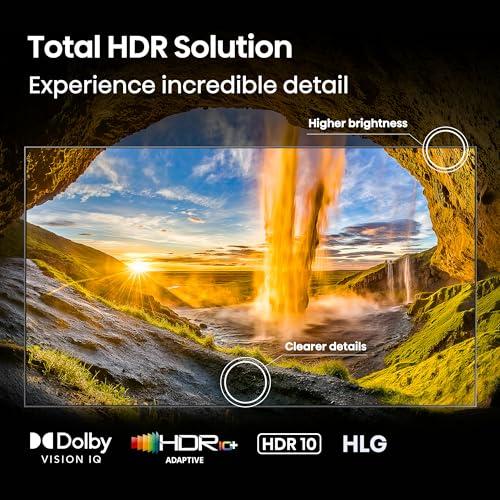
Both the Hisense 100" U6 Series and TCL 115" QM8 Series support all major HDR formats including Dolby Vision IQ, HDR10+, and HDR10. However, the TCL 115" QM8 delivers significantly more impactful HDR performance due to its 5,000-nit peak brightness compared to the Hisense 100" U6's 1,000 nits, resulting in brighter highlights and more dramatic contrast in HDR content.
The Hisense 100" U6 Series is relatively easier to install due to its smaller size and lighter weight, though professional installation is still recommended. The TCL 115" QM8 Series requires professional installation due to its massive size and weight, potentially needing custom mounting solutions. Both TVs need sturdy wall mounts, but the Hisense 100" U6 is more manageable for DIY enthusiasts.
The Hisense 100" U6 Series excels at motion handling with its 144Hz native refresh rate, providing smooth sports and action content with minimal blur. The TCL 115" QM8 Series uses advanced motion processing with its 120Hz panel and Motion Rate 480 technology to deliver exceptionally smooth motion. Both TVs handle fast-paced content well, though the TCL 115" QM8 has a slight advantage in processing quality.
Choose the Hisense 100" U6 Series if you want excellent Mini-LED performance at an accessible price, prefer Fire TV's Amazon integration, and have a large living room or media room. Choose the TCL 115" QM8 Series if you demand the absolute best picture quality, have a dedicated home theater with controlled lighting, need premium built-in audio, and budget allows for flagship features. The Hisense 100" U6 offers better value for most buyers, while the TCL 115" QM8 delivers uncompromising performance for enthusiasts.
We've done our best to create useful and informative comparisons to help you decide what product to buy. Our research uses advanced automated methods to create this comparison and perfection is not possible - please contact us for corrections or questions. These are the sites we've researched in the creation of this article: bestbuy.com - rtings.com - youtube.com - rtings.com - youtube.com - youtube.com - costco.com - pcrichard.com - hisense-usa.com - electronicexpress.com - pcrichard.com - circuitworldonline.com - bestbuy.com - bestbuy.com - premiumincentive.com - hisense-usa.com - hisense-usa.com - pcrichard.com - rtings.com - bestbuy.com - hisense-usa.com - avsforum.com - rtings.com - pcrichard.com - valueelectronics.com - cnet.com - youtube.com - rcwilley.com - greentoe.com - tcl.com - ezown.net - kingsgreatbuys.com - romomattressfurniture.com - abt.com

Privacy Policy
Terms and Conditions - Affiliate Policy
Home Security
© Copyright 2008-2026.
11816 Inwood Rd #1211, Dallas, TX 75244