

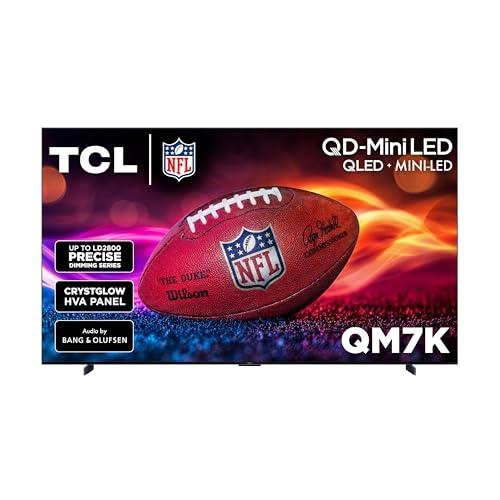
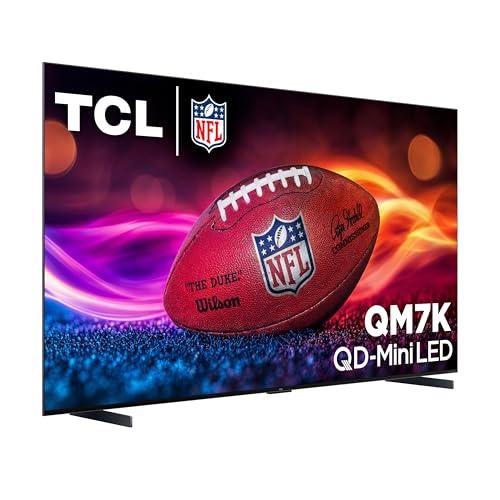
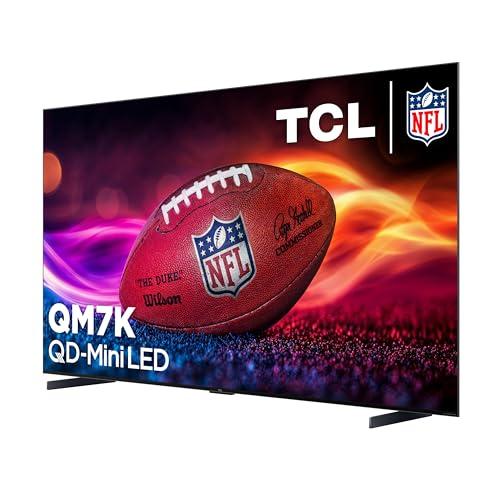
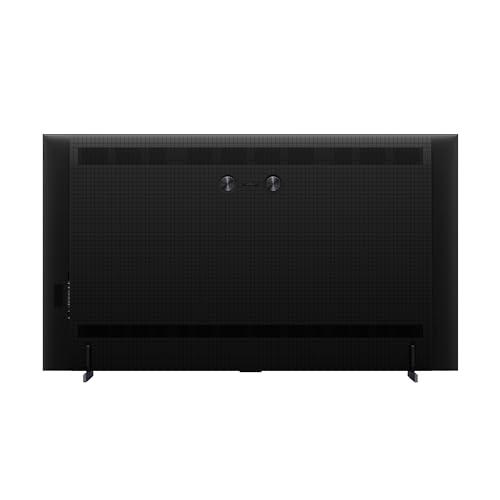
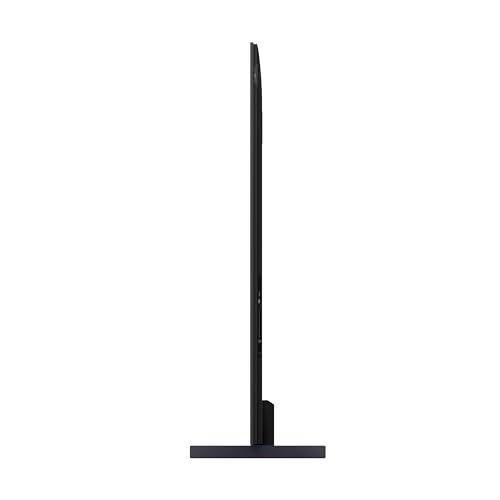
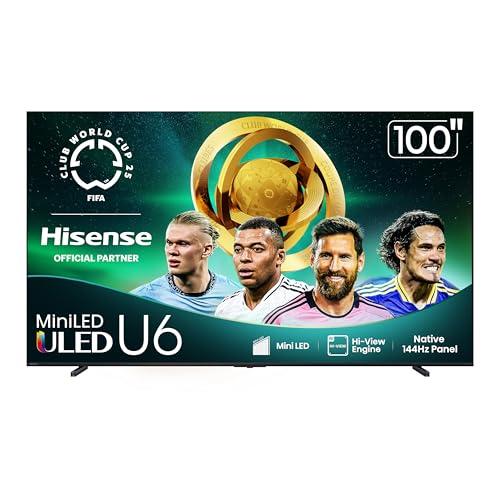
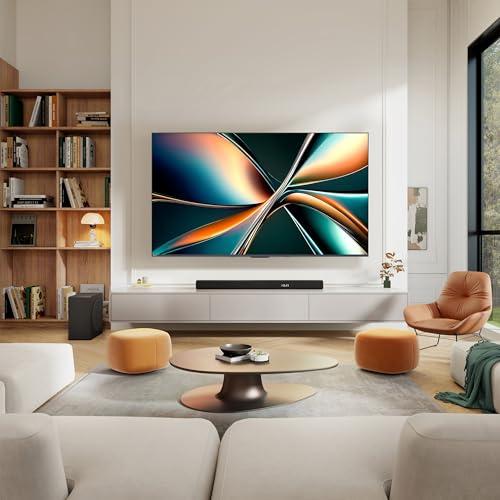
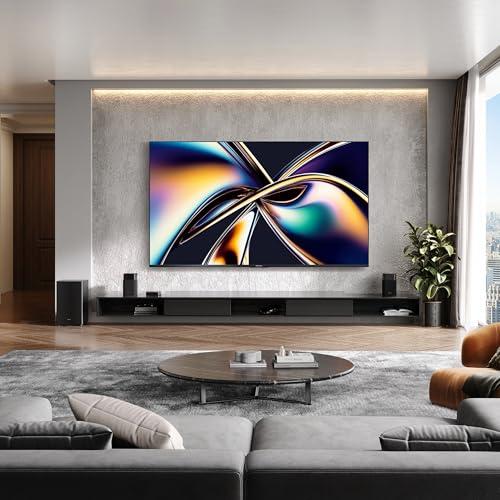
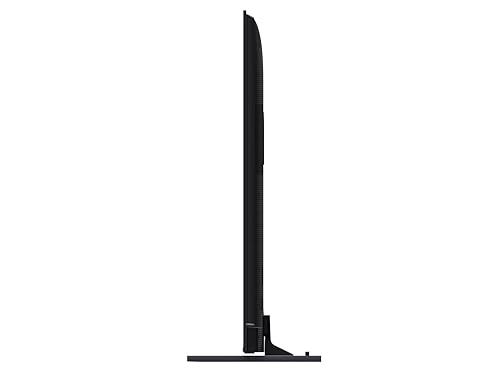
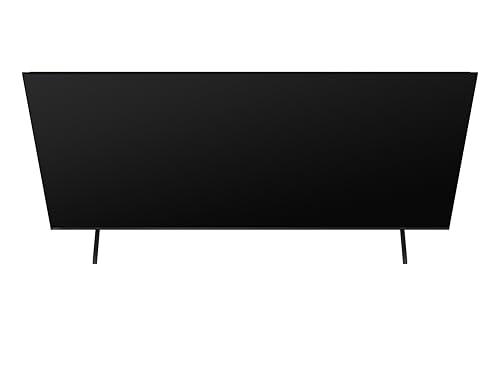
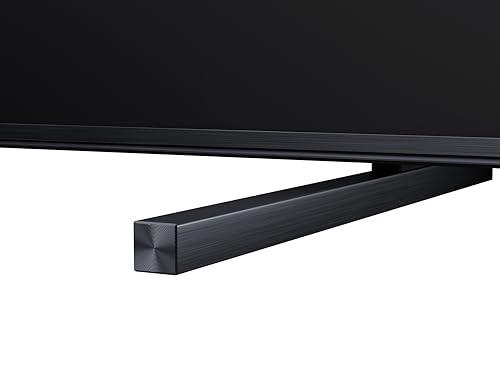
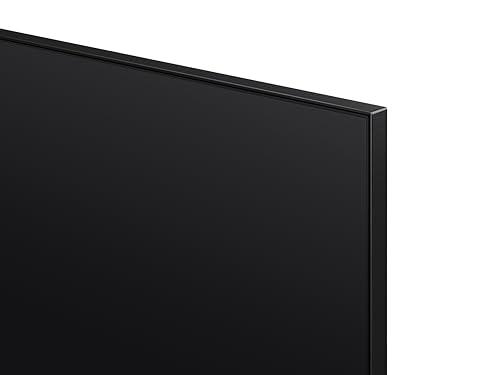
When you're shopping for a TV that can transform your living room into a proper home theater, size absolutely matters. We're talking about displays so large they fundamentally change how you experience movies, sports, and gaming. The TCL 98" QM7K and Hisense 100" U6 Series represent two different philosophies in the ultra-large TV market: premium performance versus maximum value.
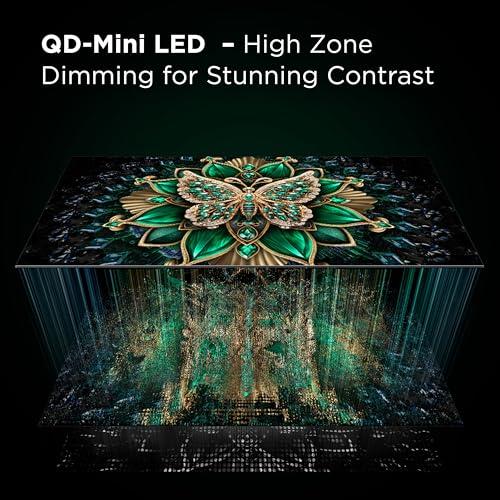
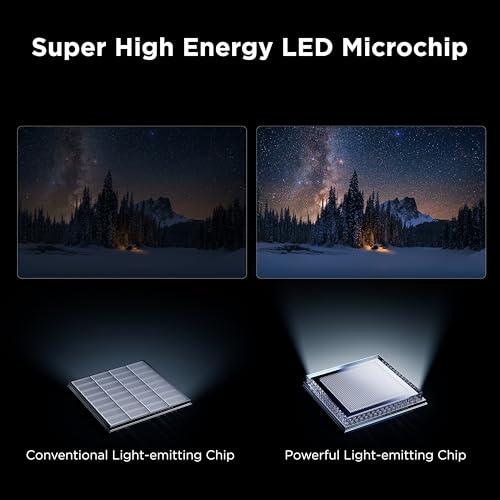
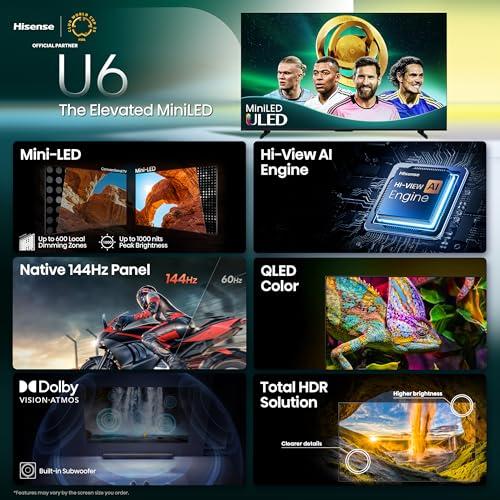
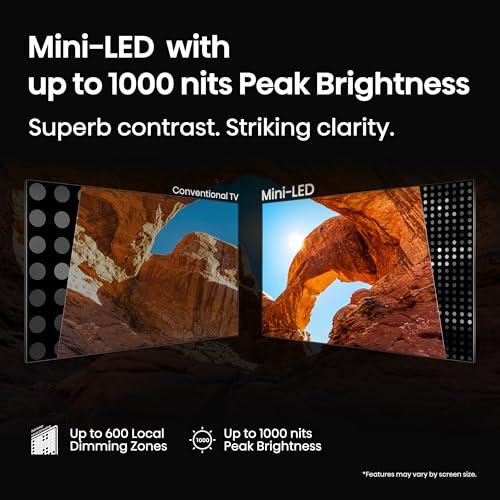
Both televisions launched in 2024-2025, riding the wave of Mini-LED technology that's revolutionizing large-screen displays. Mini-LED backlighting uses thousands of tiny LEDs (much smaller than traditional LEDs) to create precise lighting zones behind the screen, delivering deeper blacks and brighter highlights than conventional LED TVs. Think of it as having thousands of individual spotlights that can turn on and off independently, creating contrast that approaches OLED quality while maintaining the brightness advantages of LED technology.
Before diving into specifics, let's establish what you're getting into with displays this massive. Both the TCL QM7K at 98 inches and the Hisense U6 at 100 inches require serious consideration of your space. You'll need at least 12-16 feet of viewing distance to properly appreciate these screens without feeling overwhelmed. That means dedicating a significant portion of your room to the TV experience.
The primary considerations when evaluating these behemoths extend beyond just screen size. Picture quality technologies, gaming capabilities, smart platform experience, and overall value proposition all play crucial roles in determining which television will serve you best for years to come.
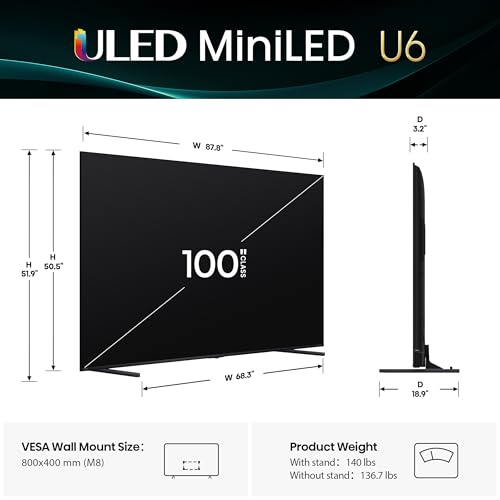
The two-inch difference between 98 and 100 inches might seem trivial on paper, but in practice, every inch counts when you're dealing with displays this large. The Hisense U6 provides roughly 5% more screen area than the TCL QM7K, which translates to a more immersive experience, especially for movies shot in ultrawide formats.
However, the TCL QM7K might actually be the smarter choice for many living rooms. At 98 inches, it's still absolutely massive but slightly more manageable in terms of wall mounting, furniture arrangement, and overall room integration. The difference in immersion is minimal, but the difference in practicality can be significant.
Here's where these two TVs diverge dramatically. The TCL QM7K represents flagship Mini-LED technology, while the Hisense U6 offers entry-level Mini-LED performance. This isn't just marketing speak – the technical differences create real-world viewing experiences that are worlds apart.
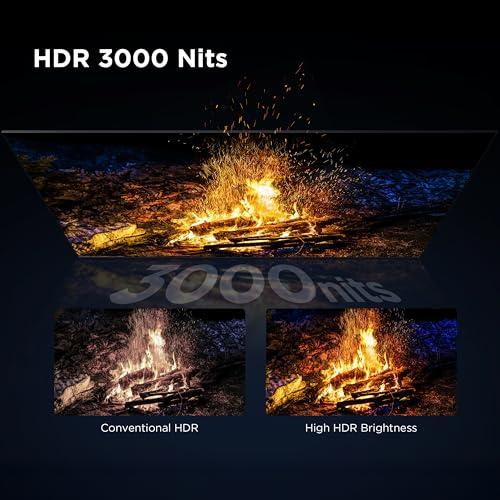
The most striking difference lies in peak brightness capabilities. The TCL QM7K reaches an impressive 3,000 nits, while the Hisense U6 tops out at 1,000 nits. To put this in perspective, standard TV brightness typically ranges from 100-400 nits, so we're talking about displays that can get blindingly bright when needed.
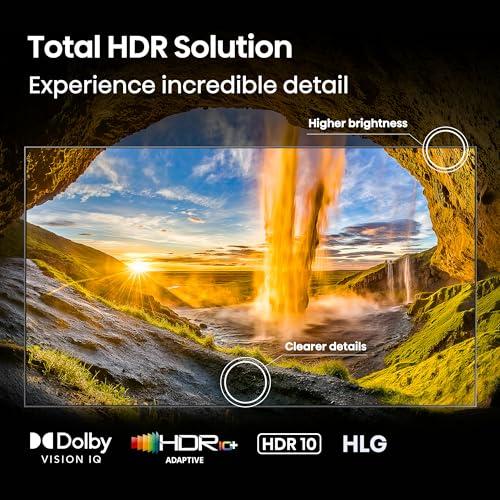
Why does this matter? HDR (High Dynamic Range) content relies on bright highlights to create realistic lighting effects. When you're watching a scene with sunlight streaming through windows, explosions in action movies, or the glint of light off water, that extra brightness from the TCL QM7K creates a dramatically more impactful and realistic image. The difference is immediately noticeable, especially in well-lit rooms where ambient light can wash out dimmer displays.
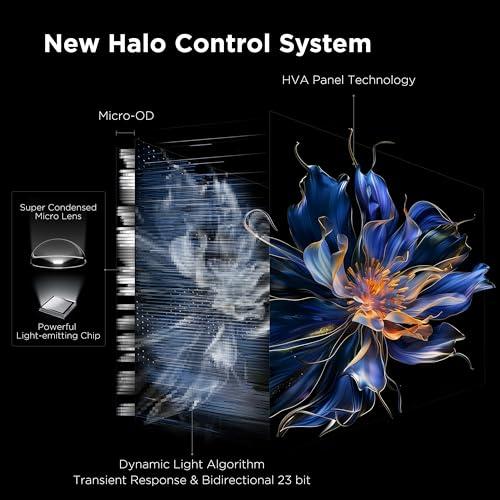
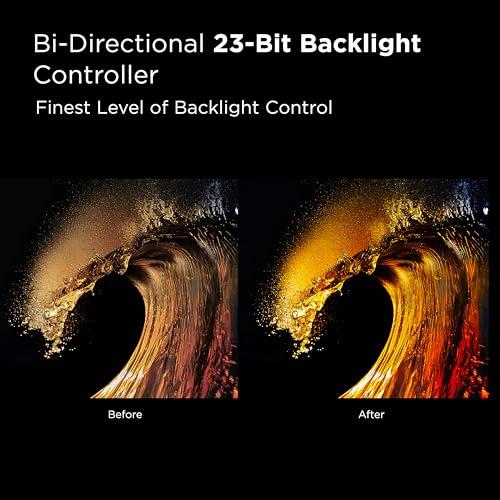
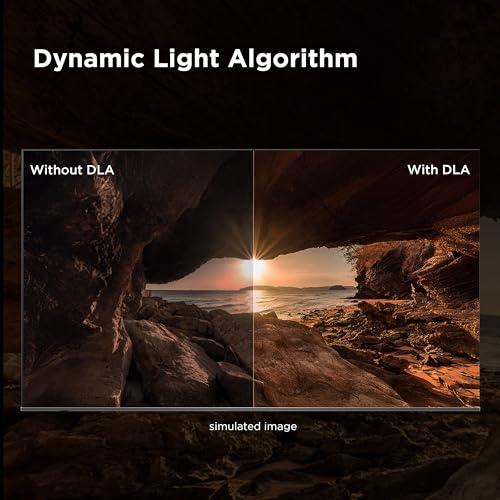
The TCL QM7K features up to 2,500 local dimming zones through its advanced Halo Control System, while the Hisense U6 offers fewer zones (the exact number isn't specified, but likely in the hundreds rather than thousands). Local dimming zones are essentially individual sections of the backlight that can be controlled independently. More zones mean more precise control over which parts of the screen are bright or dark.
This translates to better contrast performance on the TCL. When you're watching a movie with a bright moon in a dark sky, the TCL QM7K can make the moon brilliant while keeping the surrounding sky deep black. The Hisense U6 will still look good, but you might notice some "blooming" – unwanted light spilling around bright objects in dark scenes.
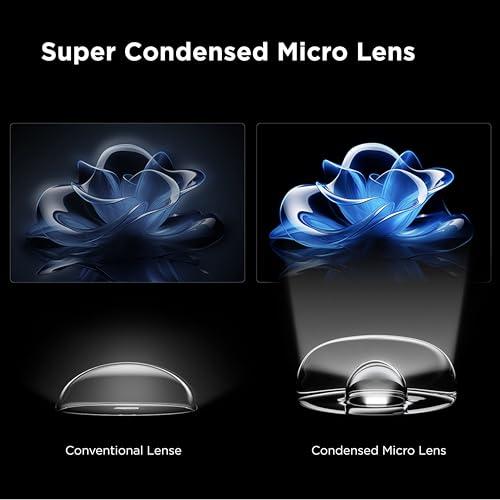
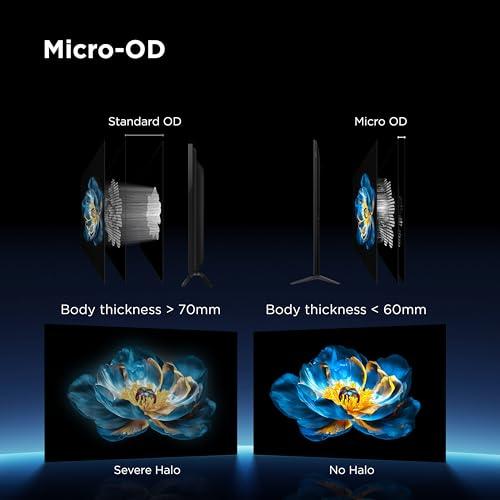
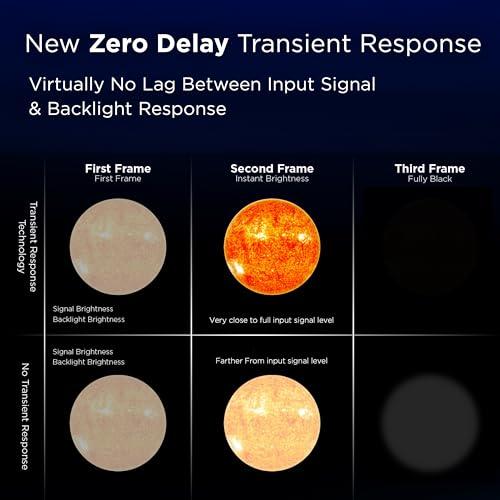
The TCL QM7K also incorporates what they call the Halo Control System, which includes several technical innovations working together. The Super Condensed Micro Lens creates a narrower light path for more precise control, while the Micro-OD (Optical Distance) technology reduces space between the backlight and screen to virtually eliminate light overlap. These aren't just buzzwords – they represent real engineering solutions to common Mini-LED problems.
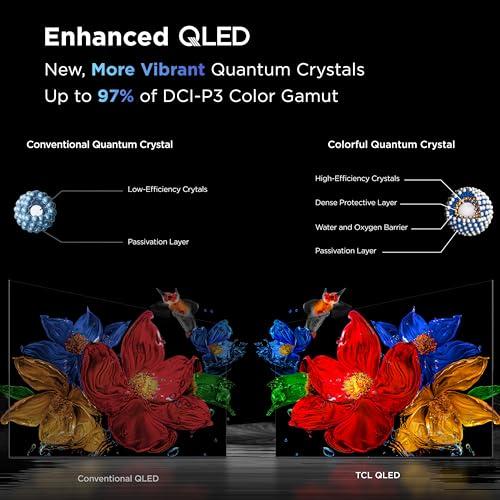
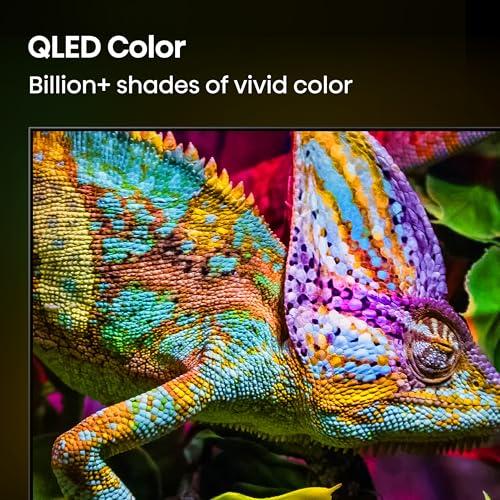
Both TVs use Quantum Dot technology (QLED), which enhances color reproduction by using nanocrystals that emit precise colors when lit. However, the TCL QM7K features enhanced QLED with a Color Optimization Algorithm that delivers more accurate and vibrant colors across a wider range. Based on our research of professional reviews, the TCL generally produces more natural-looking skin tones and more accurate color reproduction out of the box.
The Hisense U6 still delivers impressive color performance that covers most of the DCI-P3 color space (the standard used by movie studios), but it may require more calibration to achieve optimal results. For most viewers, both displays will look dramatically more colorful and vibrant than older LCD TVs.
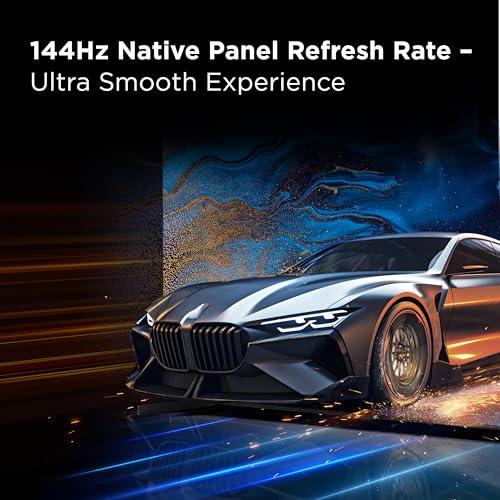
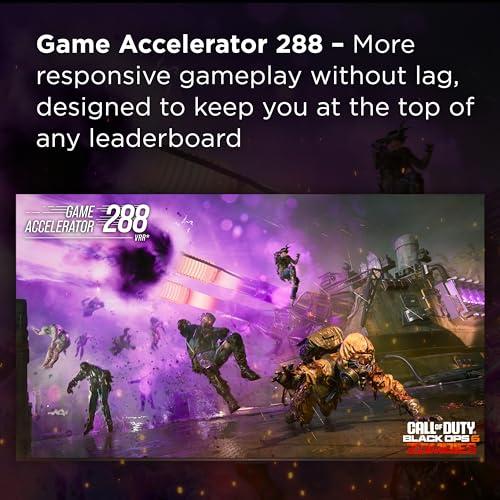
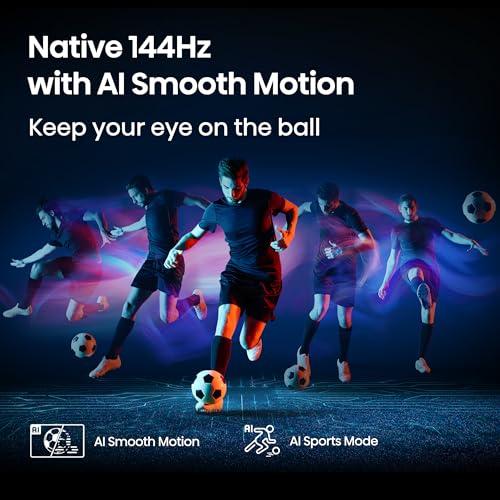
This is where the TCL QM7K truly shines and justifies its premium positioning. The TV supports a native 144Hz refresh rate throughout its entire processing chain, with Game Accelerator 288 technology that can handle variable refresh rates up to 288Hz. For context, most TVs max out at 120Hz, and many gaming displays only go to 144Hz.
What does this mean in practice? Smoother motion in fast-paced games, reduced input lag, and future compatibility with next-generation gaming hardware. If you're serious about gaming, especially on PC where high refresh rates are increasingly common, the TCL QM7K offers performance that won't become obsolete quickly.
The Hisense U6 offers solid gaming performance with 120Hz refresh rate and Variable Refresh Rate support from 48-144Hz in gaming mode. This handles current PlayStation 5 and Xbox Series X requirements perfectly well, but it may not keep pace with future gaming innovations.
Both TVs include Auto Low Latency Mode (ALLM), which automatically switches to game mode when it detects a gaming console, minimizing input lag – the delay between pressing a button and seeing the action on screen.
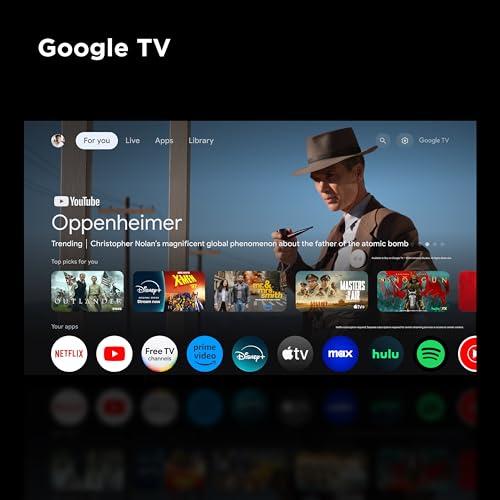
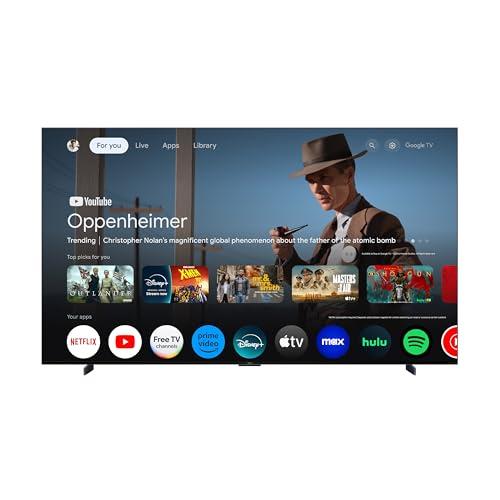
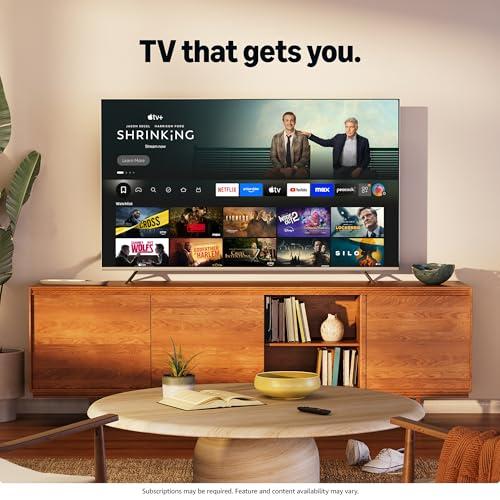
The choice between Google TV on the TCL QM7K and Fire TV on the Hisense U6 often comes down to ecosystem preference. Google TV offers a cleaner, more intuitive interface with excellent content recommendations across multiple streaming services. The TCL QM7K also includes hands-free voice control with far-field microphones, meaning you can control the TV without picking up the remote.
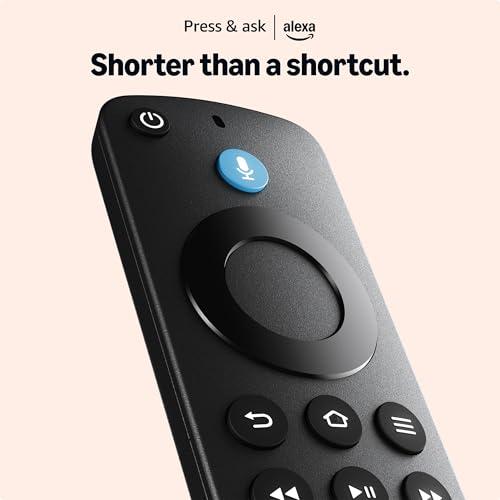
Fire TV on the Hisense U6 integrates seamlessly with Amazon's ecosystem, making it ideal if you're heavily invested in Prime Video, use Echo devices throughout your home, or frequently shop on Amazon. The interface is reliable and fast, though some users find it more cluttered with promotional content.
Both platforms support all major streaming apps and receive regular updates, so your choice here is largely about personal preference rather than capability.
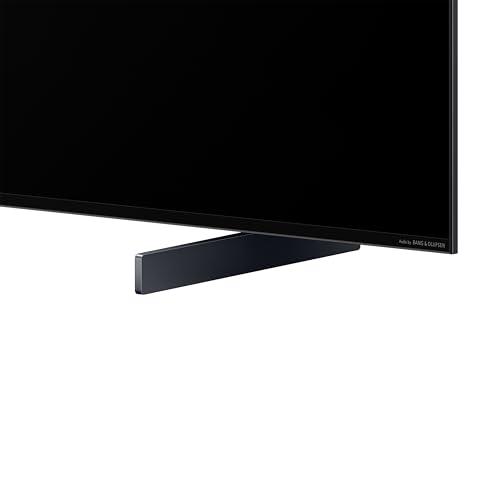
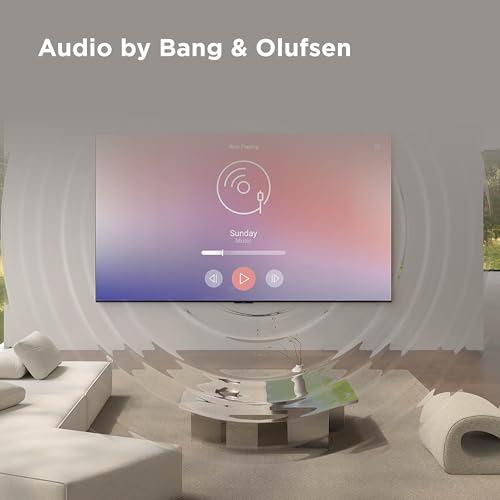
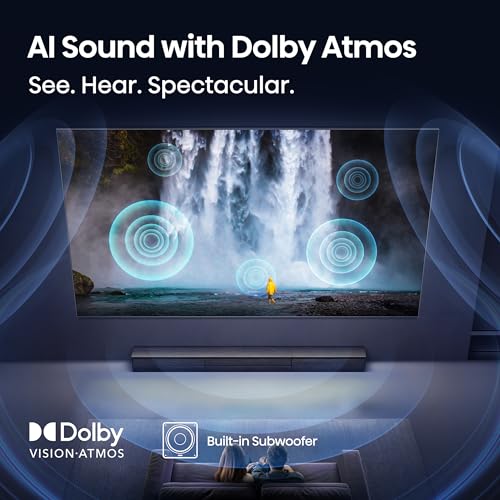
Large TVs like these have more physical space for speakers, and both models take advantage of this. The TCL QM7K features audio tuned by Bang & Olufsen, the respected Danish audio company, with Dolby Atmos support for spatial audio. Based on reviews we've analyzed, the built-in sound is surprisingly capable for a TV, with clear dialogue and decent bass response.
The Hisense U6 also supports Dolby Atmos and delivers respectable audio performance, though it's not quite at the level of the TCL's Bang & Olufsen system. For both TVs, while the built-in audio is better than most displays, serious home theater enthusiasts will want to pair them with a dedicated soundbar or surround sound system to match the visual experience these massive screens can provide.
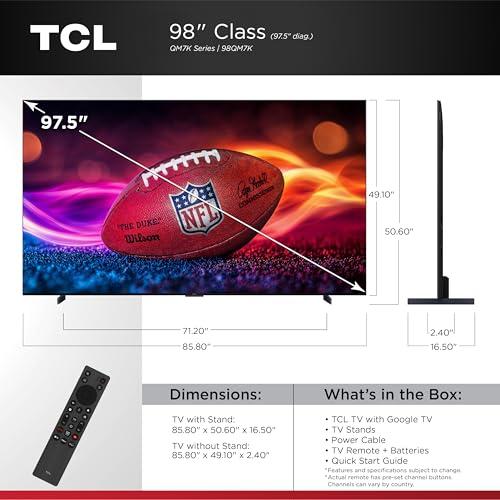
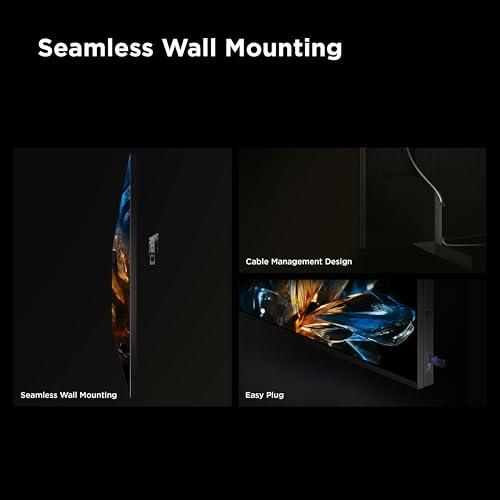
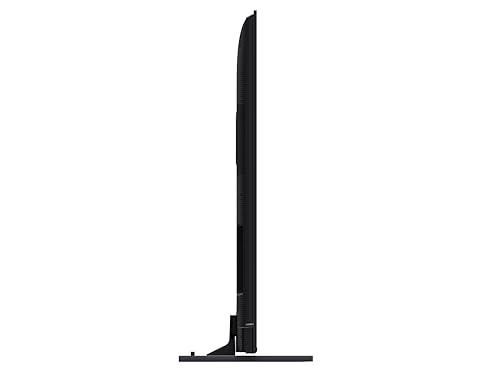
Both televisions represent substantial investments in room design. The TCL QM7K measures approximately 85.8 inches wide and weighs around 120 pounds without the stand, while the Hisense U6 is slightly larger at 87.8 inches wide and weighs about 137 pounds. These aren't impulse purchases – you need to plan your room layout, ensure your wall can handle the weight if mounting, and consider how the TV will integrate with your existing furniture.
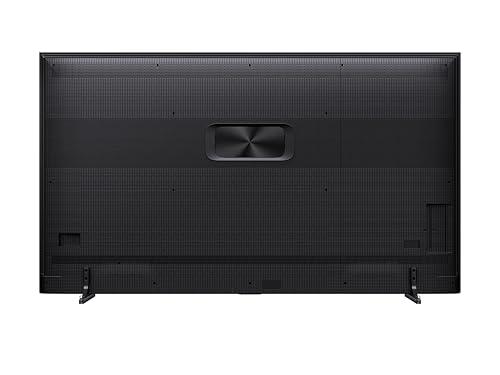
The TCL QM7K generally receives higher marks for build quality and premium materials, which you'd expect given its positioning as a flagship model. The Hisense U6 is well-constructed but uses more cost-effective materials to achieve its value pricing.
At the time of writing, the Hisense U6 represents exceptional value, typically priced significantly lower than the TCL QM7K while offering the largest screen size available in this category. You're getting legitimate Mini-LED technology with all the core benefits at an entry-premium price point.
The TCL QM7K commands a premium price but delivers flagship performance that justifies the cost for users who prioritize picture quality and gaming capabilities. The question becomes whether the advanced features are worth the additional investment for your specific use case.
For dedicated home theater setups, the TCL QM7K is the clear winner. Its superior brightness allows for excellent performance in rooms that aren't completely dark, while its advanced contrast control creates the dramatic lighting effects that make movies truly cinematic. The enhanced color accuracy and Bang & Olufsen audio system provide a more complete premium experience.
However, the Hisense U6 shouldn't be dismissed for home theater use. Its 100-inch screen provides maximum immersion, and its Mini-LED technology still delivers impressive contrast and color performance. For viewers who prioritize size above all else and don't require cutting-edge gaming features, it offers remarkable value.
The TCL QM7K makes sense for buyers who want the absolute best picture quality available in this size range, serious gamers who need future-proof refresh rates, or anyone setting up a premium home theater where performance matters more than cost. If you're coming from a high-end TV and want a meaningful upgrade, the advanced features justify the premium.
The Hisense U6 is ideal for buyers who want maximum screen size and solid performance without paying flagship prices. It's perfect for casual gamers, sports enthusiasts who want the biggest possible viewing area, or anyone stepping up from a standard TV where the Mini-LED technology will represent a dramatic improvement.
Consider your primary use case carefully. If you spend hours gaming, especially on PC, or if you're building a dedicated home theater room, the TCL QM7K provides features that will enhance your experience for years to come. Its superior brightness, advanced gaming capabilities, and premium build quality make it a long-term investment in viewing pleasure.
If maximum size is your priority and you're primarily streaming content, watching sports, or doing casual gaming, the Hisense U6 delivers outstanding value. You get legitimate Mini-LED technology and a massive 100-inch screen at a price point that makes ultra-large TVs accessible to more buyers.
Both represent excellent choices in the ultra-large TV category, but they serve different audiences. The TCL QM7K is for enthusiasts who want the best available technology, while the Hisense U6 is for pragmatists who want maximum impact for their investment. Either choice will transform your viewing experience – the question is whether you want premium performance or maximum value from that transformation.
| TCL 98" QM7K QD-Mini LED 4K TV | Hisense 100" U6 Series Mini-LED 4K Fire TV |
|---|---|
| Screen Size - Physical footprint and immersion level | |
| 98" diagonal (97.5" viewable) | 100" diagonal (99.5" viewable) |
| Peak Brightness - Critical for HDR impact and bright room viewing | |
| 3,000 nits (exceptional HDR highlights, overcomes ambient light) | 1,000 nits (good performance, may struggle in very bright rooms) |
| Local Dimming Zones - Controls contrast and eliminates blooming | |
| Up to 2,500 zones with Halo Control System (near-OLED blacks) | 600+ zones (good contrast, some blooming in challenging scenes) |
| Gaming Refresh Rate - Smoothness for competitive gaming | |
| Native 144Hz with Game Accelerator 288 (up to 288Hz VRR) | 120Hz with VRR 48-144Hz (excellent for current consoles) |
| Smart Platform - Daily user experience and ecosystem integration | |
| Google TV with hands-free voice control | Fire TV with deep Amazon/Alexa integration |
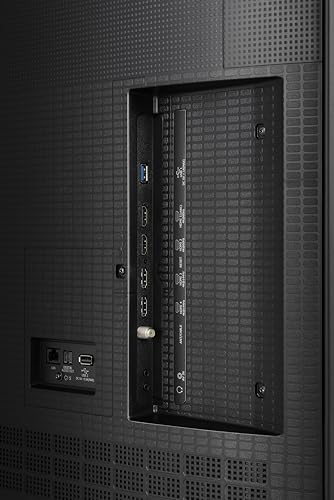
| HDMI 2.1 Ports - Next-gen console and PC gaming support | |
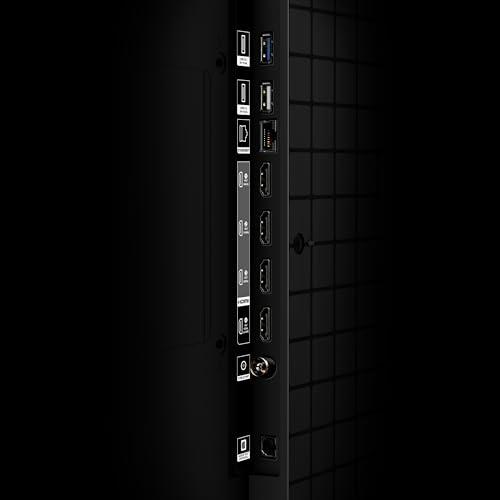
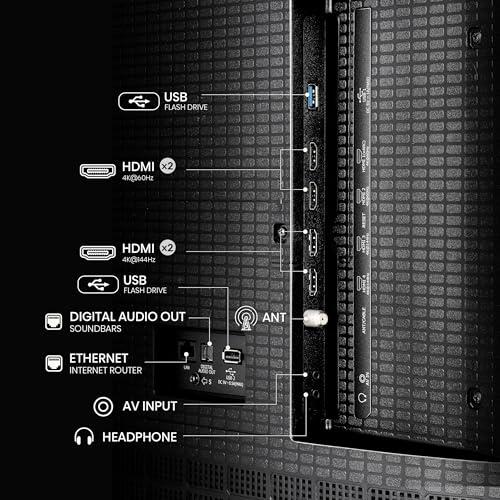
| 2 HDMI 2.1 ports (4K@144Hz capable) | 2 HDMI 2.1 ports (4K@120Hz capable) |
| Audio System - Built-in sound quality | |
| Bang & Olufsen tuned with Dolby Atmos | Standard Dolby Atmos implementation |
| HDR Format Support - Compatibility with premium content | |
| Dolby Vision IQ, HDR10+, HDR10, HLG | Dolby Vision IQ, HDR10+ Adaptive, HDR10, HLG |
| Processor Technology - Image quality optimization and upscaling | |
| TCL AiPQ ULTRA with Deep Learning AI | Hi-View Engine AI processing |
| Panel Technology - Viewing angles and color accuracy | |
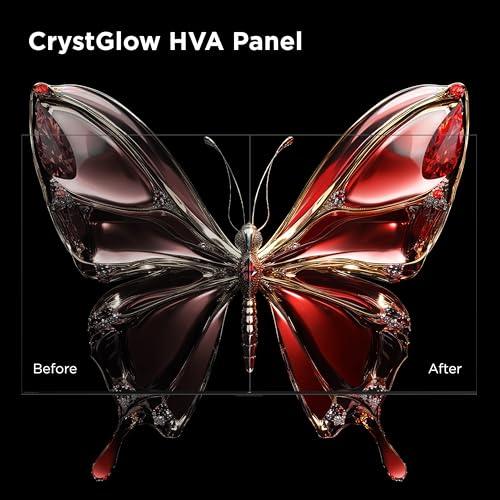
| CrystGlow HVA panel with anti-reflective coating | ULED with quantum dot technology |
| Voice Control - Convenience for daily use | |
| Far-field microphone array (hands-free) | Alexa built-in (remote required) |
| Weight Without Stand - Installation and mounting considerations | |
| ~120 lbs (easier wall mounting) | ~137 lbs (requires robust wall mount) |
| Target Market - Who each TV serves best | |
| Premium enthusiasts prioritizing picture quality and gaming | Value-conscious buyers wanting maximum size with solid performance |
The TCL 98" QM7K is significantly better for gaming with its native 144Hz refresh rate and Game Accelerator 288 technology supporting up to 288Hz VRR. This makes it ideal for PC gaming and future console compatibility. The Hisense 100" U6 offers solid gaming performance with 120Hz and VRR support that handles current PlayStation 5 and Xbox Series X requirements well, but lacks the advanced gaming features of the TCL QM7K.
The TCL 98" QM7K delivers superior picture quality with 3,000 nits peak brightness and up to 2,500 local dimming zones, creating exceptional HDR performance and near-OLED black levels. The Hisense 100" U6 offers good picture quality with 1,000 nits brightness and fewer dimming zones, providing solid Mini-LED performance at a more affordable price point.
The TCL QM7K is much better for bright rooms due to its exceptional 3,000 nits peak brightness, which easily overcomes ambient light and glare. The Hisense U6 with 1,000 nits can handle moderate lighting but may struggle in very bright environments or rooms with large windows.
The TCL 98" QM7K uses Google TV with hands-free voice control and a clean, intuitive interface with excellent content recommendations. The Hisense 100" U6 features Fire TV, which integrates seamlessly with Amazon's ecosystem and works great if you use Prime Video, Echo devices, or shop frequently on Amazon.
The Hisense 100" U6 offers exceptional value with its larger 100-inch screen size and legitimate Mini-LED technology at an entry-premium price point. The TCL QM7K costs significantly more but provides flagship-level features, superior brightness, and advanced gaming capabilities that justify the premium for enthusiasts.
The Hisense U6 has a 100-inch screen versus the TCL QM7K's 98-inch display - only a 2-inch difference but about 5% more screen area. Both require 12-16 feet viewing distance, and while the Hisense provides slightly more immersion, the difference is minimal in real-world use.
The TCL 98" QM7K is superior for dedicated home theaters due to its 3,000 nits brightness, advanced contrast control with 2,500 dimming zones, and Bang & Olufsen audio system. However, the Hisense 100" U6 shouldn't be overlooked - its maximum screen size provides excellent immersion and its Mini-LED technology still delivers impressive cinematic performance.
The TCL QM7K features audio tuned by Bang & Olufsen with Dolby Atmos, providing noticeably better dialogue clarity and spatial audio than typical TV speakers. The Hisense U6 includes standard Dolby Atmos support with decent built-in audio, though both TVs benefit from external sound systems for the best home theater experience.
The TCL 98" QM7K offers dramatically better HDR performance with its 3,000 nits peak brightness creating brilliant specular highlights and realistic lighting effects. Both TVs support major HDR formats including Dolby Vision, but the Hisense U6's 1,000 nits brightness limits its HDR impact compared to the flagship TCL QM7K.
The TCL QM7K generally features premium materials and superior build quality befitting its flagship positioning, weighing about 120 pounds without the stand. The Hisense U6 is well-constructed using cost-effective materials to achieve its value pricing, weighing approximately 137 pounds without the stand.
Both TVs excel at streaming with their Mini-LED technology and 4K resolution, but the TCL 98" QM7K provides a more premium experience with superior brightness, color accuracy, and contrast. The Hisense 100" U6 offers excellent streaming performance with its larger screen size, making it ideal for viewers who prioritize maximum immersion over cutting-edge picture technology.
Choose the TCL QM7K if you want the absolute best picture quality, are a serious gamer needing future-proof features, or are building a premium home theater where performance matters most. Pick the Hisense U6 if maximum screen size is your priority, you want solid Mini-LED performance without paying flagship prices, or you're primarily streaming content and doing casual gaming.
We've done our best to create useful and informative comparisons to help you decide what product to buy. Our research uses advanced automated methods to create this comparison and perfection is not possible - please contact us for corrections or questions. These are the sites we've researched in the creation of this article: bestbuy.com - tcl.com - youtube.com - rtings.com - tcl.com - youtube.com - youtube.com - tcl.com - tomsguide.com - manuals.plus - youtube.com - tcl.com - whathifi.com - bestbuy.com - queencityonline.com - electronicexpress.com - tcl.com - valueelectronics.com - tcl.com - bestbuy.com - bestbuy.com - youtube.com - woodruffappliance.com - karlsonline.com - tcl.com - bestbuy.com - rtings.com - youtube.com - rtings.com - youtube.com - youtube.com - costco.com - pcrichard.com - hisense-usa.com - electronicexpress.com - pcrichard.com - circuitworldonline.com - bestbuy.com - bestbuy.com - premiumincentive.com - hisense-usa.com - hisense-usa.com - pcrichard.com - rtings.com - bestbuy.com - hisense-usa.com - avsforum.com

Privacy Policy
Terms and Conditions - Affiliate Policy
Home Security
© Copyright 2008-2026.
11816 Inwood Rd #1211, Dallas, TX 75244