

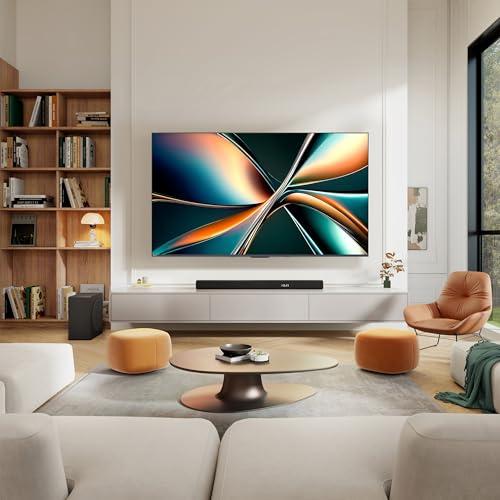
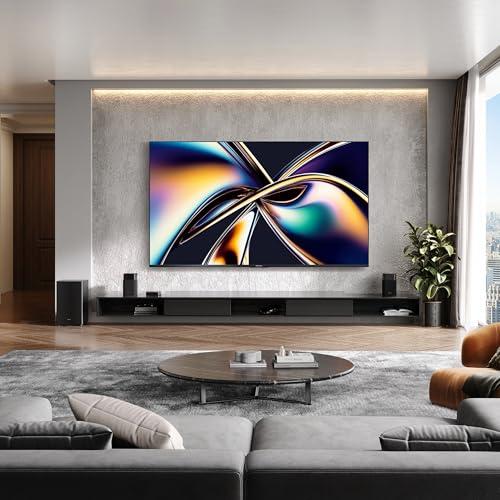
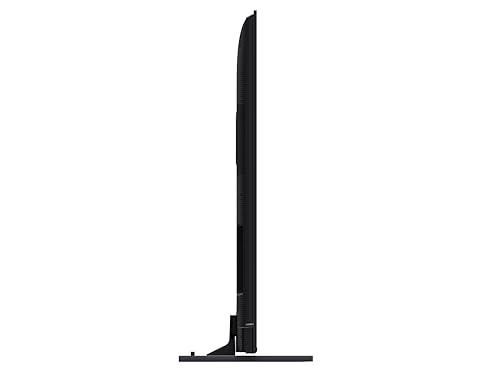
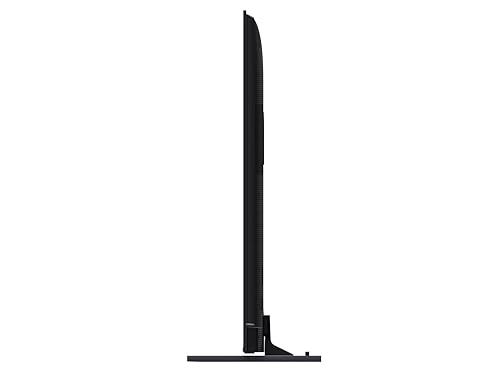
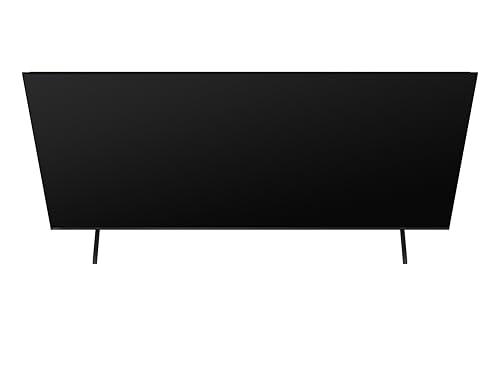
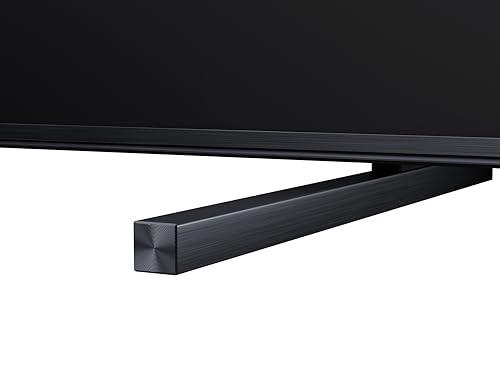
When you're looking at televisions approaching the 100-inch mark, you're entering territory that was once reserved for commercial installations and the ultra-wealthy. Today, these massive displays have become surprisingly accessible, though "accessible" is relative when we're talking about screens that could easily serve as the centerpiece of a dedicated home theater.
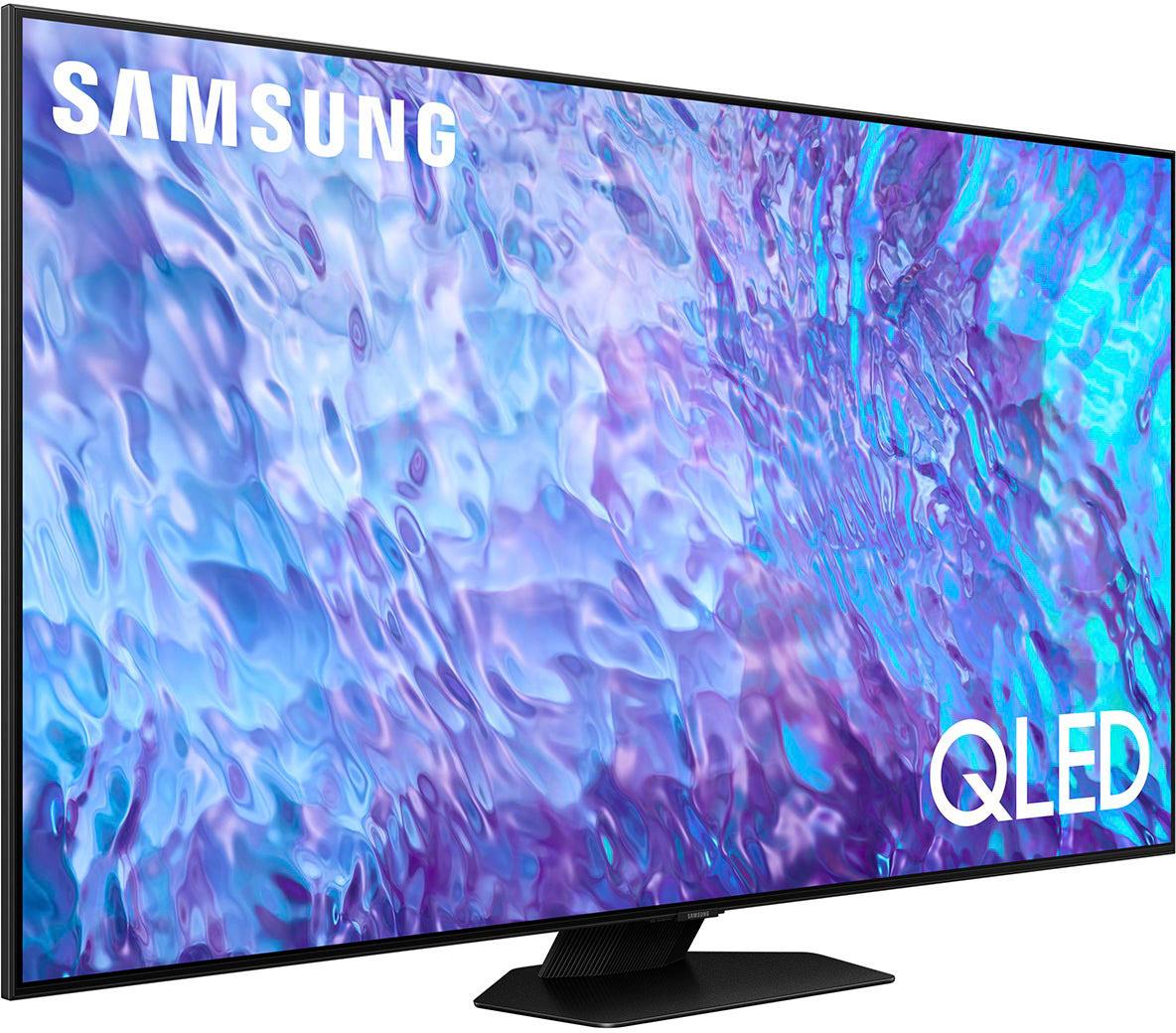
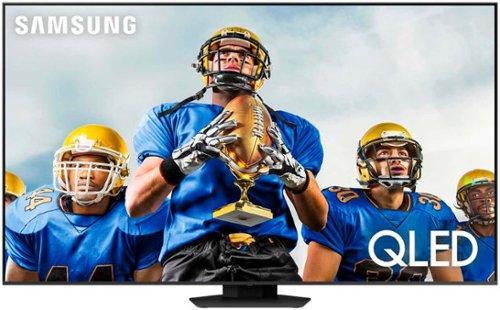
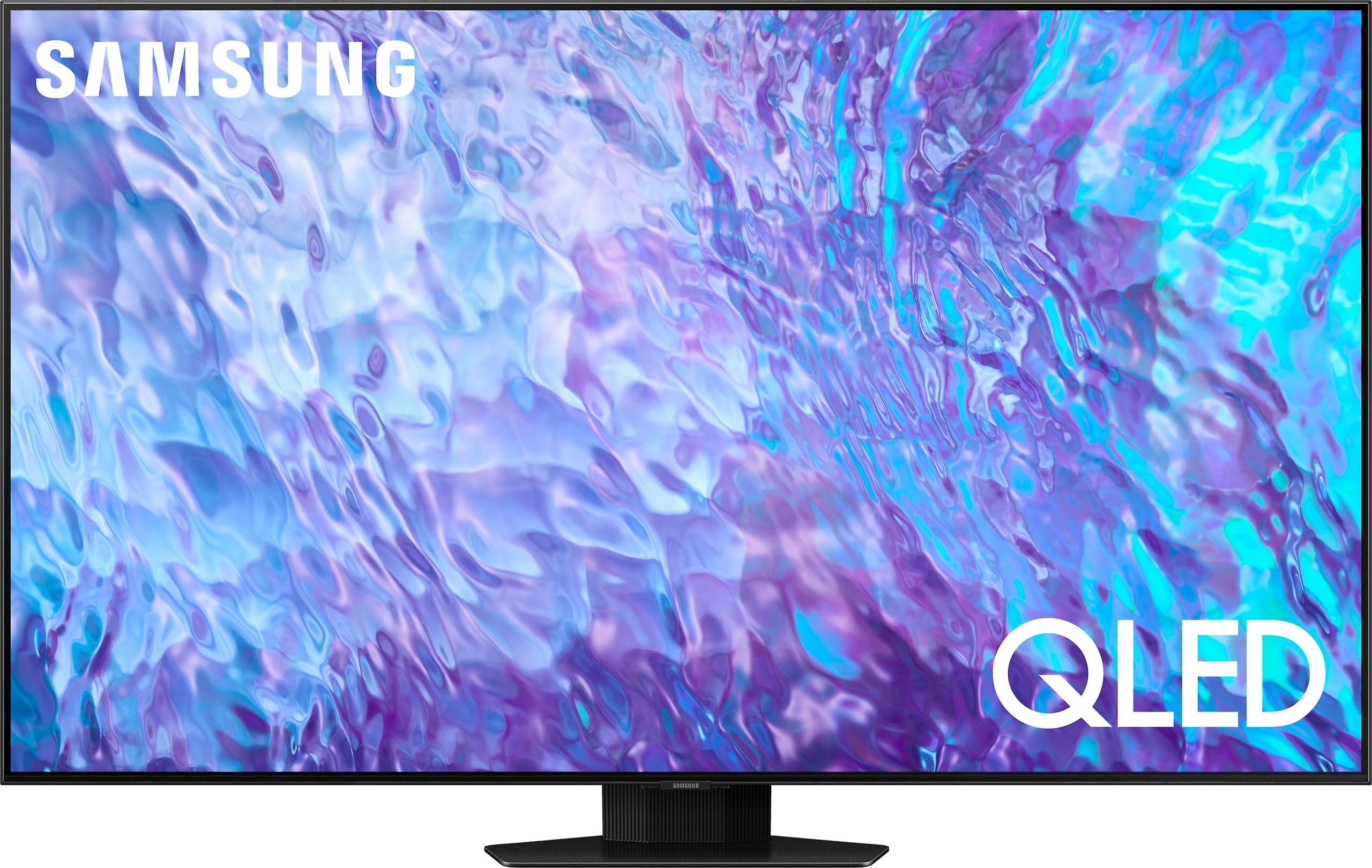
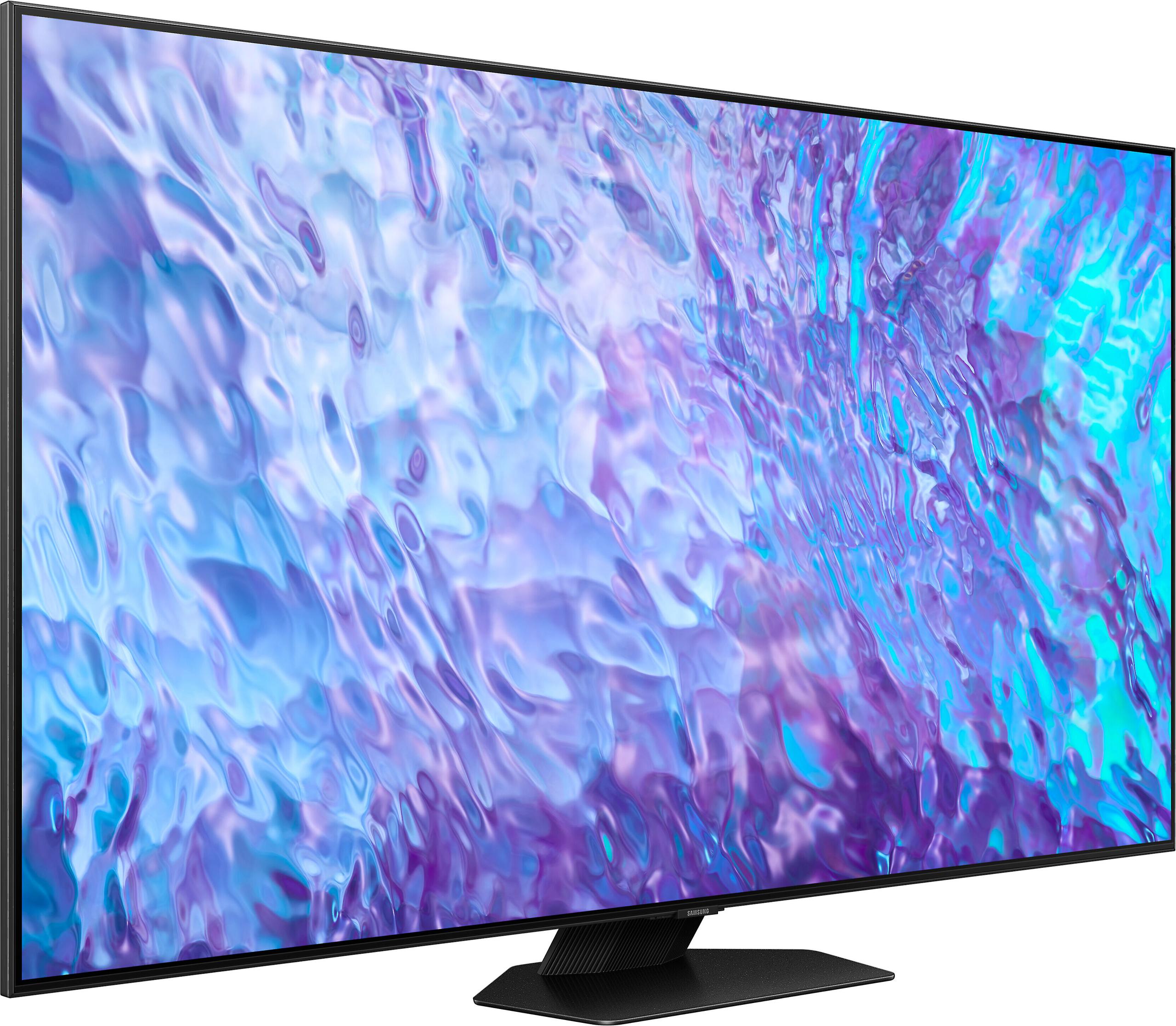
The large format TV market has exploded since 2020, with manufacturers racing to deliver cinema-sized experiences at home. Two standout options that represent different philosophies in this space are the Hisense 100" U6 Series Mini-LED 4K Fire TV and the Samsung 98" Q80C 4K Smart QLED TV. While only two inches separate them in diagonal measurement, their approaches to delivering that massive screen experience differ significantly.
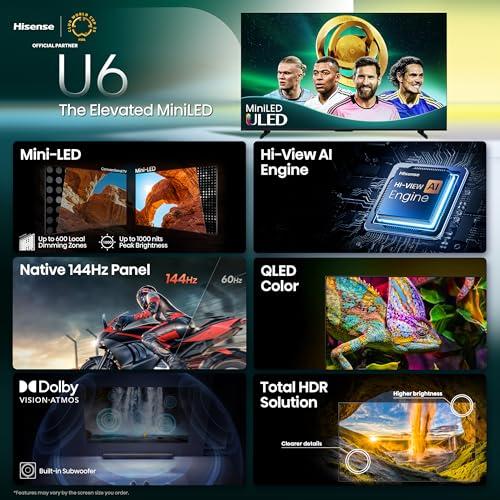
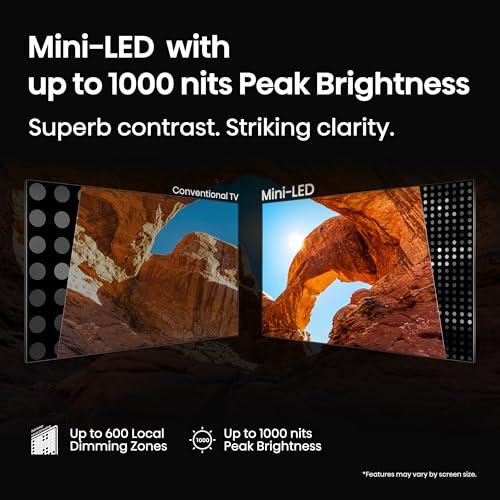
Before diving into specifics, it's crucial to understand what makes these TVs tick. At their core, both displays use LED backlighting, but they implement it very differently. The Hisense U6 employs Mini-LED technology, which uses thousands of tiny LEDs (much smaller than traditional LEDs) arranged behind the screen. These Mini-LEDs can be controlled in groups called "dimming zones" – think of it like having hundreds of individual flashlights that can brighten or dim independently to create better contrast.
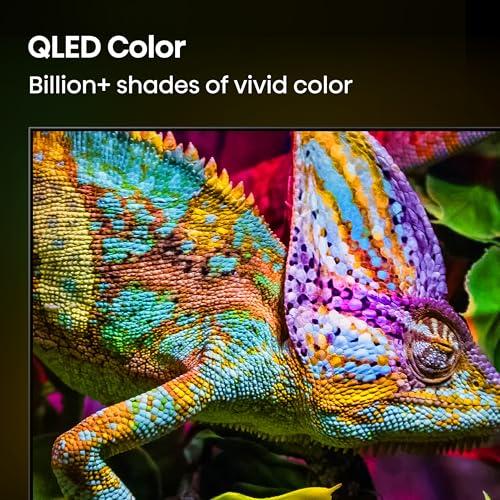
The Samsung Q80C, on the other hand, uses QLED (Quantum Dot LED) technology. This system places a layer of quantum dots – microscopic particles that emit precise colors when hit with light – between the LED backlight and the LCD panel. It's like having a color filter that can produce more accurate and vibrant hues than traditional LED TVs.
Both approaches have merit, but they excel in different areas. Mini-LED typically delivers better contrast (the difference between the darkest blacks and brightest whites), while QLED often provides more accurate color reproduction and better viewing angles.
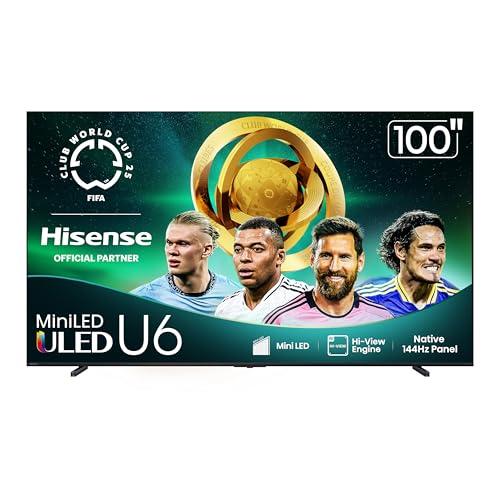
Released in 2025, the Hisense 100" U6 Series represents the company's push into premium territory while maintaining their value-focused philosophy. At the time of writing, it's priced significantly lower than comparable Samsung models – often by thousands of dollars – yet it includes features typically found in much more expensive televisions.
The standout feature is its Mini-LED backlighting system with 600 local dimming zones. To put this in perspective, many TVs in this size range have fewer than 100 dimming zones, or sometimes none at all. More zones mean more precise control over brightness across the screen. When you're watching a movie scene with bright explosions against a dark night sky, those 600 zones can make the explosions blazingly bright while keeping the surrounding darkness truly black.
The Hisense also achieves impressive peak brightness of 1000 nits. Nits measure how bright a display can get – for reference, a typical indoor environment is around 100-200 nits, while direct sunlight can reach 100,000 nits. For HDR (High Dynamic Range) content, which is designed to show a wider range of brightness levels, higher nit counts translate to more realistic and impactful visuals.
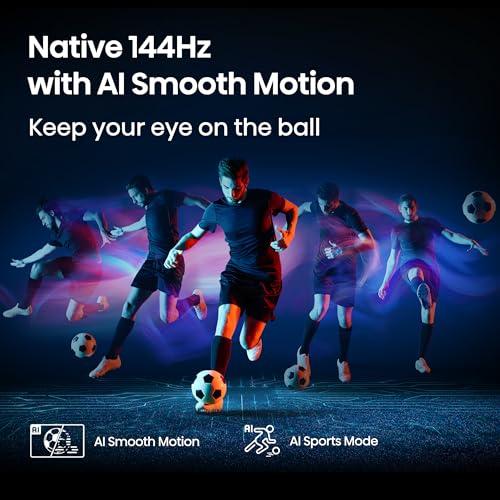
Perhaps most impressively, the U6 Series features a native 144Hz refresh rate. Refresh rate, measured in Hertz (Hz), indicates how many times per second the screen can update its image. Standard TVs typically run at 60Hz, meaning 60 updates per second. The higher 144Hz rate becomes particularly important for gaming, where it can display up to 144 frames per second for incredibly smooth motion.
The Samsung 98" Q80C, released in 2023, takes a different approach. While it "only" reaches 800 nits peak brightness and caps out at 120Hz, Samsung has invested heavily in processing power and overall refinement.
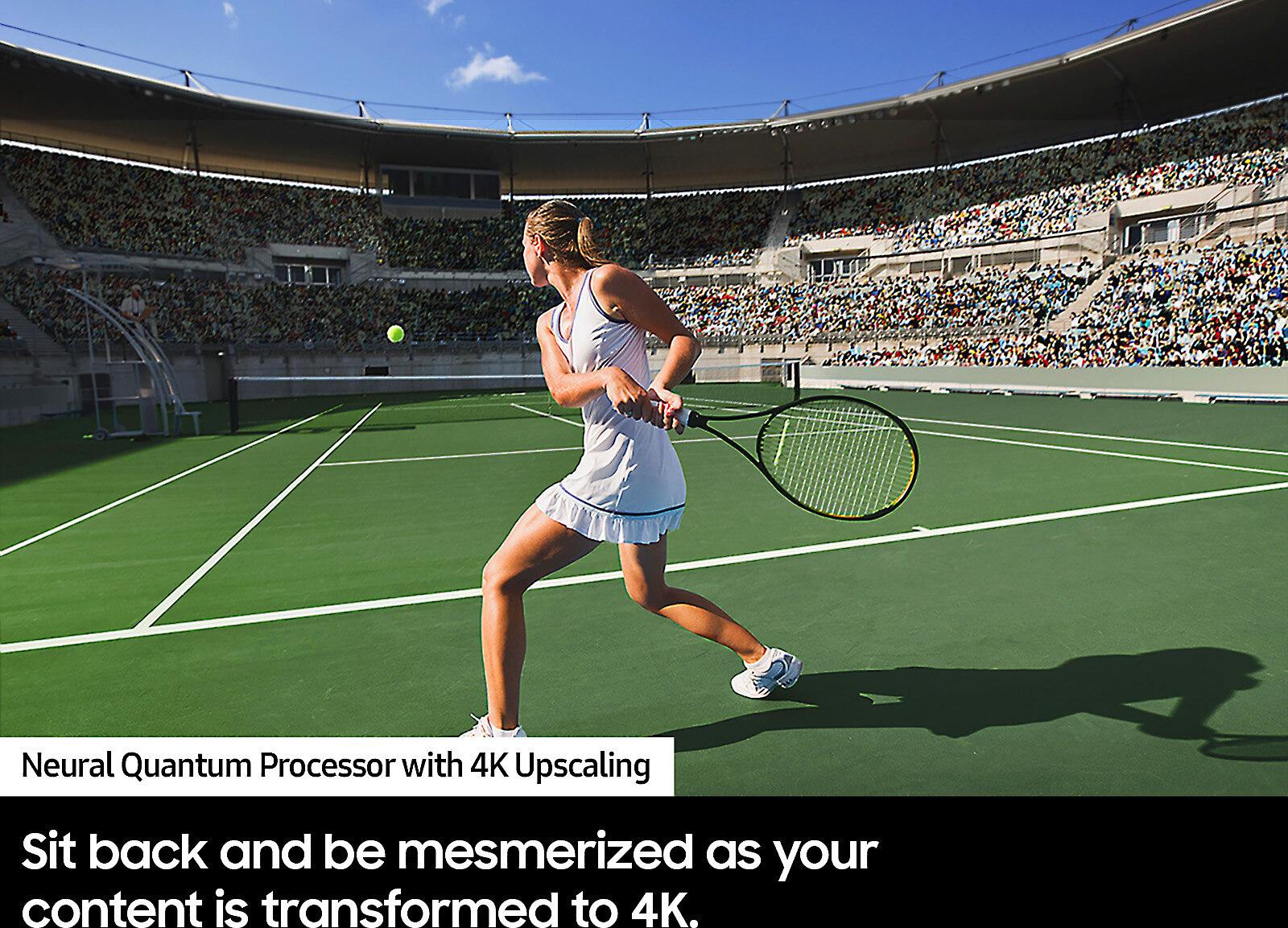
The Neural Quantum Processor 4K is Samsung's flagship processing chip, and it makes a significant difference when dealing with content that isn't native 4K resolution. Since most streaming content, cable TV, and older movies aren't actually filmed in 4K, this processor uses artificial intelligence to analyze each frame and intelligently add detail. On a screen this large, poor upscaling becomes glaringly obvious – imagine stretching a small photo to poster size and you'll understand the challenge.
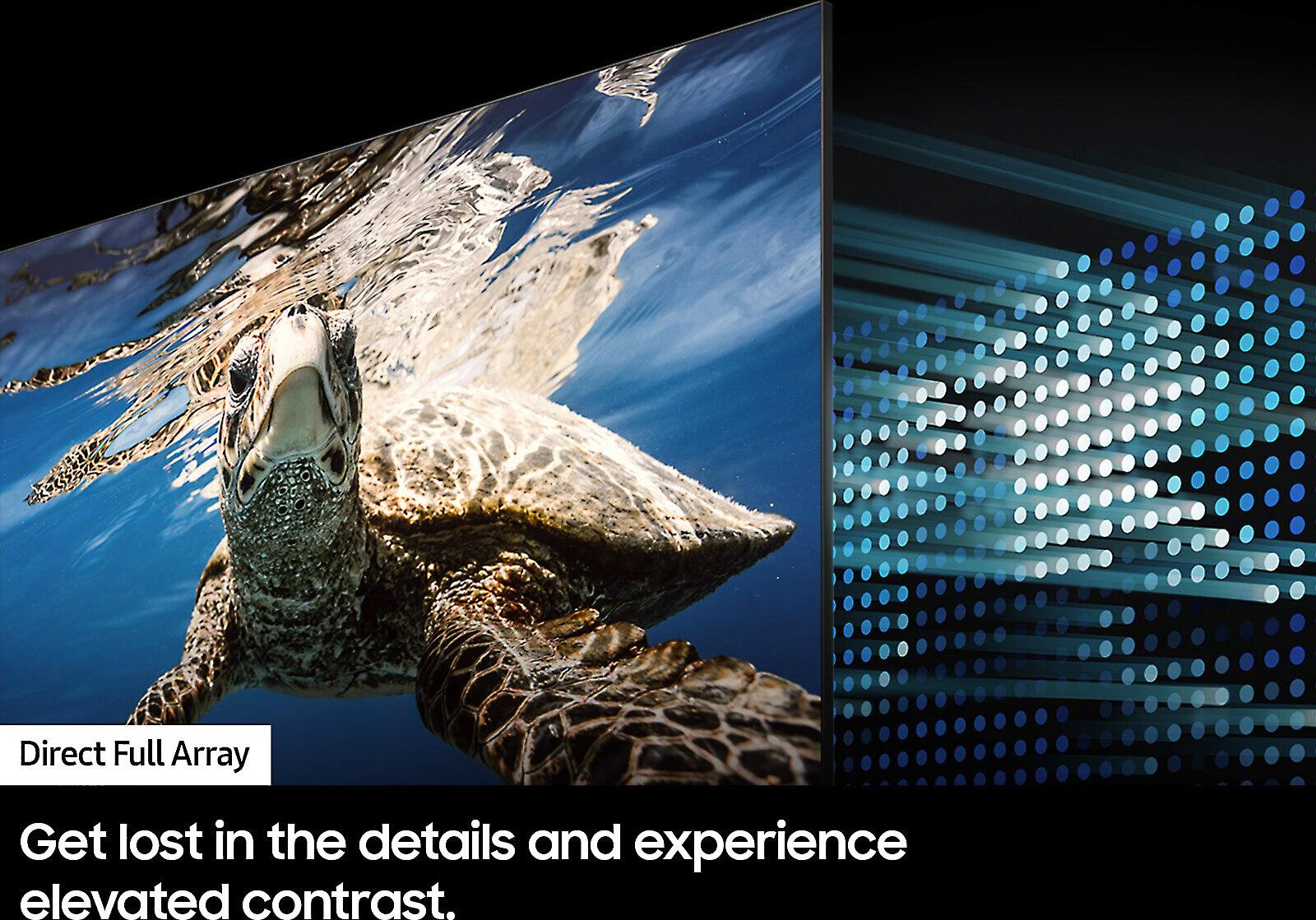
The Q80C also features Samsung's Direct Full Array technology, which provides precise backlight control, though with fewer dimming zones than the Hisense's Mini-LED system. Where Samsung often excels is in color accuracy and viewing angles. The quantum dot layer ensures colors remain consistent whether you're sitting directly in front of the TV or off to the side – important when you have a large family or frequently entertain groups.
In our analysis of professional reviews and user feedback, picture quality differences between these models become clear in specific scenarios. The Hisense U6 consistently delivers superior contrast, particularly in dark room viewing. The Mini-LED backlighting creates what reviewers describe as "inky black" darkness in movie scenes, with minimal blooming (unwanted light halos around bright objects).
However, the Samsung Q80C shows its strengths in mixed lighting conditions and when viewed from various angles. The quantum dot technology maintains color accuracy even when ambient light hits the screen, and the viewing angles remain consistent for viewers sitting off-center.
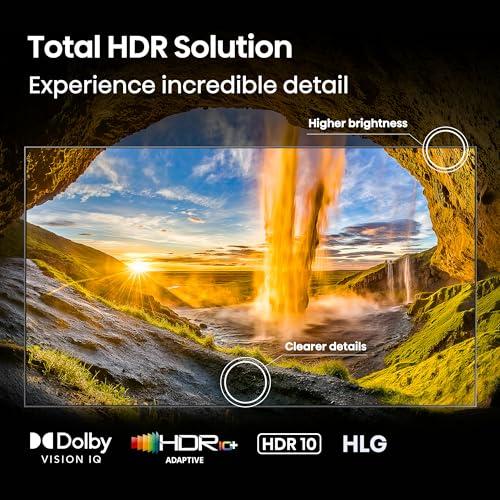
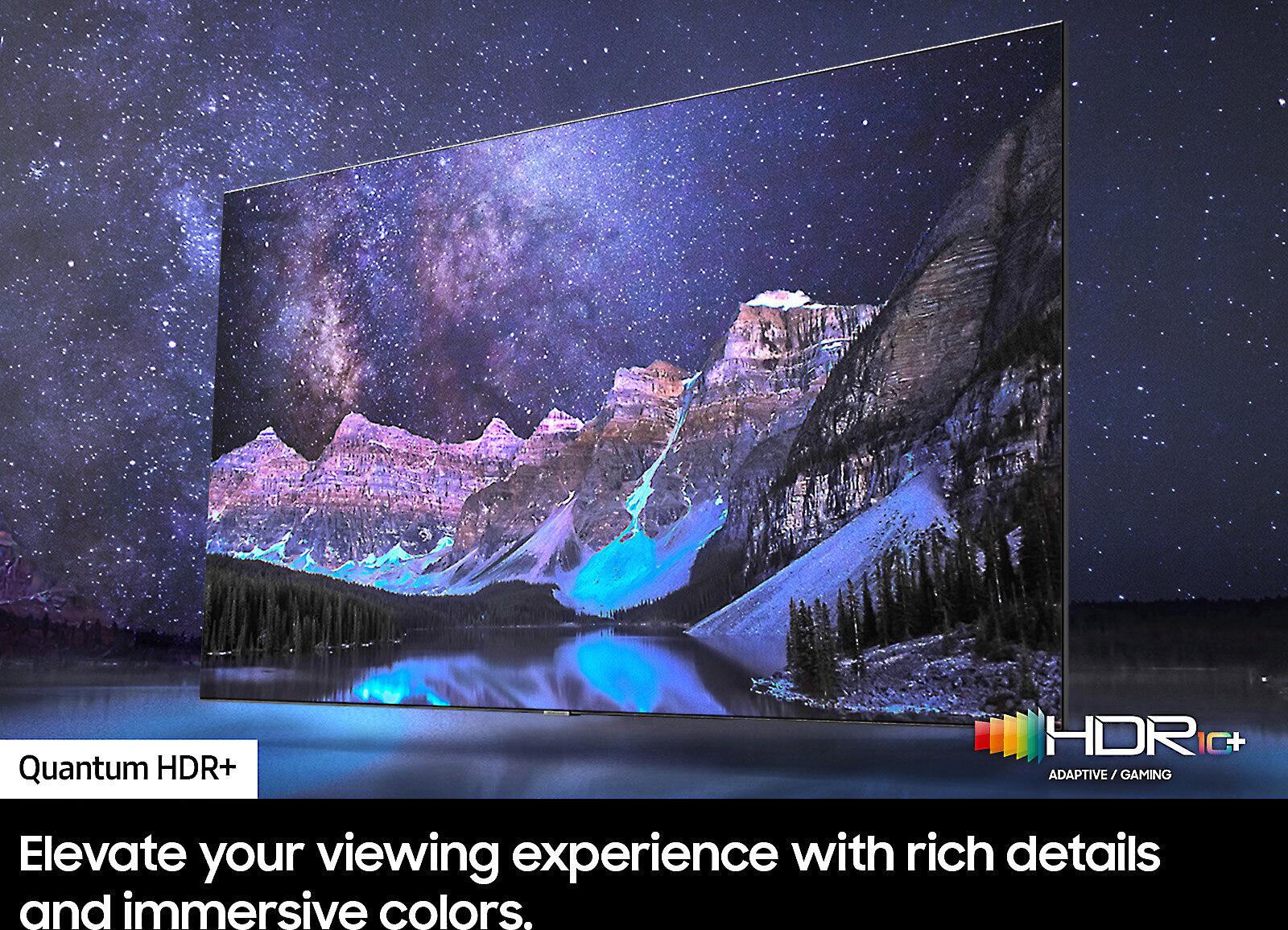
For HDR content – which includes most modern movies and shows on Netflix, Disney+, and other streaming services – the Hisense's higher peak brightness gives it an edge in delivering the intended visual impact. HDR is designed to match what your eyes see in real life, with bright highlights that actually look bright rather than washed out.
If gaming is a priority, the Hisense 100" U6 offers compelling advantages. That 144Hz refresh rate isn't just a number on a spec sheet – it translates to noticeably smoother gameplay, especially in fast-paced games. The Variable Refresh Rate (VRR) technology, which synchronizes the TV's refresh rate with your gaming console's output, virtually eliminates screen tearing (when the image appears to split horizontally during motion).
The Samsung Q80C is no slouch for gaming, with its 120Hz capability and impressive 9.7ms input lag (the delay between pressing a controller button and seeing the action on screen). For most gamers, this performance is excellent. However, competitive gamers who prioritize every possible advantage will appreciate the Hisense's higher refresh rate capability.
Both TVs support modern gaming features like 4K resolution at high refresh rates, but the Hisense can also handle 1440p resolution at its full 144Hz, giving PC gamers more flexibility in choosing their preferred balance between resolution and frame rate.
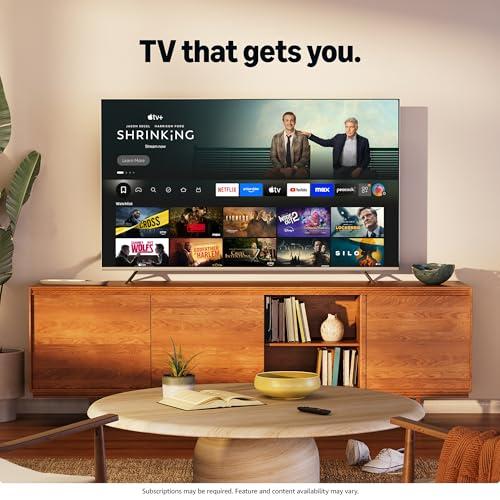
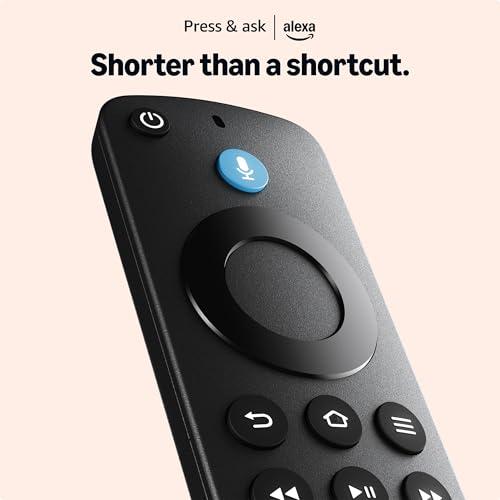
The software experience represents one of the starkest differences between these models. The Hisense U6 runs Amazon's Fire TV platform, which integrates seamlessly with Amazon's ecosystem. If you're already invested in Alexa smart home devices or frequently use Amazon Prime Video, this integration feels natural and convenient.
Fire TV offers an extensive app selection and generally responsive performance, though some users report occasional interface lag on very large screens. The built-in Alexa functionality allows voice control not just for the TV, but for connected smart home devices throughout your house.
The Samsung Q80C runs Samsung's Tizen operating system, which many reviewers praise for its polished interface and smooth performance. Tizen typically receives longer software support – Samsung has a better track record of providing updates years after purchase. However, Tizen integrates more advertising into the interface, which some users find intrusive.
For streaming quality, the Samsung's superior upscaling becomes particularly important at these massive screen sizes. When you're sitting 12-15 feet from a 100-inch screen, imperfections in lower-quality streaming content become more noticeable. Samsung's processing helps minimize these issues.
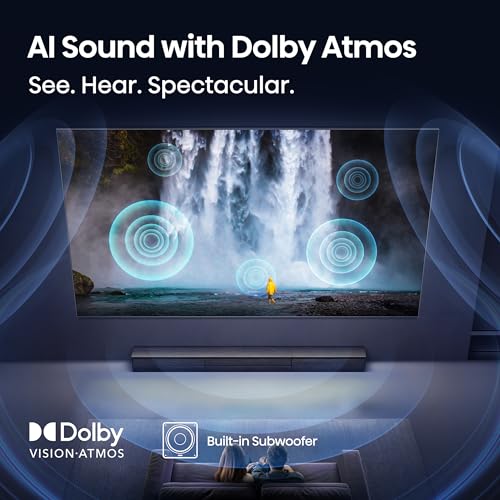
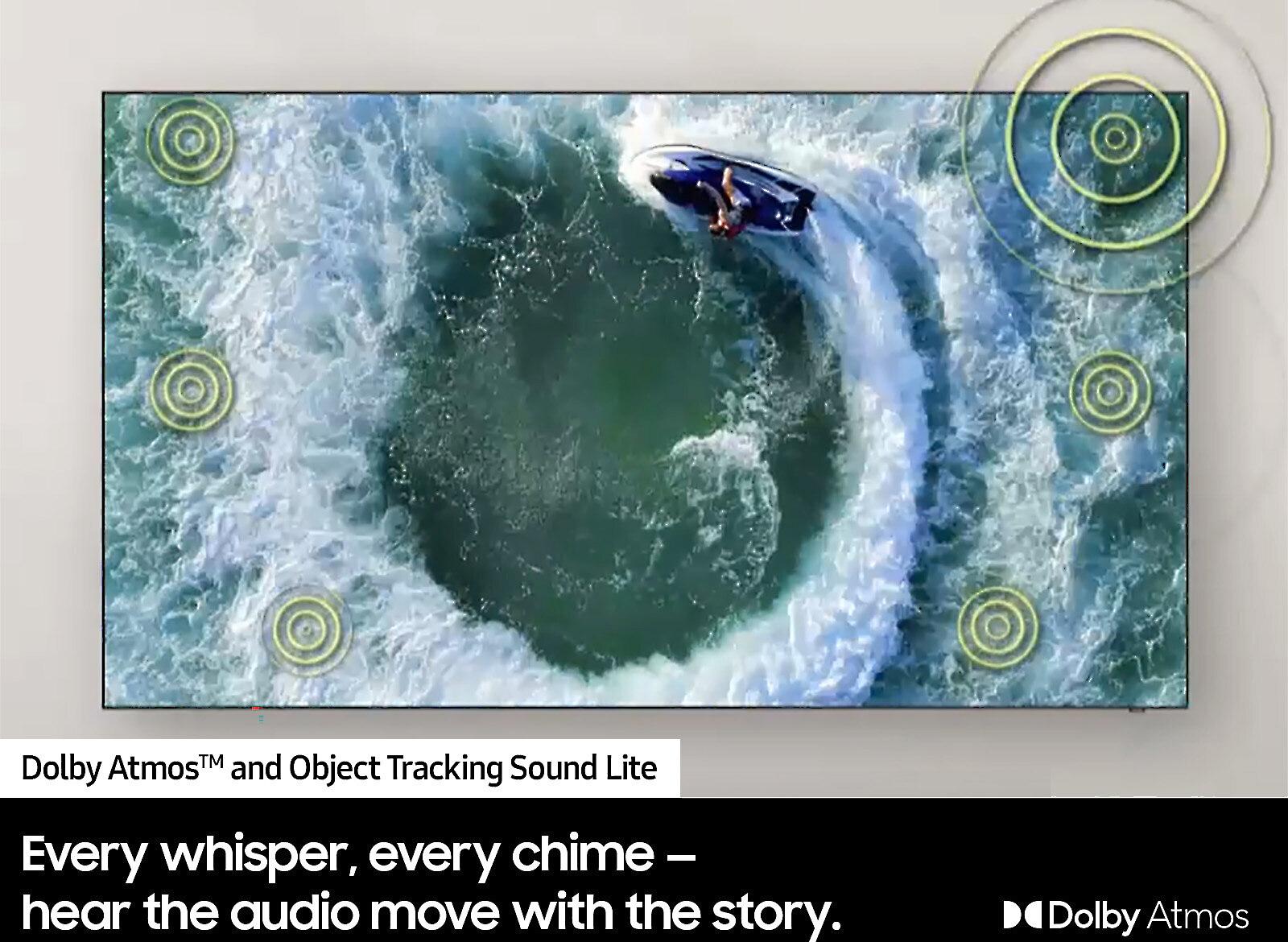
Both TVs support Dolby Atmos, a surround sound technology that creates the impression of sound moving around and above you. However, built-in TV speakers – even good ones – struggle to fill the acoustic space that a 100-inch screen demands. The Samsung Q80C includes 40W of built-in audio power, which is respectable for TV speakers, but both displays really shine when paired with a dedicated sound system.
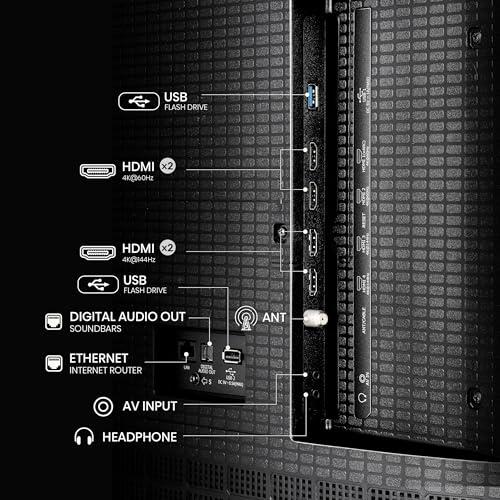
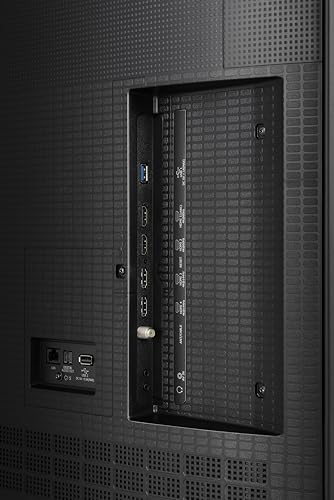
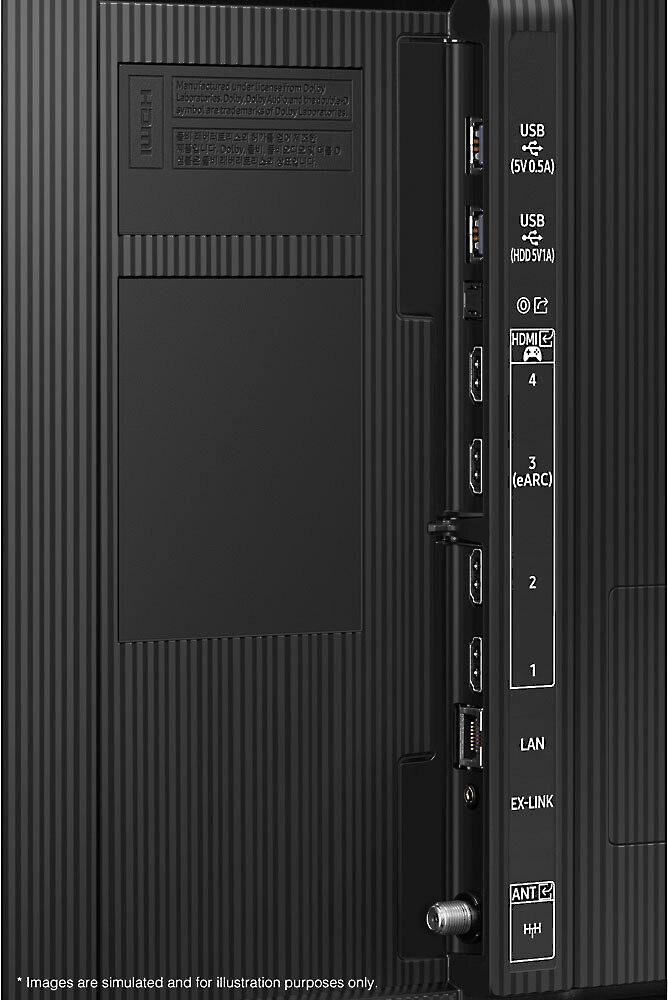
For true home theater setups, plan to invest in either a soundbar or a full surround sound system. Both TVs include eARC (Enhanced Audio Return Channel) HDMI ports that can send high-quality audio to compatible sound systems.
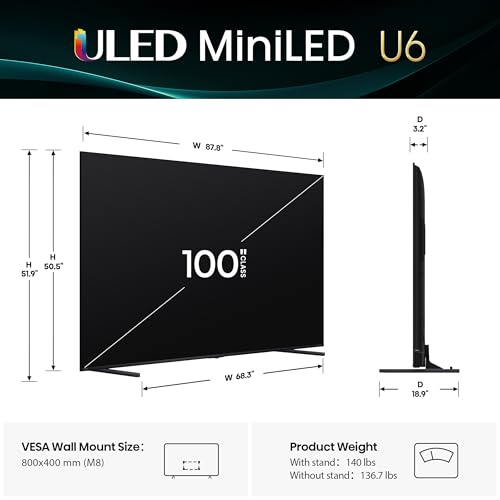
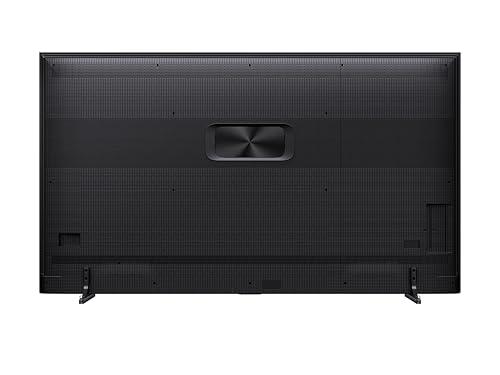
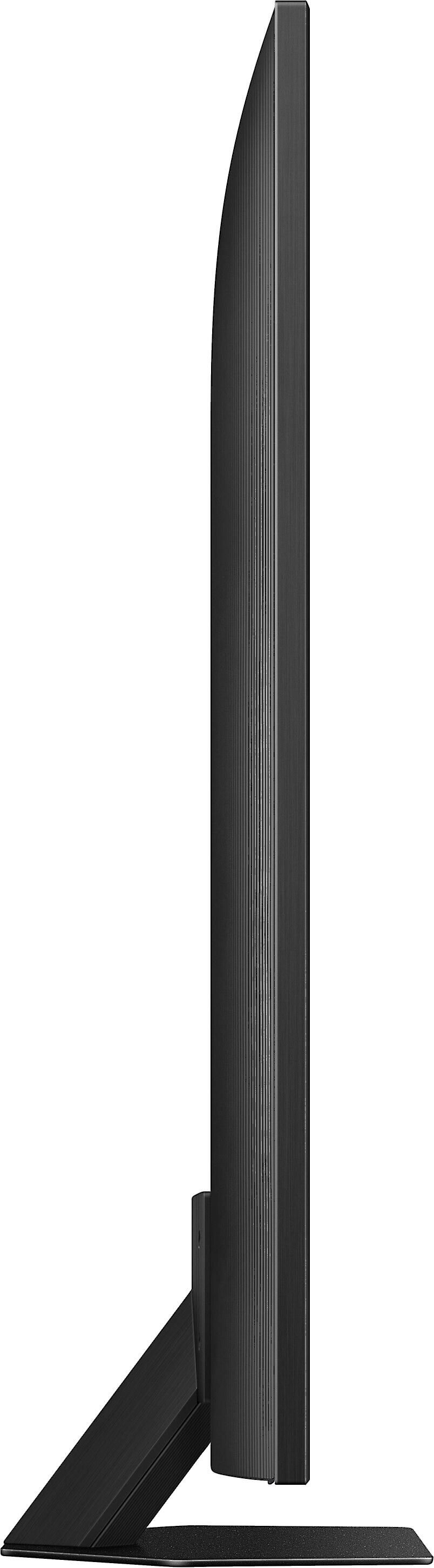
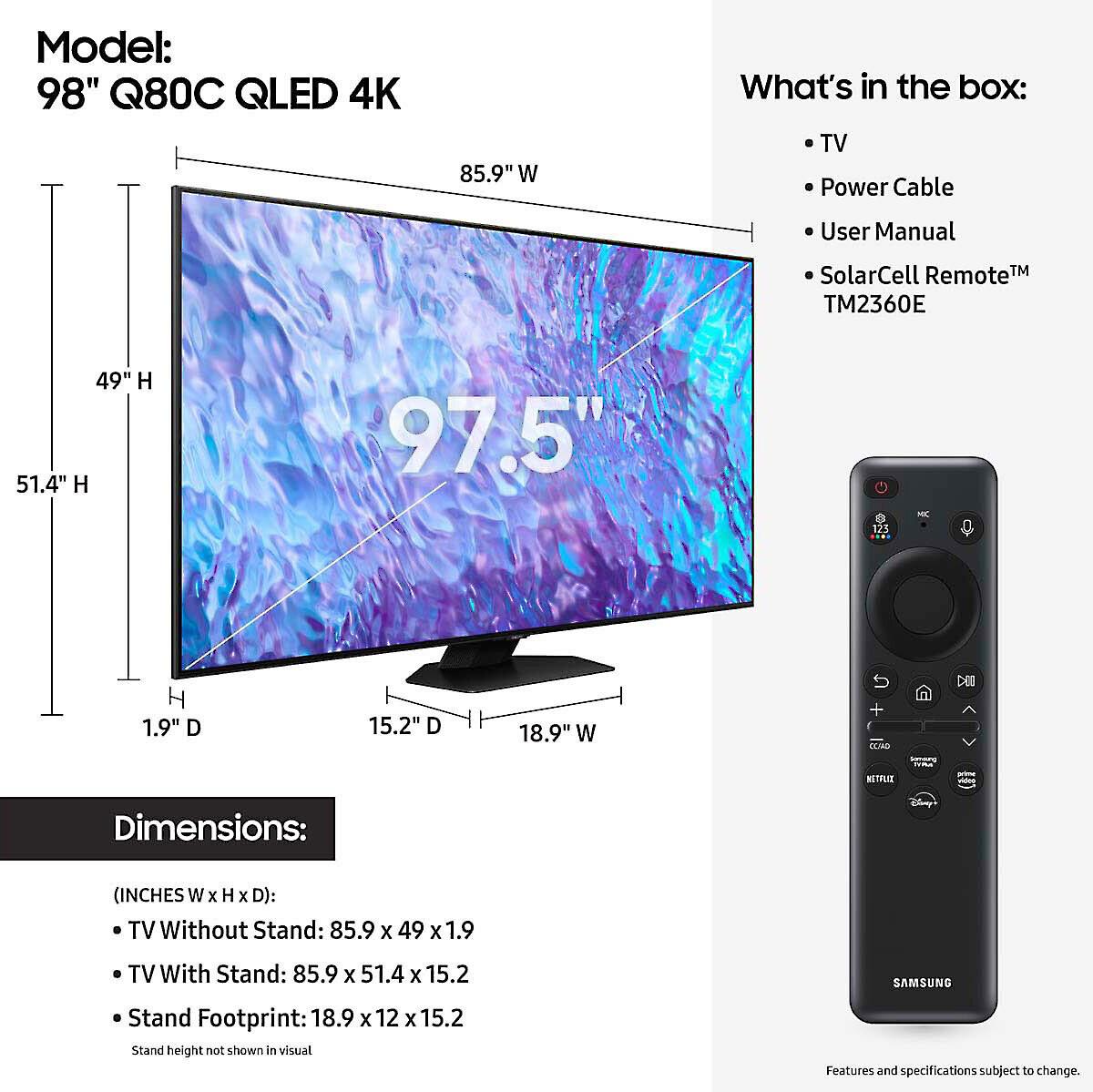
These massive displays require serious planning. Both TVs weigh over 130 pounds and require sturdy wall mounts or entertainment centers. The viewing distance recommendation of 12-15 feet means you need a genuinely large room to appreciate these displays properly.
The Hisense U6 includes a matte finish that helps reduce reflections, making it more suitable for rooms with challenging lighting conditions. The Samsung Q80C uses an anti-glare coating that's also effective, though some users report it can make colors appear slightly less vibrant in very bright rooms.
At the time of writing, the price difference between these models is substantial – often several thousand dollars in favor of the Hisense. This creates an interesting value equation: you're getting superior specifications in key areas (brightness, refresh rate, screen size) for significantly less money.
However, Samsung's reputation for reliability and longer software support shouldn't be dismissed. The Q80C likely represents a safer long-term investment if you plan to keep the TV for many years. Samsung's track record for providing software updates and maintaining performance over time is generally stronger than Hisense's, though Hisense has been improving in this area.
The decision between these two giants ultimately depends on your specific needs and priorities. Choose the Hisense 100" U6 Series if you're building a dedicated home theater in a room with controlled lighting, prioritize gaming performance, or want maximum screen size for your budget. The Mini-LED technology and 144Hz capabilities genuinely compete with TVs costing thousands more.
The Samsung 98" Q80C makes more sense if you frequently stream content from various sources (where the superior upscaling matters), have a room with challenging lighting or multiple seating positions, or prioritize long-term reliability over cutting-edge specifications.
For most buyers, the Hisense represents exceptional value – delivering 80-90% of premium TV performance at a significantly lower price point. The gaming advantages and superior contrast make it compelling for enthusiasts who want flagship features without flagship pricing.
However, if you're investing in what will likely be your primary TV for the next 5-7 years, the Samsung's refinement, proven reliability, and superior processing for streaming content might justify the premium.
Both displays will transform your viewing experience and serve as impressive centerpieces for home entertainment. The choice comes down to whether you prioritize maximum performance per dollar or prefer paying extra for Samsung's proven track record and polished experience.
| Hisense 100" U6 Series Mini-LED 4K Fire TV | Samsung 98" Q80C 4K Smart QLED TV |
|---|---|
| Screen Size - Maximum immersion for home theater | |
| 100" diagonal (true cinema scale) | 98" diagonal (nearly identical viewing experience) |
| Display Technology - Determines contrast and color performance | |
| Mini-LED with 600 local dimming zones (superior contrast) | QLED with Direct Full Array (better color accuracy) |
| Peak Brightness - Critical for HDR content impact | |
| 1,000 nits (excellent HDR performance) | 800 nits (good HDR, less impactful highlights) |
| Refresh Rate - Essential for gaming and sports | |
| 144Hz native (exceptional gaming smoothness) | 120Hz (very good, industry standard) |
| Gaming Features - Variable refresh rate and input lag | |
| VRR 48-144Hz, AMD FreeSync Premium | VRR support, 9.7ms input lag, FreeSync Premium Pro |
| Smart TV Platform - Long-term software support and app ecosystem | |
| Amazon Fire TV (extensive apps, Alexa integration) | Samsung Tizen OS (polished interface, longer support) |
| Processing Power - Upscaling quality for streaming content | |
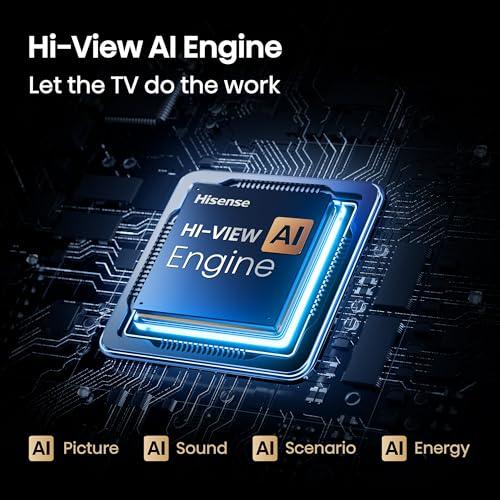
| Hi-View AI Engine (good upscaling) | Neural Quantum Processor 4K (superior upscaling) |
| HDR Support - Compatibility with premium content formats | |
| Dolby Vision IQ, HDR10+, HDR10, HLG | Quantum HDR+, HDR10+, HDR10, HLG |
| Audio Technology - Built-in sound capabilities | |
| Dolby Atmos support (external system recommended) | 40W speakers, Dolby Atmos (external system recommended) |
| Viewing Angles - Picture quality when viewed off-center | |
| Limited (best for centered seating) | Wide viewing angle (better for group viewing) |
| Release Year - Technology generation and feature set | |
| 2025 model (latest Mini-LED technology) | 2023 model (proven QLED implementation) |
| Value Proposition - Performance per dollar consideration | |
| Exceptional value with flagship features at lower cost | Premium pricing for refined experience and reliability |
The Hisense 100" U6 Series Mini-LED 4K Fire TV is significantly better for gaming with its 144Hz refresh rate compared to the Samsung 98" Q80C 4K Smart QLED TV's 120Hz. The Hisense also supports variable refresh rates from 48-144Hz with AMD FreeSync Premium, making it ideal for competitive gaming and next-gen consoles.
The Hisense 100" U6 Series uses Mini-LED technology with 600 local dimming zones and reaches 1,000 nits brightness, delivering superior contrast and HDR performance. The Samsung 98" Q80C uses QLED technology with better color accuracy and wider viewing angles, plus superior upscaling for streaming content.
The Hisense 100" U6 Series Mini-LED 4K Fire TV offers exceptional value, typically costing significantly less than the Samsung 98" Q80C while providing higher peak brightness, faster refresh rates, and a larger 100-inch screen versus Samsung's 98-inch display.
The Hisense runs Amazon Fire TV with built-in Alexa and extensive app selection, ideal for Amazon ecosystem users. The Samsung 98" Q80C uses Samsung's Tizen OS, which offers a more polished interface, better long-term software support, but includes more integrated advertising.
The Hisense 100" U6 Series excels in bright rooms with its 1,000-nit peak brightness and matte finish that reduces glare. The Samsung 98" Q80C reaches 800 nits and includes anti-glare coating, but the Hisense's higher brightness gives it an advantage for daytime viewing.
For dedicated home theaters with controlled lighting, the Hisense 100" U6 Series Mini-LED is superior due to its Mini-LED technology delivering deeper blacks and higher contrast. The Samsung works better for multi-purpose rooms with its wider viewing angles and superior upscaling.
The Hisense supports Dolby Vision IQ, HDR10+, HDR10, and HLG formats, with Dolby Vision IQ automatically adjusting to room lighting. The Samsung 98" Q80C supports Quantum HDR+, HDR10+, HDR10, and HLG, with excellent HDR processing through its Neural Quantum Processor.
The Samsung 98" Q80C generally provides better motion processing for sports content and handles fast-moving scenes more smoothly. However, the Hisense 100" U6 Series's higher 144Hz refresh rate can also deliver excellent sports viewing, especially for high frame rate content.
The Samsung offers significantly better viewing angles due to its QLED technology, maintaining color accuracy and brightness when viewed from the side. The Hisense 100" U6 Series has more limited viewing angles, performing best when viewed straight-on.
The Samsung 98" Q80C 4K Smart QLED TV typically offers better long-term reliability and longer software support based on Samsung's track record. While the Hisense has improved significantly in recent years, Samsung generally provides more consistent updates and support over the TV's lifespan.
The Samsung excels at upscaling with its Neural Quantum Processor 4K, making lower-resolution streaming content look sharper on the massive screen. The Hisense 100" U6 Series Mini-LED 4K Fire TV provides decent upscaling through its Hi-View AI Engine, but the Samsung has a clear advantage for non-4K content.
We've done our best to create useful and informative comparisons to help you decide what product to buy. Our research uses advanced automated methods to create this comparison and perfection is not possible - please contact us for corrections or questions. These are the sites we've researched in the creation of this article: bestbuy.com - rtings.com - youtube.com - rtings.com - youtube.com - youtube.com - costco.com - pcrichard.com - hisense-usa.com - electronicexpress.com - pcrichard.com - circuitworldonline.com - bestbuy.com - bestbuy.com - premiumincentive.com - hisense-usa.com - hisense-usa.com - pcrichard.com - rtings.com - bestbuy.com - hisense-usa.com - avsforum.com - techradar.com - samsung.com - rtings.com - abt.com - trustedreviews.com - billsmith.com - samsung.com - samsung.com - images.samsung.com - samsung.com - youtube.com

Privacy Policy
Terms and Conditions - Affiliate Policy
Home Security
© Copyright 2008-2026.
11816 Inwood Rd #1211, Dallas, TX 75244