

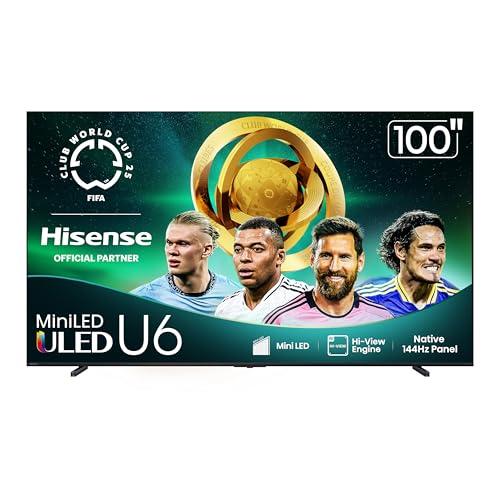
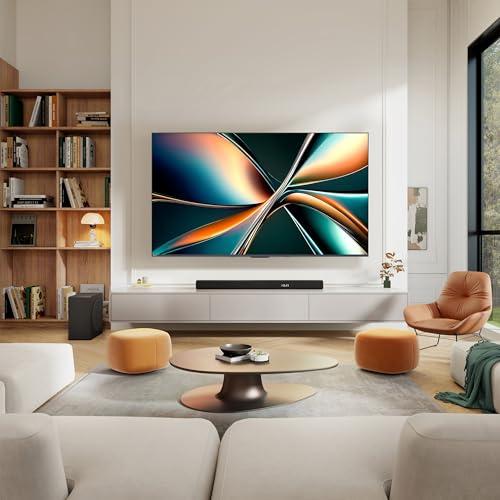
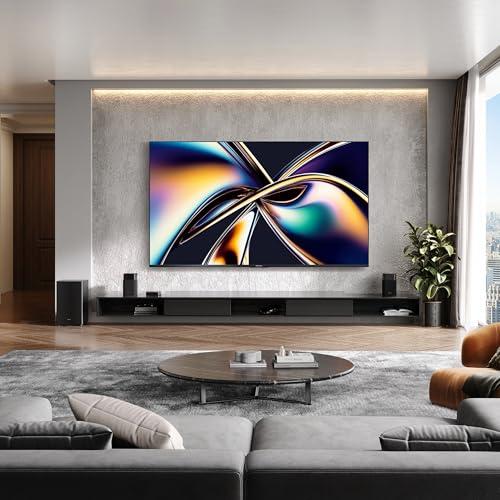
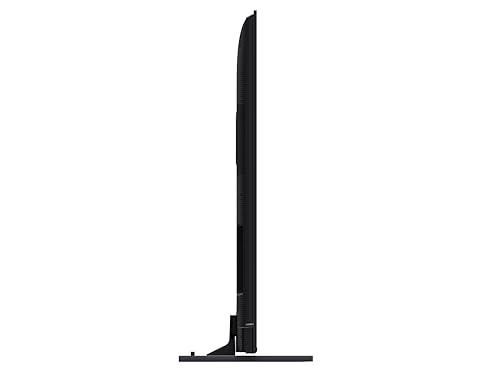
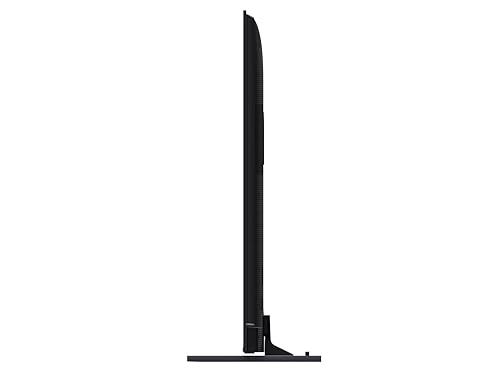
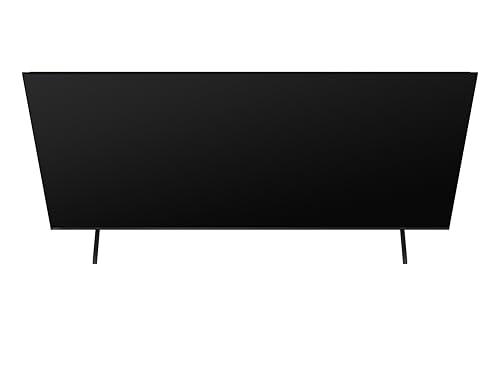
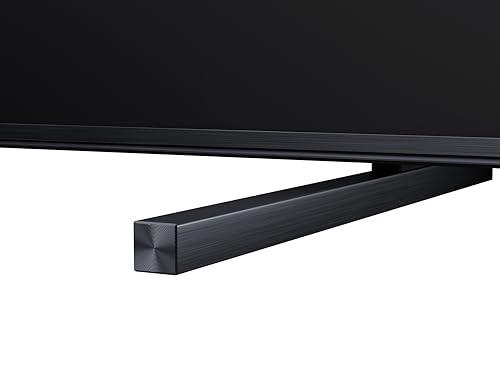
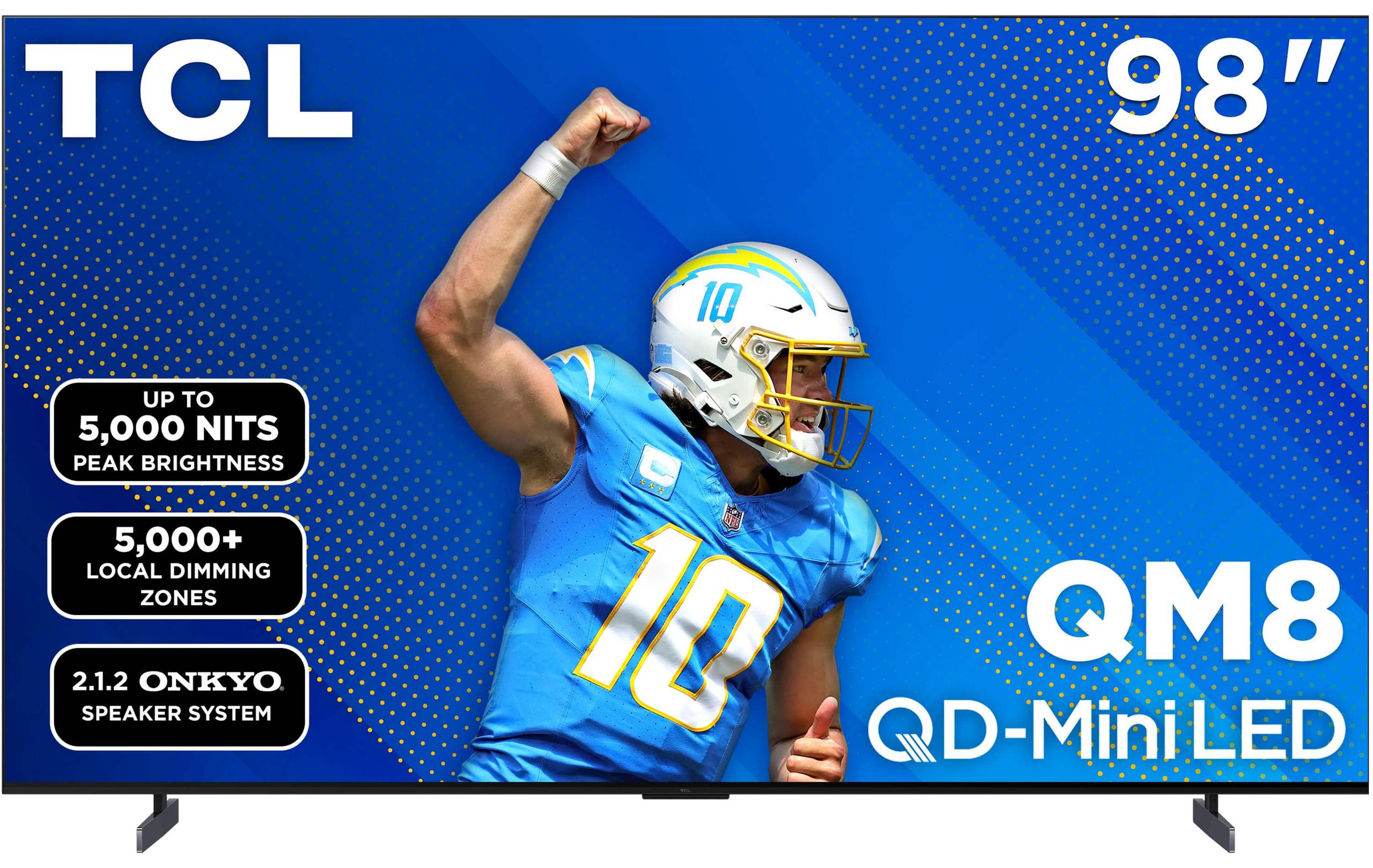
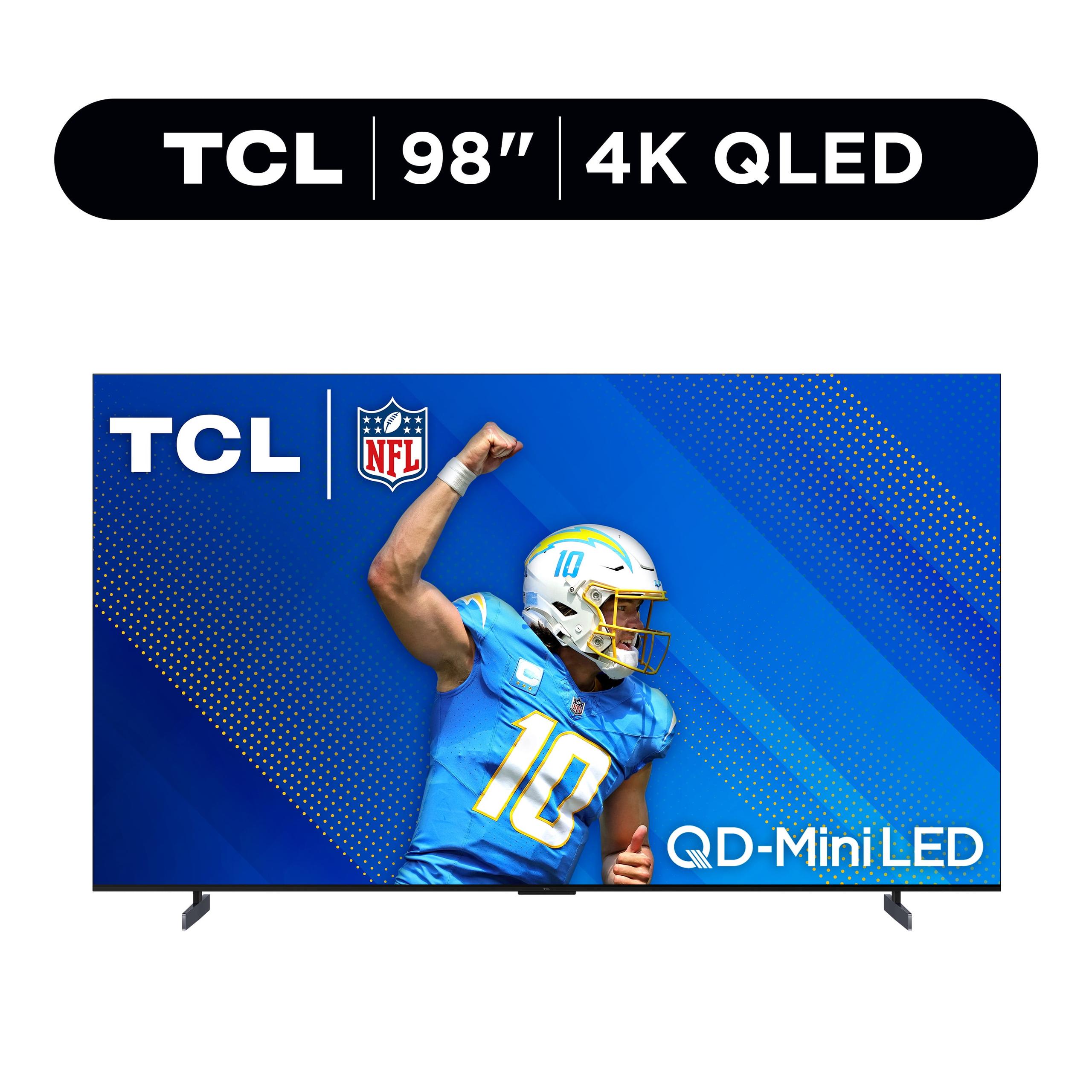

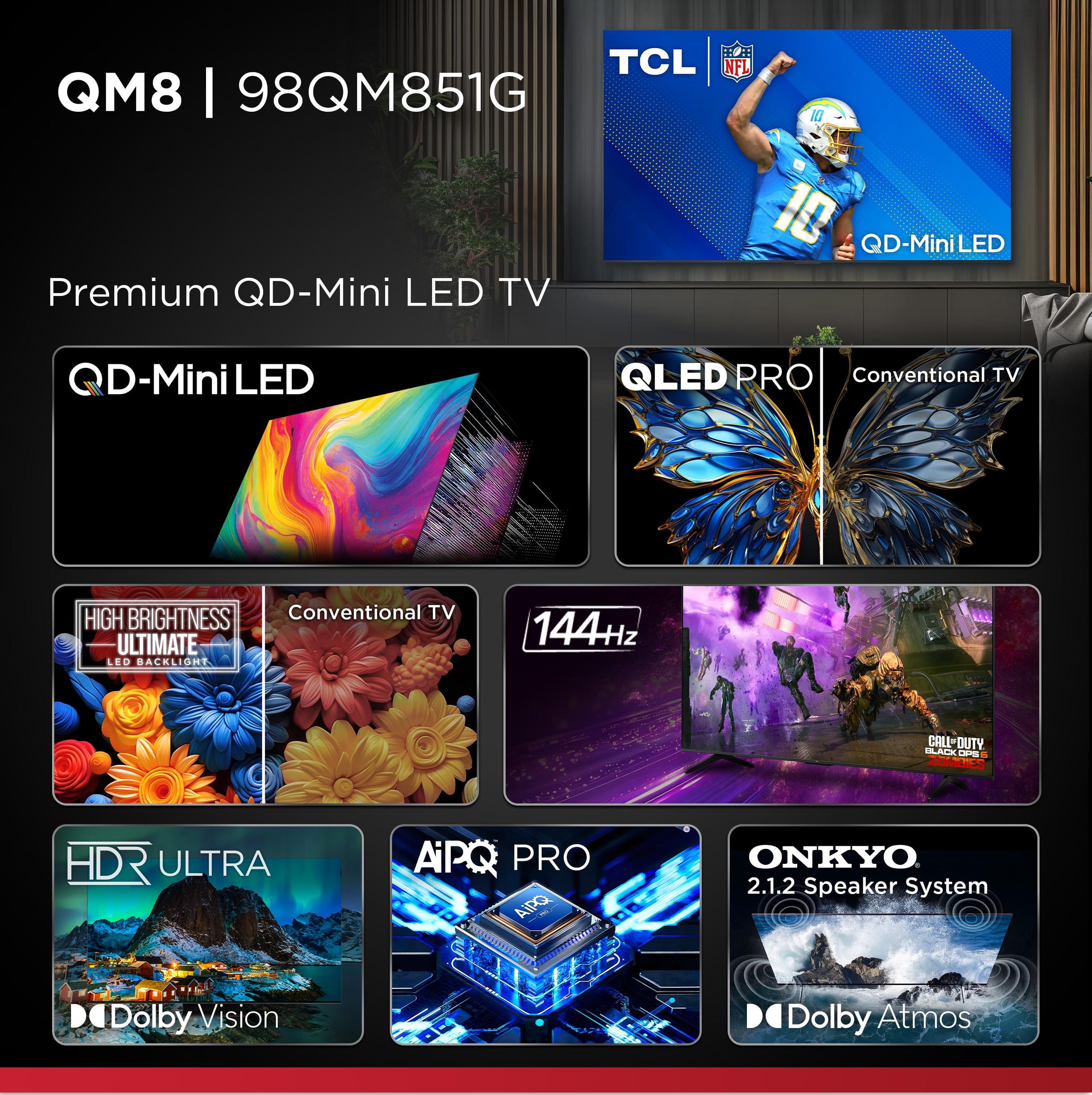




When you're shopping for a TV that basically turns your living room into a movie theater, you're looking at some seriously impressive technology. The Hisense 100" U6 Series Mini-LED 4K Fire TV and TCL 98" QM8 Series 4K UHD Smart Google TV both represent the cutting edge of large-format display technology, but they take notably different approaches to get there.
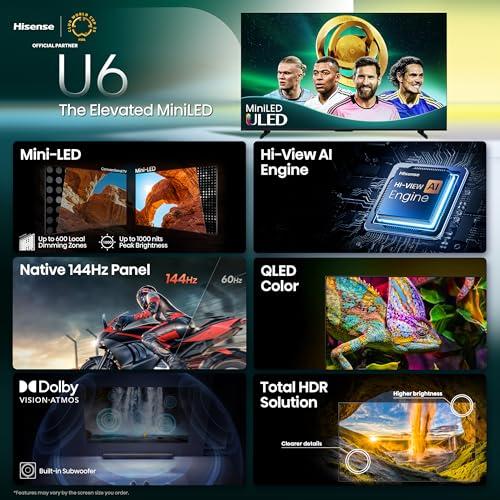
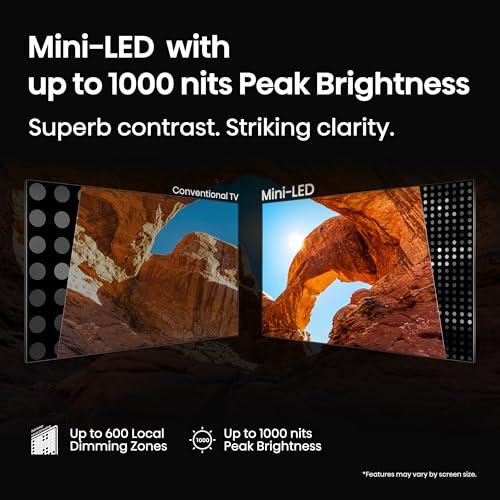
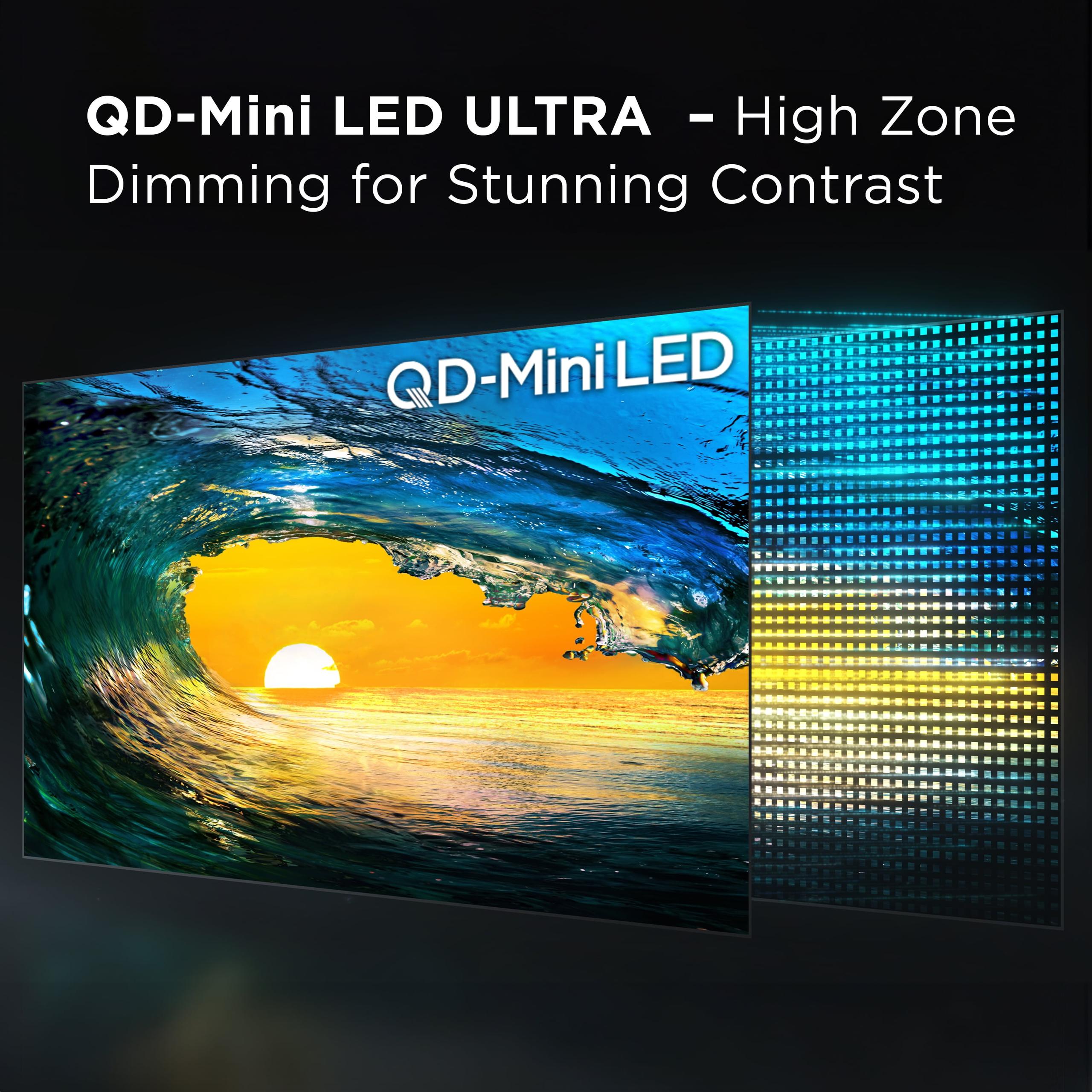
Both of these massive screens use Mini-LED technology, which is like having thousands of tiny LED lights behind your screen that can turn on and off independently. Think of it as having incredibly precise control over which parts of your screen are bright and which are dark - this creates those deep blacks you see in movie theaters while keeping bright scenes punchy and realistic.
Before diving into the differences, it's worth understanding why Mini-LED technology matters for screens this large. Traditional LED TVs use larger LED lights spread further apart, which can create "blooming" - that annoying halo effect around bright objects on dark backgrounds. Mini-LED uses thousands of much smaller lights packed closer together, giving you far more precise control over lighting zones.
This precision becomes crucial when you're dealing with screens approaching 100 inches. At that size, any imperfections in backlighting become much more noticeable from your couch. Both the Hisense U6 and TCL QM8 leverage this technology, but their implementations tell very different stories about their target audiences.
The Hisense 100" U6 Series, released in 2024, represents what I'd call the "democratization" approach to premium TV technology. Hisense took Mini-LED tech and made it accessible to people who want a massive screen without spending flagship money. At the time of writing, it's priced significantly lower than comparable models from other manufacturers, making it an entry point into serious home theater territory.
The TCL 98" QM8 Series, also from 2024, takes the opposite approach. This is TCL's flagship model, designed to showcase what the company can do when budget isn't the primary constraint. The price difference reflects this philosophy - expect to pay roughly 50% more for the TCL compared to the Hisense.
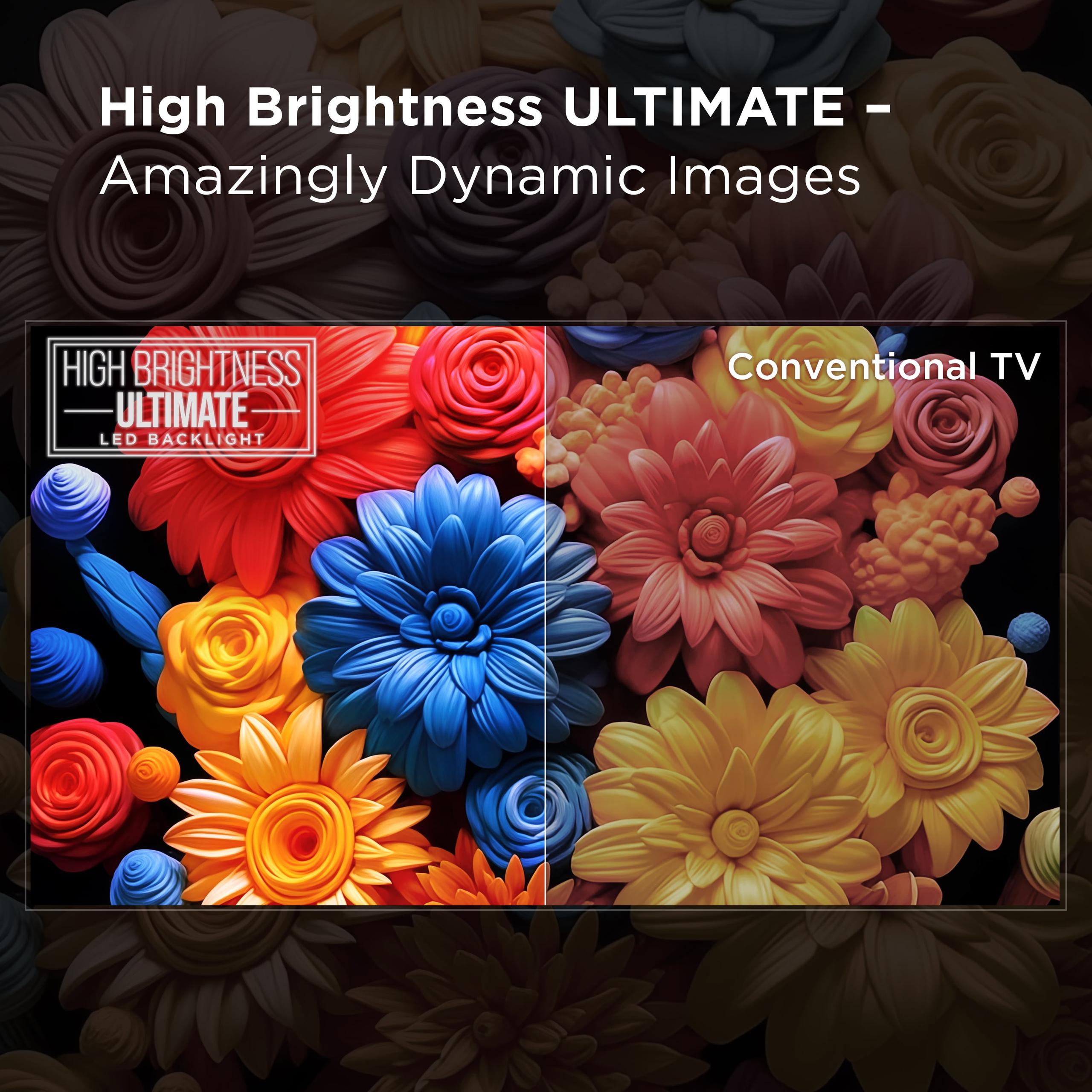
Here's where these TVs diverge dramatically. Our research into professional testing reveals that the TCL QM8 produces peak brightness levels of around 4,400 nits in HDR content - that's bright enough to make you squint during sunny outdoor scenes. The Hisense U6, by comparison, tops out around 1,000 nits.
Now, 1,000 nits isn't dim by any means - it's perfectly adequate for most viewing conditions and content. But 4,400 nits is in a different league entirely. This extreme brightness capability means the TCL QM8 can make HDR content look almost three-dimensional, with highlights that genuinely pop off the screen. Think of the difference between a good LED flashlight and a powerful car headlight - both work, but one creates a dramatically more intense experience.
This brightness advantage makes the TCL QM8 particularly compelling if your viewing room has windows or ambient lighting. Many large TVs struggle in bright rooms because they can't compete with natural light, but this TCL has enough firepower to remain vibrant even with afternoon sun streaming in.
Both TVs use local dimming (the ability to darken specific areas of the screen while keeping others bright), but their sophistication differs considerably. The TCL QM8 employs more advanced algorithms that respond faster and more precisely to on-screen content.
In practical terms, this means better performance during those dramatic movie scenes where a character holds a candle in a dark room. The Hisense U6 will show you the scene effectively, but you might notice some light bleeding around the bright candle flame. The TCL QM8 maintains tighter control, keeping the flame bright while the surrounding darkness stays genuinely black.
For home theater enthusiasts who watch a lot of movies in darkened rooms, this difference becomes significant over time. It's the kind of refinement that makes you forget you're watching a TV rather than looking through a window into another world.
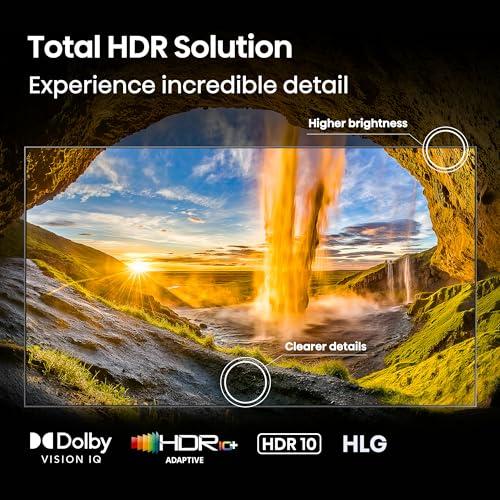
Both TVs support the latest color standards, including Dolby Vision IQ and HDR10+, but they interpret these standards differently. Professional measurements show the TCL QM8 covers nearly 98% of the cinema-standard color gamut with excellent accuracy - meaning colors appear as filmmakers intended.
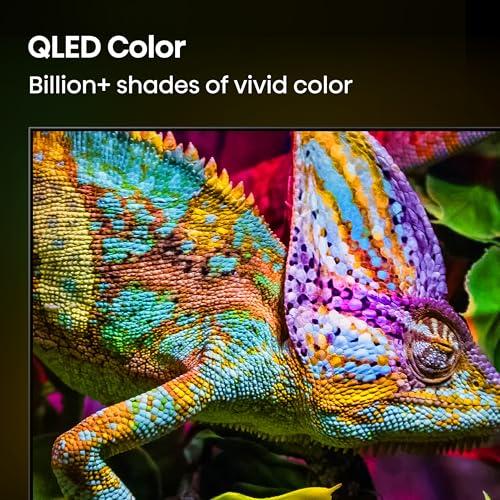
The Hisense U6 uses Quantum Dot technology to produce what Hisense calls "billion+ shades of color." While specific measurements weren't available in our research, user reviews consistently praise its vibrant, punchy colors that make content feel immediate and engaging.
This represents a classic trade-off in display technology: accuracy versus impact. The TCL QM8 prioritizes faithful reproduction, while the Hisense U6 leans toward making everything look slightly more vivid and exciting. Neither approach is wrong - it depends on your preferences and viewing habits.
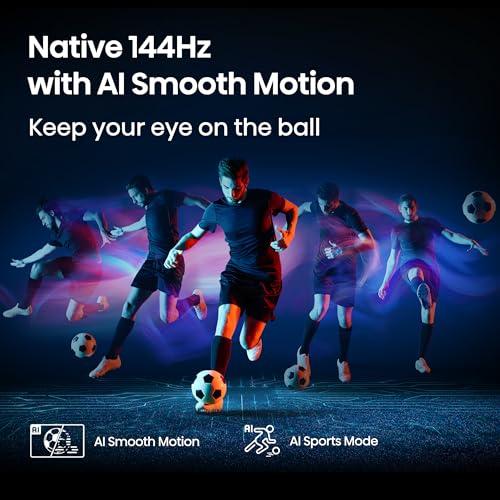
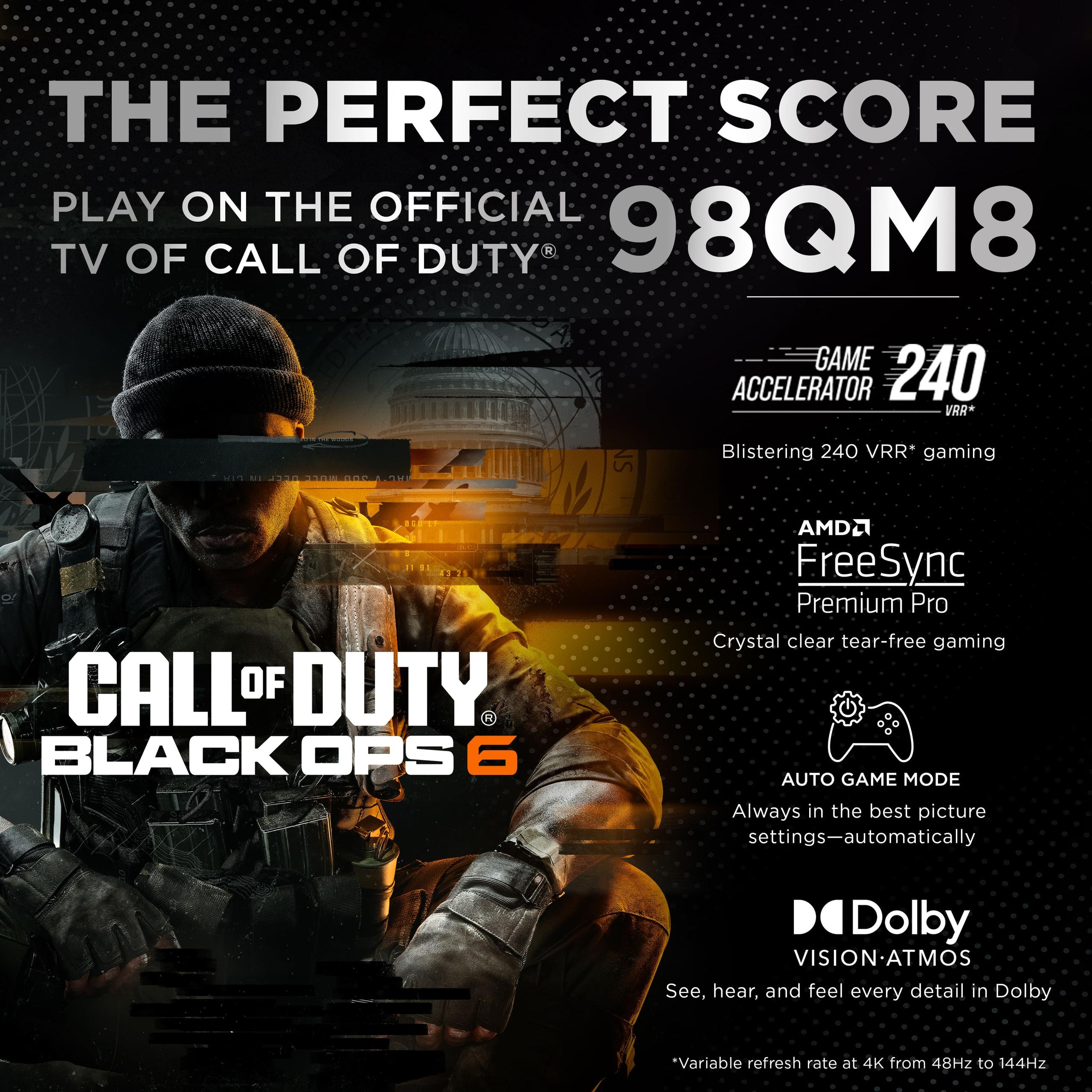
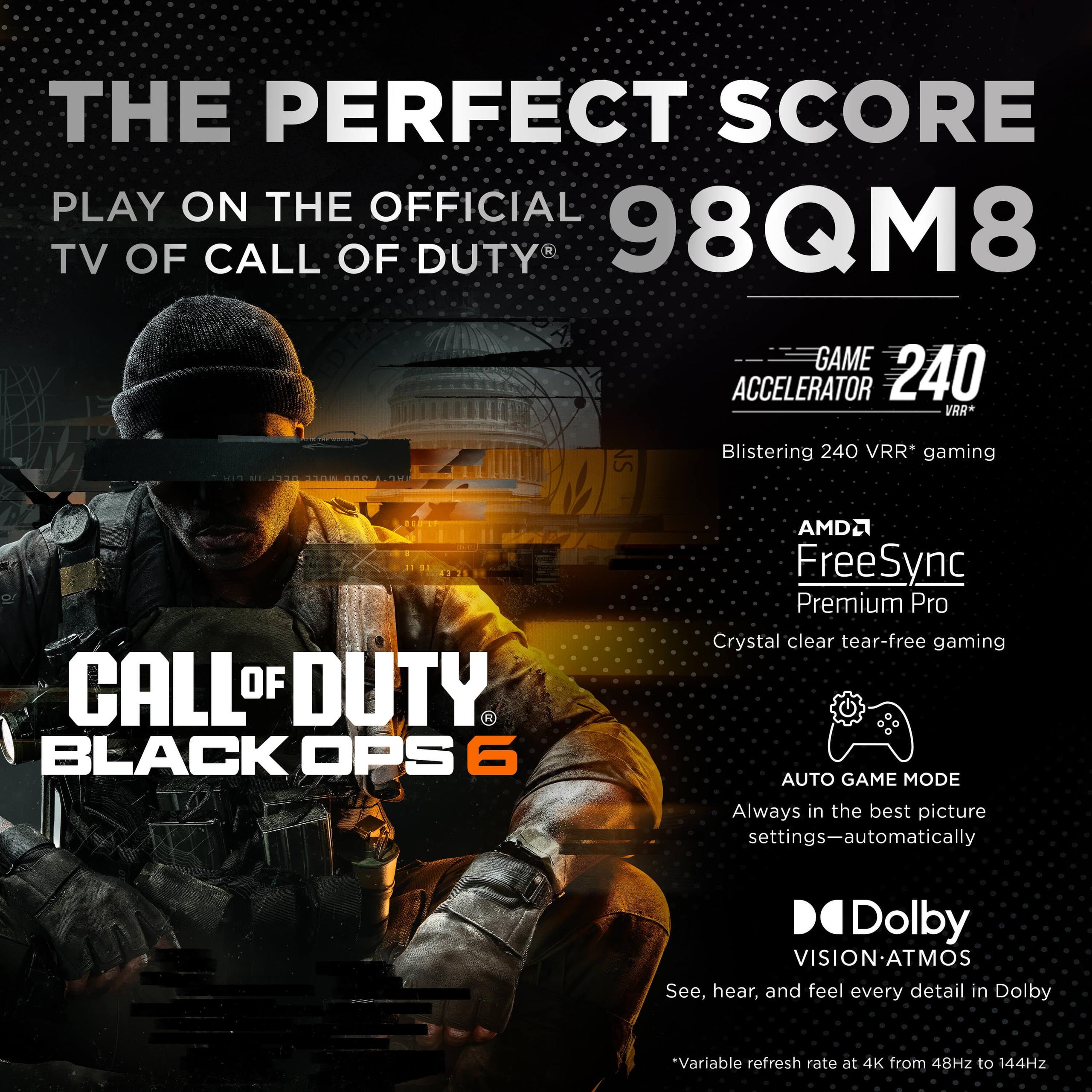
Gaming on screens this large creates an incredibly immersive experience, and both TVs deliver excellent performance for modern consoles and PC gaming. Both feature 144Hz refresh rates with Variable Refresh Rate (VRR) support - technical features that eliminate screen tearing and make fast-moving games appear smoother.
The TCL QM8 edges ahead slightly with lower input lag (the delay between pressing a button and seeing the result on screen) measuring around 13 milliseconds according to our research. The Hisense U6 isn't far behind and includes some gaming-specific features like Dolby Vision gaming support.
For competitive online gaming, that extra responsiveness from the TCL QM8 could matter. For single-player adventures and casual gaming, both perform excellently. The massive screen size transforms games like racing simulators and open-world adventures into remarkably immersive experiences regardless of which TV you choose.
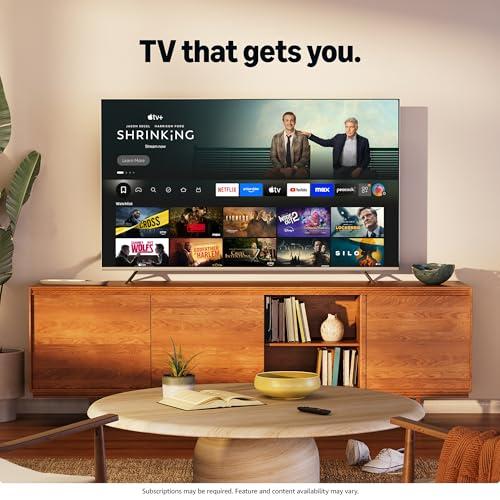
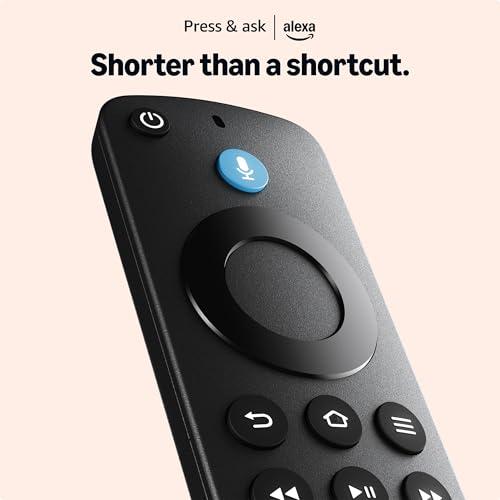
This choice often comes down to personal ecosystem preferences. The Hisense U6 runs Amazon's Fire TV platform, which integrates seamlessly with Alexa devices and prioritizes Amazon Prime Video content. The interface feels familiar if you've used Amazon devices, and voice control through Alexa works naturally.
The TCL QM8 uses Google TV, which offers broader app compatibility and more sophisticated content recommendations. Google TV learns your viewing habits across different streaming services and suggests content accordingly. The Google Assistant integration also tends to be more comprehensive than Alexa for general queries and smart home control.
Both platforms support all major streaming services, but their interfaces and philosophies differ. Fire TV feels more commerce-oriented, while Google TV emphasizes content discovery across services.
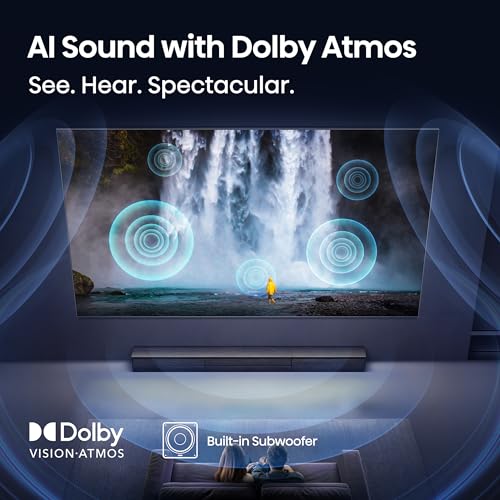
Neither TV will replace a dedicated sound system, but both make respectable attempts at built-in audio. The Hisense U6 includes a 2.1 channel system with Dolby Atmos support, and user reviews describe the sound as surprisingly clear for such a large display.
However, at these screen sizes, the disconnect between massive visuals and modest built-in speakers becomes more apparent. Both TVs support advanced audio passthrough formats, making them excellent foundations for soundbar or surround sound systems.
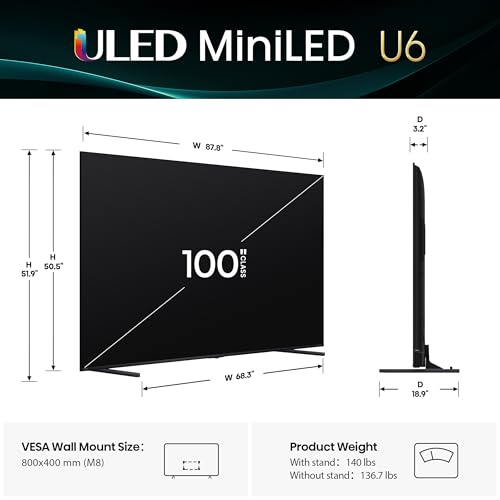
These aren't TVs you casually set up in a weekend. Both require careful planning for installation, whether wall-mounted or on stands. The Hisense U6 gains 2 inches of diagonal screen space, which translates to roughly 4% more viewing area - meaningful when you're dealing with screens this large.
Room size becomes crucial with displays this massive. You'll want at least 12-15 feet of viewing distance to avoid the "front row at the movie theater" effect where you're constantly moving your head to follow action.
At the time of writing, the pricing difference between these models reflects their positioning strategies. The Hisense U6 offers exceptional value for anyone wanting to experience Mini-LED technology and massive screen size without flagship pricing. It delivers the core benefits - great contrast, good brightness, smooth gaming - at an accessible price point.
The TCL QM8 commands its premium through measurably superior performance across virtually every metric. The question becomes whether that performance difference justifies the significant price gap for your specific situation.
For dedicated home theater rooms, the TCL QM8 makes a compelling case despite its higher price. Its superior local dimming, exceptional brightness control, and more accurate colors create a more cinematic experience. The ability to maintain performance in various lighting conditions also provides flexibility for multi-purpose rooms.
The Hisense U6 shouldn't be dismissed for home theater use, especially in controlled lighting environments. Its larger screen size and solid performance make it an excellent foundation for a theater setup, particularly when budget allows for investing the savings in a quality sound system.
Both TVs represent 2024's advancements in Mini-LED technology, incorporating lessons learned from earlier generations. The inclusion of 144Hz refresh rates and advanced HDR support positions both models well for future content and gaming evolution.
The TCL QM8's higher peak brightness and more sophisticated processing suggest it may age better as content creators push HDR standards further. However, both TVs support current and emerging standards comprehensively.
Choose the Hisense 100" U6 Series if you prioritize maximum screen size and value. It's ideal for families wanting a spectacular viewing experience without flagship pricing, particularly if you're already invested in Amazon's ecosystem. The larger screen size provides tangible benefits for sports viewing and gaming.
The TCL 98" QM8 Series makes sense for enthusiasts who want the best possible picture quality and have rooms with challenging lighting conditions. Its superior brightness and local dimming create a more refined experience that justifies the premium for serious movie watchers and gamers.
Both represent excellent entries into large-format Mini-LED territory, but they serve different priorities. The Hisense democratizes premium TV technology, while the TCL showcases what's possible when performance takes precedence over price. Your choice ultimately depends on which philosophy aligns better with your viewing habits, room conditions, and budget considerations.
| Hisense 100" U6 Series Mini-LED 4K Fire TV | TCL 98" QM8 Series 4K UHD Smart Google TV |
|---|---|
| Screen Size - Physical viewing area impacts immersion | |
| 100" diagonal (99.5" viewable) | 98" diagonal (97.5" viewable) |
| Peak Brightness - Critical for HDR impact and bright room viewing | |
| ~1,000 nits (adequate for most content and controlled lighting) | ~4,400 nits (exceptional HDR pop, excellent for bright rooms) |
| Local Dimming - Controls blooming and enhances contrast | |
| Full Array Local Dimming Pro (basic implementation) | Advanced QD-Mini LED with faster, more precise algorithms |
| Native Refresh Rate - Smoothness for gaming and sports | |
| 144Hz with VRR 48-144Hz (excellent gaming performance) | 144Hz with VRR up to 144Hz (excellent gaming performance) |
| Input Lag - Response time for gaming | |
| Low input lag in Game Mode Pro | ~13ms (exceptionally responsive for competitive gaming) |
| Color Gamut - Accuracy and vibrancy of colors | |
| Quantum Dot "billion+ colors" (vibrant, punchy presentation) | 97.28% UHDA-P3 coverage, Delta-E 2.7 (cinema-accurate colors) |
| Smart Platform - Interface and ecosystem integration | |
| Fire TV with Alexa (Amazon ecosystem, commerce-focused) | Google TV with Assistant (broader apps, superior recommendations) |
| HDR Support - Enhanced contrast and color range | |
| Dolby Vision IQ, HDR10+, HDR10, HLG | Dolby Vision IQ, HDR10+, HDR10, HLG |
| HDMI Ports - Connectivity for devices | |
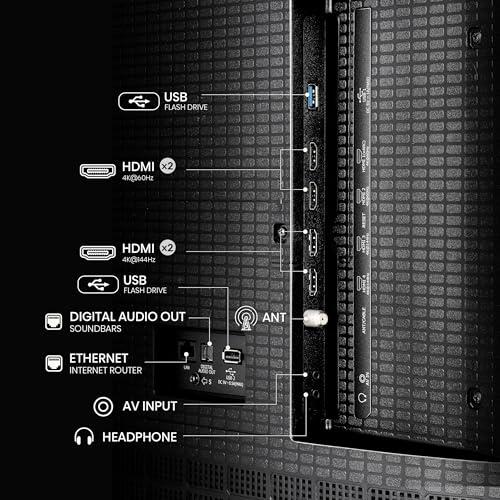
| 4 HDMI ports (2 with HDMI 2.1) | 4 HDMI ports (1 eARC for audio) |
| Audio System - Built-in sound quality | |
| 2.1 channel with Dolby Atmos (surprisingly clear per reviews) | Enhanced speaker system (flagship-tier audio) |
| Processing - Image optimization and upscaling | |
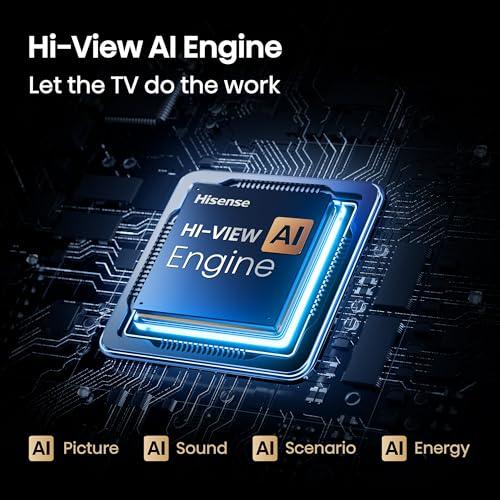
| Hi-View Engine AI with neural network optimization | TCL AIPQ PRO with Deep Learning AI |
| Value Positioning - Target market and pricing tier | |
| Entry-level Mini-LED (Hisense democratizes premium tech) | Flagship Mini-LED (TCL showcases maximum performance) |
| Ideal Room Conditions - Where each performs best | |
| Controlled to moderate lighting, size-prioritized setups | Bright rooms, home theaters demanding reference quality |
The TCL 98" QM8 Series is significantly better for bright rooms, producing up to 4,400 nits of peak brightness compared to the Hisense 100" U6 Series's 1,000 nits. This makes the TCL QM8 ideal for living rooms with large windows or daytime viewing, while the Hisense U6 works best in controlled lighting conditions.
The Hisense 100" U6 Series Mini-LED 4K Fire TV offers a 100-inch diagonal screen (99.5" viewable), while the TCL 98" QM8 Series provides a 98-inch diagonal (97.5" viewable). The 2-inch difference gives the Hisense approximately 4% more viewing area, which can be noticeable at these massive sizes.
Both the Hisense U6 and TCL QM8 offer excellent gaming performance with 144Hz refresh rates and Variable Refresh Rate support. The TCL QM8 has a slight edge with lower input lag (~13ms) for competitive gaming, while the Hisense U6 includes unique Dolby Vision gaming support. Both are outstanding choices for modern consoles and PC gaming.
The Hisense 100" U6 Series runs Amazon Fire TV with built-in Alexa voice control, making it ideal for Amazon ecosystem users. The TCL 98" QM8 Series uses Google TV with Google Assistant, offering broader app compatibility and more sophisticated content recommendations across streaming services.
The Hisense 100" U6 Series Mini-LED 4K Fire TV provides exceptional value, offering Mini-LED technology and the largest screen size at an entry-level price point. The TCL 98" QM8 Series costs significantly more but delivers flagship-level performance with superior brightness and local dimming. Your choice depends on whether you prioritize size and value or maximum picture quality.
Both TVs excel in home theater setups. The TCL QM8 offers superior performance for dedicated theater rooms with its exceptional local dimming and brightness control. The Hisense U6 provides an excellent home theater experience at a lower cost, especially in dark rooms where its larger screen size becomes more advantageous than the brightness difference.
The TCL 98" QM8 Series delivers flagship picture quality with dramatically higher brightness, more precise local dimming, and cinema-accurate colors. The Hisense 100" U6 Series provides excellent picture quality for its price tier, with vibrant colors and good contrast, though not as refined as the TCL. Both offer significant improvements over standard LED TVs.
The TCL QM8 excels in HDR performance due to its 4,400-nit peak brightness, making highlights truly pop and creating more impactful HDR content. The Hisense U6 delivers solid HDR performance at 1,000 nits, which is adequate for most content. Both support all major HDR formats including Dolby Vision IQ and HDR10+.
Both the Hisense U6 and TCL QM8 are excellent for sports, featuring 144Hz refresh rates for smooth motion during fast-paced action. The Hisense's larger 100-inch screen provides a more immersive sports viewing experience, while the TCL's superior brightness ensures clear visibility even during daytime games in bright rooms.
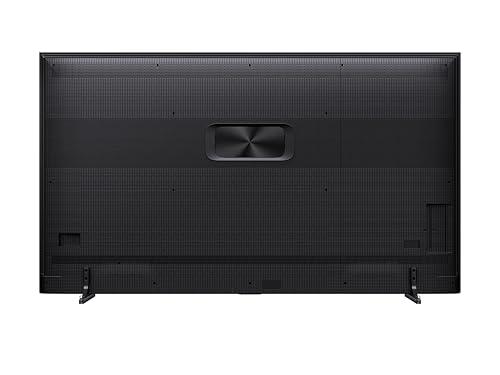
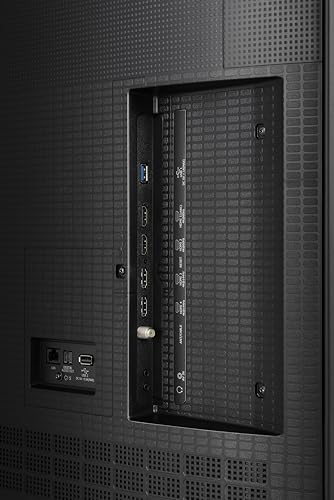
The Hisense 100" U6 Series offers 4 HDMI ports with 2 supporting HDMI 2.1 features for next-gen gaming. The TCL 98" QM8 Series also provides 4 HDMI ports with enhanced audio return channel (eARC) support. Both include USB ports, Ethernet, and support Wi-Fi 6 for reliable streaming and smart features.
Both TVs require professional installation due to their massive size and weight. The Hisense U6 with Fire TV offers a straightforward setup process familiar to Amazon device users, with quick access to Prime Video and Alexa integration. The TCL QM8 with Google TV provides a more comprehensive smart experience but may require more initial configuration for optimal performance.
Choose the Hisense 100" U6 Series Mini-LED 4K Fire TV if maximum screen size and value are your priorities, especially for family viewing and casual entertainment. Select the TCL 98" QM8 Series 4K UHD Smart Google TV if you prioritize the best possible picture quality and have bright room conditions, making it ideal for serious movie watching and gaming enthusiasts.
We've done our best to create useful and informative comparisons to help you decide what product to buy. Our research uses advanced automated methods to create this comparison and perfection is not possible - please contact us for corrections or questions. These are the sites we've researched in the creation of this article: bestbuy.com - rtings.com - youtube.com - rtings.com - youtube.com - youtube.com - costco.com - pcrichard.com - hisense-usa.com - electronicexpress.com - pcrichard.com - circuitworldonline.com - bestbuy.com - bestbuy.com - premiumincentive.com - hisense-usa.com - hisense-usa.com - pcrichard.com - rtings.com - bestbuy.com - hisense-usa.com - avsforum.com - rtings.com - camelcamelcamel.com - youtube.com - techradar.com - avsforum.com - bestbuy.com - greentoe.com - tcl.com

Privacy Policy
Terms and Conditions - Affiliate Policy
Home Security
© Copyright 2008-2026.
11816 Inwood Rd #1211, Dallas, TX 75244