

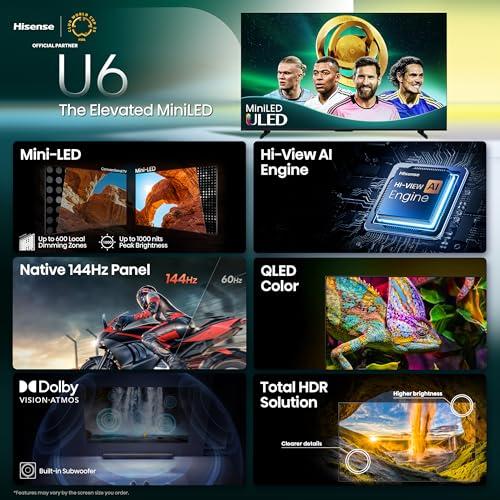
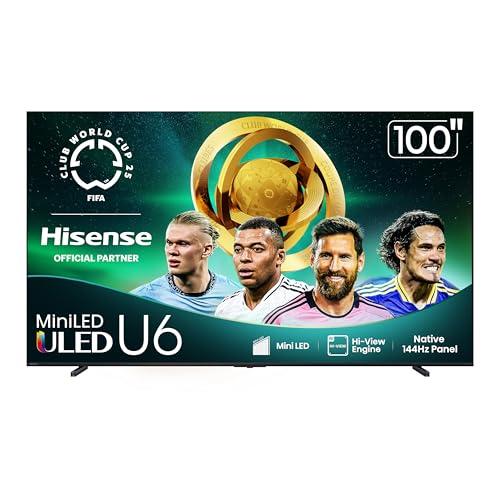






When you're shopping for a TV that's nearly as wide as a king-size bed, you're entering premium territory where every decision matters. The Hisense 100" U6 Series Mini-LED 4K Fire TV and TCL 98" QM7 Series 4K UHD Smart TV represent two distinct philosophies in the large format TV market: maximum size versus maximum performance. Both launched in 2024, capitalizing on recent advances in mini-LED technology that have made these massive displays more affordable than ever.
The large format TV category—displays 95 inches and larger—has exploded in popularity as manufacturing costs have dropped and streaming content has improved. These TVs compete directly with projector setups, offering the convenience of plug-and-play operation without worrying about room darkness, screen material, or bulb replacements. But with screens this large, picture quality differences become magnified, literally.
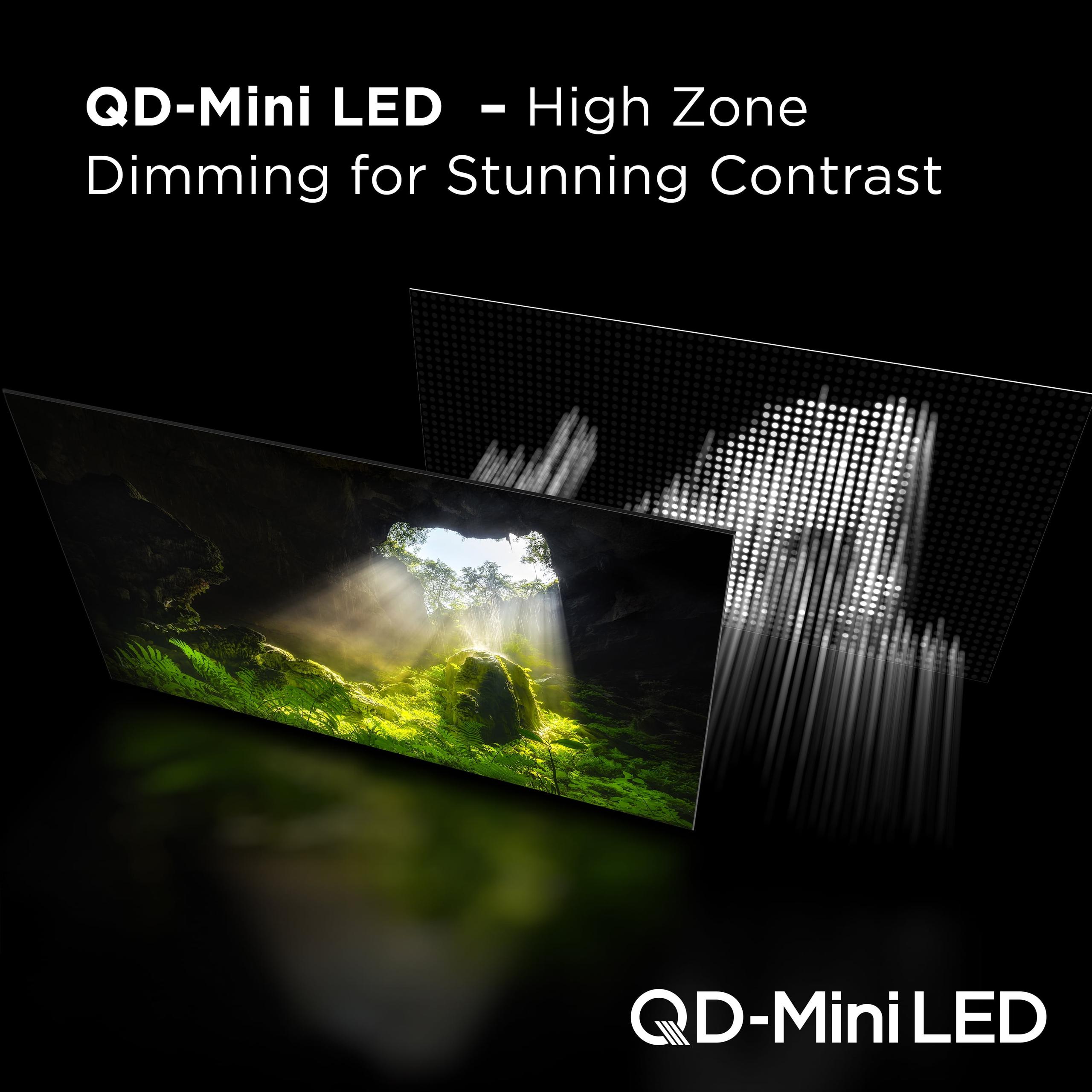
Both TVs use mini-LED backlighting, a relatively new technology that sits between traditional LED and OLED displays. Think of mini-LEDs as thousands of tiny flashlights behind your screen—much smaller than regular LEDs but not as precise as the individual pixels in OLED displays. This allows for what's called "local dimming," where different sections of the backlight can be brightened or dimmed independently to create better contrast between bright and dark areas of the same scene.
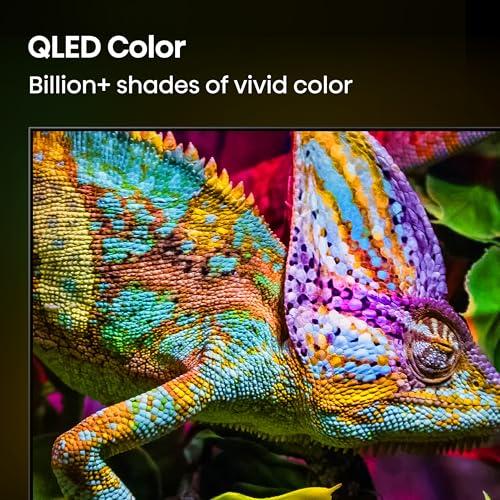
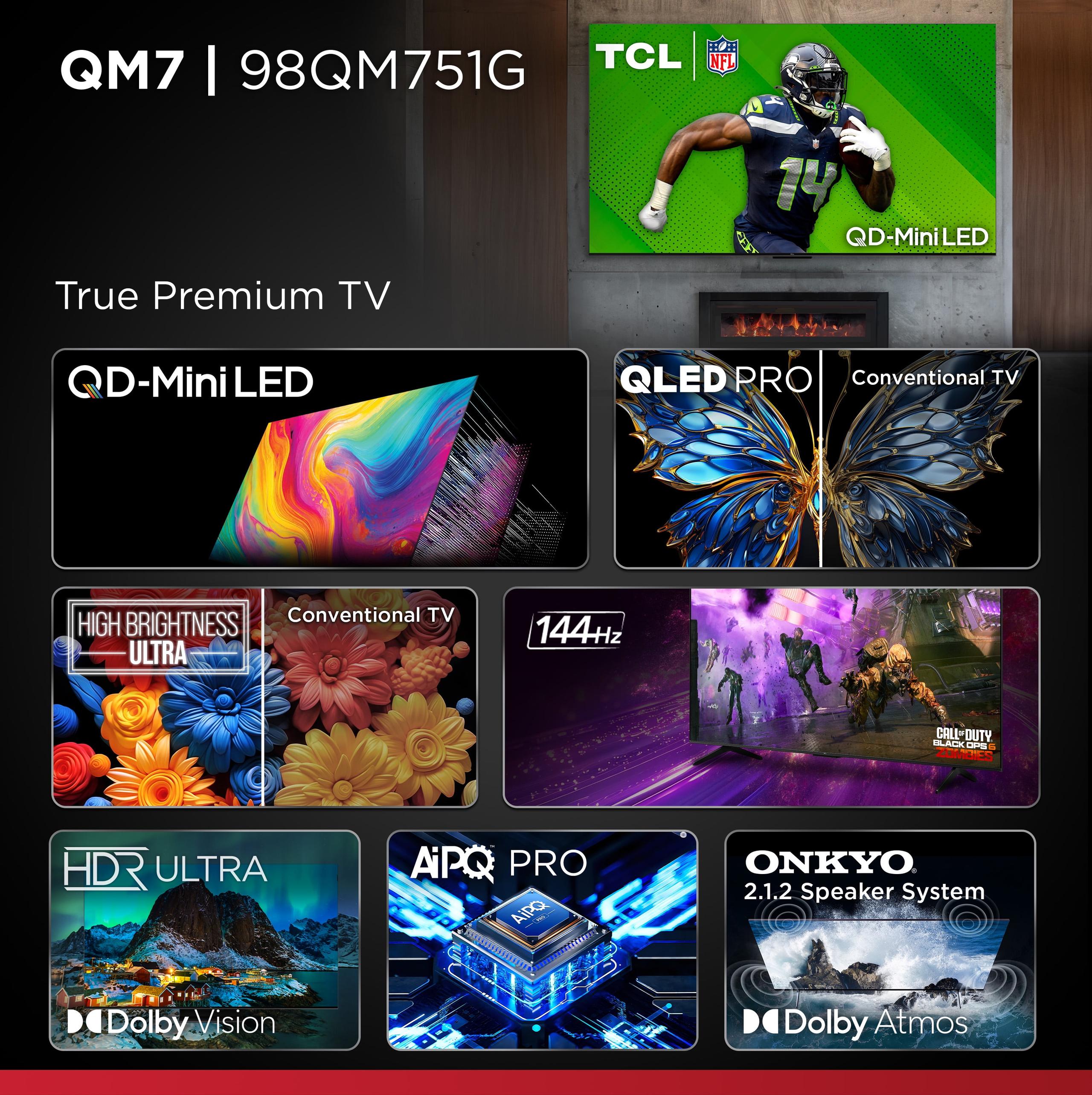
However, the TCL 98" QM7 takes this concept further with quantum dot (QD) technology. Quantum dots are microscopic crystals that emit specific colors when hit with light. This sounds technical, but the practical result is simple: more accurate colors, especially greens and reds that often look artificial on standard displays. The Hisense 100" U6 uses traditional QLED (Quantum Dot Light Emitting Diode) technology, which is similar but not quite as sophisticated as the QD mini-LED approach.
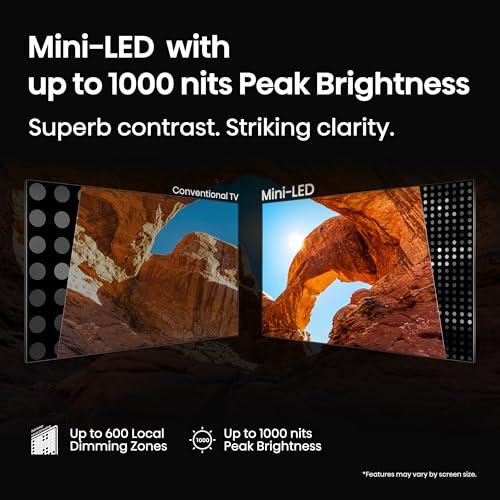
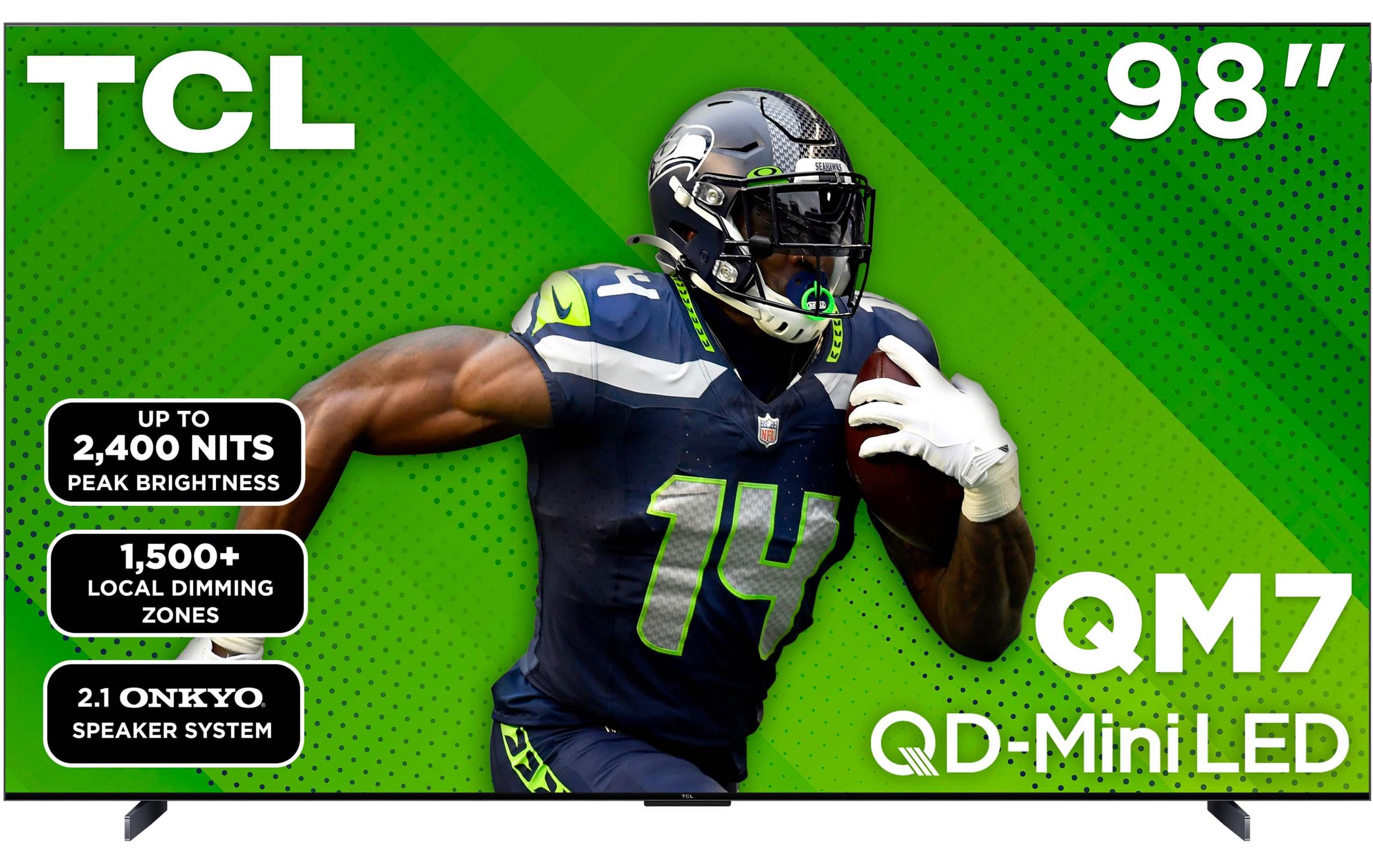
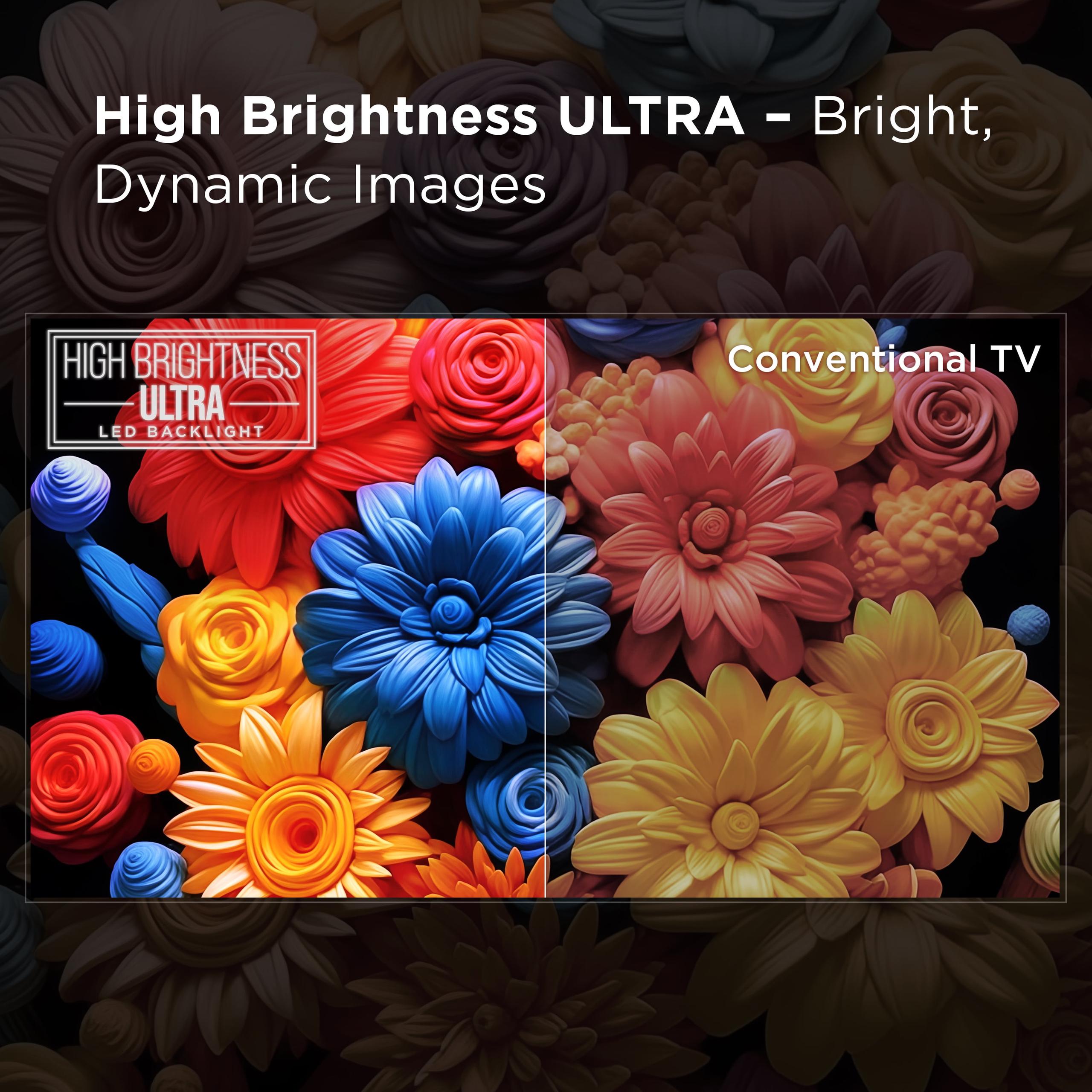
Here's where the fundamental difference between these TVs becomes clear. The TCL QM7 achieves peak brightness levels up to 2,400 nits, while the Hisense U6 maxes out around 1,000 nits. To put this in perspective, a typical sunny day outdoors measures about 10,000 nits, while indoor lighting ranges from 100-500 nits.
This brightness difference isn't just about numbers—it dramatically affects your viewing experience. In bright rooms with lots of windows, the TCL QM7 maintains vibrant colors and sharp contrast even with ambient light washing over the screen. The Hisense U6, while still impressive, will appear more washed out in the same conditions.
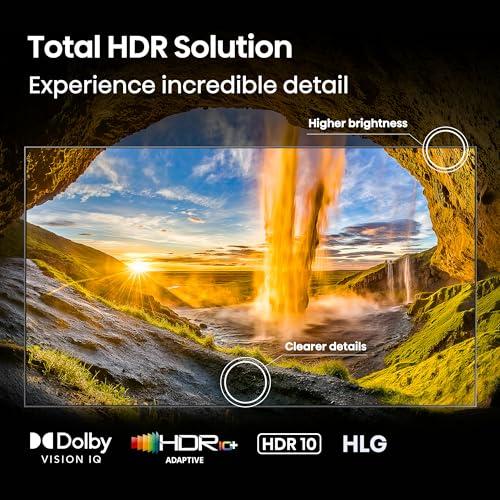
For HDR (High Dynamic Range) content—think Netflix shows, 4K Blu-rays, and modern streaming content—this brightness difference becomes even more critical. HDR is designed to show brighter brights and darker darks simultaneously, creating more lifelike images. A sunset scene, for example, should have brilliantly glowing highlights while maintaining detail in shadowy areas. The TCL QM7's superior brightness capability means these HDR moments truly pop off the screen, while the Hisense U6 delivers a more subdued version of the same content.
The quantum dot technology in the TCL QM7 also delivers superior color accuracy. Based on our research of professional calibrations and user feedback, the TCL consistently produces colors closer to industry standards without requiring extensive manual adjustment. The Hisense U6 offers impressive color volume—the total range of colors it can display—but often requires tweaking to achieve natural-looking skin tones and realistic environmental colors.
Both displays feature full array local dimming with their mini-LED backlighting, meaning they can independently control brightness across hundreds or thousands of zones. The TCL QM7 uses up to 1,500 dimming zones, allowing for incredibly precise contrast control. Dark movie scenes maintain true blacks while bright elements remain vivid, with minimal "blooming"—that annoying halo effect around bright objects against dark backgrounds.
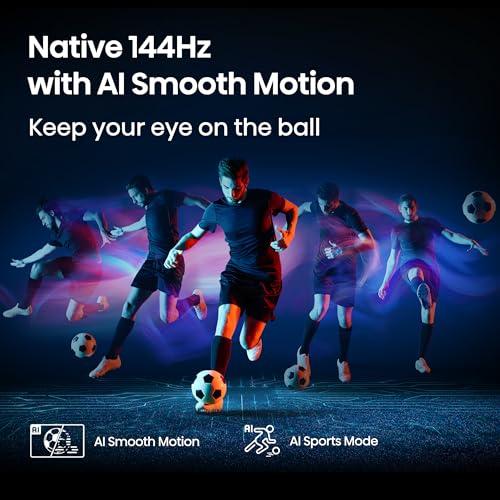
If gaming matters to you at all, this comparison becomes straightforward. The TCL QM7 supports 144Hz variable refresh rate (VRR), meaning it can display up to 144 frames per second and synchronize perfectly with your gaming console or PC. The practical result is buttery-smooth motion in fast-paced games, with no screen tearing or stuttering.
The Hisense U6, conversely, is limited to 60Hz. While it includes Motion Rate processing to make standard content appear smoother, it simply cannot match the gaming experience of the TCL QM7. For PlayStation 5 and Xbox Series X owners, this difference is night and day. Games like Call of Duty, racing simulators, and competitive online games benefit enormously from higher refresh rates.
Variable refresh rate technology deserves special mention because it's become crucial for modern gaming. Traditional displays refresh at fixed intervals—say, 60 times per second—regardless of how fast your game console is generating new frames. This mismatch creates visual artifacts and input lag. VRR allows the display to synchronize with your gaming device, refreshing exactly when new frames are ready. The TCL QM7's support for AMD FreeSync Premium Pro means it works seamlessly with both PC graphics cards and gaming consoles.
Input lag—the delay between pressing a button and seeing the result on screen—is another crucial gaming metric. Both TVs include game modes that minimize this delay, but the TCL QM7's superior processing power and HDMI 2.1 connectivity ensure consistently low latency across all inputs.
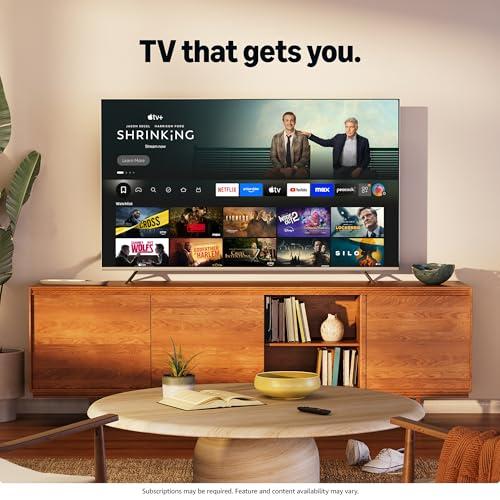
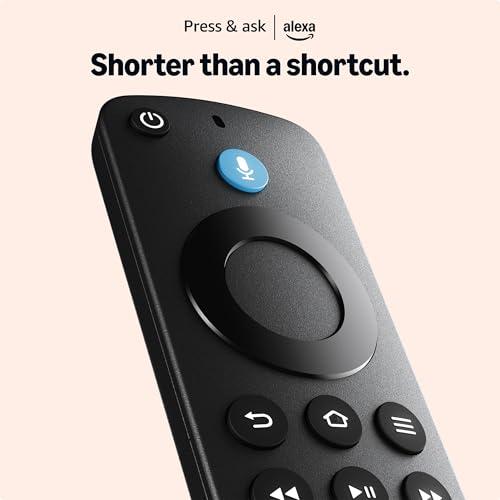
The Hisense U6 runs Amazon's Fire TV platform, which feels like having an Amazon Fire TV Stick built directly into your display. The interface prioritizes Amazon's content and services, making it incredibly convenient if you're already invested in the Amazon ecosystem with Prime Video subscriptions, Alexa smart home devices, and Amazon Music.
The TCL QM7 uses Google TV, which is Google's latest iteration of Android TV. This platform excels at content discovery, using machine learning to suggest shows and movies across all your streaming services. It's more agnostic about content sources, pulling recommendations from Netflix, Disney+, HBO Max, and others into a unified interface.
Both platforms support the major streaming apps you'd expect, but Google TV typically receives app updates faster and supports a broader range of services. For international content and niche streaming platforms, Google TV has a clear advantage. However, Fire TV's voice control through Alexa feels more natural for smart home integration.
Large TVs traditionally suffer from poor audio because there's simply no room for proper speakers in those thin bezels. Both manufacturers have made genuine efforts to address this problem, but with different approaches.
The TCL QM7 includes a 2.1 ONKYO speaker system with a dedicated subwoofer built into the TV. ONKYO, a respected audio brand, designed this system specifically for the TV's size and acoustics. The result is genuinely usable sound with clear dialogue, decent bass response, and reasonable volume levels for most rooms. You might still want a soundbar for movie nights, but the built-in audio handles daily viewing admirably.
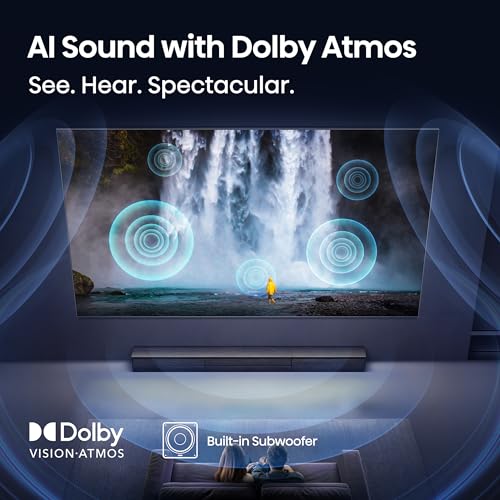
The Hisense U6 takes a more traditional approach with stereo speakers and Dolby Atmos processing. While the processing helps create a sense of surround sound, the physical limitations of the speaker placement mean you'll likely need external audio equipment sooner rather than later.
For home theater enthusiasts, both TVs support eARC (enhanced Audio Return Channel) through their HDMI ports, allowing high-quality audio passthrough to soundbars and AV receivers. The TCL QM7's superior built-in audio simply means you can delay that additional purchase.
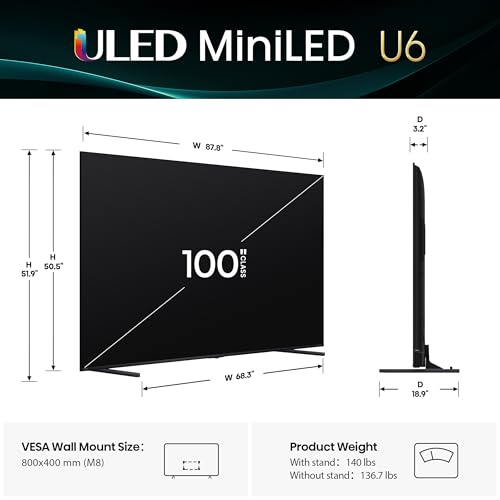
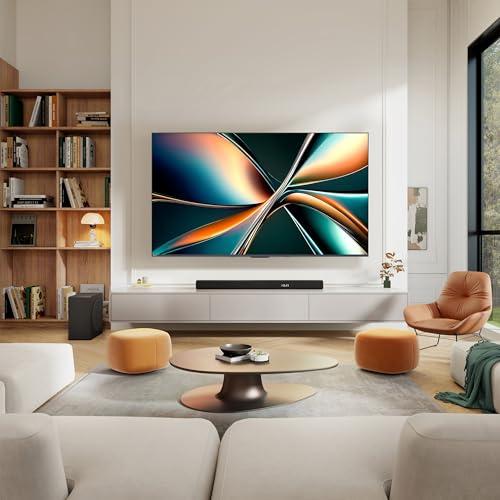
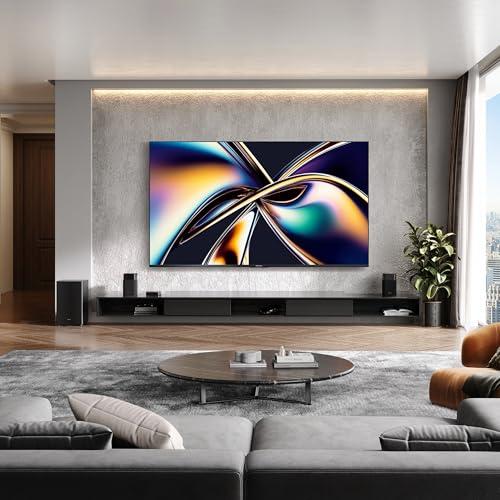
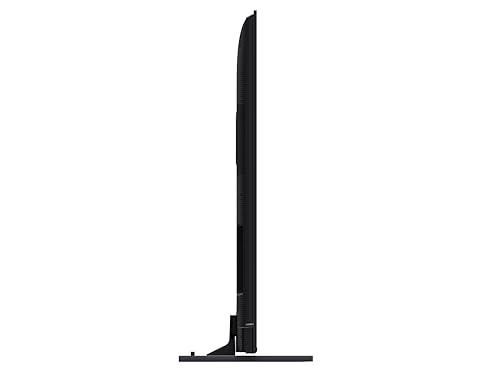
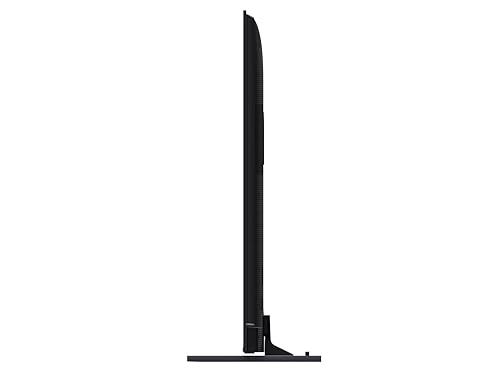
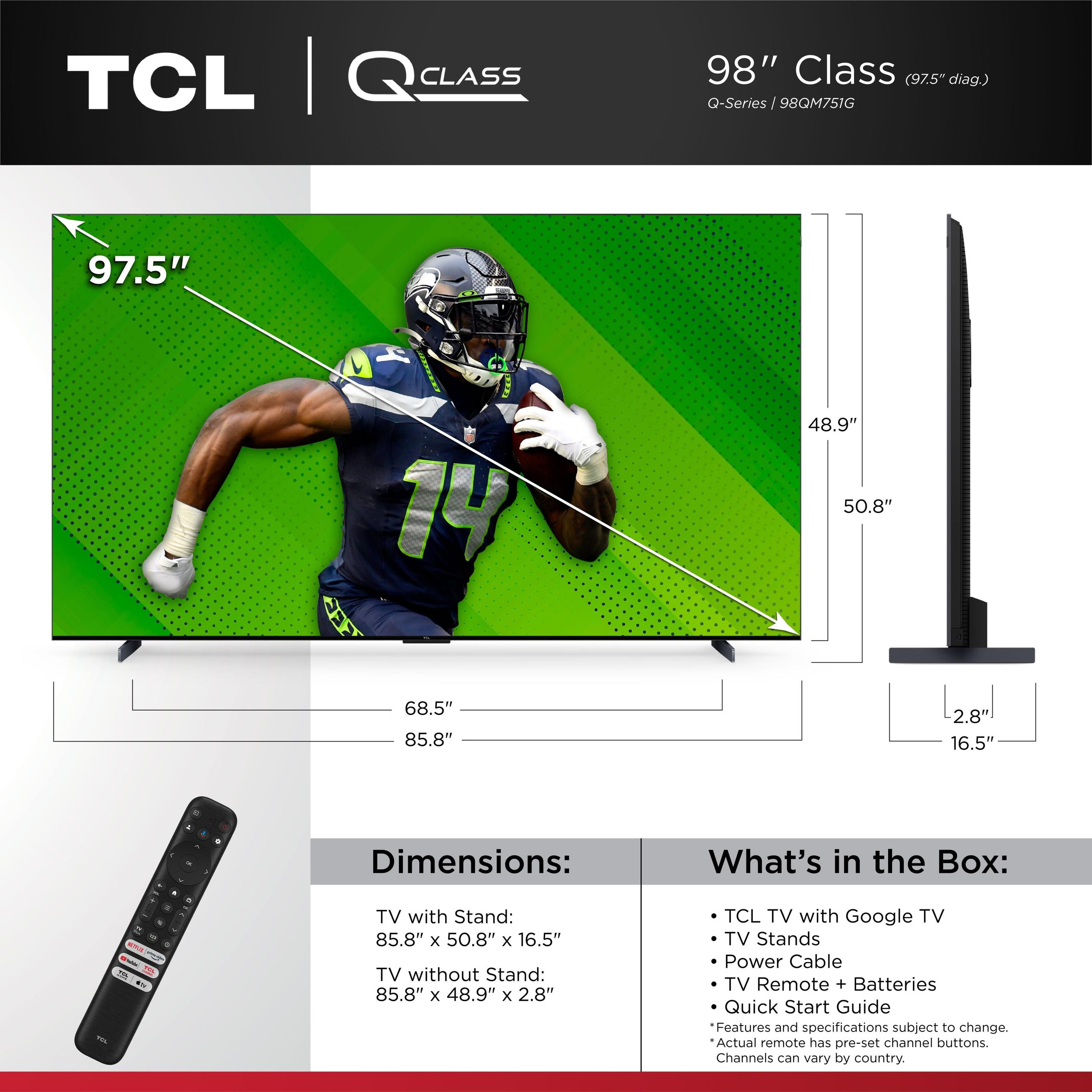
At this size, both TVs become furniture pieces that dominate any room. The Hisense U6 measures 87.8 inches wide and weighs about 140 pounds with its stand. The TCL QM7 is slightly smaller but still substantial at around 85 inches wide. Both require careful planning for installation—you'll want professional mounting for wall installation, and floor stands need reinforcement for earthquake safety.
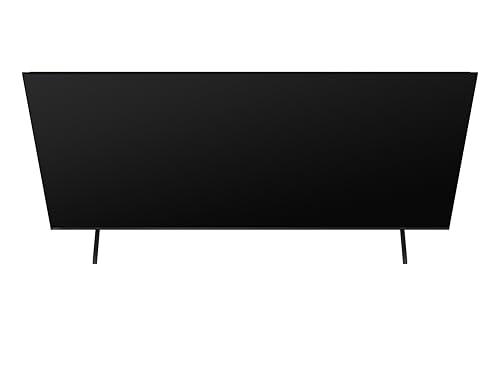
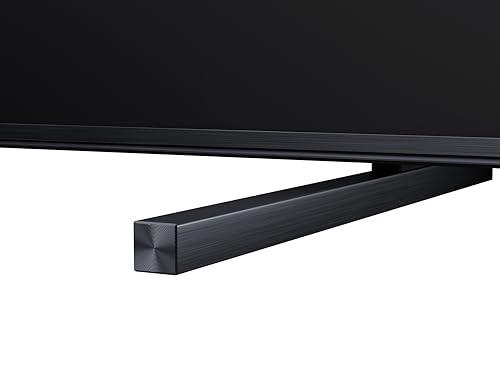
The Hisense U6 comes with a wider stand that provides excellent stability but requires a very large entertainment center. The TCL QM7 uses a more compact central stand design that works better with smaller furniture but may feel less stable.
Both TVs have evolved significantly since mini-LED technology emerged around 2021. Early mini-LED displays suffered from uniformity issues and complex calibration requirements. These 2024 models benefit from improved manufacturing processes and better processing algorithms that automatically optimize picture settings based on content type.
At the time of writing, both TVs occupy similar price ranges in the premium large format category, typically falling between $2,000-$3,000 depending on sales and availability. This makes the decision particularly interesting because you're essentially choosing between 2 inches of extra screen size and significantly superior performance.
The Hisense U6 represents the "bigger is better" philosophy. If your primary goal is maximum screen real estate for the money, this TV delivers an genuinely cinematic experience. For movie watching, streaming, and casual viewing, the larger size provides more immersion that can outweigh technical limitations.
The TCL QM7 embodies the "better is better" approach. Despite being slightly smaller, it delivers superior performance in virtually every measurable category. The higher brightness, better colors, gaming capabilities, and improved audio create a more refined viewing experience that justifies the slight size reduction.
In dedicated home theater rooms with controlled lighting, both TVs perform admirably, but their strengths vary by setup. The Hisense U6's larger size works beautifully in rooms where you can sit 12-15 feet away—the optimal viewing distance for 100-inch displays. However, its lower peak brightness means you need excellent light control for the best HDR experience.
The TCL QM7's excels in more versatile spaces where ambient light control isn't perfect. Its superior brightness and contrast performance mean it maintains picture quality even with some room lighting. For rooms that serve multiple purposes—family rooms, large living areas, or basements with windows—this flexibility proves invaluable.
Both TVs benefit from proper room acoustics, but the TCL QM7's superior built-in audio means it can anchor a home theater system without immediately requiring additional speakers. The Hisense U6 practically demands a soundbar or speaker system to match the visual scale.
The decision ultimately comes down to your priorities and room constraints. Choose the Hisense 100" U6 if maximum screen size drives your decision, you primarily watch streaming content and movies, your room has excellent light control, and you plan to add dedicated audio equipment regardless.
The TCL 98" QM7 makes more sense for most buyers because it delivers superior performance across nearly every category while maintaining impressive size. If you game on modern consoles, watch content in rooms with ambient light, care about color accuracy, or want the best possible built-in audio, the slight size reduction is easily justified by the performance gains.
For competitive gamers or anyone using PlayStation 5 or Xbox Series X, the TCL QM7 is essentially the only choice. The 144Hz refresh rate and VRR support create a fundamentally different gaming experience that the Hisense U6 simply cannot match.
From a long-term perspective, the TCL QM7's superior brightness and gaming capabilities provide better future-proofing as content continues to improve and gaming technology advances. The Hisense U6 excels at today's streaming content but may feel limited as 4K gaming and brighter HDR content become more common.
Both represent excellent value in the large format TV category, but they serve different audiences with distinct priorities. The key is honestly assessing whether those extra 2 inches of screen size matter more than dramatically better performance across multiple categories.
| Hisense 100" U6 Series Mini-LED 4K Fire TV | TCL 98" QM7 Series 4K UHD Smart TV |
|---|---|
| Screen Size - Every inch counts for cinematic immersion | |
| 100" (99.5" viewable) | 98" (97.5" viewable) |
| Peak Brightness - Critical for HDR content and bright room viewing | |
| Up to 1,000 nits (good for controlled lighting) | Up to 2,400 nits (excellent for any room) |
| Display Technology - Affects color accuracy and contrast | |
| ULED Mini-LED with QLED | QD Mini-LED with Quantum Dots (superior color) |
| Refresh Rate - Essential for gaming and sports | |
| 60Hz native (limits gaming potential) | 120Hz native, up to 144Hz VRR (excellent for gaming) |
| Local Dimming Zones - More zones mean better contrast control | |
| Full Array Local Dimming (zone count not specified) | Up to 1,500+ zones (precise contrast control) |
| Gaming Features - Important for console and PC gaming | |
| Basic Game Mode, 60Hz max | Game Accelerator 240, AMD FreeSync Premium Pro, ALLM |
| Smart TV Platform - Determines app selection and user experience | |
| Fire TV with Alexa (Amazon-focused) | Google TV (broader app support, better discovery) |
| HDMI Connectivity - Affects compatibility with gaming consoles and devices | |
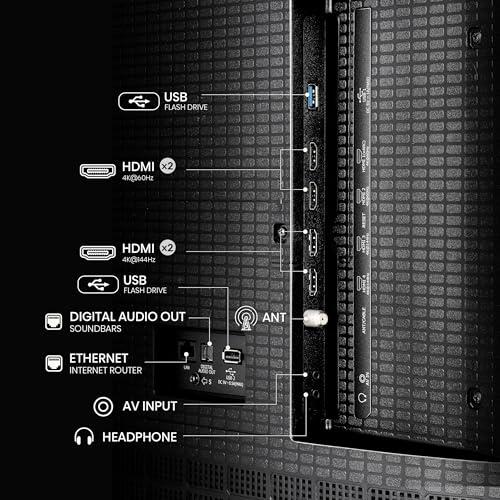
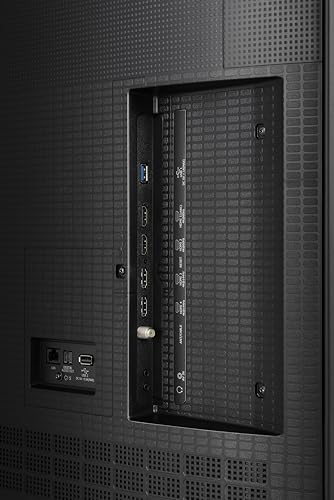
| 4 HDMI ports (2 are HDMI 2.1) | 4 HDMI 2.1 ports (full next-gen console support) |
| Built-in Audio System - Reduces need for external speakers | |
| Standard stereo speakers with Dolby Atmos | 2.1 ONKYO system with subwoofer (significantly better) |
| HDR Format Support - Ensures compatibility with premium content | |
| Dolby Vision IQ, HDR10+, HDR10, HLG | Dolby Vision IQ, HDR10+, HDR10, HLG (same support) |
| Weight and Dimensions - Important for installation planning | |
| 140 lbs with stand, 87.8" wide | Approximately 130 lbs, 85" wide (easier handling) |
| Best For - Target audience and ideal use cases | |
| Maximum size priority, casual viewing, Amazon ecosystem users | Gaming enthusiasts, bright rooms, home theater quality seekers |
The TCL 98" QM7 is significantly better for gaming with its 144Hz variable refresh rate, AMD FreeSync Premium Pro, and Game Accelerator 240 features. The Hisense 100" U6 is limited to 60Hz, making it unsuitable for competitive gaming or taking full advantage of PlayStation 5 and Xbox Series X capabilities.
The TCL QM7 delivers superior picture quality with up to 2,400 nits peak brightness compared to the Hisense U6's 1,000 nits. The TCL also uses quantum dot technology for more accurate colors, while the Hisense offers a slightly larger 100-inch screen but with less impressive brightness and color performance.
The TCL 98" QM7 performs much better in bright rooms due to its 2,400 nits peak brightness, which maintains vibrant colors and contrast even with ambient light. The Hisense 100" U6 will appear more washed out in bright conditions despite its larger screen size.
The TCL QM7 features a 2.1 ONKYO speaker system with a built-in subwoofer that provides genuinely usable audio for daily viewing. The Hisense U6 has basic stereo speakers that will likely require a soundbar sooner, especially given the large screen size that demands proportional audio quality.
The Hisense U6 uses Fire TV, which works best for Amazon ecosystem users with Prime Video and Alexa integration. The TCL QM7 runs Google TV, offering broader app support, faster updates, and better content discovery across multiple streaming services. Google TV is generally more versatile for most users.
Both handle movies well, but the TCL 98" QM7 provides a superior HDR experience with its higher brightness and quantum dot color accuracy. The Hisense 100" U6 offers excellent movie viewing with its larger screen, but HDR highlights won't be as impactful due to lower peak brightness capabilities.
The TCL QM7 typically offers better value despite similar pricing, delivering superior brightness, gaming features, color accuracy, and audio quality. The Hisense U6 provides better value only if maximum screen size is your absolute priority and you don't need gaming or bright room performance.
The TCL 98" QM7 excels with its 120Hz native refresh rate and up to 144Hz VRR, providing incredibly smooth motion for sports and action scenes. The Hisense 100" U6 is limited to 60Hz but includes motion processing to help with standard content, though it can't match the TCL's performance.
For dedicated home theaters with controlled lighting, the Hisense U6 offers maximum screen size for cinematic immersion. However, the TCL QM7 provides superior overall performance with better contrast, colors, and built-in audio that may be more important than the 2-inch size difference for most home theater setups.
The TCL 98" QM7 fully supports next-gen console features with four HDMI 2.1 ports, 144Hz VRR, and AMD FreeSync Premium Pro. The Hisense 100" U6 has only two HDMI 2.1 ports and lacks high refresh rate support, limiting its compatibility with advanced gaming features.
The TCL QM7 features up to 1,500+ local dimming zones for precise contrast control and minimal blooming effects. While the Hisense U6 also uses full array local dimming with its mini-LED technology, it doesn't specify zone count and likely has fewer zones than the TCL model.
The TCL 98" QM7 provides four HDMI 2.1 ports for maximum device compatibility, while the Hisense 100" U6 offers four HDMI ports but only two support HDMI 2.1. Both include multiple USB ports, Ethernet, and wireless connectivity, but the TCL offers more flexibility for high-bandwidth devices.
We've done our best to create useful and informative comparisons to help you decide what product to buy. Our research uses advanced automated methods to create this comparison and perfection is not possible - please contact us for corrections or questions. These are the sites we've researched in the creation of this article: bestbuy.com - rtings.com - youtube.com - rtings.com - youtube.com - youtube.com - costco.com - pcrichard.com - hisense-usa.com - electronicexpress.com - pcrichard.com - circuitworldonline.com - bestbuy.com - bestbuy.com - premiumincentive.com - hisense-usa.com - hisense-usa.com - pcrichard.com - rtings.com - bestbuy.com - hisense-usa.com - avsforum.com - bestbuy.com - youtube.com - business.walmart.com - avsforum.com - tcl.com - circuitworldonline.com - tcl.com - bestbuy.com - rtings.com - bestbuy.com - displayspecifications.com - tcl.com

Privacy Policy
Terms and Conditions - Affiliate Policy
Home Security
© Copyright 2008-2026.
11816 Inwood Rd #1211, Dallas, TX 75244