

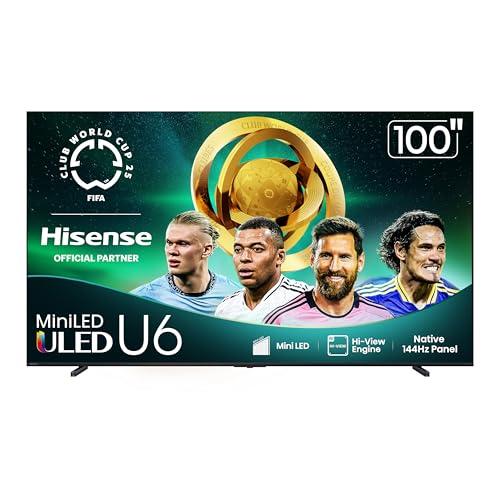
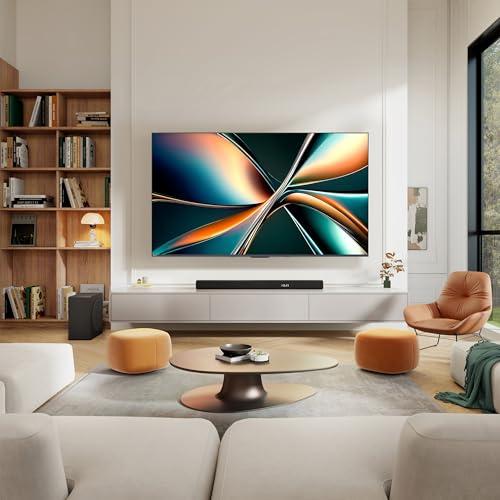
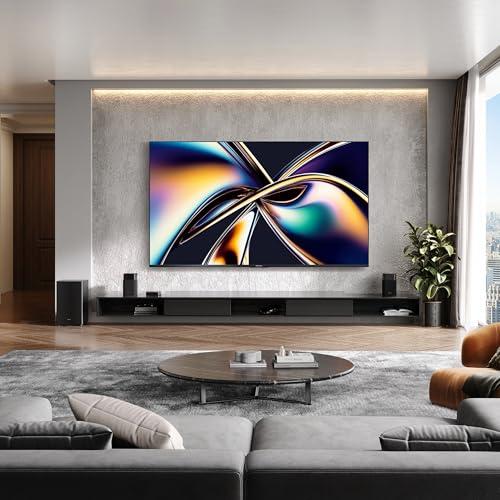
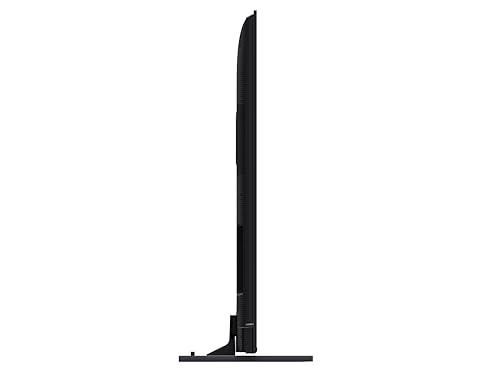
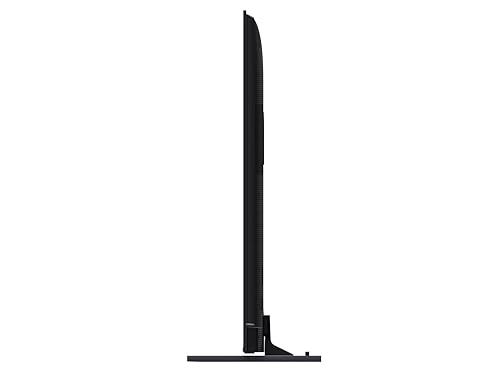
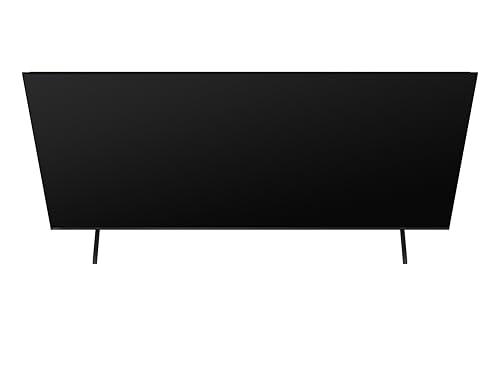
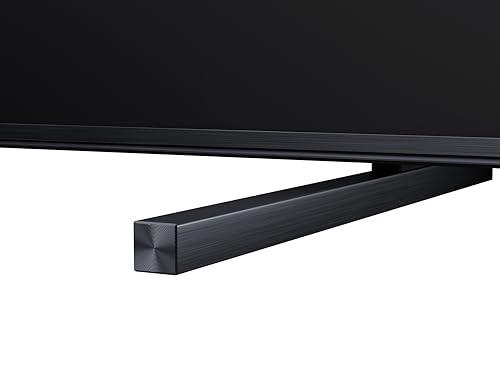



When you're ready to transform your living space into a home theater with a massive 100-inch display, the decision becomes more complex than simply picking the biggest screen available. Hisense has positioned two compelling options in this ultra-large format category: the U6 Series Mini-LED 4K Fire TV and the QD7 Series QLED 4K UHD Smart TV. Both launched in 2025 as part of Hisense's aggressive push into premium Mini-LED technology, but they take notably different approaches to achieving that cinema-scale experience.
The 100-inch TV category sits at the intersection of home theater ambition and practical engineering challenges. At this massive size, every aspect of the display technology becomes magnified – both the impressive parts and the potential flaws. You're essentially choosing between a wall-mounted cinema screen and a traditional large TV setup, with all the room planning, installation complexity, and visual impact that entails.
The most critical considerations in this category revolve around how well the display technology scales to this enormous size. Can the backlighting system maintain uniformity across 100 inches? Will motion look smooth without blur? How will the TV handle the mix of bright and dark scenes that make HDR content so compelling? These questions become paramount because at this size, you'll notice imperfections that might be invisible on smaller displays.
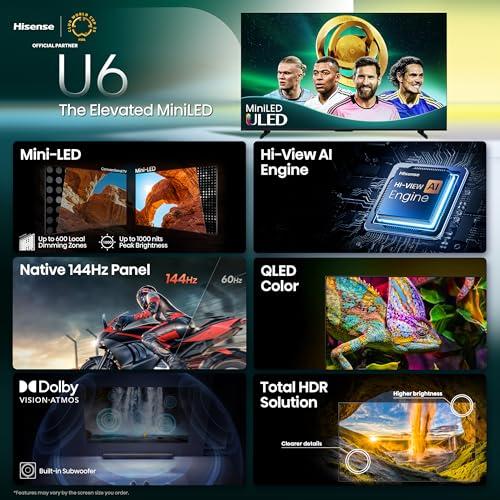
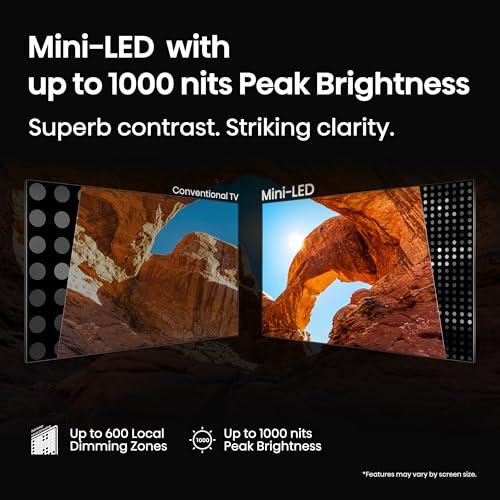
Both Hisense models address these challenges using Mini-LED backlighting – a technology that sits between traditional LED and premium OLED displays. Mini-LED uses thousands of tiny LEDs behind the screen (instead of the dozens found in regular LED TVs) to create more precise control over brightness and darkness across different areas of the picture. Think of it like having thousands of individual light switches instead of just one room light – you can dim specific areas while keeping others bright, creating much better contrast.
The most significant difference between these two models lies in their Mini-LED implementation, and this distinction has real-world implications for what you'll see on screen. The QD7 Series employs what industry professionals call a "premium Mini-LED system" with thousands of individual dimming zones. Each zone can be controlled independently, allowing the TV to create incredibly precise contrast between bright and dark areas within the same scene.
In contrast, the U6 Series utilizes approximately 600 local dimming zones. While this might sound like a significant disadvantage on paper, our research into user experiences reveals something interesting: Hisense's processing algorithms are sophisticated enough that many viewers struggle to notice the difference in typical viewing scenarios. One reviewer specifically noted having "a really hard time noticing" the zone limitations during regular viewing.
However, the zone count difference becomes more apparent in challenging content. When you're watching a movie scene with bright explosions against a dark night sky, or a space film with stars against black backgrounds, the QD7's thousands of zones can maintain sharper separation between light and dark elements. The additional zones reduce "blooming" – that subtle halo effect you might notice around bright objects on dark backgrounds.
The U6 Series takes a different approach to handling challenging viewing conditions with its matte finish screen. This anti-glare coating significantly reduces reflections, making it notably better for rooms with windows or multiple light sources. If your 100-inch TV will be installed in a bright living room rather than a dedicated dark theater, this matte finish becomes a genuine advantage that could outweigh the zone count difference.
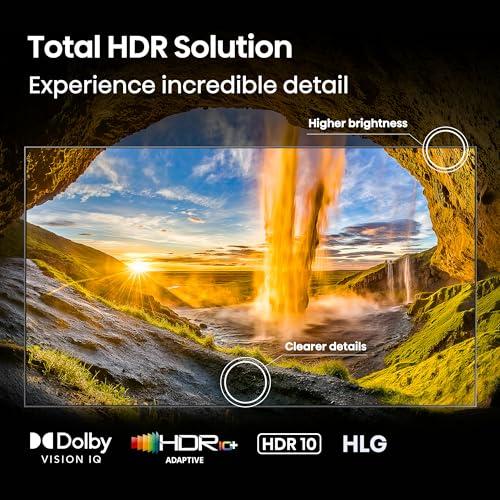
Peak brightness performance varies between the models, with the QD7 Series achieving an estimated 600-700 nits maximum brightness. While specific measurements weren't available for the U6 Series, the general consensus suggests it delivers competitive brightness for its category. For reference, this brightness level sits comfortably above most streaming content requirements and provides adequate HDR impact, though it won't match the 1,000+ nit performance of flagship models from other manufacturers.
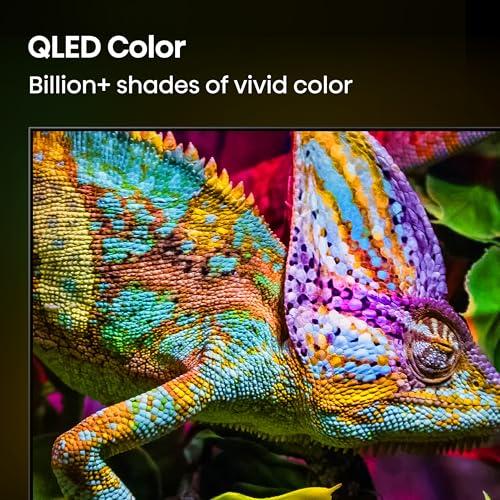
Both models incorporate Quantum Dot technology, which enhances color reproduction by using nanocrystals that emit precise wavelengths of light when illuminated. This translates to more accurate reds, greens, and blues, with both TVs capable of displaying over a billion color combinations. The practical result is more lifelike skin tones, more vibrant nature documentaries, and animated content that truly pops off the screen.
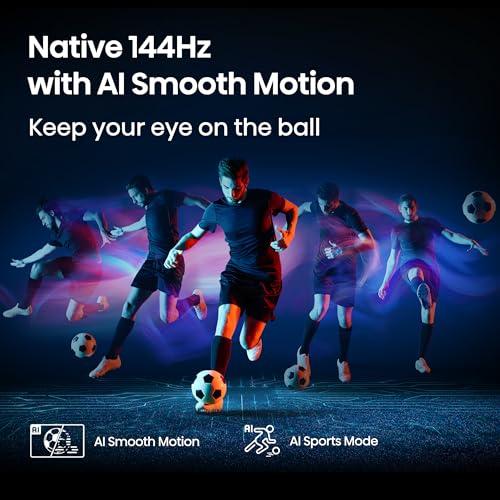
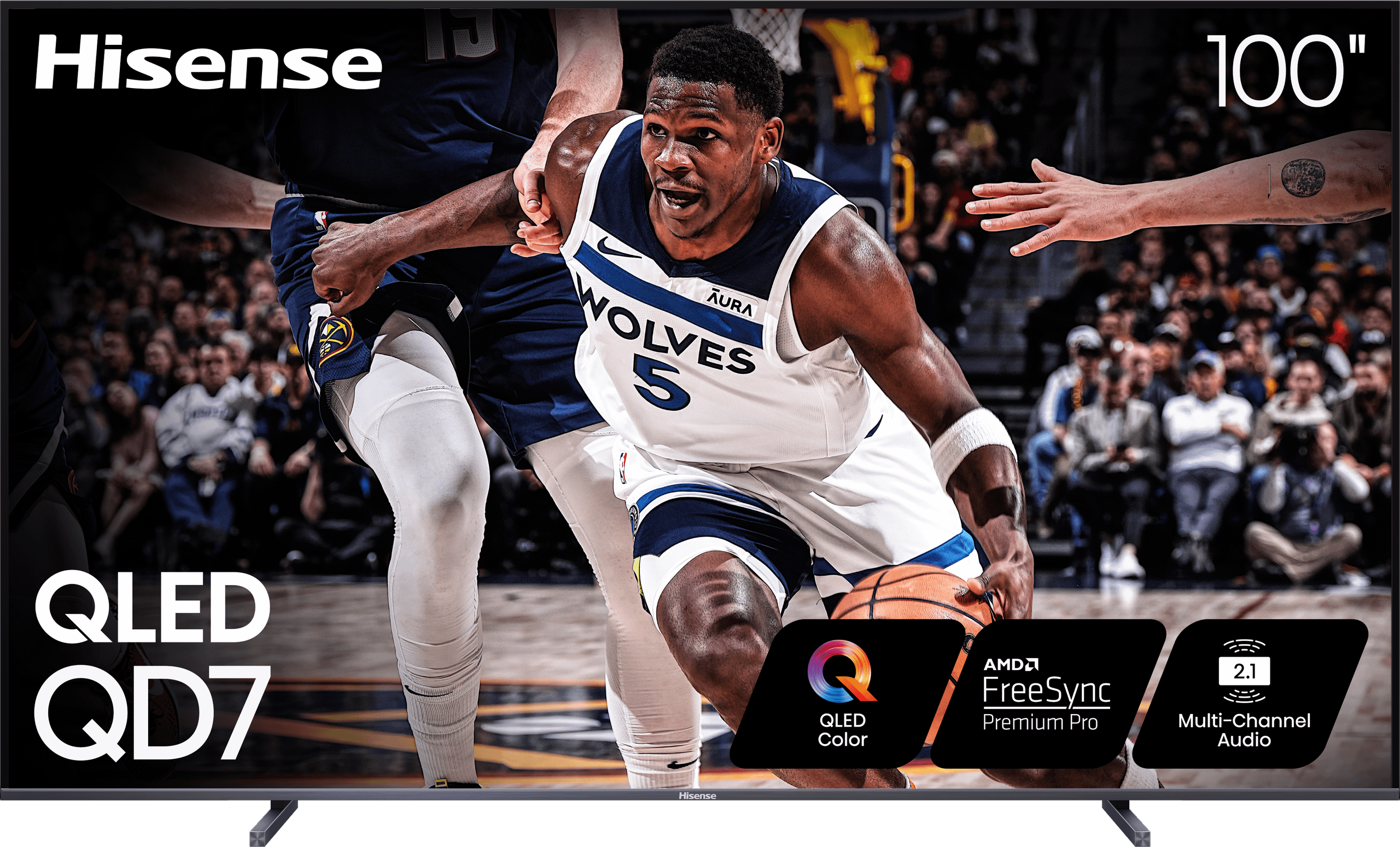
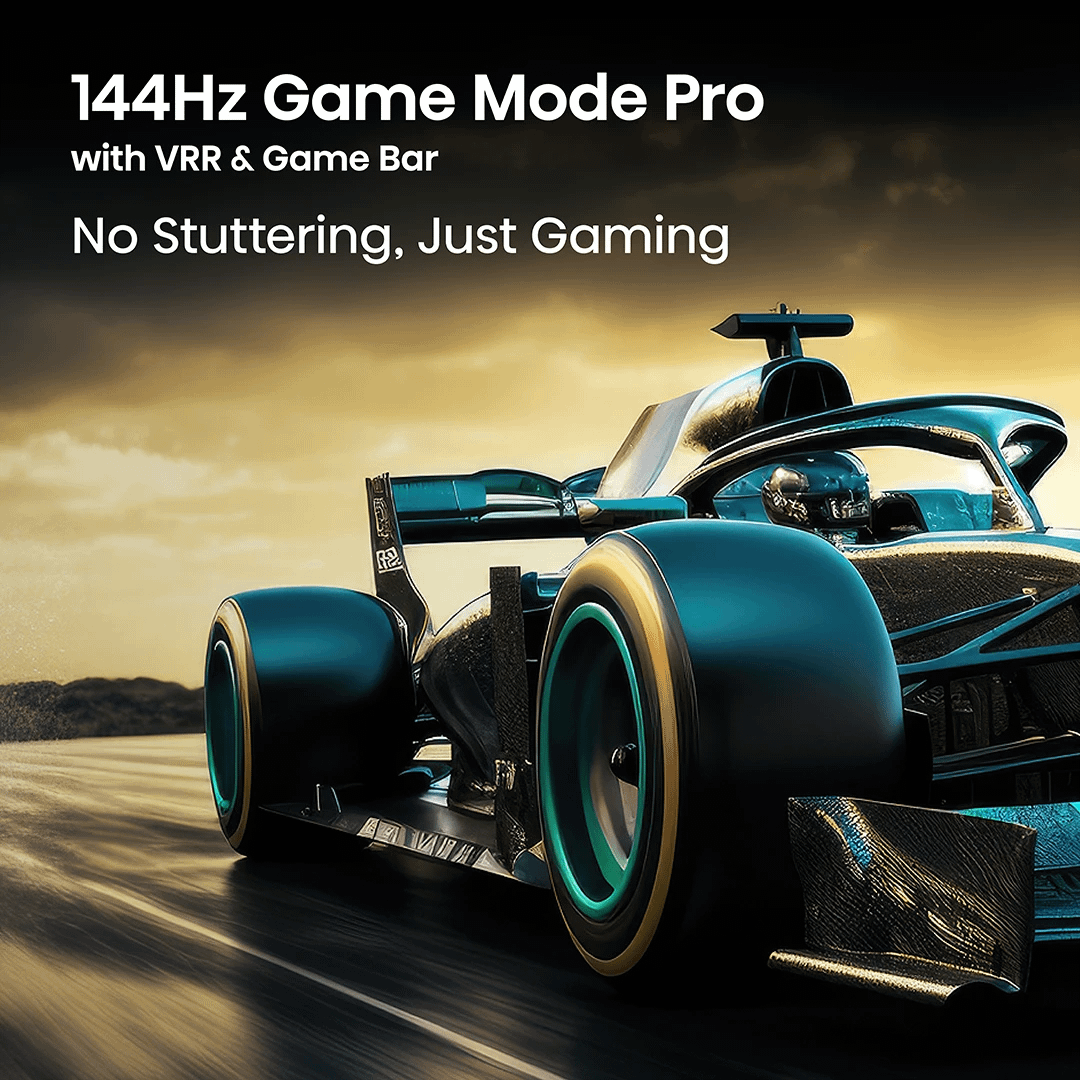
The gaming performance gap between these models is substantial and represents one of the clearest differentiating factors. The QD7 Series arrives equipped with a 144Hz native refresh rate, Variable Refresh Rate (VRR) support from 48-144Hz, AMD FreeSync Premium Pro, and Game Mode Pro optimization. These features work together to create what many consider essential for serious gaming on modern consoles and high-end PCs.
The 144Hz refresh rate means the TV can display up to 144 unique frames per second, compared to the standard 60Hz found on most TVs. This higher refresh rate reduces motion blur during fast-paced gaming and creates noticeably smoother movement. VRR synchronizes the TV's refresh rate with your gaming device's output, eliminating screen tearing – those horizontal lines that can appear when the TV and console get out of sync.
AMD FreeSync Premium Pro adds another layer of optimization, specifically targeting input lag (the delay between pressing a button and seeing the action on screen) and ensuring consistent frame rates during demanding gaming sequences. For competitive gaming or fast-paced action titles, these millisecond improvements can make a meaningful difference in responsiveness.
The U6 Series gaming specifications weren't detailed in available documentation, suggesting it likely offers standard gaming features without the advanced refresh rate and synchronization technologies. This positions it as adequate for casual gaming but potentially limiting for enthusiasts who've invested in PlayStation 5, Xbox Series X, or high-end PC gaming setups.
For home theater gaming – think story-driven single-player games, racing simulators, or RPGs where you want maximum immersion – both displays will deliver spectacular experiences thanks to their massive 100-inch screens. However, for competitive online gaming, streaming to audiences, or taking advantage of next-generation console capabilities, the QD7 Series provides features that genuinely enhance the experience.
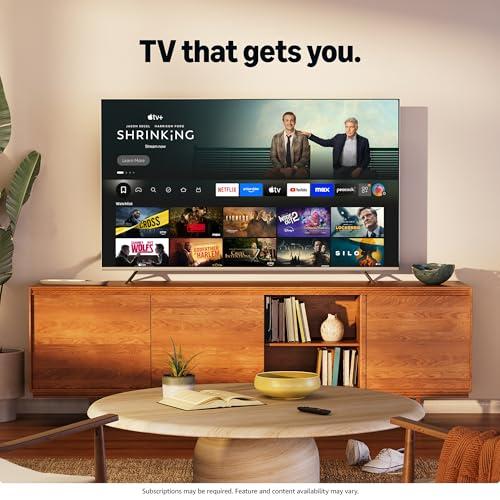
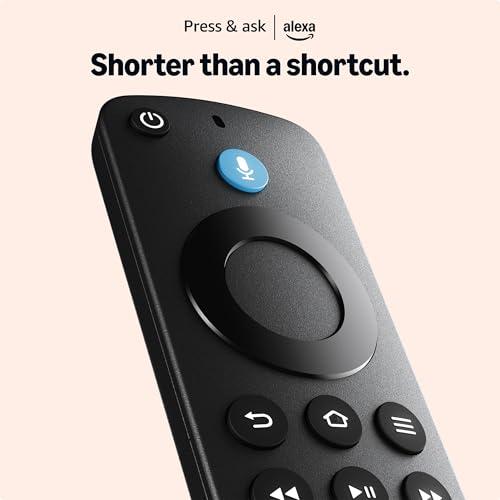
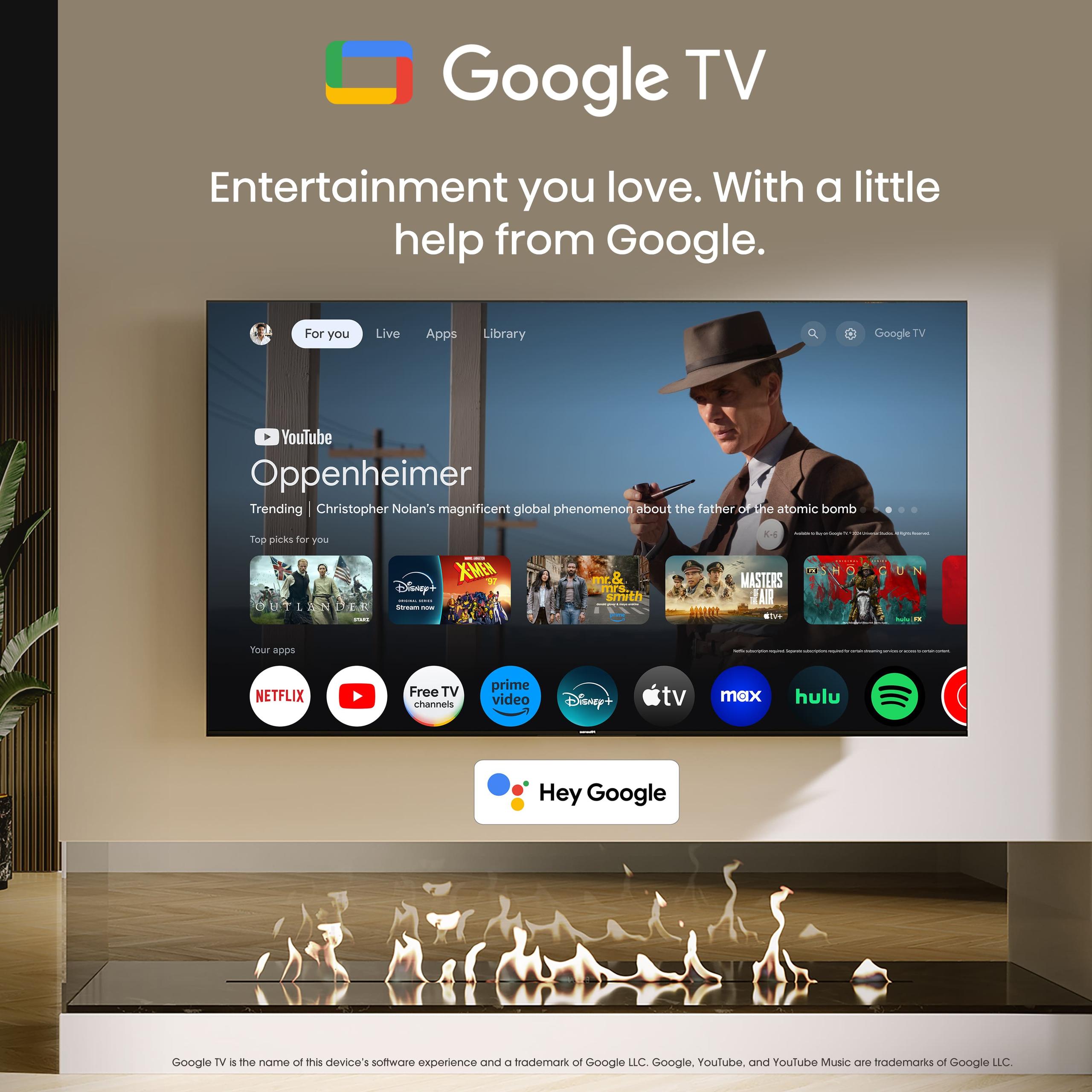
Both models run Fire TV with integrated Amazon Alexa, providing identical smart platform experiences. This means access to the same streaming apps, voice control capabilities, and user interface design. Fire TV has matured significantly since its introduction and now offers one of the more responsive and intuitive smart TV experiences available.
The platform's strength lies in its content aggregation – it can surface shows and movies from across multiple streaming services in a unified interface, and Alexa integration allows for natural voice searches like "show me action movies from 2023" or "find documentaries about space." For home theater use, this unified approach proves particularly valuable when you're managing multiple streaming subscriptions and want quick access to content.
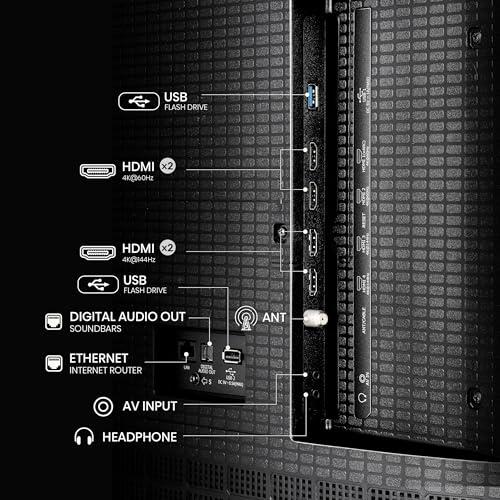
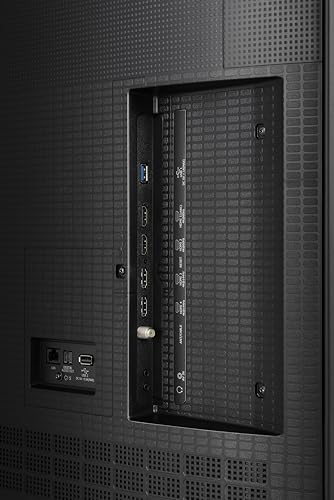
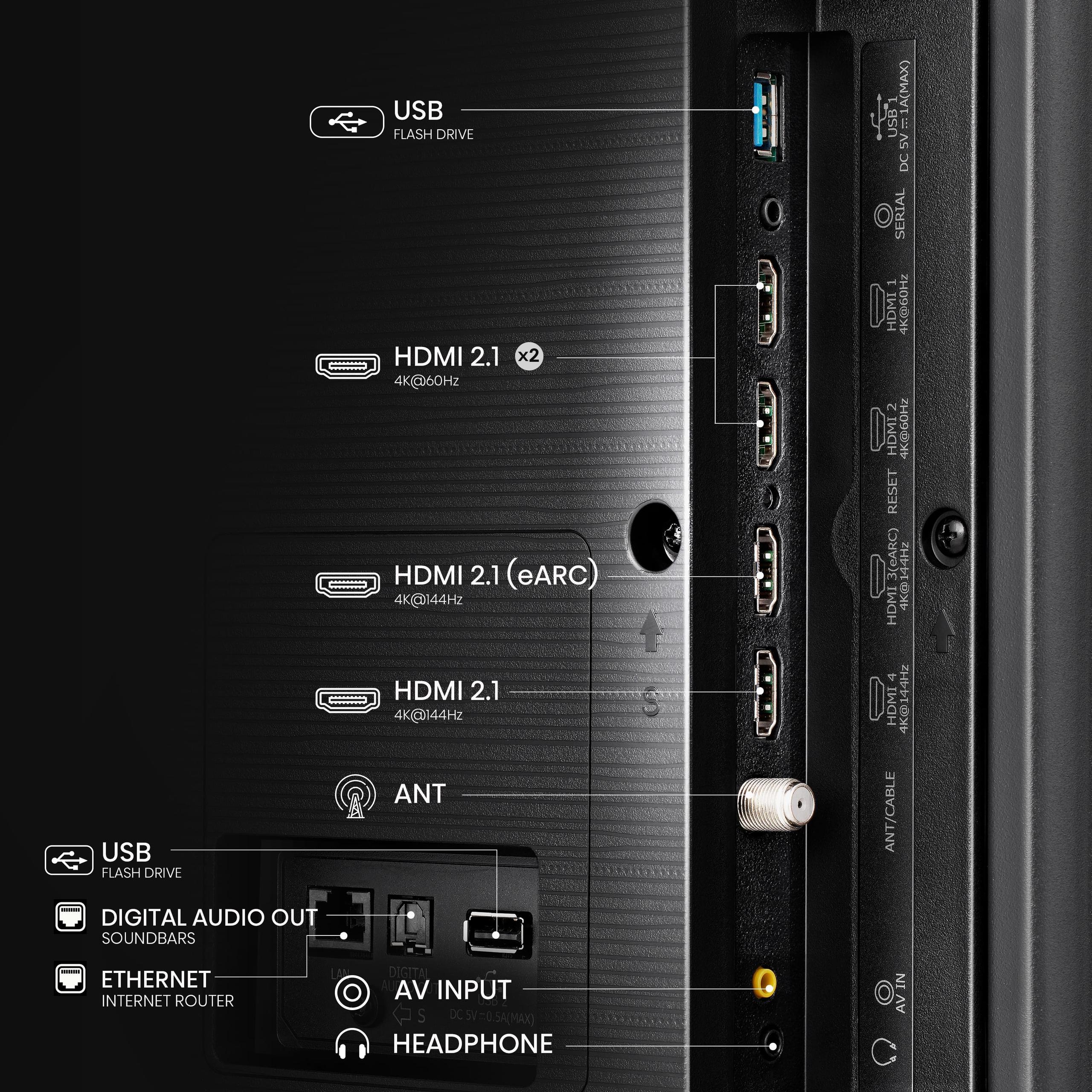
Connectivity differs between the models, with the QD7 Series offering four HDMI ports including two HDMI 2.1 connections. HDMI 2.1 supports the higher bandwidth required for 4K gaming at high refresh rates and features like VRR. If you plan to connect multiple next-generation gaming consoles, a high-end PC, and a premium soundbar or AV receiver, these additional high-bandwidth ports become practically necessary.
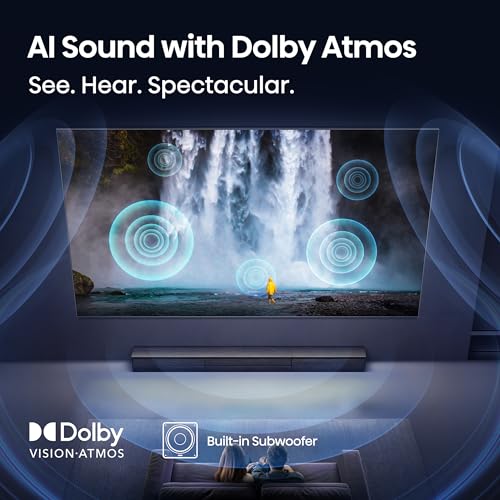
Both models face the fundamental challenge that affects all thin, large-format TVs: physics works against producing great sound from such a slim profile. The QD7 Series includes a 50-watt audio system with a built-in subwoofer and Dolby Atmos support, which represents above-average performance for a TV of this size.
However, our research consistently shows that 100-inch displays practically demand external audio solutions. The visual scale creates expectations that built-in TV speakers simply cannot match. A quality soundbar or dedicated home theater audio system becomes less of an upgrade and more of a necessity to match the cinematic visual experience.
For home theater installations, plan to budget for at least a mid-range soundbar with dedicated subwoofer, or ideally a full surround sound system. The good news is that both TVs support HDMI ARC (Audio Return Channel), making it easy to connect external audio systems and control everything with a single remote.
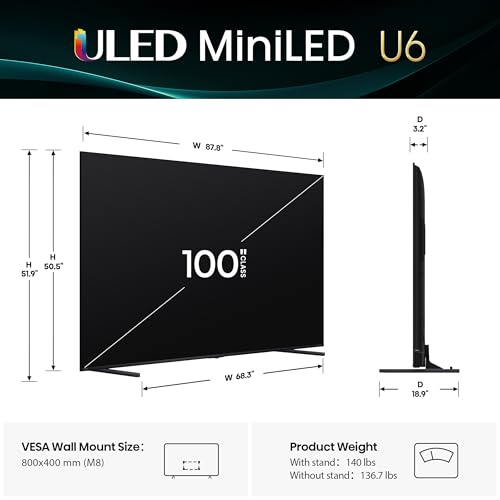
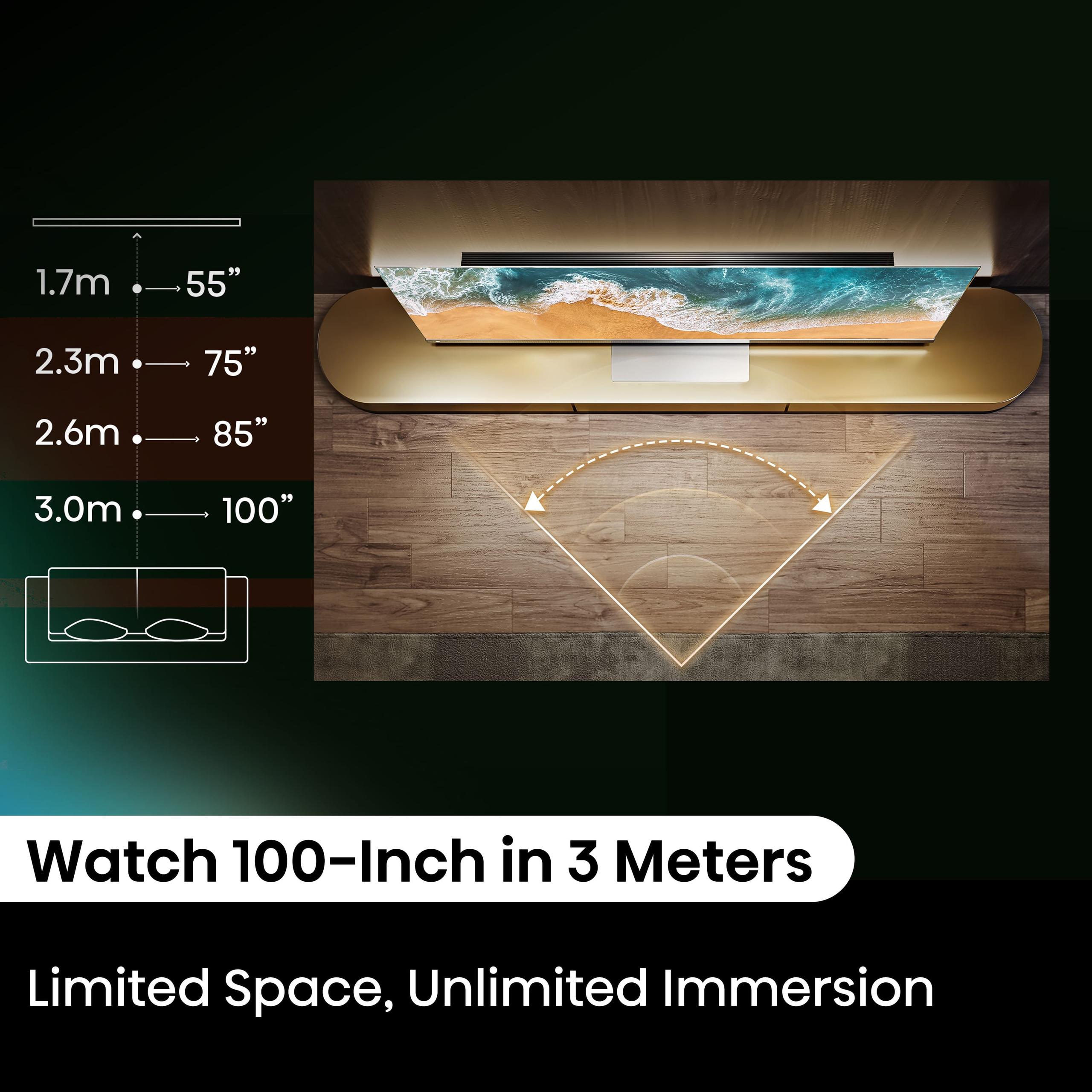
Installing a 100-inch TV requires careful planning that goes beyond typical TV setup. Both models weigh over 125 pounds and measure nearly 8 feet wide, demanding either professional wall mounting with reinforced wall studs or extremely robust furniture. The viewing distance becomes crucial – you'll want to sit 12-15 feet away for optimal viewing, making these TVs unsuitable for typical living rooms.
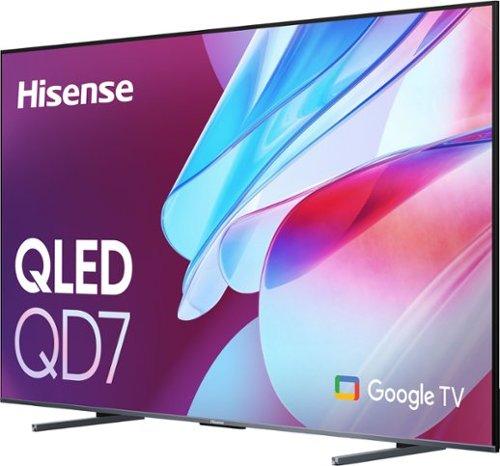
Room lighting plays a major role in deciding between these models. The U6 Series matte finish excels in brighter environments, reducing reflections and maintaining image quality even with windows or room lights on. The QD7 Series performs better in controlled lighting environments where its superior contrast capabilities can shine without fighting ambient light reflections.
Consider the long-term implications: once installed, these TVs become semi-permanent room fixtures. The visual impact dominates any space, so ensure your room layout, seating arrangements, and décor can accommodate this massive presence.
At the time of writing, the pricing relationship between these models creates an interesting market dynamic. The QD7 Series typically costs several hundred dollars less than the U6 Series while offering superior technical specifications in most categories. This pricing structure suggests Hisense positioned the QD7 as a value-focused premium option, while the U6 carries a premium for its specific advantages like the matte finish and Dolby Vision IQ.
When compared to 100-inch options from Samsung, Sony, or LG, both Hisense models offer compelling value propositions. Similar Mini-LED technology from established premium brands often costs $1,000-2,000 more, making these Hisense options attractive for buyers who want cutting-edge display technology without flagship pricing.
The 2025 model year brought significant improvements to both series. Hisense enhanced their Mini-LED algorithms, improved gaming features across the lineup, and refined their smart TV platform integration. These updates address many of the criticisms leveled at earlier Hisense models regarding motion handling and interface responsiveness.
Choose the QD7 Series if you prioritize pure performance and value. Its superior Mini-LED implementation with thousands of dimming zones, comprehensive gaming features, and competitive pricing make it the clear choice for dedicated home theaters, serious gamers, and tech enthusiasts who want the latest display technology at an accessible price point.
The U6 Series makes sense for specific scenarios despite its higher cost and fewer zones. If your installation environment has challenging lighting conditions, if you specifically value the matte finish aesthetic, or if Dolby Vision IQ's automatic brightness adaptation appeals to your viewing habits, the U6 can justify its premium.
For most buyers considering a 100-inch TV, the QD7 Series represents the better overall package. Its gaming capabilities future-proof the purchase for next-generation consoles, the superior Mini-LED implementation provides better long-term satisfaction with picture quality, and the pricing offers exceptional value for the technology provided.
However, room environment ultimately trumps specifications. A U6 Series in a bright family room will likely provide better day-to-day viewing satisfaction than a QD7 Series fighting glare and reflections. Consider your actual viewing conditions, not just ideal scenarios.
Both models deliver on the promise of bringing cinema-scale entertainment to home environments. The decision comes down to whether you prioritize technical specifications and gaming features (QD7) or environmental adaptability and specific viewing optimizations (U6). Either choice represents a significant step into premium home theater territory that will transform how you experience movies, sports, and gaming at home.
| Hisense 100" U6 Series Mini-LED 4K Fire TV | Hisense 100" QD7 Series QLED 4K UHD Smart TV |
|---|---|
| Local Dimming Zones - Controls contrast precision and blooming reduction | |
| 600 zones (still excellent for most content) | Thousands of zones (superior HDR performance) |
| Screen Finish - Critical for room lighting compatibility | |
| Matte finish (reduces glare, better for bright rooms) | Standard glossy finish (better contrast in dark rooms) |
| Gaming Refresh Rate - Essential for next-gen console performance | |
| Standard gaming features (adequate for casual gaming) | 144Hz native with VRR 48-144Hz (excellent for competitive gaming) |
| Gaming Features - Determines compatibility with PS5/Xbox Series X | |
| Basic game mode | Game Mode Pro, AMD FreeSync Premium Pro, ALLM |
| HDR Optimization - Affects automatic picture adjustment | |
| Dolby Vision IQ (adapts to room lighting automatically) | Standard Dolby Vision, HDR10+, HLG |
| HDMI Connectivity - Important for multiple high-end devices | |
| Standard HDMI configuration | 4 ports total (2x HDMI 2.1, 2x HDMI 2.0) |
| Audio System - Built-in sound quality | |
| Standard TV audio with Dolby support | 50W total with 2.1 channels and subwoofer |
| Smart Platform - User interface and app experience | |
| Fire TV with Alexa (same experience) | Fire TV with Alexa (same experience) |
| Peak Brightness - Affects HDR impact and daytime viewing | |
| Competitive for category (exact specs unavailable) | 600-700 nits estimated (good HDR performance) |
| Value Positioning - Price-to-performance ratio | |
| Higher cost for matte finish and Dolby Vision IQ | Better overall value with superior tech at lower price |
The Hisense 100" QD7 Series is significantly better for gaming with its 144Hz refresh rate, Variable Refresh Rate (VRR), AMD FreeSync Premium Pro, and Game Mode Pro features. The Hisense 100" U6 Series offers basic gaming capabilities but lacks the advanced features needed for next-generation consoles like PS5 and Xbox Series X.
The primary difference is in their Mini-LED implementation: the QD7 Series uses thousands of local dimming zones for superior contrast control, while the U6 Series uses 600 zones but compensates with a matte screen finish that reduces glare and Dolby Vision IQ for automatic lighting adjustment.
The Hisense 100" U6 Series is better for bright rooms thanks to its matte finish screen that significantly reduces glare and reflections. The QD7 Series has a standard glossy finish that performs better in darker, controlled lighting environments.
Yes, both the U6 Series and QD7 Series run Fire TV with built-in Amazon Alexa, providing identical smart platform experiences, streaming apps, and voice control capabilities.
The Hisense 100" QD7 Series generally offers superior picture quality with its thousands of local dimming zones providing better contrast control and reduced blooming effects. However, the U6 Series may look better in bright viewing environments due to its anti-glare matte finish.
Both models excel for home theater use at 100 inches, but the QD7 Series is better suited for dedicated dark theater rooms where its superior contrast shines. The U6 Series works well in multipurpose rooms that aren't light-controlled.
The Hisense 100" QD7 Series typically offers better value with superior Mini-LED technology, advanced gaming features, and better connectivity at a lower price point than the U6 Series.
Yes, both the U6 Series and QD7 Series benefit greatly from external audio systems. While the QD7 has a 50W system with subwoofer, the massive 100-inch screen creates visual expectations that built-in TV speakers cannot match.
The Hisense 100" QD7 Series offers 4 HDMI ports with 2 HDMI 2.1 connections for high-bandwidth gaming and devices. Specific HDMI details for the U6 Series weren't detailed, but it likely offers standard HDMI configurations.
Both handle HDR well, but differently: the QD7 Series excels with superior local dimming for better contrast in HDR scenes, while the U6 Series features Dolby Vision IQ that automatically adjusts HDR settings based on your room's lighting conditions.
Both the Hisense 100" U6 Series and QD7 Series require 12-15 feet of viewing distance and nearly 8 feet of wall width. Professional installation is strongly recommended for both models due to their size and weight.
Choose the Hisense 100" QD7 Series for dedicated home theaters, serious gaming, and best overall value. Choose the U6 Series if you have a bright room with glare issues or specifically want Dolby Vision IQ's automatic brightness adaptation features.
We've done our best to create useful and informative comparisons to help you decide what product to buy. Our research uses advanced automated methods to create this comparison and perfection is not possible - please contact us for corrections or questions. These are the sites we've researched in the creation of this article: bestbuy.com - rtings.com - youtube.com - rtings.com - youtube.com - youtube.com - costco.com - pcrichard.com - hisense-usa.com - electronicexpress.com - pcrichard.com - circuitworldonline.com - bestbuy.com - bestbuy.com - premiumincentive.com - hisense-usa.com - hisense-usa.com - pcrichard.com - rtings.com - bestbuy.com - hisense-usa.com - avsforum.com - bestbuy.com - ca.camelcamelcamel.com - fouanistore.com - rtings.com - youtube.com - rtings.com - 2001audiovideo.com - bestbuy.com - static.pcrichard.com - centrehifi.com - youtube.com - uk.hisense.com - hisense-canada.com

Privacy Policy
Terms and Conditions - Affiliate Policy
Home Security
© Copyright 2008-2026.
11816 Inwood Rd #1211, Dallas, TX 75244