

Shopping for a TV that takes up half your wall? You're looking at the ultra-large category, where screens stretch from 95 to 100+ inches and transform your living room into a personal movie theater. These massive displays aren't just bigger versions of regular TVs - they represent a completely different viewing experience that can make or break your home entertainment setup.
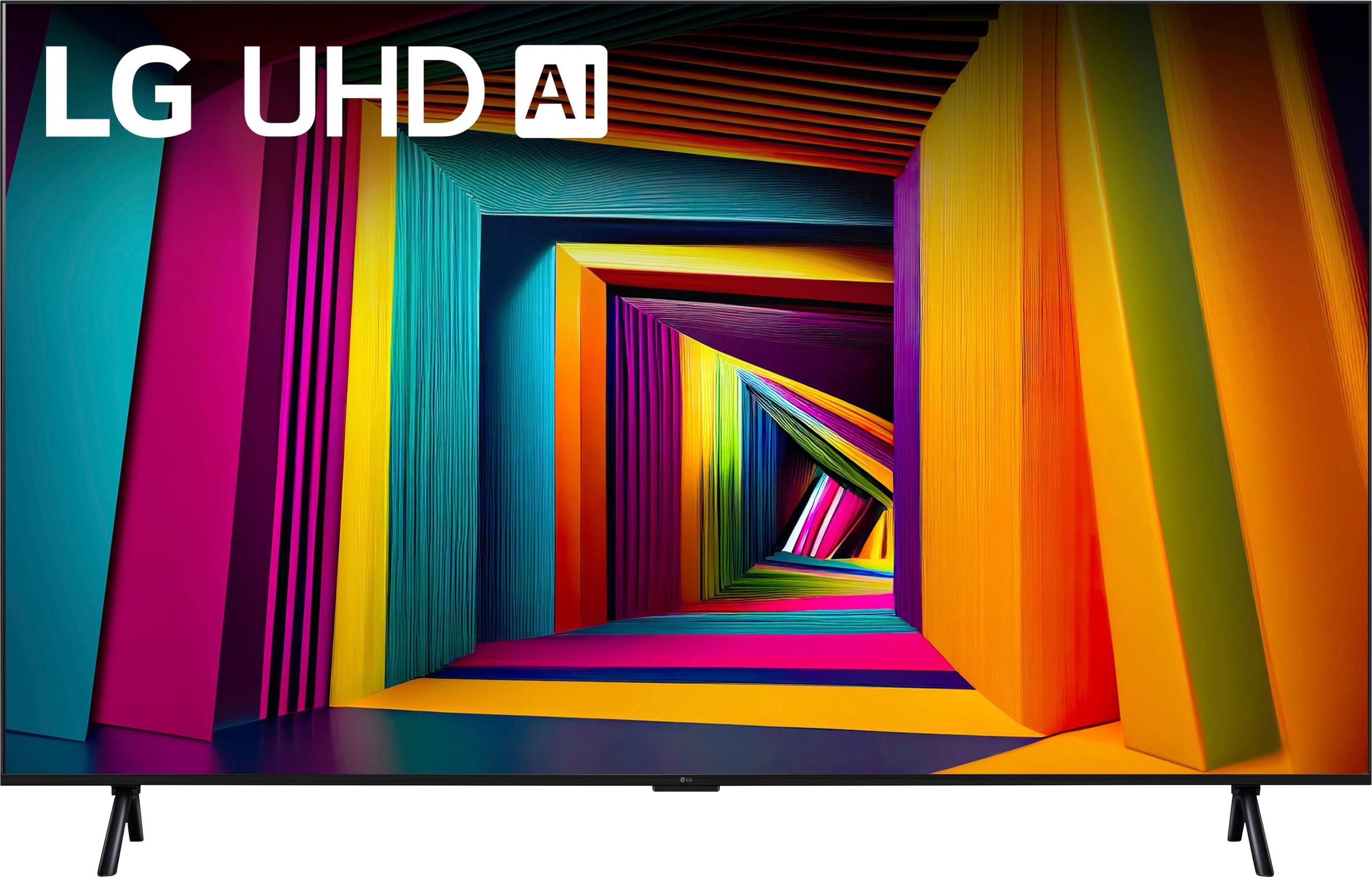
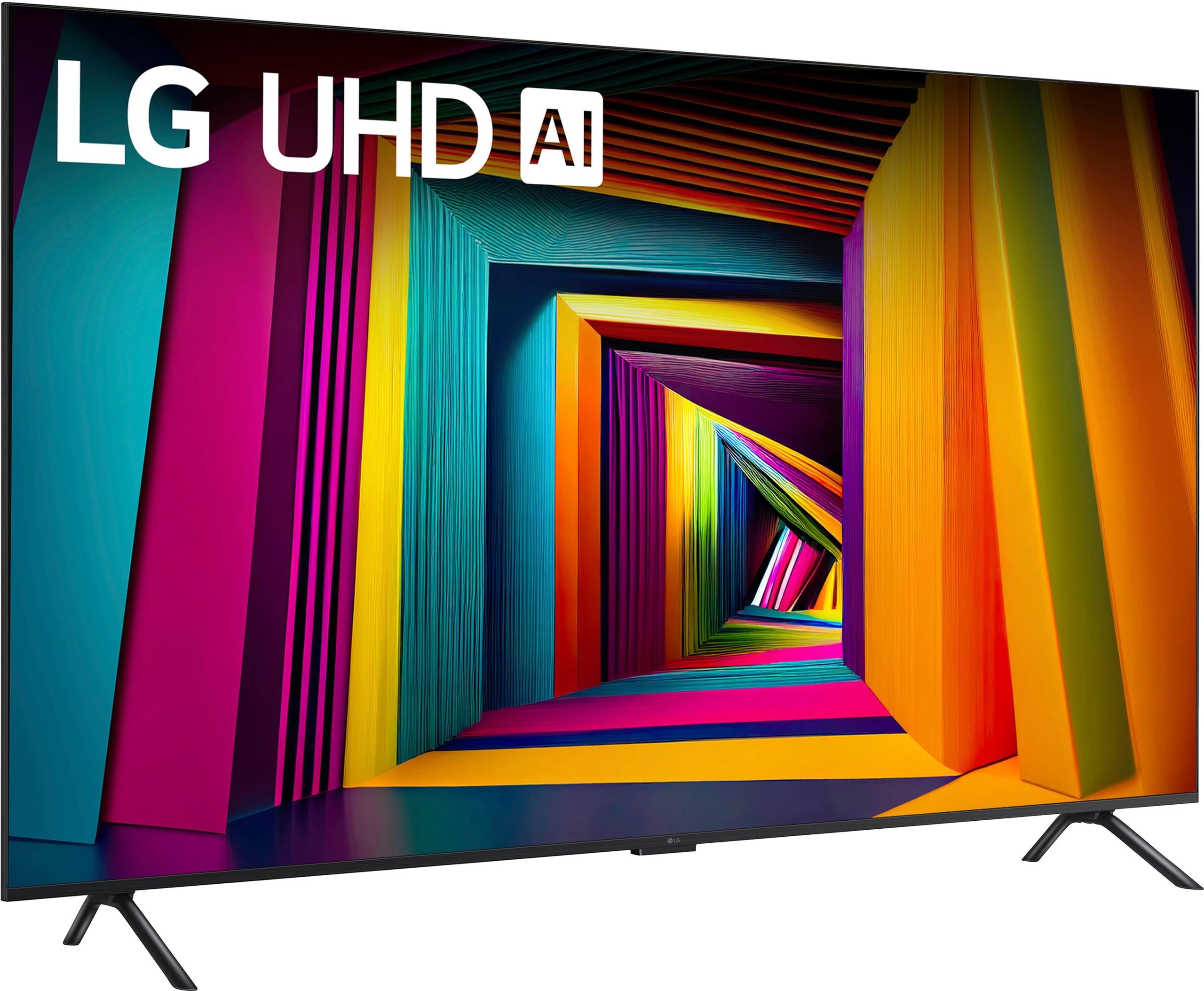
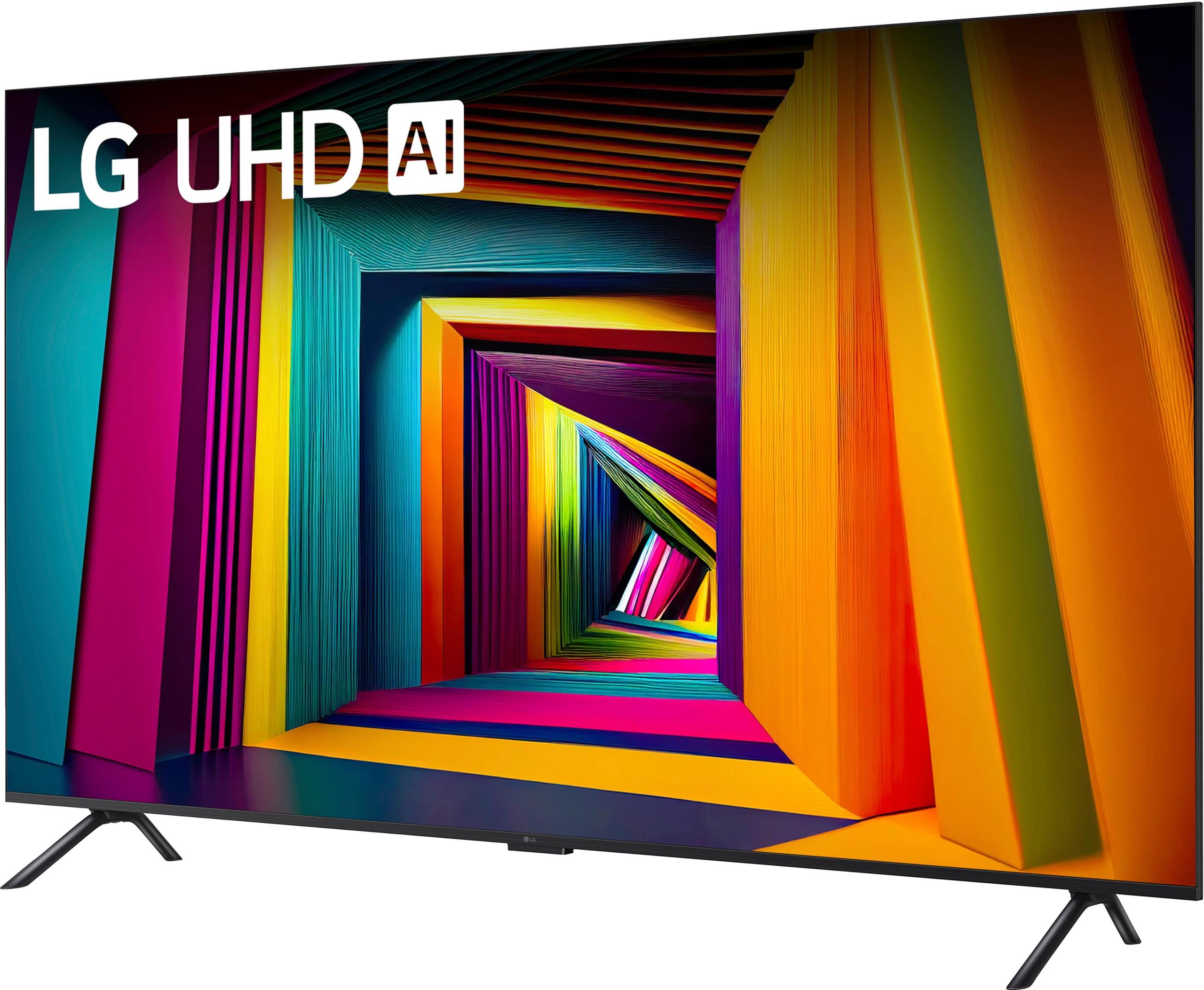
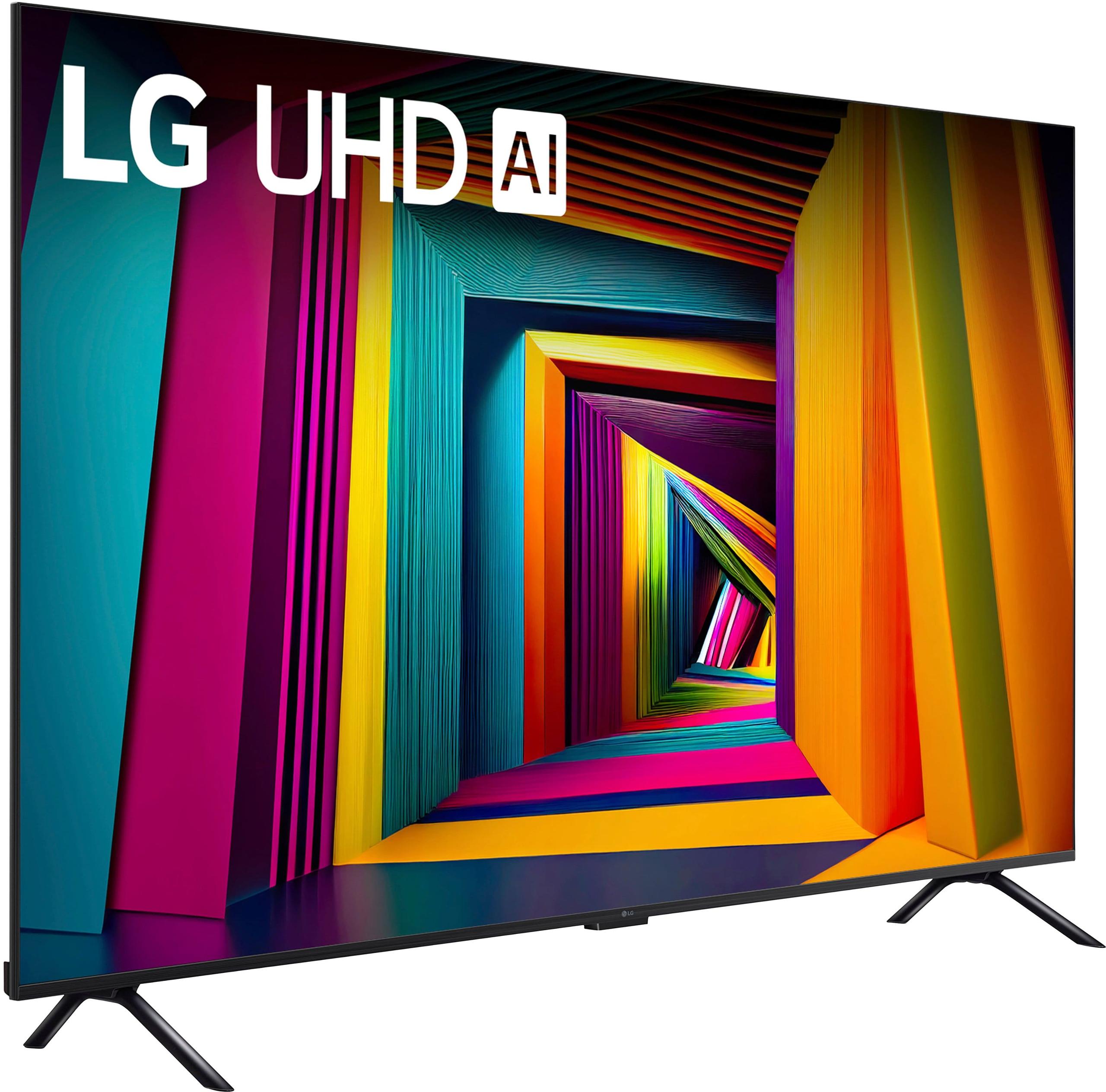
The two standout options in this space are the Hisense 100" U6 Series Mini-LED 4K Fire TV and the LG 98" Class UT90 Series 4K UHD Smart TV. At the time of writing, both sit in the premium-but-accessible range for ultra-large TVs, though they take dramatically different approaches to achieving that massive screen experience.
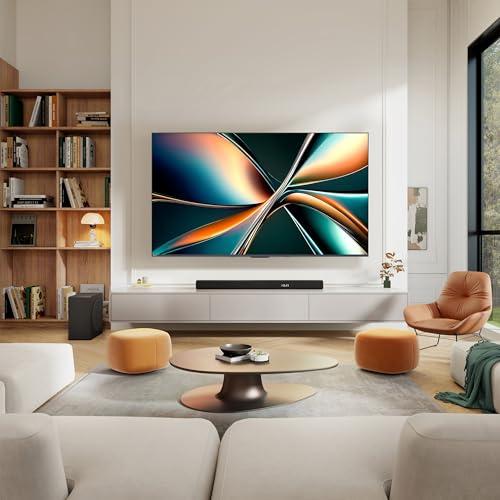
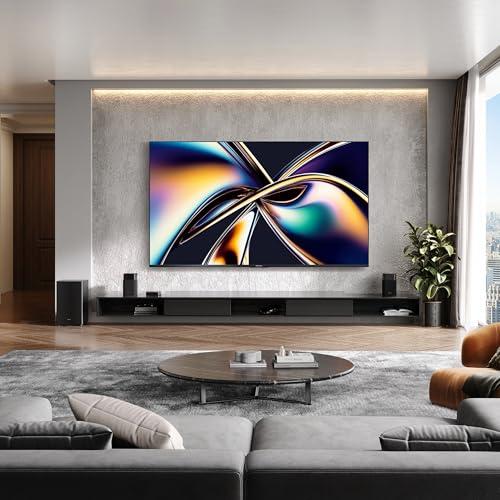
Before diving into specifics, let's talk about what you're really buying when you go this big. Ultra-large TVs demand serious consideration of your space - we're talking about displays that measure over 8 feet diagonally. The optimal viewing distance for a 100-inch 4K TV is around 8-12 feet, which means you need a genuinely large room to get the full benefit.
The technology challenge becomes more complex at this size too. Manufacturers need to maintain picture quality across a massive panel while keeping the price reasonable. This is where the fundamental differences between our two contenders become critical.
The biggest distinction between the Hisense U6 and LG UT90 lies in their backlighting systems, and this difference affects nearly everything about picture quality.
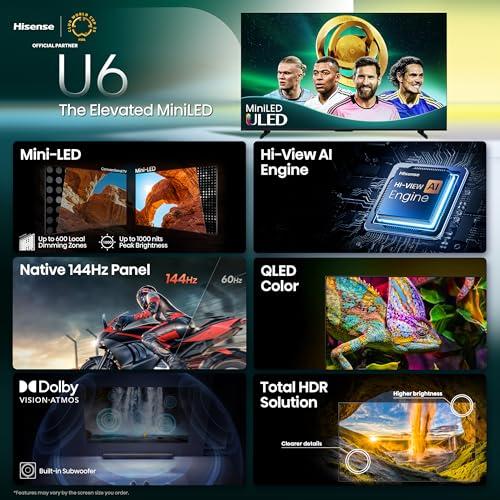
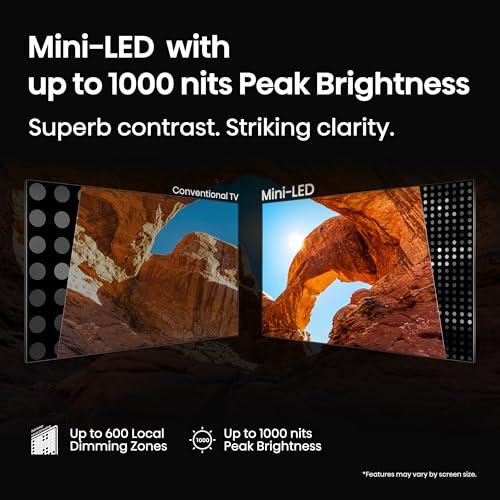
The Hisense U6 uses Mini-LED technology, which sounds like marketing speak but represents a genuine leap forward. Traditional LEDs (like those in the LG UT90) use relatively large LED bulbs arranged behind or around the edges of the screen. Mini-LEDs are exactly what they sound like - thousands of tiny LEDs that are significantly smaller than conventional ones.
Think of it like the difference between painting with a thick brush versus a fine-tip pen. The Hisense U6's Mini-LED system can control brightness in much smaller zones across the screen, creating what's called "full array local dimming." When you're watching a scene with a bright explosion against a dark night sky, the Mini-LEDs behind the explosion can blast at full brightness while the LEDs behind the dark areas stay completely off.
The LG UT90 uses direct-lit LED backlighting, which spreads fewer, larger LEDs across the back of the panel. While this still allows some local dimming, it's like trying to paint that same explosion with a much thicker brush - you'll get some of the effect, but not the precision.
This technical difference translates to noticeable performance gaps. The Hisense U6 can hit up to 1000 nits of peak brightness, which means HDR (High Dynamic Range) content really pops. HDR is a technology that makes bright things brighter and dark things darker, creating more realistic images. Without sufficient peak brightness, HDR content looks flat and loses its impact.
The LG UT90 struggles here, with reviews consistently noting its limited brightness capabilities. In a bright living room with windows, this becomes a real problem. The Hisense will cut through ambient light and maintain vibrant colors, while the LG may look washed out.
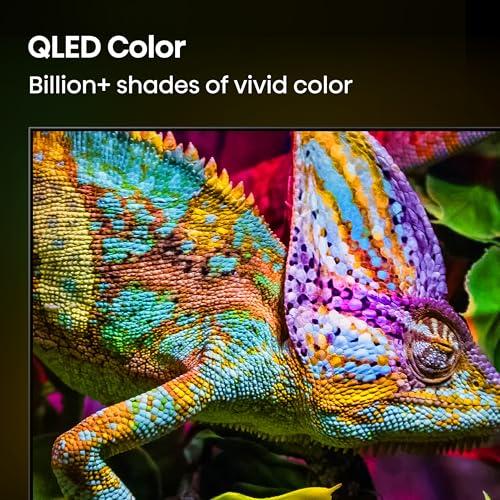
The Hisense U6 also incorporates QLED (Quantum Dot Light Emitting Diode) technology. Quantum dots are microscopic particles that, when hit with light, emit very pure colors. It's like having a more vibrant paint palette - the TV can produce over a billion color shades with greater accuracy and saturation.
The LG UT90 relies on standard LED color reproduction, which is perfectly adequate but can't match the color volume and accuracy of quantum dots. For nature documentaries, animated movies, or any content where color vibrancy matters, the difference is significant.
Both TVs released in 2024 with their manufacturers' latest smart platforms, but they offer distinctly different experiences.
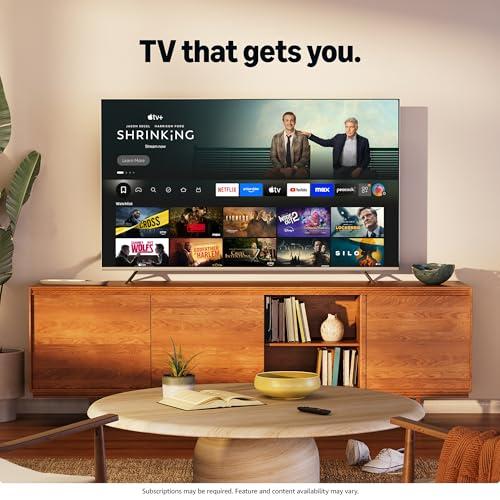
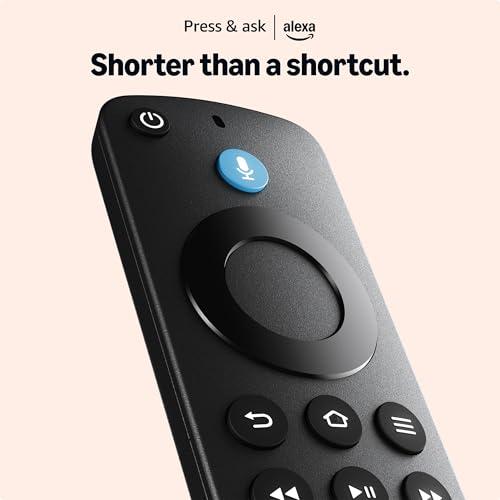
The Hisense U6 runs Fire TV, Amazon's smart platform that has matured significantly since its early days. The interface puts your streaming apps front and center, with Amazon's content obviously featured prominently. Built-in Alexa means you can control not just the TV but your entire smart home setup through voice commands.
Fire TV's strength lies in its comprehensive app support and regular updates. Amazon has deep pockets and motivation to keep the platform current, which means you're likely to get new streaming services and features as they become available. The search functionality is particularly strong - ask for "space movies" and it'll aggregate results across Netflix, Prime Video, Disney+, and other services.
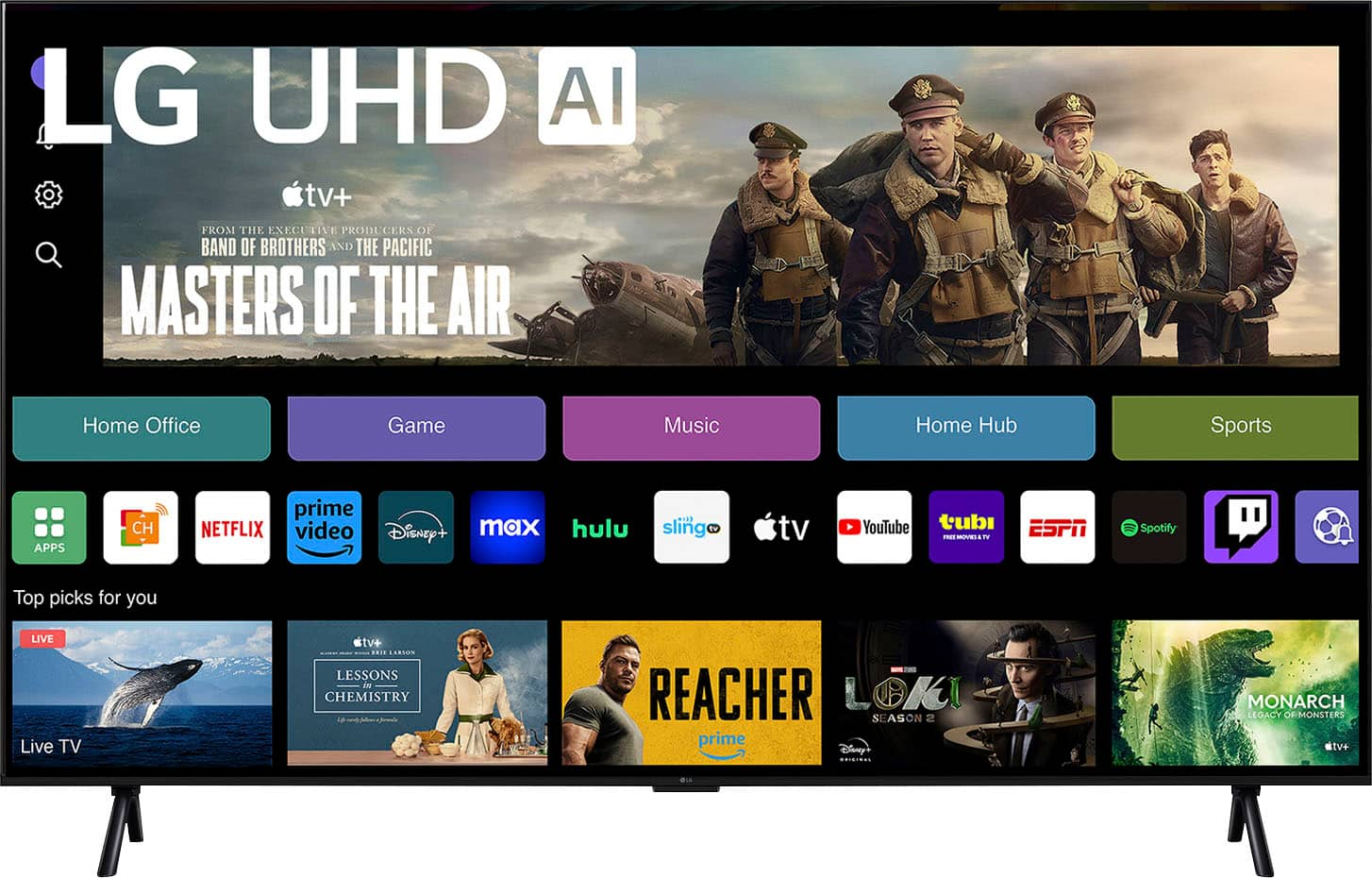
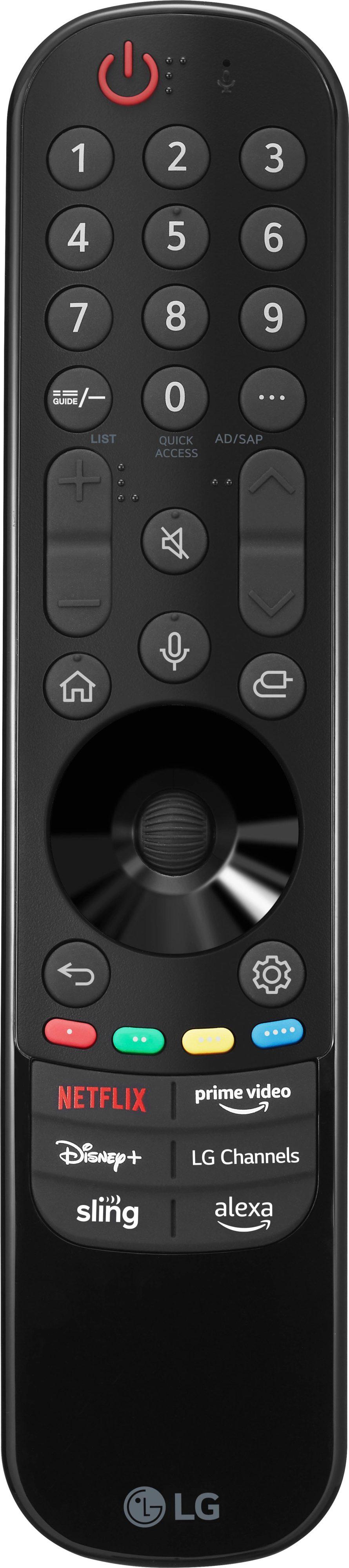
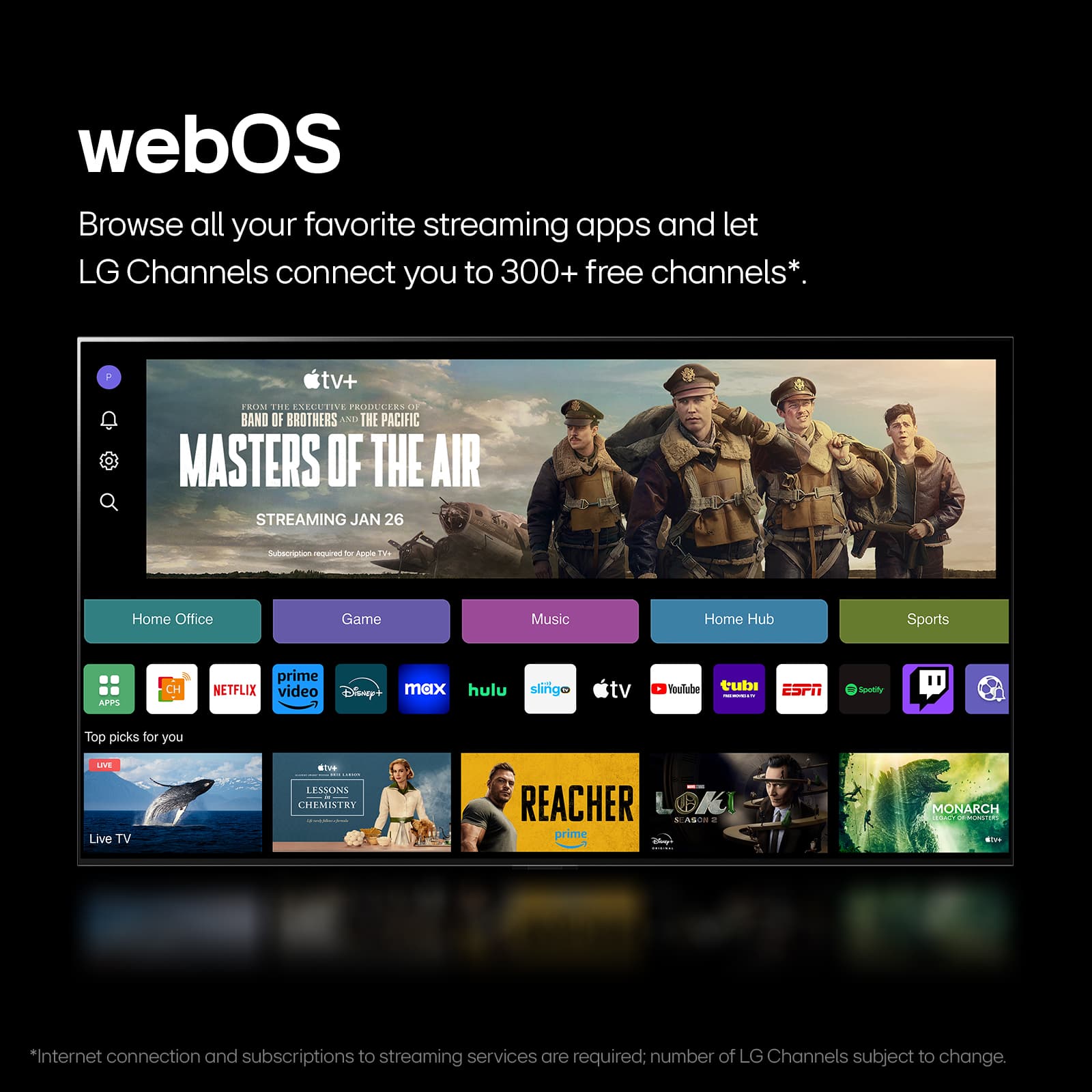
The LG UT90 runs webOS, LG's proprietary platform that has earned praise for its intuitive interface and smooth performance. The Magic Motion Remote acts like a computer mouse in the air, making navigation feel more natural than traditional arrow-key systems.
webOS shines in its Multi-view feature, which lets you split the screen to watch two different sources simultaneously. During football season, you could have the game on one side and highlights or stats on the other. The platform also tends to have fewer ads and promotional content cluttering the interface compared to Fire TV.
The α8 AI Processor 4K in the LG UT90 handles the smart features well, though it's primarily focused on basic processing rather than advanced picture optimization.
Both TVs released in 2024 with gaming in mind, but their approaches differ significantly.
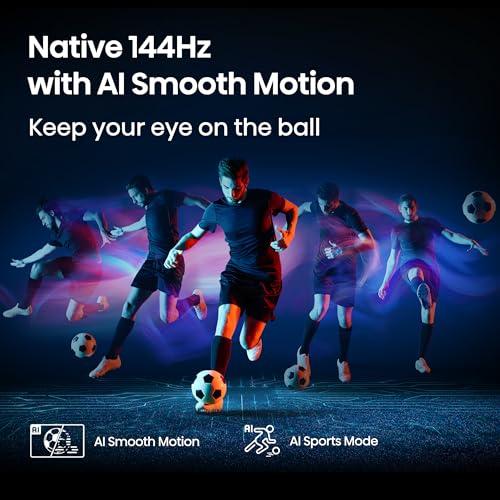
The Hisense U6 features a native 120Hz panel with Variable Refresh Rate (VRR) support from 48Hz to 144Hz. VRR synchronizes the TV's refresh rate with your gaming console's output, eliminating screen tearing - those horizontal lines that appear when the display and console get out of sync.
Game Mode Pro on the Hisense U6 optimizes all these settings automatically. When you fire up your PlayStation 5 or Xbox Series X, the TV recognizes the gaming signal and switches to low-latency mode while maintaining the high refresh rate. The result is noticeably smoother motion, especially in fast-paced games like racing or first-person shooters.
The LG UT90 offers its Game Optimizer feature and maintains low input lag, which is crucial for responsive gaming. Input lag is the delay between when you press a button and when the action appears on screen - lower is always better for gaming.
Reviews consistently praise the LG UT90's input lag performance as "fantastic," putting it on par with dedicated gaming monitors. However, the TV lacks the advanced VRR implementation of the Hisense, which means you might experience more screen tearing in demanding games.
High Dynamic Range represents the biggest advancement in TV picture quality since the jump to high definition. HDR content contains much more information about brightness and color than standard content, but your TV needs to support the right formats and have enough peak brightness to show the difference.
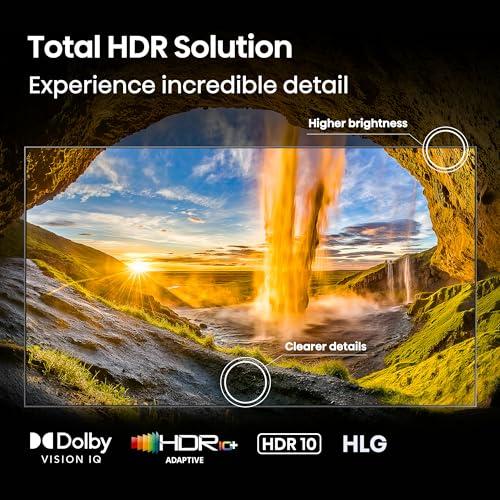
The Hisense U6 supports virtually every HDR format you'll encounter: Dolby Vision IQ, HDR10+ Adaptive, HDR10, and HLG. Dolby Vision IQ is particularly impressive - it adjusts the picture dynamically based on the content and your room's lighting conditions.
When you're watching a Netflix movie mastered in Dolby Vision, the Hisense U6 receives scene-by-scene metadata that tells it exactly how bright and colorful each moment should be. Combined with the Mini-LED backlighting and 1000-nit peak brightness, you get HDR that actually looks like HDR.
The LG UT90 supports HDR10 and HLG but lacks Dolby Vision and HDR10+ support. This isn't just about checking boxes - streaming services like Netflix, Disney+, and Apple TV+ increasingly offer their best content in Dolby Vision. Without support for these advanced formats, you're missing out on the director's intended experience.
The brightness limitations compound this issue. Reviews note that the LG UT90 struggles to deliver impactful HDR due to insufficient peak brightness. Dark scenes might look fine, but those spectacular sunrises or explosion effects that should make you squint simply don't have the same punch.
Modern TVs do much more than just display the signal they receive. They analyze and optimize every frame in real-time, and the quality of this processing significantly impacts what you see.
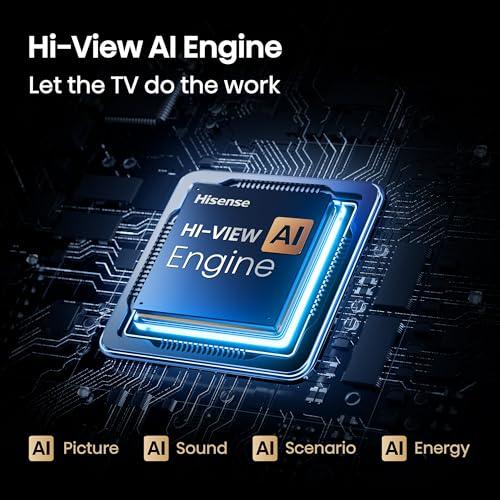
The Hisense U6 uses the Hi-View Engine, an AI-powered processor that continuously analyzes content for Dynamic Tone Mapping and AI Detail Enhancement. When you're watching older content or lower-resolution sources on that massive 100-inch screen, this processing becomes crucial.
The system can upscale 1080p content to look nearly as sharp as native 4K, reduce noise in streaming video, and optimize color and contrast on a frame-by-frame basis. Since so much of what we watch isn't native 4K - sports broadcasts, older movies, cable TV - this processing makes a real difference in daily viewing.
The LG UT90 employs LG's α8 AI Processor 4K, which handles basic upscaling and optimization. It's competent but not as specialized as the Hisense system. The LG processor focuses more on smooth smart TV operation than advanced picture processing.
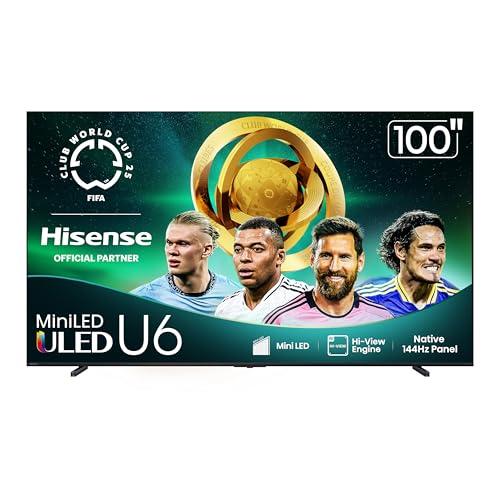
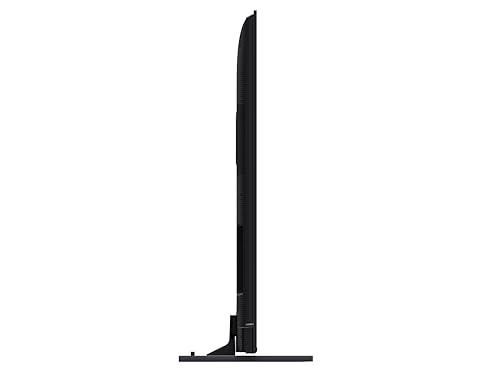
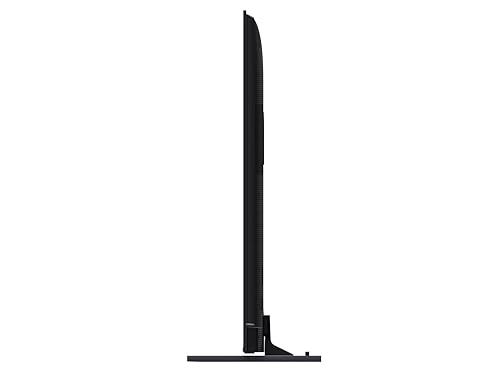
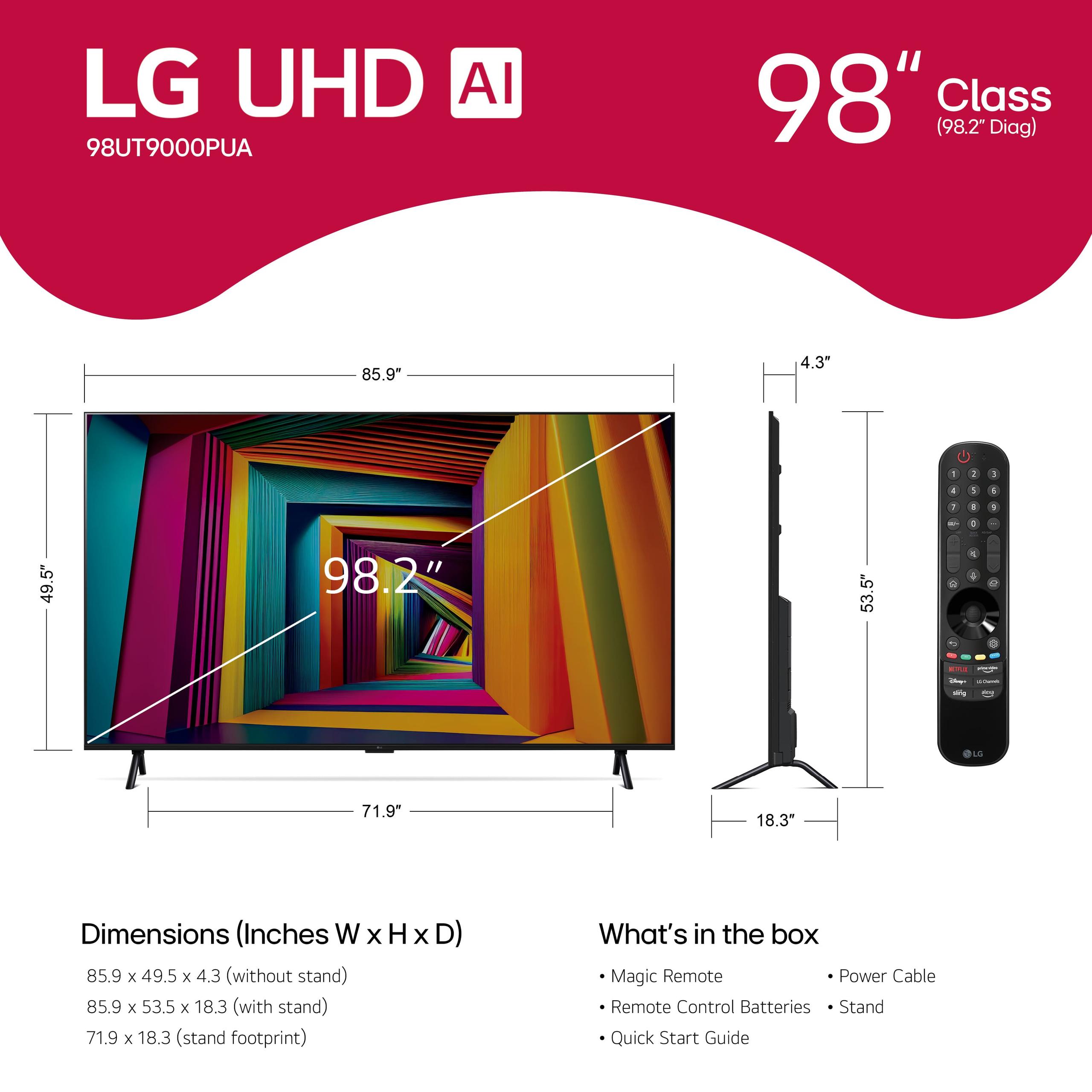
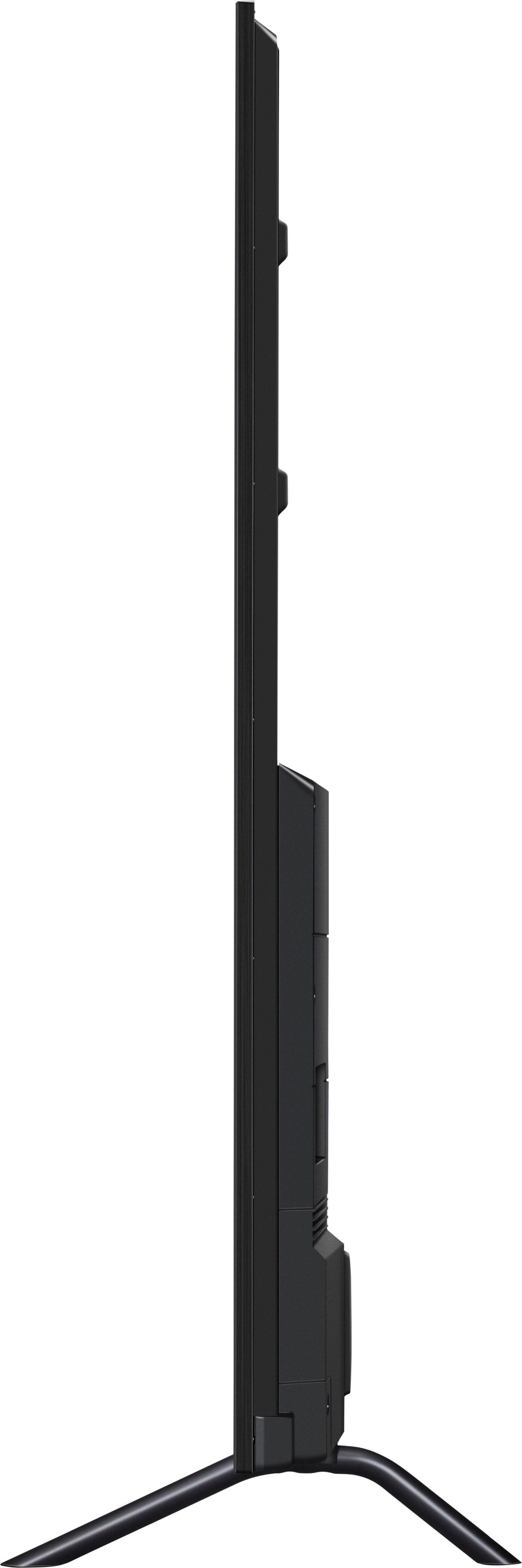
The 2-inch difference in diagonal size between these TVs matters more than you might expect. The Hisense U6 at 100 inches (99.5" actual) versus the LG UT90 at 98 inches (98.2" actual) represents a meaningful difference in screen area and presence.
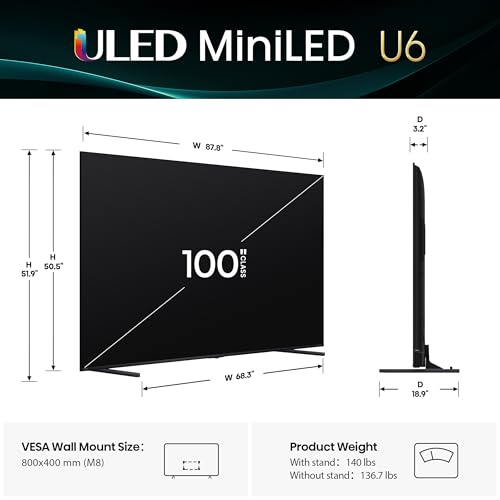
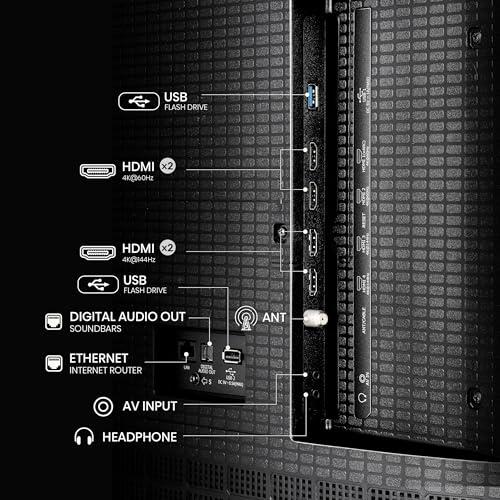
Both TVs weigh around 140 pounds and require professional installation for most people. Wall mounting these giants demands serious consideration of your wall's structure and weight capacity. The Hisense U6 measures 87.8" wide, while specific measurements for the mounted LG UT90 should be verified before installation.
At the time of writing, both TVs compete in the premium ultra-large segment, but they offer dramatically different value propositions.
The Hisense U6 packs Mini-LED backlighting, QLED color, comprehensive HDR support, advanced gaming features, and a larger screen into a package that typically costs less than comparable premium TVs from established brands. This represents exceptional value in the ultra-large category, where features often get stripped away to hit price points.
The LG UT90 trades on LG's reputation and webOS platform but makes significant compromises in display technology. At similar pricing to the Hisense, it's harder to justify the traditional LED backlight and limited HDR support when you're already spending premium money for an ultra-large screen.
If you're building a dedicated home theater, the Hisense U6 is the clear choice. The Mini-LED contrast creates the deep blacks crucial for cinematic viewing, while Dolby Vision support ensures you're seeing movies as directors intended. The larger 100-inch screen maximizes immersion in a darkened room.
The LG UT90 can work in a home theater setting, but the contrast limitations and brightness restrictions mean you won't get the same dramatic impact in dark scenes. It's better suited for mixed-use living rooms where the smart TV features and multi-view capabilities add value.
The Hisense 100" U6 Series Mini-LED 4K Fire TV represents what ultra-large TVs should be in 2024 - advanced display technology, comprehensive features, and impressive size at a competitive price point. The Mini-LED backlighting and QLED color create a viewing experience that justifies the premium you're paying for an ultra-large screen.
The LG 98" UT90 Series 4K UHD Smart TV feels like a compromise - taking traditional LED technology and scaling it up without the advanced features needed to make the most of that massive screen real estate. While webOS is excellent and LG's reputation for reliability matters, the fundamental display limitations make it hard to recommend over the Hisense unless you have specific platform preferences or budget constraints.
For most people considering an ultra-large TV, the Hisense U6 offers better value, superior performance, and future-proofing that makes it the smarter long-term choice. The difference in display technology becomes more apparent at these large sizes, where every technical limitation is magnified across that massive screen.
In the ultra-large TV category, you're already making a significant investment in transforming your viewing experience. The Hisense 100" U6 Series ensures you get the dramatic picture quality improvements that justify that investment, while the LG UT90 may leave you wondering what you're missing.
| Hisense 100" U6 Series Mini-LED 4K Fire TV | LG 98" Class UT90 Series 4K UHD Smart TV 2024 |
|---|---|
| Screen Size - Every inch matters at this scale | |
| 100" (99.5" actual) - Maximum immersion | 98" (98.2" actual) - Slightly more room-friendly |
| Backlight Technology - The foundation of picture quality | |
| Mini-LED with Full Array Local Dimming - Superior contrast and brightness control | Direct-lit LED - Basic local dimming with less precision |
| Color Technology - Affects vibrancy and accuracy | |
| QLED Quantum Dot - Over 1 billion color shades with enhanced accuracy | Standard LED - Good color reproduction without quantum enhancement |
| Peak Brightness - Critical for HDR impact and bright room viewing | |
| Up to 1000 nits - Excellent HDR performance and daytime viewing | Lower peak brightness - HDR impact limited, struggles in bright rooms |
| HDR Format Support - Determines compatibility with premium streaming content | |
| Dolby Vision IQ, HDR10+ Adaptive, HDR10, HLG - Complete format support | HDR10, HLG only - Missing advanced dynamic HDR formats |
| Refresh Rate & Gaming - Important for sports and gaming smoothness | |
| 120Hz native with VRR 48-144Hz, Game Mode Pro - Excellent gaming performance | 120Hz native with Game Optimizer - Good gaming but limited VRR |
| Smart Platform - Your daily interface experience | |
| Fire TV with built-in Alexa - Amazon ecosystem integration | webOS with Magic Motion Remote - Intuitive LG platform with Multi-view |
| Processor - Affects upscaling and picture optimization | |
| Hi-View Engine AI with Dynamic Tone Mapping - Advanced real-time optimization | α8 AI Processor 4K - Solid processing focused on smart TV functions |
| Weight & Installation - Consider professional installation | |
| 140 lbs with stand - Requires sturdy mounting and professional setup | 143.5 lbs with stand - Similar installation requirements |
| Value Proposition - Feature density for the investment | |
| Premium Mini-LED technology at competitive ultra-large pricing | Traditional LED technology with brand reliability premium |
The Hisense 100" U6 Series Mini-LED 4K Fire TV offers superior picture quality thanks to its Mini-LED backlighting technology and QLED Quantum Dot color enhancement. It delivers up to 1000 nits peak brightness with precise local dimming, creating deeper blacks and brighter highlights. The LG 98" Class UT90 Series uses traditional LED backlighting which provides decent picture quality but cannot match the contrast and color performance of the Hisense U6 Series.
While 2 inches might seem minimal, the Hisense 100" U6 Series provides noticeably more screen area and immersion compared to the LG 98" UT90. The larger screen is particularly beneficial for home theater setups where maximum immersion is desired. However, the LG 98" model may fit better in rooms with tighter space constraints while still delivering a massive viewing experience.
The Hisense 100" U6 Series Mini-LED excels for gaming with its 120Hz native refresh rate, Variable Refresh Rate (VRR) support from 48-144Hz, and Game Mode Pro features. These technologies eliminate screen tearing and provide smoother gameplay. The LG 98" UT90 offers good gaming performance with low input lag and Game Optimizer, but lacks the advanced VRR implementation of the Hisense model.
Both platforms have strengths: the Hisense U6 Series runs Fire TV with built-in Alexa, offering seamless Amazon ecosystem integration and extensive app support. The LG UT90 Series features webOS with an intuitive Magic Motion Remote and Multi-view capabilities for watching multiple sources simultaneously. Choose Fire TV for Amazon integration or webOS for the polished LG interface experience.
The Hisense 100" U6 Series provides comprehensive HDR support including Dolby Vision IQ, HDR10+ Adaptive, HDR10, and HLG formats. This ensures compatibility with premium streaming content from Netflix, Disney+, and other services. The LG 98" UT90 only supports HDR10 and HLG, missing the advanced dynamic HDR formats that provide the best picture quality from modern streaming services.
The Hisense 100" U6 Series Mini-LED is excellent for dedicated home theaters, offering the contrast and brightness needed for cinematic viewing in dark rooms. Its Mini-LED technology creates deep blacks while maintaining bright highlights, plus the larger 100" screen maximizes immersion. The LG 98" UT90 can work in home theaters but the limited contrast and brightness make it better suited for mixed-use living rooms.
The Hisense U6 Series significantly outperforms in bright rooms with up to 1000 nits peak brightness, cutting through ambient light and maintaining vibrant colors. The LG UT90 Series has lower peak brightness that may result in washed-out images in well-lit environments. If your TV room has lots of windows or bright lighting, the Hisense model is the clear choice.
The Hisense 100" U6 Series uses QLED Quantum Dot technology to produce over 1 billion color shades with enhanced accuracy and saturation. This creates more vibrant and lifelike images, especially noticeable in nature content and animated movies. The LG 98" UT90 relies on standard LED color reproduction, which is adequate but cannot match the color volume and accuracy of the Hisense's quantum dot technology.
The Hisense 100" U6 Series Mini-LED typically offers superior value, packing premium Mini-LED technology, QLED color, comprehensive HDR support, and advanced gaming features into a competitive package. The LG 98" UT90 Series trades on brand recognition but makes compromises in display technology. For most buyers seeking the best features per dollar, the Hisense model provides better value.
Both TVs require professional installation due to their massive size and weight. The Hisense U6 Series weighs 140 pounds with stand, while the LG UT90 weighs 143.5 pounds with stand. Both need sturdy wall mounting systems and careful consideration of wall structure. The installation complexity is similar between both models, so weight shouldn't be a deciding factor.
The Hisense 100" U6 Series features the Hi-View Engine AI processor with Dynamic Tone Mapping and AI Detail Enhancement, providing superior real-time picture optimization and upscaling of lower-resolution content. The LG 98" UT90 uses the α8 AI Processor 4K, which handles basic processing well but focuses more on smart TV functions than advanced picture enhancement. The Hisense processor delivers better overall picture processing.
Both the Hisense U6 Series and LG UT90 Series come with standard 12-month warranties. LG has a longer track record in the premium TV market and established service networks, while Hisense has rapidly improved build quality and support in recent years. The LG model may have slight advantages in service availability, but both brands now offer reliable products with adequate support for their ultra-large TV models.
We've done our best to create useful and informative comparisons to help you decide what product to buy. Our research uses advanced automated methods to create this comparison and perfection is not possible - please contact us for corrections or questions. These are the sites we've researched in the creation of this article: bestbuy.com - rtings.com - youtube.com - rtings.com - youtube.com - youtube.com - costco.com - pcrichard.com - hisense-usa.com - electronicexpress.com - pcrichard.com - circuitworldonline.com - bestbuy.com - bestbuy.com - premiumincentive.com - hisense-usa.com - hisense-usa.com - pcrichard.com - rtings.com - bestbuy.com - hisense-usa.com - avsforum.com - rtings.com - shopjetson.com - abt.com - rtings.com - rtings.com - pcrichard.com - lg.com - rcwilley.com - lg.com - elechid.com - lg.com

Privacy Policy
Terms and Conditions - Affiliate Policy
Home Security
© Copyright 2008-2026.
11816 Inwood Rd #1211, Dallas, TX 75244