


The living room TV has evolved into something our grandparents wouldn't recognize. We're talking about screens approaching 100 inches—displays so large they transform any room into a personal cinema. But with great size comes great responsibility: choosing the right technology to fill all those pixels with stunning visuals.
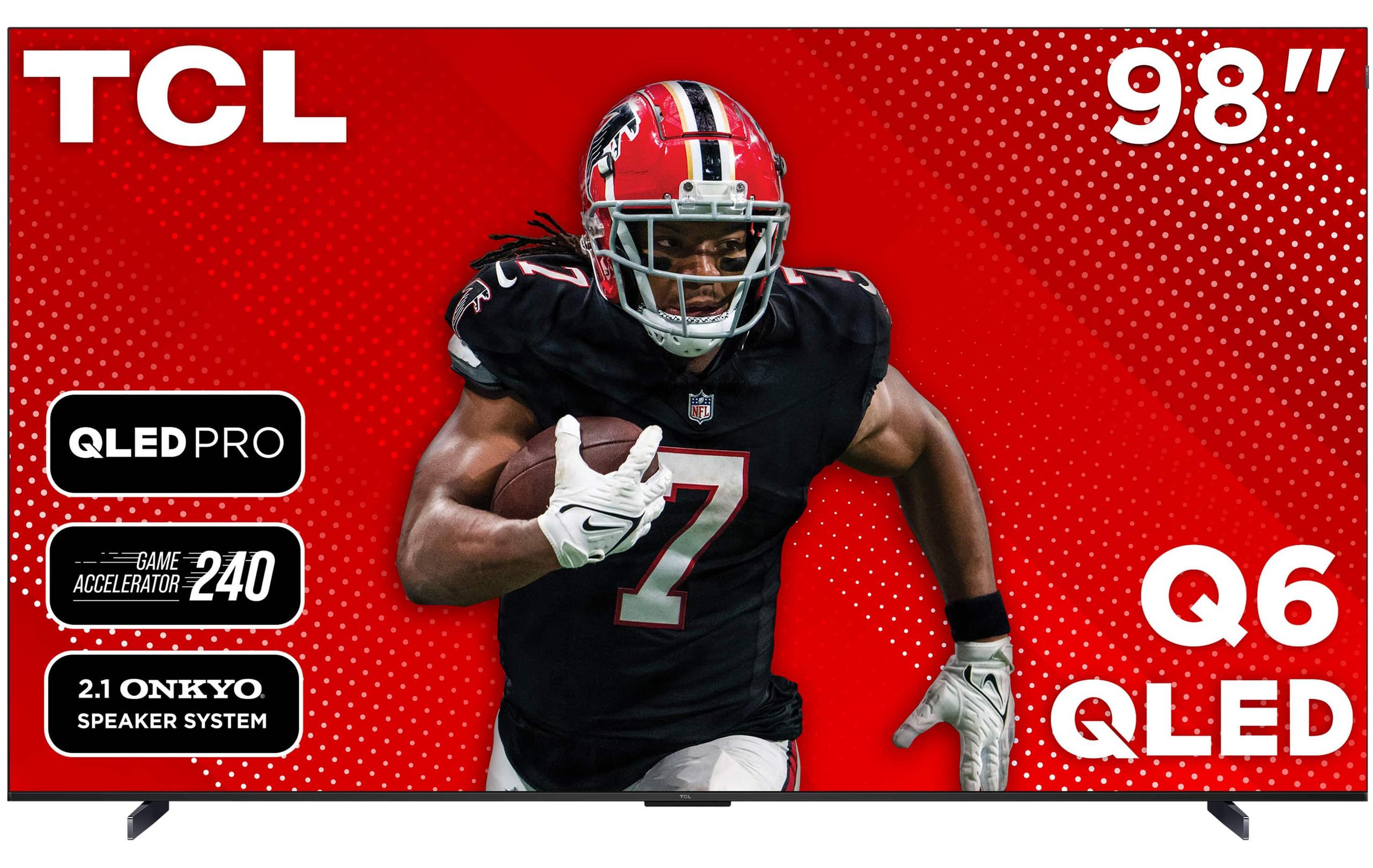
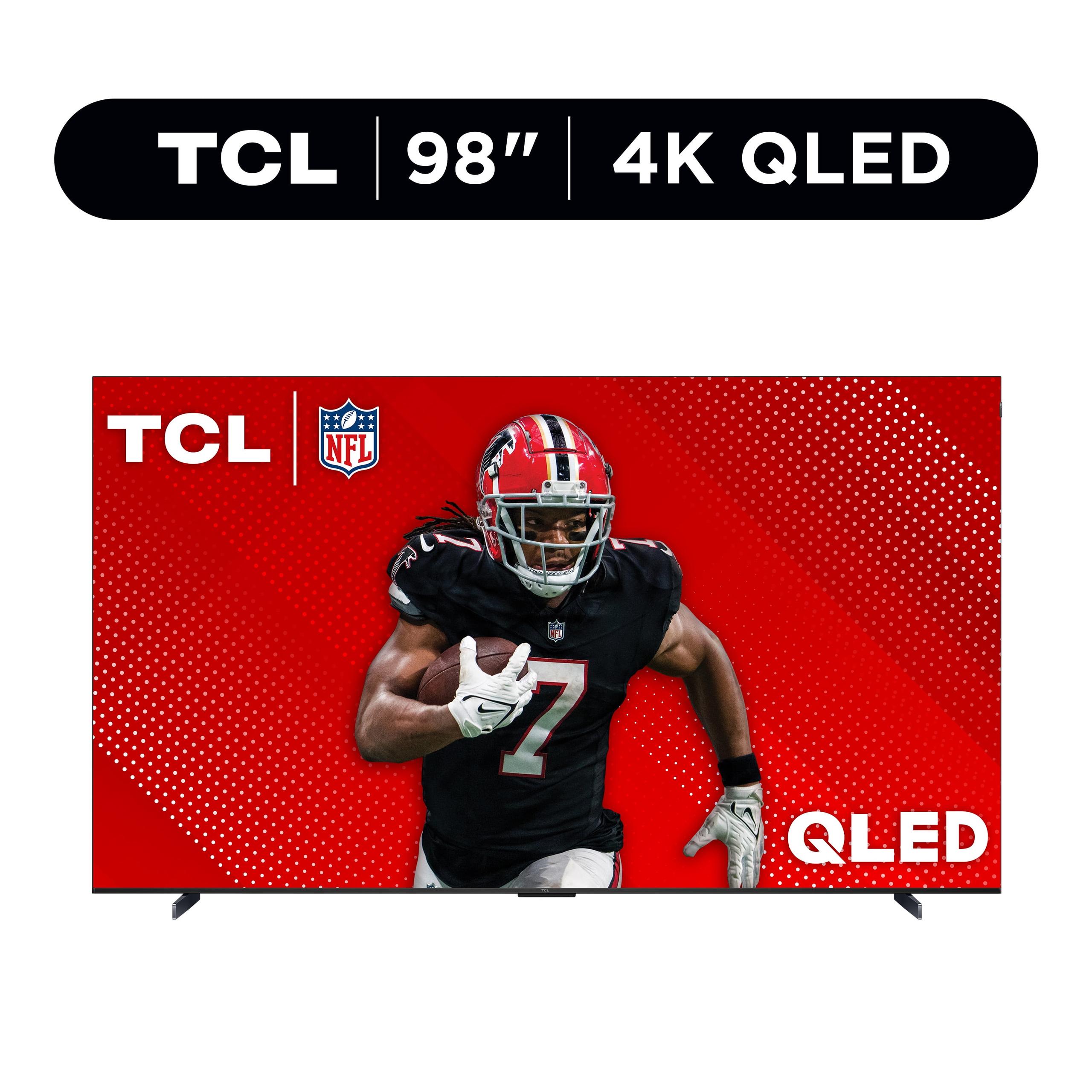
Today's comparison pits two giants against each other: the Hisense 100" U6 Series Mini-LED 4K Fire TV and the TCL 98" Q6 Series 4K UHD QLED Smart TV. While they're separated by just two inches diagonally, their approaches to delivering that massive viewing experience couldn't be more different. One prioritizes cutting-edge display technology, while the other focuses on delivering maximum value. Understanding these differences will help you decide which approach makes sense for your home theater dreams.
Ultra-large format TVs—those 95 inches and bigger—aren't just bigger versions of regular TVs. They're engineered differently because physics works against you at this scale. Think about it: you're spreading the same 4K resolution (roughly 8.3 million pixels) across a much larger area. This means each pixel is physically bigger, and any flaws in the display technology become more noticeable.
The challenges multiply from there. Backlighting a screen this size evenly requires sophisticated engineering. Motion blur becomes more apparent because your eyes track across a larger visual field. Color accuracy must be maintained across a much broader surface area. These aren't insurmountable problems, but they explain why premium ultra-large TVs often cost significantly more than their smaller siblings.
At the time of writing, both TVs we're examining represent solid value propositions in this premium category, though they achieve that value through different means. The Hisense 100" U6 commands a premium price but delivers advanced display technology typically found in much more expensive models. The TCL 98" Q6 takes a different approach, offering impressive size and solid performance at a more accessible price point.
Here's where things get technical, but it's worth understanding because this difference affects everything you'll watch. The Hisense 100" U6 uses Mini-LED backlighting, while the TCL 98" Q6 relies on traditional LED backlighting enhanced with quantum dot technology.
Traditional LED TVs use relatively large LED bulbs arranged around the edges or behind the screen to illuminate the liquid crystal display. These LEDs can be dimmed in zones—maybe 50 to 100 zones across the entire screen—but that's still pretty crude control for such a large display.
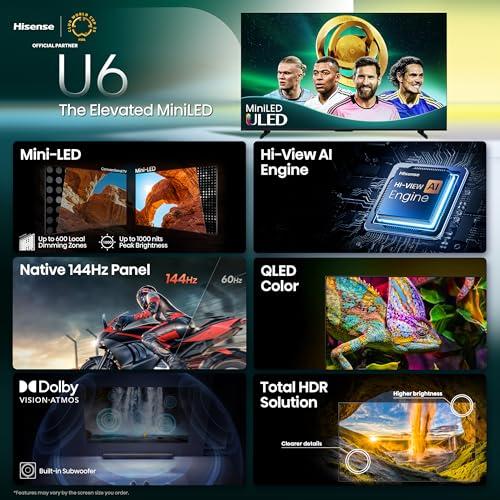
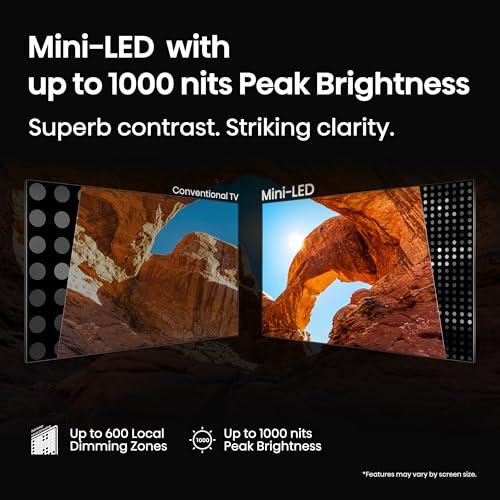
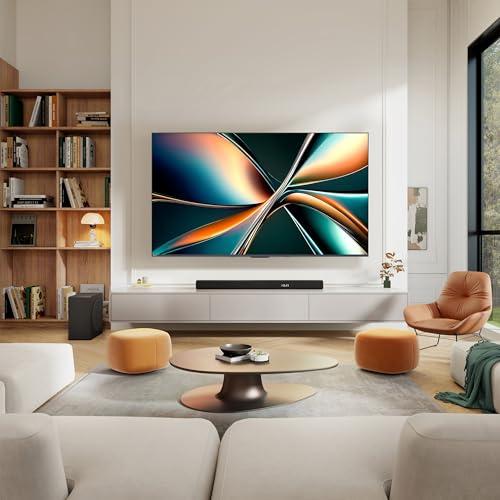
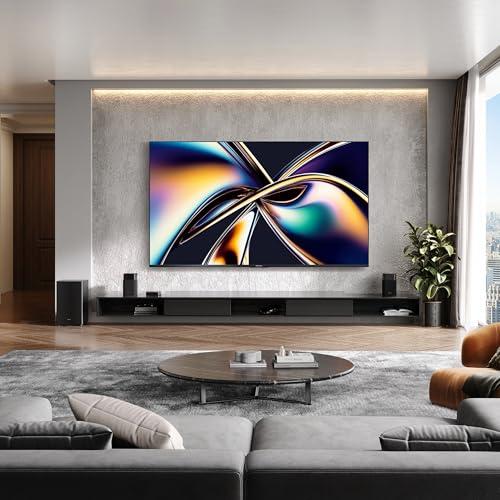
Mini-LED technology, used in the Hisense model, shrinks those LEDs dramatically and uses thousands of them instead of hundreds. We're talking about LEDs roughly 1/40th the size of traditional ones. The Hisense can control up to 600 distinct dimming zones across its 100-inch screen. This means when you're watching a movie with a bright explosion against a dark night sky, the TV can make the explosion area blazingly bright while keeping the surrounding areas truly dark—not the grayish black you get with traditional backlighting.
The practical impact is dramatic. Dark movie scenes reveal details you'd miss on traditional LED TVs. HDR content—where the "H" stands for High Dynamic Range—truly shines because the TV can actually display a high range from bright to dark simultaneously.
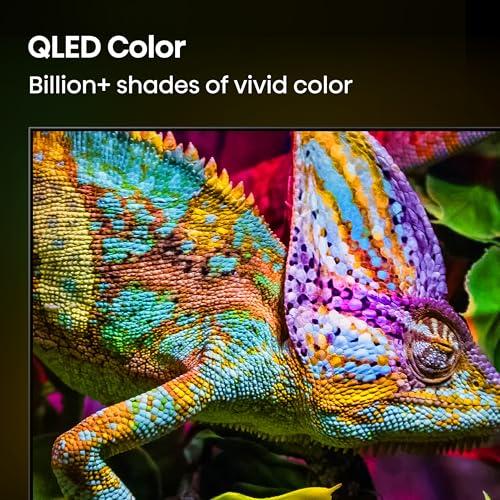
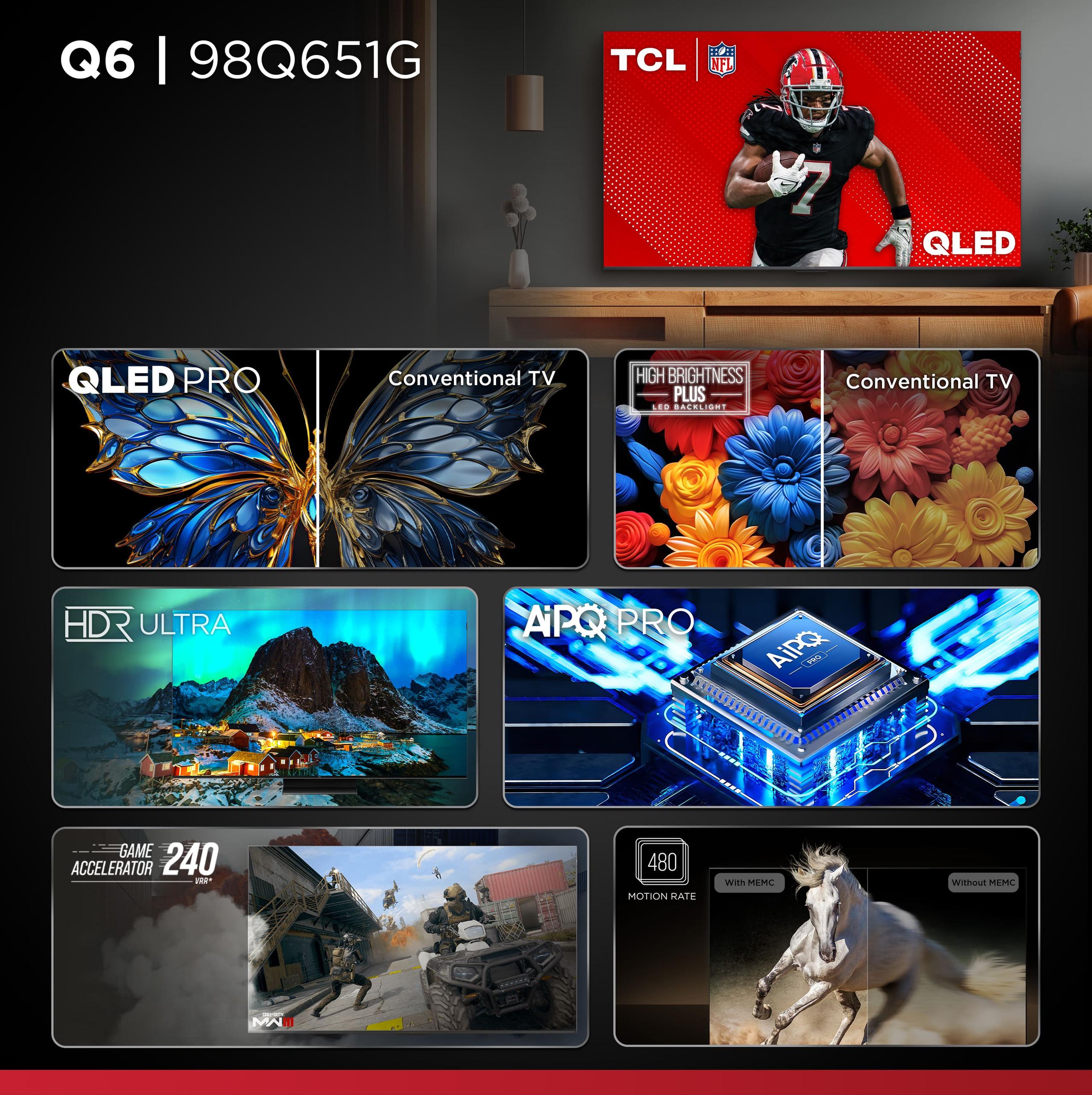
The TCL Q6 compensates for its traditional LED backlighting with quantum dot technology (the "Q" in QLED). Quantum dots are tiny nanocrystals that emit very precise colors when hit with light. This technology significantly improves color accuracy and can make colors more vivid than traditional LED TVs. It's genuinely impressive technology, but it doesn't solve the fundamental contrast limitations of traditional backlighting.
Based on our research into professional reviews and user feedback, the difference is most apparent in dark room viewing. If you're planning a dedicated home theater with controlled lighting, the Hisense's Mini-LED advantage becomes more pronounced. For bright living room viewing, the TCL's quantum dot colors can actually appear more impressive at first glance.
Gaming on ultra-large screens can be transformative—when the TV can keep up. This is where the two models diverge most dramatically, and it comes down to refresh rates and response times.
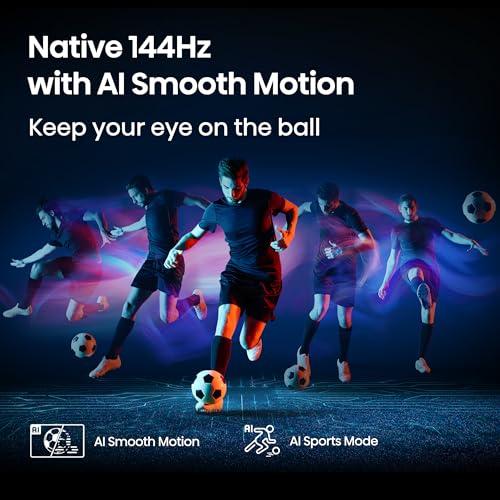
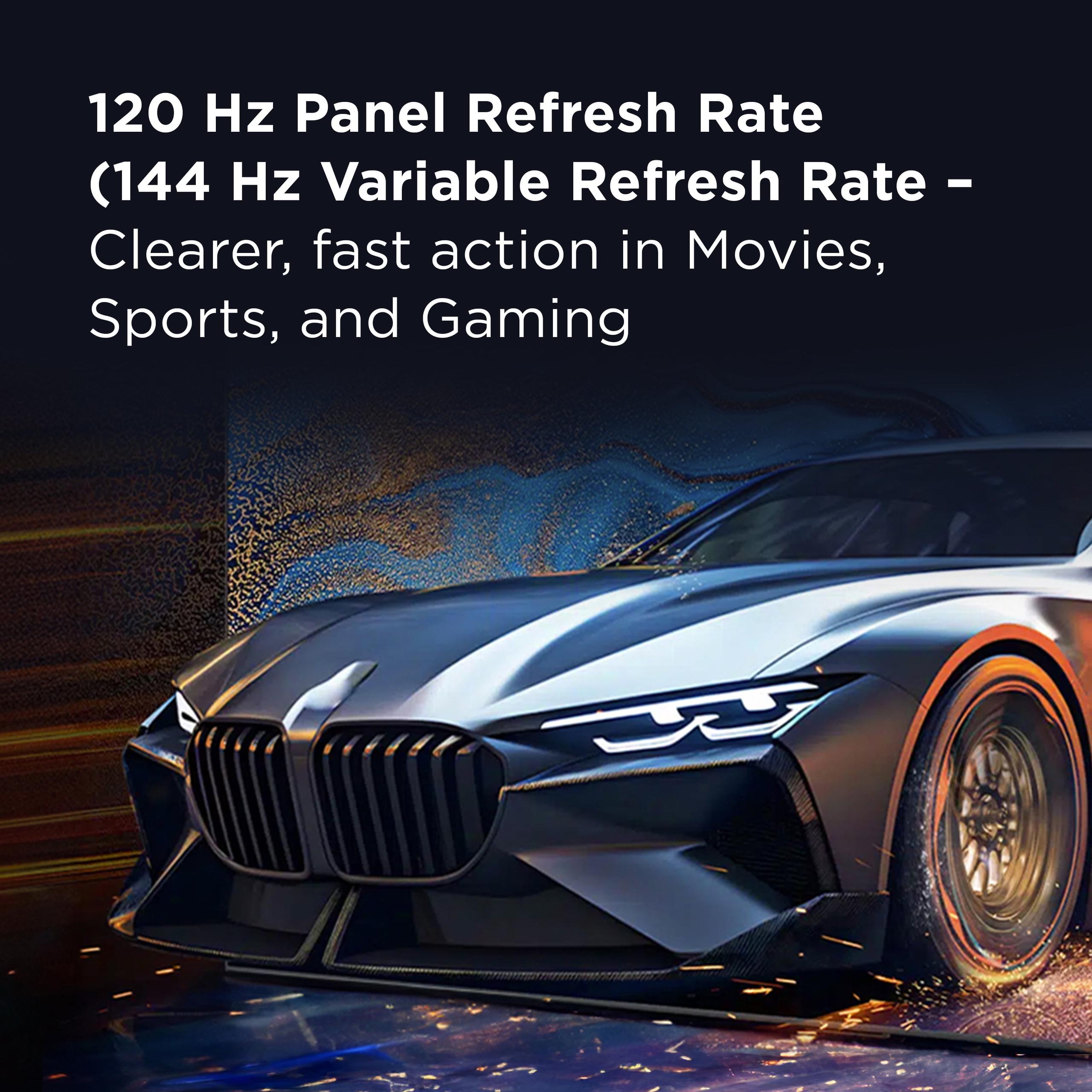
The Hisense 100" U6 features a native 144Hz panel, meaning it can display 144 unique images per second. This matters enormously for gaming, especially with newer consoles like the PlayStation 5 and Xbox Series X that can output high frame rate games, and for PC gaming where 144fps is increasingly common.
But refresh rate isn't just about gaming. Sports viewing benefits tremendously from higher refresh rates because fast camera pans and player movements appear smoother. Action movies with lots of quick cuts and motion sequences also look more fluid.
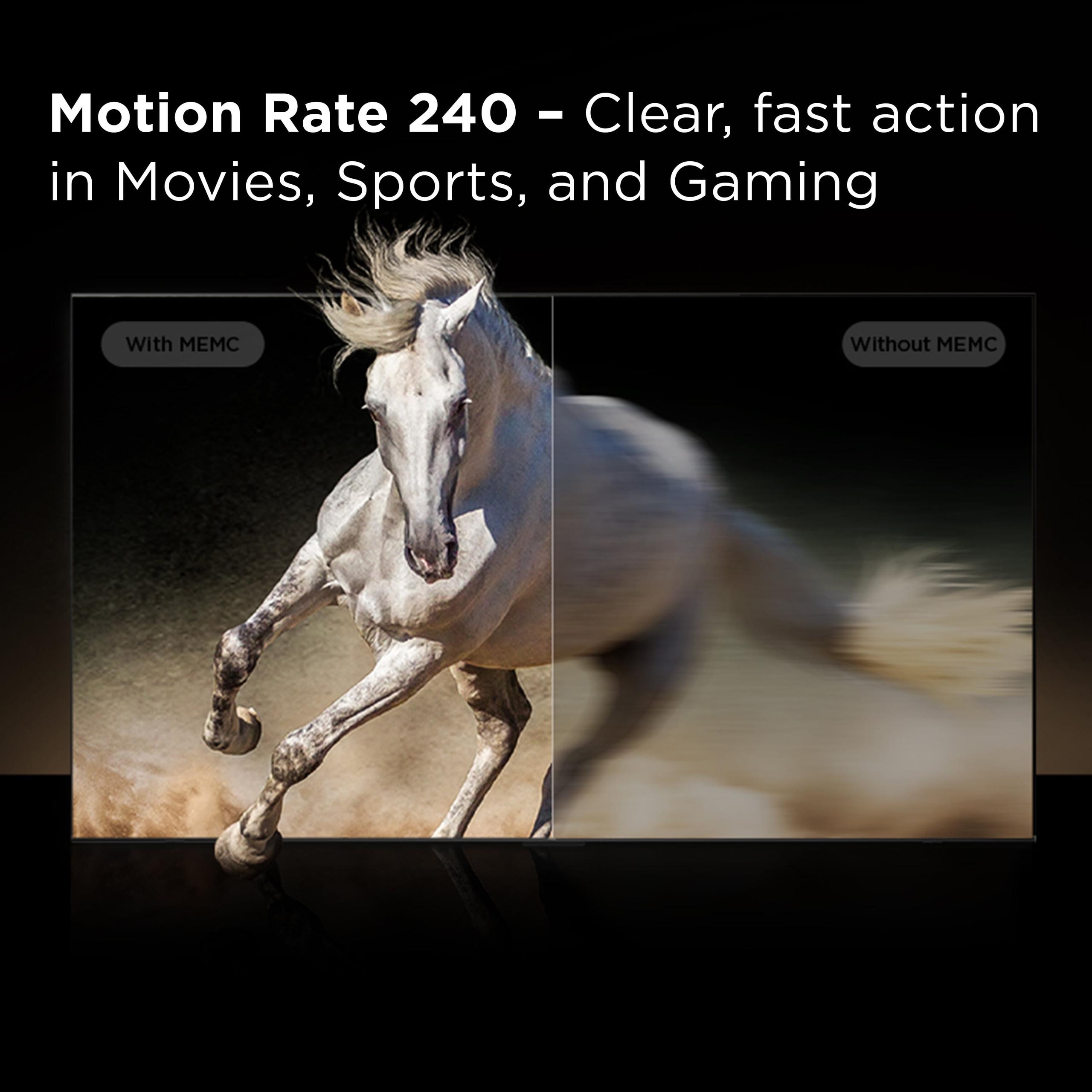
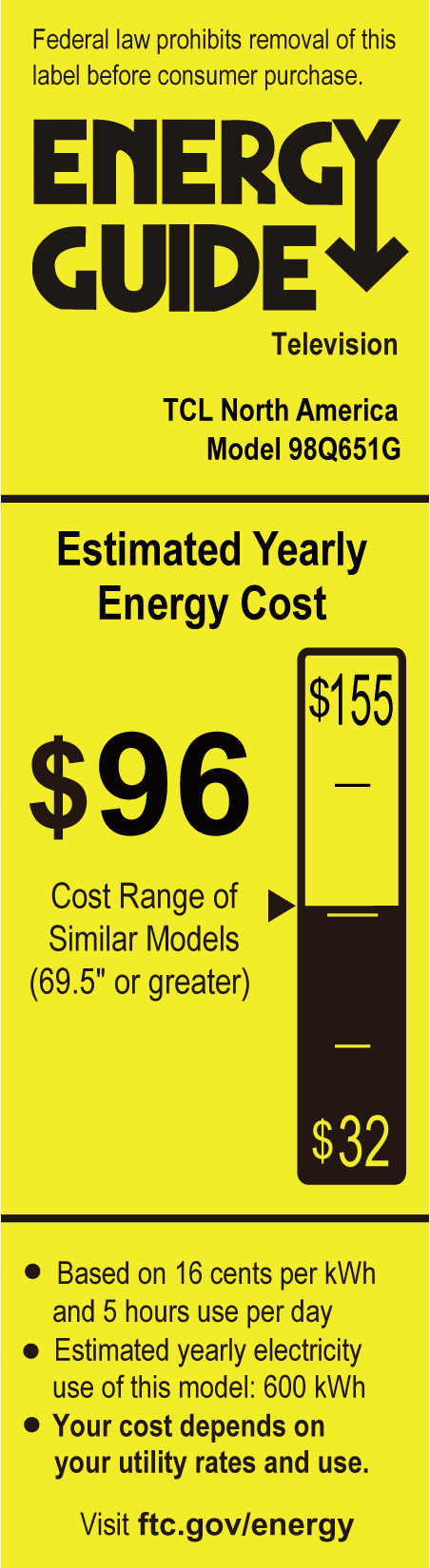
The TCL Q6 operates at 60Hz natively but uses motion interpolation (creating artificial frames between real ones) to achieve its "Motion Rate 480" specification. This processing can make some content look smoother, but it often introduces the dreaded "soap opera effect" that makes movies look like they were shot on video rather than film. More problematically for gaming, this processing adds input lag—the delay between when you press a button and when the action appears on screen.
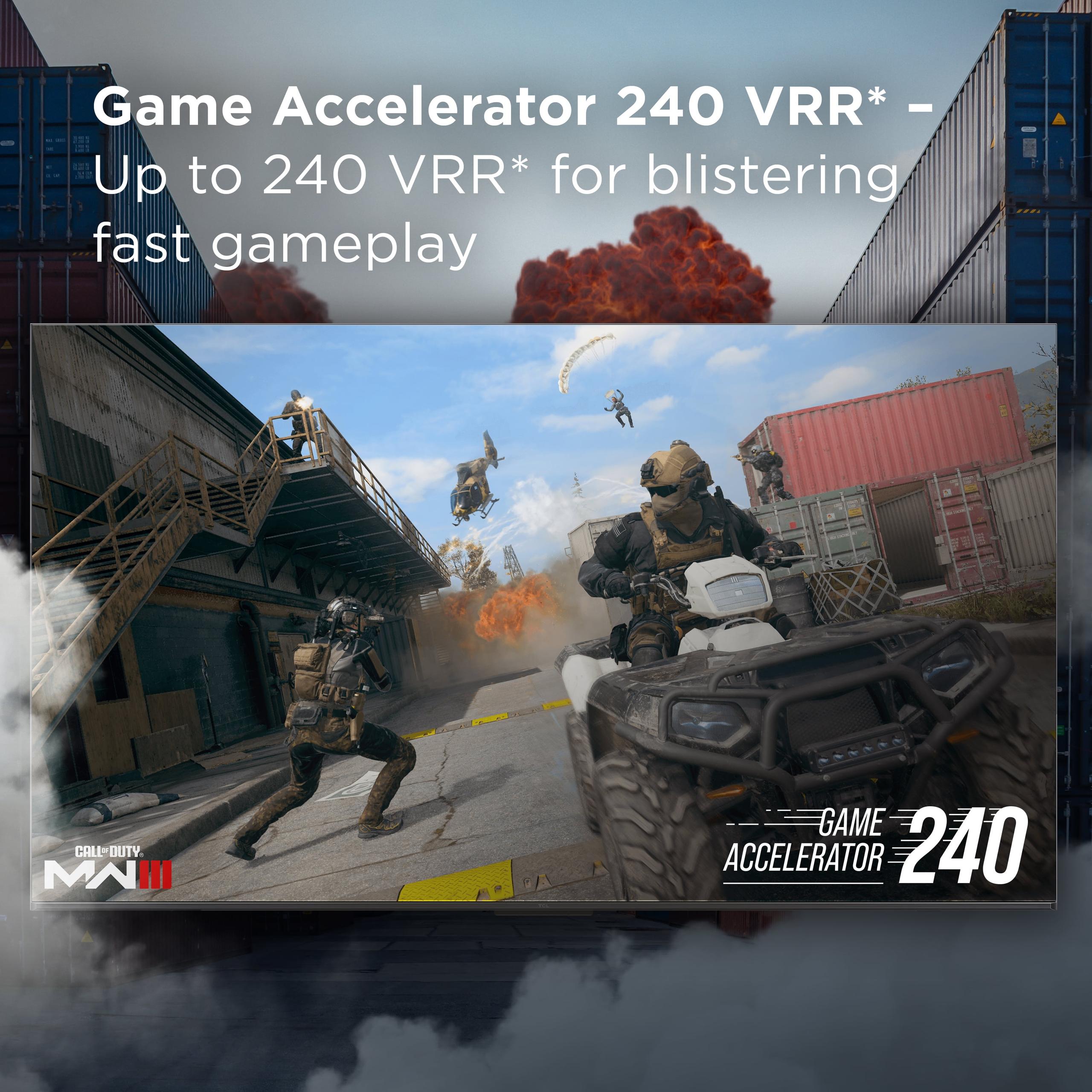
Gaming enthusiasts should strongly consider the Hisense model if they own or plan to buy next-generation consoles or game on PC. The difference in responsiveness and smoothness is immediately noticeable. Casual gamers who primarily play turn-based or slower-paced games won't miss the higher refresh rate as much.
Both TVs support Variable Refresh Rate (VRR), but they implement it differently. VRR allows the TV to synchronize its refresh rate with the gaming device's frame rate, eliminating screen tearing and stuttering.
The Hisense supports VRR from 48Hz all the way up to 144Hz, with additional support for NVIDIA's FreeSync Premium standard. This wide range means it can adapt to virtually any game's frame rate fluctuations smoothly.
The TCL offers VRR as well, but with the limitation of its 60Hz native panel, the benefits are more constrained. It can still help with games that fluctuate between 40-60fps, but you won't get the buttery-smooth experience of high frame rate gaming.
Your smart TV platform choice affects your daily interaction with the television more than almost any other feature. It's the interface you'll navigate hundreds of times per year, so getting it right matters.
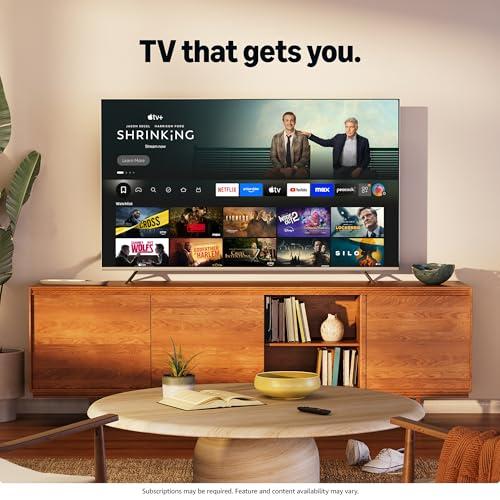
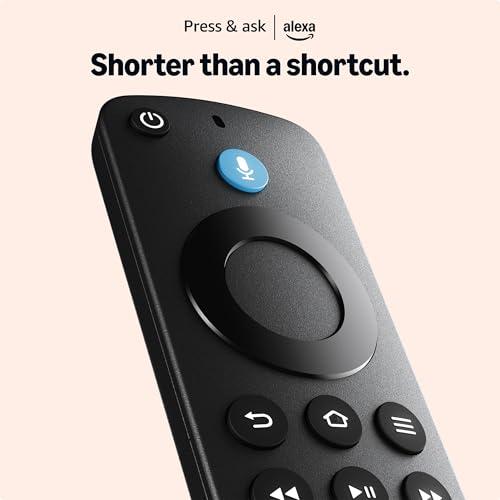
The Hisense 100" U6 runs Fire TV, Amazon's smart platform. Fire TV excels at content aggregation—it pulls shows and movies from multiple streaming services into a unified interface, making it easier to find something to watch without jumping between apps. The built-in Alexa integration allows hands-free voice control, which feels particularly natural when you're settled in for movie night and don't want to hunt for the remote.
Fire TV's strength lies in its content recommendation engine and seamless integration with Amazon's ecosystem. If you're already an Amazon Prime member or use other Amazon services, the synergy is excellent. The platform also tends to get new streaming apps quickly, though it has had some notable holdouts (like Google's YouTube TV, though that's been resolved).
The TCL Q6 typically ships with Google TV, which takes a different approach. Google TV emphasizes personalized recommendations based on your viewing history across all connected streaming services. It's particularly strong at surfacing content you might have missed and organizing your watchlist across platforms.
Google TV integrates naturally with Android phones and Google services. If your household is already invested in Google's ecosystem—using Google Home devices, Android phones, or Google services—the TCL option might feel more familiar.
Neither platform is objectively superior, but they do cater to different preferences and existing technology ecosystems. Consider which ecosystem you're already invested in when making your choice.
Picture quality on ultra-large screens demands attention to multiple factors that smaller TVs can sometimes get away with compromising.
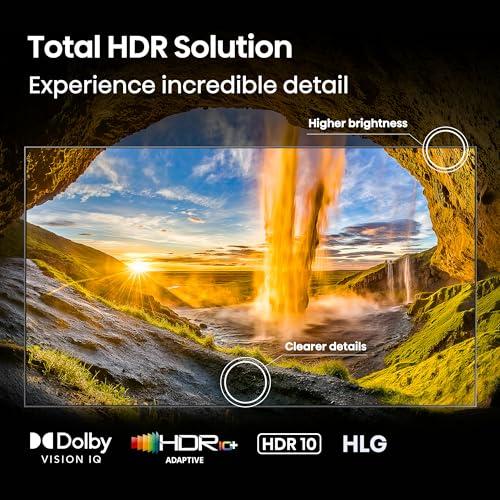
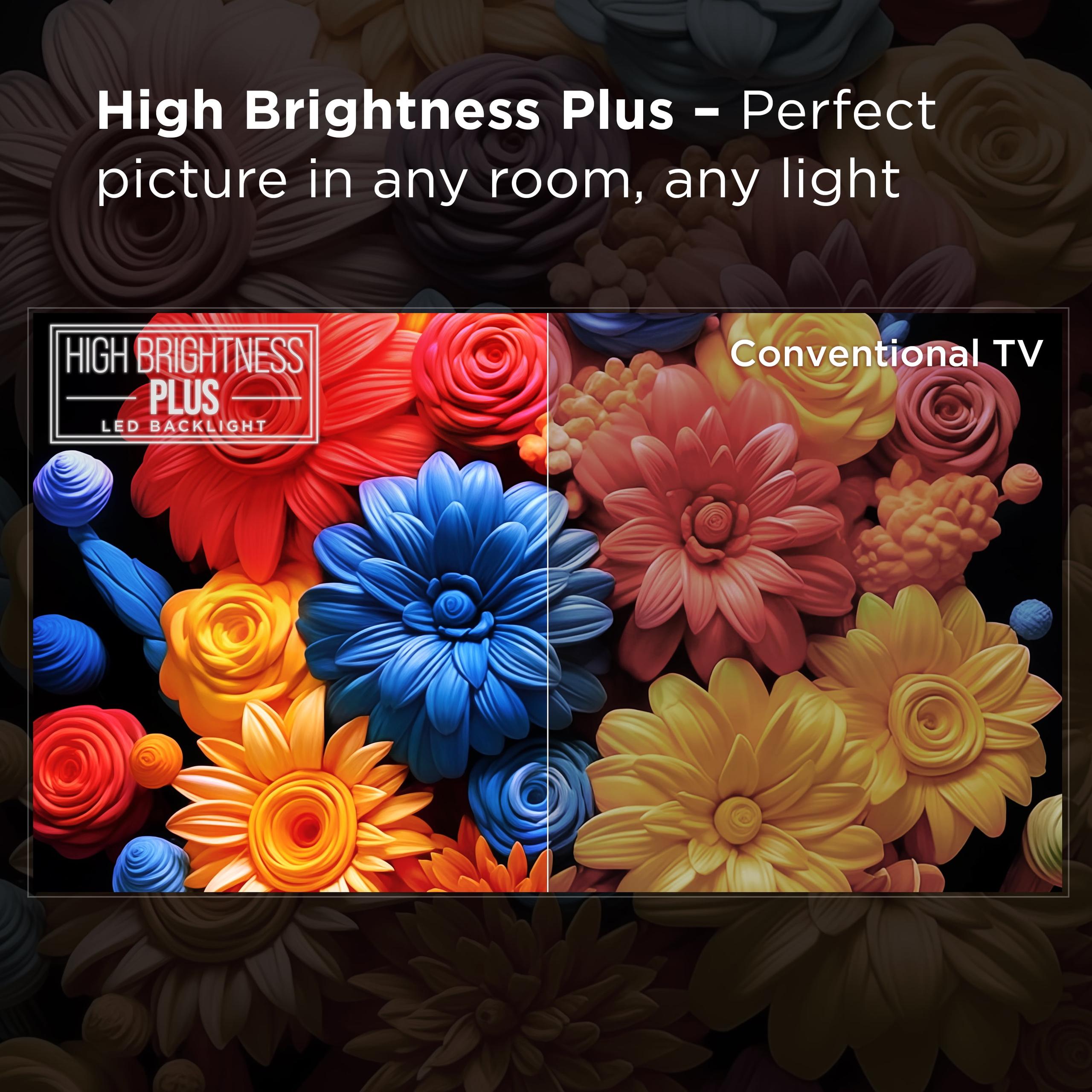
Peak brightness capability determines how well a TV can display HDR content as creators intended. The Hisense 100" U6 achieves up to 1,000 nits of peak brightness, which is impressive for any TV, let alone one at this price point. This brightness capability, combined with the Mini-LED's precise dimming zones, allows for truly impactful HDR viewing.
The TV supports virtually every HDR format you'll encounter: Dolby Vision IQ (which adjusts automatically based on room lighting), HDR10+ Adaptive, standard HDR10, and HLG for broadcast content. The "IQ" and "Adaptive" variants are particularly valuable because they optimize the HDR experience for your specific viewing environment.
The TCL Q6 offers solid HDR support across all major formats but doesn't specify peak brightness figures at the time of writing. Based on similar models in TCL's lineup, it likely achieves respectable but not exceptional brightness levels. The quantum dot technology does help with color volume—the TV's ability to display bright, saturated colors—which partially compensates for lower peak brightness.
For dedicated home theater use, where you can control ambient lighting, the Hisense's superior brightness and contrast create a more impactful viewing experience. In brighter rooms, both TVs perform adequately, though the TCL's vibrant quantum dot colors might actually appear more impressive under those conditions.
Color reproduction involves both accuracy (how closely colors match the source material) and coverage (how wide a range of colors the TV can display). The TCL Q6's quantum dot technology excels at color coverage, displaying nearly the complete DCI-P3 color space that modern content uses.
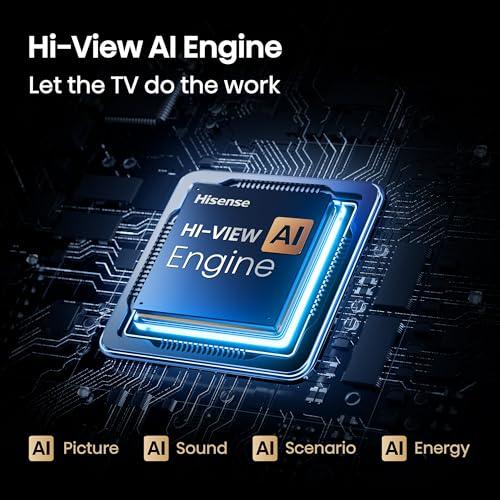
The Hisense model combines quantum dot technology with its advanced processing to deliver both accurate colors and wide coverage. The AI-powered Hi-View Engine continuously analyzes content to optimize color reproduction, contrast, and sharpness in real-time.
Both approaches work well, but they optimize for different priorities. The TCL prioritizes vibrant, eye-catching colors that look impressive in showrooms and bright rooms. The Hisense aims for a balance between vibrancy and accuracy that serves cinematic content better.
Audio quality on ultra-large TVs faces unique challenges. The screens are so large that speakers need to project sound across greater distances, and viewer expectations run higher when the visual experience is so immersive.
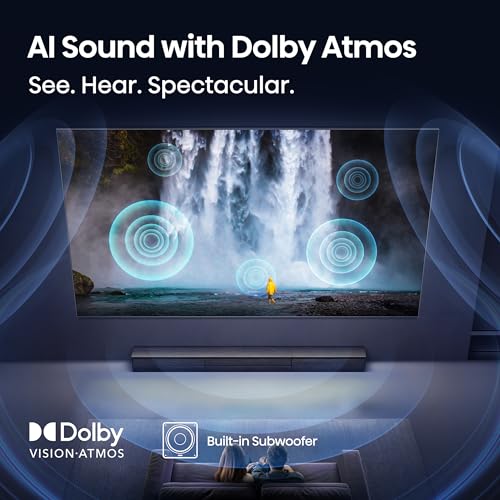
The Hisense 100" U6 addresses this with a 2.1 channel system featuring a built-in subwoofer and 50 watts of total power. The dedicated subwoofer helps fill in the low frequencies that smaller TV speakers typically can't reproduce, creating a fuller sound that better matches the large screen's visual impact.
The TCL Q6 uses a 30-watt 2.0 channel system with virtual surround processing. While it lacks a dedicated subwoofer, it includes Enhanced Dialogue Mode, which can be particularly valuable for older viewers or in noisy environments where speech clarity matters most.
Both TVs support Dolby Atmos, which creates the impression of sound coming from above and around you, even through the TV's built-in speakers. However, at this screen size, most enthusiasts will want to consider a dedicated sound system. The good news is that both TVs include eARC (enhanced Audio Return Channel) support for high-quality audio passthrough to soundbars or receivers.
In our assessment based on user feedback, the Hisense's built-in audio is more likely to satisfy users without additional audio equipment, but both TVs will benefit significantly from external sound systems.
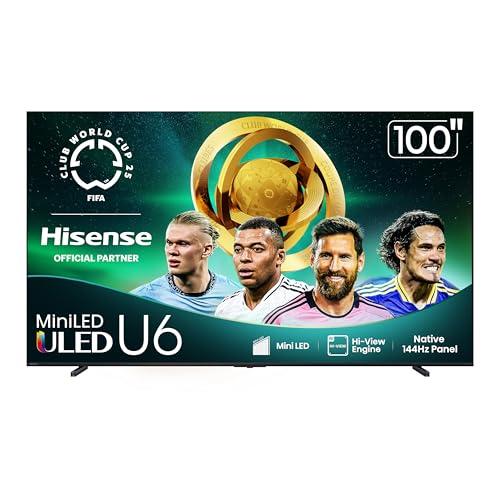
At the time of writing, these TVs occupy different value propositions despite their similar sizes. The Hisense 100" U6 commands a significant premium—roughly $700 more than the TCL 98" Q6. This premium buys you Mini-LED display technology, higher gaming refresh rates, two additional inches of screen, and generally more advanced features.
The question becomes whether those advantages justify the price difference for your specific use case. If you're primarily watching streaming content in a moderately lit room, the TCL's excellent color reproduction and solid smart features might provide better value. The savings could fund a quality soundbar or other home theater improvements.
However, if you're building a dedicated home theater, game regularly on modern consoles, or simply want the most advanced display technology available at this size, the Hisense represents exceptional value compared to other Mini-LED TVs of similar size.
Both TVs were released in 2024, representing the latest generation of their respective manufacturers' technologies. The TV industry has seen rapid advancement in recent years, with Mini-LED technology becoming more affordable and smart platforms becoming more sophisticated. These models benefit from those improvements while maintaining competitive pricing.
The choice between these ultra-large TVs ultimately depends on your priorities, budget, and viewing environment.
Choose the Hisense 100" U6 Series if you value cutting-edge display technology, game regularly, or plan extensive dark room viewing. The Mini-LED backlighting, 144Hz refresh rate, and superior brightness create a genuinely premium viewing experience that justifies the higher price for serious enthusiasts. It's the better choice for dedicated home theaters where you can control ambient lighting.
Opt for the TCL 98" Q6 Series if you want maximum screen size for your money and primarily watch in well-lit environments. The quantum dot colors look excellent, the smart features are comprehensive, and the substantial cost savings can fund other home theater improvements. It's ideal for families who want impressive size without premium pricing.
Both TVs require substantial rooms—you'll want at least 12 feet of viewing distance for comfortable watching. Professional installation is highly recommended given their size and weight.
The ultra-large TV market continues evolving rapidly, with both manufacturers pushing boundaries in different directions. Your choice between these models reflects your priorities: proven value with excellent features, or cutting-edge technology with premium performance. Either way, you're getting a massive, impressive display that will transform your viewing experience.
| Hisense 100" U6 Series Mini-LED 4K Fire TV | TCL 98" Q6 Series 4K UHD QLED Smart TV |
|---|---|
| Screen Size - Larger screens provide more immersive viewing but require bigger rooms | |
| 100" (99.5" actual) - Cinema-scale experience | 98" - Nearly identical viewing experience at lower cost |
| Display Technology - Determines contrast quality and dark scene performance | |
| Mini-LED with 600 local dimming zones - Superior contrast and HDR | Traditional LED with Quantum Dot - Excellent colors, limited contrast |
| Refresh Rate - Critical for gaming and sports viewing smoothness | |
| Native 144Hz with VRR 48-144Hz - Exceptional gaming performance | 60Hz native with Motion Rate 480 - Good for casual viewing, limited gaming |
| Peak Brightness - Higher brightness improves HDR and daytime viewing | |
| Up to 1,000 nits - Excellent HDR impact in any lighting | Not specified (likely 400-600 nits) - Good performance in moderate lighting |
| Smart Platform - Determines daily user experience and ecosystem integration | |
| Fire TV with Alexa built-in - Amazon ecosystem integration | Google TV with Assistant - Google ecosystem integration |
| HDR Support - More formats mean better compatibility with streaming content | |
| Dolby Vision IQ, HDR10+ Adaptive, HDR10+ Gaming, HDR10, HLG - Comprehensive | Dolby Vision, HDR10+, HDR10, HLG - Solid coverage of major formats |
| Gaming Features - Important for console and PC gaming performance | |
| 144Hz Game Mode Pro, NVIDIA FreeSync Premium, ALLM - Pro gaming ready | Auto Game Mode, Game Accelerator 120 (1440p @ 120Hz) - Casual gaming suitable |
| Audio System - Built-in sound quality affects need for external speakers | |
| 2.1 channel with subwoofer, 50W, Dolby Atmos - Better bass response | 2.0 channel, 30W, Dolby Atmos, Enhanced Dialogue Mode - Clear but limited bass |
| Processing Engine - AI features improve picture quality automatically | |
| Hi-View Engine with AI 4K Upscaler, AI Sports Mode - Advanced optimization | AIPQ PRO Processor with Deep Learning AI - Good scene optimization |
| Weight & Mounting - Affects installation requirements and costs | |
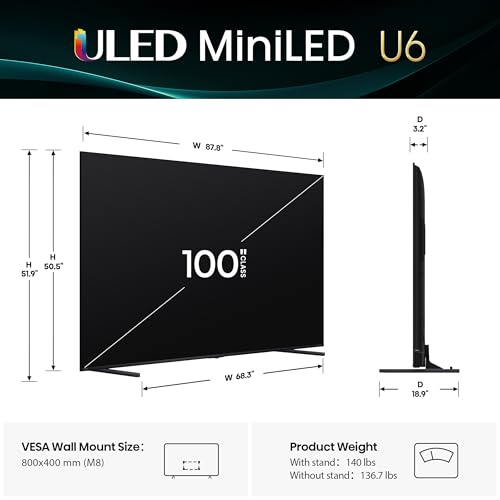
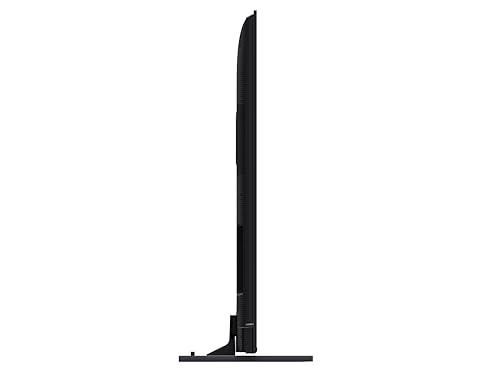
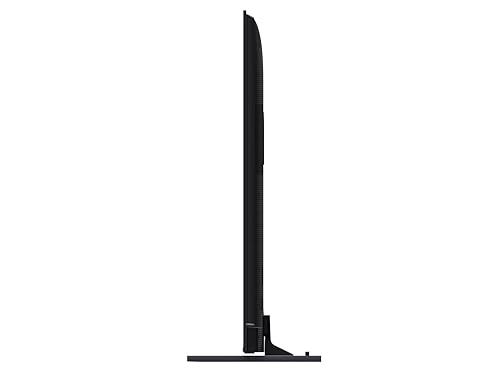
| 140 lbs with stand, VESA 400x800mm - Requires robust mounting | 120.2 lbs with stand, VESA 500x600mm - Slightly easier installation |
| Connectivity - Number and types of ports for devices | |
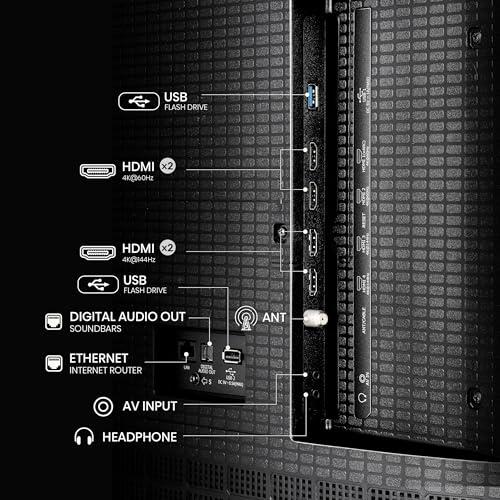
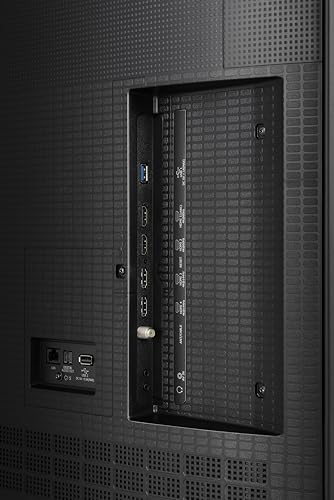
| 4 HDMI (2x HDMI 2.1), Wi-Fi 6, Bluetooth 5.2 - Future-ready connections | 3 HDMI, Built-in Wi-Fi, standard connectivity - Adequate for most setups |
| Model Year - Newer models typically have better features and longevity | |
| 2025 model - Latest generation technology | 2024 model - Current generation with proven reliability |
The Hisense 100" U6 Series is significantly better for gaming with its native 144Hz refresh rate, VRR support up to 144Hz, and NVIDIA FreeSync Premium compatibility. The TCL 98" Q6 Series is limited to 60Hz native refresh rate, making it suitable for casual gaming but not ideal for competitive or high-frame-rate gaming on modern consoles and PCs.
The Hisense 100" U6 uses Mini-LED backlighting with thousands of tiny LEDs for precise brightness control and superior contrast, while the TCL 98" Q6 uses traditional LED backlighting enhanced with Quantum Dot (QLED) technology for vibrant colors. Mini-LED provides better dark scene performance, while QLED excels at color reproduction.
The Hisense 100" U6 Series performs better in dark rooms due to its Mini-LED technology with 600 local dimming zones, allowing for deeper blacks and better contrast. The TCL 98" Q6 has good picture quality but cannot achieve the same level of contrast control in dark viewing environments.
Both TVs work well for home theaters, but the Hisense 100" U6 is better suited for dedicated dark room setups due to its superior contrast and 1,000 nits peak brightness. The TCL 98" Q6 is excellent for multipurpose rooms with ambient lighting where its vibrant QLED colors shine.
The Hisense 100" U6 runs Fire TV with excellent Amazon ecosystem integration and Alexa voice control, while the TCL 98" Q6 uses Google TV with superior content aggregation and Google Assistant. Choose based on your existing ecosystem preference - Amazon services favor the Hisense, Google services favor the TCL.
The Hisense 100" U6 measures 99.5" diagonally while the TCL 98" Q6 is 98" - only a 1.5" difference that's barely noticeable in real viewing. Both require similar room sizes and viewing distances of at least 12 feet for comfortable watching.
The TCL 98" Q6 Series may perform better in bright rooms due to its QLED technology producing more vibrant, eye-catching colors that compete well with ambient light. However, the Hisense 100" U6 has higher peak brightness at 1,000 nits, which also helps in bright environments.
The Hisense 100" U6 has superior built-in audio with a 2.1 channel system including a subwoofer (50W total), while the TCL 98" Q6 features a 2.0 channel system (30W). Both support Dolby Atmos, but external sound systems are recommended for true home theater experiences with screens this large.
The TCL 98" Q6 Series offers better value for budget-conscious buyers, providing excellent size and solid features at a lower price point. The Hisense 100" U6 provides better value for enthusiasts who want premium display technology, superior gaming performance, and the latest features.
The Hisense 100" U6 supports more HDR formats including Dolby Vision IQ and HDR10+ Adaptive with superior 1,000 nits brightness for better HDR impact. The TCL 98" Q6 supports all major HDR formats but with more limited brightness, resulting in less dramatic HDR performance.
The TCL 98" Q6 is slightly easier to install at 120 lbs compared to the Hisense 100" U6's 140 lbs. Both require professional installation due to their massive size, but the TCL's lighter weight and smaller VESA mount pattern make it marginally more manageable.
Both TVs handle 4K streaming excellently, but the Hisense 100" U6 is more future-ready with HDMI 2.1 ports, Wi-Fi 6, and 144Hz capability for emerging high-frame-rate content. The TCL 98" Q6 handles current 4K content well but has fewer advanced connectivity options for future formats.
We've done our best to create useful and informative comparisons to help you decide what product to buy. Our research uses advanced automated methods to create this comparison and perfection is not possible - please contact us for corrections or questions. These are the sites we've researched in the creation of this article: bestbuy.com - rtings.com - youtube.com - rtings.com - youtube.com - youtube.com - costco.com - pcrichard.com - hisense-usa.com - electronicexpress.com - pcrichard.com - circuitworldonline.com - bestbuy.com - bestbuy.com - premiumincentive.com - hisense-usa.com - hisense-usa.com - pcrichard.com - rtings.com - bestbuy.com - hisense-usa.com - avsforum.com - bestbuy.com - tcl.com - walmart.com - youtube.com - rtings.com - greentoe.com - kitele.com - bestbuy.com - youtube.com - tcl.com - pcrichard.com - youtube.com

Privacy Policy
Terms and Conditions - Affiliate Policy
Home Security
© Copyright 2008-2026.
11816 Inwood Rd #1211, Dallas, TX 75244