

Getting a true cinematic experience at home used to mean either spending tens of thousands on a massive TV or dealing with traditional projectors that required dark rooms and complex installations. That landscape has dramatically changed in recent years, with large-format TVs becoming more affordable and laser projectors offering new levels of convenience and picture quality.
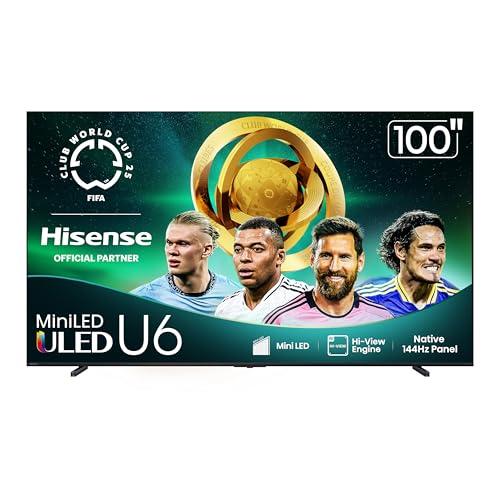
Today, we're comparing two compelling approaches to achieving that coveted 100-inch screen: the Hisense 100" U6 Series Mini-LED 4K Fire TV and the Hisense L9H TriChroma Laser TV 100" UST Projector. Both launched in the mid-2020s as part of Hisense's push to democratize large-screen entertainment, but they take fundamentally different approaches to delivering that massive viewing experience.
When most people think about getting a 100-inch screen, they imagine either an impossibly expensive TV or a traditional projector requiring a dark basement theater room. The reality is more nuanced. Large-format TVs have become increasingly viable, while ultra-short throw (UST) projectors have solved many traditional projection headaches.
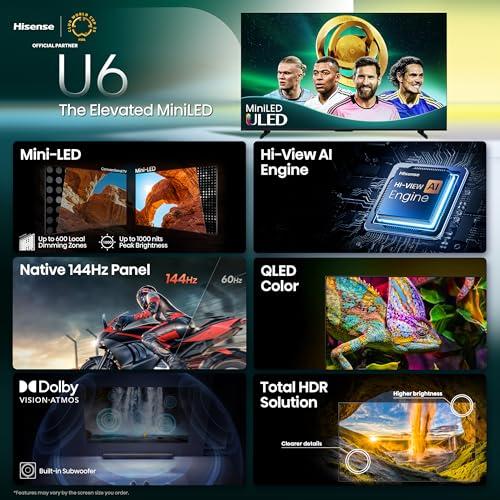
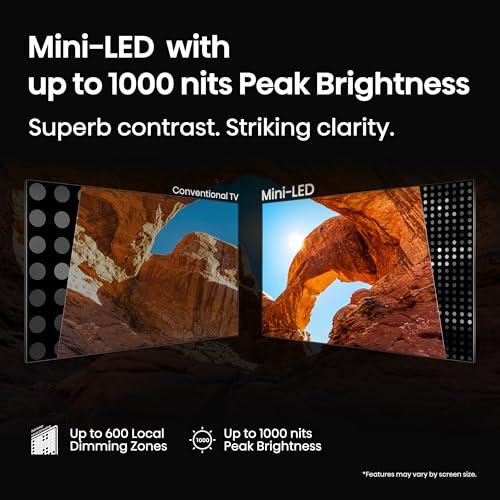
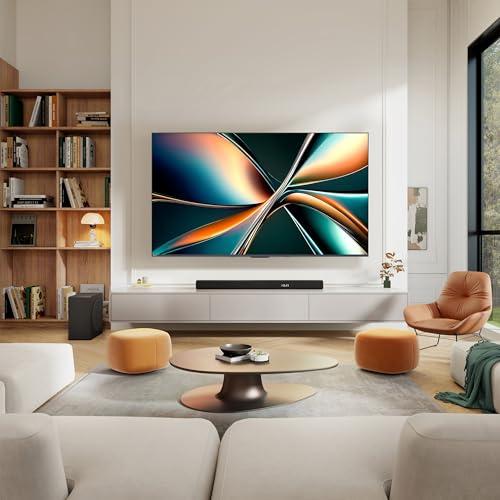
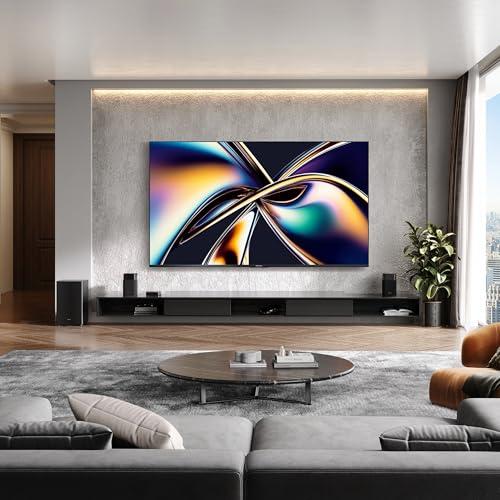
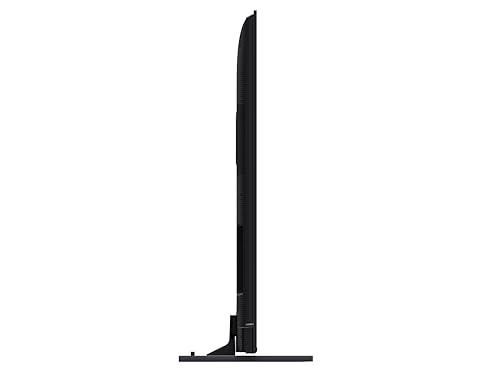
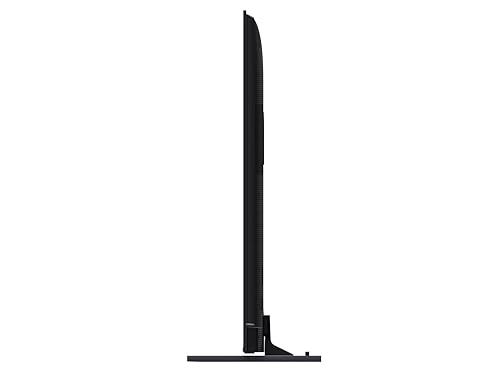
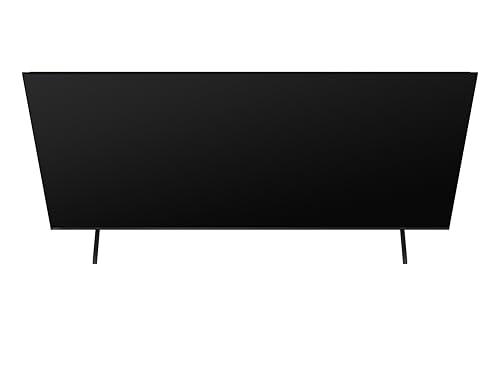
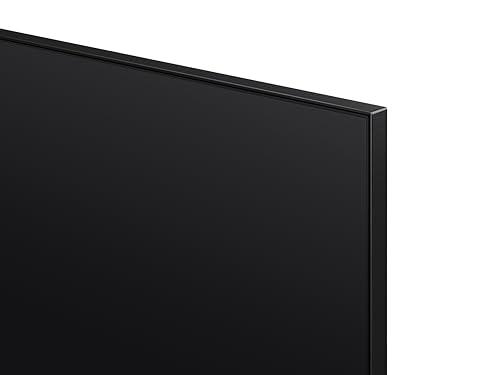
The U6 Series represents the direct-view approach – it's essentially a massive TV that displays images directly from a backlit panel. Think of it as scaling up the TV technology you're already familiar with, but with advanced Mini-LED backlighting that uses thousands of tiny LEDs instead of traditional edge lighting. This creates much better contrast and local dimming – the ability to dim specific areas of the screen independently for deeper blacks.
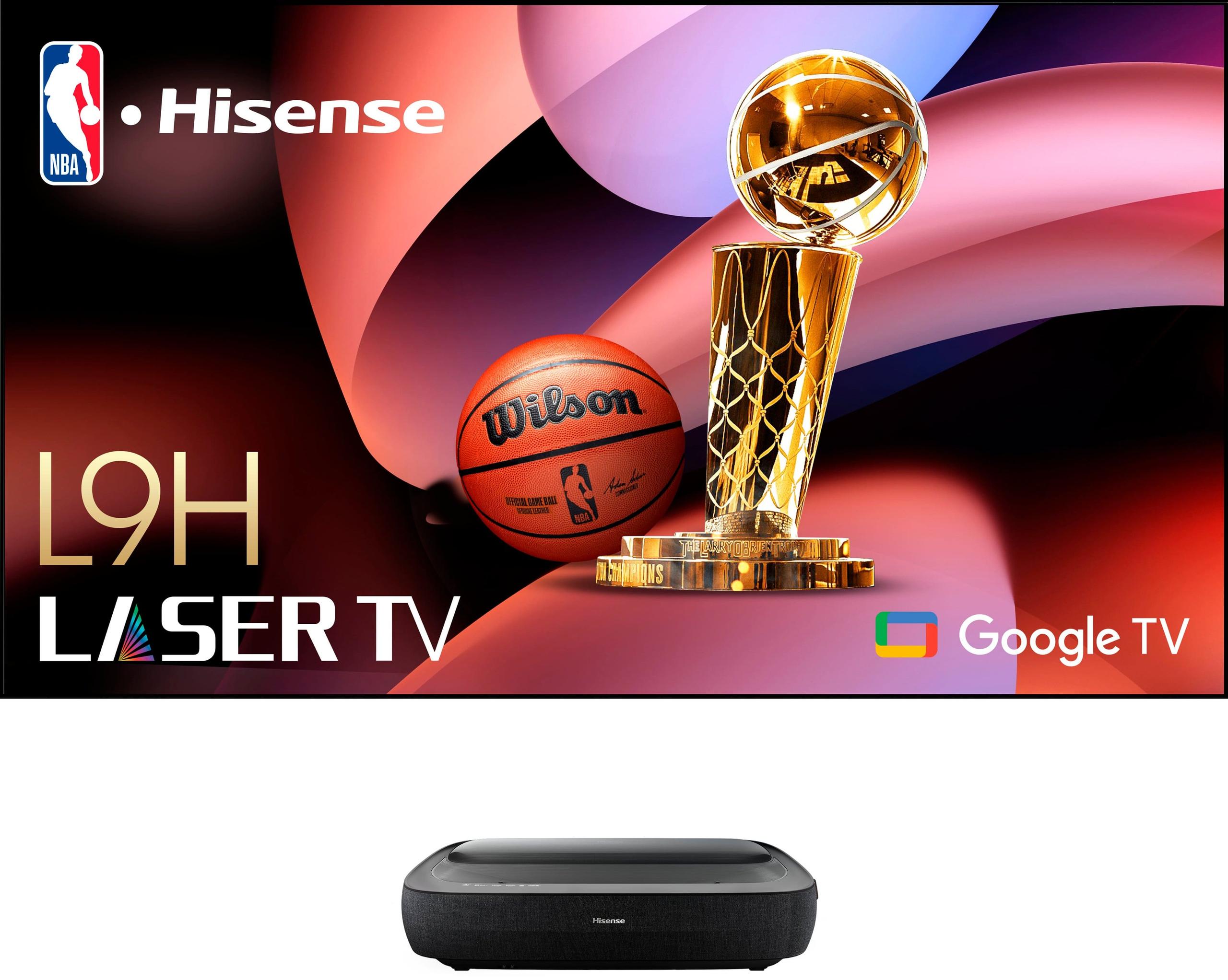
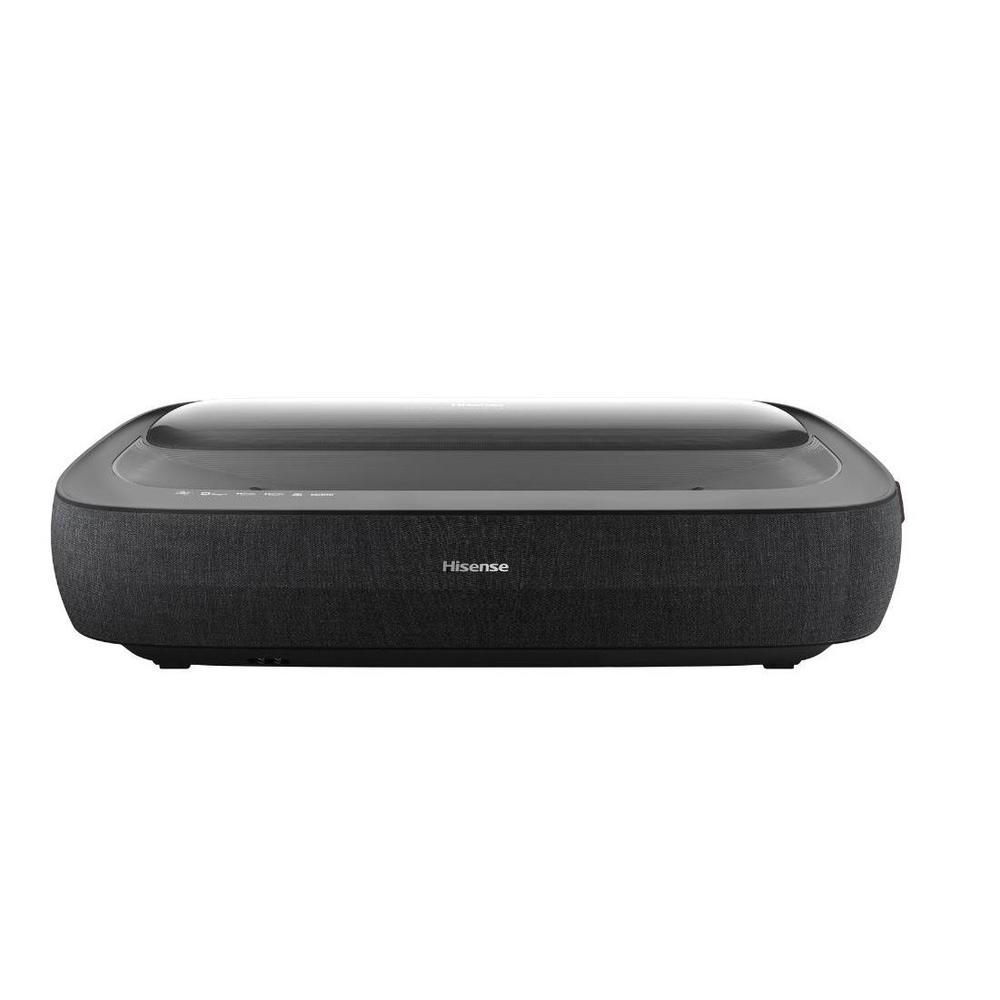
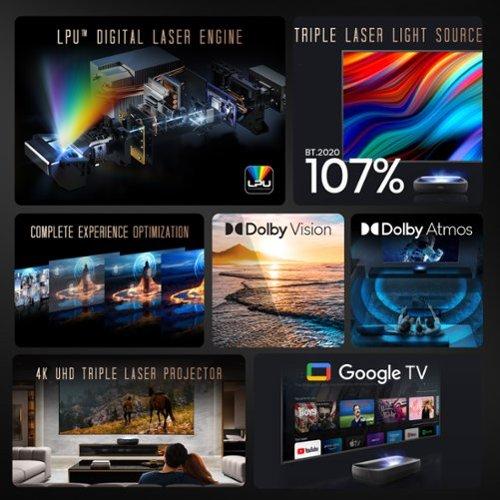
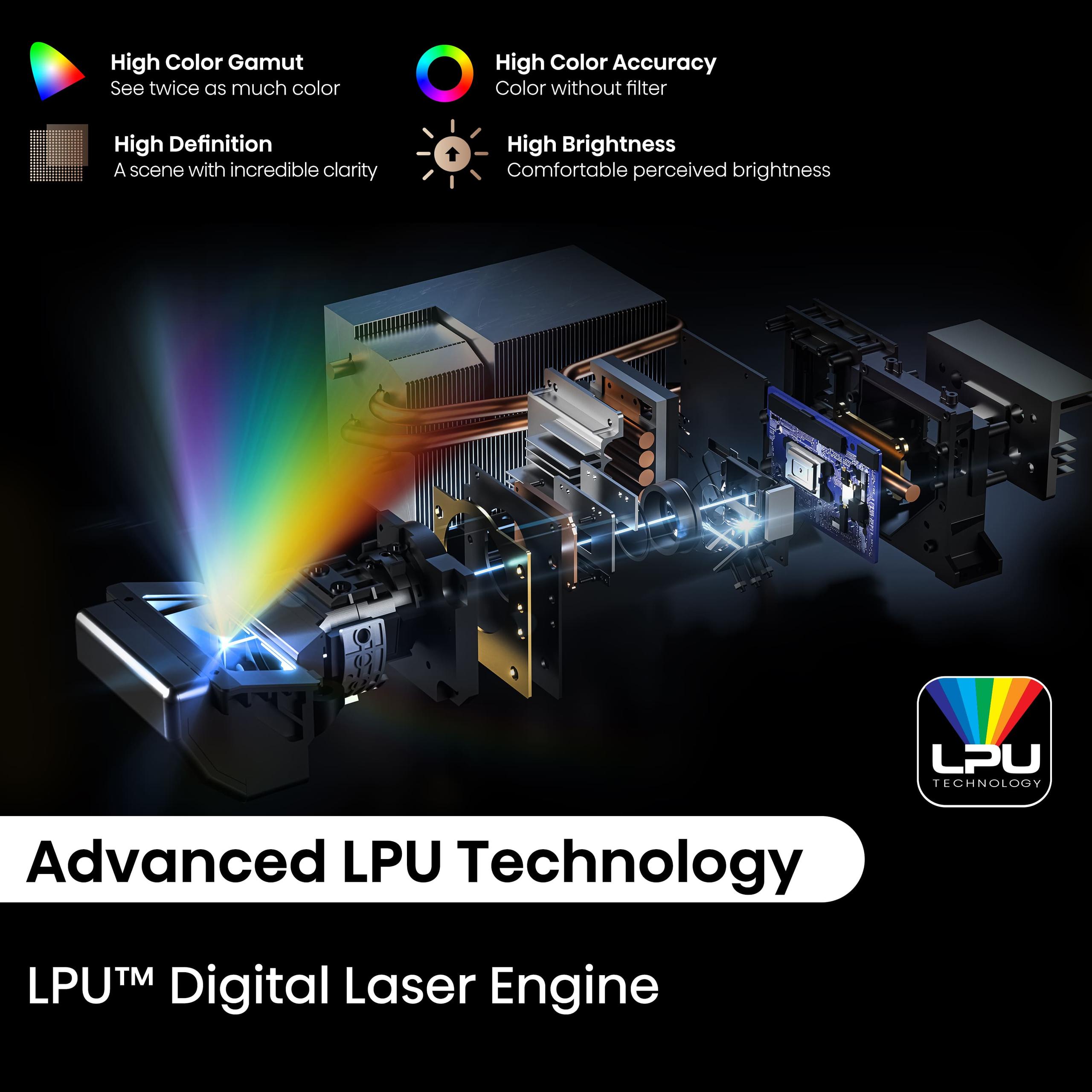
The L9H laser projector, on the other hand, uses three separate laser light sources (red, green, and blue) to create incredibly pure colors, then projects that image onto a special screen from just 20 inches away. This ultra-short throw design means you don't need a deep room or ceiling mounting – the projector sits on a TV stand right next to the wall.
This is where the fundamental differences between these technologies become most apparent. The U6 Series delivers up to 1000 nits of peak brightness, which might not sound impressive compared to flagship TVs, but it's more than adequate for most viewing environments. More importantly, because it's a direct-view display, that brightness remains consistent regardless of ambient lighting.
The L9H projector takes a different approach with its 3000 ANSI lumens output – a measurement specific to projectors that indicates how much light the device can produce. For context, most home projectors output 1500-2500 lumens, so the L9H is quite bright for its category. However, projectors face an inherent challenge: they're fighting against ambient light that washes out the image.
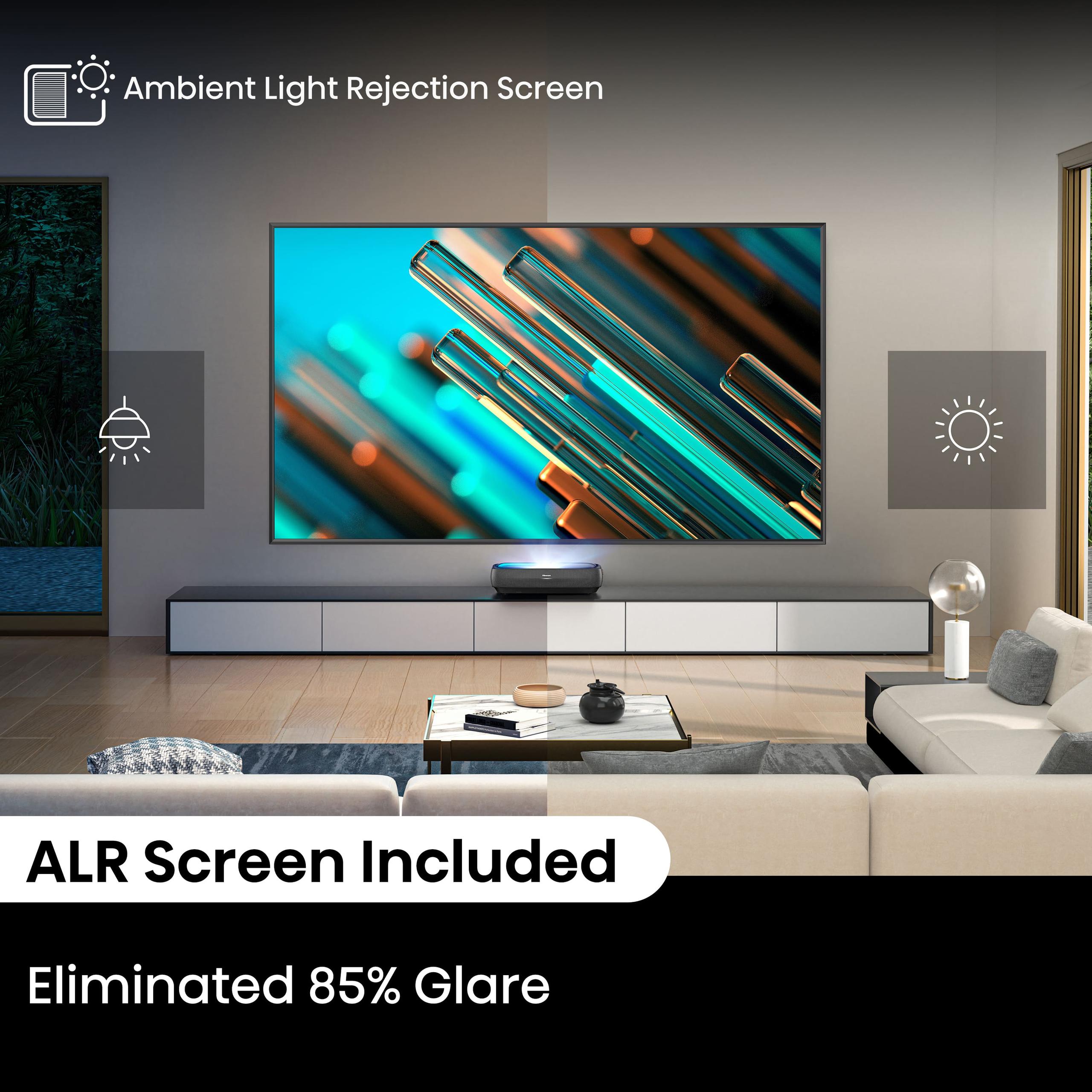
Hisense addresses this with an Ambient Light Rejecting (ALR) screen that comes bundled with the L9H. This specialized screen uses a micro-structure that reflects the projector's light toward your eyes while absorbing overhead and side lighting. It's genuinely impressive technology – in our research of user experiences, many people report being able to watch comfortably with table lamps on, something impossible with traditional projectors.
Still, the U6 Series wins the bright room battle decisively. If your living room has large windows or you prefer watching TV during daytime without closing curtains, the traditional TV approach offers more flexibility.
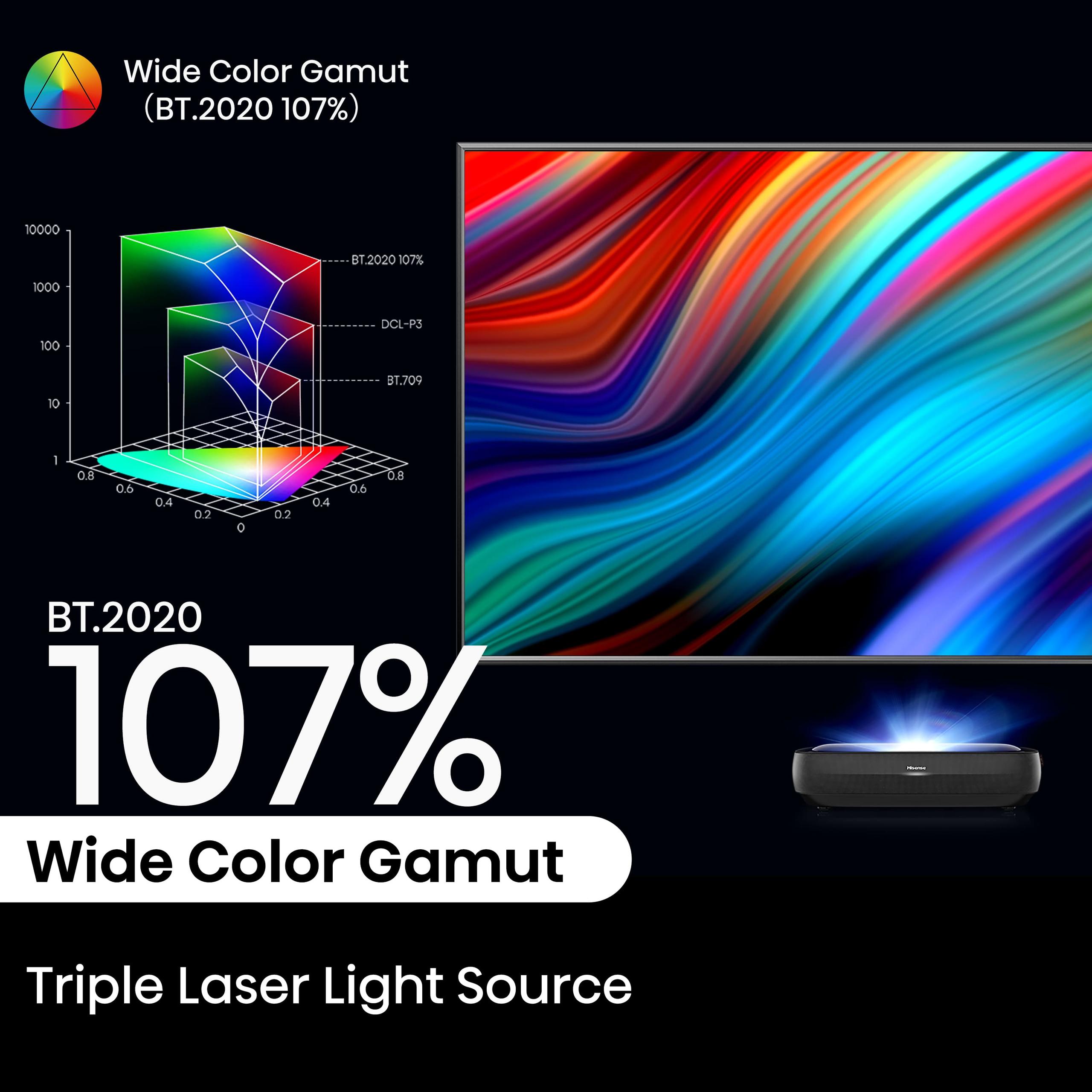
Here's where the L9H shows its technological advantages. Traditional TVs, including the U6 Series, create colors by filtering white light through colored substrates. Even with Quantum Dot technology – which uses nanocrystals to convert light into purer colors – you're still working within the limitations of filtered light.
The L9H's TriChroma laser system generates pure red, green, and blue light directly. This isn't just a technical curiosity; it translates to covering 107% of the BT.2020 color standard, compared to about 75% for most TVs. In practical terms, this means skin tones look more natural, landscapes appear more vivid, and subtle color gradations that get lost on traditional displays remain visible.
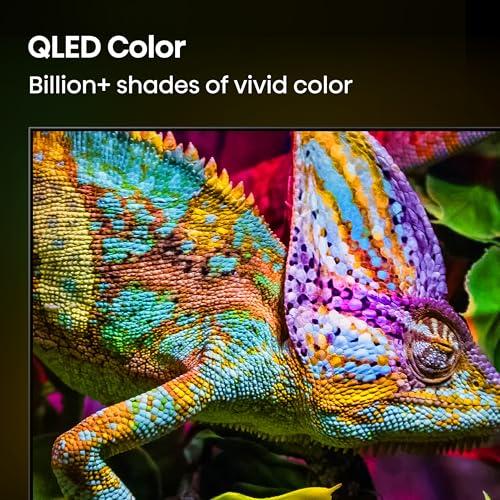
The U6 Series still delivers excellent color with its QLED (Quantum Dot LED) technology, displaying over a billion color shades with good accuracy. For most content, you'd be hard-pressed to notice significant differences. However, when watching nature documentaries or films with particularly rich color grading, the laser's purity becomes apparent.
Both displays excel here but through different methods. The U6 Series uses Mini-LED backlighting with full-array local dimming. Instead of edge-lighting like cheaper TVs, it places LEDs directly behind the screen in zones that can dim independently. This creates deeper blacks and reduces the "blooming" effect where bright objects create halos against dark backgrounds.
The L9H claims an impressive 2,000,000:1 contrast ratio, though these manufacturer specifications should be taken with some skepticism. In practice, projector contrast depends heavily on room conditions. In a controlled environment, laser projectors can achieve excellent blacks since they're essentially displaying "nothing" – the absence of light – rather than trying to block light like LCD TVs.
From real-world usage reports, both deliver satisfying contrast for movie watching, with the U6 Series being more consistent across different viewing environments.
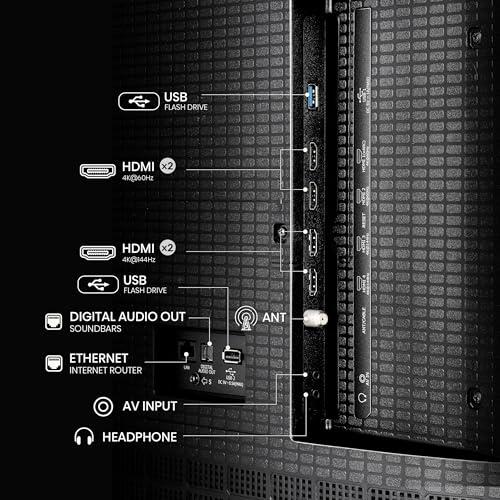
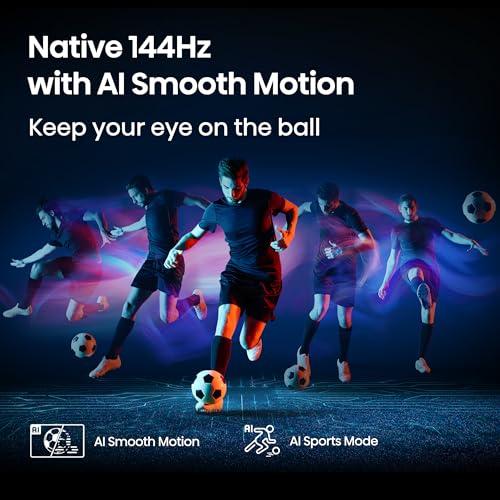
Gaming performance has become increasingly important as console gaming pushes higher frame rates and PC gaming demands low latency. The U6 Series caters directly to this trend with its Game Mode Pro feature, supporting variable refresh rates from 48Hz to 144Hz. This means the TV can sync its refresh rate to your gaming device, eliminating screen tearing and providing smoother motion.
The native 120Hz panel in the U6 Series also supports 4K gaming at 120fps from PlayStation 5 and Xbox Series X, a significant advantage for serious gamers. Input lag – the delay between controller input and on-screen response – is minimized in gaming mode.
The L9H projector takes a more nuanced approach to gaming. While it can't match the TV's high refresh rates (it's limited to 60Hz for 4K content), it offers different advantages. Input lag drops to just 10ms at 1080p resolution when gaming mode is activated, which is excellent for competitive gaming. However, the 30-35ms lag at 4K resolution is merely adequate.
For casual gaming and single-player experiences, both perform well. For competitive multiplayer gaming or if you want to take full advantage of next-generation console capabilities, the U6 Series is the clear winner.
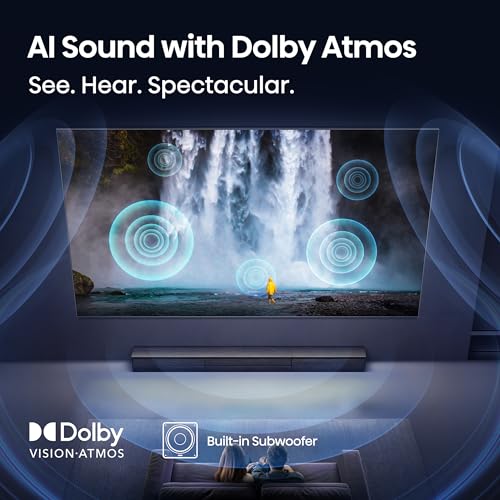
This category reveals another fundamental difference in approach. Most large TVs, including the U6 Series, treat audio as an afterthought. The built-in speakers support Dolby Atmos – a surround sound technology that creates three-dimensional audio experiences – but they lack the physical size and power to truly deliver on that promise. You'll likely want to add a soundbar or home theater system.
The L9H projector integrates a more substantial 40W Dolby Atmos audio system. Since projector manufacturers understand their products are often used for dedicated movie watching, they invest more in audio quality. User reports consistently praise the L9H's built-in sound as surprisingly capable, with clear dialogue and decent bass response.
This difference matters for initial setup and budget planning. The U6 Series almost certainly requires additional audio investment, while the L9H can deliver a satisfying experience out of the box.
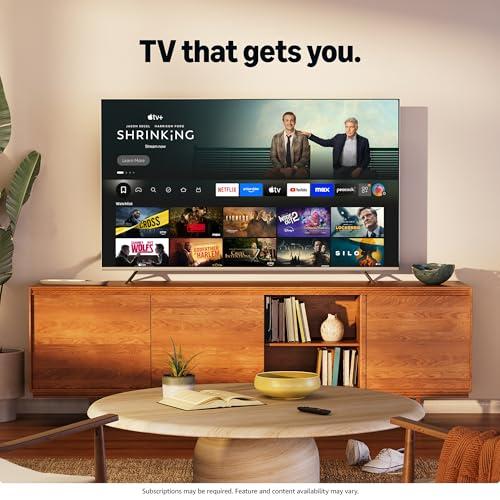
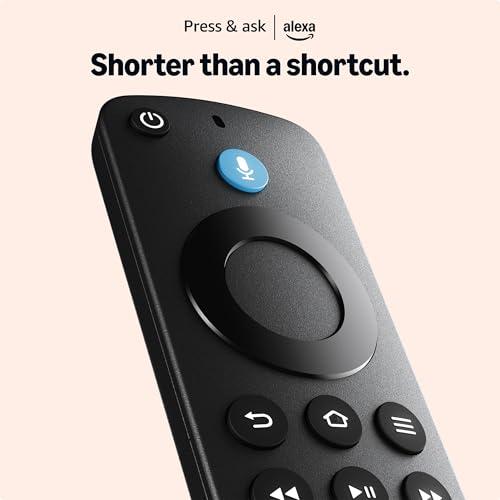
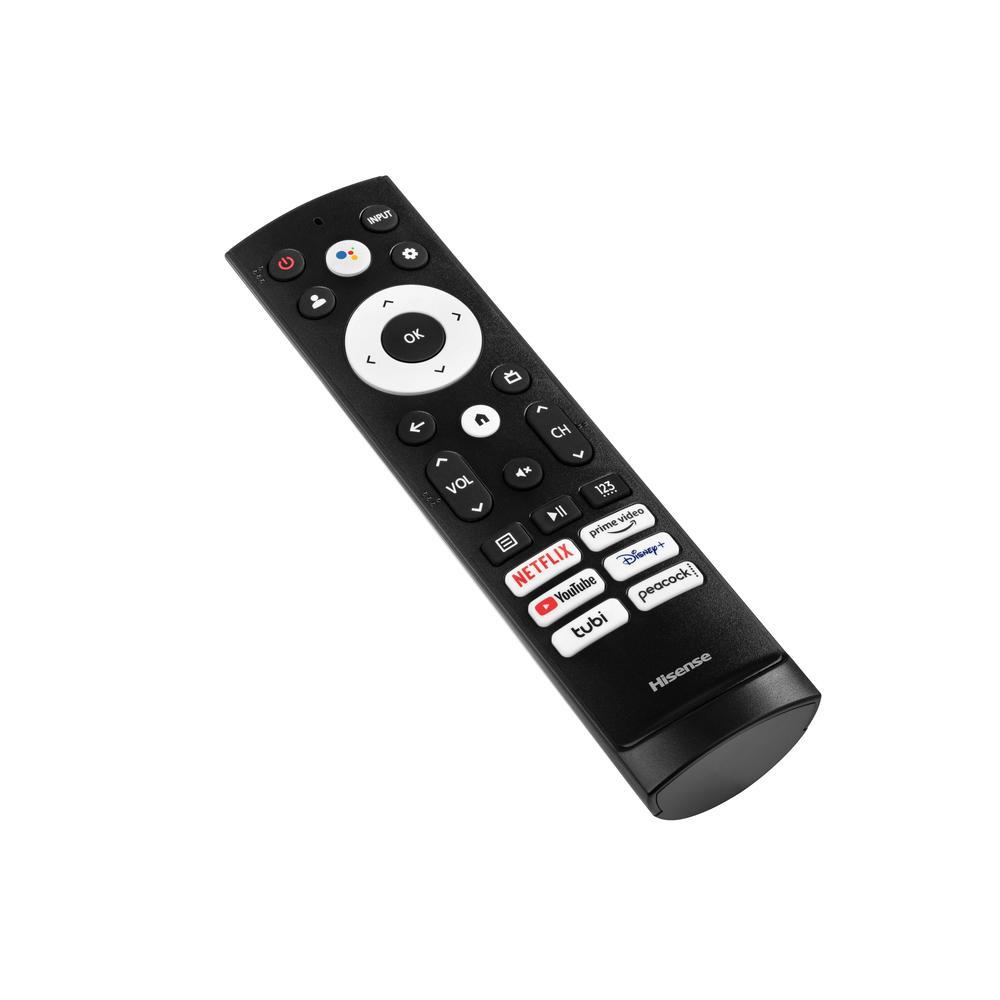
Both devices run different smart TV platforms that reflect their target audiences. The U6 Series uses Amazon's Fire TV, which provides a streamlined, content-focused interface. If you're already invested in Amazon's ecosystem – using Alexa devices or Prime Video extensively – this integration feels natural. The interface prioritizes content discovery and quick access to streaming apps.
The L9H runs Google TV, offering broader app compatibility through the Google Play Store and tighter integration with Google services. For users who prefer Google's ecosystem or want access to a wider range of apps, this is advantageous.
Both support voice control, screen mirroring from phones and tablets, and the major streaming services. The practical differences are minimal unless you have strong preferences for one ecosystem over the other.
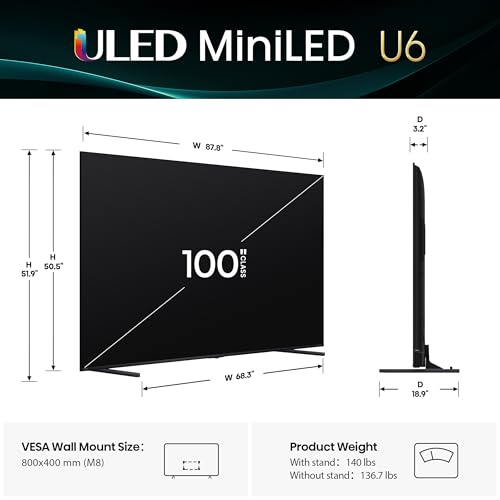
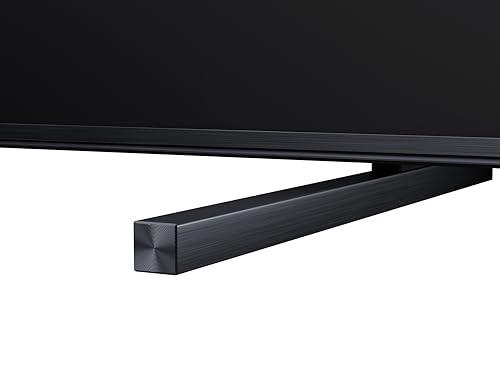
Here's where the products diverge most dramatically in practical terms. The U6 Series installs like any large TV, though its 100-inch size creates unique challenges. You'll need a wall capable of supporting 140+ pounds or an extremely robust TV stand. The 87-inch width means it won't fit in many rooms, and you'll need 10-12 feet of viewing distance for comfortable watching.
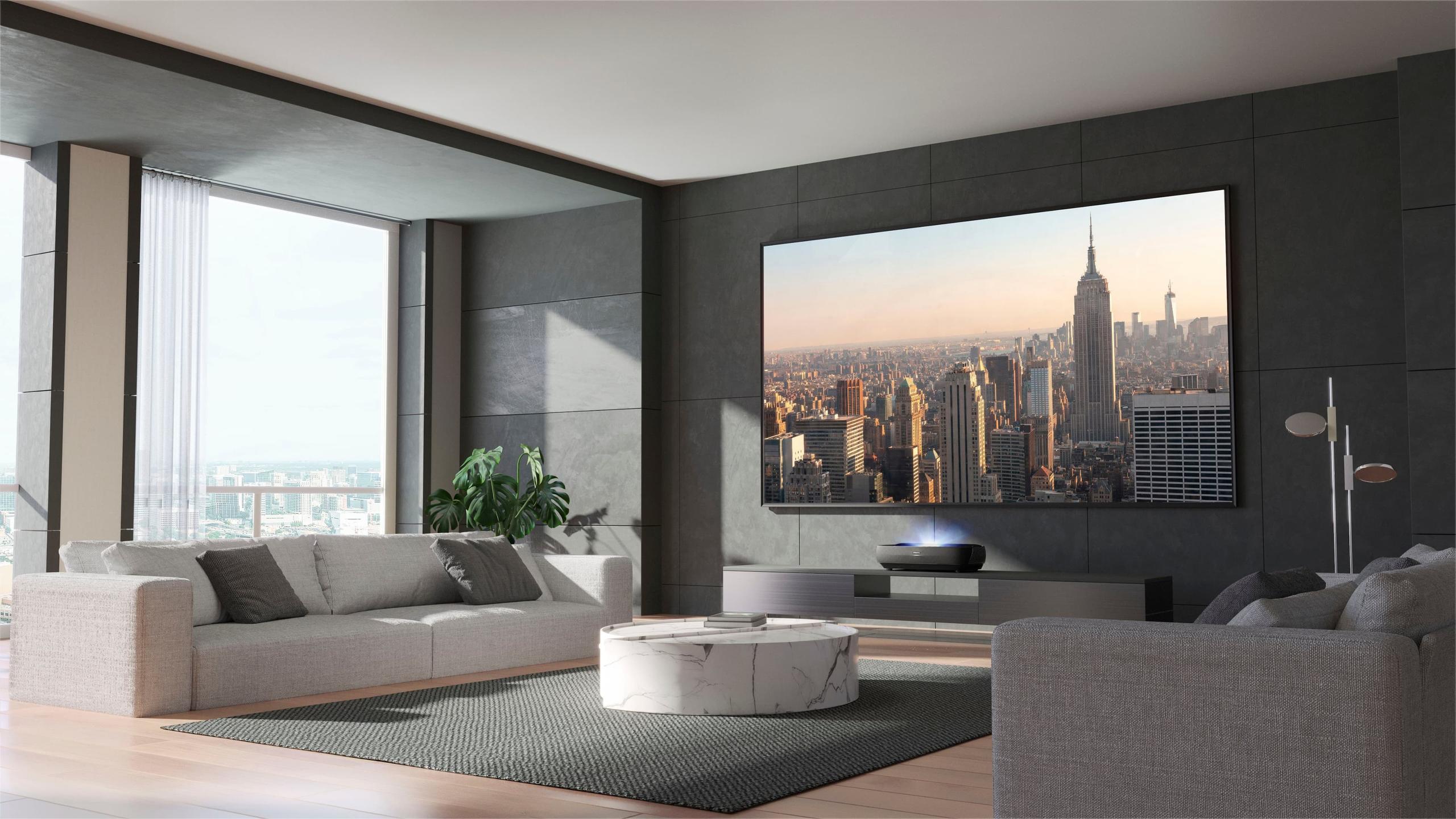
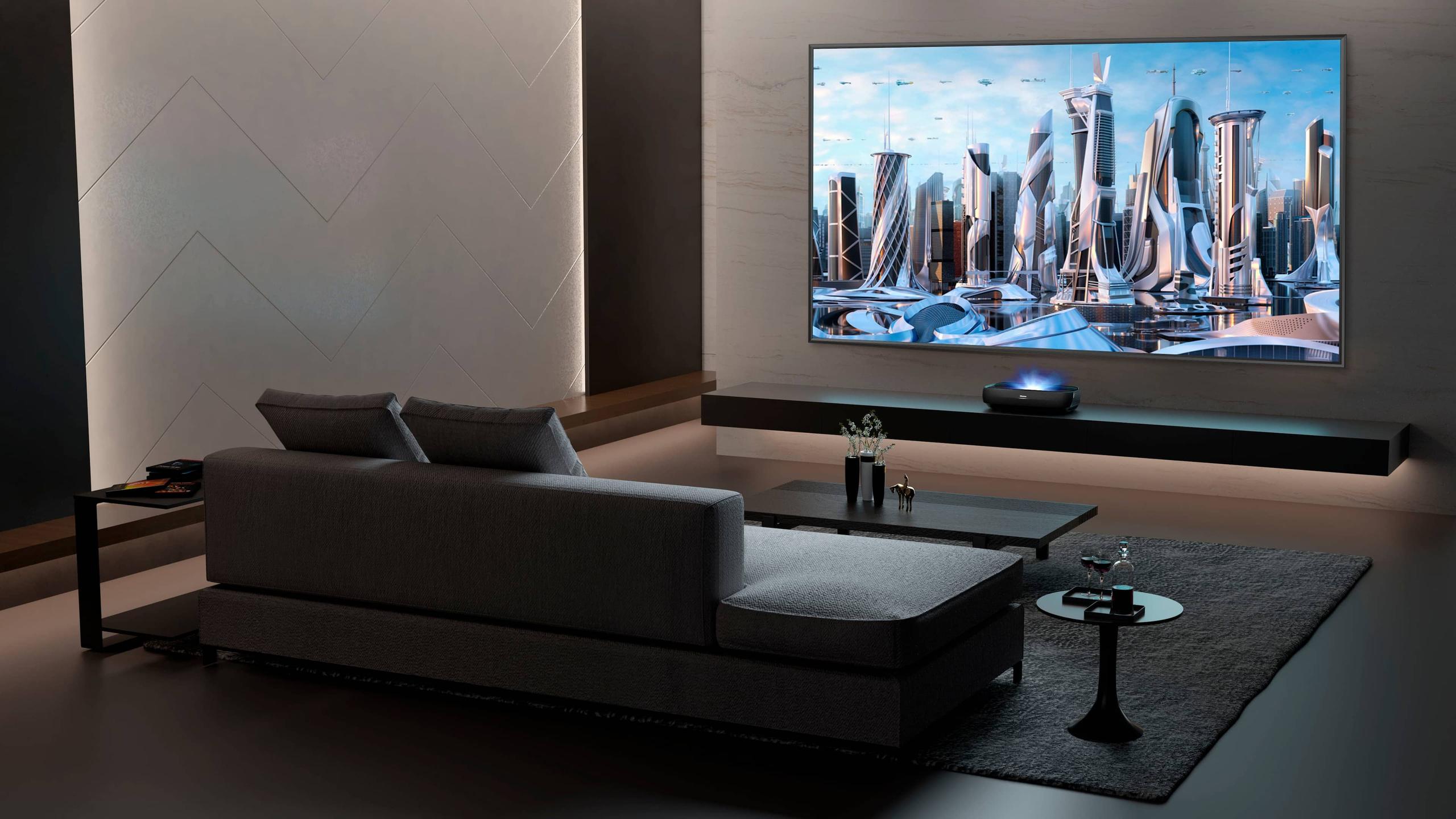
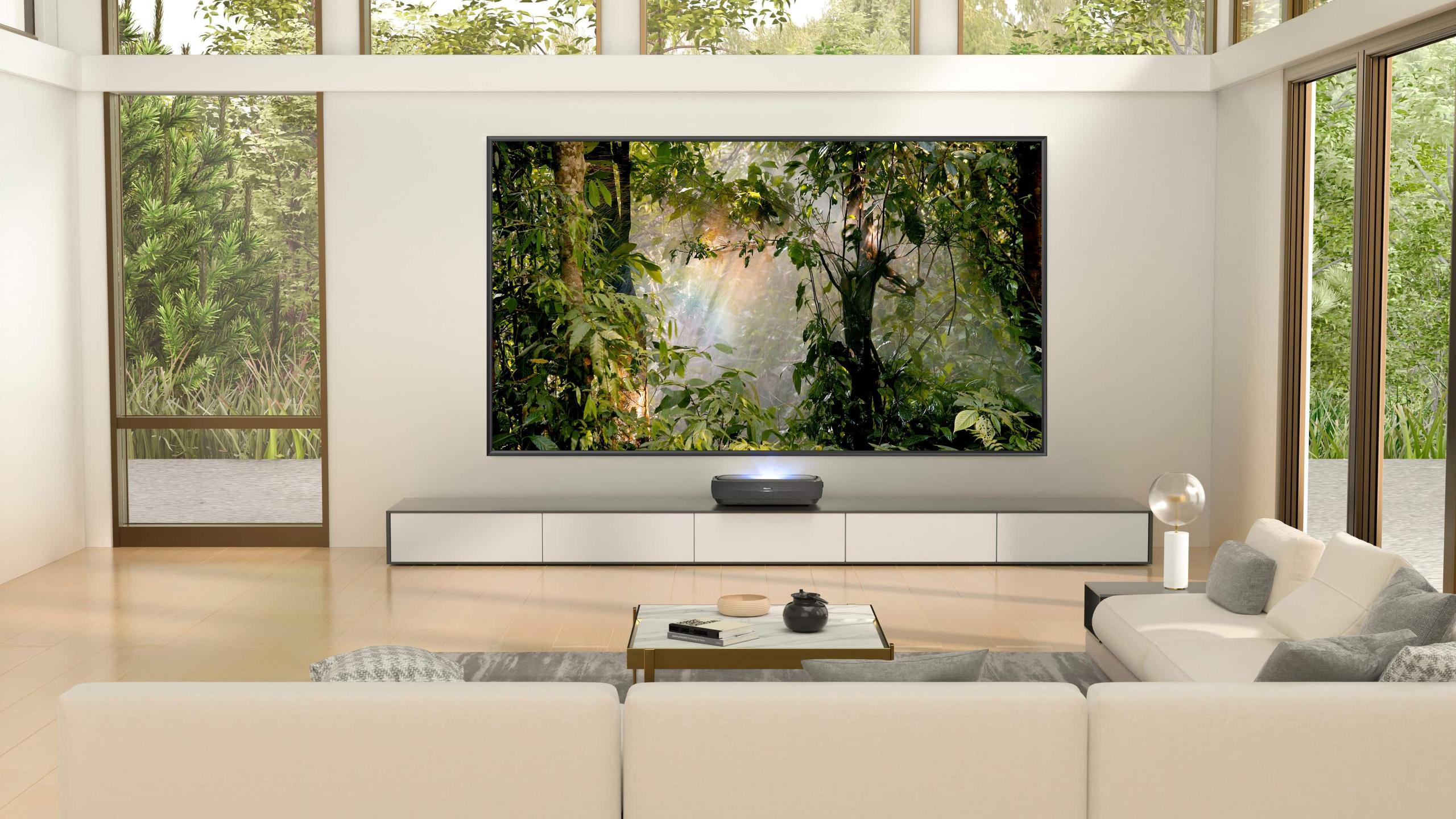
The L9H offers surprising flexibility despite its large image size. The projector unit itself is relatively compact and sits on a TV stand just 20 inches from the wall. The included screen mounts flat against the wall like a large picture frame. This means you can create a 100-inch display without the structural requirements of mounting a massive TV.
For renters or people who move frequently, the projector setup is more portable. You can pack the projector in a case and roll up the screen, something impossible with a 100-inch TV.
At the time of writing, these products occupy different price tiers, with the L9H projector commanding a significant premium over the U6 Series. This price difference reflects not just the advanced laser technology, but also the inclusion of the specialized screen and higher-quality audio system.
However, value calculations extend beyond initial purchase price. The L9H's laser light source is rated for 25,000+ hours, equivalent to about 10 years of typical viewing. When the lasers eventually need replacement, it's often more cost-effective to upgrade to a newer projector entirely, similar to replacing a car rather than rebuilding the engine.
The U6 Series follows traditional TV replacement cycles. While modern TVs can last 7-10 years with proper care, they don't have user-replaceable components. When picture quality degrades or new features become compelling, you replace the entire unit.
Based on our analysis of professional reviews and user experiences, the decision comes down to your specific circumstances and priorities.
Choose the U6 Series if you want the most reliable, brightest picture in any lighting condition. It's ideal for families who watch TV throughout the day, gamers who want high refresh rates, or anyone who prefers the simplicity and familiarity of traditional TV technology. The lower entry price also makes it more accessible for budget-conscious buyers.
The L9H projector suits dedicated home theater enthusiasts who can control their viewing environment and prioritize color accuracy and cinematic experience. If you're building a basement theater room, have a dedicated media room, or simply love the idea of a massive screen without wall-mounting challenges, the projector approach offers unique benefits.
For most people, the U6 Series provides better day-to-day usability with fewer compromises. However, for the specific use case of dedicated movie watching in a controlled environment, the L9H delivers a more premium, cinematic experience that justifies its higher price point.
The technology in both products continues evolving rapidly. Since their introduction, we've seen improvements in Mini-LED local dimming algorithms, laser efficiency, and smart TV platforms. Whatever you choose, you're getting access to display technology that would have cost tens of thousands just a few years ago – a remarkable democratization of the large-screen experience.
| Hisense 100" U6 Series Mini-LED 4K Fire TV | Hisense L9H TriChroma Laser TV 100" UST Projector |
|---|---|
| Display Technology - Determines picture quality and room compatibility | |
| Mini-LED backlit LCD with Quantum Dot color | TriChroma RGB laser projection with ALR screen |
| Brightness Performance - Critical for daytime viewing capability | |
| 1,000 nits peak brightness (excellent in any lighting) | 3,000 ANSI lumens (good with ambient light, best in controlled lighting) |
| Color Gamut Coverage - Affects color accuracy and vibrancy | |
| Standard QLED coverage (~75% BT.2020) | 107% BT.2020 coverage (significantly wider color range) |
| Gaming Performance - Important for console and PC gaming | |
| 120Hz native, VRR 48-144Hz, low input lag | 60Hz native, 10ms lag at 1080p, 30-35ms at 4K |
| Built-in Audio Quality - Determines if you need external speakers | |
| Standard TV speakers with Dolby Atmos support | Integrated 40W Dolby Atmos system (notably better quality) |
| Installation Requirements - Affects room compatibility and setup complexity | |
| Wall mount or heavy-duty stand required (140+ lbs) | Projector sits 20" from wall, screen mounts like large picture |
| Smart TV Platform - Determines app selection and user experience | |
| Amazon Fire TV with Alexa integration | Google TV with Google Assistant and Play Store |
| Room Lighting Flexibility - How well it performs in bright rooms | |
| Excellent performance in any lighting condition | Good with ALR screen, optimal in controlled lighting |
| Long-term Durability - Expected lifespan and maintenance | |
| 7-10 year typical TV lifespan | 25,000+ hour laser life (~10+ years typical use) |
| Screen Size Flexibility - Options for different room sizes | |
| Fixed 100" diagonal size only | Can potentially use different screen sizes with same projector |
| Value Proposition - Initial cost vs features included | |
| Lower entry price, requires separate audio upgrade | Higher initial cost but includes premium screen and quality audio |
The Hisense 100" U6 Series Mini-LED 4K Fire TV performs significantly better in bright rooms due to its 1,000 nits peak brightness and direct-view display technology. While the Hisense L9H TriChroma Laser TV includes an ambient light rejecting screen that helps combat room lighting, it still works best in controlled lighting conditions. For daytime viewing or rooms with large windows, the U6 Series is the clear winner.
The L9H Laser TV offers superior color accuracy with its TriChroma laser technology covering 107% of the BT.2020 color space, delivering more vibrant and pure colors. The U6 Series provides excellent contrast with Mini-LED local dimming and consistent brightness. Both deliver impressive 4K picture quality, but the L9H excels in color reproduction while the U6 Series offers more consistent performance across different viewing conditions.
The Hisense U6 Series is significantly better for gaming, featuring a native 120Hz panel with variable refresh rate support from 48-144Hz and optimized gaming modes. The L9H projector is limited to 60Hz for 4K content, though it does offer low 10ms input lag at 1080p resolution. For console gaming and taking advantage of PS5/Xbox Series X capabilities, the U6 Series is the superior choice.
The L9H Laser TV offers more installation flexibility since the projector sits just 20 inches from the wall on a regular TV stand, with the screen mounting flat like a picture frame. The Hisense U6 Series requires wall mounting capability for 140+ pounds or an extremely sturdy TV stand. For renters or those who move frequently, the L9H is more portable and easier to relocate.
The L9H TriChroma Laser TV has significantly better built-in audio with its integrated 40W Dolby Atmos system that delivers clear dialogue and decent bass. The U6 Series has standard TV speakers that, while supporting Dolby Atmos, lack the power and quality for an immersive experience. Most users will want to add external speakers to the U6 Series, while the L9H provides satisfying audio out of the box.
The U6 Series runs Amazon Fire TV with Alexa integration, providing streamlined access to streaming apps and voice control. The L9H Laser TV uses Google TV with Google Assistant and access to the Google Play Store for broader app compatibility. Both support major streaming services, screen mirroring, and voice commands, with the choice mainly depending on your preferred ecosystem.
The Hisense U6 Series offers better value for most users with its lower entry price and excellent performance in typical living room environments. The L9H commands a premium but includes a specialized screen and superior audio system. Consider the U6 Series for budget-conscious buyers and the L9H for dedicated home theater setups where the additional features justify the higher cost.
The U6 Series Mini-LED TV offers wider viewing angles that maintain color accuracy and brightness from different seating positions, typical of quality LCD panels. The L9H projector has more limited optimal viewing positions due to the characteristics of the projection screen, though this is less noticeable in dedicated theater seating arrangements. For family rooms with varied seating, the U6 Series provides more flexibility.
The L9H TriChroma Laser TV is ideal for dedicated home theater rooms where lighting can be controlled. Its superior color accuracy, integrated quality audio, and cinematic presentation create a more immersive movie-watching experience. The U6 Series works well in home theaters too, but the L9H delivers the premium experience that home theater enthusiasts typically seek, especially when paired with its ambient light rejecting screen.
The L9H Laser TV features laser light sources rated for 25,000+ hours (approximately 10+ years of typical use), after which you might replace the entire unit rather than repair it. The U6 Series follows traditional TV replacement cycles, typically lasting 7-10 years with proper care. Both offer good longevity, but the L9H has the advantage of user-replaceable components and potentially longer operational life.
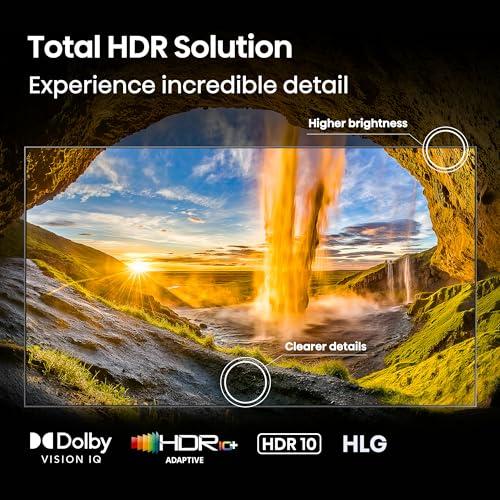
Yes, both displays excel with HDR content. The U6 Series supports Dolby Vision IQ, HDR10+, and other major formats with good peak brightness for HDR highlights. The L9H also supports Dolby Vision and major HDR formats, with its wider color gamut providing more accurate color reproduction in HDR content. Both deliver satisfying HDR experiences, with the U6 Series being more consistent in bright rooms and the L9H offering superior color accuracy in controlled environments.
The Hisense U6 Series is easier for daily use, operating like any traditional TV with consistent performance regardless of room conditions. The L9H projector requires more consideration of room lighting and occasional screen cleaning, though it's still user-friendly compared to traditional projectors. For families wanting a simple, reliable large-screen experience, the U6 Series offers the most straightforward operation, while the L9H is best for users who appreciate its unique capabilities and don't mind minor additional considerations.
We've done our best to create useful and informative comparisons to help you decide what product to buy. Our research uses advanced automated methods to create this comparison and perfection is not possible - please contact us for corrections or questions. These are the sites we've researched in the creation of this article: bestbuy.com - rtings.com - youtube.com - rtings.com - youtube.com - youtube.com - costco.com - pcrichard.com - hisense-usa.com - electronicexpress.com - pcrichard.com - circuitworldonline.com - bestbuy.com - bestbuy.com - premiumincentive.com - hisense-usa.com - hisense-usa.com - pcrichard.com - rtings.com - bestbuy.com - hisense-usa.com - avsforum.com - projectorreviews.com - shop.hisense-usa.com - projectorcentral.com - hometheaterhifi.com - shop.hisense-usa.com - projectorcentral.com - 2001audiovideo.com - projektoren-datenbank.com - content.syndigo.com

Privacy Policy
Terms and Conditions - Affiliate Policy
Home Security
© Copyright 2008-2026.
11816 Inwood Rd #1211, Dallas, TX 75244