

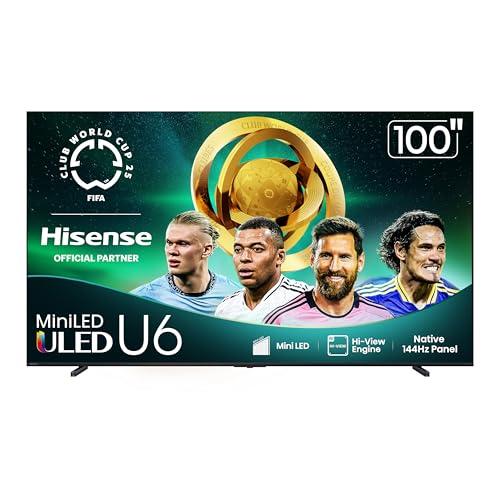
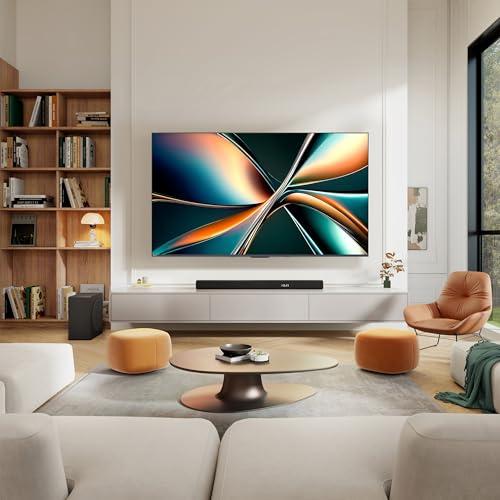
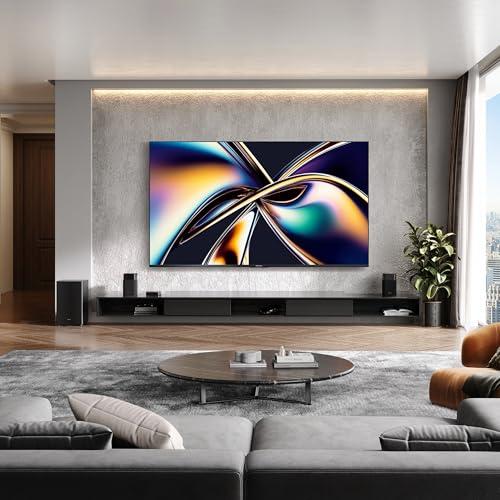
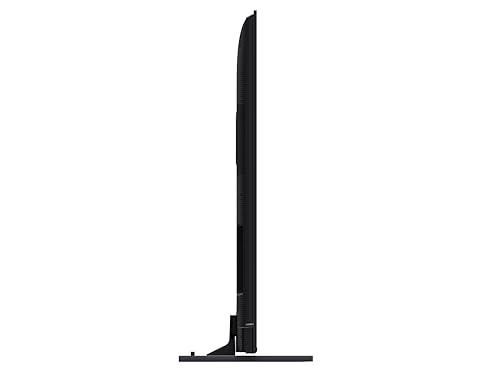
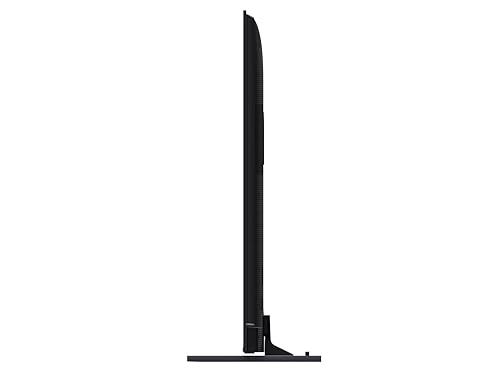
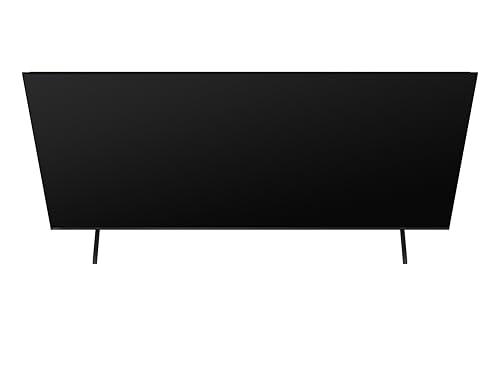
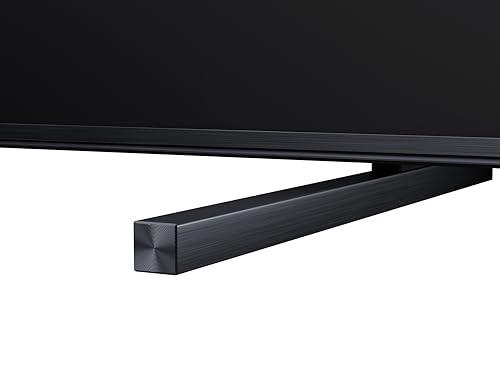
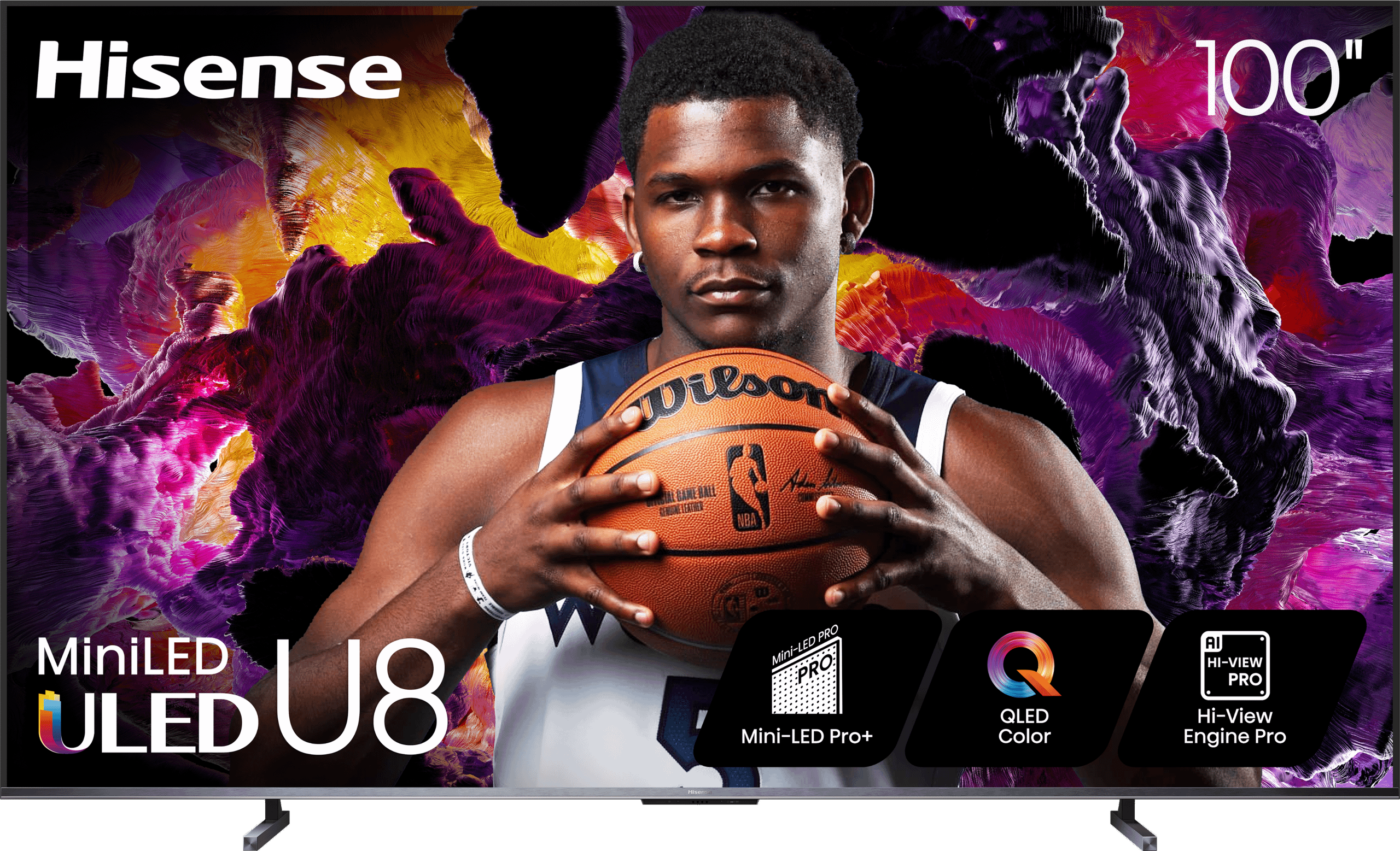
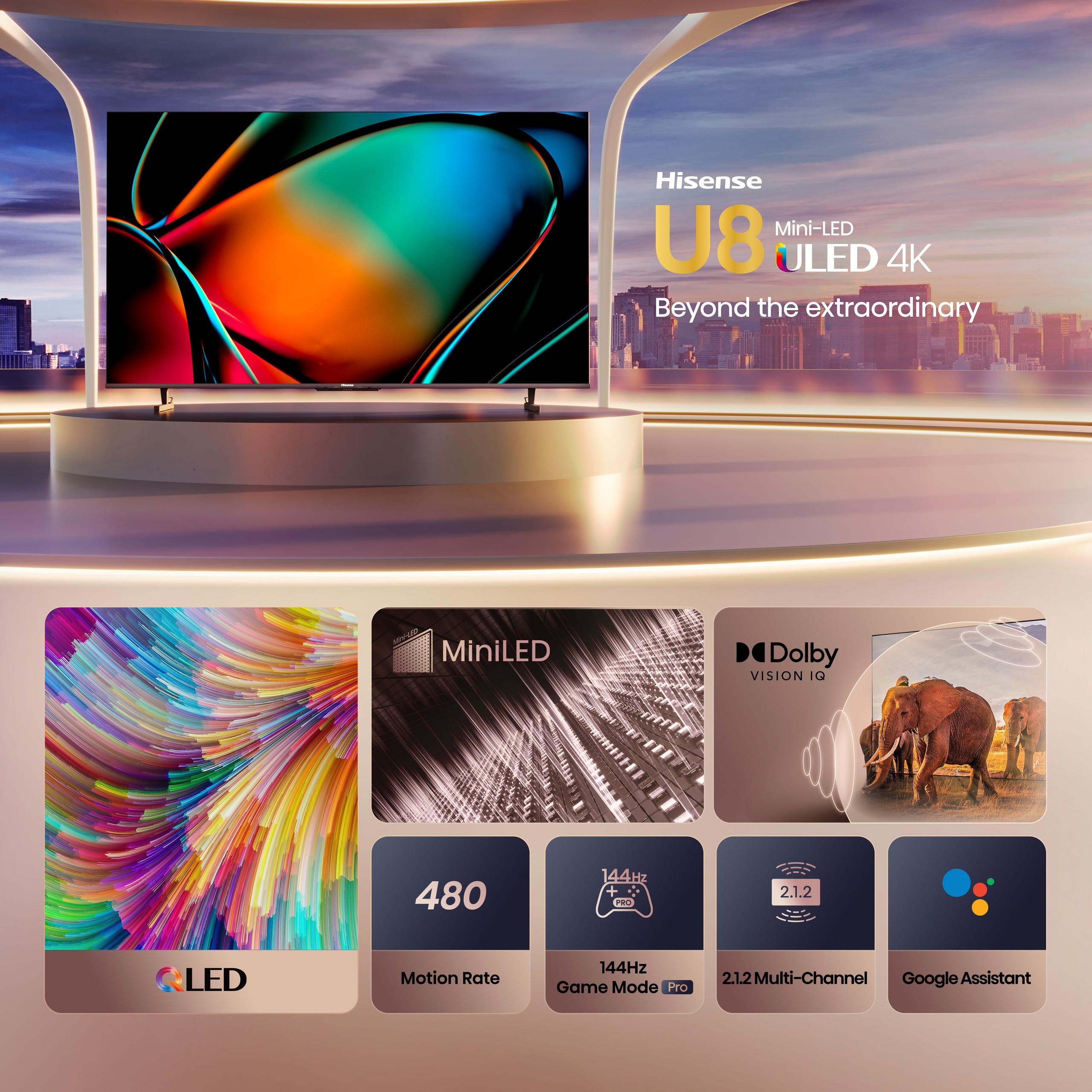

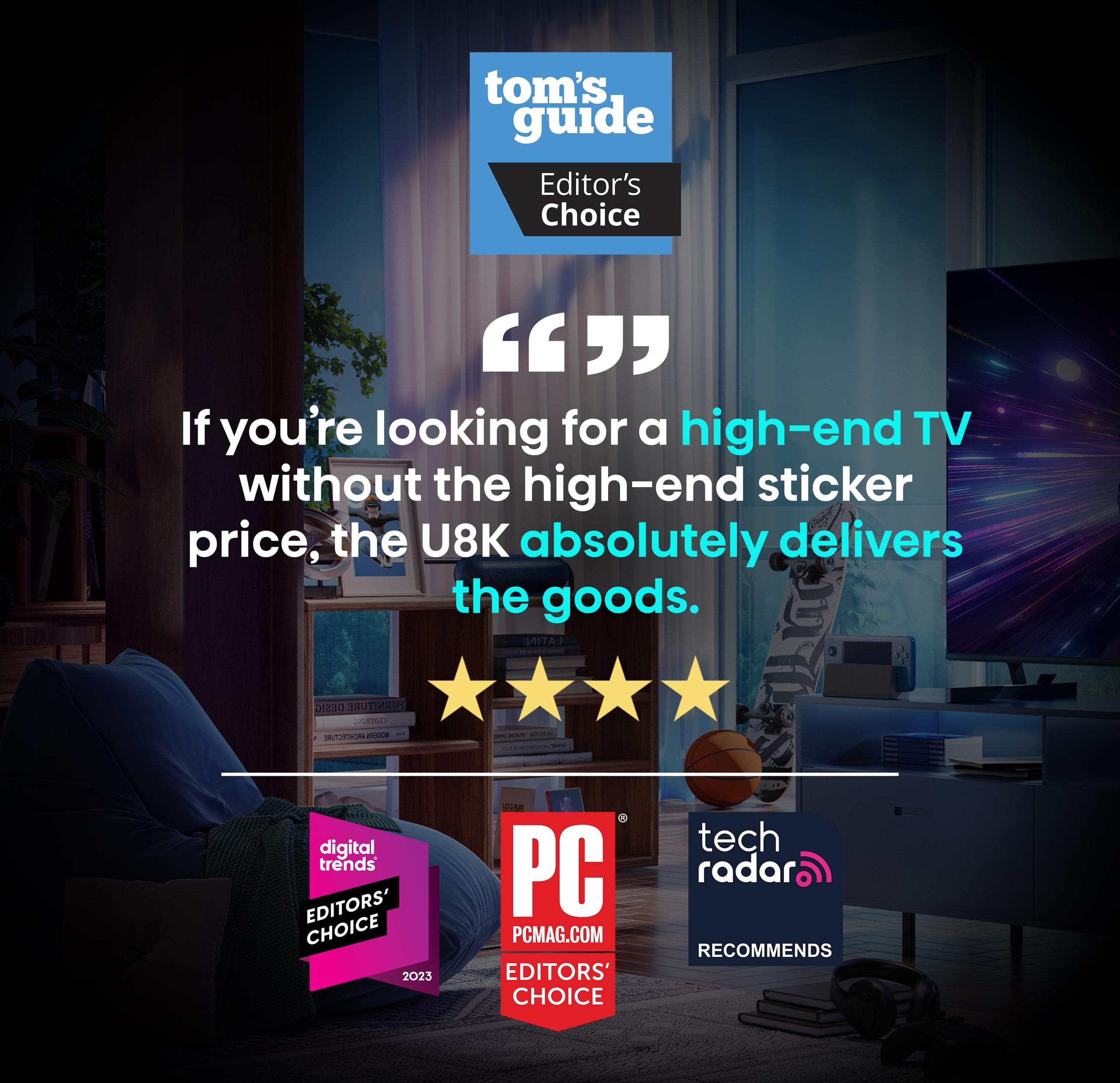
When you're shopping for a 100-inch TV, you're entering territory that was once exclusively dominated by projectors. These massive displays promise theater-scale entertainment in your living room, but they come with significant considerations beyond just size. The two main contenders from Hisense—the U6 Series Mini-LED Fire TV and the U8 Series Mini-LED QLED Google TV—both launched in 2023-2024 as part of Hisense's push into premium large-format displays.
The big question isn't whether these TVs are impressive (they absolutely are), but which one delivers the right balance of performance and value for your specific needs. At the time of writing, there's roughly a $1,000+ price gap between these models, which represents a significant decision point for most buyers.
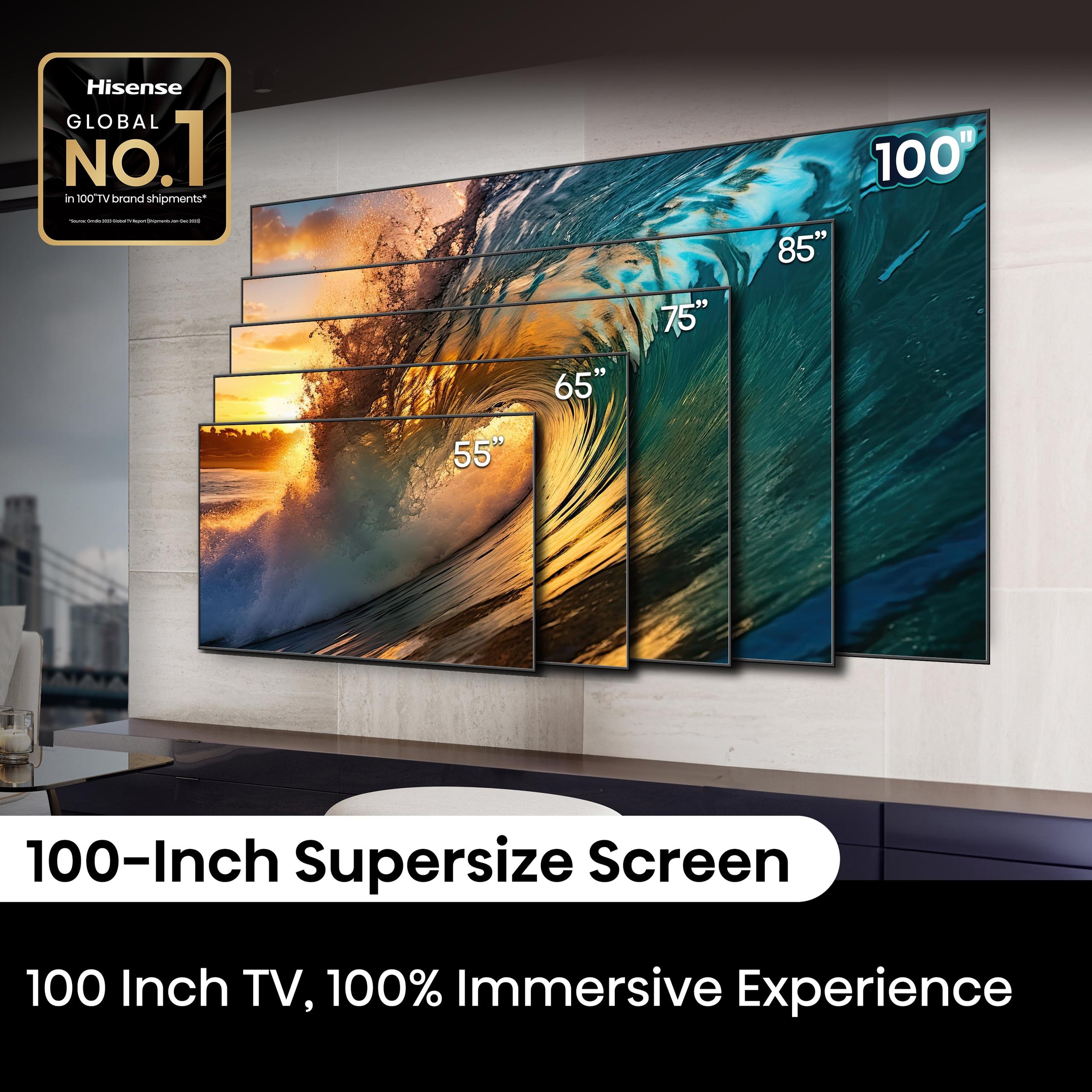
Large format TVs fundamentally change how you experience content at home. Unlike stepping up from a 55-inch to a 65-inch TV, moving to 100 inches creates an entirely different viewing experience that competes directly with dedicated home theater projector setups.
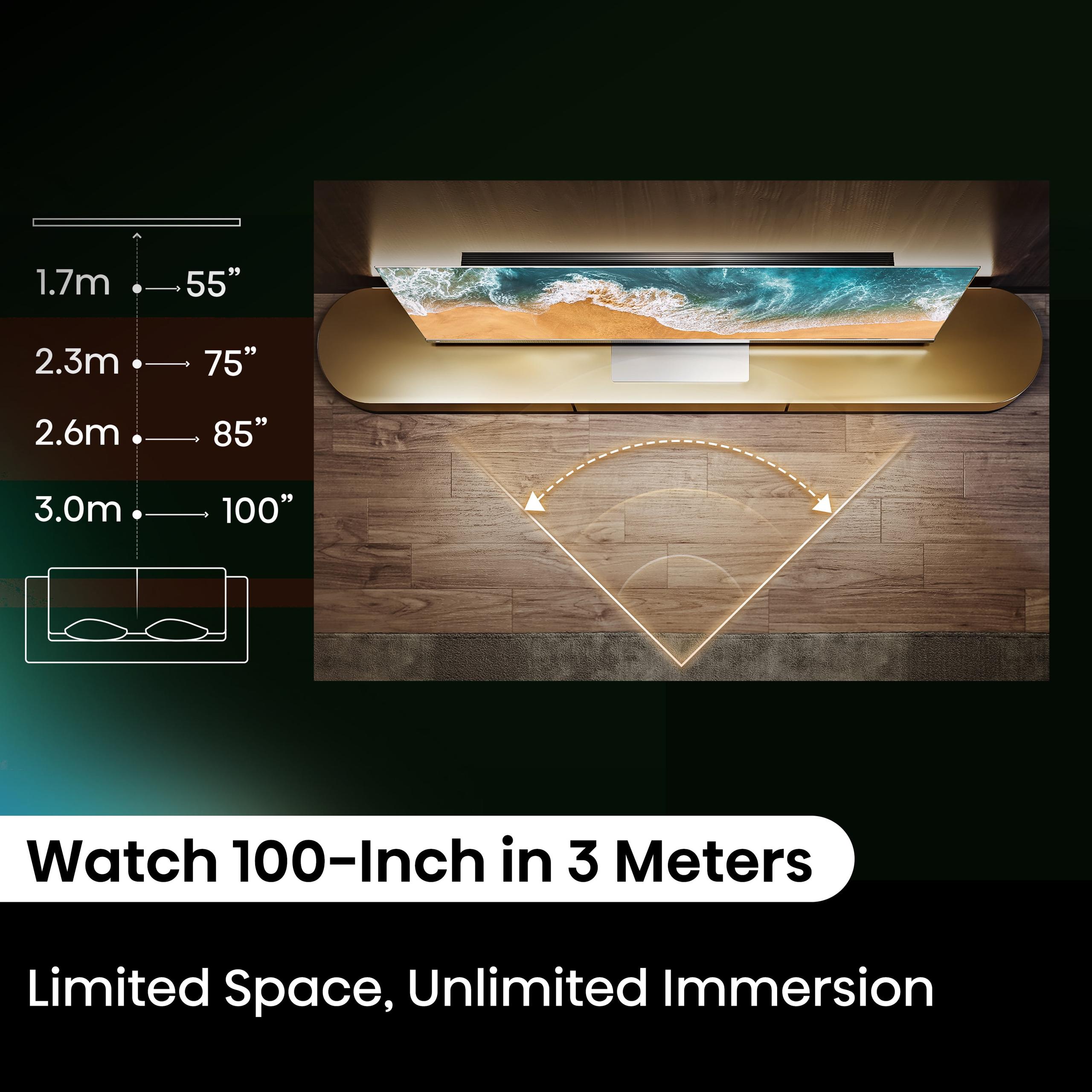
The main advantages over projectors include consistent brightness regardless of room lighting, no bulb replacements, and the convenience of traditional TV functionality. However, these benefits come with challenges: you need substantial viewing distance (ideally 12+ feet), significant wall space, and the budget for what are essentially premium display technologies scaled up to massive sizes.
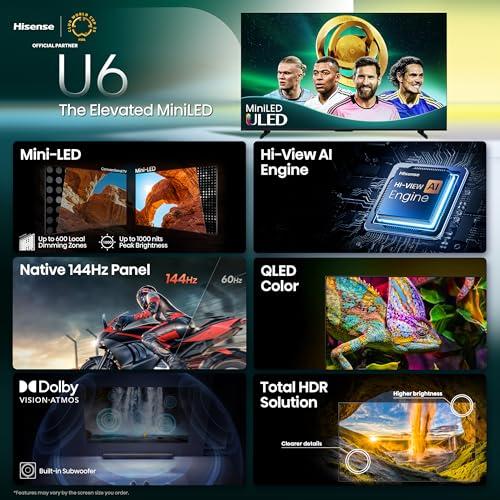
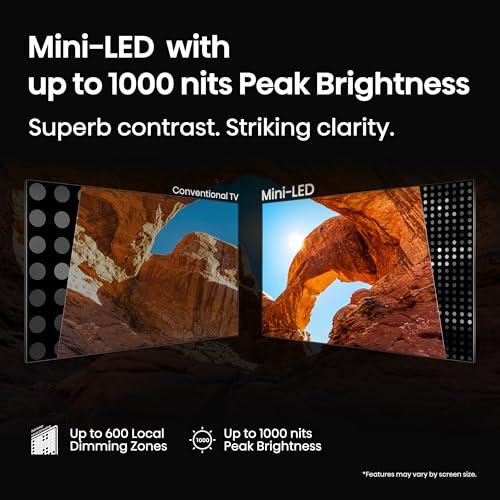
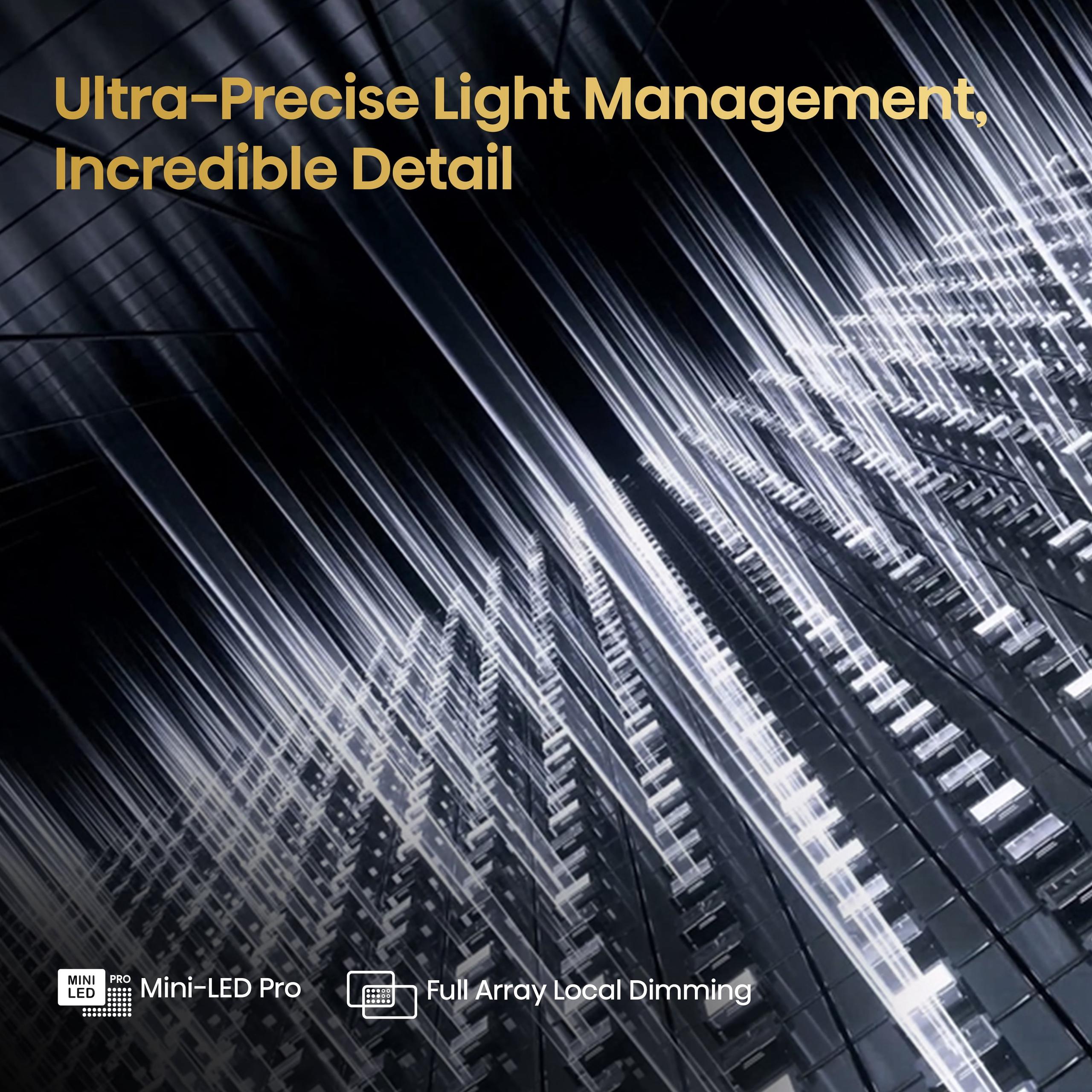
Both the Hisense U6 and U8 use Mini-LED backlighting, which represents a major advancement over traditional LED TVs. Instead of large LEDs around the TV's edges or behind the screen, Mini-LED uses thousands of tiny LEDs that can be controlled in zones. This creates much better contrast—deeper blacks next to bright whites—and reduces the "blooming" effect where bright objects seem to glow against dark backgrounds.
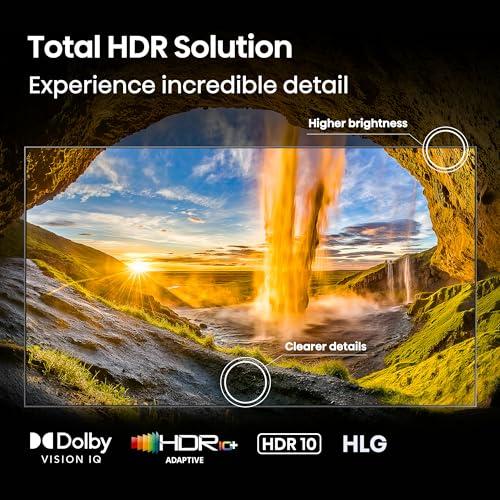
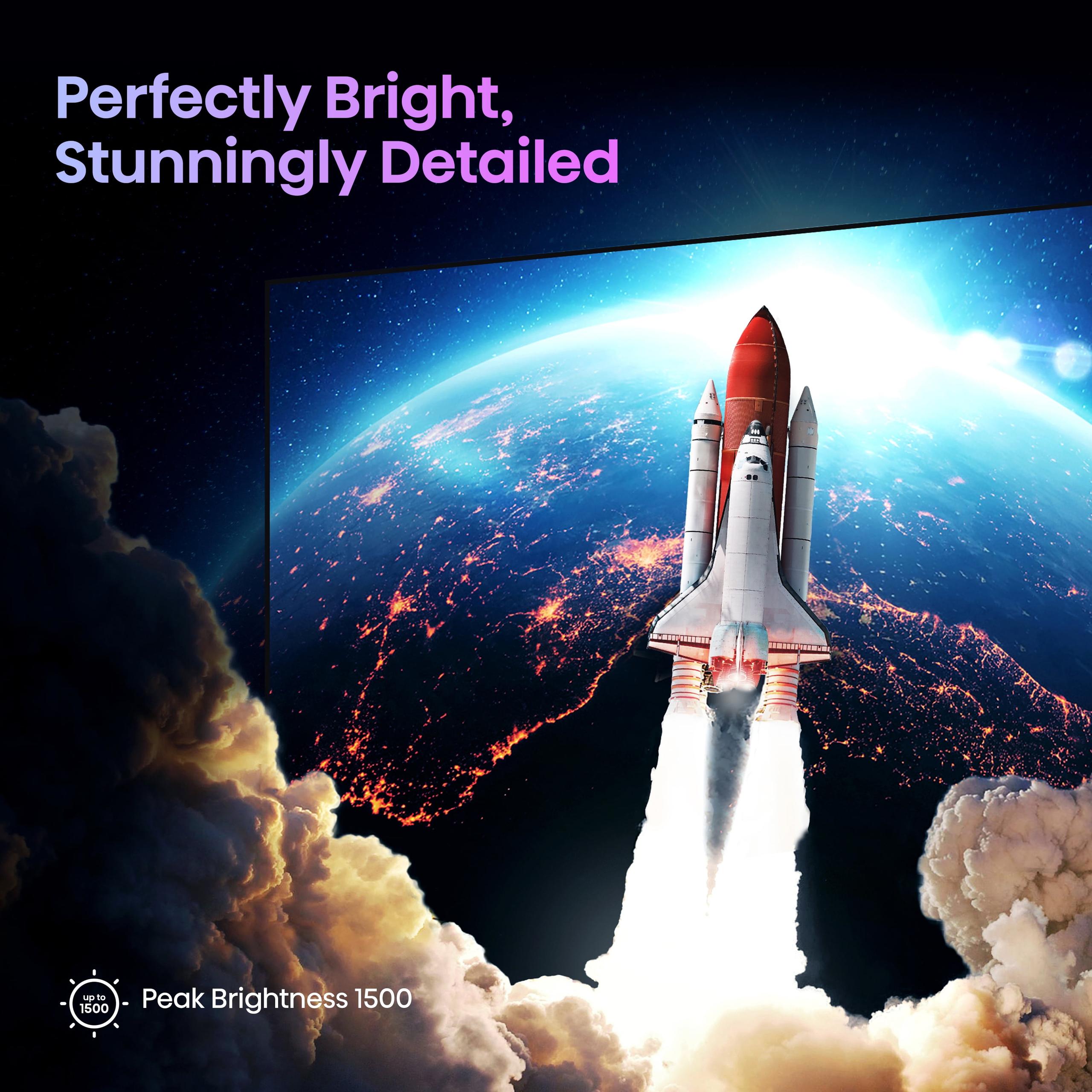
The most significant technical difference between these models is brightness capability. The U8 Series delivers up to 5,000 nits peak brightness, while the U6 reaches 1,000 nits. To put this in perspective, a typical sunny day outdoors measures around 10,000 nits, while most indoor lighting ranges from 100-500 nits.
This isn't just about numbers on a spec sheet. In practical terms, the U8's dramatically higher brightness transforms HDR (High Dynamic Range) content. When you're watching a scene with bright sunlight streaming through a window or an explosion in an action movie, the U8 can reproduce those intense highlights in a way that genuinely feels more realistic. The difference becomes even more pronounced in bright rooms where ambient light would normally wash out darker TVs.
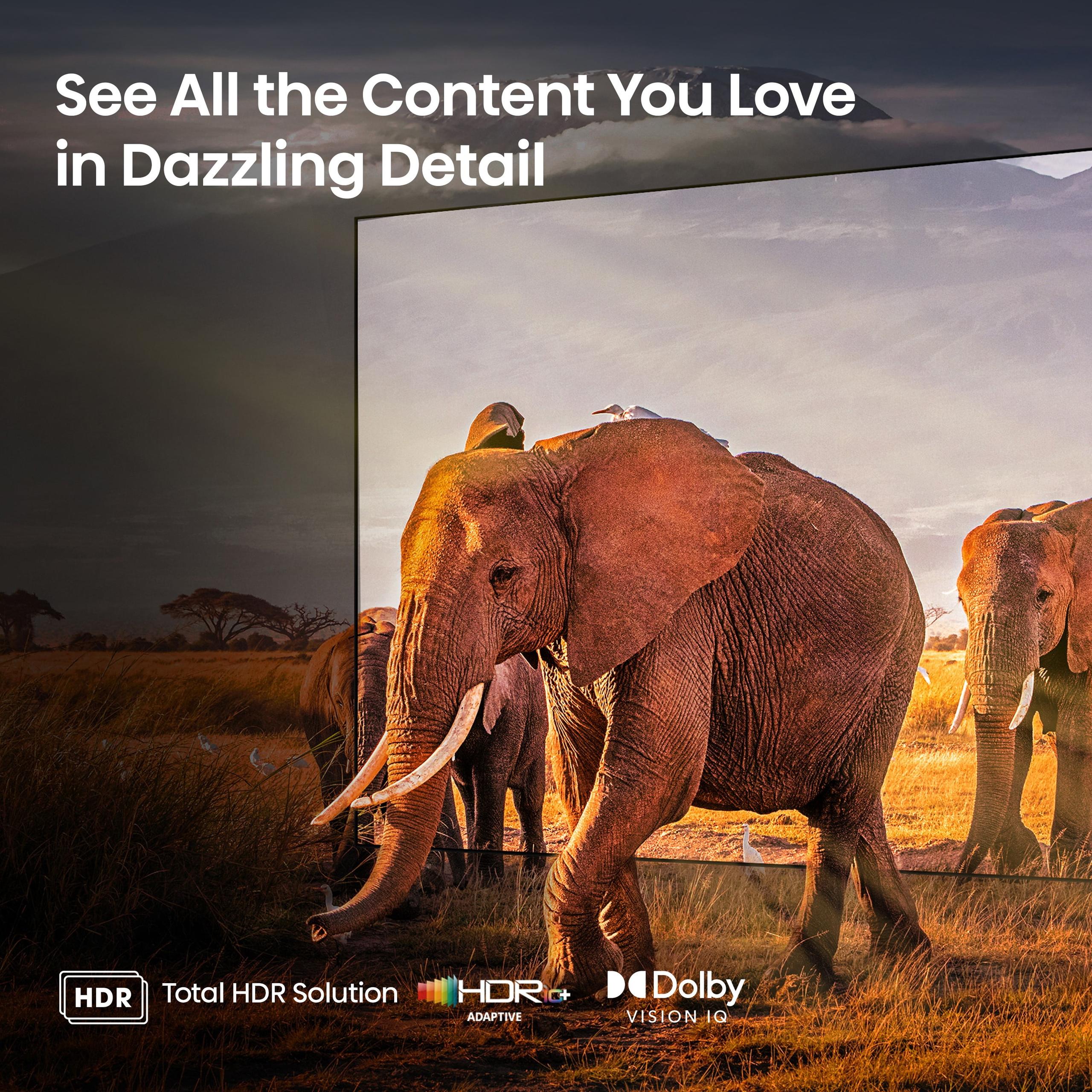
The U6 still delivers excellent HDR performance compared to standard LED TVs, but it won't create that "wow factor" of highlights that seem to jump off the screen. For many viewers, especially those coming from older TVs, the U6's brightness will feel plenty impressive. However, if you're specifically seeking that premium HDR experience that rivals movie theaters, the brightness difference is crucial.
Local dimming zones represent how finely the TV can control different areas of the screen. The U8 Series packs over 5,000 individual dimming zones, while the U6 uses up to 608 zones across all sizes. Think of each zone as a small section of the screen that can brighten or dim independently.
More zones mean better contrast control. When you're watching a scene with a bright moon against a dark sky, more zones allow the TV to make the moon brilliant while keeping the surrounding sky truly black. Fewer zones might cause some gray "blooming" around the bright moon as nearby zones can't dim as precisely.
In our research of user experiences, this difference becomes most apparent in dark room viewing of cinematic content. The U8 consistently receives praise for its deep blacks and minimal blooming, while some U6 users notice more noticeable halos around bright objects in very dark scenes. For mixed lighting or daytime viewing, this difference becomes less critical since ambient light naturally reduces the visibility of blooming.
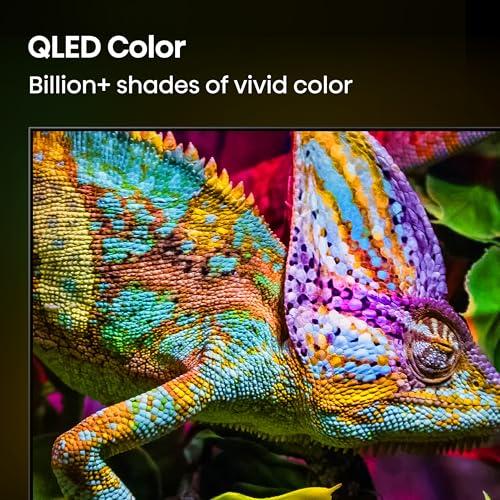
The U8 Series incorporates QLED (Quantum Dot LED) technology, which the U6 lacks. Quantum dots are microscopic particles that emit very specific colors when hit by light. This allows QLED TVs to produce a wider range of colors with better accuracy and saturation.
In practical viewing, QLED's benefits show up most in vibrant content: nature documentaries with lush greens and blue oceans, animated movies with saturated colors, or sports with bright team uniforms. The U8 can display over a billion distinct colors, creating more lifelike and vivid images than the U6's standard color reproduction.
However, this advantage varies significantly with content type. Standard cable TV, older movies, and lower-quality streaming content won't showcase QLED's capabilities as dramatically as premium 4K HDR content from Netflix, Apple TV+, or 4K Blu-rays.
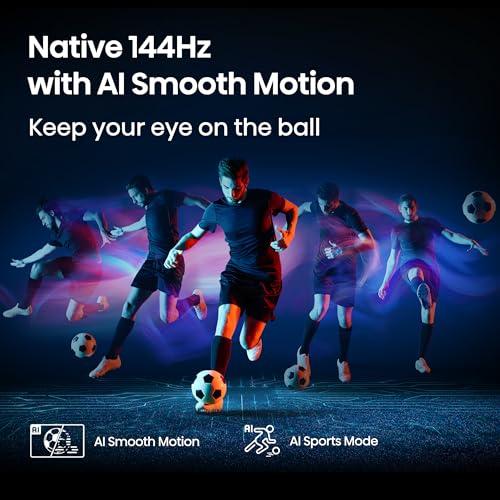
Both TVs cater to modern gaming, but the U8 Series takes a more aggressive approach. With its 165Hz native refresh rate, it can display 4K content at up to 165 frames per second and 1080p content at an impressive 288 fps. The U6 offers a still-excellent 144Hz refresh rate with 4K support up to 144 fps.
For context, most current-generation consoles (PlayStation 5, Xbox Series X) typically target 60-120 fps, while high-end PC gaming can push higher frame rates depending on settings. The practical difference between 144Hz and 165Hz is minimal for console gaming, but PC gamers with powerful graphics cards might appreciate the U8's additional headroom.
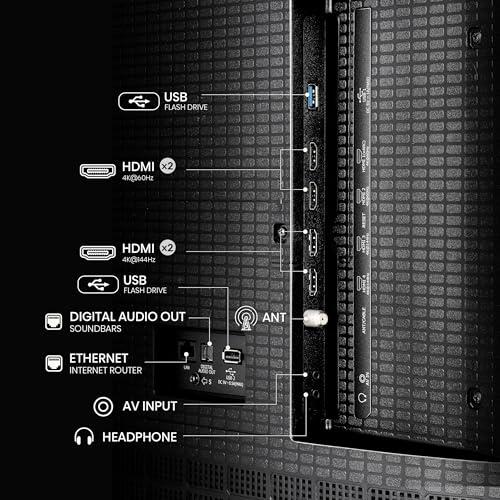
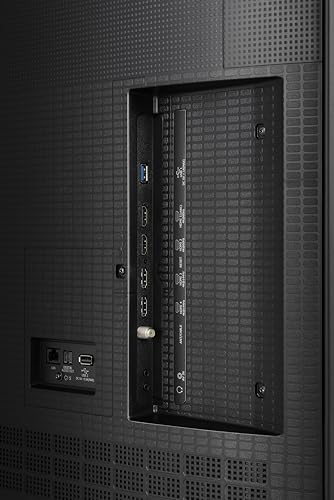
More importantly, the U8 includes three HDMI 2.1 ports compared to the U6's two HDMI 2.1 ports. HDMI 2.1 provides the bandwidth necessary for high refresh rate 4K gaming, so more ports mean better flexibility for multiple gaming devices, soundbars, and other high-bandwidth equipment.
Both TVs support Variable Refresh Rate (VRR), which synchronizes the display's refresh rate with the game's frame rate to eliminate screen tearing and stuttering. This technology, combined with Auto Low Latency Mode (ALLM), ensures responsive gaming performance.
Based on user feedback and expert reviews, both models deliver excellent gaming experiences with minimal input lag. The differences in gaming performance are more about connectivity options and future-proofing than fundamental responsiveness issues.
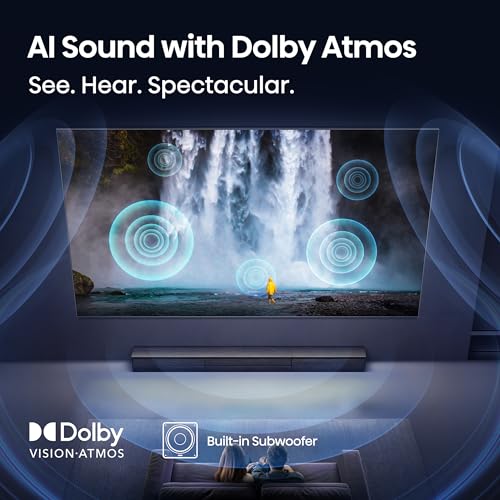
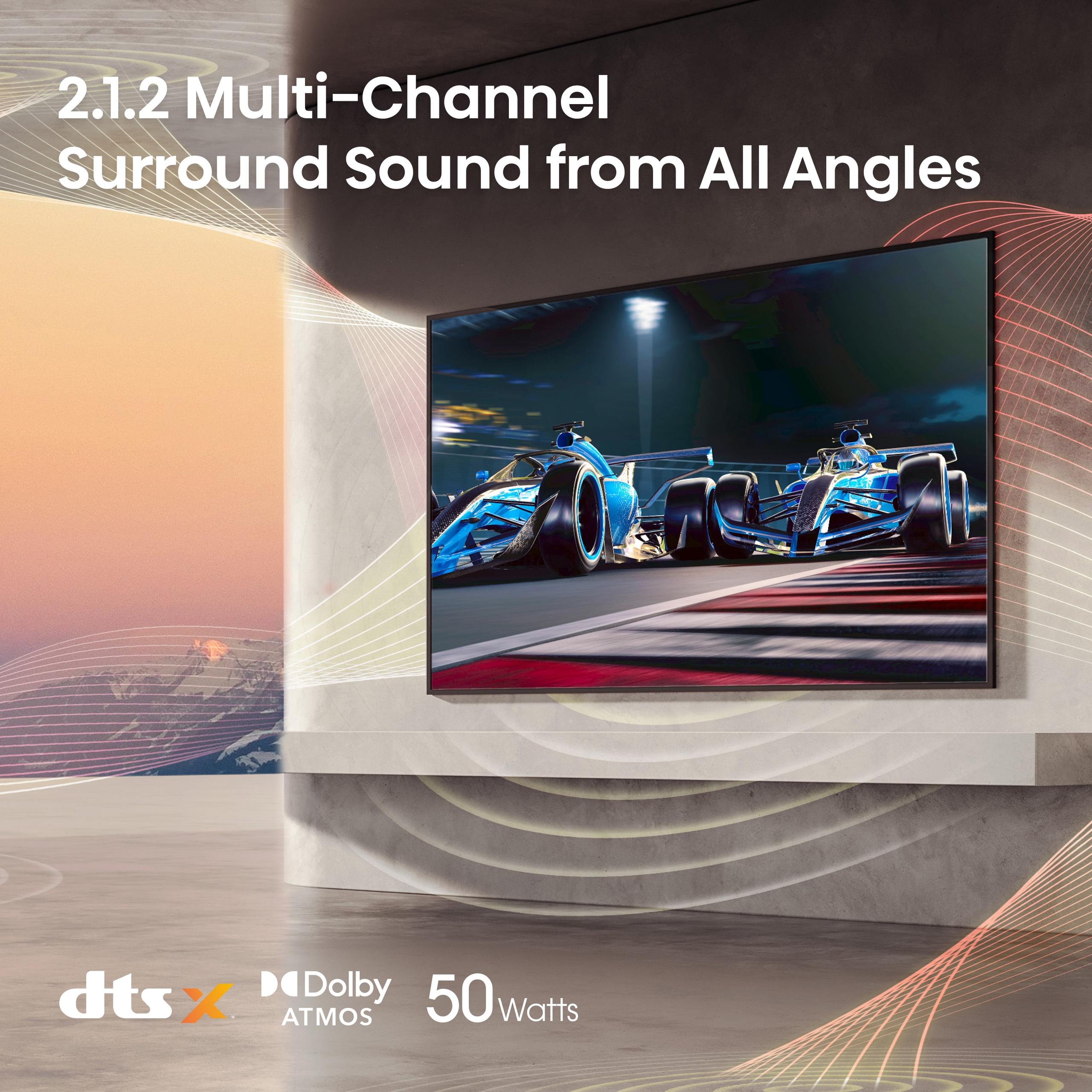
The audio capabilities represent another significant differentiator. The U8 Series features an 82-watt 4.1.2 multi-channel audio system with upward-firing speakers, subwoofer, and full Dolby Atmos spatial audio. This creates genuine surround sound with audio that appears to come from above and around you.
The U6 Series includes Dolby Atmos support but without the advanced speaker configuration. While it delivers clear dialogue and decent overall sound quality for a TV, it lacks the immersive audio experience of the U8's premium system.
For many buyers, this difference could influence whether you need to budget for a separate soundbar or speaker system. The U8's audio quality might eliminate that need, especially in smaller to medium-sized rooms. However, in larger spaces or dedicated home theaters, even the U8's impressive built-in audio might benefit from external amplification.
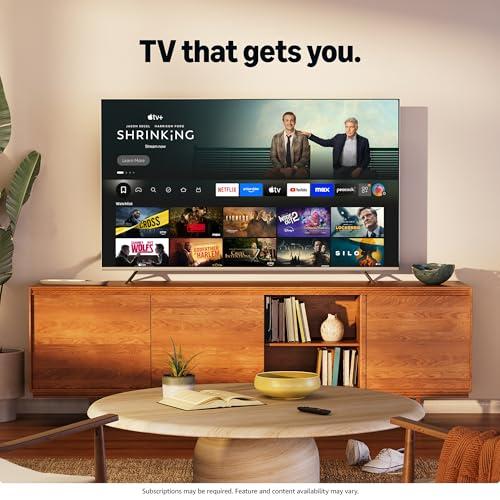
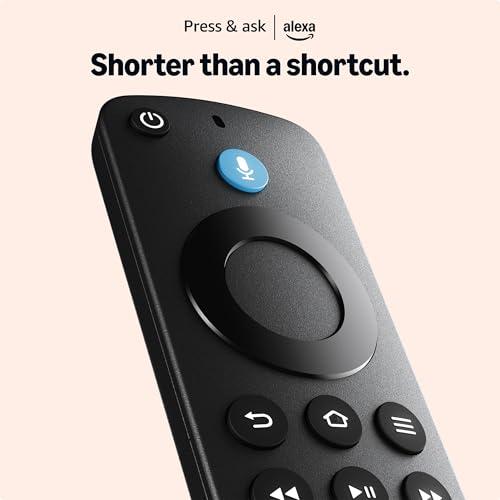
The choice between Fire TV (U6) and Google TV (U8) often comes down to existing ecosystem preferences. Fire TV integrates seamlessly with Amazon services, Alexa voice control, and tends to prominently feature Amazon Prime Video content. Google TV offers excellent integration with Google services, Chromecast functionality, and personalized recommendations across multiple streaming platforms.
Both platforms provide comprehensive app support for major streaming services, but the interface philosophy differs. Fire TV emphasizes content discovery and Amazon's ecosystem, while Google TV focuses on aggregating content from multiple sources with AI-driven recommendations.
The U8 Series also includes Wi-Fi 6E support, which provides faster wireless speeds and better performance in congested network environments. This becomes particularly relevant for cloud gaming services or streaming high-bitrate 4K content.
At 100 inches, both TVs require careful room planning. The optimal viewing distance ranges from 12-16 feet, and both models benefit from controlled lighting to minimize reflections. The U8's Anti-Glare Low Reflection Pro panel handles ambient light better, but neither TV performs optimally with direct sunlight hitting the screen.
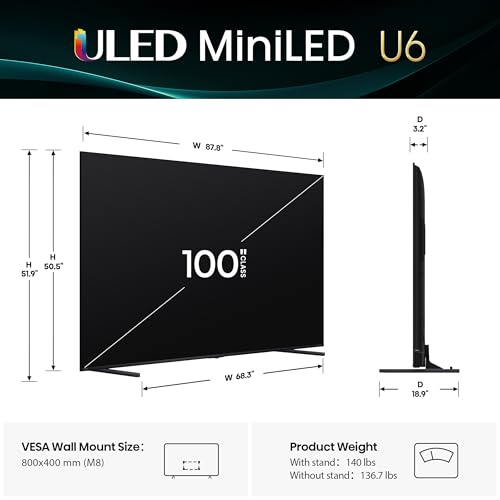
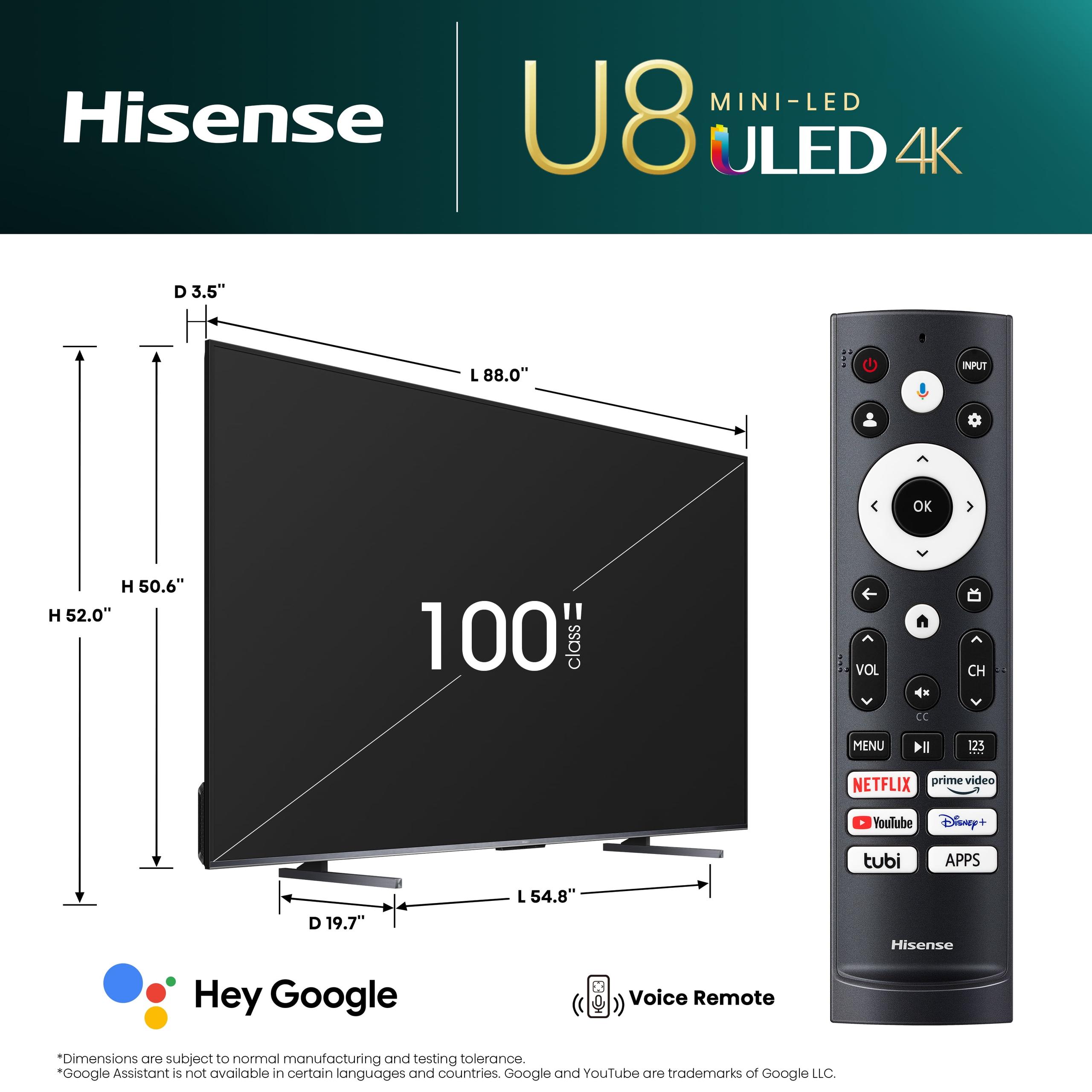
Weight and mounting present practical challenges. Both TVs weigh around 140 pounds with their stands, requiring robust wall mounts or very sturdy entertainment centers. Professional installation is strongly recommended, not just for safety but to ensure optimal positioning and cable management.
At the time of writing, the price gap between these models represents a crucial decision point. The U6 Series delivers core Mini-LED benefits at a more accessible price point, making large-format premium TV ownership attainable for more buyers. It provides excellent picture quality, solid gaming performance, and the convenience of Fire TV integration.
The U8 Series justifies its premium through substantial performance improvements: dramatically brighter HDR, more precise contrast control, wider color gamut, premium audio, and better future-proofing. These aren't incremental improvements—they're meaningful differences that transform the viewing experience.
You're prioritizing value while still wanting premium features. The U6 makes sense for buyers coming from smaller TVs or seeking their first large-format display without flagship costs. It's ideal for mixed-use scenarios where you watch a variety of content types in different lighting conditions. The Fire TV platform particularly appeals to Amazon ecosystem users, and the gaming performance satisfies most console and PC gaming needs.
The U6 also works well when you're planning to add external audio equipment anyway, since its built-in speakers, while decent, aren't its strongest feature.
Picture quality represents your primary concern, and you want the most impressive visual experience possible. The U8 targets home theater enthusiasts who demand reference-quality performance and are willing to pay for substantial improvements over entry-premium options.
It's particularly compelling for bright room viewing, where the extreme brightness overcomes ambient light that would compromise lesser displays. The premium audio system appeals to buyers seeking an all-in-one solution without external speakers, while the advanced gaming features satisfy serious gaming enthusiasts.
The U8 also provides better future-proofing through superior connectivity, higher brightness capabilities, and more advanced display technology that will remain competitive longer.
Both the Hisense U6 and U8 Series represent excellent entries into large-format TV ownership, but they serve different priorities. The U6 democratizes Mini-LED technology and 100-inch viewing, delivering impressive performance at a more accessible price point. The U8 pushes toward reference-quality performance with meaningful improvements across all key areas.
Consider your room conditions, content preferences, and budget priorities. If you're primarily seeking the impact of 100-inch viewing with solid performance, the U6 delivers exceptional value. If you want the most impressive picture quality possible and can justify the premium, the U8 provides a no-compromise flagship experience.
Remember that both TVs require significant room planning and potentially professional installation. Factor these additional costs into your decision, along with whether you'll need external audio equipment. The choice between these excellent large-format displays ultimately depends on whether you prioritize accessibility (U6) or peak performance (U8) in your home theater investment.
| Hisense 100" U6 Series Mini-LED 4K Fire TV | Hisense 100" Class U8 Series 4K Mini-LED QLED Google TV |
|---|---|
| Peak Brightness - Critical for HDR impact and bright room viewing | |
| 1,000 nits (excellent for most content, good HDR) | 5,000 nits (reference-quality HDR, exceptional bright room performance) |
| Local Dimming Zones - Controls contrast precision and blooming | |
| Up to 608 zones (good contrast, minimal blooming in most content) | Over 5,000 zones (exceptional contrast control, virtually no blooming) |
| Display Technology - Affects color accuracy and vibrancy | |
| Mini-LED with standard ULED processing | Mini-LED with QLED Quantum Dot (over 1 billion colors) |
| Gaming Refresh Rate - Determines smoothness for high-frame gaming | |
| 144Hz native (excellent for console and PC gaming) | 165Hz native (future-proofed for high-end PC gaming) |
| HDMI 2.1 Ports - Essential for 4K high-refresh gaming | |
| 2 HDMI 2.1 ports (sufficient for most setups) | 3 HDMI 2.1 ports (better for multi-device gaming setups) |
| Smart Platform - Determines app ecosystem and interface | |
| Fire TV with Alexa (Amazon ecosystem integration) | Google TV with Google Assistant (broader content aggregation) |
| Audio System - May eliminate need for external speakers | |
| Standard speakers with Dolby Atmos support | 82W 4.1.2 multi-channel system with upward-firing speakers |
| Wireless Connectivity - Affects streaming and cloud gaming performance | |
| Standard Wi-Fi (reliable for 4K streaming) | Wi-Fi 6E (faster speeds, better for cloud gaming and congested networks) |
| Anti-Reflection Technology - Reduces glare in bright rooms | |
| Standard anti-reflection coating | Anti-Glare Low Reflection Pro panel |
| Target Market - Who should consider each model | |
| Entry-premium buyers seeking large-format value | Home theater enthusiasts demanding flagship performance |
The primary difference is brightness and picture quality. The Hisense U8 Series delivers 5,000 nits peak brightness compared to the U6 Series' 1,000 nits, making HDR content much more impactful. The U8 also features QLED quantum dot technology for wider color gamut and over 5,000 local dimming zones versus the U6's 608 zones for better contrast control.
The Hisense U8 Series performs significantly better in bright rooms due to its 5,000 nits peak brightness and Anti-Glare Low Reflection Pro panel. The U6 Series can struggle with ambient light washing out the picture, while the U8 maintains vibrant colors and deep contrast even with windows or overhead lighting.
This depends on your ecosystem preference. The U6 Series uses Fire TV, which integrates well with Amazon services and Alexa smart home devices. The U8 Series runs Google TV, offering better content aggregation across streaming services and Google Assistant integration. Both platforms support all major streaming apps.
The Hisense U6 Series offers exceptional value as an entry point into 100-inch Mini-LED technology with solid performance across all areas. The U8 Series justifies its higher cost through dramatically superior brightness, contrast, color accuracy, and audio quality for those prioritizing peak performance.
For dedicated home theaters, the Hisense U8 Series is superior due to its reference-quality 5,000 nits brightness, precise local dimming with 5,000+ zones, and premium 4.1.2 audio system. However, the U6 Series still delivers an excellent cinematic experience at a more accessible price point.
Both support all major HDR formats including Dolby Vision, but the U8 Series provides a dramatically better HDR experience. Its 5,000 nits brightness creates highlights that truly pop off the screen, while the U6 Series delivers good HDR performance that's still impressive compared to standard LED TVs.
The Hisense U8 Series offers premium build quality with QLED quantum dot technology, Wi-Fi 6E connectivity, advanced anti-reflection coating, and superior local dimming. The U6 Series maintains solid build quality with essential premium features but lacks some of the flagship technologies found in the U8.
Both TVs excel at sports content. The U6 Series provides smooth motion with its 144Hz refresh rate and good brightness for daytime viewing. The U8 Series is exceptional for sports with its ultra-bright 5,000 nits display that maintains vivid colors even in bright rooms, plus superior motion handling at 165Hz.
The Hisense U8 Series offers better future-proofing with Wi-Fi 6E, three HDMI 2.1 ports, higher brightness capabilities, and more advanced display technology. While the U6 Series will remain capable for years, the U8's superior specifications provide longer-term relevance as content and gaming standards continue to evolve.
We've done our best to create useful and informative comparisons to help you decide what product to buy. Our research uses advanced automated methods to create this comparison and perfection is not possible - please contact us for corrections or questions. These are the sites we've researched in the creation of this article: bestbuy.com - rtings.com - youtube.com - rtings.com - youtube.com - youtube.com - costco.com - pcrichard.com - hisense-usa.com - electronicexpress.com - pcrichard.com - circuitworldonline.com - bestbuy.com - bestbuy.com - premiumincentive.com - hisense-usa.com - hisense-usa.com - pcrichard.com - rtings.com - bestbuy.com - hisense-usa.com - avsforum.com - bestbuy.com - valueelectronics.com - pcrichard.com - youtube.com - cnet.com - bargainoutletandmore.com - bestbuy.com - files.hisense-usa.com - fouanistore.com - bestbuy.com - salesindia.com

Privacy Policy
Terms and Conditions - Affiliate Policy
Home Security
© Copyright 2008-2026.
11816 Inwood Rd #1211, Dallas, TX 75244