

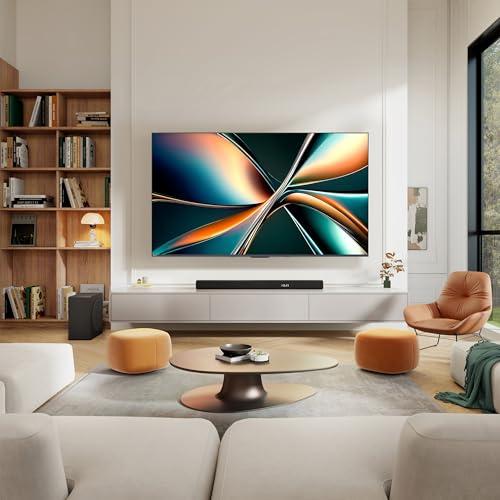
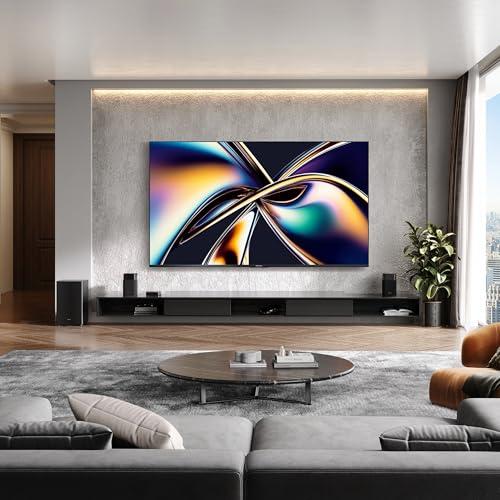
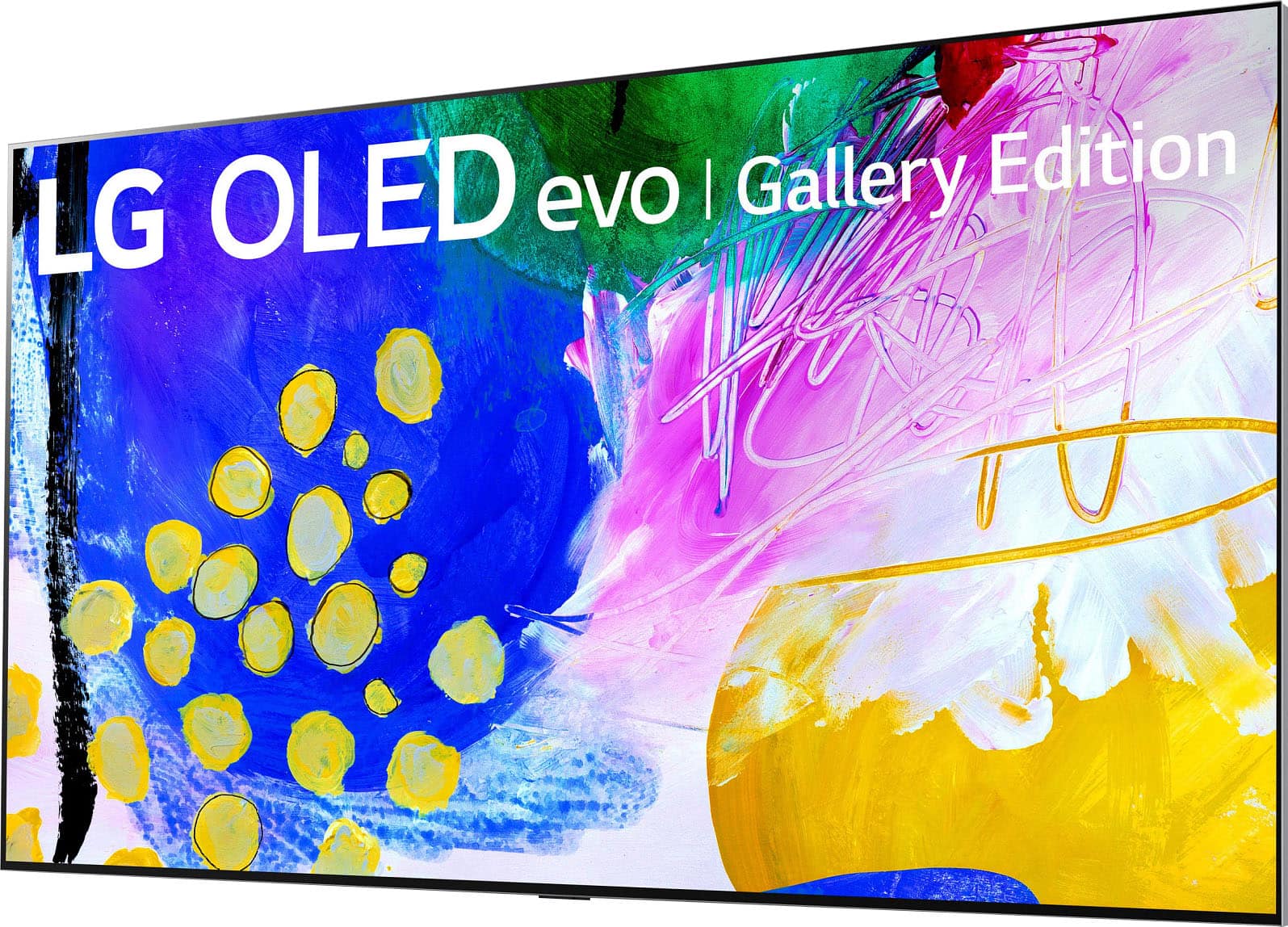
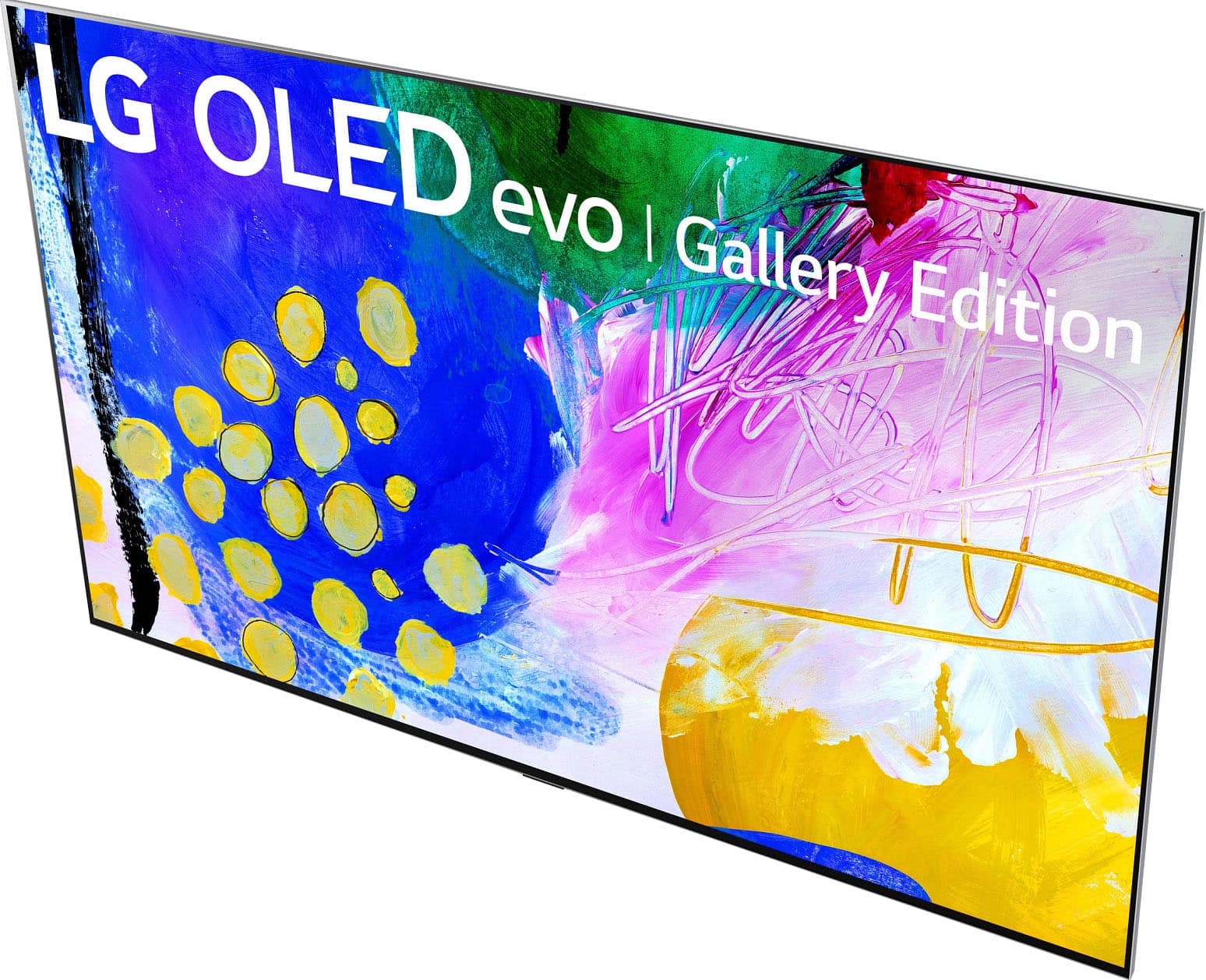
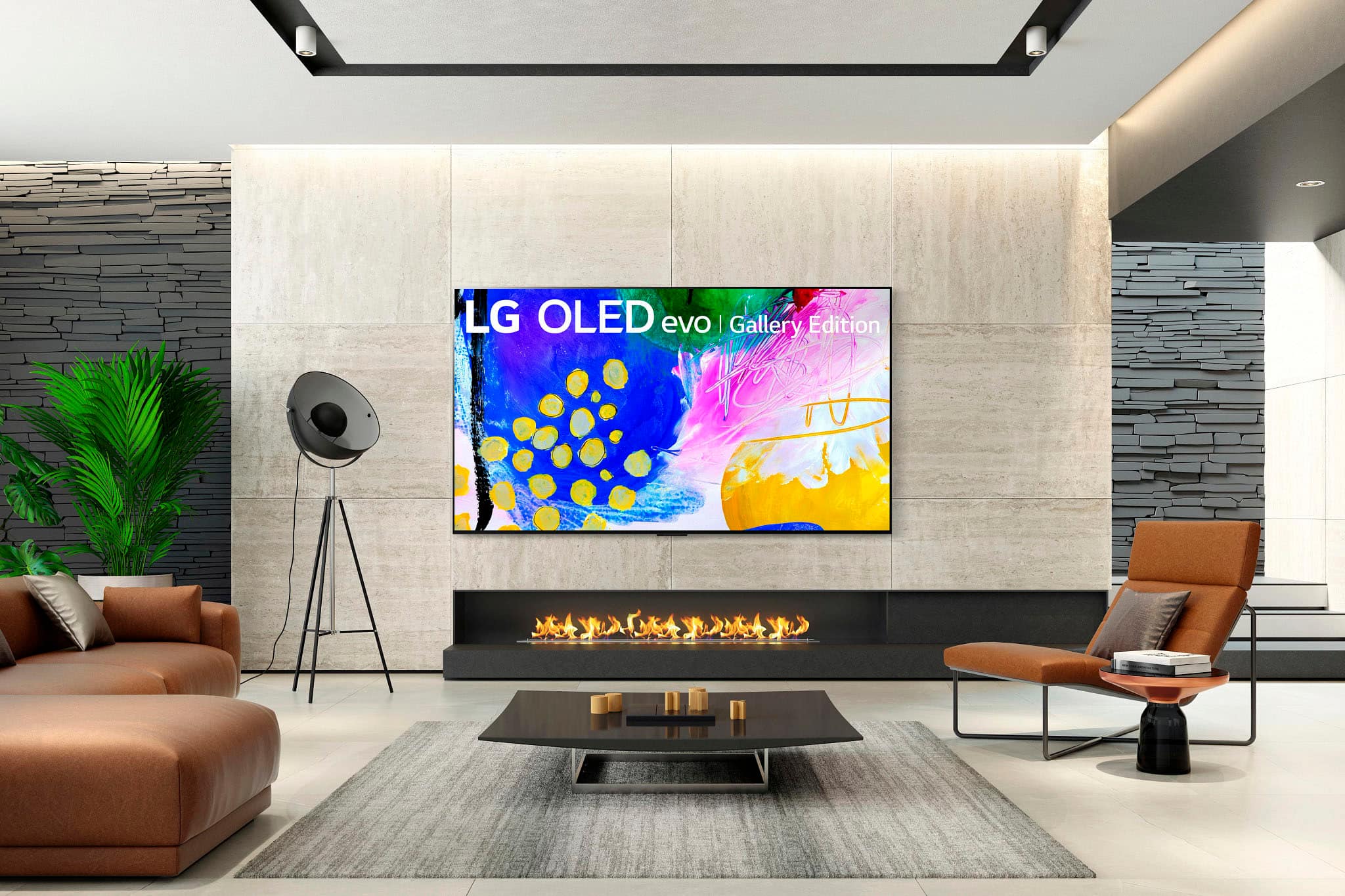
When you're shopping for a TV that can transform your living room into a genuine home theater, you're looking at a completely different league of display technology. We're talking about screens that measure nearly 100 inches diagonally – displays so large they can make your old 65-inch TV look like a computer monitor by comparison. Today, we're diving deep into two flagship models that represent the cutting edge of large-format display technology: the Hisense 100" U6 Series Mini-LED 4K Fire TV and the LG 97" G2 Series OLED evo 4K UHD Smart TV.
Large-format premium TVs occupy a unique space in the market. These aren't just bigger versions of regular TVs – they're engineered specifically to maintain picture quality and performance across massive screens that would expose every flaw in lesser displays. At the time of writing, you're looking at displays that start around $2,000 for entry-level options and can climb well into five-figure territory for flagship models.
The fundamental challenge with any display this size is maintaining uniform brightness, color accuracy, and contrast across such an enormous panel. Traditional LED TVs often struggle with "dirty screen effect" – those annoying patches of uneven brightness that become glaringly obvious on large screens. This is where advanced technologies like Mini-LED backlighting and OLED panels come into play.
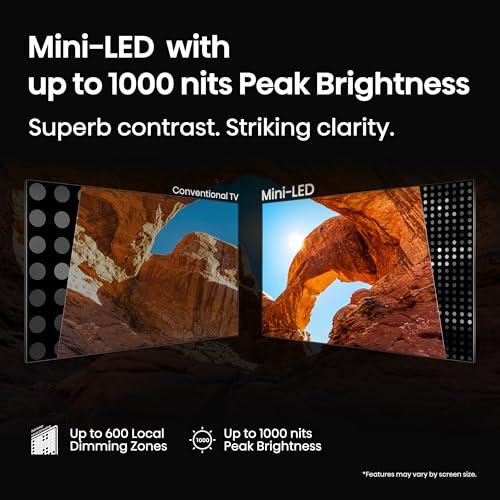
Mini-LED technology uses thousands of tiny LEDs as the backlight source, allowing for precise local dimming – essentially turning off or dimming specific zones of the backlight to create deeper blacks and higher contrast. OLED technology takes a completely different approach, with each pixel producing its own light and able to turn completely off for perfect blacks.
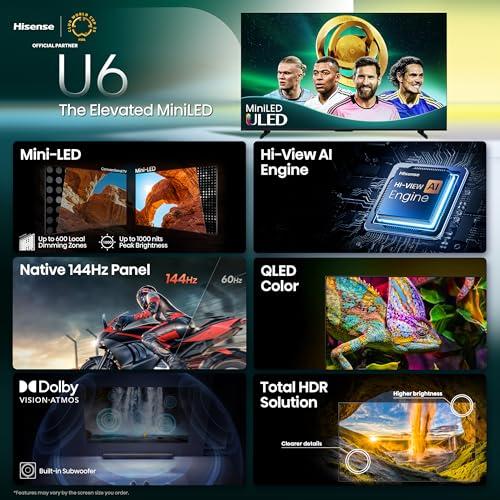
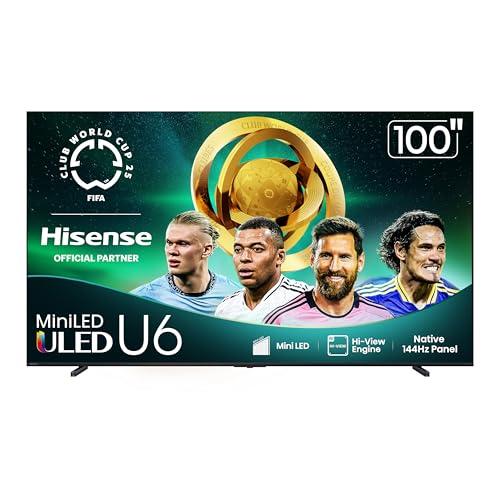
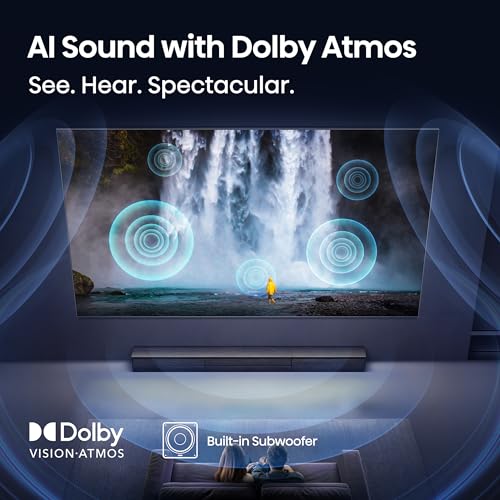
The Hisense 100" U6 Series represents Hisense's 2025 push into premium large-format displays. At 100 inches, this is as big as TVs get for most consumers. Hisense has equipped this model with Mini-LED backlighting paired with QLED (Quantum Dot) technology – a combination designed to deliver bright, vibrant images that can compete with the best displays on the market.
What makes this particularly impressive is the price point. At the time of writing, Hisense is positioning this as a value-oriented premium TV, offering flagship features at roughly half the cost of comparable premium brands. The company has clearly learned from years of competing in the budget TV space and is now applying that cost-efficiency expertise to high-end technology.
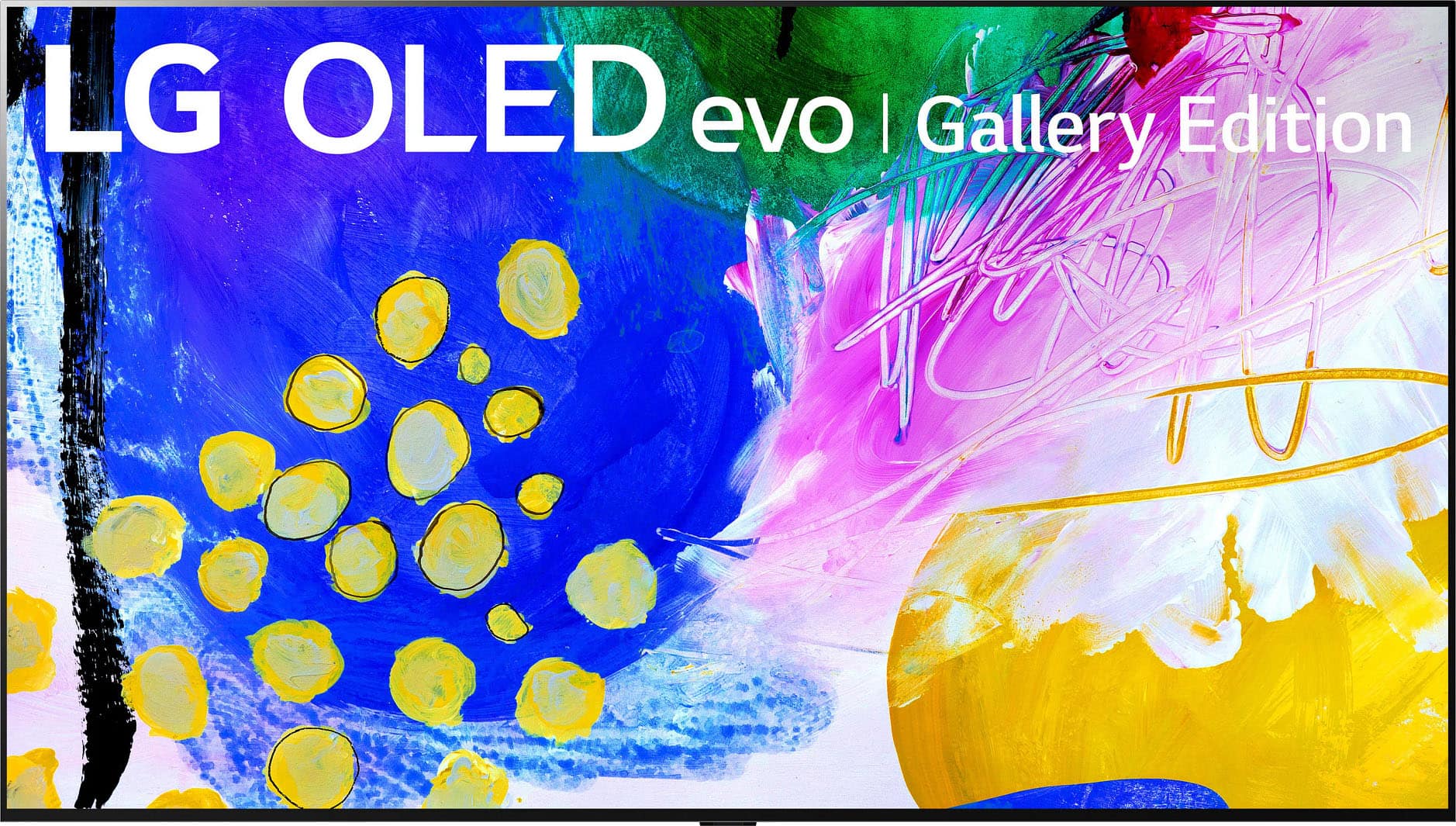
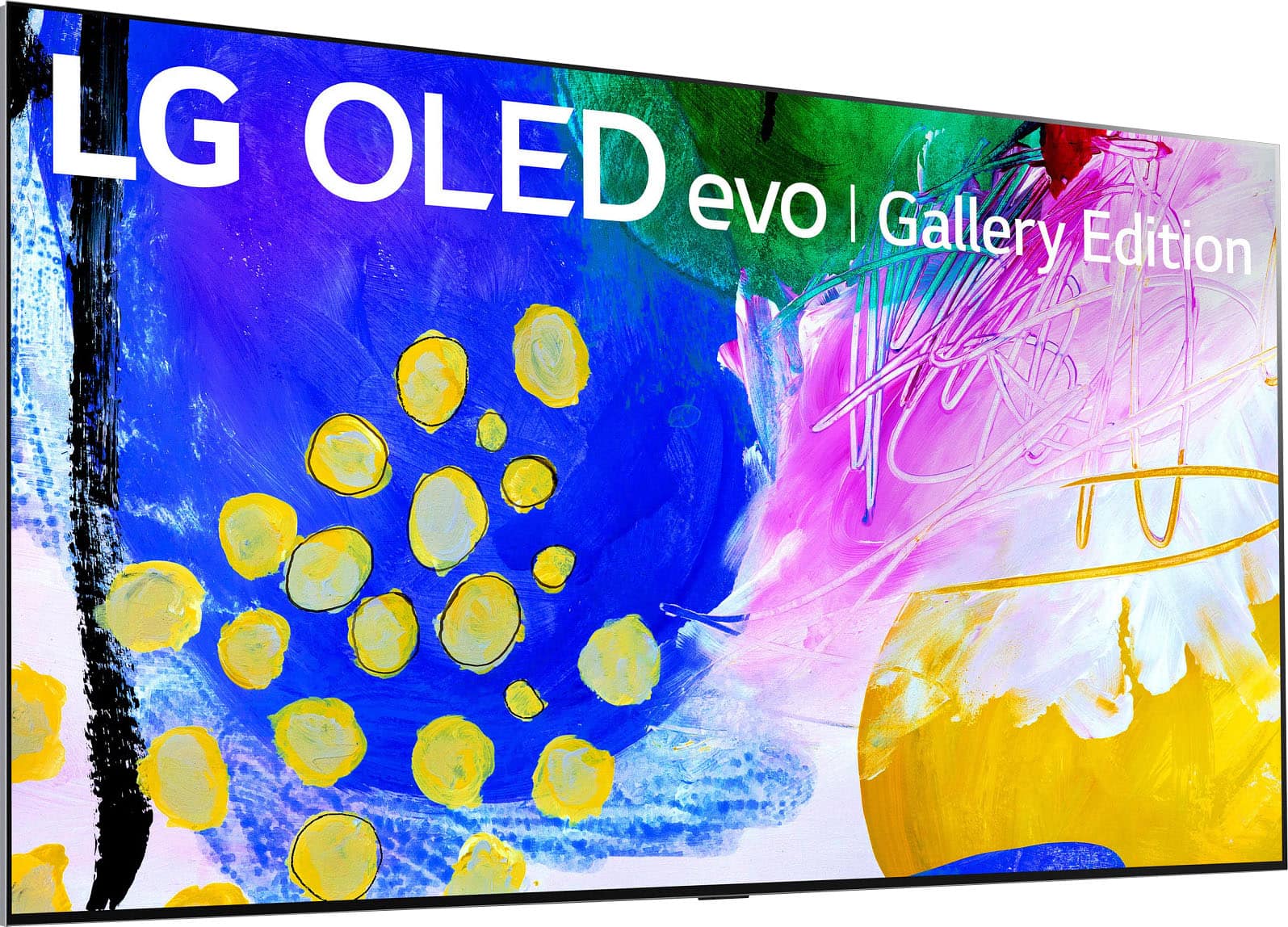
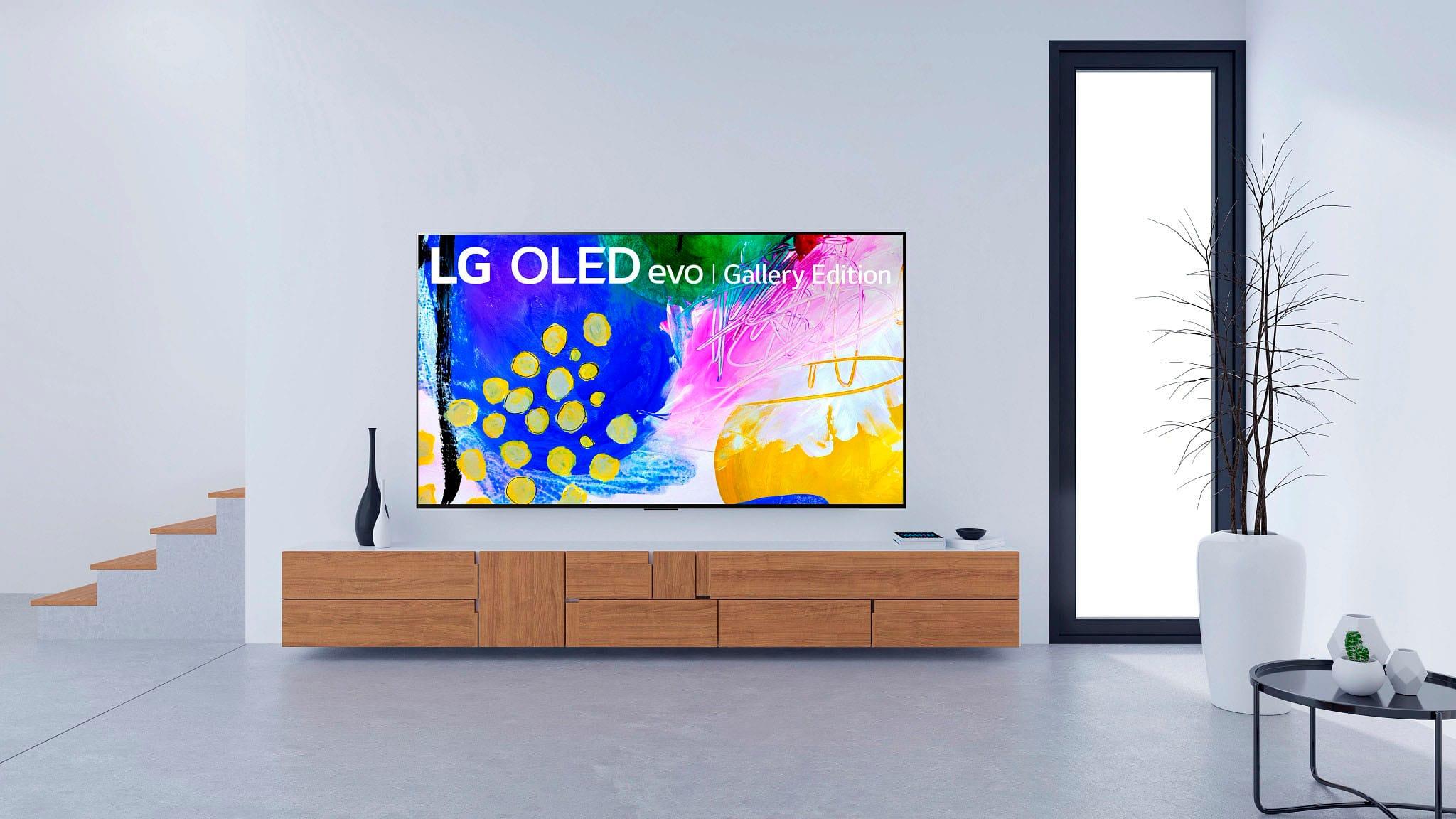
The LG 97" G2 Series OLED launched in 2022 as LG's flagship large-format display, and it remains one of the most technically impressive TVs ever made. At 97 inches, it was the largest OLED TV available when it launched, representing a significant engineering achievement. OLED manufacturing becomes exponentially more difficult and expensive as screen sizes increase, which explains the premium pricing.
LG's OLED evo technology, introduced with this generation, represents a meaningful improvement over earlier OLED panels. The company redesigned the OLED compounds to emit more light while maintaining the perfect blacks that make OLED technology so compelling for home theater applications.
This is where the fundamental difference between these technologies becomes most apparent. The LG G2 OLED delivers what's called "infinite contrast ratio" – when a pixel needs to be black, it simply turns off completely. There's no backlight bleeding through, no gray "blacks" that look washed out. In a darkened home theater, this creates an almost three-dimensional image quality that's particularly stunning with space scenes, dark movies, or any content with stark light-to-dark transitions.
The Hisense U6 Series, despite its advanced Mini-LED backlighting with local dimming zones, can't quite match this absolute black level. However, what it gives up in pure contrast, it makes up for in overall brightness. Mini-LED technology allows for much brighter peak highlights, which becomes crucial when watching HDR (High Dynamic Range) content in rooms with ambient light.
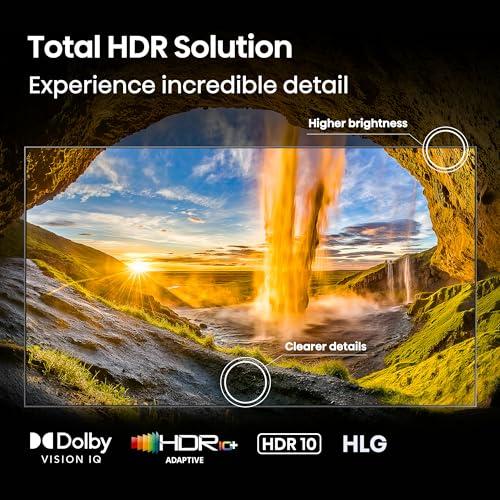
HDR content is designed to take advantage of displays that can show both very bright highlights and very dark shadows simultaneously. Think of a sunset scene where the sun itself is blindingly bright while shadows remain detailed and dark. The Hisense U6 can reach up to 1,000 nits of peak brightness – that's bright enough to make HDR content really pop, even in a room with some ambient lighting.
The LG G2 OLED, while significantly dimmer in terms of peak brightness, excels at HDR tone mapping – the process of translating the wide range of brightness in HDR content to what your display can actually show. OLED's ability to show perfect blacks means that the contrast between dark and bright elements feels more natural, even if the bright elements aren't as intense.
In practical terms, if you're planning to use your TV primarily in a dedicated home theater with controlled lighting, the OLED's approach often looks more natural and immersive. But if your TV will live in a bright living room with windows, the Hisense's superior brightness becomes a significant advantage.
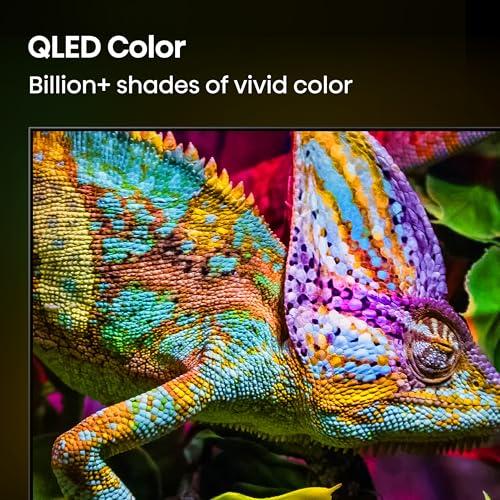
Both TVs use advanced color technologies, but they take different approaches. The Hisense U6 employs Quantum Dot technology, which uses nanocrystals to produce very pure, saturated colors. This can create incredibly vibrant images that really make colors pop – particularly beneficial for animated content, sports, and nature documentaries.
The LG G2 OLED focuses more on color accuracy than pure saturation. OLED pixels can produce colors that are both accurate and nuanced, with subtle gradations that create more natural-looking skin tones and realistic color transitions. This is partly why OLED displays are often preferred by content creators and home theater enthusiasts who prioritize accuracy over "wow factor."
Gaming has become a crucial consideration for large-format TVs, especially as next-generation consoles and high-end PCs can now output games at very high frame rates. This is where some interesting technical differences emerge between our two contenders.
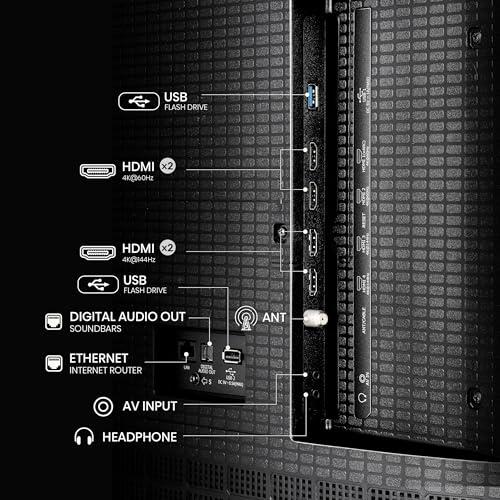
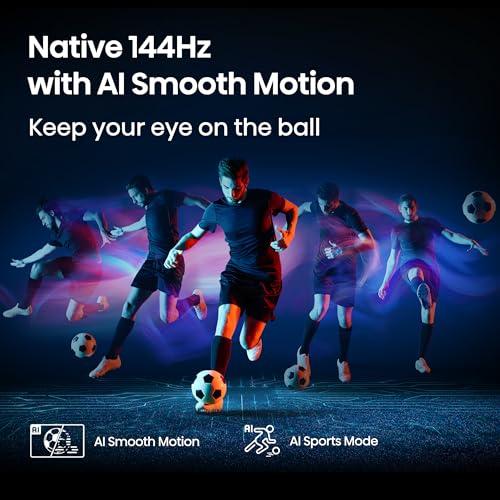
The Hisense U6 offers a native 144Hz refresh rate – significantly higher than most TVs on the market. This means it can display up to 144 unique frames per second, creating incredibly smooth motion in games that can generate frame rates to match. For PC gamers with high-end graphics cards, this is a significant advantage. The TV also supports Variable Refresh Rate (VRR) from 48Hz to 144Hz, which synchronizes the display's refresh rate with the frame rate being output by your gaming device, eliminating screen tearing and stuttering.
The LG G2 OLED caps out at 120Hz, which is still excellent for gaming but not quite as future-proof for very high frame rate gaming. However, OLED technology has an inherent advantage in response time – the time it takes for a pixel to change from one state to another. With response times under 1 millisecond, the LG OLED provides near-instantaneous response that's particularly beneficial for competitive gaming where every millisecond counts.
Both displays support the modern gaming features that have become essential for next-generation consoles and PCs. Auto Low Latency Mode (ALLM) automatically switches the TV into its fastest gaming mode when it detects a gaming device. Both also support various forms of adaptive sync technology (G-Sync and FreeSync) that coordinate frame delivery between your gaming device and the display.
The Hisense U6 includes what they call "Game Mode Pro," which optimizes the display for gaming while maintaining good picture quality. The LG G2 offers a comprehensive "Game Optimizer" that provides different settings for different types of games – FPS, RTS, RPG – each optimized for the specific visual characteristics of those game genres.
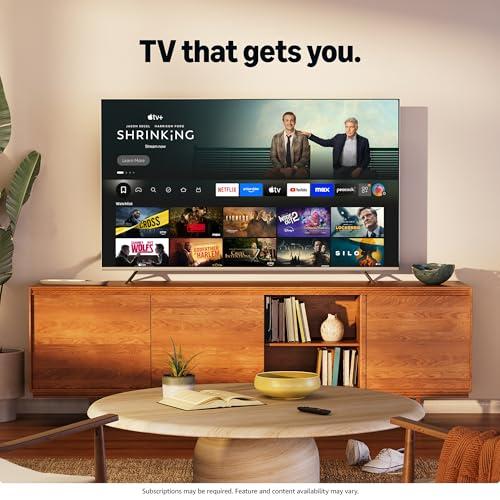
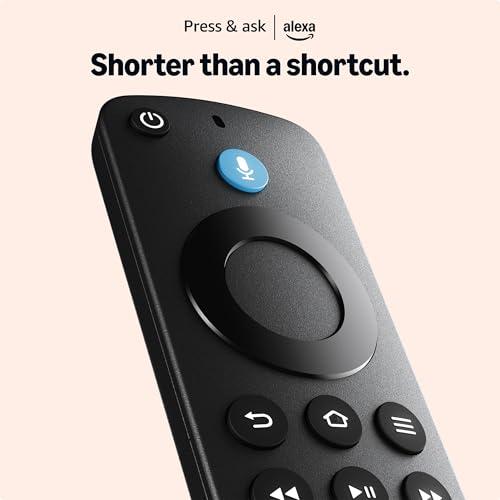
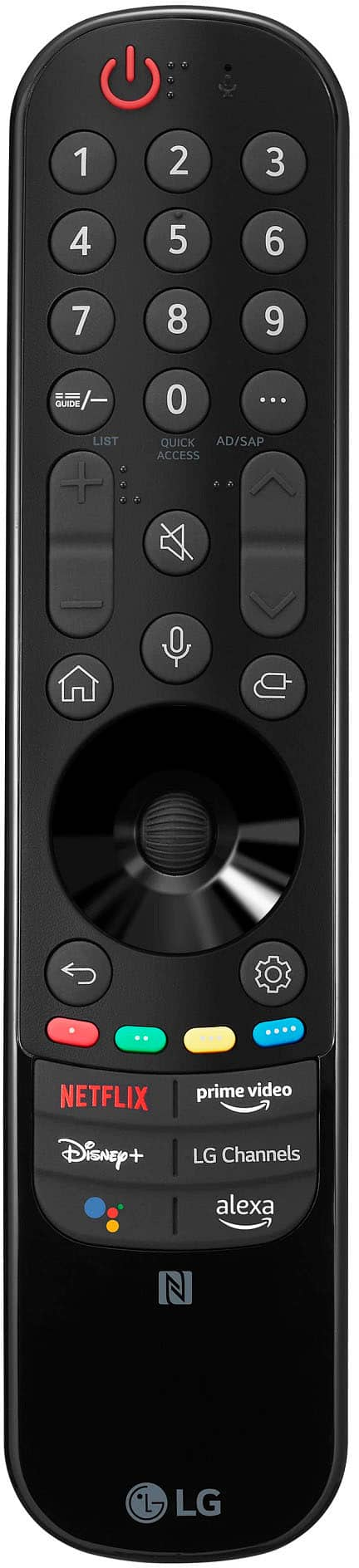
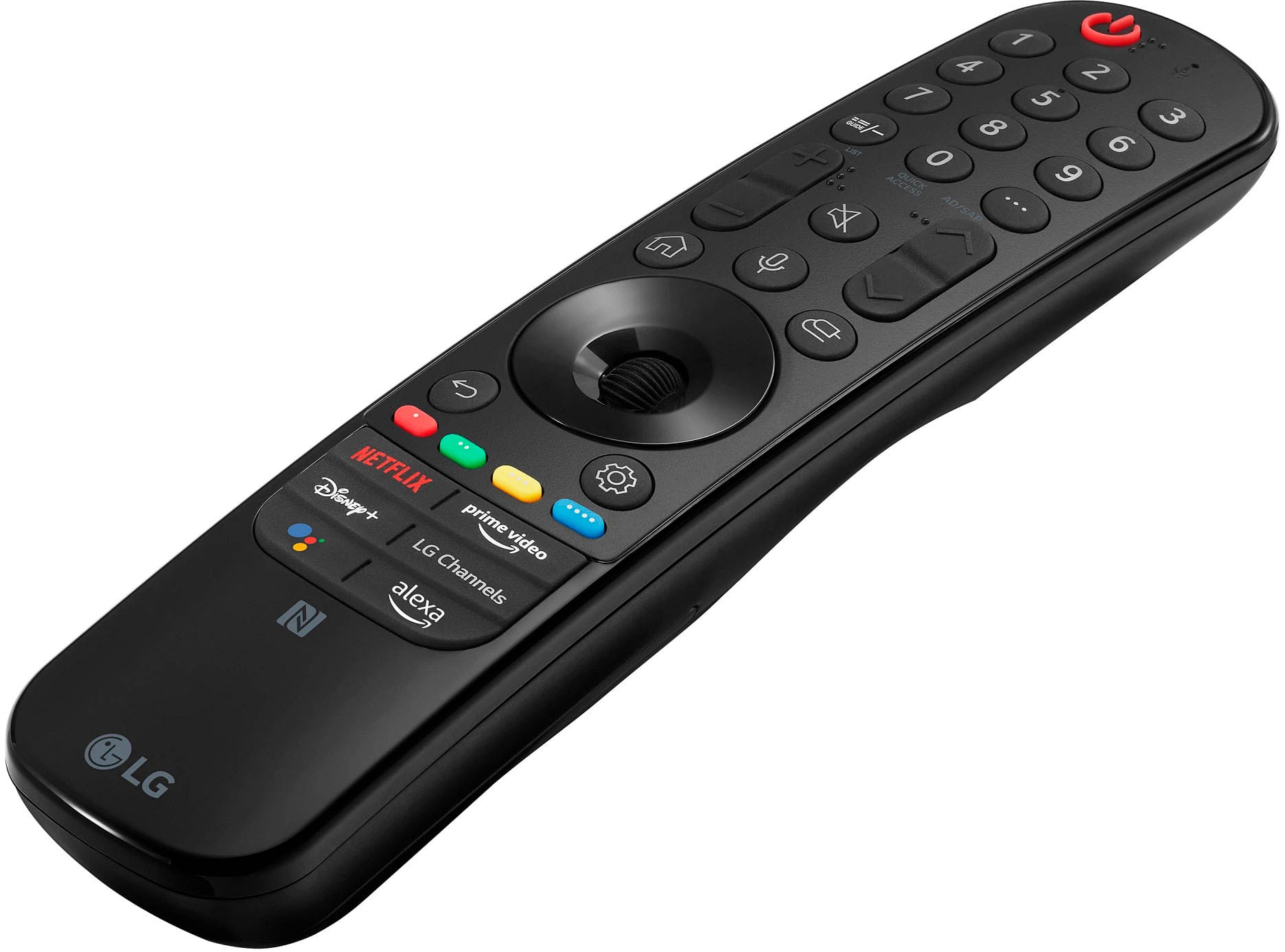
The smart TV platform you'll interact with every day is arguably as important as the display technology itself. The Hisense U6 runs Fire TV, Amazon's smart TV platform that launched on third-party displays in recent years. Fire TV provides tight integration with Amazon's ecosystem – Prime Video content gets prominent placement, and Alexa voice control is built-in for both content discovery and smart home control.
Fire TV's interface is fast and responsive, with a focus on content discovery across multiple streaming services. However, it does tend to prioritize Amazon's own content and services, which may or may not align with your viewing preferences.
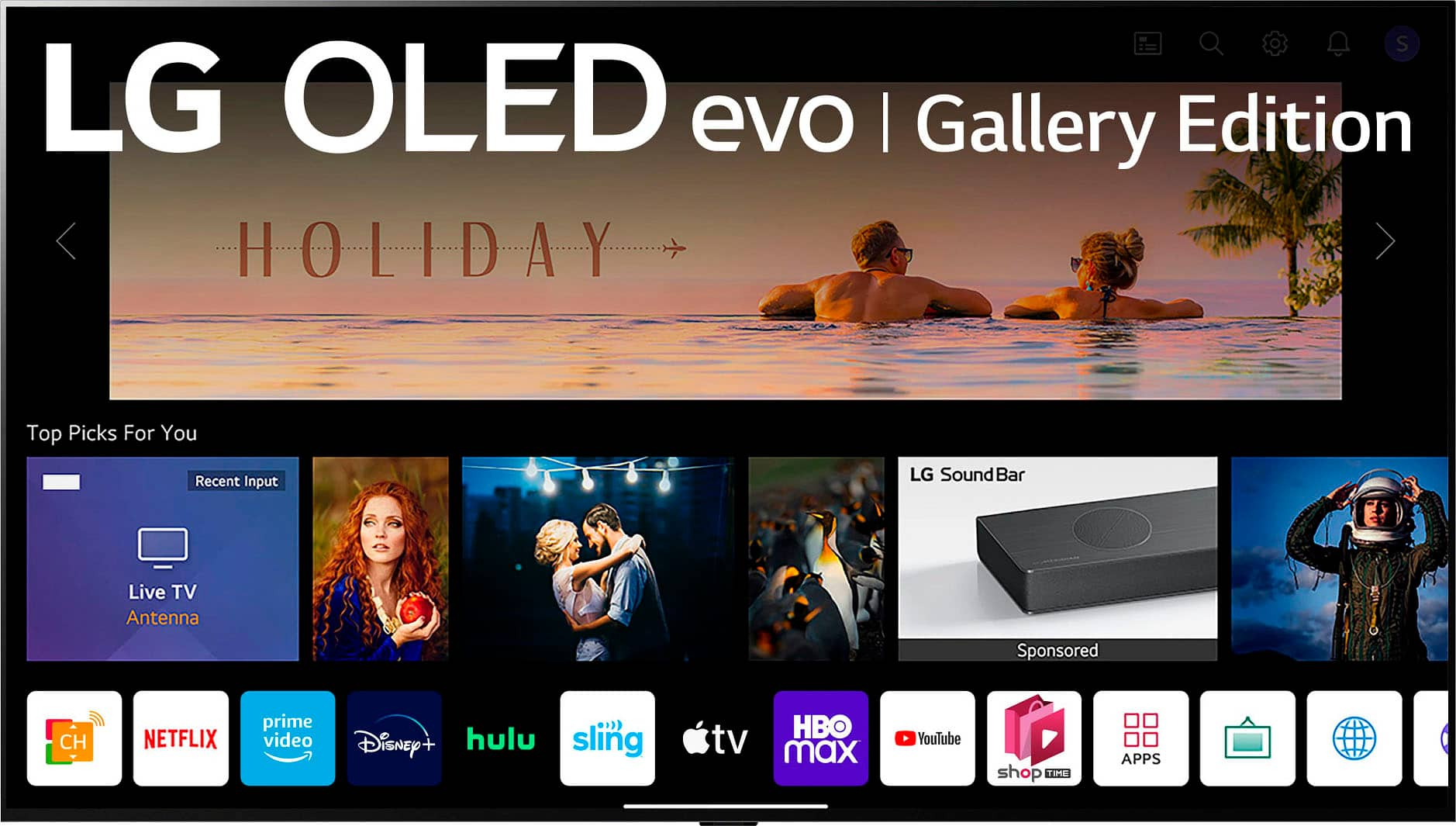
The LG G2 OLED runs webOS, LG's proprietary smart TV platform that has evolved significantly since its introduction. webOS is generally regarded as one of the most polished and user-friendly smart TV platforms available. It offers a more neutral approach to content discovery, doesn't heavily favor any particular streaming service, and includes support for multiple voice assistants.
Both platforms offer access to all major streaming services, but there are some subtle differences in app availability and performance. Fire TV tends to get Amazon's apps first and often has better integration with Amazon services. webOS, being more established in the TV space, sometimes receives app updates more quickly from other streaming services.
In terms of performance, both platforms are responsive enough for daily use, though the specific processor implementations can vary. The LG G2 includes LG's α9 Gen 5 AI Processor, which not only handles smart TV functions but also contributes to picture processing and optimization.
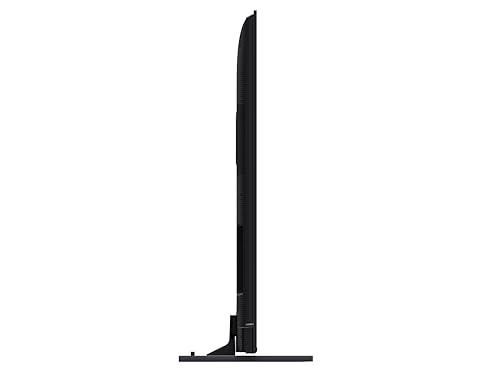
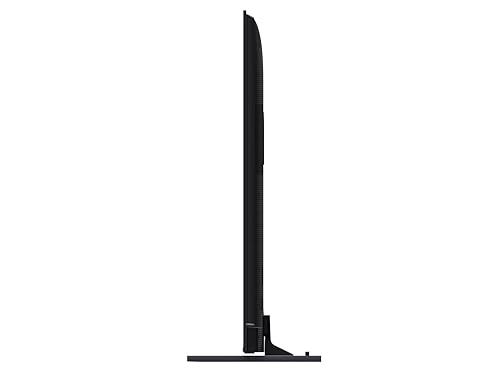
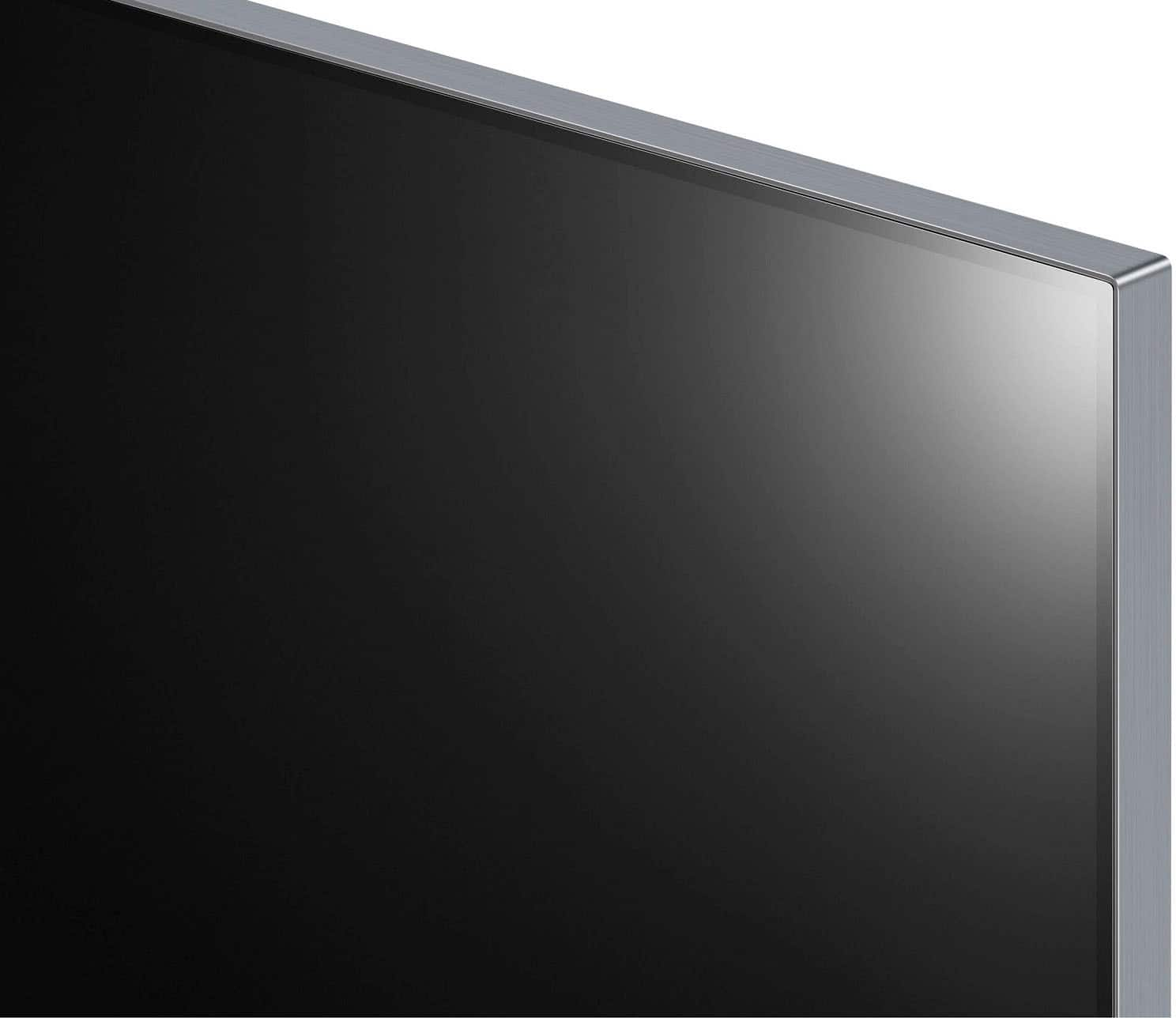
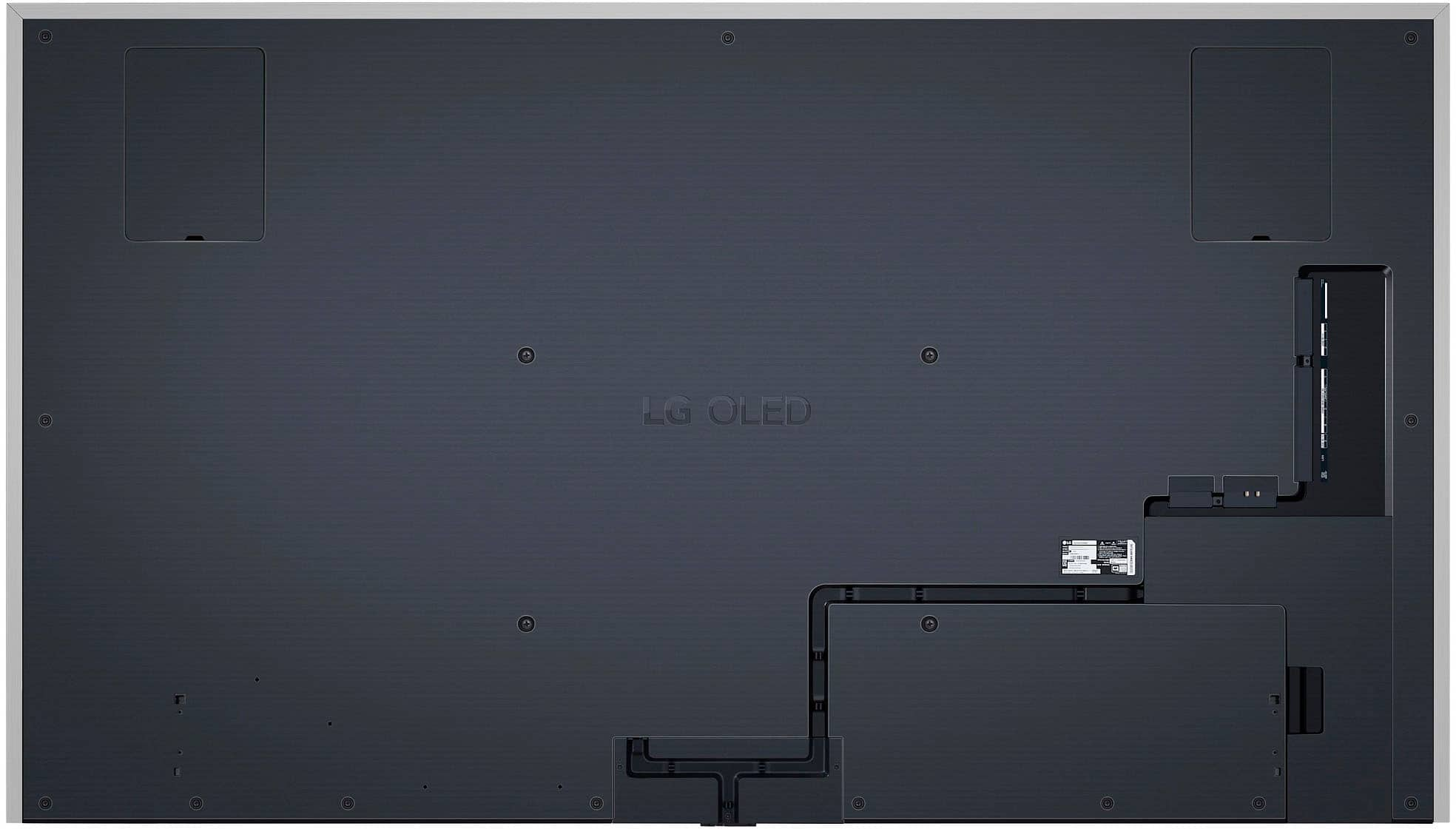
These two TVs represent very different approaches to large-format TV design. The LG G2 OLED is designed with what LG calls their "Gallery Design" – it's meant to mount flush against the wall like a piece of art, with minimal bezels and a sleek profile that measures just over an inch thick. This design philosophy makes sense given the premium positioning and the assumption that buyers will invest in professional installation.
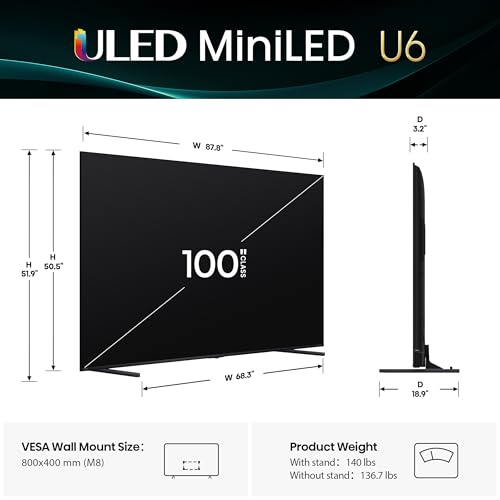
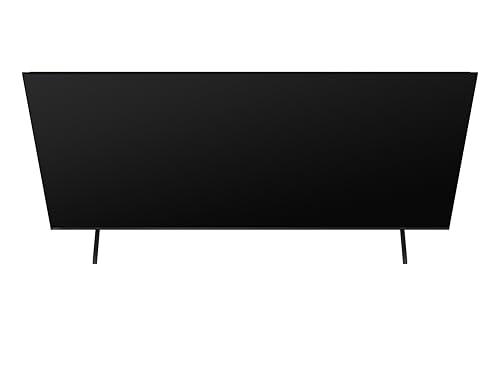
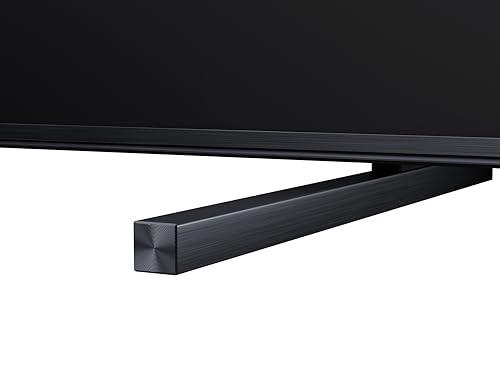
The Hisense U6 takes a more traditional approach with a substantial stand that can support the TV's considerable weight and size. At 100 inches, this TV requires serious furniture support or a very robust wall mount. The design is more utilitarian but also more practical for buyers who aren't planning a complete room redesign around their TV purchase.
Installing either of these TVs is a serious undertaking that most buyers should consider having done professionally. The LG G2, despite being slightly smaller, still weighs over 120 pounds and requires precise wall mounting for the gallery design to work properly. The Hisense U6, at 140 pounds with its stand, needs furniture that can safely support that weight while positioning the screen at an appropriate viewing height.
At the time of writing, these TVs occupy very different price points, which significantly impacts their value propositions. The Hisense U6 positions itself as a premium TV with flagship features at a more accessible price point. You're getting Mini-LED technology, 144Hz gaming capabilities, and that crucial 100-inch screen size at roughly half the cost of comparable premium brand alternatives.
The LG G2 OLED commands a significant premium, but that premium buys you what many consider the best picture quality technology available in consumer displays. The question becomes whether that picture quality improvement justifies the substantial price difference.
For buyers focused on maximizing screen size and getting premium features at the best possible price, the Hisense represents exceptional value. For buyers who prioritize absolute picture quality and are willing to pay for it, the LG justifies its premium pricing with superior technology.
Your room's lighting characteristics should heavily influence your decision between these displays. The LG G2 OLED truly shines in darker environments where its perfect blacks and infinite contrast ratio can create an almost cinematic viewing experience. In a dedicated home theater room with controlled lighting, OLED technology is hard to beat.
However, if your "home theater" is actually your living room with windows, ambient lighting, and general family use, the Hisense U6 may provide a more practical viewing experience. Its higher peak brightness means HDR content will still look impressive even with some ambient light, and you won't need to worry about making the room completely dark to get the best picture quality.
Different types of content benefit from different display characteristics. For movies, particularly those with dark scenes or high contrast imagery, the LG G2 provides an more immersive experience. For sports, nature documentaries, or bright, colorful content, the Hisense U6 can actually look more vibrant and engaging.
You want maximum screen size for your money and need a display that performs well in various lighting conditions. The 144Hz refresh rate makes this particularly appealing for gamers, while the Mini-LED technology provides excellent picture quality that rivals much more expensive displays. The Fire TV platform is ideal if you're already invested in Amazon's ecosystem or prefer Alexa voice control.
This TV makes the most sense for buyers who want flagship features without flagship pricing, and who prioritize practical performance over absolute picture quality perfection.
Picture quality is your absolute priority and you have the budget for premium technology. The OLED display provides unmatched contrast and color accuracy that's particularly beneficial in dark room viewing. The gallery design and premium build quality justify the higher price for buyers creating a dedicated home theater space.
This TV is ideal for enthusiasts who want the best available display technology and are willing to pay for that privilege.
The choice ultimately comes down to your priorities: maximum value and screen size versus premium picture quality and design. Both represent excellent options within their respective market segments, but they serve distinctly different buyer preferences and use cases.
| Hisense 100" U6 Series Mini-LED 4K Fire TV | LG 97" G2 Series OLED evo 4K UHD Smart TV |
|---|---|
| Screen Size - Raw viewing area and immersion factor | |
| 100 inches (maximum consumer TV size) | 97 inches (largest OLED available) |
| Display Technology - Core picture quality approach | |
| Mini-LED with QLED (bright highlights, vibrant colors) | OLED evo (perfect blacks, infinite contrast) |
| Peak Brightness - Critical for HDR and bright room viewing | |
| 1,000 nits (excellent for daytime viewing) | ~400-500 nits (best in dark rooms) |
| Gaming Refresh Rate - Smoothness for high-end gaming | |
| 144Hz native (future-proof for PC gaming) | 120Hz (excellent for consoles) |
| Response Time - Input lag for competitive gaming | |
| Low input lag in Game Mode Pro | Under 1ms (near-instantaneous) |
| Smart TV Platform - Daily user experience | |
| Fire TV with Alexa (Amazon ecosystem focus) | webOS with multiple assistants (neutral platform) |
| HDR Support - Enhanced contrast and color range | |
| Dolby Vision IQ, HDR10+, HDR10 | Dolby Vision IQ, HDR10, HLG |
| Design Philosophy - Installation and aesthetics | |
| Traditional TV with stand (furniture placement) | Gallery Design for flush wall mounting |
| Weight - Installation complexity | |
| 140 lbs with stand | 123.5 lbs without stand |
| Local Dimming Zones - Contrast control precision | |
| Mini-LED with local dimming zones | Per-pixel control (8+ million zones) |
| Viewing Angle - Picture quality from the side | |
| Good but limited (Mini-LED characteristic) | Excellent (OLED maintains quality off-axis) |
| Burn-in Resistance - Long-term reliability | |
| No burn-in risk (Mini-LED advantage) | Potential burn-in with static content |
| Room Lighting Compatibility - Versatility | |
| Excellent in bright and dark rooms | Best in controlled/dark lighting |
| Value Proposition - Performance per dollar | |
| Exceptional value for flagship features | Premium pricing for best-in-class picture quality |
The Hisense 100" U6 Series Mini-LED is significantly better for bright rooms due to its 1,000 nits peak brightness capability. Mini-LED technology excels in ambient light conditions, while the LG 97" G2 Series OLED performs best in darker, controlled lighting environments where its perfect blacks can shine.
Mini-LED uses thousands of tiny LEDs as backlighting with local dimming zones to create contrast, while OLED has self-lit pixels that can turn completely off for perfect blacks. The Hisense U6 Series offers brighter highlights but can't achieve true black levels, whereas the LG G2 OLED delivers infinite contrast but with lower overall brightness.
The Hisense 100" U6 Series offers superior gaming specs with 144Hz refresh rate and VRR up to 144Hz, making it ideal for high-end PC gaming. The LG 97" G2 Series provides 120Hz with under 1ms response time, which is excellent for console gaming and competitive play.
The Hisense U6 runs Fire TV with built-in Alexa, offering seamless Amazon ecosystem integration and fast performance. The LG G2 OLED uses webOS, which provides a more neutral interface with broader app compatibility and support for multiple voice assistants.
The Hisense 100" U6 Series provides exceptional value with flagship Mini-LED features at a competitive price point, offering more screen size per dollar. The LG 97" G2 Series OLED commands premium pricing but justifies it with superior picture quality technology and build quality.
The Hisense U6 offers 100 inches versus 97 inches for the LG G2. While only 3 inches difference, the Hisense provides slightly more immersive viewing and represents the maximum consumer TV size currently available.
The LG 97" G2 Series OLED excels in dark room movie watching due to its perfect blacks and infinite contrast ratio, creating a more cinematic experience. The Hisense 100" U6 Series performs well but cannot match OLED's absolute black levels in dark environments.
Both TVs support Dolby Vision and major HDR formats, but they handle HDR differently. The Hisense U6 can display brighter HDR highlights up to 1,000 nits, while the LG G2 OLED excels at HDR tone mapping and shadow detail with its superior contrast capabilities.
Both large-format TVs benefit from professional installation due to their size and weight. The LG 97" G2 Series is specifically designed for flush wall mounting with its Gallery Design, while the Hisense 100" U6 Series can use either a robust stand or wall mount system.
The LG G2 OLED delivers superior contrast with perfect blacks and accurate colors, ideal for critical viewing. The Hisense U6 offers brighter, more vibrant images with quantum dot color enhancement, providing excellent picture quality with better bright room performance.
The Hisense 100" U6 Series has no burn-in risk due to Mini-LED technology, making it more suitable for varied content including gaming and static elements. The LG 97" G2 Series OLED has improved burn-in resistance with OLED evo technology but still requires some caution with static content.
Both TVs handle motion well, but differently. The Hisense U6 uses its 144Hz refresh rate and motion processing for smooth sports viewing, while the LG G2 OLED provides near-instantaneous pixel response for crisp motion without blur, making both excellent choices for sports enthusiasts.
We've done our best to create useful and informative comparisons to help you decide what product to buy. Our research uses advanced automated methods to create this comparison and perfection is not possible - please contact us for corrections or questions. These are the sites we've researched in the creation of this article: bestbuy.com - rtings.com - youtube.com - rtings.com - youtube.com - youtube.com - costco.com - pcrichard.com - hisense-usa.com - electronicexpress.com - pcrichard.com - circuitworldonline.com - bestbuy.com - bestbuy.com - premiumincentive.com - hisense-usa.com - hisense-usa.com - pcrichard.com - rtings.com - bestbuy.com - hisense-usa.com - avsforum.com - digitaltrends.com - xssentials.com - valueelectronics.com - youtube.com - bestbuy.com - rangsemart.com.bd - woodburyappliance.com - displaymate.com - youtube.com - rtings.com - displayspecifications.com - techradar.com - avsforum.com - lg.com - youtube.com

Privacy Policy
Terms and Conditions - Affiliate Policy
Home Security
© Copyright 2008-2026.
11816 Inwood Rd #1211, Dallas, TX 75244