

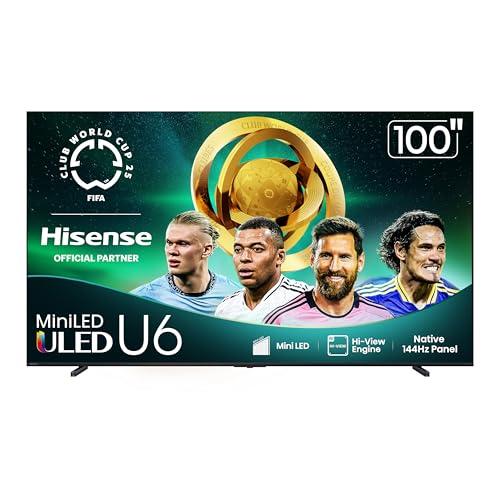
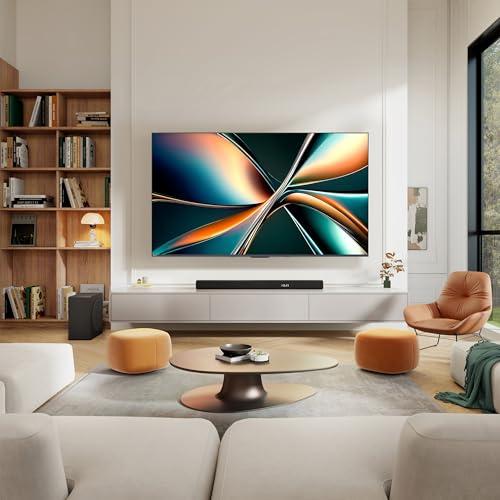
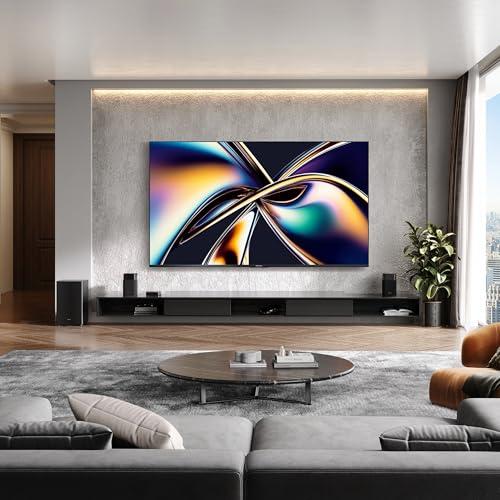
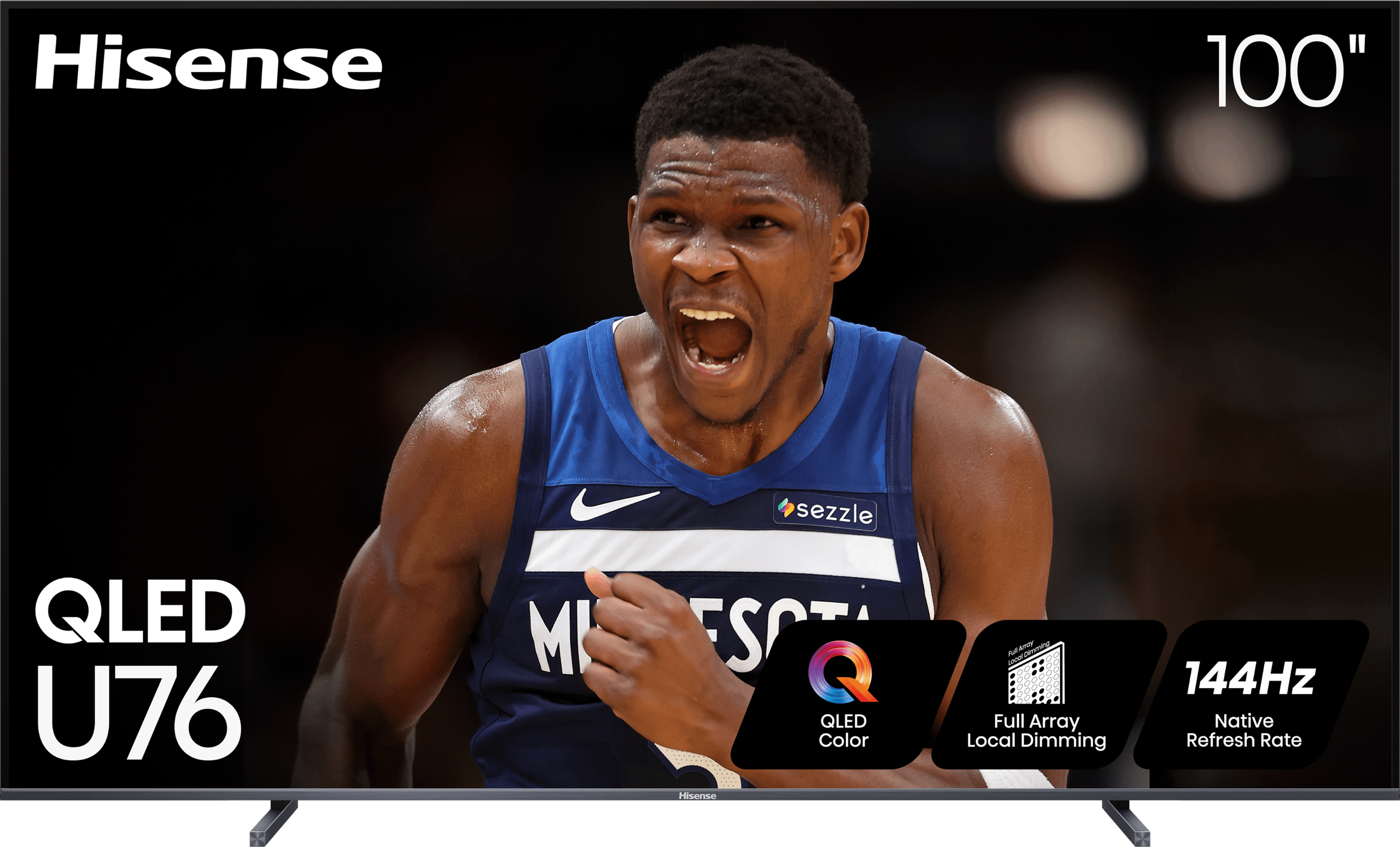
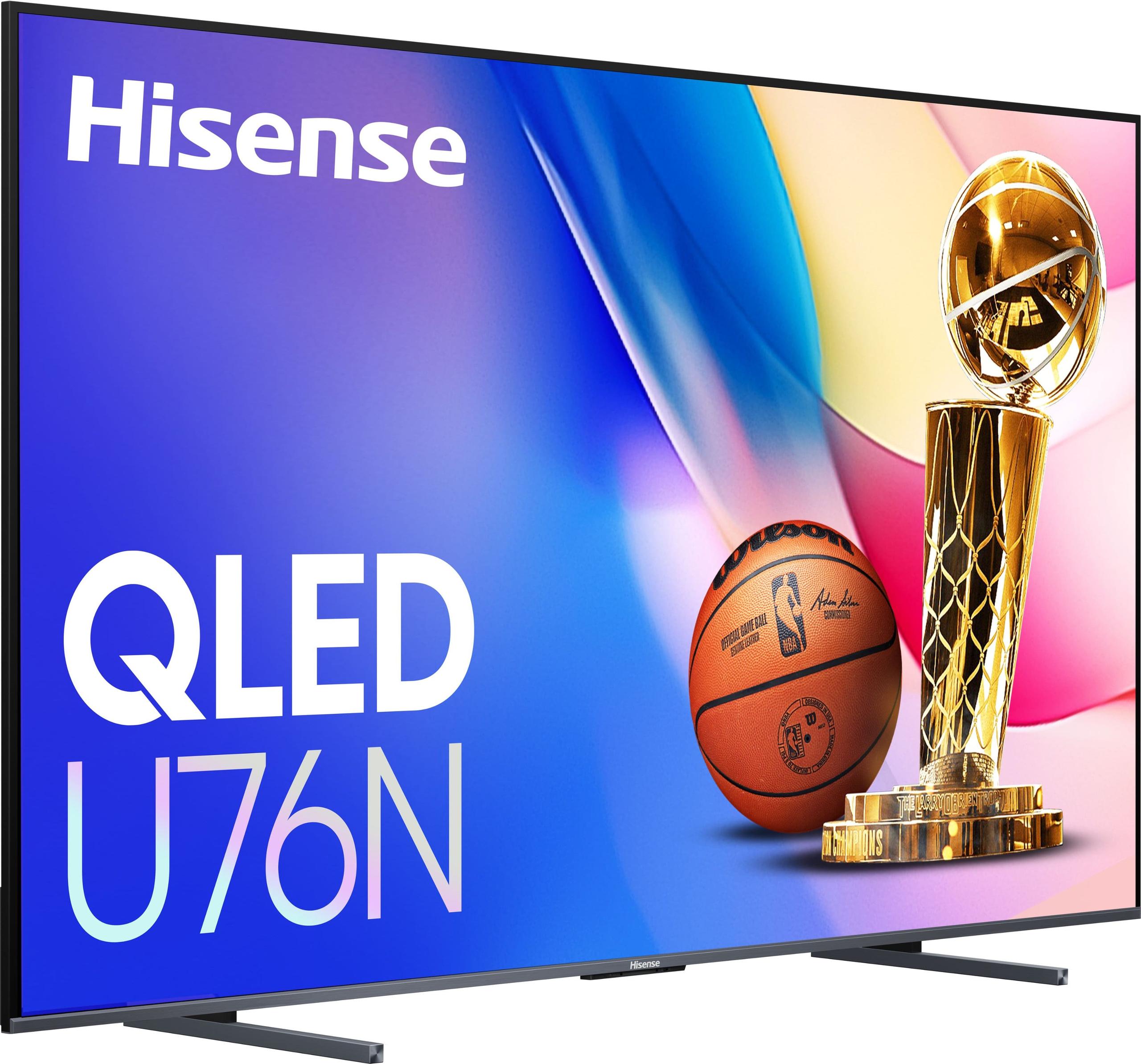
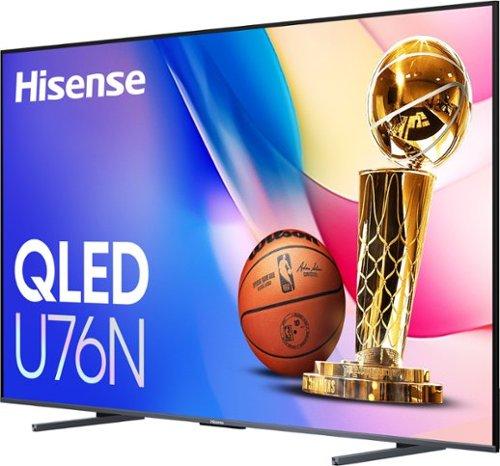
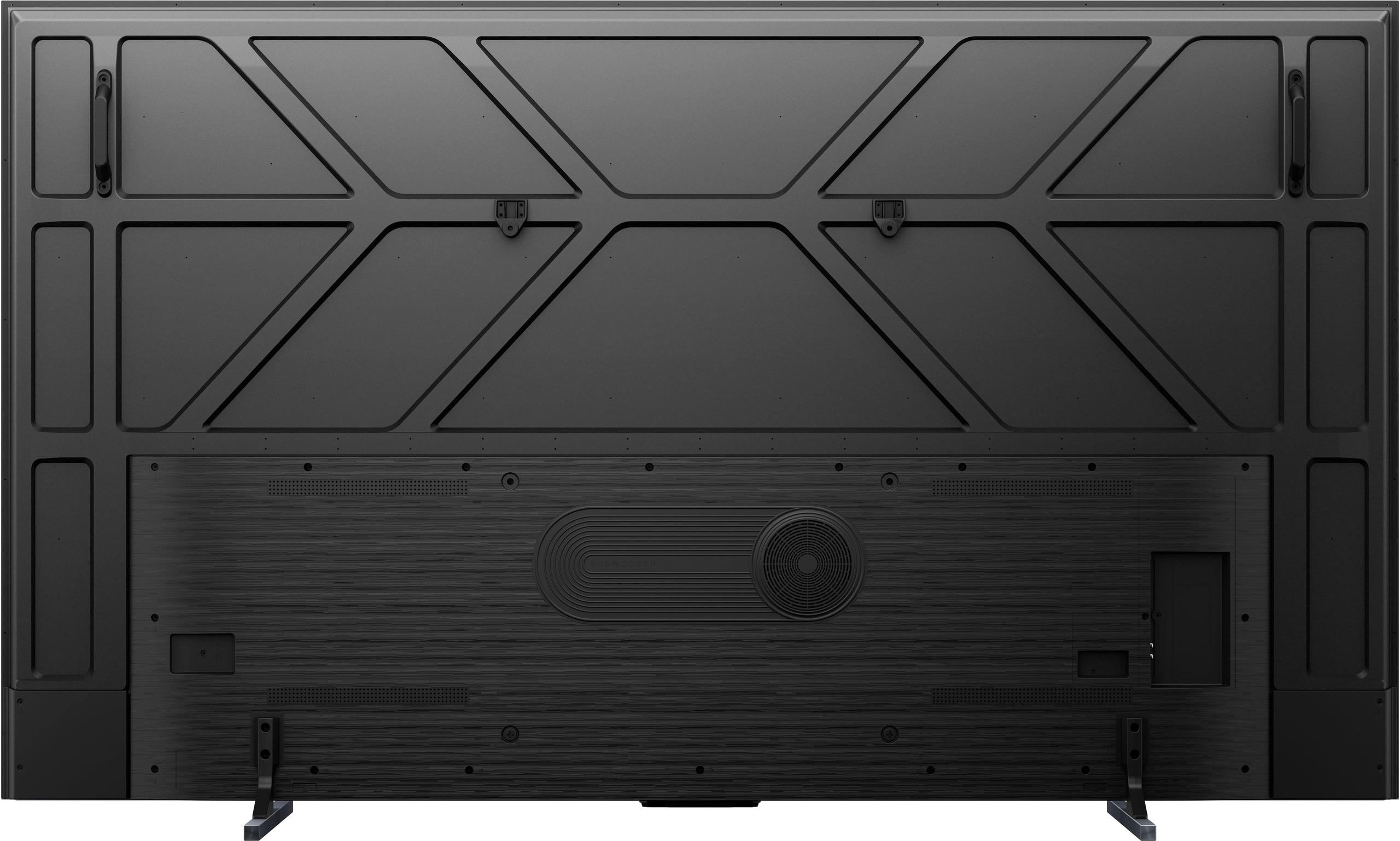
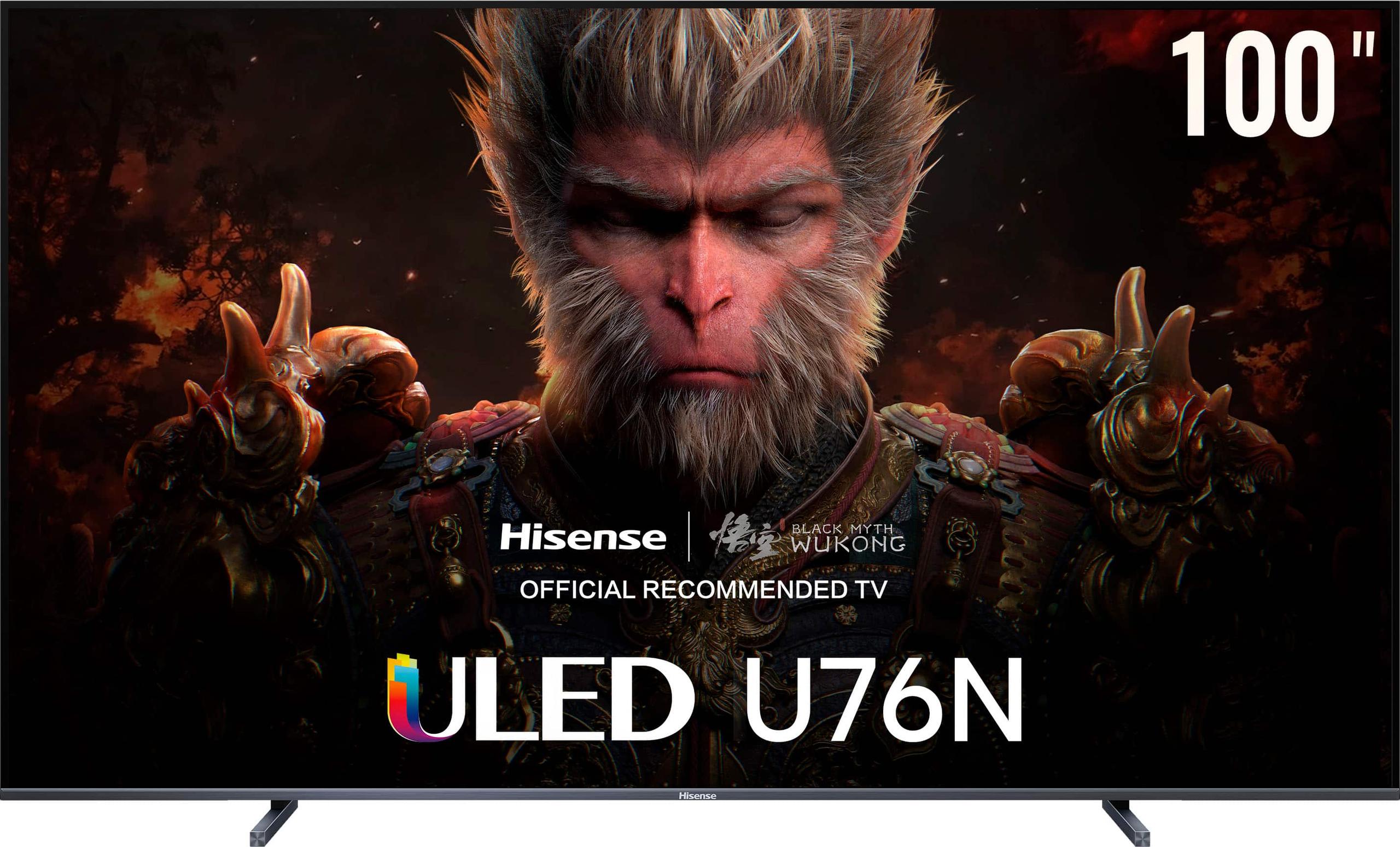
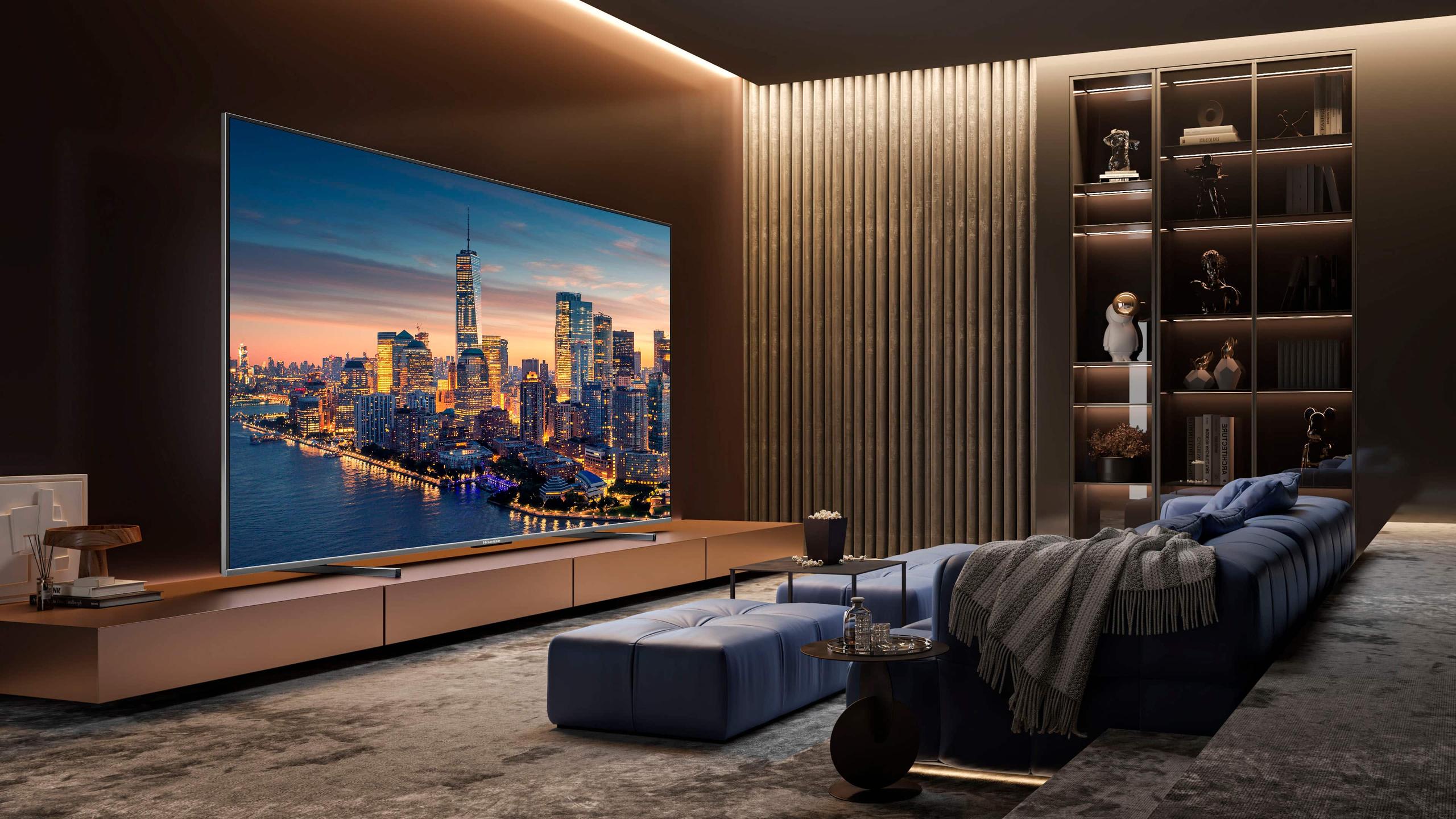
When you're shopping for a 100-inch TV, you're not just buying another television—you're creating a home theater centerpiece that will dominate your living space for years to come. At this massive size, these displays compete directly with projector setups, offering the convenience of a traditional TV with cinema-scale viewing. Both the Hisense 100" U6 Series Mini-LED and the Hisense 100" U76 Series QLED deliver on that promise, but they take notably different approaches to get there.
The fundamental question isn't whether either of these TVs will impress—at 100 inches, almost any modern display will create jaw-dropping moments. Instead, it's about understanding which technology and ecosystem will serve your specific viewing habits, room conditions, and budget best. After researching extensive user feedback and expert reviews, clear patterns emerge about where each excels and where compromises were made.
The most significant distinction between these models lies in their backlighting technology, and this difference has real-world implications you'll notice daily. The U6 Series Mini-LED represents Hisense's push into premium display technology, while the U76 Series continues their proven QLED approach with refinements.
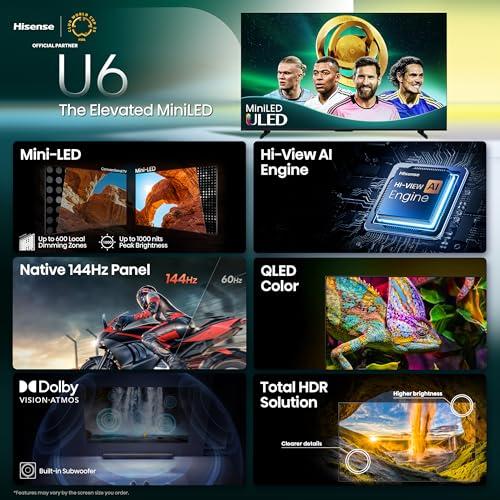
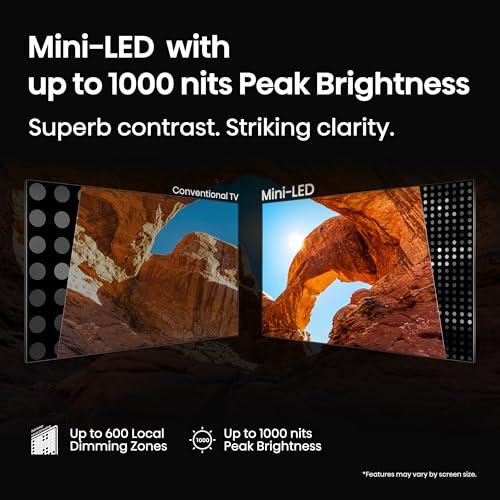
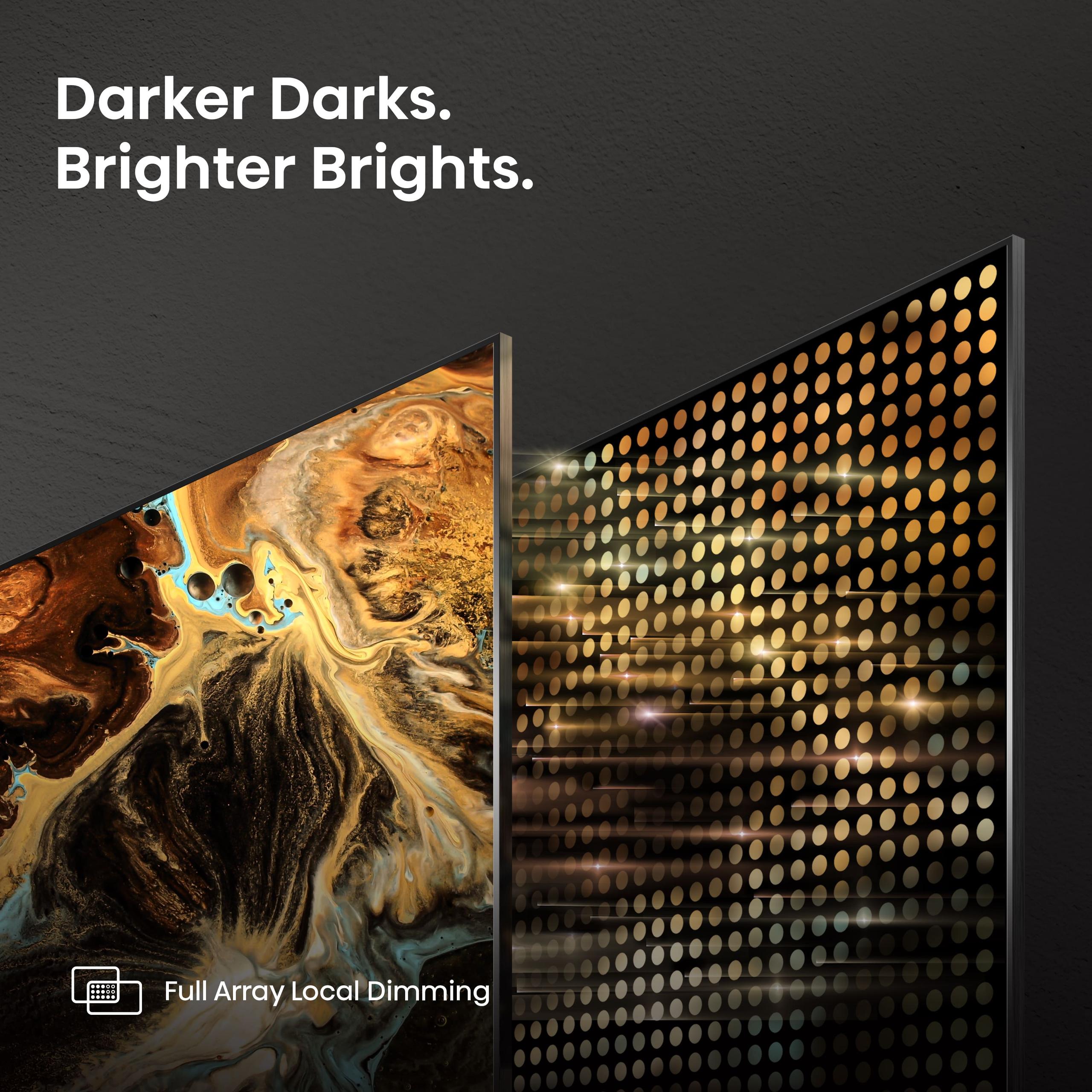
Mini-LED technology, found in the U6, uses thousands of tiny LEDs behind the screen instead of traditional larger LEDs. Think of it like the difference between painting with a fine brush versus a house painting brush—both can create a picture, but the fine brush offers much more control and precision. These smaller LEDs can be controlled in more precise zones, allowing the TV to make very bright areas extremely bright while keeping nearby dark areas truly dark. This creates what we call better "local dimming," which is crucial for HDR content where you might have bright sunlight and deep shadows in the same scene.
The U76's traditional QLED approach uses larger LEDs with quantum dot technology (those are tiny crystals that help create more accurate colors) but fewer total dimming zones. While it still offers 256 local dimming zones—which is quite respectable—each zone covers a larger area than the Mini-LED implementation. This can lead to some "blooming" where bright objects create subtle halos in dark scenes, though modern processing has minimized this issue significantly.
In practical terms, both approaches deliver excellent picture quality for most content. However, the Mini-LED advantage becomes most apparent in high-contrast scenes: think of a campfire at night, city lights against a dark sky, or space scenes with bright stars. The U6 Series handles these scenarios with noticeably better precision than traditional QLED designs.
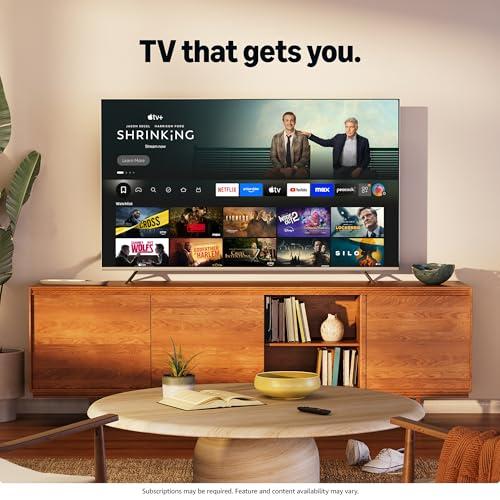
The choice between Fire TV and Google TV often comes down to your existing digital ecosystem and personal preferences, but there are objective differences worth considering. The U6 Series runs Fire TV, Amazon's streaming platform that prioritizes their services while providing broad app support. The U76 Series uses Google TV, which offers a more neutral approach to content aggregation.
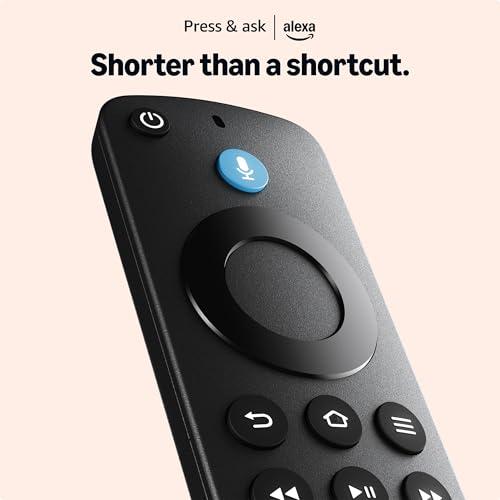
Fire TV excels at integrating Amazon's ecosystem seamlessly. If you're a Prime subscriber, the interface naturally surfaces Prime Video content, and the built-in Alexa voice control works exceptionally well for both TV functions and smart home control. The platform's universal search works across most major streaming services, making it easy to find content regardless of where it's hosted. However, you'll notice that Google services like YouTube TV receive less prominent placement, and some Google-specific features aren't available.
Google TV takes the opposite approach, providing what many consider the most content-neutral experience. Its AI-powered recommendations pull from across all your subscribed services without obvious favoritism, and the integration with Google services is naturally deeper. Chromecast functionality is built-in, making it effortless to cast content from phones and laptops. The Google Assistant implementation is also more conversational and capable than Fire TV's Alexa integration for general queries.
From a long-term perspective, both platforms receive regular updates and maintain strong app ecosystems. Google TV tends to get Android TV apps faster, while Fire TV sometimes has exclusive apps for Amazon services. Neither choice will significantly limit your streaming options, but the daily experience differs enough to influence your decision.
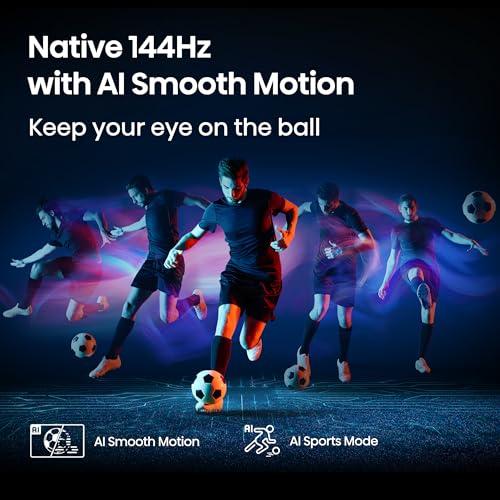
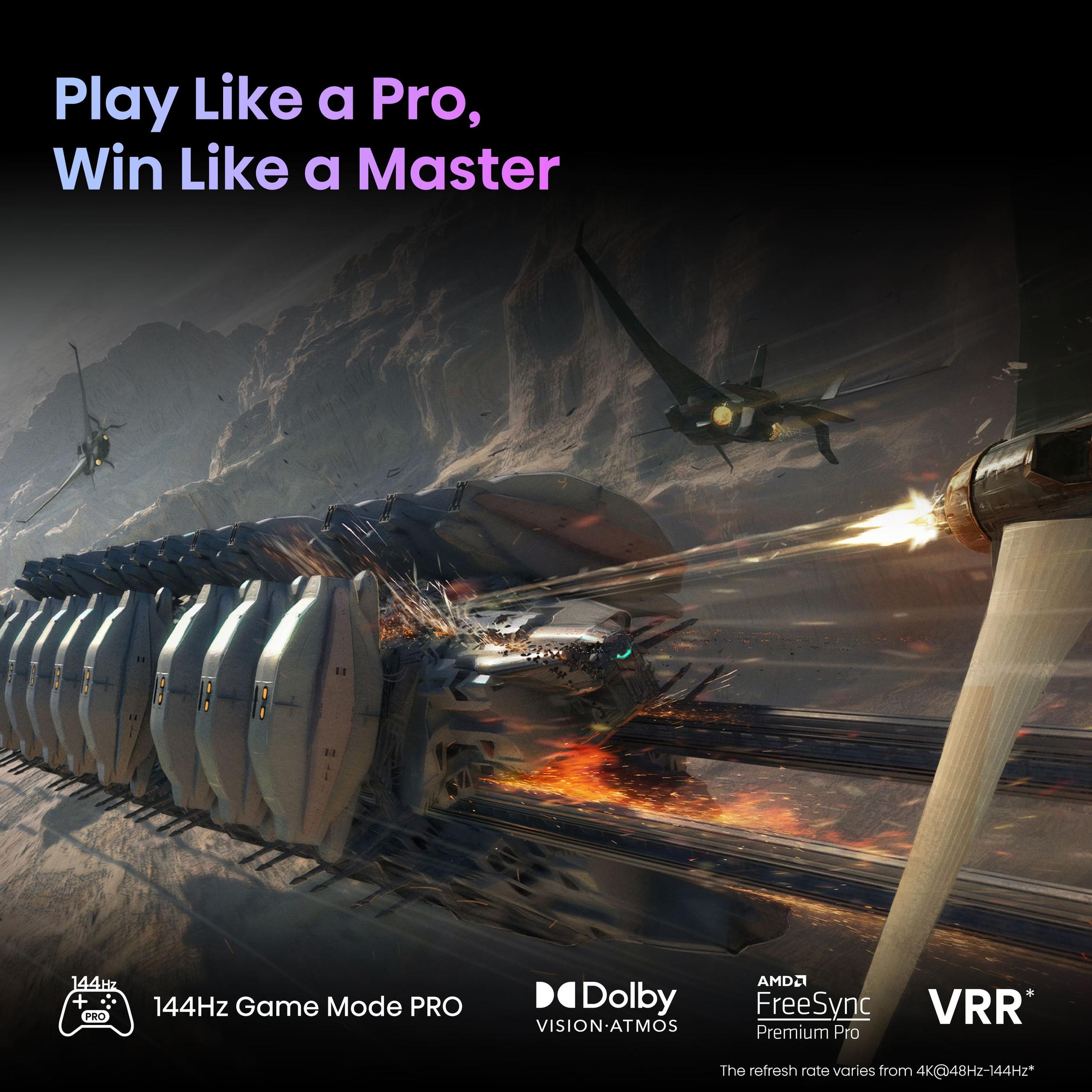
For gaming enthusiasts, the differences between these models become more technical but critically important. The U6 Series Mini-LED features a true 144Hz panel, meaning the display can actually refresh its image 144 times per second. This contrasts with many TVs that accept 144Hz signals but process them down to 60Hz or 120Hz for display.
Variable Refresh Rate (VRR) support is where these models show their gaming credentials. VRR allows the TV to match its refresh rate to your gaming console or PC's output, eliminating screen tearing (those horizontal lines that appear when frame rates don't sync). The U6 Series supports VRR from 48Hz to 144Hz, giving it flexibility for both high-frame-rate competitive gaming and cinematic gaming experiences that run at lower frame rates.
The U76 Series also offers gaming features including Game Mode Pro, Auto Low Latency Mode (ALLM), and FreeSync Premium support. However, our research suggests its 144Hz specification refers more to motion processing than native panel capability. This doesn't make it bad for gaming—input lag remains low and VRR still functions—but competitive gamers who can perceive the difference between true 120Hz and 144Hz display will prefer the U6.
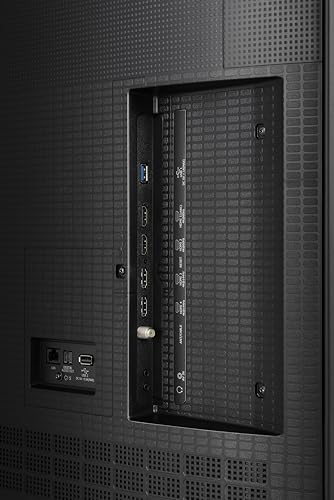
Both models include HDMI 2.1 ports necessary for next-generation console gaming at 4K with high frame rates. The practical difference emerges in PC gaming scenarios where high refresh rates provide competitive advantages, and in future-proofing as game frame rates continue increasing.
Peak brightness specifications tell an important story about real-world performance. The U6 Series achieves up to 1000 nits peak brightness compared to the U76 Series' 800 nits. While 200 nits might seem marginal, it represents a 25% increase that becomes significant in bright rooms or for HDR content.
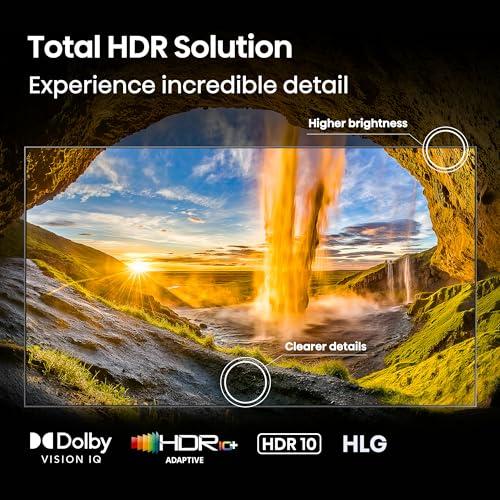
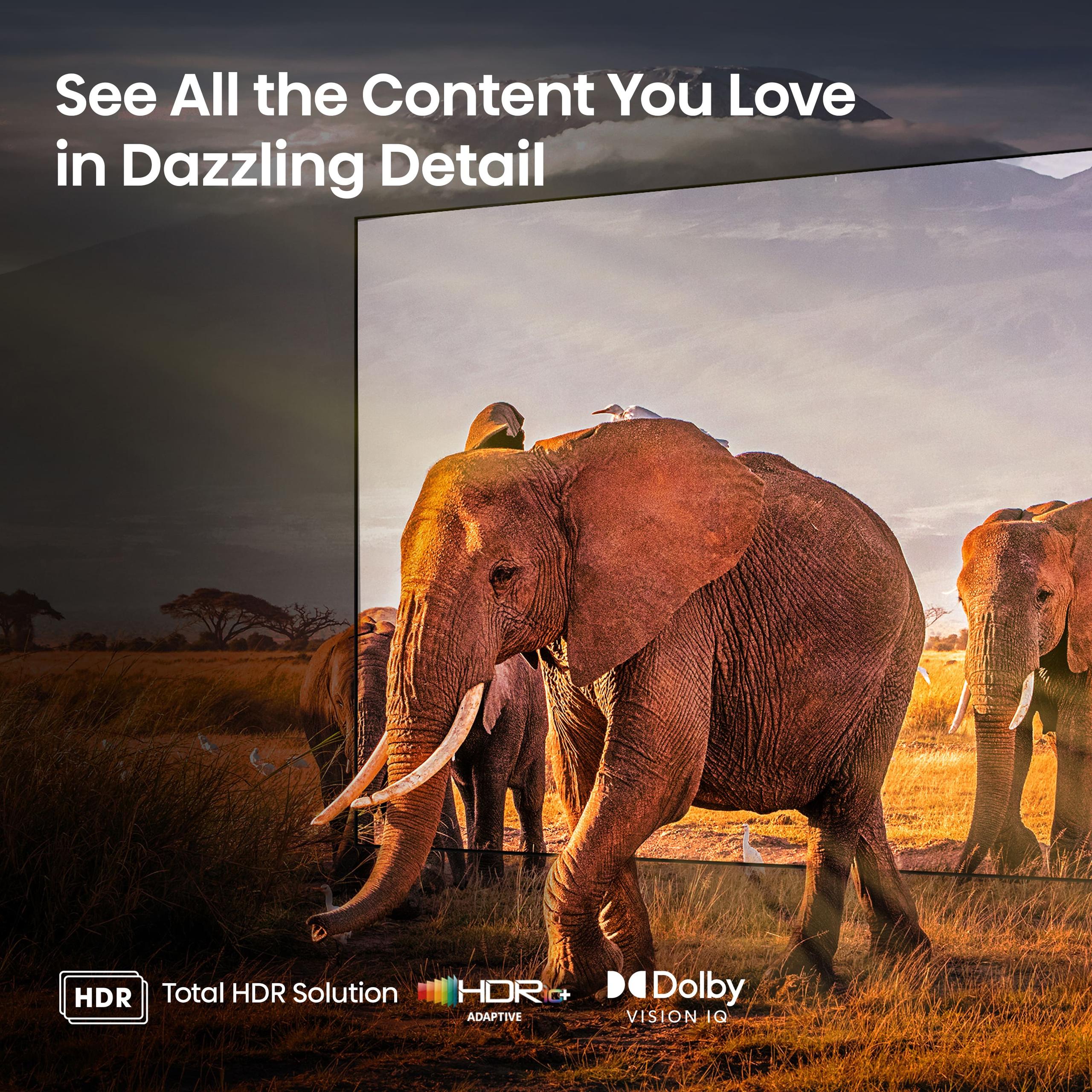
HDR (High Dynamic Range) content is designed to use this extra brightness capability. When watching movies mastered in Dolby Vision or HDR10, scenes with bright elements—like sunlight reflecting off water or car headlights at night—should appear genuinely bright while dark elements remain dark. The additional brightness headroom in the U6 Series means these bright elements can truly pop off the screen, creating a more convincing and immersive experience.
Both models support the full range of HDR formats including Dolby Vision, HDR10+, and standard HDR10. However, supporting these formats and displaying them optimally are different things. Based on user reports and technical reviews, the U6 Series demonstrates better tone mapping (the process of converting HDR information to what the display can actually show) thanks to its Mini-LED backlighting's superior zone control.
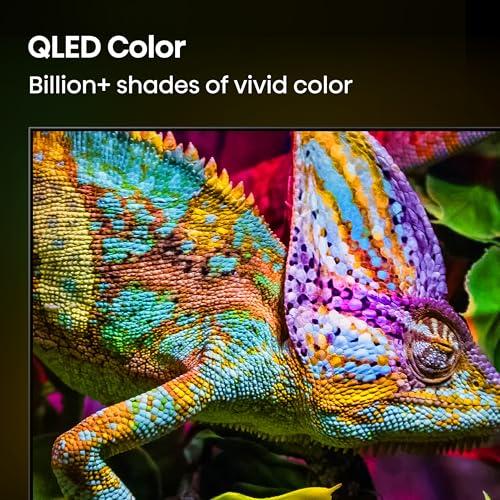
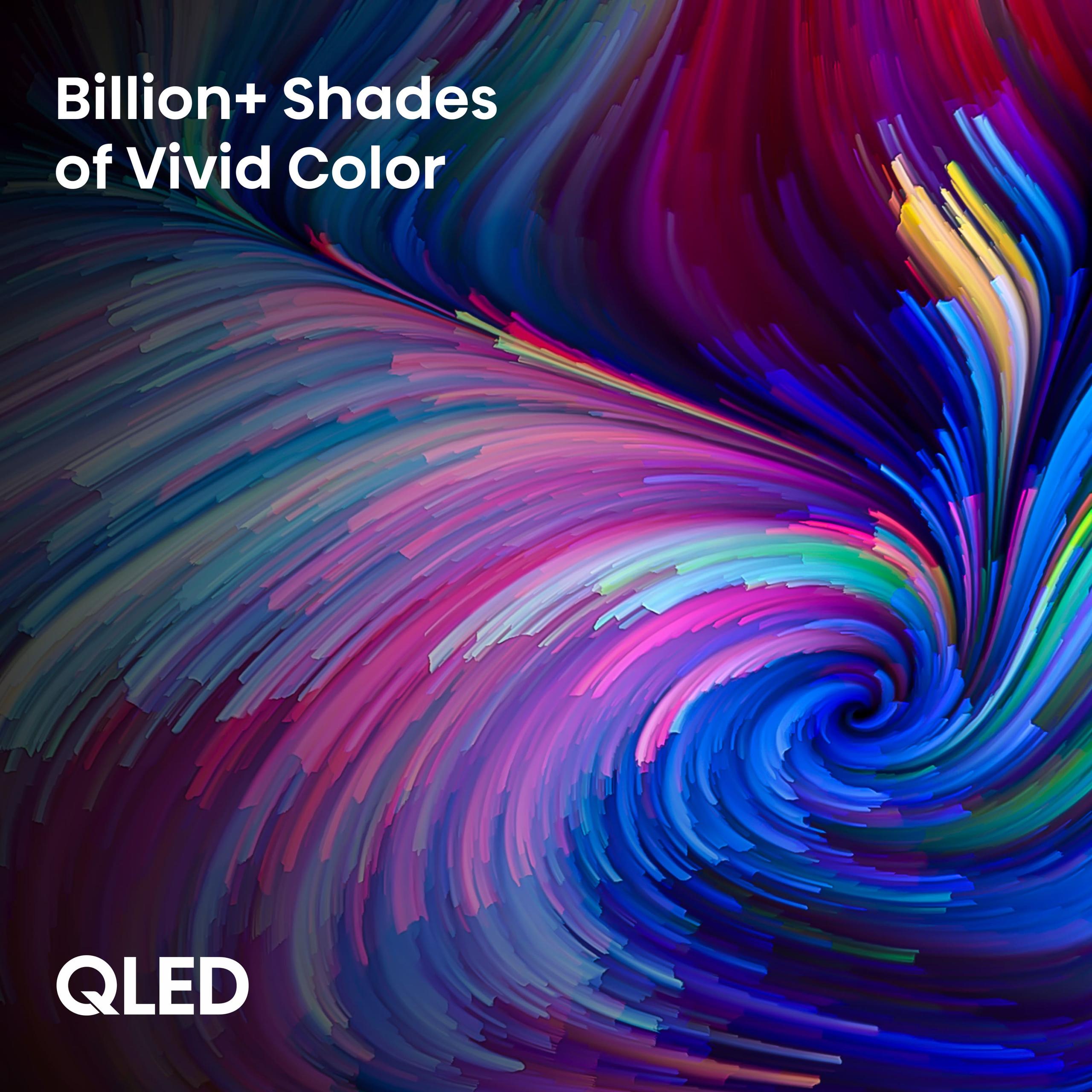
Color performance between these models is more comparable. Both use quantum dot technology to achieve wide color gamuts, meaning they can display more of the colors that exist in real life compared to standard LCD TVs. The U76 Series actually includes more local dimming zones (256 vs the U6's fewer but more precise zones), which helps with color uniformity across the screen.
At 100 inches, both TVs demand specific room considerations that smaller displays don't require. The optimal viewing distance for a 100-inch 4K display is approximately 8-12 feet, though personal preference and content type influence this range. Closer seating works well for gaming and sports where you want immersive experiences, while movie viewing might benefit from slightly more distance to take in the entire image comfortably.
Room lighting becomes crucial at this size. The U6 Series' higher peak brightness provides more flexibility for rooms with windows or ambient lighting, while the U76 Series performs best in controlled lighting environments. Both models include anti-glare coatings, but bright reflections become more noticeable as screen size increases.
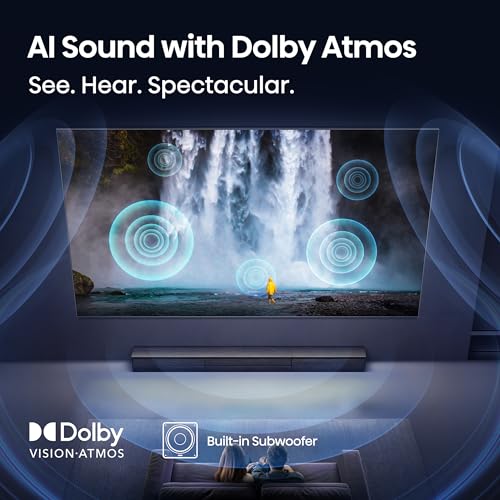
Sound considerations also scale with size. Both TVs include Dolby Atmos support and reasonably powerful built-in speakers (50W total for the U6, 50W for the U76), but at 100 inches, most users will want to invest in a dedicated sound system. The larger screen creates expectations for audio that matches the visual scale, making a soundbar or surround sound system almost essential for the full experience.
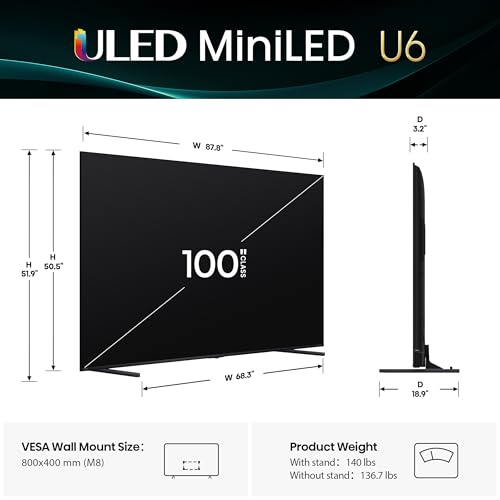
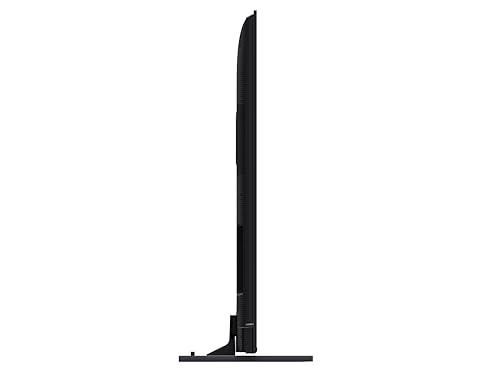
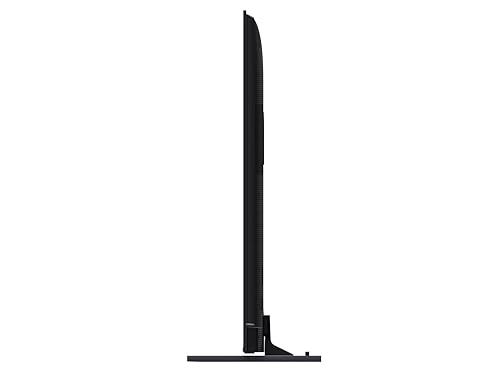
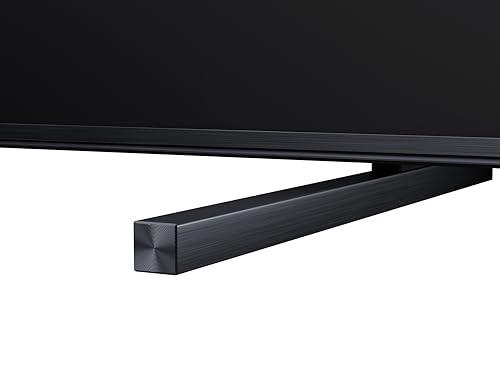
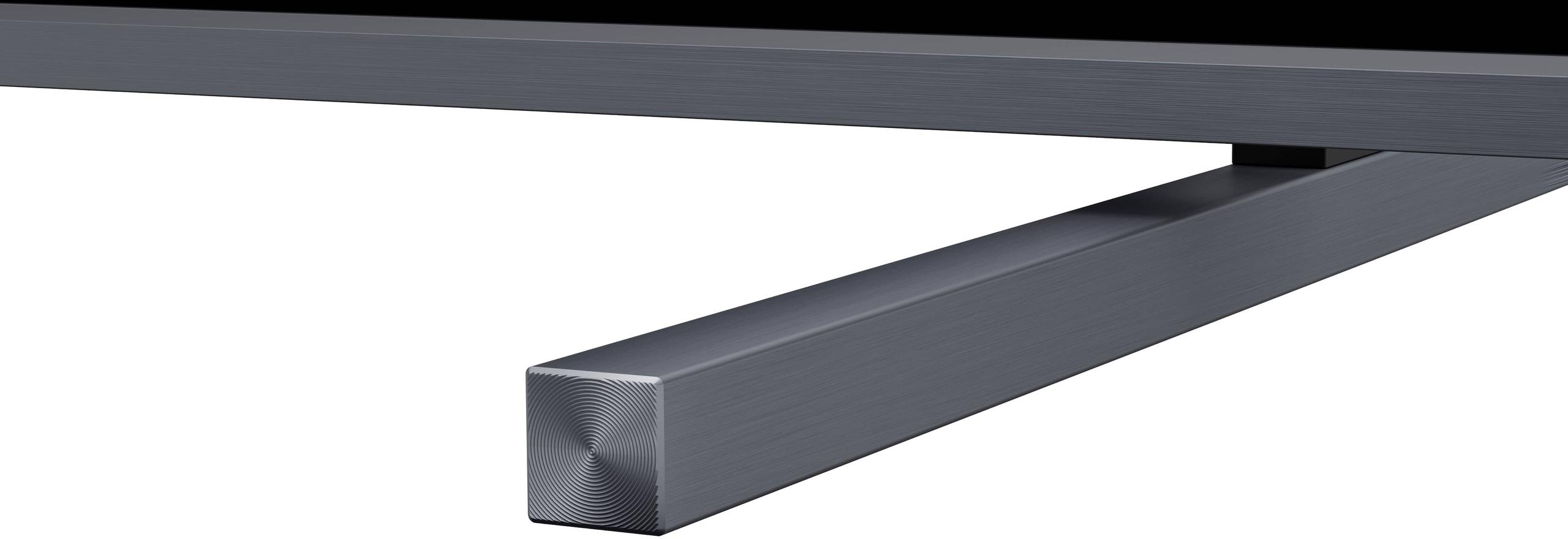
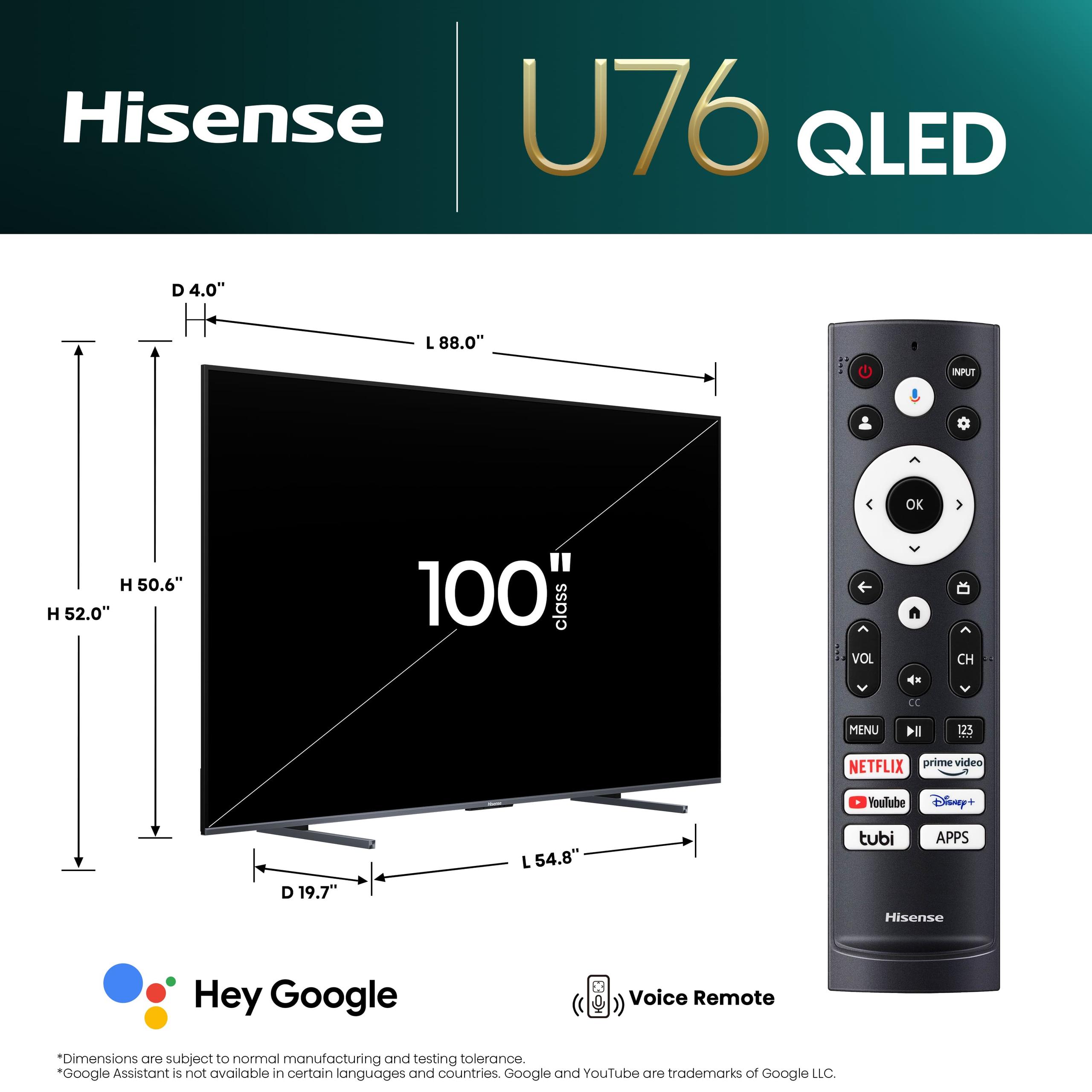
Installation challenges shouldn't be underestimated. Both TVs weigh around 140 pounds and require professional mounting if wall-mounting is desired. The included stands are substantial but require furniture capable of supporting both the weight and width of these displays.
At the time of writing, the U76 Series typically costs several hundred dollars less than the U6 Series Mini-LED, creating an interesting value calculation. The U76 delivers approximately 85-90% of the U6's performance at roughly 85% of the cost, making it objectively good value for most users.
However, the remaining 10-15% performance difference concentrates in areas that matter significantly to enthusiasts: contrast performance, HDR brightness, and gaming capabilities. For users who prioritize these aspects or plan to keep their TV for many years, the U6 Series premium may prove worthwhile.
The value equation also depends on your ecosystem preferences. If you're deeply integrated into Amazon's services, the Fire TV platform on the U6 Series provides additional value through seamless Prime Video integration and Alexa functionality. Conversely, Google ecosystem users will find more value in the U76's Google TV implementation.
Both models represent 2024-2025 generation technology, incorporating lessons learned from previous years' implementations. The U6 Series represents Hisense's first major push into Mini-LED at the 100-inch size, building on smaller format successes. The U76 Series continues Hisense's refined QLED approach with improved processing and gaming features.
Since their release, both models have received firmware updates that have addressed initial compatibility issues and improved performance. The Mini-LED technology in the U6 has particularly benefited from algorithmic improvements that better manage the local dimming zones for reduced artifacts.
Looking forward, Mini-LED technology is likely to become more prevalent across TV lineups, potentially making the U6 Series' approach more mainstream. However, traditional QLED continues evolving as well, with improvements in quantum dot efficiency and processing power keeping it competitive.
The U6 Series Mini-LED makes the most sense for users who prioritize cutting-edge display technology and have rooms with variable lighting conditions. If you're a serious gamer who can appreciate high refresh rates, or if you watch lots of HDR content and want the best possible contrast performance, the premium is justified. Amazon ecosystem users who want seamless Fire TV integration will also find additional value here.
The U76 Series represents the sweet spot for most users seeking maximum screen size at reasonable cost. If you primarily watch streaming content in controlled lighting, use Google services extensively, or simply want the biggest possible screen within budget, this model delivers excellent performance without premium pricing.
Both choices will create impressive home theater experiences that compete favorably with projection systems while offering the convenience and reliability of traditional TVs. The decision ultimately comes down to whether the Mini-LED advantages and Fire TV ecosystem match your specific priorities and justify the additional investment.
For most buyers, either choice will exceed expectations and provide years of spectacular viewing. The key is honestly assessing your room conditions, viewing habits, and ecosystem preferences to determine which approach aligns better with your actual usage patterns rather than specifications on paper.
| Hisense 100" U6 Series Mini-LED 4K Fire TV | Hisense 100" U76 Series 4K UHD QLED Google TV |
|---|---|
| Display Technology - Determines contrast performance and HDR quality | |
| Mini-LED with fewer but more precise local dimming zones | Traditional QLED with 256 local dimming zones |
| Peak Brightness - Critical for HDR content and bright room viewing | |
| 1,000 nits (excellent HDR performance, handles bright rooms well) | 800 nits (good HDR performance, best in controlled lighting) |
| Gaming Refresh Rate - Matters for competitive gaming and future consoles | |
| True 144Hz native panel with 48-144Hz VRR | 144Hz processing with Game Mode Pro and VRR support |
| Smart TV Platform - Affects daily usability and ecosystem integration | |
| Fire TV with built-in Alexa (best for Amazon users) | Google TV with Chromecast built-in (best for Google users) |
| HDR Format Support - Ensures compatibility with premium streaming content | |
| Dolby Vision IQ, HDR10+, HDR10, HLG | Dolby Vision, HDR10+, HDR10, HLG |
| Audio System - Important for built-in sound quality before adding external speakers | |
| 50W total with Dolby Atmos support | 50W (15W x2 + 20W subwoofer) with Dolby Atmos |
| Connectivity - Future-proofing for gaming and streaming | |
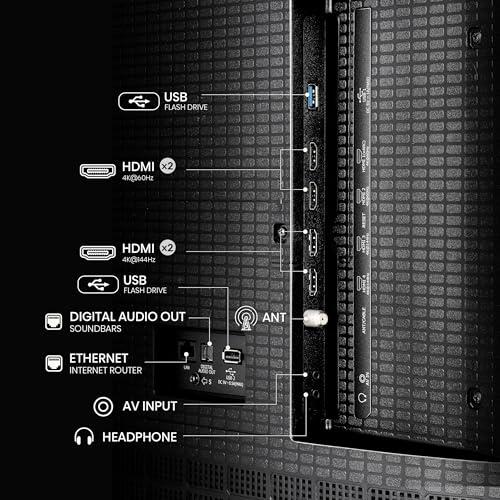
| 4 HDMI (2x HDMI 2.1), WiFi 6, 2 USB ports | 4 HDMI (2x HDMI 2.1), WiFi 6E, 2 USB ports |
| Weight and Dimensions - Installation and furniture requirements | |
| 140 lbs with stand, 136.7 lbs without | 137.8 lbs with stand, 132.3 lbs without |
| Warranty Coverage - Protection for premium investment | |
| 12 months parts and labor | 2 years parts and labor |
| Target User - Who benefits most from each model's strengths | |
| Premium features for enthusiasts, gamers, Amazon ecosystem users | Maximum value for Google users, excellent performance at lower cost |
The primary difference is display technology. The Hisense 100" U6 Series Mini-LED uses advanced Mini-LED backlighting for superior contrast and brightness control, while the Hisense 100" U76 Series QLED uses traditional QLED technology with quantum dot color enhancement. The U6 also runs Fire TV, while the U76 uses Google TV.
The Hisense 100" U6 Series Mini-LED has a slight gaming advantage with its true 144Hz native panel and 48-144Hz VRR support. However, the Hisense 100" U76 Series QLED still offers excellent gaming performance with Game Mode Pro, ALLM, and FreeSync Premium support. Both are suitable for next-gen console gaming.
The Hisense 100" U6 Series Mini-LED generally delivers superior picture quality with better contrast, deeper blacks, and higher peak brightness (1,000 nits vs 800 nits). The Mini-LED technology provides more precise local dimming, resulting in better HDR performance and less blooming around bright objects.
This depends on your ecosystem preferences. The U6 Series with Fire TV works best for Amazon Prime users and those with Alexa smart homes. The U76 Series with Google TV is better for users who prefer Google services, YouTube TV, and Chromecast functionality. Both platforms offer comprehensive app support.
The Hisense 100" U76 Series QLED typically offers better value, providing excellent performance at a lower price point. The Hisense 100" U6 Series Mini-LED costs more but delivers premium features like Mini-LED technology and higher brightness that justify the price for enthusiasts.
The Hisense 100" U6 Series Mini-LED performs better in bright rooms due to its higher peak brightness (1,000 nits) and superior local dimming. The U76 Series with 800 nits peak brightness works well in controlled lighting but may struggle with very bright ambient light.
The Hisense 100" U6 Series Mini-LED offers superior HDR performance thanks to its higher peak brightness and Mini-LED local dimming technology. Both models support Dolby Vision and HDR10+, but the U6 can display brighter highlights and maintain better shadow detail simultaneously.
Both models excel in home theater applications at 100 inches. The U6 Series provides premium contrast performance ideal for movie watching, while the U76 Series offers excellent cinematic experience at a more accessible price. Both support Dolby Atmos and work well with external sound systems.
Both the Hisense 100" U6 Series Mini-LED and Hisense 100" U76 Series QLED feature similar 50W audio systems with Dolby Atmos support. The U76 specifically includes a dedicated subwoofer configuration (15W x2 + 20W subwoofer), while both models benefit from external sound systems for optimal home theater performance.
Both models offer similar connectivity with 4 HDMI ports (including 2 HDMI 2.1 ports), USB ports, and wireless capabilities. The U76 Series includes WiFi 6E compared to the U6 Series' WiFi 6, providing potentially faster wireless performance.
The Hisense 100" U76 Series QLED includes a 2-year warranty covering parts and labor, while the Hisense 100" U6 Series Mini-LED comes with a 12-month warranty. This gives the U76 an advantage in long-term protection coverage.
Choose the Hisense 100" U6 Series Mini-LED if you want premium picture quality, use Amazon services heavily, or prioritize gaming performance. Select the Hisense 100" U76 Series QLED if you prefer Google services, want maximum value, or need longer warranty coverage. Both deliver exceptional 100-inch viewing experiences.
We've done our best to create useful and informative comparisons to help you decide what product to buy. Our research uses advanced automated methods to create this comparison and perfection is not possible - please contact us for corrections or questions. These are the sites we've researched in the creation of this article: bestbuy.com - rtings.com - youtube.com - rtings.com - youtube.com - youtube.com - costco.com - pcrichard.com - hisense-usa.com - electronicexpress.com - pcrichard.com - circuitworldonline.com - bestbuy.com - bestbuy.com - premiumincentive.com - hisense-usa.com - hisense-usa.com - pcrichard.com - rtings.com - bestbuy.com - hisense-usa.com - avsforum.com - bestbuy.com - greentoe.com - walmart.com - rtings.com - youtube.com - files.hisense-usa.com - displayspecifications.com - hisense-canada.com - howards.pairsite.com - displayspecifications.com - electronicexpress.com - hisense-usa.com

Privacy Policy
Terms and Conditions - Affiliate Policy
Home Security
© Copyright 2008-2026.
11816 Inwood Rd #1211, Dallas, TX 75244