

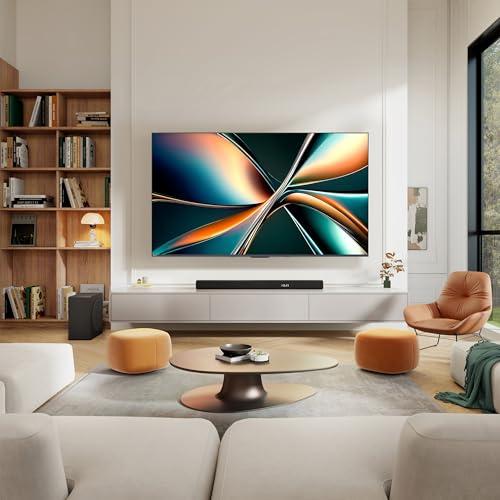
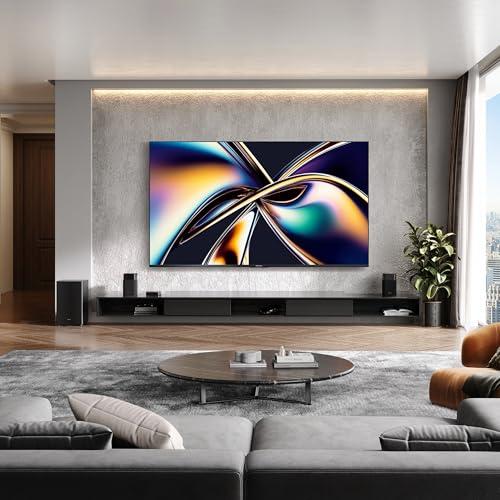
When you're ready to transform your living room into a proper home theater, nothing quite matches the impact of a truly massive TV. We're talking about displays that dwarf your friends' 65-inch screens and make even 85-inch models look modest. In the giant screen category—95 inches and above—two compelling options have emerged that take completely different approaches to delivering that cinema-at-home experience.
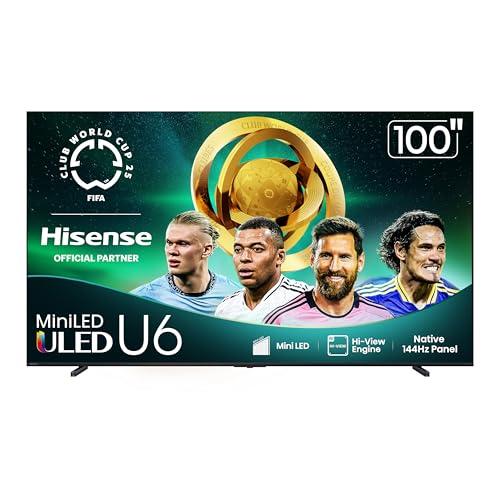
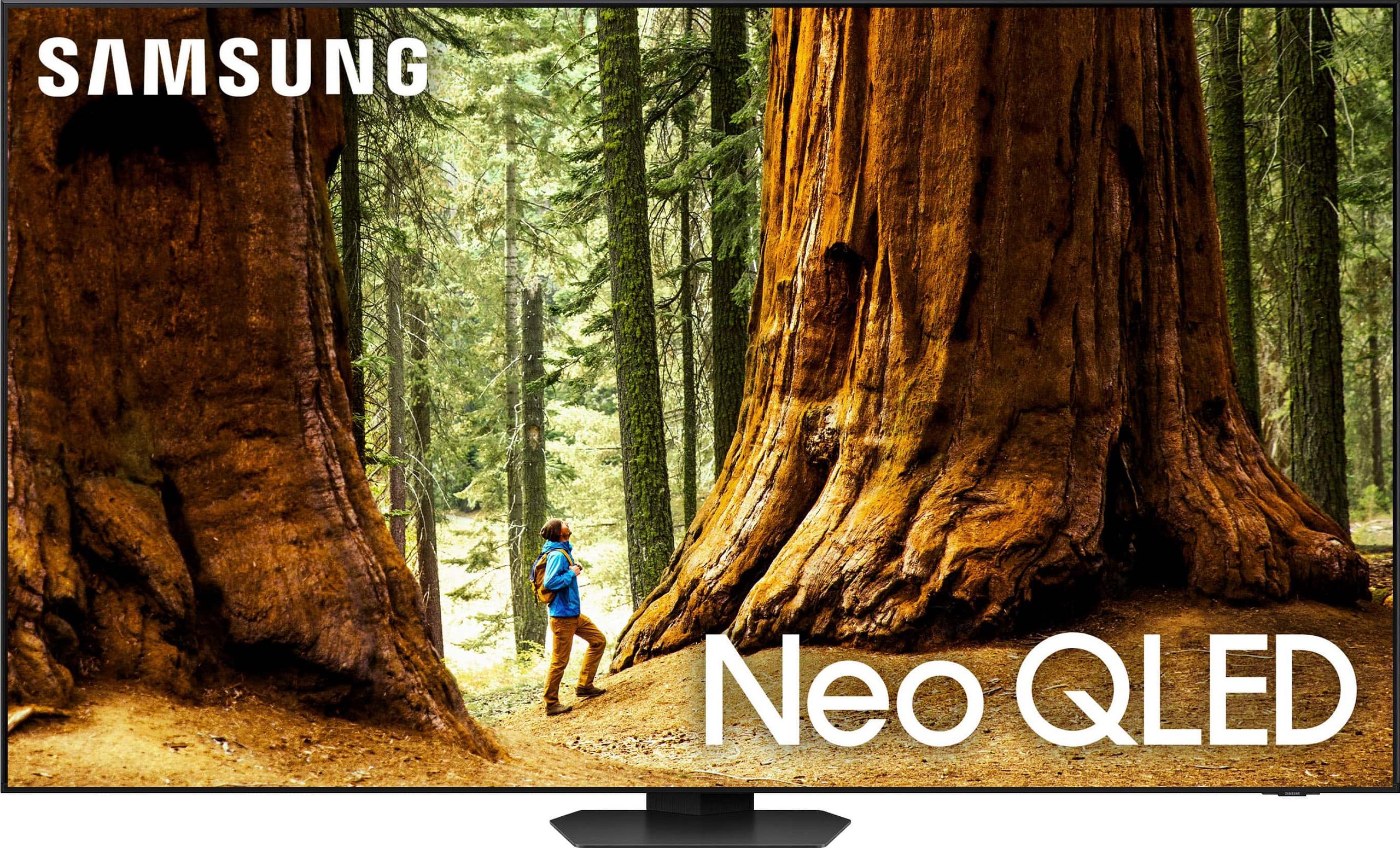
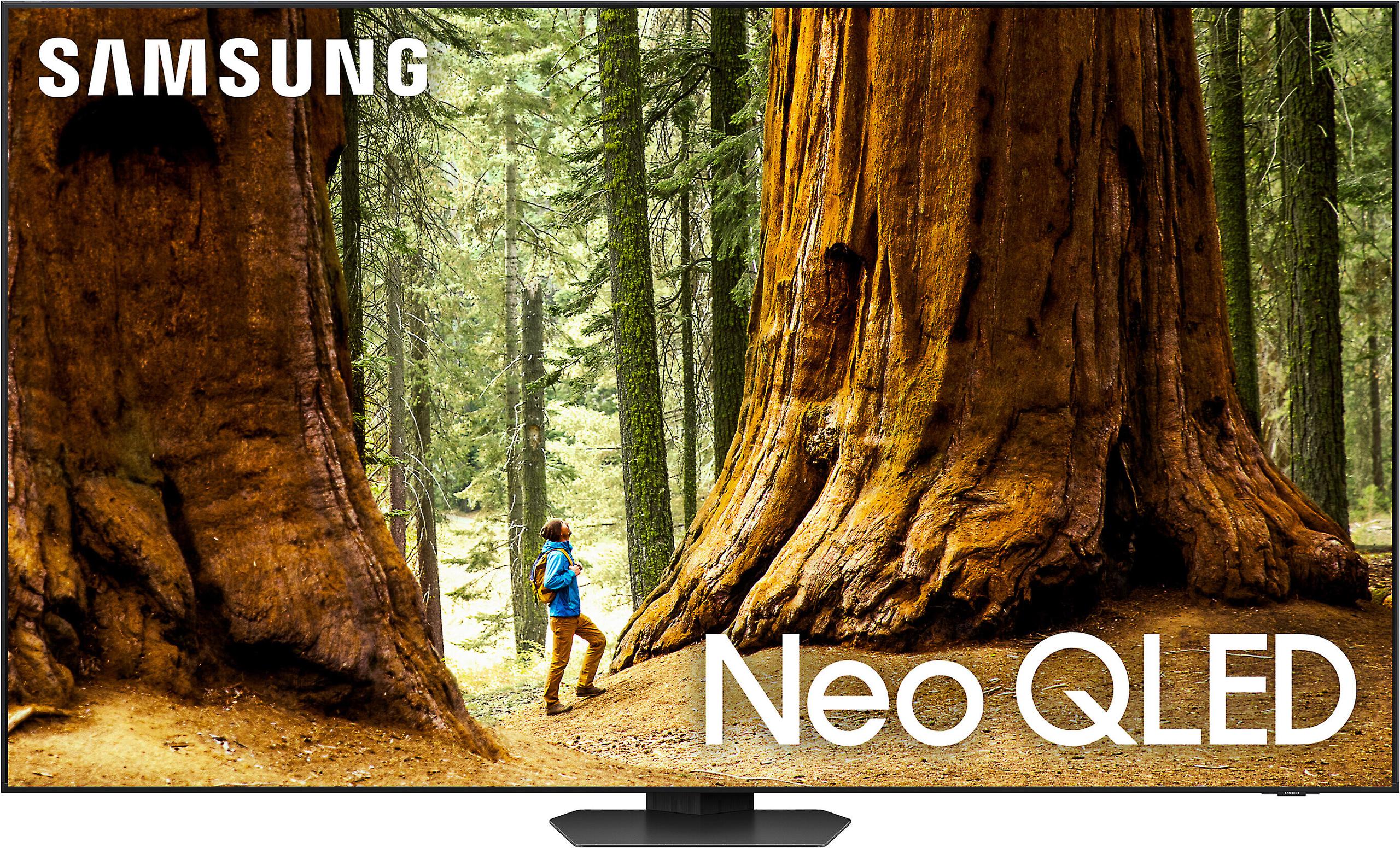
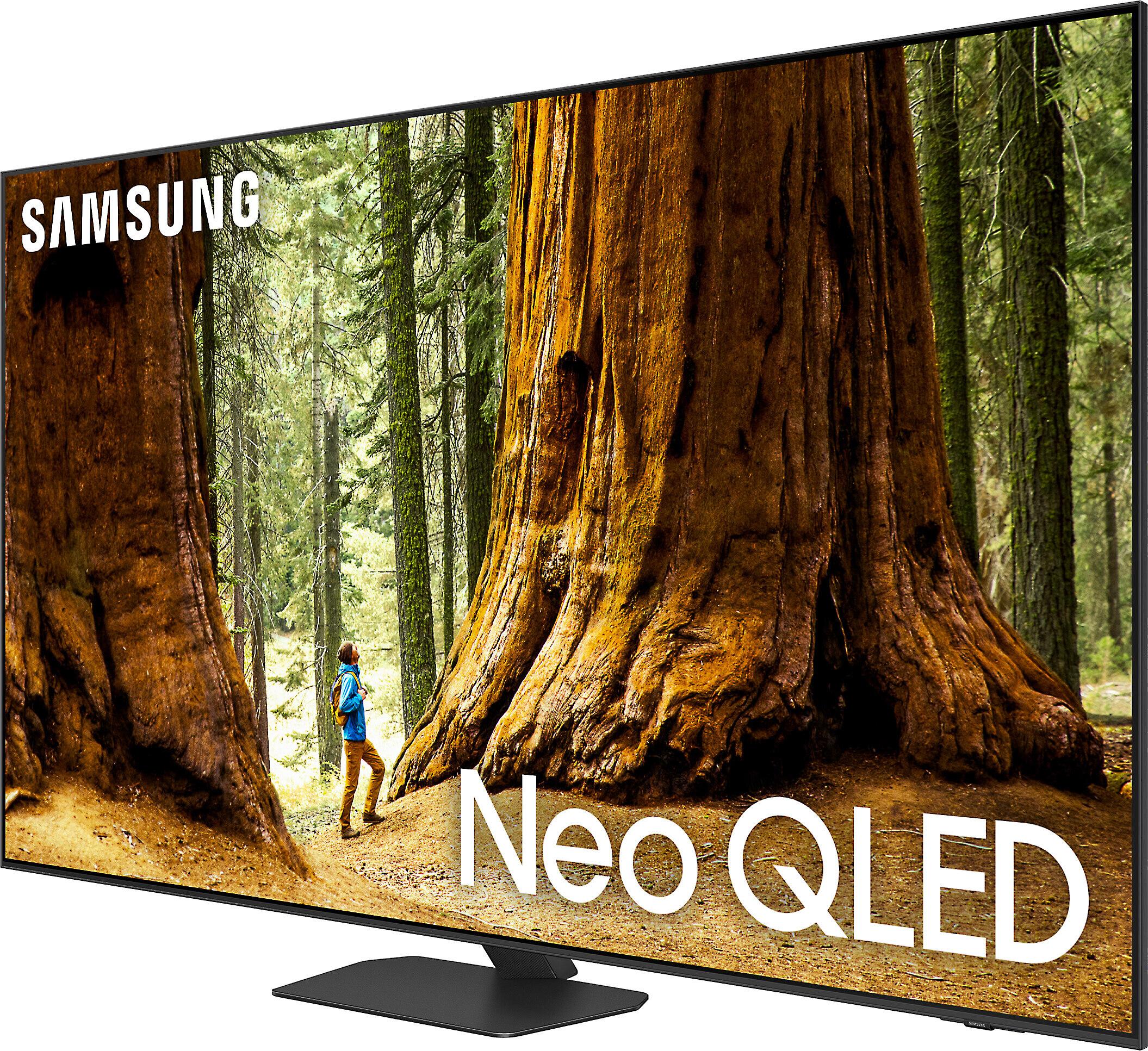
The Hisense 100" U6 Series Mini-LED 4K Fire TV arrived in 2025 as an aggressive value play, offering a genuine 100-inch display at a price that would have been unthinkable just a few years ago. Meanwhile, Samsung's 98" QN90D Series Neo QLED, released in 2024, represents the premium approach with refined processing and sophisticated features that justify its significantly higher cost.
At the time of writing, these TVs sit in completely different price brackets—the Hisense costs roughly what a premium 75-inch TV commanded just three years ago, while the Samsung commands true luxury pricing. This dramatic price gap reflects fundamentally different philosophies about what matters most in a giant screen TV.
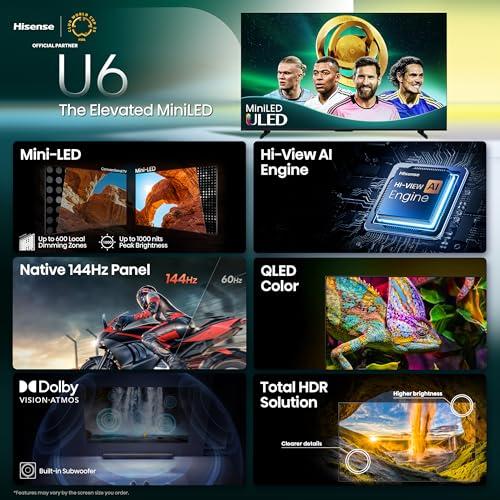
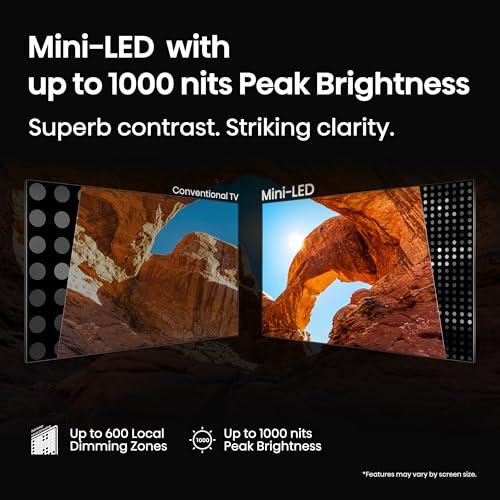
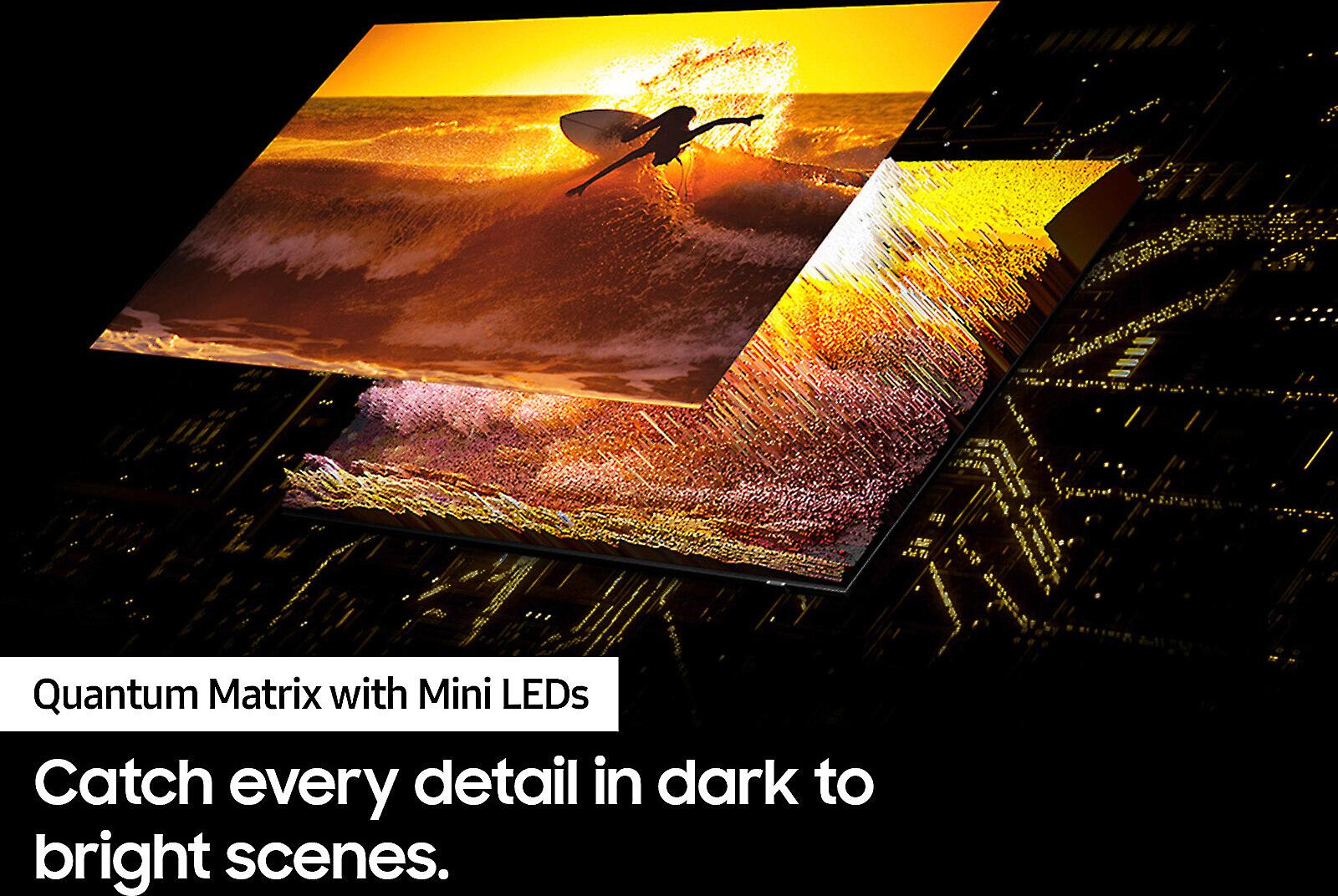
Before diving into specifics, it's worth understanding what makes these massive displays possible. Both TVs use Mini-LED backlighting, a technology that's revolutionized large screen performance over the past few years. Traditional LED TVs use relatively large LED lights behind the screen, making it difficult to control brightness precisely across different areas of the image. Mini-LEDs are roughly 1/40th the size of conventional LEDs, allowing manufacturers to pack thousands of them behind the screen and control them in small zones.
This precise control—called local dimming—means that when you're watching a movie with bright explosions against a dark sky, the TV can make the explosion areas blazingly bright while keeping the night sky truly black. It's the difference between watching a fireworks show through a dirty window versus being there in person.
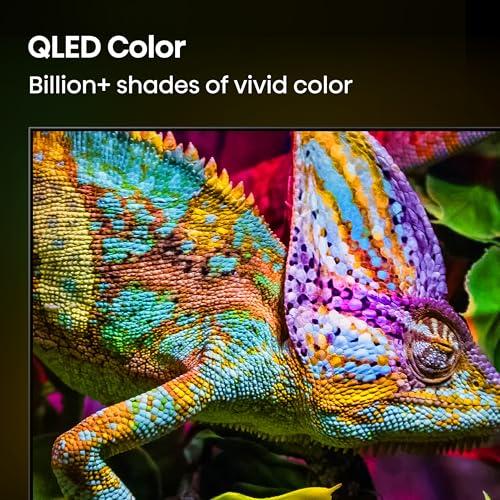
Both TVs also feature Quantum Dot technology (the "Q" in QLED), which uses tiny semiconductor crystals to produce more accurate and vibrant colors. Think of quantum dots as extremely precise color filters that help the TV display over a billion different shades, compared to millions on older displays.
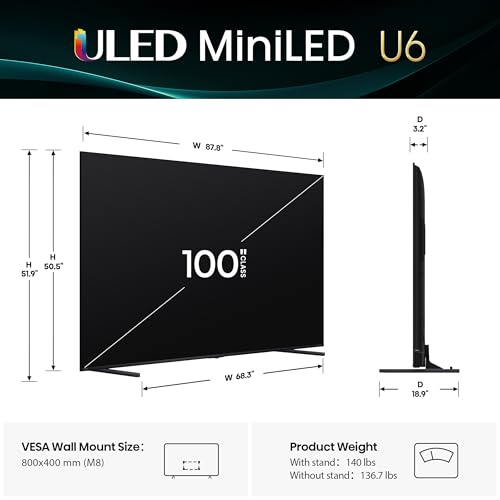
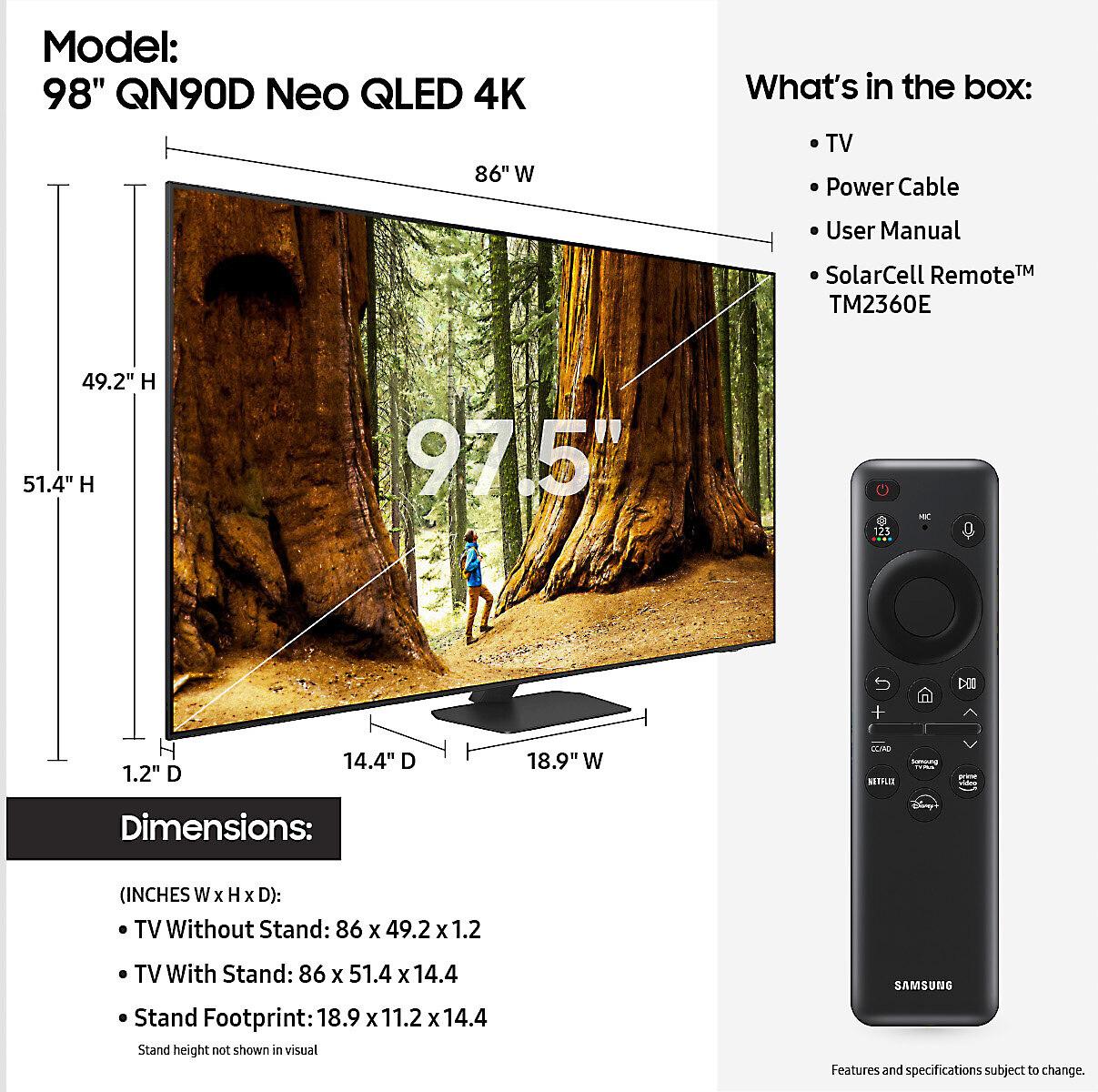
The Hisense 100" U6 delivers exactly what its name promises—a true 100-inch diagonal measurement. That translates to roughly 87 inches wide and 49 inches tall of pure screen real estate. For context, that's about the size of a king-size bed turned on its side. The Samsung 98" QN90D, while still enormous, gives you about 4% less screen area—roughly equivalent to the difference between a 55-inch and 57-inch TV.
That 2-inch difference might sound trivial, but in a dedicated home theater where you want maximum immersion, every inch counts. When you're sitting 12-15 feet away (the optimal distance for these screen sizes), those extra two inches help fill more of your peripheral vision, creating a more enveloping experience.
From a pure value perspective, at the time of writing, you're paying roughly four times as much per inch of screen with the Samsung versus the Hisense. This isn't just about screen size though—it reflects completely different approaches to what constitutes value in a premium TV.
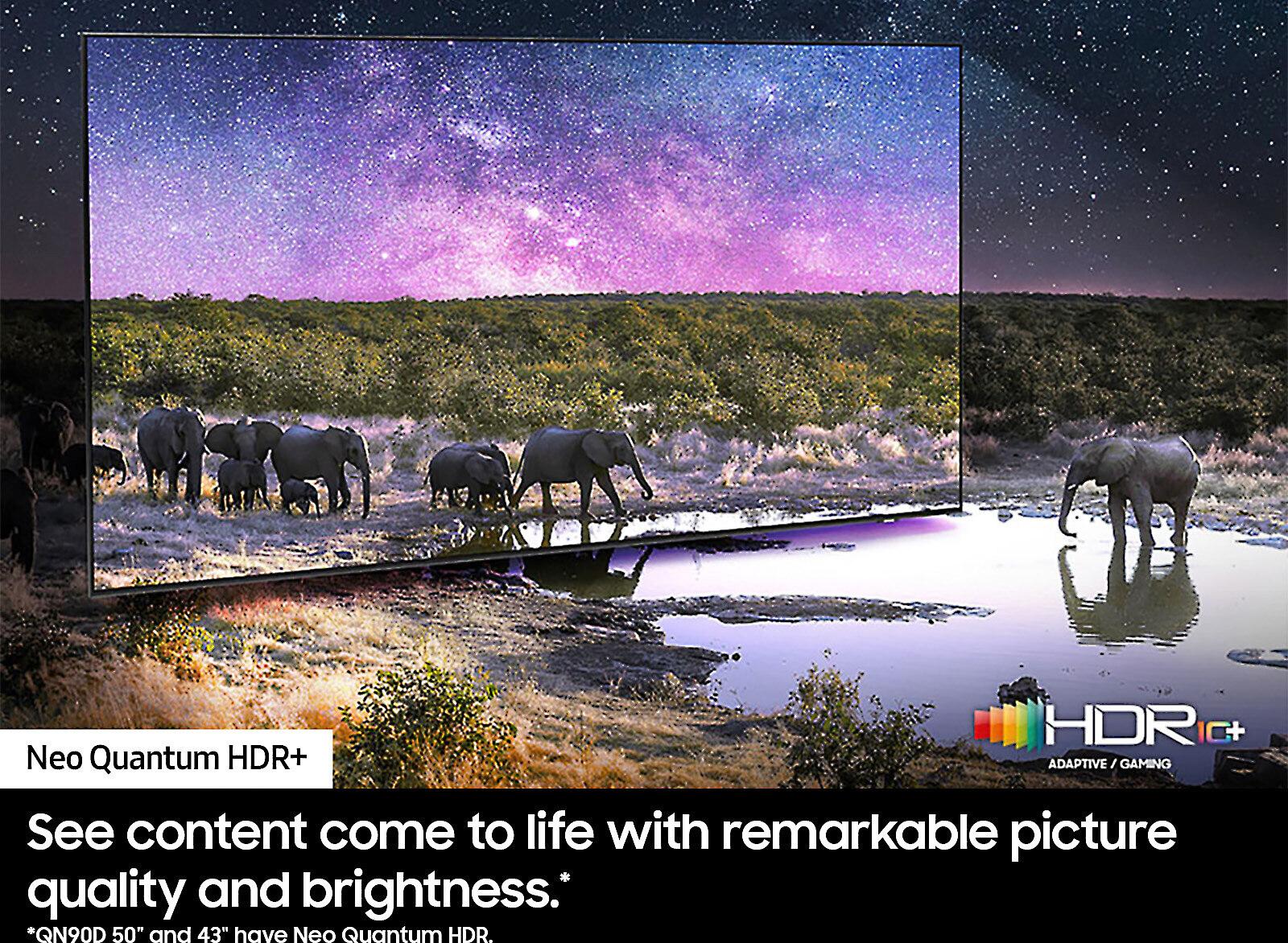
The most significant performance difference lies in peak brightness capability. The Samsung QN90D can reach over 1,500 nits in its brightest areas—bright enough that highlights in HDR movies genuinely pop off the screen, even in a room with some ambient lighting. For comparison, the Hisense U6 reaches approximately 800-1,000 nits, which is still impressive for its price category but noticeably dimmer in direct comparisons.
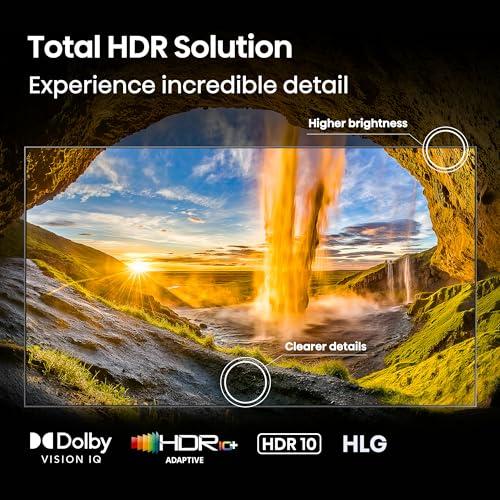
This brightness difference becomes crucial for HDR (High Dynamic Range) content, which is designed to showcase a wider range from the darkest shadows to the brightest highlights. When you're watching a sunrise scene in a nature documentary or an explosion in an action movie, the Samsung's extra brightness makes these moments more impactful and realistic.
However, the Hisense doesn't just rely on raw brightness. Its Mini-LED system includes up to 608 local dimming zones—individual sections of the backlight that can be controlled independently. This means when you're watching a movie with a bright moon against a dark sky, the TV can make the moon brilliant while keeping the surrounding sky truly black, without the "blooming" or halo effect that cheaper TVs often show.
Both TVs use Quantum Dot technology, but Samsung's implementation benefits from years of refinement. In our research of professional reviews and user feedback, the Samsung consistently delivers more accurate colors out of the box, with better factory calibration that means you'll get closer to what content creators intended without needing professional adjustment.
The Hisense U6 produces vibrant, appealing colors that most viewers will love, though some professional reviews note a slight green tint in certain viewing conditions. For most content—sports, movies, gaming—this won't be noticeable unless you're directly comparing displays side by side.
Color volume is another consideration. This measures how well a TV can display bright, saturated colors—think of a bright red Ferrari in direct sunlight. The Samsung's higher peak brightness allows it to render these challenging colors more accurately, while the Hisense handles them well but with less punch.
This is where Samsung's premium positioning becomes most apparent. The Samsung QN90D includes Samsung's most advanced Quantum Matrix processing, developed over multiple generations of premium TVs. This system analyzes every frame in real-time, optimizing contrast, sharpness, and motion handling based on the content type.
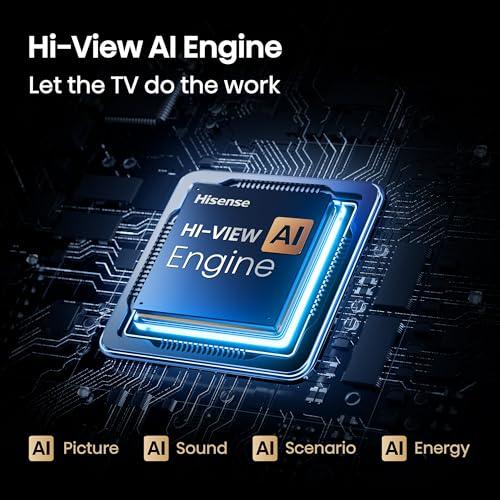
The Hisense U6 features the Hi-View AI Engine, which includes AI 4K Upscaling and specialized modes for sports and gaming. While not as sophisticated as Samsung's processing, it does an admirable job of making lower-resolution content look sharp on that massive 100-inch screen—crucial since not all content is available in true 4K.
The upscaling capability matters more than you might think. Much of what you'll watch—older movies, some streaming content, cable TV—isn't filmed in 4K. On a 100-inch screen, any flaws in the source material become magnified, so effective upscaling can make the difference between content that looks crisp versus obviously stretched.
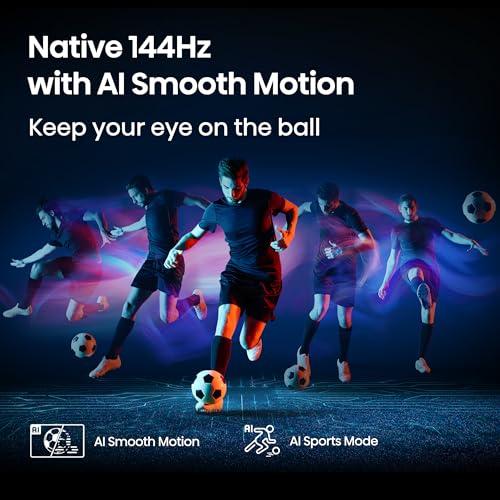
Both displays cater to serious gamers with 144Hz refresh rates—more than double the standard 60Hz found on most TVs until recently. This high refresh rate means motion appears smoother, particularly beneficial for fast-paced gaming and sports content.
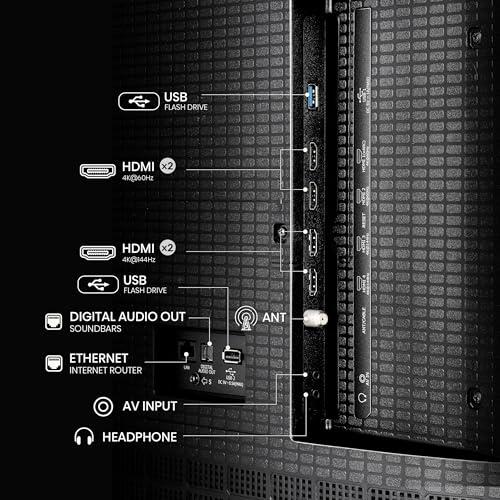
The Hisense 100" U6 includes Game Mode Pro with Variable Refresh Rate (VRR) support from 48Hz to 144Hz. VRR synchronizes the TV's refresh rate with your gaming console's output, eliminating screen tearing—those horizontal lines that can appear during fast motion. For PlayStation 5 or Xbox Series X gaming, this creates noticeably smoother gameplay.
Samsung's QN90D offers similar gaming specifications but adds Samsung's Gaming Hub ecosystem, which integrates cloud gaming services directly into the TV. While both TVs handle gaming excellently, the choice often comes down to ecosystem preferences and whether you value the larger screen size for immersive gaming experiences.
Input lag—the delay between pressing a button and seeing the result on screen—is low enough on both TVs for competitive gaming. The difference between them is measured in milliseconds and won't be noticeable to most players.
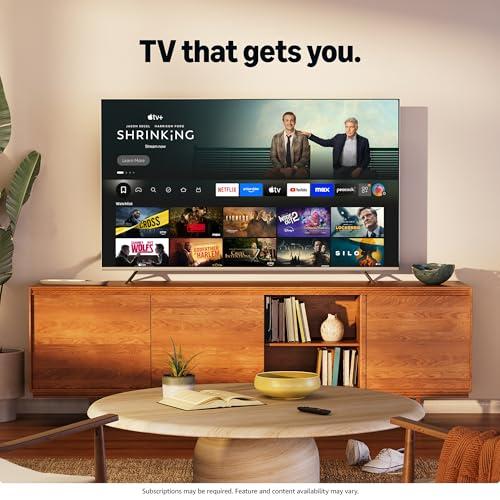
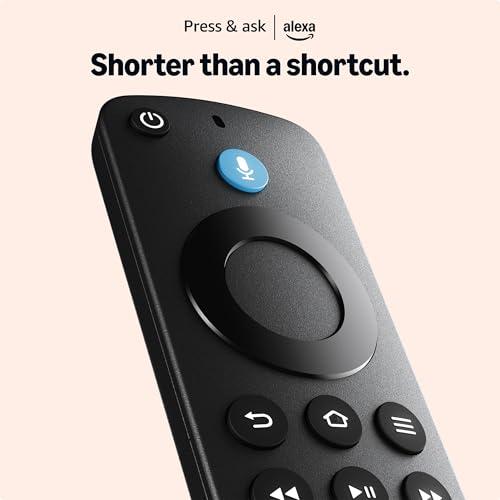
The software experience represents another fundamental difference. The Hisense U6 runs Amazon's Fire TV platform, which integrates seamlessly with Alexa voice control and Amazon's ecosystem. Fire TV offers an extensive app library and puts Amazon Prime Video content front and center, which works well if you're already invested in Amazon's services.
Samsung's Samsung QN90D uses Tizen, Samsung's proprietary smart TV platform. Tizen generally receives praise for its polished performance, intuitive navigation, and regular updates. It integrates well with Samsung's SmartThings ecosystem if you have other Samsung devices or smart home products.
Both platforms offer all the major streaming apps—Netflix, Disney+, Apple TV+, YouTube, and others. The choice often comes down to personal preference and existing ecosystem investments. Fire TV feels more familiar if you've used Amazon's streaming devices, while Tizen offers a more refined, TV-optimized experience.
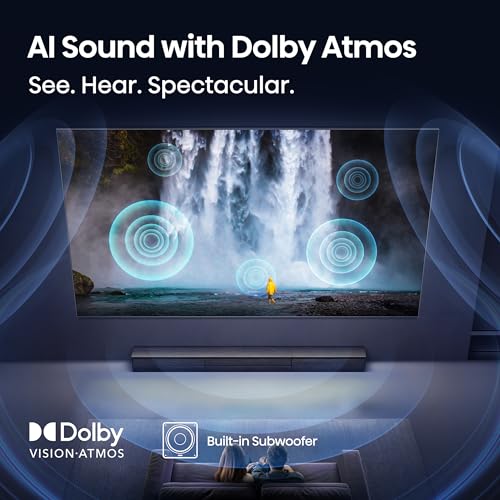
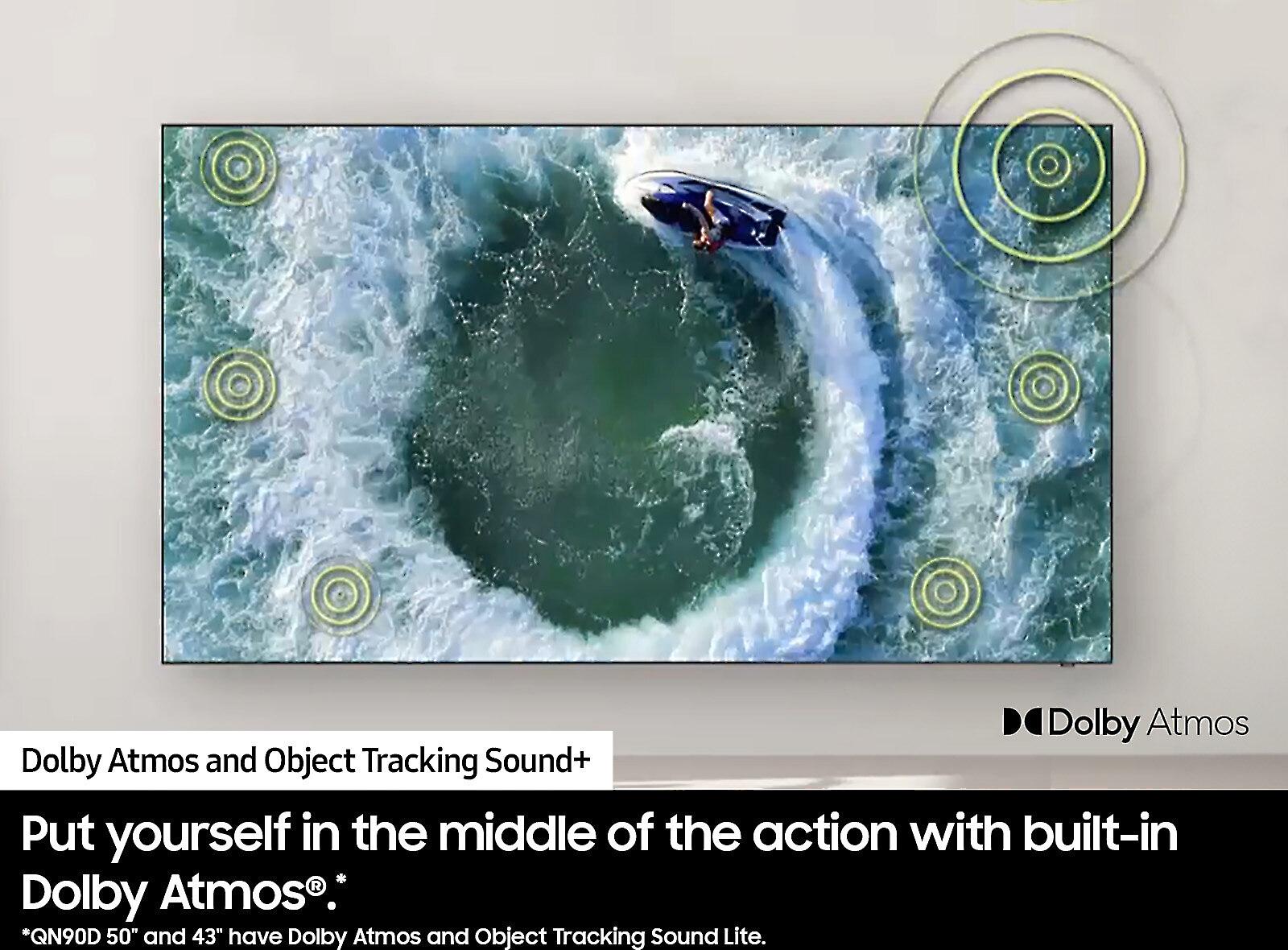
This might be the most practical difference between these TVs. The Samsung QN90D includes Object Tracking Sound+, a sophisticated 2.2 speaker system that creates directional audio effects. When a car drives across the screen in an action movie, the sound follows it from left to right. With 40 watts of power and dedicated drivers, it's genuinely impressive for built-in TV audio.
The Hisense U6 includes a basic 2.0 system with 20 watts of power and a small integrated subwoofer. While it supports Dolby Atmos processing, the physical speakers can't deliver the full impact. For most users, adding a soundbar becomes essential to match the visual scale of that 100-inch screen.
From a total cost perspective, this matters. If you're buying the Hisense, budget an additional few hundred dollars for a decent soundbar to complete the experience. The Samsung's superior built-in audio might delay or eliminate that need, partially offsetting its higher purchase price.
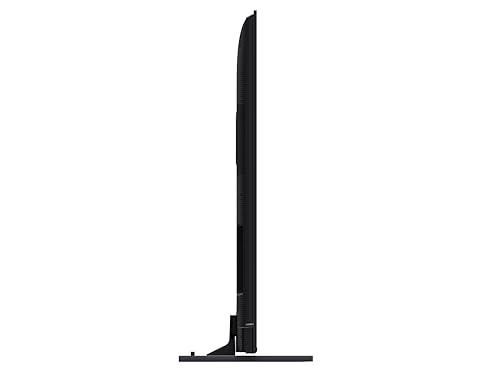
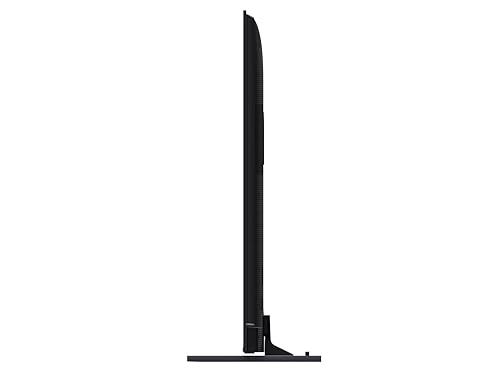
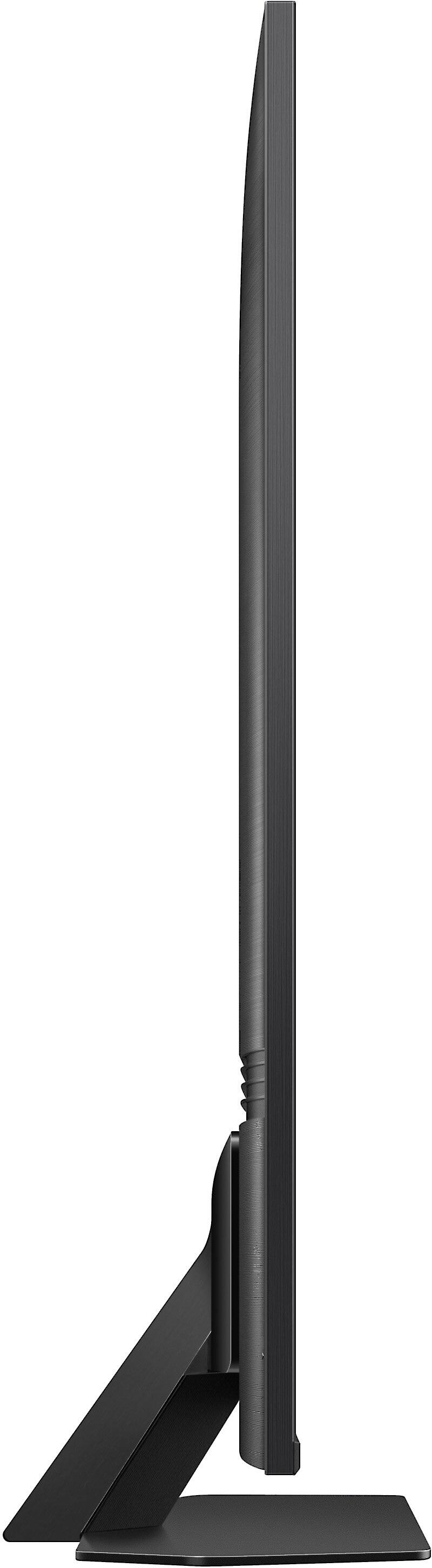
These aren't ordinary TVs that you unbox and set up in an afternoon. The Hisense 100" U6 weighs about 140 pounds with its stand and measures nearly 88 inches wide. The Samsung 98" QN90D comes in at about 167 pounds and 86 inches wide. Both require careful planning and likely professional installation.
For wall mounting, you'll need a robust mounting system rated for these weights, and the wall itself needs to be structurally sound—preferably with mounting into wall studs. Many buyers opt for professional installation, which often includes wall mounting and initial calibration.
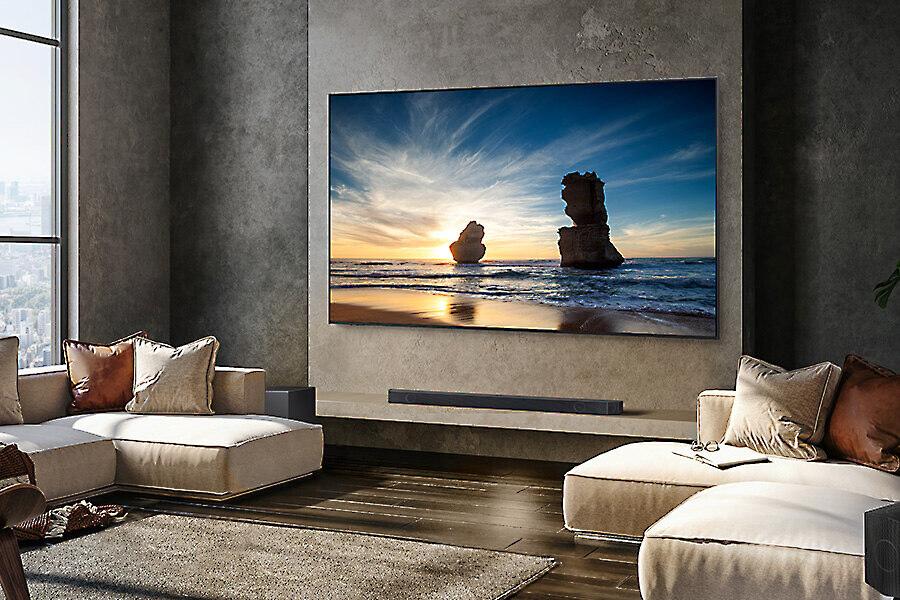
Viewing distance becomes crucial at these sizes. Sitting too close creates an uncomfortable experience where you're constantly moving your head to follow action. The optimal range sits between 10-16 feet, with 12-14 feet being the sweet spot for most content. This means you need a reasonably large room to take full advantage of either display.
The Hisense 100" U6 makes sense when you prioritize the cinematic experience above all else. In a dedicated home theater room with controlled lighting, that extra screen real estate creates genuine immersion that smaller displays—even premium ones—can't match.
This TV excels for sports viewing, where the AI Sports Mode optimizes color and motion for athletic content. Watching football or basketball on a 100-inch screen transforms the experience, making you feel like you're in the stadium rather than watching from home.
For gaming enthusiasts, the 144Hz refresh rate combined with VRR creates an excellent experience, and the larger screen size adds to the immersion in racing games or first-person shooters. At this price point, you're getting gaming performance that would cost significantly more in smaller premium displays.
The value proposition remains compelling if you're willing to invest in a soundbar and accept that the picture quality, while impressive, doesn't quite match premium competitors. You're essentially choosing maximum screen size and solid performance over refinement.
The Samsung QN90D justifies its premium pricing through superior execution across multiple areas. The advanced processing creates more natural, accurate images that look stunning even with challenging content. The higher peak brightness makes HDR content genuinely impactful, especially important if your viewing room has any ambient lighting.
The built-in audio system represents a genuine advantage, delivering sound quality that matches the visual scale without immediately requiring external speakers. For many buyers, this creates a more complete out-of-the-box experience.
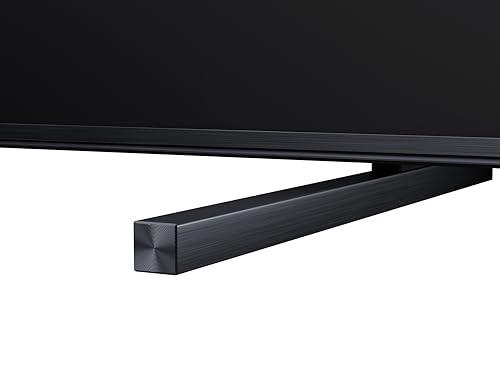
Samsung's reputation for long-term reliability and extensive service network provides peace of mind for such a significant investment. The build quality feels more premium, with attention to details like cable management and stand design that matter in a living room installation.
This TV makes sense when picture quality takes priority over maximum size, when you value refined performance over pure value, and when the budget allows for premium features.
In a dedicated home theater environment, both TVs can deliver spectacular results, but they suit different approaches. The Hisense 100" U6 works brilliantly when you're building around maximum screen impact, especially with controlled lighting that doesn't require extreme brightness.
Paired with a quality soundbar or surround sound system, blackout curtains, and proper seating distance, the Hisense creates an experience that rivals commercial movie theaters. The 2-inch size advantage over the Samsung becomes more meaningful in this environment, where every bit of screen real estate adds to the immersion.
The Samsung QN90D suits mixed-use spaces where the TV needs to perform well with various lighting conditions and content types. Its superior brightness and processing handle daytime viewing better, while still delivering excellent performance for dedicated movie nights.
Choose the Hisense 100" U6 when maximum screen size drives your decision, when you have a dedicated theater room with controlled lighting, and when value per dollar remains important. It's ideal for sports enthusiasts, gamers who want maximum immersion, and anyone building their first giant screen setup without breaking the bank.
The Samsung QN90D makes sense when picture quality takes priority over maximum size, when you want excellent built-in audio, and when budget allows for premium performance. It's better for bright rooms, mixed-use installations, and buyers who want the most refined experience available.
Both represent significant investments that should last many years. The Hisense offers spectacular value and maximum impact, while the Samsung delivers premium refinement and superior overall performance. Your choice should align with your priorities, room conditions, and budget—but either way, you'll be getting a genuinely impressive home theater centerpiece.
The giant screen TV market has never offered better options than these two represent, each excelling in their respective approaches to delivering that coveted cinema-at-home experience.
| Hisense 100" U6 Series Mini-LED 4K Fire TV | Samsung 98" QN90D Series Neo QLED 4K Smart TV |
|---|---|
| Screen Size - Critical for immersion and cinematic experience | |
| 100 inches diagonal (99.5" actual) | 98 inches diagonal (97.5" actual) |
| Peak Brightness - Determines HDR impact and bright room performance | |
| ~800-1,000 nits (good for controlled lighting) | 1,500+ nits (excellent for any lighting condition) |
| Local Dimming Zones - Controls contrast and eliminates blooming | |
| Up to 608 zones (solid performance for price) | Higher count with advanced processing (premium contrast control) |
| Smart Platform - Affects daily usability and app ecosystem | |
| Fire TV with Alexa (Amazon ecosystem integration) | Tizen OS (polished performance, Samsung ecosystem) |
| Gaming Performance - Important for console and PC gaming | |
| 144Hz VRR (48-144Hz), Game Mode Pro | 144Hz with Gaming Hub integration |
| Audio System - Determines if you need a soundbar immediately | |
| 2.0 speakers, 20W (soundbar recommended) | 2.2 speakers, 40W with Object Tracking Sound+ (excellent built-in audio) |
| Processing Technology - Affects picture quality and upscaling | |
| Hi-View AI Engine with AI upscaling | Quantum Matrix processing with NQ4 AI Gen2 |
| Value Position - Cost consideration at time of writing | |
| Budget-friendly giant screen option (~$24/inch) | Premium pricing with refined features (~$100/inch) |
| HDR Support - Content compatibility and quality | |
| Dolby Vision IQ, HDR 10+ Adaptive, HDR 10, HLG | Similar format support with superior processing implementation |
| Best For - Target buyer profile | |
| Maximum screen size, dedicated theaters, value-conscious buyers | Premium picture quality, living rooms, audio quality priority |
The Hisense 100" U6 Series Mini-LED 4K Fire TV has a larger screen at 100 inches diagonal, compared to the Samsung 98" QN90D Series Neo QLED 4K Smart TV at 98 inches. While this 2-inch difference might seem small, it provides about 4% more screen area, which can enhance the cinematic experience in a home theater setup.
The biggest picture quality difference is brightness capability. The Samsung 98" QN90D delivers significantly higher peak brightness (1,500+ nits) compared to the Hisense 100" U6 (around 800-1,000 nits). This means the Samsung produces more impactful HDR highlights and performs better in bright rooms, while the Hisense still offers excellent contrast and colors but with less brightness punch.
Both the Hisense 100" U6 Series and Samsung 98" QN90D offer excellent gaming performance with 144Hz refresh rates and low input lag. The Hisense includes Variable Refresh Rate (48-144Hz) in Game Mode Pro, while the Samsung adds Gaming Hub integration. The choice comes down to whether you prefer the larger screen size of the Hisense or the refined processing of the Samsung.
The Samsung 98" QN90D includes an impressive Object Tracking Sound+ system with 40W power that provides excellent built-in audio, potentially eliminating the immediate need for a soundbar. The Hisense 100" U6 has basic 20W speakers that, while adequate, will likely require a soundbar upgrade to match the visual impact of the massive 100-inch screen.
The Hisense 100" U6 uses Fire TV, which integrates seamlessly with Amazon's ecosystem and Alexa voice control. The Samsung 98" QN90D runs Tizen OS, known for its polished performance and regular updates. Fire TV works better if you're invested in Amazon services, while Tizen offers a more refined TV-optimized experience with better overall performance.
Both TVs require substantial room planning. The Hisense 100" U6 measures about 88 inches wide, while the Samsung 98" QN90D is approximately 86 inches wide. You'll need 12-14 feet of viewing distance for optimal experience, meaning a large living room or dedicated home theater space is essential for either display.
At the time of writing, the Hisense 100" U6 Series offers significantly better value per inch of screen, costing roughly one-quarter of the Samsung's price while delivering solid Mini-LED performance. The Samsung 98" QN90D justifies its premium pricing through superior picture processing, better audio, and refined overall execution, but the performance gap doesn't match the price difference.
Yes, both excel at sports viewing. The Hisense 100" U6 includes dedicated AI Sports Mode that optimizes color and motion for athletic content, while the massive 100-inch screen creates stadium-like immersion. The Samsung 98" QN90D offers superior motion handling and brighter highlights that make sports more vibrant, especially in well-lit rooms.
In a dedicated home theater with controlled lighting, the Hisense 100" U6 Series becomes more compelling due to its larger screen size creating maximum immersion. Both TVs deliver excellent black levels through Mini-LED technology, but the extra 2 inches of the Hisense enhances the cinematic experience when brightness isn't a limiting factor.
Both TVs support all major streaming services like Netflix, Disney+, and YouTube. The Hisense 100" U6 with Fire TV offers extensive app selection and Amazon integration, while the Samsung 98" QN90D with Tizen provides faster performance and more polished navigation. Both platforms receive regular updates and handle 4K streaming excellently.
The Samsung 98" QN90D offers premium build quality with better materials, refined cable management, and Samsung's established reputation for long-term reliability. The Hisense 100" U6 provides solid construction appropriate for its value positioning, though it may not match Samsung's premium fit and finish or extensive service network coverage.
Choose the Hisense 100" U6 Series if you prioritize maximum screen size, have a controlled lighting environment, and want excellent performance at a value price. Select the Samsung 98" QN90D if picture quality refinement, superior built-in audio, and premium features matter more than the size difference, and your budget allows for the investment in advanced processing and brighter HDR performance.
We've done our best to create useful and informative comparisons to help you decide what product to buy. Our research uses advanced automated methods to create this comparison and perfection is not possible - please contact us for corrections or questions. These are the sites we've researched in the creation of this article: bestbuy.com - rtings.com - youtube.com - rtings.com - youtube.com - youtube.com - costco.com - pcrichard.com - hisense-usa.com - electronicexpress.com - pcrichard.com - circuitworldonline.com - bestbuy.com - bestbuy.com - premiumincentive.com - hisense-usa.com - hisense-usa.com - pcrichard.com - rtings.com - bestbuy.com - hisense-usa.com - avsforum.com - rtings.com - rtings.com - youtube.com - youtube.com - fullcompass.com - digitalhomecreations.com - jeffsappliance.com - bestbuy.com - displayspecifications.com - samsung.com - samsung.com - image-us.samsung.com - youtube.com

Privacy Policy
Terms and Conditions - Affiliate Policy
Home Security
© Copyright 2008-2026.
11816 Inwood Rd #1211, Dallas, TX 75244