

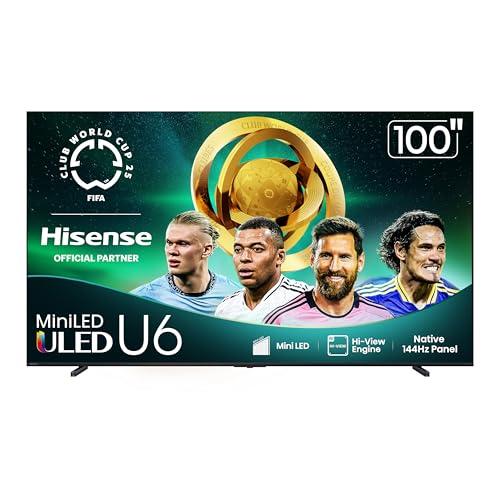
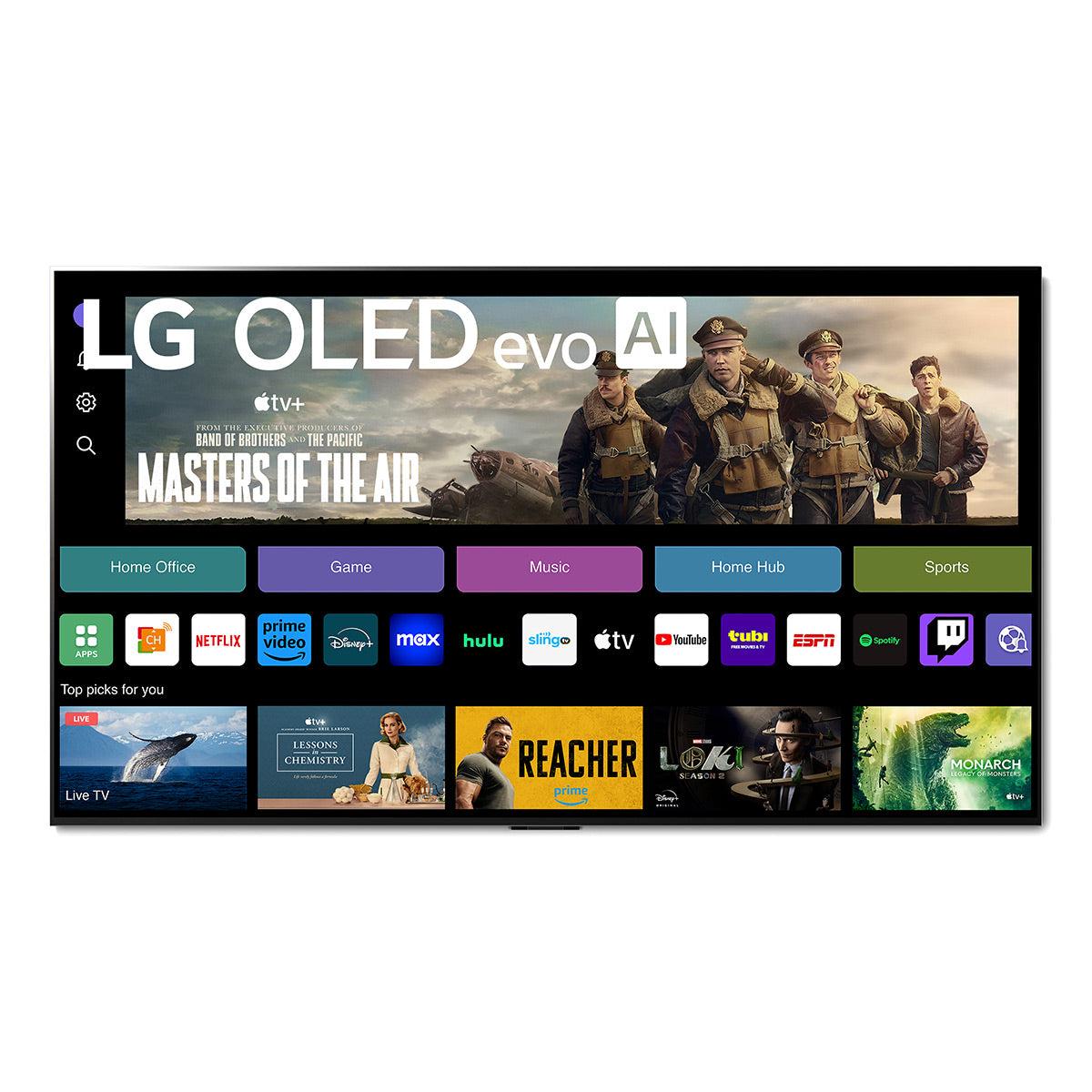
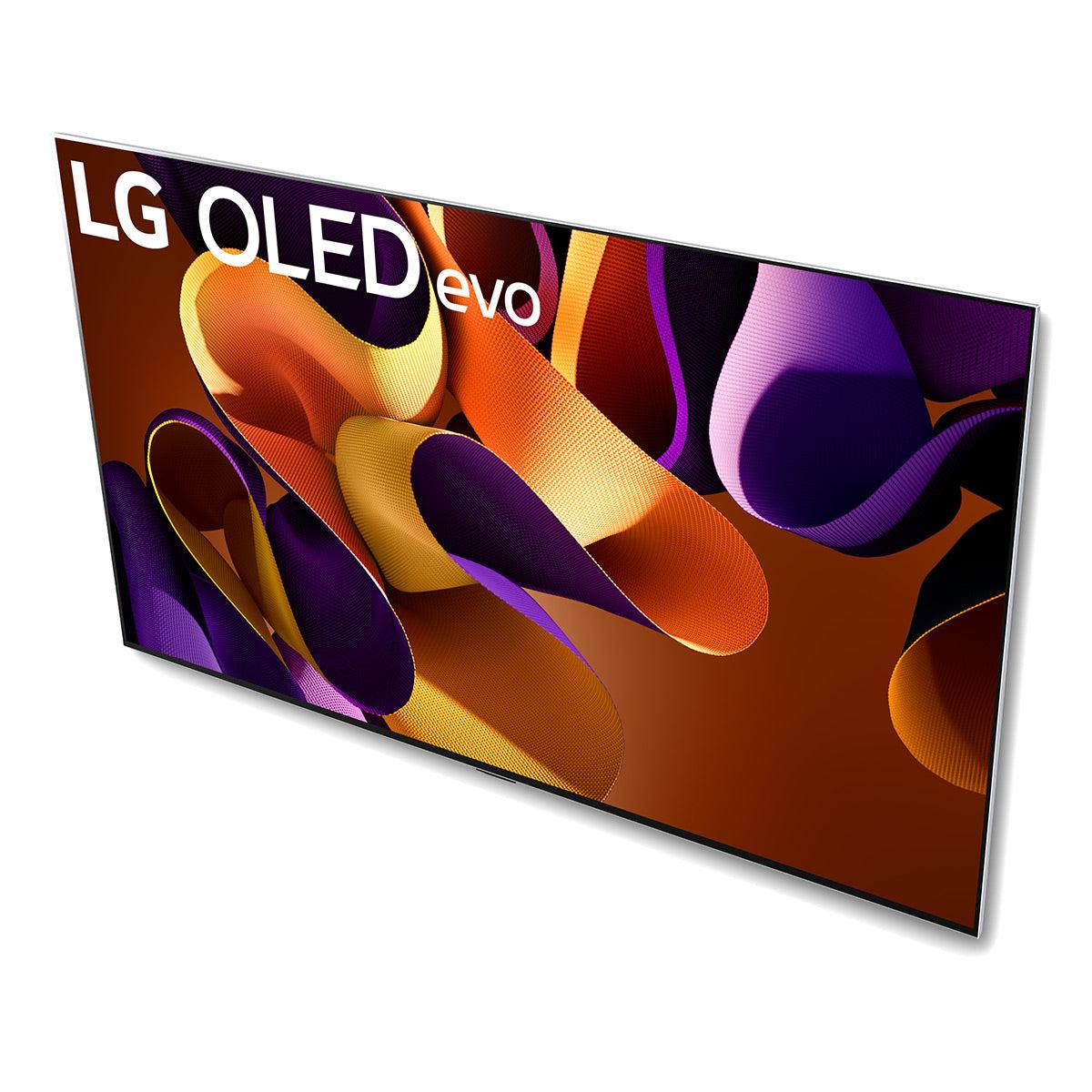
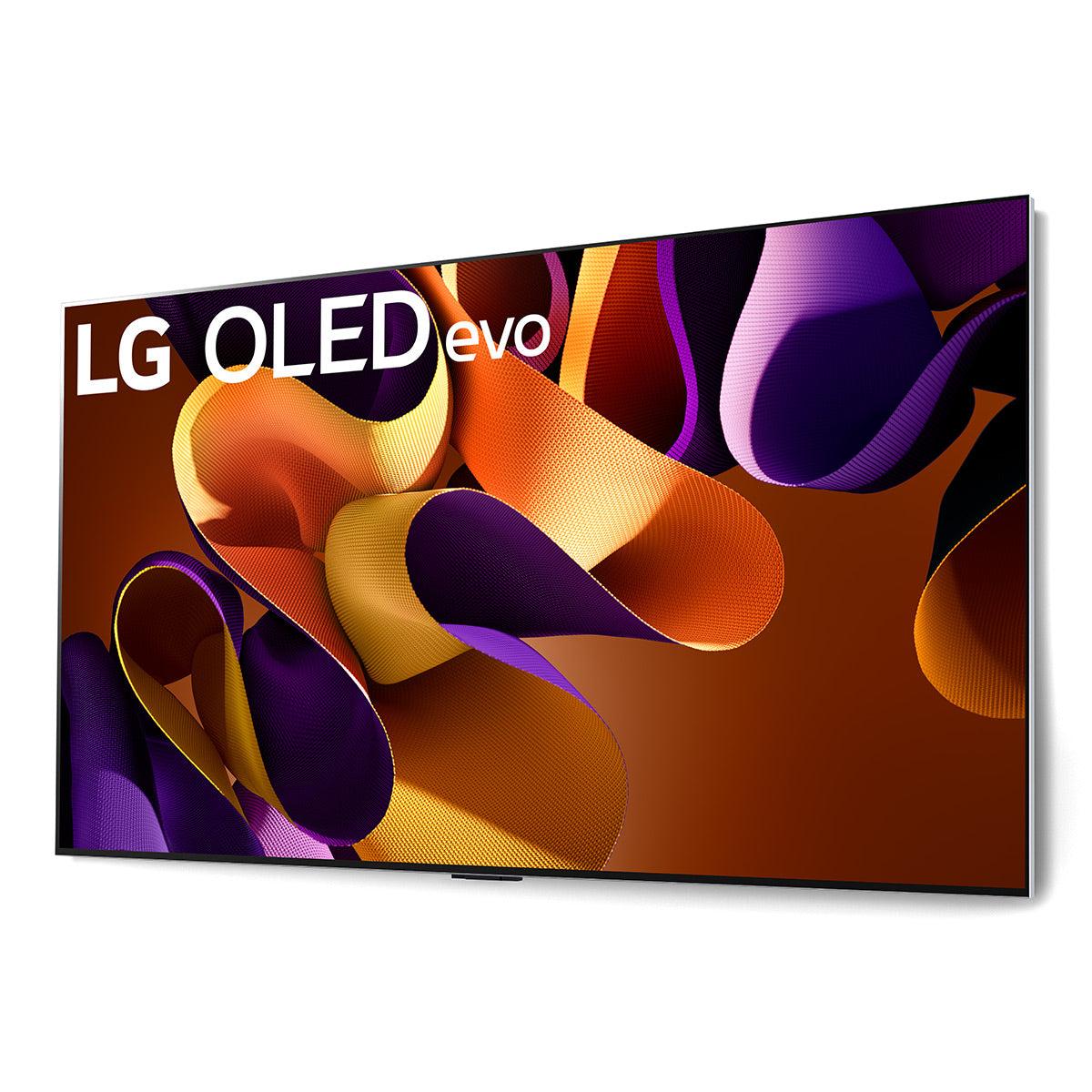
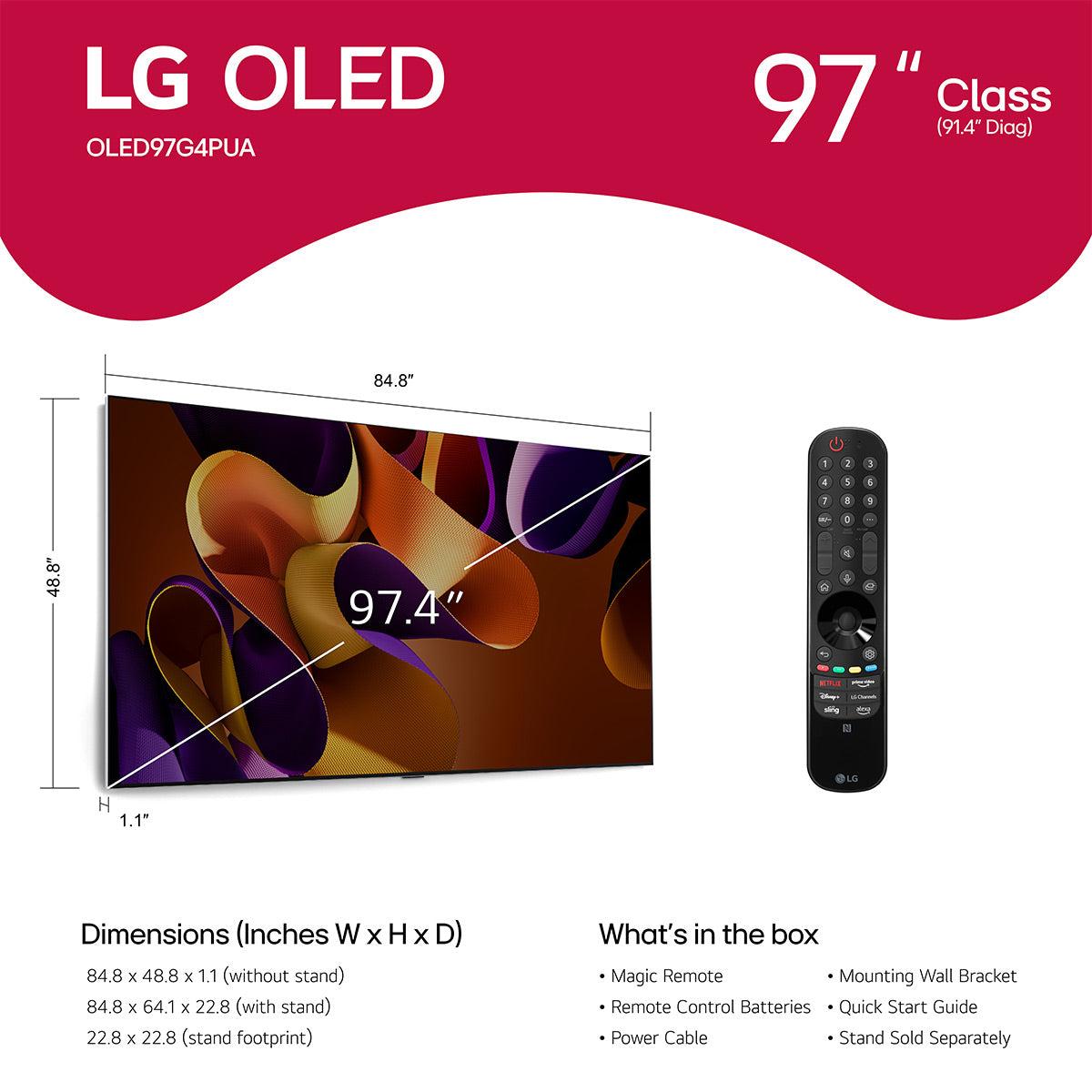
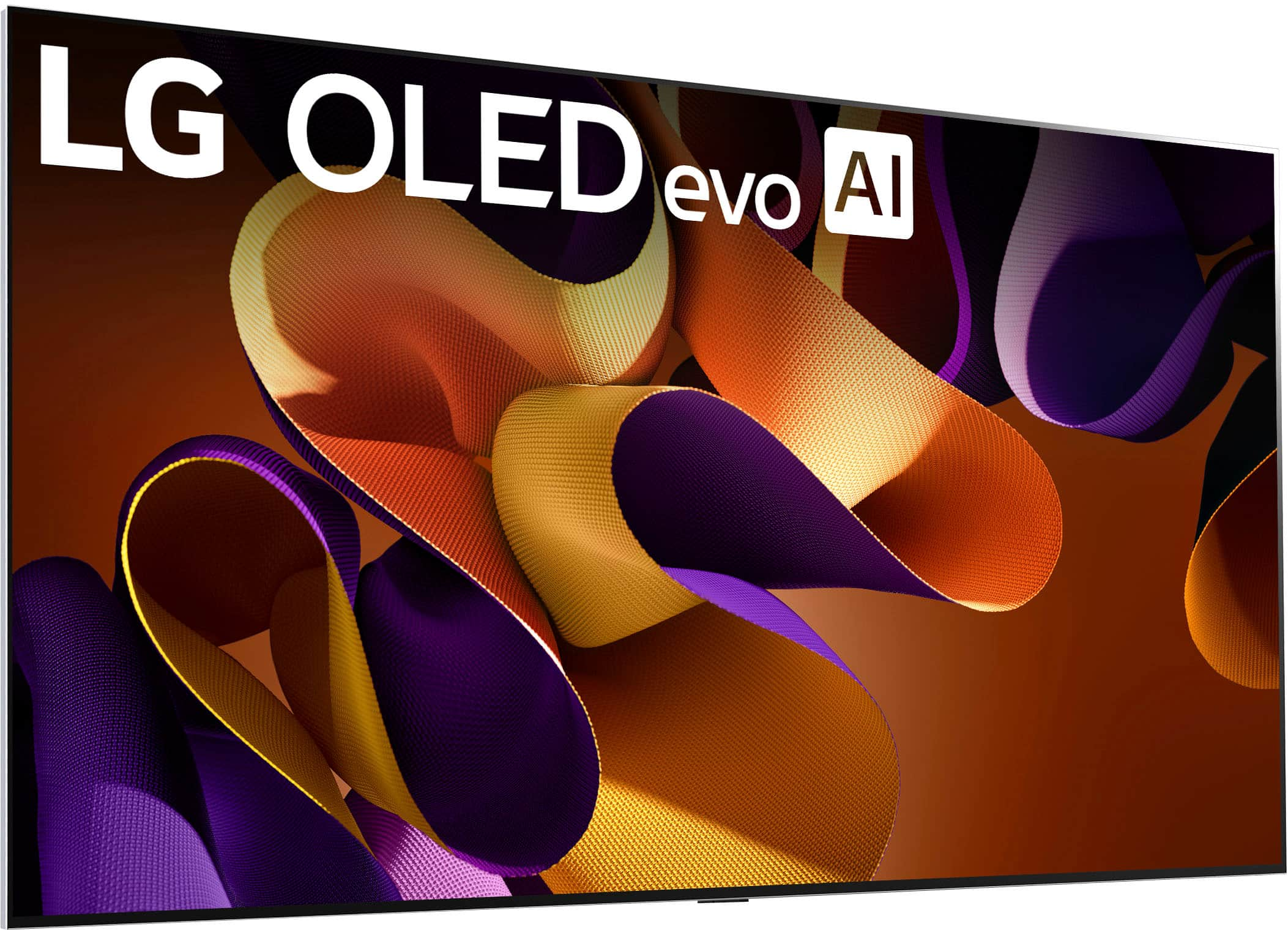
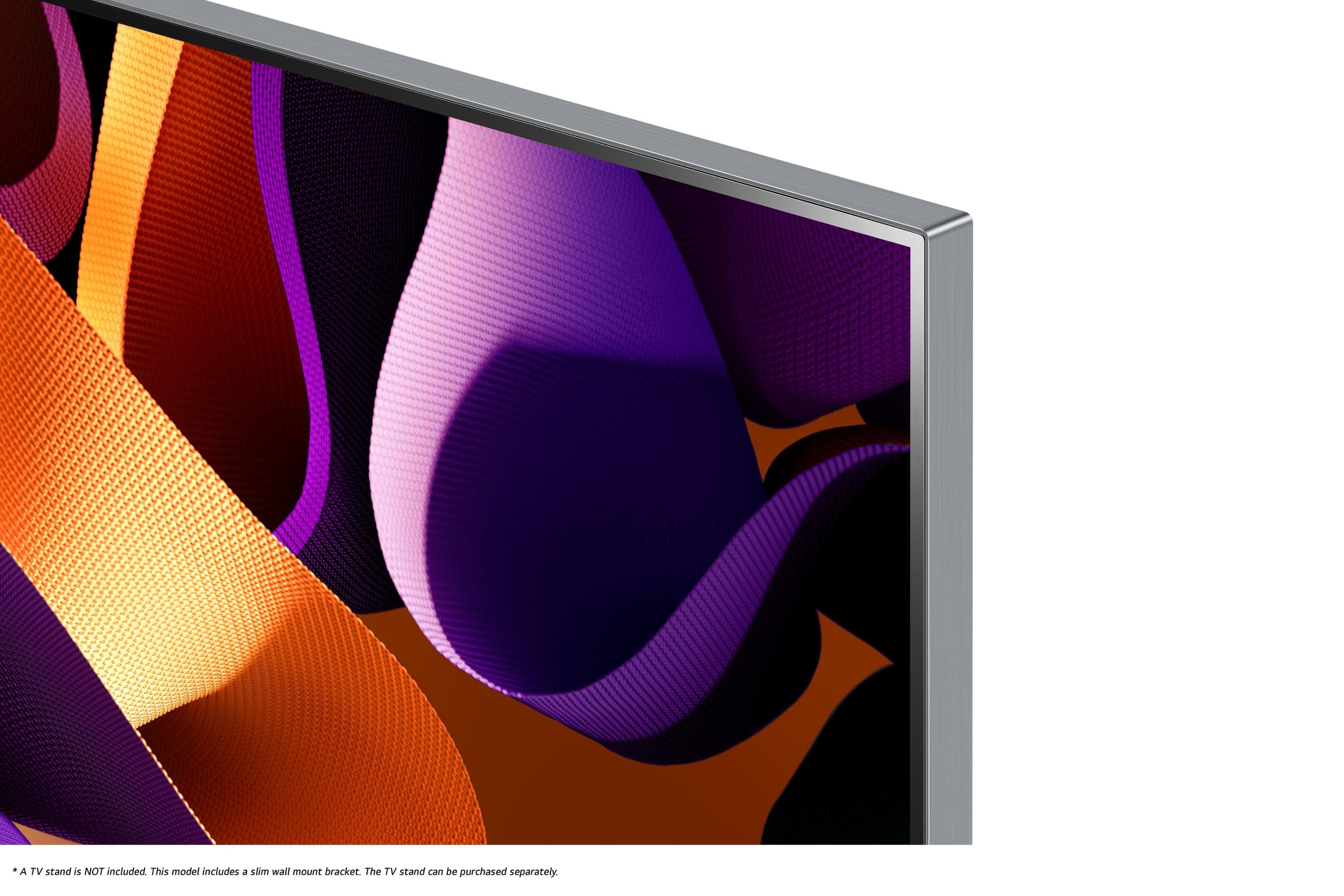
When you're shopping for a TV that's nearly as wide as a compact car, you're entering rarified territory. We're talking about displays so massive they can transform any room into a personal cinema. Today, we're comparing two titans in the ultra-large TV space: the Hisense 100" U6 Series Mini-LED 4K Fire TV and the LG 97" OLED evo G4 Series 4K UHD Smart TV.
These aren't just big TVs—they represent two completely different philosophies for achieving stunning visuals at enormous sizes. One relies on cutting-edge Mini-LED technology to punch through ambient light with incredible brightness, while the other uses self-emitting OLED pixels to create the deepest blacks and most accurate colors possible. The choice between them says a lot about your viewing environment, priorities, and yes, your budget.
Before diving into specifics, let's establish what makes these TVs special. Both displays fall into the ultra-premium category, designed for serious home theater enthusiasts or anyone with a spacious living area who wants the most immersive viewing experience money can buy.
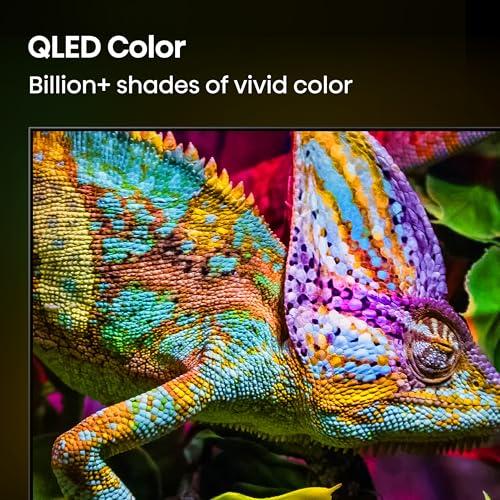
The fundamental difference lies in how each TV creates its picture. The Hisense 100" U6 uses Mini-LED backlighting—think of thousands of tiny LED lights behind the screen that can be dimmed or brightened in zones to create contrast. Meanwhile, the LG 97" OLED G4 uses OLED (Organic Light-Emitting Diode) technology, where each pixel generates its own light and can turn completely off to create true blacks.
This distinction matters enormously. Mini-LED excels at getting really bright, which helps it fight glare and maintain vivid colors even in well-lit rooms. OLED can't match that peak brightness, but it achieves perfect blacks and infinite contrast ratios that Mini-LED simply cannot replicate.
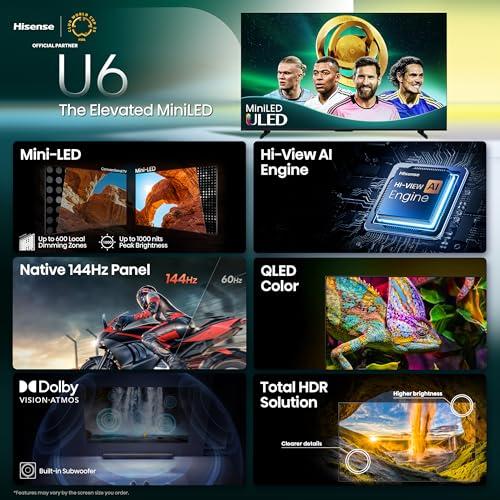
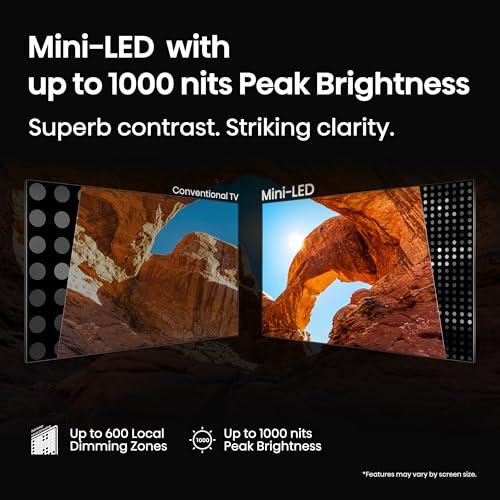
The Hisense 100" U6, released in 2025, represents the latest evolution of Mini-LED technology. Unlike traditional LED TVs that might have a few dozen dimming zones, this display features over 600 local dimming zones. Think of these zones as individual sections of the backlight that can brighten or dim independently based on what's happening in that part of the image.
When you're watching a scene with bright stars against a dark sky, the Mini-LED system can make the star areas blazingly bright while keeping the surrounding zones much dimmer. This creates dramatic contrast that's impossible with older LED technology. The result? HDR (High Dynamic Range) content—like the latest Netflix shows or 4K Blu-rays—pops with intensity that feels almost three-dimensional.
Peak brightness is where the Hisense truly shines, reaching up to 1,000 nits. To put that in perspective, that's bright enough to maintain vibrant colors even with sunlight streaming through your windows. The TV also includes an anti-glare coating, which diffuses reflections and keeps the picture clear even in challenging lighting conditions.
However, Mini-LED isn't perfect. The zones, while numerous, aren't infinite. Sometimes you'll notice "blooming"—where bright objects seem to have a subtle halo around them against dark backgrounds. It's not distracting in most content, but eagle-eyed viewers might spot it during movie credits or in very high-contrast scenes.
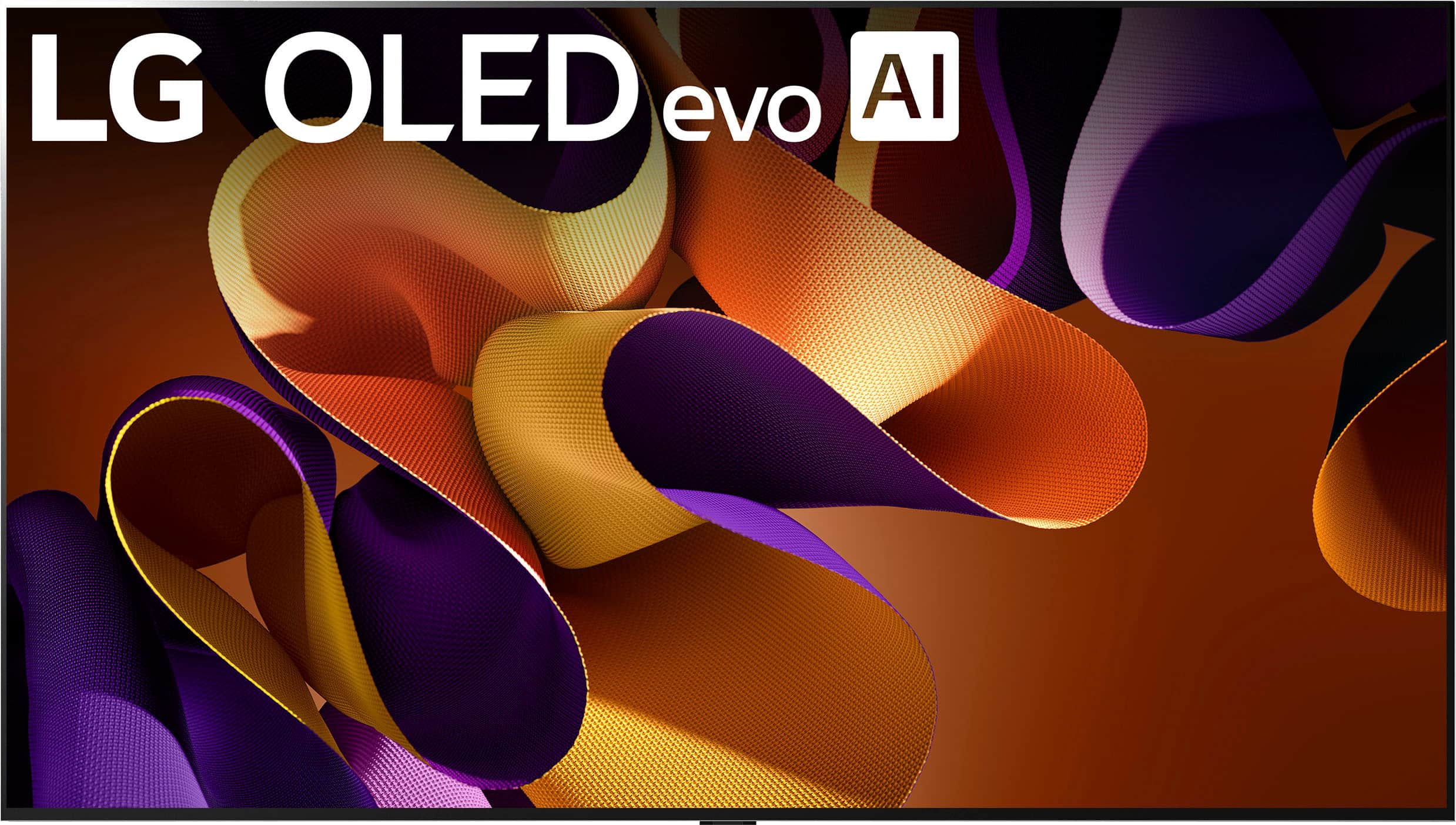
The LG 97" OLED G4, also from 2024-2025, takes a radically different approach. Each of the nearly 8.3 million pixels generates its own light and can turn completely off. This means when you're watching a space movie, the black areas of the screen are literally producing zero light—creating blacks that are indistinguishable from a turned-off TV.
This perfect black capability gives OLED its famous infinite contrast ratio. When you have true black next to any amount of light, the mathematical contrast is literally infinite. In practical terms, this means colors appear more saturated, details in dark scenes become more visible, and the overall image has a depth that's immediately noticeable.
The LG G4 includes LG's latest Brightness Booster Max technology, which has significantly improved OLED brightness compared to earlier generations. While it can't match the Mini-LED's peak brightness, reaching around 800+ nits in typical viewing conditions, it's bright enough for most rooms when properly calibrated.
The trade-off? OLED displays can suffer from burn-in, where static images displayed for extended periods can leave permanent marks on the screen. Modern OLEDs include numerous protective features to minimize this risk, but it's still a consideration for users who plan to use the TV for gaming with static UI elements or as a computer monitor.
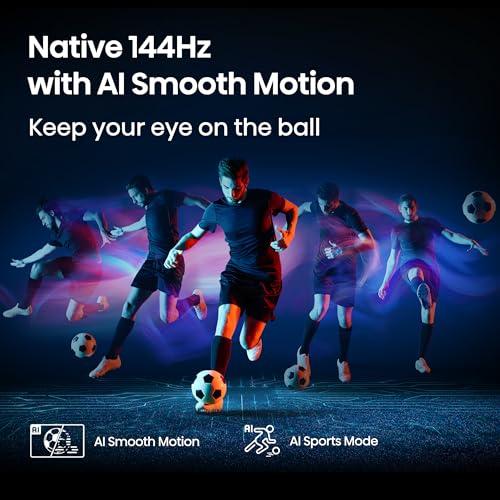
For gaming enthusiasts, both TVs offer compelling but different advantages. The Hisense 100" U6 features a native 144Hz refresh rate—higher than most TVs in any size category. This means the display can show up to 144 unique frames per second, resulting in incredibly smooth motion for fast-paced games.
The Variable Refresh Rate (VRR) technology synchronizes the TV's refresh rate with your gaming console or PC's frame output, ranging from 48Hz to 144Hz. This eliminates screen tearing—those annoying horizontal lines that appear when the display and graphics card get out of sync. Combined with AMD FreeSync Premium support, gaming feels exceptionally fluid, especially for competitive titles where every millisecond matters.
However, the LG OLED G4 counters with something even more impressive: input lag of less than 0.1 milliseconds. Input lag is the delay between pressing a button on your controller and seeing the result on screen. For comparison, most TVs have input lag between 10-30 milliseconds. The OLED's near-instantaneous response creates an almost telepathic connection between your inputs and the on-screen action.
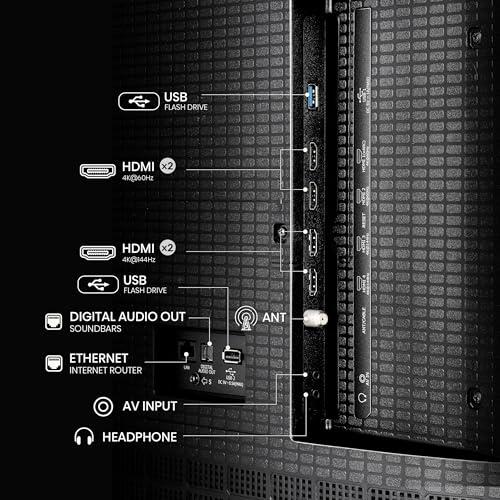
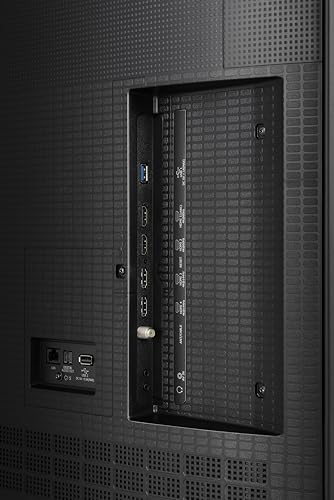
The LG supports both NVIDIA G-Sync and AMD FreeSync, with VRR up to 120Hz. While not as high as the Hisense's 144Hz, the difference is rarely noticeable in practical gaming scenarios. More importantly, all four HDMI ports on the LG support HDMI 2.1, giving you maximum flexibility for connecting multiple high-end gaming devices.
Which is better for gaming? If you primarily play competitive PC games where high refresh rates matter most, the Hisense has the edge. For console gaming or when perfect blacks and color accuracy are priorities, the LG delivers a more cinematic experience.
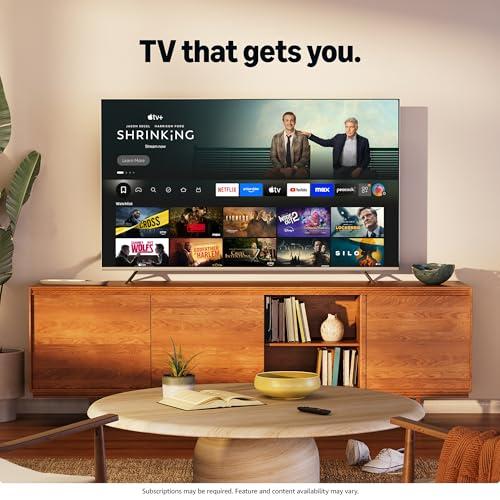
The smart TV experience differs significantly between these displays. The Hisense 100" U6 runs Amazon's Fire TV platform, which integrates seamlessly with the Amazon ecosystem. If you're already invested in Amazon Prime Video, Alexa devices, or Amazon's various services, this feels natural and intuitive.
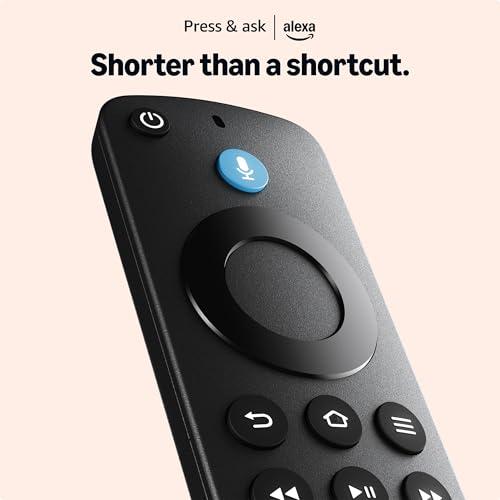
Fire TV's interface prioritizes content discovery, showing you shows and movies from across multiple streaming services on a unified home screen. The voice control through built-in Alexa is genuinely useful—you can ask for specific shows, control smart home devices, or even get weather updates without reaching for the remote.
The LG 97" OLED G4 uses LG's webOS 24, which takes a more traditional approach focused on apps and customization. The Magic Remote allows point-and-click navigation like a computer mouse, which some users find more intuitive than traditional directional remotes. WebOS also provides more granular control over picture settings, making it easier for enthusiasts to calibrate their display precisely.
Both platforms support all major streaming services, but they differ in approach. Fire TV feels more like a content recommendation engine, while webOS feels more like a premium TV interface with smart features added on top.
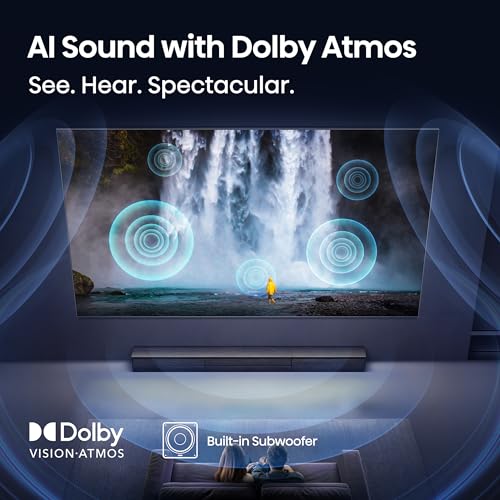
Neither TV will replace a dedicated sound system, but their built-in audio differs meaningfully. The Hisense includes a 2.1 channel system with 50W total power and a built-in subwoofer. For a TV of this size and price point, the audio is surprisingly capable, handling dialogue clearly and providing some bass response for action scenes.
The LG OLED G4 steps up with a 4.2 channel system delivering 60W total power. More importantly, it includes AI Sound Pro processing that analyzes content type and optimizes audio accordingly. The spatial audio processing creates a wider soundstage, making the audio feel more immersive even without external speakers.
However, at these screen sizes, most users will want to invest in a proper sound system. A 100-inch display deserves audio that matches its visual impact, whether that's a high-quality soundbar or a full surround sound setup.
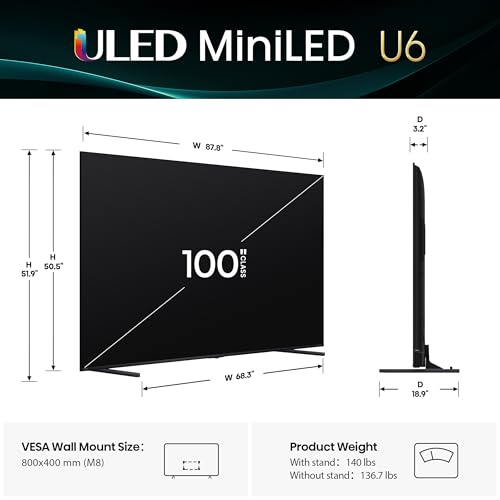
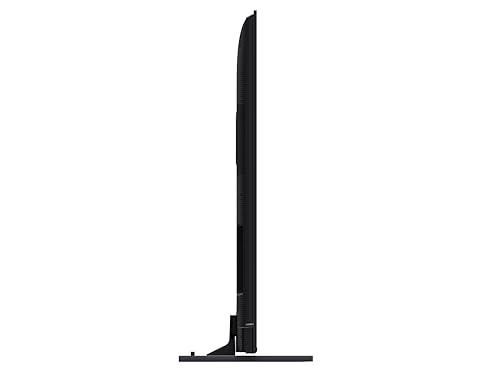
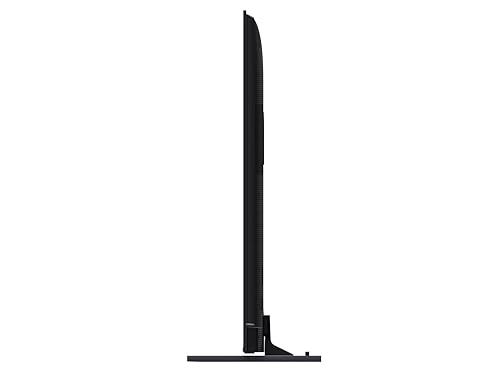
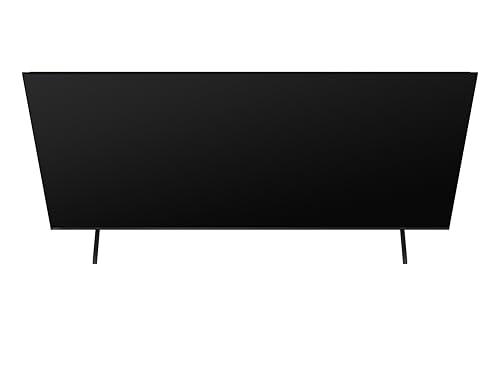
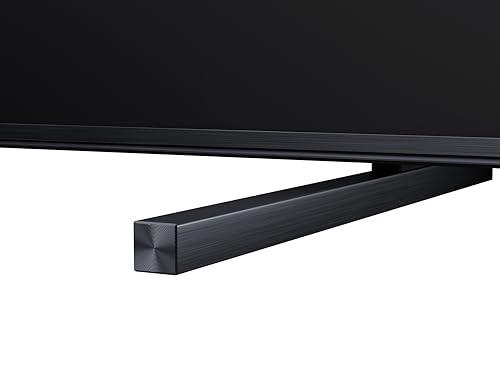
The physical differences between these TVs matter more than you might expect. The Hisense 100" U6 follows traditional TV design principles with an included stand and conventional styling. At 140 pounds with the stand, it's substantial but manageable with proper planning.
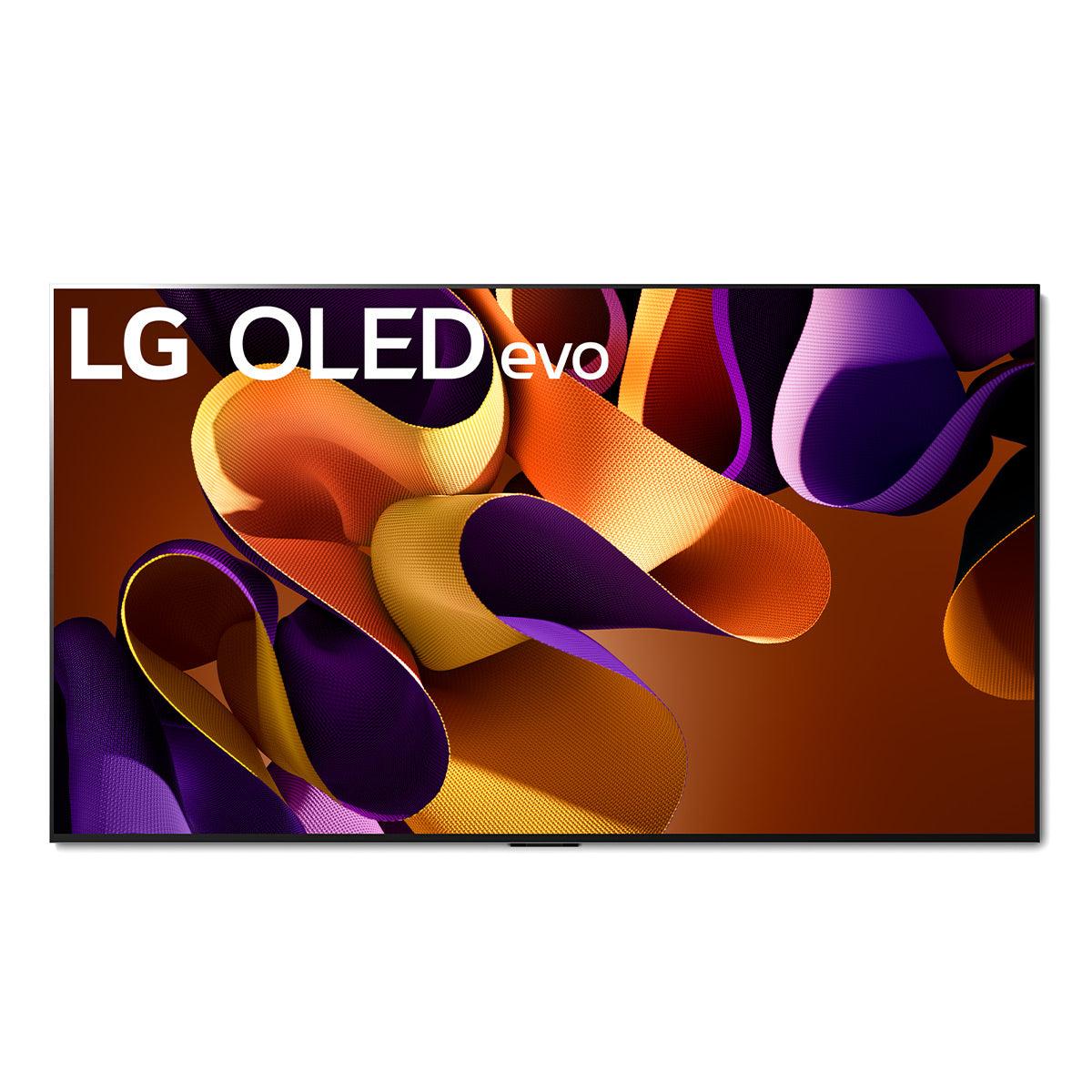
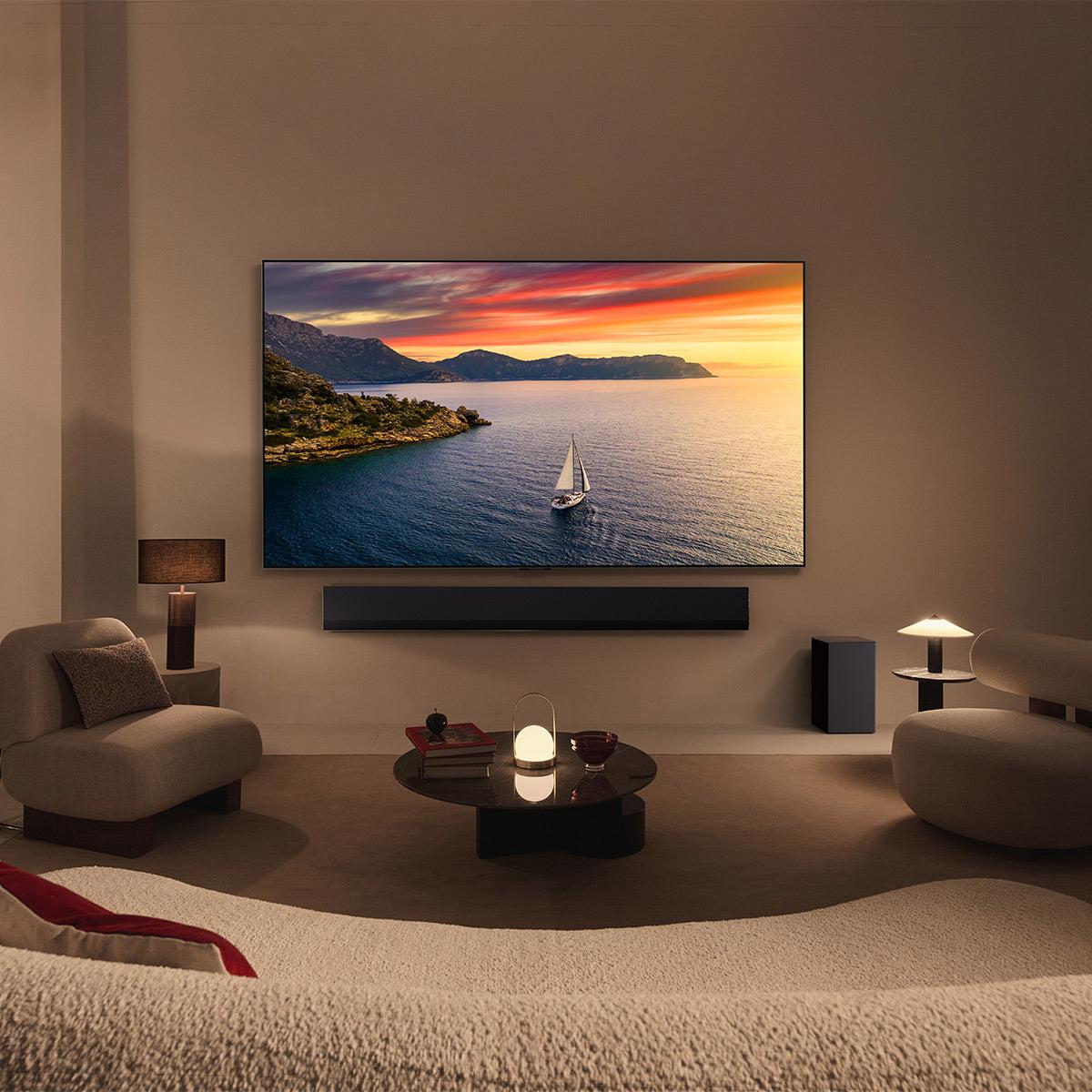
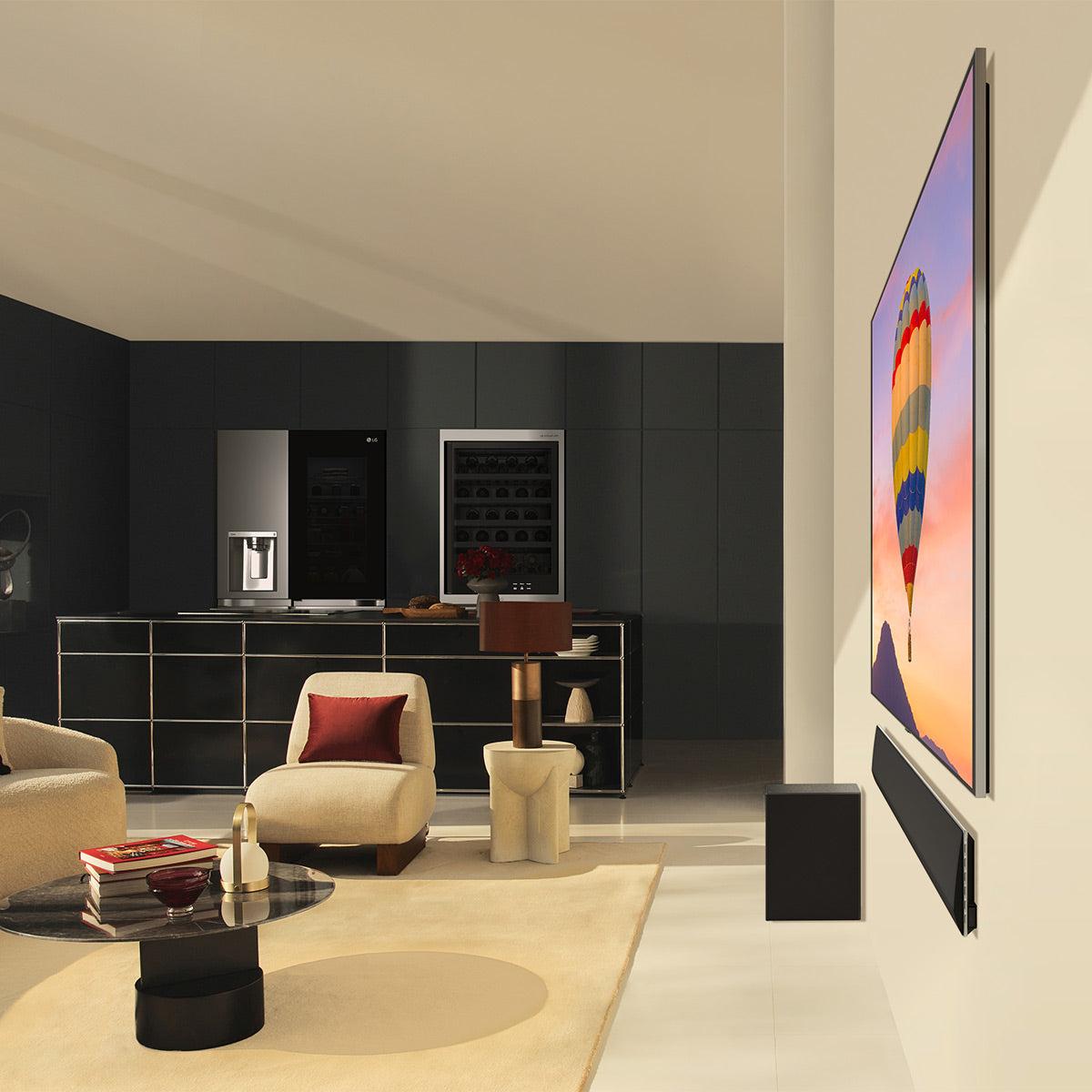
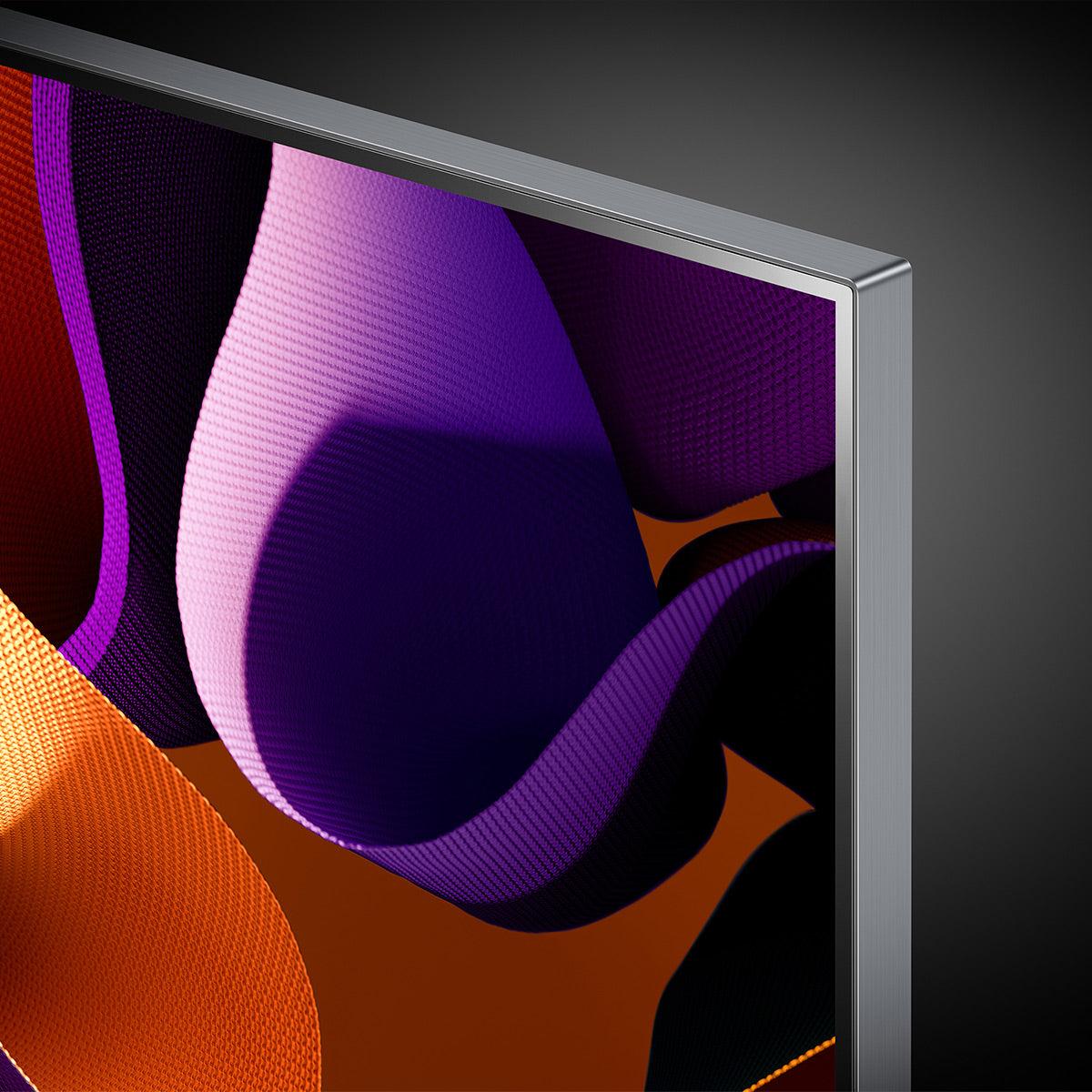
The LG OLED G4 embraces LG's Gallery Design philosophy. The display is remarkably thin—thin enough to mount flush against a wall like a piece of art. LG includes a flush wall mount in the box (though you'll need to buy the table stand separately if you prefer not to wall mount).
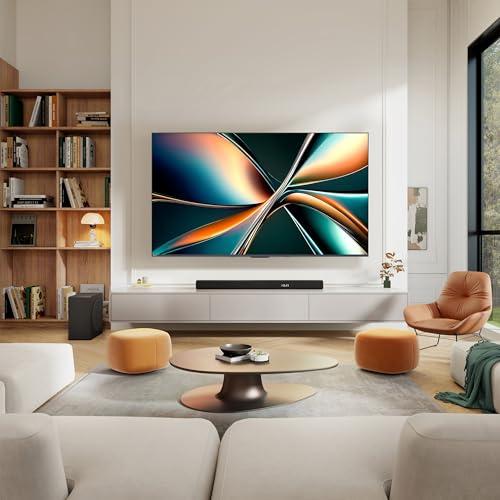
This design difference affects room planning significantly. The Hisense requires space for a substantial TV stand or entertainment center, while the LG can virtually disappear against a wall, creating a more minimalist aesthetic that many find appealing in premium home theater installations.
Perhaps more than any other consideration, your room's lighting conditions should drive this decision. The Hisense 100" U6 thrives in bright environments. Its 1,000-nit peak brightness and anti-glare coating mean you can enjoy vibrant, punchy images even with windows providing ambient light or bright room lighting.
In these conditions, the LG OLED struggles relative to its capabilities. While modern OLEDs are much brighter than earlier generations, they simply can't compete with Mini-LED in well-lit spaces. Colors will appear somewhat washed out, and the display's famous black levels become less noticeable when competing with ambient light.
Flip the script to a dedicated home theater with controlled lighting, and the situation reverses dramatically. The LG's perfect blacks create an almost holographic image quality that's immediately obvious. Dark movie scenes reveal details that get lost in the Mini-LED's slight blooming, and the overall image has a natural, film-like quality that's hard to describe but impossible to ignore.
At the time of writing, these TVs occupy vastly different price tiers. The Hisense 100" U6 represents exceptional value in the ultra-large category, offering premium features at a price point that makes 100-inch viewing accessible to a much broader audience.
The LG 97" OLED G4 commands a significant premium—roughly ten times the cost of the Hisense. This positions it firmly in the luxury category, competing with other flagship displays for buyers who prioritize absolute picture quality over value considerations.
This price difference reflects not just the underlying display technology costs, but also the target markets. The Hisense appeals to value-conscious buyers who want the biggest possible screen with solid performance. The LG targets enthusiasts and luxury buyers for whom perfect picture quality justifies the premium.
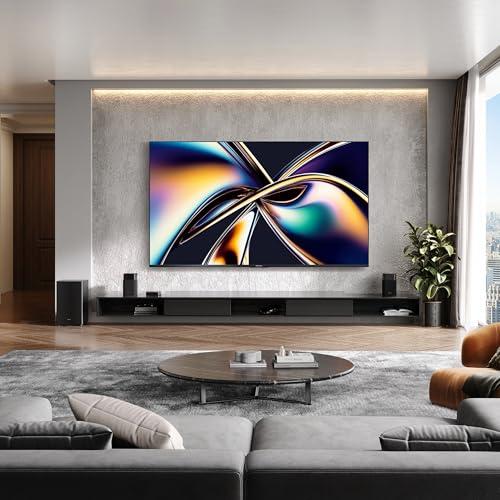
For dedicated home theater installations, both displays offer compelling advantages. The Hisense provides an enormous canvas that creates truly immersive experiences, especially for action movies and sports. The bright, punchy image works well even if your theater room isn't perfectly light-controlled.
The LG OLED delivers the more cinematic experience, with perfect blacks that make movie theaters seem inadequate by comparison. Colors are more accurate to professional standards, making it the choice for videophiles who want their home theater to rival professional screening rooms.
Consider your content preferences too. If you watch lots of sports, news, or bright content during the day, the Hisense maintains better image quality in varied lighting conditions. For evening movie watching, premium TV series, and content where accurate color reproduction matters most, the LG provides a noticeably superior experience.
The choice between these displays ultimately comes down to your specific situation and priorities. Choose the Hisense 100" U6 if you want the largest possible screen at a reasonable price point, have a bright room with lots of ambient light, or prioritize high refresh rate gaming. The extra three inches of screen real estate, combined with excellent brightness and solid feature set, makes it exceptional value for most buyers.
Choose the LG 97" OLED G4 if you have a budget that can accommodate the premium, prioritize absolute picture quality over size, have a controlled lighting environment, or want the most accurate color reproduction available. The perfect blacks and infinite contrast ratio create a viewing experience that's qualitatively different from any LED-based display.
Both represent the cutting edge of large-screen display technology, just with different strengths and ideal use cases. The Hisense democratizes giant screen viewing, while the LG pushes the boundaries of what's possible when cost is less of a concern. Either choice will transform your viewing experience—the question is whether you prioritize size and value or perfection and premium features.
In my evaluation, most buyers will be happier with the Hisense unless they have very specific requirements for perfect picture quality and the budget to match. The performance gap isn't as dramatic as the price gap, making the Hisense an easy recommendation for the majority of ultra-large TV shoppers.
| Hisense 100" U6 Series Mini-LED 4K Fire TV | LG 97" OLED evo G4 Series 4K UHD Smart TV |
|---|---|
| Screen Size - Raw screen real estate for maximum immersion | |
| 100 inches (3 inches larger for more cinematic impact) | 97 inches (still massive but slightly smaller) |
| Display Technology - Fundamental approach to picture quality | |
| Mini-LED with 600+ local dimming zones (bright, vibrant) | OLED with self-lit pixels (perfect blacks, infinite contrast) |
| Peak Brightness - Critical for bright room viewing | |
| Up to 1,000 nits (excellent for well-lit rooms) | ~800+ nits (good but struggles in bright environments) |
| Black Level Performance - Dark room movie watching quality | |
| Good blacks with minimal blooming | Perfect blacks with zero light emission |
| Native Refresh Rate - Smoothness for gaming and sports | |
| 144Hz (exceptional for competitive gaming) | 120Hz (excellent for console gaming) |
| Input Lag - Gaming responsiveness | |
| ~15ms (very good for casual gaming) | <0.1ms (near-instantaneous, best-in-class) |
| HDMI 2.1 Ports - Future-proof connectivity | |
| 2 ports (limits multiple high-end device connections) | 4 ports (maximum flexibility for gaming setups) |
| Smart Platform - User interface and app experience | |
| Fire TV with Alexa (Amazon ecosystem integration) | webOS 24 with Magic Remote (premium TV interface) |
| Built-in Audio - Sound quality without external speakers | |
| 2.1 channel, 50W with subwoofer (adequate) | 4.2 channel, 60W with AI processing (superior) |
| Design Philosophy - Room integration approach | |
| Traditional TV with stand (requires entertainment center) | Gallery Design for flush wall mounting (minimalist aesthetic) |
| Burn-in Risk - Long-term durability concern | |
| No risk (Mini-LED is immune to burn-in) | Minimal risk with modern protections (static images can cause issues) |
| HDR Performance - Premium content viewing experience | |
| Excellent brightness, some blooming in high contrast | Perfect contrast, slightly dimmer highlights |
| Value Proposition - Performance per dollar spent | |
| Exceptional value with largest screen size | Premium luxury product for picture quality perfectionists |
The Hisense 100" U6 Series Mini-LED 4K Fire TV is significantly better for bright rooms. Its Mini-LED technology can reach up to 1,000 nits of brightness with an anti-glare coating, making it easy to see even with sunlight streaming through windows. The LG 97" OLED evo G4 Series reaches around 800+ nits and will appear washed out in very bright environments, despite being excellent in controlled lighting.
This depends on your viewing environment. The LG 97" OLED evo G4 delivers superior picture quality in dark or controlled lighting with perfect blacks, infinite contrast, and more accurate colors. The Hisense 100" U6 Series provides excellent picture quality that's more versatile across different lighting conditions, though it can't match OLED's perfect blacks and may show some blooming around bright objects.
Both excel at gaming but in different ways. The Hisense 100" U6 Series Mini-LED offers a higher 144Hz refresh rate, perfect for competitive PC gaming. The LG 97" OLED evo G4 has near-instantaneous input lag (<0.1ms) and four HDMI 2.1 ports, making it ideal for console gaming and multiple device setups. Choose Hisense for high refresh rate gaming, LG for the most responsive experience.
Mini-LED uses thousands of tiny LEDs behind the screen that can dim in zones to create contrast, resulting in very bright images that work well in any lighting. OLED uses self-emitting pixels that can turn completely off, creating perfect blacks but with lower overall brightness. The Hisense 100" U6 uses Mini-LED for brightness and versatility, while the LG 97" OLED G4 uses OLED for perfect contrast and color accuracy.
Both offer excellent smart platforms with different strengths. The Hisense 100" U6 Series runs Fire TV with built-in Alexa, providing seamless Amazon ecosystem integration and excellent voice control. The LG 97" OLED evo G4 Series uses webOS 24 with a Magic Remote for point-and-click navigation and more advanced picture calibration options. Both support all major streaming services.
The Hisense 100" U6 Series Mini-LED cannot get burn-in due to its LED backlighting technology, making it worry-free for gaming with static UI elements or computer use. The LG 97" OLED evo G4 has minimal burn-in risk with modern protective features, but extended display of static images like game UIs or desktop backgrounds could potentially cause permanent marks over time.
The LG 97" OLED evo G4 Series is typically better for dedicated home theaters with controlled lighting. Its perfect blacks, infinite contrast, and accurate colors create a cinematic experience that rivals professional theaters. The Hisense 100" U6 Series works well in home theaters too, especially if the room isn't completely dark or if you want the largest possible screen size for maximum immersion.
The LG 97" OLED evo G4 has superior built-in audio with a 4.2 channel system, 60W power, and AI Sound Pro processing for better spatial audio. The Hisense 100" U6 Series Mini-LED includes a 2.1 channel system with 50W and a built-in subwoofer, which is adequate but not as advanced. Both support Dolby Atmos, though most users at this screen size will want external speakers.
The Hisense 100" U6 Series Mini-LED 4K Fire TV offers exceptional value, providing premium features and the largest screen size at a much more accessible price point. The LG 97" OLED evo G4 Series commands a significant premium for absolute picture quality perfection. Choose the Hisense for maximum screen size per dollar, or the LG if budget isn't a primary concern and you want the best possible picture quality.
Both are excellent for sports but excel in different conditions. The Hisense 100" U6 Series is better for daytime sports viewing with its high brightness and anti-glare coating, plus the larger 100-inch screen creates more immersive experiences. The LG 97" OLED evo G4 provides more accurate colors and perfect motion handling for evening games, with superior viewing angles for group watching.
The LG 97" OLED evo G4 Series has superior connectivity with four HDMI 2.1 ports supporting 4K 120Hz, providing maximum flexibility for multiple gaming consoles and devices. The Hisense 100" U6 Series Mini-LED includes two HDMI 2.1 ports and two HDMI 2.0 ports, which is adequate for most setups but more limiting for users with multiple high-end devices.
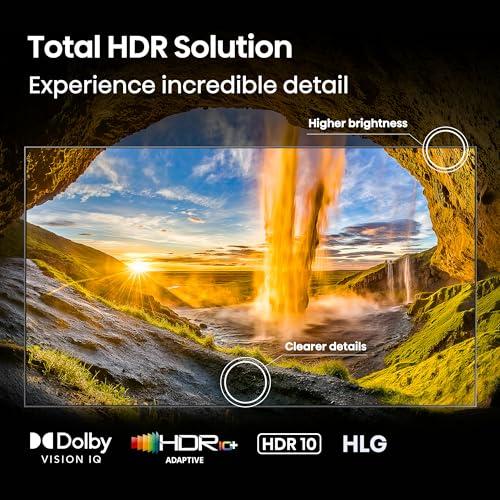
Both handle HDR content excellently but differently. The Hisense 100" U6 Series makes HDR content pop with bright, vibrant highlights that work well in any lighting condition, supporting Dolby Vision IQ and HDR10+. The LG 97" OLED evo G4 provides more accurate HDR reproduction with perfect contrast and color accuracy, making it ideal for premium content in controlled lighting environments.
We've done our best to create useful and informative comparisons to help you decide what product to buy. Our research uses advanced automated methods to create this comparison and perfection is not possible - please contact us for corrections or questions. These are the sites we've researched in the creation of this article: bestbuy.com - rtings.com - youtube.com - rtings.com - youtube.com - youtube.com - costco.com - pcrichard.com - hisense-usa.com - electronicexpress.com - pcrichard.com - circuitworldonline.com - bestbuy.com - bestbuy.com - premiumincentive.com - hisense-usa.com - hisense-usa.com - pcrichard.com - rtings.com - bestbuy.com - hisense-usa.com - avsforum.com - rtings.com - marketplace.sce.com - abt.com - youtube.com - walts.com - videoandaudiocenter.com - youtube.com - fullspecs.net - big-georges.com - techradar.com - youtube.com

Privacy Policy
Terms and Conditions - Affiliate Policy
Home Security
© Copyright 2008-2026.
11816 Inwood Rd #1211, Dallas, TX 75244