

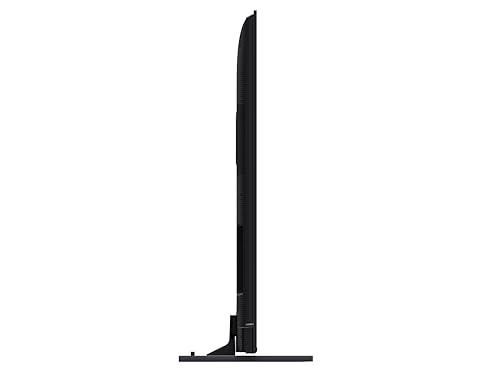
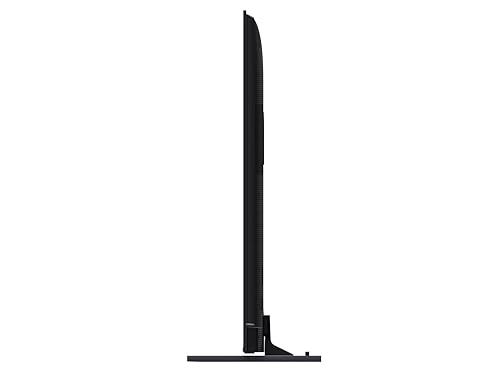
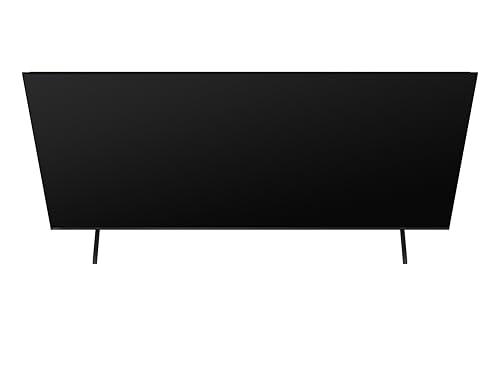
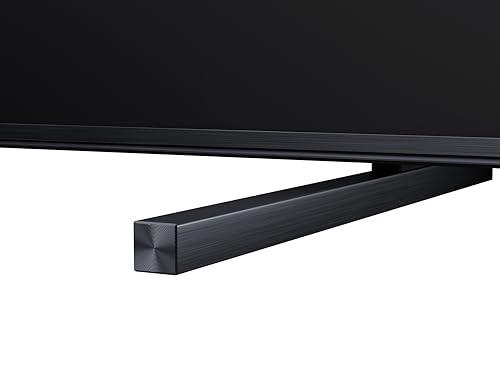

When you're shopping for a TV that's literally bigger than most people's couches, you're entering premium territory where every detail matters. The ultra-large display category—screens 100 inches and bigger—represents the pinnacle of home entertainment, competing directly with high-end projector systems while offering the convenience and reliability of a traditional TV.
These massive displays aren't just scaled-up versions of smaller TVs. They require advanced technology to maintain picture quality across such enormous surfaces. The key considerations include display technology (how the TV creates light and color), smart platform integration (your streaming and voice control experience), gaming performance (refresh rates and input lag), and of course, the room requirements needed to properly enjoy such large screens.
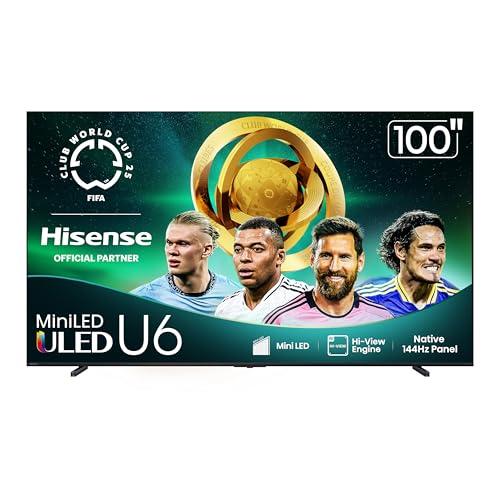
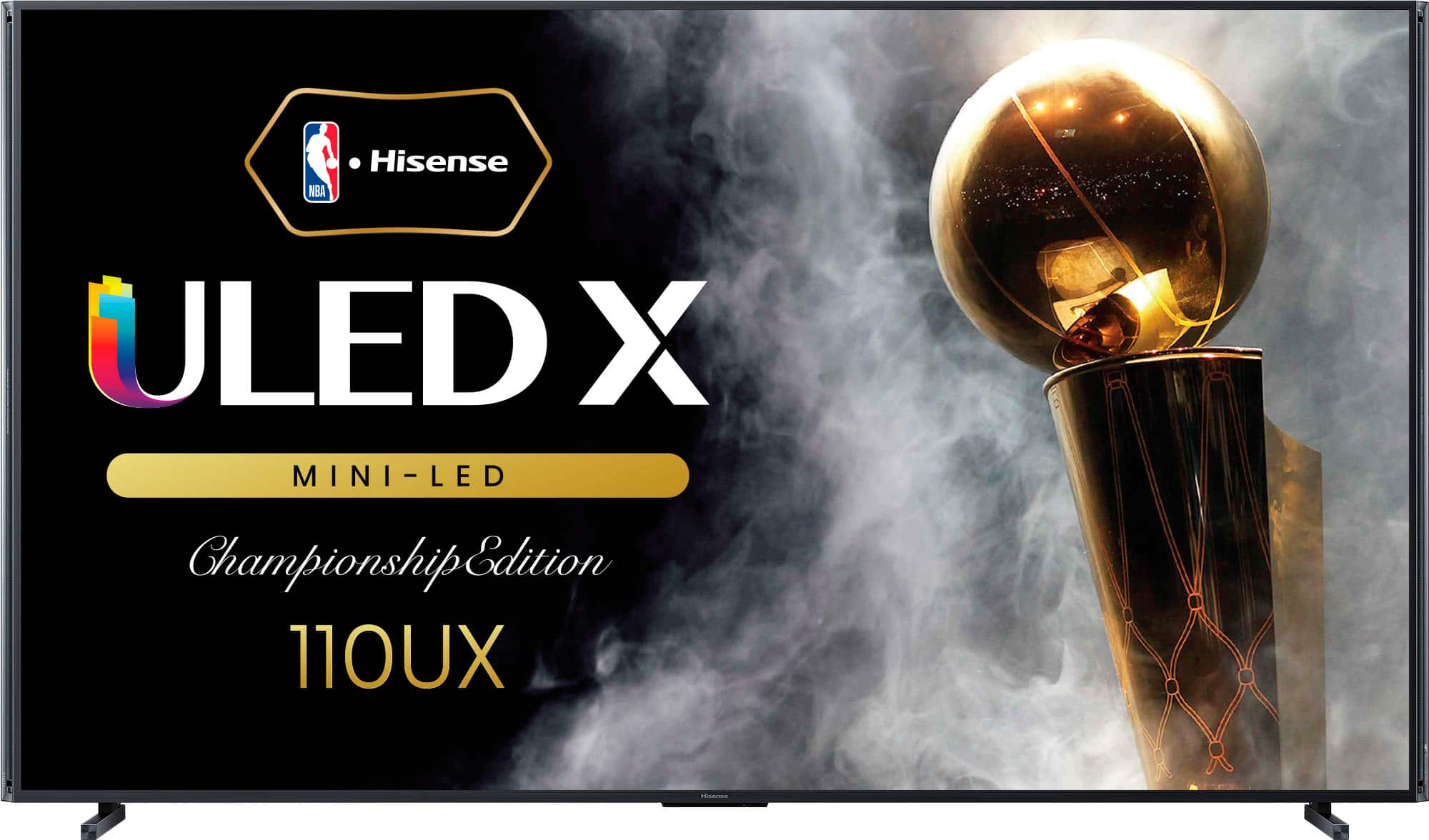
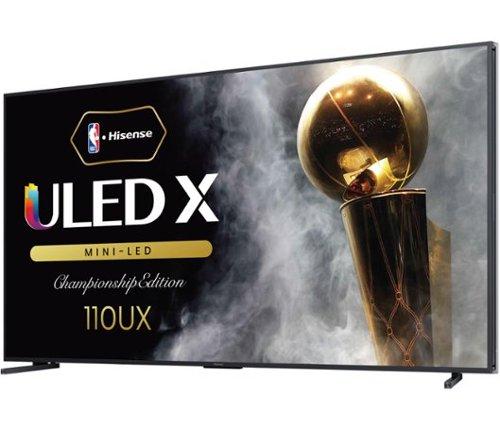
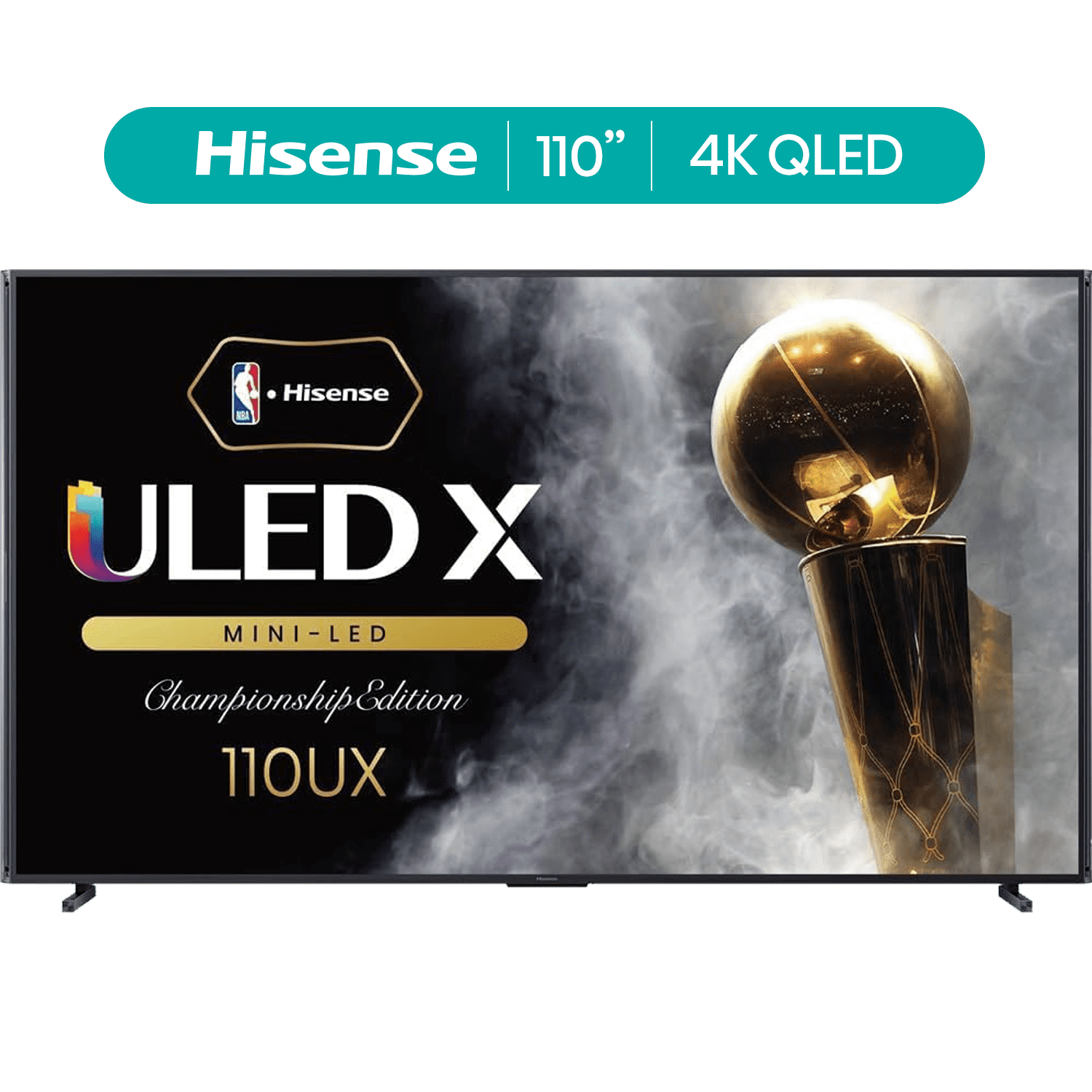
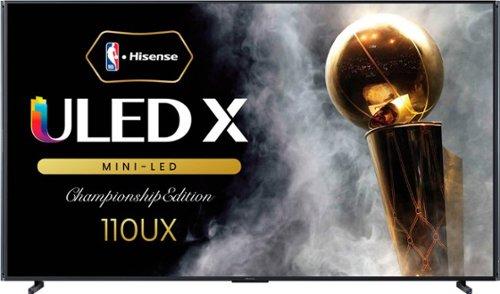
Today we're comparing two impressive options from Hisense: the 100" U6 Series Mini-LED and the 110" UX Series. Both launched in 2024-2025 as part of Hisense's push into the premium large display market, but they target very different buyers despite sharing some core technologies.
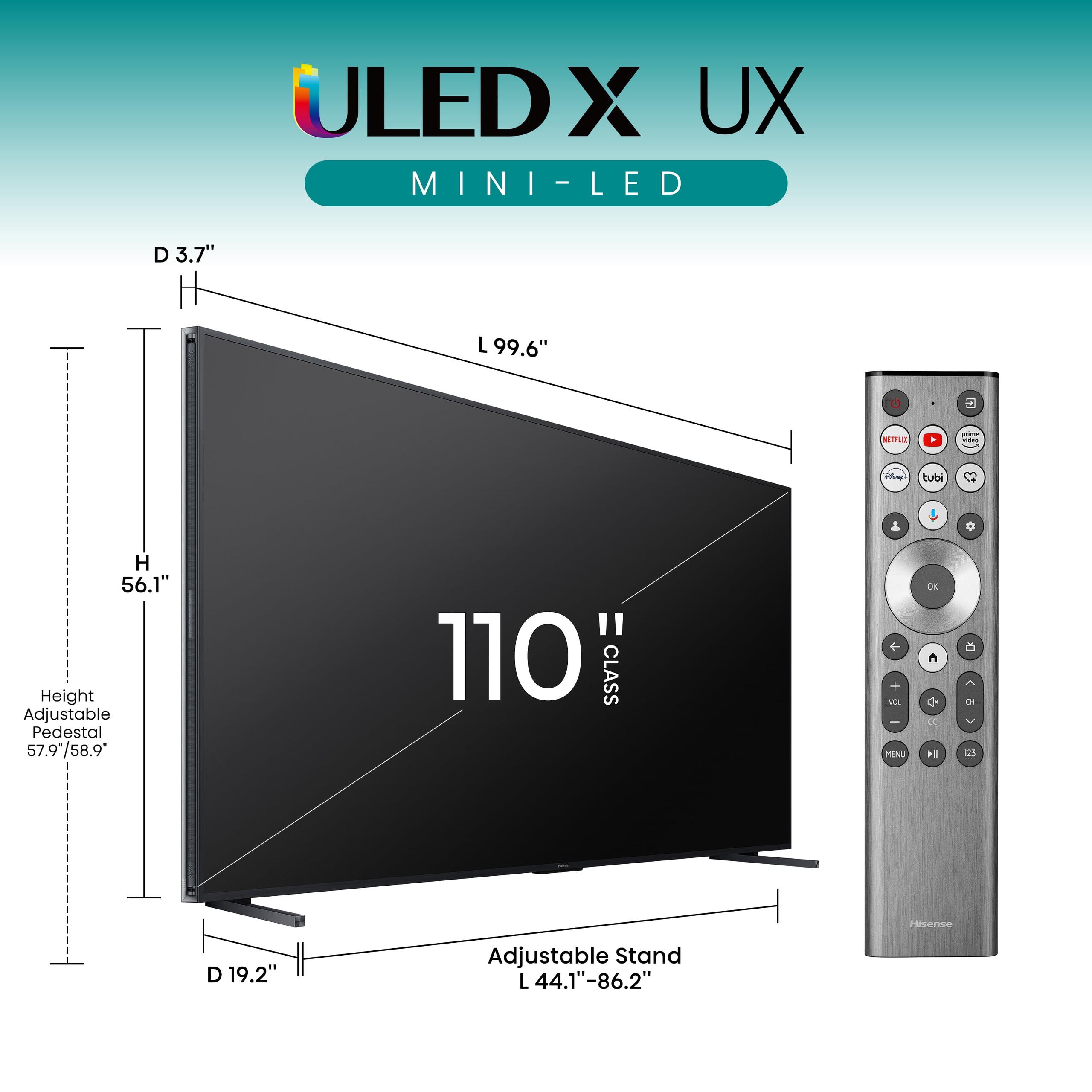
The most obvious difference is size—the UX Series offers 10 additional inches of screen real estate compared to the U6 Series. That might not sound like much, but at these scales, it represents significantly more viewing presence and a noticeably more immersive experience.
More importantly, these TVs occupy different tiers in Hisense's lineup. The U6 Series serves as an entry point into premium Mini-LED technology, offering impressive features at a more accessible price point. The UX Series, meanwhile, represents Hisense's flagship technology showcase, incorporating their most advanced "Mini-LED X" system with no compromises on performance.
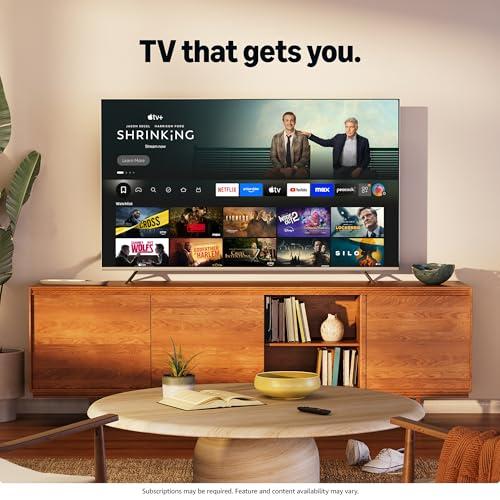
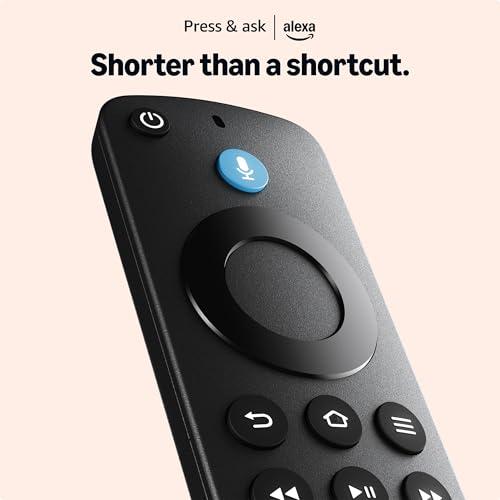
The smart platform choice also differs significantly. The U6 Series runs Amazon's Fire TV, which integrates seamlessly with Alexa voice commands and Amazon's ecosystem. The UX Series uses Google TV, offering different content discovery algorithms and app ecosystem integration. Your preference here often comes down to which voice assistant and smart home setup you already use.
The heart of any premium TV lies in its display technology, and this is where the differences between these models become most apparent.
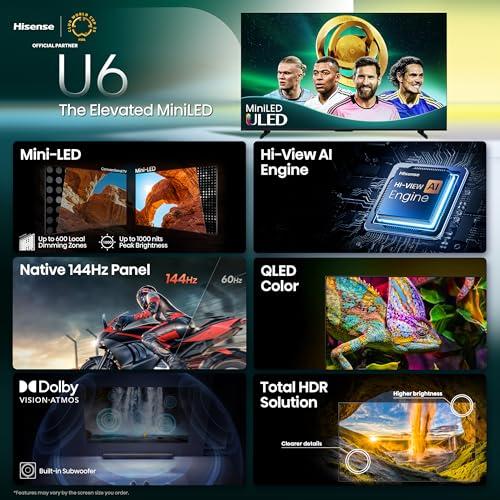
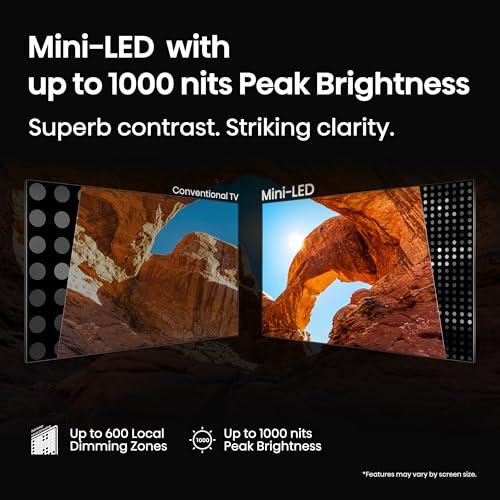
Both TVs use Mini-LED backlighting, but at dramatically different scales. Traditional LED TVs use relatively large LED lights behind the screen, creating zones of brightness that can sometimes cause unwanted light bleeding around bright objects on dark backgrounds—a problem called "blooming." Mini-LED technology solves this by using thousands of tiny LEDs, each smaller than a grain of rice, allowing for much more precise control over where light appears on the screen.
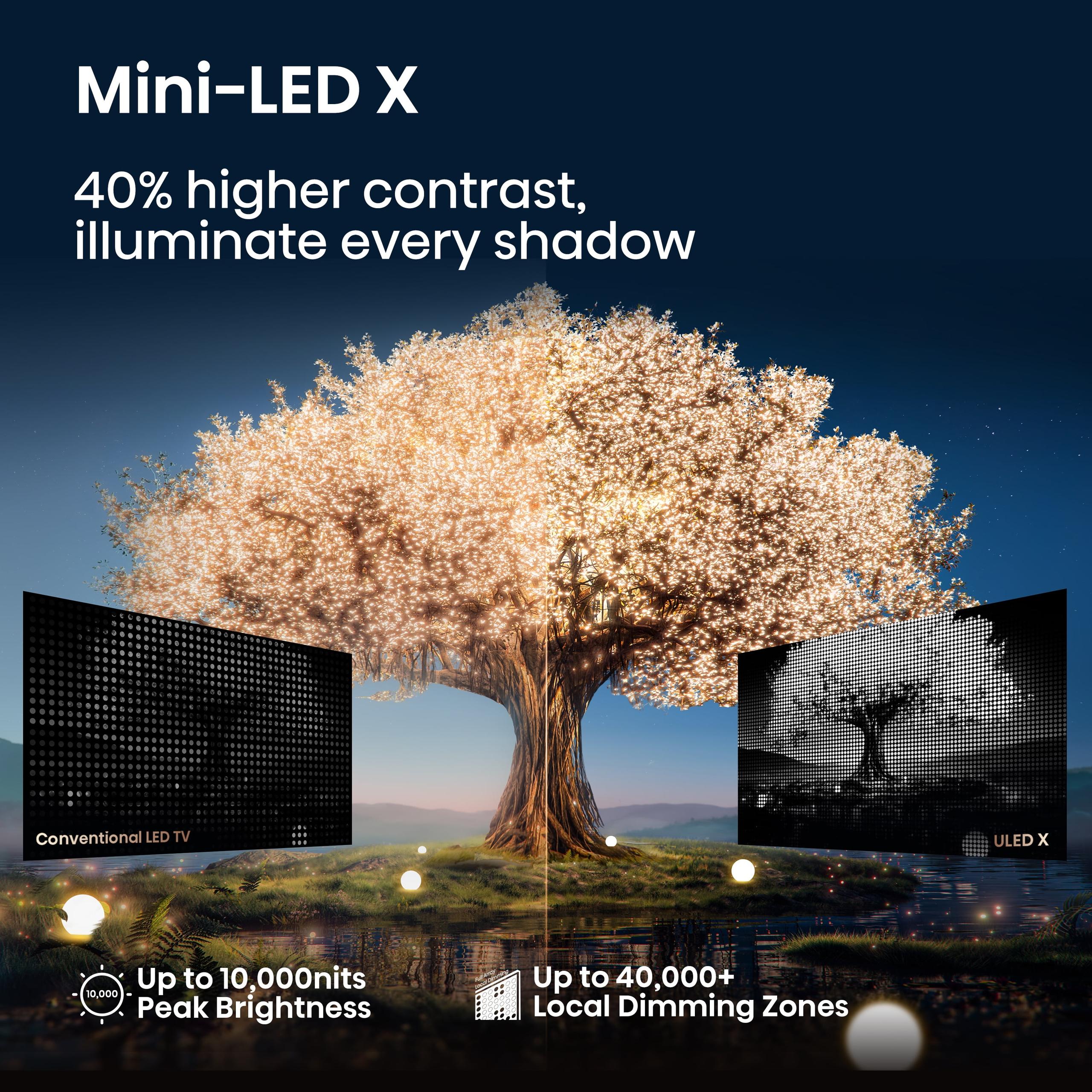
The U6 Series incorporates 600 local dimming zones across its 100-inch panel. This represents a significant upgrade over standard LED TVs and provides excellent contrast control for most viewing situations. However, the UX Series takes this concept to an extreme level with over 40,000 local dimming zones. This massive difference means the UX can control light with surgical precision, virtually eliminating blooming and creating contrast that rivals OLED technology.
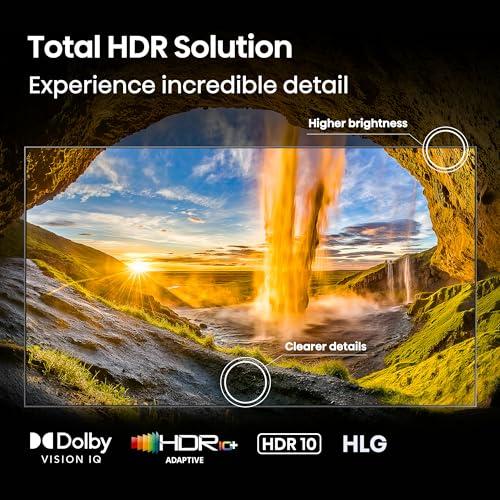
Peak brightness determines how vibrant and lifelike HDR content appears, especially in bright rooms. The U6 Series reaches up to 1,000 nits of peak brightness, which is respectable for its category and sufficient for most HDR content to look impressive.
The UX Series, however, pushes brightness to reference levels with up to 10,000 nits peak capability. This extreme brightness isn't just about making things brighter—it allows the TV to display the full range of brightness that content creators intended, from the subtle glow of candlelight to the blazing intensity of sunlight reflecting off water. For HDR content, this difference is immediately noticeable.
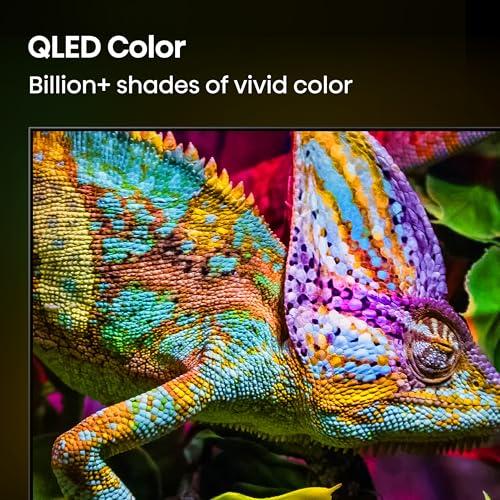
Both TVs use Quantum Dot technology, which enhances color accuracy and vibrancy by using nanocrystals that emit precise colors when illuminated. The U6 Series delivers the solid color performance you'd expect from quality Quantum Dot implementation.
The UX Series incorporates an advanced version that Hisense claims produces 25% richer colors than standard Quantum Dot implementations. Combined with its extreme brightness capability, this creates a color experience that approaches what you'd see in professional color grading suites.
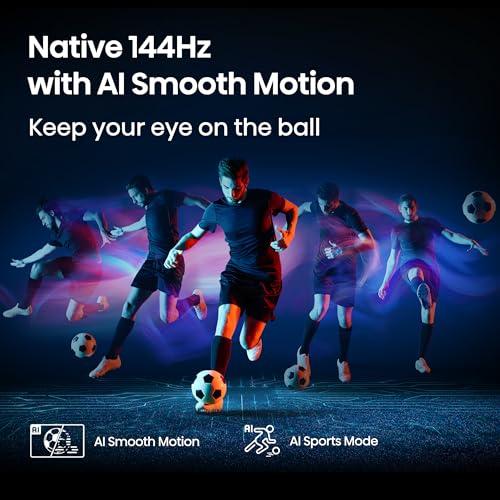
Both TVs arrived during the current console generation when 120Hz gaming and variable refresh rates became standard expectations. The U6 Series includes 144Hz Game Mode Pro with Variable Refresh Rate support from 48Hz to 144Hz, plus Auto Low Latency Mode to minimize input lag. This configuration handles modern gaming excellently, providing smooth motion and responsive controls.
The UX Series includes all these features plus AMD FreeSync Premium Pro certification and Dolby Vision Gaming support. FreeSync Premium Pro is AMD's premium adaptive sync technology that eliminates screen tearing while maintaining low latency. Dolby Vision Gaming allows supported games to display HDR content exactly as developers intended, taking advantage of the TV's extreme brightness capabilities.
For serious gamers, both TVs perform admirably, but the UX Series provides a more comprehensive gaming feature set that's particularly valuable for PC gaming and future console generations.
The choice between Fire TV and Google TV represents more than just interface preferences—it affects your entire smart home and content discovery experience.
The U6 Series Fire TV platform excels at integrating with Amazon's ecosystem. If you use Amazon Prime Video, have Alexa devices throughout your home, or prefer Amazon's content recommendations, Fire TV provides seamless integration. The interface is straightforward and fast, with voice commands that feel natural and responsive.
Google TV on the UX Series offers superior content discovery across multiple streaming services, using Google's algorithms to suggest shows and movies based on your viewing history across platforms. It integrates naturally with Google Assistant and works exceptionally well if you're already invested in Google's ecosystem of services.
Both platforms support all major streaming services, but the user experience differs significantly. Google TV tends to be better at surfacing content you might not have discovered otherwise, while Fire TV excels at quick access to content you already know you want to watch.
Large screens deserve impressive audio, and both TVs recognize this with enhanced speaker systems.
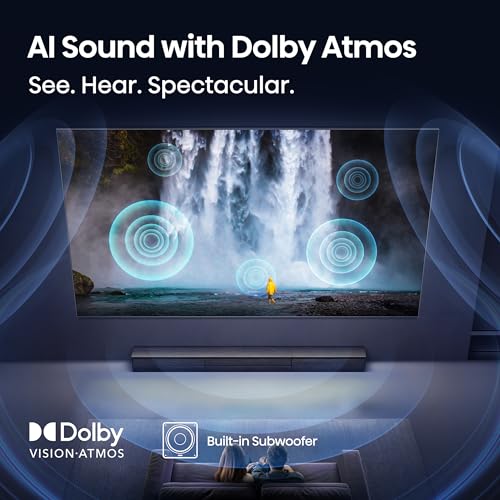
The U6 Series includes Dolby Atmos support with a built-in subwoofer, providing noticeably better bass response than typical TV speakers. While it won't replace a dedicated sound system, it's surprisingly capable for casual viewing and background entertainment.
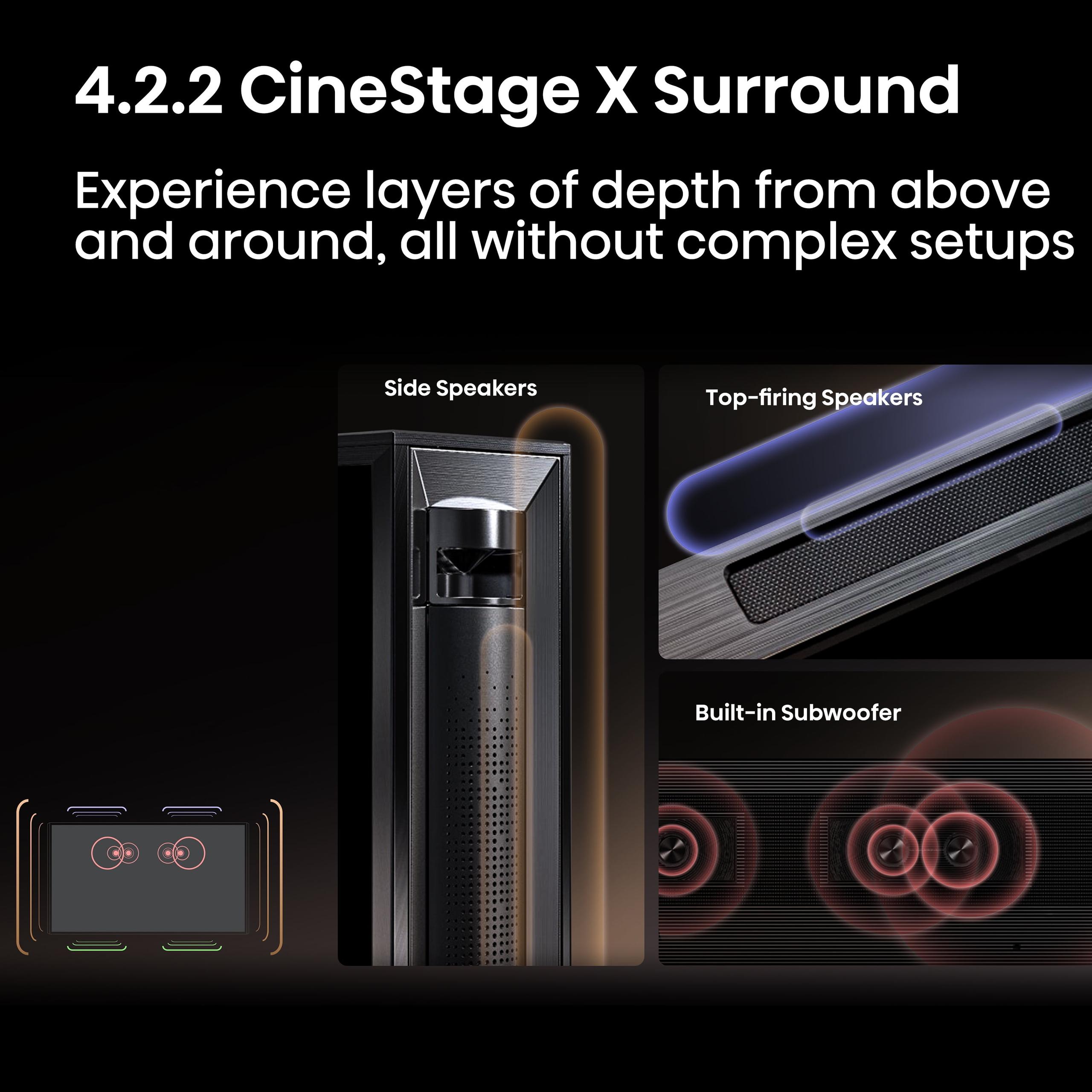
The UX Series incorporates CineStage X Surround, a 4.2.2 multi-channel system with multiple driver types and configurations. This creates a genuine surround sound experience without additional speakers, using advanced processing to create spatial audio that follows action across the screen. The AI Scenario Sound Optimizer automatically adjusts audio characteristics based on content type, enhancing dialogue clarity during movies and punch during action sequences.
For home theater use, the UX Series audio system approaches what you'd get from a mid-range soundbar, while the U6 Series provides good TV audio that benefits from external audio enhancement.
At the time of writing, these TVs occupy different value propositions in the premium large display market.
The U6 Series represents exceptional value in the ultra-large category, offering genuine Mini-LED performance, comprehensive smart features, and excellent gaming capabilities at a price point that makes 100-inch premium viewing accessible to more households. For many buyers, it provides all the premium features they'll actually use without paying for reference-level specifications they might not fully appreciate.
The UX Series commands flagship pricing but delivers flagship performance. The extreme local dimming capability, reference-level brightness, and comprehensive feature set justify the premium for buyers who want the absolute best available technology. This TV competes with professional displays and high-end projector systems that often cost significantly more.
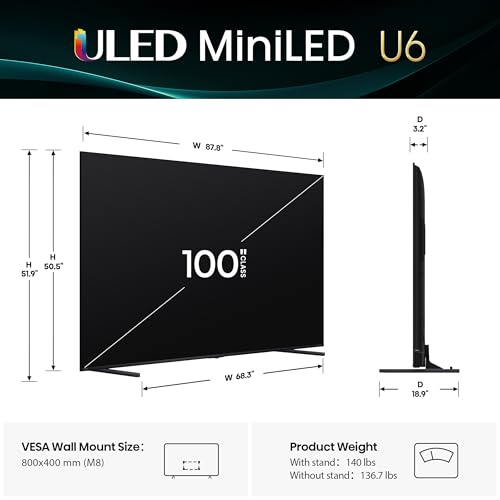
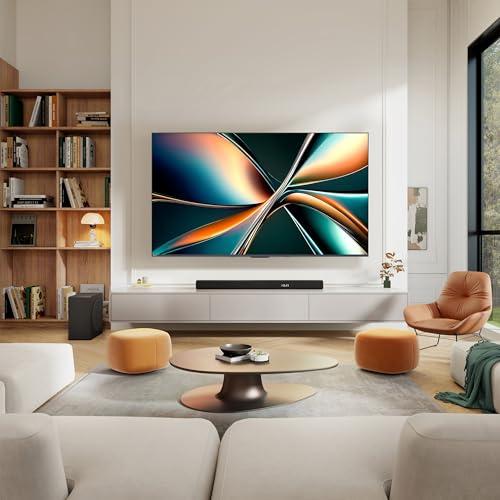
Both TVs require careful planning for installation and optimal viewing. For the U6 Series, you'll want to sit approximately 8-12 feet away for the best experience, requiring a fairly large room but nothing extraordinary for modern homes.
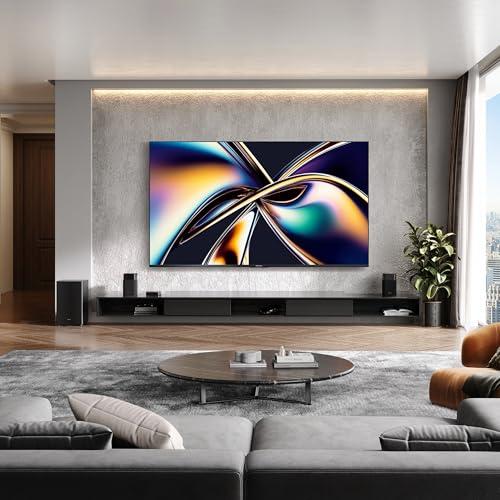
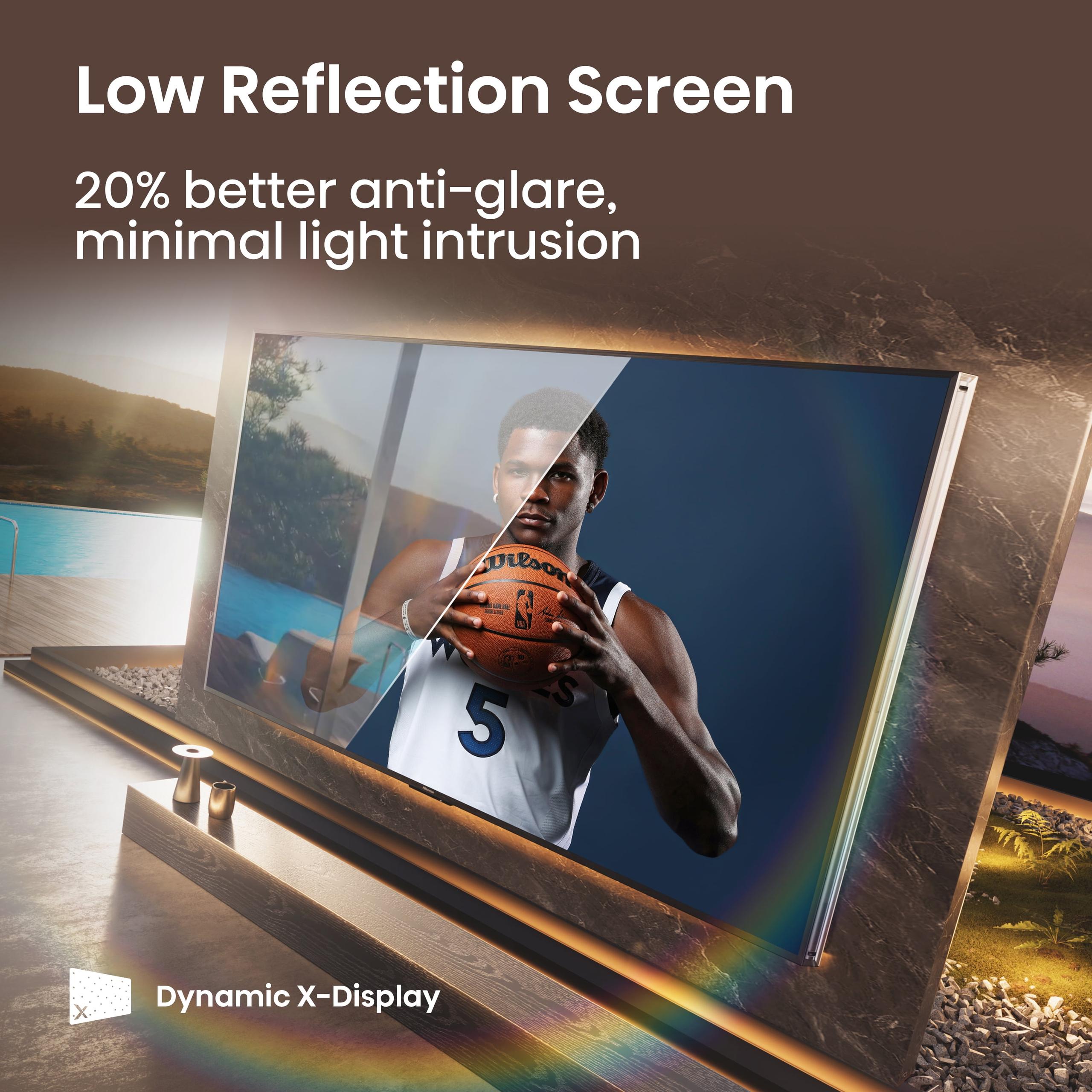
The UX Series 110-inch size pushes into territory where room dimensions become critical. Optimal viewing distance extends to 10-15 feet, and the TV's physical presence dominates most residential spaces. Both TVs benefit from controlled lighting due to their large surfaces, though the UX Series anti-glare technology provides better performance in bright rooms.
Installation requires professional service for both models due to their size and weight, but the UX Series presents additional logistical challenges that may require special equipment and planning.
Since their 2024-2025 launch, both TVs represent current-generation technology that should remain relevant for years. The U6 Series provides all the features most content and gaming will use for the foreseeable future, making it a practical long-term choice.
The UX Series extreme specifications ensure it will handle whatever content standards emerge over the next decade. Its 10,000-nit capability exceeds current HDR mastering standards, and the massive local dimming zone count provides headroom for future processing improvements.
Choose the U6 Series if you want excellent large-screen performance without flagship pricing. It's perfect for buyers who recognize that "very good" often provides better value than "perfect," especially when "very good" still means stunning 100-inch Mini-LED performance with comprehensive gaming and smart features. This TV makes sense for most home theater setups where impressive performance matters more than reference-level specifications.
The UX Series suits buyers who want uncompromising performance and have the budget and room to support it. If you're building a dedicated home theater, frequently host viewing parties, or simply want the best technology available regardless of cost, the UX's reference-level performance justifies its premium pricing.
Consider your room size carefully—the UX Series 110-inch presence can overwhelm smaller spaces, while the U6 Series 100-inch size fits more residential environments comfortably.
Your smart platform preference should also influence your decision. If you're deeply integrated into Amazon's ecosystem, the U6 Series Fire TV experience might outweigh the UX Series performance advantages. Conversely, if you prefer Google's content discovery and smart home integration, the UX Series provides the better overall experience.
Both TVs represent impressive achievements in large-screen technology, delivering experiences that were unimaginable at consumer price points just a few years ago. The U6 Series offers exceptional value for premium large-screen entertainment, while the UX Series provides reference-level performance for those who demand the absolute best. Your choice ultimately depends on whether you prioritize outstanding value or uncompromising performance in your home entertainment experience.
| Hisense 100" U6 Series Mini-LED 4K Fire TV | Hisense 110" UX Series 4K Mini-LED ULED TV |
|---|---|
| Screen Size - Bigger means more immersive, but requires larger rooms | |
| 100" (99.5" actual) - fits most large living rooms | 110" - requires dedicated theater space |
| Local Dimming Zones - More zones = better contrast and less blooming | |
| 600 zones (excellent for the price point) | 40,000+ zones (virtually eliminates blooming) |
| Peak Brightness - Higher brightness makes HDR content more realistic | |
| 1,000 nits (good for most HDR content) | 10,000 nits (reference-level brightness) |
| Gaming Features - Critical for console and PC gaming performance | |
| 144Hz Game Mode Pro, VRR 48-144Hz, ALLM | Native 144Hz, AMD FreeSync Premium Pro, Dolby Vision Gaming |
| Smart Platform - Determines your streaming and voice control experience | |
| Fire TV with Amazon Alexa integration | Google TV with comprehensive content discovery |
| Audio System - Better audio reduces need for external speakers | |
| Dolby Atmos with built-in subwoofer | CineStage X Surround 4.2.2 multi-channel system |
| Processing Power - Affects picture optimization and smart TV responsiveness | |
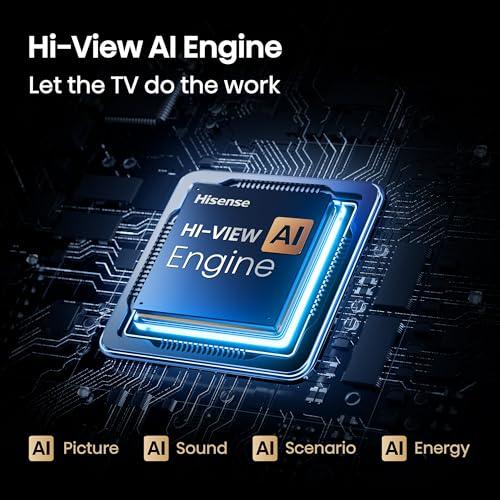
| Hi-View AI Engine with real-time optimization | Hi-View AI Engine X with advanced AI processing |
| Connectivity - Important for future devices and current setup flexibility | |
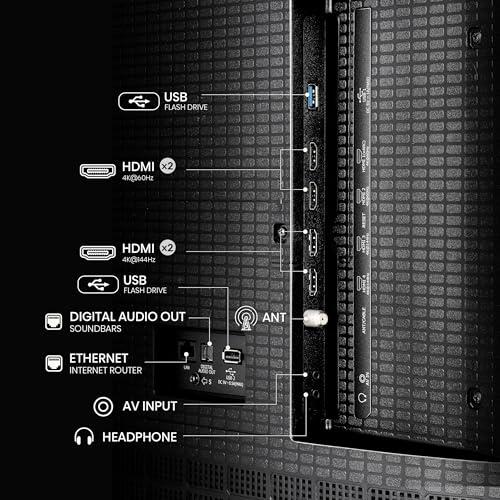
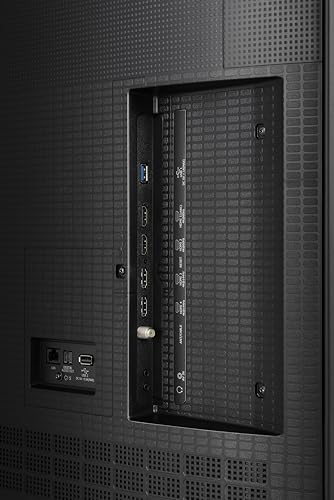
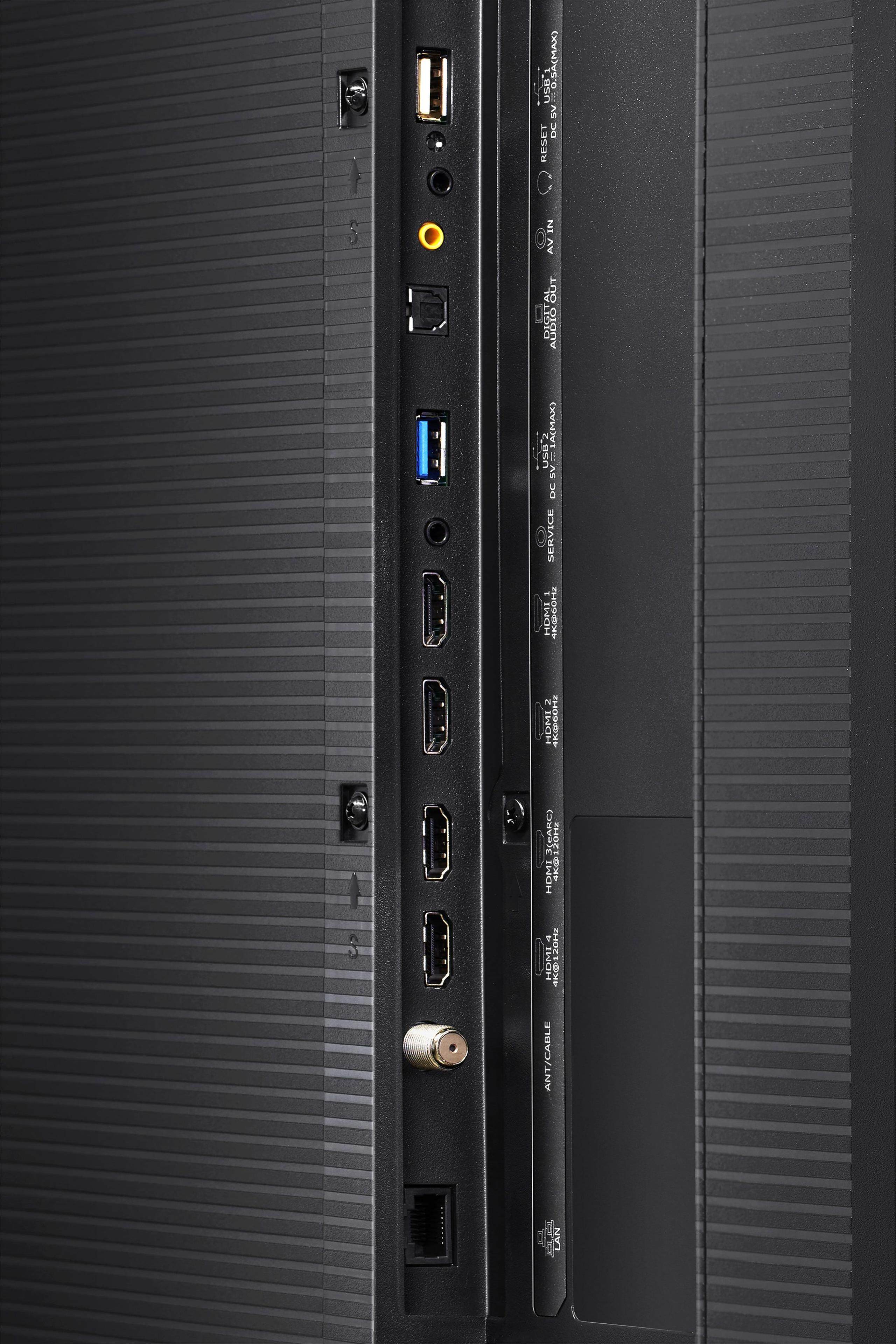
| 4 HDMI (2 HDMI 2.1), Wi-Fi, Bluetooth 5.2 | 4 HDMI (2 HDMI 2.1), Wi-Fi 6E, Bluetooth 5.0 |
| HDR Support - More formats mean better compatibility with content | |
| Dolby Vision IQ, HDR10+, HDR10, HLG | Dolby Vision/IQ/Gaming, HDR10+ Adaptive, HDR10, HLG |
| Installation Complexity - Affects total cost and setup requirements | |
| Professional installation recommended | Requires specialized installation due to size and weight |
| Value Proposition - Best fit for different budget priorities | |
| Exceptional Mini-LED performance at accessible pricing | Flagship performance with no-compromise specifications |
The primary differences are screen size (100" vs 110"), display technology sophistication, and price positioning. The Hisense 100" U6 Series offers excellent Mini-LED performance with 600 local dimming zones at a more accessible price point, while the Hisense 110" UX Series delivers flagship-level performance with over 40,000 local dimming zones and 10,000 nits peak brightness. The UX also uses Google TV instead of the U6's Fire TV platform.
Both TVs excel at gaming, but the Hisense 110" UX Series has a slight edge. While the Hisense 100" U6 Series offers 144Hz Game Mode Pro and VRR support, the UX adds AMD FreeSync Premium Pro certification and Dolby Vision Gaming support. Both provide excellent response times and low input lag suitable for competitive gaming and next-gen consoles.
For the Hisense 100" U6 Series, you'll want to sit 8-12 feet away, requiring a fairly large living room or dedicated theater space. The Hisense 110" UX Series needs 10-15 feet of viewing distance and works best in dedicated home theater rooms due to its massive presence and viewing requirements.
The Hisense 110" UX Series delivers superior picture quality with its 40,000+ local dimming zones compared to 600 zones on the Hisense 100" U6 Series. The UX's 10,000 nits peak brightness versus 1,000 nits on the U6 creates more realistic HDR content with better contrast and virtually no blooming around bright objects.
Both TVs handle bright rooms well, but the Hisense 110" UX Series performs better thanks to its extreme 10,000 nits peak brightness and anti-glare screen technology. The Hisense 100" U6 Series with 1,000 nits brightness is still very good for most lighting conditions but may struggle in extremely bright environments.
This depends on your ecosystem preference. The Hisense 100" U6 Series uses Fire TV, which integrates seamlessly with Amazon Alexa and Prime Video. The Hisense 110" UX Series runs Google TV, offering superior content discovery across streaming services and better integration with Google Assistant and smart home devices.
Pricing varies by retailer and current promotions, but the Hisense 100" U6 Series is positioned as a value-focused premium option, while the Hisense 110" UX Series commands flagship pricing. The U6 offers exceptional performance per dollar, while the UX targets buyers wanting the absolute best technology regardless of cost.
For dedicated home theaters, the Hisense 110" UX Series is the clear winner with its reference-level 10,000 nits brightness, 40,000+ dimming zones, and CineStage X Surround audio system. However, the Hisense 100" U6 Series still delivers an excellent home theater experience at a more accessible price point.
The Hisense 110" UX Series features a sophisticated CineStage X Surround 4.2.2 multi-channel system with AI sound optimization, providing genuine surround sound without external speakers. The Hisense 100" U6 Series includes Dolby Atmos with a built-in subwoofer, which is good but not as comprehensive as the UX's audio system.
Yes, both the Hisense 100" U6 Series and Hisense 110" UX Series require professional installation due to their size and weight. The 110" UX presents additional logistical challenges and may need specialized equipment, while the 100" U6 is more manageable but still needs professional handling for safe installation.
The Hisense 100" U6 Series offers exceptional value, delivering impressive Mini-LED performance and comprehensive features at a more accessible price. The Hisense 110" UX Series provides better absolute performance but at flagship pricing. Choose the U6 for excellent performance per dollar, or the UX for uncompromising quality.
Both TVs support comprehensive HDR formats. The Hisense 100" U6 Series handles Dolby Vision IQ, HDR10+, HDR10, and HLG. The Hisense 110" UX Series adds Dolby Vision Gaming and HDR10+ Adaptive for even more advanced HDR processing and gaming-specific enhancements.
We've done our best to create useful and informative comparisons to help you decide what product to buy. Our research uses advanced automated methods to create this comparison and perfection is not possible - please contact us for corrections or questions. These are the sites we've researched in the creation of this article: bestbuy.com - rtings.com - youtube.com - rtings.com - youtube.com - youtube.com - costco.com - pcrichard.com - hisense-usa.com - electronicexpress.com - pcrichard.com - circuitworldonline.com - bestbuy.com - bestbuy.com - premiumincentive.com - hisense-usa.com - hisense-usa.com - pcrichard.com - rtings.com - bestbuy.com - hisense-usa.com - avsforum.com - digitaltrends.com - prnewswire.com - rtings.com - youtube.com - walts.com - hisense.com.au - imagematrix.tech - techguide.com.au - global.hisense.com - prnewswire.com

Privacy Policy
Terms and Conditions - Affiliate Policy
Home Security
© Copyright 2008-2026.
11816 Inwood Rd #1211, Dallas, TX 75244