

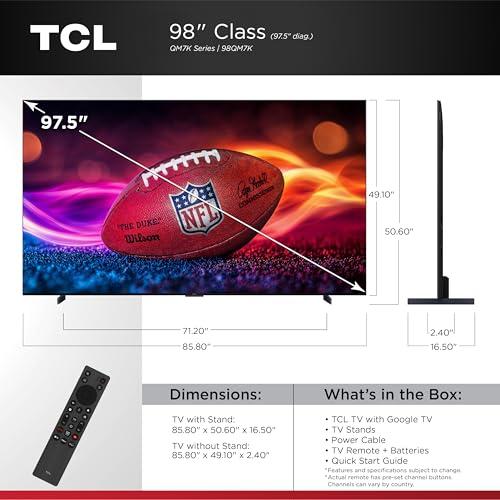

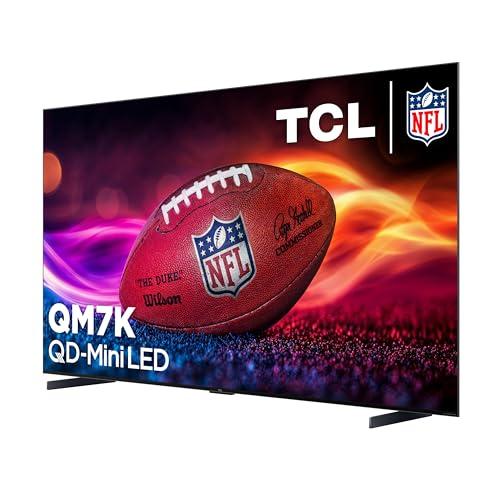
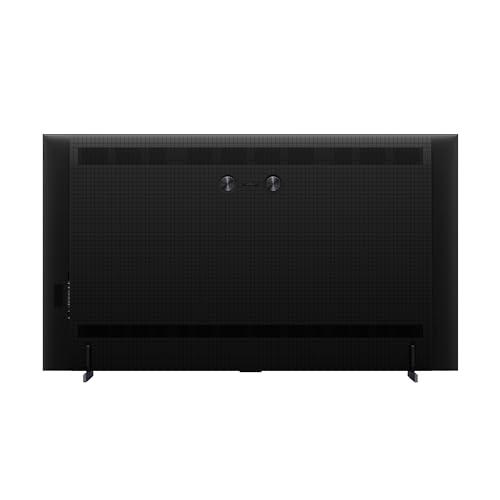
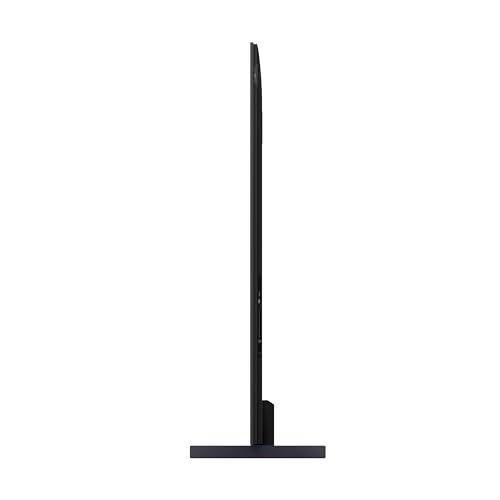
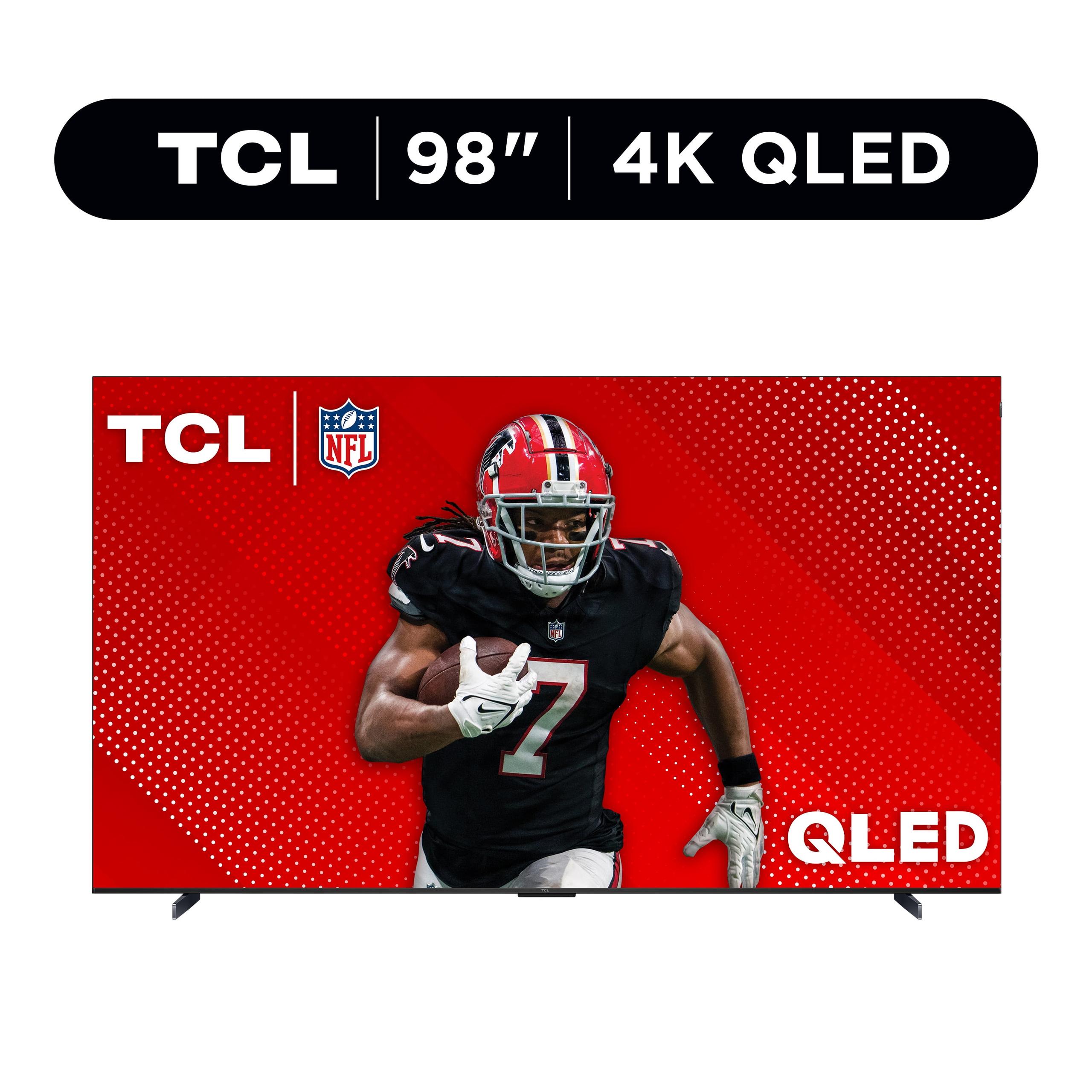



When you're considering a 98-inch television—a screen that's literally bigger than most people are tall—you're entering territory where every technical detail matters significantly more than on smaller displays. The sheer size amplifies both the strengths and weaknesses of the underlying technology, making the choice between TCL's premium QM7K and budget-friendly Q6 Series particularly important for your viewing experience and wallet.
The 98-inch market sits at a fascinating crossroads in television technology. At this massive size, you're essentially choosing between two philosophies: maximize screen size for your dollar, or invest in premium display technology that can truly showcase what this enormous canvas can deliver. The difference isn't just about picture quality—it's about whether your TV can handle bright rooms, deliver stunning HDR content, and provide the gaming performance that makes sense with such an immersive display.
These aren't casual purchases. At this screen size, you're likely building a dedicated home theater, upgrading a large living space, or creating an entertainment centerpiece. The technical specifications that might seem like minor details on a 55-inch TV become game-changing features when blown up to nearly 100 inches.
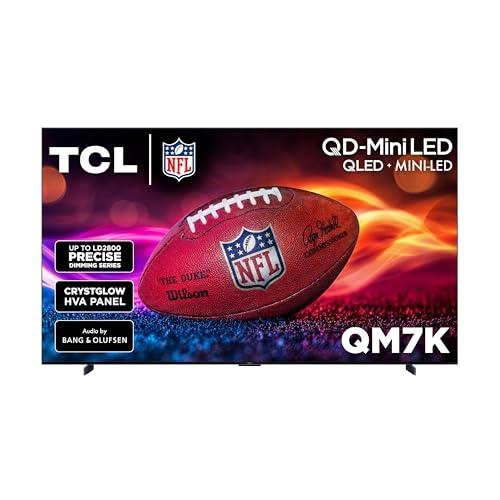
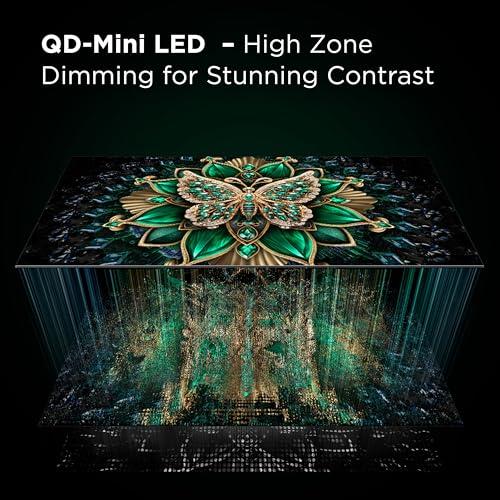
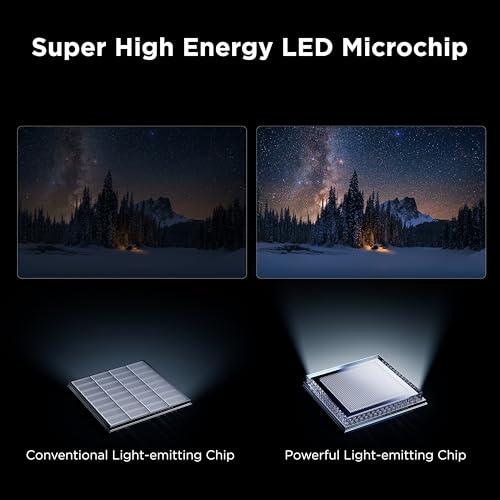
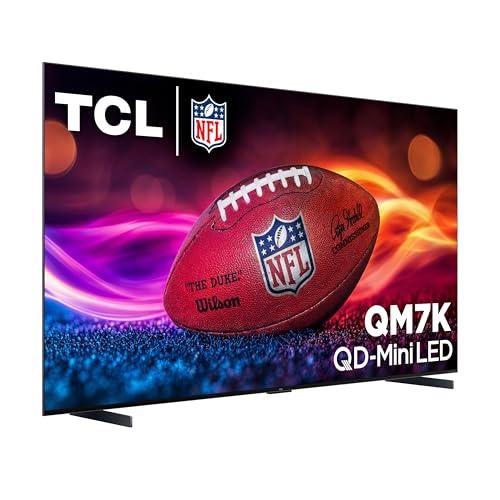
Released in 2024 as part of TCL's push into high-performance display technology, the QM7K represents what happens when manufacturers stop compromising. At its heart lies QD-Mini LED technology, which combines two cutting-edge approaches: quantum dots for color enhancement and Mini LED backlighting for contrast control.
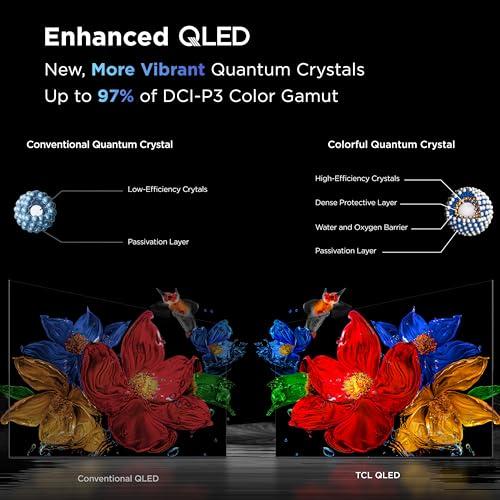
The quantum dot layer acts like a color filter that can produce incredibly pure, saturated colors across nearly the entire DCI-P3 color space—the standard used in movie theaters. Think of quantum dots as tiny crystals that, when hit by blue LED light, emit precise wavelengths of red and green light. This process creates colors that are both more accurate and more vibrant than traditional LED TVs.
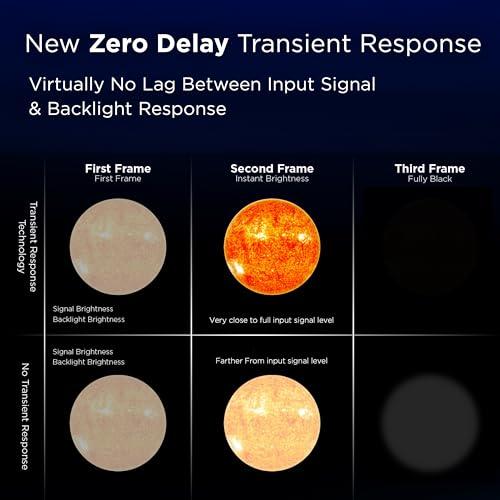
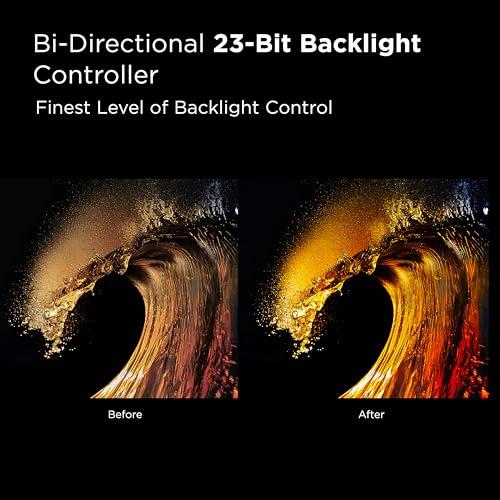
But the real magic happens with the Mini LED backlight system. The QM7K packs up to 2,500 individual dimming zones behind the screen, each containing clusters of LEDs smaller than traditional ones. This means that when you're watching a scene with bright stars against a dark sky, the TV can literally turn off the LEDs behind the dark areas while keeping the star areas blazingly bright. The result is contrast that approaches what you'd get from OLED technology, but with much higher peak brightness.
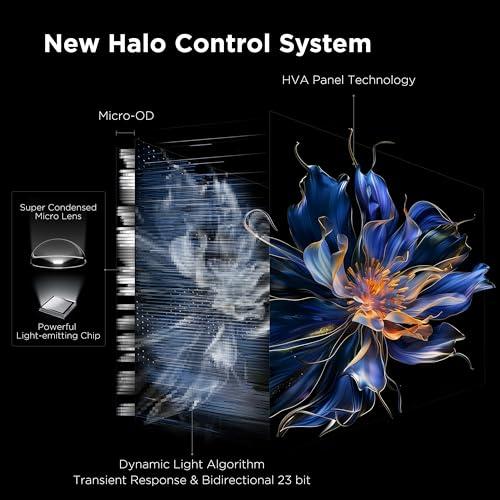
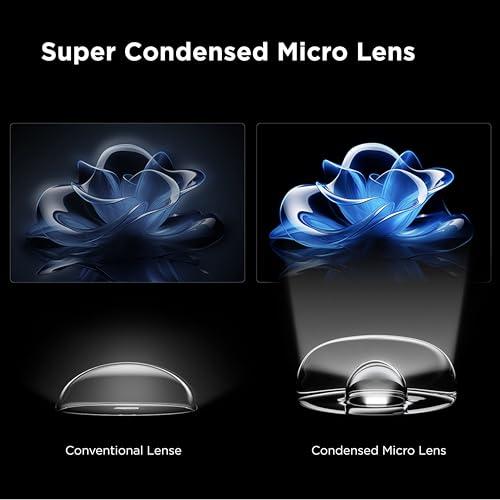
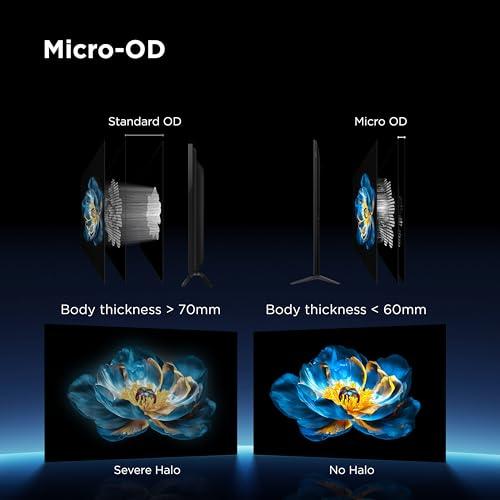
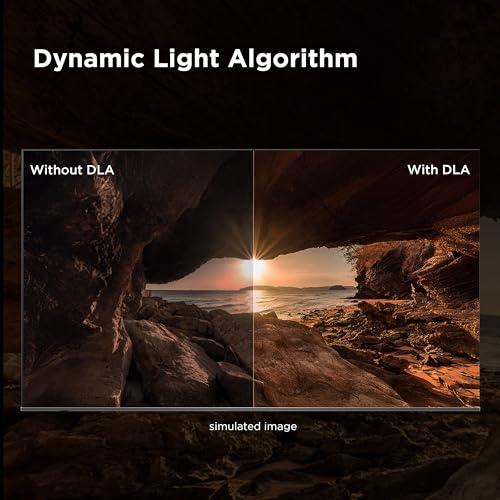
TCL's Halo Control System addresses the traditional weakness of LED TVs: blooming. This occurs when bright objects create halos of light that spill into dark areas. Through advanced optical engineering—including micro lenses that focus light more precisely and algorithms that predict and compensate for light spillage—the QM7K minimizes this effect significantly.
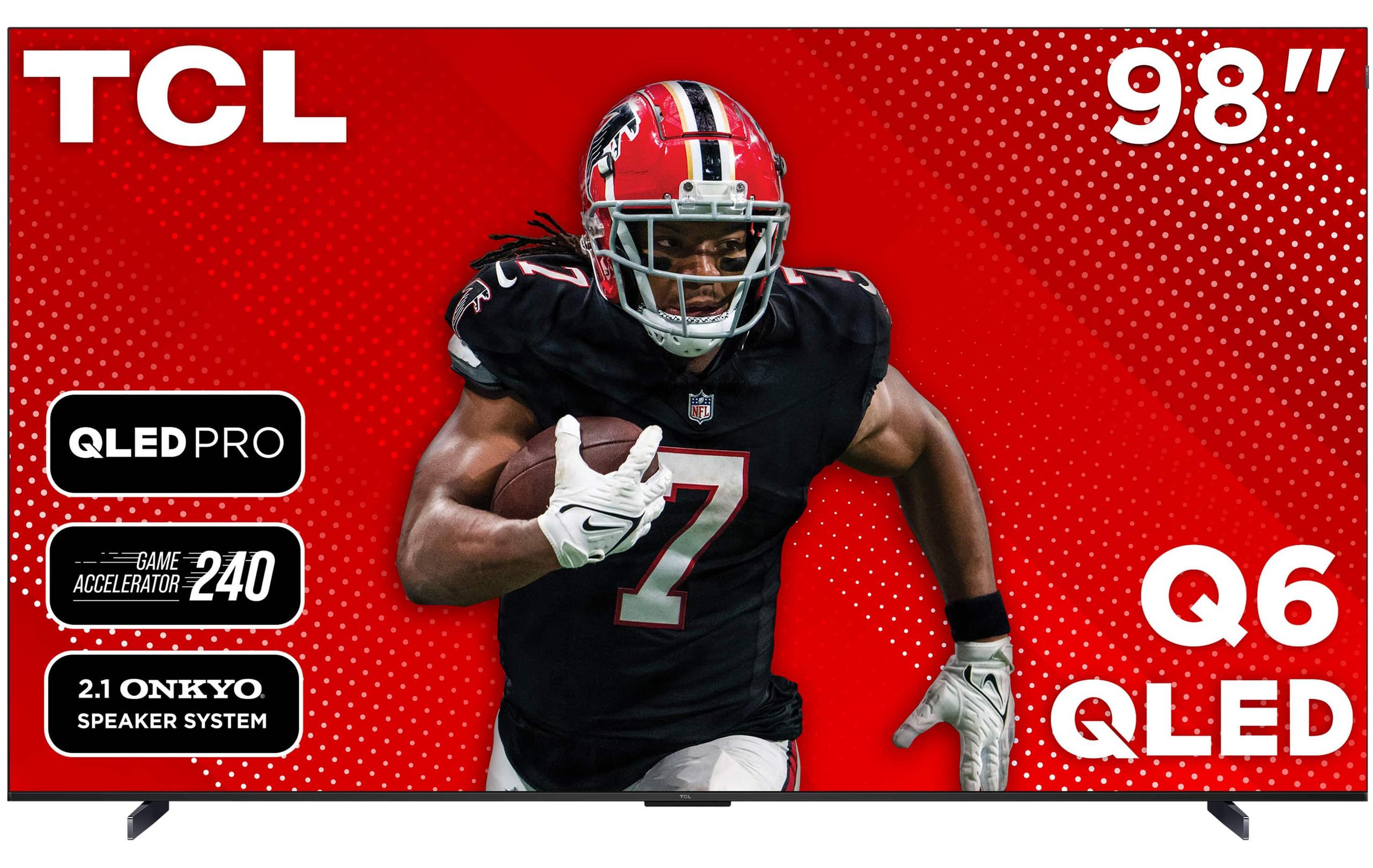
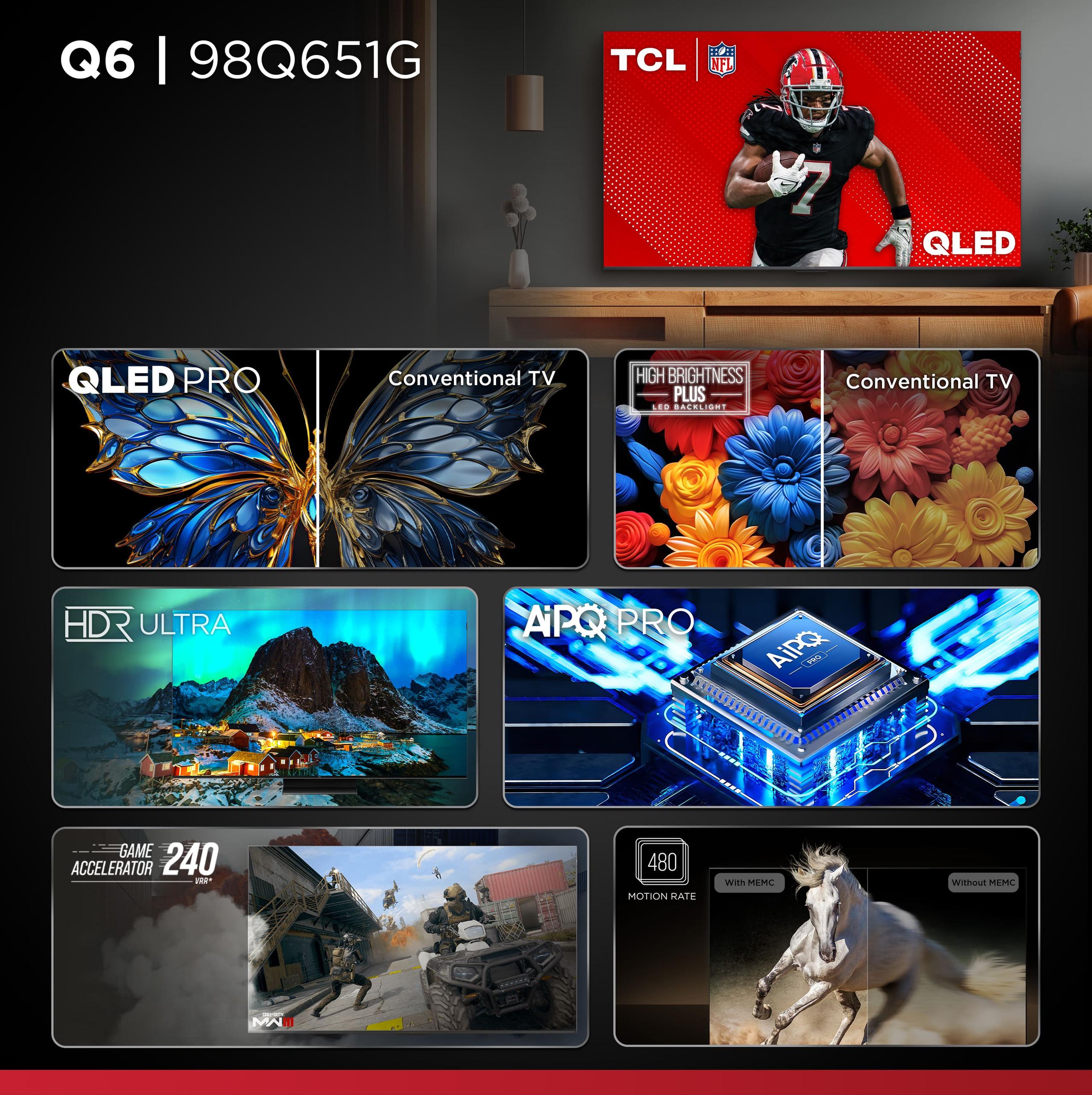
The Q6 Series, also released in 2024, takes a fundamentally different approach. It uses standard QLED technology, which still employs quantum dots for color enhancement but relies on traditional LED backlighting without local dimming zones. Instead of thousands of individual dimming zones, the entire backlight operates more or less as a single unit.
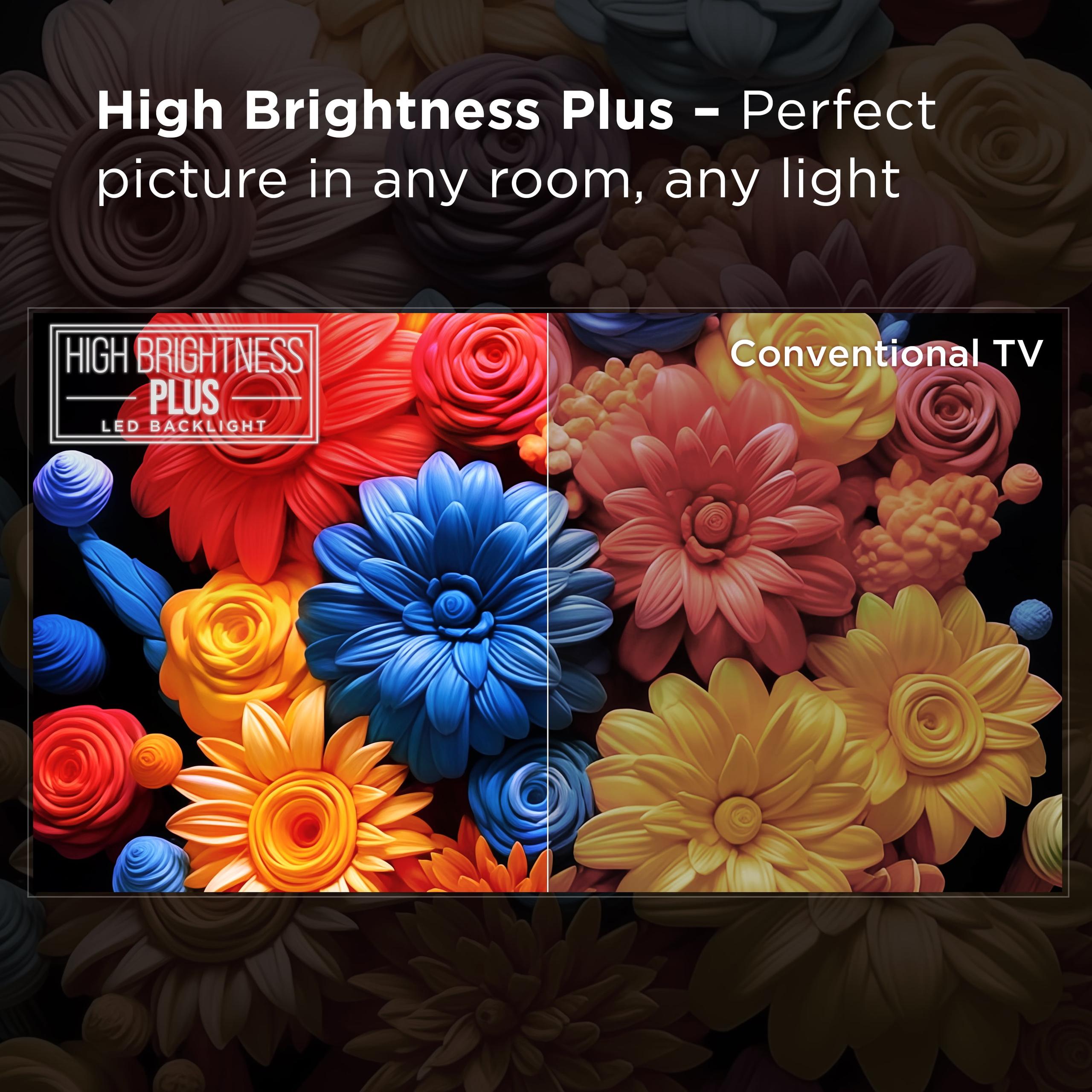
This design philosophy prioritizes cost efficiency and reliability. There are fewer components that can fail, and the manufacturing process is more straightforward. The quantum dot layer still provides better color than basic LED TVs, and the High Brightness+ LED backlight ensures adequate brightness for most viewing situations.
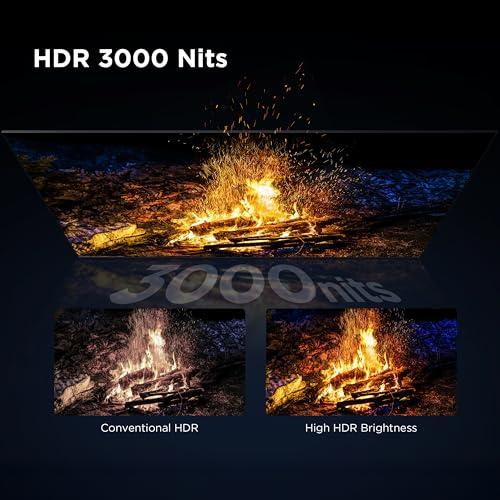
The most dramatic difference between these TVs becomes apparent when viewing HDR (High Dynamic Range) content. HDR is designed to mimic how our eyes actually see the world, with bright highlights and deep shadows existing simultaneously in the same image.
The QM7K achieves up to 3,000 nits of peak brightness—roughly six times brighter than a typical LCD TV from just a few years ago. This isn't just about making everything blindingly bright; it's about having the headroom to display realistic highlights. When you're watching a scene of sunlight streaming through a window, or the gleam of metal in an action movie, that extra brightness makes the difference between looking like a TV image and looking like you're peering through a window.
The Q6 Series, while still capable of good HDR performance, operates at more modest brightness levels. It can display the full range of HDR formats—Dolby Vision, HDR10+, and HDR10—but without the brightness headroom to make those formats truly shine. In darker viewing environments, this limitation is less noticeable, but in bright rooms or when viewing content with extreme contrast, the difference becomes significant.
Perhaps the most important technical difference lies in local dimming capabilities. The QM7K's 2,500 dimming zones allow for incredible precision in controlling light output. Imagine watching a movie scene with someone holding a torch in a dark cave—the TV can make the torch area blazingly bright while keeping the surrounding cave areas nearly black, just as they would appear in reality.
The Q6 Series lacks local dimming entirely, meaning the entire backlight operates at uniform brightness. In that same torch scene, the TV would need to compromise—either make the torch less bright to keep the cave dark, or brighten the entire image to show torch details, losing the dramatic contrast.
This difference compounds at 98 inches. Small imperfections in contrast or brightness uniformity that might be forgivable on a 65-inch TV become much more apparent when spread across such a massive screen.
Both TVs use quantum dot technology for color enhancement, but the QM7K takes this further with enhanced quantum dot materials and more sophisticated processing. The difference isn't just in color accuracy—though the QM7K does cover more of the DCI-P3 color space—but in color volume, which refers to how well colors are maintained at different brightness levels.
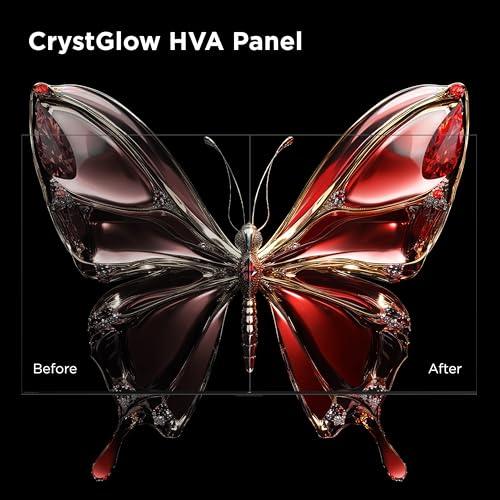
The QM7K also features TCL's CrystGlow HVA panel with anti-reflective coating. In practical terms, this means the TV performs better in bright rooms by reducing glare and maintaining image detail when light hits the screen. The Q6 Series uses a standard panel that, while adequate in controlled lighting, can struggle with reflections in bright environments.
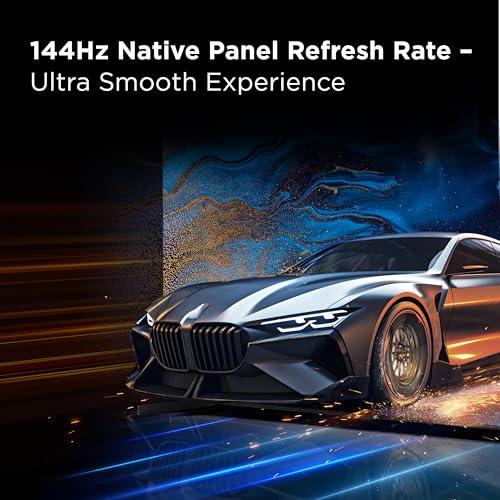
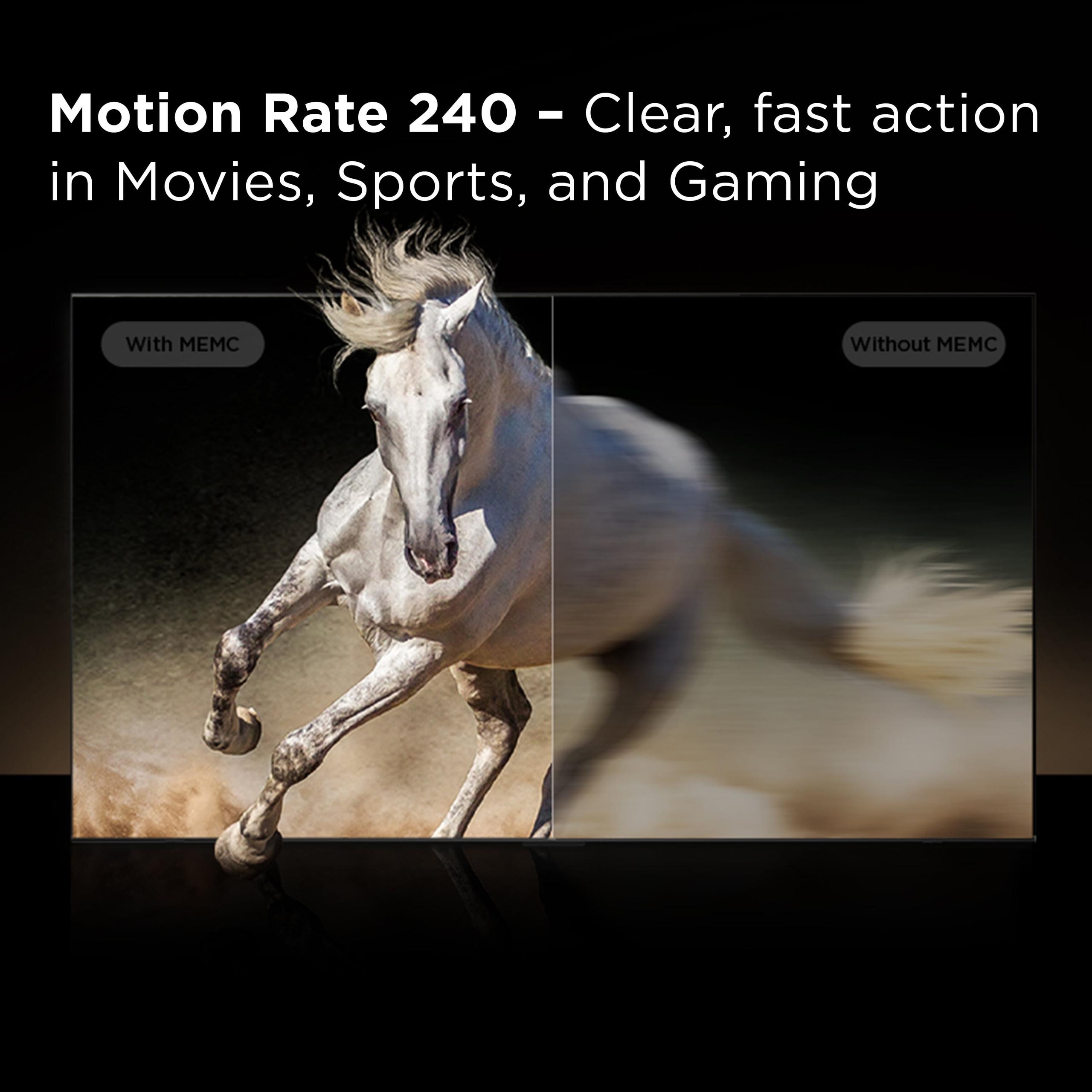
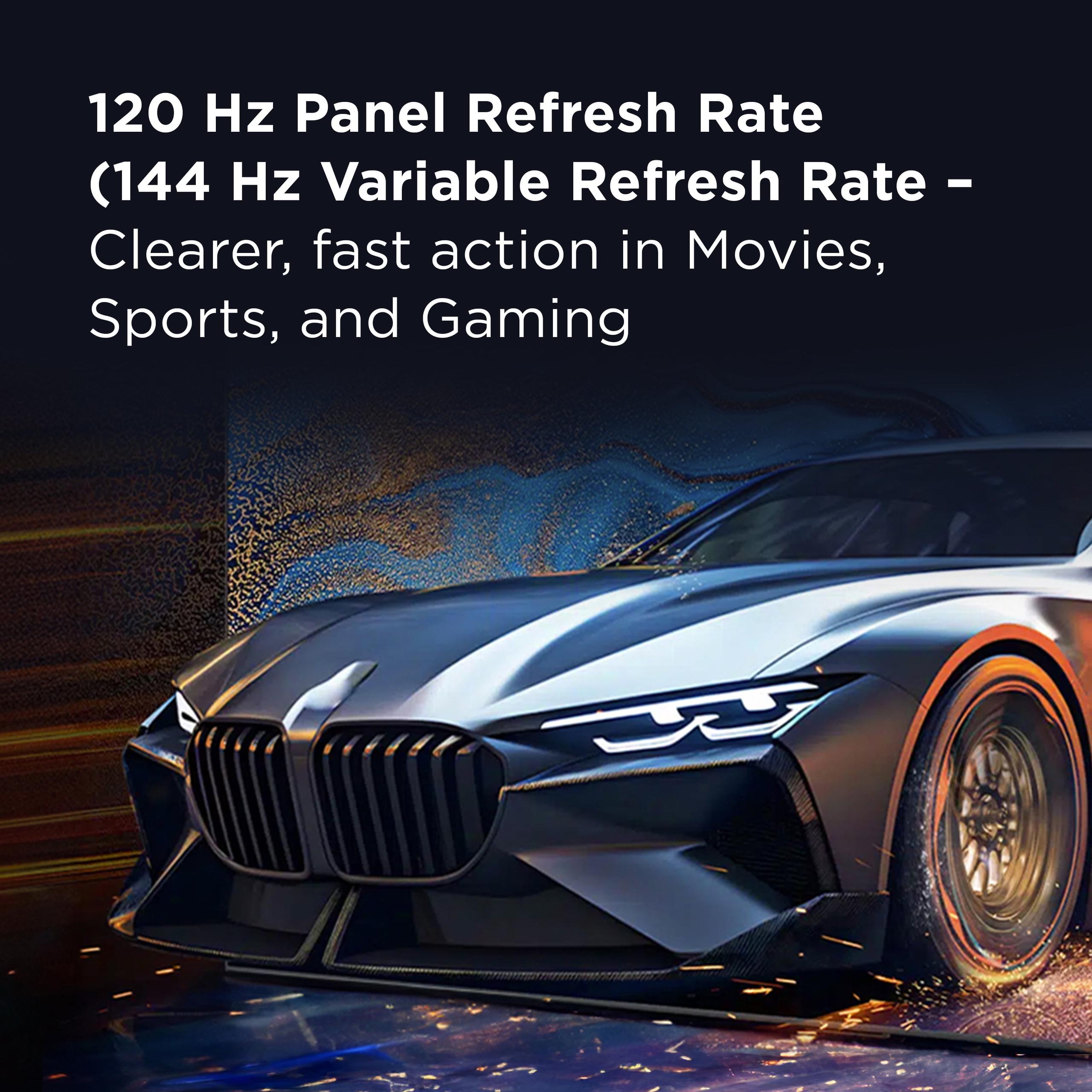
Gaming represents one of the starkest differences between these models. The QM7K features a native 144Hz panel refresh rate and supports up to 288Hz variable refresh rate through its Game Accelerator feature. In gaming terms, this means incredibly smooth motion and responsiveness that can genuinely improve competitive performance.
Variable refresh rate (VRR) technology synchronizes the TV's refresh rate with your gaming console or PC's output, eliminating screen tearing and stuttering. When your PS5 is rendering a game at 120 frames per second, the TV can match that rate precisely, creating an incredibly fluid experience that's particularly noticeable in fast-paced games.
The Q6 Series supports only 60Hz natively, with limited 120Hz support at lower resolutions. For casual gaming, this is perfectly adequate, but for serious gamers or those with high-end consoles, the difference is substantial. The QM7K also includes two HDMI 2.1 ports capable of full 4K at 144Hz, while the Q6 Series relies on older HDMI 2.0 standards.
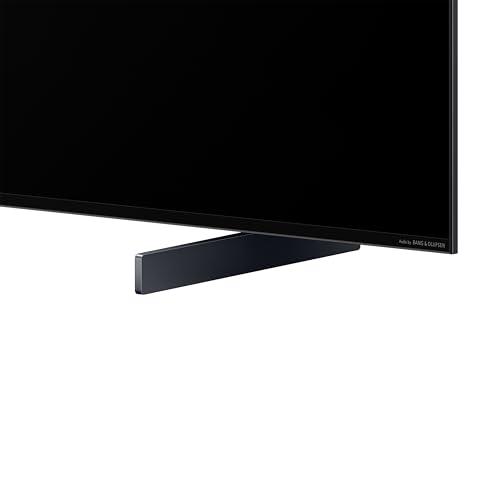
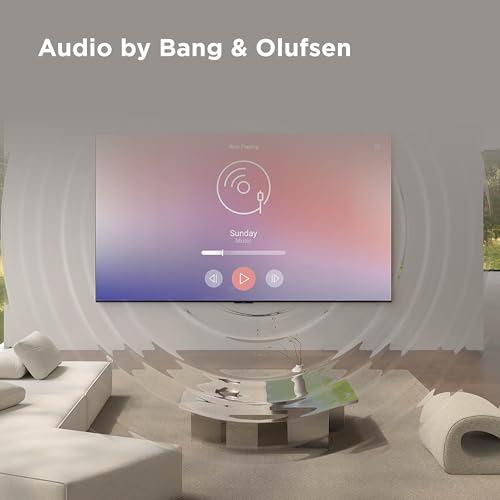
Audio often gets overlooked in TV comparisons, but at 98 inches, you're creating a cinematic experience where sound matters significantly. The QM7K partners with Bang & Olufsen, the Danish audio company known for premium sound systems. This isn't just a branding exercise—the speakers are tuned to deliver better clarity, more accurate bass response, and improved spatial audio processing.
The Q6 Series includes a competent 30W 2.0 channel system that handles dialogue well and provides adequate volume for most rooms. Both TVs support Dolby Atmos processing, but the QM7K's superior speaker hardware makes better use of this advanced audio format.
That said, many buyers at this price point and screen size will invest in external audio solutions. A good soundbar or home theater system will outperform either TV's built-in audio, making this difference less critical for some users.
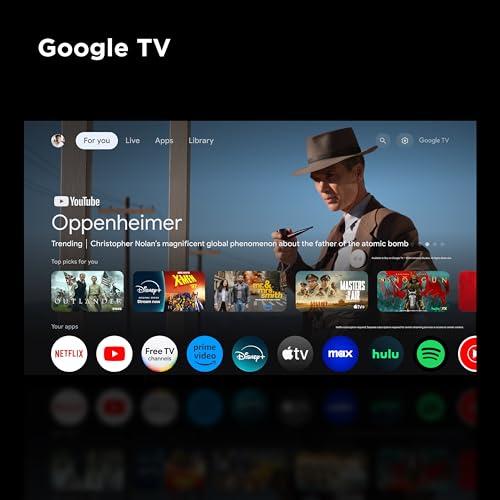
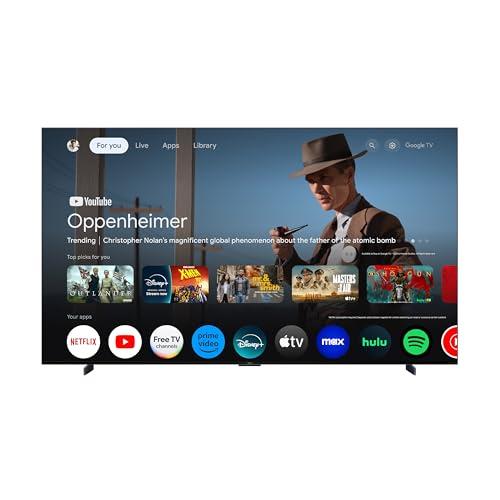
Both TVs run Google TV, which provides an excellent smart platform with comprehensive streaming app support and voice control. The interface is identical, but the QM7K benefits from more powerful processing that makes navigation slightly smoother and app loading faster.
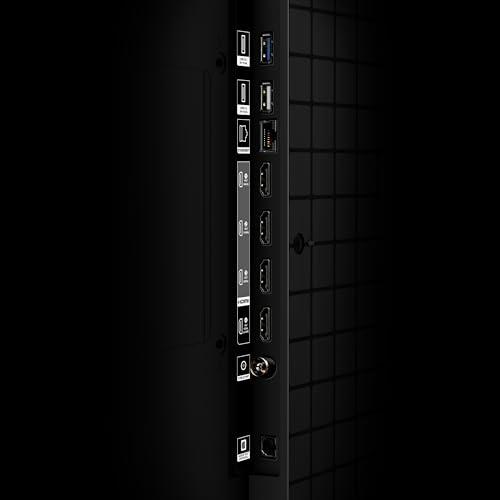
The real connectivity difference lies in HDMI ports and bandwidth. The QM7K includes two HDMI 2.1 ports with full 48Gbps bandwidth, essential for future gaming consoles and high-refresh-rate content. The Q6 Series relies on older HDMI 2.0 standards that, while adequate for current streaming and gaming, may limit future capabilities.
In a dedicated home theater setting, the QM7K truly shines. Its combination of high peak brightness and deep blacks creates the wide dynamic range that makes movie content look cinematic. The anti-glare coating becomes less important in light-controlled environments, but the superior contrast and color accuracy remain significant advantages.
The Q6 Series can certainly anchor a home theater setup, particularly in darker rooms where its brightness limitations are less apparent. For many viewers, especially those upgrading from much smaller screens, the sheer size impact will overshadow the technical compromises.
Consider your room setup carefully. If you have windows that can't be fully controlled or prefer watching during daytime hours, the QM7K's brightness advantage becomes crucial. In a basement theater or room with blackout capability, the Q6 Series becomes much more competitive.
At the time of writing, these TVs occupy very different value positions. The Q6 Series represents the most affordable way to get a 98-inch screen with decent picture quality and modern smart features. It's positioned for buyers who prioritize size above all else and can live with compromises in brightness, contrast, and gaming performance.
The QM7K, when available at promotional pricing, offers remarkable value for what was traditionally flagship-level performance. Even at full retail price, it provides a premium experience that competes with much more expensive models from other manufacturers.
The key question isn't whether the QM7K is better—it clearly is—but whether those improvements justify the price difference for your specific use case and budget.
Choose the Q6 Series if you're primarily motivated by getting the largest possible screen size within a specific budget. It excels for casual viewing, streaming content, and situations where room lighting can be controlled. If you're upgrading from a significantly smaller TV, the size impact alone will be transformative, and the technical limitations may not be immediately apparent or bothersome.
The Q6 Series also makes sense for buyers who plan to eventually upgrade again in a few years. It provides an excellent introduction to large-screen viewing without requiring a massive investment in premium features you might not fully utilize.
Choose the QM7K if you want a TV that can handle any content, any lighting situation, and any gaming demands you might throw at it. The superior brightness makes it suitable for bright living rooms, the gaming performance future-proofs your setup for next-generation consoles, and the overall picture quality delivers a truly premium viewing experience.
The QM7K is particularly compelling for enthusiasts who appreciate technical excellence and want a TV that will remain impressive for many years. Its advanced display technology and robust feature set make it a long-term investment that should age well as content and gaming continue to evolve.
Both TVs succeed at their intended missions. The Q6 Series democratizes the 98-inch experience, bringing massive screen size to buyers who couldn't previously afford it. The QM7K elevates that size with premium technology that creates a truly cinematic experience.
Your choice ultimately depends on whether you view this purchase as maximizing screen size within a budget or creating the best possible large-screen experience. Both approaches are valid, but understanding the technical trade-offs ensures you'll be happy with your decision for years to come.
The television market continues evolving rapidly, with new display technologies and features arriving annually. However, the fundamental choice between value-focused and performance-focused approaches will likely remain relevant, making either of these TCL options a solid foundation for your large-screen entertainment needs.
| TCL 98" QM7K QD-Mini LED 4K TV | TCL 98" Q6 Series 4K UHD QLED Smart TV |
|---|---|
| Display Technology - Determines contrast, brightness, and overall picture quality | |
| QD-Mini LED with 2,500 local dimming zones | Standard QLED with no local dimming |
| Peak Brightness - Critical for HDR impact and bright room viewing | |
| 3,000 nits (exceptional HDR performance) | Standard brightness (adequate for controlled lighting) |
| Contrast Ratio - Affects depth and realism of dark scenes | |
| 30 million:1 dynamic contrast with precise zone control | Basic contrast without local dimming control |
| Panel Refresh Rate - Essential for smooth gaming and sports | |
| 144Hz native with 288Hz VRR support | 60Hz native with limited 120Hz at lower resolutions |
| Gaming Features - Determines console and PC gaming performance | |
| Game Accelerator 288, HDMI 2.1, ultra-low latency | Game Accelerator 120, Auto Game Mode, standard latency |
| HDMI Connectivity - Future-proofing for new devices | |
| 4 ports (2x HDMI 2.1, 2x HDMI 2.0) | 3 ports (all HDMI 2.0) |
| Anti-Glare Technology - Performance in bright rooms | |
| CrystGlow HVA panel with anti-reflective coating | Standard panel with typical reflection levels |
| Audio System - Built-in sound quality | |
| Bang & Olufsen tuned speakers with enhanced drivers | 30W 2.0 channel standard speaker system |
| HDR Support - Same formats but different performance capabilities | |
| Dolby Vision IQ, HDR10+, HDR10, HLG with full brightness | Dolby Vision, HDR10+, HDR10, HLG with limited brightness |
| Smart Platform - Identical Google TV experience | |
| Google TV with enhanced processing power | Google TV with standard processing |
| Build Quality - Premium materials and design | |
| Premium construction with advanced cooling | Standard construction adequate for the price |
| Value Positioning - Who each TV is designed for | |
| Premium performance at discounted flagship pricing | Maximum screen size at entry-level pricing |

Privacy Policy
Terms and Conditions - Affiliate Policy
Home Security
© Copyright 2008-2026.
11816 Inwood Rd #1211, Dallas, TX 75244