

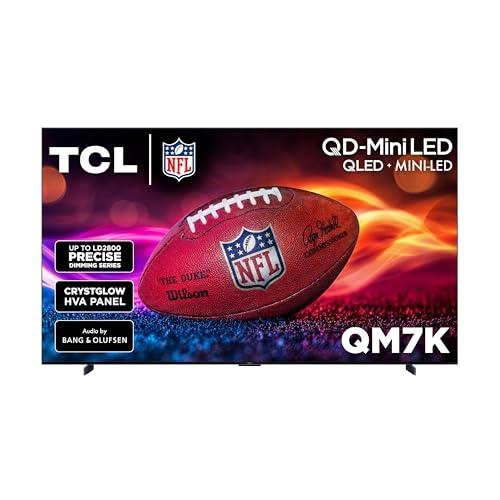

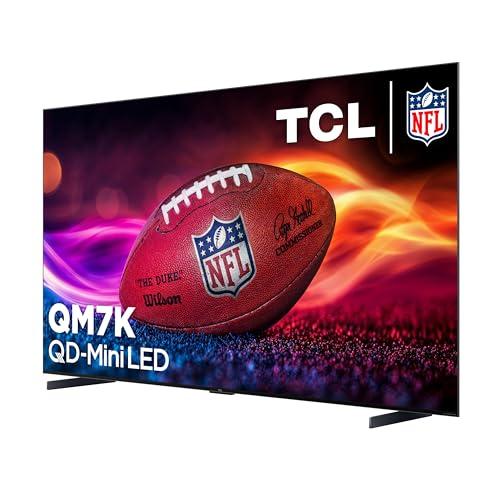
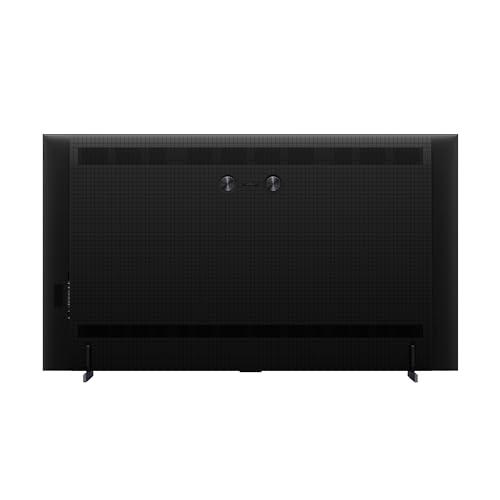
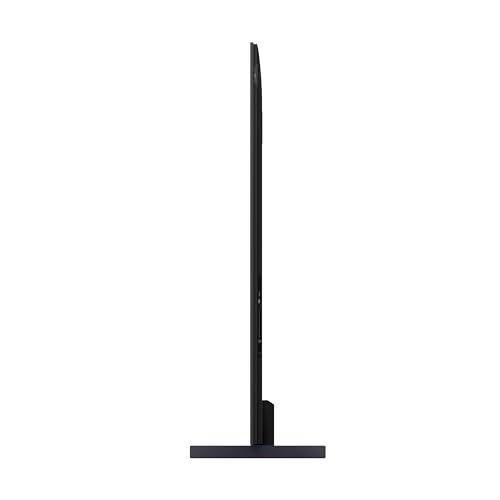


Ultra-large screen TVs have transformed from luxury novelties into serious entertainment centerpieces. With screens approaching 100 inches, these displays deliver genuinely cinematic experiences that can rival dedicated home theaters. The category has exploded in recent years as manufacturing costs dropped and streaming content improved, making massive screens more accessible than ever.
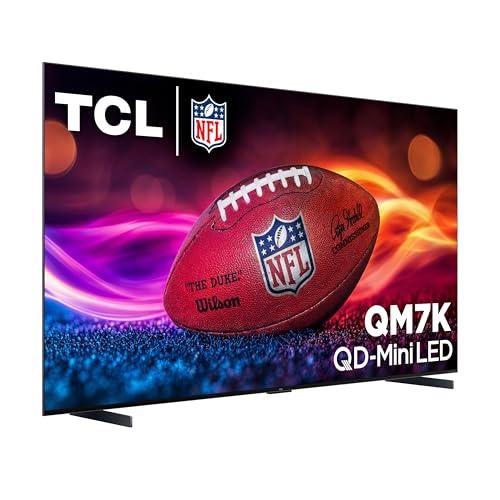
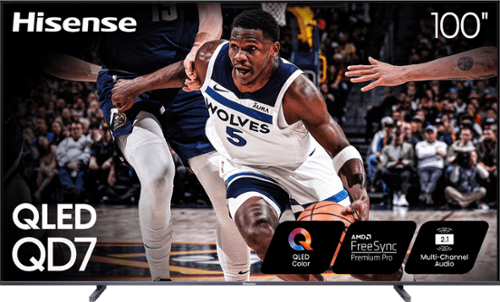
Today we're comparing two standout models from 2024: the TCL 98" QM7K QD-Mini LED and the Hisense 100" QD7 Series QLED. These represent fundamentally different approaches to ultra-large screen technology—one prioritizing cutting-edge performance, the other focusing on exceptional value. Understanding their differences will help you decide which massive screen deserves a place in your living room.
Both televisions use advanced display technologies that go far beyond traditional LED TVs, but they take notably different paths to get there.
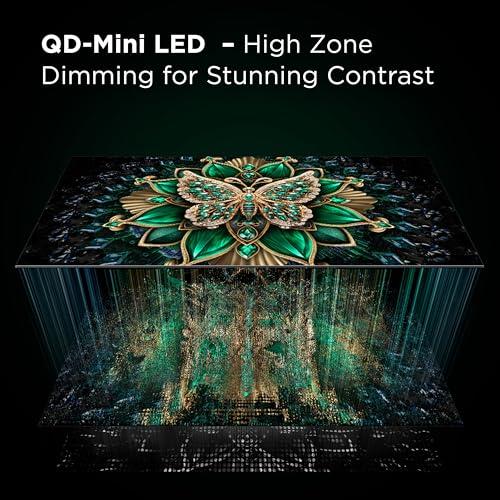
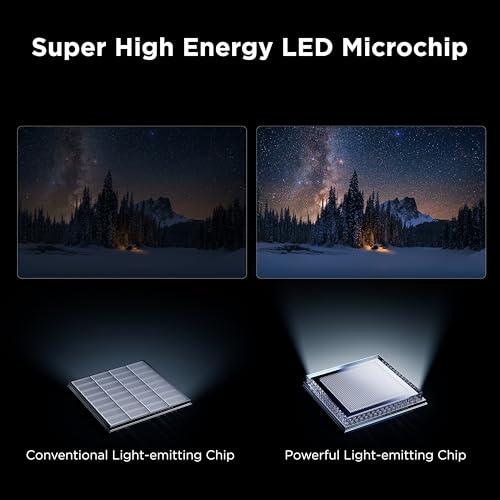
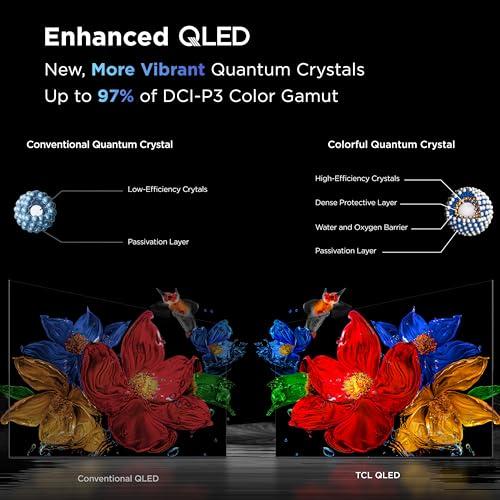
The TCL QM7K employs what's called QD-Mini LED technology, which combines quantum dots (tiny crystals that convert light into specific colors) with Mini-LED backlighting. Mini-LEDs are much smaller than regular LEDs—think hundreds of tiny lights behind your screen instead of dozens of large ones. This allows for precise control over brightness in different areas of the picture, creating deeper blacks and brighter highlights simultaneously.
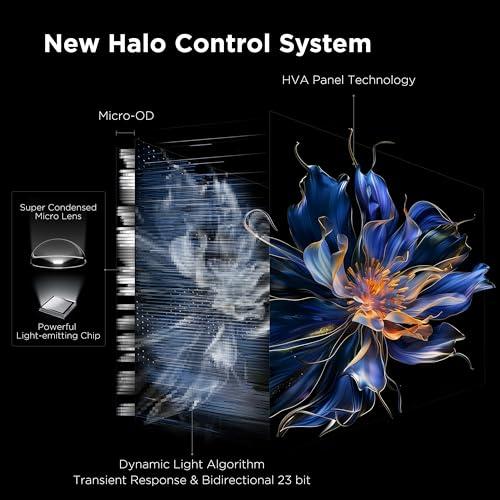
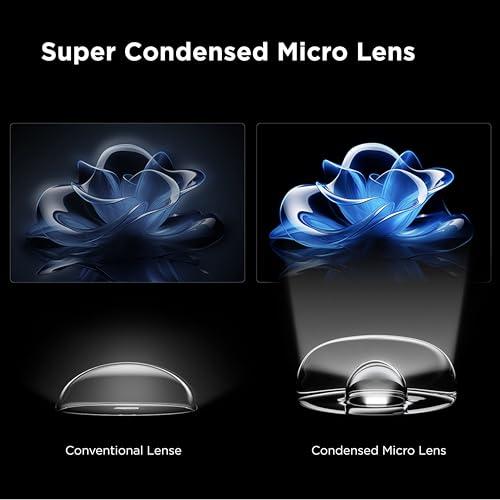
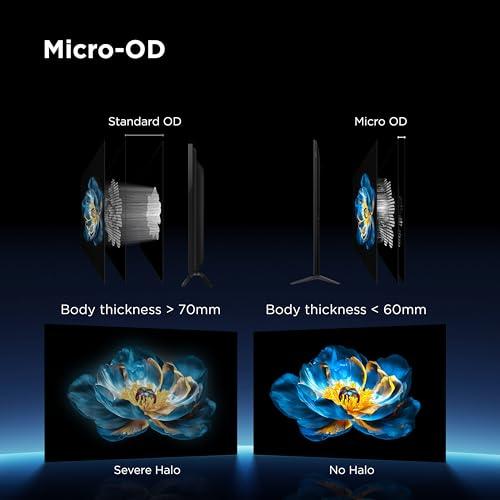
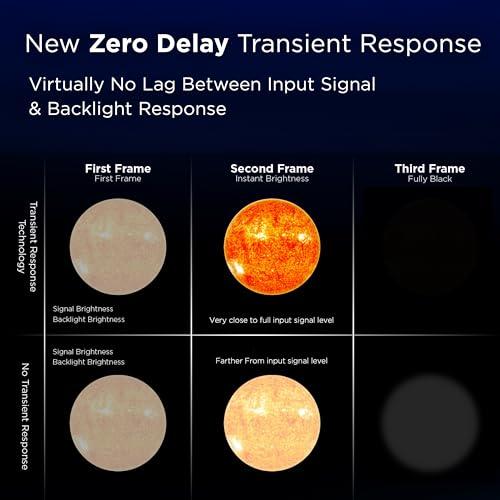
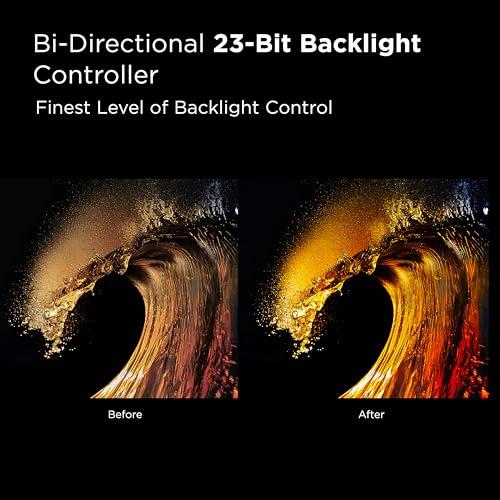
What makes the TCL particularly impressive is its Halo Control System, a comprehensive suite of technologies designed to eliminate "blooming"—that annoying glow you sometimes see around bright objects on dark backgrounds. The system includes specialized lenses that focus each LED's light more precisely, reducing the optical distance between the backlight and screen, and providing over 65,000 levels of brightness control for each LED. It's like having a professional lighting director for every single pixel.
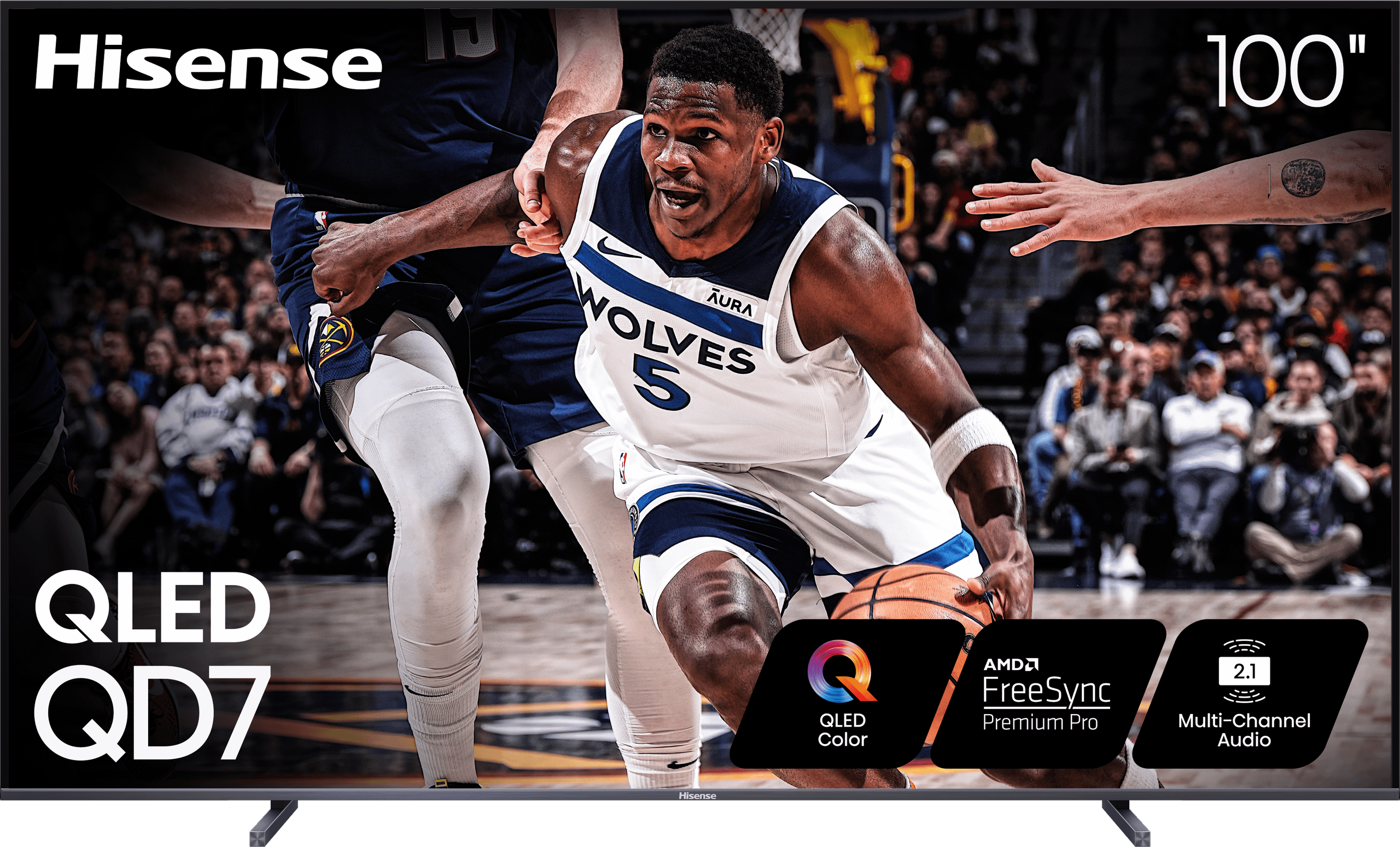
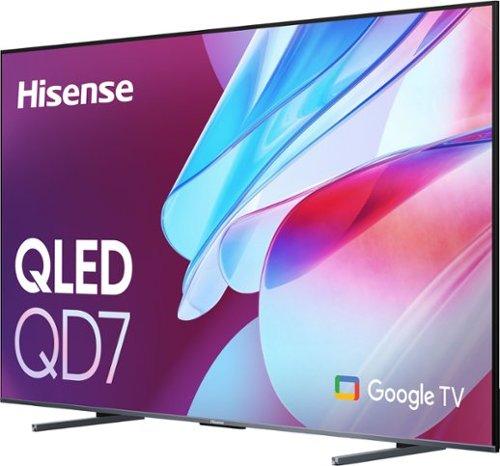
The Hisense QD7 takes a different approach, combining Mini-LED backlighting with traditional QLED (Quantum Dot LED) technology. The quantum dots here excel at color conversion, taking the LED backlight and transforming it into over a billion different color combinations. Where the Hisense particularly shines is in color vibrancy—nature documentaries and animated content look remarkably lifelike with this approach.
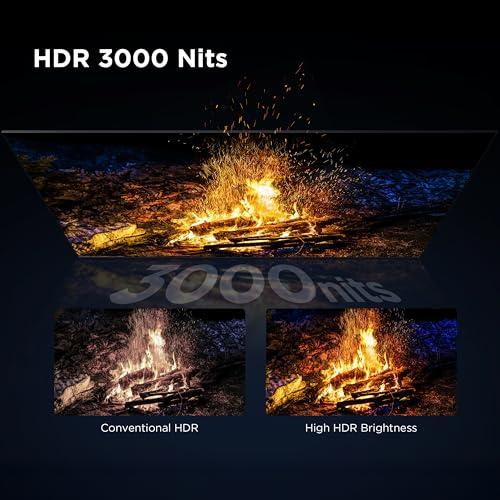
Peak brightness might sound like a spec sheet number, but it's actually one of the most important factors for real-world viewing. The TCL QM7K delivers an extraordinary 3000 nits of peak brightness, while the Hisense QD7 reaches 615 nits. To put that in perspective, a typical sunny day measures around 1000 nits, so the TCL can actually produce brighter highlights than natural daylight.
This massive brightness difference isn't just about showing off—it's about HDR (High Dynamic Range) performance. HDR content is mastered to take advantage of these extreme brightness levels, creating that "wow factor" where specular highlights like sunlight on water or explosions in movies genuinely pop off the screen. Our research into user experiences consistently shows that the TCL's HDR presentation delivers dramatically more impact, with highlights that feel three-dimensional rather than flat.
The brightness advantage also matters for room compatibility. If your viewing space has windows, skylights, or bright ambient lighting, the TCL can overpower that interference while maintaining image quality. The Hisense, while perfectly capable in controlled lighting, can look washed out when competing with bright environments.
However, the Hisense isn't without advantages in the brightness department. Its lower peak output actually works well for darker room viewing, where excessive brightness can become fatiguing during long viewing sessions. It's a classic trade-off between maximum impact and viewing comfort.
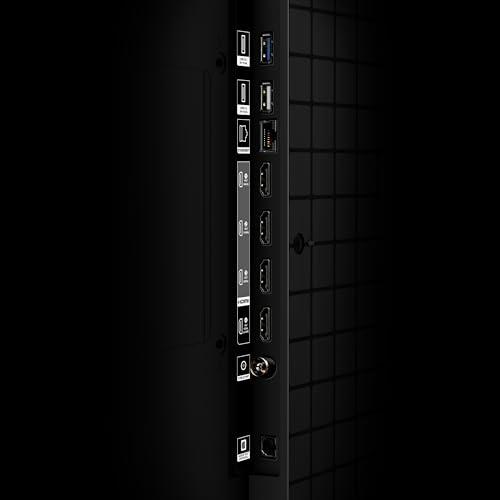
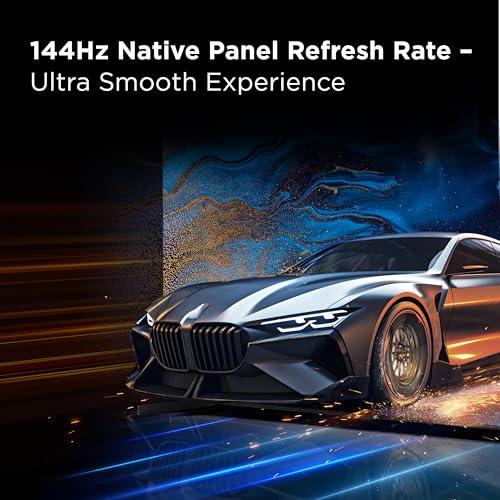
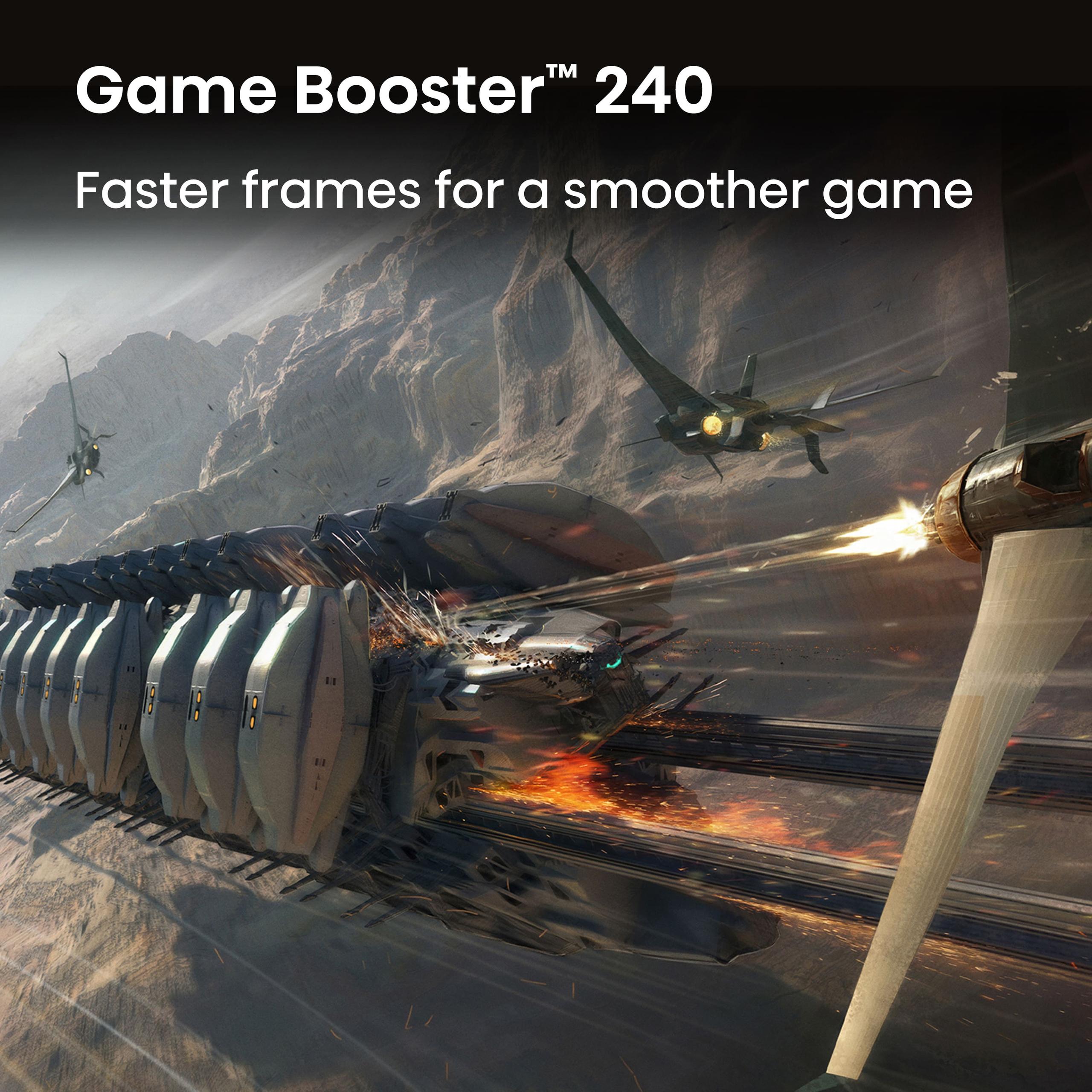
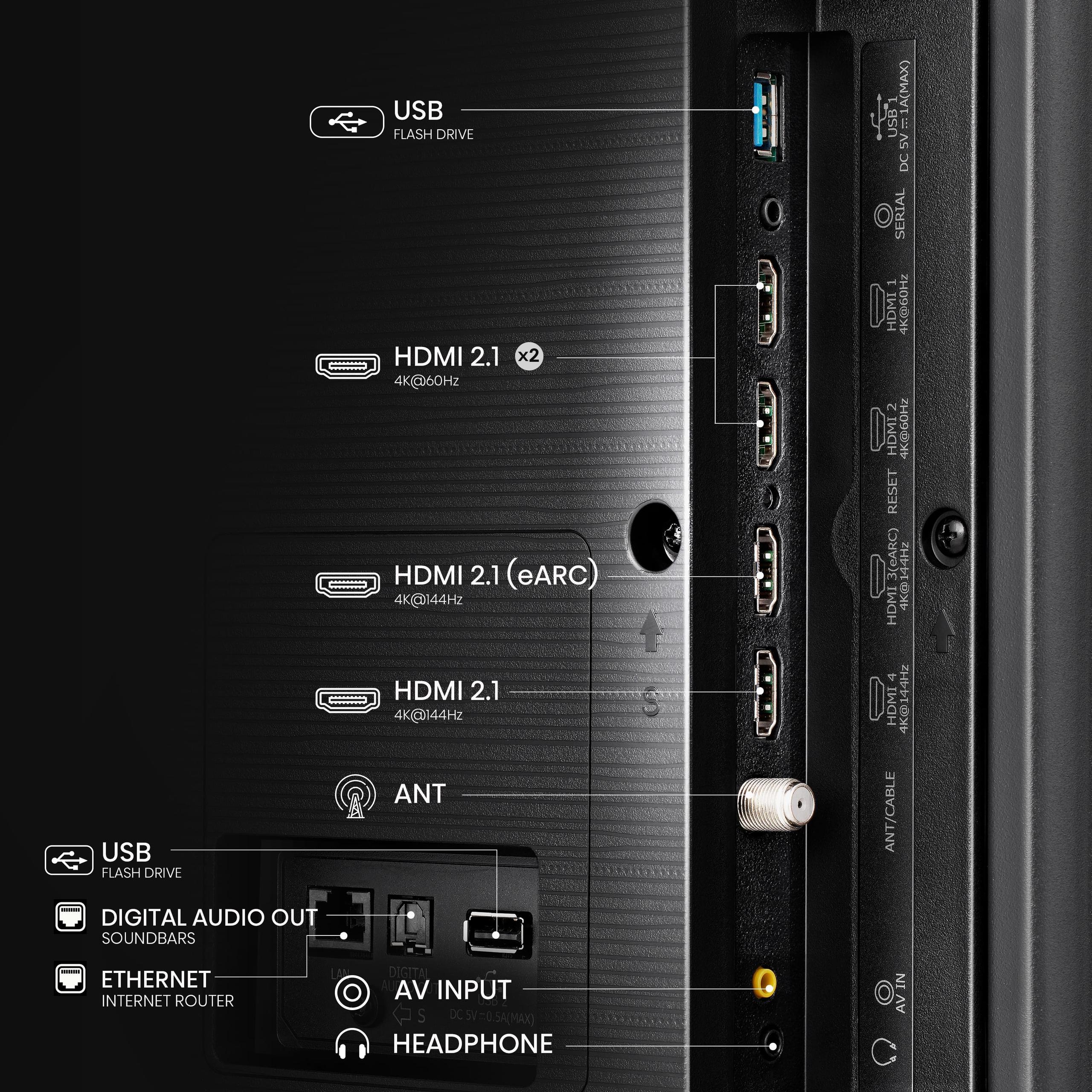
Both TVs launched in 2024 with gaming as a priority, but they deliver notably different experiences for serious gamers. The TCL QM7K features Game Accelerator 288, supporting variable refresh rates up to 288Hz—meaning the TV can display up to 288 unique frames per second for incredibly smooth motion. This pairs with full HDMI 2.1 bandwidth, allowing 4K resolution at 144Hz refresh rates with virtually no input lag.
For context, most TVs max out at 60Hz, so the TCL's gaming capabilities represent a genuine leap forward. If you're running a high-end gaming PC or want to future-proof for next-generation consoles, this performance difference is substantial. Competitive gaming, fast-paced shooters, and racing games all benefit from the smoother motion and reduced input delay.
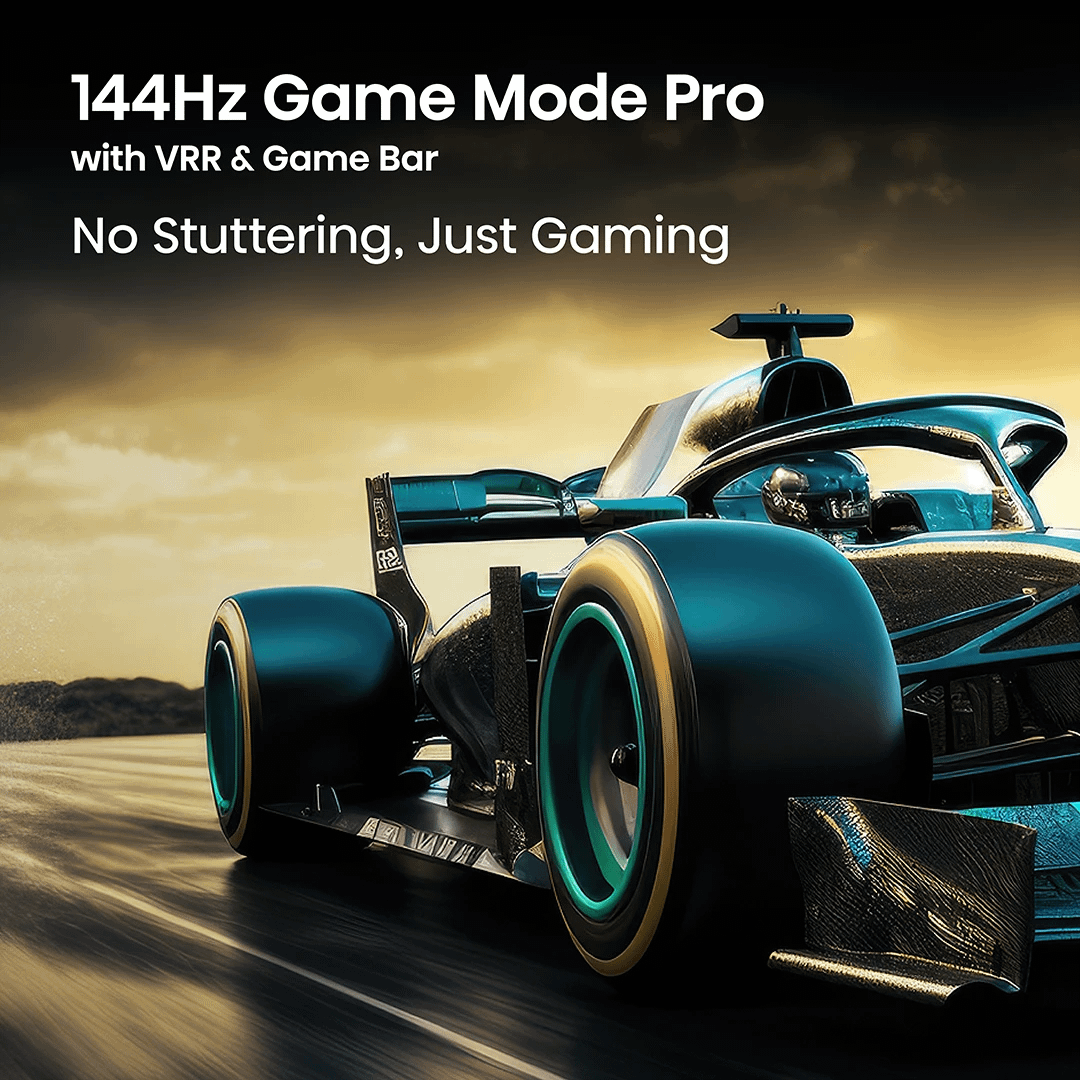
The Hisense QD7 offers 144Hz Game Mode Pro, which is still excellent for gaming but operates with HDMI 2.0 bandwidth limitations. This restricts the TV to either high refresh rates at lower resolutions or 4K at standard refresh rates—you can't have both simultaneously. For casual gaming and most console experiences, this won't matter. But if you're building a premium gaming setup, the limitation becomes noticeable.
Both TVs support Auto Low Latency Mode (ALLM), which automatically switches to gaming mode when it detects a console, and Variable Refresh Rate (VRR), which synchronizes the display with your gaming device to eliminate screen tearing. These features have become standard in premium gaming TVs, but the TCL's implementation simply operates at a higher performance tier.
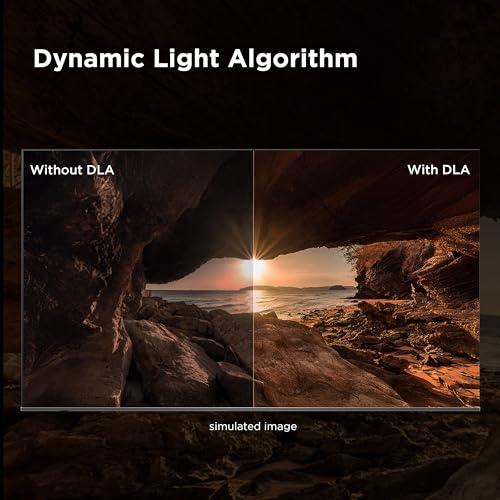
The fundamental difference between these displays lies in their approach to image quality. The TCL QM7K prioritizes contrast performance through its advanced local dimming system with up to 2500 precisely controlled zones. Local dimming means the TV can brighten or darken specific areas of the screen independently, allowing for deep blacks right next to bright highlights—essential for cinematic content.
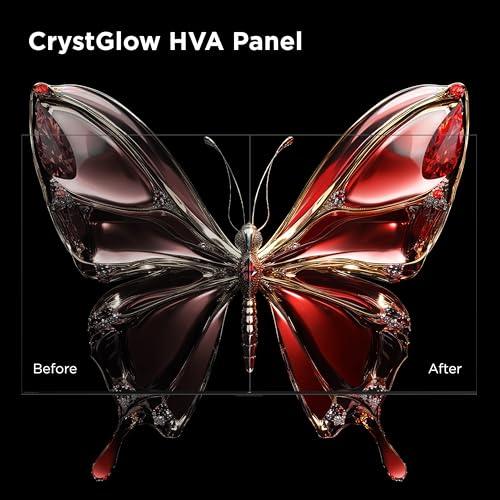
The CrystGlow HVA panel in the TCL deserves special mention. This technology uses nanoscale engineering that creates a "butterfly-wing-shaped microstructure" in the liquid crystal layer, improving how light passes through and delivering a native contrast ratio of 8000:1. In practical terms, this means the difference between the brightest whites and deepest blacks is exceptionally wide, creating more realistic and immersive images.
The Hisense QD7 takes a color-first approach with its quantum dot implementation. Where it genuinely excels is in color gamut coverage—the range of colors it can display. Quantum dots are particularly effective at producing vibrant greens and reds that standard LEDs struggle with. Based on user feedback we've analyzed, nature documentaries, animated films, and sports broadcasts look notably more vivid on the Hisense.
However, this comes with a trade-off. The Hisense lacks the advanced local dimming of the TCL, meaning it can't achieve the same deep blacks or precise brightness control. In dark movie scenes, you'll notice more gray uniformity issues and less shadow detail compared to the TCL's performance.
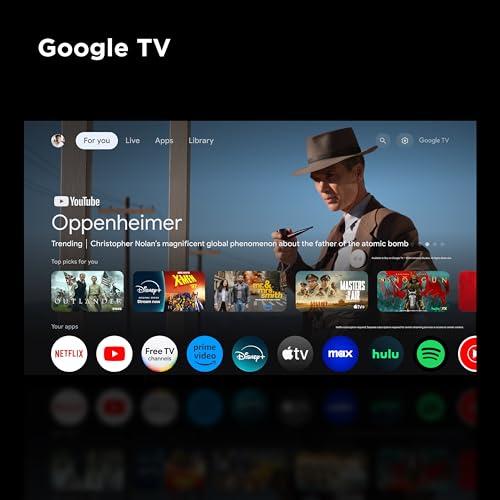
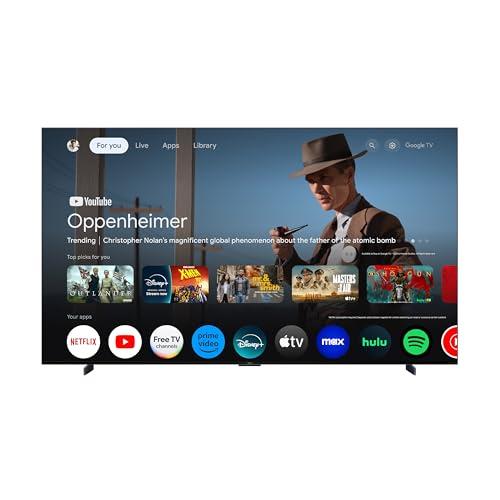
Both televisions run Google TV, which has matured significantly since its introduction. The platform offers personalized recommendations, integrates content from multiple streaming services, and provides a clean, intuitive interface. The TCL QM7K includes far-field microphones for hands-free voice control, while the Hisense QD7 requires the remote for voice commands.
Google TV's strength lies in its content aggregation—it can show you what's available across Netflix, Prime Video, Disney+, and other services in a unified interface. Both TVs handle streaming apps smoothly, though the TCL's more powerful processor provides slightly snappier navigation and faster app loading.
One notable difference is the TCL's AiPQ ULTRA Processor, which uses machine learning to analyze each frame and apply optimizations for contrast, color, clarity, and motion. This AI-driven approach means the TV continuously adjusts its performance based on what you're watching, potentially improving lower-quality content through intelligent upscaling.
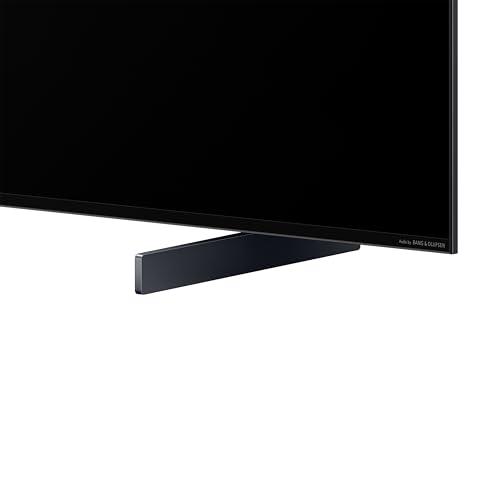
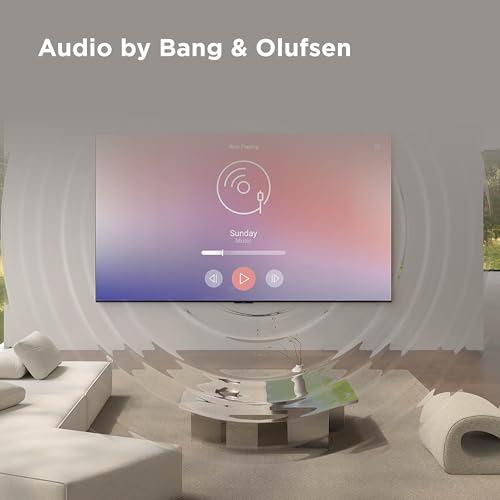
Ultra-large screens create unique audio challenges—the bigger the image, the more important matching sound becomes. The TCL QM7K addresses this with an audio system tuned by Bang & Olufsen, the premium Danish audio company. The collaboration results in notably clearer dialogue and better spatial effects, essential for matching the cinematic visual experience.
The Hisense QD7 features a 50W 2.1 channel system with a dedicated subwoofer, which provides clear dialogue and adequate bass for most content. However, users consistently report that while the audio is competent, it feels undersized for a 100-inch display. The physical laws of sound reproduction mean larger screens benefit from proportionally more powerful audio systems.
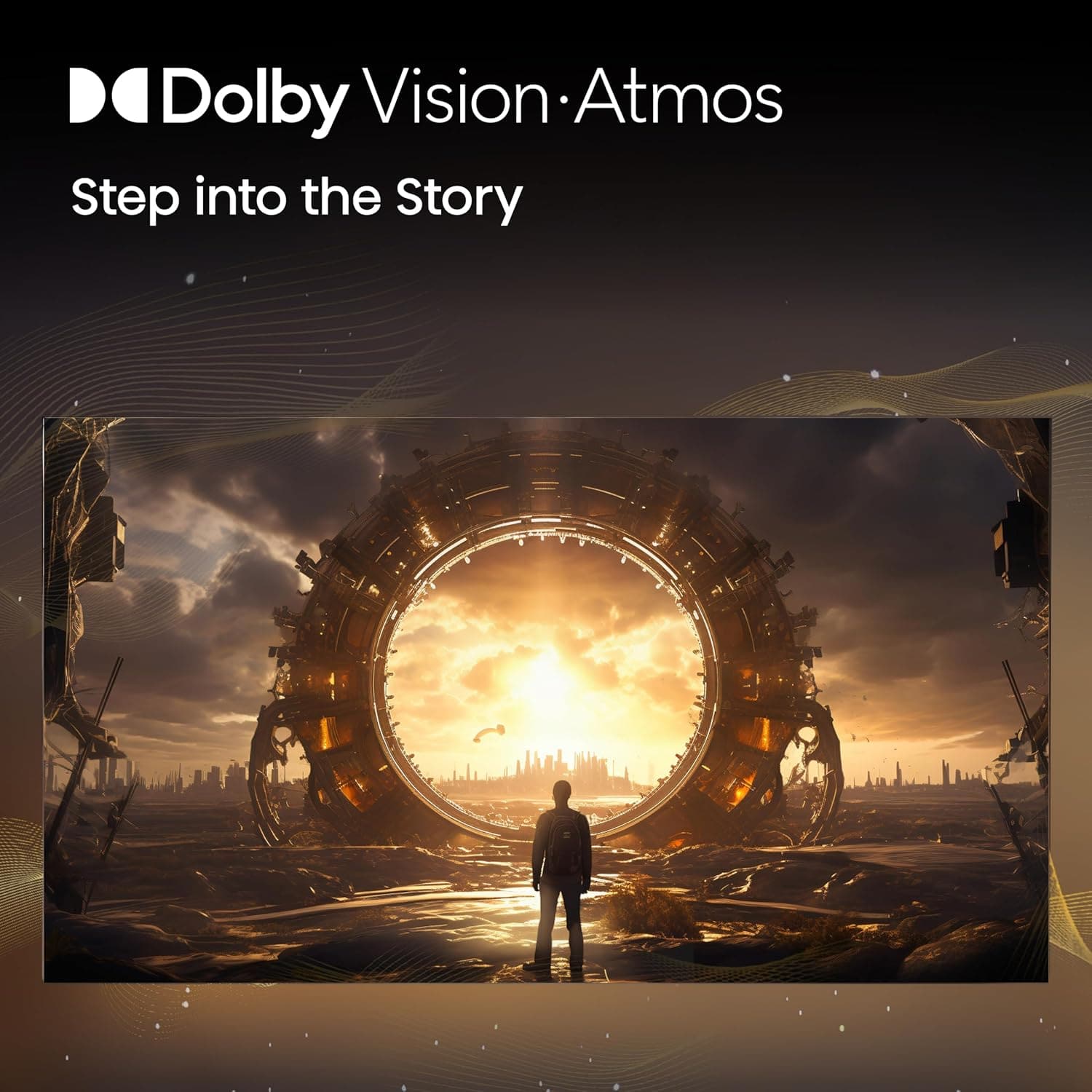
For home theater enthusiasts, both TVs support advanced audio formats including Dolby Atmos for spatial sound and can pass through high-quality audio to external sound systems. If you're planning to add a soundbar or full surround system anyway, the audio differences become less critical.
At the time of writing, these TVs occupy notably different price tiers, with the Hisense QD7 positioning itself as a value leader while the TCL QM7K commands a premium for its advanced technology. The price difference represents a classic performance-versus-value decision.
The Hisense delivers approximately 80-85% of the TCL's performance at roughly 60% of the cost—exceptional value engineering that makes ultra-large screen entertainment accessible to more buyers. You're getting genuine Mini-LED backlighting, quantum dot color technology, 144Hz gaming support, and modern smart TV features at a price point that competes favorably with many 75-inch premium TVs.
The TCL justifies its premium through measurably superior technology. The advanced local dimming, extreme brightness capabilities, professional-grade gaming features, and premium audio tuning represent genuine technological advancement rather than marketing fluff. However, this performance comes at a cost that only makes sense for enthusiasts who will actually utilize these capabilities.
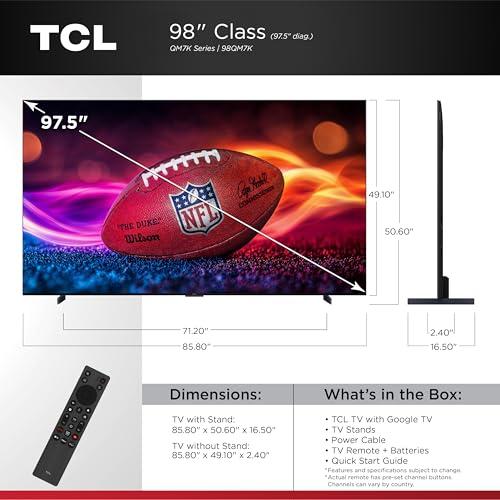
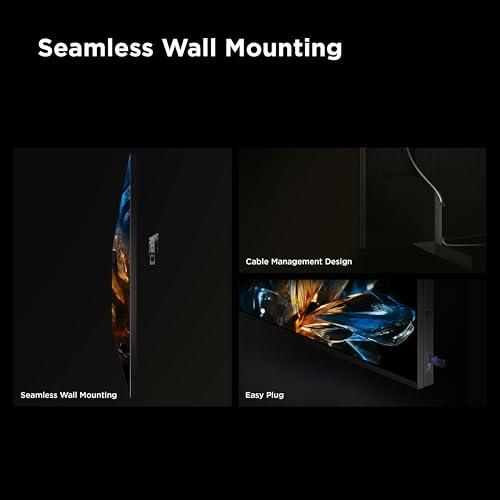
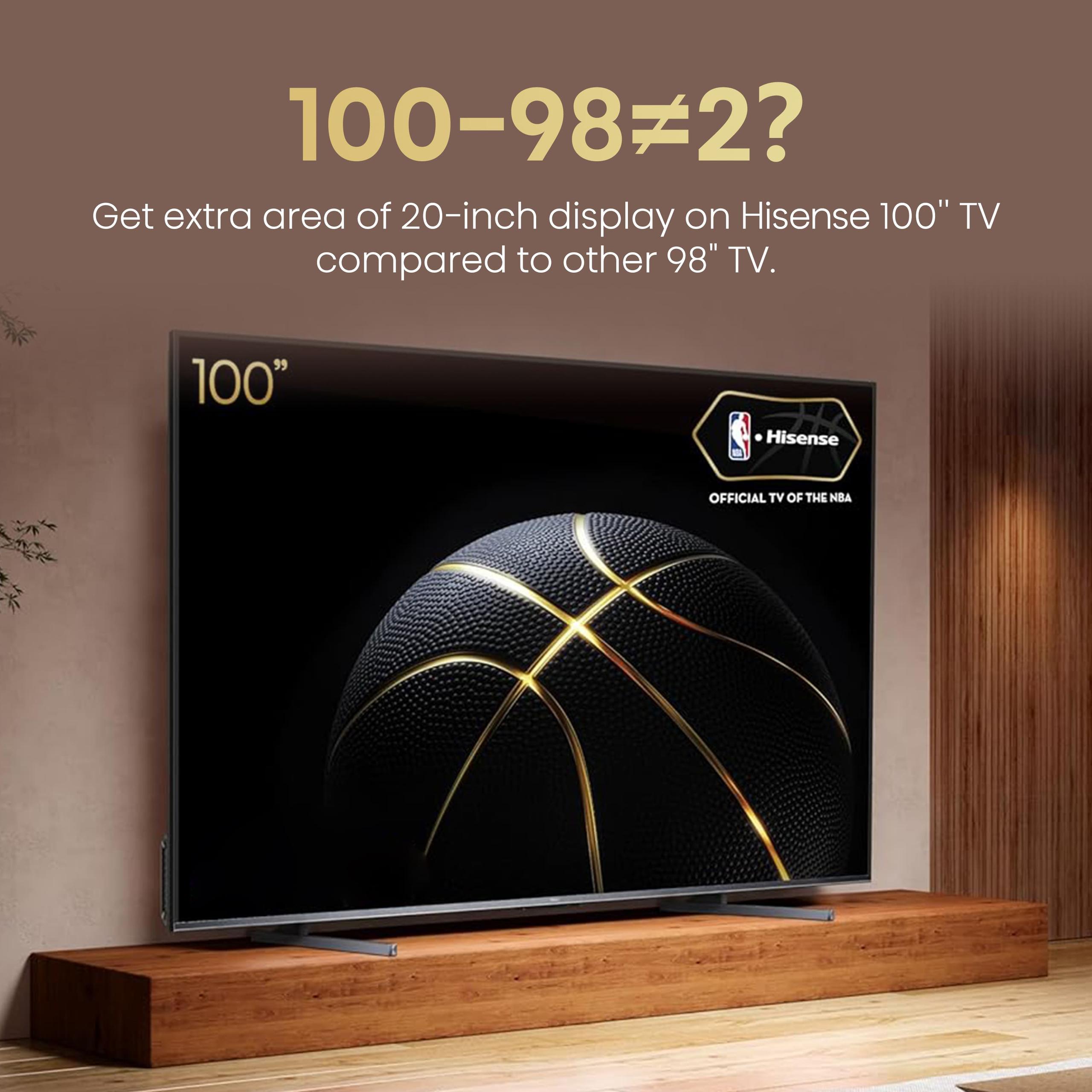
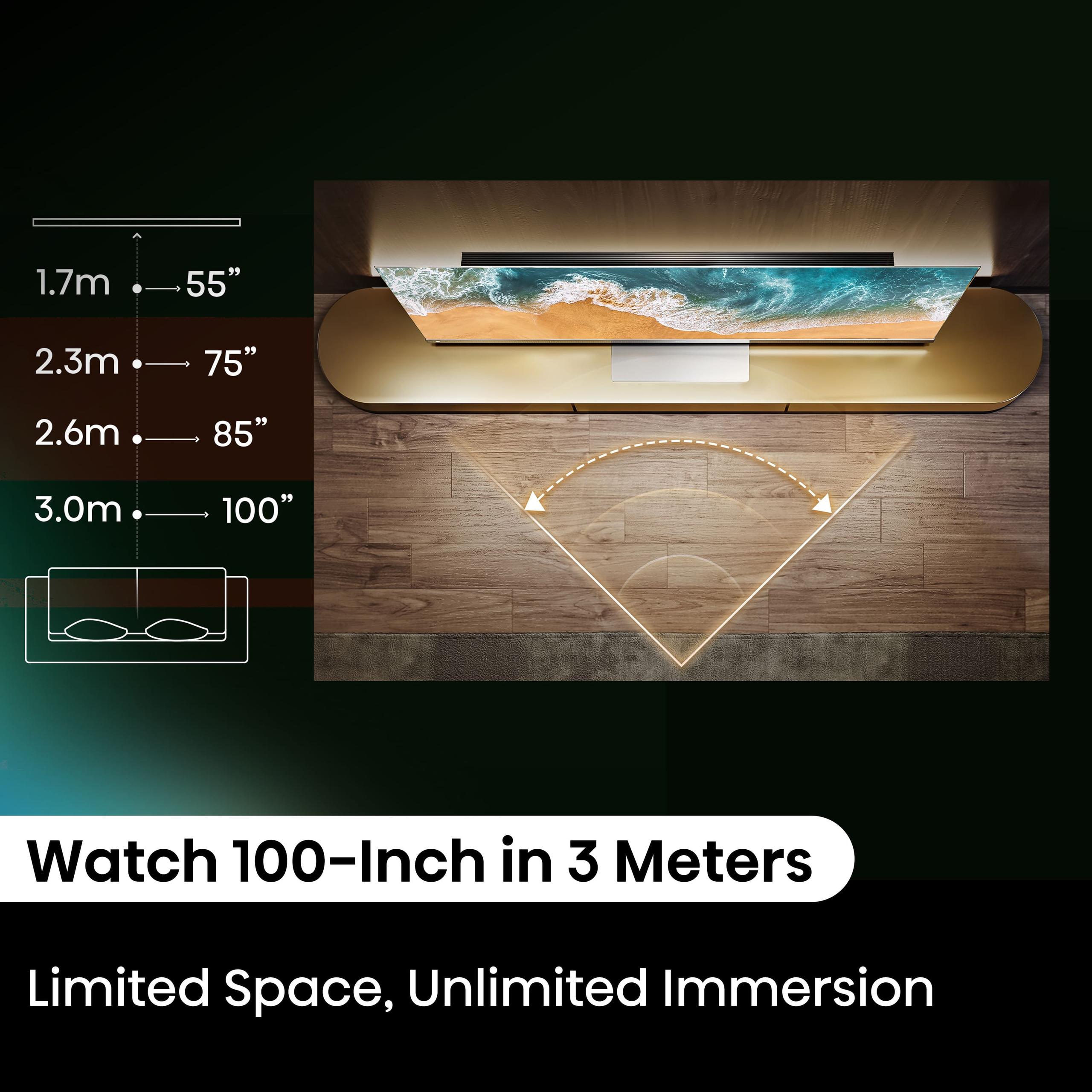
Both televisions are genuinely massive, requiring careful planning for installation and viewing. The 2-inch size difference between the 98-inch TCL and 100-inch Hisense is barely noticeable in practice—both need similar viewing distances of 12-15 feet for optimal comfort and require robust wall mounting or extremely sturdy furniture.
The weight and dimensions mean professional installation is recommended for most buyers. Both TVs consume significant power when displaying bright HDR content, though their efficiency has improved compared to earlier large-screen models.
For dedicated home theater setups, the TCL QM7K represents the more cinema-accurate choice. Its superior contrast ratio, advanced HDR processing, and precise brightness control deliver images that more closely match theatrical presentation standards. The Filmmaker Mode, available on the TCL, displays content exactly as directors intended without additional processing.
The Hisense QD7 excels in mixed-use living spaces where the TV serves multiple functions. Its vibrant colors make daytime viewing more engaging, while its more accessible pricing allows budget allocation toward other home theater components like premium audio systems or acoustic treatments.
Choose the TCL 98" QM7K if you prioritize absolute picture quality and have the budget to match. It's ideal for serious home theater enthusiasts, avid gamers who want maximum performance, and anyone with bright rooms who needs the extra brightness headroom. The advanced features justify the premium if you're building an ultimate viewing experience where performance matters more than cost.
Choose the Hisense 100" QD7 if you want to experience ultra-large screen entertainment without breaking the budget. It's perfect for families who want impressive size and solid performance, casual gamers who don't need maximum refresh rates, and anyone who values getting the biggest possible screen for their money. The slight size advantage and dramatically better value make it the smart choice for most buyers.
Both televisions deliver genuinely impressive ultra-large screen experiences, but they target different audiences with distinct priorities. The Hisense QD7 democratizes the ultra-large screen experience, offering legitimate premium features at accessible pricing. The TCL QM7K pushes technological boundaries for those who demand absolute peak performance.
For most buyers entering the ultra-large screen category, the Hisense represents the sweet spot of size, features, and value. The TCL serves the enthusiast segment where advanced features like professional gaming capabilities, maximum HDR impact, and cutting-edge display technology justify the substantial premium.
Either choice will transform your viewing experience—the question is whether you prioritize maximum performance or exceptional value in your journey toward cinematic home entertainment.
| TCL 98" QM7K QD-Mini LED 4K TV | Hisense 100" QD7 Series QLED 4K UHD Smart TV |
|---|---|
| Screen Size - 2-inch difference is barely noticeable in practice | |
| 98 inches | 100 inches |
| Peak Brightness - Critical for HDR impact and bright room performance | |
| 3,000 nits (dramatic HDR highlights, excellent for bright rooms) | 615 nits (adequate for controlled lighting, can look washed out in bright spaces) |
| Display Technology - Determines contrast and color performance | |
| QD-Mini LED with CrystGlow HVA panel, 8000:1 native contrast | Mini-LED backlit QLED with quantum dot color enhancement |
| Local Dimming Zones - Controls precision of brightness in different screen areas | |
| Up to 2,500 precise dimming zones (exceptional black levels) | No advanced local dimming (limited contrast control) |
| Gaming Performance - Matters for console and PC gaming | |
| Game Accelerator 288 with 288Hz VRR, full HDMI 2.1 bandwidth | 144Hz Game Mode Pro, limited by HDMI 2.0 bandwidth |
| Audio System - Important for matching sound to massive screen size | |
| Audio by Bang & Olufsen tuning with Dolby Atmos | 50W 2.1 channel system (undersized for 100-inch screen) |
| Smart Platform - Both use Google TV with similar app selection | |
| Google TV with far-field microphones for hands-free control | Google TV with remote-based voice control |
| HDR Support - All modern formats covered on both models | |
| Dolby Vision IQ, HDR10+, HDR10, HLG | Dolby Vision, HDR10+, HDR10, HLG |
| Color Performance - Different strengths in color reproduction | |
| Enhanced QLED with superior overall processing | Quantum Dot QLED excels in color vibrancy, especially greens and reds |
| Value Proposition - Performance per dollar consideration | |
| Premium performance with cutting-edge technology at higher cost | Exceptional value delivering 80% of TCL's performance at 60% of the price |
| Best For - Target audience and use cases | |
| Home theater enthusiasts, serious gamers, bright room viewing | Value-focused buyers wanting maximum screen size, casual gaming |
The TCL 98" QM7K is significantly better for bright rooms thanks to its exceptional 3,000 nits peak brightness. This allows it to overpower ambient light and maintain vibrant colors even with sunlight streaming in. The Hisense 100" QD7 reaches only 615 nits, which can look washed out in bright environments and is better suited for controlled lighting conditions.
The Hisense 100" QD7 has a 100-inch screen while the TCL 98" QM7K measures 98 inches. This 2-inch difference represents only about 4% more screen area and is barely noticeable when viewing. Both require similar room sizes and viewing distances of 12-15 feet for optimal comfort.
The TCL 98" QM7K offers superior gaming performance with its Game Accelerator 288 supporting up to 288Hz refresh rates and full HDMI 2.1 bandwidth for 4K at 144Hz gaming. The Hisense QD7 provides good gaming with 144Hz Game Mode Pro but is limited by HDMI 2.0 bandwidth, restricting simultaneous high resolution and high refresh rates.
Both TVs work well for home theaters, but the TCL QM7K is better suited for dedicated cinema rooms with its superior contrast ratio, advanced local dimming with 2,500 zones, and cinema-accurate color processing. The Hisense QD7 excels in mixed-use spaces where vibrant colors enhance daytime viewing alongside movie watching.
The Hisense 100" QD7 delivers exceptional value, providing approximately 80-85% of the TCL's performance while typically costing significantly less. The TCL QM7K commands a premium for its advanced technology but only justifies the cost if you need maximum brightness, gaming performance, or contrast capabilities.
The TCL 98" QM7K features audio tuning by Bang & Olufsen with better dialogue clarity and spatial effects that better match its premium display. The Hisense QD7 has a 50W 2.1 channel system that provides clear sound but feels undersized for a 100-inch screen. Both support Dolby Atmos and work well with external sound systems.
The TCL QM7K delivers superior overall picture quality with deeper blacks, brighter highlights, and more precise brightness control through its advanced Mini-LED system. The Hisense QD7 excels in color vibrancy, particularly for nature documentaries and animated content, but lacks the contrast performance of the TCL.
Yes, both the TCL 98" QM7K and Hisense 100" QD7 run Google TV with access to all major streaming platforms. The TCL offers slightly faster performance thanks to its more powerful processor and includes hands-free voice control, while both provide smooth app navigation and content recommendations.
Both TVs handle sports well, but they excel in different areas. The Hisense QD7 offers more vibrant colors that make sports broadcasts pop, while the TCL QM7K provides smoother motion with less blur during fast action thanks to its superior processing and higher refresh rates. The TCL also performs better in bright rooms where sports are often watched.
Yes, both the TCL 98" QM7K and Hisense 100" QD7 support all major HDR formats including Dolby Vision, HDR10+, HDR10, and HLG. However, the TCL delivers dramatically more impactful HDR performance due to its much higher peak brightness, making HDR highlights truly spectacular.
Both TVs are similarly challenging to install due to their massive size and weight, requiring professional installation for most buyers. The TCL QM7K and Hisense QD7 both use standard VESA mounting patterns and need robust wall mounts or extremely sturdy furniture. The 2-inch size difference doesn't meaningfully affect installation difficulty.
For most first-time ultra-large TV buyers, the Hisense 100" QD7 is the better choice due to its exceptional value and slightly larger screen size. It delivers an impressive cinematic experience without the premium cost. Choose the TCL 98" QM7K only if you prioritize absolute picture quality, serious gaming performance, or have a bright room that demands maximum brightness.
We've done our best to create useful and informative comparisons to help you decide what product to buy. Our research uses advanced automated methods to create this comparison and perfection is not possible - please contact us for corrections or questions. These are the sites we've researched in the creation of this article: bestbuy.com - tcl.com - youtube.com - rtings.com - tcl.com - youtube.com - youtube.com - tcl.com - tomsguide.com - manuals.plus - youtube.com - tcl.com - whathifi.com - bestbuy.com - queencityonline.com - electronicexpress.com - tcl.com - valueelectronics.com - tcl.com - bestbuy.com - bestbuy.com - youtube.com - woodruffappliance.com - karlsonline.com - tcl.com - bestbuy.com - ca.camelcamelcamel.com - fouanistore.com - rtings.com - youtube.com - rtings.com - 2001audiovideo.com - bestbuy.com - static.pcrichard.com - centrehifi.com - youtube.com - uk.hisense.com - hisense-canada.com

Privacy Policy
Terms and Conditions - Affiliate Policy
Home Security
© Copyright 2008-2026.
11816 Inwood Rd #1211, Dallas, TX 75244