

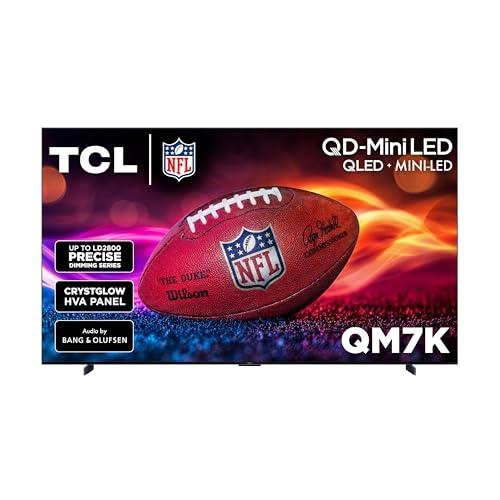
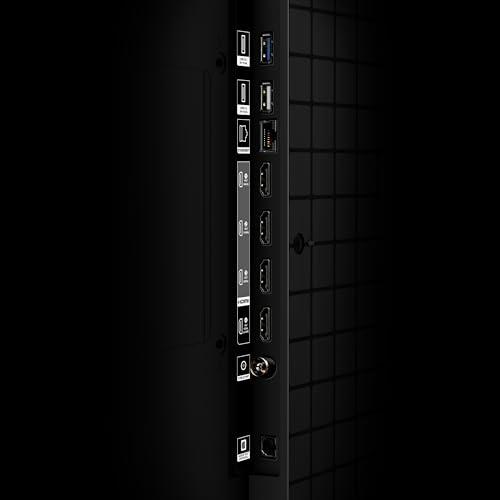
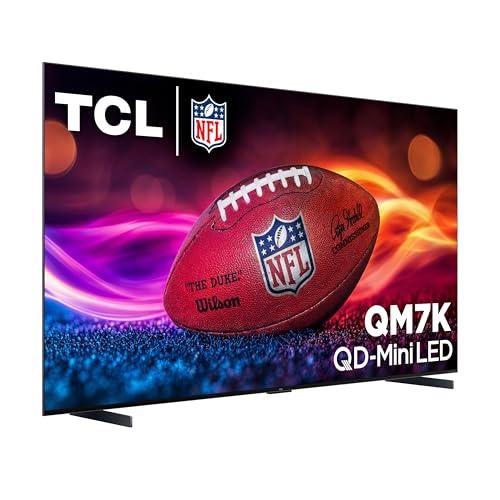
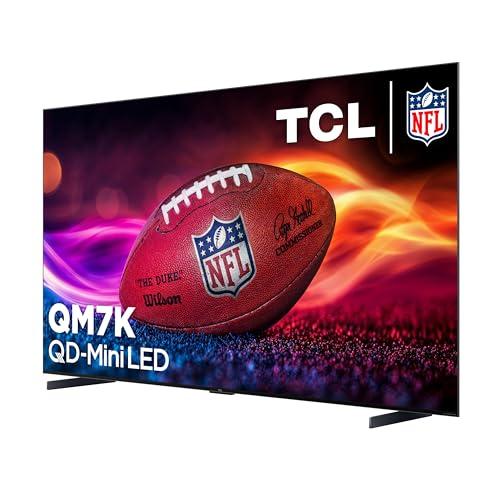
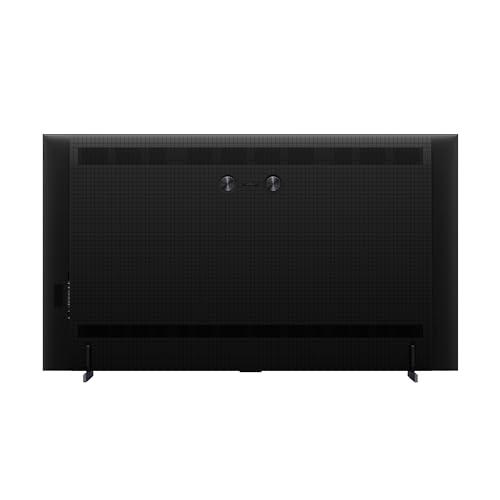
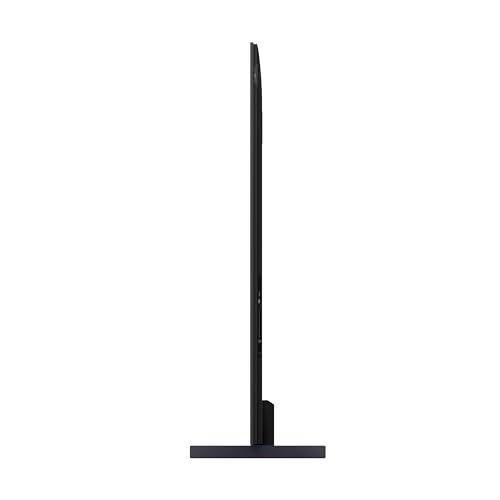
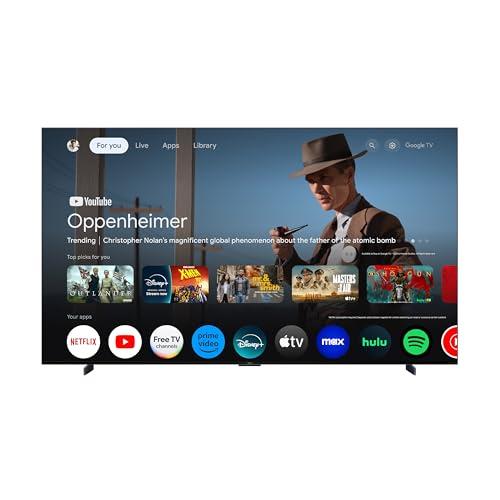
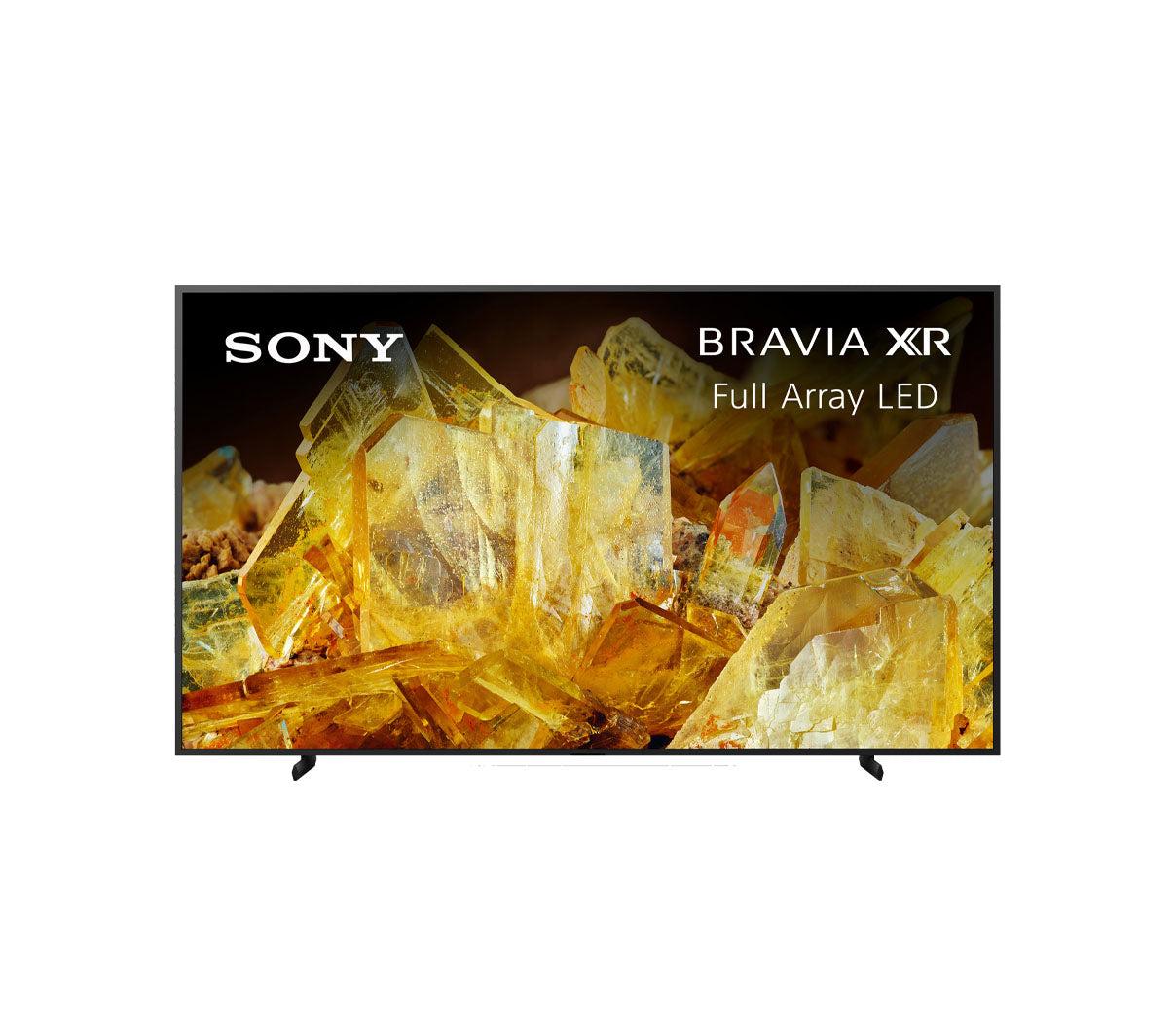
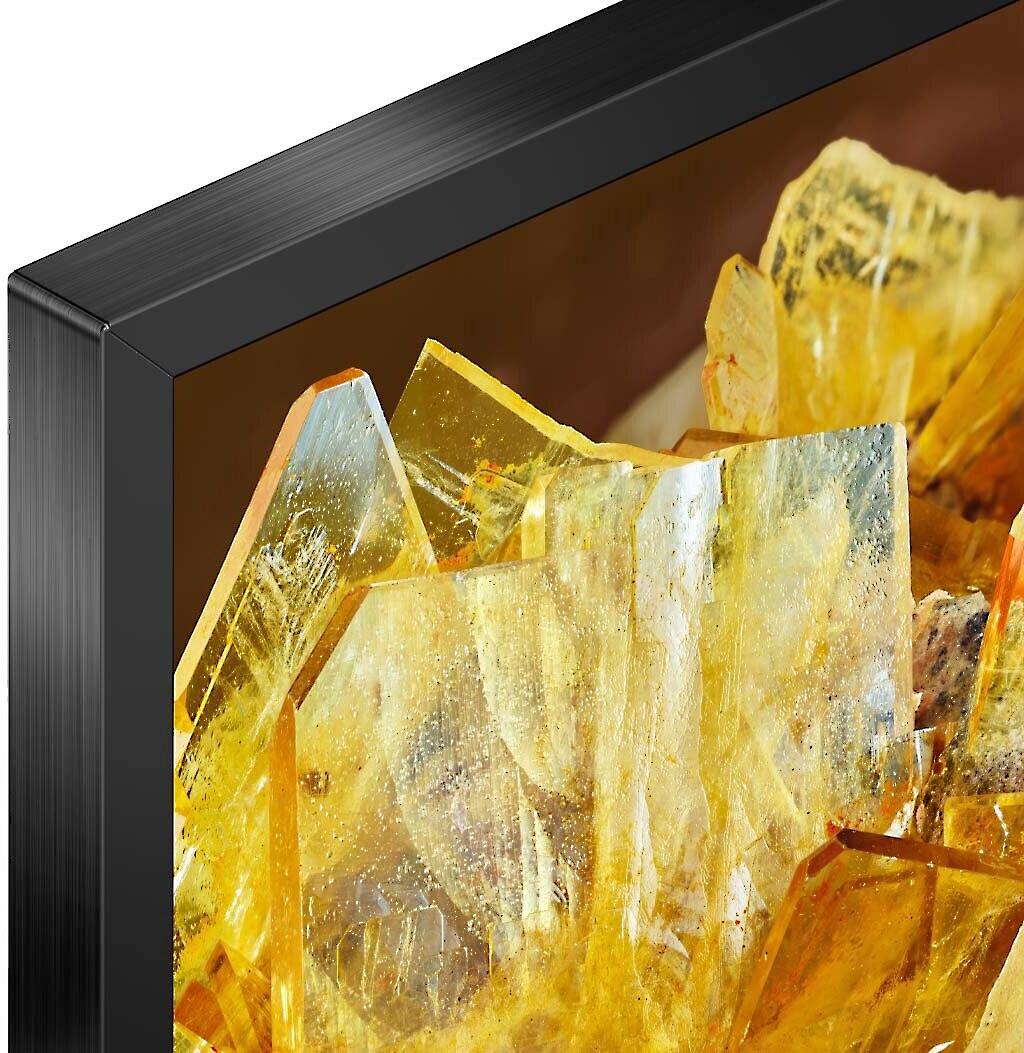
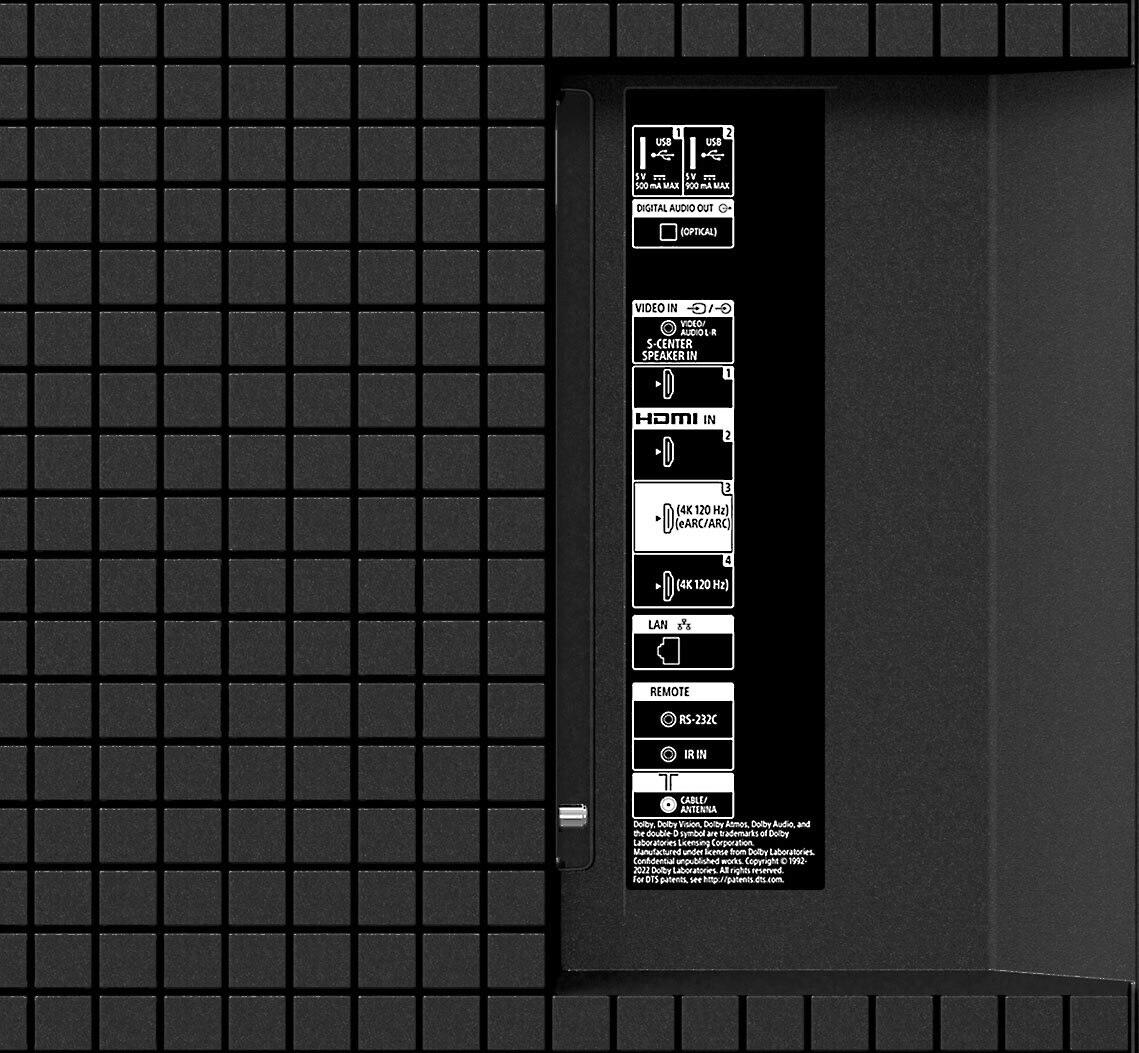
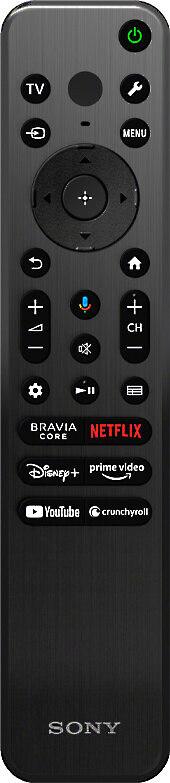
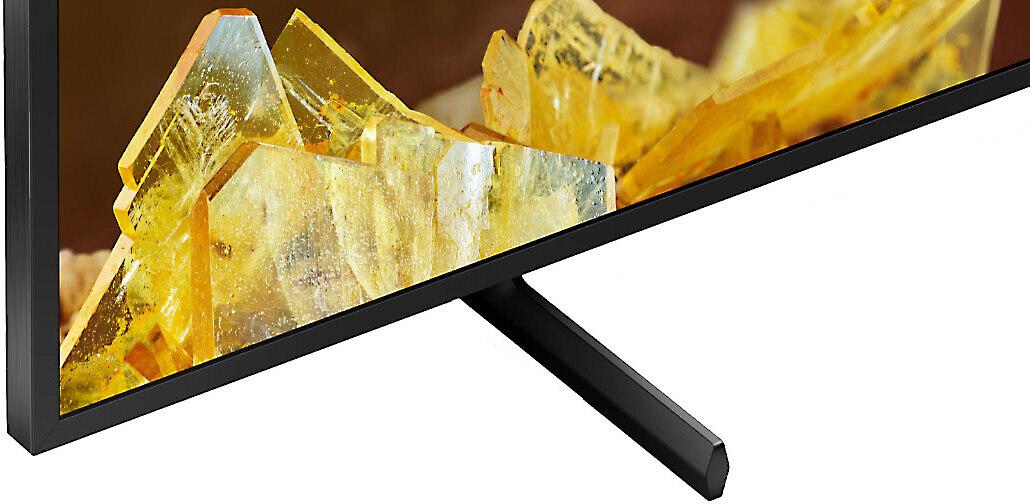
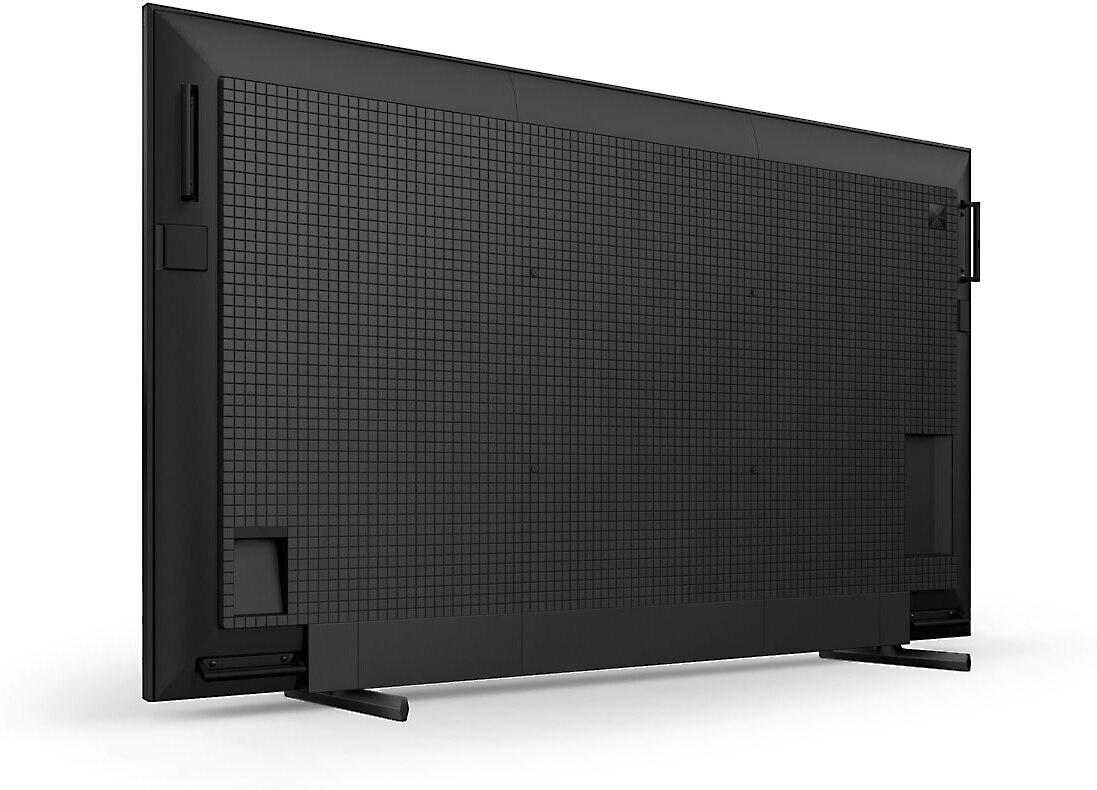
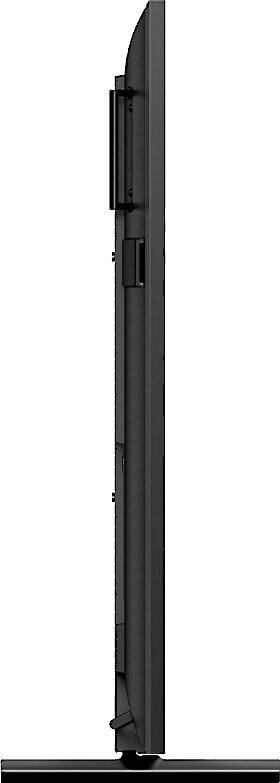
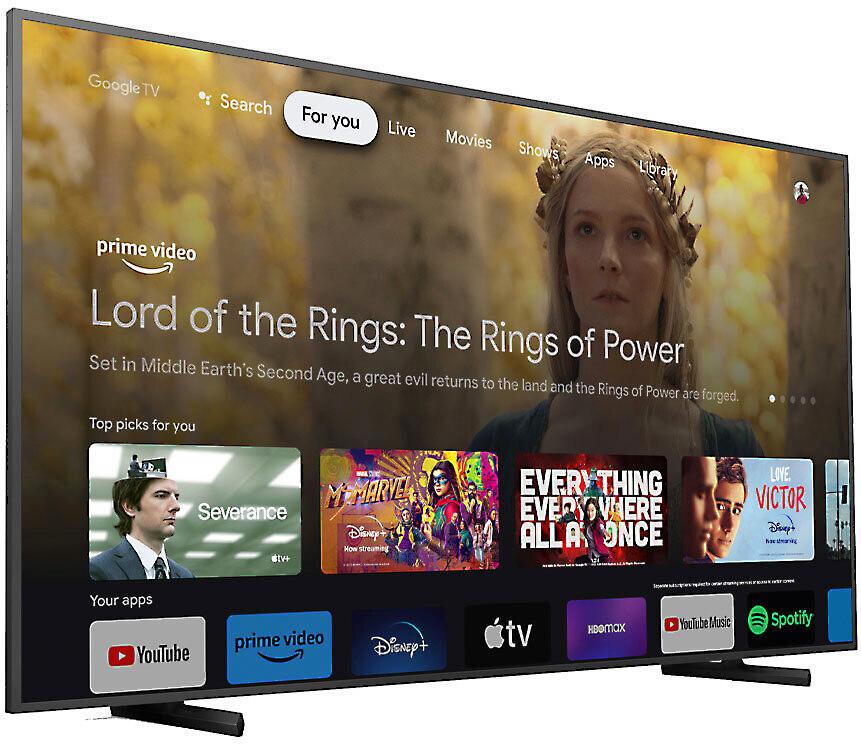
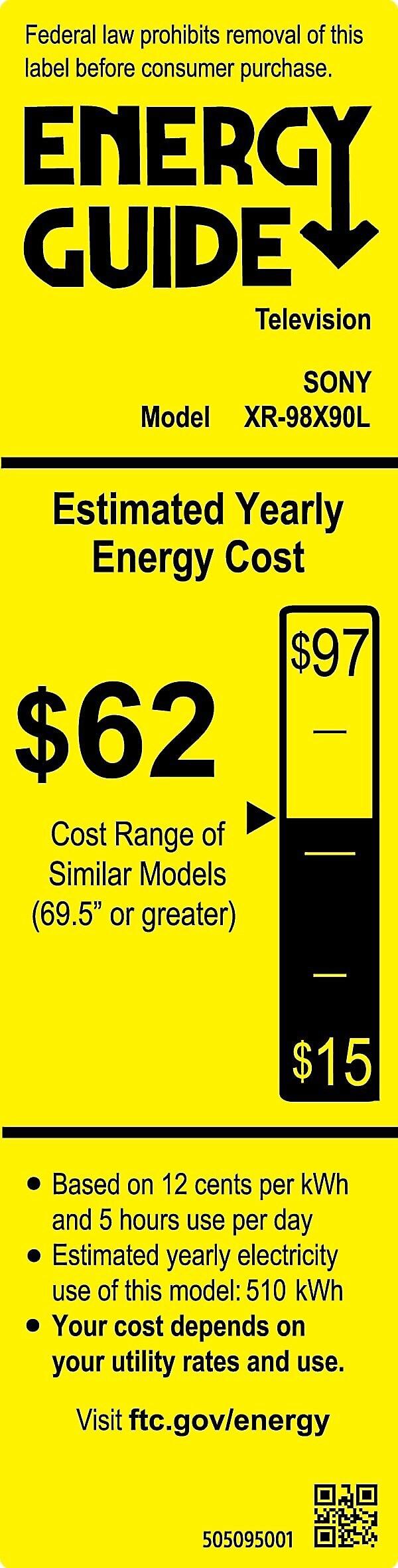
When you're ready to transform your living room into a true home theater, few decisions are as impactful as choosing between two completely different approaches to massive screen entertainment. The TCL 98" QM7K QD-Mini LED and Sony BRAVIA XR X90L 98" represent fundamentally different philosophies in ultra-large TV design, and understanding these differences will save you from making an expensive mistake.
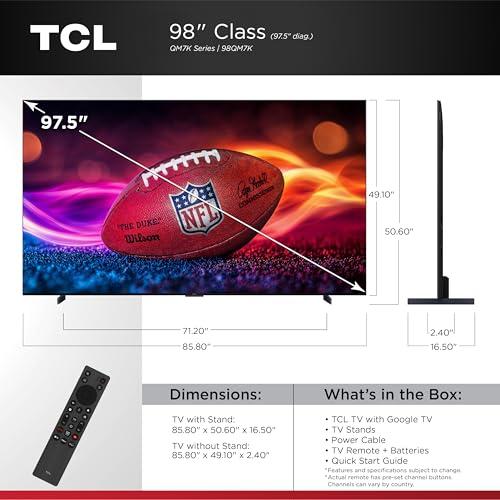
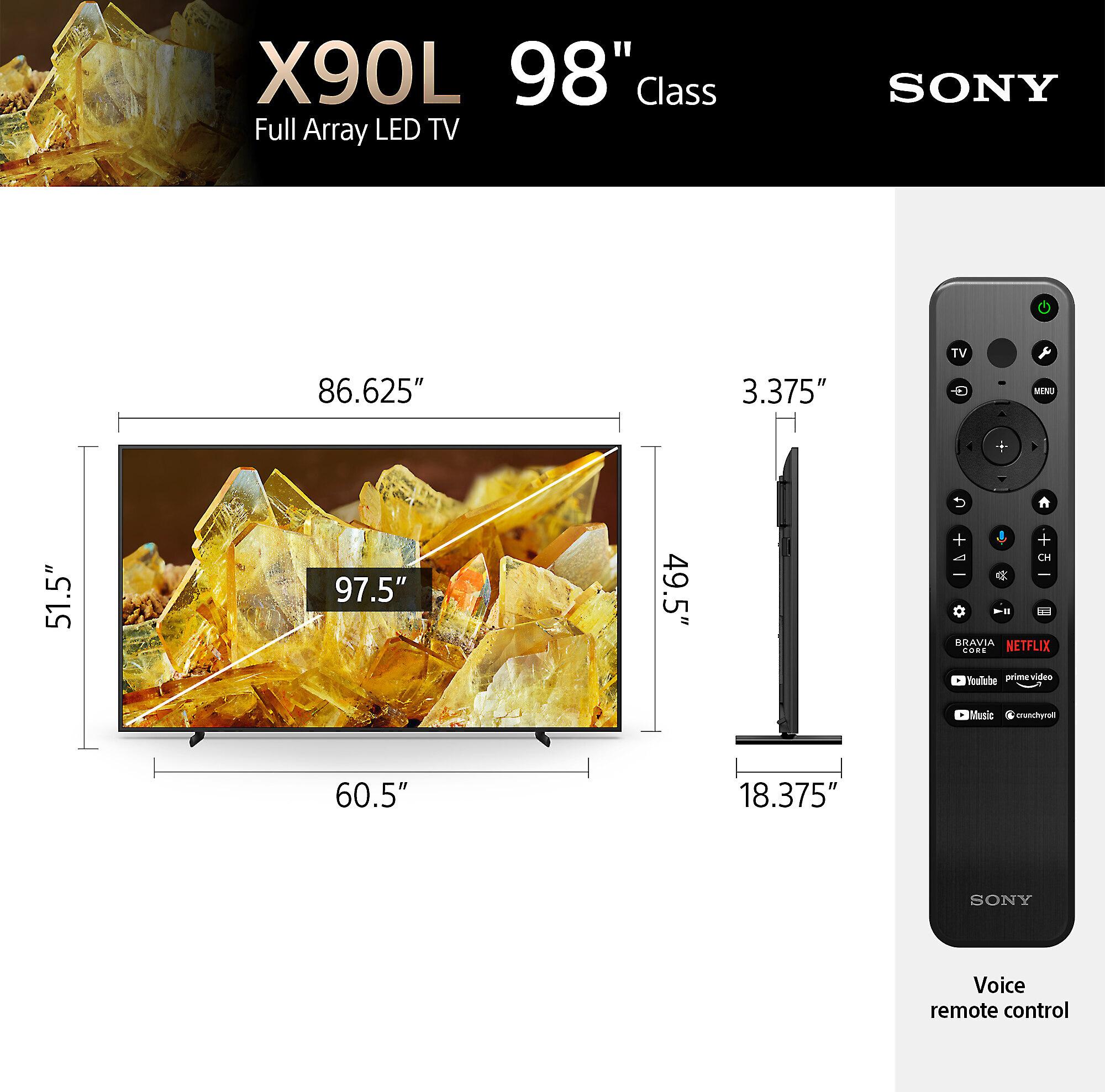
At 98 inches diagonal, both TVs occupy the same physical space—think of a screen that's nearly 8.5 feet wide and over 4 feet tall. But that's where the similarities end. One prioritizes cutting-edge hardware specifications and gaming performance, while the other focuses on refined image processing and proven reliability. Let's break down what really matters when you're spending this much on a television.
The 98-inch TV category sits in a unique position. These aren't just "big TVs"—they're home theater centerpieces that compete directly with projector setups while offering the convenience of a traditional television. At this size, every aspect of performance becomes magnified, literally. A minor color accuracy issue becomes glaringly obvious across 98 inches of screen real estate, and motion handling problems that might be acceptable on a 65-inch display become deal-breakers.
The fundamental considerations change at this scale. Brightness becomes critical because you're often viewing in larger rooms with more ambient light. Processing quality matters more because you're sitting closer to the screen relative to its size, making upscaling artifacts more visible. Gaming performance becomes essential because many buyers use these displays as their primary entertainment hub for both movies and gaming.
Most importantly, the display technology choice—the underlying method used to create the picture—becomes the primary determining factor in performance. This is where the TCL QM7K and Sony X90L take completely different approaches.
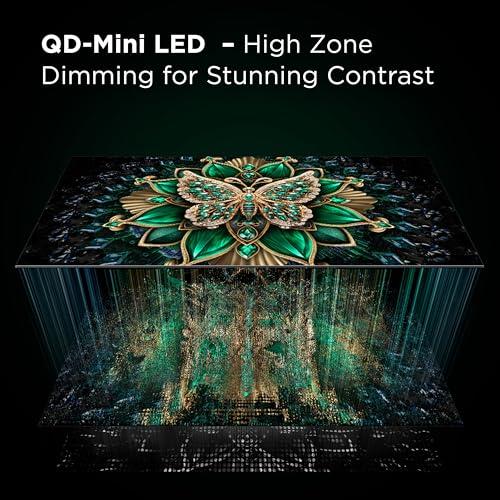
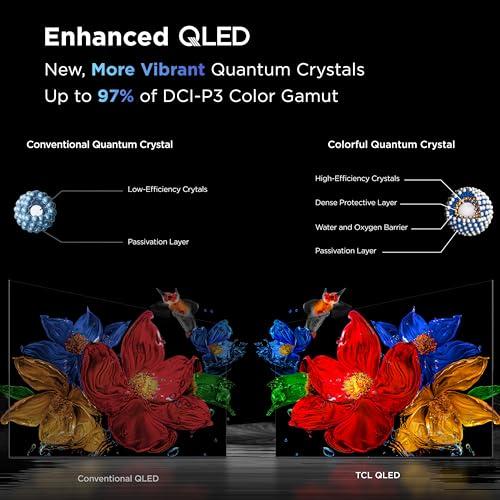
The TCL QM7K, released in 2025, represents the latest evolution in Mini LED technology. Mini LED refers to backlighting that uses LEDs much smaller than traditional LED backlights—we're talking about LEDs that are less than 0.2mm in size. This allows manufacturers to pack many more of them behind the screen. In TCL's case, they've implemented up to 2,500 local dimming zones, which means the screen is divided into 2,500 separate regions that can brighten or dim independently.
Think of it like having 2,500 tiny flashlights behind your screen, each one capable of turning on or off based on what the picture needs. When a movie shows a bright moon in a dark sky, only the zones behind the moon light up while the zones behind the dark sky stay off. This creates the deep blacks and bright whites that make HDR content look realistic.
The Sony X90L, released in 2023, uses Full Array LED backlighting with significantly fewer dimming zones. Sony compensates for this hardware limitation with their Cognitive Processor XR, which uses advanced algorithms to intelligently manage the available zones and enhance the picture through software processing.
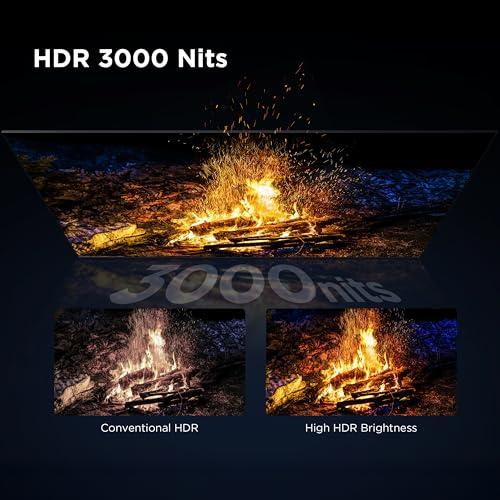
The practical difference is stark: the TCL QM7K can achieve a peak brightness of 3,000 nits—bright enough to hurt your eyes if you stare directly at a white screen—while the Sony X90L reaches more moderate brightness levels that are still impressive but not as extreme.
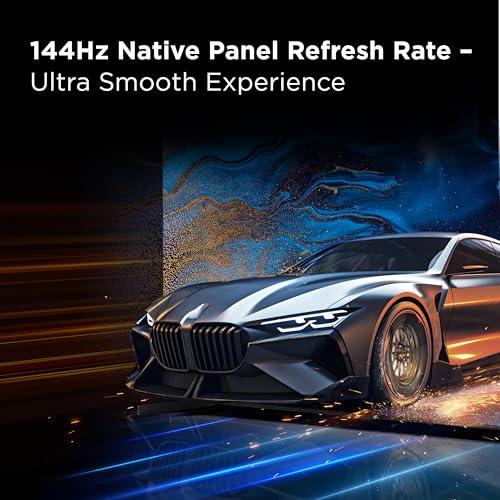
For gaming, the differences become immediately apparent. The TCL QM7K features a native 144Hz panel refresh rate, meaning the screen can display up to 144 unique frames per second. More importantly, it supports Variable Refresh Rate (VRR) up to 288Hz in certain modes. VRR eliminates screen tearing—that annoying visual artifact where the top and bottom of the screen show different frames simultaneously—by synchronizing the TV's refresh rate with your gaming console's frame rate.
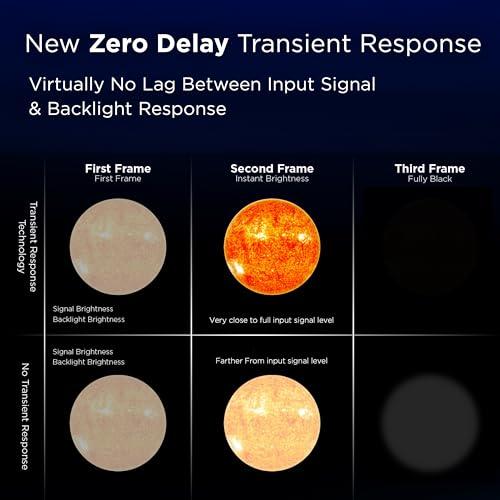
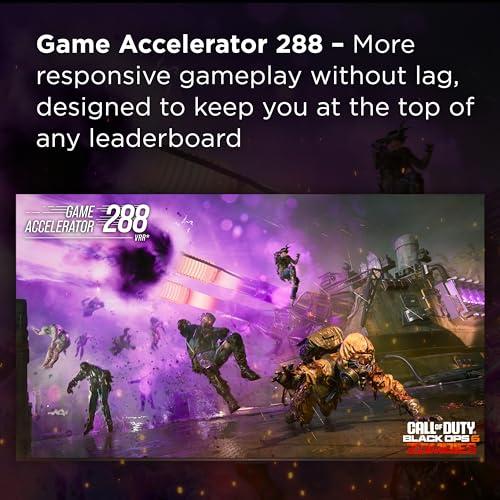
The Game Accelerator 288 technology in the TCL QM7K specifically targets competitive gaming scenarios. When you're playing fast-paced games like Call of Duty or Fortnite, every millisecond of input lag (the delay between pressing a button and seeing the action on screen) matters. TCL has engineered this system to minimize that delay while maintaining visual quality.
The Sony X90L takes a more conservative approach with a 120Hz native panel and proven VRR implementation. While the specifications are lower, Sony's approach focuses on reliability and compatibility. Their Auto Low Latency Mode (ALLM) automatically detects when you're gaming and switches to the lowest latency settings without requiring manual intervention.
In real-world gaming, the TCL QM7K provides a competitive advantage for serious gamers, especially those using high-end PC graphics cards or the latest consoles. However, the Sony X90L offers a more "set it and forget it" experience that works reliably across all gaming platforms.
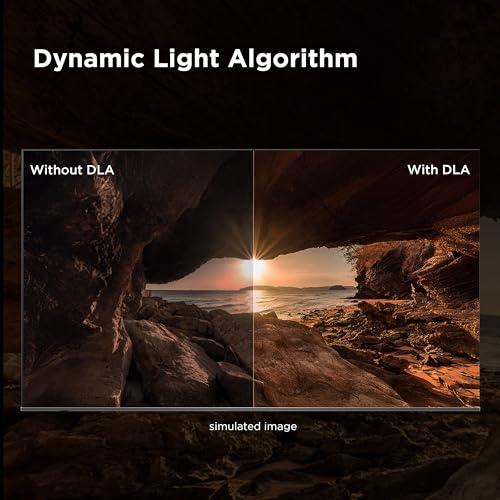
This is where the philosophical differences become most apparent. The TCL QM7K achieves superior contrast through brute force—those 2,500 dimming zones can create incredibly precise lighting patterns. When watching a scene with both bright sunshine and deep shadows, each part of the screen can display the appropriate brightness level independently.
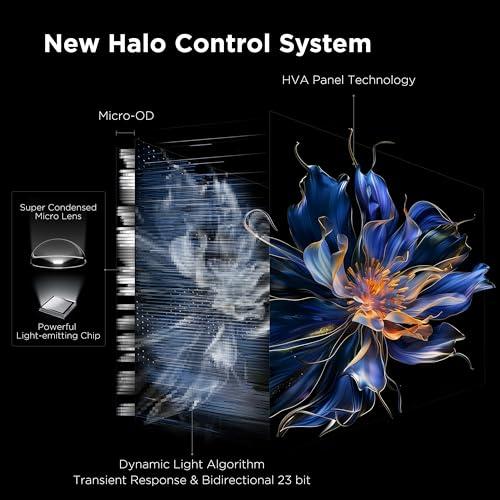
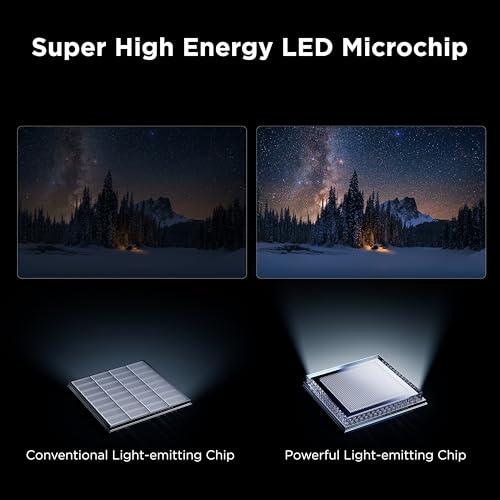
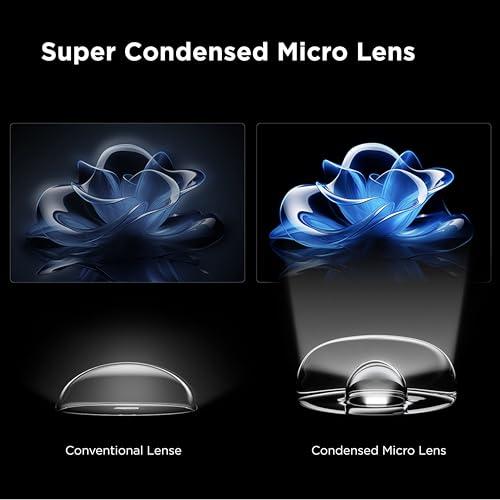
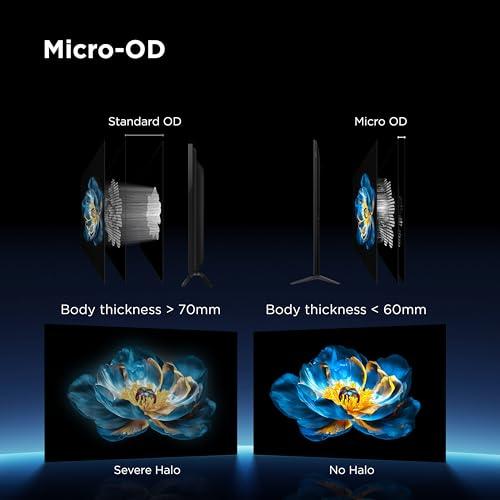
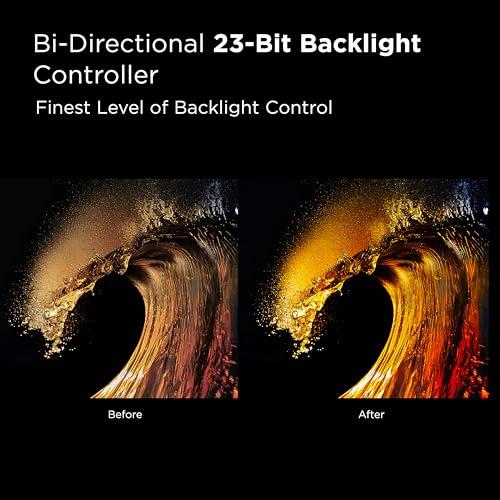
The Halo Control System in the TCL QM7K addresses the traditional weakness of LED displays: blooming. Blooming occurs when bright objects on screen cause unwanted light to spill into adjacent dark areas, creating a halo effect. TCL's system uses multiple layers of control, including a Super High Energy LED Microchip and Micro-OD (Optical Distance) technology, to minimize this issue.
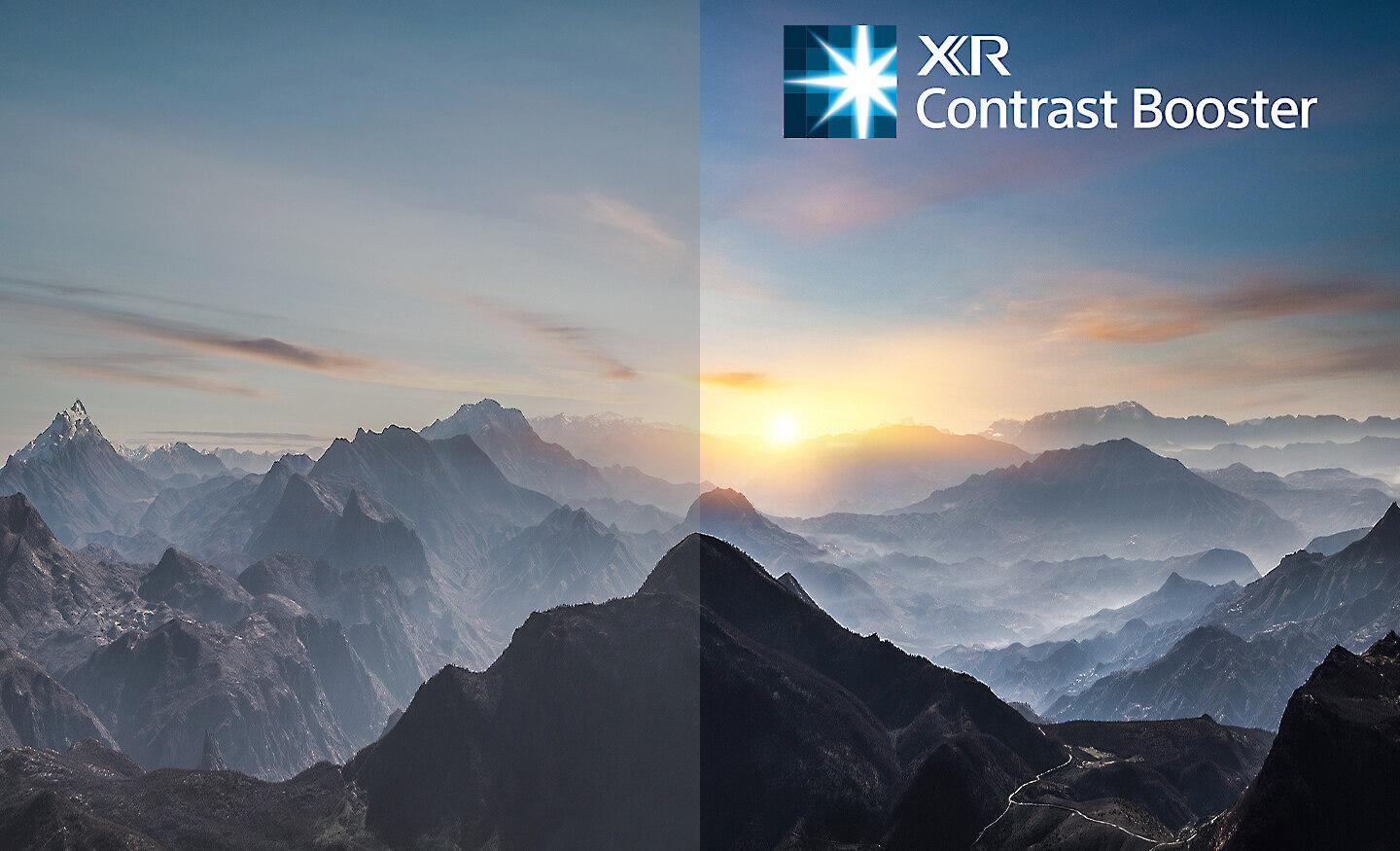
The Sony X90L handles contrast differently, relying on the Cognitive Processor XR to analyze the content and optimize the available dimming zones intelligently. Sony's processor examines hundreds of thousands of individual picture elements simultaneously, adjusting not just brightness but also color and clarity based on how human vision works.
For HDR content—movies and shows mastered with High Dynamic Range information—the TCL QM7K has a clear advantage. That 3,000-nit peak brightness means HDR highlights like car headlights, explosions, or bright sunlight appear genuinely dazzling. The Sony X90L produces excellent HDR but can't match those peak brightness levels.
However, Sony's color science heritage shows in overall picture naturalness. Colors appear more accurate out of the box, and the processing handles difficult content like film grain or compression artifacts more gracefully. This becomes particularly noticeable with streaming content, where the source material isn't perfect to begin with.
Fast-moving content reveals another key difference. The TCL QM7K uses its 144Hz native refresh rate and Motion Rate 480 processing to handle sports and action movies. Motion Rate 480 means the TV analyzes motion and inserts additional frames to smooth out movement, reducing blur and judder.
The Sony X90L employs XR Motion Clarity, which takes a different approach by managing the backlight timing in coordination with the LCD panel to reduce motion blur. While operating from a 120Hz base, Sony's system often produces more natural-looking motion with fewer artifacts.
For sports fans, this difference is significant. The TCL QM7K excels at making fast action appear crystal clear, which is fantastic for hockey, soccer, or basketball. The Sony X90L provides smoother, more film-like motion that some viewers prefer for movies but might appear slightly softer during rapid action sequences.
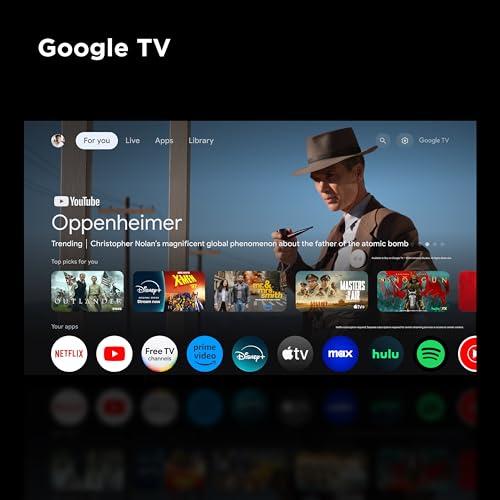
Both TVs run Google TV, but their implementations differ. The Sony X90L includes 32GB of onboard storage and has been optimized through multiple firmware updates since its 2023 release. Sony's integration tends to be more polished, with fewer bugs and more consistent performance.
The TCL QM7K, being newer, includes the latest version of Google TV with enhanced AI features, but as with any first-year product, it may have occasional software quirks that get resolved through updates.
Both support voice control and integrate with smart home ecosystems, but Sony's longer market presence means broader compatibility with third-party devices and more mature app optimization.
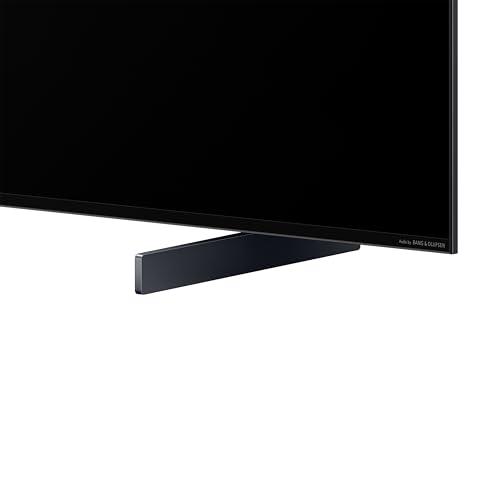
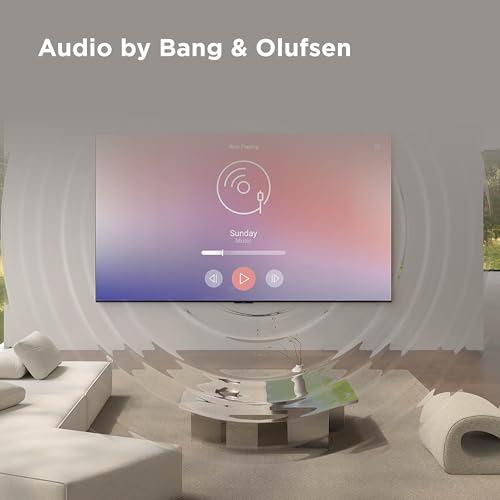
Neither TV replaces a dedicated sound system, but both make respectable attempts. The TCL QM7K features audio tuning by Bang & Olufsen, the Danish audio company known for premium sound equipment. The system supports Dolby Atmos, which creates three-dimensional audio that matches movement on screen.
The Sony X90L uses Acoustic Multi-Audio technology with sound positioning tweeters that attempt to make dialogue appear to come from the appropriate location on screen. While both systems work adequately for casual viewing, serious home theater enthusiasts will want to invest in a soundbar or surround sound system to match the visual scale.
At the time of writing, the TCL QM7K represents exceptional value, offering premium specifications at a significantly lower price point than comparable Sony models. This aggressive pricing reflects TCL's strategy of using cutting-edge hardware to compete with established brands.
The Sony X90L commands a premium that reflects the brand's reputation for reliability and long-term support. Sony TVs typically receive firmware updates for longer periods and maintain consistent performance over many years of use.
For warranty and support, Sony's established service network provides peace of mind, while TCL's growing presence means improving but still developing support infrastructure in many regions.
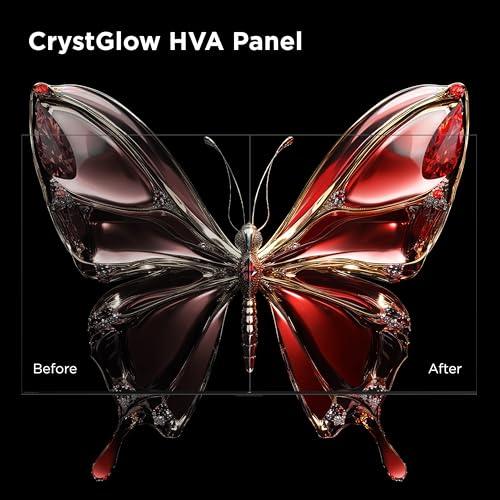
The TCL QM7K's superior brightness makes it more versatile in challenging lighting conditions. If your room has large windows or bright overhead lighting, the extra brightness ensures good picture visibility throughout the day. The CrystGlow HVA panel technology also includes anti-reflective coating to minimize glare.
The Sony X90L performs well in most lighting conditions but may struggle in exceptionally bright rooms where its moderate peak brightness becomes a limitation.
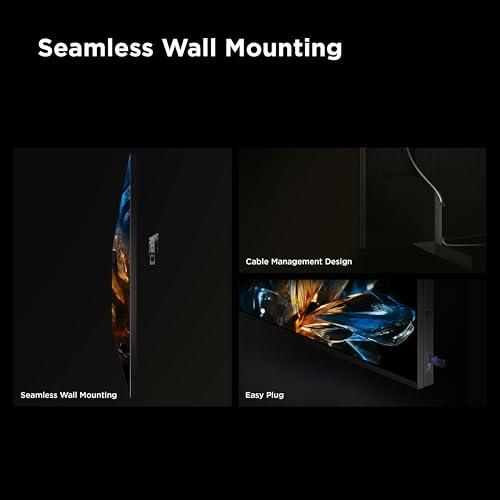
Both TVs require substantial space and careful installation. At nearly 135 pounds without the stand, the TCL QM7K demands robust mounting hardware if wall-mounted, while the Sony X90L is similarly substantial but includes Sony's multi-position stand for flexible placement.
Choose the TCL QM7K if you prioritize cutting-edge specifications and gaming performance. This TV excels for users who want the latest technology, plan to use it primarily for gaming and 4K content, and have rooms with challenging lighting conditions. The superior brightness and higher refresh rates make it ideal for sports fans and competitive gamers.
The Sony X90L makes more sense for users who prioritize proven reliability and refined picture processing. If you watch a lot of upscaled content from cable TV, streaming services, or Blu-ray discs, Sony's superior processing provides noticeable benefits. This TV suits buyers who value color accuracy and consistent performance over raw specifications.
For dedicated home theater rooms with controlled lighting, either choice works well, but the Sony X90L's more natural color presentation might edge ahead for movie watching. In bright family rooms or spaces used throughout the day, the TCL QM7K's brightness advantage becomes crucial.
Ultimately, both represent different peaks of 98-inch TV performance. The TCL QM7K pushes hardware specifications to deliver impressive raw performance at an aggressive price point, while the Sony X90L leverages mature processing technology and brand reliability to justify its premium positioning. Your choice should align with your priorities: bleeding-edge performance or proven excellence.
| TCL 98" QM7K QD-Mini LED 4K TV | Sony BRAVIA XR X90L 98" 4K UHD LED Google TV |
|---|---|
| Display Technology - Determines contrast, brightness, and black levels | |
| QD-Mini LED with 2,500 local dimming zones | Full Array LED with fewer dimming zones |
| Peak Brightness - Critical for HDR impact and bright room viewing | |
| 3,000 nits (exceptional for daytime viewing) | Moderate brightness (good for most rooms) |
| Native Refresh Rate - Affects motion clarity and gaming smoothness | |
| 144Hz native panel | 120Hz native panel |
| Gaming Features - Important for console and PC gaming | |
| VRR up to 288Hz, Game Accelerator 288 | VRR support, ALLM, proven compatibility |
| Image Processor - Determines upscaling and color accuracy | |
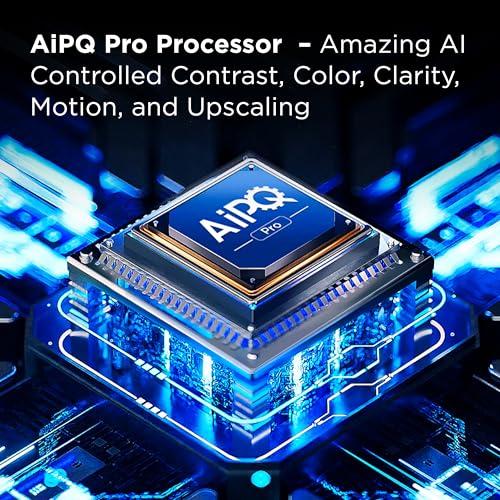
| TCL AiPQ ULTRA with Deep Learning AI | Cognitive Processor XR (mature, proven) |
| HDR Format Support - Affects compatibility with premium content | |
| Dolby Vision IQ, HDR10+, HDR10, HLG | Dolby Vision, HDR10, HLG |
| Audio System - Built-in sound quality | |
| Bang & Olufsen tuned with Dolby Atmos | Acoustic Multi-Audio with Dolby Atmos |
| Smart Platform - User interface and app performance | |
| Google TV (2025 version) | Google TV (2023, more mature) |
| Release Year - Indicates technology generation | |
| 2025 (latest Mini LED technology) | 2023 (proven, stable performance) |
| Brand Positioning - Affects long-term support and reliability | |
| Aggressive value with cutting-edge specs | Premium pricing with established reliability |
The TCL 98" QM7K delivers superior brightness and contrast with its 2,500 local dimming zones and 3,000 nits peak brightness, making it excellent for HDR content and bright rooms. The Sony BRAVIA XR X90L offers more refined color accuracy and natural picture processing through Sony's Cognitive Processor XR, which excels at upscaling lower-resolution content.
The TCL QM7K is better for gaming with its 144Hz native refresh rate, up to 288Hz VRR support, and Game Accelerator 288 technology designed for competitive gaming. The Sony X90L offers reliable gaming features with 120Hz refresh rate and proven ALLM compatibility, but can't match the TCL's gaming specifications.
The TCL 98" QM7K offers exceptional value with premium Mini LED technology, higher brightness, and advanced gaming features at a significantly lower price point. The Sony BRAVIA XR X90L costs more but provides Sony's established reliability, proven image processing, and longer-term brand support.
For movie watching, the Sony BRAVIA XR X90L excels with its superior color science, natural motion processing, and excellent upscaling of streaming content. The TCL QM7K provides more dramatic HDR impact with its higher brightness but may require calibration for optimal color accuracy.
Both TVs work well for home theaters. The TCL 98" QM7K is better for rooms with ambient light due to its 3,000 nits brightness and anti-reflective coating. The Sony X90L is ideal for dedicated dark theater rooms where its refined processing and accurate colors shine without needing extreme brightness.
The TCL 98" QM7K features a 144Hz native refresh rate with Motion Rate 480 processing for exceptional motion clarity. The Sony BRAVIA XR X90L uses a 120Hz native panel with XR Motion Clarity that provides smoother, more natural motion handling.
The TCL 98" QM7K features Bang & Olufsen tuned audio with Dolby Atmos support, while the Sony X90L uses Acoustic Multi-Audio with sound positioning technology. Both provide decent built-in sound, but serious home theater users will want external audio systems with either TV.
The Sony BRAVIA XR X90L has the advantage of Sony's established service network, longer firmware update support, and proven track record for long-term reliability. The TCL QM7K represents newer technology but comes from a brand with growing but still developing support infrastructure.
Choose the TCL 98" QM7K if you prioritize gaming performance, want the brightest possible picture for daytime viewing, and value cutting-edge specifications at an aggressive price. Select the Sony BRAVIA XR X90L if you prefer proven reliability, watch lots of upscaled content, and want the most natural color accuracy for movie watching.
We've done our best to create useful and informative comparisons to help you decide what product to buy. Our research uses advanced automated methods to create this comparison and perfection is not possible - please contact us for corrections or questions. These are the sites we've researched in the creation of this article: bestbuy.com - tcl.com - youtube.com - rtings.com - tcl.com - youtube.com - youtube.com - tcl.com - tomsguide.com - manuals.plus - youtube.com - tcl.com - whathifi.com - bestbuy.com - queencityonline.com - electronicexpress.com - tcl.com - valueelectronics.com - tcl.com - bestbuy.com - bestbuy.com - youtube.com - woodruffappliance.com - karlsonline.com - tcl.com - avsforum.com - valueelectronics.com - youtube.com - bestbuy.com - electronics.sony.com - stewartappliance.com - rcwilley.com - rtings.com - abt.com - pcrichard.com - videoandaudiocenter.com - avsforum.com

Privacy Policy
Terms and Conditions - Affiliate Policy
Home Security
© Copyright 2008-2026.
11816 Inwood Rd #1211, Dallas, TX 75244