

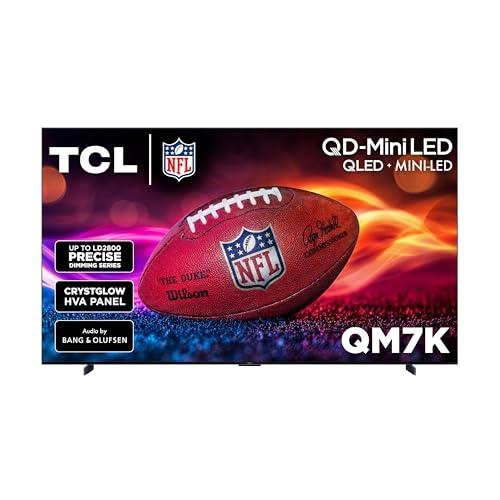
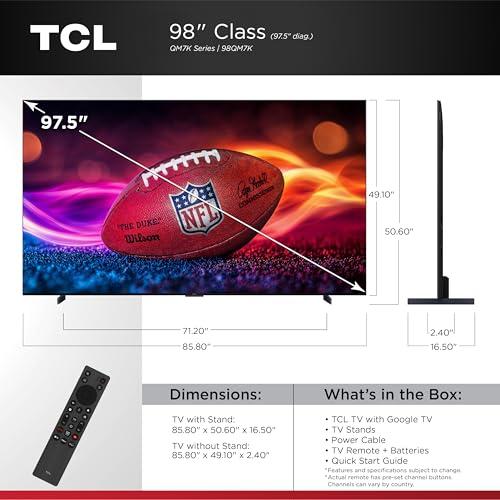

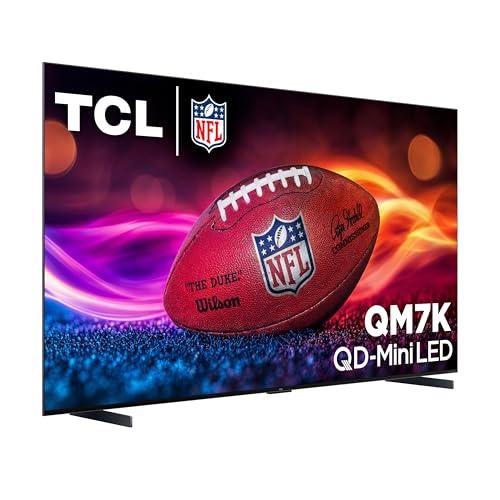
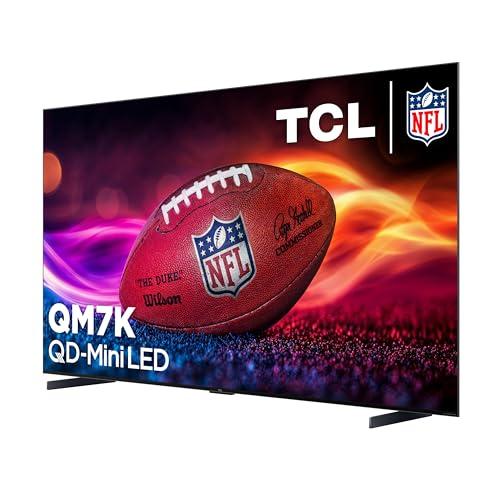
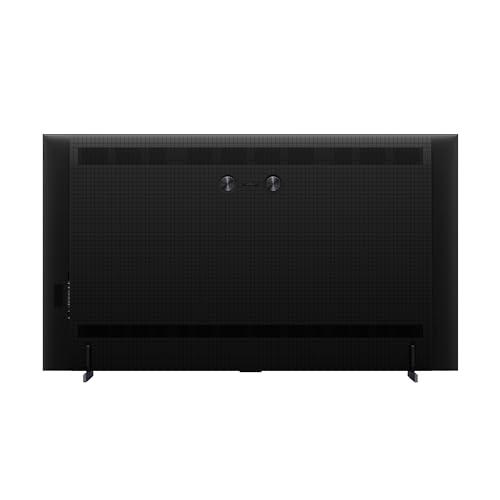
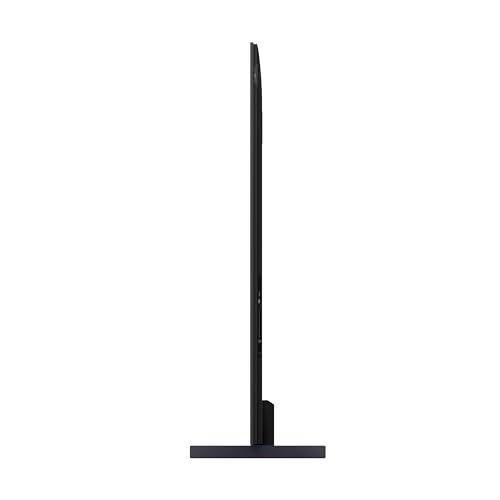
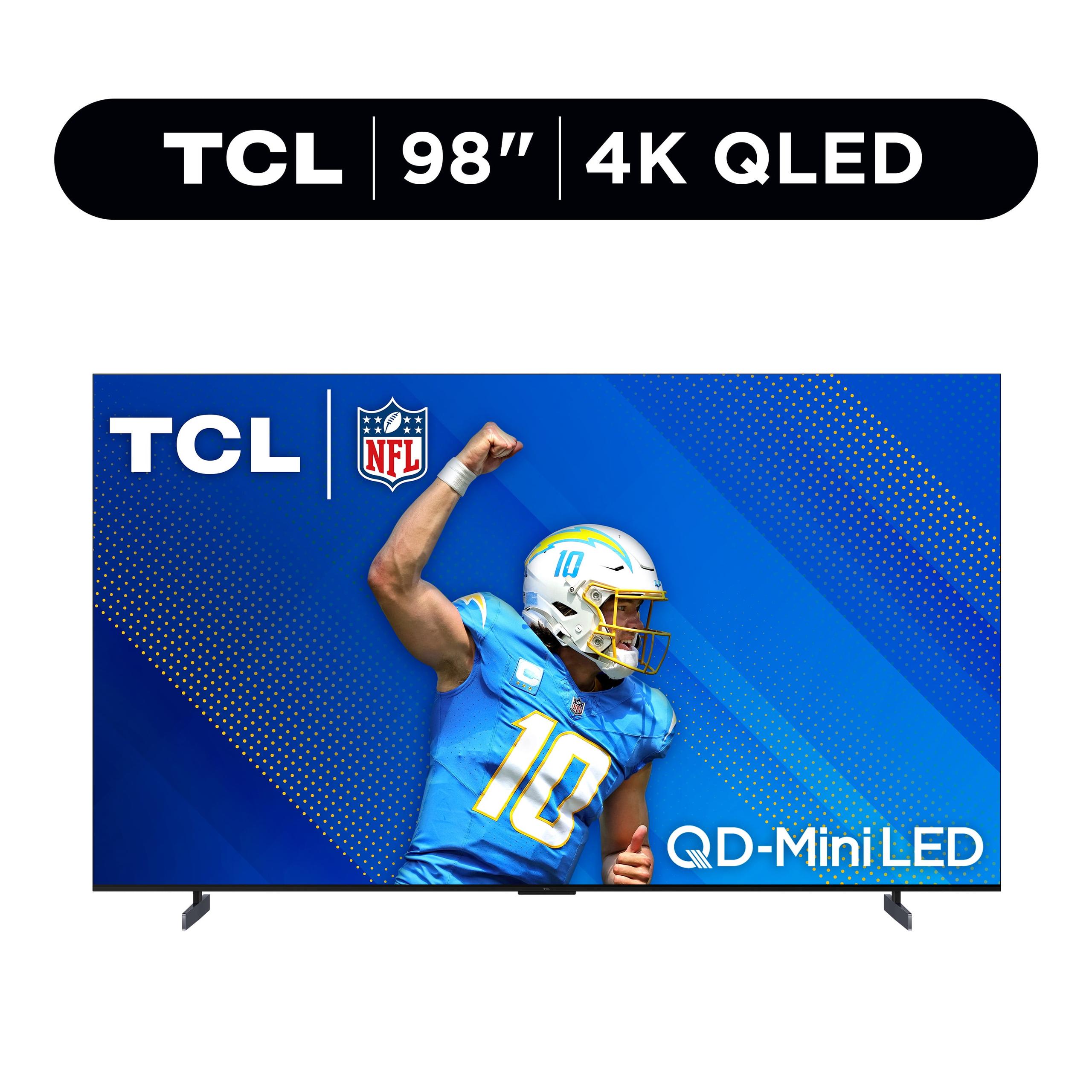

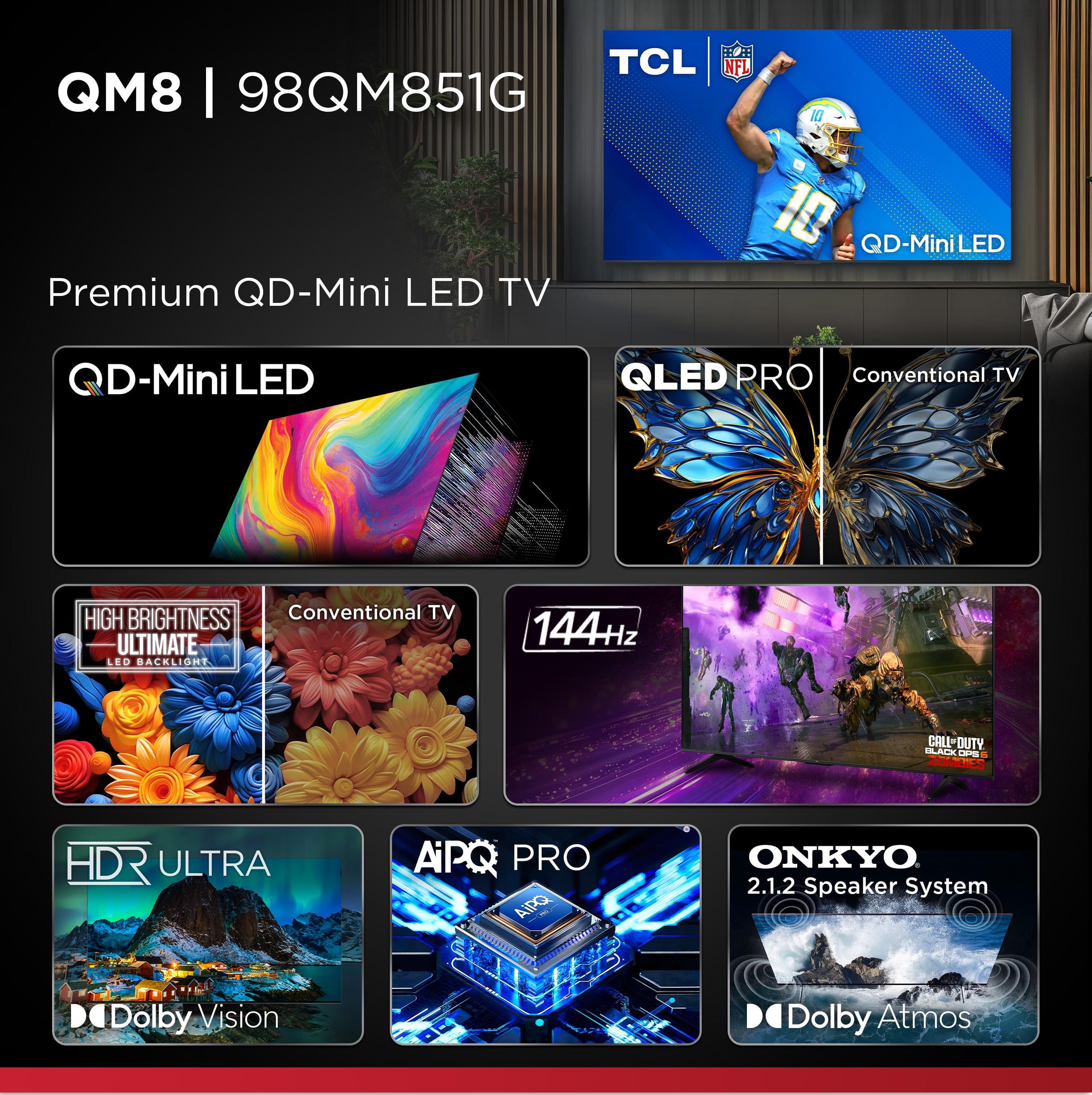




When you're shopping for a 98-inch TV, you're not just buying a television – you're creating a home theater centerpiece that will dominate your living space and viewing experience for years to come. TCL's 2024 lineup includes two compelling options in this premium large-screen category: the QM7K and the QM8. Both use advanced Mini LED technology, but they target different buyers with distinct performance profiles and price points.
At nearly eight feet wide, these TVs represent the sweet spot between projector setups and traditional large TVs. The question isn't whether they'll deliver an impressive experience – it's which one matches your priorities, room setup, and budget. After diving deep into the technical specifications, user reviews, and expert evaluations, I'll help you understand exactly what separates these two models and which might be the better fit for your home theater.
The 98-inch TV category has exploded in popularity as prices have become more reasonable and living rooms have gotten larger. When you're dealing with screens this massive, picture quality differences become magnified – literally. Small issues that you might not notice on a 65-inch TV suddenly become obvious when you're sitting eight feet away from a wall-sized display.
The key considerations for buyers in this category center around brightness, contrast control, and color accuracy. These massive screens need enough brightness to overcome ambient light in typical living rooms, precise local dimming to avoid distracting blooming effects around bright objects, and excellent color reproduction that holds up when viewed from the side angles that are inevitable with such large displays.
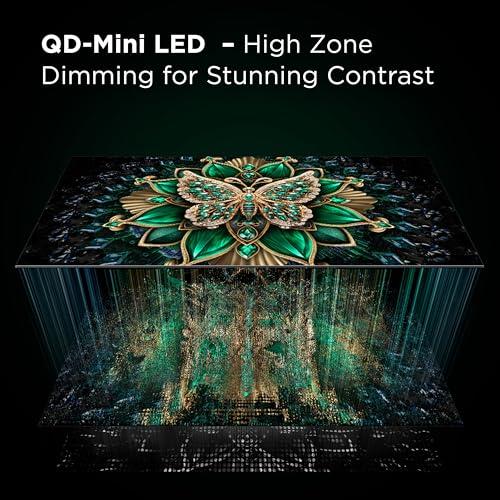
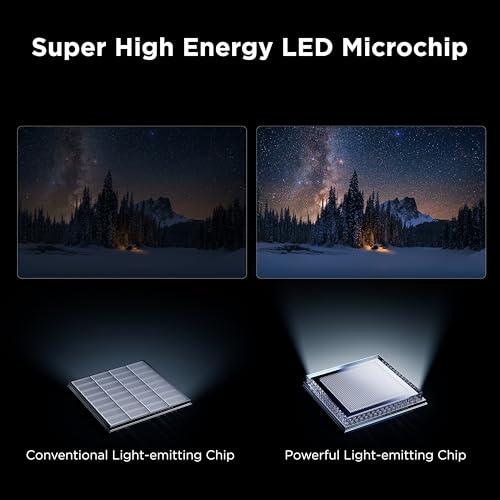
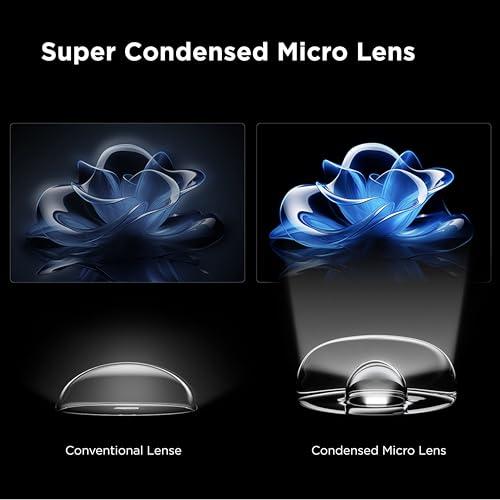
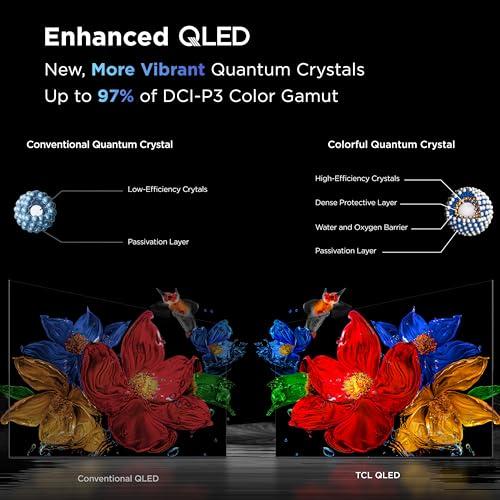
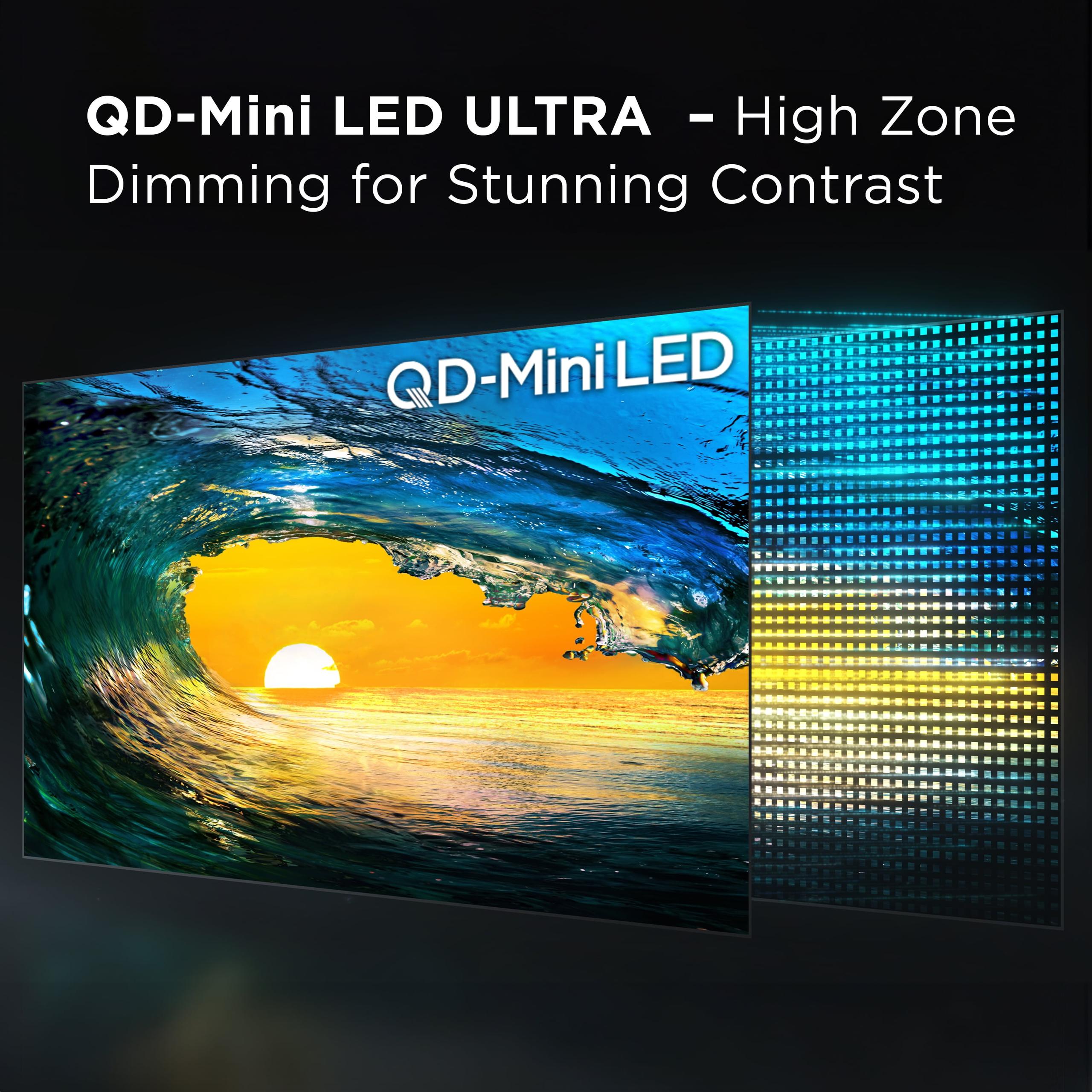
Both the QM7K and QM8 use what's called QD-Mini LED technology. This combines quantum dots (tiny crystals that enhance color) with Mini LEDs (much smaller backlights than traditional LEDs) to create displays that can get extremely bright while still producing deep blacks. Think of it as a middle ground between OLED TVs (which have perfect blacks but limited brightness) and traditional LED TVs (which can get very bright but struggle with black levels).
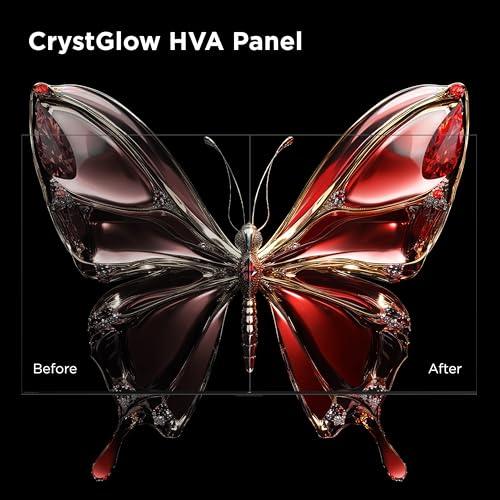
The fundamental difference between these models lies in their panel technology and backlighting systems. The QM7K uses what TCL calls a CrystGlow HVA panel, while the QM8 steps up to a CrystGlow WHVA panel. That single letter difference – the "W" – represents a significant technology upgrade that affects viewing angles, color accuracy, and overall image quality.
HVA stands for High Vertical Alignment, a type of LCD panel that's designed to produce better contrast than standard panels. The WHVA panel in the QM8 takes this further with what TCL describes as 40% better off-axis color performance. In practical terms, this means colors stay more accurate when you're not sitting directly in front of the TV – crucial for a 98-inch display where multiple people will be viewing from different angles.
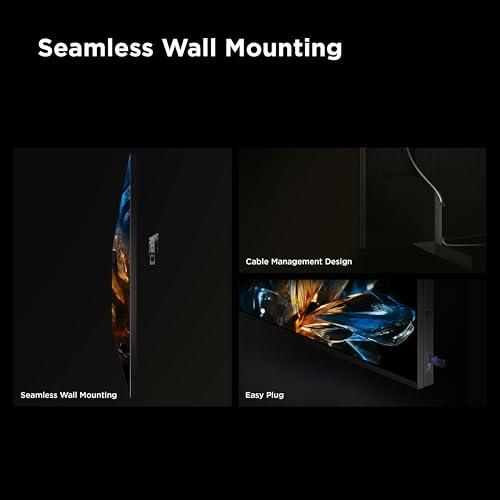
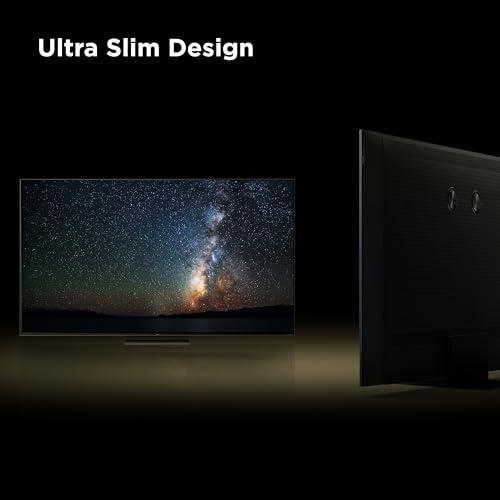
The QM8 also introduces TCL's "Zero Border" design, which reduces the bezel around the screen by up to 90% compared to older models. While the QM7K still has relatively thin bezels, the QM8's near-invisible frame creates a more immersive viewing experience that makes the massive screen feel even larger.
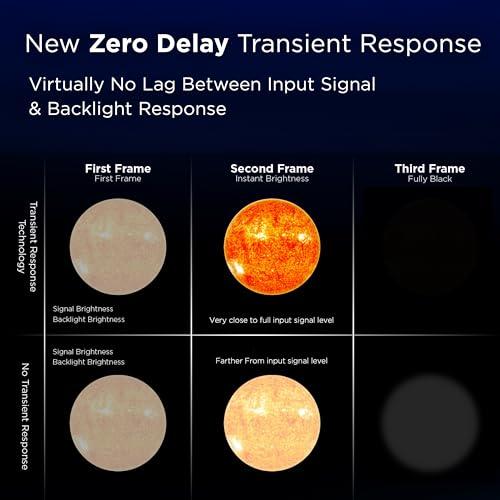
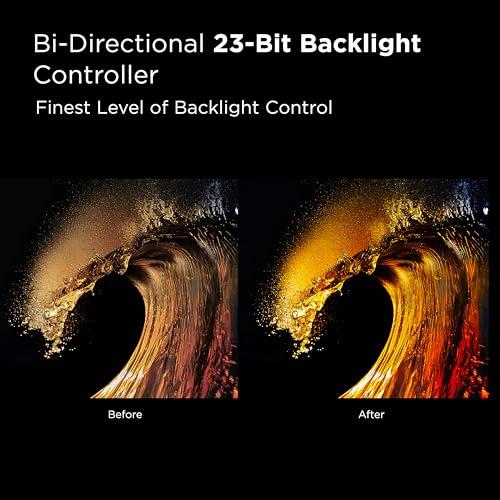
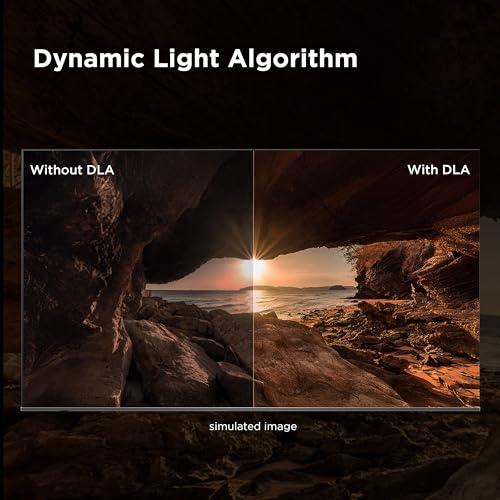
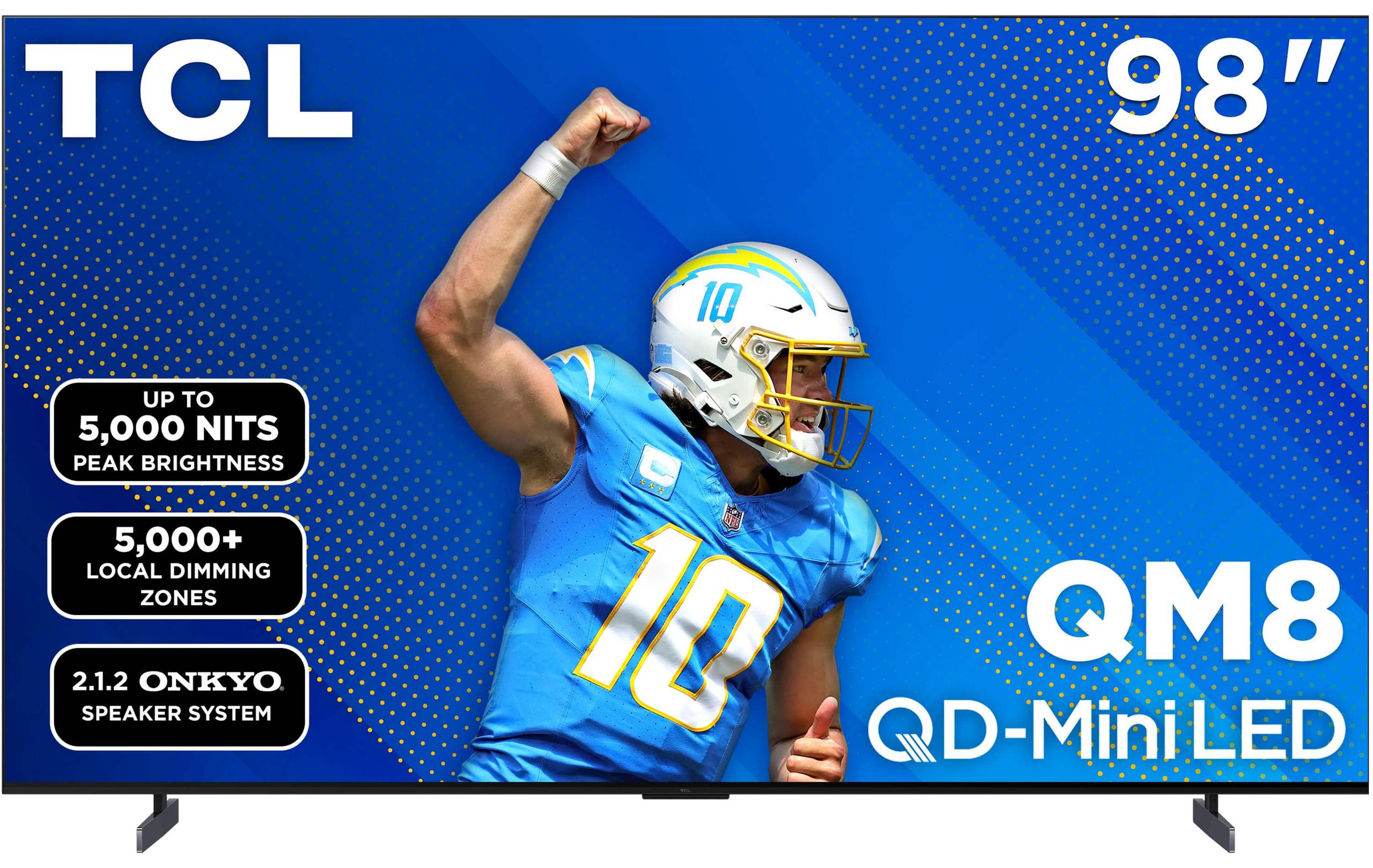
Perhaps most importantly, the backlighting systems differ significantly. The QM7K uses TCL's LD2500 Precise Dimming Series with up to 2,500 local dimming zones, while the QM8 employs an enhanced system with over 5,000 zones. Local dimming zones are sections of the backlight that can be independently controlled – more zones mean more precise control over which parts of the screen are bright or dark at any given moment.
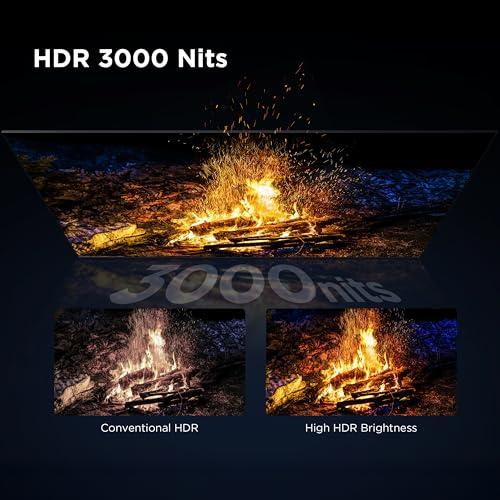
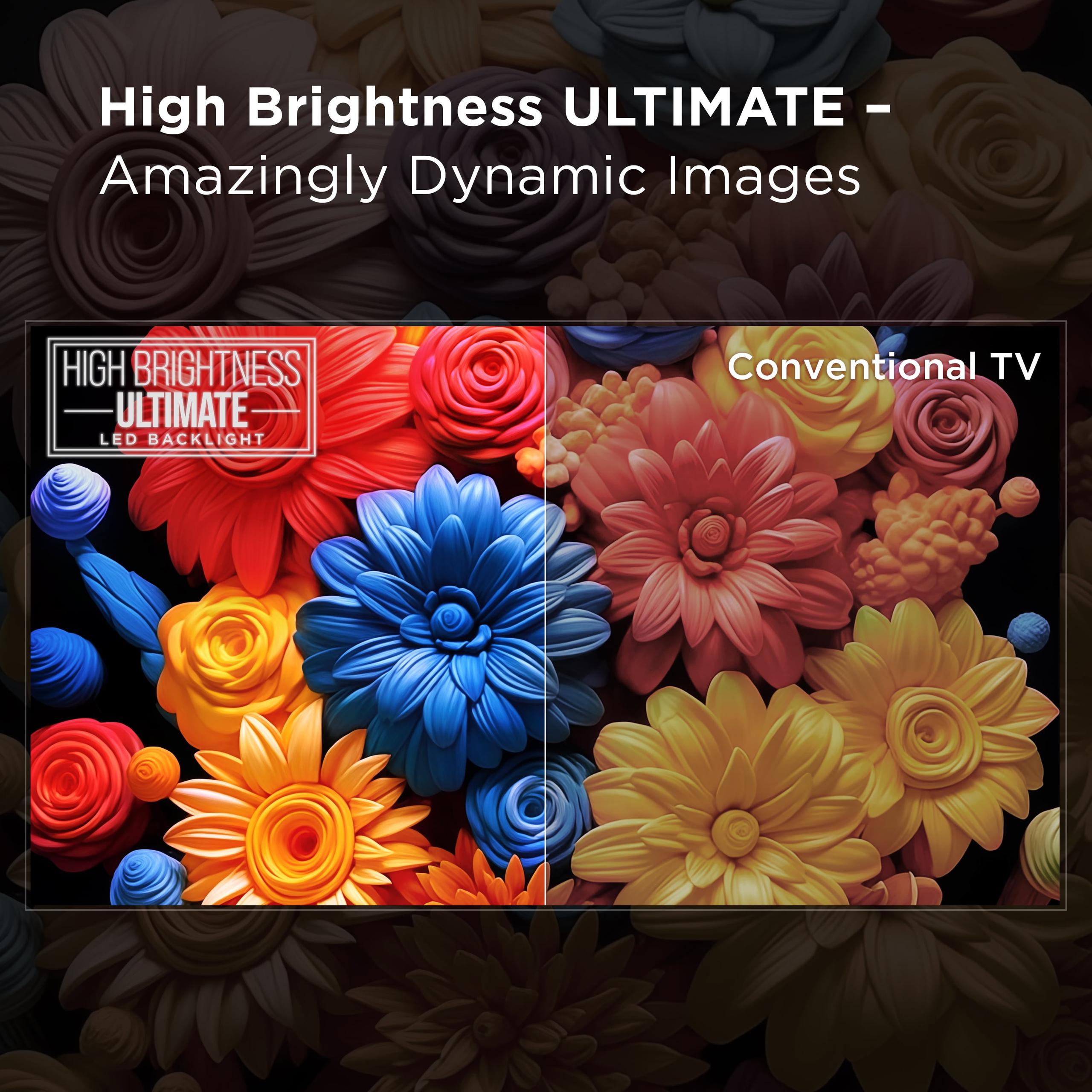
Here's where the QM8 truly separates itself from its cheaper sibling. Peak HDR brightness measurements show the QM7K reaching around 3,000 nits, which is already quite impressive for most viewing scenarios. However, the QM8 pushes this to an eye-searing 5,000 nits – a 67% increase that transforms the HDR viewing experience.
To put this in perspective, most content is mastered at 1,000 to 4,000 nits, so the QM8 can actually reproduce the full brightness range that directors intended. When you're watching a scene with bright sunlight, explosions, or reflective surfaces, the QM8 can make these elements genuinely dazzling in a way that feels natural and impactful.
This brightness advantage becomes even more crucial in real-world viewing environments. Most people don't watch TV in completely dark rooms – there are usually lights on, windows letting in daylight, or reflections from other surfaces. The QM8's extra brightness helps it cut through this ambient light and maintain image quality that would be washed out on dimmer displays.
The QM7K is no slouch in this department and will look excellent in most rooms, but the difference becomes apparent when you see them side by side. Reviews consistently note that the QM8's brightness advantage is "immediately obvious" and "transformative" for HDR content.
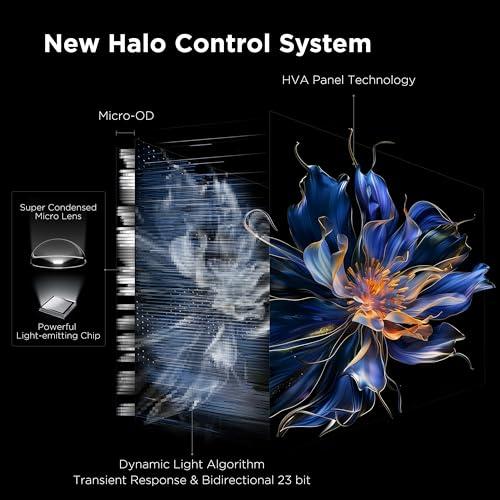
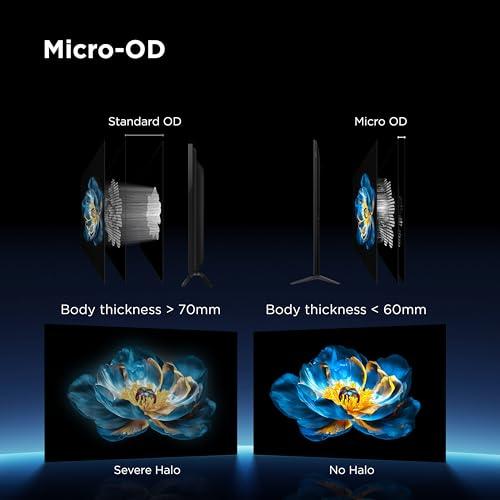
Both TVs excel at producing deep blacks thanks to their Mini LED backlighting, but they achieve this through different levels of sophistication. The QM7K uses TCL's Halo Control System to minimize the blooming effect – that's the unwanted glow you sometimes see around bright objects on dark backgrounds.
The QM8 takes this further with an enhanced version of the Halo Control System that includes more precise optical engineering. With its 5,000+ dimming zones compared to the QM7K's 2,500 zones, it can create more precise boundaries between bright and dark areas of the image.
In practical terms, this means the QM8 produces cleaner images with less distracting artifacts. When watching a movie scene with bright text on a black background, or a night scene with street lights, the QM8 maintains sharper separation between the bright elements and the surrounding darkness.
Both models achieve impressive contrast ratios that rival much more expensive OLED TVs, but the QM8's additional precision makes it particularly well-suited for dedicated home theater setups where you'll be watching primarily movies and premium content in darker environments.
Color performance is where the panel technology differences become most apparent. Both TVs cover nearly the complete DCI-P3 color gamut – that's the color space used for most modern movies and streaming content. They can display over 1 billion colors, which sounds impressive but is actually standard for modern premium TVs.
The real difference lies in how well they maintain color accuracy when viewed from angles, and how vibrant colors remain at high brightness levels. The QM8's WHVA panel technology provides a meaningful improvement in off-axis viewing, maintaining more accurate colors when you're not sitting directly in front of the screen.
This might seem like a minor consideration, but with a 98-inch TV, off-axis viewing is inevitable. Even if you're sitting in the center seat, the edges of the screen are at significant angles to your viewing position. The QM8's improved technology ensures that colors remain consistent across the entire massive display.
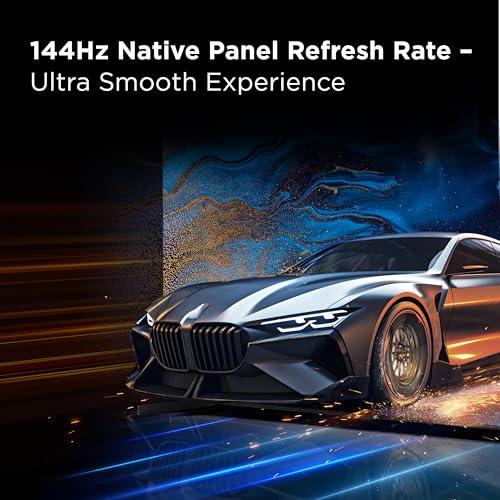
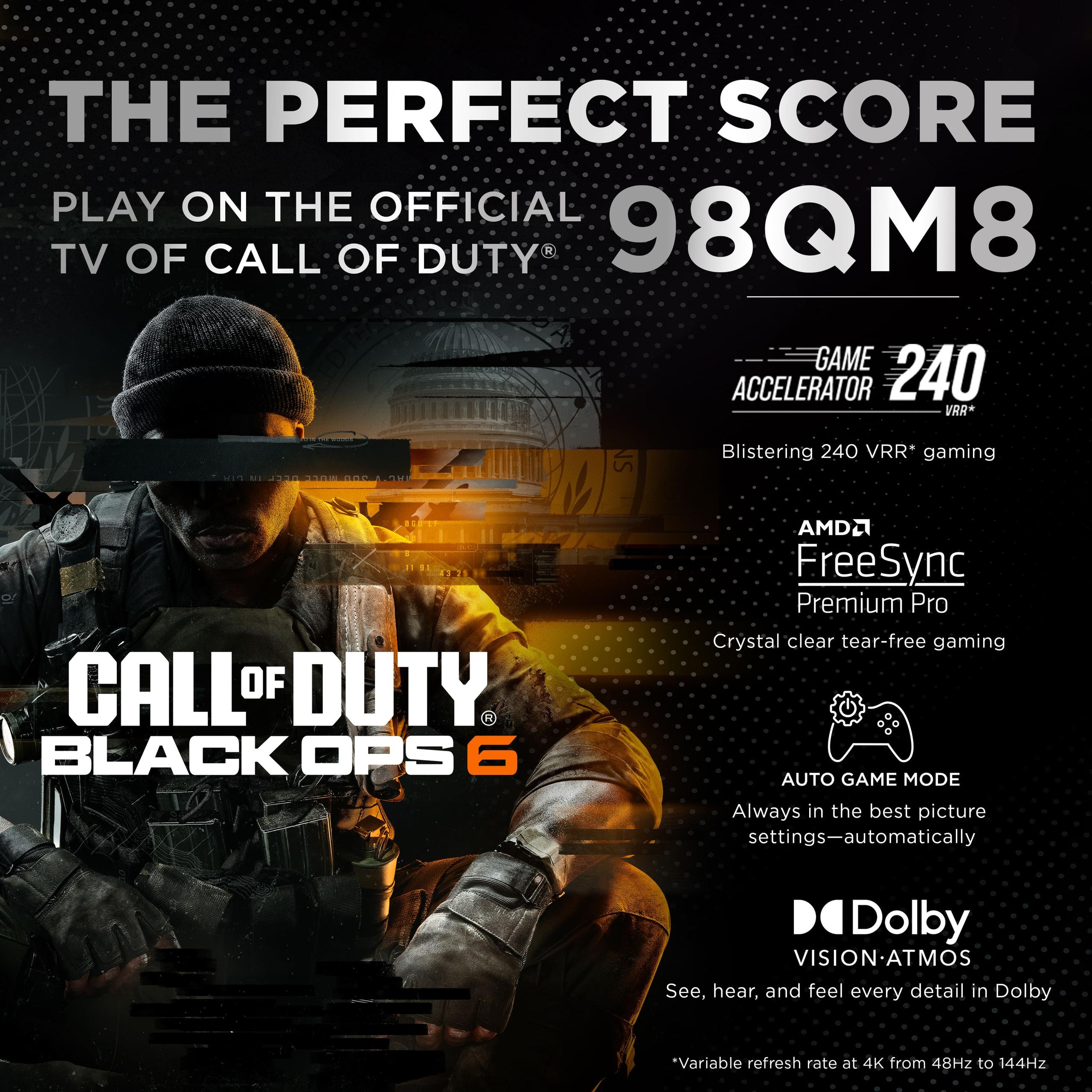
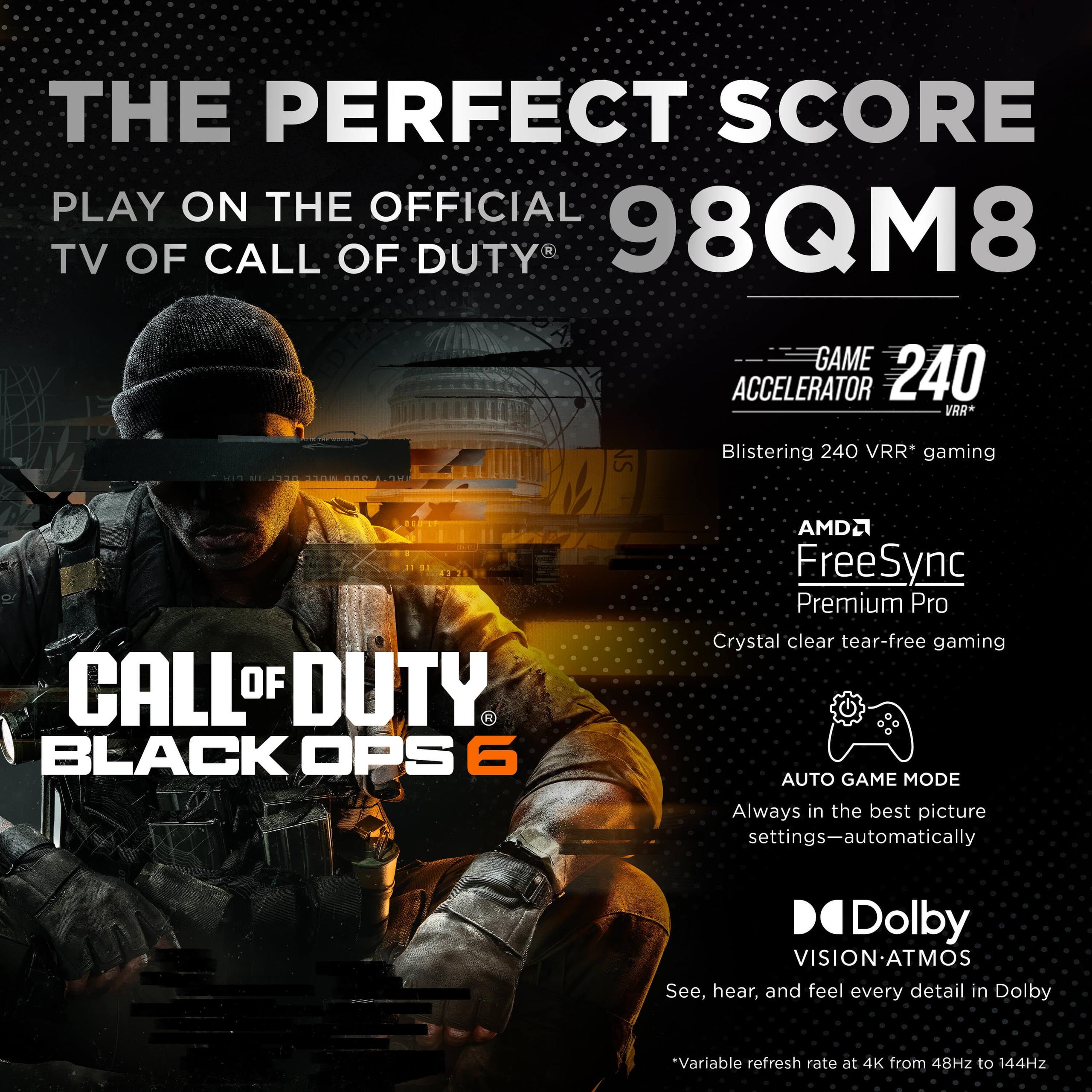
Both models excel for gaming, which might surprise some buyers who assume the QM8 would have advantages across the board. Both feature 144Hz native refresh rates and support for Variable Refresh Rate (VRR) technology, which synchronizes the TV's refresh rate with your gaming console's output to eliminate screen tearing.
The QM7K actually has a slight advantage here with its Game Accelerator 288 technology, supporting VRR up to 288Hz compared to the QM8's 144Hz ceiling. In practice, this difference is minimal since current gaming consoles don't output at these extreme refresh rates, but it could provide some future-proofing.
Both models include Auto Low Latency Mode (ALLM), which automatically switches to gaming mode when it detects a console, and both have multiple HDMI 2.1 ports that support 4K gaming at high refresh rates. Input lag – the delay between pressing a button and seeing the action on screen – is excellent on both models.
The QM8's brightness advantage can be beneficial for gaming in bright rooms, and its superior contrast control helps with dark game scenes, but these improvements aren't as dramatic as they are for movie watching.
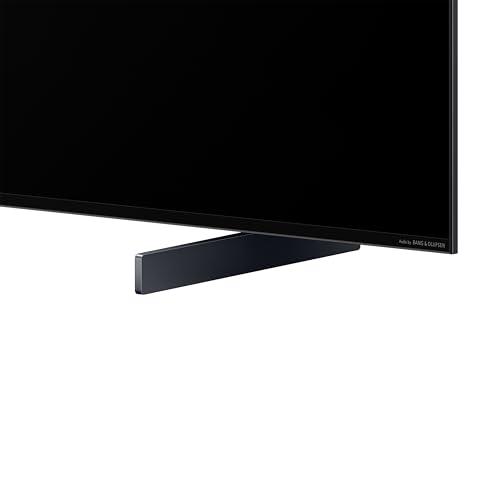
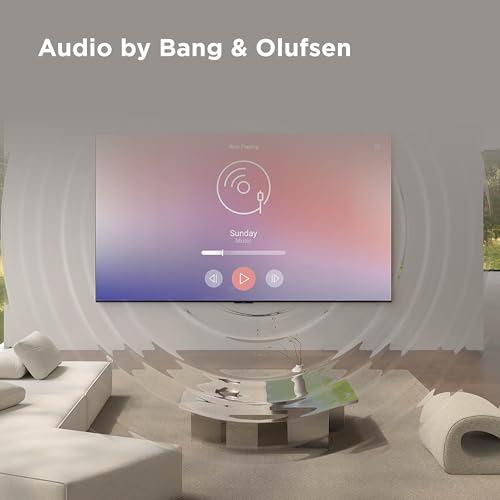
TCL partnered with Danish audio company Bang & Olufsen to tune the sound systems in both TVs. This collaboration results in noticeably better audio than most built-in TV speakers, with support for Dolby Atmos and DTS Virtual:X for spatial audio processing.
The QM8 includes some enhancements to the speaker configuration with improved up-firing drivers and subwoofer implementation, but both models benefit from the Bang & Olufsen tuning. For a 98-inch home theater setup, most buyers will likely want to add a dedicated sound system anyway, so the built-in audio improvements aren't a major deciding factor.
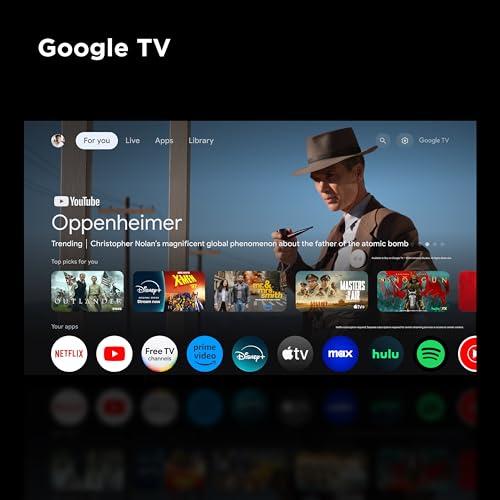
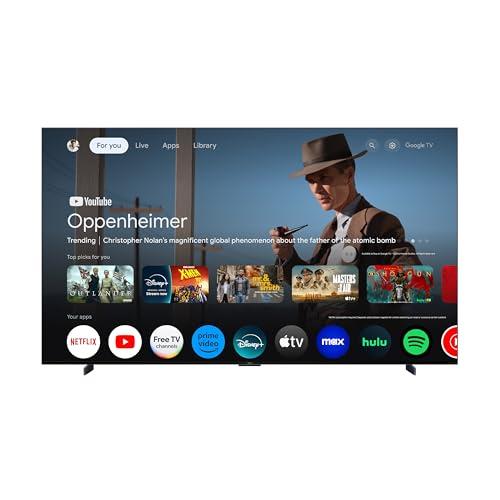
Both TVs run Google TV, which provides access to all major streaming services and integrates well with Google Assistant for voice control. The interface is clean and responsive, though some users prefer external streaming devices for the absolute fastest performance.
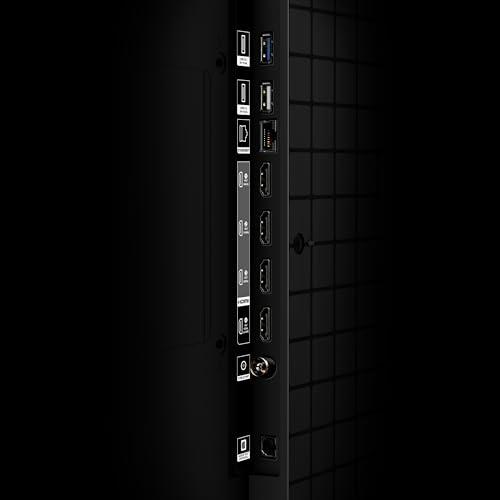
Connectivity is identical between the models, with multiple HDMI 2.1 ports, USB connections, and Wi-Fi 6 support for reliable wireless streaming. Both support all current HDR formats including Dolby Vision, HDR10+, and standard HDR10.
At the time of writing, the QM7K represents exceptional value in the premium large-screen category, while the QM8 commands a significant premium – roughly 50% more than its sibling. This price gap puts them in different value categories entirely.
The QM7K delivers about 90% of flagship-level performance at a much more accessible price point. For most buyers, this represents the sweet spot between performance and value. The picture quality is excellent, the gaming features are comprehensive, and the overall experience feels genuinely premium.
The QM8's premium pricing reflects its position as TCL's flagship large-screen offering. The improvements are meaningful – particularly the brightness and contrast control – but they primarily benefit specific use cases like bright room viewing and premium HDR content consumption.
For dedicated home theater setups, the choice becomes more interesting. The QM8's superior brightness might seem counterintuitive for dark room viewing, but it actually enhances the HDR experience by providing more headroom for peak highlights. Movies mastered in Dolby Vision can take full advantage of this brightness range to create more impactful scenes.
The QM8's better contrast control also becomes more apparent when watching high-quality source material. The difference between good and excellent local dimming becomes obvious when watching films with challenging lighting, like scenes that transition between bright exteriors and dark interiors.
However, the QM7K still delivers an excellent home theater experience and might actually be preferable for buyers who watch a mix of content including standard broadcast TV, where the QM8's advanced features provide less benefit.
Both models represent TCL's 2024 technology, incorporating lessons learned from previous Mini LED implementations. The improvements over earlier generations include better heat management, more precise dimming algorithms, and enhanced quantum dot implementations that should maintain color accuracy over time.
The QM8's more advanced panel technology and higher zone count provide better future-proofing for evolving content standards. As more content is produced with higher dynamic range and wider color gamuts, the QM8 is better positioned to take advantage of these improvements.
The QM7K makes sense for buyers who want a premium large-screen experience without flagship pricing. It's ideal if you have moderate room lighting, watch a variety of content types, prioritize value, or are building your first serious home theater setup. The money saved versus the QM8 can be invested in audio equipment, seating, or room treatments that might have a bigger impact on your overall experience.
Choose the QM8 if you're a picture quality enthusiast who regularly watches premium HDR content, have a bright room that challenges dimmer TVs, want the absolute best contrast control available, or are building a no-compromise home theater where the TV is the centerpiece investment.
Both TVs represent excellent choices in the premium large-screen category, but they serve different priorities. The QM7K offers outstanding performance per dollar and will satisfy most buyers' needs for an impressive home theater experience. The QM8 targets enthusiasts who want the absolute best picture quality and are willing to pay meaningfully more for improvements that primarily benefit HDR viewing and bright room performance.
For most buyers, the QM7K provides the better overall package when considering performance, features, and value. The QM8 is the choice for those who prioritize picture quality above all else and have the budget to match their ambitions. Either way, you're getting a massive, impressive display that will transform your viewing experience – the question is just how much you're willing to spend for that last degree of perfection.
| TCL 98" QM7K QD-Mini LED 4K TV | TCL 98" QM8 Series 4K UHD Smart Google TV |
|---|---|
| Peak HDR Brightness - Critical for HDR impact and bright room viewing | |
| 3,000 nits (excellent for most rooms) | 5,000 nits (exceptional, cuts through any ambient light) |
| Panel Technology - Affects viewing angles and color accuracy | |
| CrystGlow HVA Panel (good off-axis viewing) | CrystGlow WHVA Panel (40% better off-axis color performance) |
| Local Dimming Zones - Controls blooming and contrast precision | |
| LD2500 Precise Dimming (up to 2,500 zones) | Enhanced Precise Dimming (5,000+ zones for cleaner image) |
| Gaming Refresh Rate - Maximum smoothness for competitive gaming | |
| 144Hz native with 288Hz VRR support | 144Hz native with 144Hz VRR support |
| Bezel Design - Affects immersion and aesthetics | |
| Standard thin bezels | Zero Border technology (90% smaller bezels) |
| Audio System - Built-in sound quality | |
| Bang & Olufsen tuned with Dolby Atmos | Bang & Olufsen tuned with enhanced drivers and Dolby Atmos |
| HDR Format Support - Compatibility with premium content | |
| HDR10, HDR10+, Dolby Vision | HDR10, HDR10+, Dolby Vision, Dolby Vision Gaming |
| Smart Platform - Apps and interface performance | |
| Google TV with Wi-Fi 6 | Google TV with Wi-Fi 6 (identical) |
| Best For - Ideal buyer profile | |
| Value-focused buyers wanting premium performance | Picture quality enthusiasts and bright room setups |
| Key Advantage - What makes it stand out | |
| Outstanding performance per dollar | Flagship-level brightness and contrast control |
The biggest difference is brightness and contrast control. The TCL 98" QM8 delivers 5,000 nits peak brightness compared to the TCL 98" QM7K's 3,000 nits, making HDR content significantly more impactful. The QM8 also features enhanced local dimming with 5,000+ zones versus 2,500 zones in the QM7K, resulting in better contrast and less blooming around bright objects.
The TCL 98" QM8 is superior for bright rooms due to its exceptional 5,000-nit peak brightness that can overcome ambient light and glare. While the TCL 98" QM7K handles moderate lighting well, the QM8's brightness advantage becomes crucial when dealing with windows, overhead lights, or reflective surfaces in your viewing area.
The TCL 98" QM8 is worth the premium if you prioritize absolute picture quality, regularly watch HDR content, or have a bright viewing room. However, the TCL 98" QM7K offers exceptional value, delivering 90% of flagship performance at a significantly lower price point, making it the better choice for most buyers.
Both models excel for gaming, but the TCL 98" QM7K has a slight edge with 288Hz VRR support compared to the QM8's 144Hz VRR. Both feature 144Hz native refresh rates, HDMI 2.1 ports, and Auto Low Latency Mode. The QM8's superior brightness can benefit gaming in bright rooms, but for pure gaming performance, they're very close.
Yes, both the TCL 98" QM7K and TCL 98" QM8 run identical Google TV platforms with Wi-Fi 6 support, voice control, and access to all major streaming apps. The smart TV experience is essentially the same between both models.
The TCL 98" QM8 has superior viewing angles thanks to its WHVA panel technology, which provides 40% better off-axis color performance compared to the QM7K's HVA panel. This is particularly important for 98-inch TVs where multiple viewers will be sitting at different angles.
Both the TCL 98" QM7K and TCL 98" QM8 feature Bang & Olufsen-tuned audio with Dolby Atmos support. The QM8 includes some enhancements like improved up-firing drivers, but the audio differences are minimal compared to the picture quality improvements.
For dedicated home theaters, the TCL 98" QM8 is the better choice due to its superior contrast control and brightness headroom for premium HDR content. However, the TCL 98" QM7K still delivers an excellent home theater experience and allows you to invest savings into audio equipment or room treatments.
The TCL 98" QM7K supports HDR10, HDR10+, and Dolby Vision, while the TCL 98" QM8 adds Dolby Vision Gaming support. Both handle all major HDR formats, but the QM8's higher brightness better utilizes the full HDR range that content creators intended.
The TCL 98" QM8 features superior design with Zero Border technology that reduces bezels by 90%, creating a more immersive viewing experience. Both models have solid build quality, but the QM8's nearly invisible bezels and premium materials give it the aesthetic advantage.
Yes, both the TCL 98" QM7K and TCL 98" QM8 support 4K gaming at 144Hz through their HDMI 2.1 ports. Both include VRR support and Auto Low Latency Mode, making them excellent choices for PS5, Xbox Series X, and PC gaming setups.
Most buyers should choose the TCL 98" QM7K for its outstanding value proposition, delivering premium large-screen performance at a more accessible price. The TCL 98" QM8 is best reserved for picture quality enthusiasts who specifically need maximum brightness and contrast control and have the budget for flagship-level performance.
We've done our best to create useful and informative comparisons to help you decide what product to buy. Our research uses advanced automated methods to create this comparison and perfection is not possible - please contact us for corrections or questions. These are the sites we've researched in the creation of this article: bestbuy.com - tcl.com - youtube.com - rtings.com - tcl.com - youtube.com - youtube.com - tcl.com - tomsguide.com - manuals.plus - youtube.com - tcl.com - whathifi.com - bestbuy.com - queencityonline.com - electronicexpress.com - tcl.com - valueelectronics.com - tcl.com - bestbuy.com - bestbuy.com - youtube.com - woodruffappliance.com - karlsonline.com - tcl.com - rtings.com - camelcamelcamel.com - youtube.com - techradar.com - avsforum.com - bestbuy.com - greentoe.com - tcl.com

Privacy Policy
Terms and Conditions - Affiliate Policy
Home Security
© Copyright 2008-2026.
11816 Inwood Rd #1211, Dallas, TX 75244