

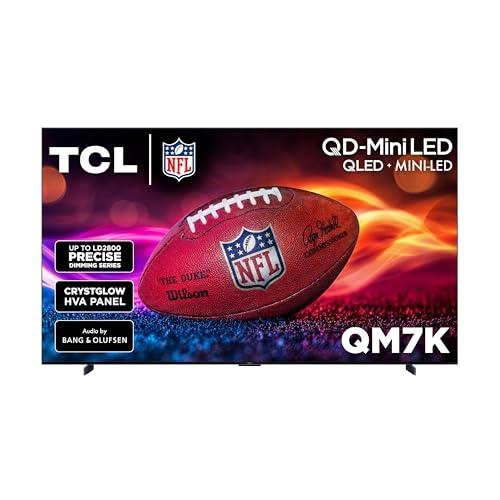
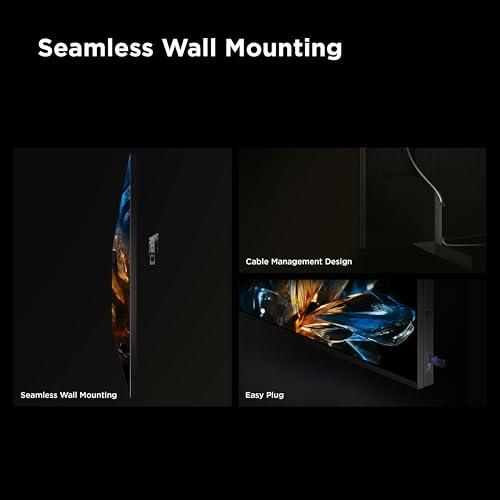
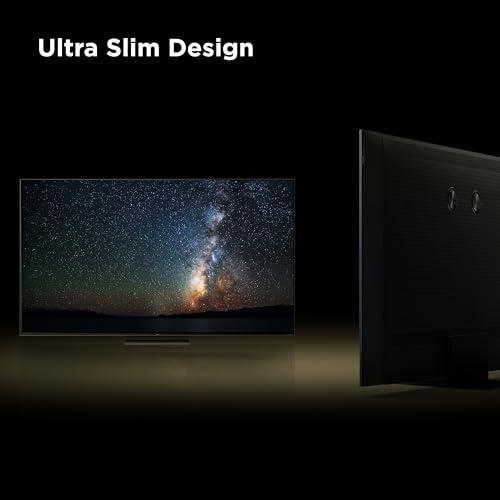
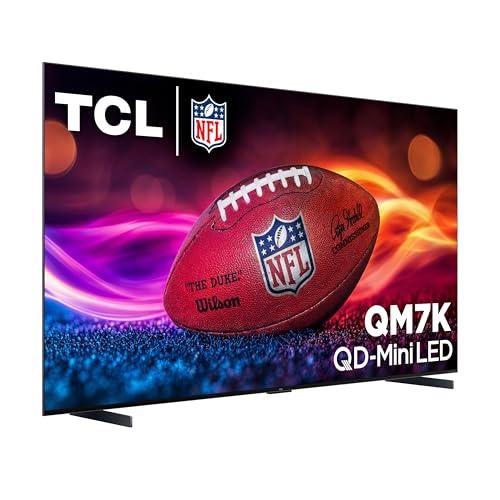
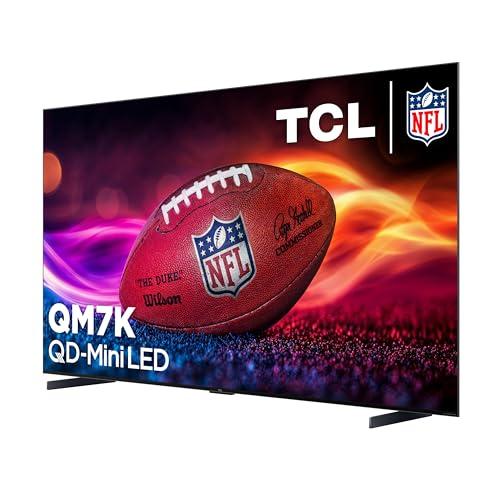
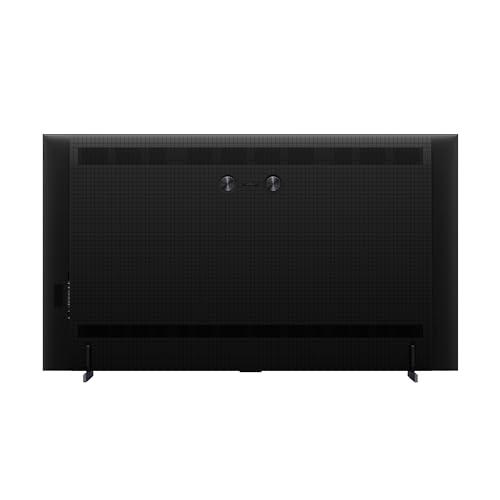
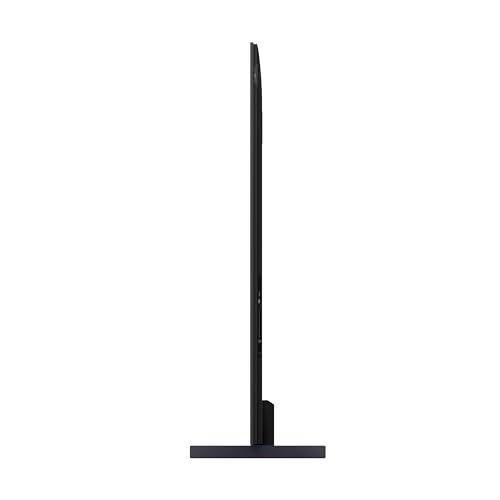
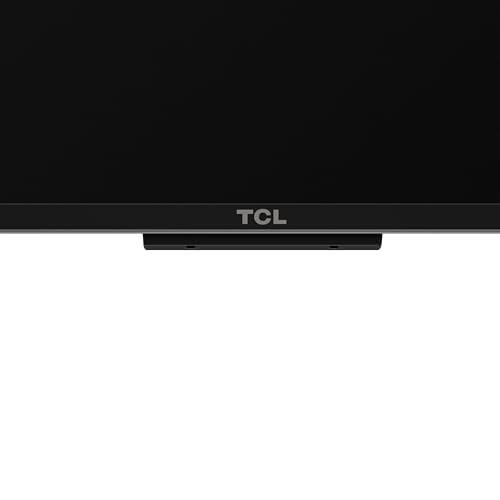
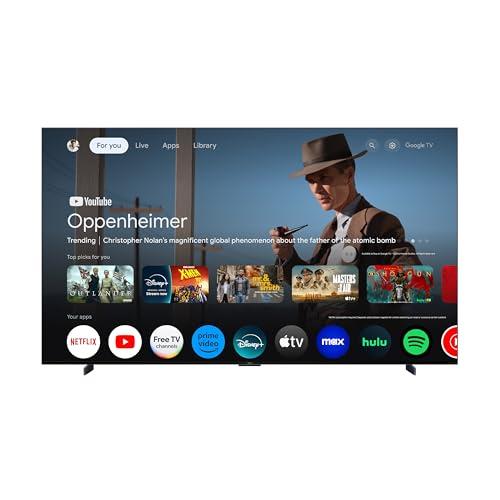
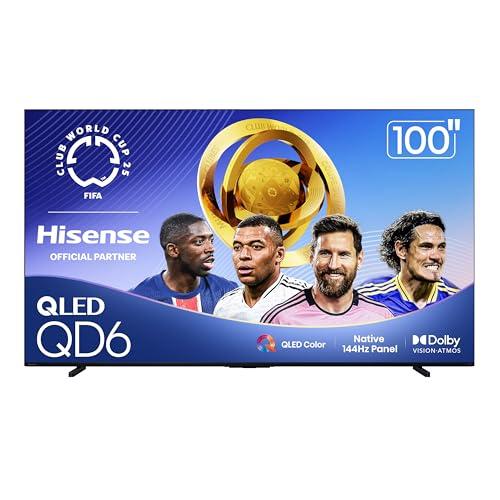
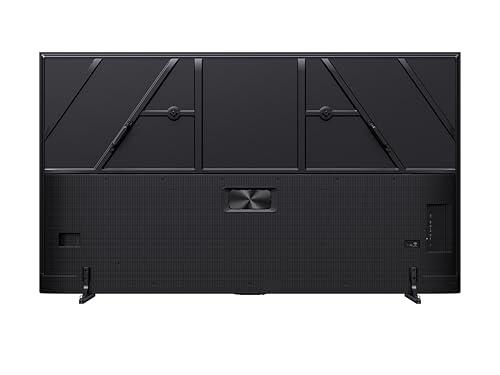
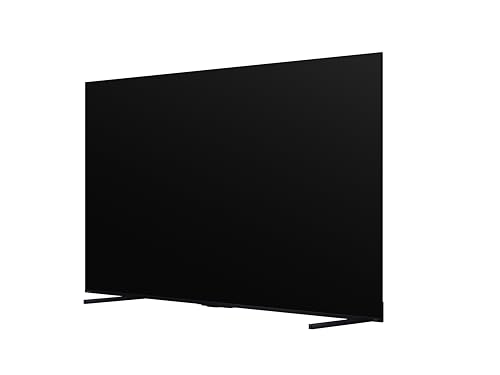
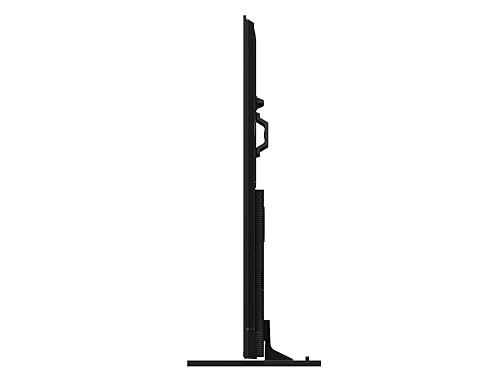
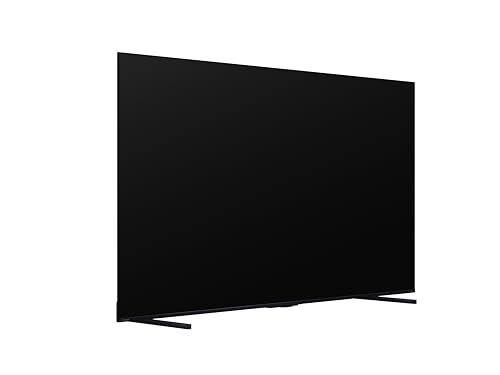
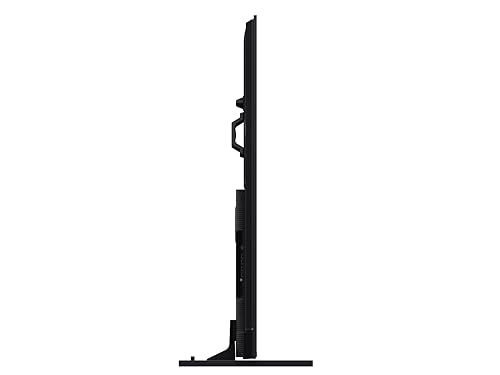
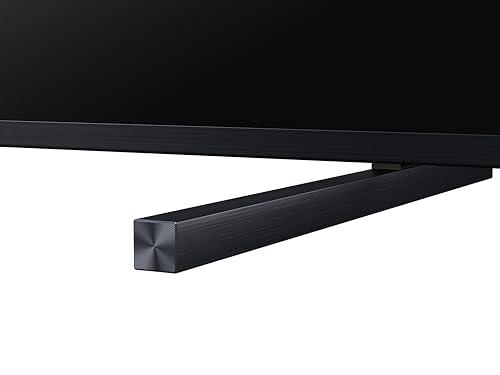
When you're ready to transform your living space into a personal movie theater, few decisions matter more than choosing the right ultra-large TV. Today we're comparing two impressive options: the TCL 98" QM7K QD-Mini LED and the Hisense 100" QD6 Series QLED. Both represent the current pinnacle of home entertainment technology, but they take very different approaches to delivering that cinematic experience.
Ultra-large TVs—those measuring 95 inches and beyond—aren't just bigger versions of regular TVs. They're engineered specifically to recreate the movie theater experience at home, and that requires some serious technical sophistication. The sheer size means every flaw gets magnified, literally, so manufacturers have to get the fundamentals absolutely right.
The most critical factor is the display technology itself. This determines how light gets distributed across that massive screen, which directly impacts contrast, brightness, and whether you'll see annoying "blooming" (those unwanted halos around bright objects in dark scenes). Peak brightness matters enormously because these TVs need to overcome ambient light in large rooms while delivering the dramatic highlights that make HDR content truly spectacular.
Gaming performance has become equally important, especially with the PlayStation 5 and Xbox Series X pushing frame rates higher than ever before. Input lag—the delay between pressing a button and seeing the result on screen—needs to be minimal, while refresh rates need to keep up with fast-paced action.
This comparison really comes down to a fundamental technology difference. The TCL QM7K, released in 2024, represents TCL's flagship Mini LED technology, while the Hisense QD6, also from 2024, uses more conventional QLED with direct-lit LED backlighting.
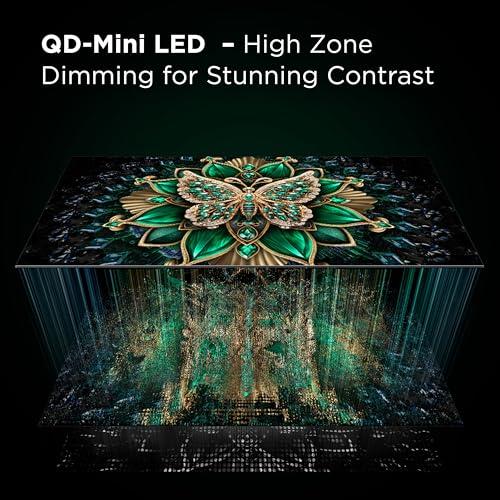
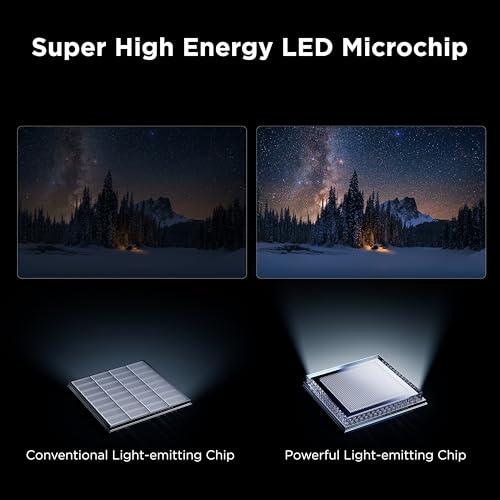
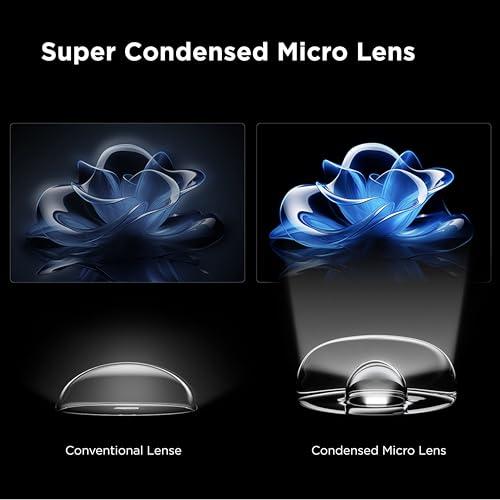
The TCL QM7K uses what TCL calls QD-Mini LED technology, which sounds complex but makes perfect sense once you understand it. Traditional LED TVs use a handful of LED strips or zones behind the screen. The TCL uses thousands of tiny LEDs—each about the size of a grain of rice—arranged in up to 2,500 independent zones across the back of the display.
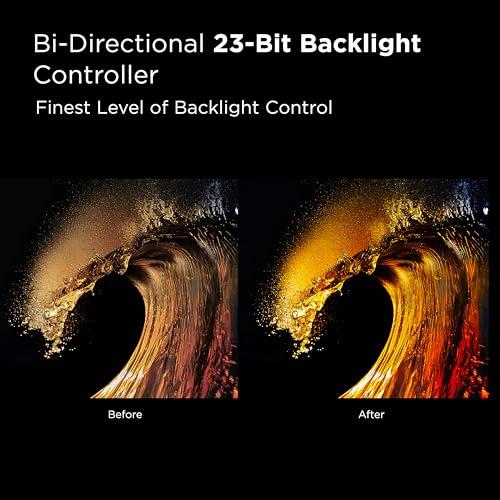
Think of it this way: imagine trying to paint a detailed portrait with just five brushes versus having 2,500 incredibly precise brushes. That's essentially what's happening with light control. Each of those 2,500 zones can independently brighten or dim, creating what TCL calls "OLED-like" black levels while maintaining the superior brightness that LED technology provides.
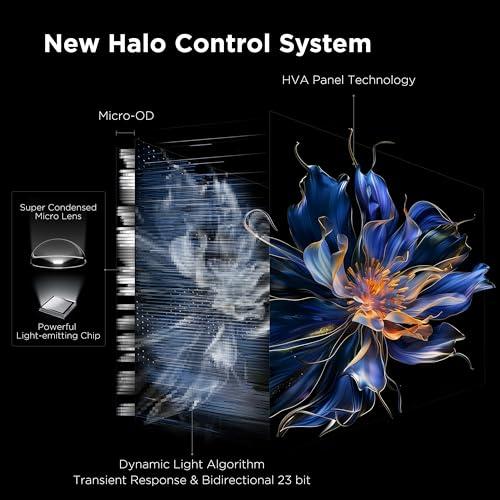
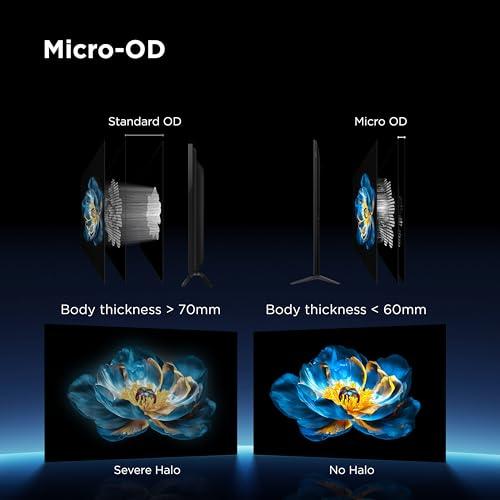
The TCL's Halo Control System deserves special mention because it addresses Mini LED's traditional weakness. When bright objects appear against dark backgrounds—like stars in a night sky—lesser systems create unwanted "blooming" or halos around those bright spots. TCL's system uses advanced optical engineering, including something called Micro-OD (Optical Distance) technology that reduces the space between the backlight and the screen surface, virtually eliminating light overlap between zones.
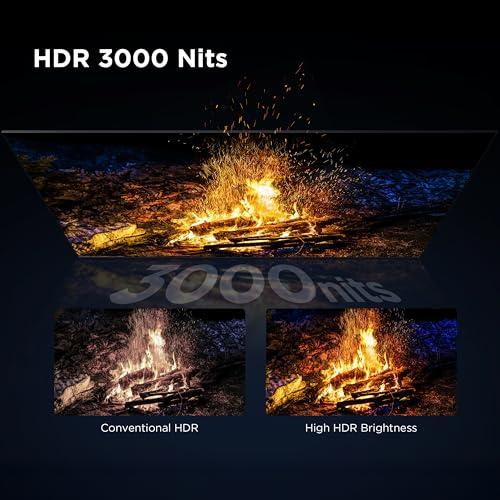
Peak brightness reaches an impressive 3,000 nits on the TCL. To put that in perspective, a typical sunny day measures around 1,600 nits, so this TV can actually produce highlights brighter than natural sunlight. That translates to incredibly dramatic HDR content where explosions, sunlight, and other bright elements have genuine visual impact.
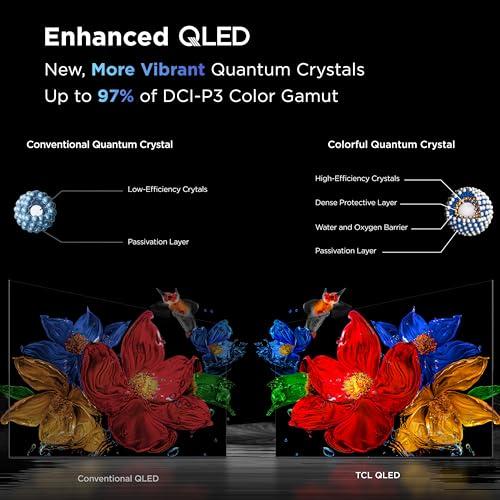
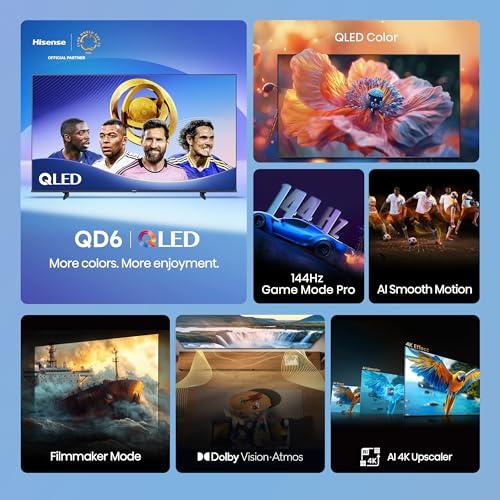
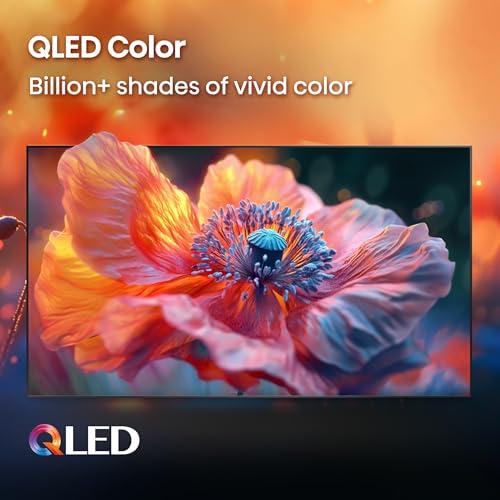
The Hisense QD6 takes a more traditional but proven approach with QLED technology. QLED stands for Quantum Dot Light Emitting Diode—essentially, it uses a layer of quantum dots (nano-crystals that emit specific colors when hit with light) to produce over a billion different color shades. The result is exceptionally vibrant, saturated colors that really pop off the screen.
However, the backlighting system uses Full Array Direct-Lit LED technology, which means larger LED zones and less precise control compared to Mini LED. Peak brightness measures around 615 nits—perfectly adequate for most viewing situations but significantly lower than the TCL. The trade-off is a much more affordable price point while still delivering genuinely impressive picture quality.
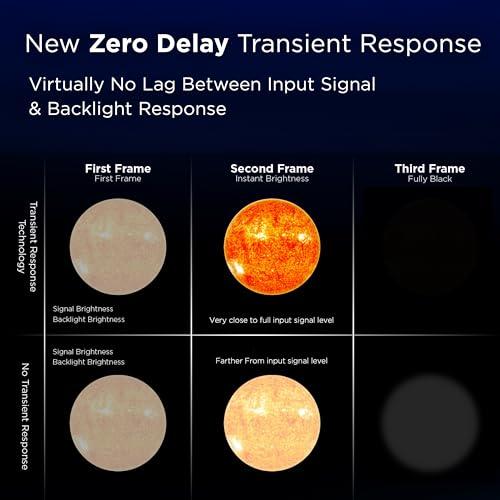
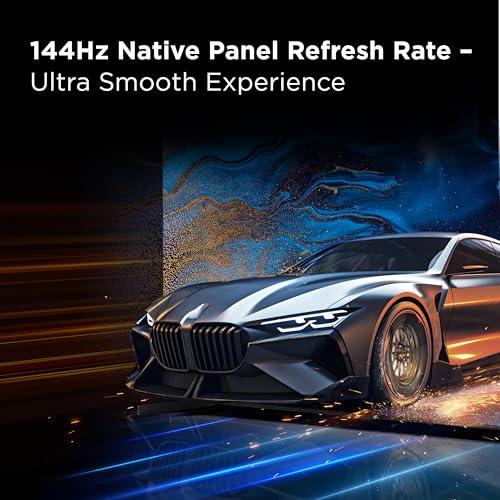
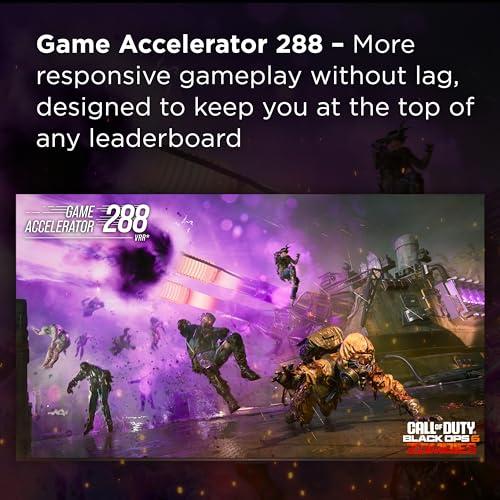
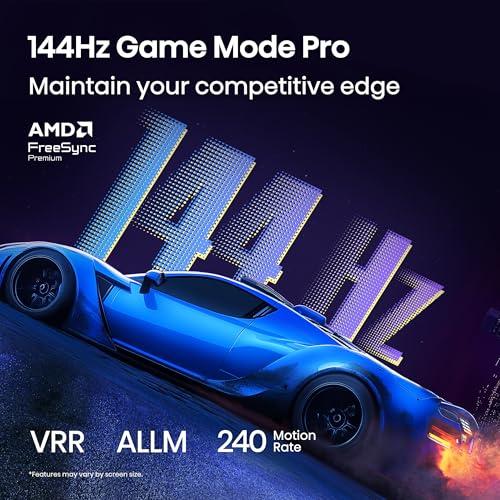
Both TVs recognize that gaming has become a primary use case for ultra-large displays, and both deliver excellent performance. The TCL QM7K features a native 144Hz refresh rate with something called Game Accelerator 288, which can push variable refresh rates up to 288Hz for competitive gaming. That's overkill for most content, but for serious gamers playing fast-paced shooters or racing games, every millisecond of responsiveness matters.
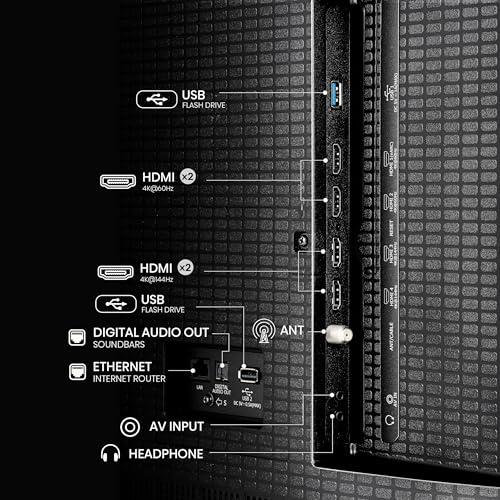
The Hisense QD6 matches the 144Hz native refresh rate and includes Game Mode Pro with solid VRR (Variable Refresh Rate) support. VRR syncs the display's refresh rate with your gaming console or PC's output, eliminating screen tearing and stuttering. Both TVs include two HDMI 2.1 ports that can handle 4K gaming at these high refresh rates.
Auto Low Latency Mode (ALLM) automatically switches both TVs into gaming mode when it detects a gaming console, minimizing input lag without requiring manual adjustment. Based on professional reviews and user feedback, both TVs perform excellently for PS5 and Xbox Series X gaming, with input lag measuring under 20 milliseconds—well within the range that even competitive gamers consider acceptable.
The TCL gets a slight edge here due to its higher potential VRR ceiling and more sophisticated motion processing, but honestly, both will satisfy even demanding gamers.
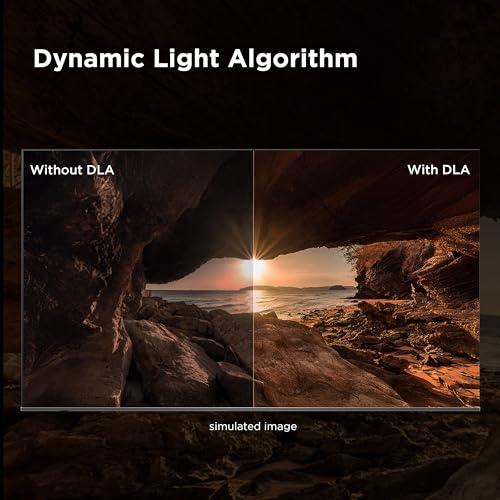
This is where the technology differences translate into real-world viewing experiences. The TCL QM7K's advanced local dimming creates genuinely impressive contrast. When watching movies with challenging scenes—like the dark cave sequences in "The Batman" or space scenes in "Interstellar"—the 2,500 dimming zones allow truly deep blacks while maintaining brilliant highlights.
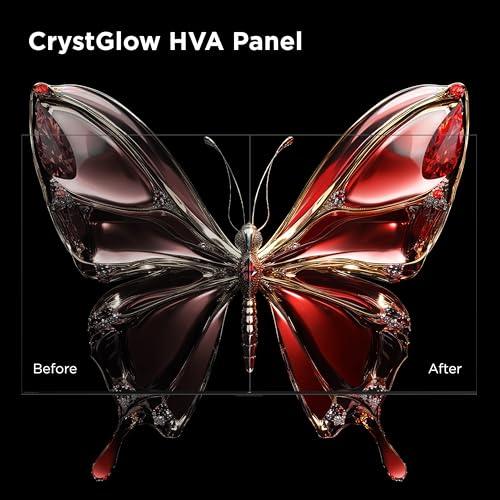
User reviews consistently praise the TCL for approaching OLED-level contrast performance while delivering much higher peak brightness. The quantum dot layer ensures colors remain vibrant and accurate across the entire brightness range. TCL's CrystGlow HVA panel technology adds an anti-reflective coating that helps maintain image quality even in moderately lit rooms.
The Hisense QD6 delivers solid, crowd-pleasing picture quality with excellent color saturation and decent contrast. The quantum dot technology ensures vibrant, lifelike colors, and the direct-lit LED system provides uniform brightness across the screen. However, the limited local dimming means elevated black levels—dark scenes will appear more grayish than truly black, and bright objects in dark scenes will show more blooming.
For HDR content, both TVs support major formats including Dolby Vision, HDR10+, and standard HDR10. The TCL's much higher peak brightness means HDR highlights have genuine visual impact—things like sunlight reflecting off water or car headlights at night will have that "wow factor" that makes HDR worthwhile. The Hisense handles HDR competently but without the same dramatic punch.
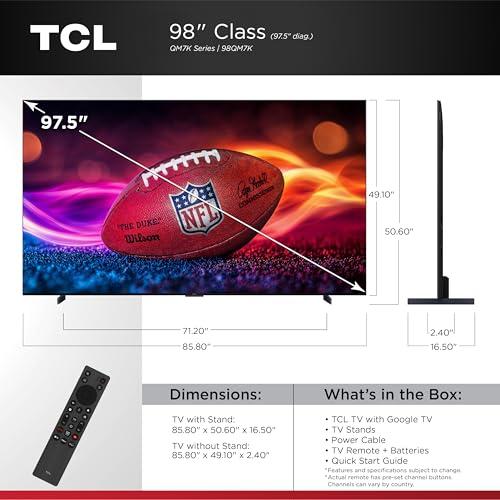
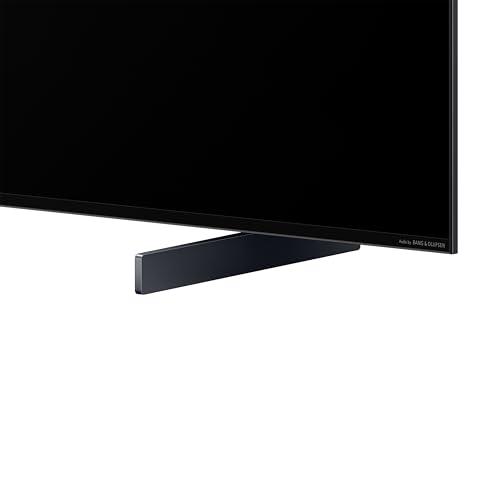
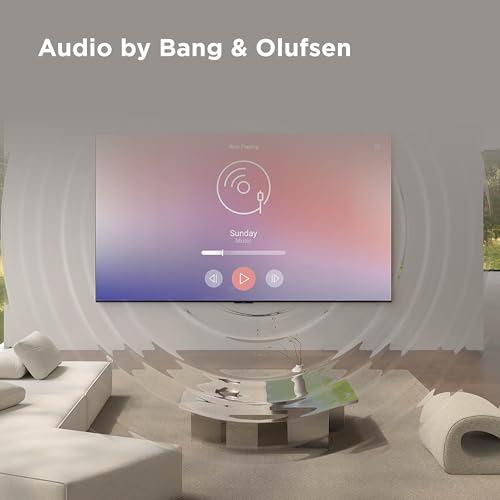
Audio often gets overlooked in TV comparisons, but it's crucial for the home theater experience. The TCL QM7K features a collaboration with Bang & Olufsen, the prestigious Danish audio company. The result is a 2.1.1 channel speaker system (or 4.2.2 on the largest models) that delivers surprisingly robust sound with actual spatial separation.
Professional reviews consistently note that the TCL's audio system produces clearer dialogue, better bass response, and more convincing surround sound effects than typical TV speakers. While it won't replace a dedicated home theater system, it's genuinely impressive for built-in audio.
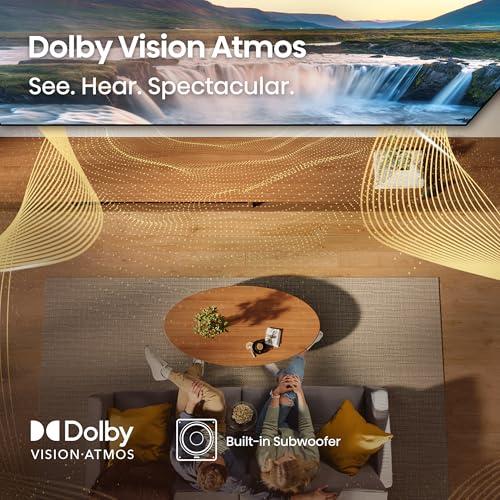
The Hisense QD6 includes a 2.1 channel system with Dolby Atmos support and 50W of output power. It's perfectly competent and includes all the modern audio processing you'd expect, but it's clearly a step down from the TCL's more sophisticated setup.
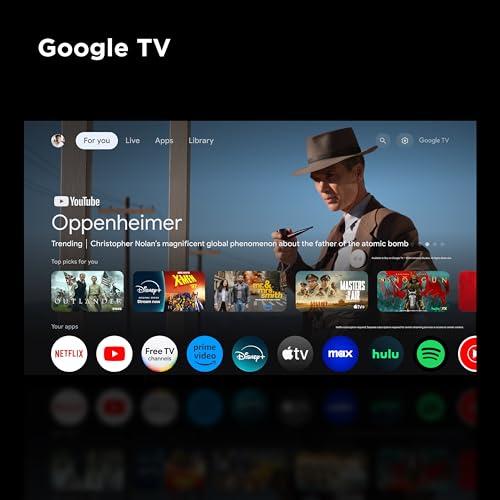
The smart platform choice often comes down to ecosystem preference. The TCL QM7K runs Google TV, which provides excellent cross-platform content recommendations, comprehensive app support, and hands-free voice control. The interface aggregates content from multiple streaming services, making it easier to find something to watch without jumping between apps.
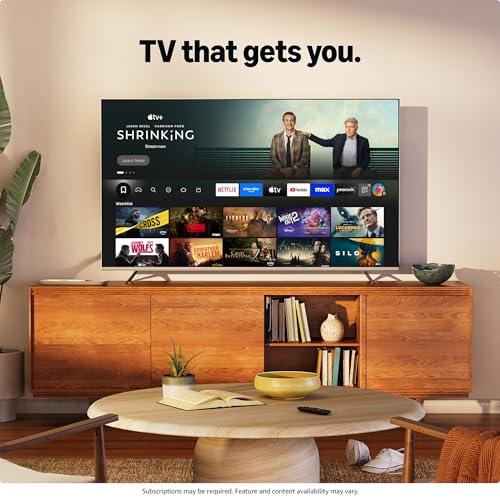
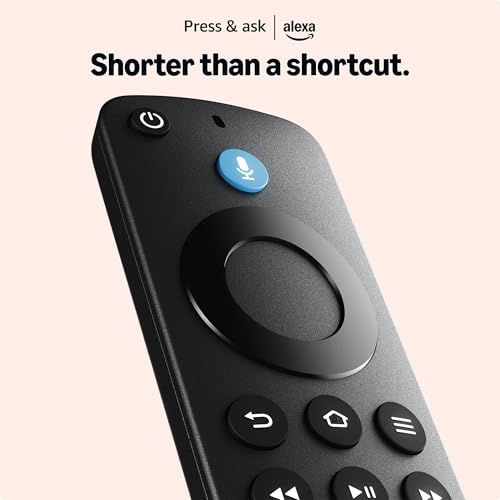
The Hisense QD6 uses Amazon's Fire TV platform, which integrates seamlessly with Alexa and provides an optimized Amazon Prime Video experience. Fire TV has matured significantly and now supports virtually all major streaming services. The voice control requires using the remote rather than hands-free operation, but the smart home integration is excellent if you're already invested in Amazon's ecosystem.
Both platforms receive regular updates and perform reliably, so the choice really depends on whether you prefer Google's or Amazon's approach to content discovery and voice control.
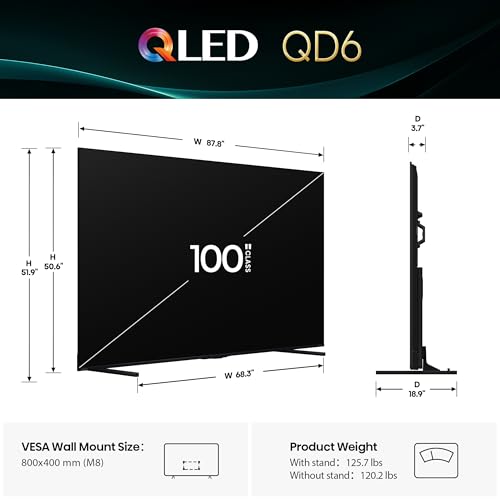
At the time of writing, these TVs occupy very different price segments, and understanding the value proposition is crucial for making the right choice. The Hisense QD6 costs roughly half what the TCL QM7K commands, while providing a screen that's actually 2 inches larger.
That price difference reflects the fundamental technology gap. You're essentially choosing between proven, solid performance at an exceptional value versus cutting-edge technology that delivers genuinely superior results at a premium price.
The Hisense represents outstanding value—you get a massive 100-inch QLED display with solid gaming performance, decent HDR support, and comprehensive smart TV features at a price that would have seemed impossible just a few years ago. For many buyers, especially those upgrading from much smaller TVs, the picture quality improvement will be dramatic regardless of the technology limitations.
The TCL justifies its premium through demonstrably superior performance. The Mini LED system with 2,500 dimming zones, 3,000-nit peak brightness, and advanced processing delivers picture quality that approaches much more expensive commercial displays. For serious home theater enthusiasts, the improvement over standard LED technology is immediately apparent and meaningful.
For dedicated home theater installations, several factors beyond basic performance matter enormously. Room lighting control becomes crucial with ultra-large displays—the TCL's higher peak brightness provides more flexibility in moderately lit rooms, while the Hisense performs best in darker environments where its contrast limitations are less noticeable.
Seating distance matters too. THX recommends sitting approximately 1.2 to 1.5 times the screen width away from ultra-large displays for the most immersive experience. That means 10-12 feet for these sizes, which works well for larger living rooms but might be overwhelming in smaller spaces.
Both TVs benefit significantly from proper calibration, though the TCL offers more adjustment flexibility thanks to its advanced processing. Professional calibration can unlock additional performance, especially for the Hisense, which tends to run slightly oversaturated out of the box.
After extensive research into professional reviews, user feedback, and technical specifications, both TVs excel in their respective categories, but they serve different audiences.
Choose the Hisense 100" QD6 if maximum screen size within budget is your primary goal. It delivers genuinely impressive QLED performance, excellent gaming capabilities, and comprehensive smart features at a price that makes 100-inch viewing accessible to far more people. The Fire TV platform works beautifully if you're already using Amazon services, and the picture quality, while not cutting-edge, will satisfy the vast majority of viewers. This is the smart choice for families wanting the biggest possible upgrade from their current TV without breaking the bank.
Choose the TCL 98" QM7K if picture quality is your primary concern and you're willing to pay for genuinely superior technology. The Mini LED system delivers contrast and brightness performance that approaches OLED territory while exceeding it in peak brightness. The advanced processing, superior audio system, and Google TV platform create a more premium overall experience. This is the right choice for serious home theater enthusiasts who want the best possible picture quality and are willing to invest accordingly.
Both represent excellent options in the ultra-large TV category, but understanding the fundamental technology differences and value propositions will help you choose the one that best matches your priorities, room setup, and budget. The good news is that either choice will deliver a dramatically more immersive viewing experience than traditional smaller TVs—it's just a question of how much performance you need and what you're willing to spend to get it.
| TCL 98" QM7K QD-Mini LED 4K TV | Hisense 100" QD6 Series QLED 4K UHD Fire TV 2025 |
|---|---|
| Screen Size - Bigger isn't always better; consider room size and seating distance | |
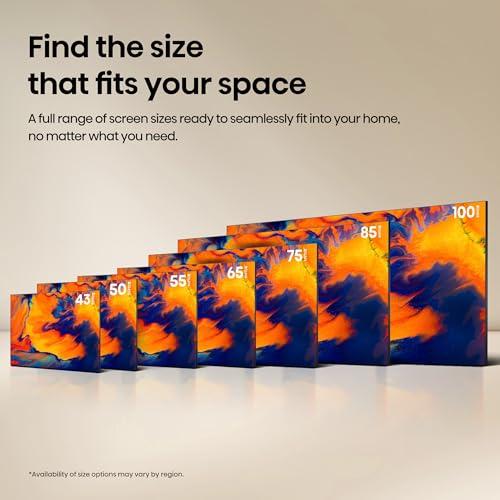
| 98" diagonal (97.5" viewable) | 100" diagonal (99.5" viewable) |
| Display Technology - The foundation that determines picture quality and price | |
| QD-Mini LED with 2,500 local dimming zones | Standard QLED with Full Array Direct-Lit LED |
| Peak HDR Brightness - Critical for dramatic highlights and bright room viewing | |
| 3,000 nits (exceptional HDR impact, works in any lighting) | 615 nits (adequate for most rooms, best in darker environments) |
| Native Refresh Rate - Essential for gaming and smooth sports viewing | |
| 144Hz with up to 288Hz VRR gaming support | 144Hz with stable 144Hz VRR support |
| Smart Platform - Your daily interface for streaming and apps | |
| Google TV with hands-free voice control | Fire TV with Alexa integration (remote required) |
| Audio System - Determines if you need a separate soundbar | |
| 2.1.1 channel Bang & Olufsen tuned system | 2.1 channel with Dolby Atmos, 50W output |
| Gaming Features - For console and PC gaming performance | |
| Game Accelerator 288, ALLM, 2x HDMI 2.1 ports | Game Mode Pro, ALLM, VRR, 2x HDMI 2.1 ports |
| HDR Format Support - Ensures compatibility with streaming content | |
| Dolby Vision IQ, HDR10+, HDR10, HLG | Dolby Vision, HDR10+, HDR10, HLG |
| Contrast Performance - How deep blacks look in dark movie scenes | |
| Near-OLED black levels with 8,000:1 native contrast | Elevated blacks typical of direct-lit LED systems |
| Best For - Who should choose this TV | |
| Serious home theater enthusiasts wanting premium picture quality | Budget-conscious buyers prioritizing maximum screen size |
The TCL 98" QM7K delivers superior picture quality thanks to its advanced QD-Mini LED technology with 2,500 local dimming zones and 3,000 nits peak brightness. This creates deeper blacks, brighter highlights, and less blooming around bright objects in dark scenes. The Hisense 100" QD6 offers solid QLED picture quality with vibrant colors, but uses standard direct-lit LED backlighting that can't match the contrast performance of the TCL's Mini LED system.
Mini LED uses thousands of tiny LEDs for precise backlight control, while QLED refers to the quantum dot color layer. The TCL QM7K combines both technologies (QD-Mini LED) for superior contrast and brightness control. The Hisense QD6 uses QLED quantum dots with conventional LED backlighting, delivering excellent colors but less precise dimming control than the TCL's advanced system.
Both TVs excel for gaming with 144Hz refresh rates, VRR support, and ALLM features. The TCL 98" QM7K has a slight edge with Game Accelerator 288 supporting up to 288Hz VRR for competitive gaming. However, the Hisense 100" QD6 provides excellent gaming performance that will satisfy most players, with the bonus of a slightly larger 100-inch screen for more immersive gameplay.
The TCL QM7K runs Google TV with hands-free voice control and cross-platform content recommendations. The Hisense QD6 uses Fire TV with deep Amazon Alexa integration and optimized Prime Video experience. Both platforms support all major streaming apps, so the choice depends on whether you prefer Google's or Amazon's ecosystem and voice control approach.
The Hisense 100" QD6 offers exceptional value, providing a larger 100-inch screen at roughly half the cost of the TCL. You get solid QLED performance, good gaming features, and comprehensive smart TV capabilities. The TCL 98" QM7K justifies its premium pricing through genuinely superior picture quality with Mini LED technology that approaches OLED-level contrast while maintaining higher brightness.
The Hisense offers a 100-inch screen versus the TCL's 98-inch display—a difference of about 4% in total screen area. While not dramatic, those extra 2 inches can enhance the immersive experience, especially for home theater setups. However, the TCL QM7K compensates with superior picture quality that may be more noticeable than the size difference for many viewers.
The TCL 98" QM7K features a superior Bang & Olufsen tuned 2.1.1 channel audio system that delivers clearer dialogue and better spatial separation. The Hisense 100" QD6 includes a competent 2.1 channel system with Dolby Atmos support. While both benefit from external sound systems in dedicated home theaters, the TCL's built-in audio is noticeably better for those not planning to add a soundbar.
The TCL QM7K significantly outperforms in bright rooms thanks to its 3,000 nits peak brightness, nearly five times higher than the Hisense QD6's 615 nits. The TCL can overcome ambient light and maintain vibrant HDR performance even with windows or lights on. The Hisense works best in darker, controlled lighting environments where its contrast limitations are less apparent.
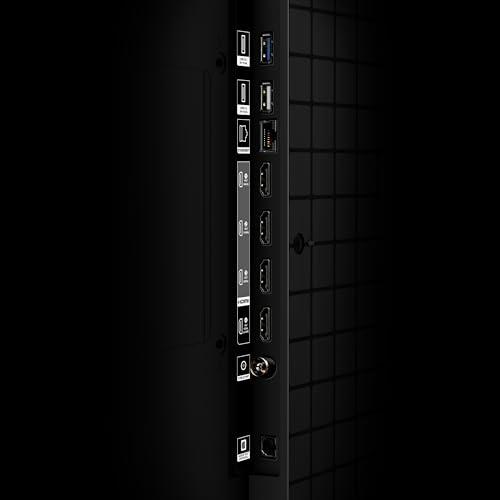
Both TVs offer similar connectivity with 4 HDMI ports (2 HDMI 2.1 each), USB ports, Wi-Fi 5, and Bluetooth. The TCL 98" QM7K and Hisense 100" QD6 provide identical gaming and streaming device compatibility. The main difference lies in their smart platforms rather than physical connections, so either TV will work with your existing devices and gaming consoles.
Both TVs support major HDR formats including Dolby Vision, HDR10+, and HDR10. However, the TCL QM7K's 3,000 nits peak brightness delivers far more impactful HDR with dramatic highlights and specular details. The Hisense QD6 processes HDR content correctly but lacks the brightness headroom to make HDR truly spectacular, especially compared to the TCL's cinema-level performance.
For dedicated home theater use, the TCL 98" QM7K is the superior choice despite its smaller screen size. The Mini LED technology with 2,500 dimming zones creates the deep blacks and precise highlights essential for cinematic viewing. The Hisense 100" QD6 works well for casual home theater use and offers more screen real estate, but serious enthusiasts will appreciate the TCL's superior contrast and brightness capabilities.
Choose the Hisense 100" QD6 if maximum screen size within budget is your priority—the larger display creates more immersion for movies and sports. Select the TCL 98" QM7K if picture quality matters most—the advanced Mini LED technology delivers genuinely superior contrast, brightness, and overall visual performance that serious viewers will notice and appreciate, even with a slightly smaller screen.
We've done our best to create useful and informative comparisons to help you decide what product to buy. Our research uses advanced automated methods to create this comparison and perfection is not possible - please contact us for corrections or questions. These are the sites we've researched in the creation of this article: bestbuy.com - tcl.com - youtube.com - rtings.com - tcl.com - youtube.com - youtube.com - tcl.com - tomsguide.com - manuals.plus - youtube.com - tcl.com - whathifi.com - bestbuy.com - queencityonline.com - electronicexpress.com - tcl.com - valueelectronics.com - tcl.com - bestbuy.com - bestbuy.com - youtube.com - woodruffappliance.com - karlsonline.com - tcl.com - bestbuy.com - youtube.com - tvsbook.com - rtings.com - youtube.com - youtube.com - bestbuy.com - leaseville.com - pcrichard.com - bestbuy.com - youtube.com - hisense-usa.com - manuals.plus - hisense-usa.com - hisense-usa.com - brandsmartusa.com

Privacy Policy
Terms and Conditions - Affiliate Policy
Home Security
© Copyright 2008-2026.
11816 Inwood Rd #1211, Dallas, TX 75244