

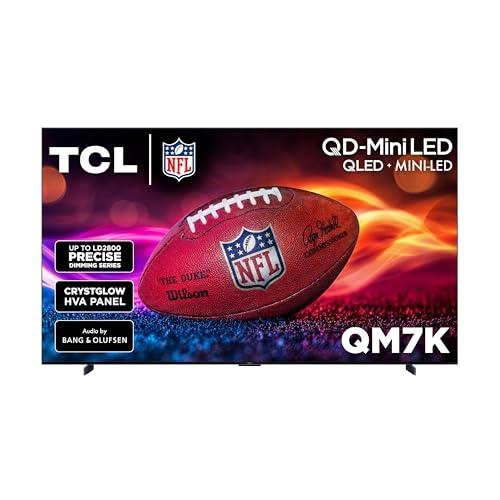
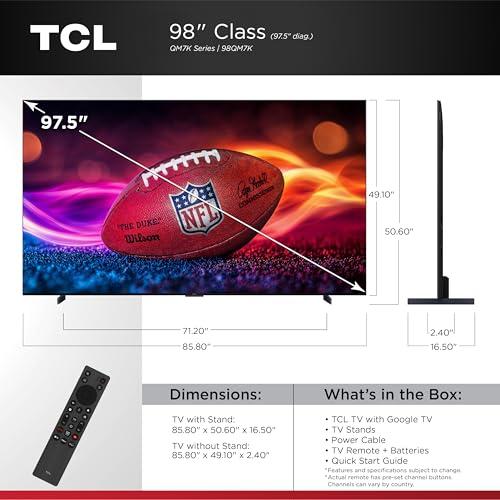
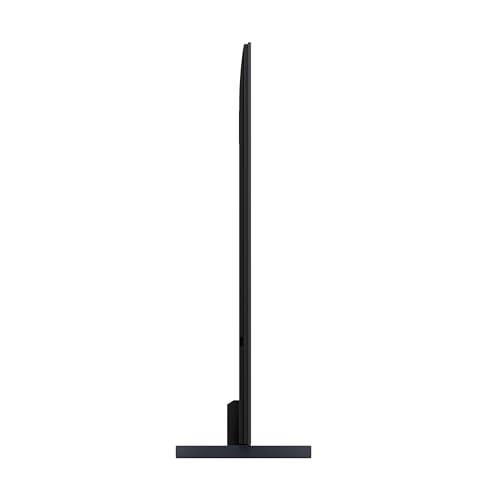
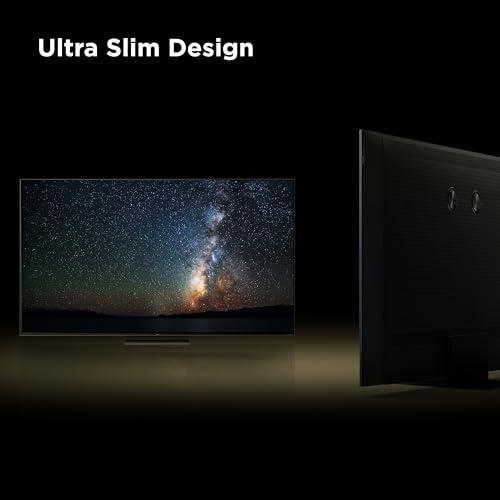
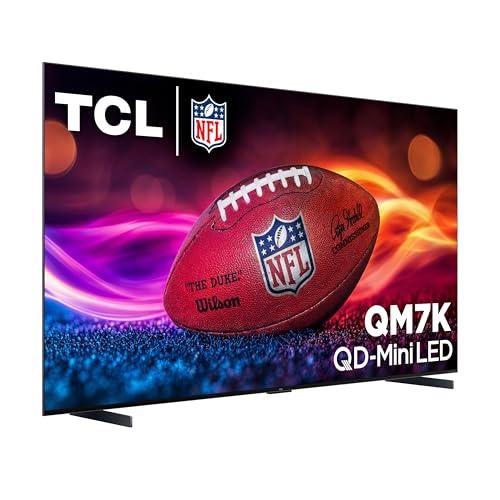
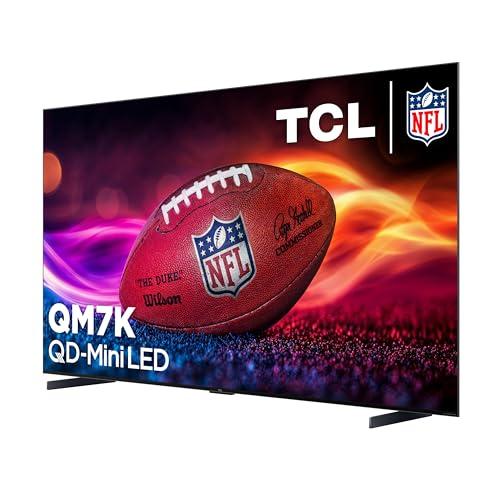
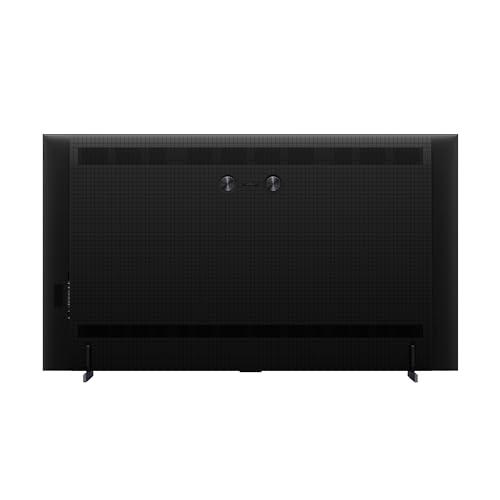
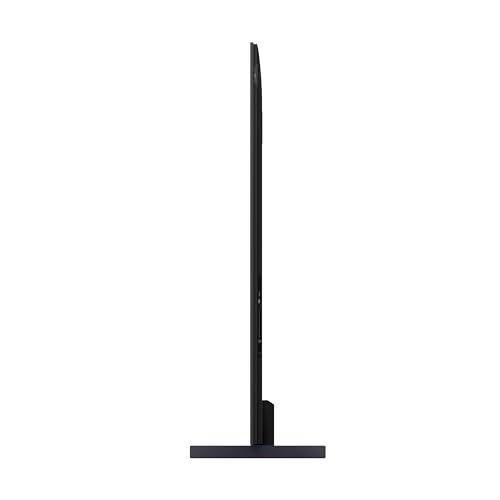
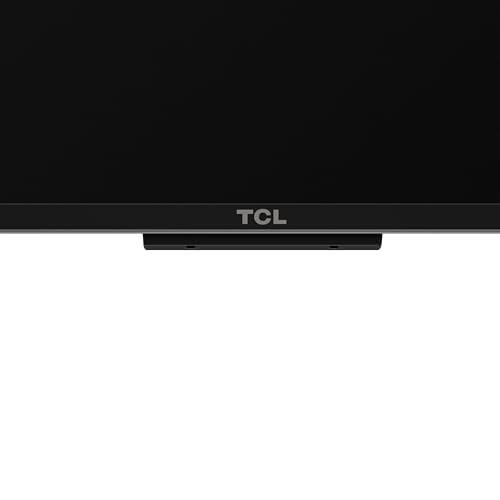
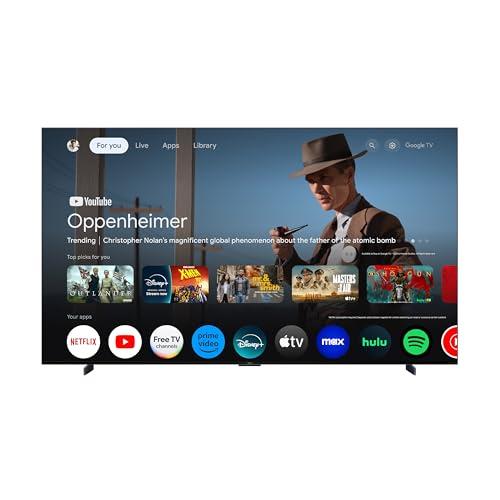
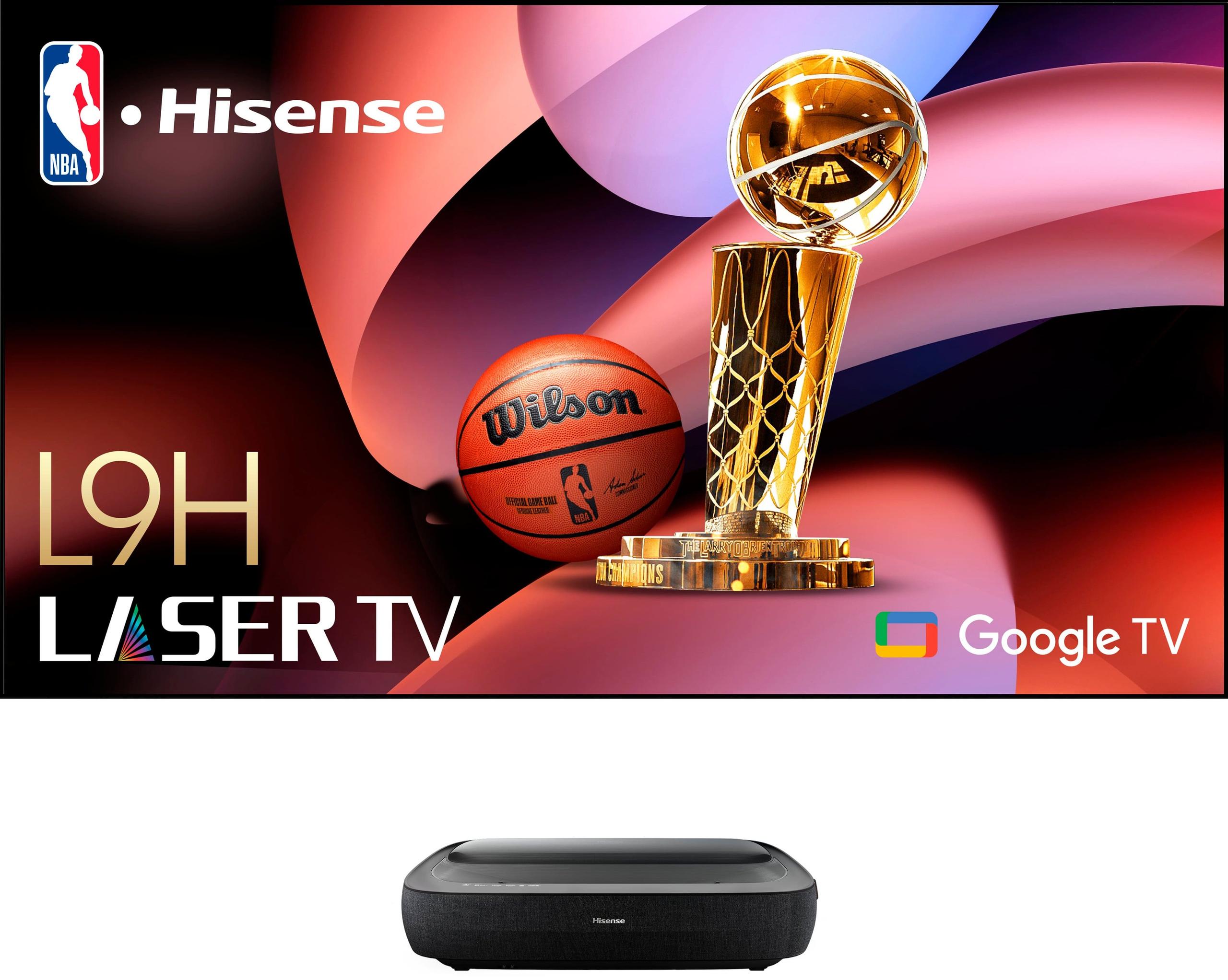
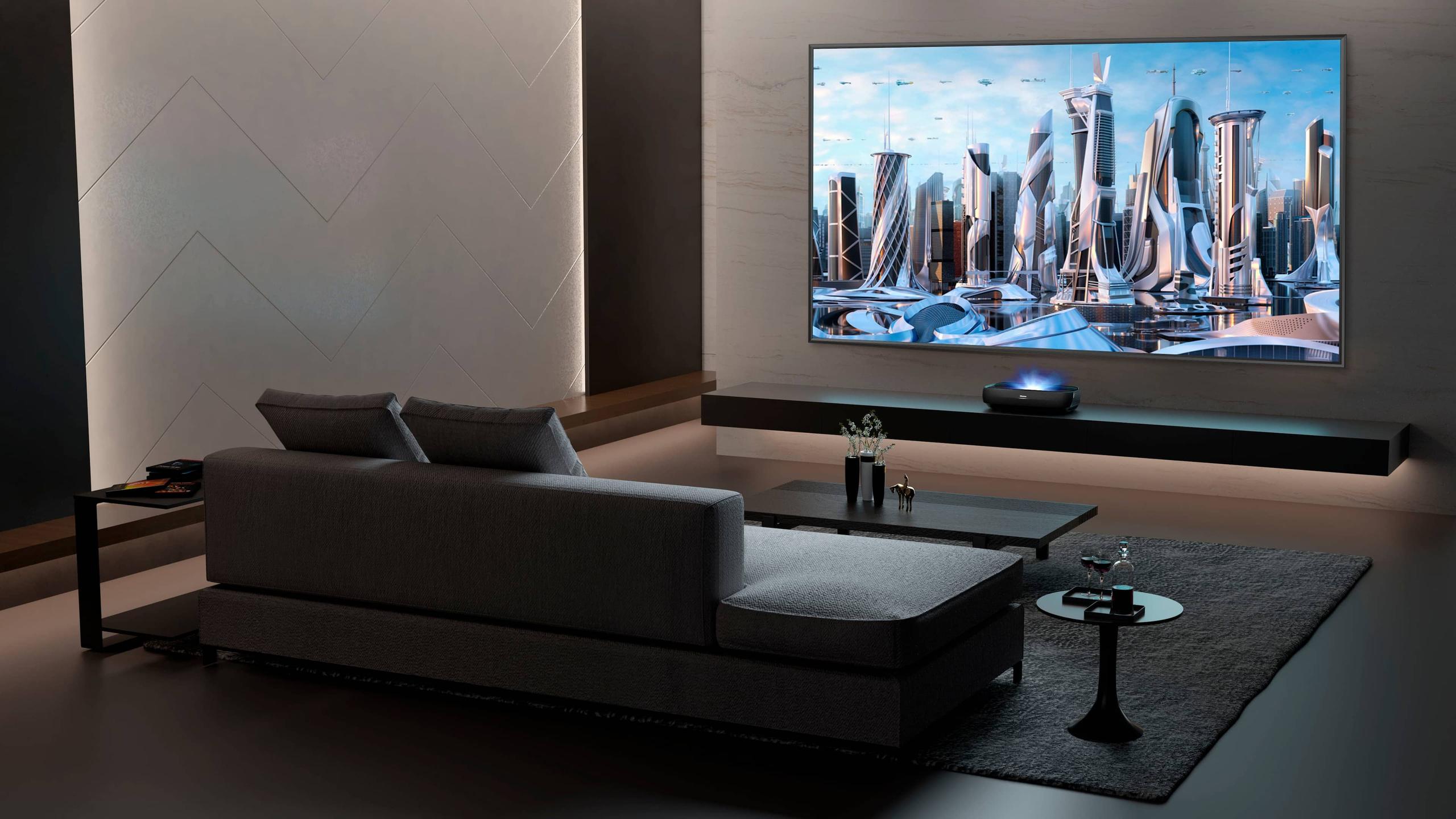
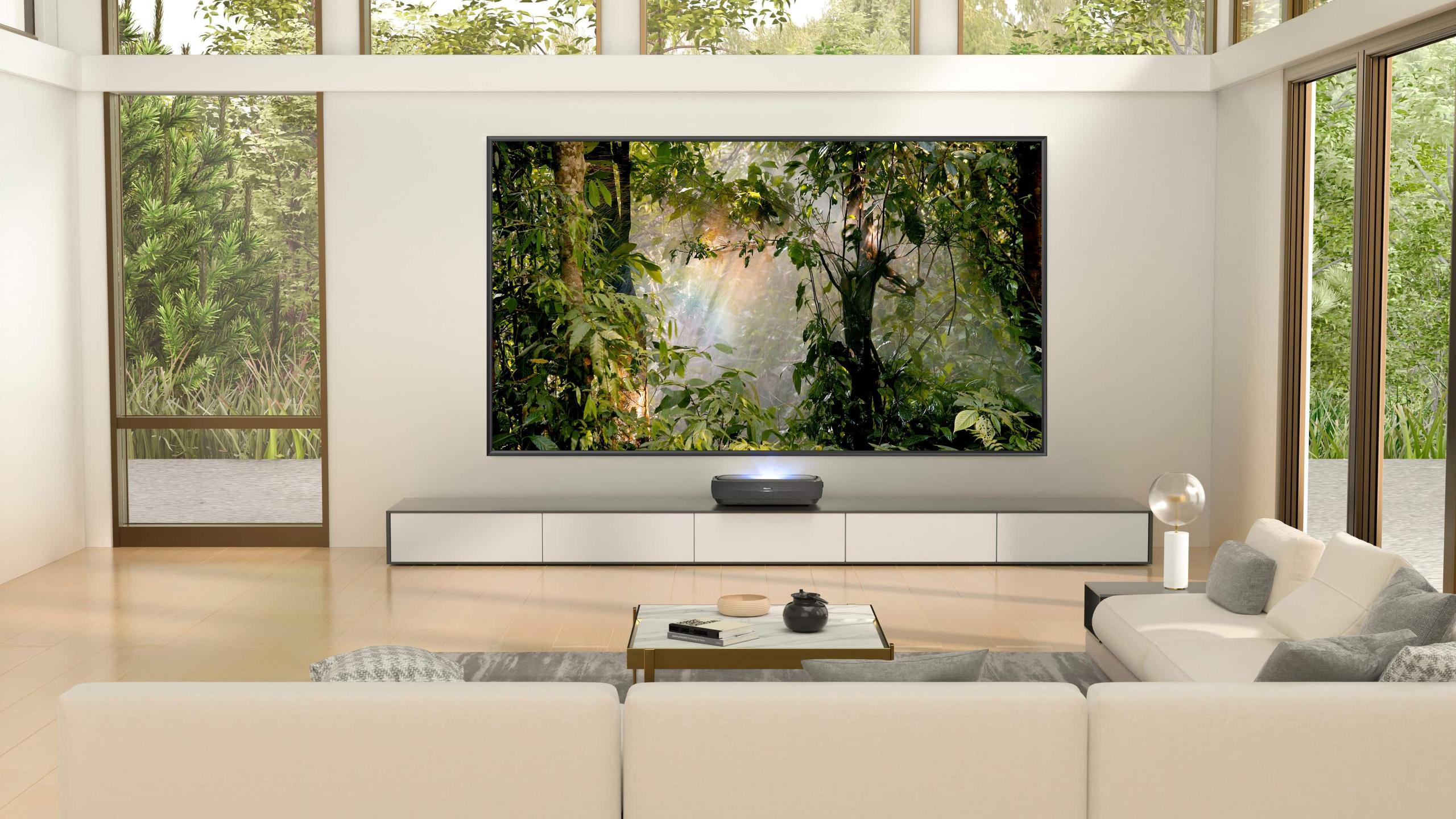
When you're looking to create an impressive home theater experience, size definitely matters. But choosing between a massive traditional TV and a cutting-edge laser projector system isn't just about picking the bigger number. The TCL 98" QM7K and Hisense L9H TriChroma Laser TV represent two completely different philosophies for achieving that coveted cinema-at-home experience, and understanding their approaches can save you from making an expensive mistake.
The world of large-format displays has exploded in recent years, with manufacturers pushing boundaries in both traditional LED technology and innovative projection systems. These two products perfectly illustrate the divide: one is essentially a really, really big TV using advanced backlighting technology, while the other is a sophisticated projector that throws an image onto a special screen just inches away from your wall.
What makes this comparison particularly interesting is that both products emerged during the golden age of home theater technology. The TCL QM7K represents TCL's 2024 flagship push into premium Mini LED territory, while the Hisense L9H launched in 2023 as part of the laser projector revolution that's been gaining steam since around 2020. Since their releases, we've seen incremental improvements in both categories, but these models remain competitive examples of their respective technologies.
The key considerations when choosing between these approaches come down to your room environment, how you plan to use the display, your tolerance for setup complexity, and what you're willing to spend not just upfront, but over the long term.
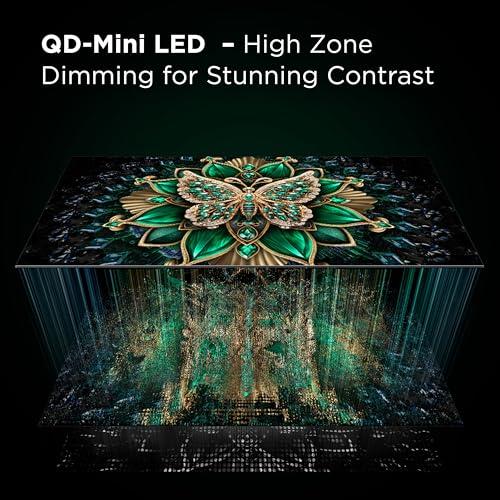
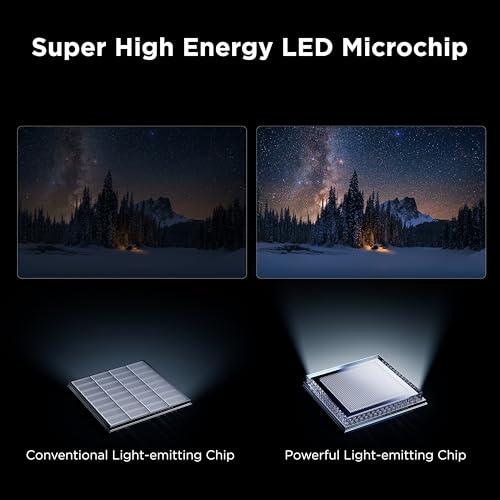
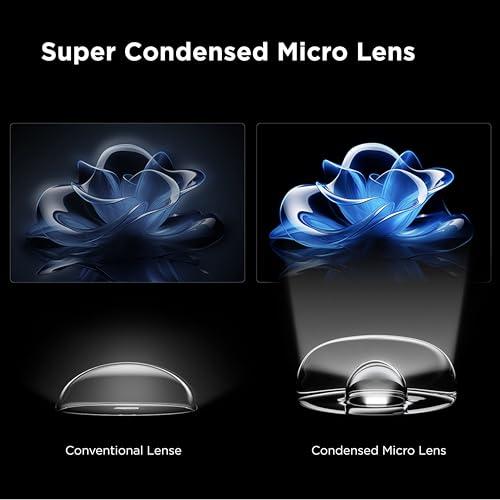
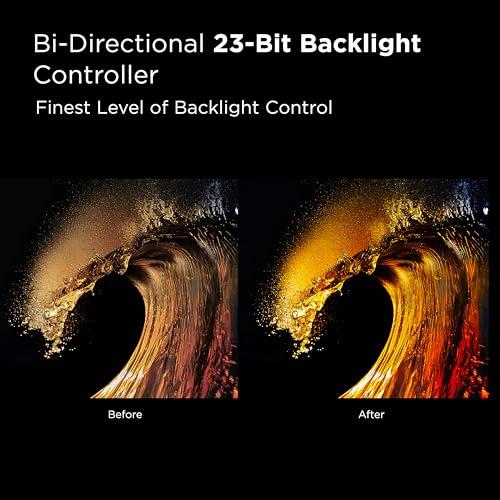
The TCL QM7K uses what's called QD-Mini LED technology, which sounds complicated but breaks down into two key innovations working together. Mini LED refers to the backlighting system that uses thousands of tiny LEDs (much smaller than traditional LED backlights) arranged behind the screen. These LEDs are organized into 2,500 separate zones that can be independently controlled—imagine having 2,500 individual dimmer switches behind your TV screen.
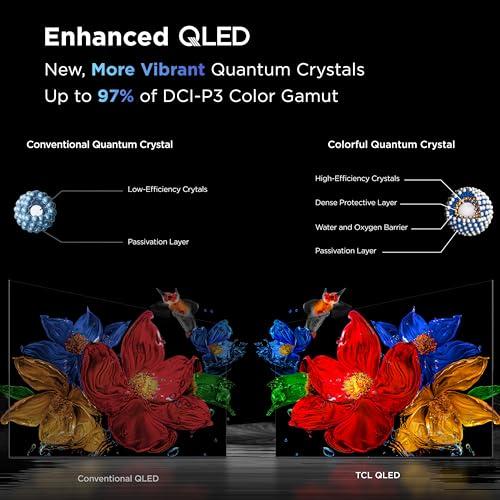
The "QD" part stands for Quantum Dot, a technology that enhances color production. Quantum dots are microscopic crystals that emit very pure colors when hit with light from the Mini LED backlight. Think of them as incredibly precise color filters that make reds more red and blues more blue, without the muddiness you sometimes get with traditional LED TVs.
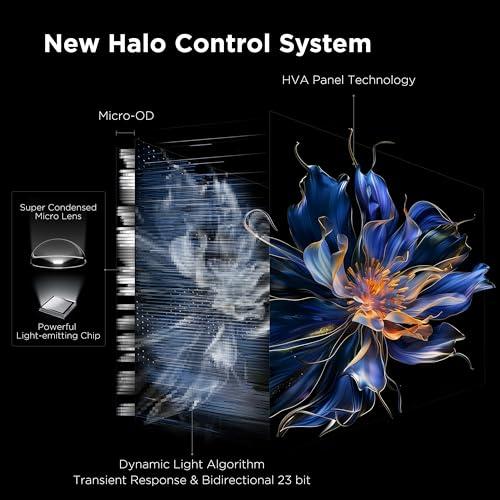
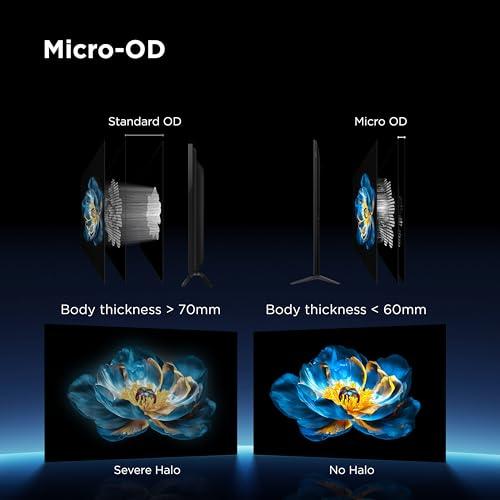
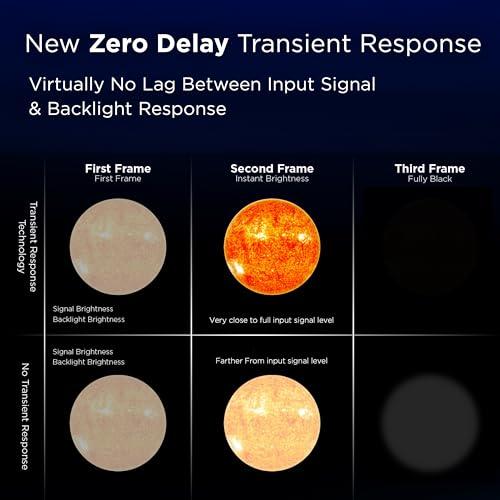
What makes this particularly impressive is the Halo Control System that TCL developed. Traditional LED TVs often suffer from "blooming," where bright objects on dark backgrounds create unwanted light halos around them. TCL's system uses advanced light control techniques to virtually eliminate this effect, creating cleaner transitions between bright and dark areas.
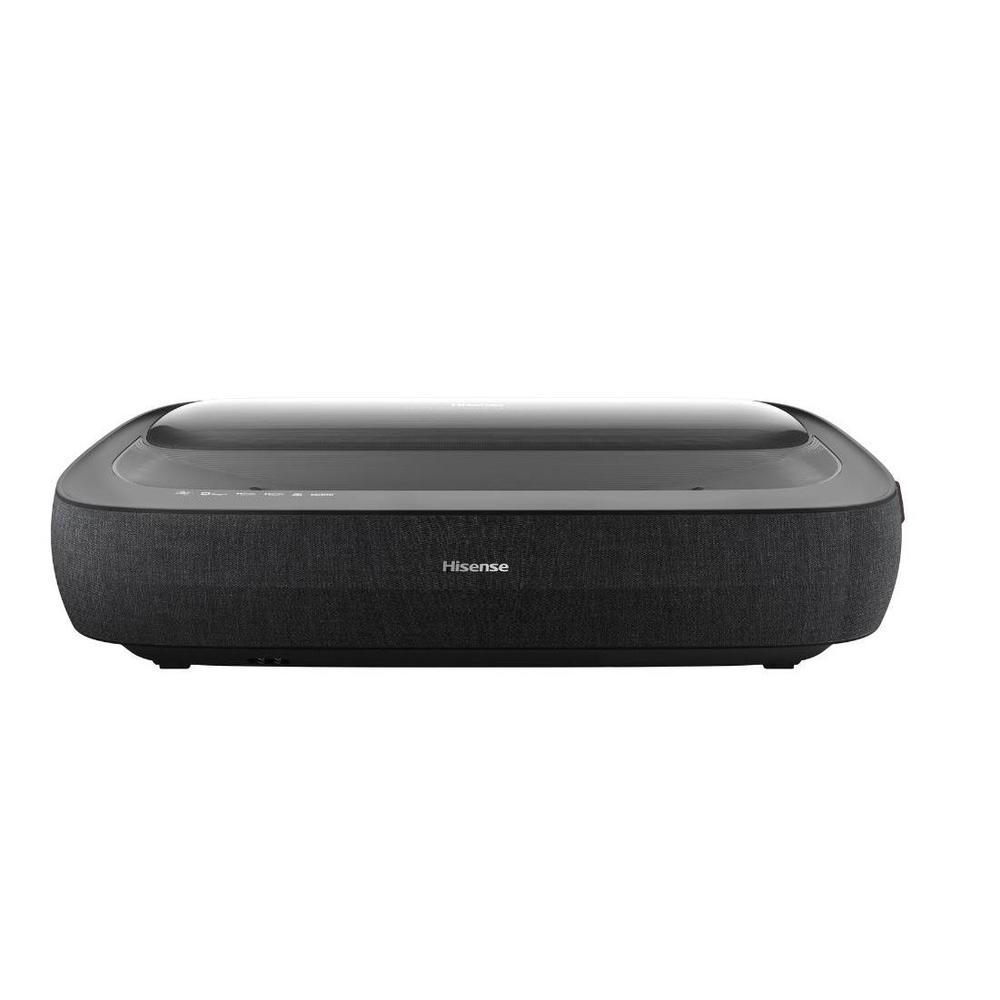
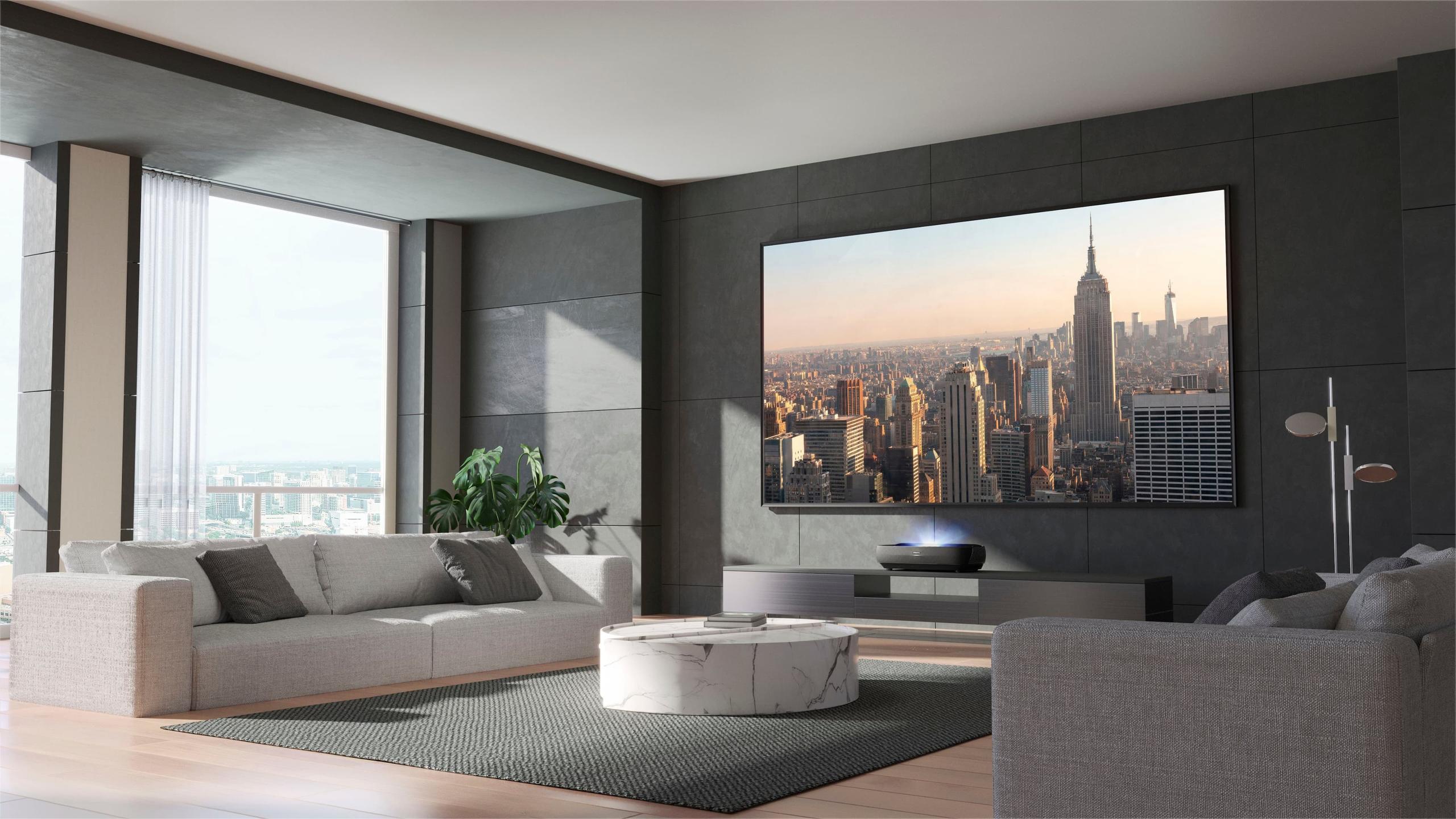
The Hisense L9H takes a radically different approach with its TriChroma laser technology. Instead of lighting up a panel from behind, it projects light onto a special screen from just 20 centimeters away (that's why it's called "ultra-short throw" or UST).
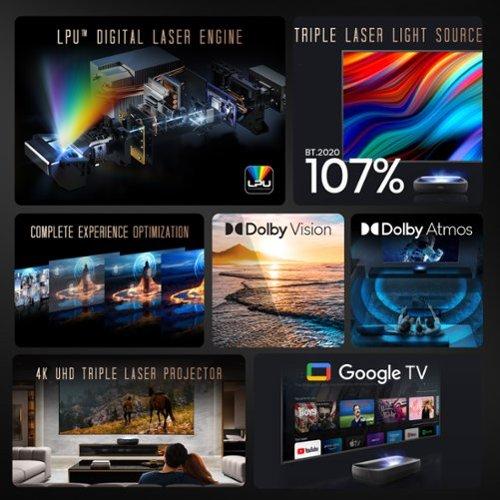
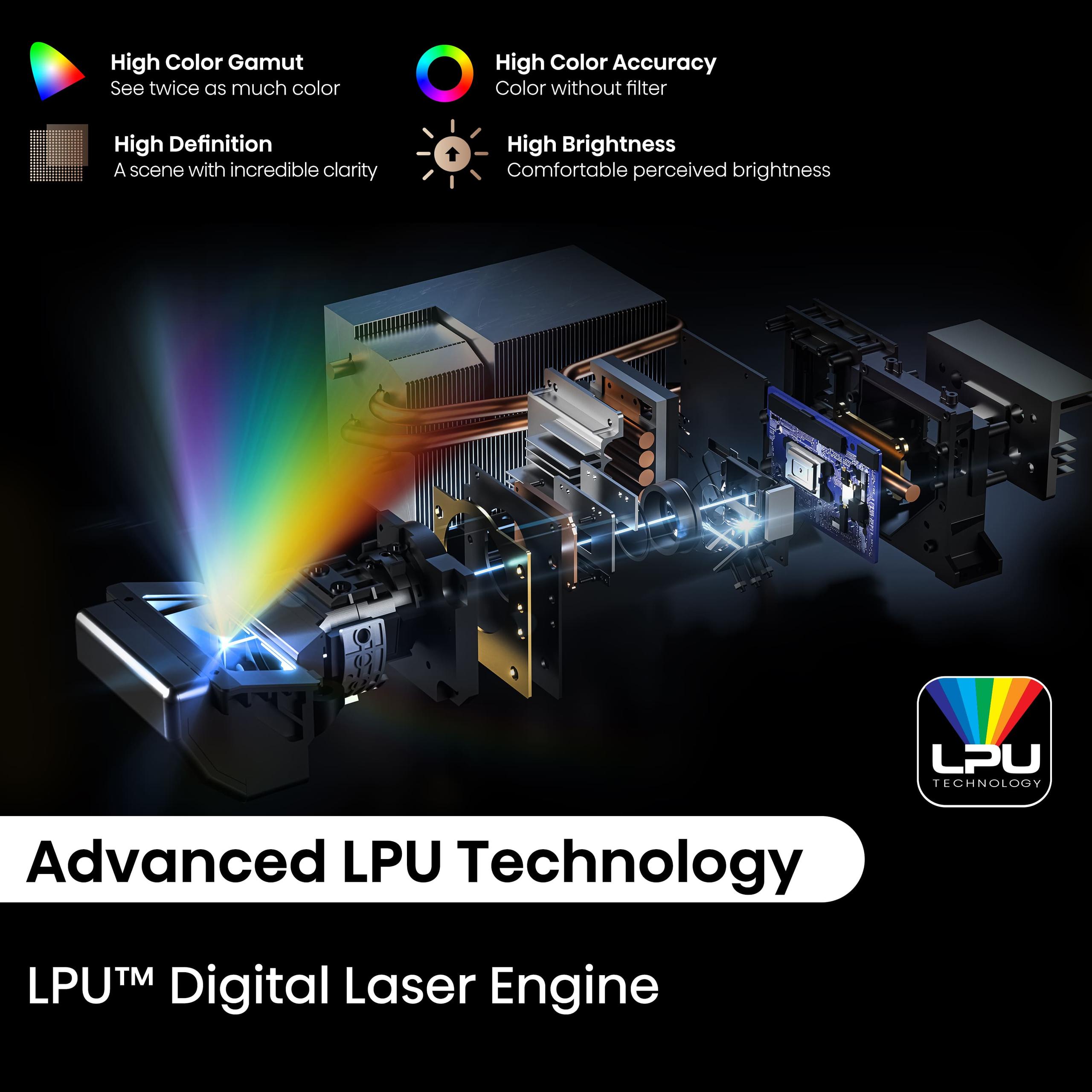
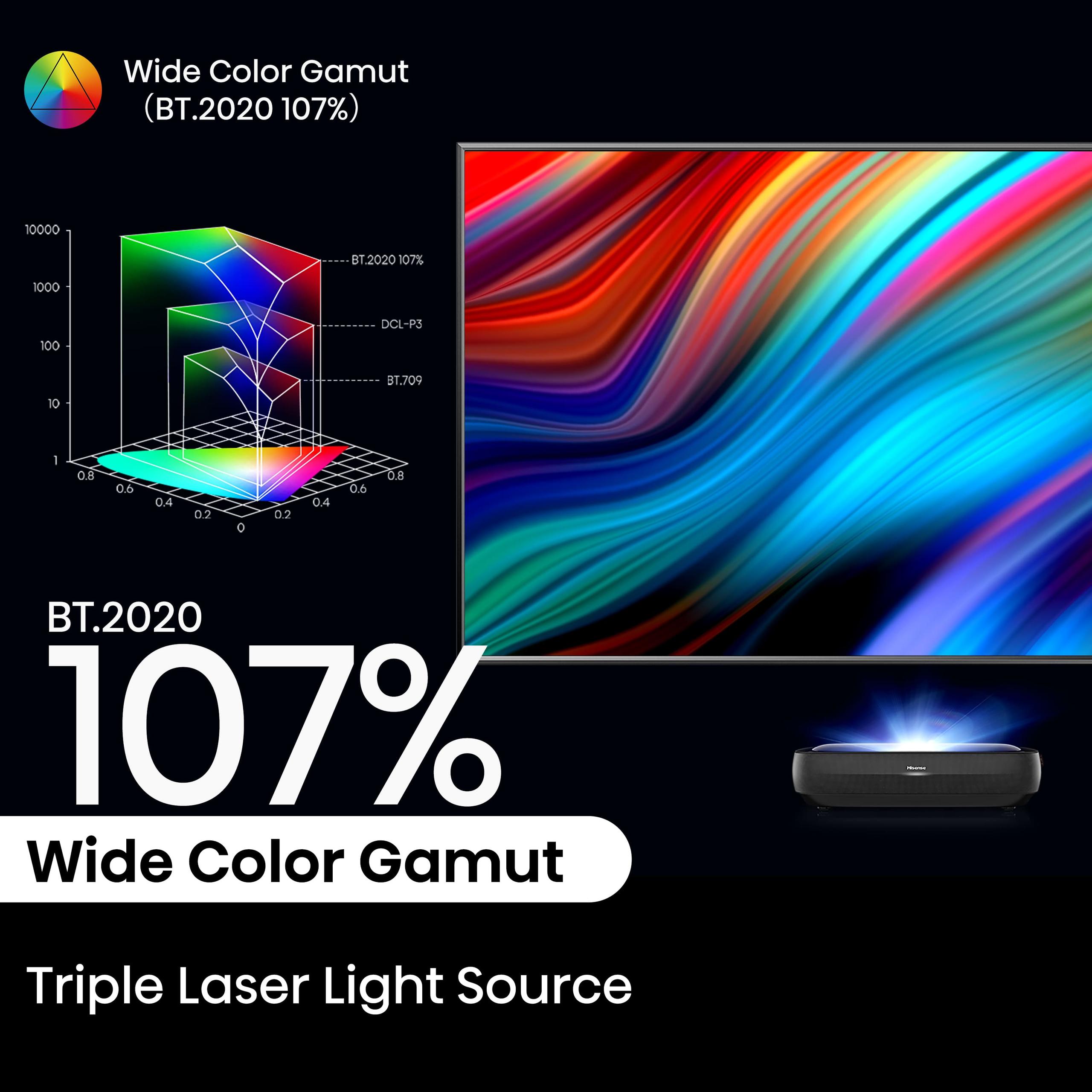
The "TriChroma" name refers to the fact that this projector uses three separate lasers—one red, one green, and one blue—instead of the single white or blue laser found in cheaper projectors. This tri-laser setup can produce colors that simply don't exist on traditional displays, covering 107% of the BT.2020 color standard (which is the ultra-wide color space used for premium HDR content).
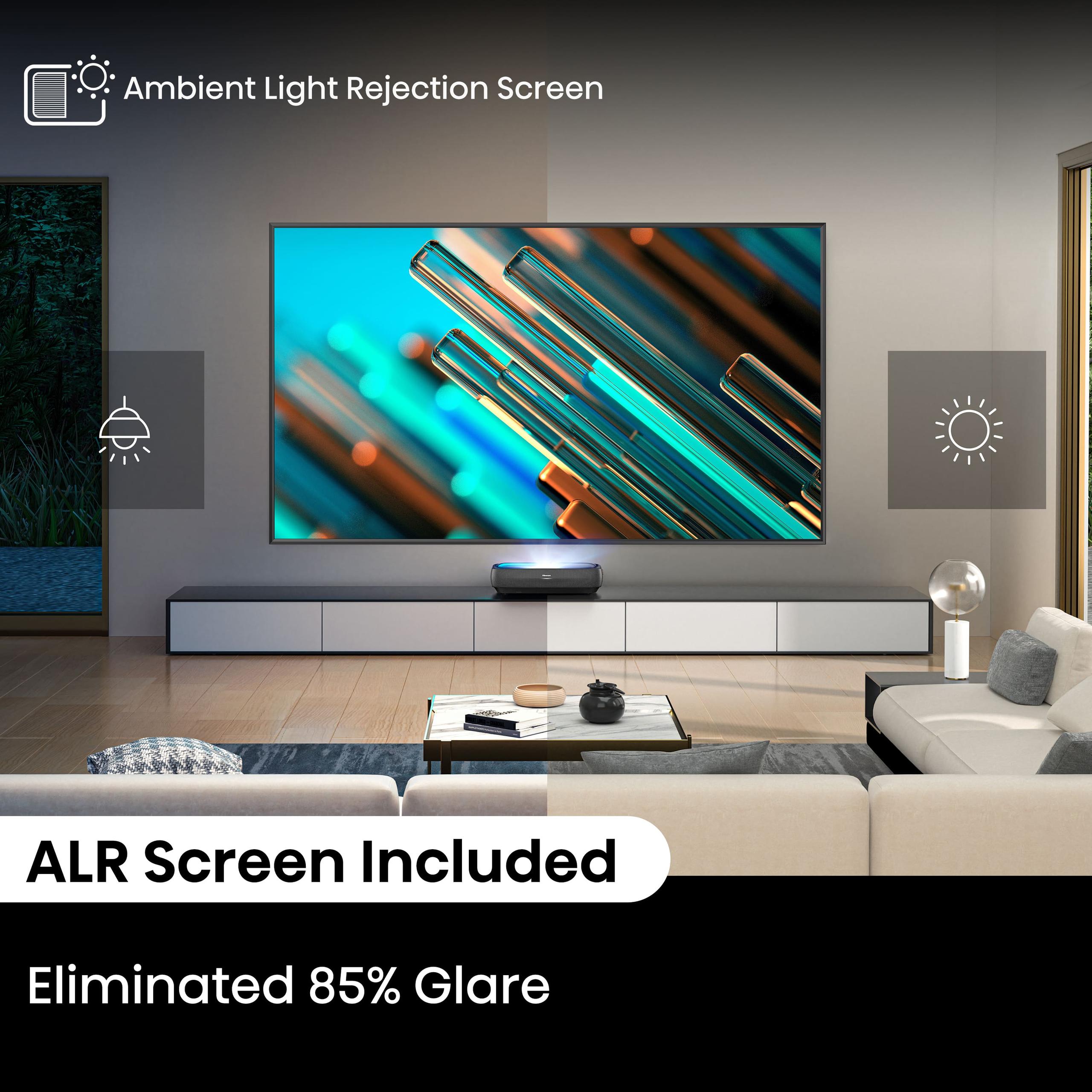
The included ALR (Ambient Light Rejecting) screen is equally important. This isn't just a white wall or regular projector screen—it's engineered with microscopic ridges that reflect projected light back to viewers while absorbing ambient light from room lighting. It's like having sunglasses for your projector screen.
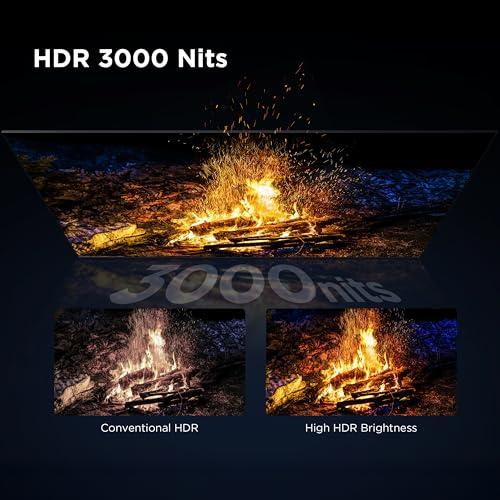
Here's where the fundamental differences between these technologies become crystal clear. The TCL QM7K produces 3,000 nits of peak brightness, while the Hisense L9H outputs 3,000 ANSI lumens. These might sound similar, but they're completely different measurements that affect real-world performance dramatically.
Nits measure the actual light output from the screen surface itself. When the TCL hits 3,000 nits, that light is being emitted directly at your eyes with maximum efficiency. ANSI lumens, meanwhile, measure the projector's light output before it bounces off the screen, loses some intensity, and travels back to your eyes.
In practical terms, this means the TCL will appear significantly brighter in rooms with ambient light. During our research into user experiences, the consensus is clear: while the Hisense's ALR screen technology helps considerably, the TCL simply overpowers room lighting more effectively. If you're planning to watch during the day or with lights on, the TCL has a substantial advantage.
This is where things get interesting and personal preference starts mattering more. The Hisense L9H technically wins the color gamut battle, covering that impressive 107% of BT.2020 color space. This means it can display colors that the TCL simply cannot produce—particularly in the deep reds and vibrant greens that make nature documentaries and animated films pop off the screen.
However, color gamut width isn't everything. Color accuracy—how closely the displayed colors match what the content creator intended—depends on calibration and processing. Based on professional reviews we've analyzed, the Hisense tends to be more accurate out of the box, while the TCL benefits significantly from proper calibration.
The TCL's quantum dot technology produces impressively saturated colors that many viewers prefer for everyday content like sports, news, and standard streaming shows. The Hisense's laser advantage really shines with premium HDR content specifically mastered to take advantage of wide color gamuts—think Disney+ films, Netflix's high-end productions, and Ultra HD Blu-rays.
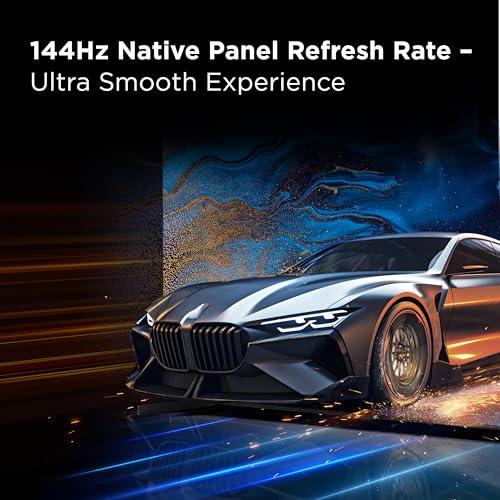
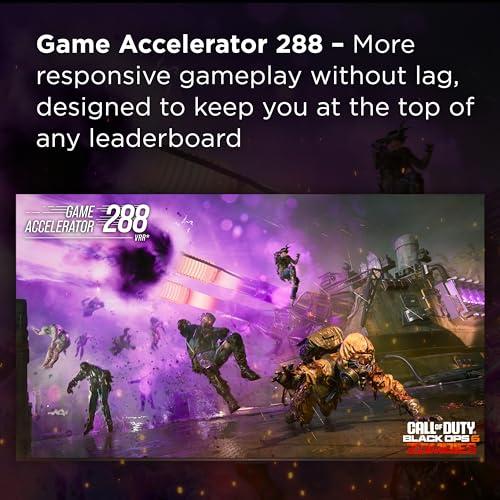
If gaming matters to you at all, the TCL QM7K wins decisively. Its 144Hz native refresh rate means it can display 144 frames per second of smooth motion, crucial for competitive gaming and next-generation consoles. The Game Accelerator technology pushes this even further, supporting variable refresh rates up to 240Hz for compatible PC games.
Input lag—the delay between when you press a controller button and see the result on screen—is equally important. The TCL achieves gaming-grade low latency through dedicated processing modes and HDMI 2.1 connectivity that supports all the latest console features.
The Hisense L9H, meanwhile, is fundamentally limited by its projection technology. At 60Hz maximum refresh rate and higher input lag due to image processing, it's adequate for casual single-player games but frustrating for anything competitive. If you or anyone in your household games seriously, this limitation alone might determine your choice.
Both displays support the major HDR (High Dynamic Range) formats—HDR10, Dolby Vision, and others—but they excel in different aspects of HDR reproduction. HDR is all about expanding the range between the darkest blacks and brightest whites while displaying a wider range of colors, creating more lifelike images.
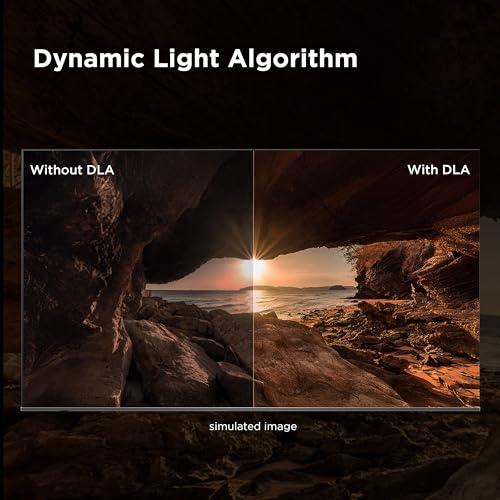
The TCL's strength lies in its ability to hit those peak HDR brightness levels that make specular highlights (think sun reflections on water or gleaming metal) truly dazzling. Those 2,500 dimming zones ensure that bright highlights don't wash out surrounding dark areas.
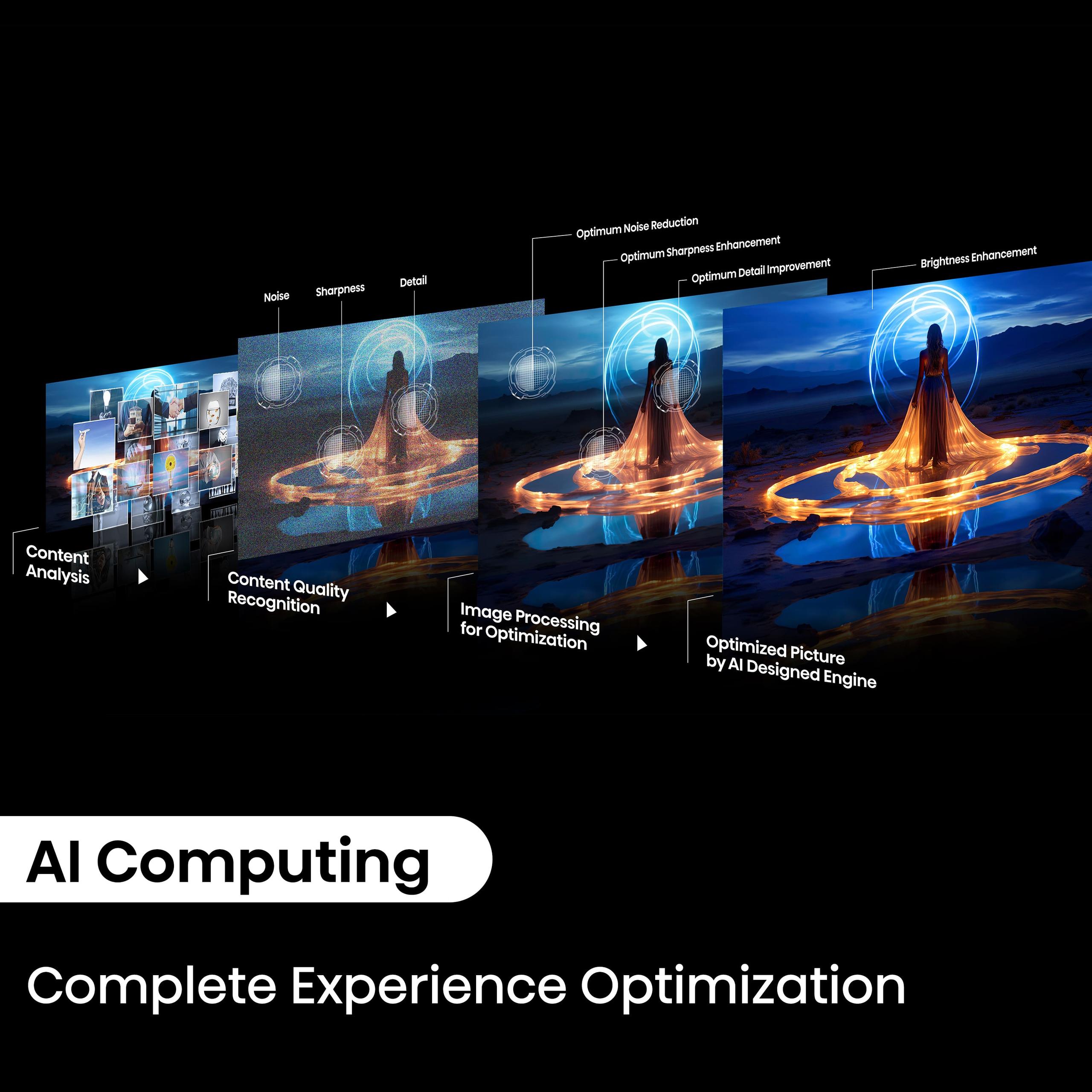
The Hisense approaches HDR differently, using its wider color gamut to create what's called "color volume"—the ability to maintain color saturation even at extreme brightness and darkness levels. This tends to produce a more film-like, natural HDR presentation that some viewers prefer over the more aggressive punch of Mini LED displays.
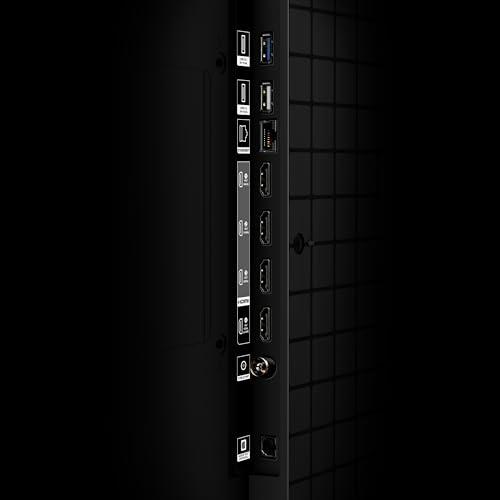
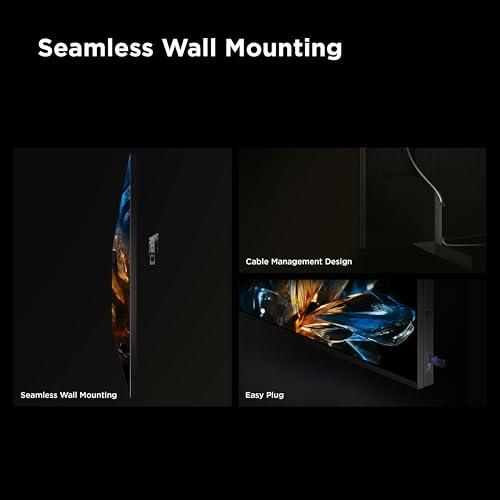
Setting up the TCL QM7K follows the familiar TV playbook. Mount it on your wall or place it on a sturdy entertainment center, plug it in, and you're watching content within minutes. The 98-inch size means you'll want help moving it and possibly professional mounting for wall installation, but there are no special room requirements or positioning considerations.
This flexibility extends to room lighting. Unlike projection systems that work best in darkened rooms, the TCL performs well regardless of your lighting situation. Basement home theater? Perfect. Living room with large windows? Also fine. The Mini LED backlighting system adapts to provide optimal contrast in any environment.
The Hisense L9H demands more commitment from its owners. The projector must be positioned exactly 20 centimeters from the screen to achieve proper focus and geometry. This means either mounting it on a very specific shelf or using a dedicated projector stand positioned precisely.
Installing the included 100-inch ALR screen requires measuring, marking, and mounting—essentially a moderate home improvement project. The screen must be perfectly flat and properly tensioned to avoid image distortion. While the included screen adds significant value (equivalent ALR screens typically cost $1,000-1,500 separately), it does represent additional installation complexity.
Room optimization becomes crucial for getting the most from laser projection. While the ALR screen helps reject ambient light, the system still performs best with some light control. Blackout curtains, controlled lighting, and minimizing light sources that shine directly on the screen all improve the viewing experience substantially.
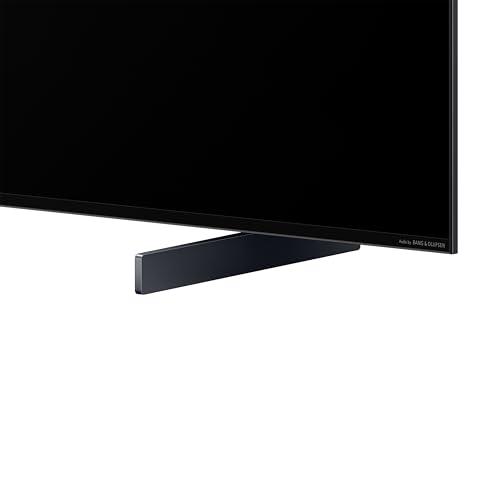
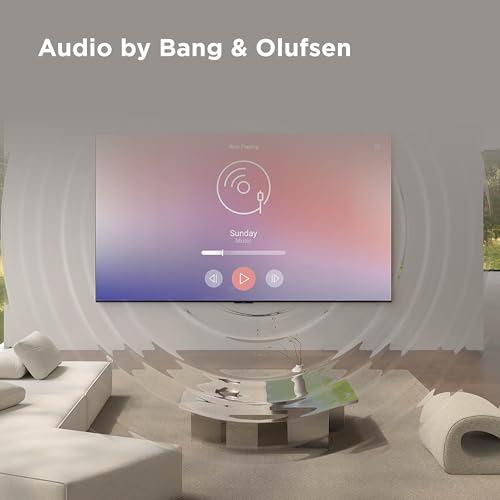
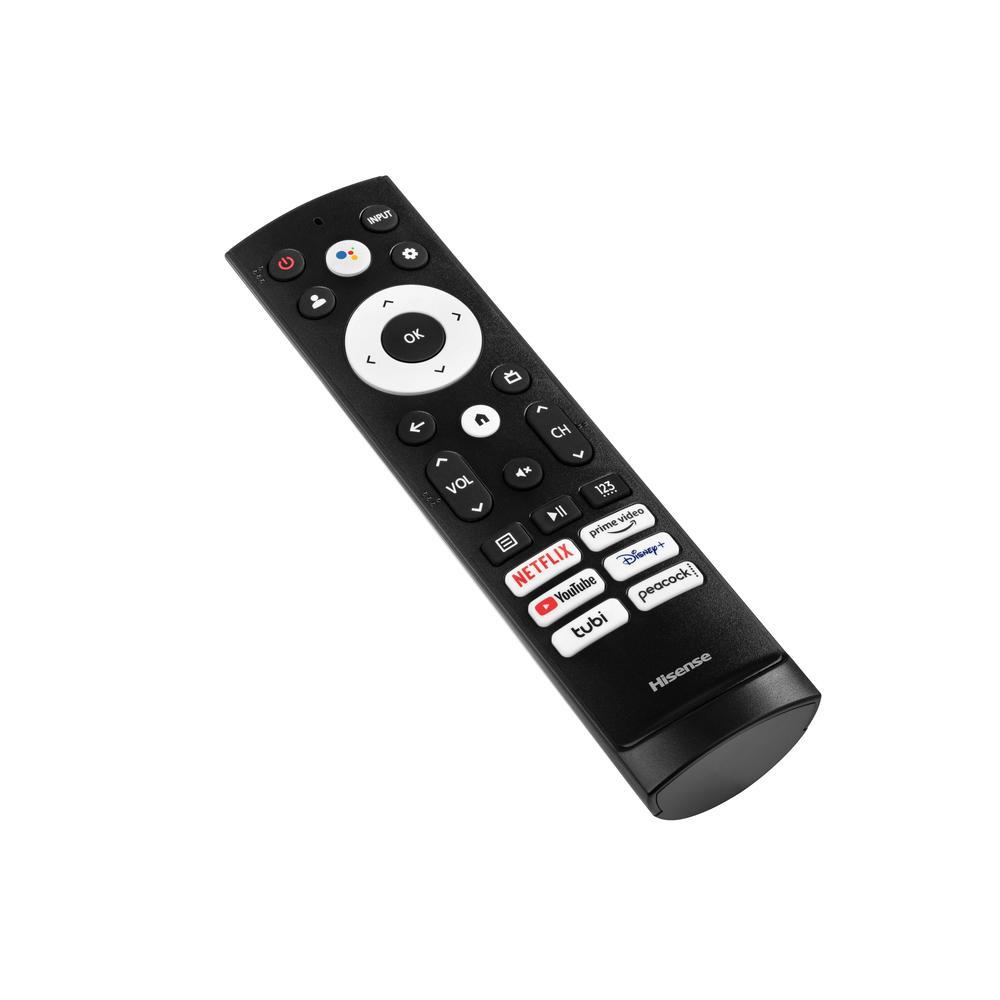
Both systems include built-in audio, but with different approaches and expectations. The TCL QM7K features speakers tuned by Bang & Olufsen with Dolby Atmos processing, integrated directly into the TV design. For its category, the audio is above average and sufficient for casual viewing, though serious home theater enthusiasts will still want to add a soundbar or surround system.
The Hisense L9H includes 40 watts of Dolby Atmos audio processing in the projector unit itself. However, the audio comes from the projector sitting near the wall, not from the screen where the action appears. This disconnect between visual and audio sources can feel unnatural, making external audio solutions almost essential for the full cinematic experience.
At the time of writing, there's a significant price difference between these systems, with the Hisense L9H commanding a premium of roughly $1,700 over the TCL QM7K. However, value calculations become complex when you consider what's included and long-term ownership costs.
The Hisense price includes that ALR screen, which represents substantial value if you were to purchase it separately. The laser light source is rated for 25,000+ hours of operation—roughly 8-10 years of typical usage—with no degradation in brightness or color over time. Traditional LED backlights may dim gradually over many years.
The TCL, while less expensive upfront, consumes more power due to its high-brightness LED backlighting system. However, it offers the simplicity and reliability of traditional TV technology with established service networks and replacement part availability.
For home theater enthusiasts building dedicated viewing rooms, the Hisense's premium pricing makes more sense given its specialized capabilities. For families wanting a large display in a multi-purpose room, the TCL's lower price and greater flexibility provide better value.
Your viewing room serves multiple purposes with varying lighting conditions throughout the day. The TCL's brightness advantage means you won't need to adjust room lighting to enjoy premium content. Gaming performance matters to you or your household—the 144Hz capability and low input lag make this a true dual-purpose entertainment display.
You prefer straightforward setup and maintenance. Traditional TV reliability, standard mounting options, and familiar user interface reduce complexity and potential issues. The lower upfront cost makes high-end large screen entertainment more accessible.
You have a dedicated home theater space or are willing to optimize your room for the best viewing experience. The projection technology creates a more immersive, cinema-like atmosphere that many find superior to even large direct-view displays.
Color accuracy and wide gamut performance are your priorities, particularly for premium HDR content. The laser technology produces colors that simply aren't possible with LED-based displays, creating a uniquely satisfying viewing experience for film enthusiasts.
You primarily watch movies and streaming content rather than gaming. The 60Hz limitation won't affect movie watching, and the superior color reproduction enhances the cinematic experience.
Both the TCL 98" QM7K and Hisense L9H represent impressive achievements in large-format display technology, but they serve different audiences with different priorities. The TCL excels as a versatile, high-performance display that works in any environment and handles any content type well. The Hisense offers a specialized, premium experience that rewards proper setup and room optimization with truly exceptional color and cinematic immersion.
Your choice ultimately depends on whether you want maximum flexibility and gaming performance (TCL) or are willing to commit to optimal setup for the ultimate movie-watching experience (Hisense). Either way, you'll end up with a display that transforms your entertainment experience—just through very different technological approaches.
| TCL 98" QM7K QD-Mini LED 4K TV | Hisense L9H TriChroma Laser TV 100" UST Projector |
|---|---|
| Display Technology - Determines picture quality approach and room compatibility | |
| QD-Mini LED with 2,500 local dimming zones | TriChroma RGB laser projection with ALR screen |
| Screen Size - Actual viewing area and immersion factor | |
| 98" direct-view display | 100" projected image |
| Peak Brightness - Critical for HDR impact and daytime viewing | |
| 3,000 nits (superior in bright rooms) | 3,000 ANSI lumens (requires some light control) |
| Gaming Performance - Essential for console and PC gaming | |
| 144Hz native, up to 240Hz VRR, low input lag | 60Hz maximum, higher input lag (casual gaming only) |
| Color Gamut - Affects color vibrancy and accuracy | |
| Quantum dot enhanced colors | 107% BT.2020 (wider than any LED TV) |
| Setup Requirements - Installation complexity and room modifications | |
| Standard TV mounting, works in any lighting | Requires ALR screen installation and precise positioning |
| Audio System - Built-in sound quality | |
| Bang & Olufsen speakers with Dolby Atmos | 40W Dolby Atmos from projector unit |
| Smart Platform - Streaming and interface experience | |
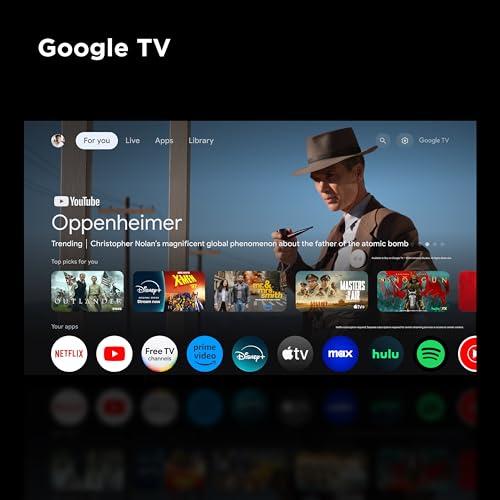
| Google TV with hands-free voice control | Google TV with remote-only voice |
| Laser/LED Lifespan - Long-term reliability and replacement costs | |
| Standard LED backlight (gradual dimming over years) | 25,000+ hour laser life (8-10 years with no degradation) |
| HDR Support - Premium content compatibility | |
| Dolby Vision, HDR10+, HDR10, HLG | Dolby Vision, HDR10, HLG |
| Power Consumption - Ongoing electricity costs | |
| Higher due to bright Mini LED backlighting | Lower during operation |
| Flexibility - Placement options and room adaptability | |
| Wall mount or stand, any room lighting | Fixed position, optimized room preferred |
| Value Proposition - What you get for the investment | |
| Lower cost, maximum versatility, gaming excellence | Premium cinematic experience, includes ALR screen |
The TCL 98" QM7K is significantly better for bright rooms due to its 3,000 nits peak brightness from direct LED backlighting. The Hisense L9H uses projection technology that, while equipped with an ALR screen to reject ambient light, still performs best with some light control. For daytime viewing or rooms with lots of windows, the TCL QM7K provides superior visibility and contrast.
The Hisense L9H offers a slightly larger 100" screen size compared to the TCL QM7K's 98" display. However, this 2-inch difference is minimal in practice. The more important distinction is that the TCL provides a direct-view experience while the Hisense creates a projected image, which affects picture quality and viewing angles differently.
The TCL 98" QM7K is far superior for gaming with its 144Hz native refresh rate, support for up to 240Hz variable refresh rate, and low input lag optimized for competitive gaming. The Hisense L9H is limited to 60Hz and has higher input lag due to projection processing, making it suitable only for casual gaming. Serious gamers should choose the TCL QM7K.
The Hisense L9H has a wider color gamut, covering 107% of the BT.2020 color space thanks to its TriChroma laser technology, producing colors that LED displays cannot match. The TCL QM7K uses quantum dot technology for enhanced color saturation and accuracy. For the widest possible colors, especially in premium HDR content, the Hisense L9H has the advantage.
The TCL 98" QM7K is much easier to install, requiring only standard TV mounting or placement on an entertainment center. The Hisense L9H requires installing the included ALR screen, positioning the projector exactly 20cm from the wall, and optimizing room lighting for best results. For simple setup, the TCL QM7K is the clear winner.
The TCL QM7K uses QD-Mini LED technology with 2,500 local dimming zones behind the screen for precise brightness control. The Hisense L9H uses TriChroma laser projection with separate red, green, and blue lasers projecting onto a specialized ALR screen. These represent completely different approaches to creating large-screen entertainment.
The TCL 98" QM7K typically costs significantly less while offering superior brightness, gaming performance, and setup simplicity. The Hisense L9H commands a premium but includes the valuable ALR screen and offers wider colors with longer laser lifespan. For most buyers, the TCL QM7K provides better overall value.
In a light-controlled home theater, the Hisense L9H excels with its cinematic projection experience, wider color gamut, and film-like presentation. The included ALR screen and laser technology create an immersive movie-watching experience. However, the TCL QM7K still performs excellently in home theaters while offering more flexibility for other uses.
The TCL 98" QM7K features Bang & Olufsen tuned speakers with Dolby Atmos integrated into the display. The Hisense L9H has 40W Dolby Atmos speakers built into the projector unit, but the sound comes from near the wall rather than the screen. Both benefit from external sound systems, but the TCL QM7K has better integrated audio.
The Hisense L9H has a 25,000+ hour laser lifespan (roughly 8-10 years) with no brightness degradation over time. The TCL QM7K uses standard LED technology that may dim gradually over many years. However, the TCL QM7K requires less specialized maintenance and has broader service support availability.
Both displays support major HDR formats including Dolby Vision and HDR10. The TCL QM7K excels at peak brightness for spectacular highlights, while the Hisense L9H offers superior color volume and accuracy. For HDR impact in bright rooms, choose the TCL QM7K. For the most accurate HDR colors, the Hisense L9H is preferred.
For living rooms or multi-purpose spaces, the TCL 98" QM7K is ideal due to its brightness, flexibility, and ability to work well regardless of lighting conditions. For dedicated home theaters where you can control lighting and optimize the setup, the Hisense L9H provides a more cinematic experience with superior colors and projection immersion.
We've done our best to create useful and informative comparisons to help you decide what product to buy. Our research uses advanced automated methods to create this comparison and perfection is not possible - please contact us for corrections or questions. These are the sites we've researched in the creation of this article: bestbuy.com - tcl.com - youtube.com - rtings.com - tcl.com - youtube.com - youtube.com - tcl.com - tomsguide.com - manuals.plus - youtube.com - tcl.com - whathifi.com - bestbuy.com - queencityonline.com - electronicexpress.com - tcl.com - valueelectronics.com - tcl.com - bestbuy.com - bestbuy.com - youtube.com - woodruffappliance.com - karlsonline.com - tcl.com - projectorreviews.com - shop.hisense-usa.com - projectorcentral.com - hometheaterhifi.com - shop.hisense-usa.com - projectorcentral.com - 2001audiovideo.com - projektoren-datenbank.com - content.syndigo.com

Privacy Policy
Terms and Conditions - Affiliate Policy
Home Security
© Copyright 2008-2026.
11816 Inwood Rd #1211, Dallas, TX 75244