

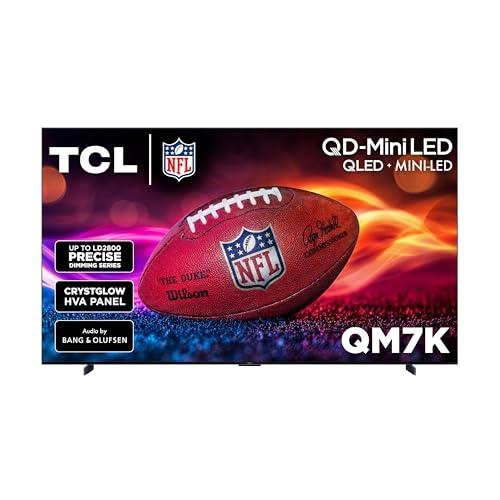
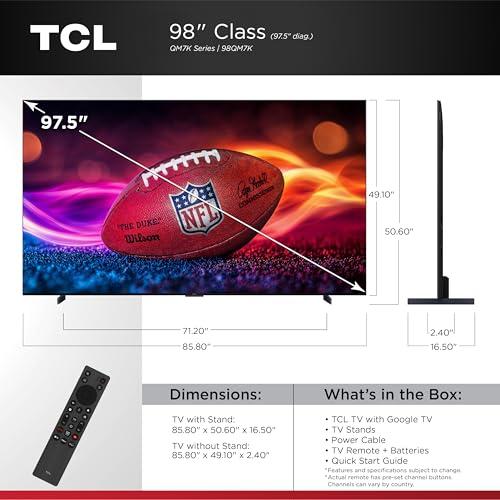

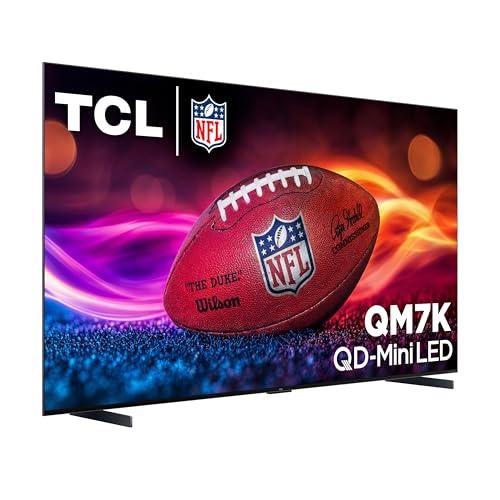
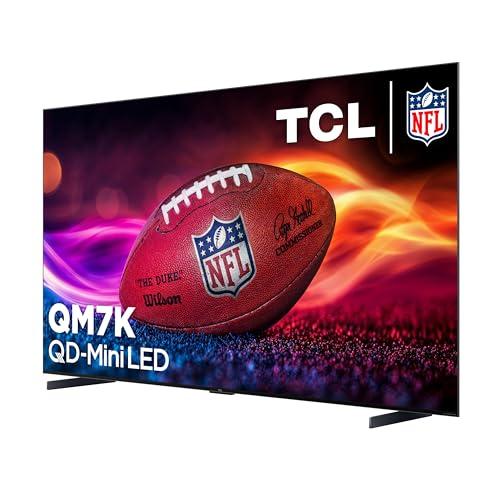
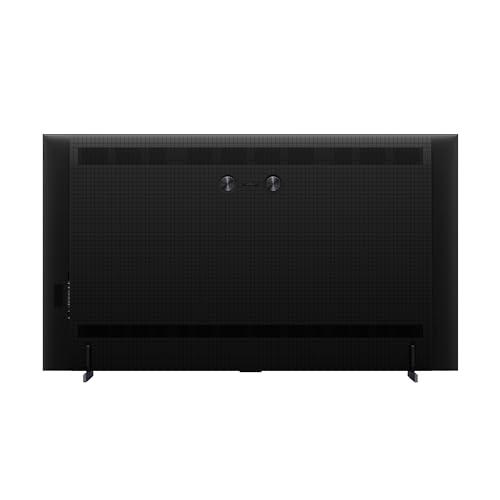
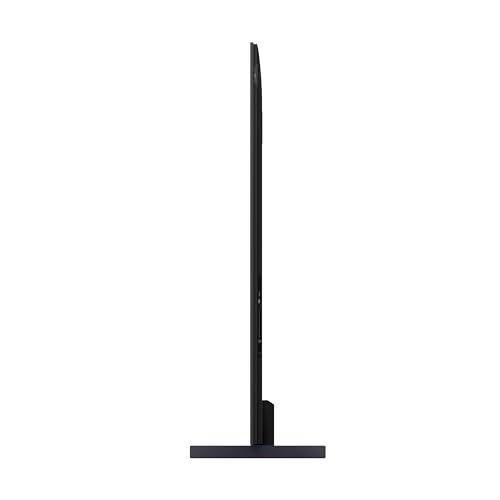

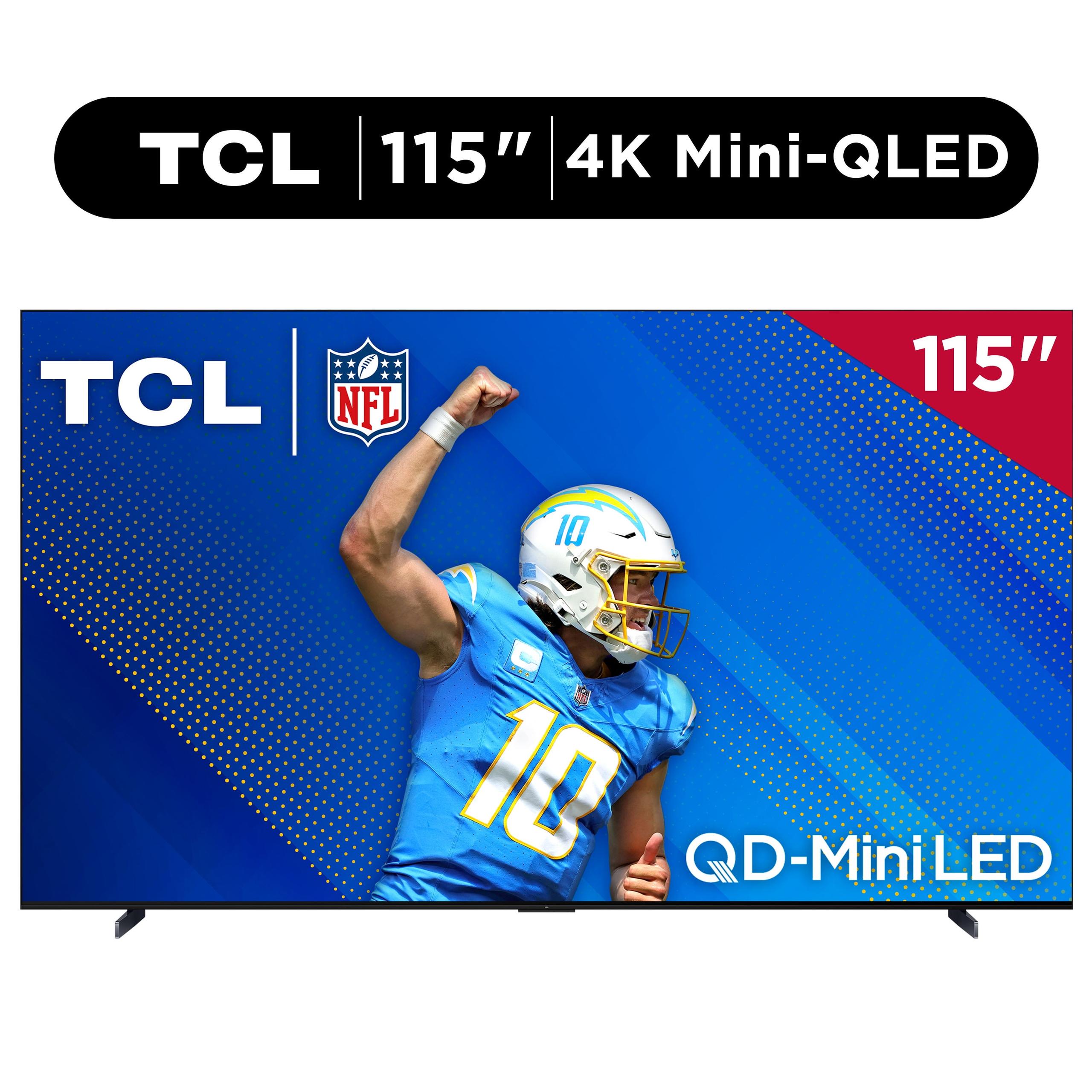


When you're shopping for a television that can truly transform your living room into a private cinema, size definitely matters. But so does the technology behind that massive screen. TCL's premium large-screen TVs represent two different approaches to creating an unforgettable viewing experience: the 98" QM7K focuses on delivering flagship performance at a more accessible price point, while the 115" QM891G throws caution to the wind and delivers the absolute biggest, brightest, and most feature-packed experience money can buy.
Both televisions launched in 2024, representing TCL's latest thinking on what premium home entertainment should look like. The timing is significant because 2024 marked a major leap forward in Mini LED technology, with manufacturers finally solving many of the blooming and halo issues that plagued earlier generations. These improvements make both TVs genuinely competitive with OLED displays in terms of contrast, while maintaining the brightness advantages that LED technology provides.
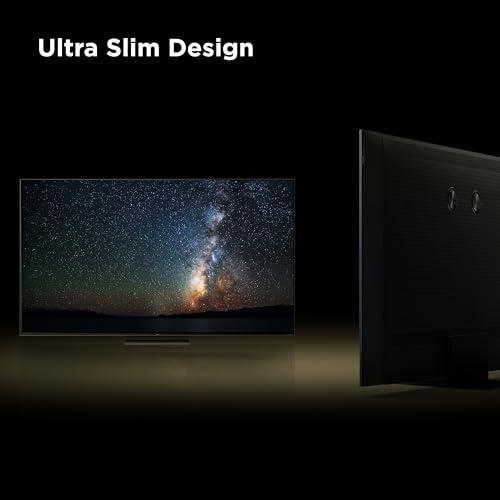
The premium large-screen TV category isn't just about having a big display—it's about creating an immersive experience that rivals what you'd find in a commercial theater. These televisions typically start at 85 inches and use advanced technologies like Mini LED backlighting, quantum dot color enhancement, and sophisticated processing to deliver picture quality that justifies their premium positioning.
The key considerations when shopping in this category go beyond simple screen size. Picture quality technologies like local dimming (where the TV can control brightness in specific zones of the screen) and peak brightness capabilities determine how well the TV handles challenging content like dark movie scenes with bright highlights. Gaming performance has become increasingly important, with features like high refresh rates and variable refresh rate (VRR) support—which synchronizes the TV's refresh with your gaming console to eliminate stuttering—now considered essential. Audio systems matter more at this size because the scale of the display demands equally impressive sound, and smart platform performance becomes crucial when you're investing this much in a display.
The TCL 98" QM7K and 115" QM891G represent fundamentally different philosophies about what makes a premium TV worth buying. At the time of writing, there's a substantial price gap between these models—the QM7K costs roughly what you'd expect for a premium 98-inch display, while the QM891G commands flagship pricing that reflects its no-compromise approach to features and size.
The QM7K focuses on delivering the core technologies that matter most—excellent picture quality, strong gaming performance, and a reasonable feature set—without the bells and whistles that drive costs into the stratosphere. The QM891G, on the other hand, is TCL's statement piece: the biggest consumer TV they make, packed with every premium feature they can engineer.
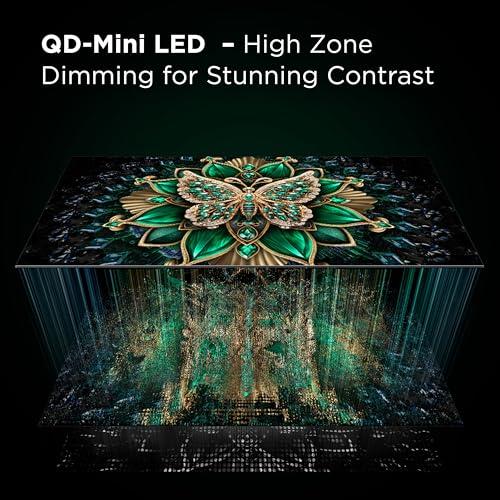
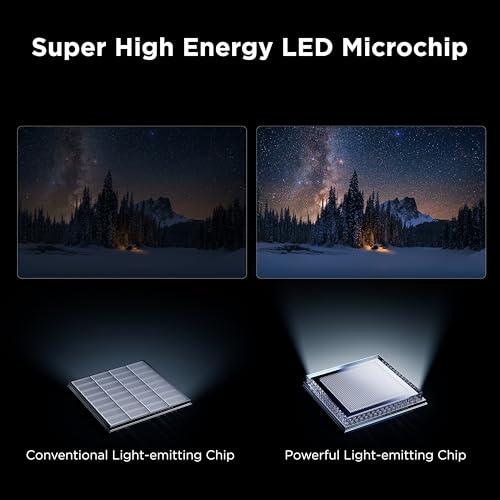
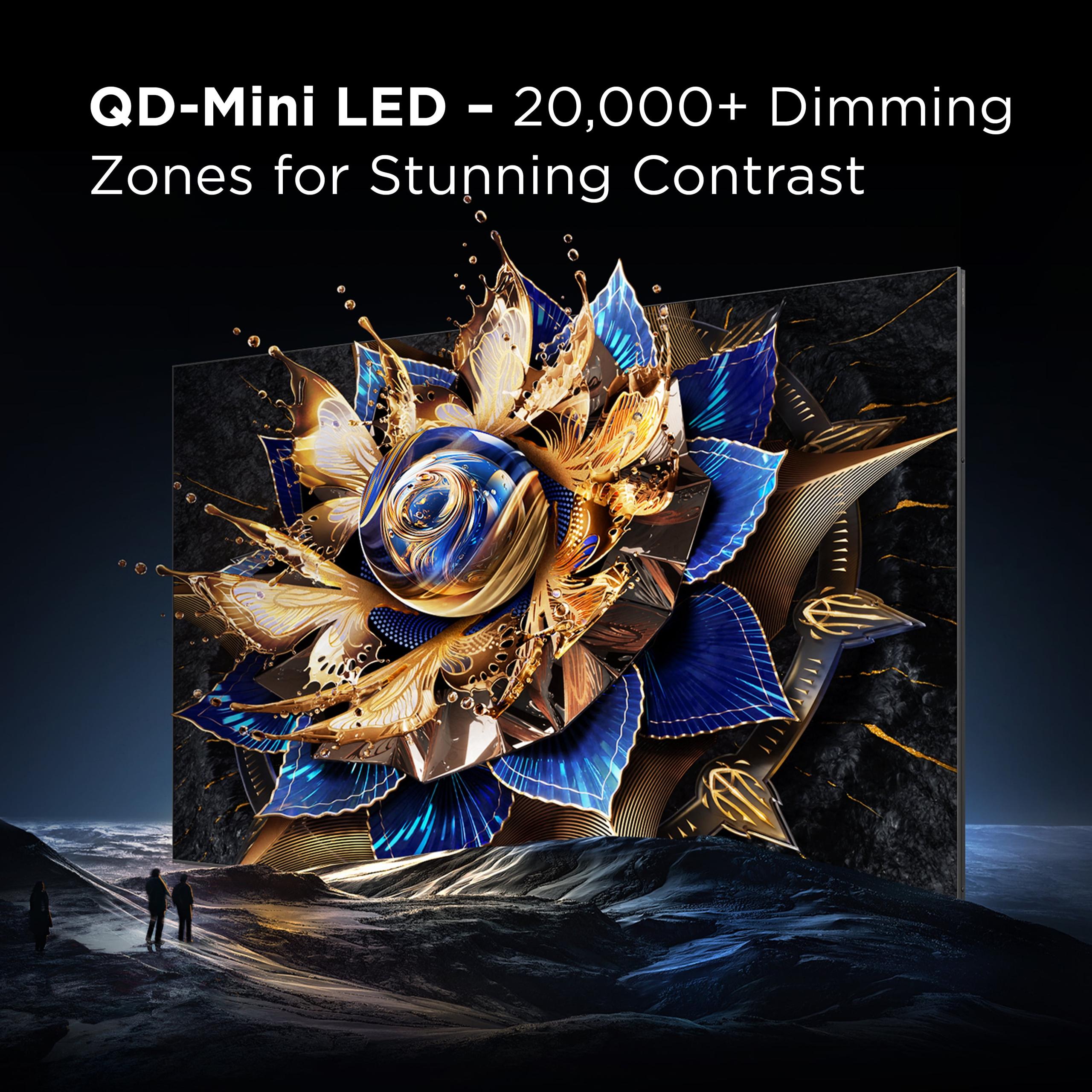
The most significant difference between these TVs lies in their backlighting systems. The 98" QM7K uses up to 2,500 local dimming zones paired with TCL's Halo Control System, while the 115" QM891G employs a massive 20,000 local dimming zones with their QD-Mini LED ULTIMATE technology.
Local dimming zones are essentially individual sections of the TV's backlight that can be controlled independently. More zones mean finer control over which parts of the screen are bright and which are dark. Think of it like having thousands of tiny flashlights behind your TV screen that can be turned on and off individually to match what's happening in each part of the image.
The practical difference is substantial. The QM7K's 2,500 zones already provide excellent contrast control—enough to make stars pop against a dark night sky or show the fine details in shadowy movie scenes. But the QM891G's 20,000 zones take this to an almost pixel-level precision that approaches what you'd get from an OLED display, where each pixel can turn completely off.
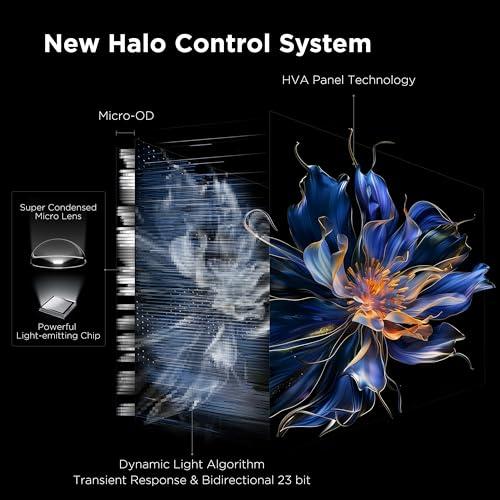
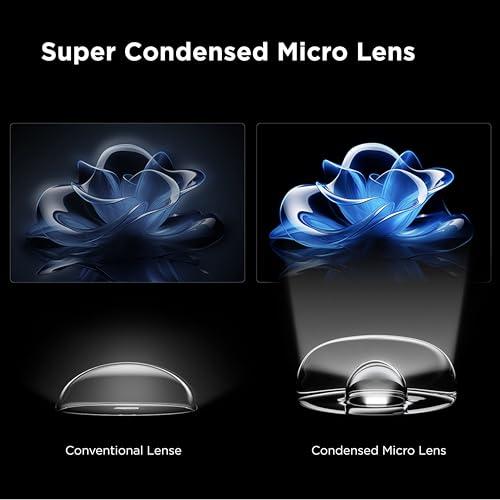
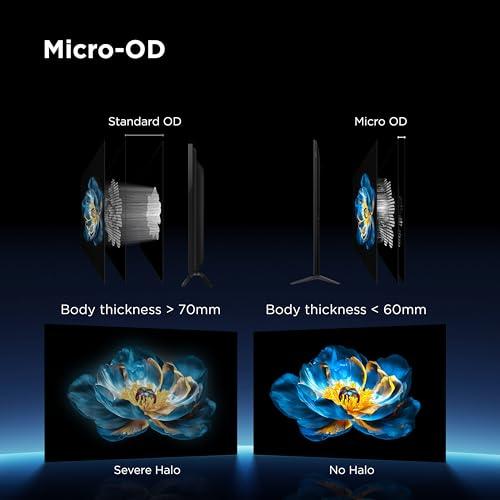
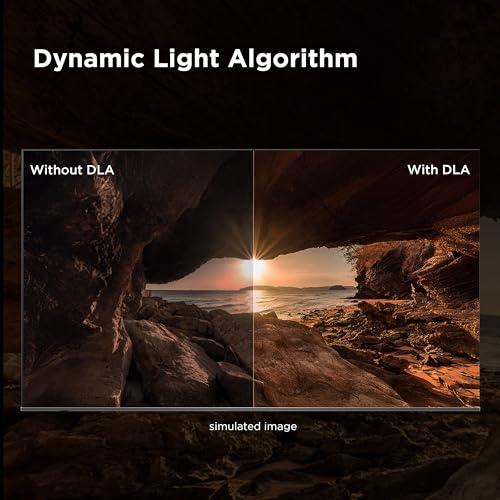
Based on our research into user experiences and expert reviews, both TVs effectively eliminate the blooming issues that plagued earlier Mini LED displays. Blooming occurs when bright objects on screen create halos of light that spill into dark areas—imagine watching credits roll over a black background and seeing gray clouds around the white text. The QM7K's Halo Control System uses several technologies working together to minimize this effect, including precise lens design and algorithmic processing that prevents light spillover.
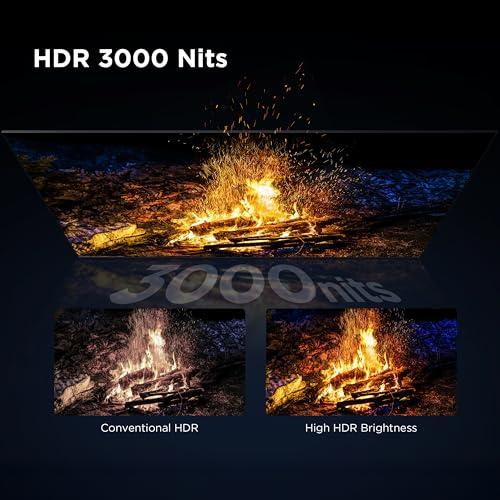
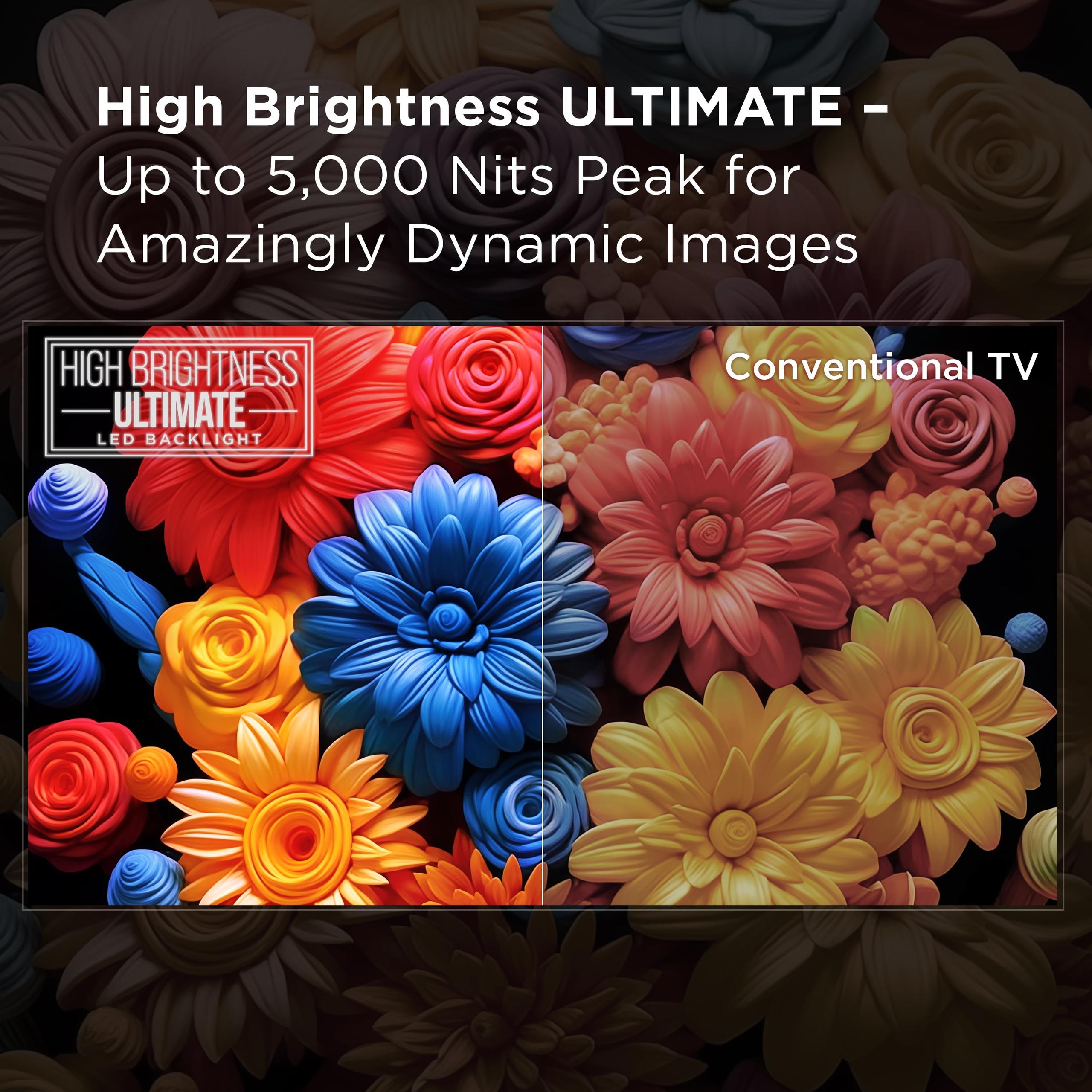
Peak brightness is where these TVs really separate themselves from more affordable displays. The QM7K reaches 3,000 nits, while the QM891G pushes to an extraordinary 5,000 nits. To put this in perspective, a typical LED TV might reach 400-800 nits, and even premium models often top out around 1,500-2,000 nits.
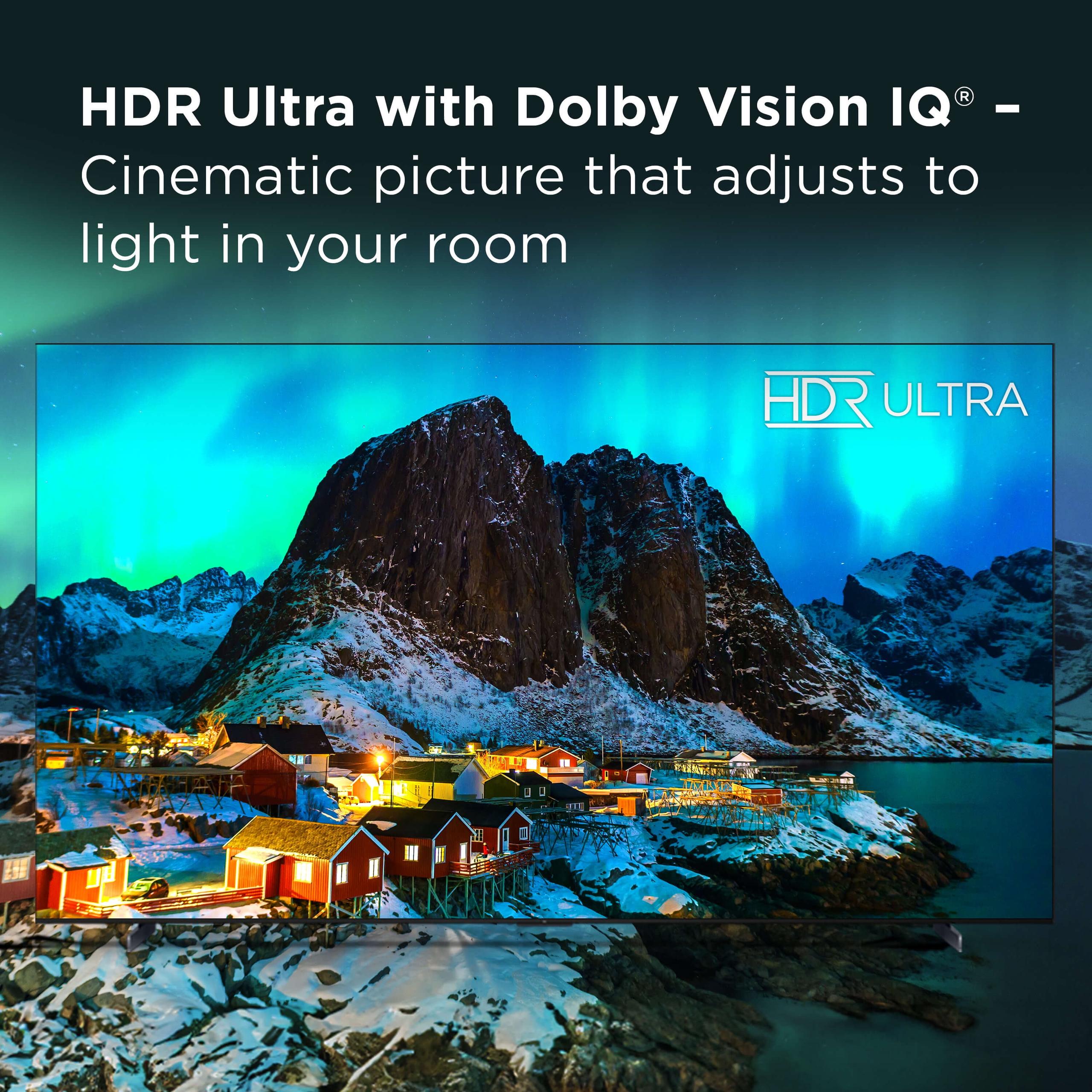
This brightness capability matters most for HDR (High Dynamic Range) content, which is designed to reproduce the full range of brightness that our eyes can see in real life. When you're watching a movie scene with bright sunlight streaming through a window, or the glint of light off water, these high brightness levels make the image genuinely dazzling rather than just bright.
The QM891G's 5,000-nit capability is particularly impressive because it approaches the brightness levels used in commercial movie theaters. This makes it exceptional for rooms with significant ambient light—you can watch HDR content during the day without losing the impact of bright highlights.
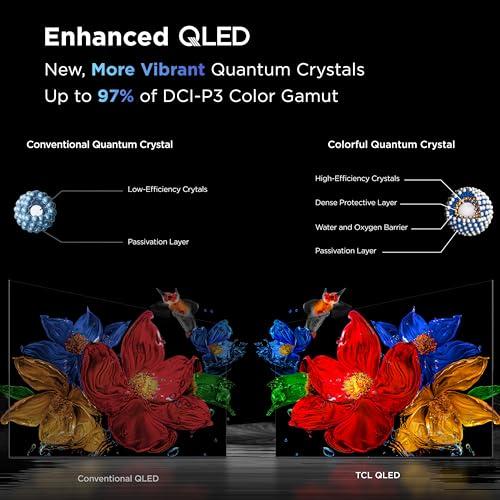
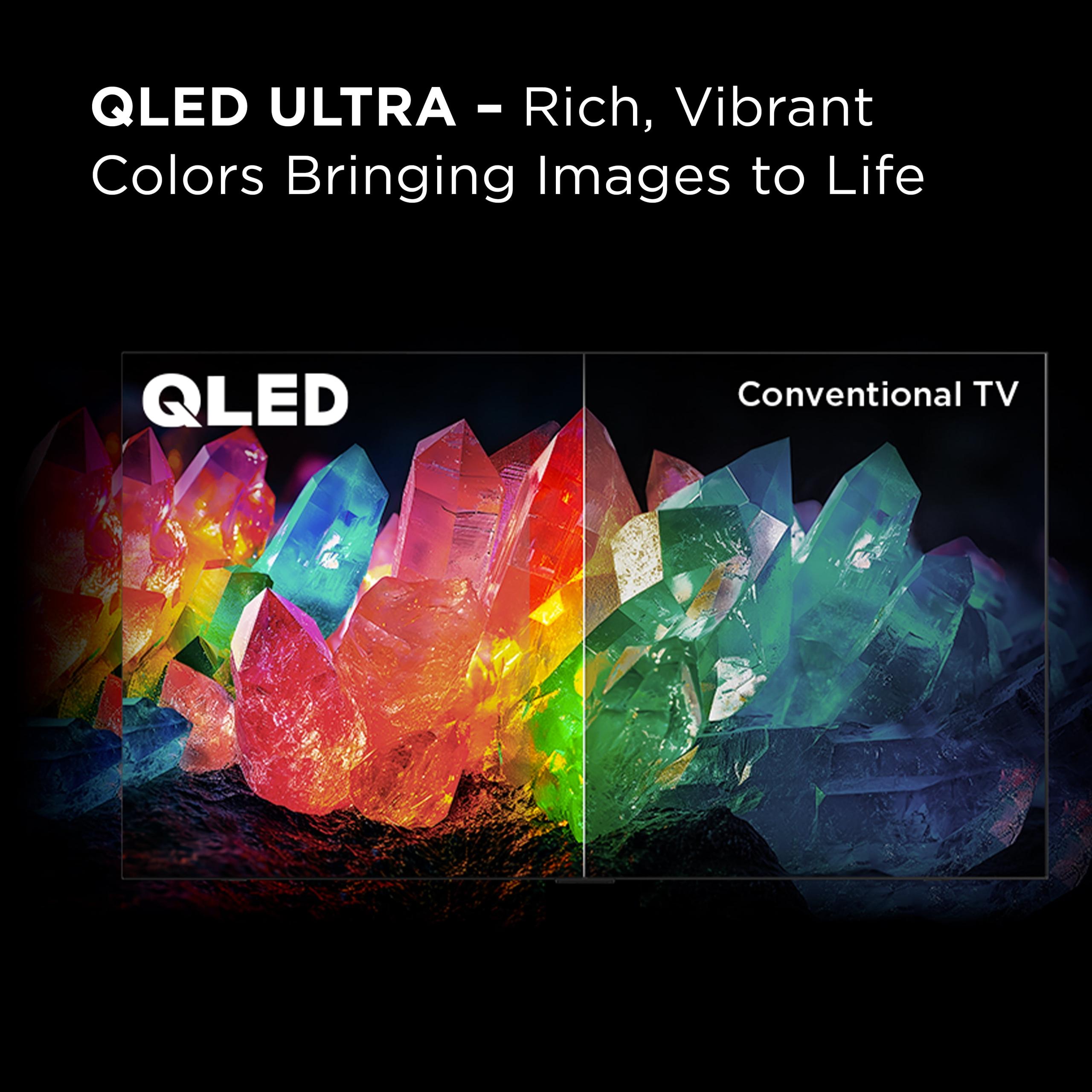
Both TVs use quantum dot technology, though the QM891G employs what TCL calls "QLED ULTRA" while the QM7K uses enhanced QLED. Quantum dots are microscopic crystals that, when hit by light, emit very pure colors. This technology allows both TVs to cover nearly the entire DCI-P3 color space, which is the standard used for digital cinema.
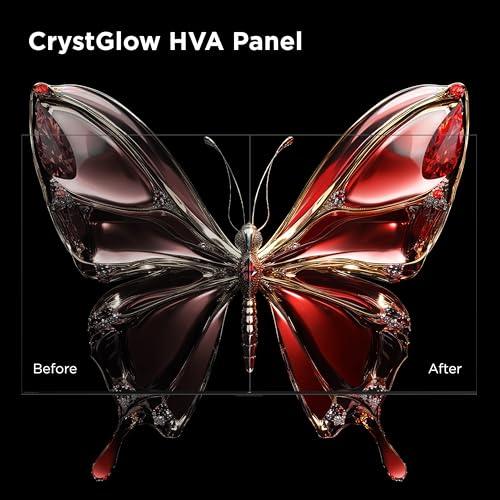
The QM7K's CrystGlow HVA panel adds another layer of sophistication with its butterfly-wing microstructure that helps control light passage through the liquid crystal layer. This results in a native contrast ratio of 8000:1, which is impressive for an LED display and contributes to the deep blacks that make colors appear more vibrant.
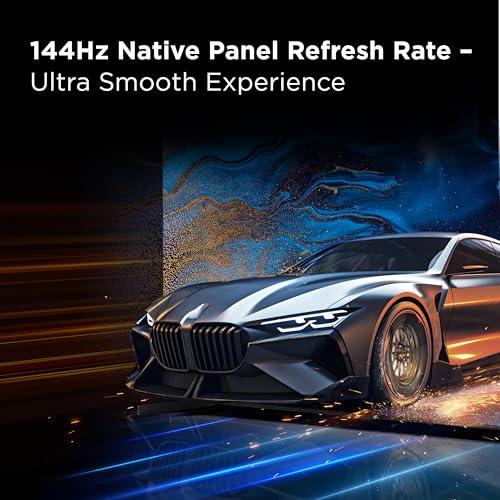
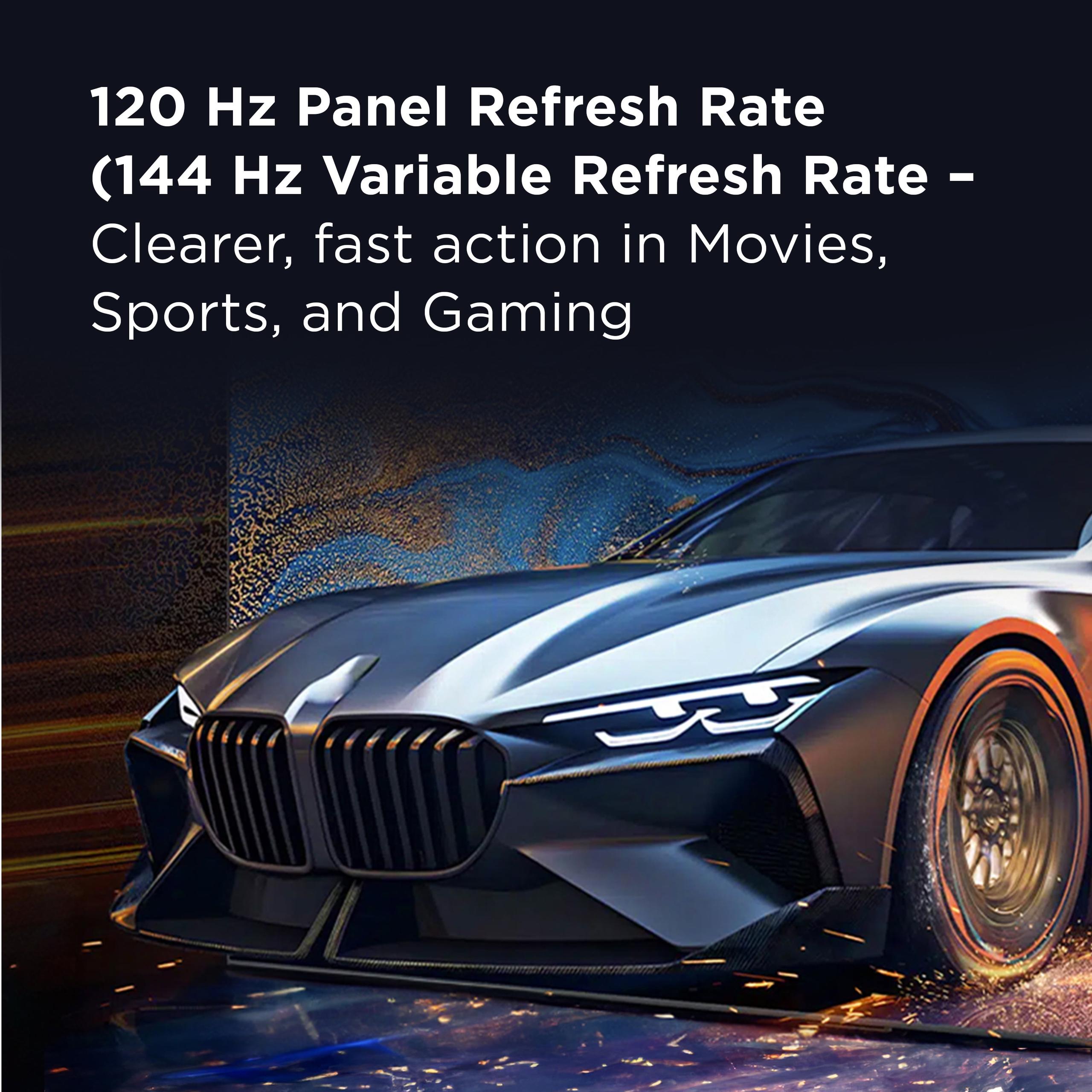
For gaming enthusiasts, these TVs offer surprisingly different capabilities. The QM7K actually takes the lead in refresh rate performance, offering 144Hz native refresh with Game Accelerator 288 technology that supports up to 288Hz variable refresh rate for competitive gaming.
The QM891G provides 120Hz native refresh with Game Accelerator 240, supporting up to 240Hz VRR. While this is still excellent for gaming, the QM7K has the edge for serious competitive players who want every possible advantage.
Both TVs include Auto Game Mode (ALLM), which automatically switches to game mode when it detects a gaming console, reducing input lag to the minimum possible level. Input lag is the delay between when you press a button and when that action appears on screen—crucial for competitive gaming where milliseconds matter.
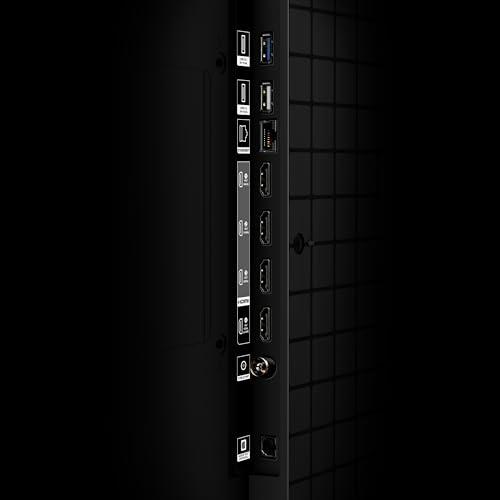
The QM891G offers more HDMI ports overall and includes AMD FreeSync Premium Pro certification, which provides additional assurance of smooth gaming performance across different types of games and frame rates.
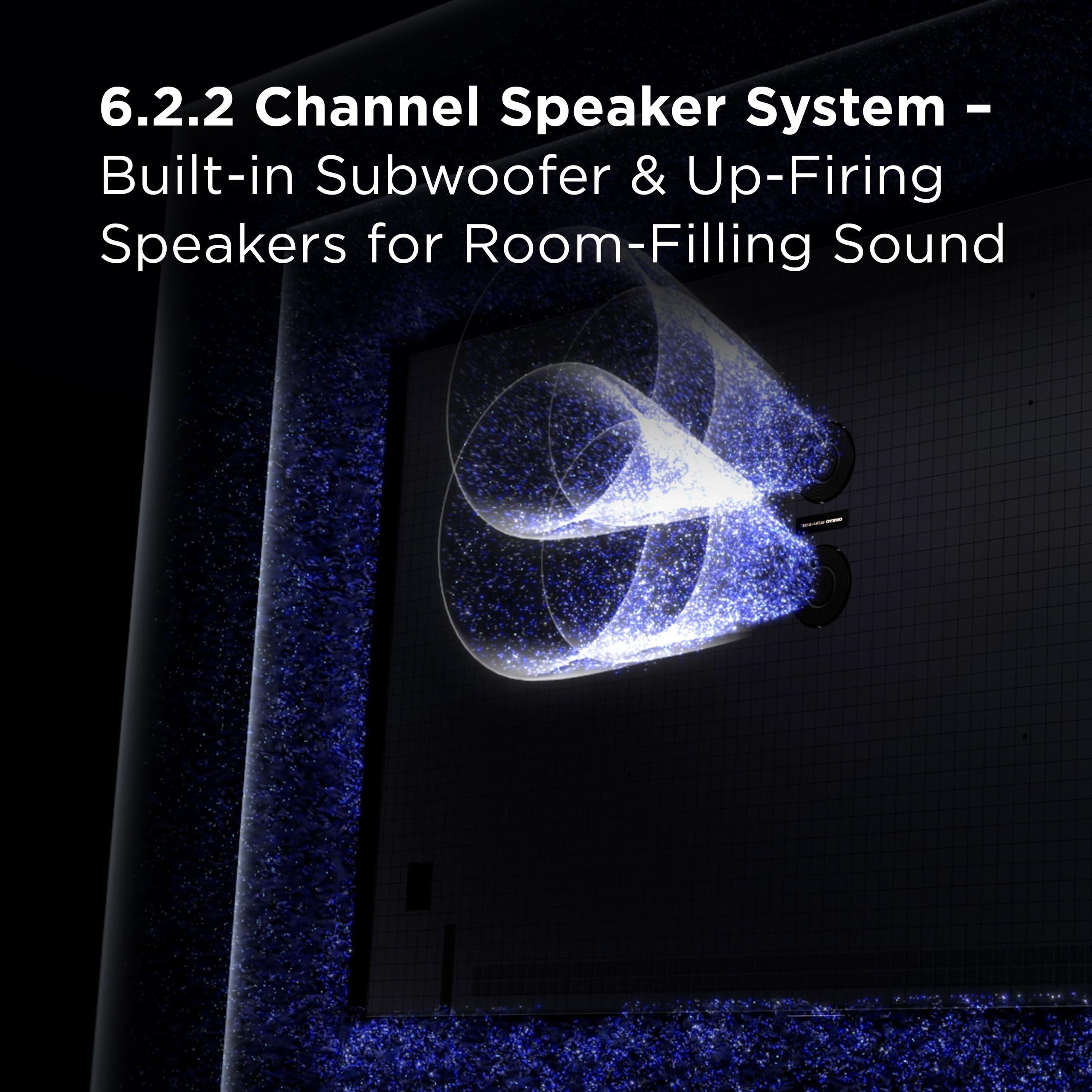
This is where the 115" QM891G truly shines. Its Onkyo 6.2.2 speaker system includes 120 watts of total power distributed across multiple speakers: left/right channels, surround speakers, up-firing speakers for height effects, and dual subwoofers for deep bass. The "6.2.2" designation means six main channels, two subwoofers, and two height channels—essentially a complete surround sound system built into the TV.
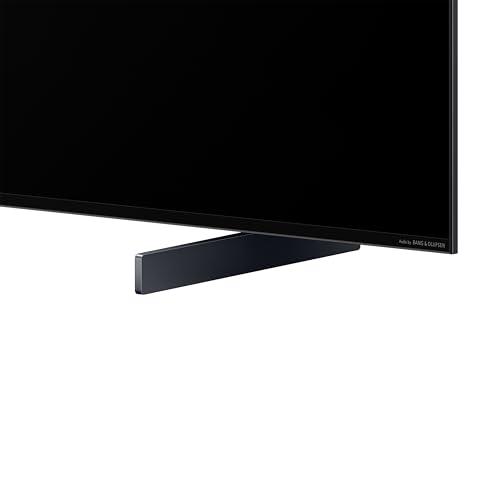
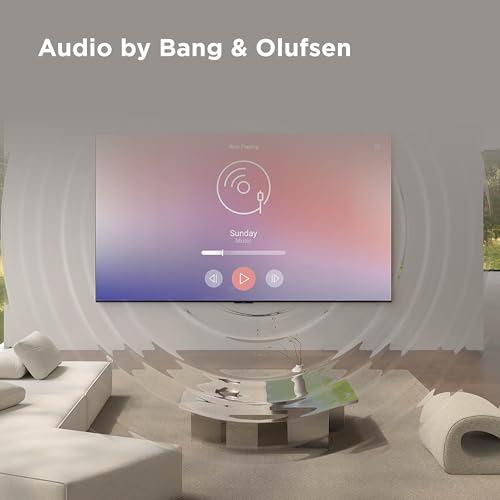
The QM7K features audio tuned by Bang & Olufsen, which provides quality sound, but it's fundamentally still a TV speaker system rather than a home theater replacement. For serious movie watching, you'd likely want to pair it with a soundbar or dedicated audio system.
The QM891G's built-in audio system is sophisticated enough to handle Dolby Atmos content properly, creating genuine three-dimensional soundscapes where helicopters fly overhead or rain seems to fall from above. This is a significant advantage for users who want a complete entertainment solution without additional components.
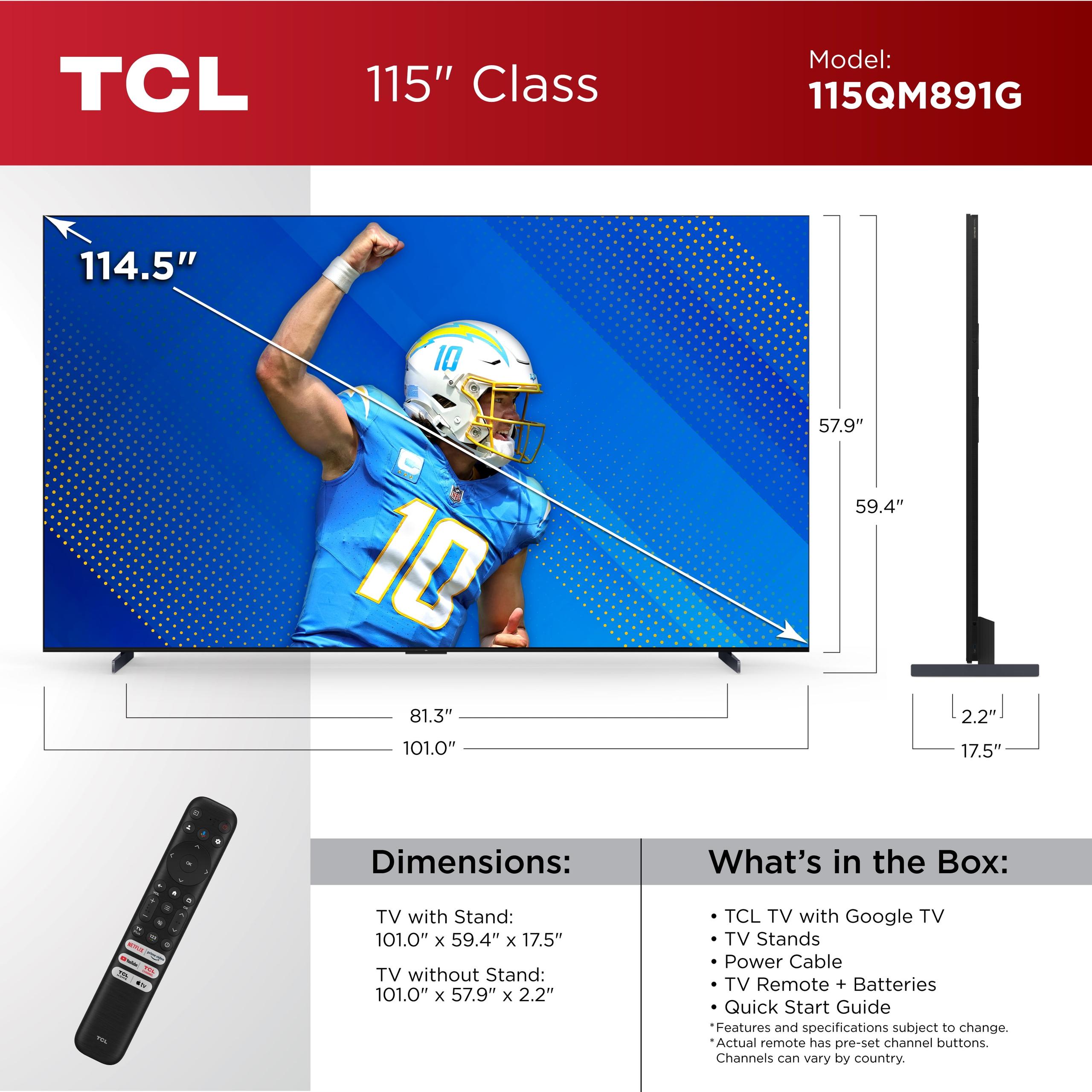
The size difference between 98 and 115 inches might sound modest, but it translates to roughly 36% more screen area—a substantial increase that changes the entire viewing experience.
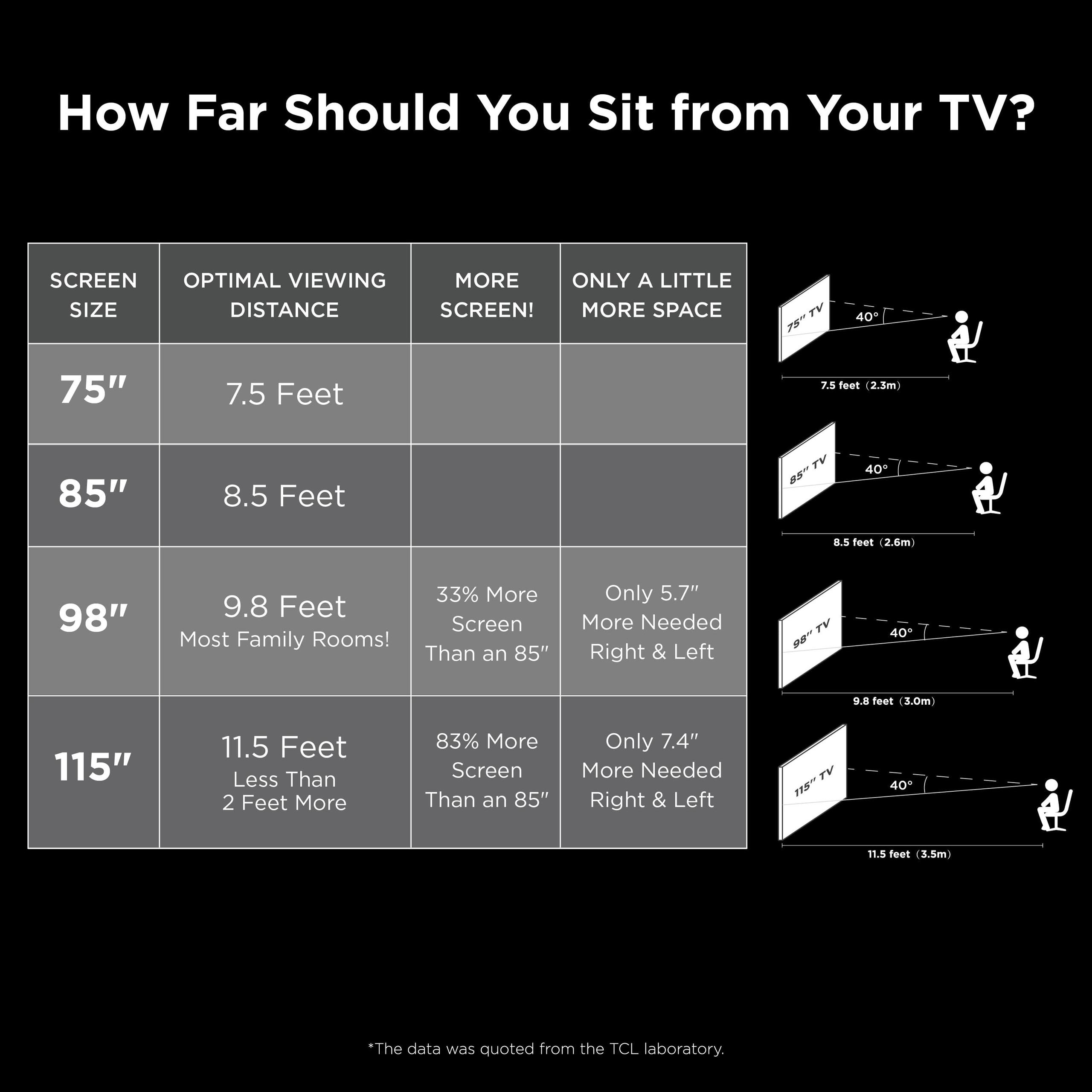
The 98" QM7K works well in most large living rooms or family rooms, with optimal viewing distances between 8-12 feet. It's large enough to be genuinely cinematic but manageable enough for typical home installation.
The 115" QM891G demands more consideration. Optimal viewing distance extends to 10-14 feet, and you really need a room that's at least 15 feet wide to accommodate both the TV and seating properly. This isn't just about fitting the physical dimensions—it's about creating the right immersive experience where the screen fills your peripheral vision without causing neck strain.
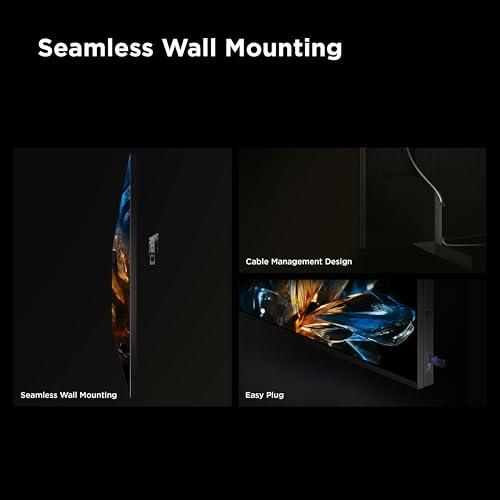
Installation is another factor. While both TVs require sturdy mounting, the QM891G approaches the limits of what's practical for home installation. Professional mounting is essentially mandatory, and you need to ensure your wall structure can handle the weight and size.
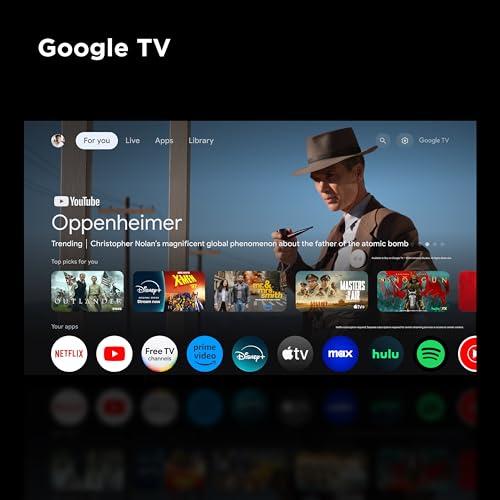
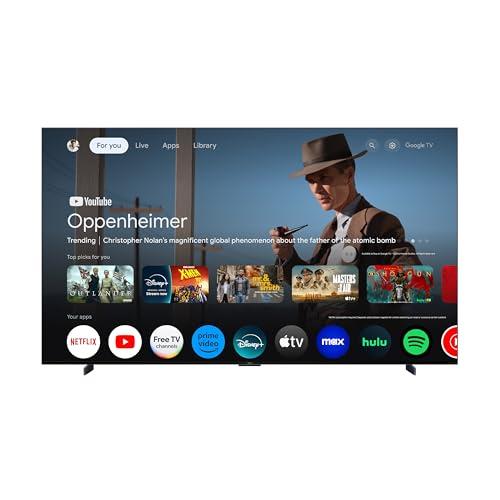
Both TVs run Google TV, which has evolved into one of the more refined smart TV platforms. The interface is clean, recommendations are generally relevant, and the app selection is comprehensive. The QM891G includes Wi-Fi 6 support, which provides better performance in homes with many connected devices, while the QM7K uses Wi-Fi 5.
For connectivity, the QM891G offers more ports overall, including additional USB options that can be helpful for media playback from external drives or connecting gaming peripherals.
At the time of writing, the price gap between these TVs is substantial—the QM7K costs significantly less than the QM891G, making the value equation quite different for each model.
The QM7K delivers exceptional value by focusing resources on the technologies that matter most for picture quality and gaming. You get 90% of flagship performance at a fraction of the cost, making it an excellent choice for buyers who want premium features without premium pricing.
The QM891G justifies its premium through sheer scale and no-compromise engineering. The additional screen size, dramatically more local dimming zones, higher peak brightness, and professional-grade audio system create a package that's genuinely unique in the consumer market.
For dedicated home theater applications, both TVs excel but serve different needs. The QM7K works beautifully as the centerpiece of a carefully curated system where you might pair it with a high-end soundbar or surround sound system and streaming devices optimized for movie watching.
The QM891G is more of a complete solution—its size and built-in audio system mean it can serve as both display and sound system for many users. The 5,000-nit peak brightness also makes it exceptional for rooms where you can't achieve perfect light control.
Both TVs represent 2024's significant improvements in Mini LED technology. The blooming issues that made earlier Mini LED displays frustrating have been largely solved, and the local dimming zone counts have reached levels that approach pixel-level control.
The gaming features on both TVs also reflect the current console generation's capabilities. Support for 120Hz+ refresh rates, VRR, and ALLM ensures these displays will work well with current and likely future gaming hardware.
The decision between the QM7K and QM891G ultimately comes down to your priorities, room, and budget.
Choose the 98" QM7K if you want flagship-level picture quality and gaming performance without the premium price. It's the smarter choice for most buyers—large enough to be genuinely impressive, sophisticated enough to handle any content beautifully, and priced reasonably enough that you can invest the savings in a great sound system or other home theater components.
The QM7K is also better for serious competitive gaming, thanks to its higher refresh rate capabilities. If you spend significant time gaming on PC or next-gen consoles, this technical advantage matters.
Choose the 115" QM891G if you have the room, budget, and desire for the absolute ultimate home entertainment experience. The additional size creates genuine cinema-scale impact, the superior local dimming provides reference-quality contrast, and the built-in audio system eliminates the need for external components.
The QM891G makes the most sense for dedicated home theater rooms where the scale and features can be fully appreciated. It's also the better choice if you prefer an all-in-one solution over building a system from separate components.
Both televisions represent excellent engineering and will provide years of exceptional viewing experiences. The QM7K offers better value and broader appeal, while the QM891G provides ultimate performance and maximum impact. Your choice should align with your space, budget, and how you prioritize size versus other features in your home entertainment setup.
| TCL 98" QM7K QD-Mini LED 4K TV | TCL 115" QM8 Series 4K UHD Smart Google TV |
|---|---|
| Screen Size - Determines viewing distance and room requirements | |
| 98" diagonal (fits most large living rooms) | 115" diagonal (requires dedicated theater space) |
| Local Dimming Zones - Critical for contrast and eliminating blooming | |
| Up to 2,500 zones with Halo Control System | 20,000 zones with QD-Mini LED ULTIMATE |
| Peak Brightness - Essential for HDR impact and bright room viewing | |
| 3,000 nits (excellent for most environments) | 5,000 nits (reference-level theater brightness) |
| Gaming Refresh Rate - Higher numbers mean smoother motion for competitive gaming | |
| 144Hz native, up to 288Hz VRR with Game Accelerator | 120Hz native, up to 240Hz VRR with Game Accelerator |
| Audio System - Built-in sound quality affects need for external speakers | |
| Audio by Bang & Olufsen tuning (requires soundbar for optimal experience) | Onkyo 6.2.2 system with 120W, dual subwoofers (complete theater audio) |
| HDMI Connectivity - More ports provide flexibility for multiple devices | |
| 4 ports (2 HDMI 2.1, 2 HDMI 2.0) | 4 ports including eARC support |
| Wi-Fi Standard - Newer standards handle more devices and faster streaming | |
| Wi-Fi 5 (802.11ac) | Wi-Fi 6 (802.11ax) for better performance |
| HDR Format Support - Broader support means compatibility with more content | |
| HDR ULTRA: Dolby Vision IQ, HDR10+, HDR10, HLG | HDR ULTRA: Dolby Vision IQ, HDR10+, HDR10, HLG |
| Smart Platform - Affects interface speed and app availability | |
| Google TV with Far-Field voice control | Google TV with smart assistant integration |
| Value Proposition - Performance and features relative to cost | |
| Premium QM7K performance at accessible pricing | No-compromise QM891G flagship with maximum size and features |
For most buyers, the TCL 98" QM7K offers better overall value. It delivers flagship-level picture quality with 2,500 local dimming zones and 3,000 nits peak brightness at a much more accessible price point. The 115" QM8 is exceptional but requires a dedicated home theater room and significantly higher budget.
The primary differences are screen size (98" vs 115") and feature complexity. The TCL 115" QM8 has 20,000 local dimming zones compared to the QM7K's 2,500 zones, plus 5,000 nits peak brightness versus 3,000 nits. The QM8 also includes a premium Onkyo 6.2.2 audio system with built-in subwoofers.
The TCL 98" QM7K actually has superior gaming specs with 144Hz native refresh rate and up to 288Hz variable refresh rate support. The 115" QM8 offers 120Hz native with 240Hz VRR. Both include Auto Game Mode and low input lag, but the QM7K provides higher refresh rates for competitive gaming.
You'll likely want a soundbar with the TCL 98" QM7K, which has good but standard TV audio. However, the TCL 115" QM8 includes a professional-grade Onkyo 6.2.2 speaker system with 120W power and dual subwoofers that can serve as a complete home theater audio solution.
Both TVs handle bright rooms well, but the TCL 115" QM8 excels with its 5,000 nits peak brightness compared to the QM7K's 3,000 nits. The higher brightness means HDR content maintains its impact even with windows open during daytime viewing.
The TCL 98" QM7K needs 8-12 feet viewing distance and works in most large living rooms. The 115" QM8 requires 10-14 feet viewing distance and at least 15 feet of room width. The larger TV really needs a dedicated home theater space to work properly.
The TCL 115" QM8 has superior picture quality with 8x more local dimming zones (20,000 vs 2,500) and 67% higher peak brightness. However, the QM7K still delivers excellent picture quality that's very close to flagship performance, making the difference less noticeable in most content.
Yes, both work well for home theaters but in different ways. The TCL 98" QM7K serves as an excellent centerpiece that you pair with external audio equipment. The 115" QM8 provides a more complete solution with cinema-scale size and built-in premium audio that needs fewer additional components.
The TCL 98" QM7K offers exceptional value by delivering about 90% of flagship performance at a fraction of the cost. The QM8 provides ultimate performance and the largest consumer screen size available, justifying its premium pricing for buyers who want no compromises.
Yes, both the TCL 98" QM7K and 115" QM8 run Google TV with access to the same streaming apps like Netflix, Disney+, and YouTube. The QM8 includes Wi-Fi 6 for better performance in homes with many connected devices.
The TCL 98" QM7K is more manageable for standard home installation, though professional mounting is still recommended. The 115" QM8 essentially requires professional installation due to its size and weight, plus you may need wall reinforcement to support it safely.
Consider your room first - if you have space for the 115" QM8 and want maximum impact, the larger screen creates a genuinely cinematic experience. If your room suits the 98" QM7K better, you'll get excellent performance with better gaming specs and can invest savings in other home theater components.
We've done our best to create useful and informative comparisons to help you decide what product to buy. Our research uses advanced automated methods to create this comparison and perfection is not possible - please contact us for corrections or questions. These are the sites we've researched in the creation of this article: bestbuy.com - tcl.com - youtube.com - rtings.com - tcl.com - youtube.com - youtube.com - tcl.com - tomsguide.com - manuals.plus - youtube.com - tcl.com - whathifi.com - bestbuy.com - queencityonline.com - electronicexpress.com - tcl.com - valueelectronics.com - tcl.com - bestbuy.com - bestbuy.com - youtube.com - woodruffappliance.com - karlsonline.com - tcl.com - rtings.com - pcrichard.com - valueelectronics.com - cnet.com - youtube.com - rcwilley.com - greentoe.com - tcl.com - ezown.net - kingsgreatbuys.com - romomattressfurniture.com - abt.com

Privacy Policy
Terms and Conditions - Affiliate Policy
Home Security
© Copyright 2008-2026.
11816 Inwood Rd #1211, Dallas, TX 75244