

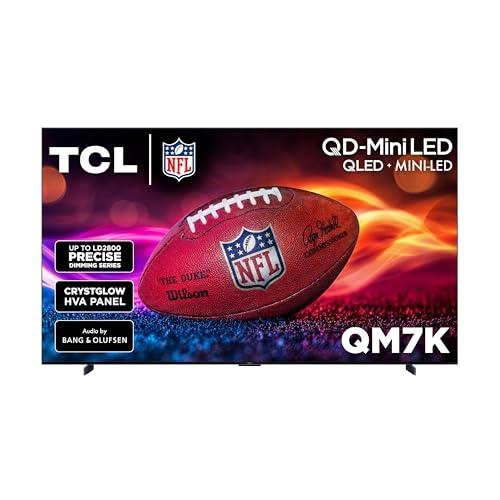
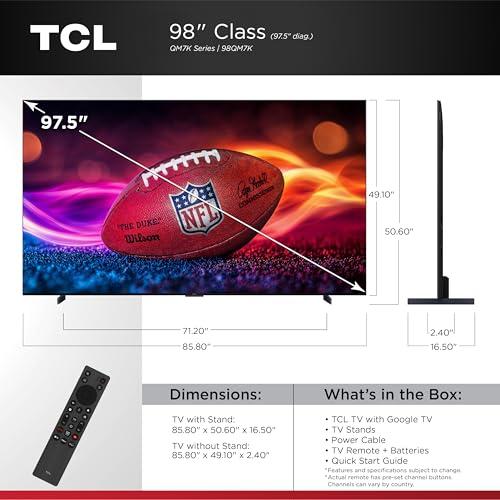
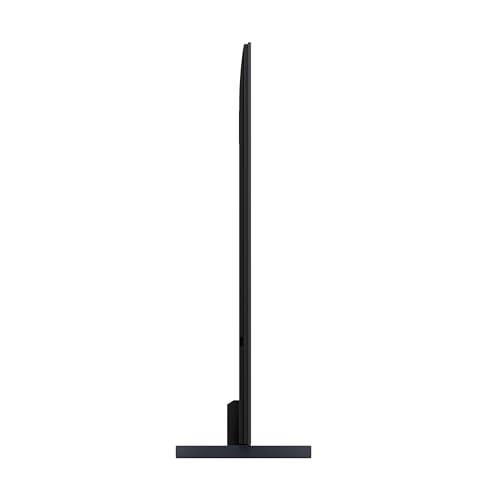

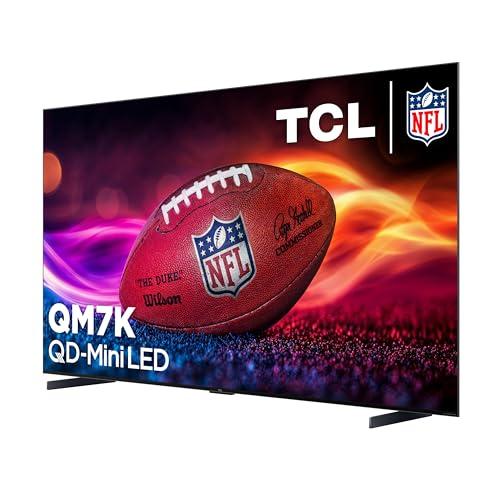
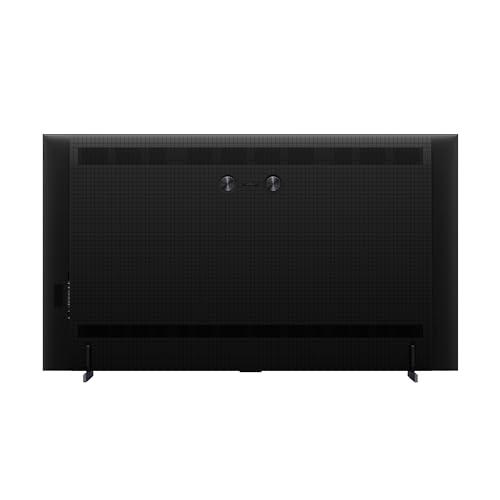
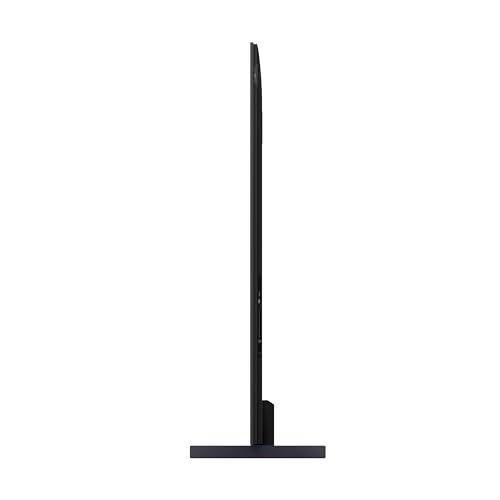
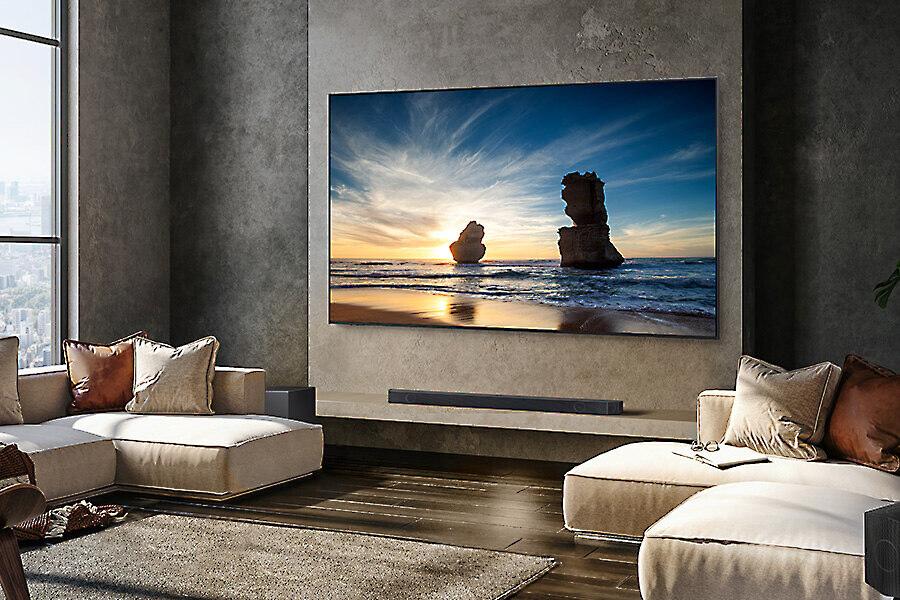
When you're investing in a 98-inch television, you're not just buying a TV—you're creating the centerpiece of a dedicated home theater experience. These massive displays require serious consideration because they'll dominate your living space and your budget for years to come.
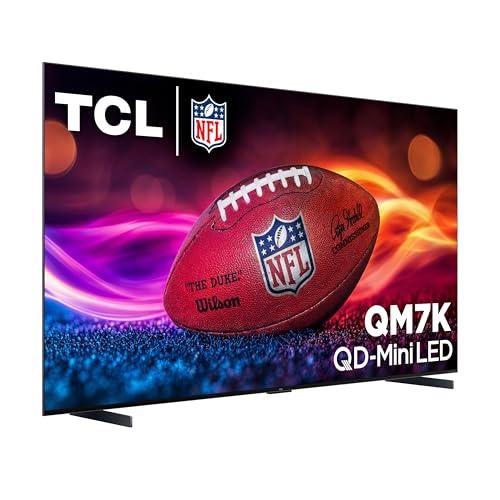
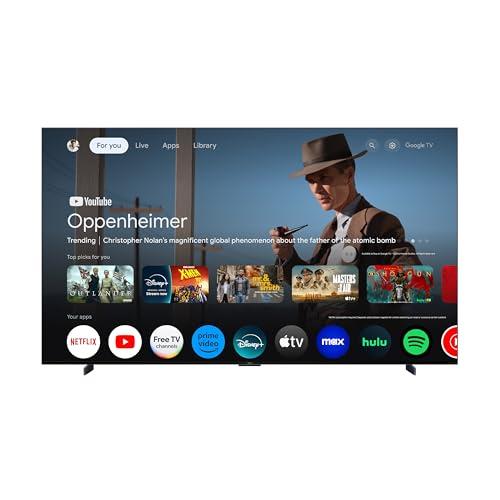
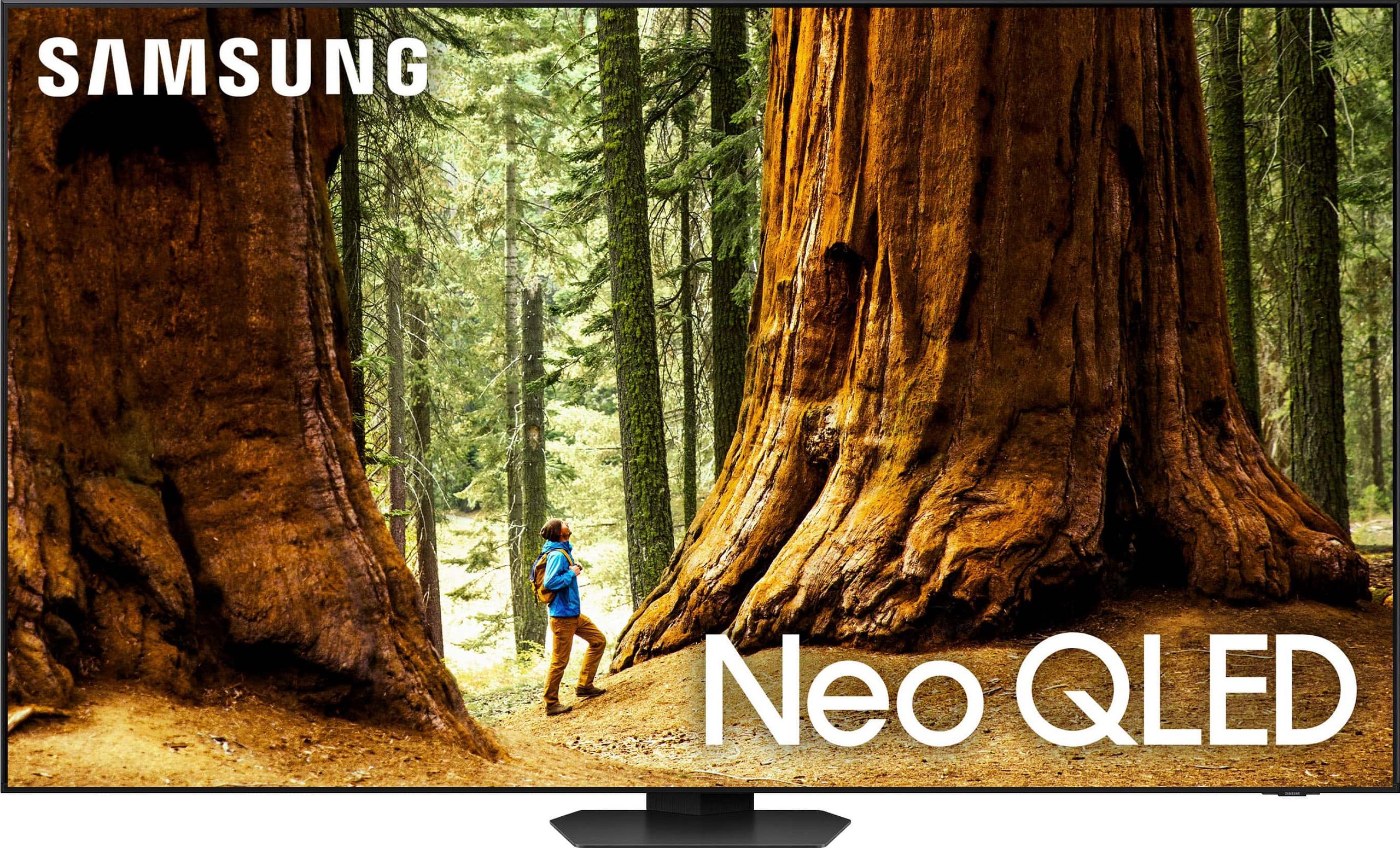
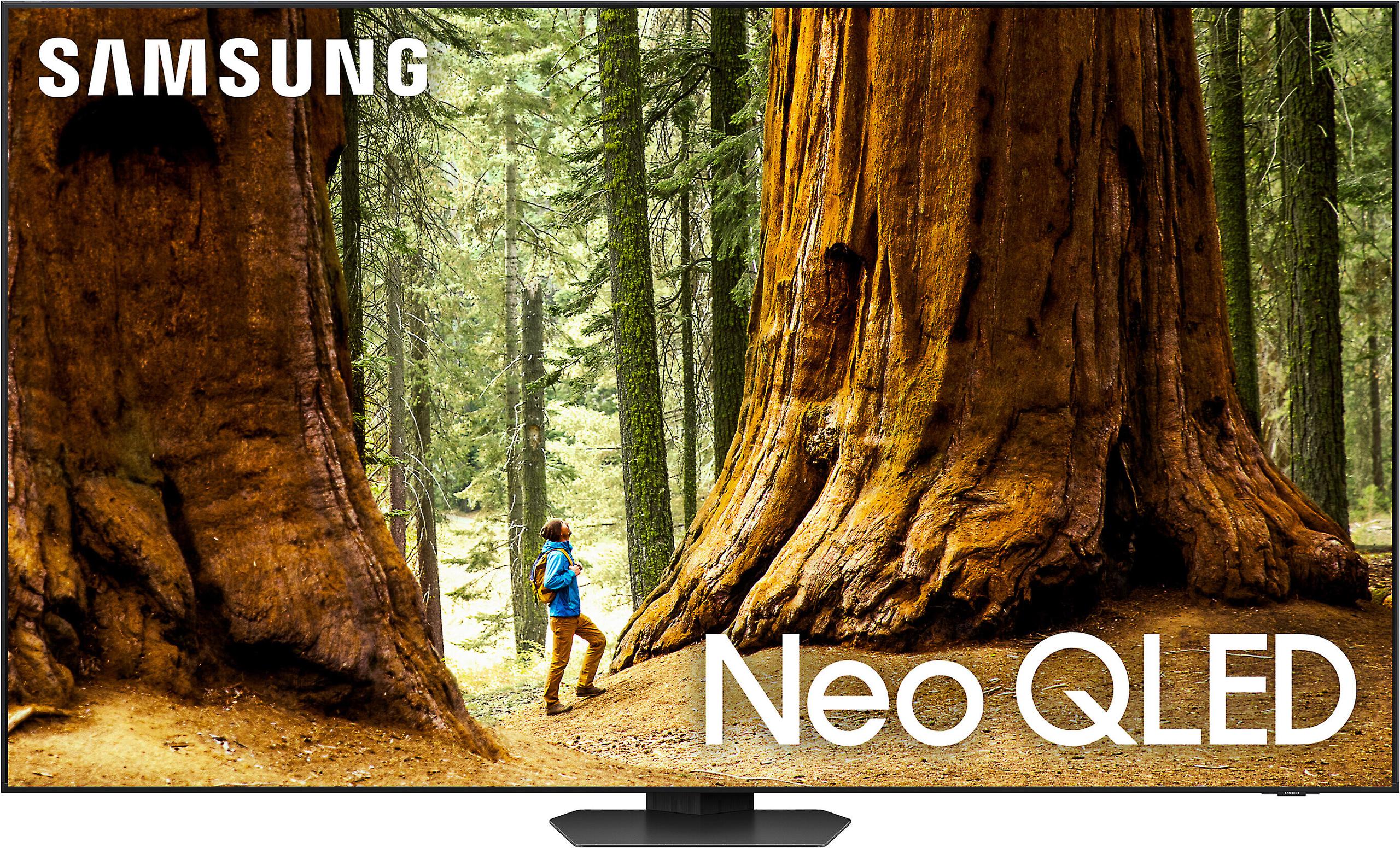
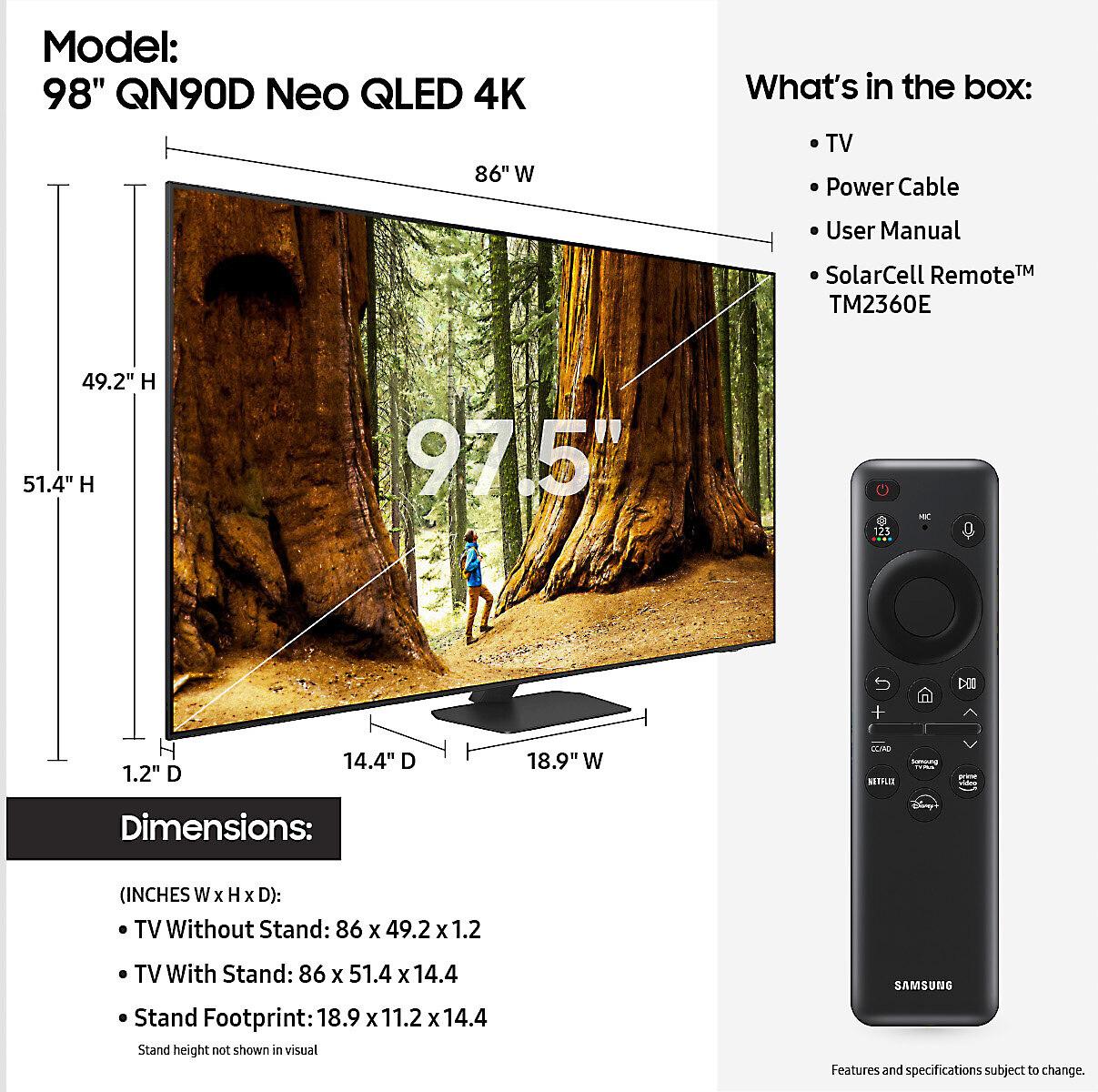
At the time of writing, we're seeing a fascinating battle between two very different approaches to premium large-screen technology. The TCL 98" QM7K represents TCL's 2025 cutting-edge push into ultra-premium territory, while the Samsung 98" QN90D showcases Samsung's refined 2024 Neo QLED platform that's had years to mature and perfect its approach.
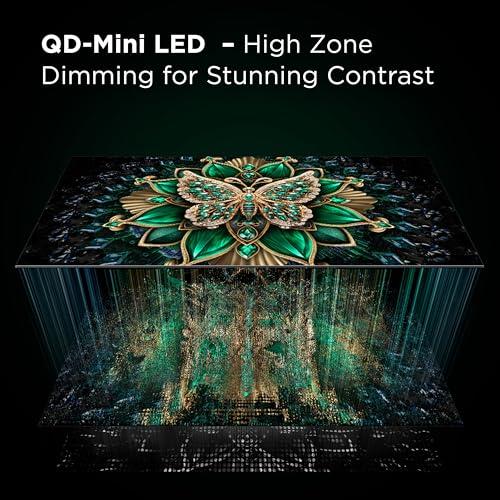
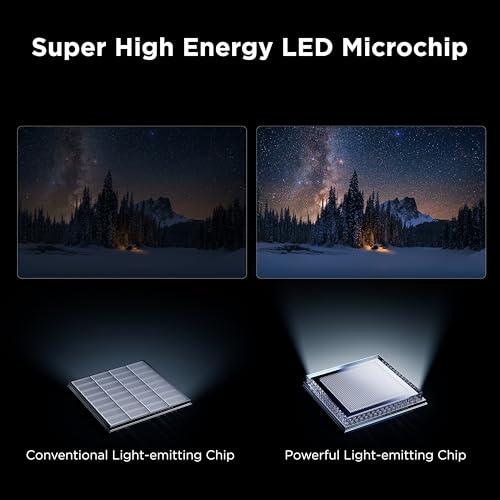
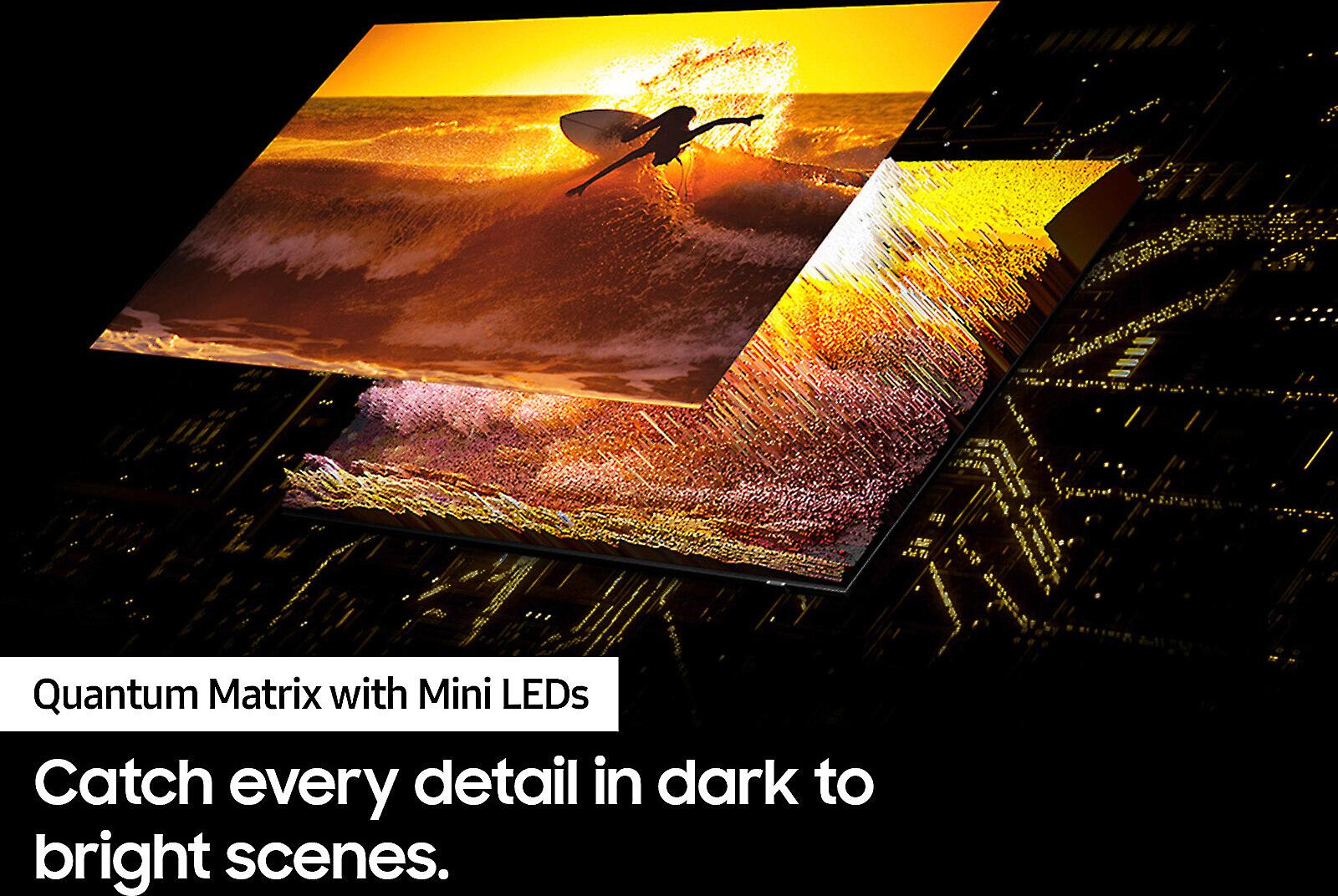
Both televisions use Mini LED backlighting, but this technology deserves explanation because it's revolutionizing large-screen displays. Traditional LED TVs use relatively large LEDs around the edges of the screen, creating uneven lighting and poor contrast. Mini LEDs are roughly 1/40th the size of conventional LEDs, allowing manufacturers to pack thousands of them directly behind the screen.
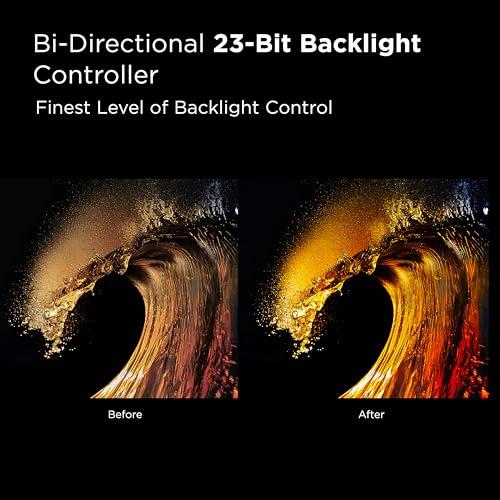
Think of it like the difference between lighting a stage with a few large floodlights versus hundreds of precise spotlights. Those tiny Mini LEDs can be individually controlled in groups called "local dimming zones." When a scene shows a bright star against a dark sky, the zones behind the star brighten while surrounding zones stay dark, creating deeper blacks and brighter highlights than traditional TVs can achieve.
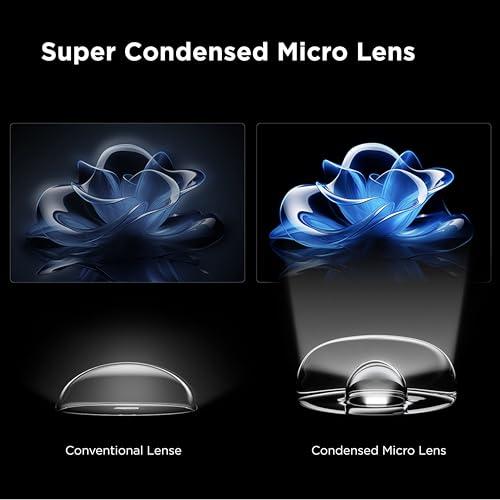
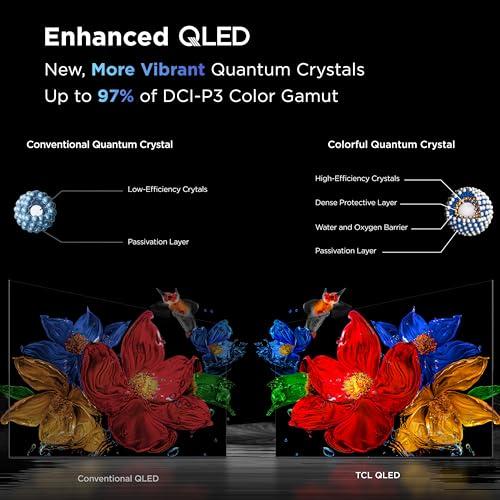
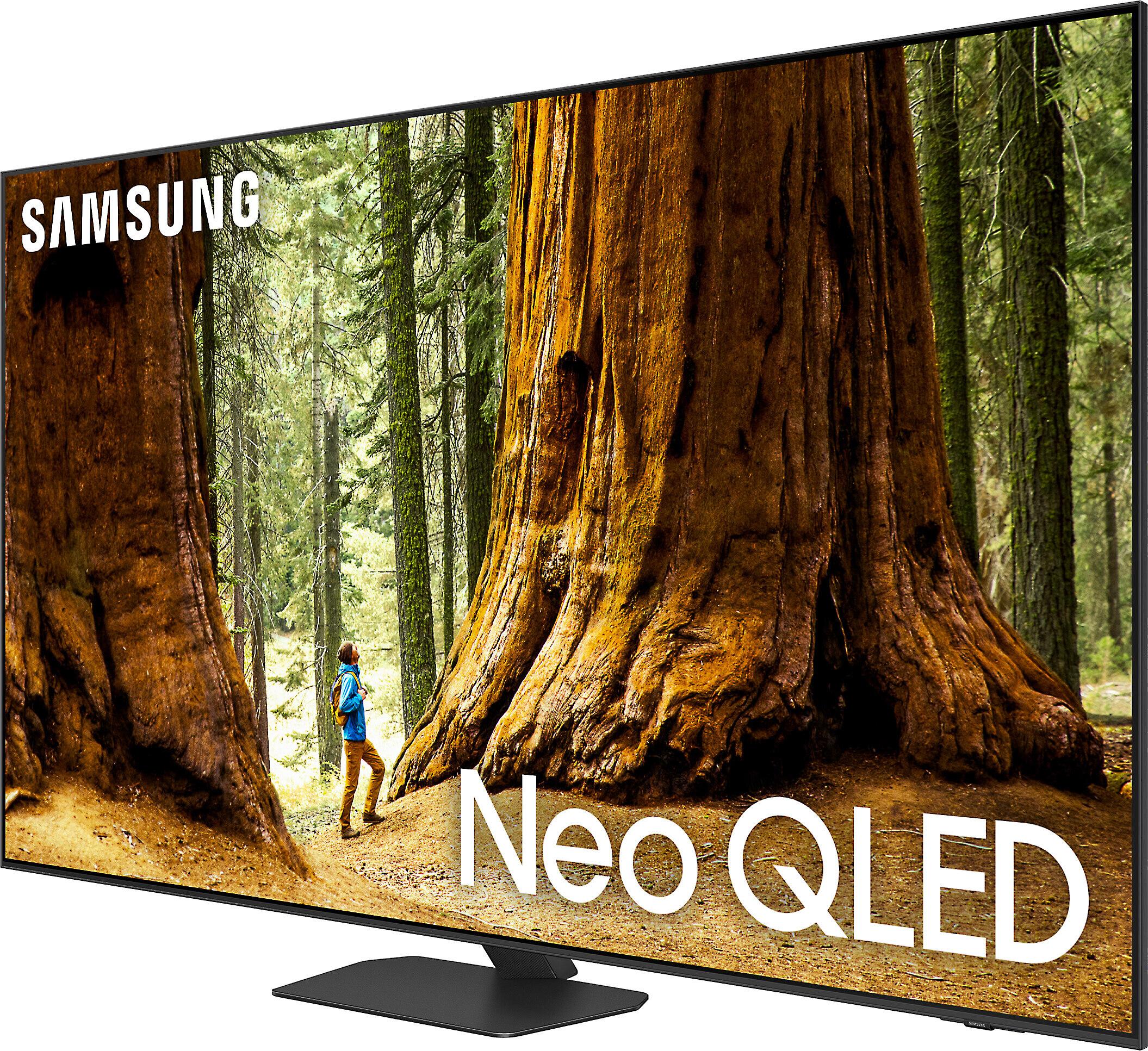
The TCL QM7K takes this concept further with QD-Mini LED technology, adding quantum dots—microscopic particles that convert light into incredibly pure colors. Samsung's QN90D uses Neo QLED, which focuses more on sophisticated algorithms and lens design to control those Mini LEDs precisely.
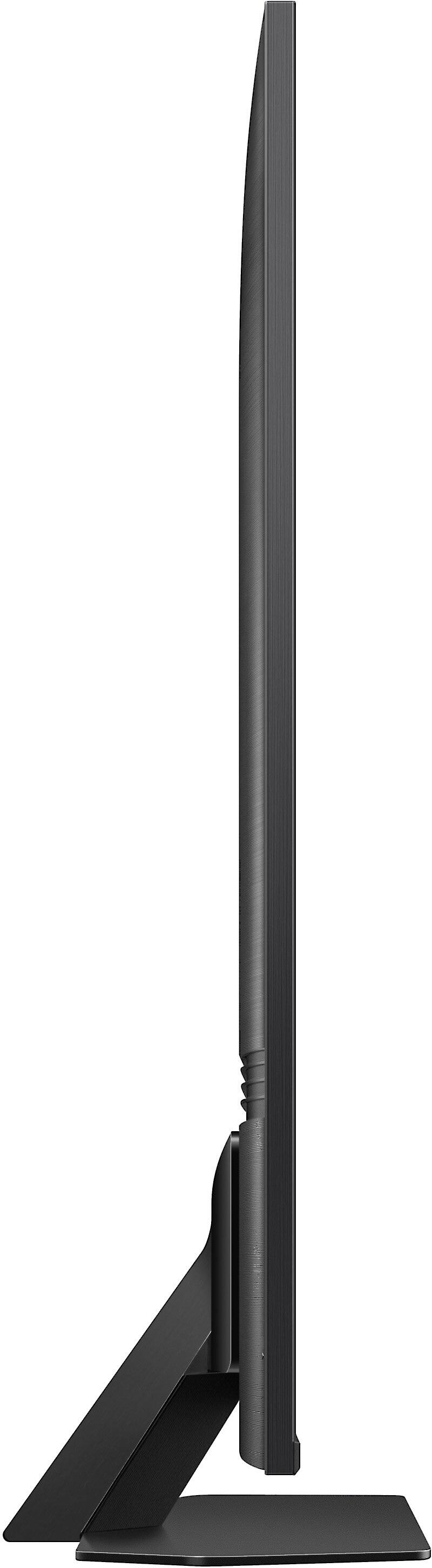
The 2024 Samsung QN90D represents the culmination of Samsung's Neo QLED development, incorporating years of refinement and real-world feedback. Samsung has spent considerable time perfecting their anti-glare technology and color processing, resulting in a mature, reliable platform.
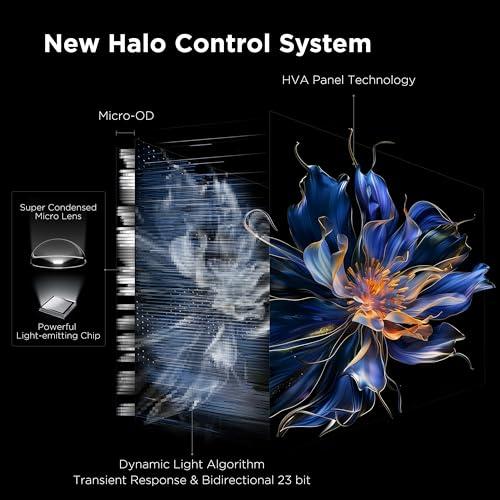
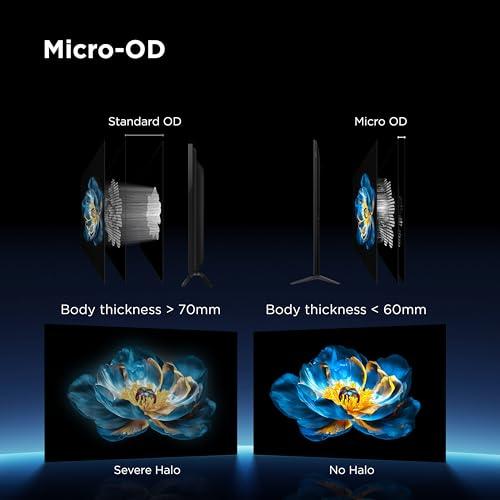
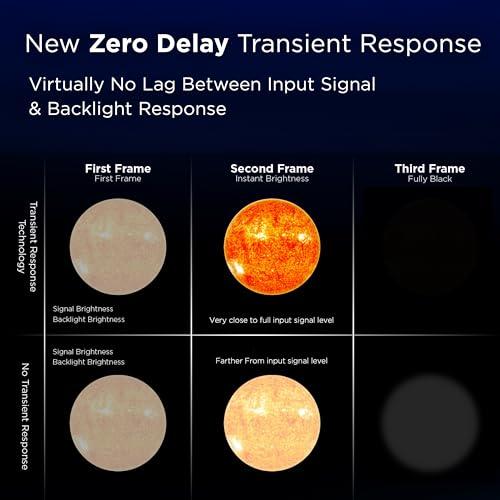
The 2025 TCL QM7K showcases TCL's latest technological advances, particularly their Halo Control System designed to eliminate the bright halos that can appear around objects in dark scenes—a common issue with backlit displays. TCL is pushing boundaries with higher brightness levels and more local dimming zones, though with less long-term market history than Samsung's established platform.
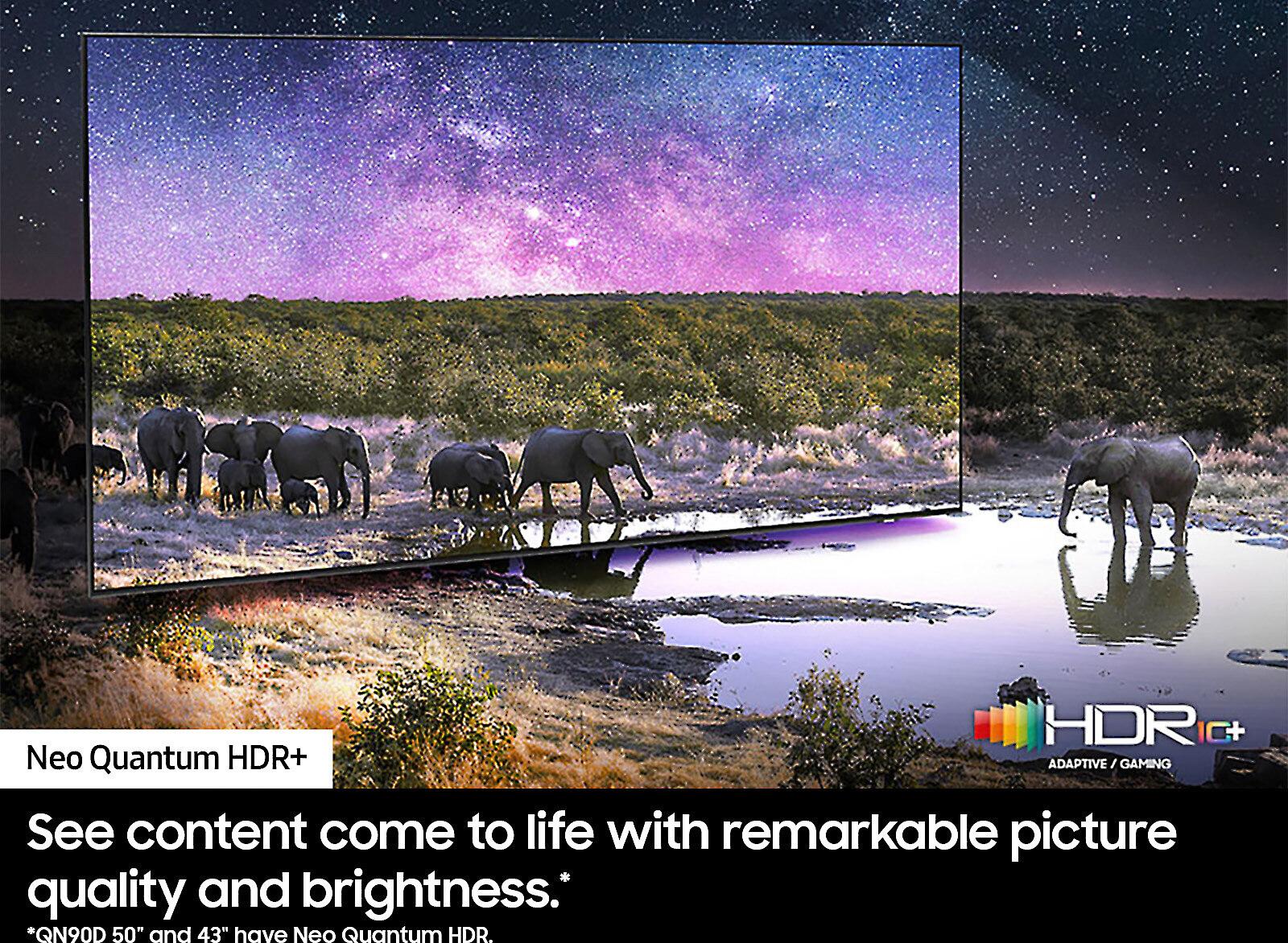
Peak brightness has become perhaps the most crucial specification for premium TVs, especially at this massive 98-inch size. Higher brightness serves multiple purposes: it makes HDR (High Dynamic Range) content truly impactful, ensures the TV performs well in bright rooms, and provides the headroom needed for accurate color reproduction.
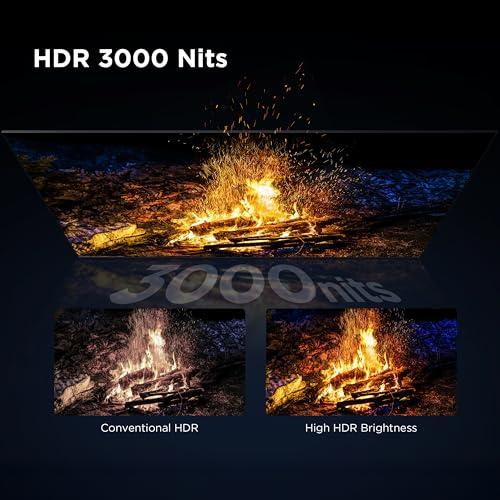
The TCL QM7K achieves an exceptional 3,000 nits of peak brightness—genuinely professional monitor territory that puts it among the brightest consumer displays available. To put this in perspective, most standard TVs max out around 1,000-1,500 nits, and even many premium models struggle to exceed 2,000 nits consistently.
The Samsung QN90D reaches approximately 2,000 nits peak brightness, which is still excellent but notably lower than the TCL. However, Samsung compensates with superior sustained brightness performance. While the TCL hits higher peaks, Samsung maintains higher brightness levels across larger screen areas for extended periods without thermal dimming—the tendency for displays to reduce brightness when they get hot.
In practical terms, the TCL's superior peak brightness provides better performance in bright living rooms with large windows. During daytime viewing, it maintains vibrant colors and contrast that dimmer TVs simply cannot match. For dedicated home theater rooms with controlled lighting, both TVs excel, but the TCL's extra brightness headroom ensures HDR content has genuine impact.
Local dimming zones represent one of the most important technical differences between these models. The TCL QM7K features over 2,500 local dimming zones on its larger models, enabling incredibly precise control where each zone covers a relatively small screen area.
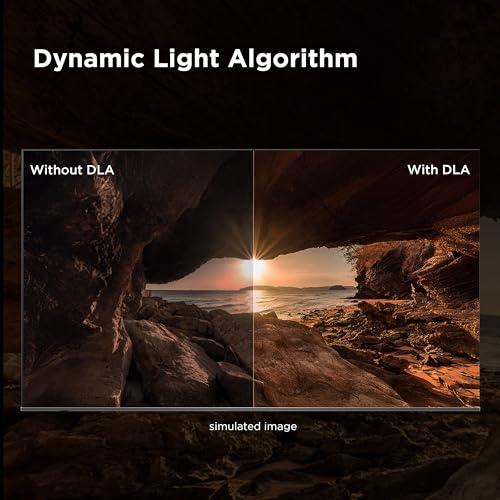
The Samsung QN90D uses approximately 1,344 zones based on scaling from their smaller models. While this sounds like Samsung is behind, zone count isn't everything. Samsung's Quantum Matrix Pro technology emphasizes intelligent algorithms that analyze upcoming frames to predict optimal dimming patterns, rather than relying purely on zone quantity.
TCL's brute-force approach with more zones performs exceptionally well with high-contrast content like movies with dark space scenes or nighttime sequences. Each zone can adjust more precisely to match content requirements. Samsung's algorithmic approach excels with mixed content like sports broadcasts or daytime programming where lighting is more uniform across the screen.
Both approaches have merit, but our research suggests the TCL has a slight edge for cinematic content in dark rooms, while the Samsung provides more consistent performance across varied entertainment types.
Gaming capability has become crucial for premium TVs, and these models take notably different approaches.
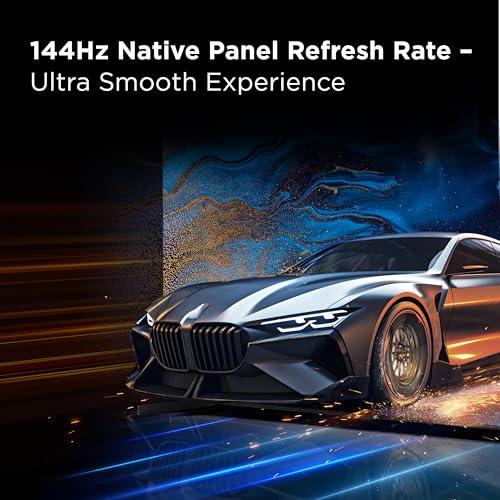
The TCL QM7K targets serious gamers with support for variable refresh rates up to 288Hz when connected to a gaming PC. For console gaming, it handles 4K resolution at 144Hz refresh rates, nearly double what current consoles can output but providing future-proofing for next-generation systems. TCL claims sub-10ms input lag in game mode—the delay between pressing a controller button and seeing the response on screen—which is crucial for competitive gaming.
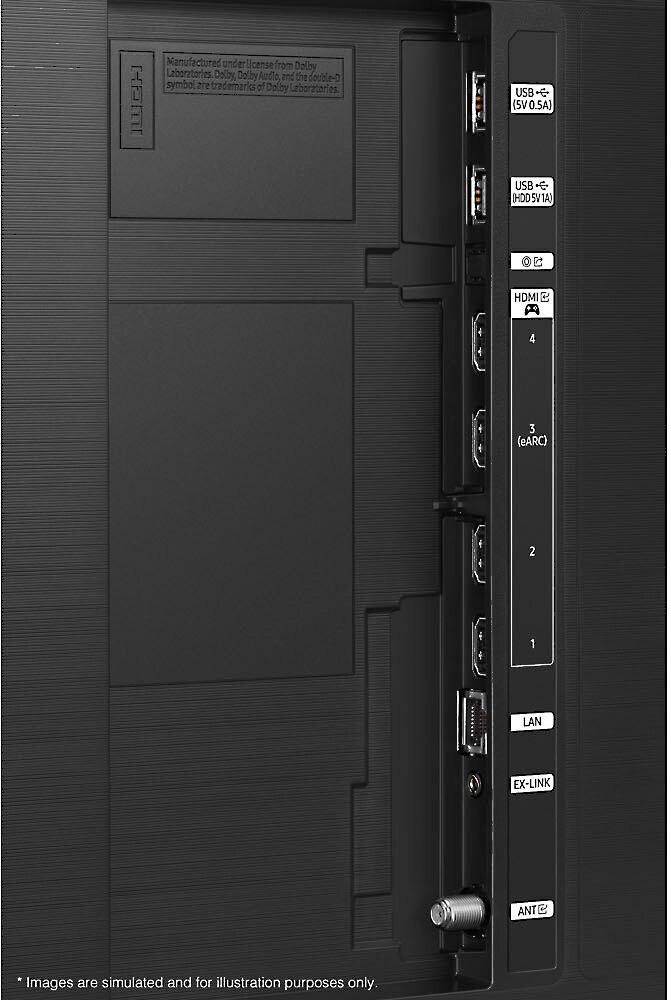
The Samsung QN90D offers a 120Hz refresh rate with their Motion Xcelerator technology and includes four HDMI 2.1 ports for multiple next-generation consoles. However, Samsung's real gaming advantage lies in their Gaming Hub, which integrates cloud gaming services directly into the TV. You can play Xbox Game Pass games without owning an Xbox console, accessing a massive library through the TV's internet connection.
For hardcore gamers prioritizing refresh rates and responsiveness, the TCL provides superior specifications. For casual gamers who appreciate ecosystem integration and convenience, the Samsung's Gaming Hub offers unique value.
Color performance represents another area where these TVs diverge significantly in approach.
The Samsung QN90D delivers superior color accuracy straight out of the box. Samsung's years of refinement show in their color processing, achieving 100% coverage of the DCI-P3 color space used by most modern content. The NQ4 AI Gen2 processor provides exceptional upscaling, converting lower-resolution content to near-4K quality, and handles motion smoothly without artifacts.
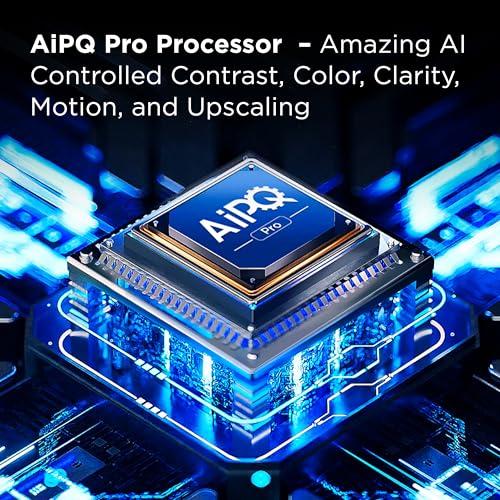
The TCL QM7K offers excellent color volume potential thanks to quantum dot technology, which can produce incredibly saturated colors. However, it typically requires calibration to achieve optimal accuracy. The AiPQ ULTRA processor handles AI-driven optimizations across multiple parameters including contrast, color, clarity, and motion.
For users who want plug-and-play performance, the Samsung excels. For enthusiasts willing to calibrate or hire a professional, the TCL can achieve exceptional results.
At 98 inches, managing reflections becomes crucial because the massive screen surface can act like a mirror in bright rooms. This is where Samsung's years of development really show.
The Samsung QN90D features superior anti-glare coating combined with Ultra Viewing Angle technology. The anti-glare treatment significantly reduces reflections from windows and room lighting, while Ultra Viewing Angle maintains color accuracy and brightness when viewed from the sides—important for large family viewing where not everyone sits directly centered.
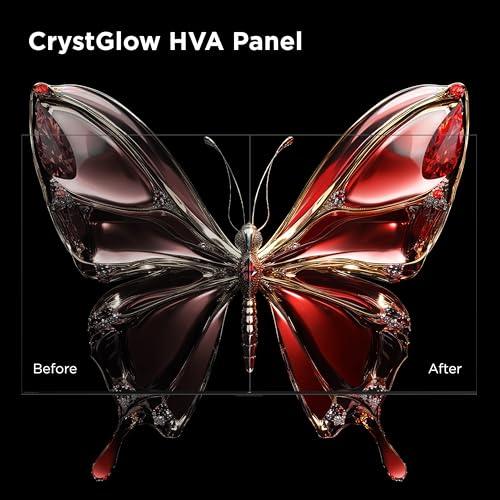
The TCL QM7K includes improved anti-reflective coating on their CrystGlow HVA panel, but our research indicates Samsung's specialized technology provides measurable advantages in challenging lighting conditions.
For rooms with multiple windows or varied seating arrangements, the Samsung offers superior versatility. For dedicated theater rooms with controlled lighting, this difference becomes less significant.
Both TVs offer mature, capable smart platforms, but with different strengths.
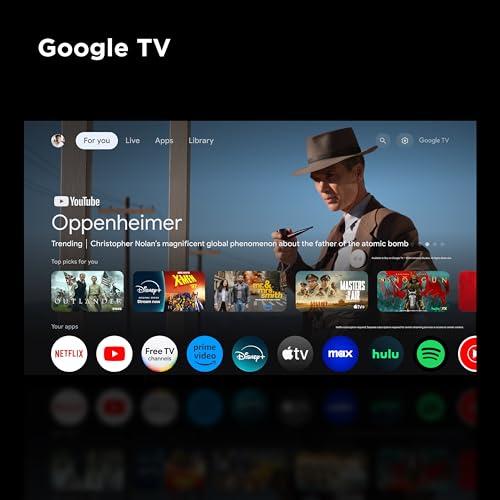
The TCL QM7K runs Google TV with hands-free voice control through built-in microphones. The interface excels at content discovery across multiple streaming services, and integration with Google ecosystem devices like phones and smart home products works seamlessly.
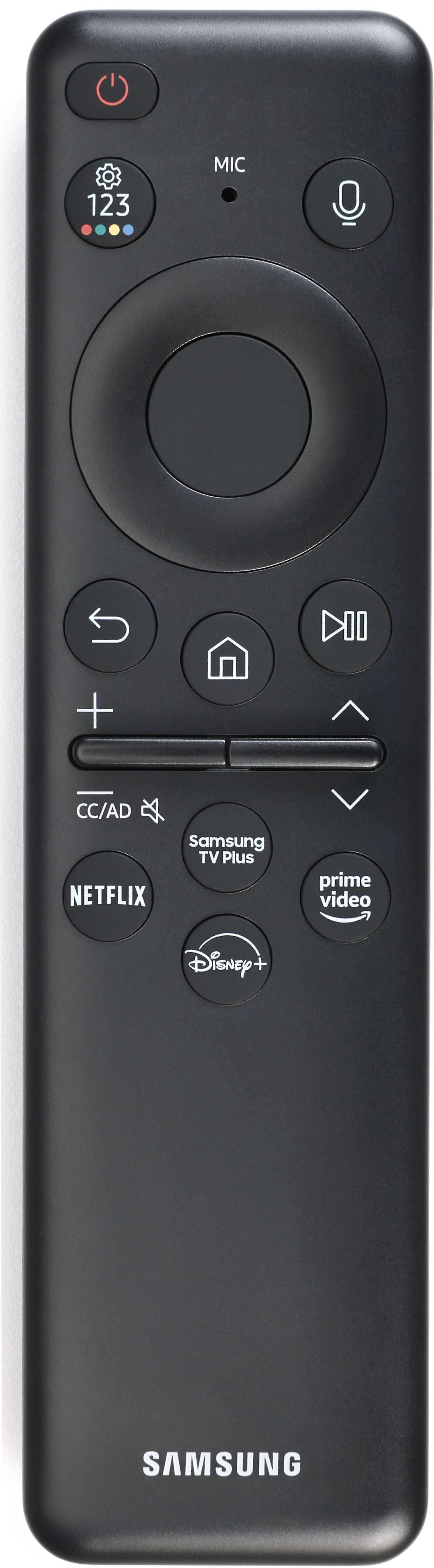
The Samsung QN90D uses Samsung's Tizen OS, which has become highly polished after years of development. Tizen offers fast performance, effective content recommendations, and seamless integration with Samsung smartphones and appliances. The Gaming Hub integration adds unique cloud gaming capabilities not available on other platforms.
Both platforms support all major streaming apps, but choice often comes down to existing ecosystem preferences.
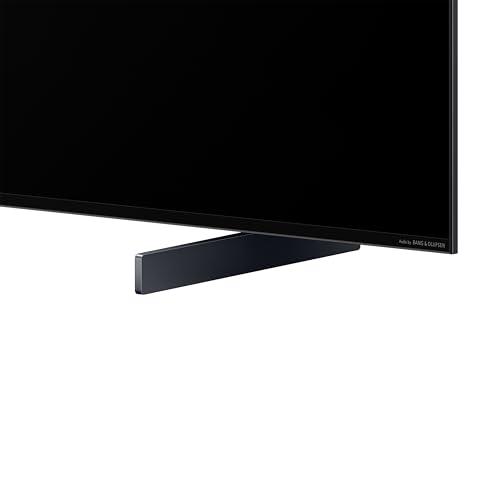
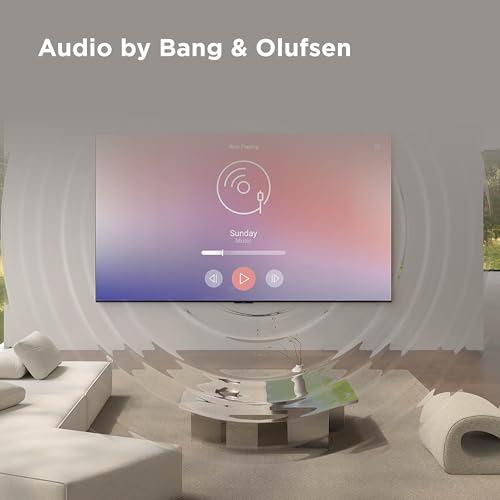
The TCL QM7K includes a 100W audio system tuned by Bang & Olufsen, providing robust built-in sound with Dolby Atmos support for three-dimensional audio effects.
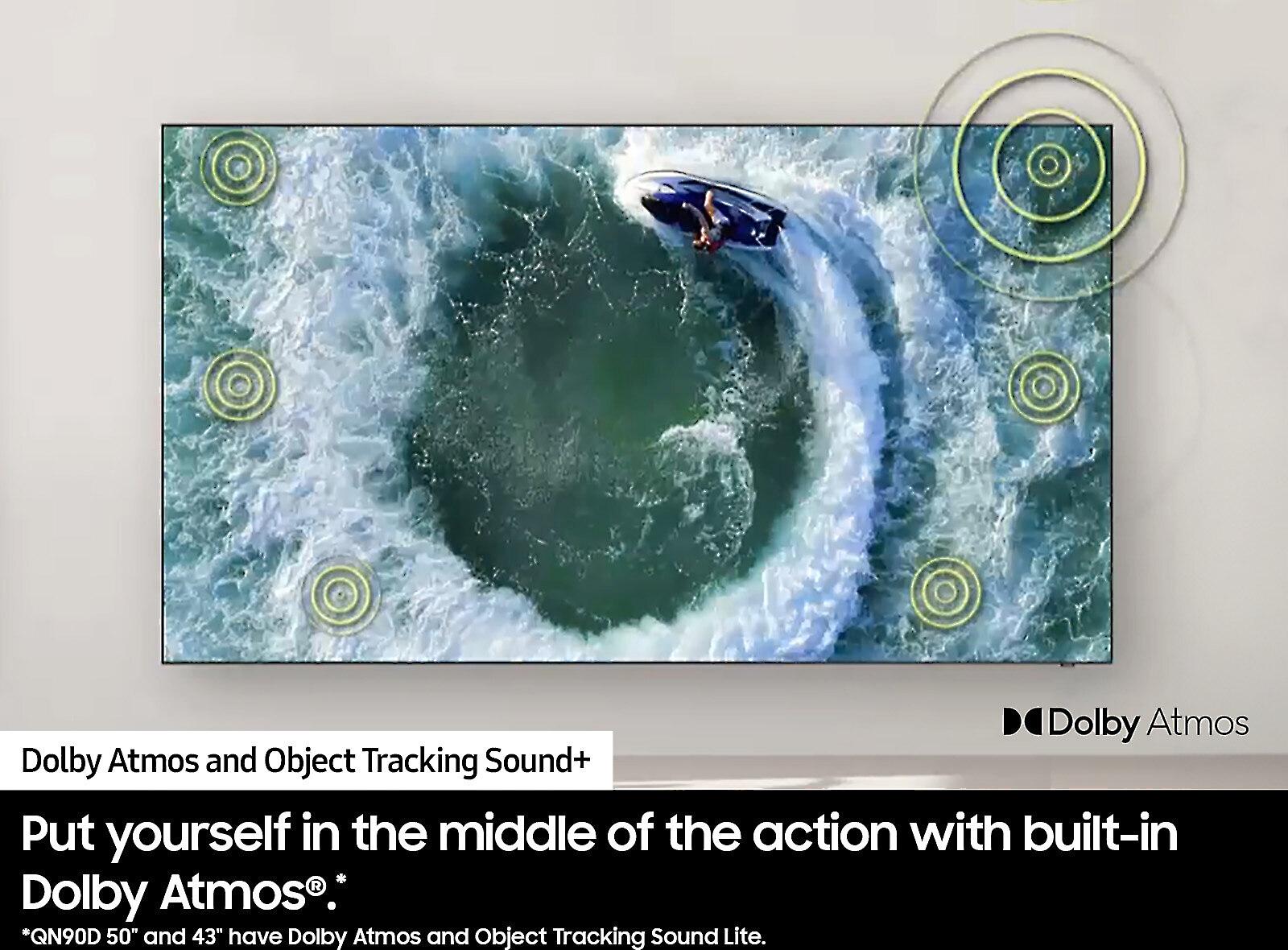
The Samsung QN90D features a 60W system with Object Tracking Sound+ technology, which moves audio around the screen to match on-screen action—like hearing a car drive from left to right across the display.
While both systems are above-average for built-in TV audio, the reality is that most 98-inch TV buyers invest in external sound systems. The massive screen demands equally impressive audio, and both TVs work excellently with soundbars or full home theater speaker systems.
The TCL QM7K represents exceptional value for buyers seeking cutting-edge technology. At the time of writing, it typically costs significantly less than comparable Samsung models while offering superior peak brightness and gaming specifications.
Choose the TCL if you have a bright room with large windows where the 3,000-nit brightness will maintain vibrant colors during daytime viewing. It's also ideal if gaming is a priority, especially for PC gaming where the 288Hz support provides a competitive advantage.
The TCL works best for enthusiasts who appreciate having the latest technology and don't mind potential calibration needs to optimize color accuracy. The substantial cost savings compared to Samsung can fund significant audio system upgrades.
The Samsung QN90D commands higher prices but delivers refined, reliable performance with superior versatility for mixed-use family rooms.
Choose the Samsung if color accuracy out-of-the-box is important and you prefer not to deal with calibration. It's particularly appealing for rooms with challenging lighting conditions where the superior anti-glare technology and viewing angle performance matter.
The Samsung also makes sense for buyers who prioritize established reliability and comprehensive support networks. Samsung's years of experience with large-screen displays show in the refined user experience and consistent performance across varied content types.
For dedicated home theater rooms, both TVs excel, but with different strengths. The TCL's superior brightness and contrast make it exceptional for cinematic content in dark environments. The higher zone count provides precise control for movies with challenging lighting.
The Samsung's refined color processing and motion handling make it versatile for mixed entertainment including sports, concerts, and varied programming beyond movies.
The TCL 98" QM7K represents the future of large-screen technology with cutting-edge brightness and gaming performance at an attractive price point. It's ideal for tech enthusiasts and dedicated home theater applications where maximum performance per dollar matters most.
The Samsung 98" QN90D offers proven reliability with superior versatility for family rooms and challenging environments. The premium pricing reflects established quality, refined processing, and comprehensive support that many buyers find worthwhile.
Both televisions deliver exceptional performance that will satisfy demanding users. Your choice ultimately depends on budget priorities, room environment, and whether you prefer cutting-edge specifications or refined reliability. Either way, you're getting a truly impressive centerpiece for years of exceptional viewing experiences.
| TCL 98" QM7K QD-Mini LED 4K TV | Samsung 98" QN90D Series Neo QLED 4K Smart TV |
|---|---|
| Peak Brightness - Critical for HDR impact and bright room performance | |
| 3,000 nits (exceptional for daytime viewing and HDR content) | 2,000 nits (excellent brightness with better sustained performance) |
| Local Dimming Zones - Controls contrast and eliminates blooming | |
| 2,500+ zones (more precise control for cinematic content) | ~1,344 zones (fewer zones but superior algorithmic processing) |
| Gaming Refresh Rate - Important for smooth motion and competitive gaming | |
| Up to 288Hz VRR (future-proof for next-gen gaming) | 120Hz with Motion Xcelerator (current console optimization) |
| Display Technology - Affects color accuracy and longevity | |
| QD-Mini LED with quantum dots (superior color volume potential) | Neo QLED with refined processing (better out-of-box accuracy) |
| Anti-Glare Performance - Essential for rooms with windows | |
| CrystGlow anti-reflective coating (good glare reduction) | Ultra Viewing Angle with superior anti-glare (excellent reflection control) |
| Smart TV Platform - Daily user experience and app performance | |
| Google TV with hands-free voice control | Samsung Tizen OS with Gaming Hub integration |
| HDR Format Support - Compatibility with premium streaming content | |
| Dolby Vision IQ, HDR10+, HDR10, HLG (comprehensive support) | HDR10+, HDR10, HLG (missing Dolby Vision) |
| Audio System - Built-in sound quality | |
| 100W Bang & Olufsen tuned with Dolby Atmos | 60W Object Tracking Sound+ system |
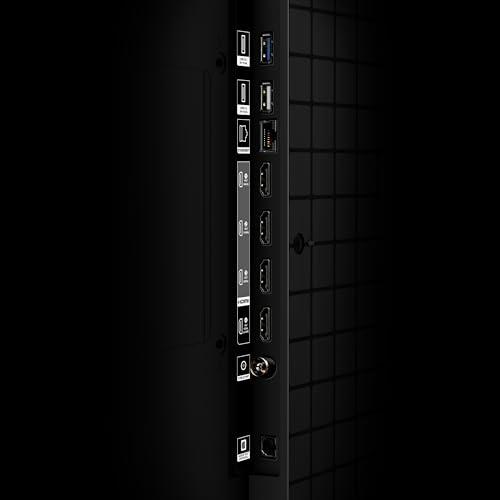
| HDMI 2.1 Ports - Future-proofing for multiple next-gen consoles | |
| 2 HDMI 2.1 ports (adequate for most setups) | 4 HDMI 2.1 ports (excellent for multiple devices) |
| Input Lag - Critical for responsive gaming | |
| Sub-10ms in game mode (excellent for competitive gaming) | Low input lag with Auto Game Mode (optimized per genre) |
| Release Year & Technology Maturity | |
| 2025 cutting-edge technology (latest features, less proven) | 2024 mature platform (refined reliability, established support) |
| Value Proposition - Price-to-performance ratio | |
| Significantly lower cost for premium specs | Higher price reflecting established quality and support |
The TCL 98" QM7K is better for bright rooms due to its exceptional 3,000 nits peak brightness, significantly higher than the Samsung QN90D's 2,000 nits. However, the Samsung QN90D features superior anti-glare technology that reduces reflections from windows and room lighting, making it more versatile in challenging lighting conditions.
The TCL QM7K offers superior gaming specs with up to 288Hz variable refresh rate and 4K at 144Hz support, making it ideal for PC gaming and future consoles. The Samsung QN90D provides 120Hz refresh rate but includes unique Gaming Hub integration for cloud gaming and four HDMI 2.1 ports for multiple devices.
The Samsung QN90D delivers superior color accuracy straight from the box with 100% DCI-P3 coverage and refined color processing. The TCL QM7K offers excellent color volume potential with quantum dot technology but typically requires calibration to achieve optimal accuracy.
The TCL QM7K uses Google TV with hands-free voice control and excellent Google ecosystem integration. The Samsung QN90D runs Samsung's Tizen OS, which offers fast performance, Gaming Hub for cloud gaming, and seamless Samsung device integration. Both platforms support all major streaming apps.
For dedicated home theaters, the TCL QM7K excels with its 2,500+ local dimming zones and 3,000 nits brightness, providing exceptional contrast and HDR impact in dark rooms. The Samsung QN90D offers refined color processing and motion handling, making it versatile for mixed entertainment beyond movies.
The TCL QM7K features over 2,500 local dimming zones for precise control of brightness and contrast, especially beneficial for high-contrast cinematic content. The Samsung QN90D uses approximately 1,344 zones but compensates with superior algorithmic processing that analyzes content to optimize dimming patterns.
The TCL QM7K typically offers exceptional value with cutting-edge technology at a significantly lower price point than comparable Samsung models. The Samsung QN90D commands a premium but provides established reliability, refined user experience, and comprehensive support networks.
The TCL QM7K includes a 100W audio system tuned by Bang & Olufsen with Dolby Atmos support. The Samsung QN90D features a 60W system with Object Tracking Sound+ technology that moves audio around the screen. Both benefit from external sound systems for optimal home theater performance.
The TCL QM7K offers comprehensive HDR support including Dolby Vision IQ, HDR10+, HDR10, and HLG formats. The Samsung QN90D supports HDR10+, HDR10, and HLG but notably lacks Dolby Vision support, which may limit compatibility with certain premium streaming content.
The Samsung QN90D features superior anti-glare coating with Ultra Viewing Angle technology that significantly reduces reflections and maintains color accuracy from side angles. The TCL QM7K includes improved anti-reflective coating but the Samsung's specialized technology provides better performance in rooms with multiple windows.
The TCL QM7K is more future-proof for gaming with 288Hz VRR support and 4K at 144Hz capabilities that exceed current console requirements. The Samsung QN90D focuses on current-generation optimization with 120Hz refresh rate and comprehensive HDMI 2.1 connectivity for multiple next-gen consoles.
Choose the TCL QM7K if you prioritize cutting-edge brightness, gaming performance, and value in a bright room setting. Select the Samsung QN90D if you prefer proven reliability, superior anti-glare performance, plug-and-play color accuracy, and comprehensive ecosystem integration for mixed family use.
We've done our best to create useful and informative comparisons to help you decide what product to buy. Our research uses advanced automated methods to create this comparison and perfection is not possible - please contact us for corrections or questions. These are the sites we've researched in the creation of this article: bestbuy.com - tcl.com - youtube.com - rtings.com - tcl.com - youtube.com - youtube.com - tcl.com - tomsguide.com - manuals.plus - youtube.com - tcl.com - whathifi.com - bestbuy.com - queencityonline.com - electronicexpress.com - tcl.com - valueelectronics.com - tcl.com - bestbuy.com - bestbuy.com - youtube.com - woodruffappliance.com - karlsonline.com - tcl.com - rtings.com - rtings.com - youtube.com - youtube.com - fullcompass.com - digitalhomecreations.com - jeffsappliance.com - bestbuy.com - displayspecifications.com - samsung.com - samsung.com - image-us.samsung.com - youtube.com

Privacy Policy
Terms and Conditions - Affiliate Policy
Home Security
© Copyright 2008-2026.
11816 Inwood Rd #1211, Dallas, TX 75244