

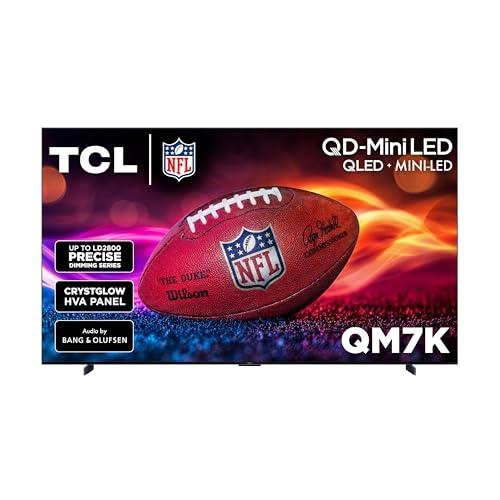
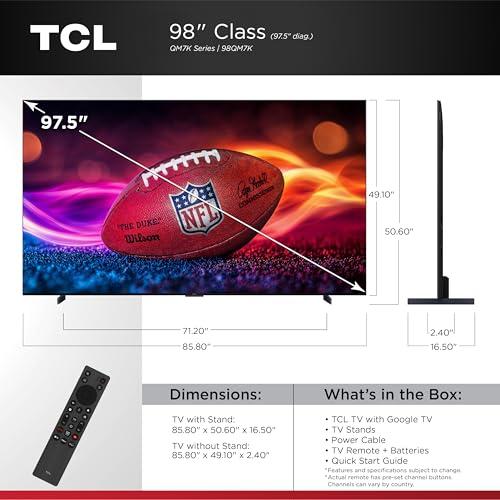

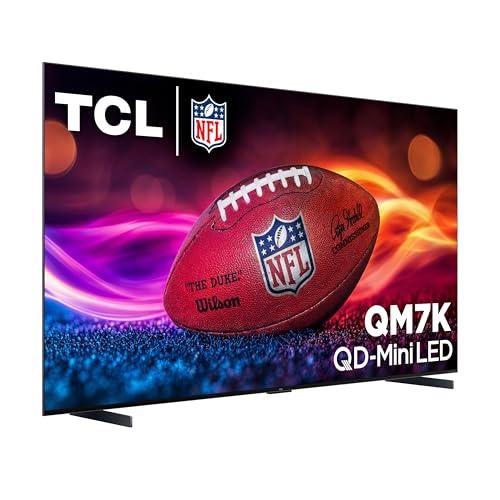
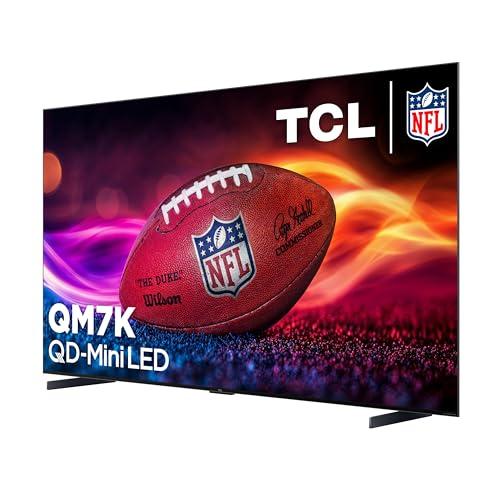
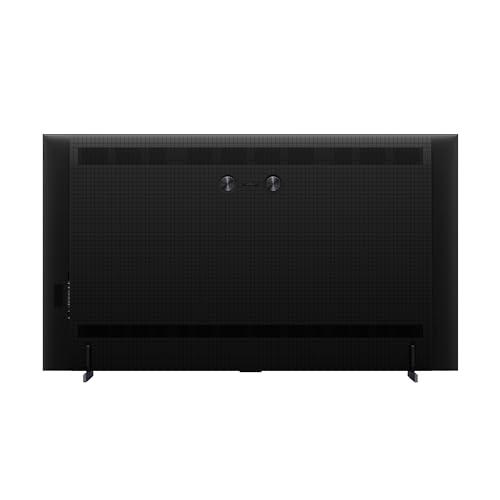
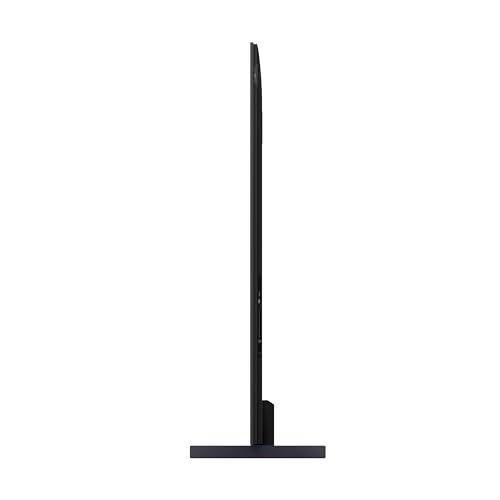
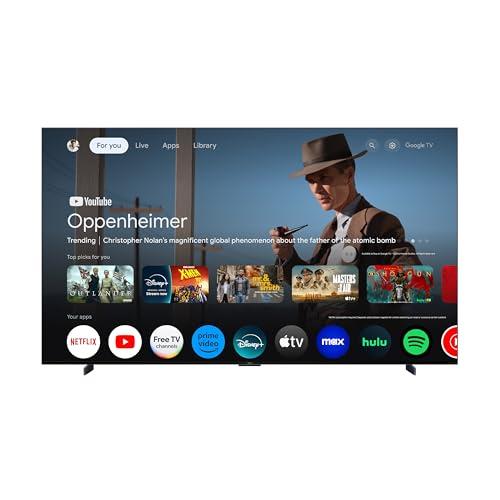
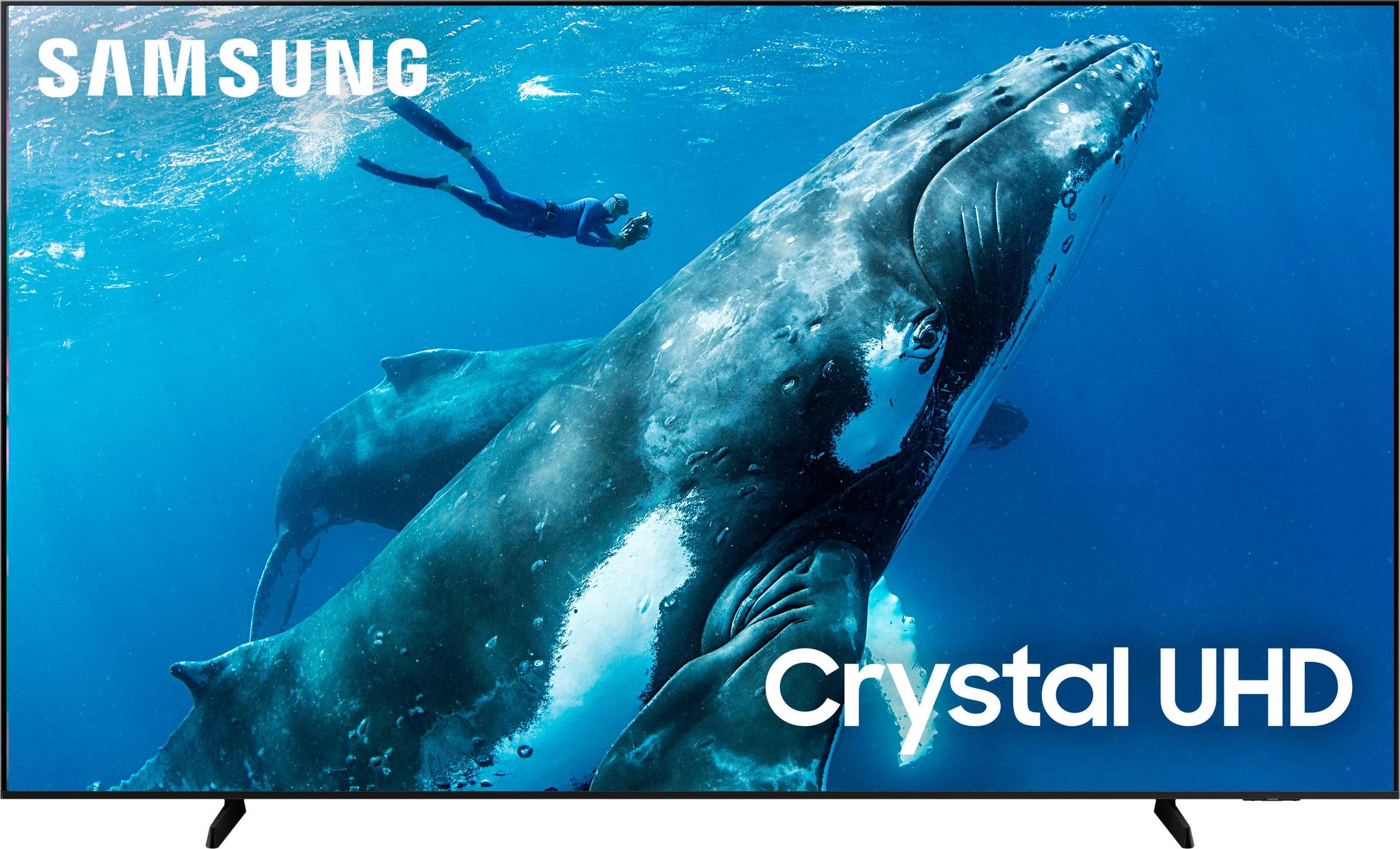
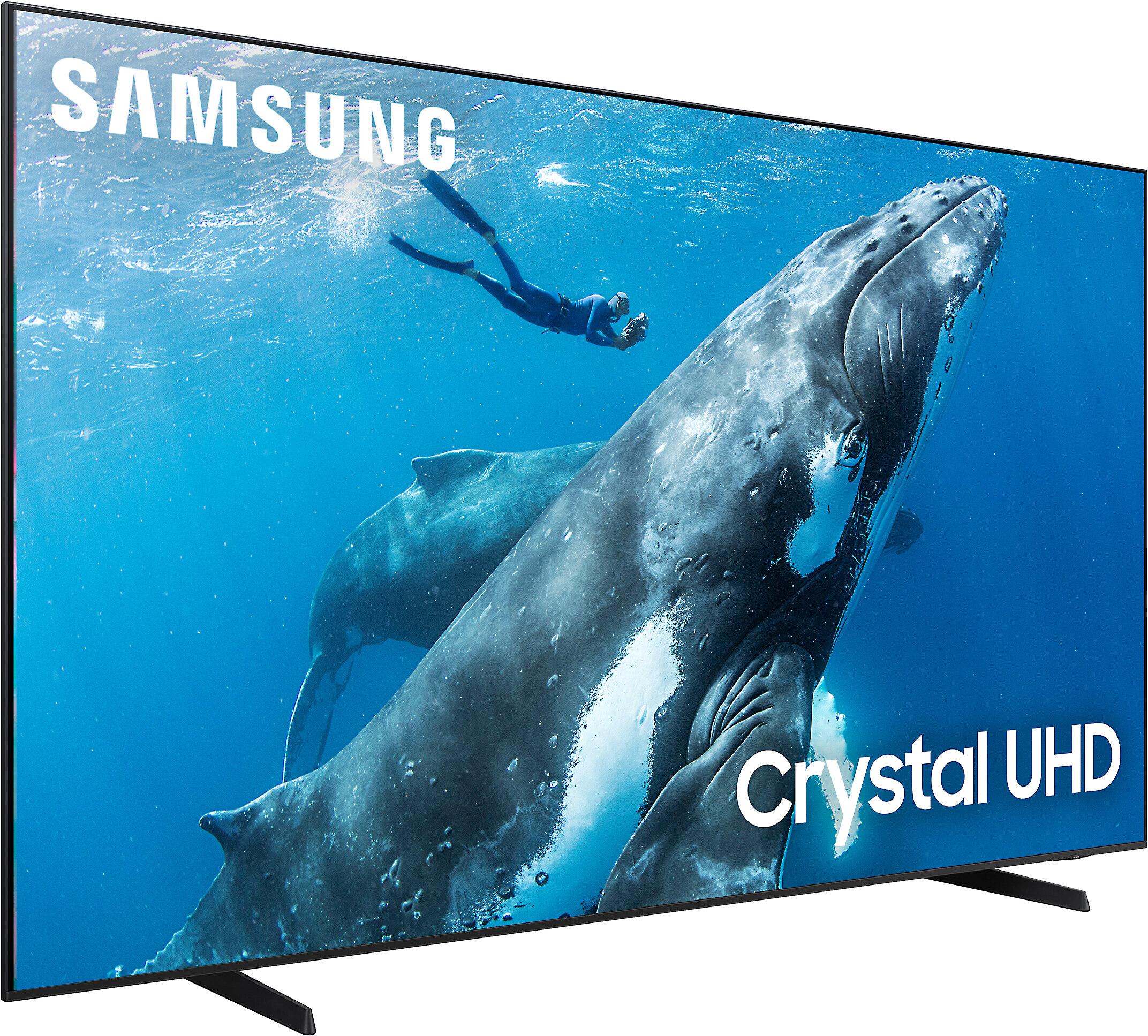
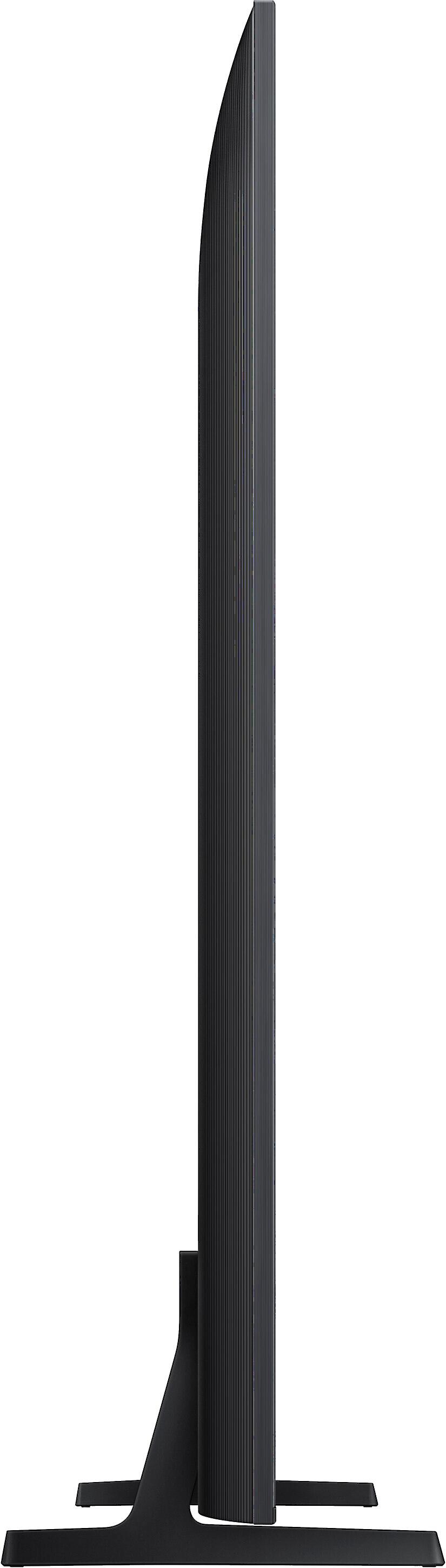
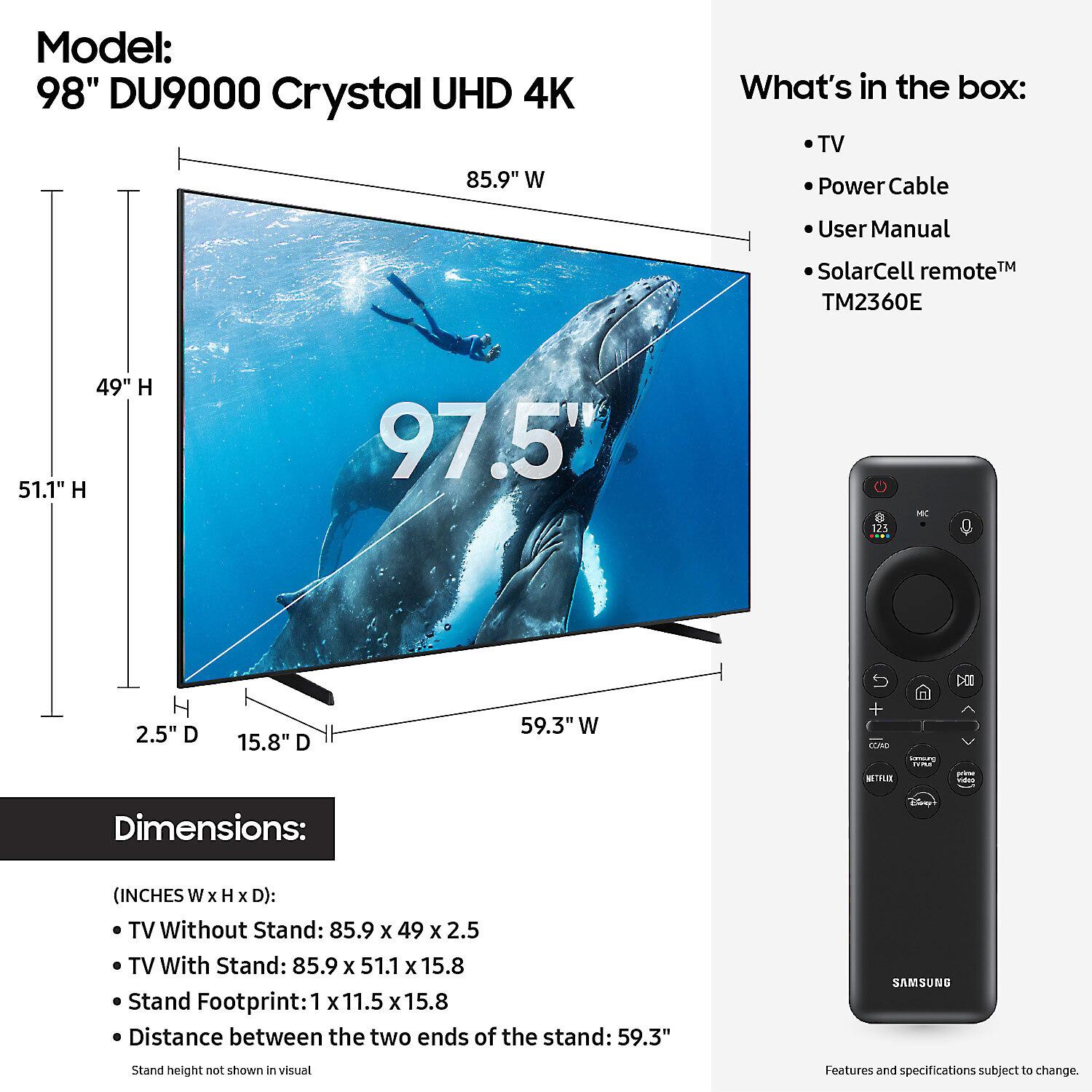
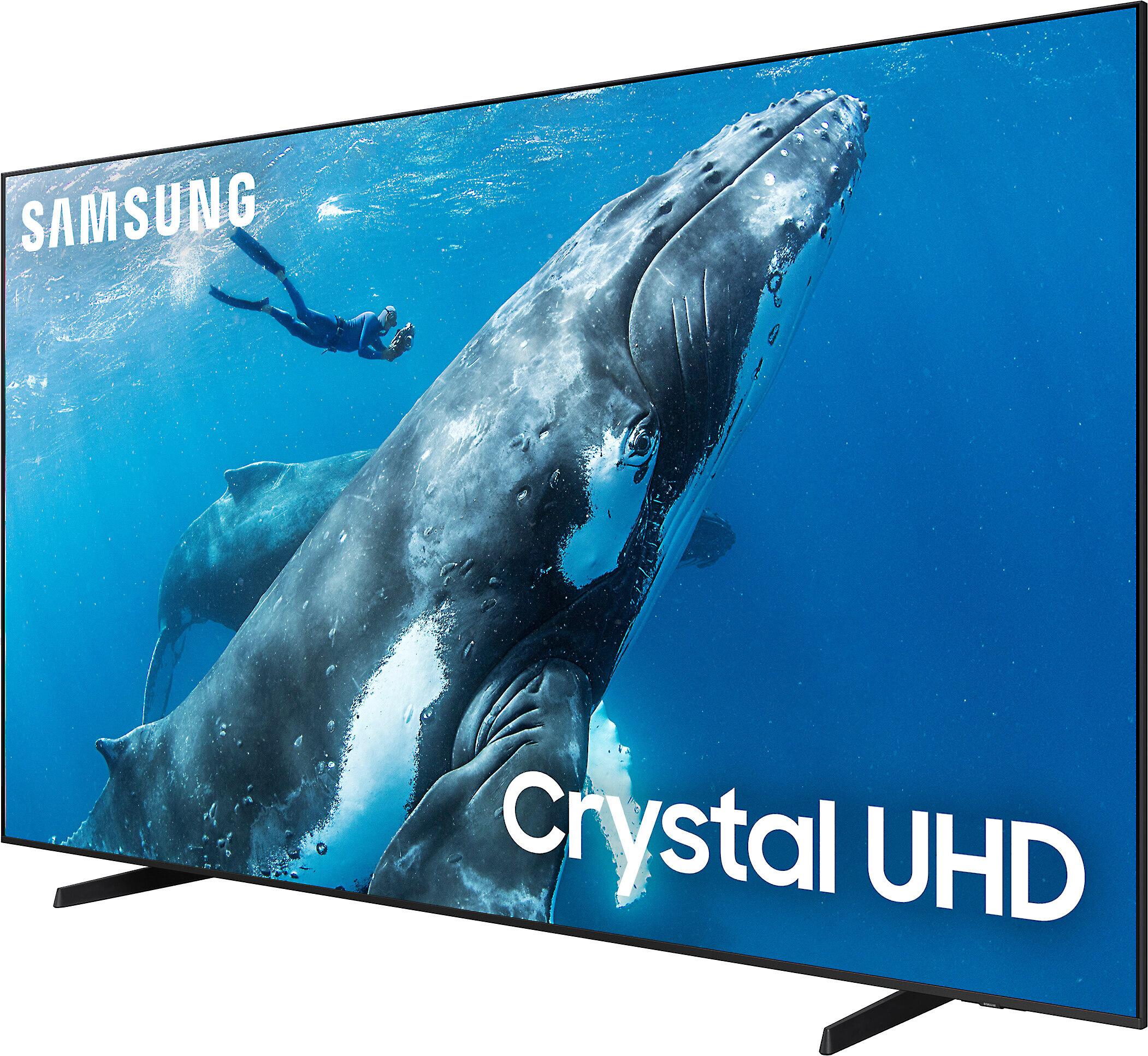
When you're shopping for a 98-inch TV, you're making a serious commitment to home entertainment. These massive displays essentially turn your living room into a private cinema, but not all 98-inch TVs are created equal. The choice between premium and budget options has never been more stark than with the TCL 98" QM7K QD-Mini LED 4K TV and the Samsung 98" DU9000 Series Crystal UHD Smart TV.
Both TVs launched in 2024, representing very different philosophies in the large-screen TV market. The TCL QM7K positions itself as a premium display with cutting-edge technology, while the Samsung DU9000 focuses on delivering maximum screen size at an accessible price point. At the time of writing, these TVs are priced similarly in the mid-$2,000 range, but the technology gap between them is enormous.
Before diving into the comparison, it's crucial to understand what makes these massive displays tick. The most important considerations for any 98-inch TV are display technology (how the picture is created), brightness capabilities (how well it performs in your actual room), gaming performance (refresh rates and input lag), and smart platform functionality.
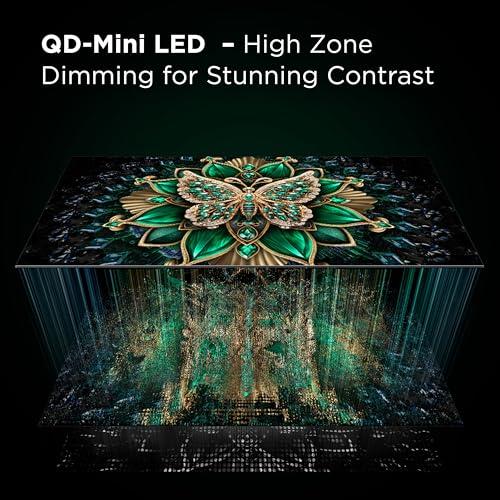
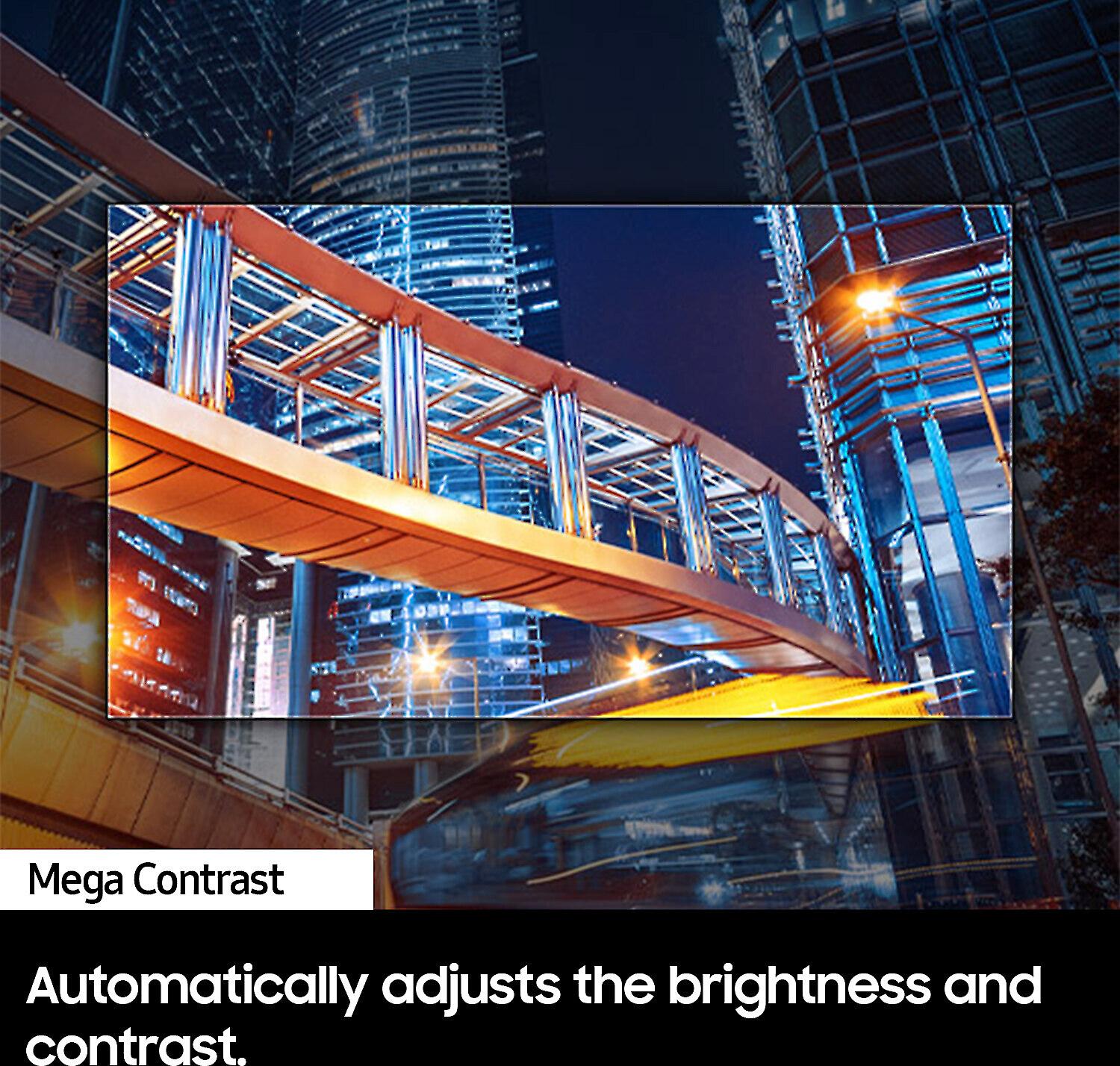
The display technology is where you'll see the biggest differences. Traditional LED TVs use a backlight that illuminates the entire screen, making it difficult to achieve true blacks alongside bright highlights. Advanced technologies like Mini LED use thousands of tiny LEDs that can be controlled independently, creating what's called "local dimming zones." Think of it like having thousands of individual flashlights behind your screen instead of one big flood light – this allows for much more precise control over brightness and darkness.
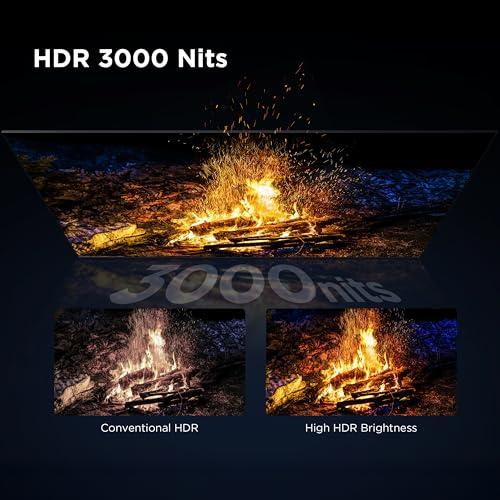
Peak brightness, measured in "nits," determines how well your TV performs in bright rooms and how impactful HDR (High Dynamic Range) content appears. Standard TVs might hit 400-600 nits, while premium models can exceed 1,000 nits or even reach 3,000 nits for truly spectacular highlights.
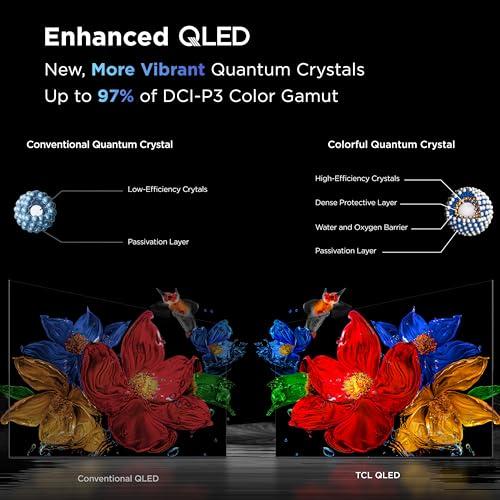
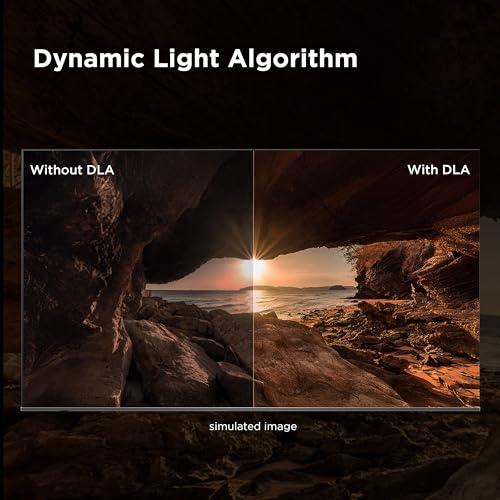
The TCL QM7K represents a technological tour de force with its QD-Mini LED system. This combines quantum dot technology (which creates more accurate colors) with Mini LED backlighting featuring up to 2,500 local dimming zones. To put this in perspective, imagine having 2,500 individual zones that can independently control their brightness – this creates incredibly precise contrast where bright stars can appear brilliant against a pitch-black sky without any unwanted glow or "blooming" around them.
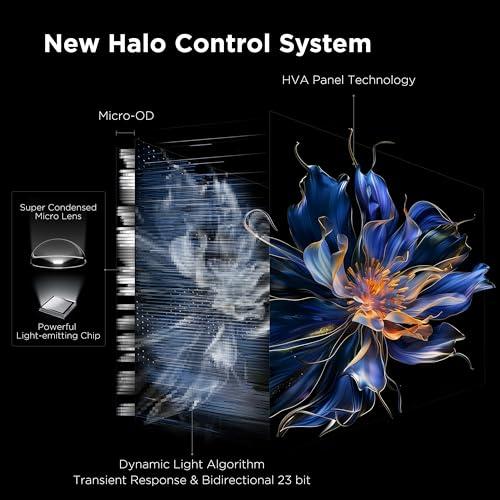
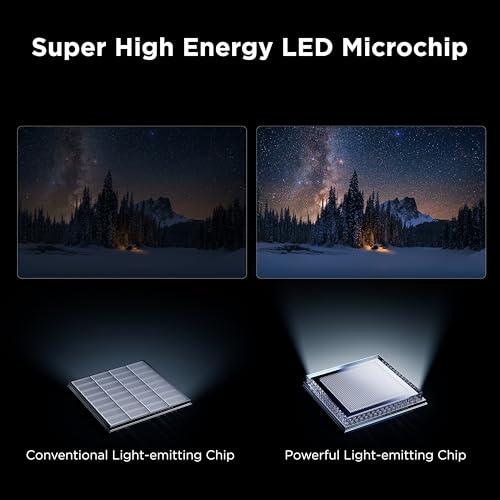
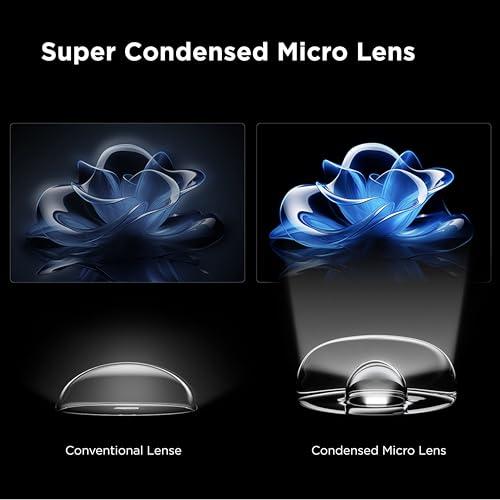
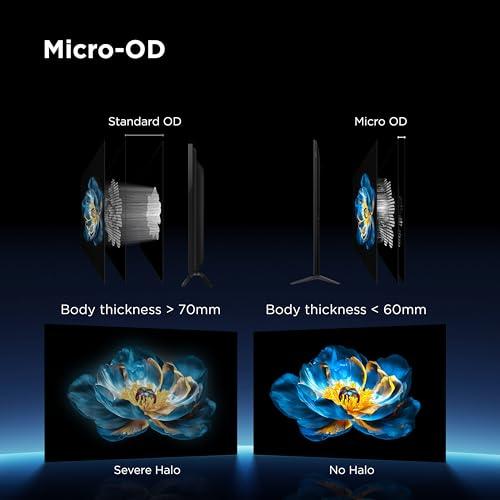
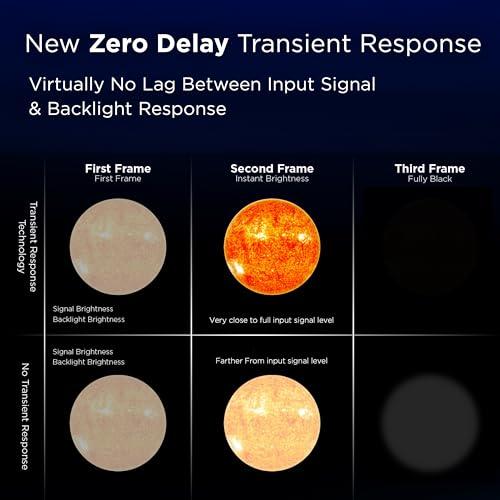
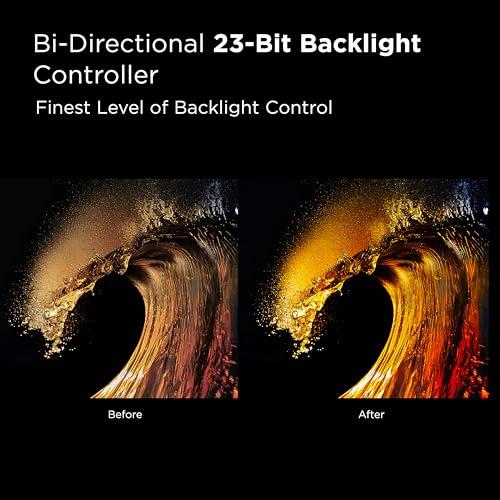
TCL's implementation goes further with their Halo Control System, which uses a Super High Energy LED Microchip and Super Condensed Micro Lens to focus light more precisely. The Micro-OD (Optical Distance) technology reduces the space between the backlight and the screen surface, virtually eliminating light overlap between adjacent LEDs. This technical wizardry results in sharp, clean edges between bright whites and deep blacks that rival OLED TVs.
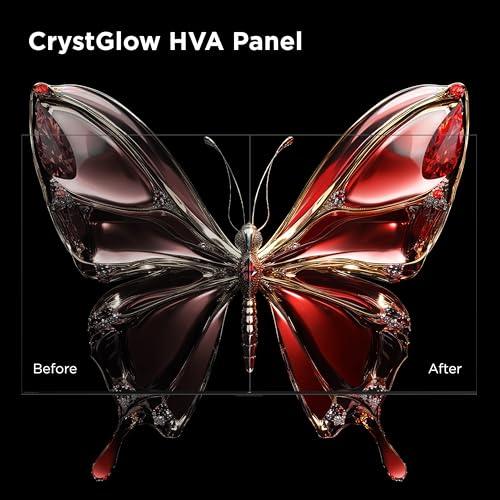
The TCL QM7K also features a CrystGlow HVA (High Vertical Alignment) panel that uses nanoscale engineering to control light passing through the liquid crystal layer. This creates a native contrast ratio of 8000:1 – meaning the brightest whites are 8,000 times brighter than the darkest blacks the panel can produce.
In contrast, the Samsung DU9000 uses Crystal UHD technology, which is essentially Samsung's marketing term for their standard LED-LCD approach. While it includes Samsung's PurColor technology for enhanced color reproduction, it lacks the sophisticated local dimming zones of the TCL QM7K. Instead, it relies on edge-lit LEDs or basic full-array backlighting without the granular control that makes premium TVs special.
The practical difference? The TCL QM7K can display a starfield with pinpoint bright stars against an inky black background, while the Samsung DU9000 will show the same scene with a grayish background and less defined star highlights. For movie enthusiasts who care about picture quality, this difference is immediately noticeable.
Here's where the TCL QM7K truly shines – literally. With a peak brightness of 3,000 nits, it's among the brightest TVs available at any size. This isn't just a numbers game; this extreme brightness capability means HDR content appears as intended, with sun reflections off water looking genuinely dazzling and flame effects having real visual impact.
The Samsung DU9000, while supporting HDR formats, operates at standard brightness levels typically around 400-600 nits. This means HDR content will look better than standard content, but won't have the jaw-dropping impact you get from high-brightness displays.
The importance of brightness extends beyond HDR content. In bright rooms with large windows, the TCL QM7K maintains picture quality and color saturation that would wash out completely on dimmer displays. The Samsung DU9000 performs adequately in controlled lighting but struggles to overcome ambient light in bright environments.
Both TVs support major HDR formats, but the TCL QM7K includes HDR ULTRA with Dolby Vision IQ, HDR10+, HDR10, and HLG support. Dolby Vision IQ is particularly clever – it uses ambient light sensors to adjust the HDR tone mapping based on your room's lighting conditions, ensuring optimal picture quality whether you're watching during the day or at night.
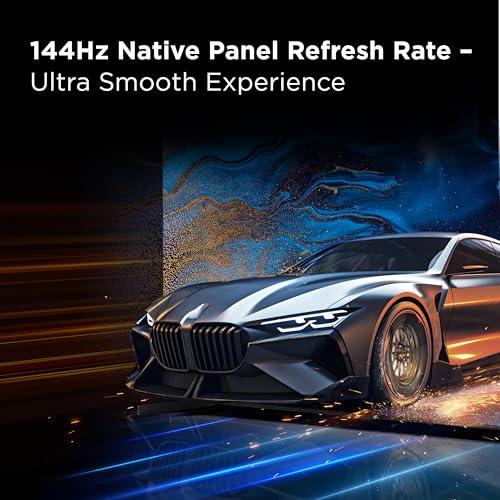
Modern gaming demands have pushed TV manufacturers to prioritize features that were once exclusive to computer monitors. The TCL QM7K delivers with a native 144Hz panel refresh rate and Game Accelerator 288 technology that supports variable refresh rates up to 288Hz for 1080p content and 144Hz for 4K content.
This high refresh rate capability eliminates the stuttering and judder that plague lower refresh rate displays during fast-paced gaming. When you're playing competitive games or fast-action titles, the difference between 60Hz and 144Hz is immediately apparent – everything appears smoother and more responsive.
The TCL QM7K also includes Auto Game Mode (ALLM), which automatically switches to the lowest latency settings when it detects a gaming console, and supports AMD FreeSync Premium Pro for tear-free gaming. Input lag – the delay between pressing a button and seeing the action on screen – is minimized to provide competitive gaming performance.
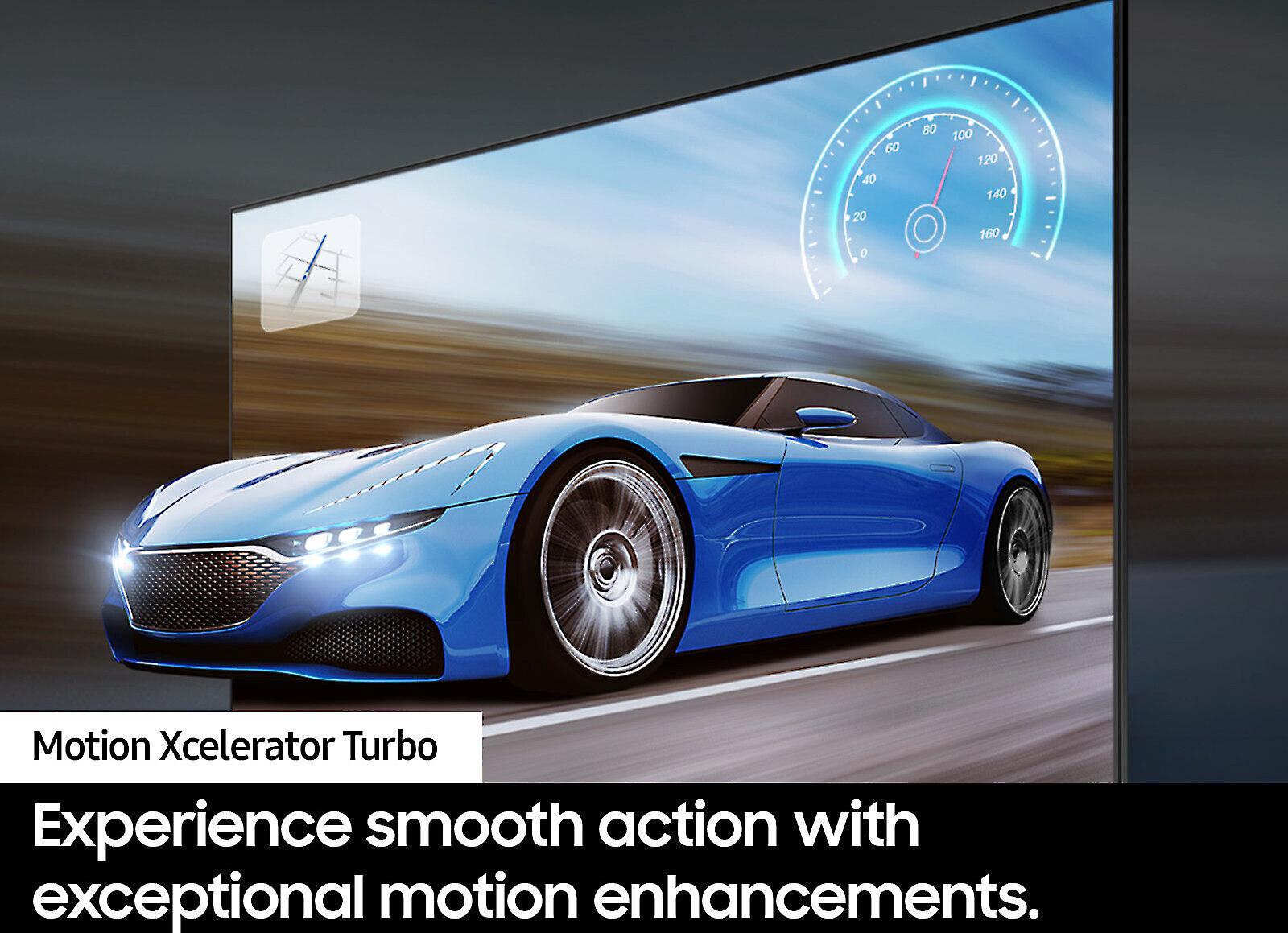
The Samsung DU9000 offers respectable gaming features with 120Hz support and Motion Xcelerator 120Hz technology. It includes Auto Game Mode and basic VRR support, making it capable for casual gaming. However, it can't match the TCL QM7K's native high refresh rate performance or advanced gaming optimizations.
For serious gamers, especially those with high-end consoles or gaming PCs, the TCL QM7K provides a significantly superior experience. The Samsung DU9000 works fine for casual gaming but lacks the responsiveness that competitive players demand.
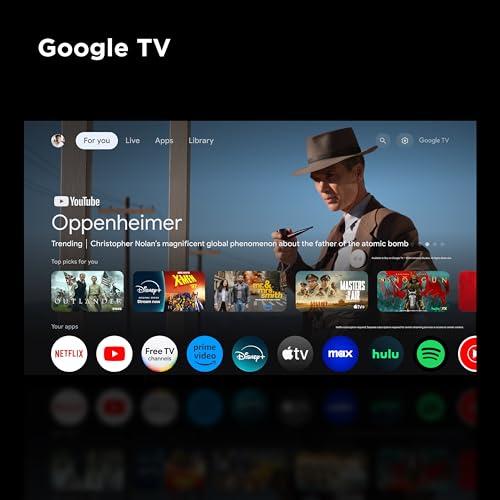
The smart TV experience has become increasingly important as streaming dominates how we consume content. The TCL QM7K runs Google TV, which provides access to the most comprehensive app ecosystem available. Google TV's interface learns your viewing habits and suggests content across multiple services, creating a more personalized experience.
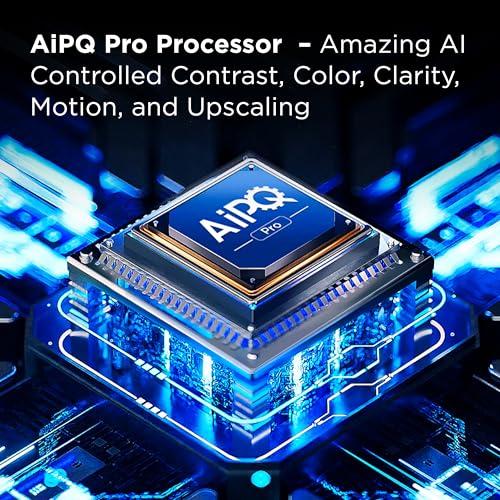
Behind the scenes, the TCL QM7K uses TCL's AiPQ ULTRA Processor with deep learning AI capabilities. This isn't marketing fluff – the processor performs real-time analysis of incoming content and applies AI-driven optimizations including AI Contrast, AI Color, AI Clarity, AI Motion, AI HDR, and AI Scene recognition. These optimizations work at the pixel level to enhance picture quality regardless of the source material's original quality.
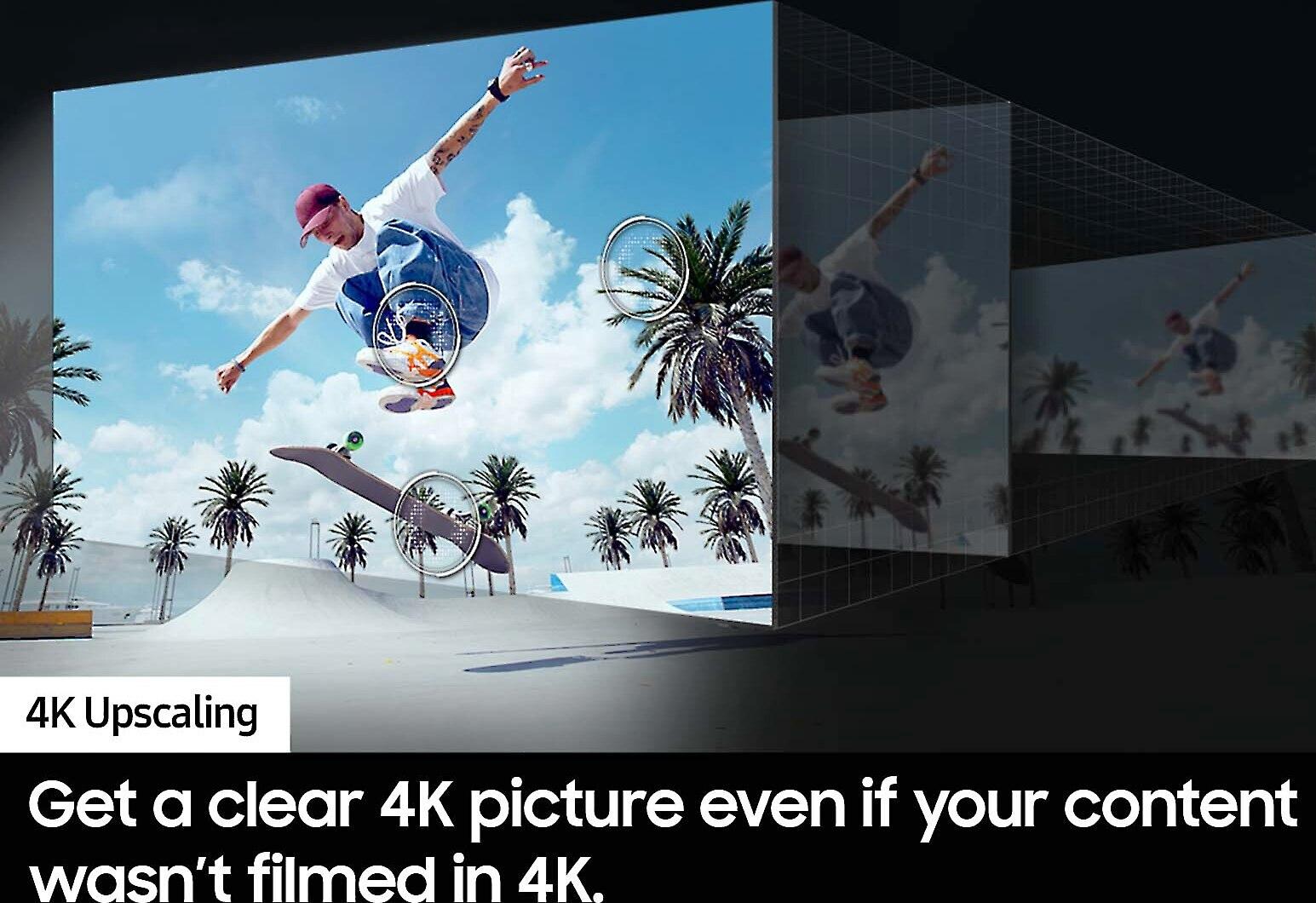
The Samsung DU9000 features Samsung's Tizen OS, which offers a clean, intuitive interface with good app selection, though not quite as extensive as Google TV. The Crystal Processor 4K handles basic 4K upscaling and content optimization, but lacks the advanced AI processing capabilities of the TCL QM7K.
In practical terms, the TCL QM7K will make poorly compressed streaming content look better and will optimize everything from old DVDs to modern 4K content for the best possible picture quality on the display.
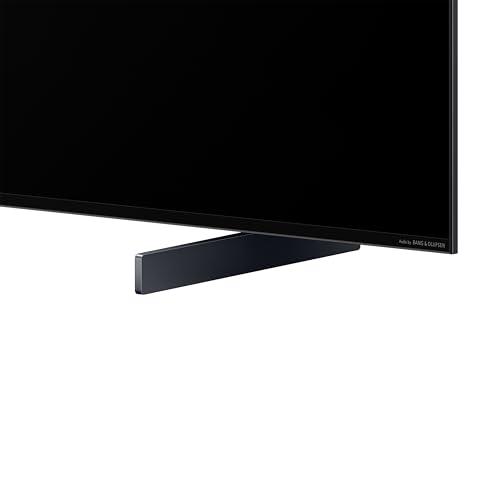
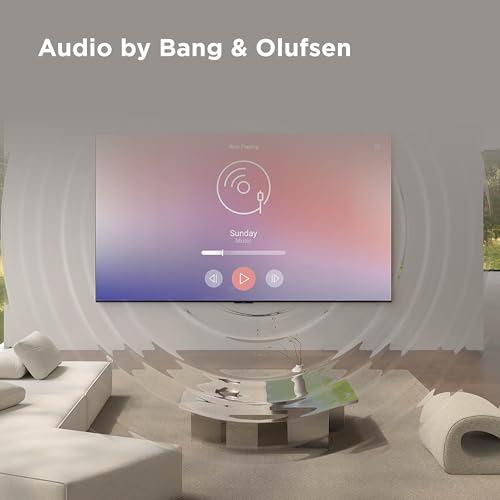
While most people focus on picture quality, audio performance can make or break the viewing experience. The TCL QM7K features an audio system tuned by Bang & Olufsen, the respected Danish audio company. This partnership results in noticeably clearer dialogue, better spatial audio processing, and more accurate tonal balance than typical TV speakers.
The TCL QM7K also supports Dolby Atmos, which creates three-dimensional sound effects by bouncing audio off your ceiling. While built-in TV speakers can't fully replicate a dedicated Dolby Atmos system, the implementation here is surprisingly effective for a TV's built-in audio.
The Samsung DU9000 includes Object Tracking Sound Lite, which attempts to make audio follow the action on screen, and Adaptive Sound that adjusts dialogue levels based on room noise. While these features work reasonably well, the overall audio quality doesn't match the TCL QM7K's premium tuning.
For dedicated home theater setups, both TVs will likely be paired with external sound systems, but the TCL QM7K provides a much better standalone audio experience.
At the time of writing, both TVs are priced in the mid-$2,000 range, making this comparison particularly interesting. You're essentially choosing between maximum screen size at a budget price (Samsung DU9000) versus premium technology at a competitive price (TCL QM7K).
The Samsung DU9000 serves buyers who want the biggest possible screen without breaking the bank. It's perfect for casual family viewing, sports watching, and general entertainment where having 98 inches of screen real estate is more important than having the absolute best picture quality. If you're coming from a smaller TV and want that wow factor of a massive display, the Samsung DU9000 delivers.
However, the TCL QM7K represents exceptional value for what you get. The Mini LED technology, extreme brightness, advanced gaming features, and premium audio would typically cost significantly more. For anyone who cares about picture quality, watches a lot of movies, or games regularly, the TCL QM7K provides a dramatically superior experience that justifies any price premium.
In dedicated home theater environments, the differences between these TVs become even more pronounced. The TCL QM7K's superior contrast ratio, local dimming capabilities, and high brightness make it exceptional for dark room viewing where every detail in shadows and highlights becomes critically important.
The TCL QM7K's support for professional color spaces and accurate HDR reproduction means it can display movies as directors intended them to be seen. The Samsung DU9000, while large and impressive, lacks the precision needed for critical viewing.
For home theater enthusiasts, the TCL QM7K also offers better future-proofing with its advanced HDMI 2.1 implementation and high refresh rate capabilities that will remain relevant as content and gaming technology continues to evolve.
The choice between these 98-inch giants ultimately comes down to priorities and use cases. Choose the TCL QM7K if you want the best possible picture quality, plan to use the TV for gaming, watch a lot of HDR content, or have a bright room that demands high brightness capabilities. It's also the clear choice for home theater enthusiasts who want cinema-quality performance.
The Samsung DU9000 makes sense if your primary goal is maximum screen size at minimum cost, you primarily watch standard content rather than premium HDR material, and you don't need advanced gaming features. It's perfectly adequate for casual viewing and provides that impressive large-screen experience.
Based on our research into user and expert reviews, the TCL QM7K consistently receives praise for its picture quality and gaming performance, while the Samsung DU9000 earns positive feedback for its value proposition and user-friendly interface.
The TCL QM7K represents what 98-inch TVs can achieve when manufacturers prioritize technology and performance. The Samsung DU9000 proves that massive screen sizes don't have to remain exclusive to premium buyers. Both approaches have merit, but they serve distinctly different audiences with different priorities and expectations.
| TCL 98" QM7K QD-Mini LED 4K TV | Samsung 98" DU9000 Series Crystal UHD Smart TV |
|---|---|
| Display Technology - The foundation of picture quality | |
| QD-Mini LED with up to 2,500 local dimming zones | Standard LED-LCD with Crystal UHD technology |
| Peak Brightness - Critical for HDR impact and bright room viewing | |
| 3,000 nits (exceptional for any lighting condition) | Standard brightness ~400-600 nits (struggles in bright rooms) |
| Contrast Ratio - Determines how deep blacks appear against bright highlights | |
| 30,000,000:1 dynamic, 8,000:1 native (near-OLED performance) | Standard LED contrast (blacks appear grayish) |
| Gaming Refresh Rate - Higher rates mean smoother motion and lower input lag | |
| 144Hz native panel with 288Hz VRR support | 120Hz maximum with standard VRR |
| HDR Support - Determines how well the TV displays high dynamic range content | |
| HDR ULTRA with Dolby Vision IQ, HDR10+, HDR10, HLG | Basic HDR10 and HLG support |
| Smart Platform - Affects app selection and user experience | |
| Google TV (extensive app ecosystem) | Samsung Tizen OS (clean interface, good app selection) |
| Audio System - Important if not using external speakers | |
| Audio by Bang & Olufsen with Dolby Atmos | Standard speakers with Object Tracking Sound Lite |
| Processor - Determines upscaling quality and AI enhancements | |
| AiPQ ULTRA with deep learning AI optimization | Crystal Processor 4K for basic upscaling |
| HDMI Ports - Important for multiple devices and future compatibility | |
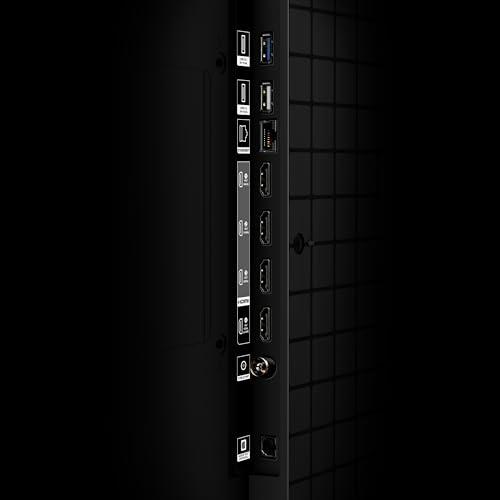
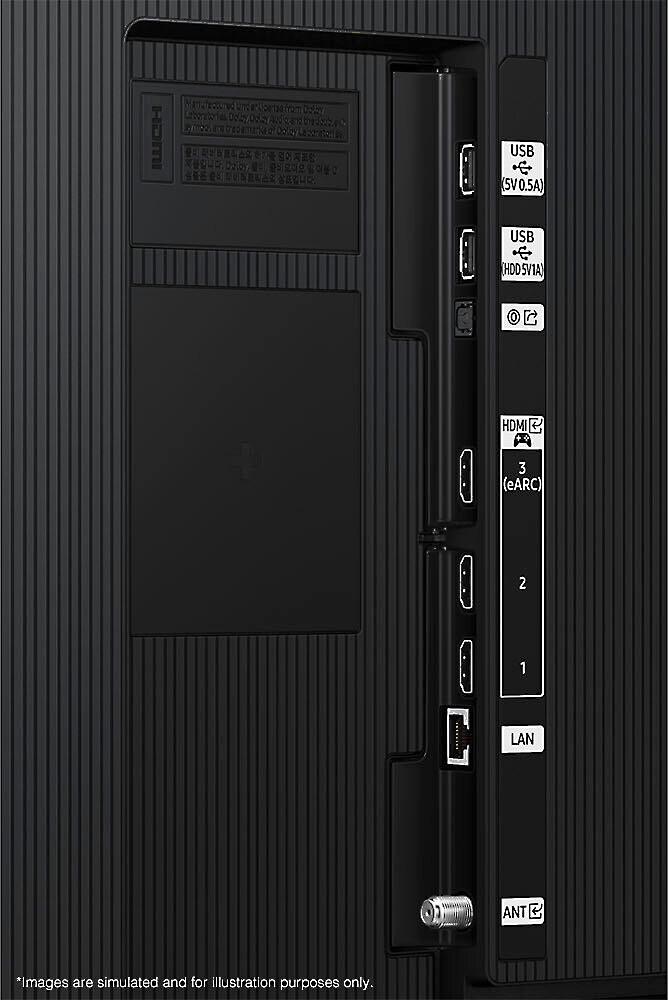
| 4 ports (2 HDMI 2.1, 2 HDMI 2.0) | 3 ports with eARC support |
| Target Audience - Who should consider each TV | |
| Home theater enthusiasts, serious gamers, bright rooms | Budget-conscious buyers prioritizing screen size |
| Best Use Cases - Where each TV excels | |
| Premium movie watching, competitive gaming, HDR content | Casual family viewing, sports, general entertainment |
The TCL 98" QM7K QD-Mini LED 4K TV delivers significantly better picture quality with its QD-Mini LED technology featuring up to 2,500 local dimming zones and 3,000 nits peak brightness. The Samsung 98" DU9000 Series Crystal UHD Smart TV uses standard LED technology with basic contrast control. For home theater use, the TCL QM7K provides deeper blacks and brighter highlights that make movies look more cinematic.
The TCL 98" QM7K QD-Mini LED 4K TV is superior for gaming with its 144Hz native refresh rate, 288Hz VRR support, and Game Accelerator technology. The Samsung 98" DU9000 Series Crystal UHD Smart TV supports 120Hz gaming but lacks the advanced features. Serious gamers will notice smoother motion and lower input lag with the TCL QM7K.
The TCL 98" QM7K QD-Mini LED 4K TV excels in bright rooms thanks to its 3,000 nits peak brightness that overcomes glare and maintains color accuracy. The Samsung 98" DU9000 Series Crystal UHD Smart TV struggles in bright environments with its standard brightness levels. For rooms with lots of windows, the TCL QM7K is the clear winner.
The TCL 98" QM7K QD-Mini LED 4K TV runs Google TV with extensive app selection and personalized recommendations. The Samsung 98" DU9000 Series Crystal UHD Smart TV uses Samsung's Tizen OS, offering a clean interface with good but more limited app availability. Both platforms work well, but Google TV on the TCL QM7K provides broader streaming service access.
The TCL 98" QM7K QD-Mini LED 4K TV features audio tuned by Bang & Olufsen with Dolby Atmos support, delivering noticeably superior sound quality. The Samsung 98" DU9000 Series Crystal UHD Smart TV includes basic speakers with Object Tracking Sound Lite. For home theater setups without external audio, the TCL QM7K provides much better built-in sound.
The TCL 98" QM7K QD-Mini LED 4K TV excels at HDR content with HDR ULTRA support, Dolby Vision IQ, and extreme brightness that makes HDR highlights pop. The Samsung 98" DU9000 Series Crystal UHD Smart TV supports basic HDR but lacks the brightness and contrast needed for optimal HDR impact. Movie enthusiasts should choose the TCL QM7K for the best cinematic experience.
Both TVs target different value propositions. The Samsung 98" DU9000 Series Crystal UHD Smart TV offers maximum screen size at a budget-friendly approach, while the TCL 98" QM7K QD-Mini LED 4K TV provides premium technology at a competitive rate. The Samsung DU9000 wins for basic large-screen needs, but the TCL QM7K offers exceptional value for its advanced features.
The TCL 98" QM7K QD-Mini LED 4K TV offers superior motion handling with its 144Hz native refresh rate and Motion Rate 480 processing. The Samsung 98" DU9000 Series Crystal UHD Smart TV provides 120Hz with Motion Rate 200. Both handle sports well, but fast-paced action looks smoother on the TCL QM7K with less motion blur.
The TCL 98" QM7K QD-Mini LED 4K TV is ideal for dedicated home theaters with its superior contrast ratio, local dimming zones, and professional-grade color accuracy that displays movies as directors intended. The Samsung 98" DU9000 Series Crystal UHD Smart TV works for casual viewing but lacks the precision needed for critical home theater applications. The TCL QM7K is the enthusiast choice.
The TCL 98" QM7K QD-Mini LED 4K TV includes 4 HDMI ports with 2 HDMI 2.1 ports supporting 4K@144Hz. The Samsung 98" DU9000 Series Crystal UHD Smart TV offers 3 HDMI ports with eARC support. Both include Wi-Fi and Bluetooth, but the TCL QM7K provides more connectivity options and higher bandwidth capabilities for gaming and future devices.
The TCL 98" QM7K QD-Mini LED 4K TV uses its AiPQ ULTRA Processor with deep learning AI to enhance older content with superior upscaling algorithms. The Samsung 98" DU9000 Series Crystal UHD Smart TV includes Crystal Processor 4K for basic upscaling. The TCL QM7K makes DVDs, cable TV, and streaming content look noticeably better on the large 98-inch screen.
Choose the TCL 98" QM7K QD-Mini LED 4K TV if you want premium picture quality, serious gaming performance, bright room capability, or home theater excellence. Select the Samsung 98" DU9000 Series Crystal UHD Smart TV if you prioritize maximum screen size at an affordable approach for casual family viewing. The TCL QM7K serves enthusiasts, while the Samsung DU9000 serves budget-conscious buyers.
We've done our best to create useful and informative comparisons to help you decide what product to buy. Our research uses advanced automated methods to create this comparison and perfection is not possible - please contact us for corrections or questions. These are the sites we've researched in the creation of this article: bestbuy.com - tcl.com - youtube.com - rtings.com - tcl.com - youtube.com - youtube.com - tcl.com - tomsguide.com - manuals.plus - youtube.com - tcl.com - whathifi.com - bestbuy.com - queencityonline.com - electronicexpress.com - tcl.com - valueelectronics.com - tcl.com - bestbuy.com - bestbuy.com - youtube.com - woodruffappliance.com - karlsonline.com - tcl.com - bestbuy.com - thebigscreenstore.com - samsung.com - samsung.com - rtings.com - assetserver.net - associatedappliance.com - insight.com - nfm.com - videoandaudiocenter.com - blog.rentacenter.com - samsung.com - merlinstv.com - samsung.com

Privacy Policy
Terms and Conditions - Affiliate Policy
Home Security
© Copyright 2008-2026.
11816 Inwood Rd #1211, Dallas, TX 75244