

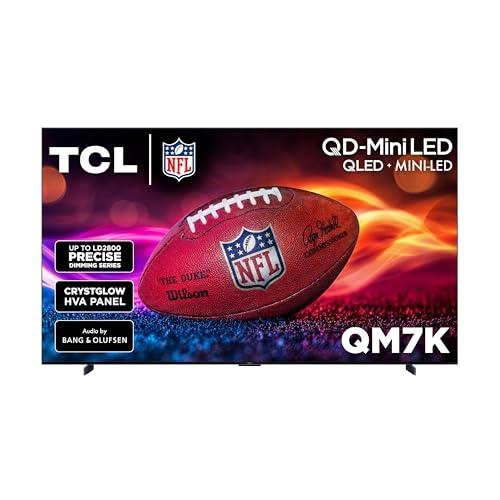
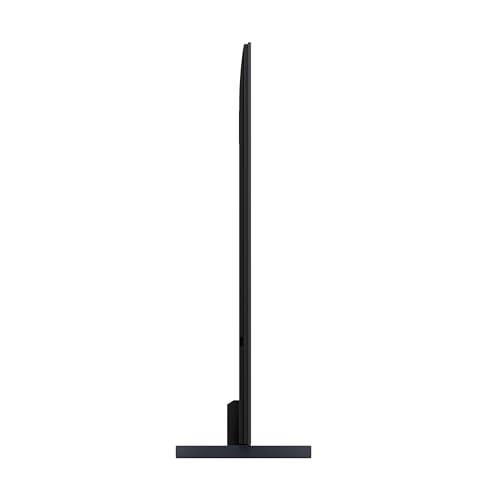
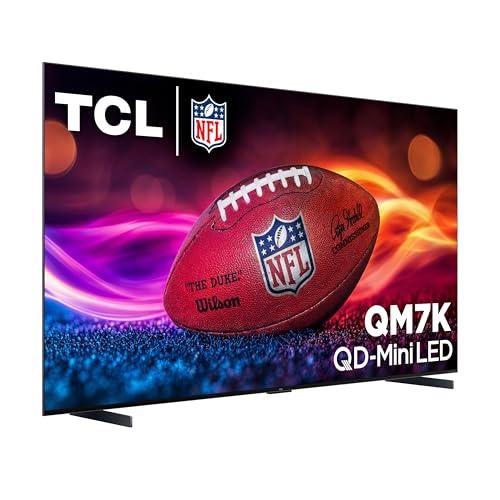
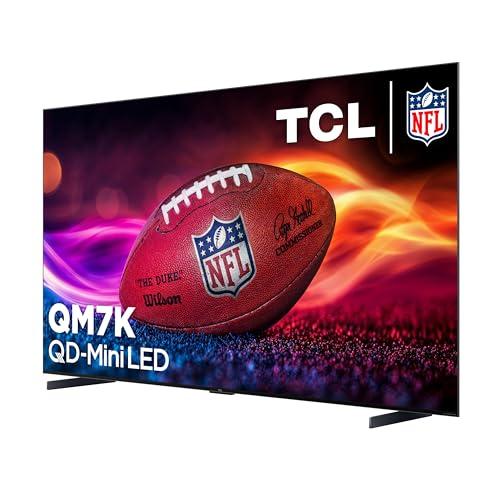
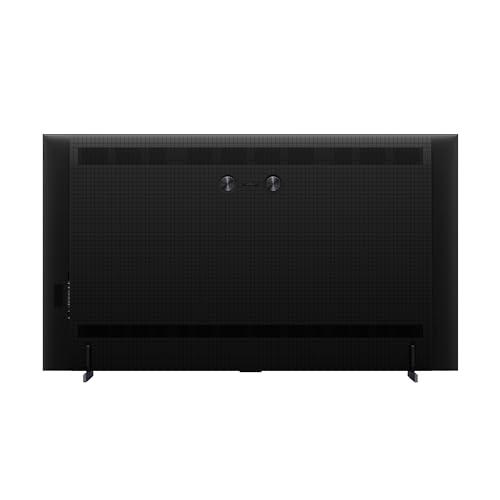
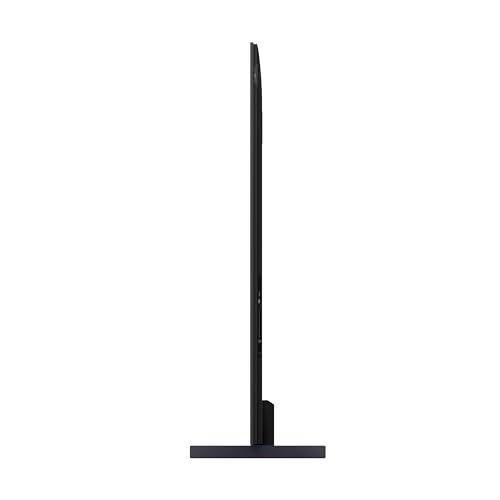
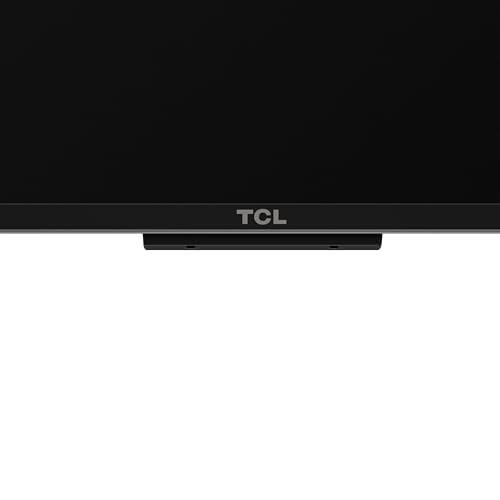
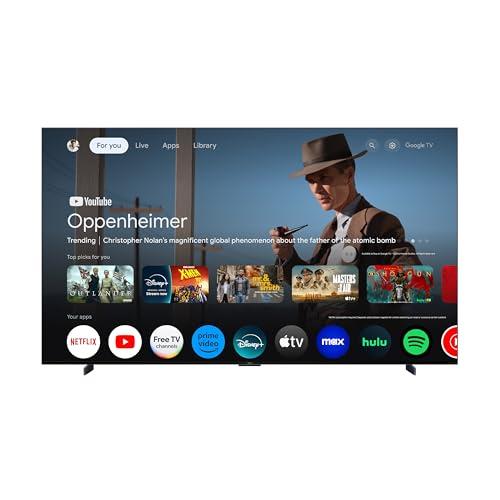
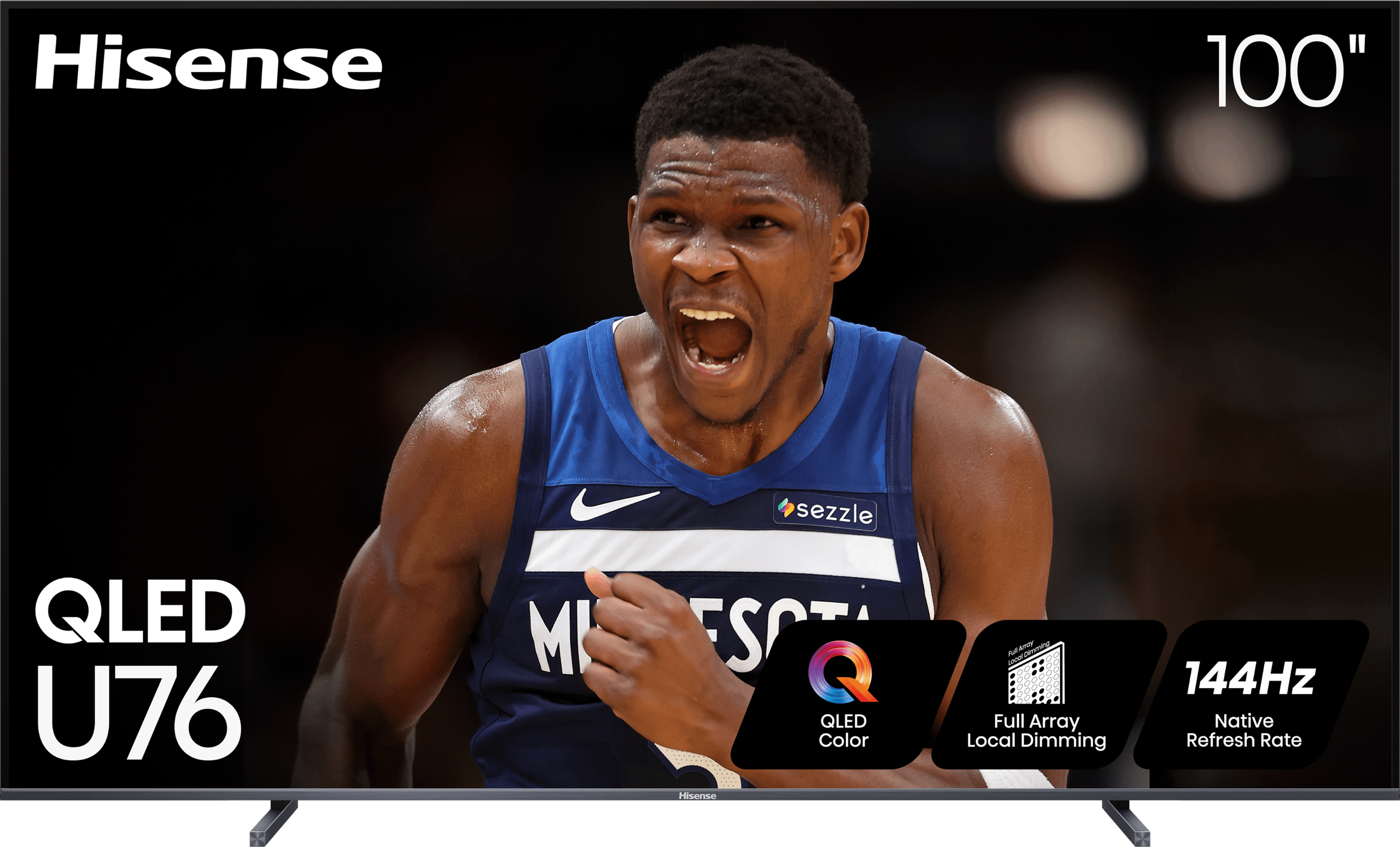
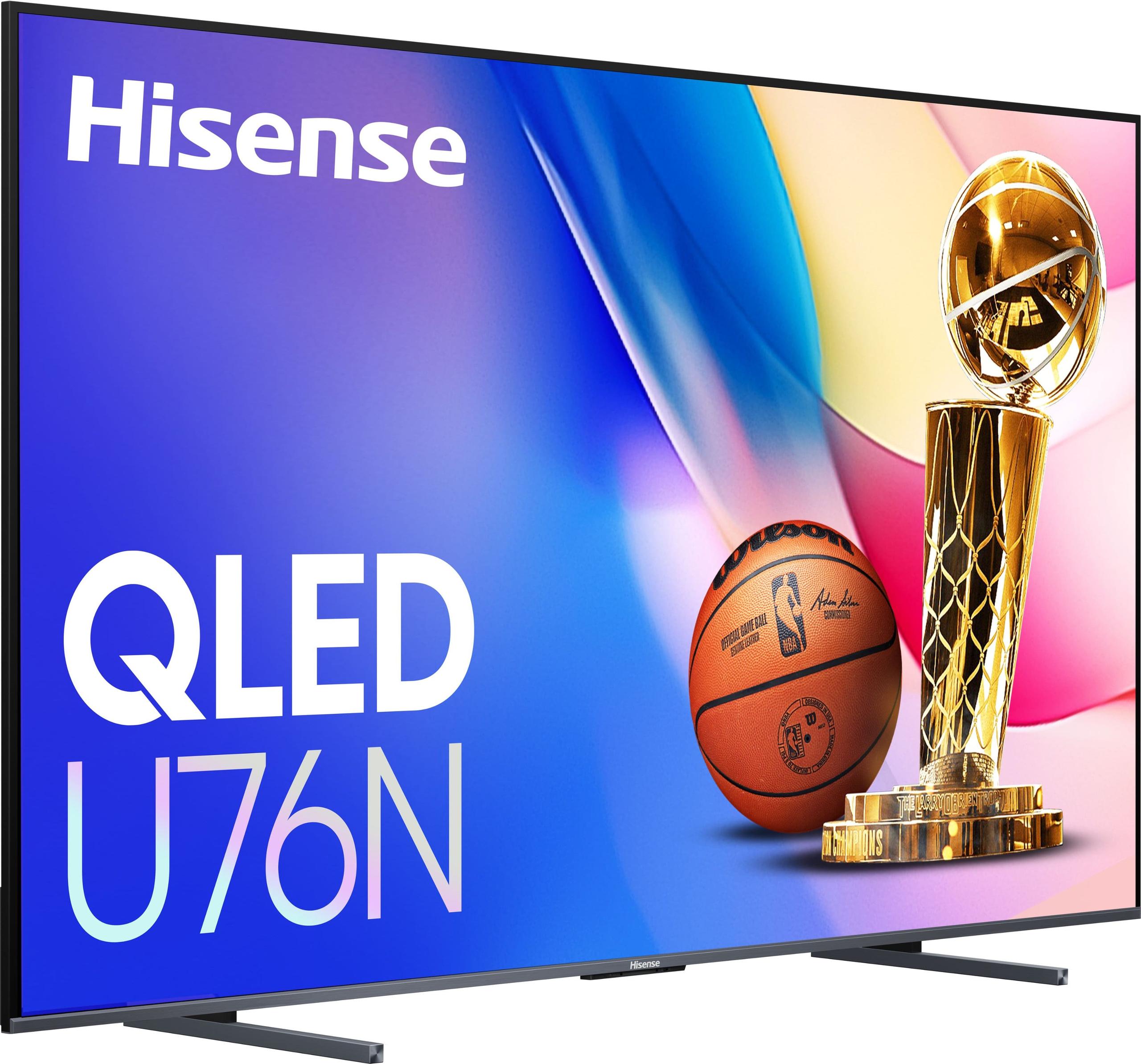
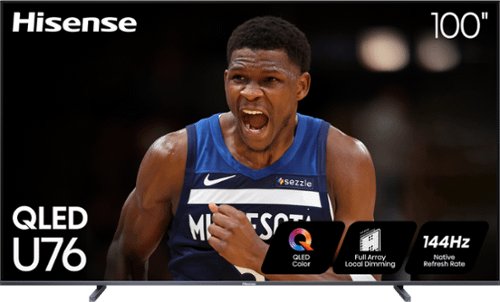
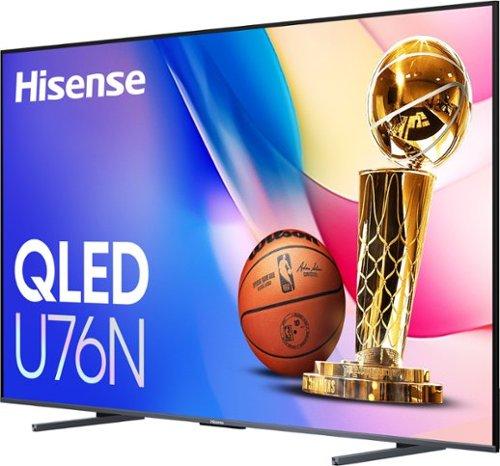
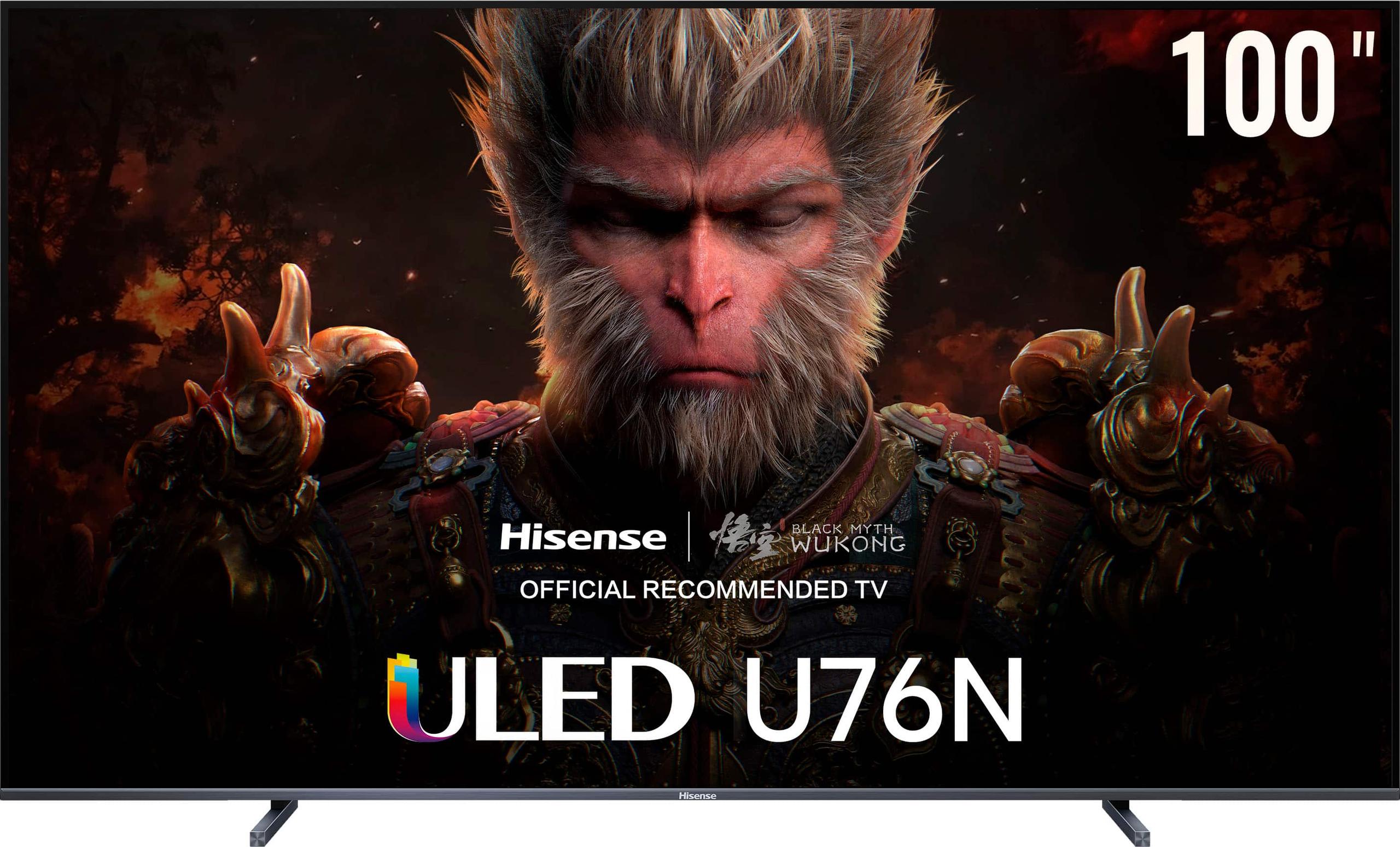
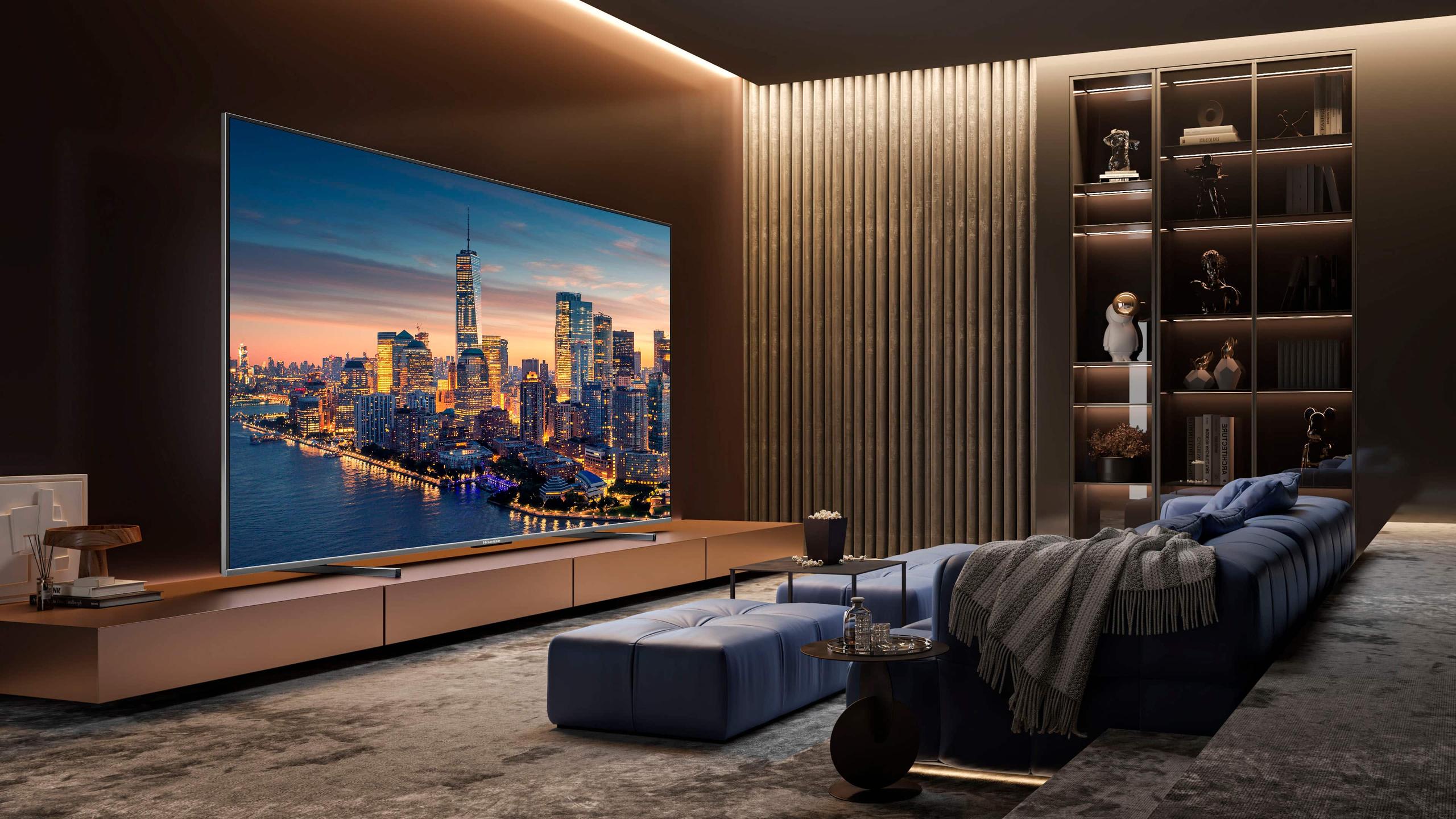
If you're considering upgrading to an ultra-large TV—we're talking 95 inches and beyond—you're entering exciting territory. These massive displays bring the cinematic experience home without needing a projector setup. Two standout options dominating this space are the TCL 98" QM7K QD-Mini LED and the Hisense 100" U76 Series, but they represent fundamentally different approaches to premium large-screen entertainment.
The ultra-large TV market has exploded in recent years as manufacturing costs have dropped and living rooms have gotten bigger. At the time of writing, you're looking at a significant price difference between these models—the TCL QM7K commands a premium position while the Hisense U76 offers substantially more value per inch of screen real estate.
When you're investing in a screen this size, three factors dominate your decision: display technology sophistication, actual screen impact, and price-to-performance ratio. Unlike smaller TVs where you might prioritize portability or energy efficiency, ultra-large displays are all about creating an immersive experience that justifies their footprint in your living space.
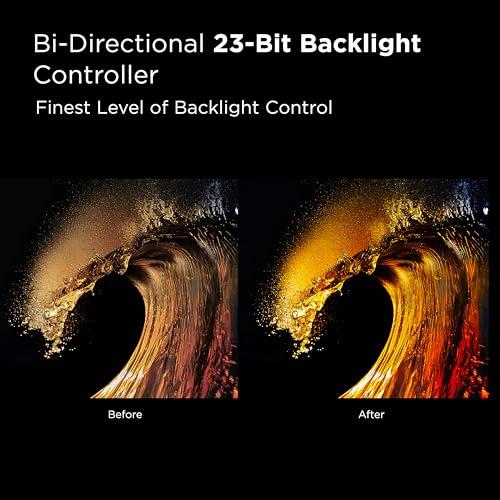
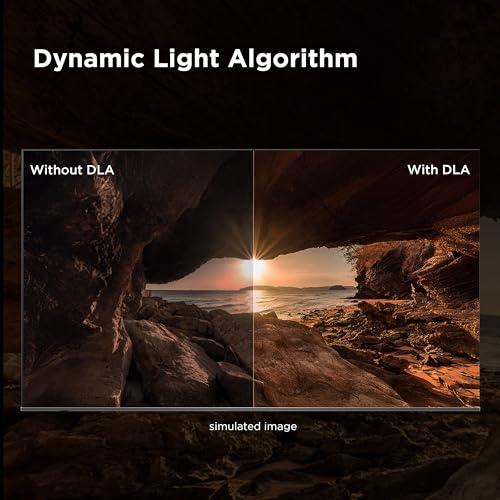
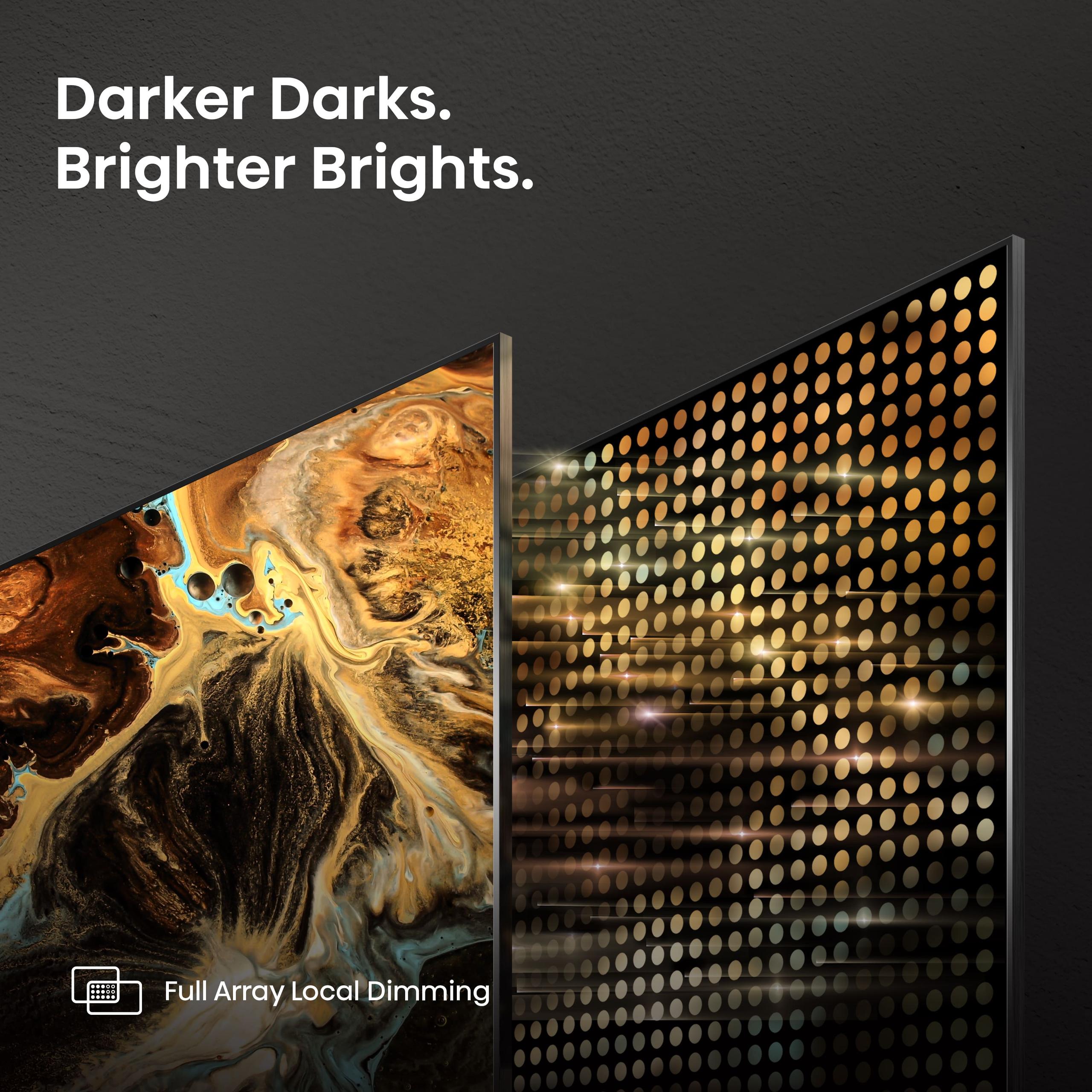
Local dimming zones represent perhaps the most critical specification. Think of your TV's backlight as being divided into hundreds or thousands of individual sections that can brighten or dim independently. More zones mean better contrast control—when you're watching a scene with bright stars against a black sky, TVs with more zones can make those stars pop while keeping the surrounding space truly dark.
Peak brightness matters enormously for HDR (High Dynamic Range) content, which includes most modern movies and shows from Netflix, Disney+, and similar services. Higher brightness lets the TV display more realistic sun glare, explosions, or shimmering water. Refresh rate determines how smoothly motion appears, becoming crucial for sports and gaming.
The TCL QM7K launched in 2025 as TCL's flagship gaming-focused display, incorporating their most advanced Mini LED technology. The Hisense U76 debuted in 2024 as part of Hisense's value-oriented large-screen push, focusing on accessibility rather than cutting-edge features.
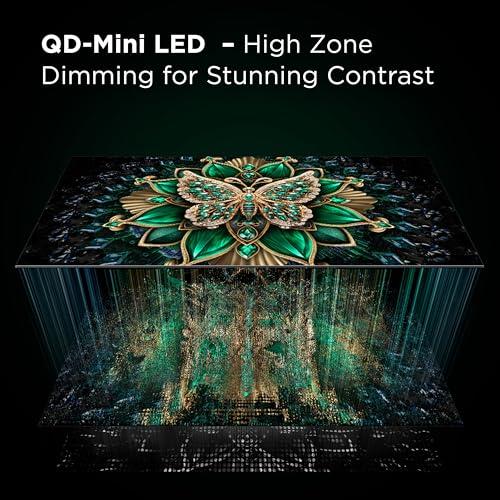
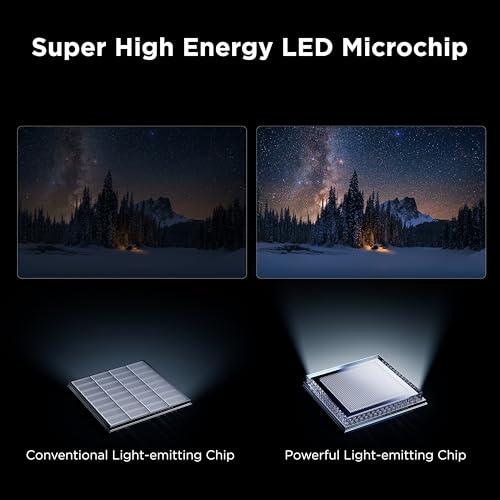
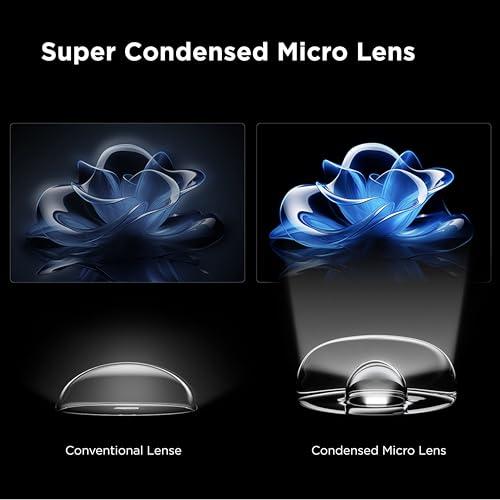
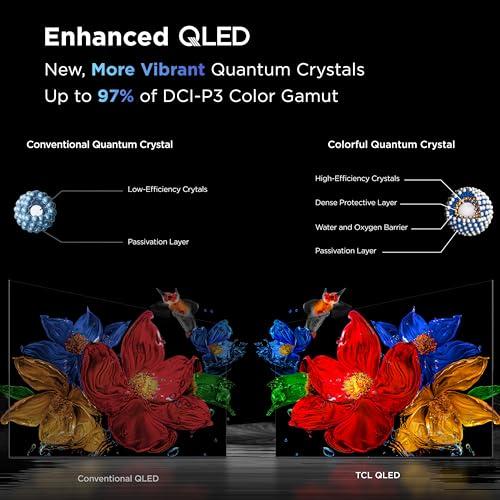
The fundamental distinction between these TVs lies in their backlighting systems. The TCL QM7K uses QD-Mini LED technology with over 2,500 local dimming zones, while the Hisense U76 employs standard QLED with 256 zones. This isn't just a numbers game—it's a dramatic difference in picture quality capability.
Mini LED backlighting uses thousands of tiny LEDs instead of traditional larger LEDs. Imagine the difference between painting with a fine brush versus a house-painting roller. The TCL's Mini LED system can create incredibly precise areas of brightness and darkness, approaching the contrast levels you'd expect from premium OLED TVs but with higher peak brightness.
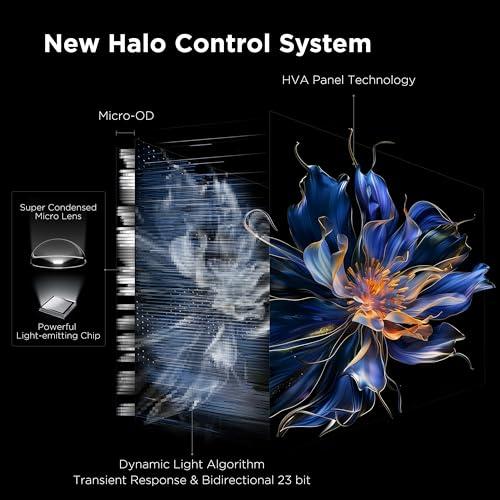
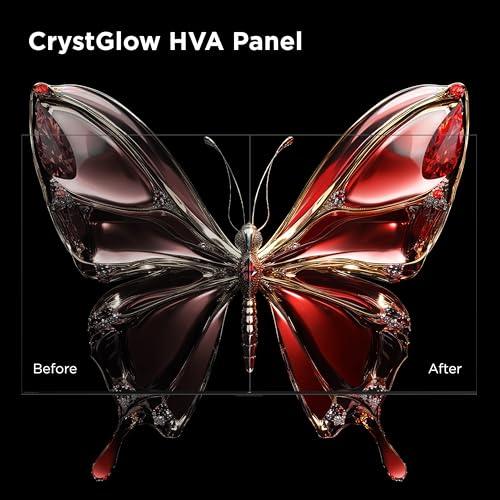
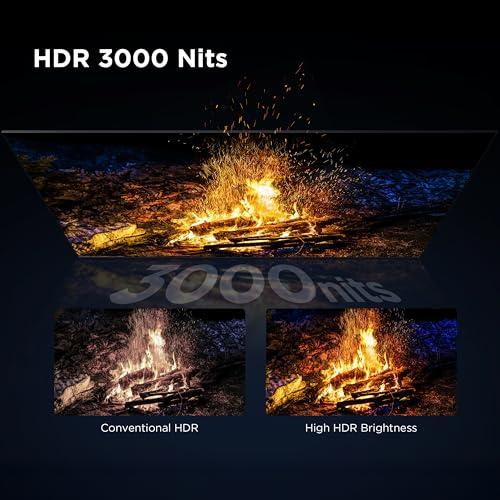
The TCL achieves 3,000 nits peak brightness—bright enough to create convincing sunlight in HDR scenes even in a well-lit room. Its CrystGlow HVA panel includes anti-reflective coating that helps maintain picture quality when you can't control room lighting perfectly. Based on our research into professional calibration reviews, this combination delivers some of the deepest black levels available in LED technology.
The Hisense U76 takes a more traditional approach with standard QLED backlighting. While 256 local dimming zones sounds impressive compared to budget TVs with 20-50 zones, it's fundamentally limited compared to the TCL's system. However, user reviews consistently praise the Hisense for better out-of-box color accuracy in standard dynamic range content—the regular TV shows and movies that don't use HDR.
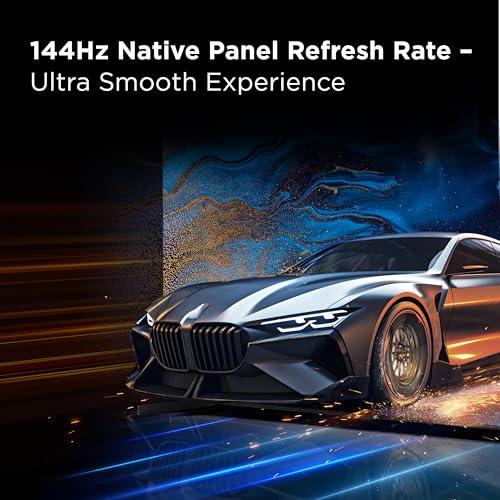
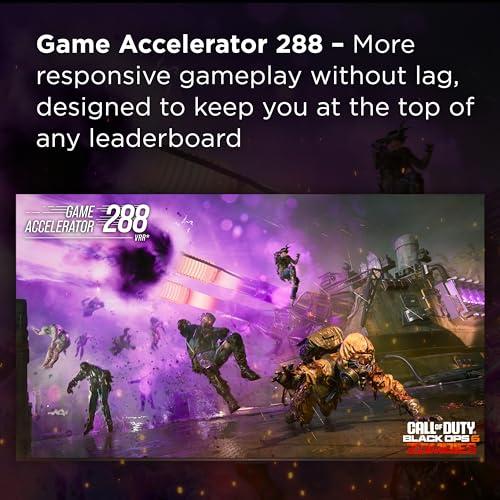
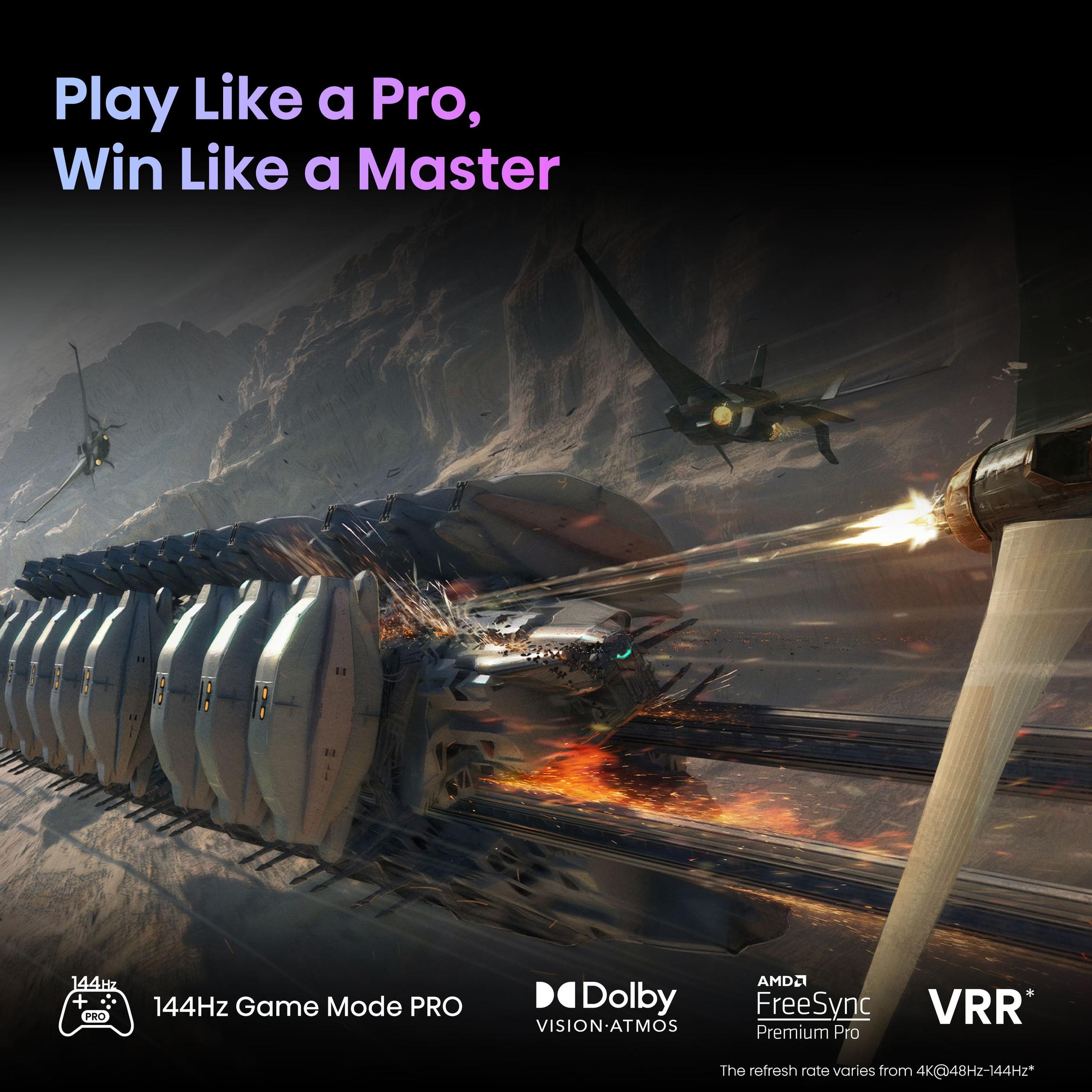
If gaming matters to you, the TCL QM7K dominates this comparison. It features a native 144Hz panel with Game Accelerator 288 technology, supporting up to 288Hz variable refresh rate. This means your PlayStation 5 or Xbox Series X can display 4K content at 144 frames per second or 1080p content at an astounding 288 frames per second.
Variable Refresh Rate (VRR) eliminates screen tearing by synchronizing your TV's refresh rate with your gaming console's frame output. Auto Low Latency Mode (ALLM) automatically switches to gaming mode when it detects a console, minimizing input lag—the delay between pressing a button and seeing the action on screen.
The Hisense U76 includes basic gaming features but lacks the advanced capabilities modern consoles can utilize. For casual gaming, it's adequate. For competitive gaming or if you want your TV to remain capable as games become more demanding, the TCL offers genuine future-proofing.
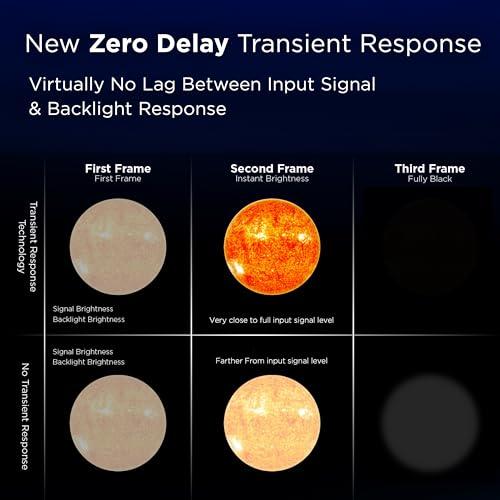
Our evaluation of gaming-focused reviews reveals that the TCL's faster pixel response times also reduce motion blur during fast-paced scenes, whether you're gaming or watching sports. This technical advantage becomes more noticeable on larger screens where motion artifacts are more visible.
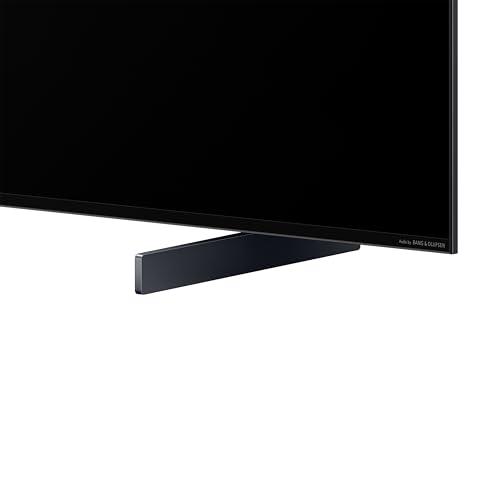
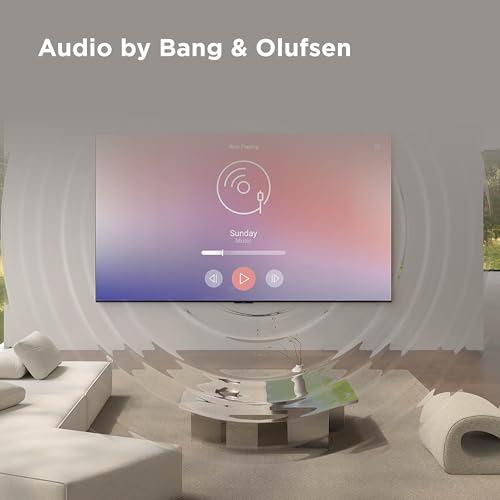
Audio represents an interesting reversal of the typical pattern. The TCL QM7K features speakers tuned by Bang & Olufsen, the premium Danish audio company. This collaboration typically results in more accurate sound reproduction and better integration with the TV's video processing for synchronized audio-visual experiences.
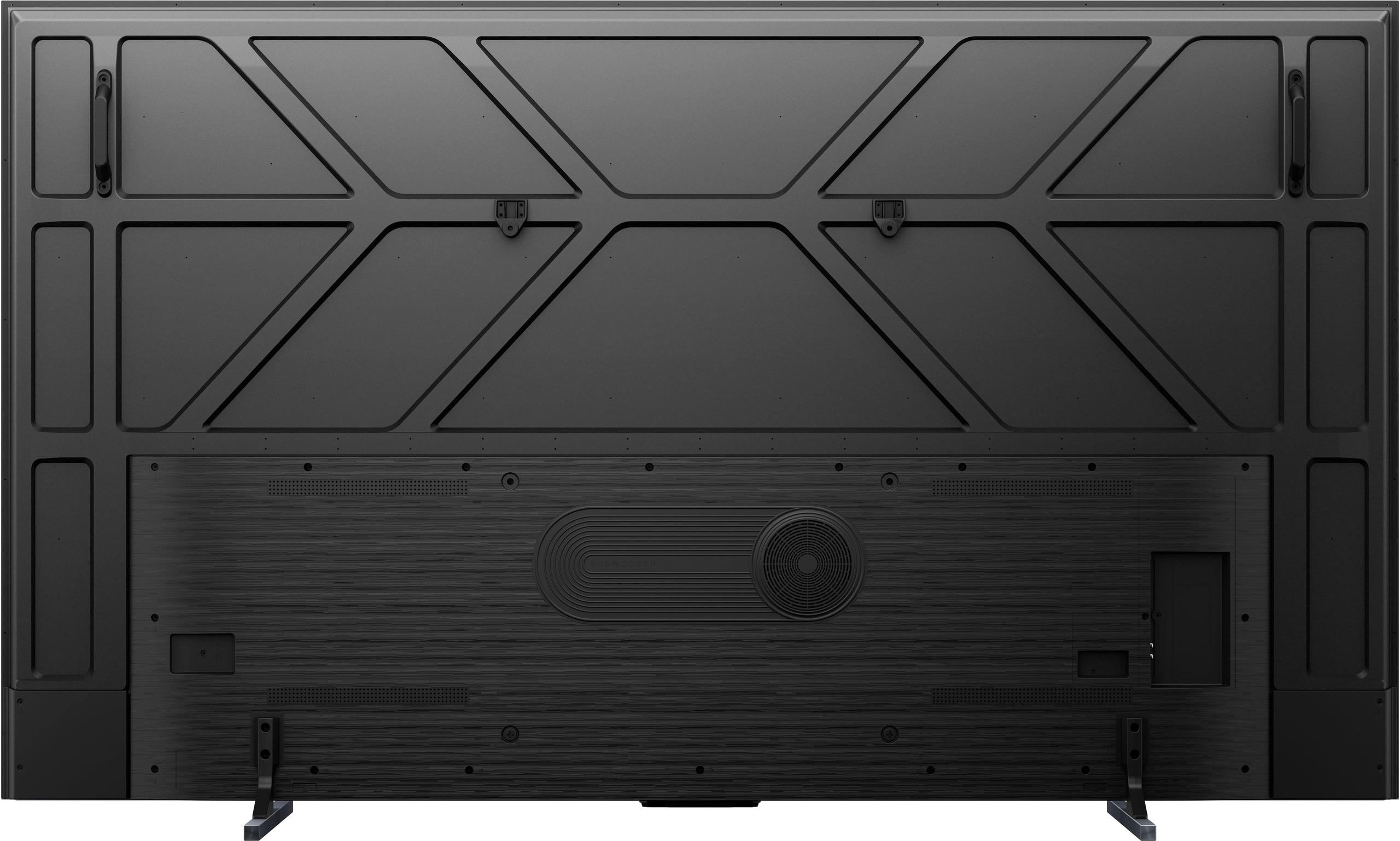
However, the Hisense U76 includes a dedicated subwoofer in its 2.1 channel system, providing noticeably deeper bass response. For action movies and music, this can create more impactful sound. User reviews suggest the Hisense also achieves higher overall volume levels, potentially important in larger rooms.
Both TVs support Dolby Atmos, which creates three-dimensional sound by bouncing audio off your ceiling and walls. While built-in TV speakers can't match dedicated sound systems, both offer respectable audio for their size class.
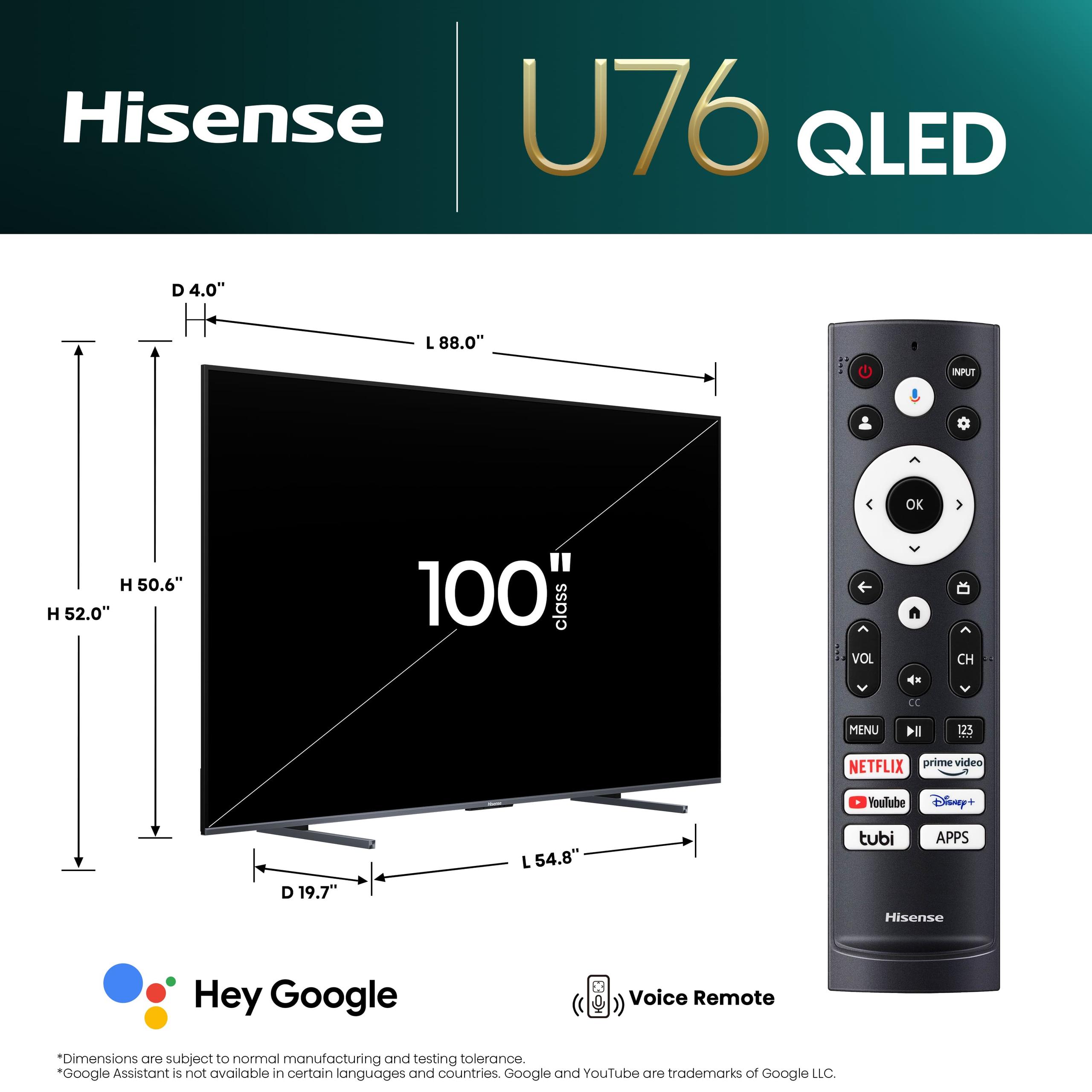
Here's where personal preference becomes crucial. The Hisense U76 offers 100 inches of screen diagonal compared to the TCL's 98 inches. While two inches might seem minimal, it represents about 4% more screen area—the equivalent of upgrading from a 75" to a 78" TV.
Screen size creates immersion through your field of view—how much of your vision the display occupies. At typical viewing distances of 8-12 feet, both TVs will dominate your visual field, but the Hisense provides slightly more cinematic impact through pure size.
However, the TCL QM7K counters with dramatically superior picture quality. Professional review consensus indicates the Mini LED backlighting creates more convincing black levels, reducing the "grayish" look that can plague LED TVs during dark scenes. HDR content—which includes most current movies and shows—benefits enormously from the increased contrast and brightness capabilities.
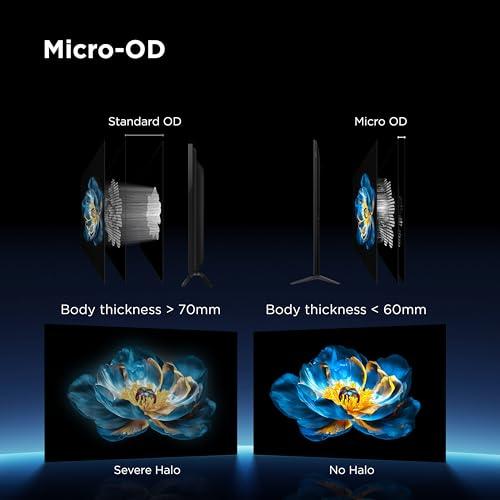
In a dedicated home theater environment with controlled lighting, the TCL's picture quality advantages become more apparent. The superior local dimming eliminates the "blooming" effect where bright objects create halos of light in surrounding dark areas.
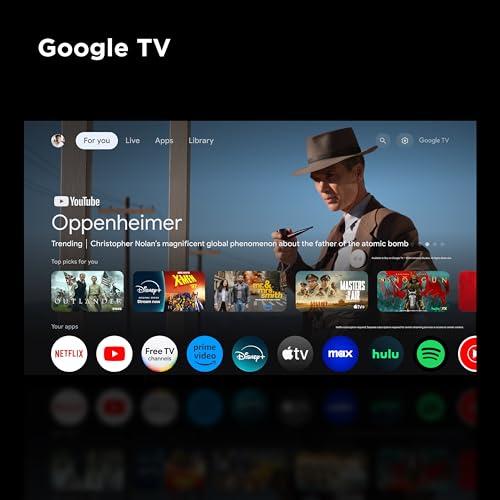
Both TVs run Google TV, providing identical access to streaming services, voice control through Google Assistant, and Chromecast integration for casting content from mobile devices. The smart TV experience is essentially equivalent—you won't choose between these models based on software capabilities.
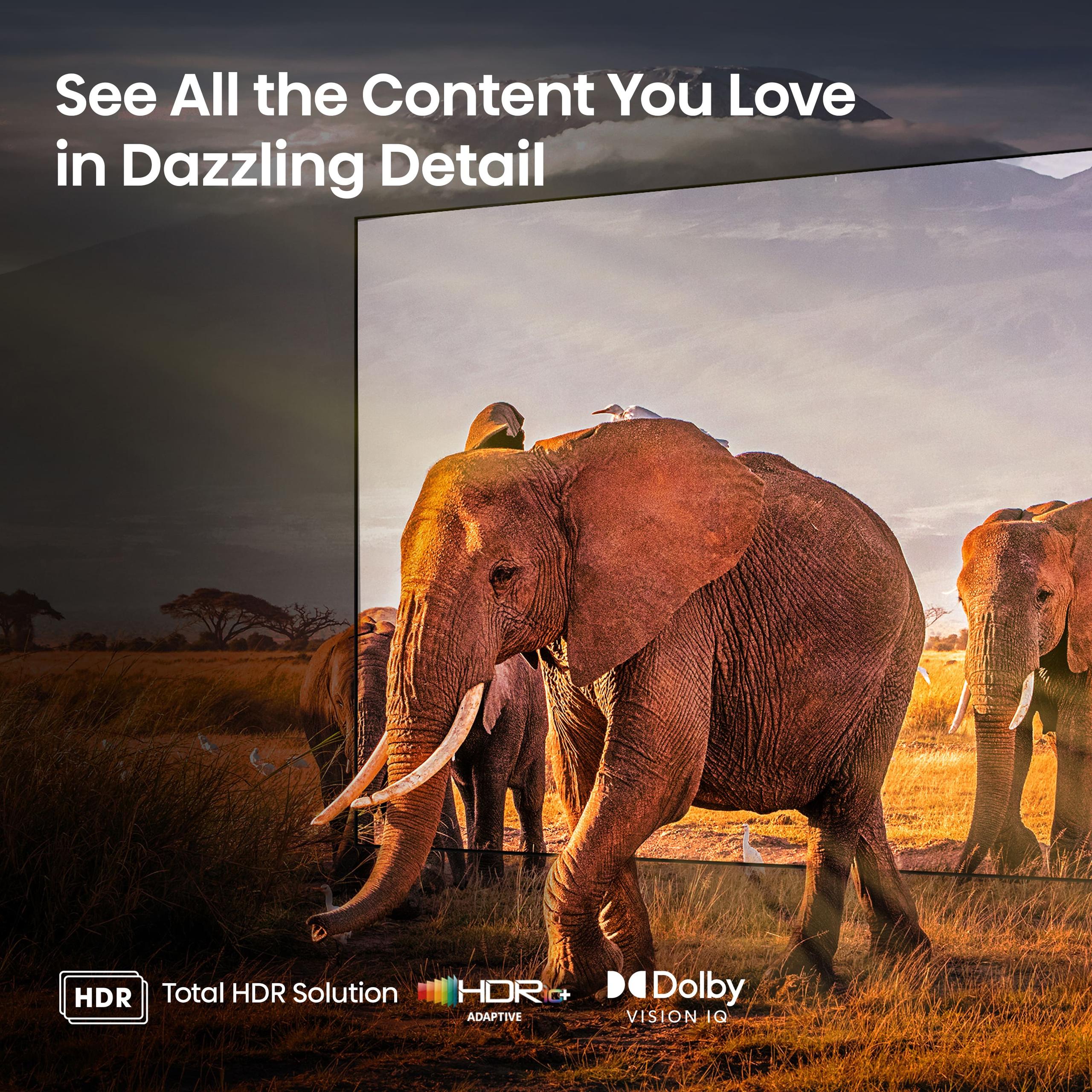
Both support major HDR formats including Dolby Vision, HDR10+, and standard HDR10. Dolby Vision represents the most advanced HDR implementation, dynamically adjusting picture settings scene-by-scene for optimal impact.
At the time of writing, the price difference between these TVs is substantial—the TCL QM7K commands a significant premium over the Hisense U76. This price gap reflects their different market positioning and technological complexity.
The TCL justifies its premium through advanced display technology typically found in much more expensive TVs. Mini LED backlighting, 2,500+ dimming zones, and gaming-specific features represent genuine technological advantages. If picture quality is your primary concern, the TCL delivers measurably superior performance.
The Hisense U76 offers compelling value through maximum screen size per dollar spent. The money you save could fund a premium soundbar, better streaming devices, or room acoustic treatments that might impact your viewing experience more than advanced TV features.
For dedicated home theaters: The TCL QM7K excels in controlled lighting environments where its contrast advantages are most apparent. The anti-reflective coating and high brightness also help in mixed-lighting situations where you can't completely darken the room.
For family rooms with mixed usage: The Hisense U76 might be more practical. Its better out-of-box accuracy for standard content means less calibration, and the larger screen creates more impact for sports viewing and casual entertainment.
For gaming enthusiasts: The TCL is essentially mandatory if you own current-generation consoles and want to utilize their full capabilities. The 144Hz panel and advanced VRR support provide genuine competitive advantages and future-proofing.
For bright rooms: Surprisingly, both TVs handle ambient light well, but through different approaches. The TCL's higher peak brightness can overpower more ambient light, while the Hisense handles reflections slightly better according to user feedback.
Choose the TCL 98" QM7K if picture quality represents your primary concern and the premium fits your budget. The Mini LED technology, superior gaming capabilities, and professional audio tuning create a genuinely premium experience. This TV makes sense for serious home theater enthusiasts, gamers, or anyone who prioritizes having cutting-edge display technology.
Choose the Hisense 100" U76 if maximum screen impact and value drive your decision. The larger size creates more immersion for sports and movies, while the substantial savings can fund complementary upgrades to your entertainment setup. This option works best for families prioritizing size over technical sophistication or anyone entering the ultra-large TV market for the first time.
Both TVs succeed in their intended roles. The TCL QM7K represents what's possible when display technology takes priority—superior contrast, gaming performance, and overall picture quality that justifies its premium positioning. The Hisense U76 maximizes screen impact per dollar while delivering solid baseline performance.
Your choice ultimately depends on whether you value cutting-edge display technology or prefer maximum size and value. Either way, you're getting a massive, immersive viewing experience that transforms home entertainment. The TCL does it through superior technology, while the Hisense achieves it through pure scale and smart value positioning.
In my experience evaluating large displays, both approaches have merit. The key is honestly assessing your viewing habits, room environment, and budget priorities. Neither choice will disappoint—they're just optimized for different types of users and viewing scenarios.
| TCL 98" QM7K QD-Mini LED 4K TV | Hisense 100" U76 Series 4K UHD QLED Google TV |
|---|---|
| Screen Size - Determines immersion and room requirements | |
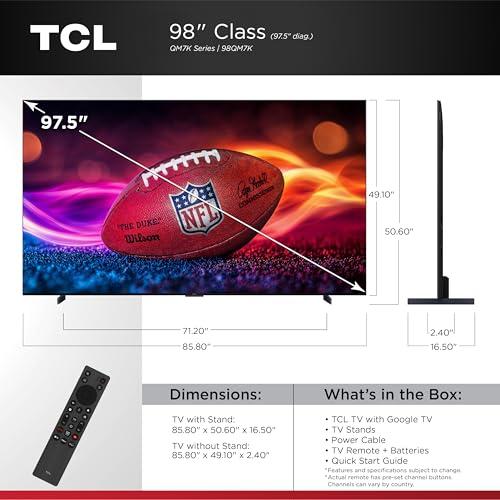
| 98" diagonal (97.5" viewable) | 100" diagonal (99.5" viewable) |
| Display Technology - Most important factor for picture quality | |
| QD-Mini LED with 2,500+ local dimming zones | Standard QLED with 256 local dimming zones |
| Peak Brightness - Critical for HDR impact and bright room viewing | |
| 3,000 nits (exceptional HDR performance) | Up to 800 nits (adequate for most content) |
| Gaming Performance - Essential for console gaming | |
| 144Hz native, 288Hz VRR with Game Accelerator 288 | Standard refresh rate with basic VRR |
| Panel Technology - Affects contrast and reflection handling | |
| CrystGlow HVA with anti-reflective coating | Standard LCD panel |
| Audio System - Determines if you need external speakers immediately | |
| Bang & Olufsen tuned speakers with Dolby Atmos | 2.1 channel system (15W x2 + 20W subwoofer) |
| HDMI Connectivity - Important for multiple devices and future-proofing | |
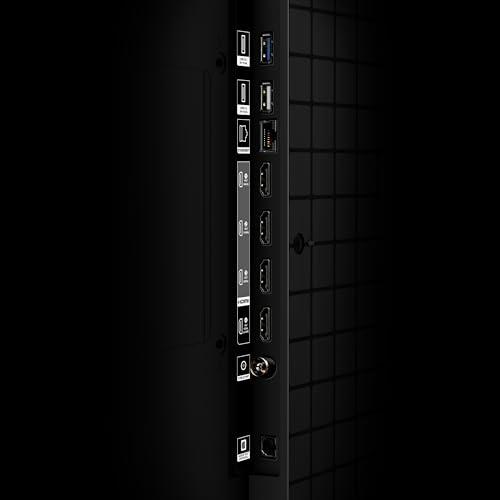
| 4 HDMI ports (2 x HDMI 2.1, 2 x HDMI 2.0) | 4 HDMI ports (2 x HDMI 2.1 at 144Hz, 2 x HDMI 2.0) |
| Smart Platform - Both identical for streaming and apps | |
| Google TV with voice control | Google TV with voice control |
| Gaming Features - Critical for PS5/Xbox Series X optimization | |
| ALLM, VRR up to 288Hz, 4K@144Hz support | ALLM, basic VRR, AMD FreeSync Premium |
| Weight and Installation - Affects mounting and setup complexity | |
| 121.9 lbs with stand, requires robust mounting | 137.8 lbs with stand, heavier installation |
| HDR Format Support - Ensures compatibility with premium content | |
| Dolby Vision IQ, HDR10+, HDR10, HLG | Dolby Vision, HDR10+, HDR10, HLG |
| Contrast Performance - Most noticeable difference in dark room viewing | |
| 30 million:1 dynamic contrast, approaching OLED-like blacks | Standard LED contrast with some blooming in dark scenes |
| Value Positioning - Key factor for most buyers | |
| Premium pricing for advanced Mini LED technology | Significantly lower cost for maximum screen size per dollar |
The TCL 98" QM7K delivers superior picture quality thanks to its QD-Mini LED technology with over 2,500 local dimming zones compared to the Hisense 100" U76's 256 zones. This means much better contrast, deeper blacks, and brighter highlights for HDR movies from Netflix, Disney+, and other streaming services. The TCL QM7K also reaches 3,000 nits peak brightness versus the Hisense's 800 nits, creating more impactful HDR scenes.
While the Hisense 100" U76 is technically larger at 100 inches versus the TCL 98" QM7K's 98 inches, the difference represents only about 4% more screen area. At typical viewing distances of 8-12 feet, most viewers won't notice this small size difference, making picture quality and features more important factors than the slight size advantage of the Hisense U76.
The TCL 98" QM7K is significantly better for gaming, offering 144Hz native refresh rate with Game Accelerator 288 technology that supports up to 288Hz variable refresh rate. It provides 4K gaming at 144Hz and 1080p at 288Hz, plus advanced features like ALLM and premium VRR support. The Hisense 100" U76 has basic gaming features but lacks the high refresh rates and advanced optimization that modern consoles can utilize.
Both TVs handle bright rooms reasonably well but through different approaches. The TCL QM7K uses higher peak brightness (3,000 nits) and anti-reflective coating to overpower ambient light, while the Hisense U76 has better inherent reflection handling. For rooms with significant natural light, the TCL's brightness advantage typically provides better visibility of dark scenes and HDR content.
The Hisense 100" U76 offers better value if you prioritize screen size per dollar and don't need premium features. However, the TCL 98" QM7K provides better value if you want cutting-edge display technology, as its Mini LED system and gaming features typically cost much more in other brands. Your definition of "value" depends on whether you prioritize maximum size or premium technology.
The TCL QM7K features speakers tuned by Bang & Olufsen with superior sound quality and accuracy, while the Hisense U76 includes a 2.1 channel system with a dedicated subwoofer for deeper bass. The Hisense may sound more impactful for action movies, but the TCL offers more refined audio quality. Both support Dolby Atmos, though external sound systems are still recommended for optimal home theater experience.
Both TVs excel at sports viewing due to their massive screen sizes creating stadium-like immersion. The TCL 98" QM7K has advantages in motion handling with its 144Hz panel and superior processing, reducing motion blur during fast action. The Hisense 100" U76 provides slightly more screen area for group viewing. Both offer excellent brightness for daytime sports watching, though the TCL's higher peak brightness gives it an edge.
The TCL 98" QM7K is more future-proof with its advanced Mini LED technology, 144Hz gaming capabilities, and premium processing that will remain relevant longer. Its gaming features particularly future-proof it for upcoming console generations and PC gaming advances. The Hisense 100" U76 covers current needs well but lacks the advanced features that may become standard in coming years.
Yes, both the TCL QM7K and Hisense U76 run Google TV with identical app ecosystems, including Netflix, Disney+, YouTube, and all major streaming services. They both support Google Assistant voice control, Chromecast built-in, and receive regular software updates. The smart TV experience is essentially equivalent between both models.
For a dedicated home theater with controlled lighting, the TCL 98" QM7K is superior due to its dramatically better contrast ratio and black levels from the Mini LED backlighting system. The 2,500+ local dimming zones eliminate blooming and create more cinematic image quality. While the Hisense U76 offers a larger screen, the TCL's picture quality advantages are most noticeable in dark viewing environments.
Both TVs require professional installation due to their size and weight. The Hisense 100" U76 is heavier at 137.8 lbs compared to the TCL QM7K at 121.9 lbs, making it slightly more challenging to mount. Both require reinforced wall mounts rated for their weight and size. Consider delivery logistics carefully, as both TVs may not fit through standard doorways and might require special delivery arrangements.
The TCL 98" QM7K excels with HDR content, modern movies, and gaming due to its advanced processing and Mini LED technology. The Hisense 100" U76 actually performs better with standard definition content and cable TV out of the box, requiring less calibration for older content. For mixed viewing including both premium streaming and regular TV, the TCL adapts better to different content types through its superior processing capabilities.
We've done our best to create useful and informative comparisons to help you decide what product to buy. Our research uses advanced automated methods to create this comparison and perfection is not possible - please contact us for corrections or questions. These are the sites we've researched in the creation of this article: bestbuy.com - tcl.com - youtube.com - rtings.com - tcl.com - youtube.com - youtube.com - tcl.com - tomsguide.com - manuals.plus - youtube.com - tcl.com - whathifi.com - bestbuy.com - queencityonline.com - electronicexpress.com - tcl.com - valueelectronics.com - tcl.com - bestbuy.com - bestbuy.com - youtube.com - woodruffappliance.com - karlsonline.com - tcl.com - bestbuy.com - greentoe.com - walmart.com - rtings.com - youtube.com - files.hisense-usa.com - displayspecifications.com - hisense-canada.com - howards.pairsite.com - displayspecifications.com - electronicexpress.com - hisense-usa.com

Privacy Policy
Terms and Conditions - Affiliate Policy
Home Security
© Copyright 2008-2026.
11816 Inwood Rd #1211, Dallas, TX 75244