

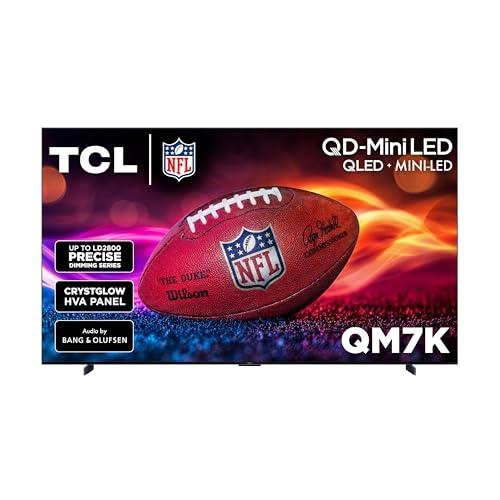
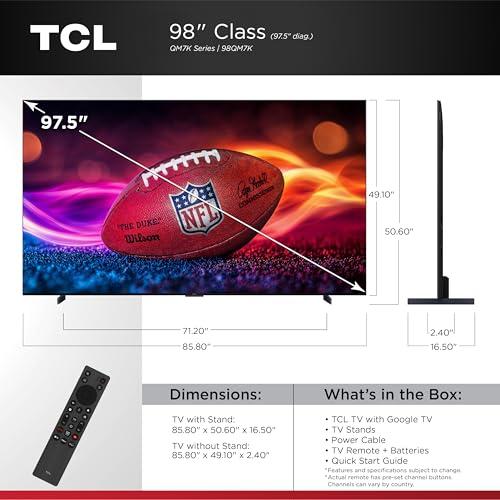
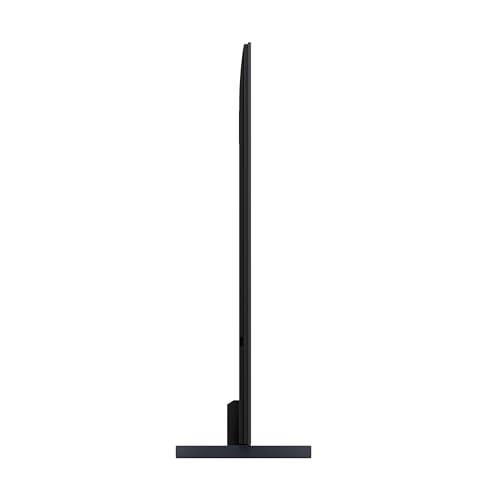

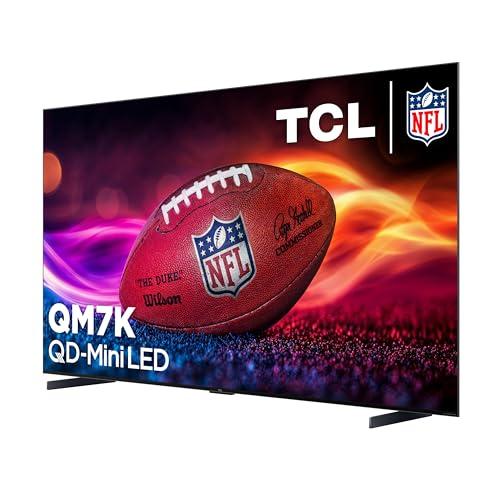
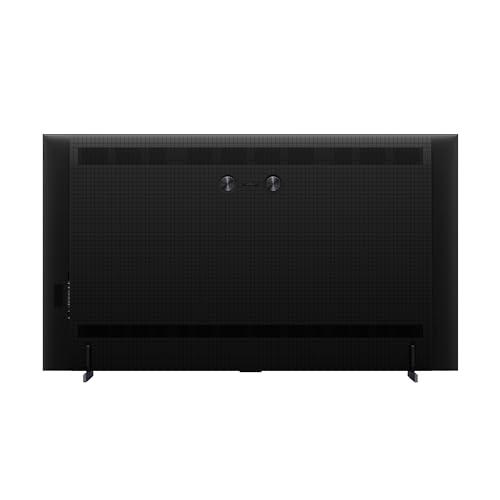
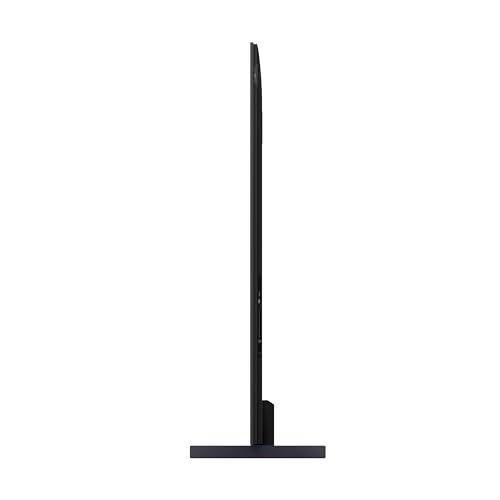
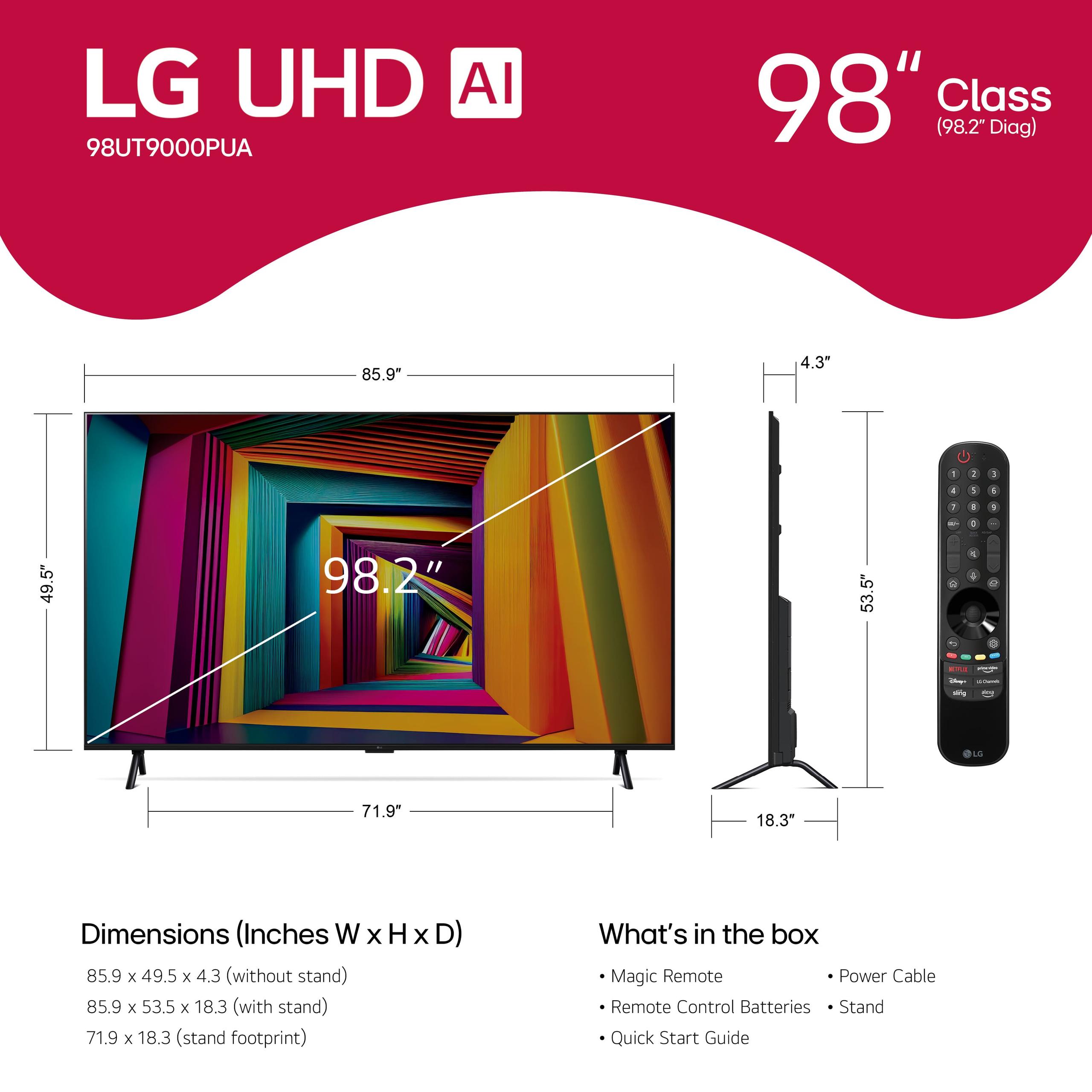
When you're shopping for a 98-inch TV, you're not just buying a display—you're creating a home theater centerpiece that will dominate your living space for years to come. At this massive size, every technical detail matters more because flaws become magnified across that enormous screen. Today we're comparing two very different approaches to the 98-inch market: the premium TCL 98" QM7K from 2025 and the budget-focused LG 98" UT90 from 2024.
The 98-inch TV category sits at the intersection of luxury and practicality. These displays offer cinema-like immersion that smaller TVs simply can't match, but they also expose every weakness in display technology. Poor contrast becomes glaringly obvious. Motion blur is more distracting. Color inaccuracies stand out like sore thumbs.
At the time of writing, 98-inch TVs fall into two distinct price tiers. Budget models typically cost around $1,500-2,000 and use traditional LED backlighting with basic features. Premium models range from $2,500-4,000+ and incorporate advanced technologies like Mini-LED backlighting, quantum dots, and high refresh rate gaming features.
The key considerations for any 98-inch purchase include display technology (which determines contrast and brightness), gaming capabilities (refresh rates and input lag), smart platform longevity, and most importantly, how well the TV performs in your specific room conditions. A TV that looks amazing in a bright showroom might disappoint in your dark basement theater, and vice versa.
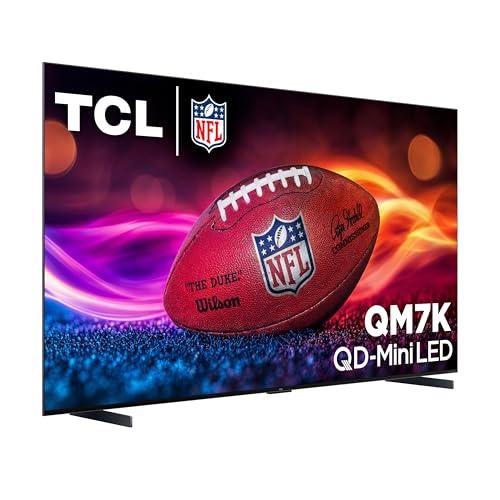
The TCL QM7K represents TCL's 2025 flagship approach: pack premium Mini-LED technology into a competitively priced package. TCL has been aggressively pushing into the premium TV space over the past few years, and the QM7K showcases their latest QD-Mini LED innovations with features that typically cost thousands more from other brands.
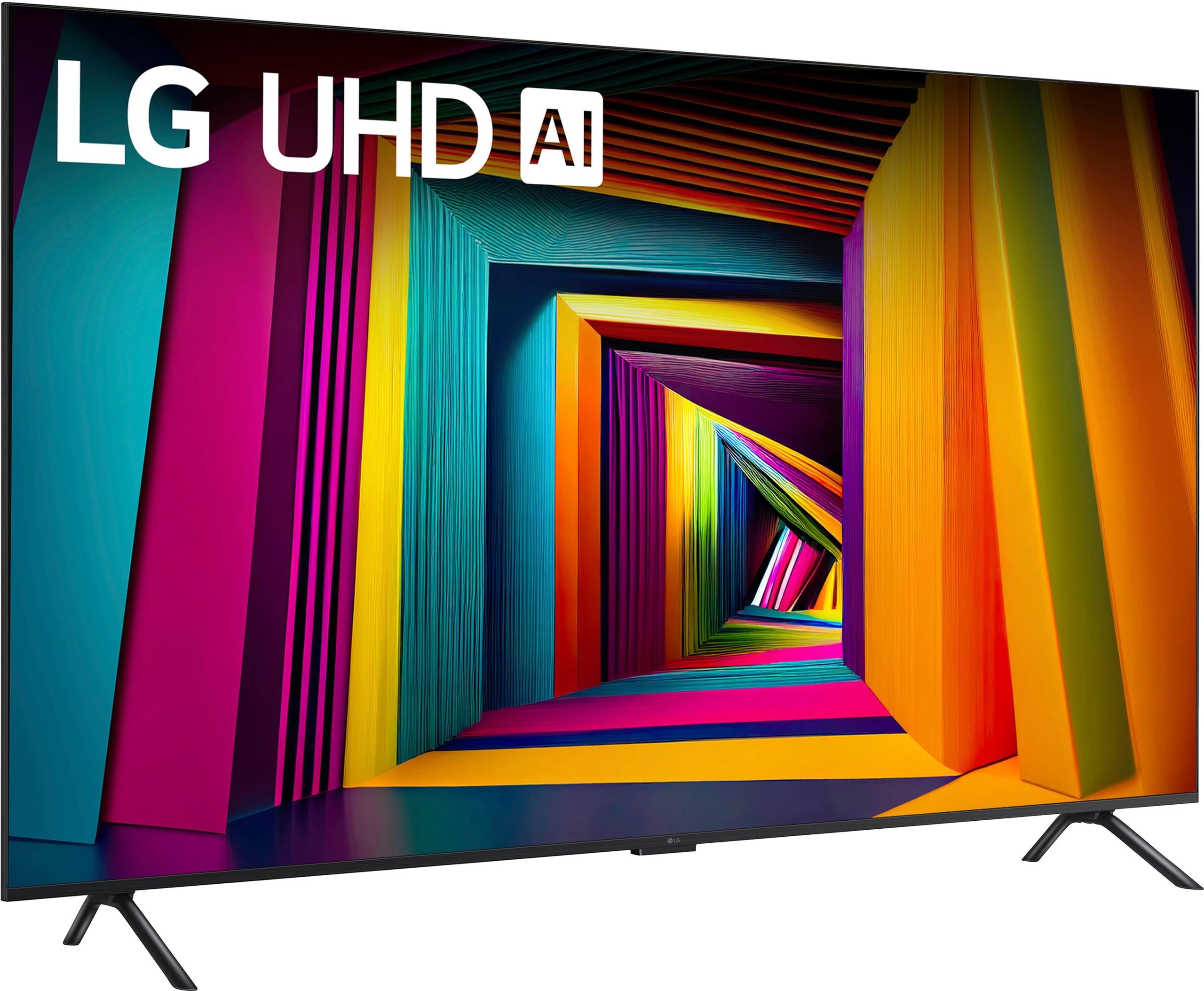
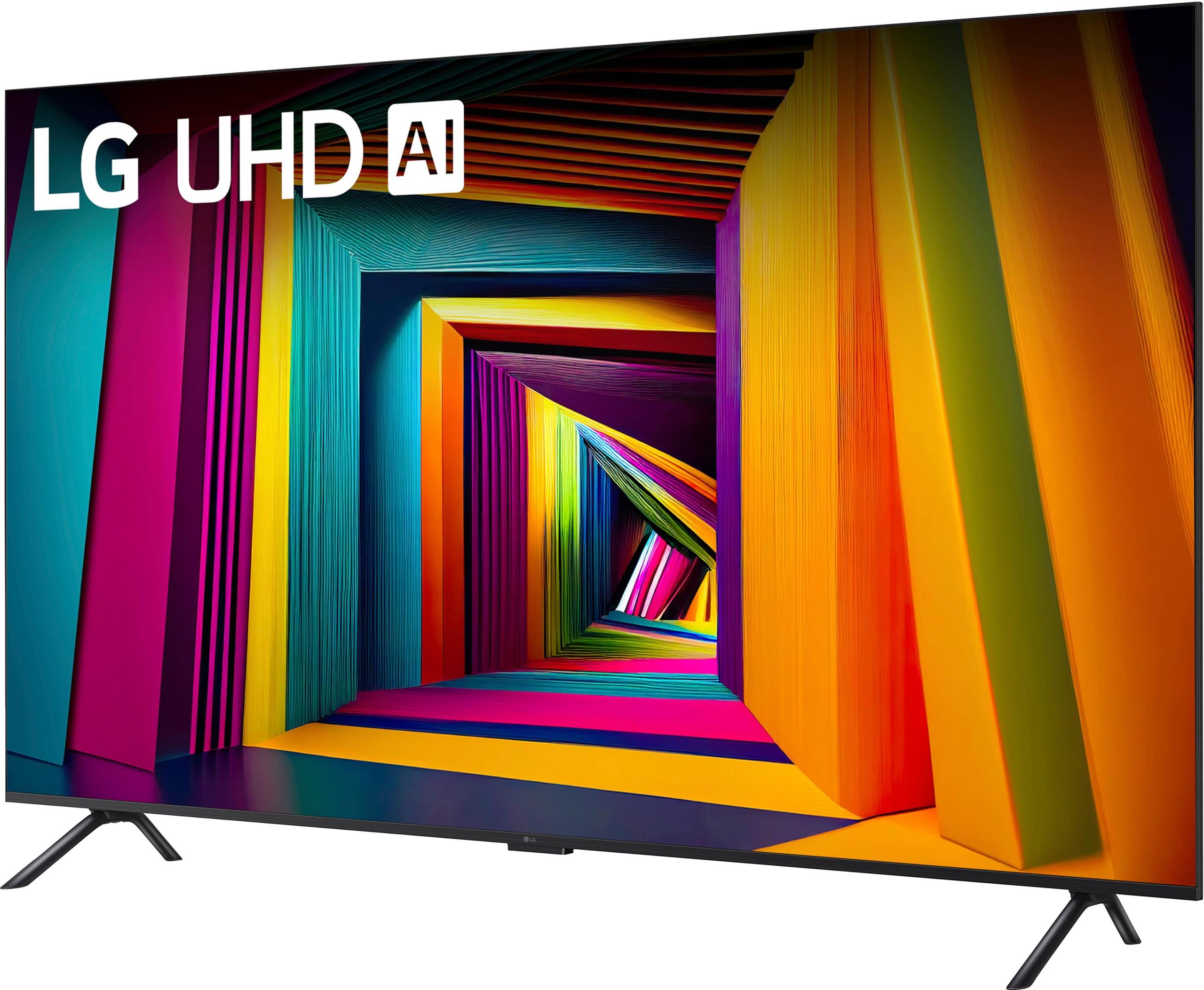
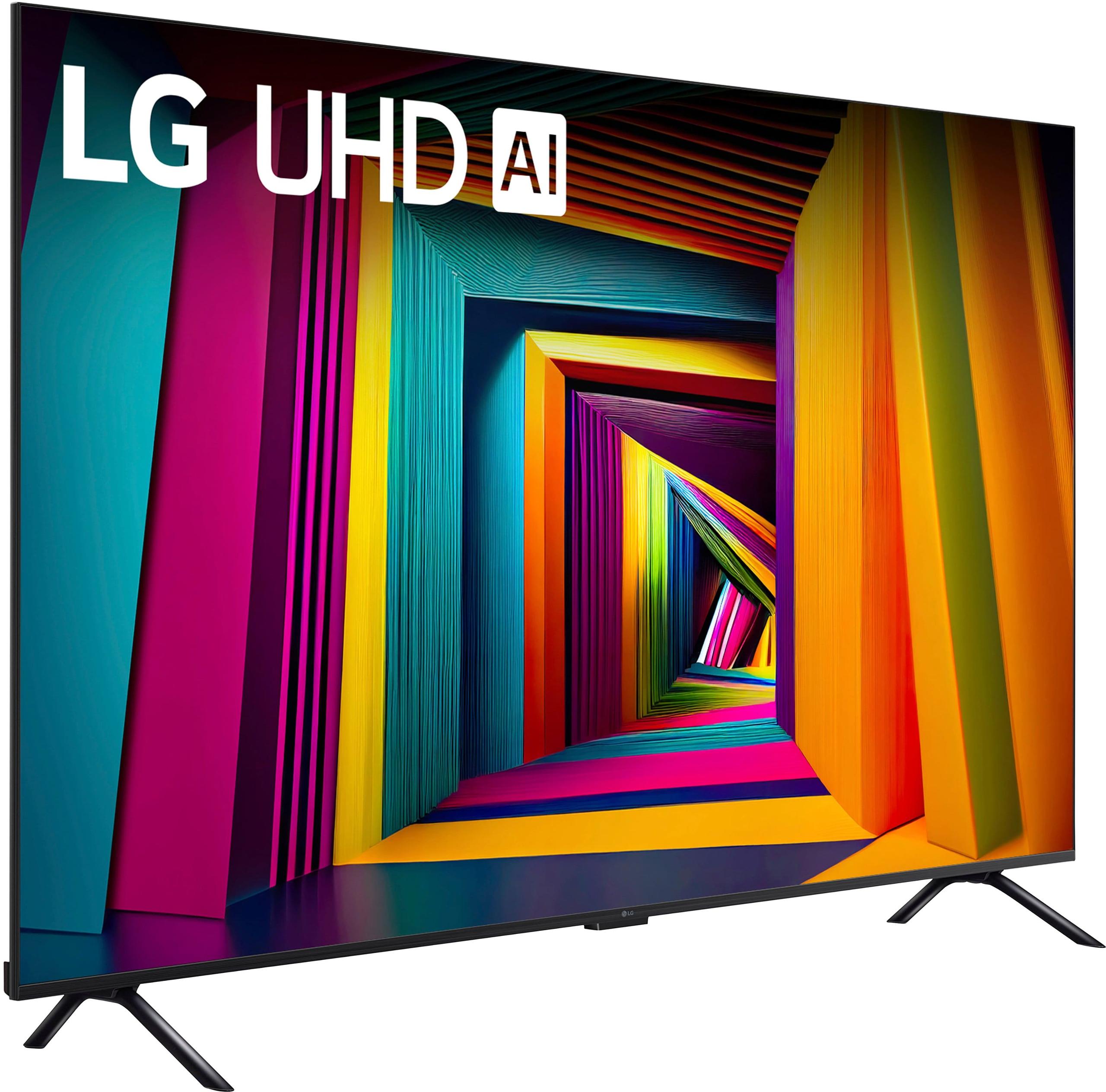
The LG UT90 takes a different approach, prioritizing screen size over cutting-edge features. Released in 2024, it's LG's answer to buyers who want the biggest possible display without premium pricing. This strategy makes sense—sometimes having a massive screen with decent performance beats having a smaller screen with perfect performance.
The most significant difference between these TVs lies in their fundamental display technologies, and this gap has only widened as Mini-LED technology has matured.
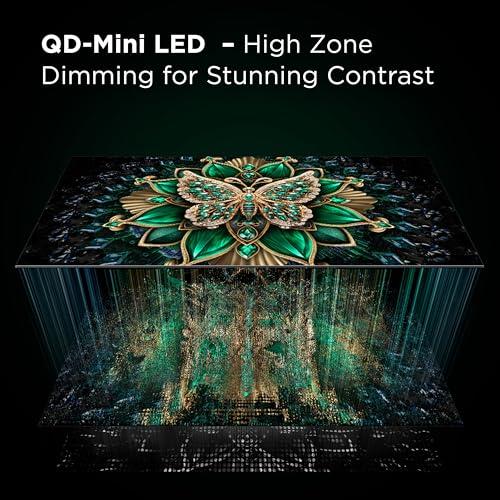
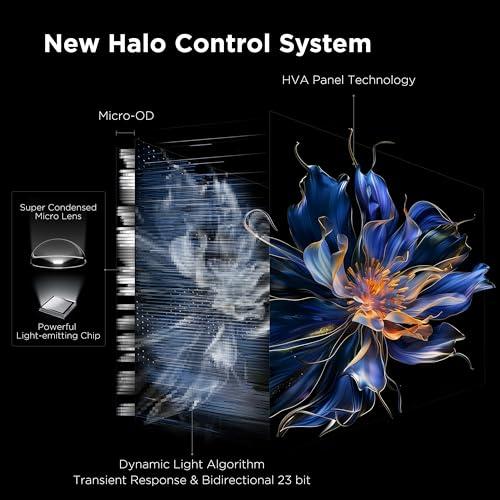
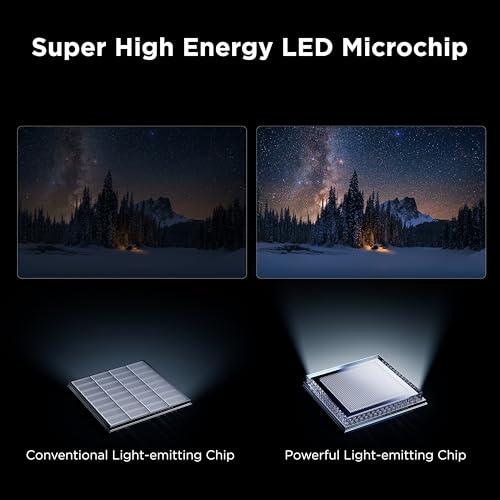
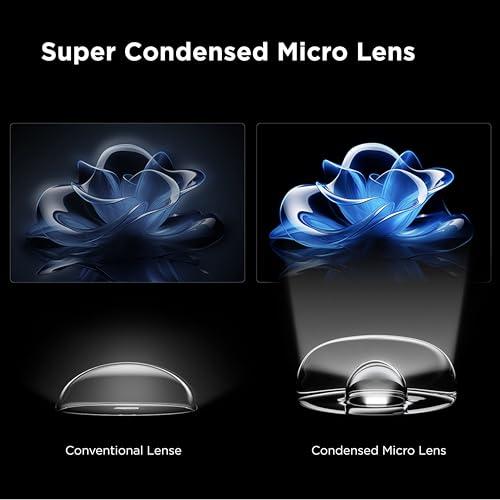
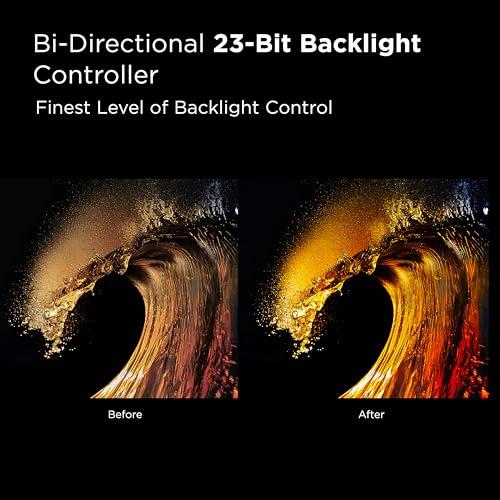
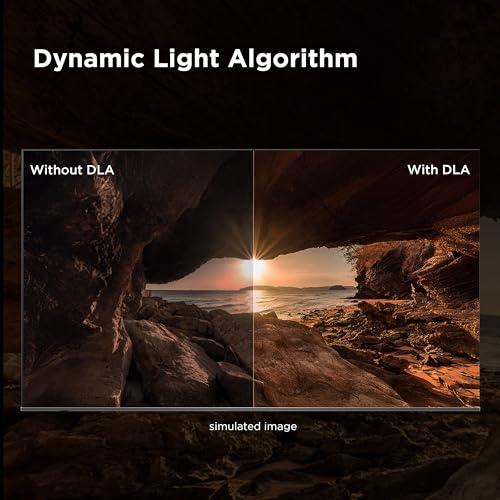
The TCL QM7K uses QD-Mini LED technology with up to 2,500 individual dimming zones. Think of these zones as tiny spotlights that can turn on and off independently. When you're watching a movie with a night scene, the TV can make specific areas completely black while keeping bright elements (like a street lamp) brilliantly illuminated. This creates what's called local dimming, and having 2,500 zones means incredibly precise control.
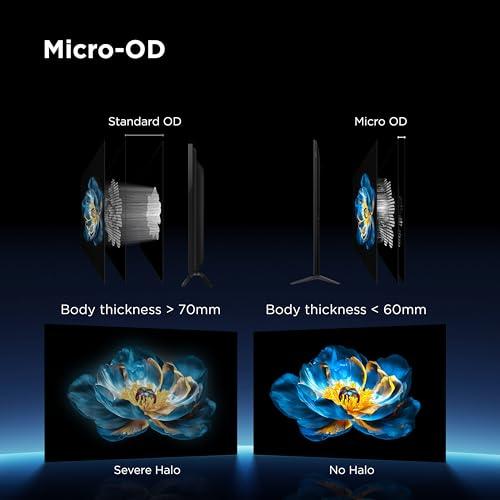
The LG UT90 uses traditional LED backlighting with approximately 100 basic dimming zones. While this is still technically local dimming, it's like comparing a precision surgeon's scalpel to a butter knife. With fewer zones covering much larger areas, you'll often see "blooming"—where bright objects cause unwanted light spill into dark areas around them.
In practical terms, this difference is dramatic. The TCL QM7K achieves a native contrast ratio of 8,000:1, meaning white areas are 8,000 times brighter than black areas. The LG UT90 typically manages around 1,200:1. When watching dark movies like horror films or space epics, the TCL delivers true blacks that make the LG UT90 look gray by comparison.
Peak brightness determines how well a TV displays HDR (High Dynamic Range) content, which includes most modern movies and shows. HDR content contains information about how bright specific elements should appear—like the sun reflecting off water or a car's headlights at night.
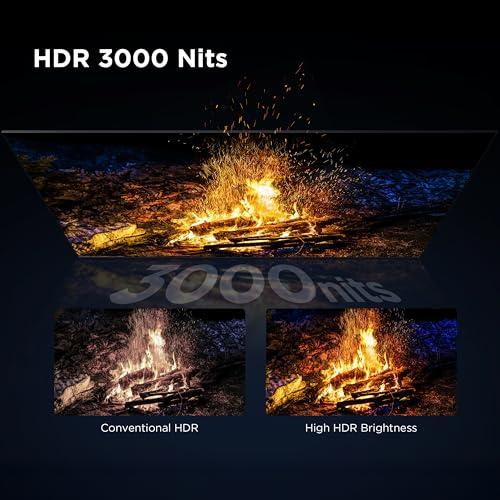
The TCL QM7K reaches 3,000 nits peak brightness, which is genuinely impressive for any TV, let alone one at this price point. For context, a typical sunny day measures about 10,000 nits, while indoor lighting ranges from 100-500 nits. The ability to hit 3,000 nits means HDR highlights have real punch and sparkle.
The LG UT90 peaks at around 800 nits, which is adequate for most content but limits HDR impact. You'll still see HDR benefits like improved color and contrast, but those eye-catching specular highlights—think lightsaber blades or explosions—won't have the same dramatic effect.
This brightness difference also affects daytime viewing. The TCL QM7K can easily overcome room glare and maintain image quality in bright living rooms, while the LG UT90 may struggle in very bright conditions.
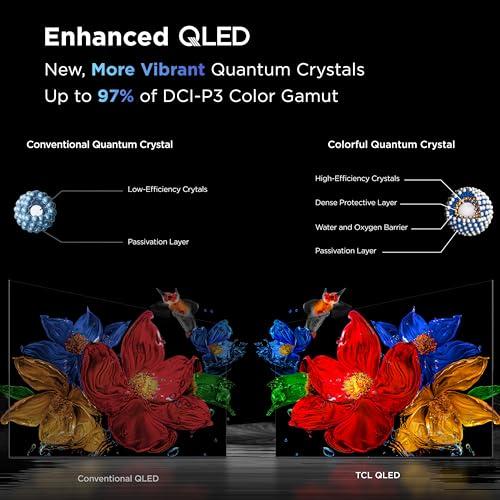
Color reproduction is where the TCL QM7K's quantum dot technology really shines. Quantum dots are microscopic particles that, when hit by light, emit very pure colors. This allows the TV to display nearly 100% of the DCI-P3 color space used by movie studios, producing over one billion distinct colors.
The LG UT90 uses standard LED color filters, achieving about 85% DCI-P3 coverage. While this still produces good-looking images, you'll miss some of the subtle color gradations and vibrant hues that make modern content pop. The difference is most noticeable in nature documentaries, animated films, and content specifically mastered for wide color gamuts.
Both TVs handle standard HD and 4K upscaling well, but the TCL QM7K's AI-powered processing tends to produce cleaner results with less artifacting when watching lower-quality content like streaming video or cable TV.
Gaming has become a crucial consideration for large TVs, especially as consoles like the PlayStation 5 and Xbox Series X push higher frame rates and resolutions.
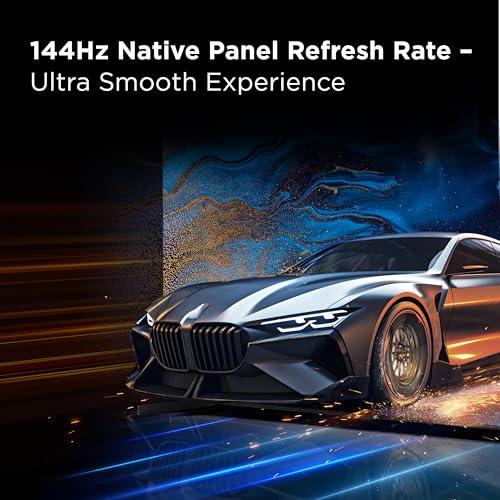
The TCL QM7K supports a native 144Hz refresh rate with its Game Accelerator 288 system, which can handle variable refresh rates up to 288Hz for 1080p content. This means games appear smoother with less motion blur, and fast-paced action stays crisp. The TV also supports AMD FreeSync Premium Pro, which synchronizes the display refresh rate with your console or PC's output to eliminate screen tearing.
The LG UT90 offers 120Hz refresh rate with basic VRR (Variable Refresh Rate) support. While 120Hz is perfectly adequate for current console gaming, the TCL QM7K provides more headroom for future gaming developments and PC gaming at higher frame rates.
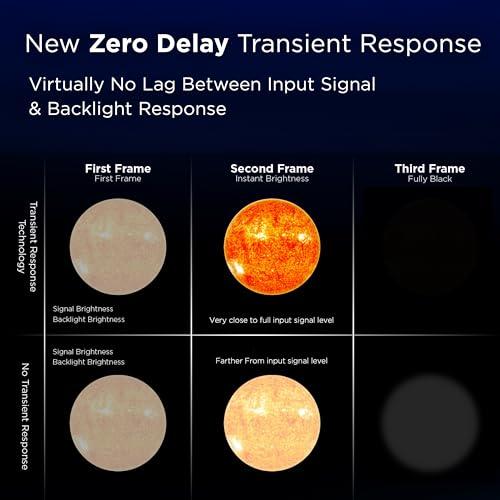
Input lag—the delay between pressing a button and seeing the result on screen—is crucial for competitive gaming. Both TVs offer dedicated game modes that reduce processing delays, but the TCL QM7K achieves lower input lag thanks to its more advanced processing pipeline.
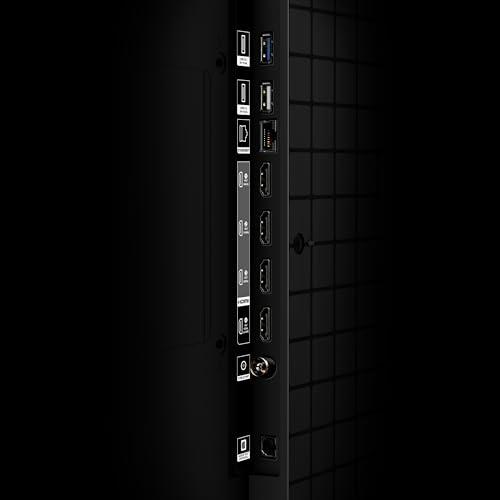
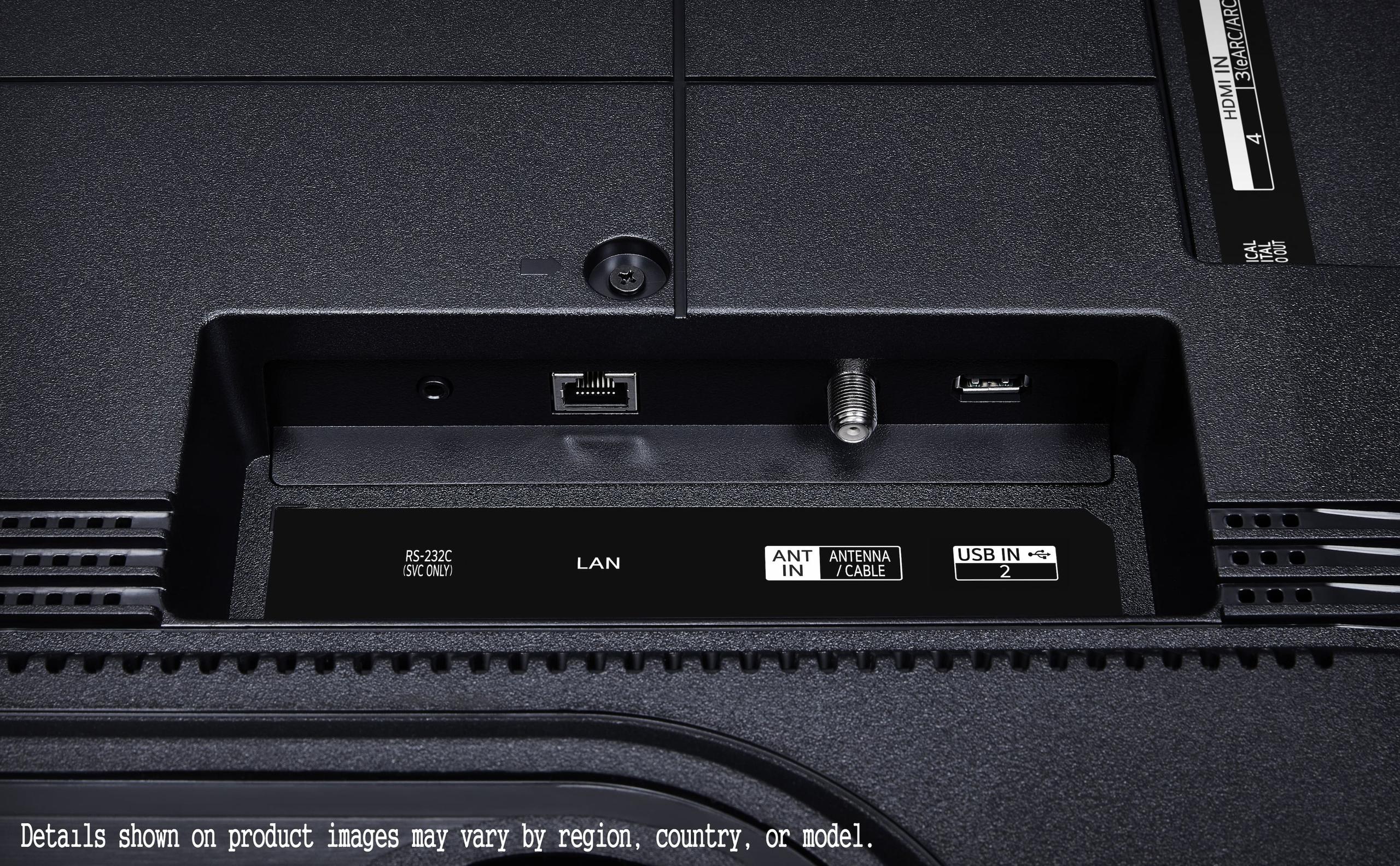
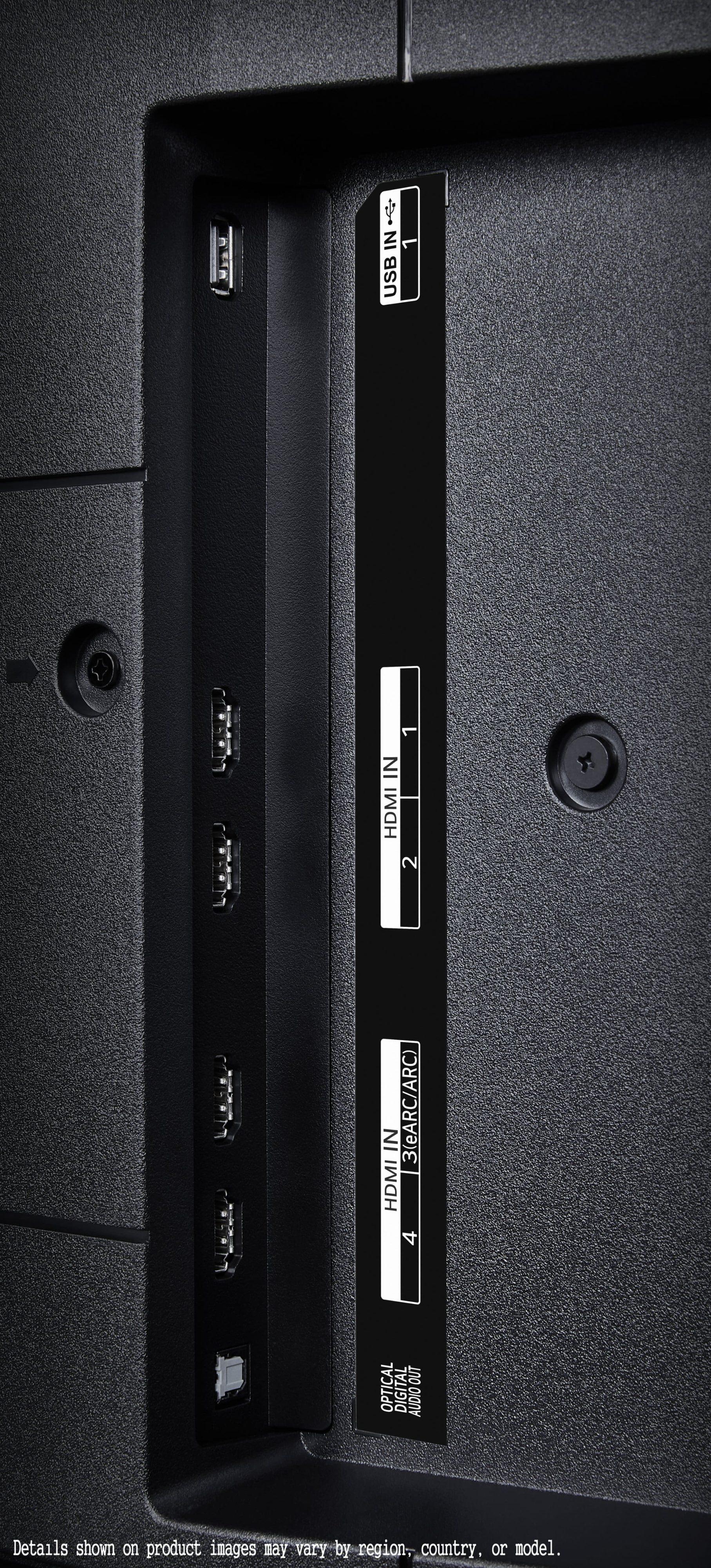
The TCL QM7K includes two HDMI 2.1 ports capable of 4K at 144Hz, plus two HDMI 2.0 ports. This means you can connect multiple high-end gaming devices without compromising performance. The LG UT90 offers four HDMI ports but with more limited bandwidth for high refresh rate gaming.
For serious gamers building a setup around a 98-inch display, the TCL QM7K provides more flexibility and future-proofing. However, casual gamers using standard consoles will find the LG UT90 perfectly adequate.
At 98 inches, you'd expect impressive audio to match the massive visual experience, and there's a notable difference between these models.
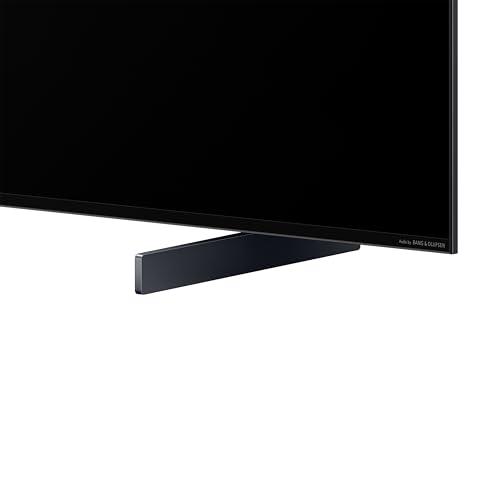
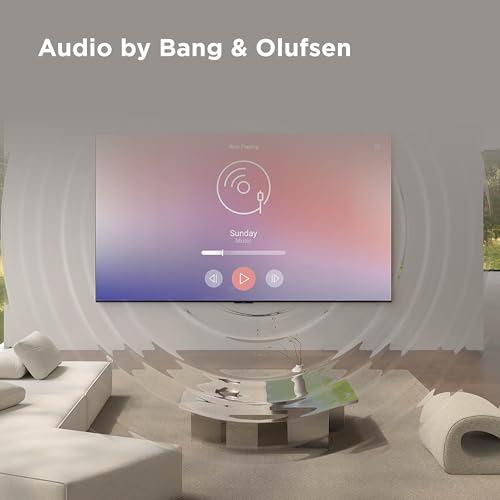
The TCL QM7K features audio tuning by Bang & Olufsen, the renowned Danish audio company. It includes a 2.1.1 channel system with a dedicated subwoofer for the 98-inch model, plus Dolby Atmos support for spatial audio effects. This creates a more immersive soundscape where audio moves around the room to match on-screen action.
The LG UT90 uses a basic 20W stereo system that's functional but unremarkable. While the sound is clear for dialogue and casual viewing, it lacks the depth and impact that matches a 98-inch visual experience.
That said, most serious home theater enthusiasts pair large TVs with dedicated sound systems anyway. If you're planning to add a soundbar or surround sound system, the audio differences become less significant, though the TCL QM7K's superior audio processing and Dolby Atmos passthrough still provide benefits.
Smart TV platforms determine your daily interaction with the TV, and both brands take different approaches.
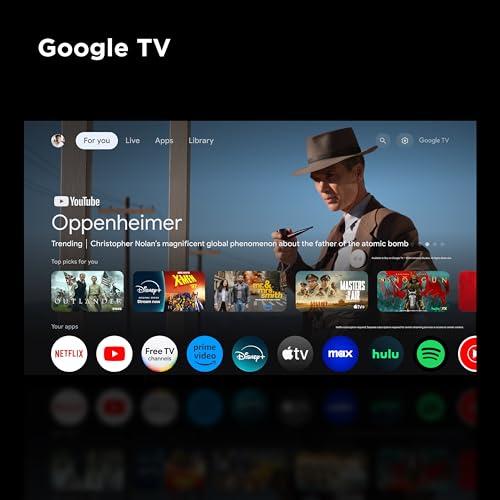
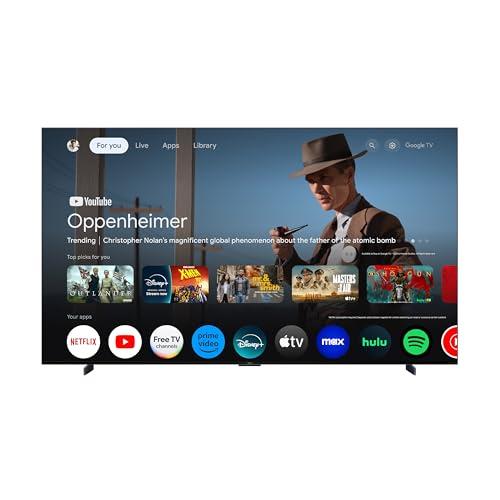
The TCL QM7K runs Google TV, which provides access to a vast ecosystem of apps and services. Google TV receives frequent updates and typically supports new streaming services quickly. The hands-free voice control with far-field microphones is genuinely useful—you can change channels or search for content without finding the remote.
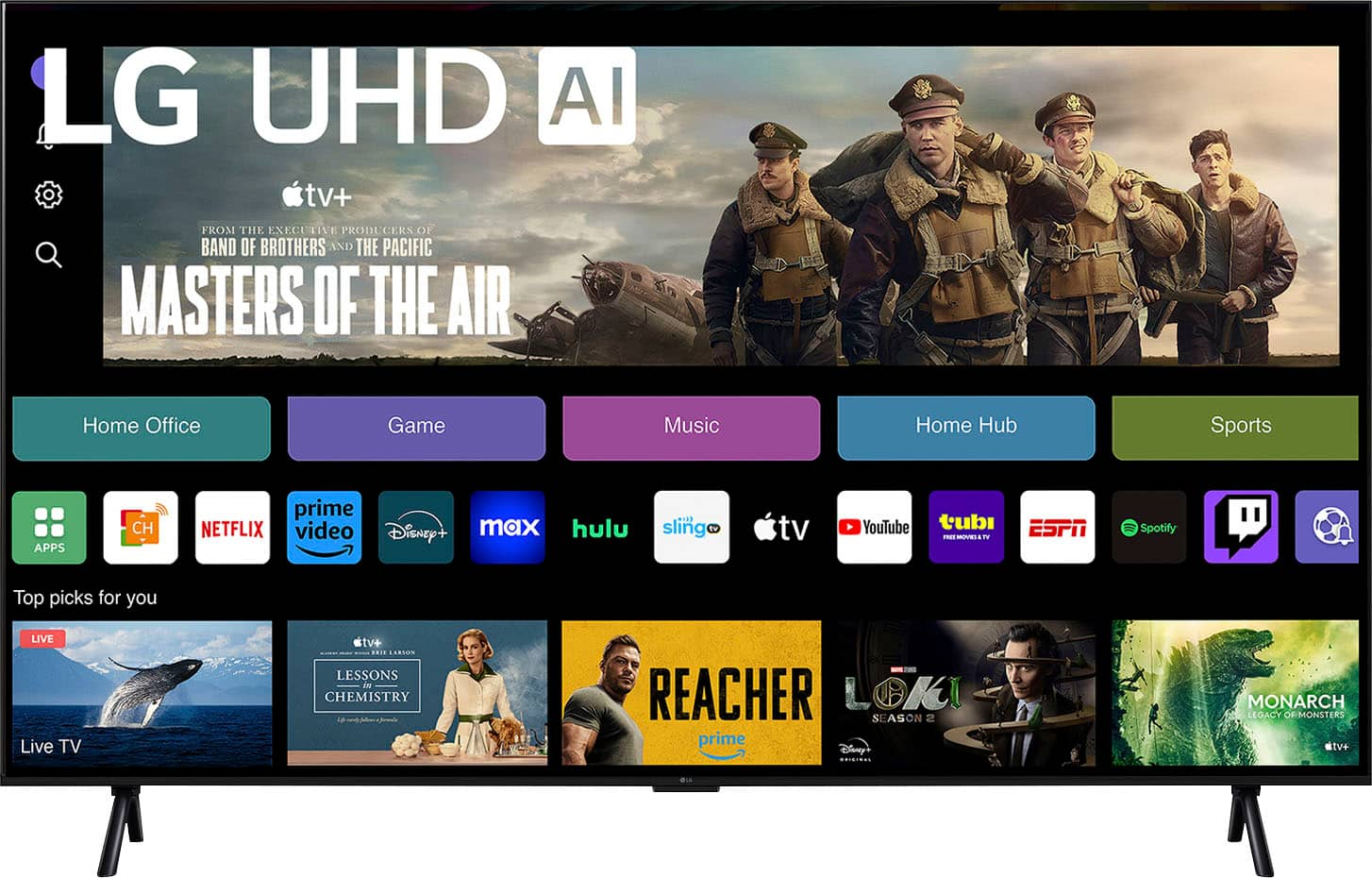
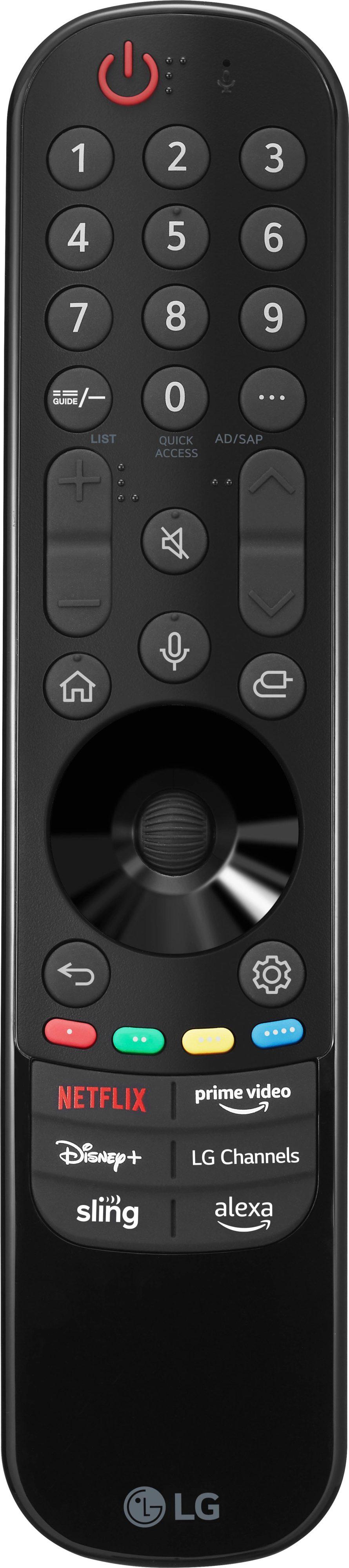
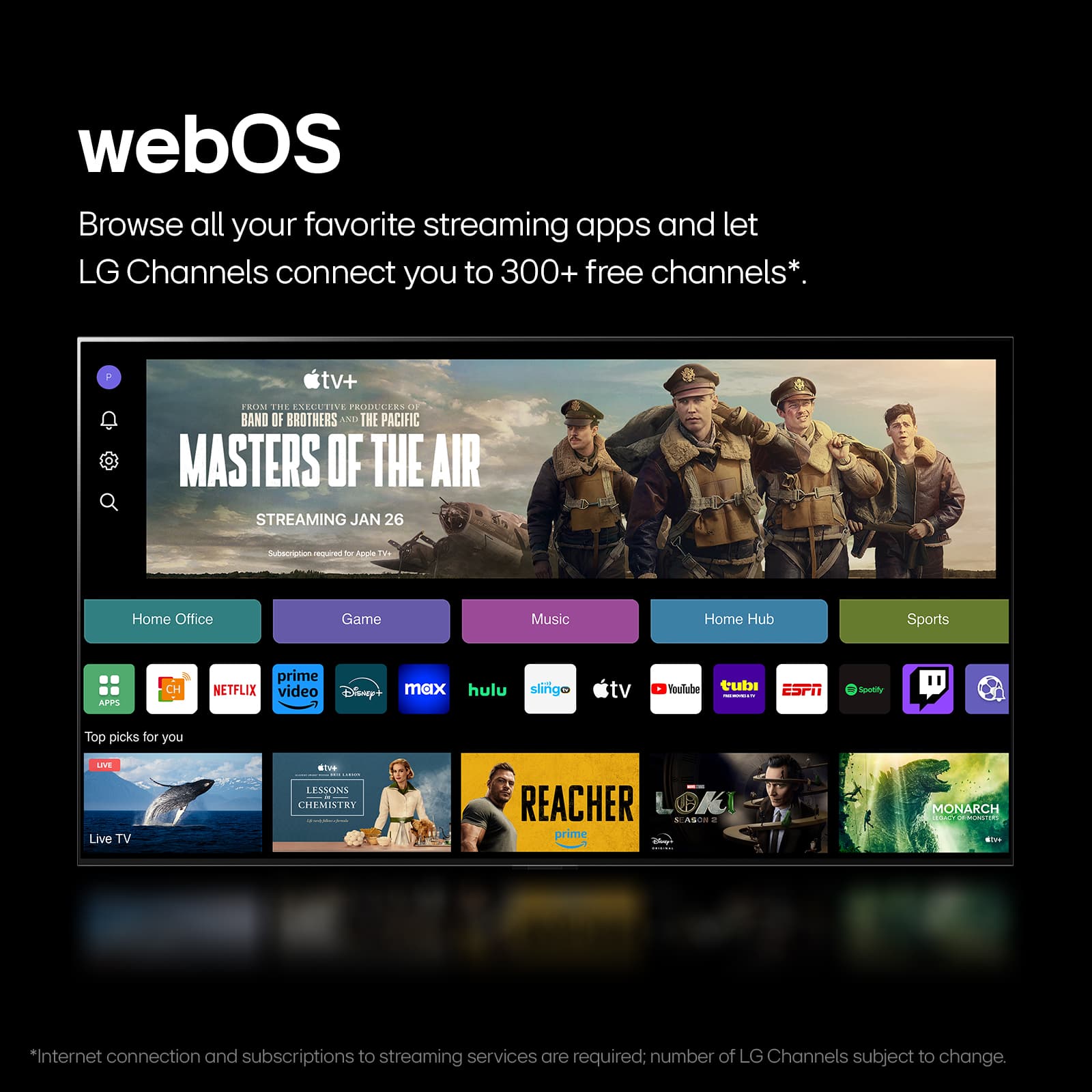
The LG UT90 uses webOS 24, LG's proprietary platform. WebOS offers a clean, intuitive interface that many users find easier to navigate than Google TV. However, it sometimes lags behind in app support and updates compared to Google's platform.
Both platforms handle the essential streaming apps (Netflix, Amazon Prime, Disney+, YouTube) without issues. The choice often comes down to personal preference and integration with other smart home devices.
In a dedicated home theater environment, the performance differences between these TVs become magnified. The TCL QM7K's superior contrast ratio and peak brightness create a more cinematic experience that justifies the premium pricing.
For dark room viewing—which is ideal for most movie watching—the TCL QM7K delivers blacks that rival OLED technology while providing higher peak brightness. This combination is particularly effective for HDR movie content where you need both deep shadows and brilliant highlights.
The LG UT90 works better in brighter rooms where its contrast limitations are less noticeable. If your TV will primarily live in a bright living room with lots of windows, the performance gap narrows considerably.
Screen size becomes more critical in larger rooms. A 98-inch display works best when viewed from 8-12 feet away. Closer than 8 feet and you might see individual pixels; farther than 12 feet and you lose some of the immersive benefits of the large size.
At the time of writing, these TVs represent fundamentally different value propositions. The TCL QM7K costs approximately $1,000 more than the LG UT90, but delivers technology typically found in TVs costing $4,000 or more.
The TCL QM7K makes sense if picture quality is your primary concern and you have the budget for premium features. The Mini-LED technology, higher brightness, and superior gaming capabilities provide tangible benefits that justify the price premium for many buyers.
The LG UT90 excels at maximizing screen size within a budget. If your main goal is having the biggest possible display for watching sports, cable TV, or streaming in a bright room, the cost savings could be better spent on audio equipment or other home theater components.
Choose the TCL QM7K if:
Choose the LG UT90 if:
The TCL QM7K represents where TV technology is heading: Mini-LED backlighting with precise control, high brightness for HDR impact, and gaming features that take advantage of next-generation consoles. It's a future-focused purchase that should remain relevant for many years.
The LG UT90 prioritizes practicality and value, delivering a massive screen with solid performance at a more accessible price point. Sometimes that's exactly what you need.
Both TVs will transform your viewing experience simply by virtue of their massive size, but the TCL QM7K does so with significantly more technological sophistication. Whether that sophistication is worth the extra cost depends on your priorities, room setup, and budget. Choose wisely—at 98 inches, this decision will literally loom large in your home for years to come.
| TCL 98" QM7K QD-Mini LED 4K TV | LG 98" Class UT90 Series 4K UHD Smart TV 2024 |
|---|---|
| Display Technology - Determines contrast and black level quality in dark rooms | |
| QD-Mini LED with 2,500 local dimming zones | Standard LED with ~100 basic dimming zones |
| Peak Brightness - Critical for HDR impact and bright room viewing | |
| 3,000 nits (excellent HDR performance) | 800 nits (adequate but limited HDR impact) |
| Contrast Ratio - How deep blacks appear next to bright whites | |
| 8,000:1 native (near-OLED quality blacks) | ~1,200:1 (greyish blacks in dark scenes) |
| Color Gamut Coverage - Affects color vibrancy and accuracy | |
| Nearly 100% DCI-P3 with Quantum Dots | 85% DCI-P3 with standard LED filters |
| Gaming Refresh Rate - Smoothness for console and PC gaming | |
| 144Hz native, up to 288Hz VRR | 120Hz with basic VRR support |
| HDR Format Support - Compatibility with premium streaming content | |
| Dolby Vision IQ, HDR10+, HDR10, HLG | HDR10, HLG only (missing premium formats) |
| HDMI 2.1 Ports - Future-proof gaming connectivity | |
| 2 HDMI 2.1 ports (4K at 144Hz capable) | Limited high-bandwidth gaming support |
| Smart Platform - Long-term app support and updates | |
| Google TV with hands-free voice control | webOS 24 with standard remote control |
| Audio System - Built-in sound quality | |
| Bang & Olufsen tuned 2.1.1 with subwoofer | Basic 20W stereo speakers |
| Panel Technology - Viewing angle and color consistency | |
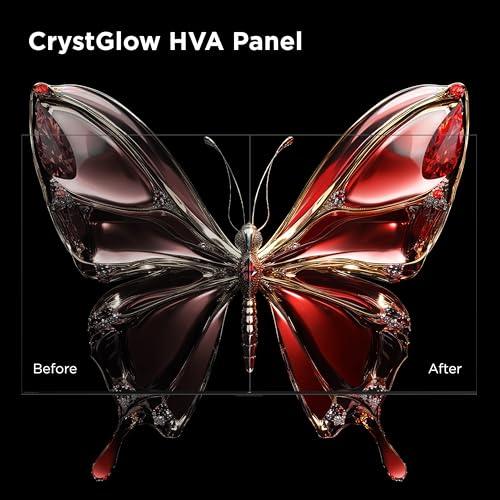
| CrystGlow HVA with anti-glare coating | Standard LED panel with basic coating |
| Release Year - Technology generation and feature set | |
| 2025 (latest Mini-LED innovations) | 2024 (established LED technology) |
The TCL 98" QM7K delivers significantly better dark room performance with its QD-Mini LED technology and 2,500 local dimming zones. This creates true blacks and exceptional contrast, while the LG UT90 uses standard LED backlighting that produces greyish blacks in dark scenes.
The TCL 98" QM7K reaches 3,000 nits peak brightness, making it excellent for bright rooms and overcoming glare. The LG UT90 peaks at 800 nits, which works fine in moderately lit rooms but may struggle in very bright conditions.
The TCL 98" QM7K supports all major HDR formats including Dolby Vision IQ and HDR10+, while the LG UT90 only supports HDR10 and HLG. This means the TCL can take full advantage of premium HDR content from streaming services.
For dedicated home theaters, the TCL 98" QM7K excels with its superior contrast, peak brightness, and comprehensive HDR support creating a more cinematic experience. The LG UT90 works better in brighter living room environments.
The TCL 98" QM7K uses Quantum Dot technology covering nearly 100% of the DCI-P3 color space for vibrant, accurate colors. The LG UT90 uses standard LED color filters achieving about 85% DCI-P3 coverage, which is good but less impressive.
Choose the TCL QM7K's Mini-LED technology if you want the best contrast and brightness performance, especially for dark room viewing and HDR content. The LG UT90's standard LED is sufficient for casual viewing and helps keep costs down while still delivering a massive 98-inch screen.
We've done our best to create useful and informative comparisons to help you decide what product to buy. Our research uses advanced automated methods to create this comparison and perfection is not possible - please contact us for corrections or questions. These are the sites we've researched in the creation of this article: bestbuy.com - tcl.com - youtube.com - rtings.com - tcl.com - youtube.com - youtube.com - tcl.com - tomsguide.com - manuals.plus - youtube.com - tcl.com - whathifi.com - bestbuy.com - queencityonline.com - electronicexpress.com - tcl.com - valueelectronics.com - tcl.com - bestbuy.com - bestbuy.com - youtube.com - woodruffappliance.com - karlsonline.com - tcl.com - rtings.com - shopjetson.com - abt.com - rtings.com - rtings.com - pcrichard.com - lg.com - rcwilley.com - lg.com - elechid.com - lg.com

Privacy Policy
Terms and Conditions - Affiliate Policy
Home Security
© Copyright 2008-2026.
11816 Inwood Rd #1211, Dallas, TX 75244