

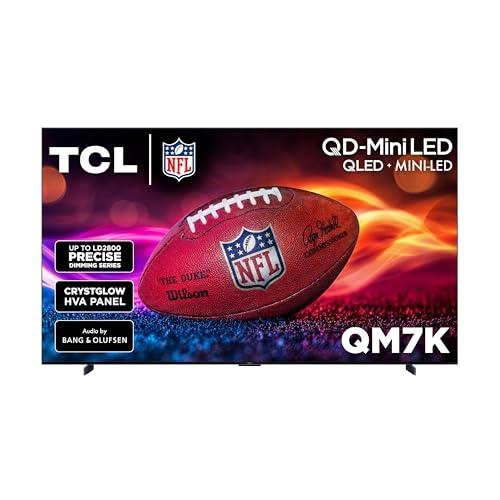
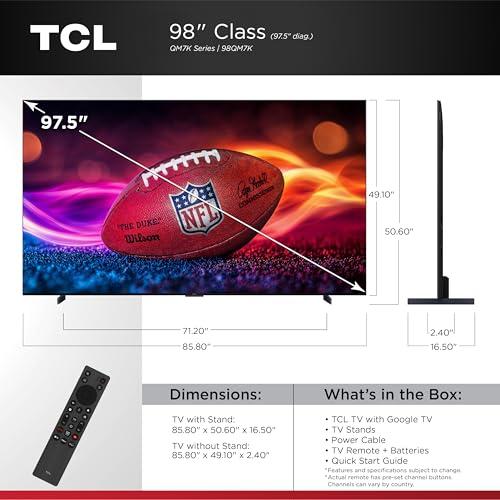

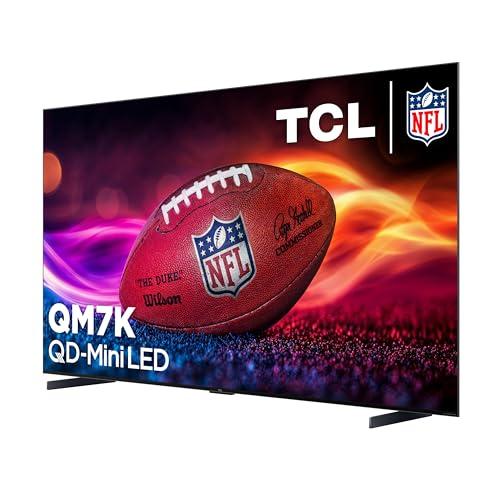
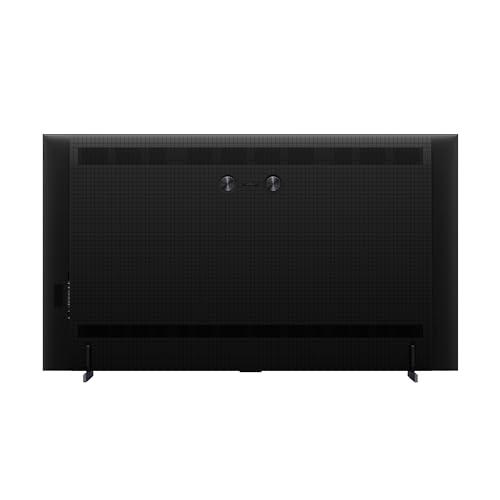
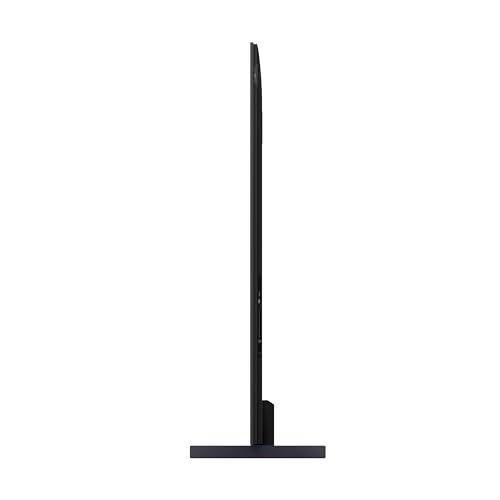
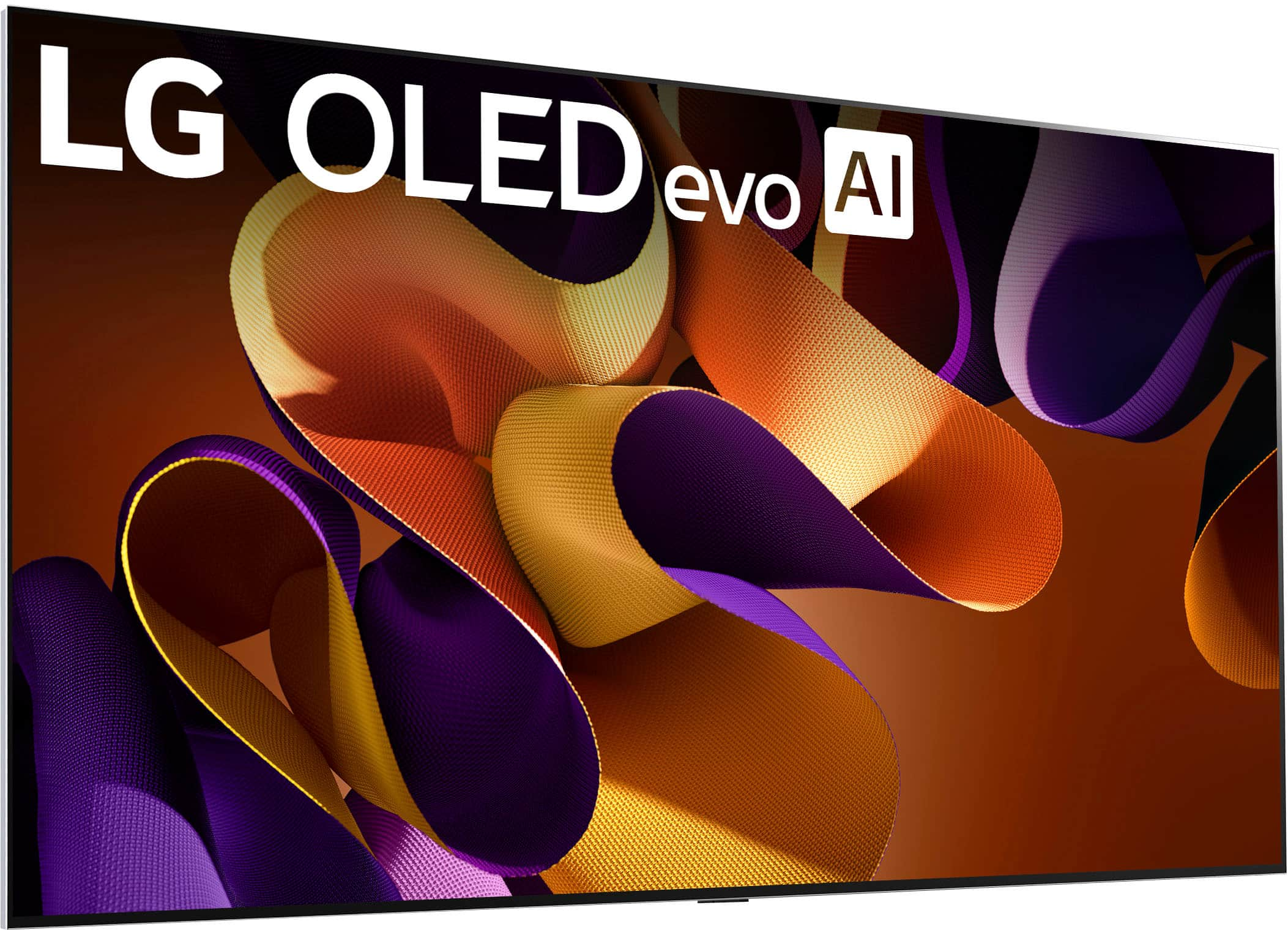
When you're shopping for a TV that's nearly 8 feet wide, you're not just buying a television—you're investing in a home theater experience that will dominate your living space for years to come. The TCL 98" QM7K and LG 97" OLED evo G4 represent two completely different approaches to achieving that cinema-at-home dream, and the choice between them will fundamentally shape how you watch everything from weekend football games to late-night movie marathons.
At the time of writing, these TVs sit at opposite ends of the premium large-screen market. The TCL QM7K delivers flagship-level performance at a price that won't require a second mortgage, while the LG G4 OLED commands luxury pricing for what many consider the ultimate in picture quality. Understanding which approach suits your situation requires diving deep into how these dramatically different technologies actually work.
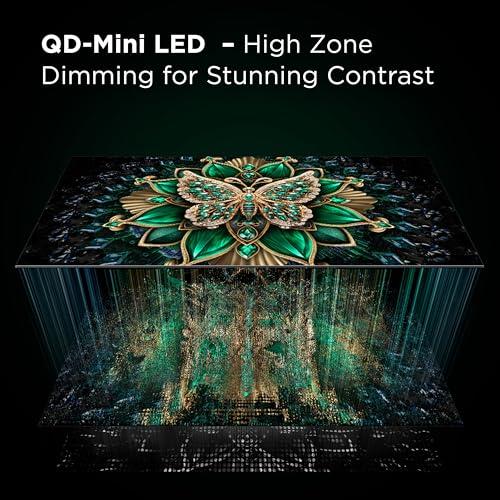
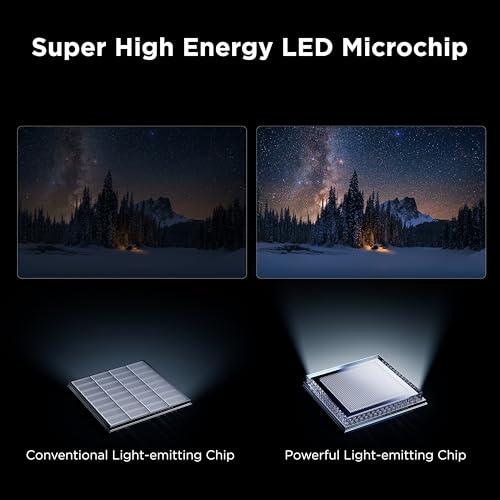
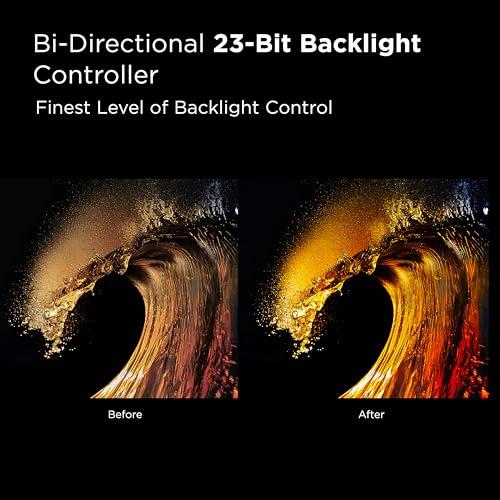
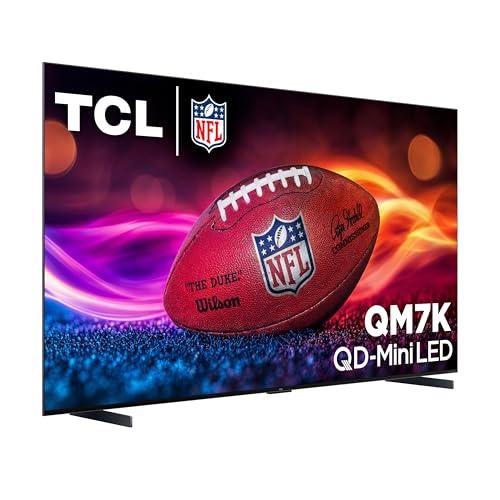
The fundamental difference between these TVs lies in how they create the images you see. The TCL QM7K uses what's called QD-Mini LED technology, which sounds complicated but works like an incredibly sophisticated version of the LED strips you might have around your desk. Behind the screen, thousands of tiny LED lights are organized into 2,500 separate zones that can dim or brighten independently. Think of it like having a grid of 2,500 flashlights behind your TV screen, where each flashlight can be controlled separately to create bright whites or deep blacks.
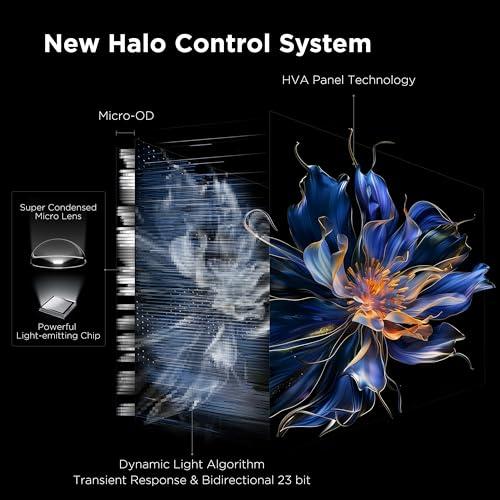
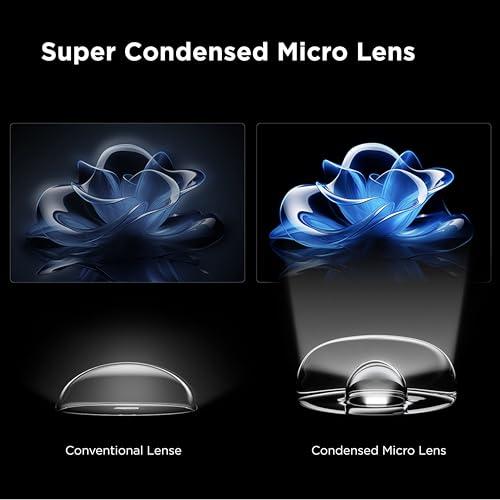
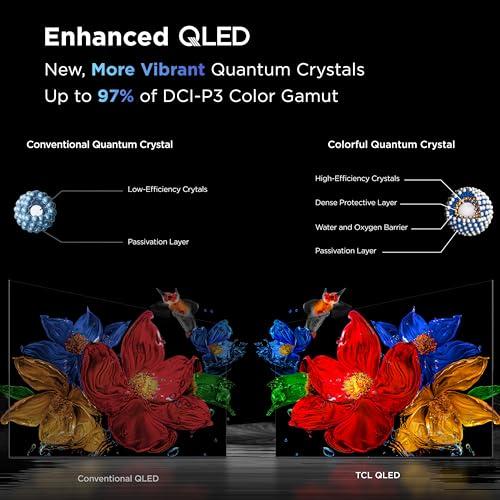
The quantum dot layer (that's the "QD" part) acts like a color filter that takes the white LED light and converts it into incredibly pure, vibrant colors. This technology has improved dramatically since Mini LED TVs first appeared around 2020, with the TCL QM7K's 2025 Halo Control System representing a major breakthrough in eliminating the "blooming" effect that plagued earlier generations—more on that later.
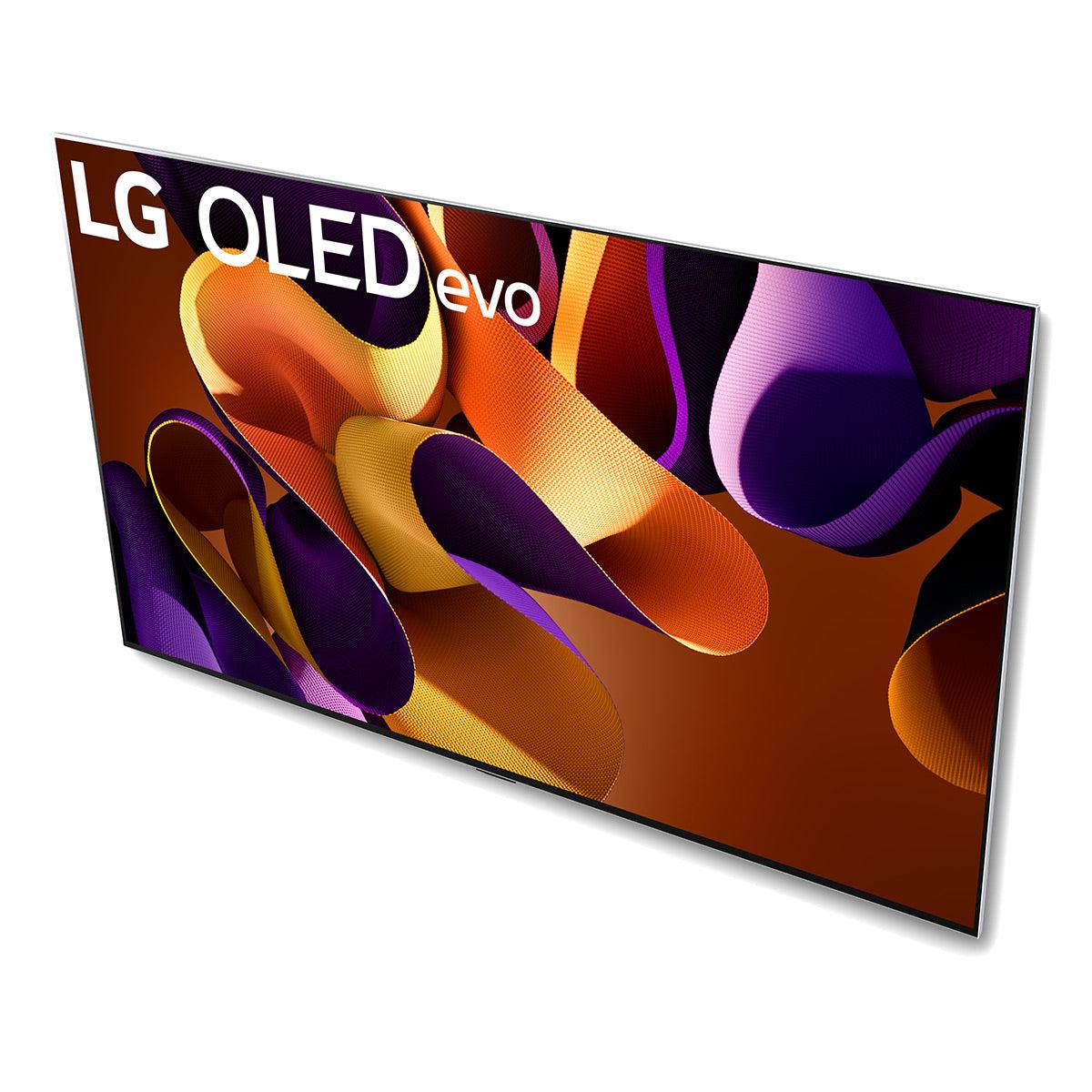
The LG G4 OLED, released in 2024, takes a completely different approach. Instead of backlights shining through a screen, each of the 8.3 million pixels generates its own light. When a pixel needs to show black, it simply turns off completely—no light, no glow, perfect darkness. When it needs to show bright white, it illuminates at full power. This gives OLED (Organic Light-Emitting Diode) displays what experts call "infinite contrast" because the ratio between the brightest white and darkest black is theoretically unlimited.
OLED technology has been evolving since LG introduced large consumer OLED TVs in 2013, and the 2024 G4 series represents nearly a decade of refinements, including the Micro Lens Array technology that makes each pixel more efficient and brighter than previous generations.
If you've ever tried to watch a movie in a dark room on a regular LED TV, you've probably noticed that "black" scenes look more like dark gray. That's because there's always some backlighting bleeding through, even when the TV is trying to show pure black. The LG G4 OLED eliminates this problem entirely—when a pixel is supposed to be black, it produces zero light.
This creates what videophiles call "perfect blacks," and the visual impact is immediately obvious when watching dark scenes in movies like "Dune" or "The Batman." Shadow details that get lost in the gray wash of LED TVs become clearly visible on OLED. Stars against a night sky appear to float in true darkness rather than against a grayish backdrop. This infinite contrast ratio (the difference between the brightest and darkest parts of an image) is OLED's signature advantage and why many home theater enthusiasts consider it the gold standard.
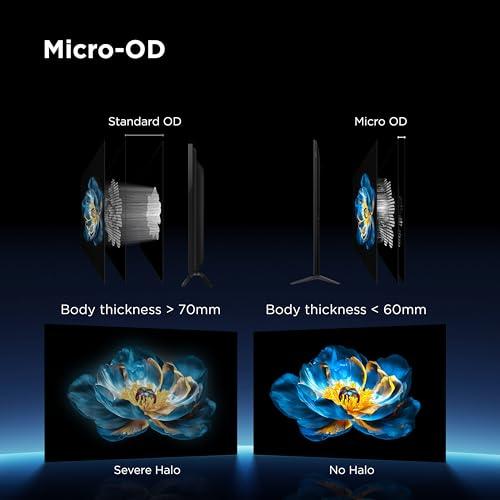
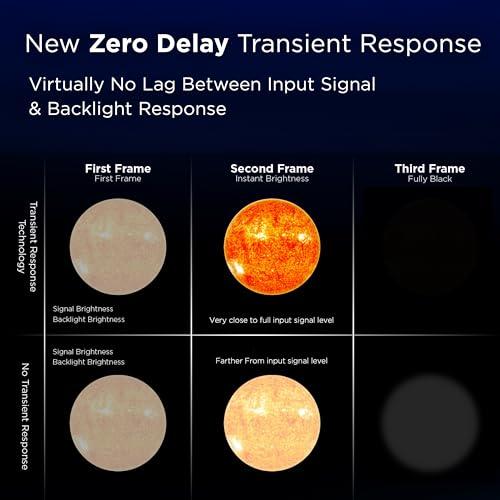
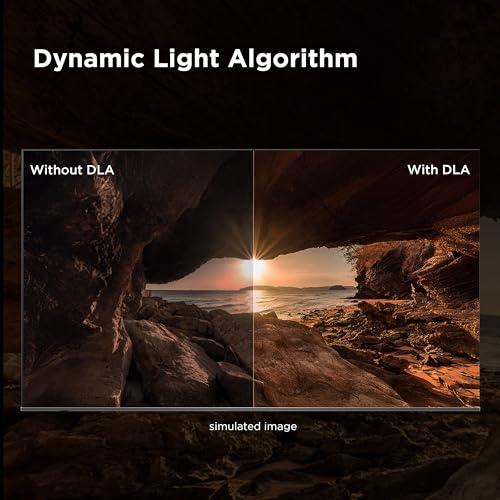
The TCL QM7K can't match true blacks due to its backlighting system, but its advanced Halo Control System minimizes the blooming effect that creates unwanted glowing halos around bright objects in dark scenes. With 2,500 local dimming zones—significantly more than most competitors—the TCL gets much closer to OLED-level contrast than previous Mini LED generations. While you might notice subtle blooming during extreme torture test scenes (think bright text on pure black backgrounds), normal movie watching shows impressive black levels that satisfy most viewers.
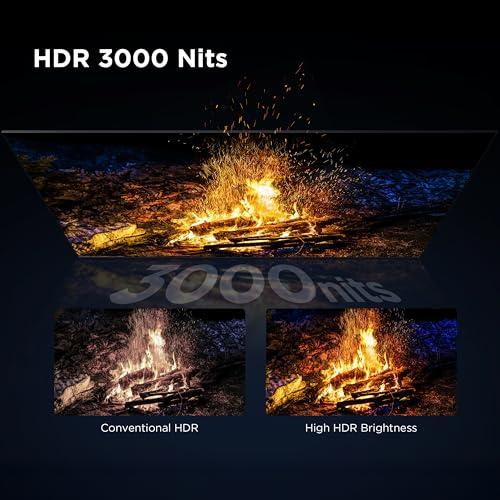
Here's where the technology tables turn dramatically. The TCL QM7K's 3,000 nits of peak brightness absolutely crushes the LG G4 OLED in rooms with significant ambient light. To put this in perspective, a typical sunny day produces about 100,000 lux of brightness, while indoor lighting ranges from 100-1,000 lux. The TCL's extreme brightness helps it maintain vibrant colors and strong contrast even when competing with room lighting.
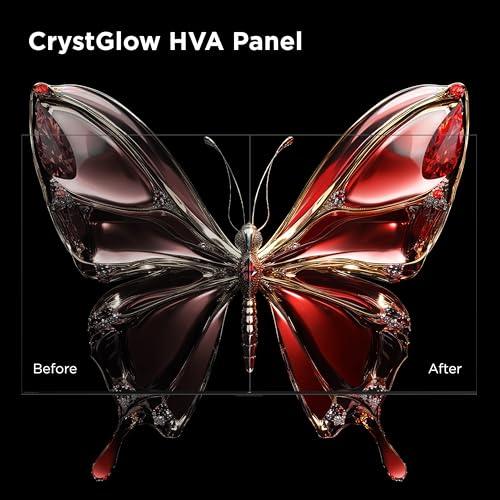
The CrystGlow HVA Panel technology includes an anti-reflective coating that significantly reduces glare compared to the glossy surface of OLED displays. During afternoon football games or morning news shows, the TCL maintains its visual impact while the LG OLED can appear washed out or become a mirror for room lights.
This brightness advantage extends to HDR (High Dynamic Range) content, where those 3,000 nits create explosive highlights that make HDR scenes genuinely impactful. When the sun glints off a car windshield or lightning illuminates a storm scene, the TCL delivers a visceral brightness that OLED simply can't match, regardless of room lighting.
Both TVs excel at color reproduction but in different ways. The TCL QM7K's quantum dot technology achieves 97% coverage of the DCI-P3 color space (the standard used in movie theaters) with exceptional color purity. Quantum dots work by converting LED backlight into precise wavelengths, creating colors that are both vibrant and accurate.
The LG G4 OLED achieves what LG calls "100% Color Volume," meaning it can produce accurate colors at any brightness level from the darkest shadows to the brightest highlights. OLED's per-pixel control means colors don't shift or fade in different lighting conditions within the same image—a subtle but important advantage for color-critical viewing.
Gaming performance reveals another key difference between these technologies. The LG G4 OLED features near-instantaneous pixel response times—under 0.1 milliseconds. This means when a pixel needs to change from black to white or any color in between, it happens almost immediately. For competitive gaming, this eliminates motion blur and ghosting that can affect precision in fast-paced games.
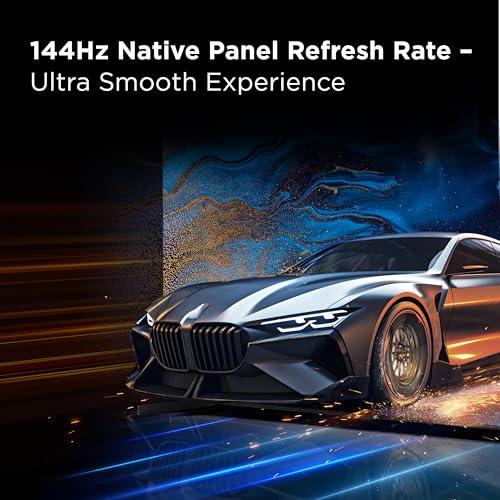
The TCL QM7K compensates with raw refresh rate capability, supporting up to 288Hz VRR (Variable Refresh Rate) at 1080p resolution and 144Hz at 4K. These higher refresh rates mean the TV can display more frames per second, creating smoother motion. However, the pixel response times are inherently slower due to the LCD panel technology behind the Mini LED backlight.
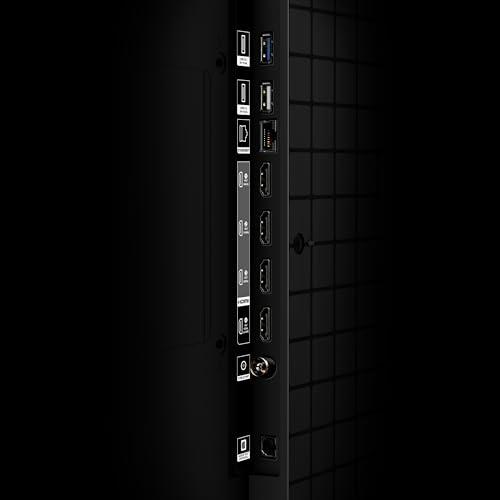
Both TVs support the gaming features modern consoles demand: HDMI 2.1 for high-bandwidth signals, VRR to eliminate screen tearing, and ALLM (Auto Low Latency Mode) to minimize input lag. The LG G4 provides four HDMI 2.1 ports compared to the TCL's two, offering more flexibility for multiple gaming systems.
For competitive esports where every millisecond matters, the LG OLED wins decisively. For casual gaming where higher refresh rates enhance the experience, the TCL provides excellent performance with broader refresh rate support.
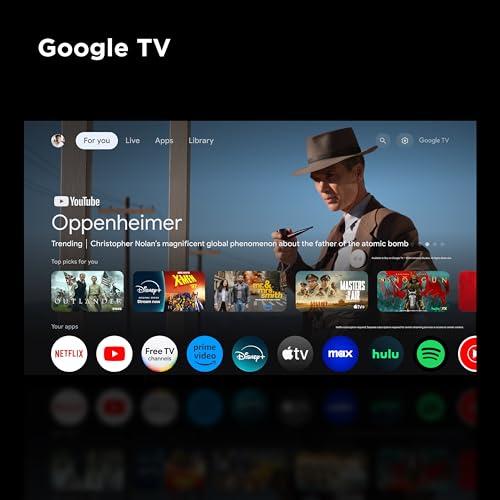
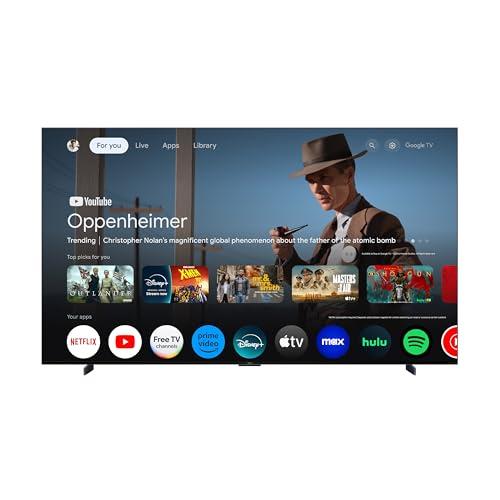
Both TVs run modern smart platforms with comprehensive streaming app support. The TCL QM7K uses Google TV, which provides excellent content discovery and integrates well with Google services and smart home devices. The interface is clean and responsive, though some users prefer external streaming devices for the fastest navigation.
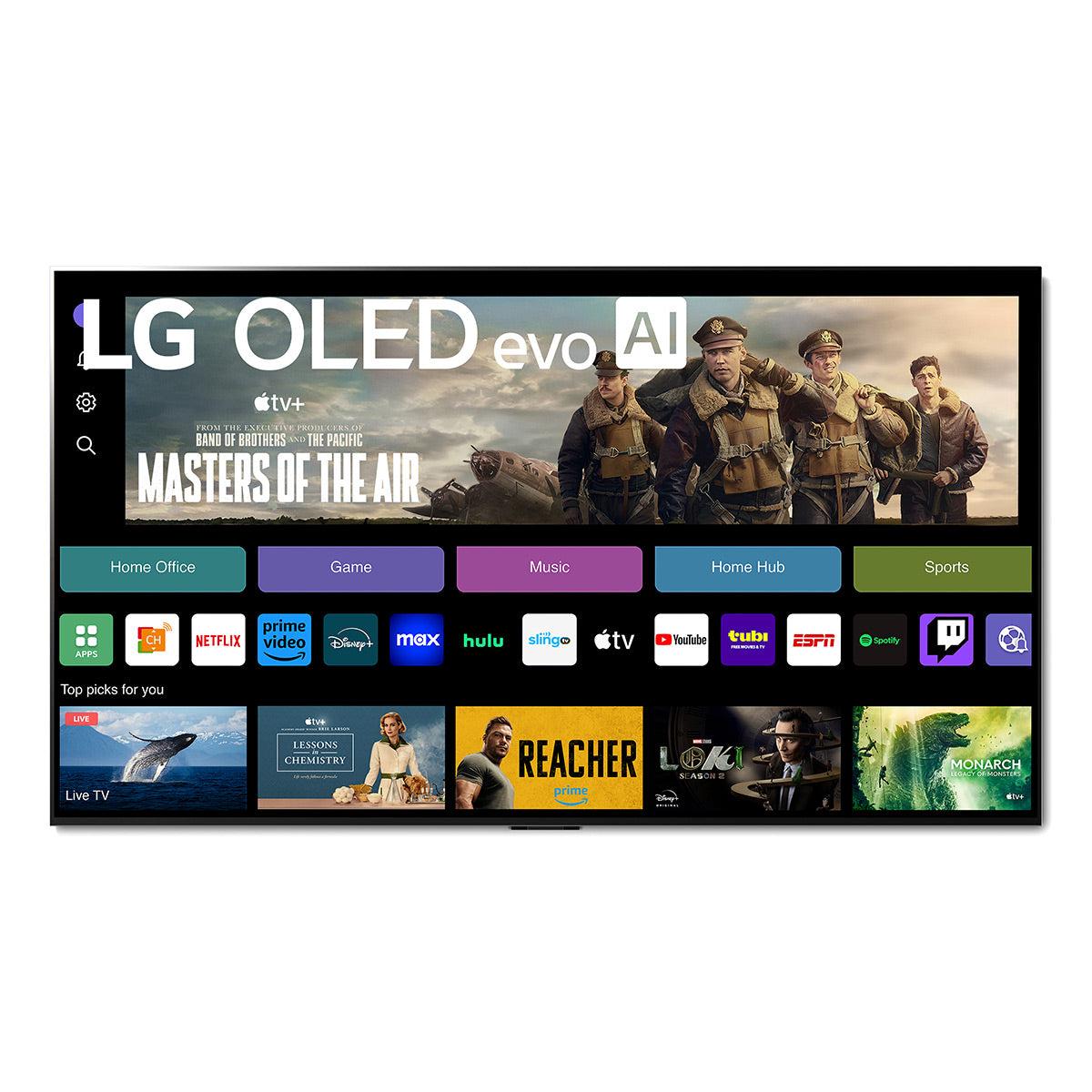
The LG G4 OLED runs webOS 24, LG's proprietary platform that's known for its intuitive interface and comprehensive feature set. Both platforms support voice control and major streaming services without issues.
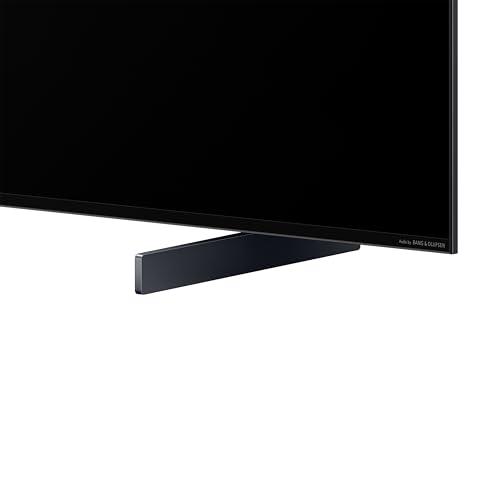
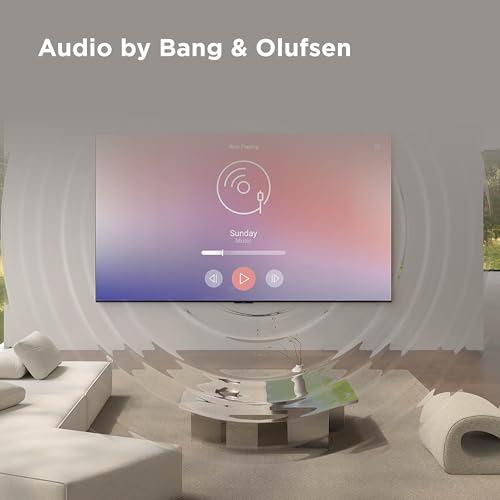
Audio represents an interesting comparison. The TCL features audio tuning by Bang & Olufsen, the prestigious Danish audio company known for high-end speakers. While TV speakers will never replace a proper sound system for the ultimate home theater experience, the Bang & Olufsen tuning provides noticeably better dialogue clarity and music reproduction than typical TV audio.
The LG G4 includes a 4.2 channel system with Dolby Atmos support, creating virtual surround sound effects. However, at this screen size and price point, most buyers will pair either TV with a dedicated soundbar or home theater system.
At the time of writing, the price difference between these TVs is substantial—the TCL QM7K costs roughly one-fifth of the LG G4 OLED. This creates fundamentally different value propositions.
The TCL delivers premium TV performance at a price that makes sense for most buyers considering a 98-inch display. You get flagship-level brightness, advanced gaming features, quantum dot color technology, and a screen size that transforms any room into a home theater. The performance per dollar is exceptional, especially considering the advanced Halo Control System that largely solves Mini LED's historical blooming issues.
The LG OLED commands luxury pricing that puts it in competition with high-end projectors and dedicated home theater installations. The picture quality justifies this premium in specific scenarios—primarily dedicated home theaters with controlled lighting where OLED's perfect blacks and infinite contrast create an unmatched viewing experience.
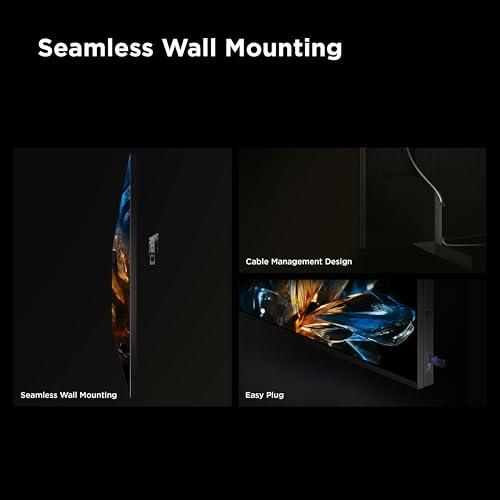
These massive TVs require careful consideration of room design and viewing distances. The TCL QM7K includes a height-adjustable pedestal stand and traditional mounting options, making it suitable for conventional TV furniture or wall mounting.
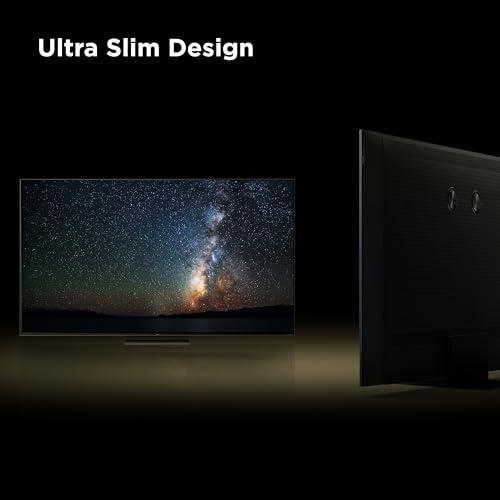
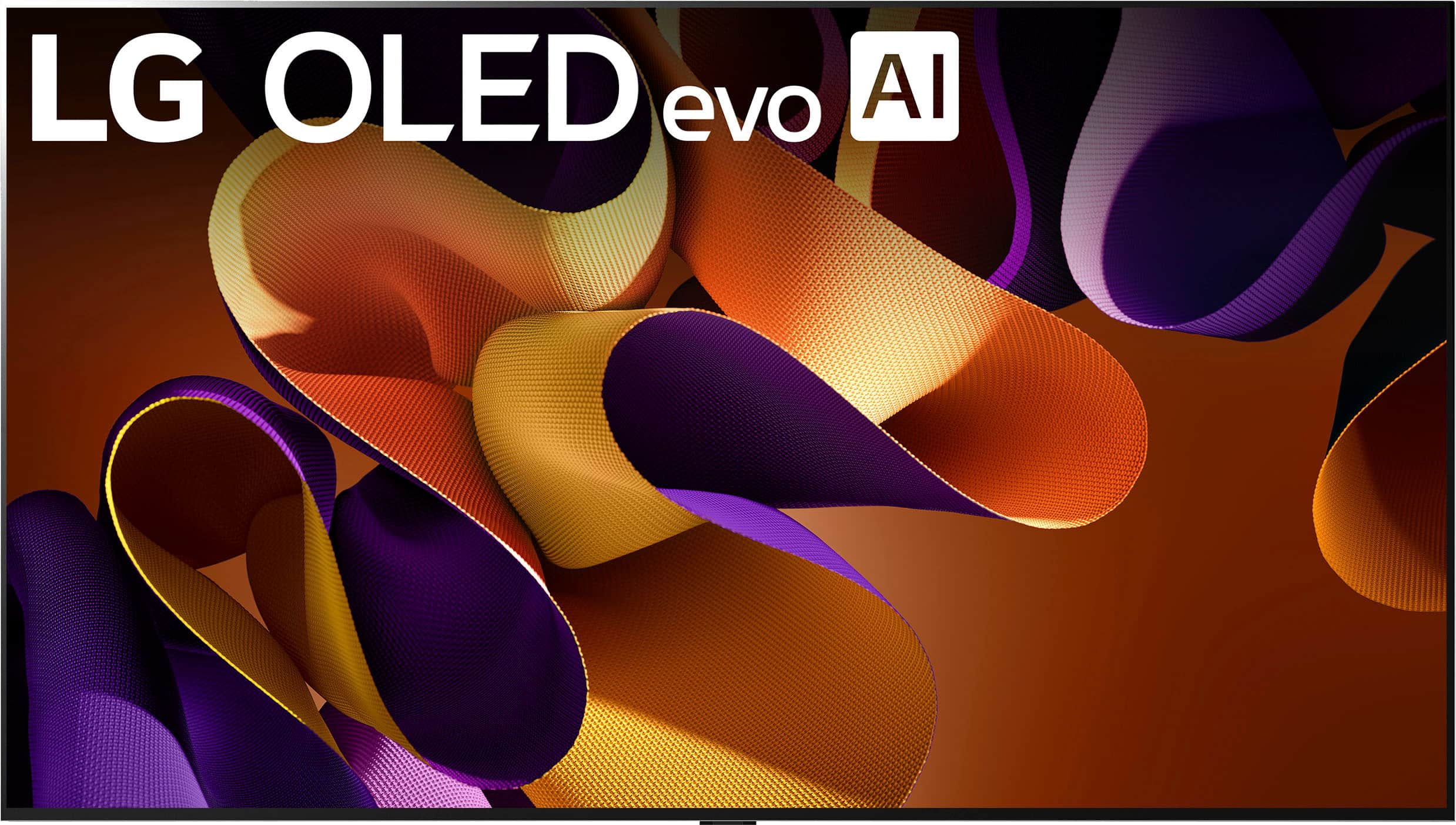
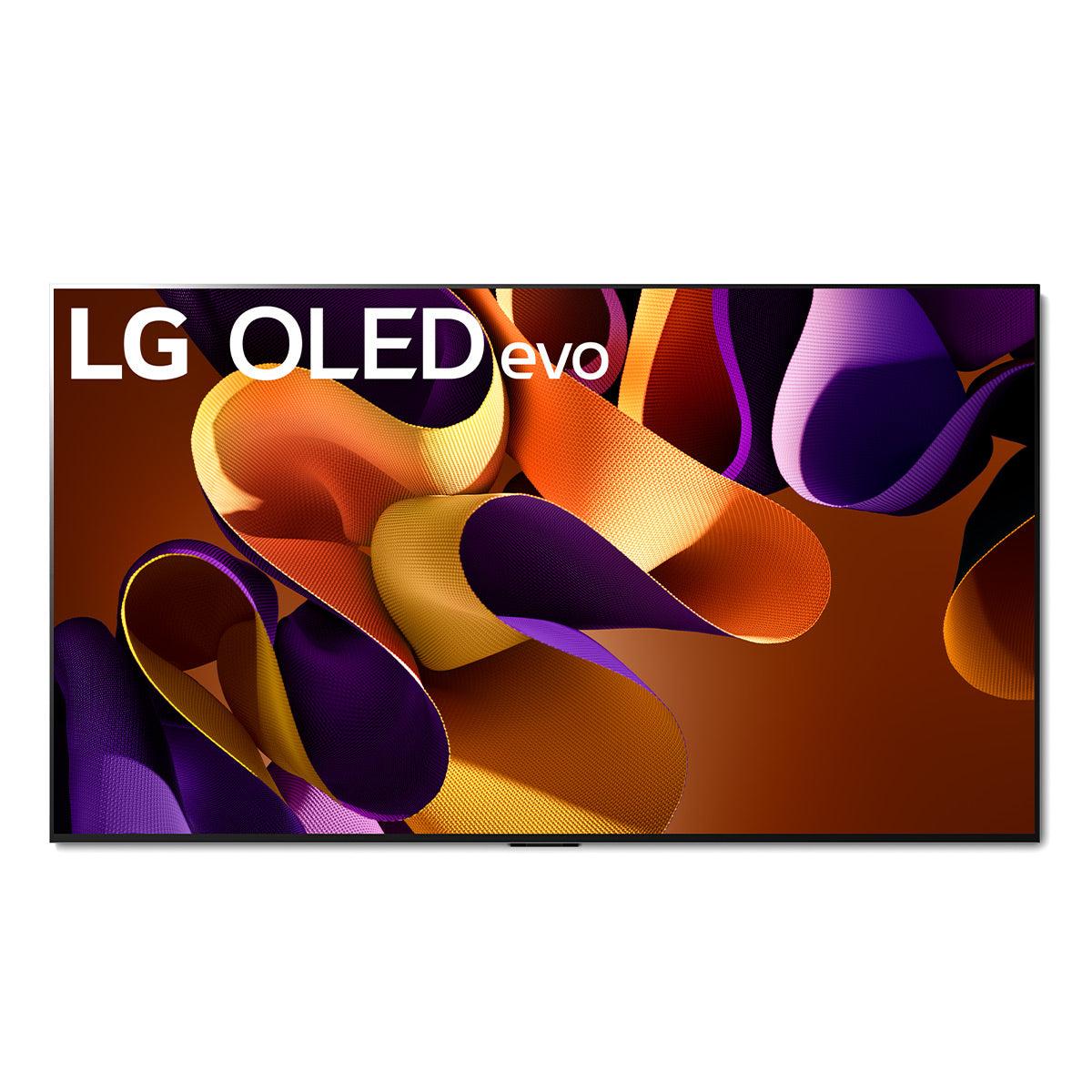
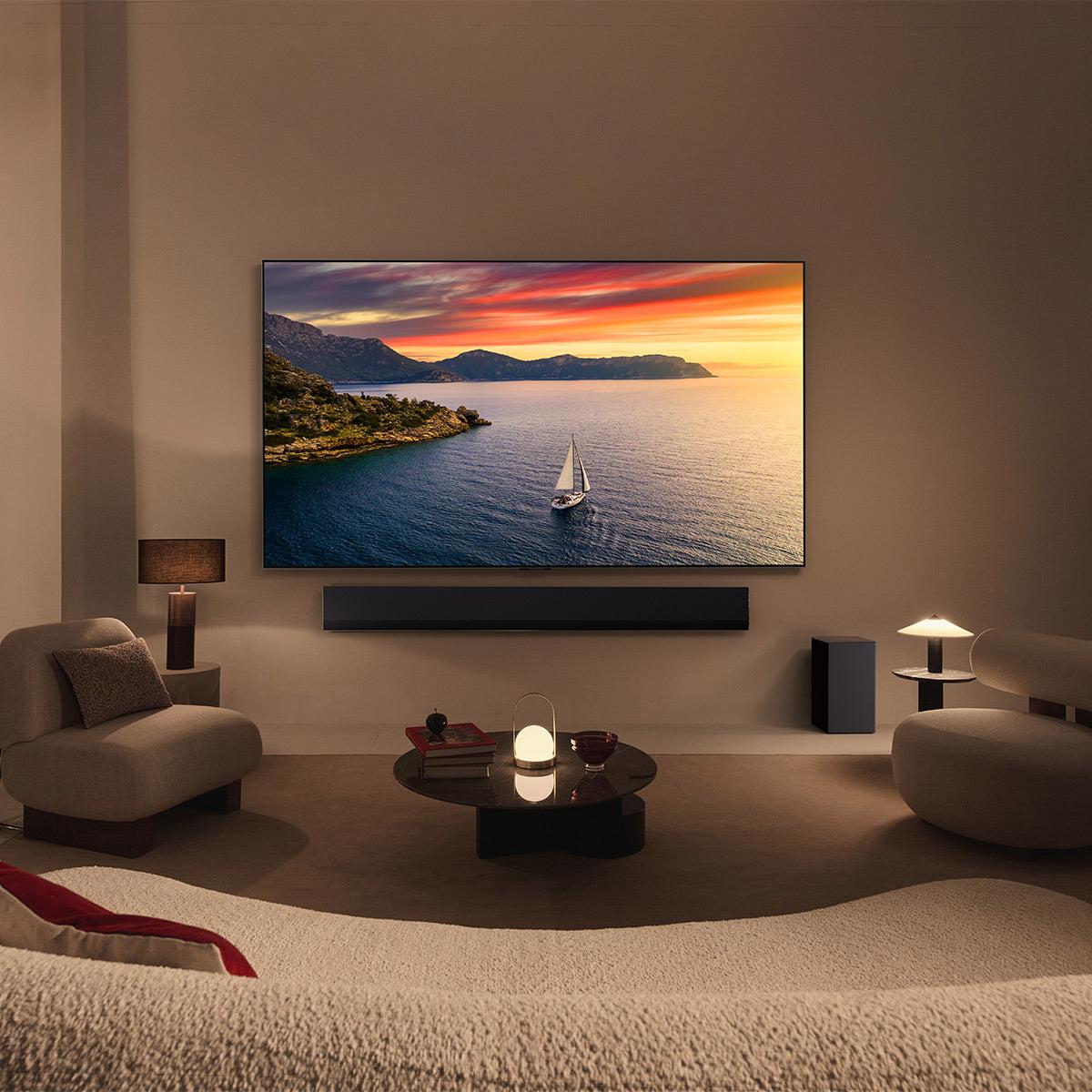
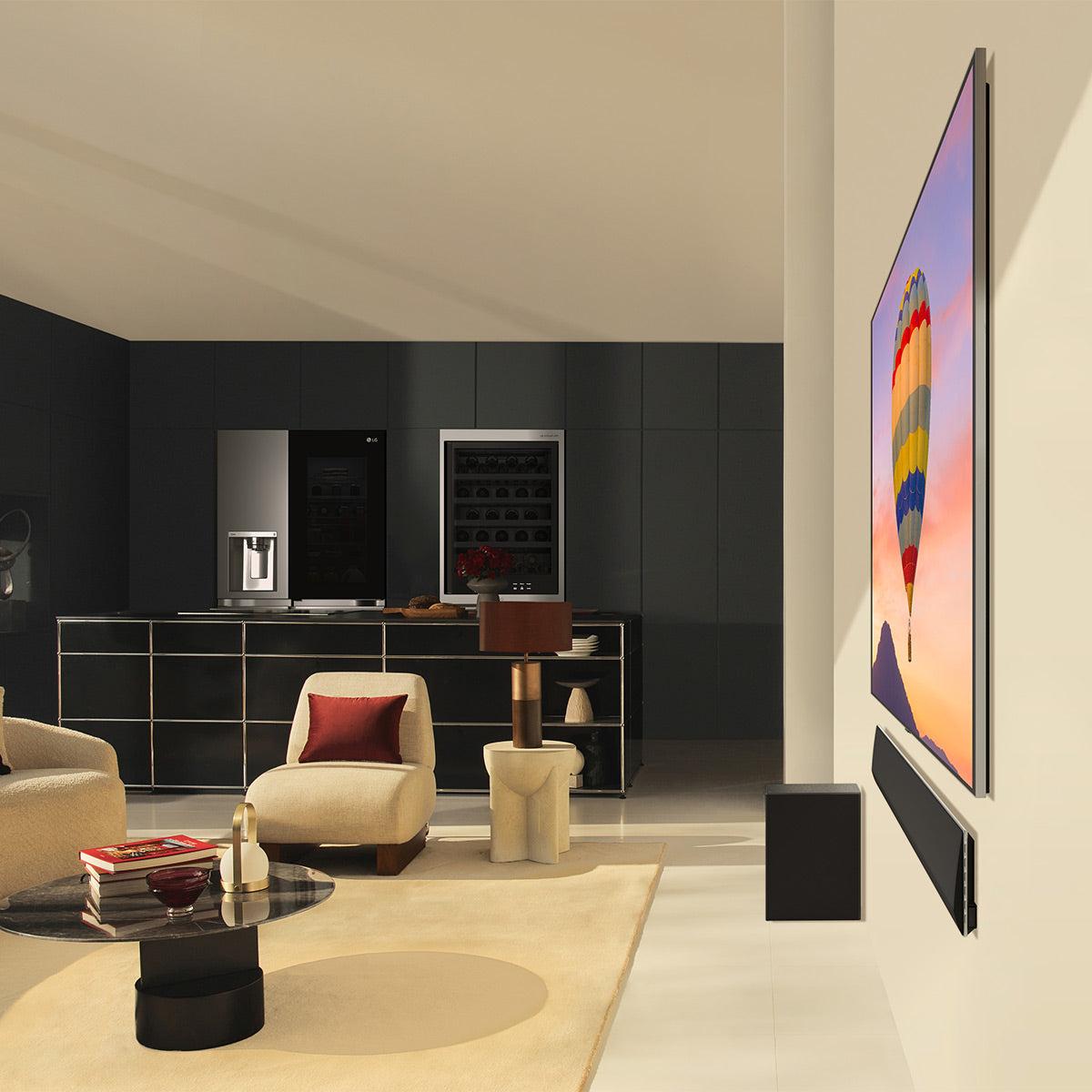
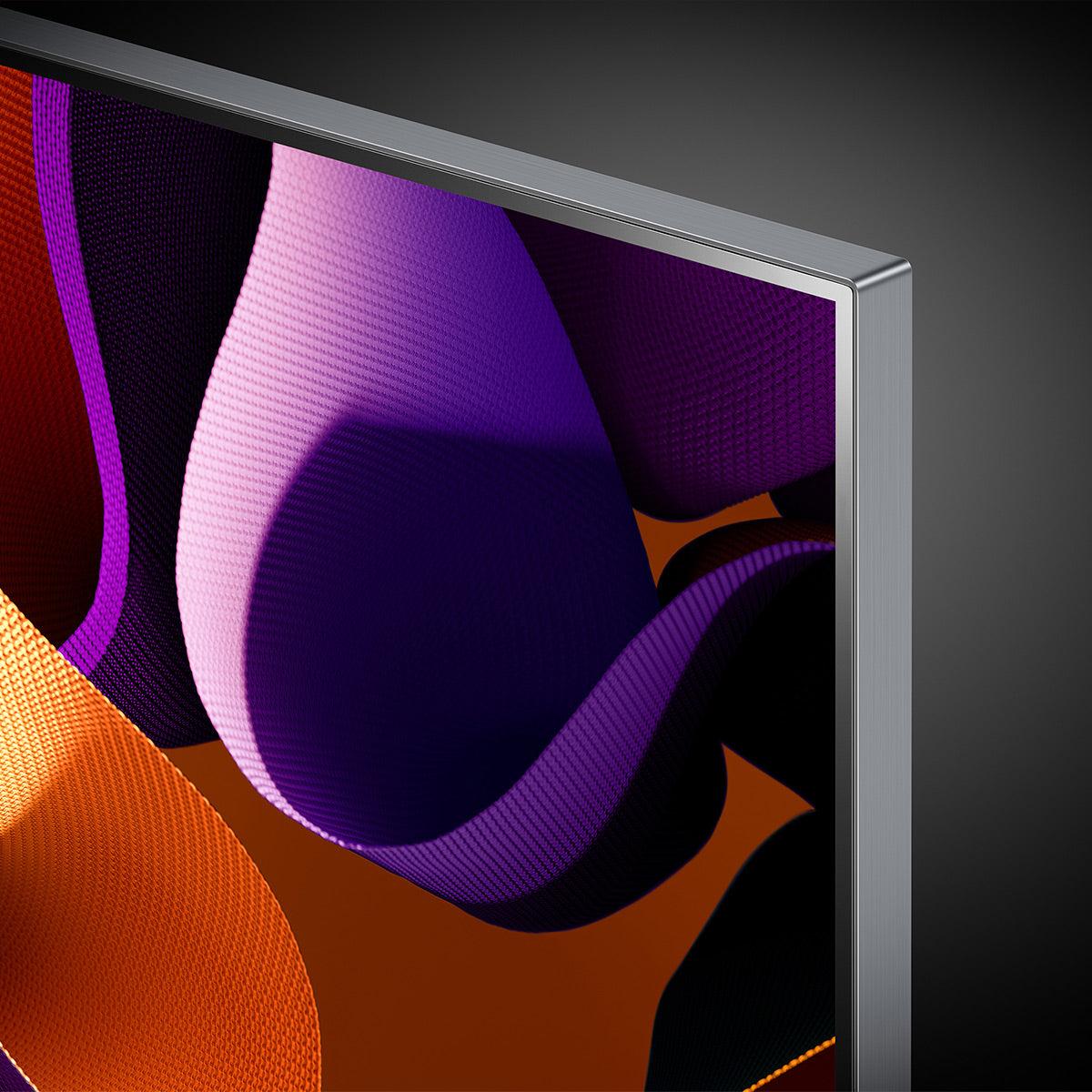
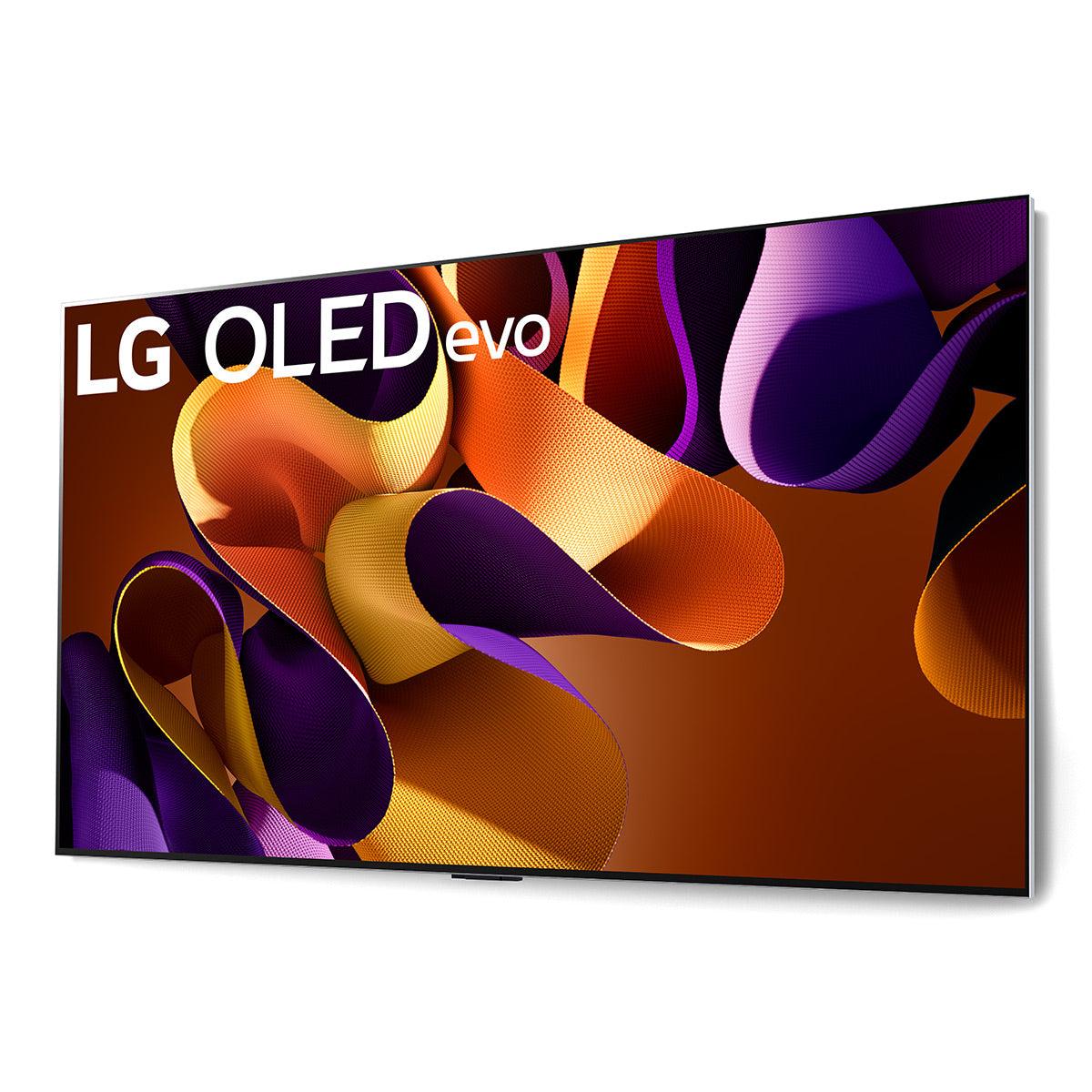
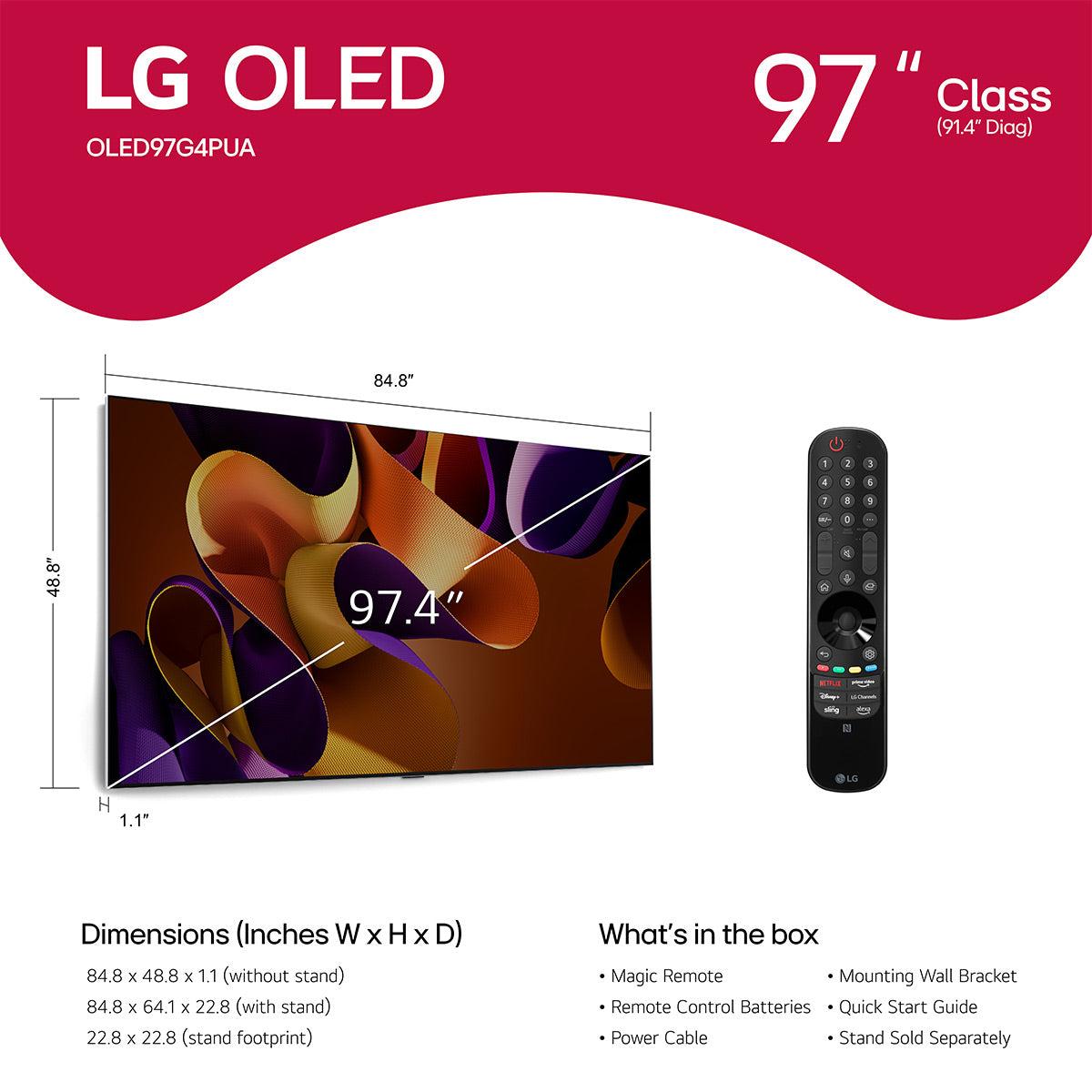
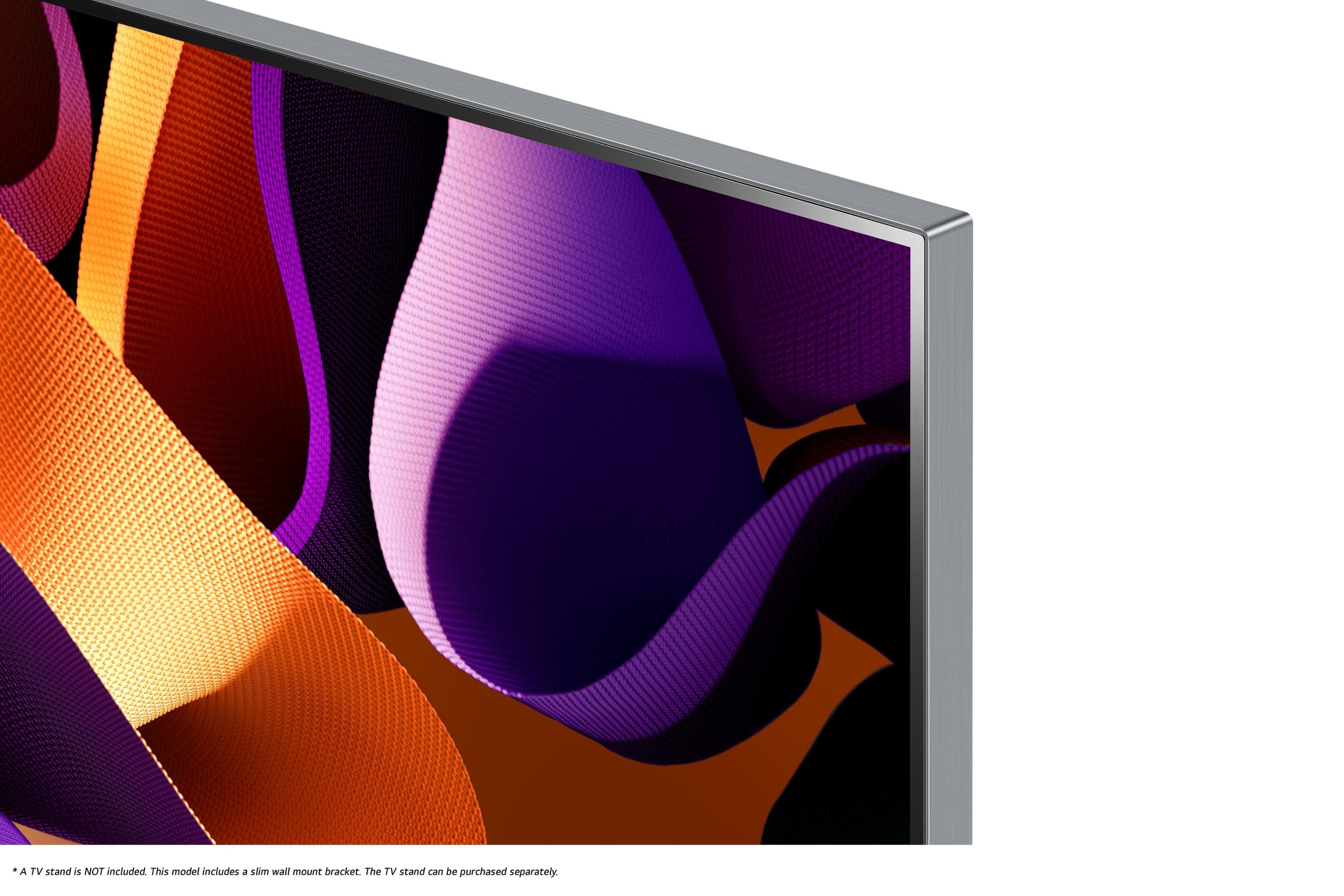
The LG G4 OLED embraces the "Gallery Series" philosophy, designed to mount flush against the wall like a piece of art. When not displaying content, it can show artwork or photos, integrating into room decor rather than dominating it as a black rectangle. This design approach justifies the OLED technology's premium positioning—it's not just a TV, it's a design statement.
For viewing distance, both TVs work best at 8-12 feet, where the massive screen size creates an immersive experience without overwhelming your peripheral vision.
After researching extensive expert reviews and user feedback, the choice between these TVs comes down to your viewing environment and priorities.
Choose the TCL 98" QM7K if you have a bright or mixed-lighting room where you watch a variety of content throughout the day. Its exceptional brightness and anti-glare technology maintain picture quality regardless of room lighting. The quantum dot color and 2,500 local dimming zones deliver impressive dark room performance while excelling in conditions where OLED struggles. The value proposition is outstanding—flagship performance at a fraction of OLED pricing.
The TCL also makes sense for families with varied viewing preferences, gamers who want high refresh rates, and anyone who prioritizes screen size over ultimate picture perfection. It's the pragmatic choice that delivers exceptional performance across all viewing scenarios.
Choose the LG 97" OLED evo G4 if you have a dedicated home theater room with controlled lighting and prioritize perfect picture quality above all else. The infinite contrast ratio, perfect blacks, and superior motion handling create an uncompromising cinematic experience that justifies the premium pricing. Competitive gamers will also appreciate the instantaneous response times that provide a tangible advantage in fast-paced games.
The LG OLED represents the ultimate expression of current display technology, but that excellence comes with significant costs and environmental requirements to achieve its full potential.
Both TVs represent remarkable achievements in display technology, but they serve different masters. The TCL QM7K democratizes the large-screen premium experience, making 98 inches of advanced display technology accessible to mainstream buyers. The LG G4 OLED continues pushing the boundaries of what's possible in consumer displays, creating reference-quality pictures for those willing to pay for perfection.
Your room, viewing habits, and budget will guide this decision more than any technical specification. But either choice will transform your viewing experience—just in very different ways.
| TCL 98" QM7K QD-Mini LED 4K TV | LG 97" OLED evo G4 Series 4K UHD Smart TV |
|---|---|
| Screen Size - Maximum immersion for your space | |
| 98 inches (97.5" viewable) | 97 inches |
| Display Technology - Core difference affecting picture quality and price | |
| QD-Mini LED with 2,500 local dimming zones | OLED with 8+ million self-lit pixels |
| Peak Brightness - Critical for HDR impact and bright room viewing | |
| 3,000 nits (exceptional for any lighting) | Lower nits but perfect pixel control |
| Black Level Performance - Essential for dark room movie watching | |
| Deep blacks with minimal blooming | Perfect blacks with zero light emission |
| Contrast Ratio - Determines image depth and realism | |
| 30 million:1 dynamic contrast | Infinite contrast ratio |
| Gaming Refresh Rate - Higher numbers mean smoother motion | |
| Up to 288Hz VRR (144Hz native) | 120Hz native with VRR |
| Gaming Response Time - Lower is better for competitive play | |
| Slower LCD pixel transitions | Under 0.1ms (near-instantaneous) |
| HDMI 2.1 Ports - Needed for next-gen gaming at high refresh rates | |
| 2 ports (plus 2 HDMI 2.0) | 4 ports (all HDMI 2.1) |
| Smart Platform - Your daily interface for streaming | |
| Google TV with voice control | webOS 24 with AI features |
| Audio System - Built-in sound quality | |
| Bang & Olufsen tuned with Dolby Atmos | 4.2 channel 60W with Dolby Atmos |
| Room Suitability - Where each TV performs best | |
| Excellent in bright rooms, good in dark | Best in dark rooms, struggles in bright light |
| Anti-Glare Technology - Reduces reflections from room lighting | |
| CrystGlow HVA panel with matte coating | Standard OLED glossy surface |
| HDR Format Support - Ensures compatibility with premium content | |
| HDR10, HDR10+, Dolby Vision, HLG | Dolby Vision, HDR10, HLG |
| Design Philosophy - How it integrates into your room | |
| Traditional TV with adjustable stand | Gallery Series flush wall mount design |
| Value Proposition - Performance relative to investment | |
| Outstanding performance per dollar | Premium pricing for ultimate picture quality |
The TCL 98" QM7K is significantly better for bright rooms due to its 3,000 nits peak brightness and anti-glare CrystGlow coating. The LG 97" OLED evo G4 can appear washed out in sunny rooms and has a glossy surface that reflects light. For daytime viewing or rooms with lots of windows, the TCL QM7K maintains vibrant colors while the OLED struggles.
The TCL QM7K uses Mini LED technology with thousands of tiny LED lights behind the screen organized into 2,500 dimming zones. The LG G4 OLED has 8+ million pixels that each produce their own light and can turn completely off. OLED delivers perfect blacks and infinite contrast, while Mini LED provides much higher brightness but can't achieve true black levels.
For competitive gaming, the LG 97" OLED evo G4 wins with near-instantaneous 0.1ms response times and four HDMI 2.1 ports. For casual gaming, the TCL 98" QM7K offers higher refresh rates up to 288Hz and excellent performance. The LG OLED eliminates motion blur better, while the TCL provides smoother high-refresh gaming.
The LG 97" OLED evo G4 is superior for dark room viewing because its pixels turn completely off to create perfect blacks with no light bleeding. The TCL QM7K has impressive dark room performance with 2,500 local dimming zones but can't match OLED's infinite contrast. For dedicated home theaters, the LG OLED delivers the most cinematic experience.
The TCL 98" QM7K provides exceptional value with flagship performance at a fraction of OLED pricing. You get 98 inches of premium display technology with quantum dot colors and advanced gaming features. The LG G4 OLED commands luxury pricing justified only for those prioritizing perfect picture quality in controlled lighting environments.
The TCL 98" QM7K excels for sports with its extreme brightness maintaining vibrant colors during daytime games and excellent motion handling. The anti-glare coating reduces reflections from room lighting. The LG OLED provides superior motion clarity but may appear dim during bright afternoon viewing sessions.
The TCL QM7K runs Google TV with comprehensive streaming apps and voice control integration. The LG 97" OLED evo G4 uses webOS 24 with AI-enhanced features and intuitive navigation. Both platforms support all major streaming services, though some users prefer external streaming devices for fastest performance.
The TCL 98" QM7K features audio tuning by Bang & Olufsen with Dolby Atmos support for enhanced dialogue clarity and music reproduction. The LG G4 OLED includes a 4.2 channel 60W system with Dolby Atmos. At this screen size, most buyers will add a dedicated soundbar or home theater system for optimal audio.
For HDR impact, the TCL QM7K delivers explosive highlights with 3,000 nits brightness that makes HDR scenes genuinely impactful. The LG OLED provides superior tone mapping and gradation but lower peak brightness. Both support major HDR formats, with the TCL offering more dramatic HDR punch while the LG delivers more accurate color transitions.
The TCL 98" QM7K includes a height-adjustable stand and traditional mounting options for conventional TV setups. The LG 97" OLED evo G4 features Gallery Series design for flush wall mounting like artwork, with the ability to display art when not in use. Both require careful planning due to their massive 97-98 inch screen sizes.
Both the TCL QM7K and LG G4 OLED feature premium construction appropriate for their flagship status. The TCL uses quantum dot technology known for longevity, while the LG OLED includes LG's latest OLED panel improvements for enhanced durability. Both manufacturers provide comprehensive warranties for these premium models.
Choose the LG 97" OLED evo G4 if you have a dedicated dark theater room where perfect blacks and infinite contrast will create an unmatched cinematic experience. Choose the TCL 98" QM7K if you want exceptional large-screen performance in a multi-purpose room with varied lighting, plus outstanding value for premium display technology.
We've done our best to create useful and informative comparisons to help you decide what product to buy. Our research uses advanced automated methods to create this comparison and perfection is not possible - please contact us for corrections or questions. These are the sites we've researched in the creation of this article: bestbuy.com - tcl.com - youtube.com - rtings.com - tcl.com - youtube.com - youtube.com - tcl.com - tomsguide.com - manuals.plus - youtube.com - tcl.com - whathifi.com - bestbuy.com - queencityonline.com - electronicexpress.com - tcl.com - valueelectronics.com - tcl.com - bestbuy.com - bestbuy.com - youtube.com - woodruffappliance.com - karlsonline.com - tcl.com - rtings.com - marketplace.sce.com - abt.com - youtube.com - walts.com - videoandaudiocenter.com - youtube.com - fullspecs.net - big-georges.com - techradar.com - youtube.com

Privacy Policy
Terms and Conditions - Affiliate Policy
Home Security
© Copyright 2008-2026.
11816 Inwood Rd #1211, Dallas, TX 75244