

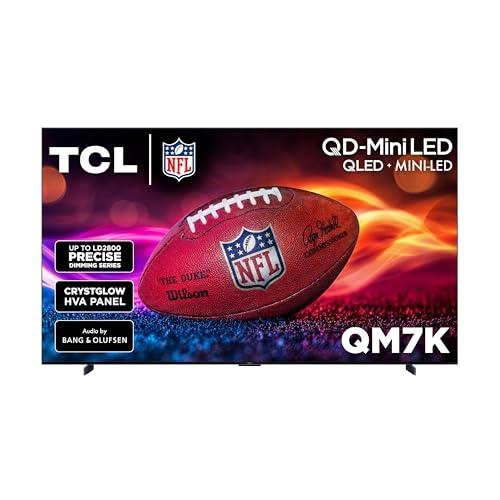
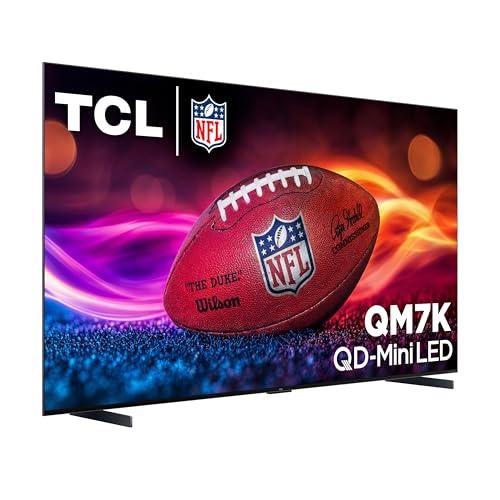
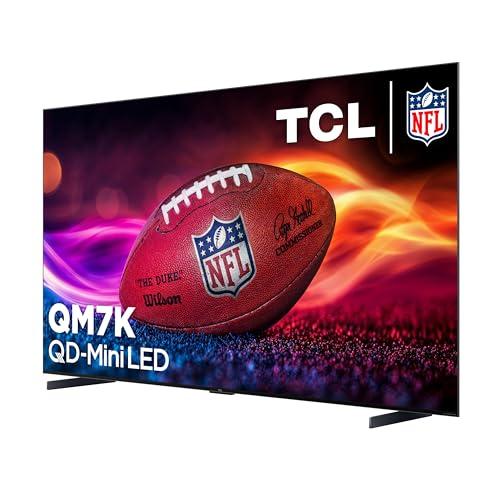
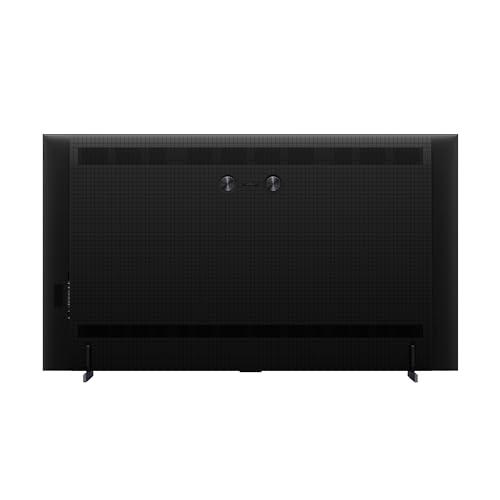
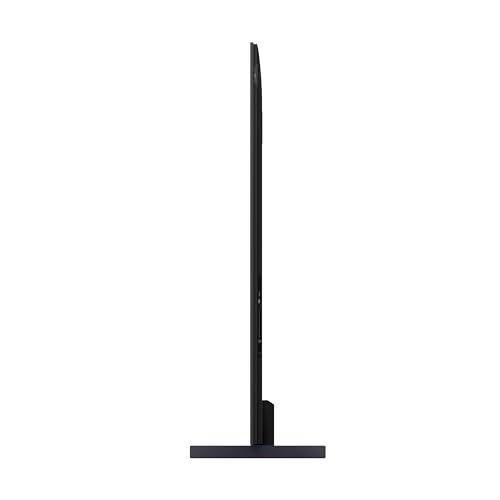
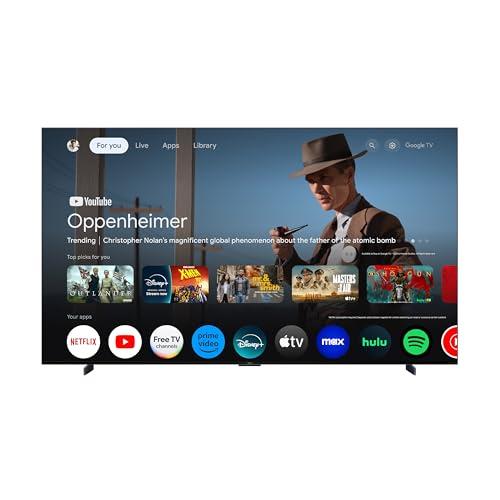
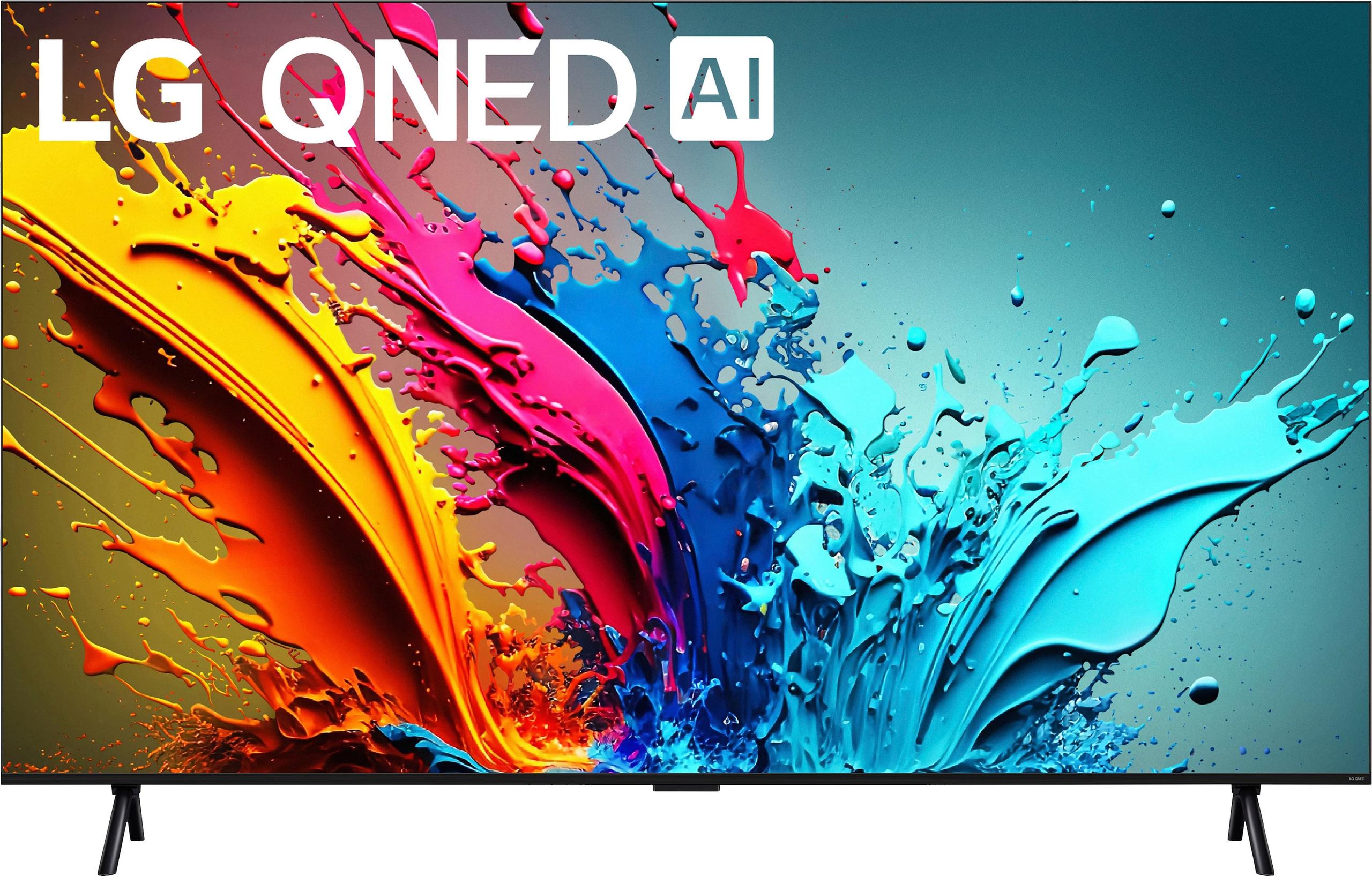
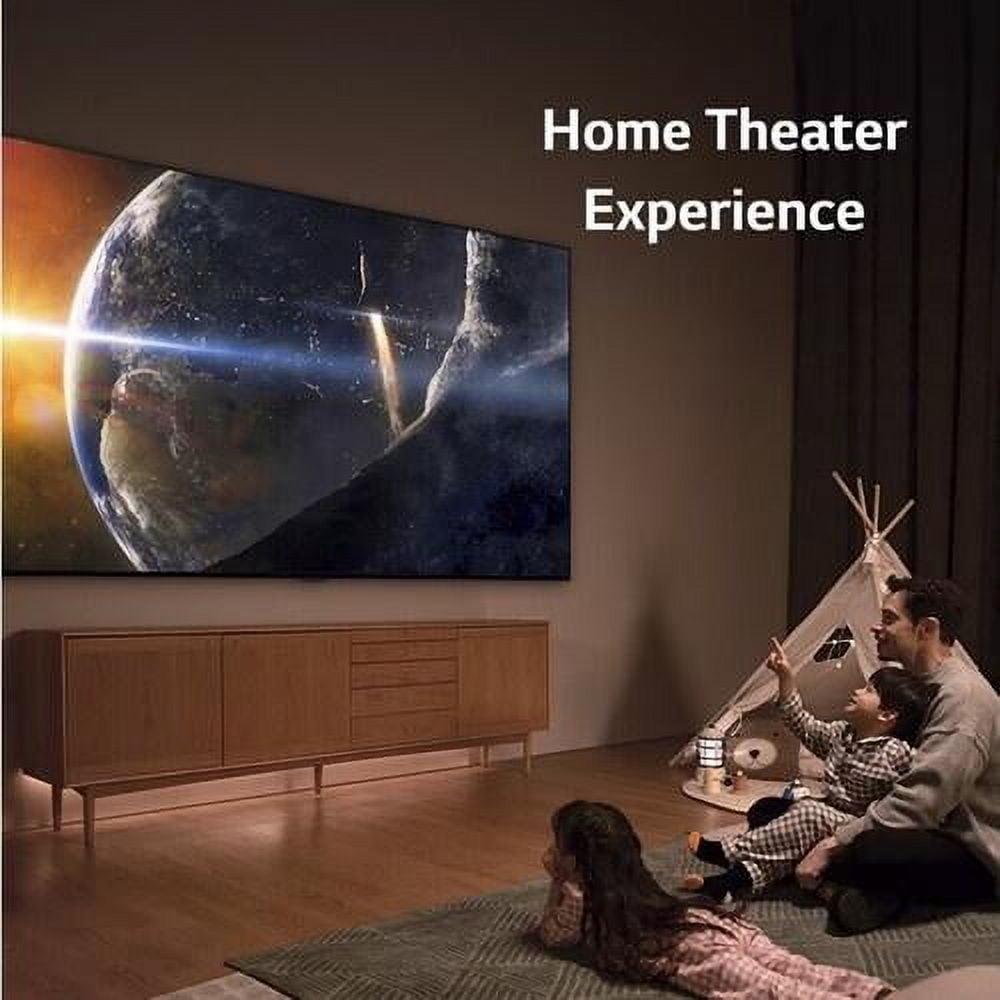

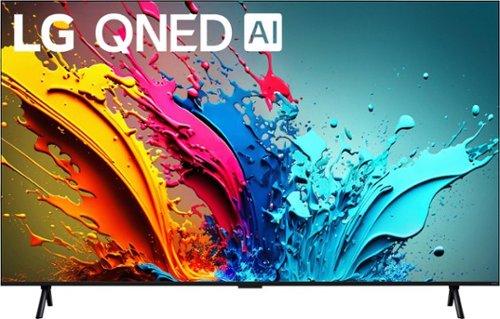
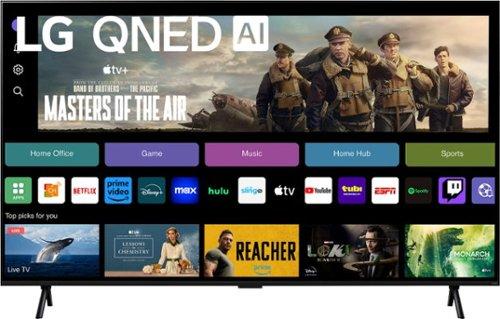
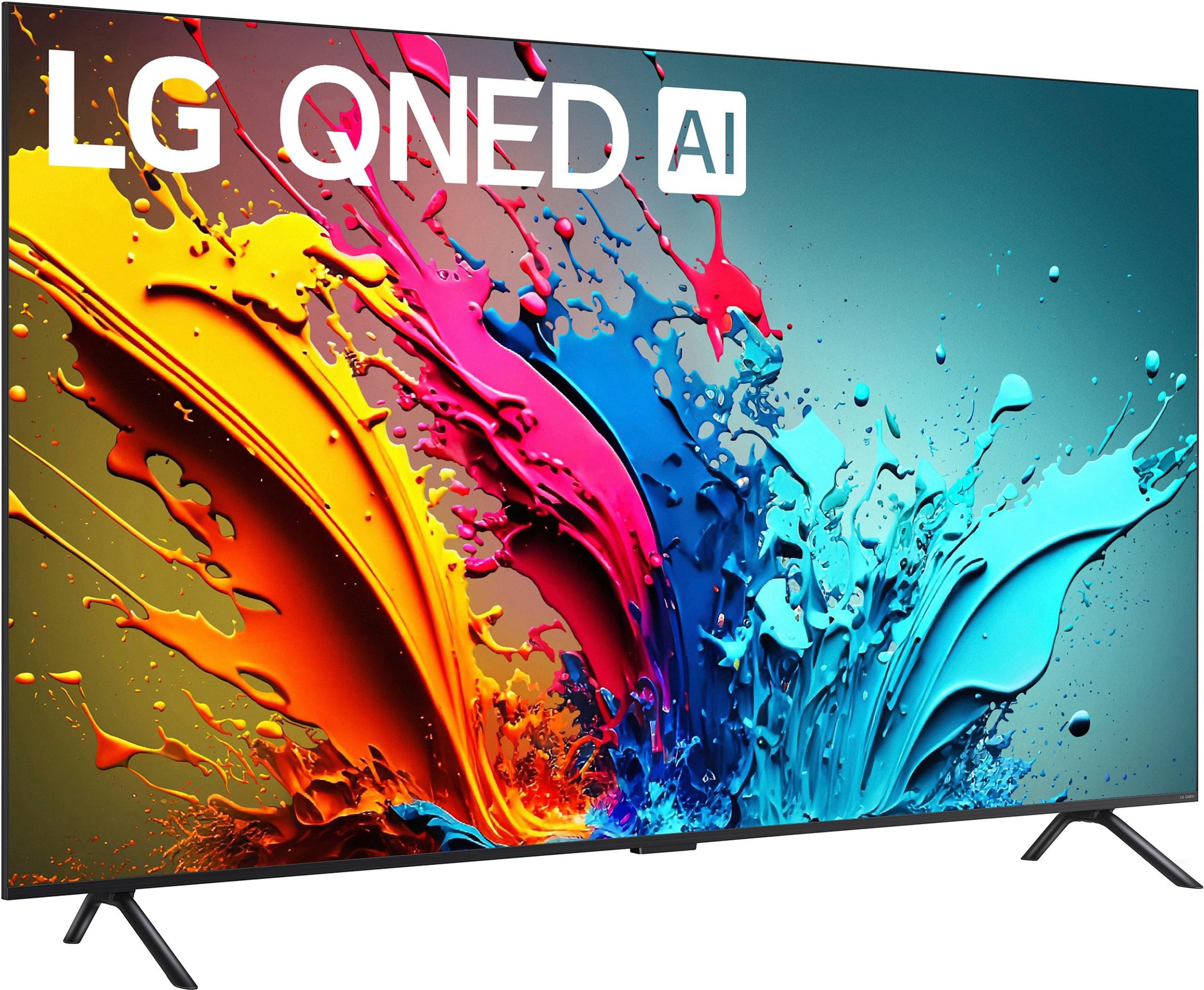
When you're ready to transform your living room into a proper home theater, few things make as dramatic an impact as a 98-inch TV. These massive displays represent the sweet spot where you get cinema-sized entertainment without the complexity of a projector setup. But with options like the TCL 98" QM7K QD-Mini LED and LG 98" QNED Smart TV competing for your attention—and a significant chunk of your budget—choosing the right one requires understanding some key differences in technology and approach.
The 98-inch TV market has exploded over the past few years, driven by improving technology and falling prices. These aren't just "big TVs"—they're purpose-built entertainment centerpieces that require careful consideration of your room layout, seating distance, and lighting conditions.
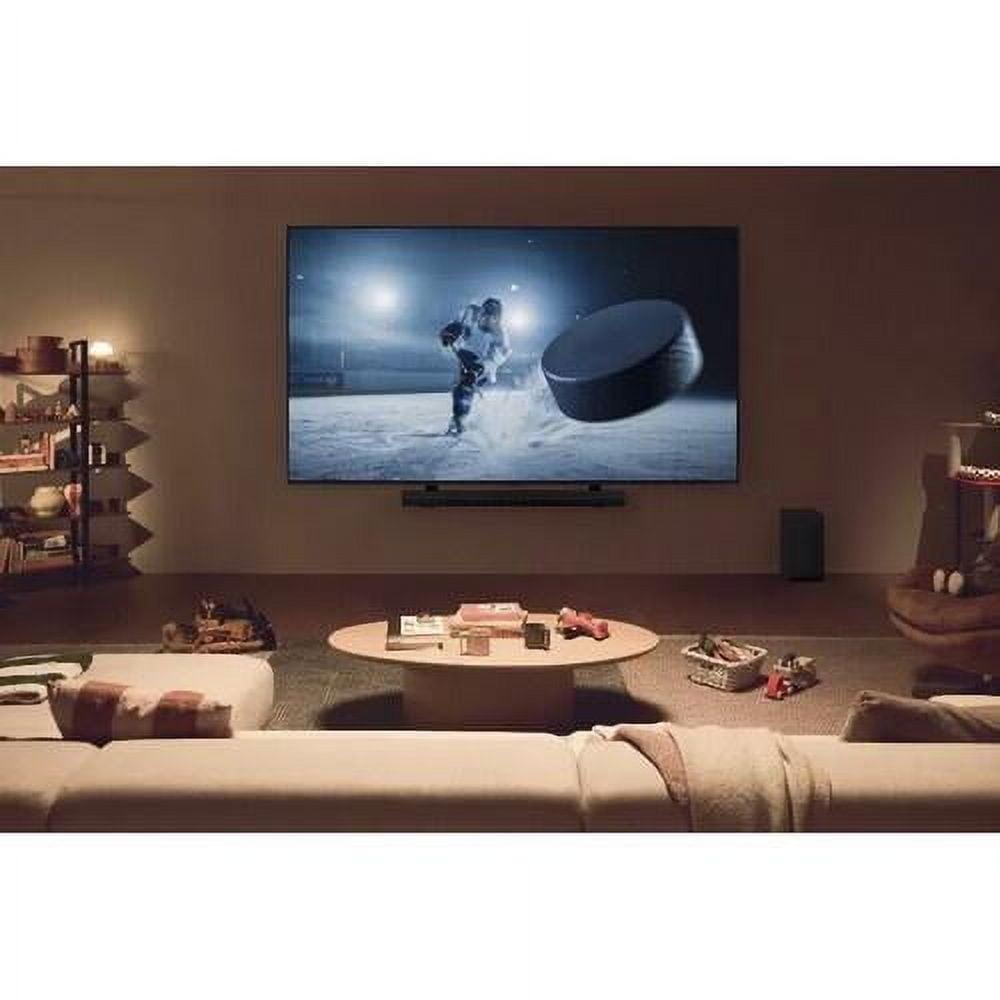
The ideal viewing distance for a 98-inch screen sits between 11-15 feet, which means you need a fairly spacious room to properly appreciate the scale. Too close and you'll be turning your head to follow action; too far and you lose the immersive advantage that makes these displays special.
What really matters in this category comes down to a few critical factors: how bright the display can get (crucial for HDR content and bright rooms), how well it handles contrast between dark and light areas, gaming performance for those who want smooth motion, and the overall user experience including the smart TV platform.
Here's where things get interesting. The TCL QM7K and LG QNED represent two fundamentally different approaches to large-screen LED technology, each with distinct advantages.
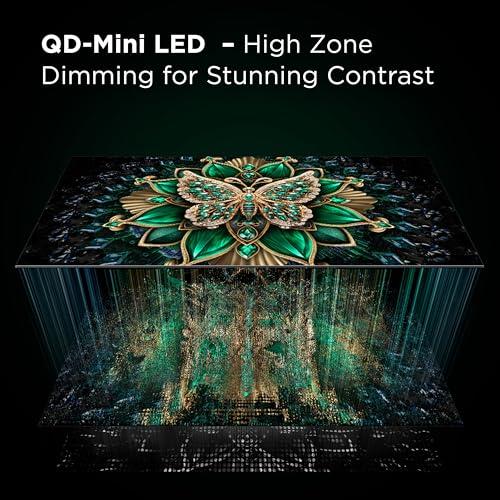
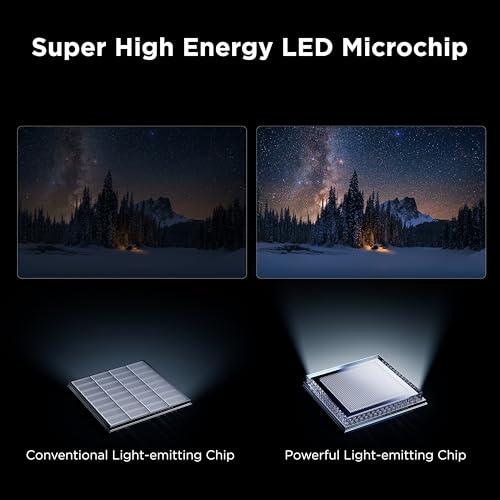
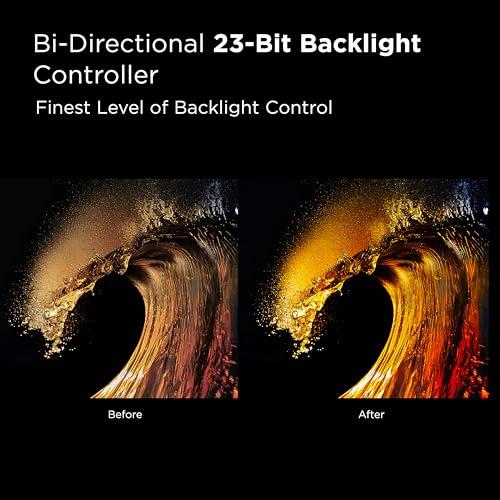
The TCL QM7K, released in 2024, uses what's called QD-Mini LED technology. Think of regular LEDs as floodlights—they illuminate large areas but can't be precisely controlled. Mini-LEDs are more like precision spotlights, much smaller and packed more densely behind the screen. The TCL uses up to 2,500 of these tiny LEDs arranged in local dimming zones across the back of the panel.
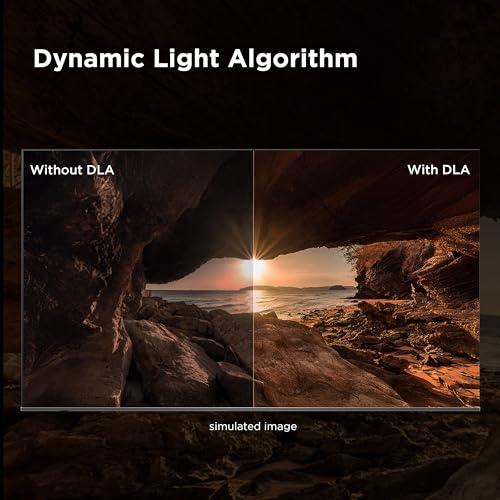
This matters because each zone can be independently brightened or dimmed. When you're watching a movie scene with bright stars against a dark sky, the TV can make the star areas blazingly bright while keeping the sky portions truly black. Traditional TVs struggle with this—they either make the whole area bright (washing out the black sky) or dim (dulling the stars).
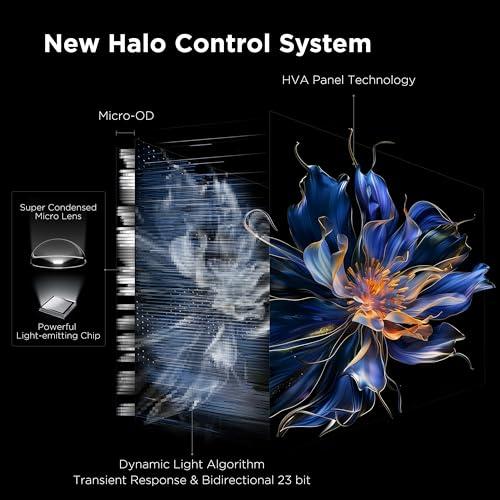
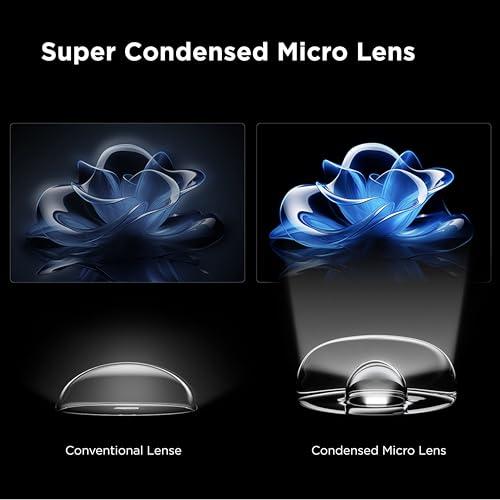
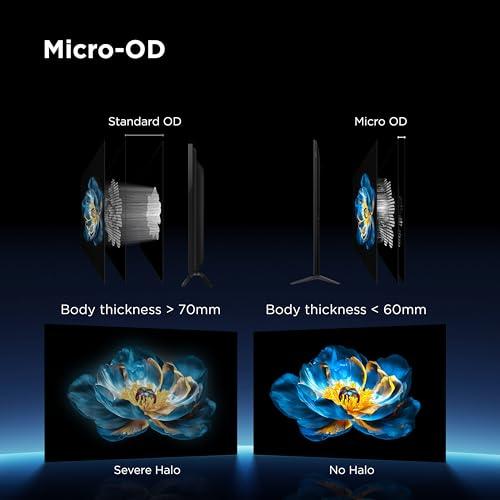
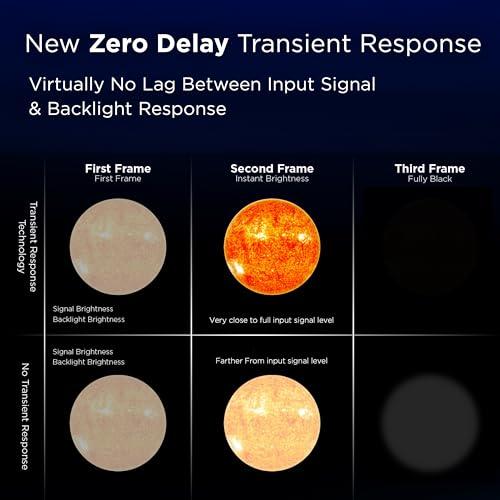
TCL's implementation goes further with their "Halo Control System," which sounds marketing-heavy but actually addresses a real problem. When bright Mini-LED zones sit next to dark ones, you sometimes get unwanted light spillover—called "blooming" or "halos." TCL's system uses specialized lenses and algorithms to minimize this effect, creating cleaner edges between bright and dark areas.
The LG QNED, also from 2024, takes a different path. QNED stands for "Quantum NanoCell LED," combining two established technologies. Quantum dots enhance color reproduction by converting backlight into more pure, saturated colors. NanoCell technology adds a layer that filters out impure colors, resulting in more accurate reproduction.
While the LG doesn't use Mini-LED backlighting, it employs "Precision Dimming" with fewer, larger dimming zones. The approach focuses more on color accuracy and processing refinement rather than the contrast extremes possible with Mini-LED.
This represents LG's philosophy: take proven technology and perfect the implementation rather than chasing the newest innovations. There's merit to this approach—the LG QNED delivers predictable, reliable performance without the potential quirks that can come with newer technology.
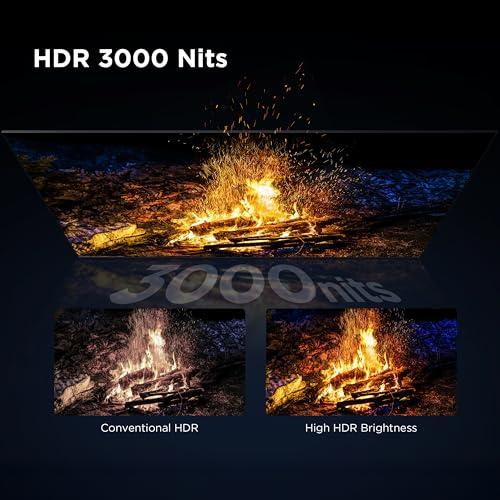
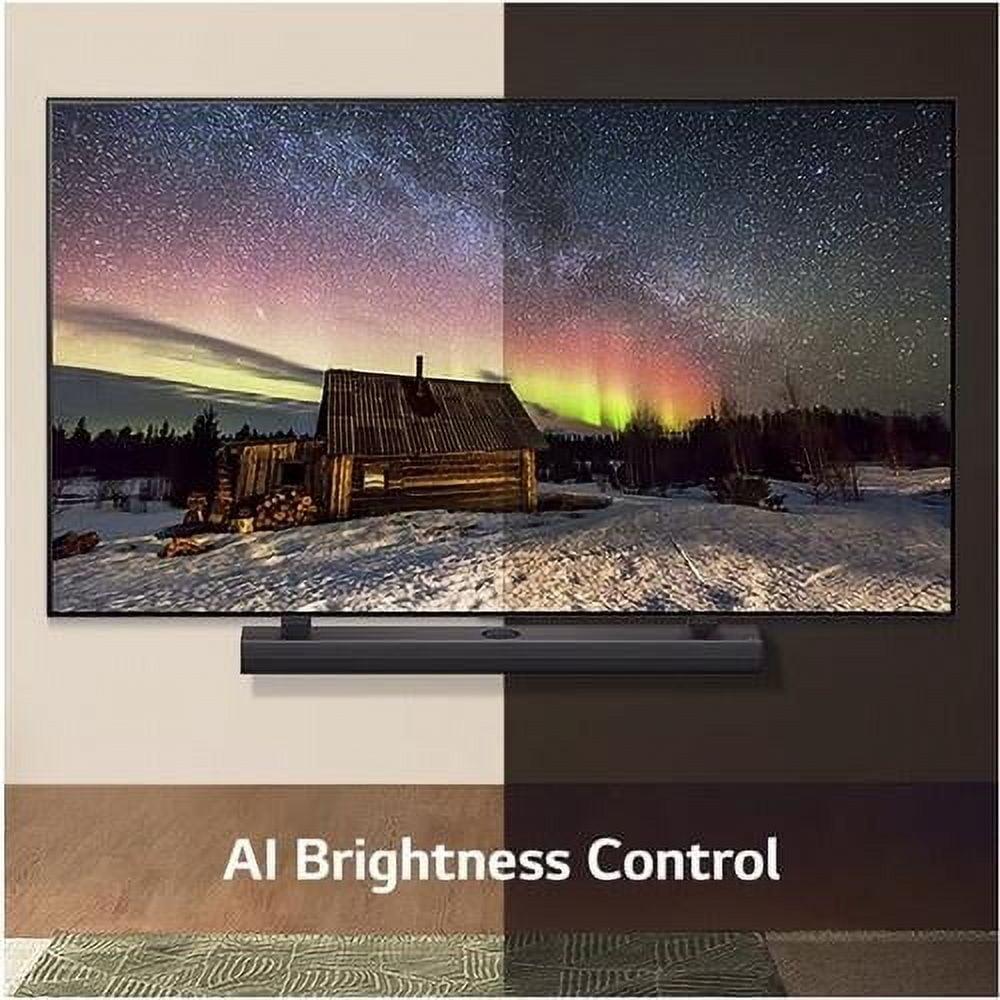
This is where the technology differences become most apparent in real-world use. The TCL QM7K can reach peak brightness levels around 3,000 nits (a nit is a unit measuring how much light a display emits), while the LG QNED tops out around 800-1,000 nits.
Why does this matter? HDR (High Dynamic Range) content is designed to show both very bright highlights and very dark shadows simultaneously—think of sunlight streaming through a dark forest or car headlights at night. The brighter your TV can get, the more dramatic and realistic these HDR effects appear.
In practical terms, if you have a bright living room with large windows, the TCL will maintain image quality better during daytime viewing. The extra brightness helps overcome ambient light that would otherwise wash out darker TVs. For dedicated home theaters with controlled lighting, this advantage becomes less critical, but it's still noticeable in dramatic HDR scenes.
Here's where Mini-LED technology really shines. With 2,500 local dimming zones, the TCL QM7K can create much more precise contrast control than the LG QNED. This translates to deeper blacks sitting right next to bright areas without the compromise typical of traditional LED TVs.
However, perfection remains elusive. Even with advanced halo control, the TCL can still show some blooming around very bright objects against dark backgrounds. OLED TVs eliminate this entirely by turning off individual pixels, but they can't match the peak brightness of Mini-LED displays.
The LG QNED handles this differently. With fewer dimming zones, it can't create the same contrast extremes, but what it does produce tends to be cleaner and more predictable. You get good contrast without the potential artifacts that can occur with more aggressive local dimming.
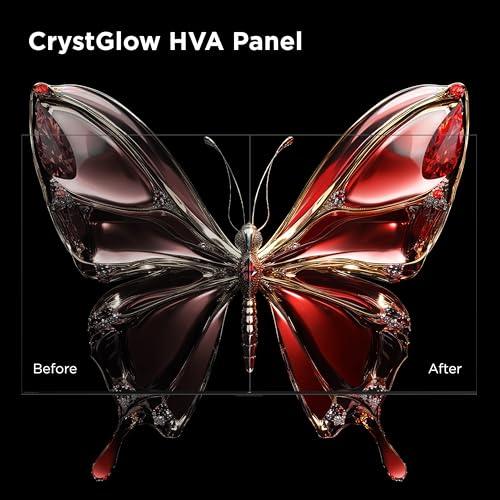
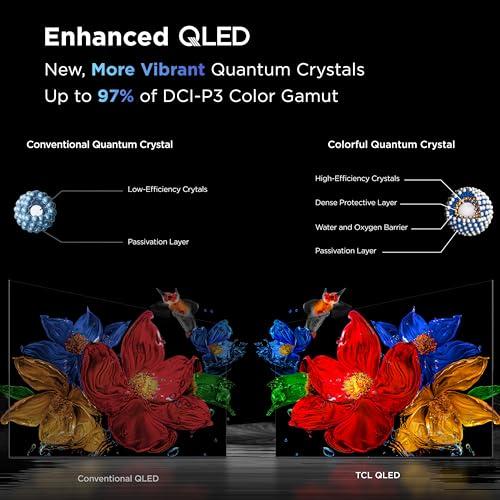
Both TVs cover wide color gamuts (the range of colors they can display), but they take different approaches. The TCL QM7K uses enhanced quantum dot technology optimized for maximum impact and vibrant colors that really pop off the screen. This creates an impressive, dynamic look that works especially well for HDR content and gaming.
The LG QNED prioritizes color accuracy through its NanoCell filtering technology. Colors appear more natural and film-like, which some viewers prefer for movies and regular TV content. The difference is subtle but noticeable—the TCL tends toward spectacular, while the LG leans toward accurate.
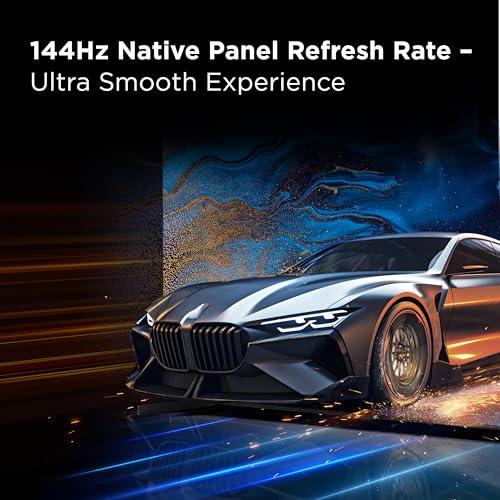
For gaming enthusiasts, the TCL QM7K offers a significant advantage. It supports a 144Hz refresh rate natively, meaning it can display 144 unique frames per second. Most content runs at 24-60fps, but for gaming—especially PC gaming—higher refresh rates create smoother motion and more responsive controls.
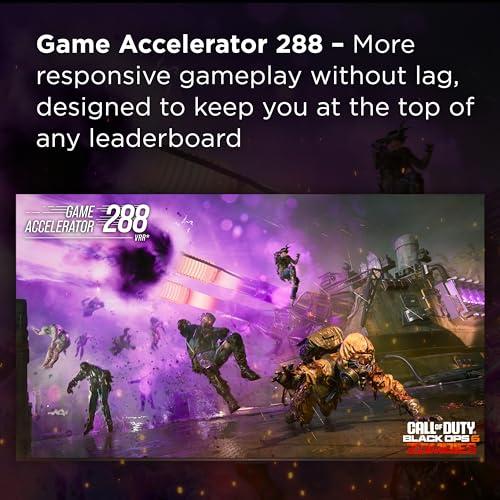
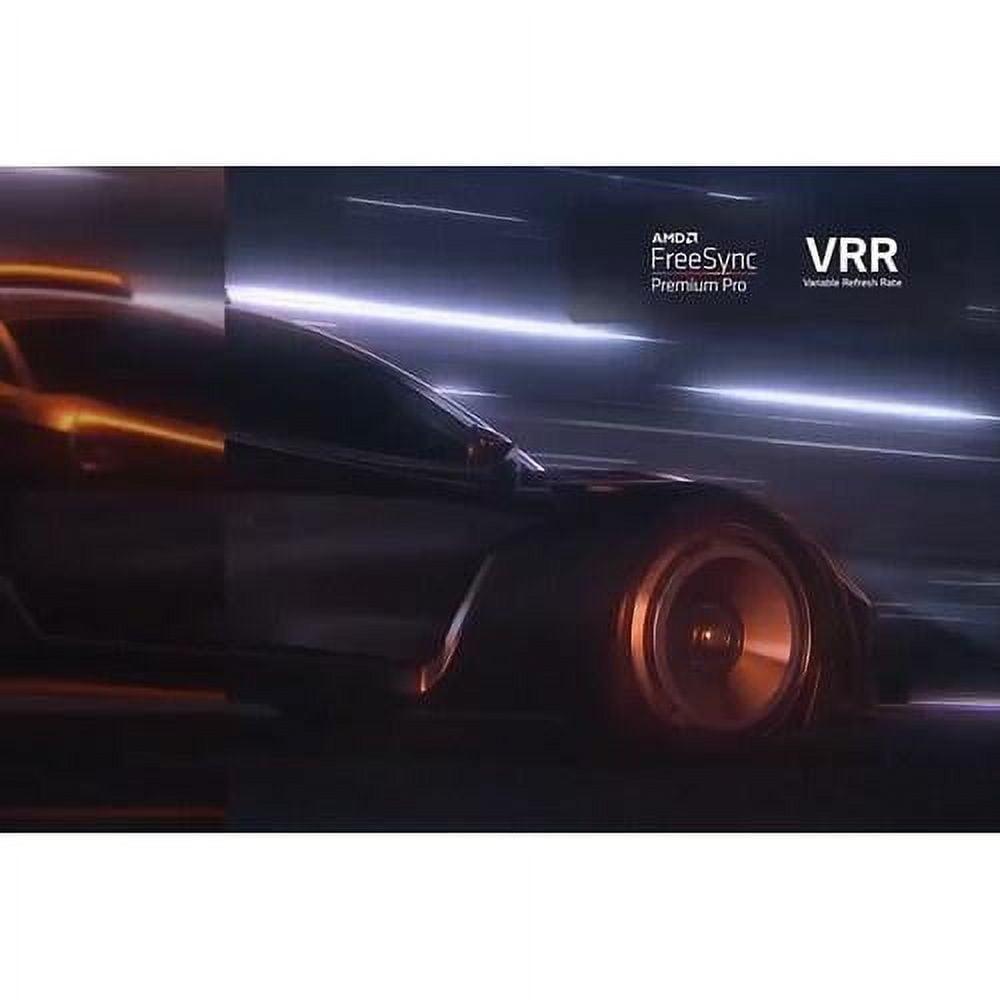
The TV's "Game Accelerator 288" feature supports variable refresh rates up to 288Hz, though this applies mainly to lower resolution gaming scenarios. More importantly, it includes Auto Game Mode (ALLM) that automatically switches to low-latency settings when it detects gaming input, and supports both FreeSync and G-Sync technologies that eliminate screen tearing.
The LG QNED offers solid gaming performance with 120Hz refresh rate support, VRR (Variable Refresh Rate), and its own game optimization features. This handles console gaming excellently and provides smooth performance for most gaming scenarios. However, if you're serious about PC gaming or want the most future-proof gaming features, the TCL's higher refresh rate capabilities give it the edge.
On a 98-inch screen, gaming becomes incredibly immersive. Racing games, in particular, benefit enormously from the scale—you can actually read dashboard instruments and see track details that disappear on smaller screens.
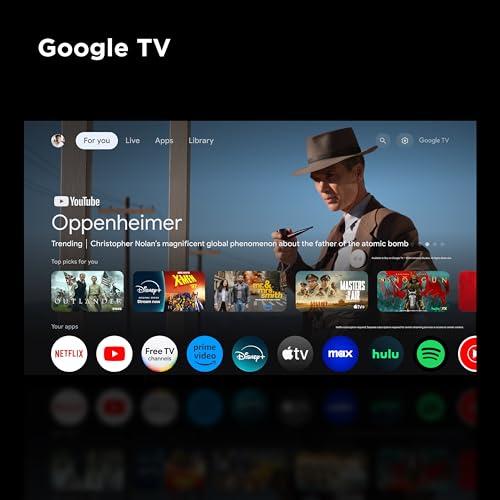
This represents perhaps the biggest practical difference between these TVs in daily use. The TCL QM7K runs Google TV, while the LG QNED uses LG's webOS platform.
Google TV offers extensive app compatibility and frequent updates, but user feedback consistently points to interface sluggishness and unavoidable advertising. The home screen pushes content recommendations and ads that can't be customized away, creating a cluttered experience that many users find annoying.
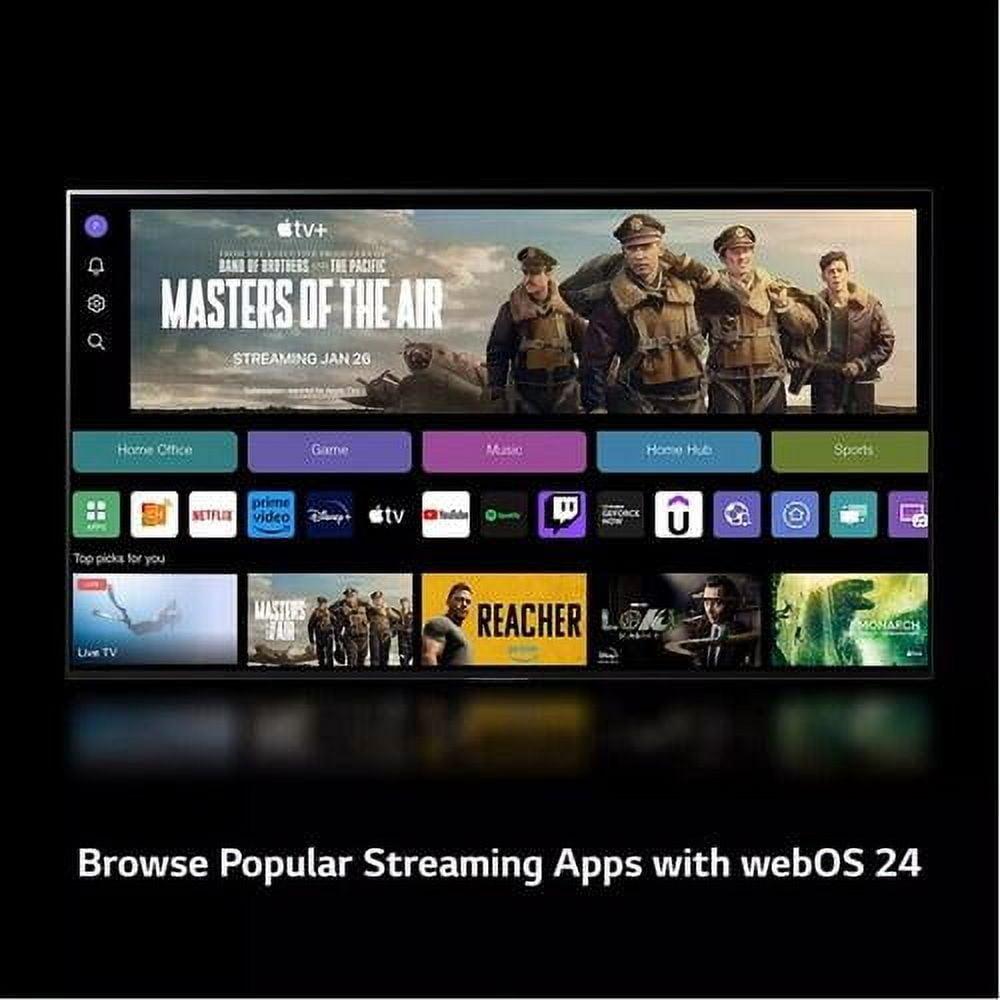
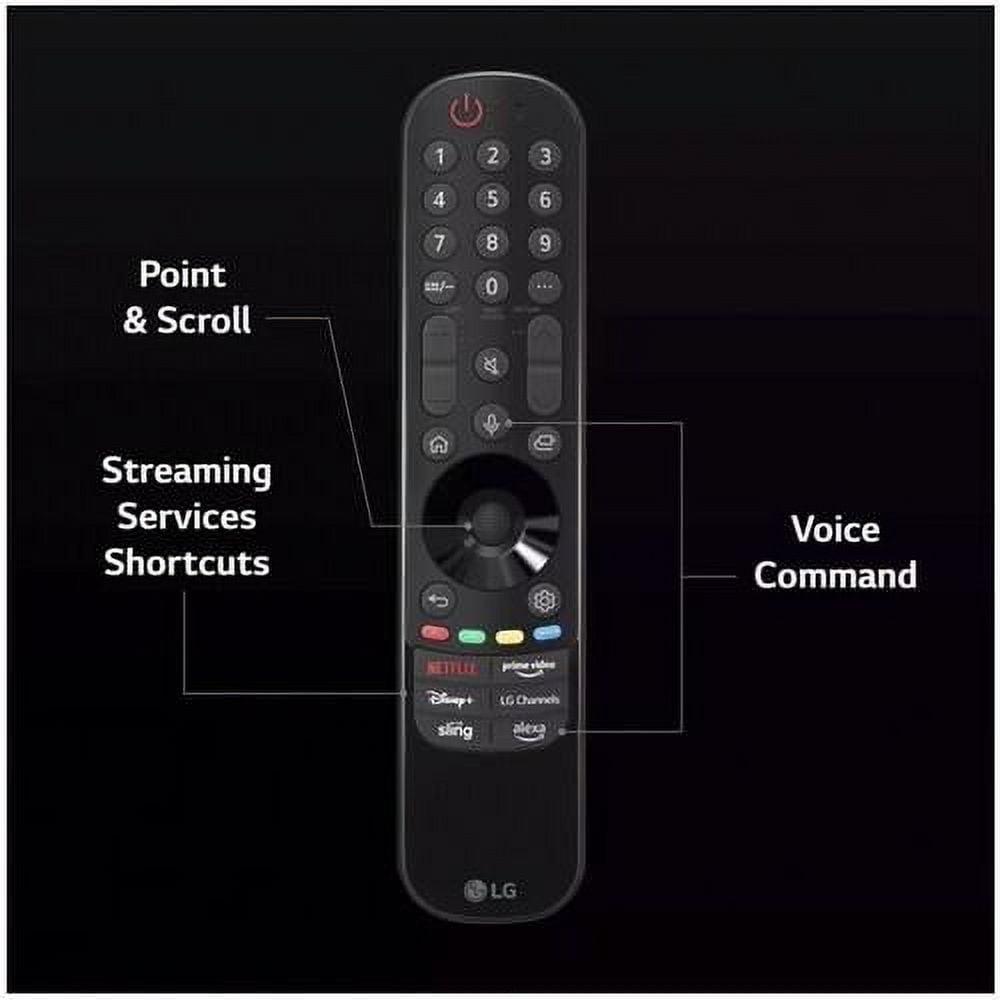
LG's webOS 24, on the other hand, receives widespread praise for its intuitive interface and smooth performance. The platform feels more refined and less intrusive, with better organization and faster navigation. LG's approach prioritizes user experience over advertising revenue, and it shows.
Many TCL owners end up adding external streaming devices like Apple TV or Roku to bypass Google TV entirely. While this adds cost and complexity, it's worth considering in your overall budget. The LG QNED users rarely feel the need for external streaming solutions.
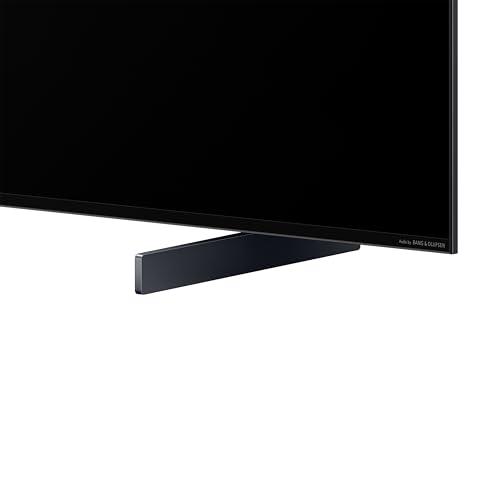
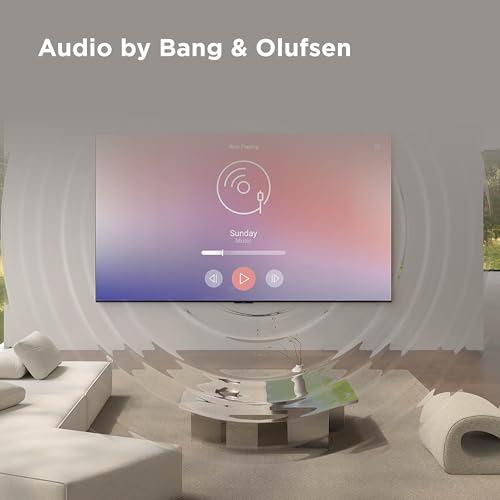
Both TVs include decent audio systems for built-in TV speakers. The TCL QM7K features "Audio by Bang & Olufsen" tuning with Dolby Atmos support, while the LG QNED offers a 2.2 channel system with AI sound processing.
However, on a 98-inch display destined for serious home theater use, you'll likely want to invest in a proper sound system. A basic soundbar will outperform either TV's built-in audio, and for the full home theater experience, a surround sound system becomes almost mandatory at this screen size.
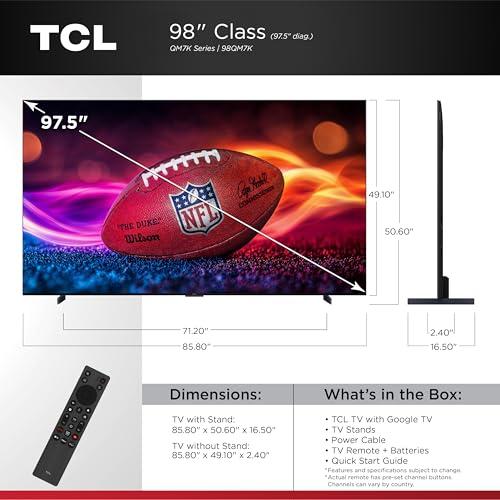
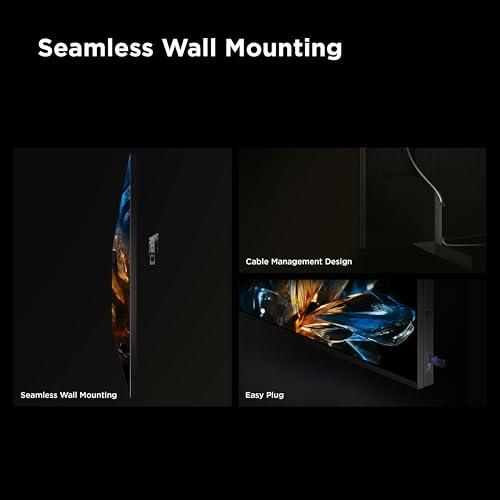
Both TVs are substantial pieces of equipment requiring careful planning. The LG QNED weighs about 135 pounds without the stand, while the TCL QM7K falls in a similar range. Professional installation makes sense both for safety and to ensure proper mounting.
Wall mounting requires a robust bracket capable of handling the weight and size. The viewing angle becomes crucial at this size—you want the screen positioned so most seating areas have a direct view without excessive neck craning.
At the time of writing, the pricing difference between these models is substantial, with the TCL QM7K typically costing significantly less than the LG QNED. This price gap makes the value equation particularly interesting.
The TCL delivers superior specifications in most measurable categories: higher peak brightness, more local dimming zones, better gaming features, and newer display technology. You're getting cutting-edge performance at a more accessible price point.
The LG QNED commands a premium for refinement, brand reputation, and software experience. The webOS platform alone adds considerable value for users who prioritize a smooth, intuitive smart TV experience without the need for additional devices.
In a dedicated home theater environment with controlled lighting, both TVs excel, but their strengths become more apparent in different scenarios.
The TCL QM7K works exceptionally well for varied content consumption. Its high brightness handles HDR movies beautifully, while the gaming features make it versatile for entertainment beyond traditional viewing. The Mini-LED technology creates dramatic contrast that enhances the cinema experience.
The LG QNED provides a more traditional, refined experience that many home theater purists prefer. The color accuracy and predictable performance work well when you want consistent results across different content types without tweaking settings.
For rooms with some ambient light—even light-controlled rooms with slight light leakage—the TCL's superior brightness provides more flexibility in setup and usage.
The TCL 98" QM7K makes the most sense if you prioritize performance metrics and value. Choose this if you:
The LG 98" QNED justifies its premium positioning if you value the overall experience over raw specifications. Choose this if you:
Both TVs deliver impressive large-screen entertainment, but they represent different philosophies. The TCL QM7K pushes technological boundaries to deliver maximum impact per dollar, while the LG QNED focuses on refinement and user experience at a premium price.
For most buyers looking to maximize their investment in a 98-inch display, the TCL's combination of advanced Mini-LED technology, superior gaming features, and competitive pricing makes it the stronger choice. The performance advantages are measurable and meaningful, particularly for HDR content and bright room viewing.
However, if smart TV experience quality matters more than peak performance specifications, and budget allows for the premium, the LG QNED delivers a more polished overall package that many users will find more satisfying in daily use.
The key is honestly evaluating your priorities: cutting-edge performance and value, or refined experience and brand reliability. Either choice will transform your viewing experience—just in slightly different ways.
| TCL 98" QM7K QD-Mini LED 4K TV | LG 98" QNED 4K UHD Smart TV |
|---|---|
| Display Technology - Determines contrast performance and picture quality | |
| QD-Mini LED with up to 2,500 local dimming zones | QNED (Quantum NanoCell LED) with Precision Dimming |
| Peak Brightness - Critical for HDR impact and bright room viewing | |
| 3,000 nits (excellent for any lighting condition) | 800-1,000 nits (good for most rooms, struggles in bright environments) |
| Native Refresh Rate - Important for gaming and smooth motion | |
| 144Hz with Game Accelerator 288 support | 120Hz with standard gaming features |
| Smart TV Platform - Affects daily user experience | |
| Google TV (clunky interface with ads, many users add external devices) | webOS 24 (intuitive, smooth interface widely praised by users) |
| Gaming Features - Matters for console and PC gaming | |
| VRR up to 288Hz, ALLM, FreeSync Premium Pro, G-Sync compatible | VRR up to 120Hz, ALLM, FreeSync Premium, Game Dashboard |
| HDR Format Support - Ensures compatibility with streaming and disc content | |
| Dolby Vision IQ, HDR10+, HDR10, HLG | HDR10, HLG (missing Dolby Vision support) |
| Audio System - Built-in sound quality | |
| Audio by Bang & Olufsen with Dolby Atmos | 2.2 channel system with AI Sound Pro |
| Processor - Handles upscaling and picture optimization | |
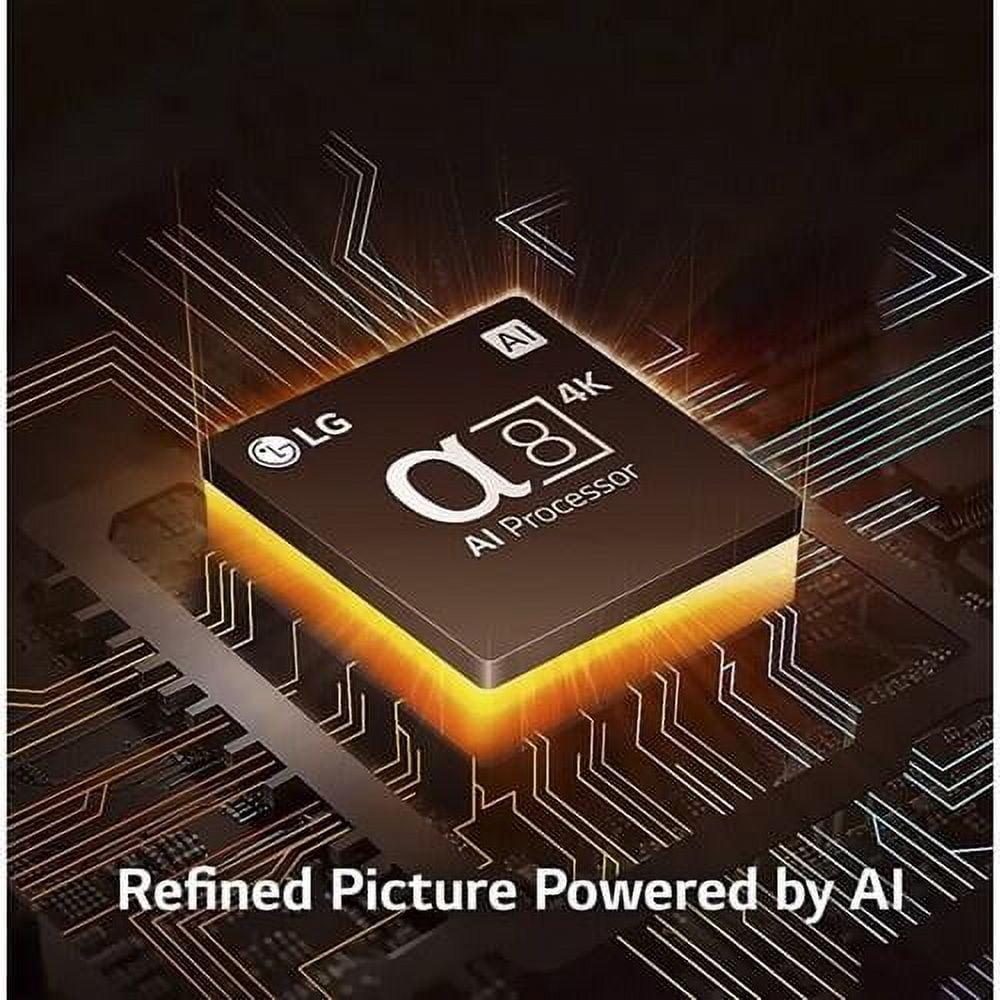
| TCL AiPQ ULTRA with Deep Learning AI | α8 AI Processor 4K with proven upscaling |
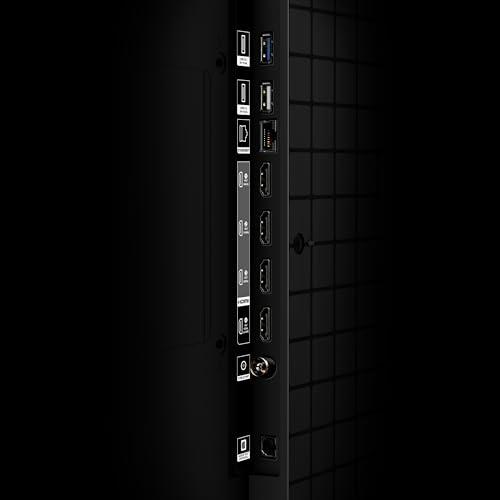
| HDMI Connectivity - Important for multiple devices and future-proofing | |
| 4 ports (2x HDMI 2.1, 2x HDMI 2.0) | 4 ports (2x HDMI 2.1, 2x HDMI 2.0) |
| Local Dimming Technology - Controls contrast and black levels | |
| LD2500 Precise Dimming with Halo Control System | Precision Dimming Pro (fewer zones, cleaner implementation) |
| Color Technology - Affects color accuracy and vibrancy | |
| Enhanced QLED with quantum dot enhancement | NanoCell color purification for natural reproduction |
| Release Year - Indicates technology generation | |
| 2024 (newer Mini-LED implementation) | 2024 (refined traditional LED approach) |
| Value Proposition - Performance vs price consideration | |
| Superior specs at competitive pricing, requires external streaming device | Premium pricing for refined experience and webOS platform |
The TCL 98" QM7K QD-Mini LED 4K TV is significantly better for gaming with its 144Hz native refresh rate, Game Accelerator 288 supporting up to 288Hz VRR, and advanced features like FreeSync Premium Pro and G-Sync compatibility. The LG 98" QNED 4K UHD Smart TV offers solid 120Hz gaming performance but can't match the TCL's gaming specifications for competitive or PC gaming.
The TCL QM7K delivers superior picture quality with its QD-Mini LED technology, 3,000 nits peak brightness, and up to 2,500 local dimming zones. This provides better HDR performance, deeper blacks, and more vibrant colors compared to the LG QNED, which offers more natural color accuracy but lower brightness and fewer dimming zones.
Mini-LED in the TCL 98" QM7K uses thousands of tiny LEDs as backlighting with precise local dimming control for superior contrast. QNED in the LG 98" QNED Smart TV combines quantum dots with NanoCell color filtering over traditional LED backlighting, focusing on color accuracy rather than contrast extremes.
Both the TCL 98" QM7K and LG 98" QNED excel in home theater setups. The TCL provides more dramatic contrast and brightness for cinematic HDR content, while the LG offers refined, accurate colors preferred by some home theater purists. Both require 11-15 feet viewing distance for optimal experience.
The TCL 98" QM7K offers a 144Hz native refresh rate with support up to 288Hz for gaming, while the LG 98" QNED Smart TV provides 120Hz refresh rate. The higher refresh rate on the TCL means smoother motion for gaming and sports content.
Yes, both the TCL 98" QM7K and LG 98" QNED weigh around 135 pounds and require professional installation for safe wall mounting. The massive 98-inch size also demands proper planning for room layout and viewing angles.
The LG 98" QNED Smart TV typically receives longer software support and more consistent updates due to LG's established track record with webOS. The TCL 98" QM7K offers good support but Google TV updates depend on Google's timeline rather than TCL's direct control.
We've done our best to create useful and informative comparisons to help you decide what product to buy. Our research uses advanced automated methods to create this comparison and perfection is not possible - please contact us for corrections or questions. These are the sites we've researched in the creation of this article: bestbuy.com - tcl.com - youtube.com - rtings.com - tcl.com - youtube.com - youtube.com - tcl.com - tomsguide.com - manuals.plus - youtube.com - tcl.com - whathifi.com - bestbuy.com - queencityonline.com - electronicexpress.com - tcl.com - valueelectronics.com - tcl.com - bestbuy.com - bestbuy.com - youtube.com - woodruffappliance.com - karlsonline.com - tcl.com - bestbuy.com - greentoe.com - pcrichard.com - rtings.com - rtings.com - videoandaudiocenter.com - ecdcom.com - youtube.com - bestbuy.com - displayspecifications.com - techradar.com - youtube.com - kitele.com - youtube.com

Privacy Policy
Terms and Conditions - Affiliate Policy
Home Security
© Copyright 2008-2026.
11816 Inwood Rd #1211, Dallas, TX 75244