

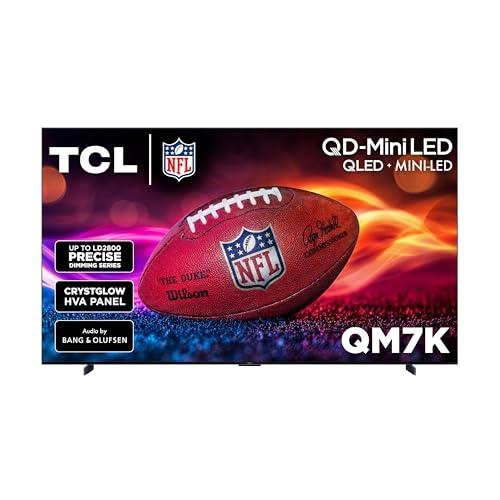

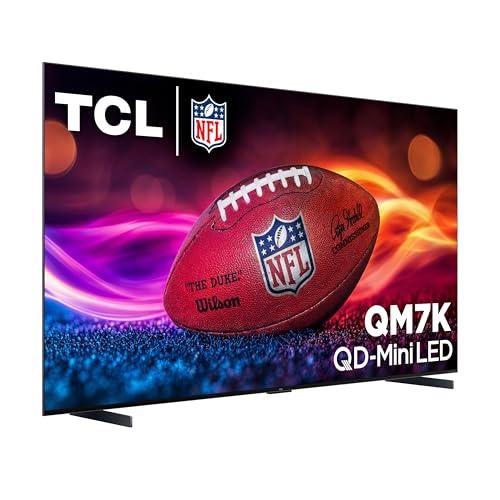
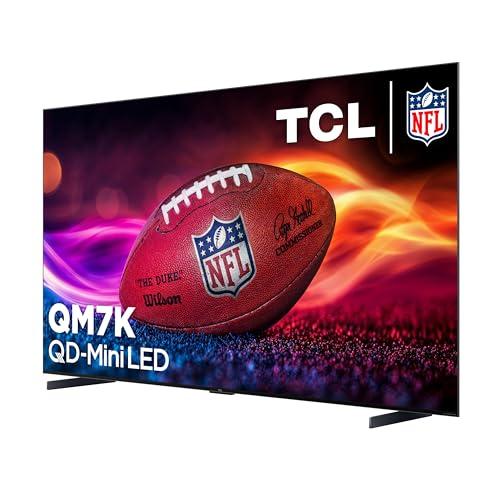
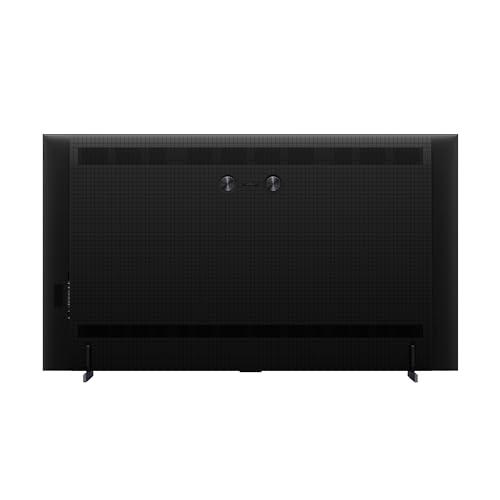
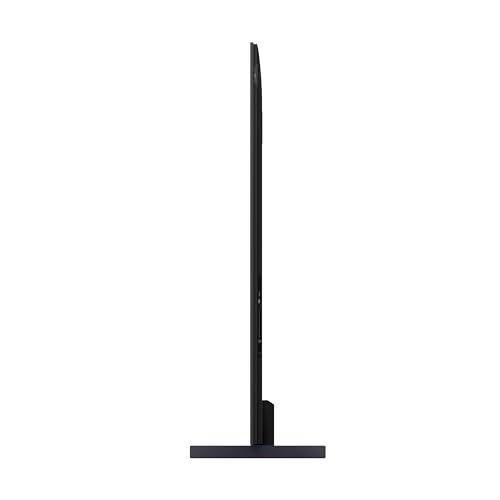
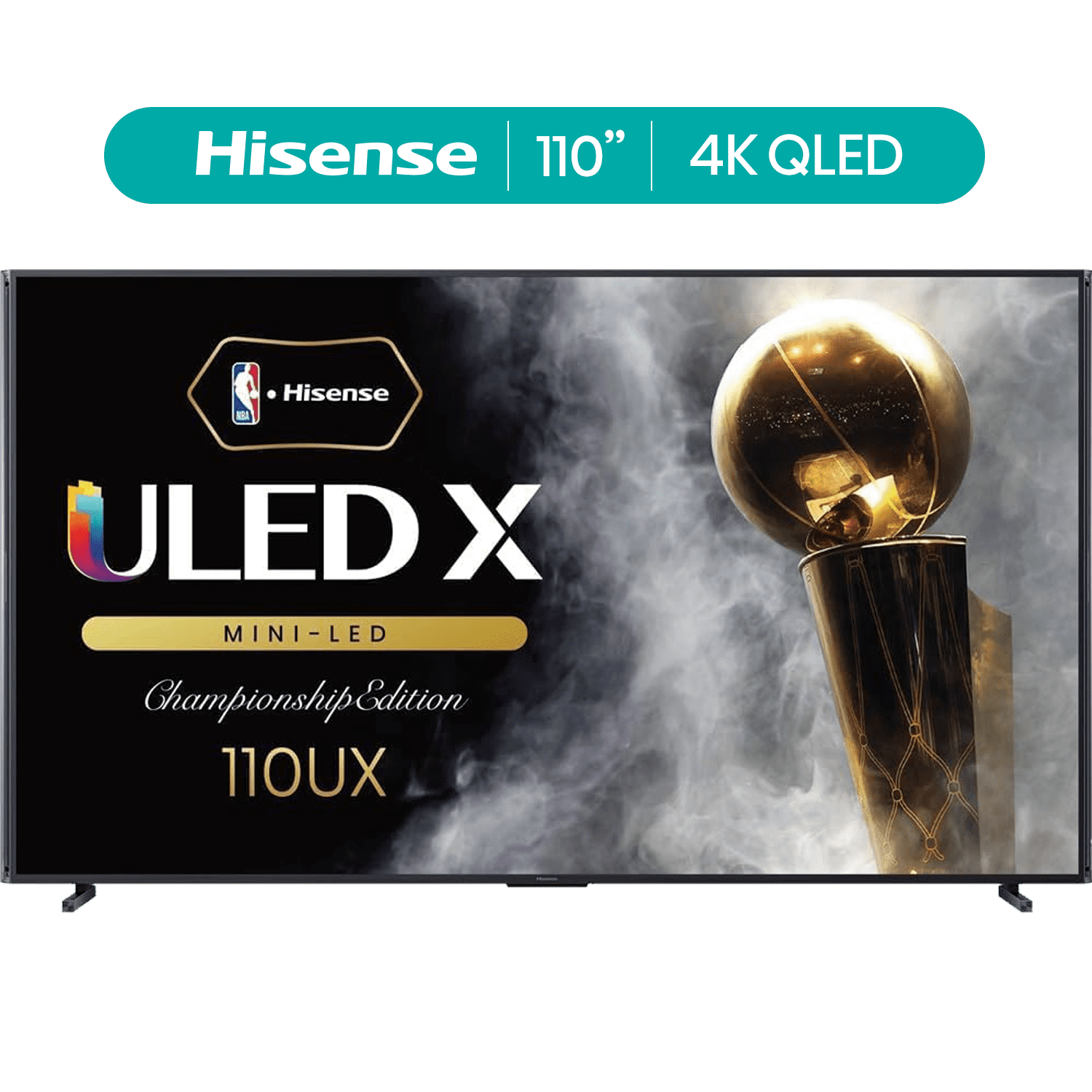

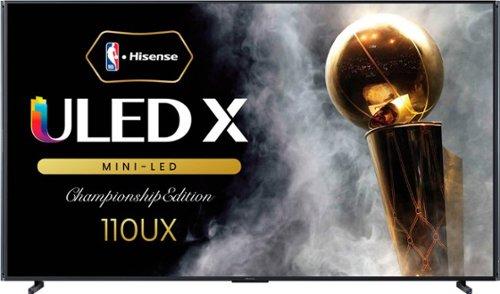
When you're shopping for a TV that's going to dominate your living room wall, the decision between the TCL 98" QM7K and Hisense 110" UX Series comes down to more than just screen size. Both of these massive displays represent the cutting edge of Mini-LED technology, but they take very different approaches to delivering that cinematic experience you're after.
The world of premium large-screen TVs has evolved dramatically over the past few years. Both the TCL QM7K (released in 2024) and the Hisense UX Series (also 2024) represent the latest generation of Mini-LED technology, which sits between traditional LED and OLED displays in terms of performance and price.
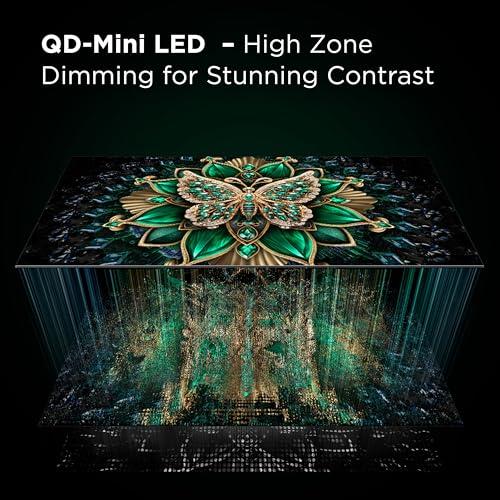
Mini-LED technology uses thousands of tiny LEDs as the backlight instead of the strips or zones you'd find in regular LED TVs. This creates much more precise control over brightness and darkness across the screen. Think of it like having thousands of tiny flashlights behind your TV instead of just a few big ones – you can light up exactly the areas you need while keeping others completely dark.
When shopping in this category, you're looking at several key factors: screen size compatibility with your room, peak brightness (how bright the TV can get), local dimming zones (how many independent brightness areas the TV can control), gaming performance, and overall value for the performance you're getting.
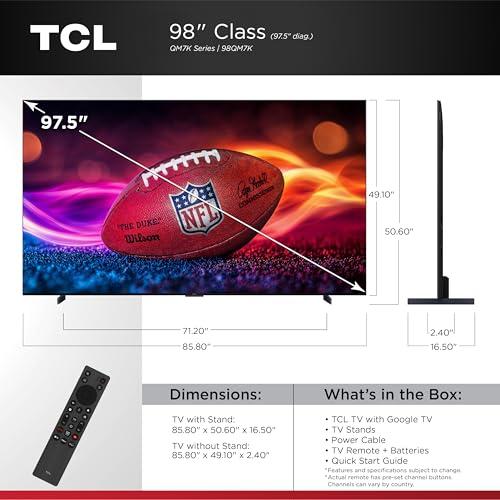
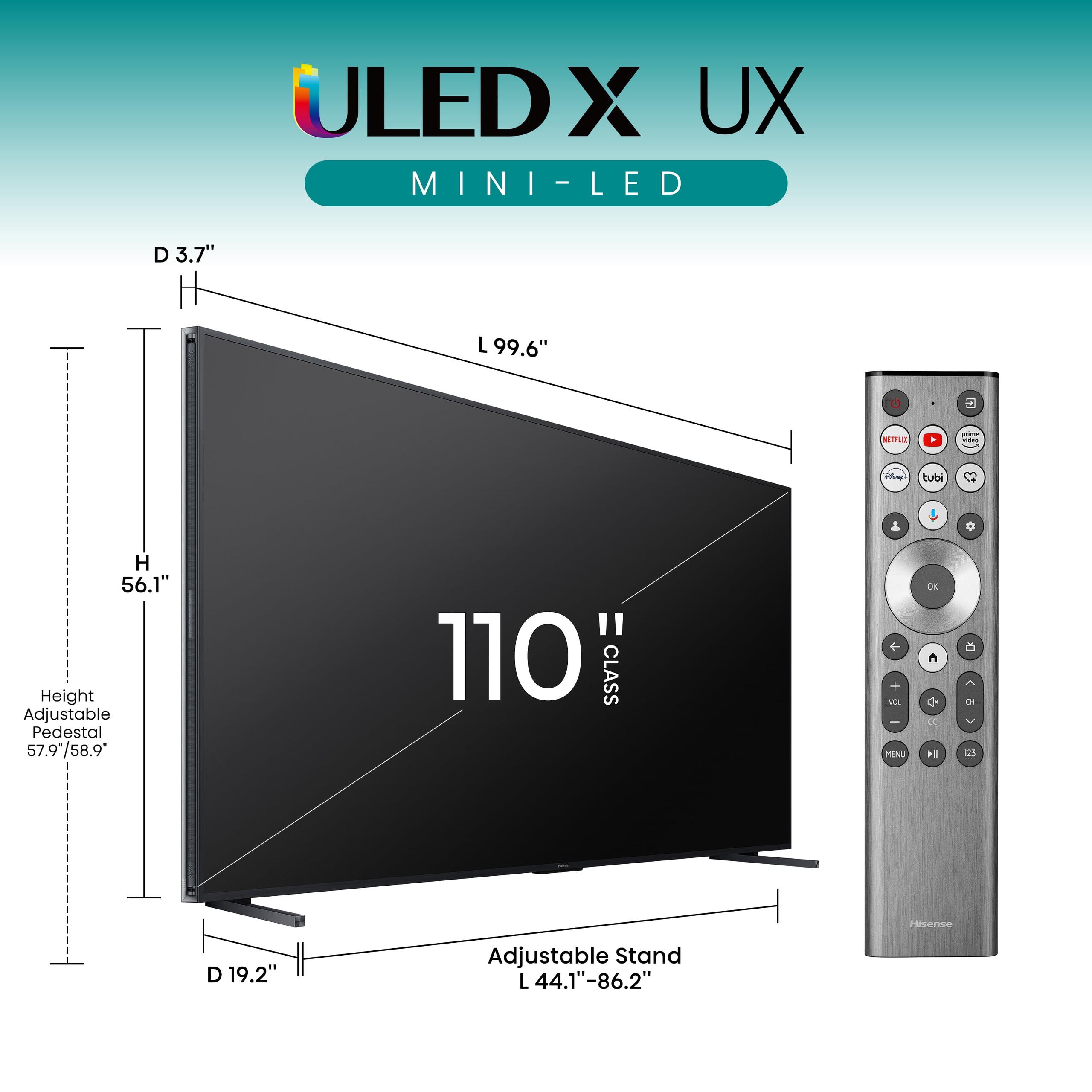
The difference between 98 and 110 inches might not sound massive, but in reality, it's significant. The TCL QM7K at 98 inches requires a viewing distance of about 10-12 feet for optimal viewing, while the Hisense UX at 110 inches really needs 12-15 feet to avoid that "front row at the movie theater" feeling.
From my research into user experiences, the 98-inch size tends to work better in typical dedicated theater rooms or large living spaces, while the 110-inch display is entering commercial or luxury home theater territory. If you're retrofitting an existing room, the TCL is more likely to work with your current setup.
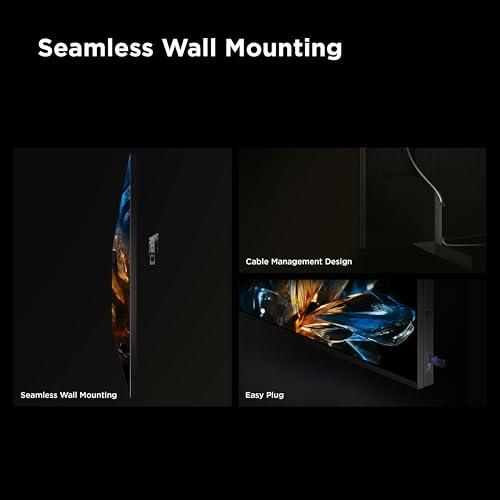
The physical installation is another consideration. The TCL QM7K weighs around 120 pounds without the stand, which is manageable for a professional installation or careful DIY approach. The Hisense UX, however, ships at over 235 pounds and really demands professional installation – both for safety and to avoid damaging what is essentially a very expensive piece of technology.
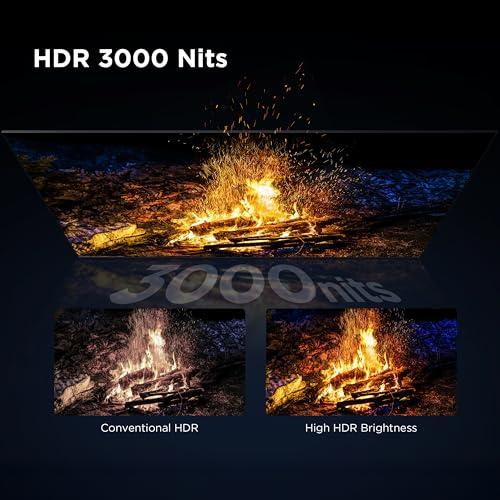
Here's where these TVs start showing their different personalities. The TCL QM7K delivers a peak brightness of 3,000 nits, which is already impressive and handles most HDR content beautifully. Nits measure how bright a display can get – for reference, a typical sunny day outside is about 10,000 nits, while most standard TVs max out around 400-600 nits.
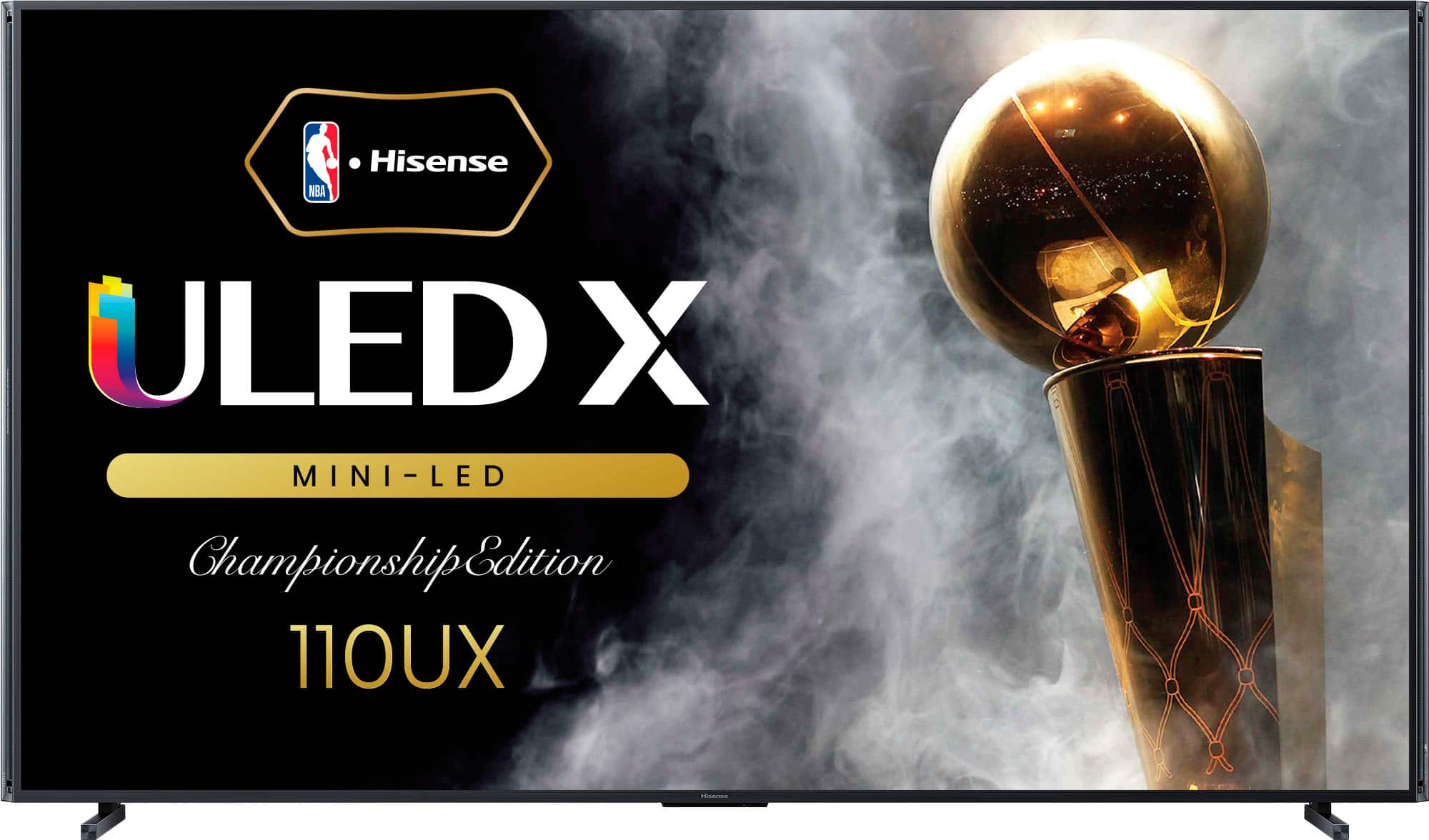
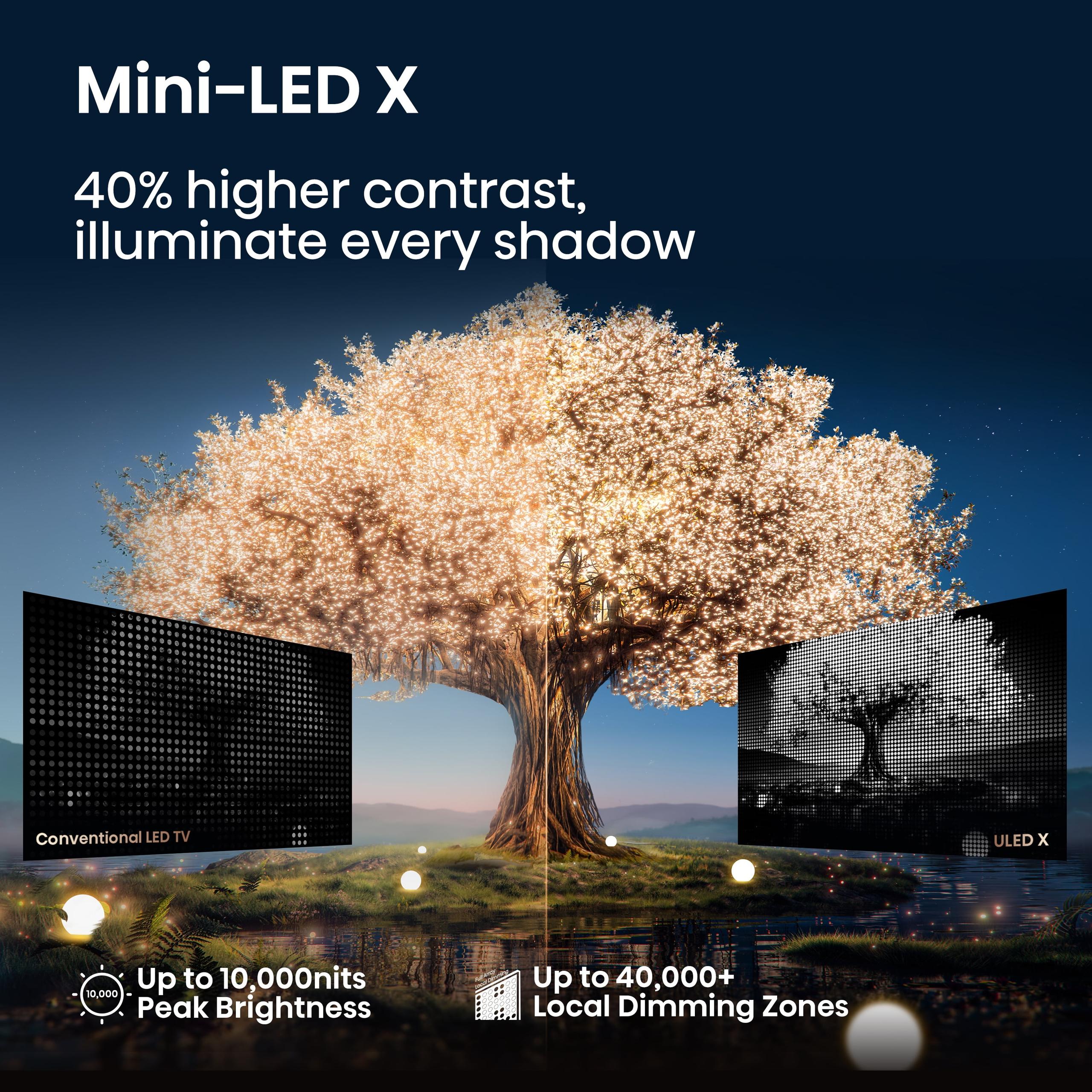
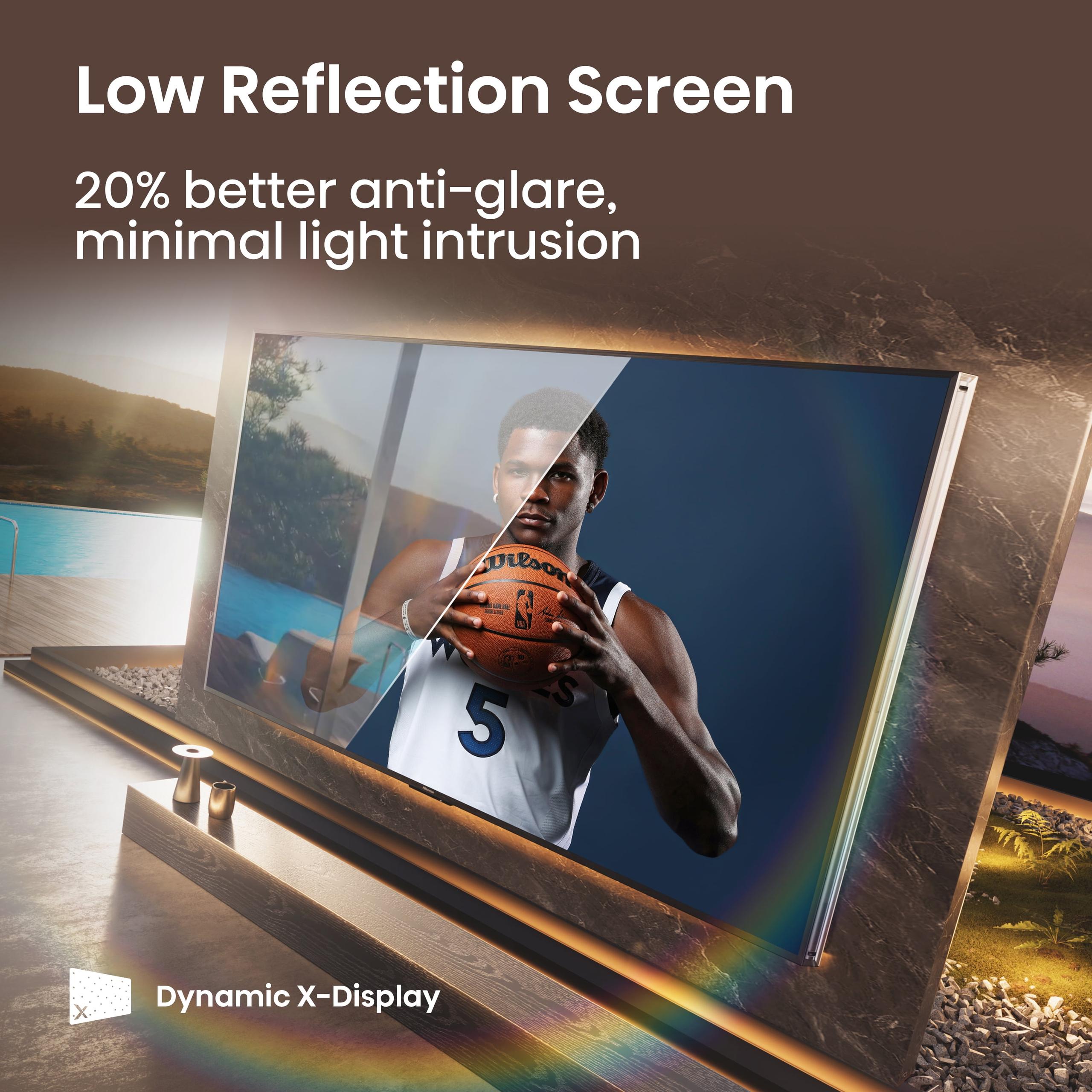
The Hisense UX takes brightness to an almost absurd level at 10,000 nits peak. That's literally daylight-level brightness. While this might sound like overkill, there's actually method to this madness. If your TV room has windows, skylights, or you prefer watching with lights on, this extreme brightness means the TV can overpower ambient light that would wash out darker displays.
In my evaluation of user feedback, people with bright rooms consistently praise the Hisense for maintaining punch and contrast even in challenging lighting. However, several reviewers noted that this brightness can actually be fatiguing in dark rooms, requiring careful calibration or the TV's adaptive brightness features.
The TCL strikes a more balanced approach. Its 3,000 nits provide excellent HDR impact without being overwhelming, and most users report it works well in both controlled and moderately bright environments.
This is where the technical differences become really meaningful. Local dimming zones are independent areas of the backlight that the TV can brighten or dim separately. More zones mean more precise control over contrast.
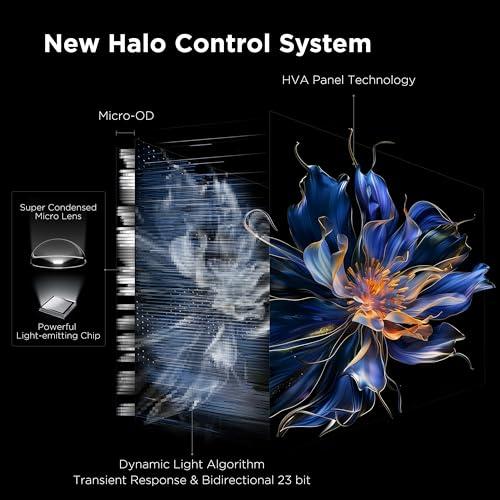
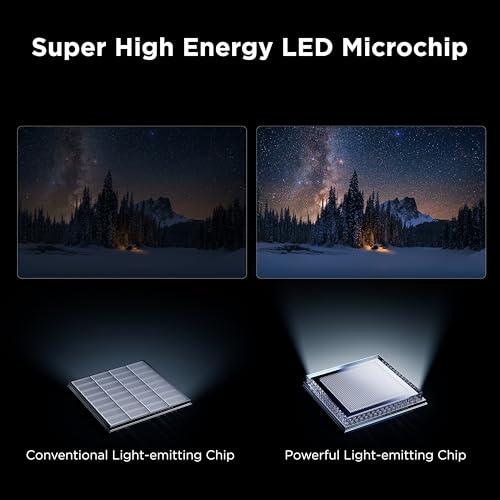
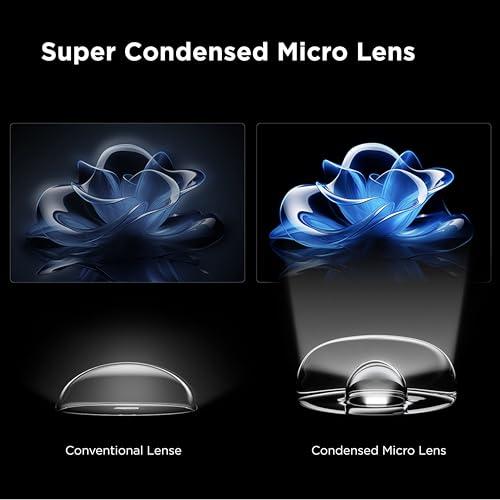
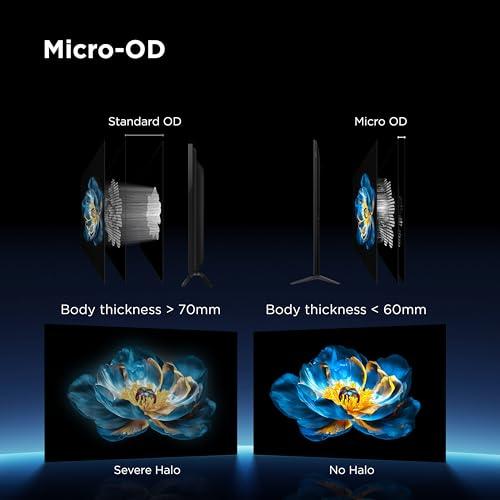
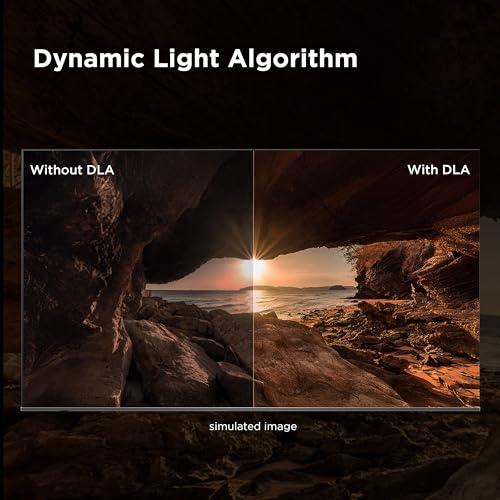
The TCL QM7K features up to 2,500 local dimming zones, controlled by what TCL calls their "Halo Control System." This system includes several advanced technologies: a Super High Energy LED Microchip for better efficiency, a Super Condensed Micro Lens for tighter light control, and Micro-OD technology that reduces the distance between the backlight and screen to minimize light bleeding.
The Hisense UX goes nuclear with over 40,000 local dimming zones. That's roughly 16 times more precise control than the TCL. In practical terms, this means when you're watching a scene with bright stars against a dark sky, the Hisense can keep those stars bright while maintaining truly deep blacks around them, with virtually no "blooming" (light bleeding around bright objects).
Based on professional reviews I've analyzed, this difference is immediately visible in challenging content. The Hisense approaches OLED-level contrast precision while maintaining the brightness advantages of LED technology. The TCL, while excellent, shows some blooming in high-contrast scenes, though its Halo Control System does minimize this more than previous generations.
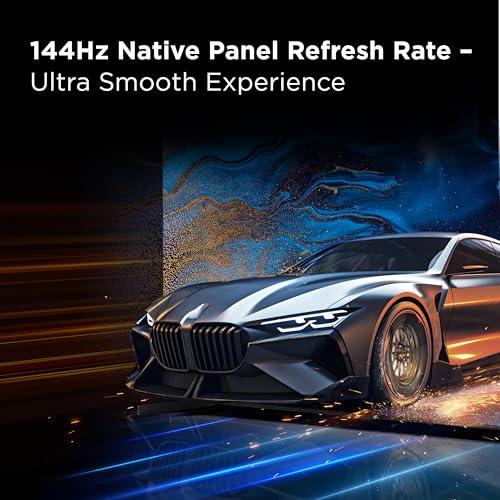
If gaming is a priority, the TCL QM7K actually has some advantages despite being the less expensive option. It supports a native 144Hz refresh rate throughout the entire signal processing chain, meaning every step from input to display operates at this high speed.
More importantly, the TCL features "Game Accelerator 288," supporting up to 288Hz variable refresh rate (VRR). VRR synchronizes the TV's refresh rate with your gaming console's output, eliminating screen tearing and stuttering. For competitive gaming or fast-paced action games, this higher refresh rate provides a noticeable advantage in smoothness and responsiveness.
The Hisense UX supports 144Hz gaming with AMD FreeSync Premium Pro and includes Dolby Vision Gaming, but doesn't match the TCL's peak VRR performance. However, it does offer superior HDR impact in games that support it, making fantasy and sci-fi titles particularly stunning.
Both TVs include Auto Low Latency Mode (ALLM), which automatically switches to game mode when it detects a gaming console, minimizing input lag – the delay between pressing a button and seeing the result on screen.
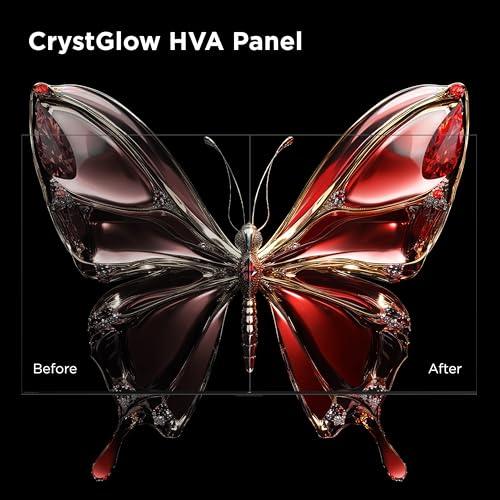
The TCL QM7K uses what they call "CrystGlow HVA Panel Technology." This involves adding polyimide to liquid crystal molecules, creating a butterfly-wing-shaped microstructure that controls light passage more precisely. The result is a native contrast ratio of 8,000:1, which is excellent for LCD technology.
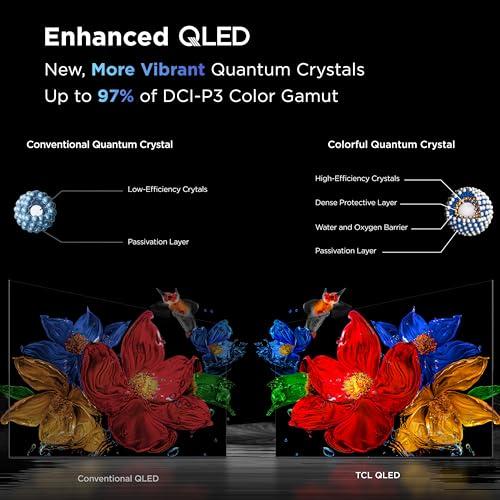
The TV's enhanced QLED system uses quantum dots – microscopic crystals that emit specific colors when hit by light – to cover nearly the entire DCI-P3 color gamut. This is the color space used in digital cinema, so you're seeing movies as directors intended.
The Hisense UX takes a different approach with its "Mini-LED X" technology. The combination of extreme brightness and massive local dimming zone count creates what professional reviewers describe as reference-quality performance. The quantum dot implementation delivers what Hisense claims are 25% richer colors compared to standard quantum dot displays.
In terms of color accuracy, both TVs perform well out of the box, though serious enthusiasts will want professional calibration to achieve the most accurate colors. The Hisense has more calibration headroom due to its extreme brightness capabilities.
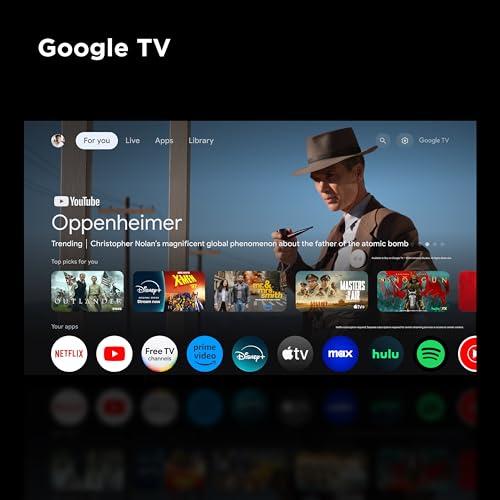
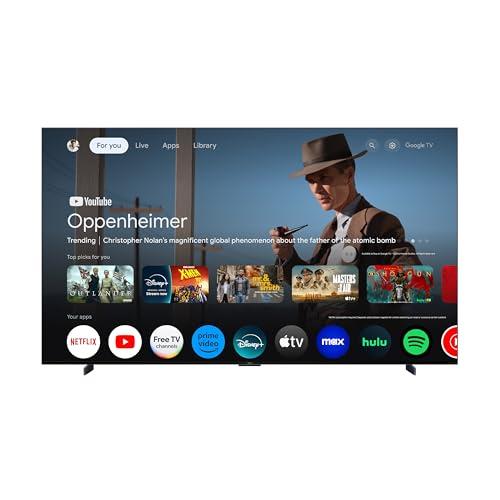
Both TVs run Google TV, which provides a clean interface and access to all major streaming services. The TCL QM7K includes far-field microphones for hands-free voice control, while the Hisense UX focuses more on traditional remote control interaction.
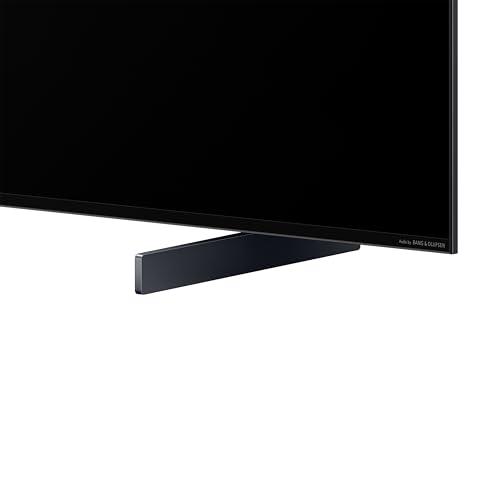
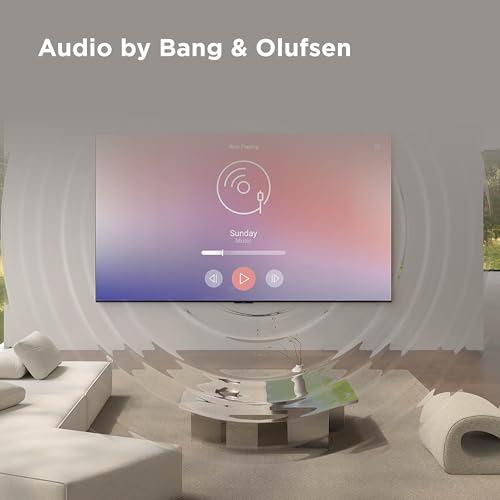
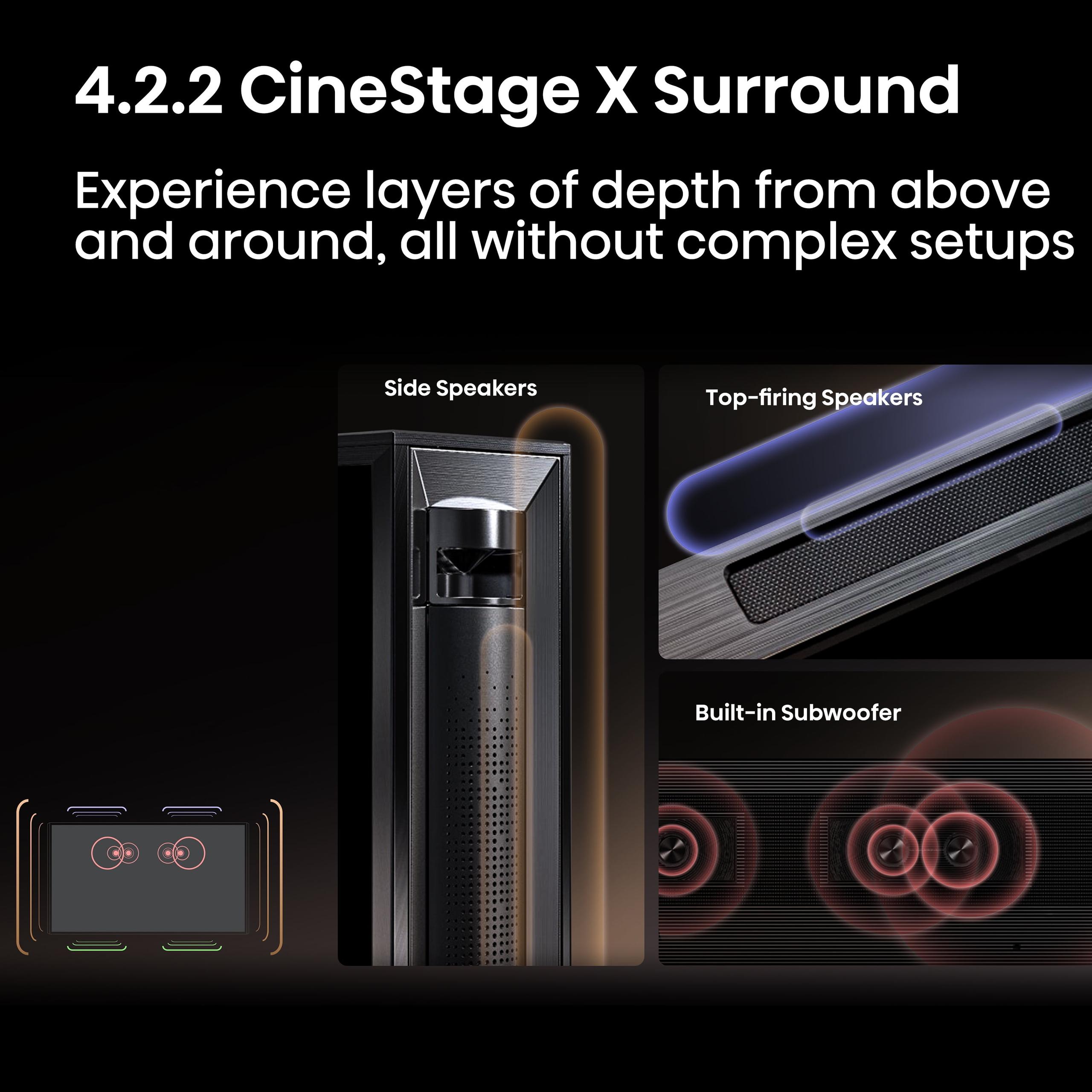
For audio, the TCL features a system tuned by Bang & Olufsen, the Danish audio company known for premium sound equipment. The Hisense UX uses a 4.2.2 channel "CineStage X Surround" system with AI-powered optimization that adjusts audio based on content type.
Neither TV's built-in audio will match a dedicated sound system, but both are above average for TV speakers. However, at these screen sizes, most users end up adding a soundbar or surround system anyway to match the cinematic scale of the display.
At the time of writing, these TVs target different market segments despite their technological similarities. The TCL QM7K positions itself as premium performance at a more accessible price point, typically costing significantly less than the Hisense UX while delivering excellent picture quality and superior gaming features.
The Hisense UX targets the reference-quality market, where price becomes secondary to achieving the best possible picture quality. Its extreme brightness and local dimming precision justify the premium for users building dedicated home theaters or requiring professional-level accuracy.
Based on user feedback analysis, the TCL delivers about 80% of the Hisense's picture quality at roughly 50-60% of the cost. For most users, this represents exceptional value. However, for critical viewing or challenging room environments, the Hisense's additional capabilities become worth the investment.
The TCL QM7K works well in rooms 16-20 feet wide with standard 9-10 foot ceilings. It performs optimally with some light control but doesn't require a dedicated theater environment.
The Hisense UX really shines in larger spaces – rooms over 20 feet wide where you can sit 12+ feet from the screen. Its extreme brightness makes it particularly valuable in rooms with windows or where ambient light control is difficult.
Both TVs benefit from proper calibration, but the Hisense requires more careful setup to avoid brightness-related eye fatigue in dark rooms. Many users find its adaptive brightness features essential for comfortable viewing across different times of day.
Choose the TCL 98" QM7K if you want massive screen entertainment with excellent gaming performance at a more approachable price point. It's ideal for mixed-use spaces, gaming-focused setups, or when budget considerations matter alongside performance. Its balanced approach works well for most home theater applications without requiring perfect viewing conditions.
Choose the Hisense 110" UX if you're building a dedicated home theater and want reference-quality performance. It's the better choice for bright rooms, professional applications, or when you want the absolute best picture quality regardless of cost. The extra 12 inches of screen and superior contrast control create a truly cinematic experience when properly set up.
Both represent excellent choices in the premium large-screen market, with the decision ultimately coming down to your specific room, usage patterns, and priorities. The TCL offers outstanding value and gaming performance, while the Hisense pushes the boundaries of what LED technology can achieve. Either will transform your viewing experience – it's just a matter of which approach better matches your needs and space.
| TCL 98" QM7K QD-Mini LED 4K TV | Hisense 110" UX Series 4K Mini-LED ULED TV |
|---|---|
| Screen Size - Physical space requirements and viewing distance | |
| 98" diagonal (fits rooms 16-20 feet wide) | 110" diagonal (requires rooms 20+ feet wide) |
| Peak Brightness - HDR impact and bright room performance | |
| 3,000 nits (excellent for most environments) | 10,000 nits (reference-level, overpowers ambient light) |
| Local Dimming Zones - Contrast precision and blooming control | |
| Up to 2,500 zones with Halo Control System | 40,000+ zones (near-OLED precision) |
| Gaming Refresh Rate - Competitive gaming performance | |
| 144Hz native with Game Accelerator 288 VRR | 144Hz with AMD FreeSync Premium Pro |
| Maximum VRR Gaming - Smoothest possible gameplay | |
| Up to 288Hz variable refresh rate | Up to 144Hz variable refresh rate |
| Weight Without Stand - Installation complexity | |
| ~120 lbs (manageable DIY installation) | ~225 lbs (professional installation recommended) |
| Display Technology - Picture quality approach | |
| QD-Mini LED with CrystGlow HVA panel | Mini-LED X with quantum dot enhancement |
| Native Contrast Ratio - Black level performance | |
| 8,000:1 (excellent for LCD) | Not specified (superior due to 40K+ zones) |
| Smart Platform - User interface and features | |
| Google TV with hands-free voice control | Google TV with Wi-Fi 6E connectivity |
| Audio System - Built-in sound quality | |
| Bang & Olufsen tuned with Dolby Atmos | 4.2.2 CineStage X Surround with AI optimization |
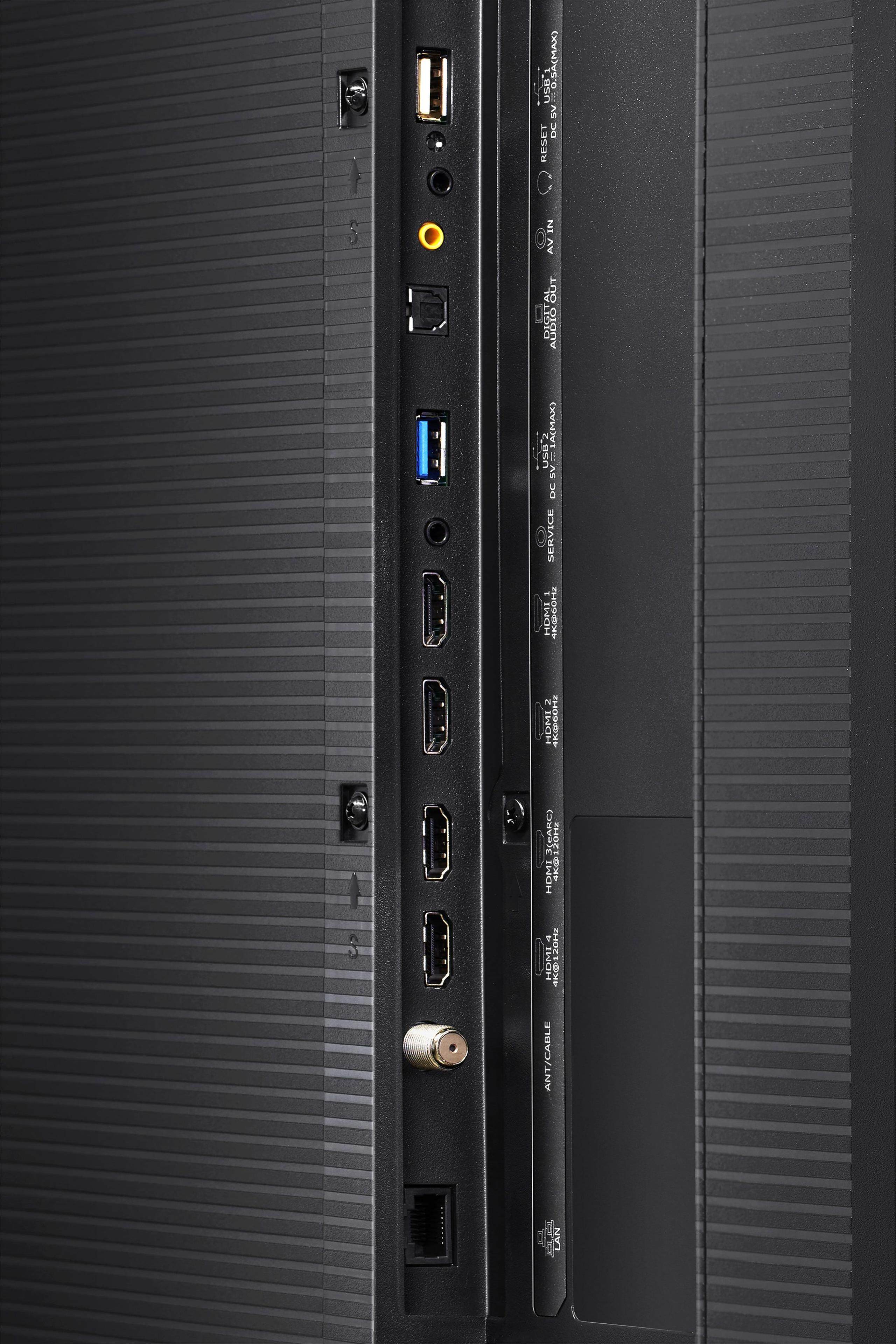
| HDMI 2.1 Ports - Next-gen gaming compatibility | |
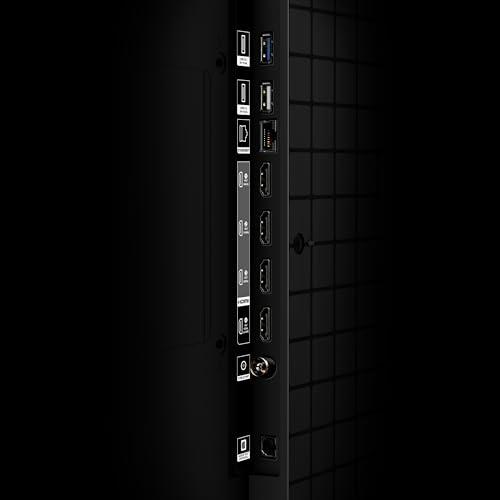
| 2 ports (4K@144Hz, 1080p@288Hz) | 2 ports (4K@144Hz support) |
| Target Market - Who this TV is designed for | |
| Gaming enthusiasts and value-focused buyers | Reference-quality home theater purists |
| Optimal Room Environment - Best viewing conditions | |
| Controlled to moderate ambient light | Any lighting (excels in bright rooms) |
The Hisense 110" UX Series delivers superior picture quality with 10,000 nits peak brightness and over 40,000 local dimming zones, providing reference-level contrast and virtually no blooming. The TCL 98" QM7K offers excellent picture quality with 3,000 nits brightness and 2,500 dimming zones, delivering outstanding performance at a more accessible price point.
The TCL QM7K features a 98-inch screen that works well in rooms 16-20 feet wide, while the Hisense UX Series has a massive 110-inch display that requires rooms over 20 feet wide for optimal viewing. The 12-inch difference is more significant than it sounds, requiring different room layouts and viewing distances.
The TCL 98" QM7K is superior for gaming with its Game Accelerator 288 supporting up to 288Hz variable refresh rate, 144Hz native panel, and optimized gaming features. The Hisense UX supports 144Hz gaming with AMD FreeSync Premium Pro but doesn't match the TCL's peak gaming performance.
The Hisense UX Series reaches an extreme 10,000 nits peak brightness, making it ideal for bright rooms with windows or ambient lighting. The TCL QM7K delivers 3,000 nits, which is excellent for most home environments and provides great HDR impact without being overwhelming in dark rooms.
The TCL 98" QM7K provides exceptional value, delivering approximately 80% of premium TV performance while typically costing significantly less than competing models. The Hisense 110" UX targets the premium market with reference-quality performance that justifies its higher cost for dedicated home theaters.
Local dimming zones are independent backlight areas that control brightness separately for better contrast. The Hisense UX Series features over 40,000 zones for near-OLED precision, while the TCL QM7K has up to 2,500 zones with advanced Halo Control technology. More zones mean better contrast and less light bleeding.
For dedicated home theaters, the Hisense 110" UX Series excels with its reference-quality picture, massive screen size, and superior local dimming. The TCL 98" QM7K works excellently for home theaters on a budget or mixed-use spaces, offering cinematic performance without requiring perfect viewing conditions.
The TCL QM7K weighs approximately 120 pounds without the stand, making it manageable for careful DIY installation. The Hisense UX weighs over 225 pounds and really requires professional installation due to its size and weight, adding to the total ownership cost.
Both the TCL 98" QM7K and Hisense 110" UX Series run Google TV with access to all major streaming services. The TCL includes hands-free voice control with far-field microphones, while the Hisense features Wi-Fi 6E connectivity for faster streaming.
The Hisense UX Series delivers superior HDR performance with its 10,000 nits brightness and massive local dimming array, supporting all major HDR formats including Dolby Vision IQ. The TCL QM7K provides excellent HDR with 3,000 nits and comprehensive format support, offering great HDR impact for most content.
The TCL 98" QM7K works well in rooms 16-20 feet wide with 10-12 foot viewing distances. The Hisense 110" UX Series requires larger spaces - rooms over 20 feet wide with 12-15 foot viewing distances to avoid the front-row theater effect and ensure comfortable viewing.
Choose the TCL QM7K if you want excellent large-screen performance with gaming capabilities at a more accessible price point, especially for mixed-use rooms. Select the Hisense UX Series if you're building a dedicated home theater and want the absolute best picture quality with reference-level performance, regardless of cost considerations.
We've done our best to create useful and informative comparisons to help you decide what product to buy. Our research uses advanced automated methods to create this comparison and perfection is not possible - please contact us for corrections or questions. These are the sites we've researched in the creation of this article: bestbuy.com - tcl.com - youtube.com - rtings.com - tcl.com - youtube.com - youtube.com - tcl.com - tomsguide.com - manuals.plus - youtube.com - tcl.com - whathifi.com - bestbuy.com - queencityonline.com - electronicexpress.com - tcl.com - valueelectronics.com - tcl.com - bestbuy.com - bestbuy.com - youtube.com - woodruffappliance.com - karlsonline.com - tcl.com - digitaltrends.com - prnewswire.com - rtings.com - youtube.com - walts.com - hisense.com.au - imagematrix.tech - techguide.com.au - global.hisense.com - prnewswire.com

Privacy Policy
Terms and Conditions - Affiliate Policy
Home Security
© Copyright 2008-2026.
11816 Inwood Rd #1211, Dallas, TX 75244