

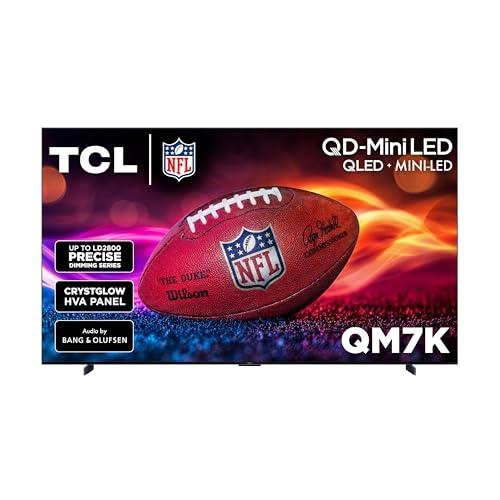
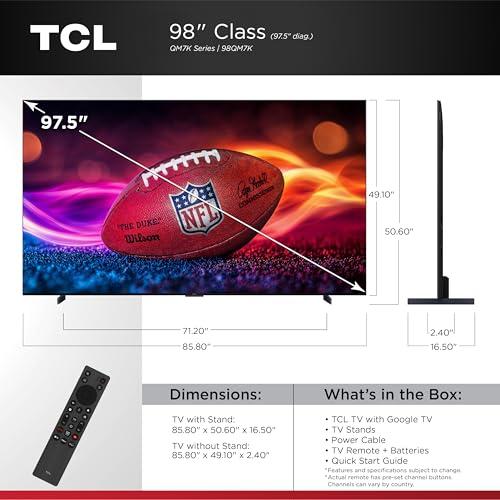
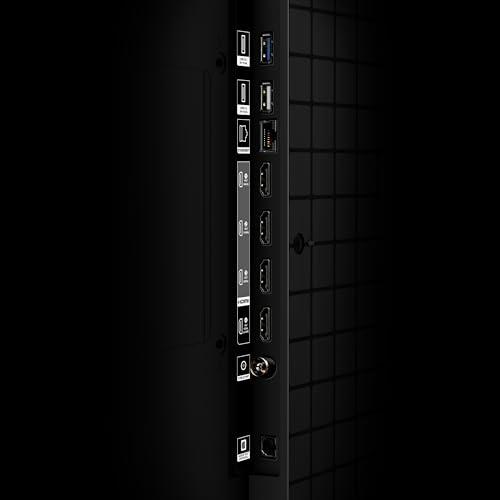
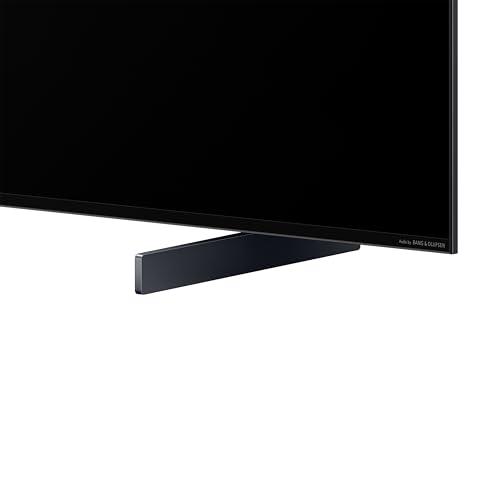

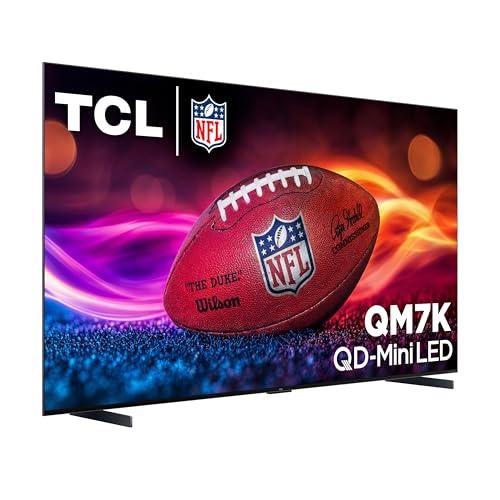
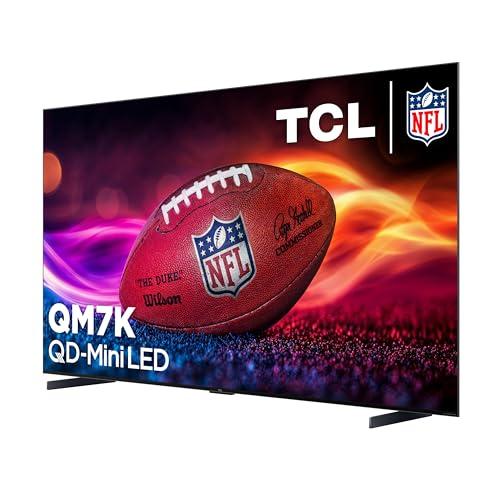
When you're shopping for a TV approaching 100 inches, you're not just buying entertainment—you're creating the centerpiece of your home theater experience. The TCL 98" QM7K and LG 97" G2 OLED represent two fundamentally different philosophies for achieving premium picture quality, and understanding their approaches will help you make the right choice for your specific situation.
Premium large-screen TVs compete on four main factors: picture quality, gaming performance, smart features, and value. But the most critical decision comes down to display technology. The TCL QM7K uses QD-Mini LED technology—a sophisticated LED backlight system enhanced with quantum dots for better colors. The LG G2 OLED takes a completely different approach with OLED technology, where each individual pixel creates its own light.
Think of it this way: Mini LED is like having thousands of precise flashlights behind your TV screen, while OLED is like having millions of tiny lightbulbs that can turn completely on or off individually. Both approaches have distinct advantages that make them better suited for different viewing environments and preferences.
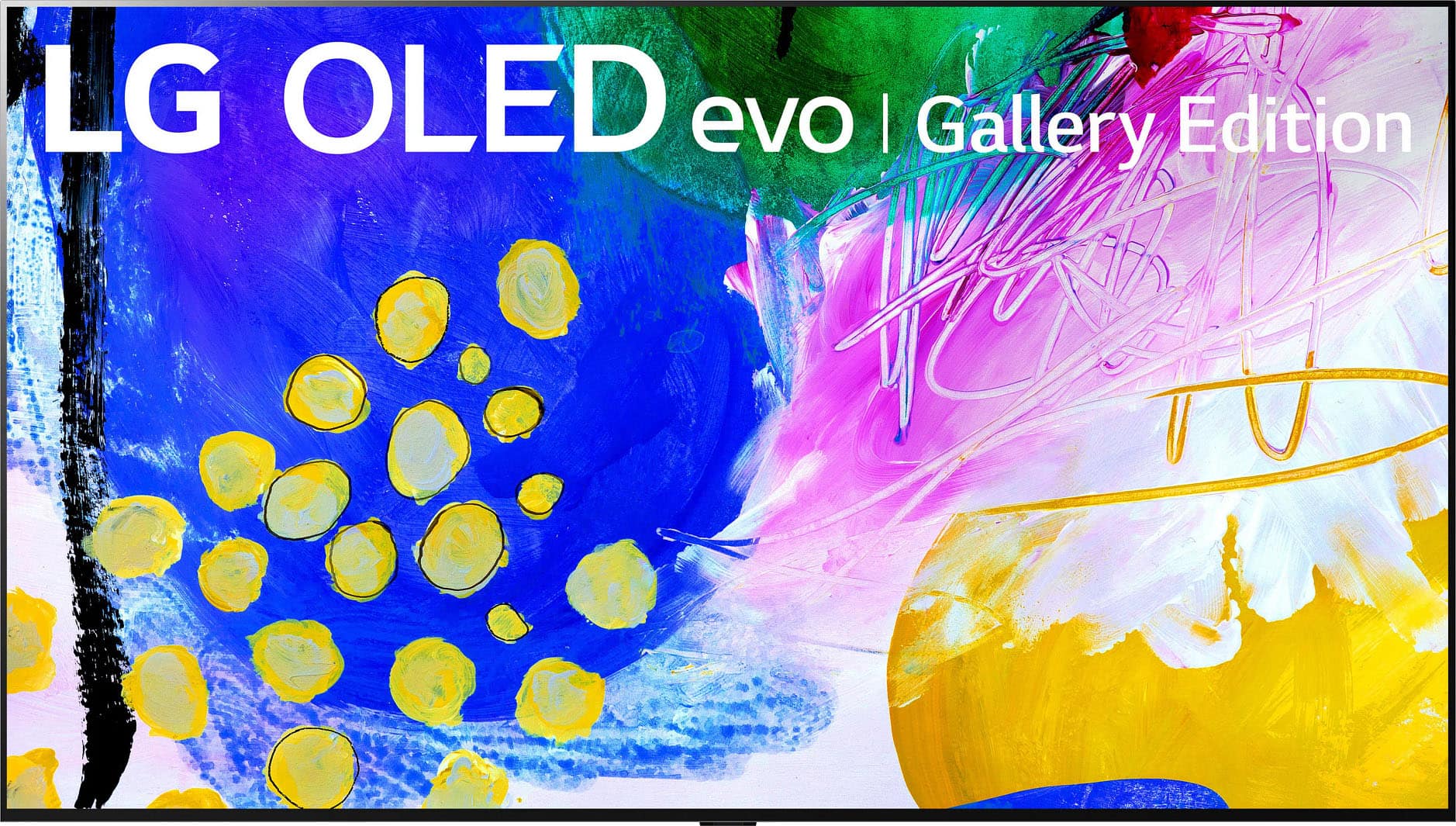
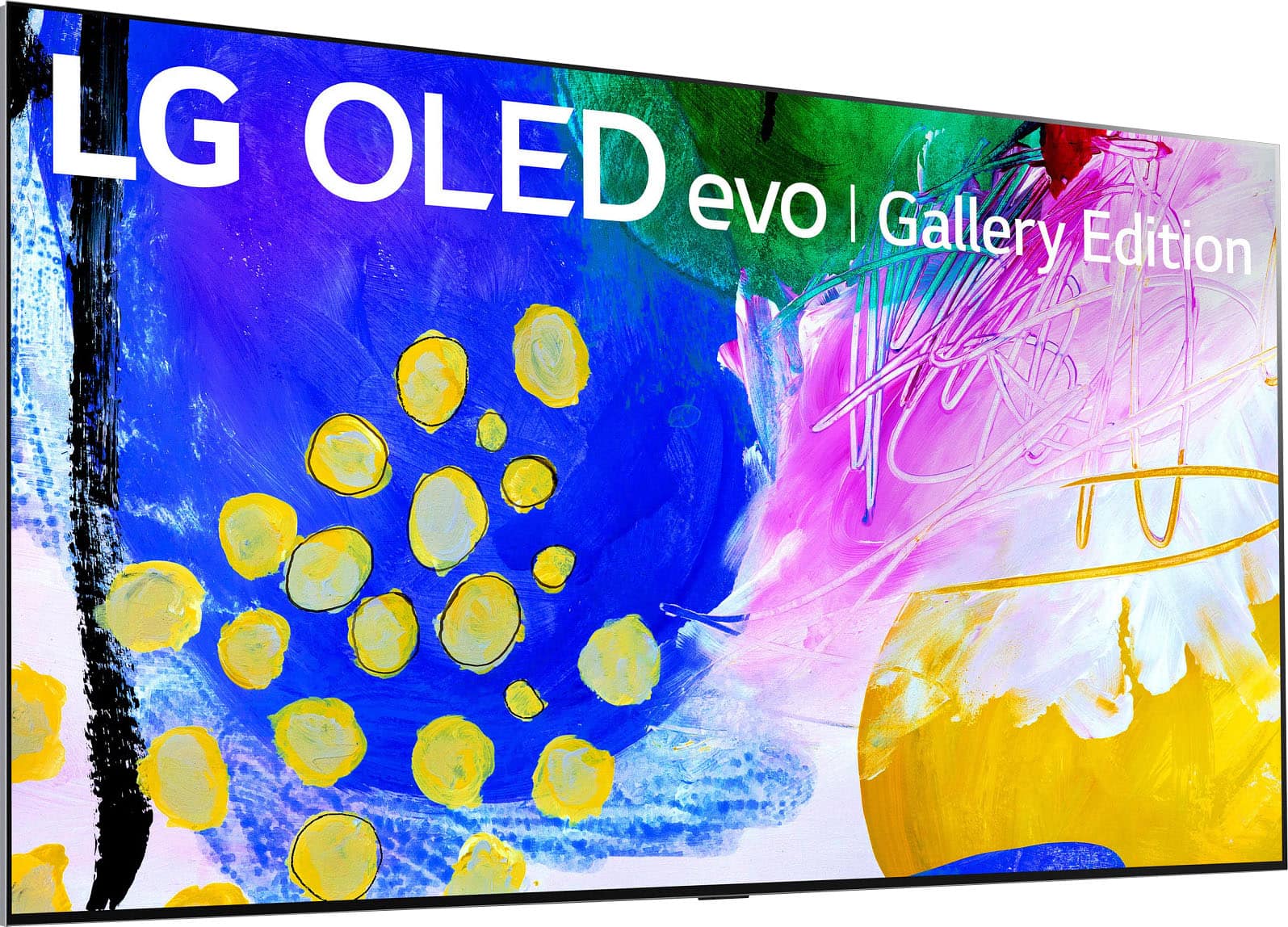
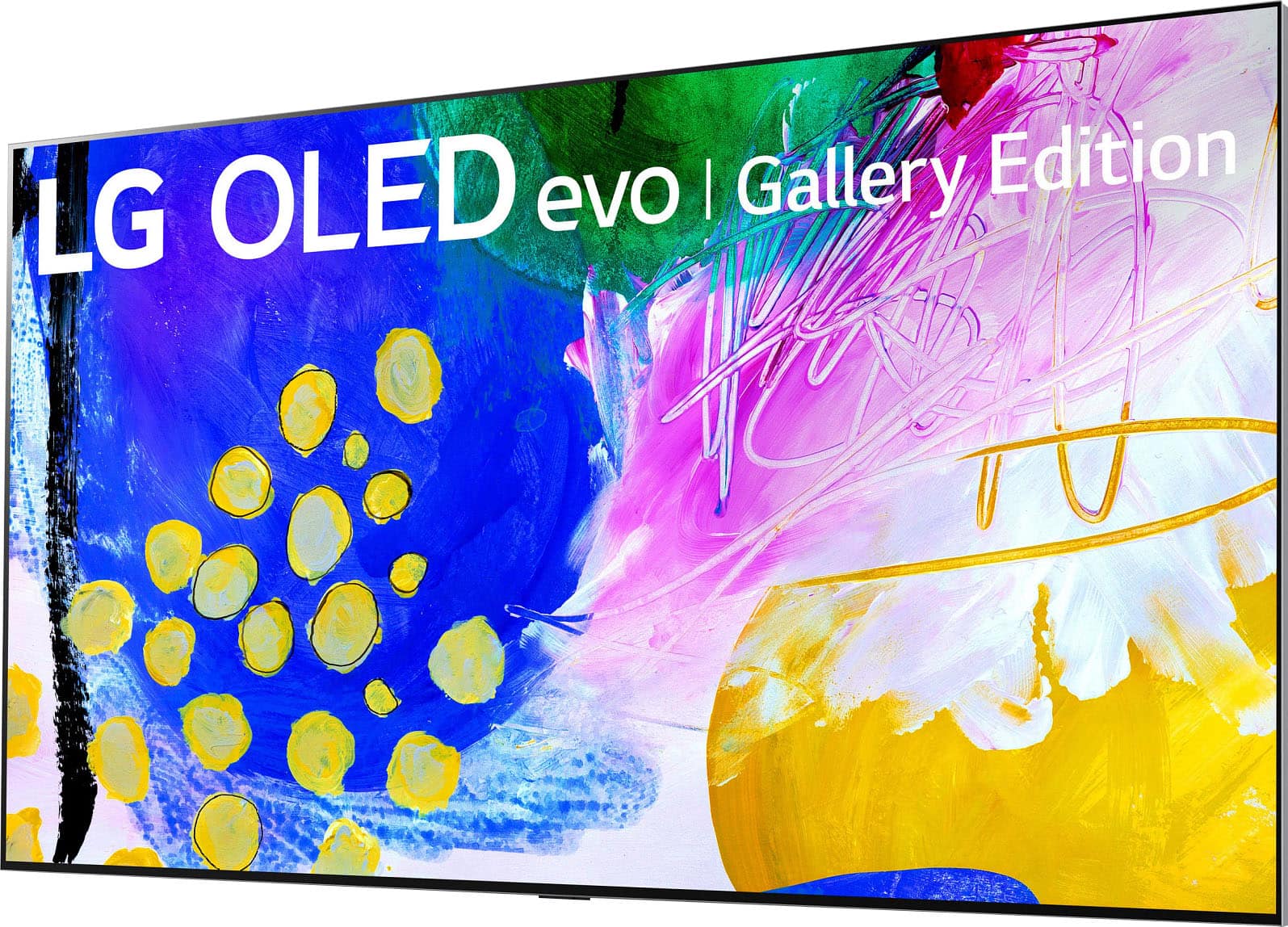
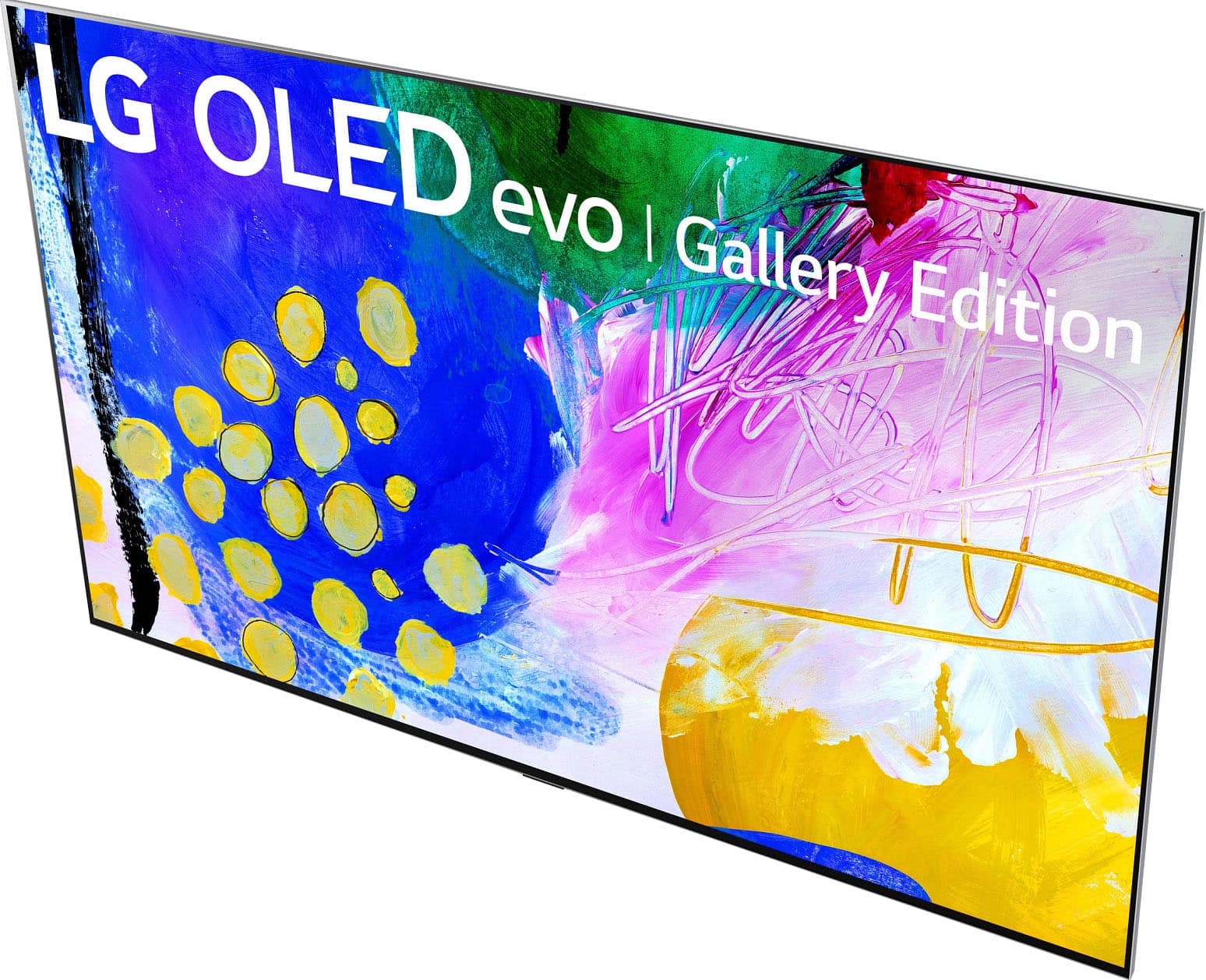
The LG G2 OLED launched in 2022 as part of LG's premium Gallery Series. While that might seem recent, three years is significant in TV technology. The "evo" branding represents LG's improved OLED compounds that produce about 20% more brightness than earlier generations—a major advancement since OLED's traditional weakness has been peak brightness.
The TCL QM7K, being a 2025 model, benefits from the latest advances in Mini LED and quantum dot technologies. Mini LED backlighting has matured dramatically over the past few years, with zone counts increasing from hundreds to thousands while individual LED sizes have shrunk. The quantum dot materials have also become more stable and color-accurate, addressing earlier concerns about oversaturation and color shifting over time.
This three-year gap matters because display technology evolves rapidly. The TCL represents current state-of-the-art, while the LG reflects proven but older technology. At the time of writing, this translates to better future-proofing for the TCL, though the LG has the advantage of a established track record.
Picture quality starts with contrast—the difference between the brightest whites and the darkest blacks your TV can produce. This is where these two displays take completely opposite approaches.
The LG G2 OLED achieves perfect blacks because individual pixels can turn completely off. When you're watching a space scene, the black areas around stars aren't just dark—they're truly off, creating what's called "infinite contrast." This creates an almost three-dimensional viewing experience that's particularly striking in dark rooms. Characters seem to float against truly black backgrounds, and night scenes have a depth that's impossible to achieve with any backlit display.
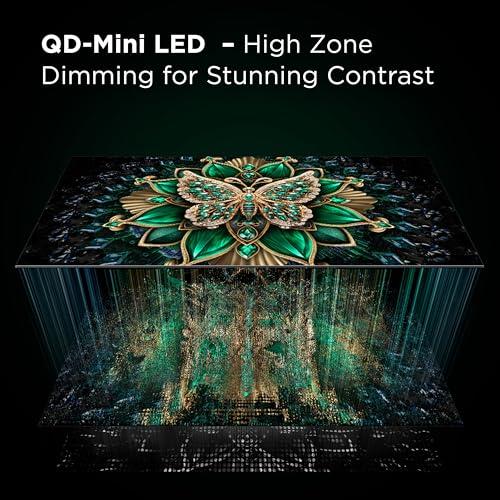
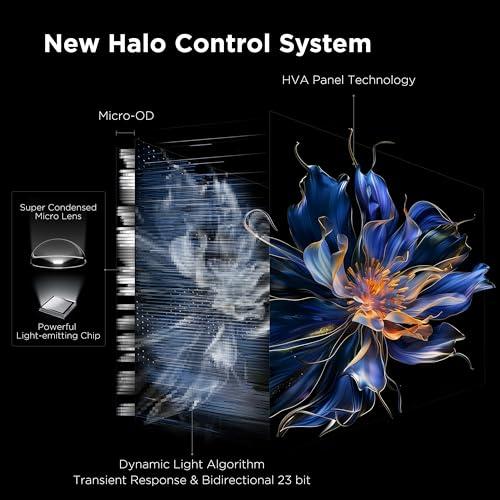
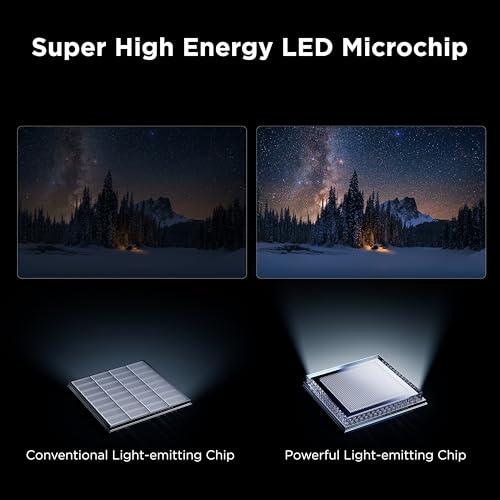
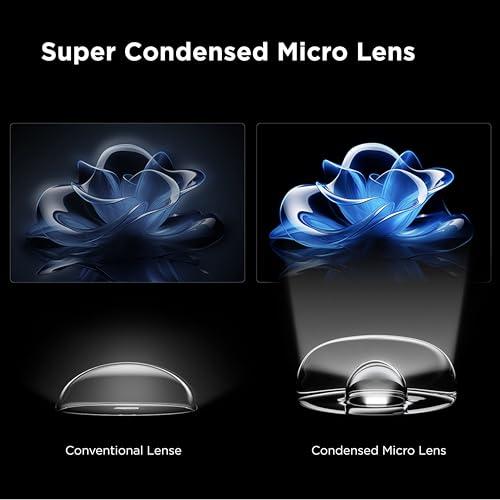
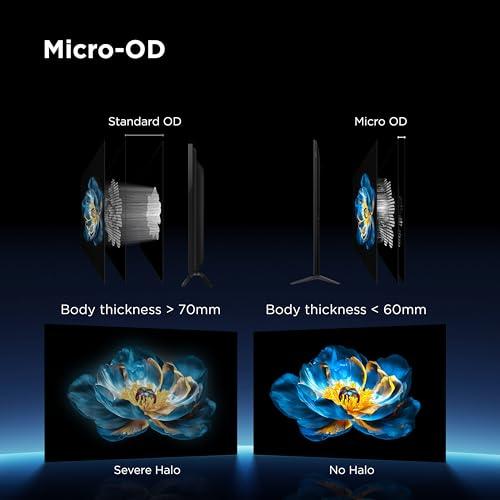
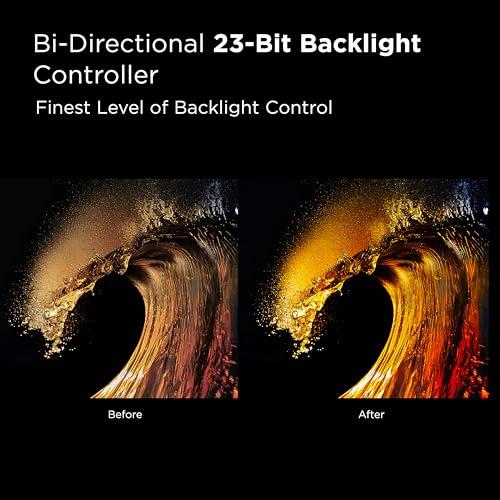
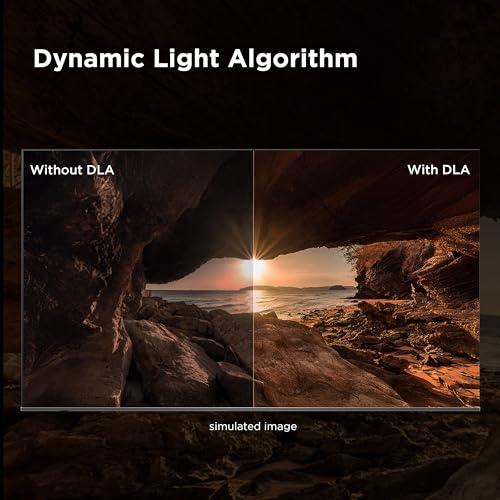
The TCL QM7K uses up to 2,500 local dimming zones through its LD2500 Precise Dimming Series technology. Local dimming means the TV can brighten or darken specific areas of the backlight independently. While it can't achieve true black like OLED, TCL's Halo Control System does an impressive job minimizing the "blooming" effect—that grayish glow around bright objects in dark scenes that plagued earlier LED TVs.
In practical terms, if you're watching "The Batman" in a dark room, the LG G2 OLED will show those shadowy Gotham scenes with incredible depth and detail in the blacks. The TCL QM7K will come very close but might show subtle blooming around bright street lights against the dark sky.
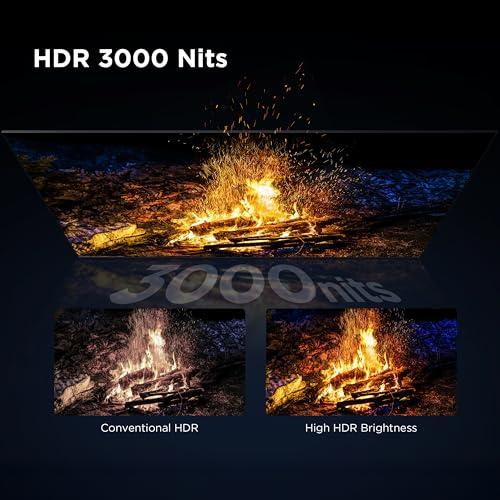
Here's where the TCL QM7K takes a commanding lead. With 3,000 nits of peak brightness compared to the LG's approximately 800-1,000 nits, the difference is immediately apparent with HDR content. Nits measure brightness—your typical TV might hit 400-500 nits, while a sunny day outside reaches about 10,000 nits.
This brightness advantage transforms HDR (High Dynamic Range) viewing. When Tony Stark's arc reactor glows in an Avengers movie, or when sunlight streams through a window in a nature documentary, the TCL can make these highlights genuinely dazzling. The extra brightness also means better performance in bright rooms—the TV can overcome ambient light that would wash out darker displays.
The LG G2's lower peak brightness isn't necessarily a flaw—it's more accurate to how content creators intended their work to be viewed in professional mastering suites. But it does mean the TV performs best in controlled lighting conditions.
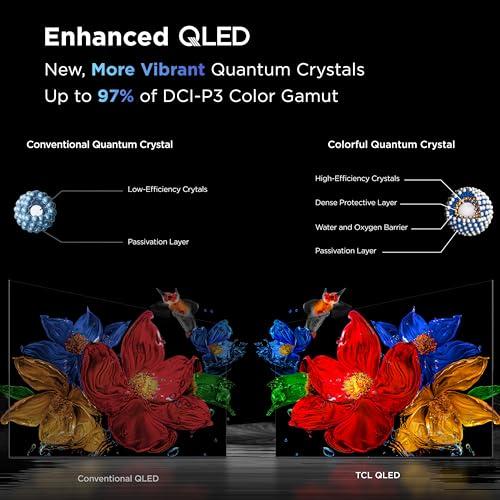
Both displays excel at color reproduction but take different approaches. The TCL QM7K uses quantum dots—microscopic semiconductor particles that emit very pure colors when hit by light. This creates a wide color gamut covering nearly the entire DCI-P3 color space that's used for premium content. Colors appear vibrant and punchy, particularly with animated content and nature documentaries.
The LG G2 OLED focuses on color accuracy rather than volume. OLED displays are often preferred by professional colorists and cinematographers because they can reproduce the exact colors intended by content creators. The result is more natural, film-like reproduction that some viewers prefer for movies.
Neither approach is objectively better—it depends on your preferences. If you love the vivid colors of Disney animated films or want your sports to pop off the screen, the quantum dots in the TCL deliver that wow factor. If you're a film purist who wants to see movies exactly as the director intended, the LG's accuracy might appeal more.
Gaming performance has become crucial as consoles like the PlayStation 5 and Xbox Series X push higher frame rates and resolutions. Here, the TCL QM7K takes a decisive victory in most categories.
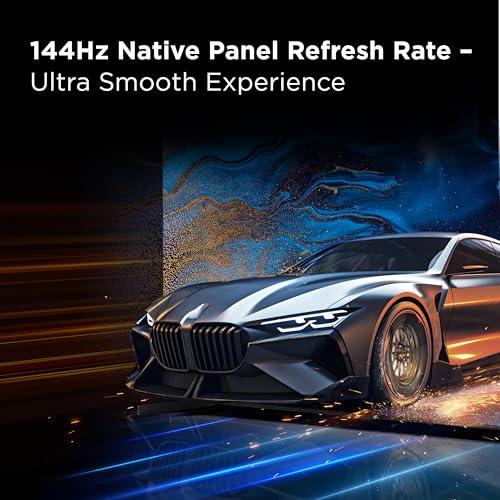
The TCL supports a native 144Hz refresh rate with its Game Accelerator technology pushing variable refresh rates up to 288Hz. Refresh rate determines how many times per second your screen updates the image. Higher refresh rates mean smoother motion, which is particularly important for competitive gaming where every millisecond counts.
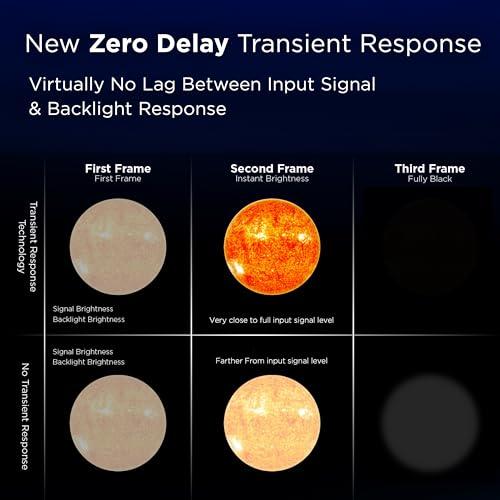
The LG G2 maxes out at 120Hz, which is still excellent but falls short of the TCL's capabilities. However, OLED technology provides an advantage the TCL can't match: sub-1ms response time. Response time measures how quickly individual pixels can change colors, and OLED's near-instantaneous pixel switching eliminates motion blur almost entirely.
For competitive gaming—think Call of Duty, Fortnite, or racing games—the TCL's higher refresh rates provide a tangible advantage. More frames per second mean smoother tracking of moving targets and reduced input lag. The support for AMD FreeSync Premium Pro and Variable Refresh Rate eliminates screen tearing when your console's frame rate fluctuates.
For single-player, cinematic games like The Last of Us or Red Dead Redemption, the LG G2's perfect blacks and instant response time create incredible atmosphere. Character models have better definition against dark backgrounds, and fast camera movements stay crystal clear thanks to the sub-1ms response time.
Both displays support Auto Low Latency Mode (ALLM), which automatically switches to game mode when it detects a gaming console, minimizing input lag without manual adjustment.
Modern TVs are essentially computers with displays, and both models offer sophisticated smart features, though with different philosophies.
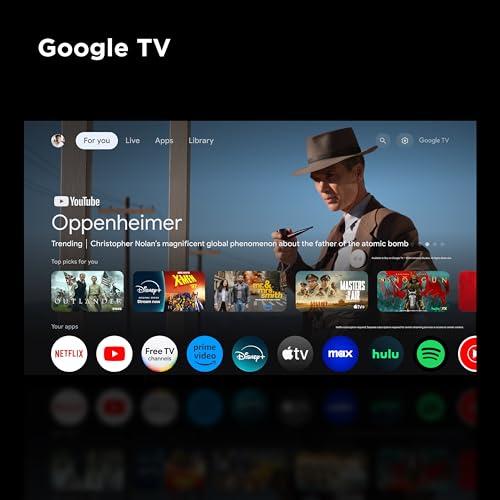
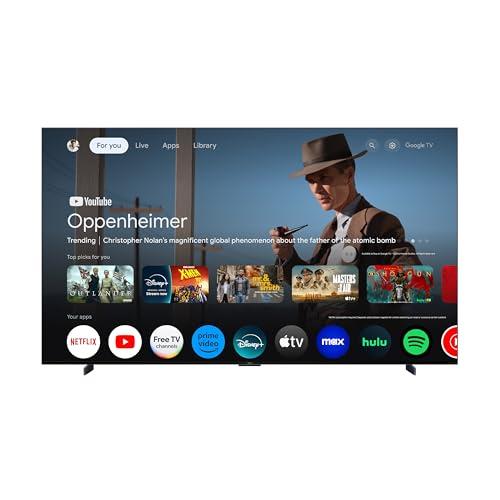
The TCL QM7K runs Google TV, which excels at content discovery across multiple streaming services. The AI learns your viewing habits and surfaces recommendations from Netflix, Disney+, Amazon Prime, and other services in a unified interface. The hands-free voice control means you can adjust settings or search for content without touching the remote.
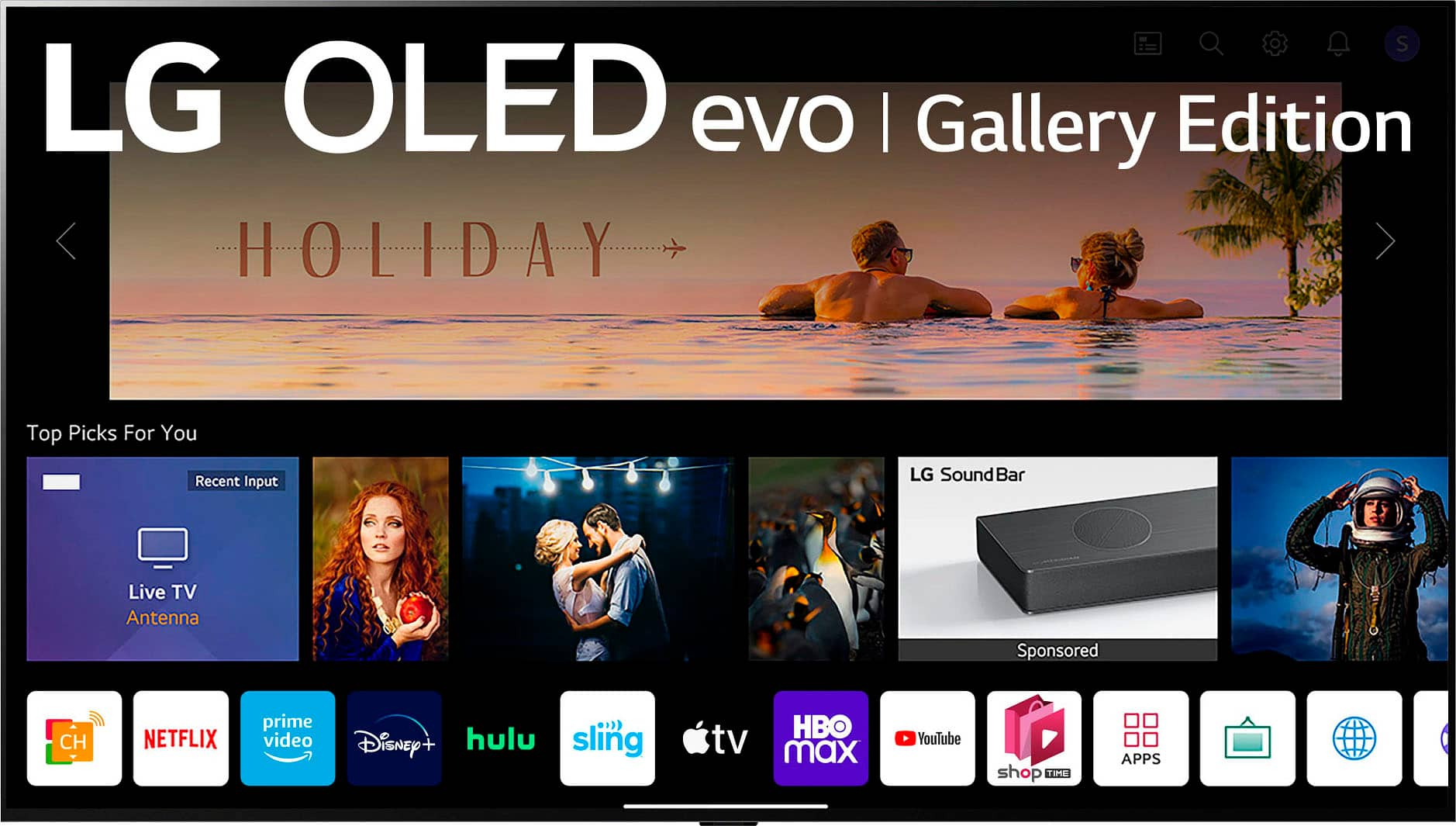
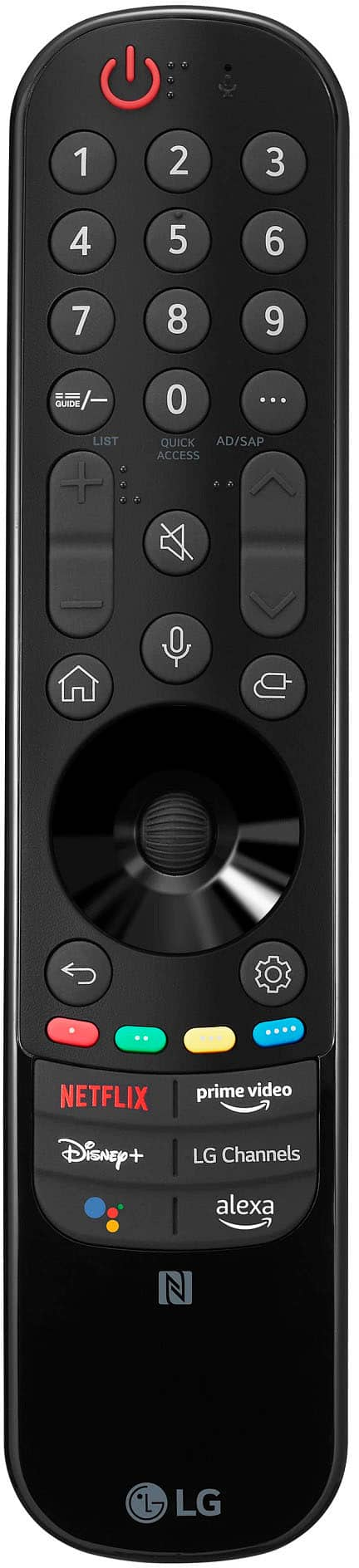
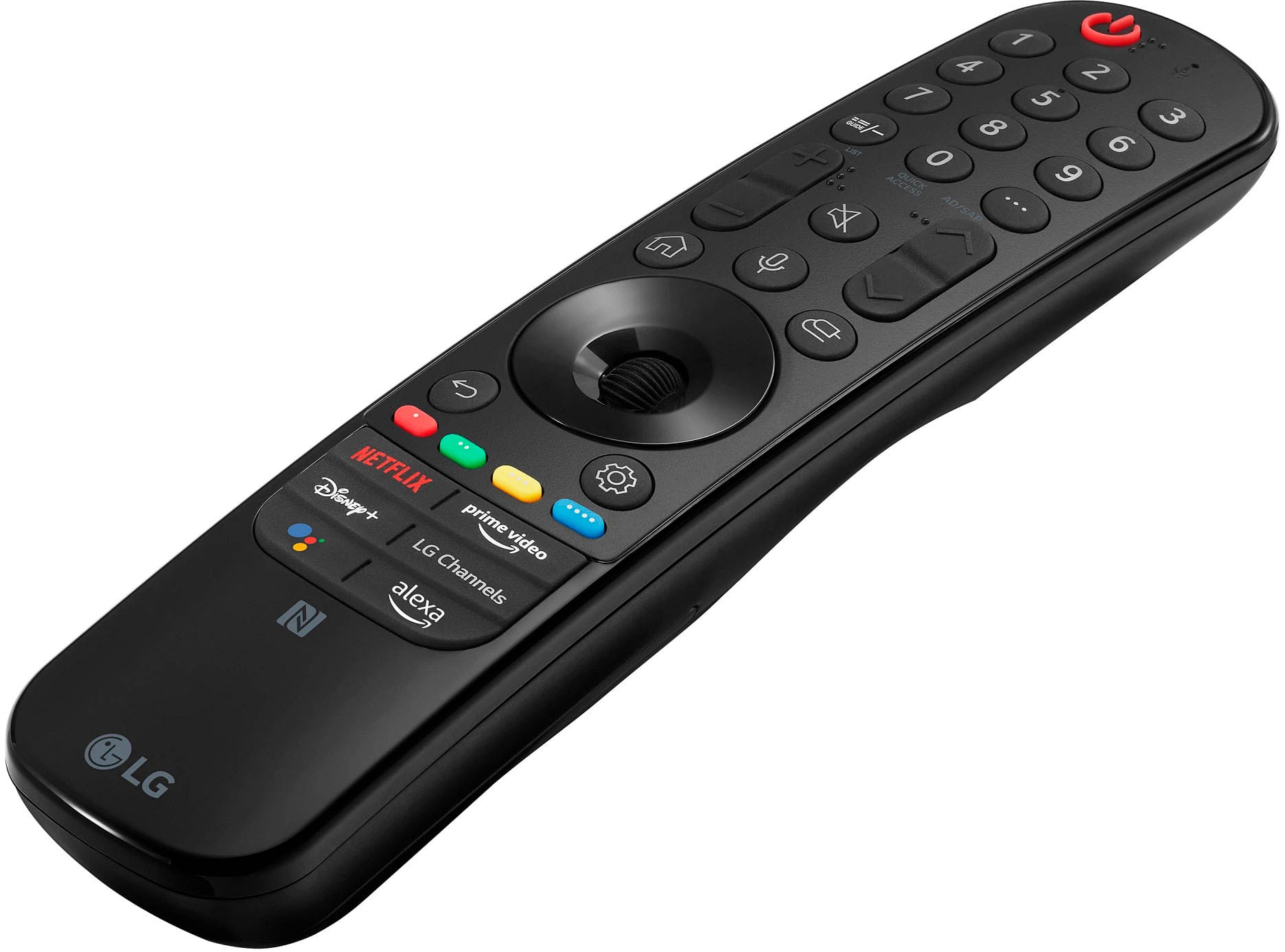
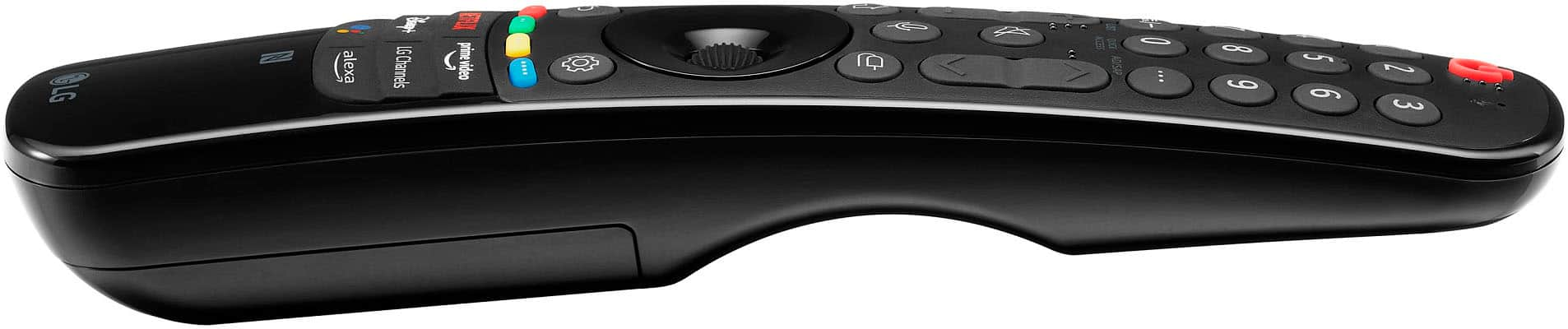
The LG G2 uses webOS, which many consider the most polished smart TV interface. The Magic Remote acts like a computer mouse, letting you point and click rather than navigating with arrow keys. The interface feels more premium and responsive, though it doesn't integrate cross-platform content discovery as seamlessly as Google TV.
Both platforms offer extensive app support and regular updates, so your choice might come down to personal preference or existing ecosystem integration.
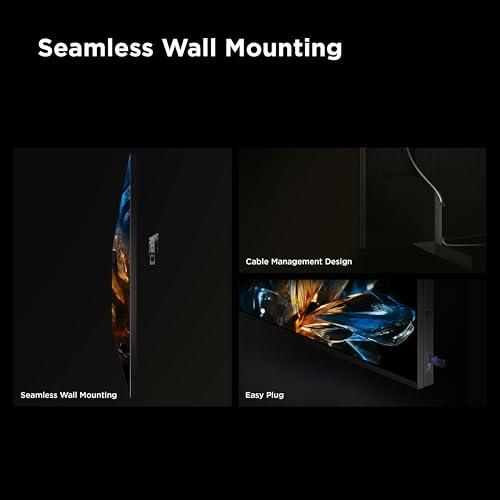
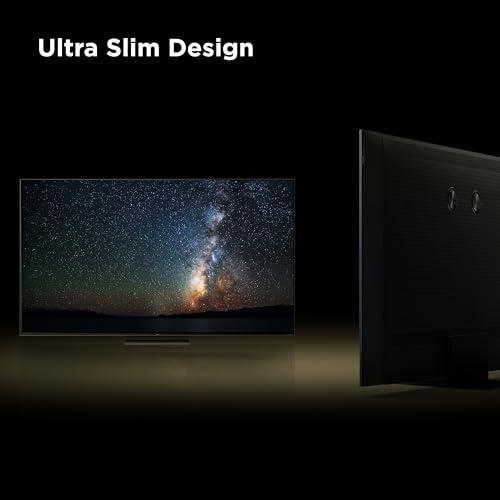
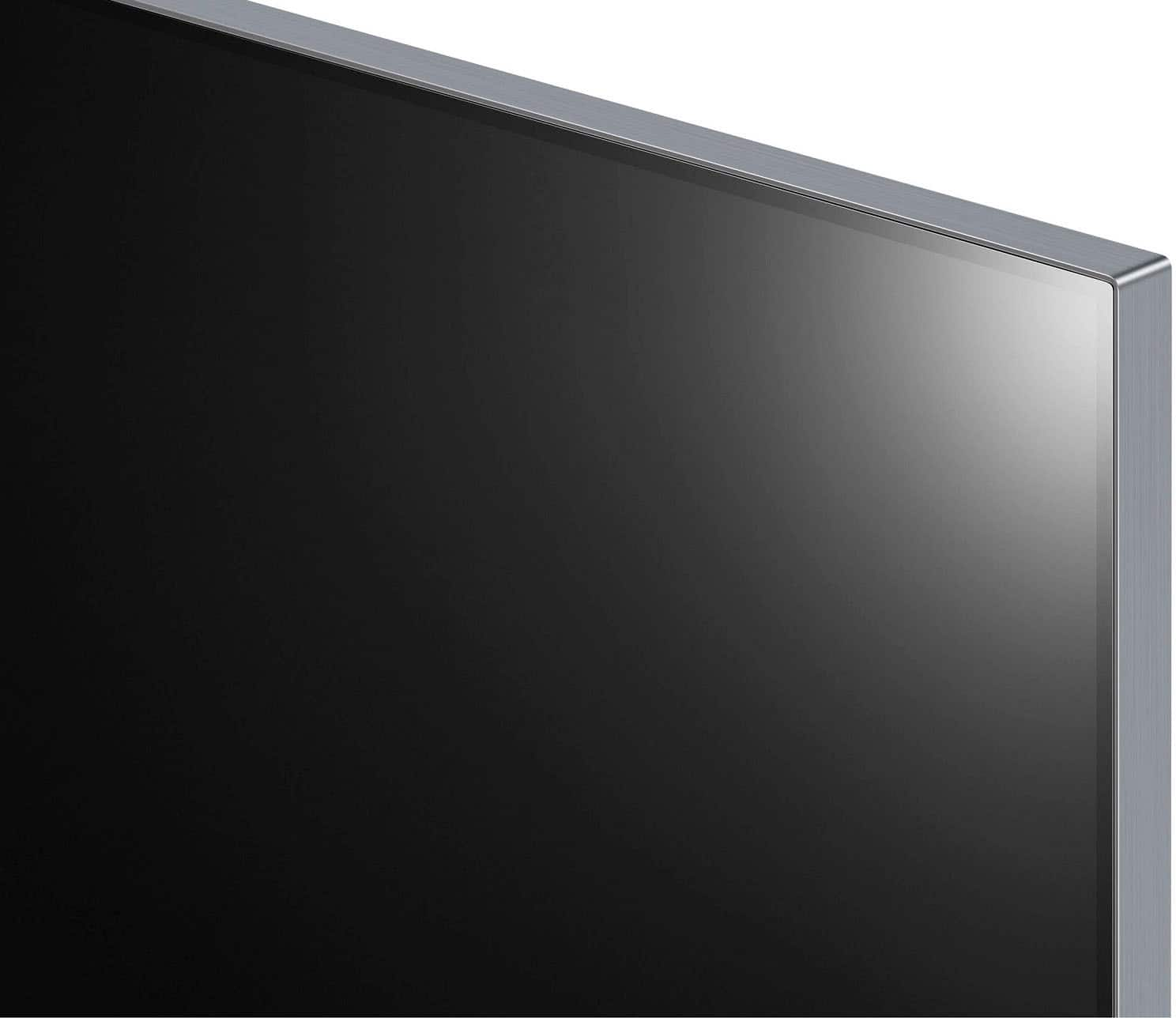
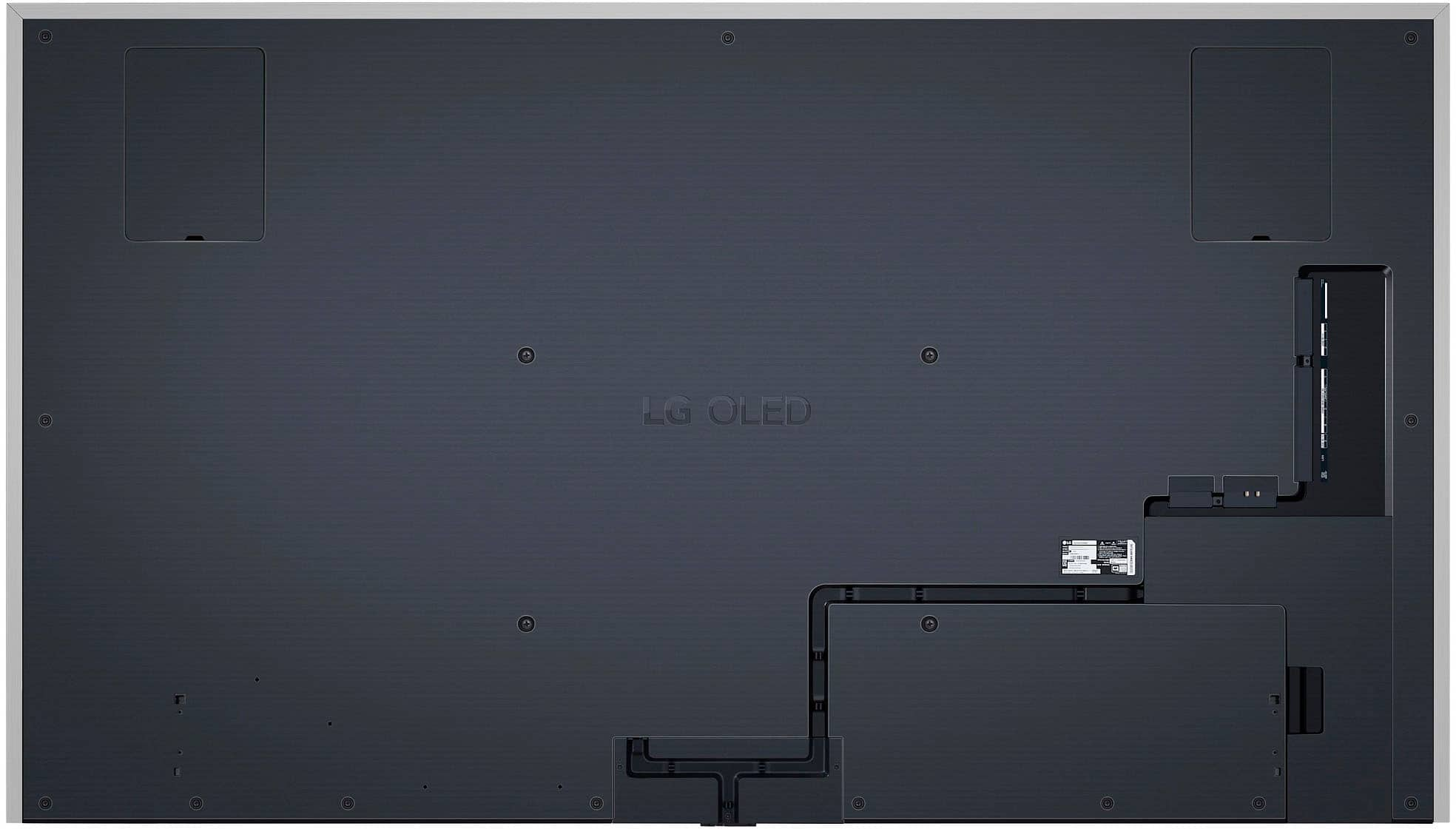
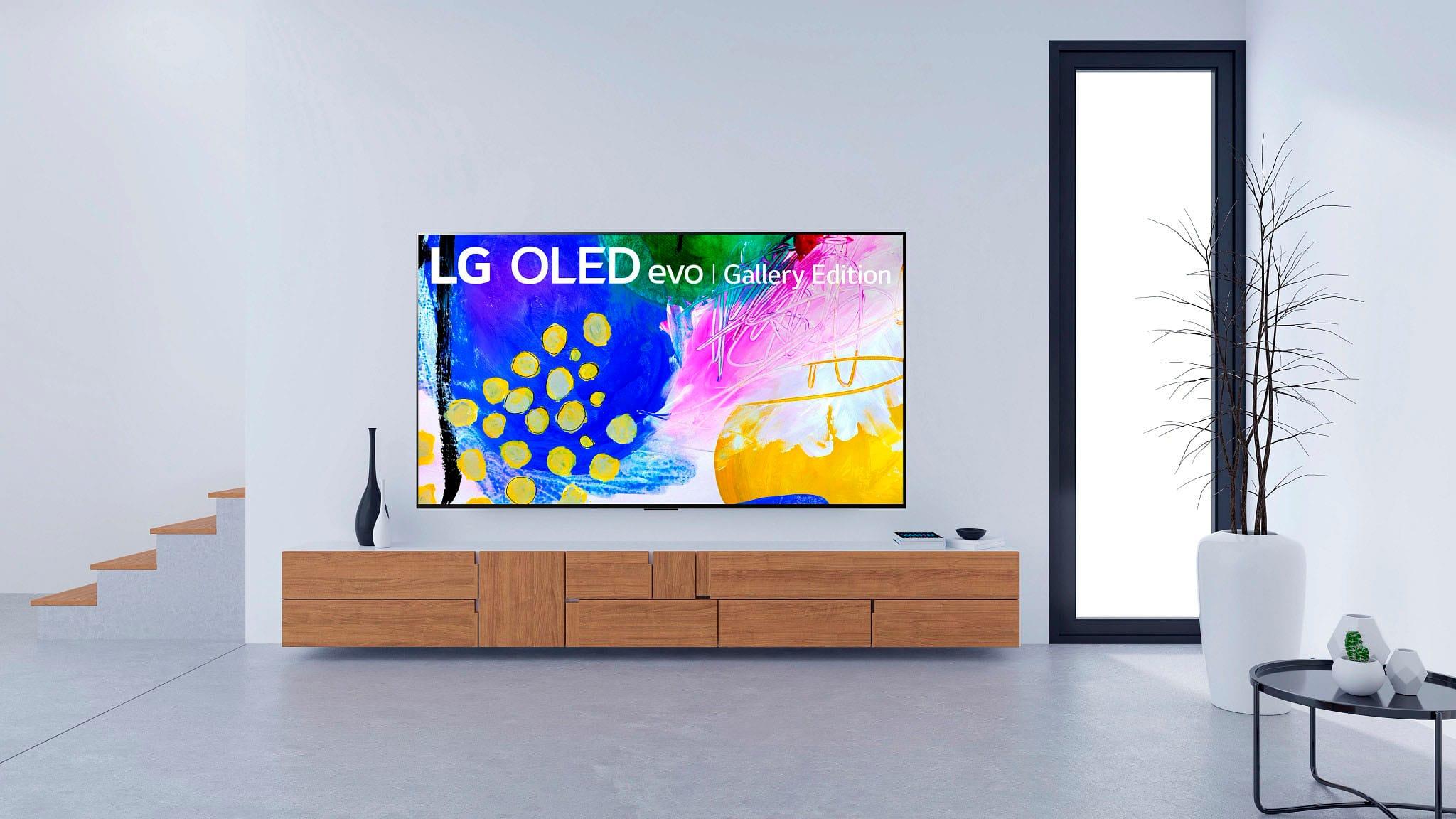
The LG G2 represents the pinnacle of TV design as part of LG's Gallery Series. At just 1.11 inches thick, it's designed to mount flush against the wall like a piece of art. This ultra-thin profile is possible because OLED panels don't require bulky backlighting systems. The minimalist aesthetic appeals to design-conscious buyers who want their TV to enhance rather than dominate their space.
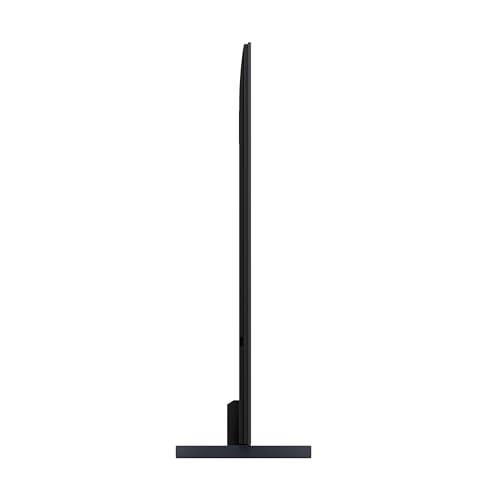
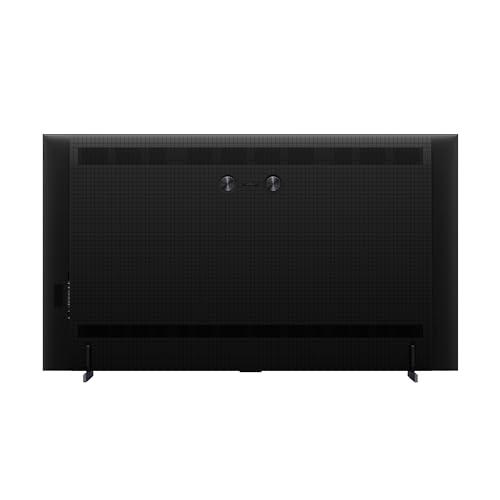
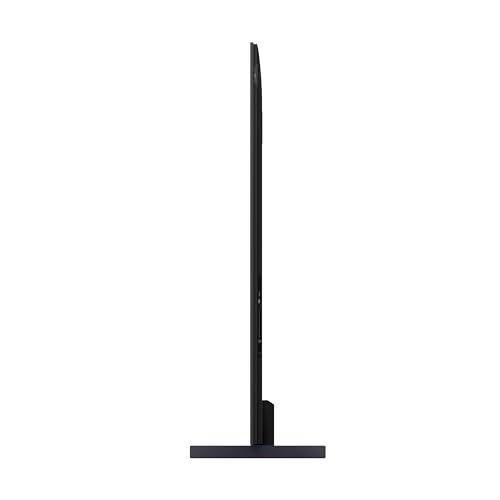
The TCL QM7K requires a more substantial mounting solution due to its Mini LED backlighting array but still maintains a relatively slim profile for its size. The focus here is more on performance than aesthetics, though the build quality remains solid and premium-feeling.
Both TVs are massive—we're talking about displays that are over seven feet wide and weigh well over 100 pounds. Professional installation is essentially mandatory, and you'll need to ensure your wall can support the weight and size.
Your viewing environment significantly impacts which display will perform better. This is perhaps the most important factor in your decision.
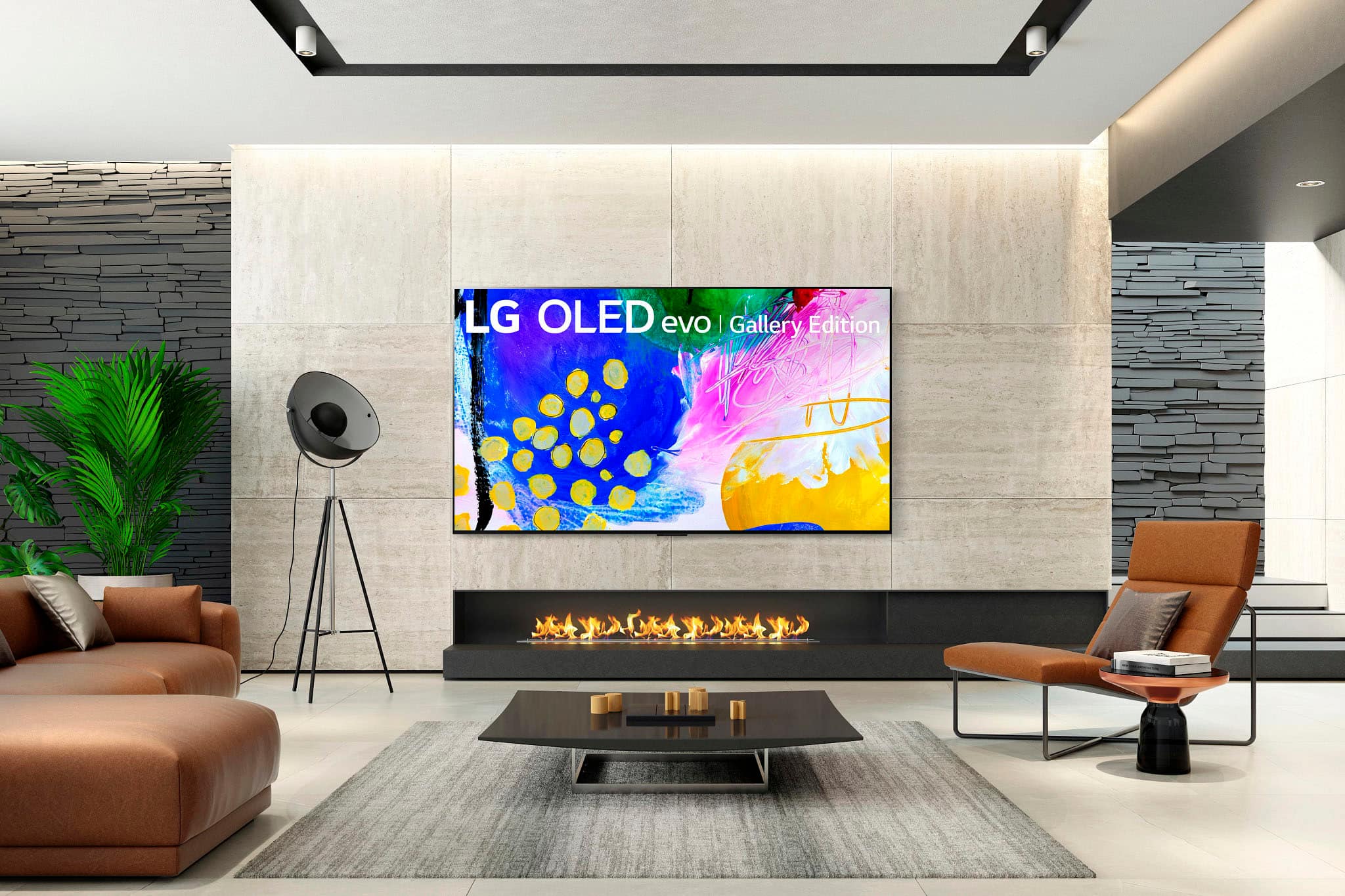
For dedicated home theaters with controlled lighting, the LG G2 OLED creates a more immersive cinematic experience. The perfect blacks make the screen boundaries disappear in dark scenes, creating that premium theater feeling. When watching films like "Dune" or "Blade Runner 2049," the OLED's infinite contrast brings out subtle details in shadows that LED displays simply can't match.
If your TV will live in a family room with windows and ambient lighting, the TCL QM7K is the clear choice. The 3,000-nit peak brightness can overcome light glare that would wash out the LG. The quantum dot color enhancement also helps maintain vibrant colors in brighter environments.
For most households that watch TV throughout the day in varying light conditions, the TCL's versatility makes it more practical. It performs well in bright conditions during daytime viewing and still delivers excellent contrast for evening movie watching.
At the time of writing, the pricing difference between these displays is substantial—the TCL QM7K costs significantly less while offering a larger screen size and newer technology. This price gap reflects different market positioning: the TCL aims to bring premium performance to a broader audience, while the LG targets buyers seeking the ultimate in picture quality regardless of cost.
The TCL also has no burn-in risk, unlike OLED technology which can develop permanent image retention from static elements like gaming HUDs or news tickers displayed for extended periods. While modern OLEDs like the LG G2 are much more resistant to burn-in than earlier generations, the risk remains minimal but present.
From a future-proofing perspective, the TCL's 2025 vintage means it incorporates the latest display technologies and will likely receive software support for longer.
You have a bright family room where the TV will be used throughout the day. The superior brightness and larger 98-inch screen create an impressive viewing experience for sports, gaming, and everyday entertainment. The gaming capabilities make it ideal for households with serious gamers, and the quantum dot color enhancement delivers that "wow factor" that impresses guests.
The exceptional value proposition means you're getting premium performance without the luxury pricing. For most buyers seeking the best overall experience, this represents the sweet spot of performance and value.
You have a dedicated dark home theater where picture quality is paramount. If you're a film enthusiast who appreciates reference-quality color accuracy and perfect blacks, the OLED experience remains unmatched. The Gallery Series design appeals to buyers who view their TV as a premium design element.
You're willing to pay significantly more for marginal but meaningful improvements in picture quality, and your viewing is primarily focused on movies and premium content in controlled lighting conditions.
Both displays represent excellent choices in the premium large-screen category, but they serve different needs. The TCL QM7K delivers about 90% of the premium experience at a much more accessible price point, with superior brightness and gaming performance that make it better suited for most real-world viewing environments.
The LG G2 OLED provides that final 10% of picture quality refinement that justifies its premium pricing for dedicated home theater enthusiasts. The perfect blacks and reference-quality colors create an unmatched cinematic experience, but only in the right environment.
For most buyers, the TCL represents the rational choice—newer technology, larger screen, better gaming features, and superior bright-room performance at exceptional value. The LG remains the choice for purists with dedicated dark theaters who prioritize perfect blacks above all else.
The decision ultimately comes down to your specific viewing environment, priorities, and budget. Both displays will provide years of premium entertainment, but understanding their different strengths ensures you'll choose the one that best fits your needs.
| TCL 98" QM7K QD-Mini LED 4K TV | LG 97" G2 Series OLED evo 4K UHD Smart TV |
|---|---|
| Screen Size - Larger screen provides more immersive viewing but requires bigger room | |
| 98 inches (ideal for large rooms 12+ feet viewing distance) | 97 inches (premium large size, slightly more manageable) |
| Display Technology - Fundamental difference affecting picture quality and room suitability | |
| QD-Mini LED with 2,500+ local dimming zones (excellent brightness, minimal blooming) | OLED evo with self-lit pixels (perfect blacks, requires dark rooms) |
| Peak Brightness - Critical for HDR impact and bright room performance | |
| 3,000 nits (excellent for daytime viewing and HDR highlights) | ~800-1,000 nits (requires controlled lighting for best experience) |
| Black Levels - Affects contrast and cinematic experience | |
| Very deep blacks with minimal blooming (approaching OLED quality) | Perfect infinite blacks (pixels turn completely off) |
| Gaming Performance - Important for console gaming and PC use | |
| 144Hz native, up to 288Hz VRR with Game Accelerator (superior for competitive gaming) | 120Hz with <1ms response time (excellent motion clarity) |
| Smart Platform - Affects daily usability and app experience | |
| Google TV with hands-free voice control (excellent content discovery) | webOS with Magic Remote pointer control (premium polished interface) |
| Release Year - Indicates technology generation and future support | |
| 2025 (latest Mini LED and quantum dot advances) | 2022 (proven OLED evo technology, established track record) |
| Burn-in Risk - Long-term durability consideration for varied content | |
| No burn-in risk (Mini LED technology immune to image retention) | Minimal but possible burn-in risk from static content over time |
| Design Profile - Installation and aesthetic considerations | |
| Standard TV thickness requiring robust wall mount | Ultra-thin 1.11" Gallery Series design for flush wall mounting |
| Audio System - Built-in sound quality affects need for external speakers | |
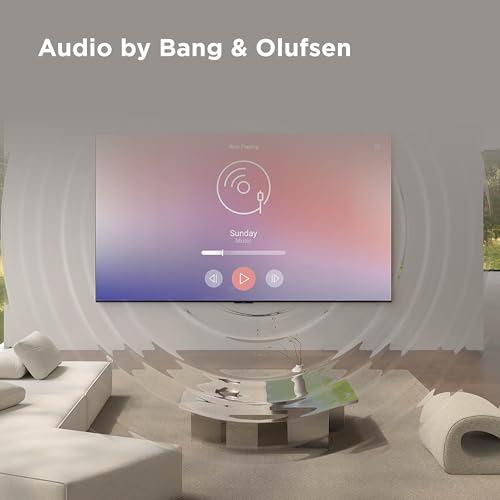
| Bang & Olufsen tuned with higher wattage (potentially eliminates soundbar need) | AI-optimized sound processing (most users add external audio) |
| Color Technology - Affects color accuracy and vibrancy preferences | |
| Quantum Dot enhanced colors covering DCI-P3 gamut (vibrant, punchy colors) | Reference-standard OLED color accuracy (film-like natural reproduction) |
| Best Use Case - Ideal viewing environment and user type | |
| Mixed lighting family rooms, gaming enthusiasts, value-conscious buyers | Dedicated dark home theaters, film purists, premium design focus |
The TCL 98" QM7K is significantly better for bright rooms due to its 3,000-nit peak brightness and anti-reflective coating. The LG 97" G2 OLED only reaches about 800-1,000 nits and can struggle with reflections in bright lighting conditions. If your TV will be in a living room with windows or ambient lighting, the TCL QM7K will maintain better picture quality throughout the day.
The TCL QM7K uses Mini LED technology, which employs thousands of small LEDs behind the screen with local dimming zones for precise brightness control. The LG G2 OLED uses OLED technology where each individual pixel creates its own light and can turn completely off for perfect blacks. Mini LED offers higher brightness and no burn-in risk, while OLED provides perfect contrast and wider viewing angles.
The TCL 98" QM7K is better for most gaming scenarios, offering 144Hz native refresh rate and up to 288Hz Variable Refresh Rate support with Game Accelerator technology. The LG 97" G2 OLED maxes out at 120Hz but provides sub-1ms response time for incredibly clear motion. Choose the TCL for competitive gaming and high refresh rates, or the LG for single-player games where motion clarity is most important.
The TCL QM7K has no burn-in risk since it uses Mini LED technology that's immune to permanent image retention. The LG G2 OLED has minimal but possible burn-in risk from static content like gaming HUDs or news tickers displayed for extended periods. Modern OLEDs are much more resistant to burn-in than earlier generations, but the risk still exists with the LG G2.
The LG 97" G2 OLED has superior black levels with perfect infinite contrast since individual pixels can turn completely off. The TCL 98" QM7K achieves very deep blacks through its 2,500+ local dimming zones with minimal blooming, approaching OLED quality but not quite matching the perfect blacks of the LG G2. For dark room viewing, the OLED provides more cinematic depth.
The TCL 98" QM7K offers a 98-inch screen while the LG 97" G2 OLED is 97 inches. This 1-inch difference is negligible in practical viewing. Both require large rooms with 12+ foot viewing distances and professional installation due to their massive size and weight of over 100 pounds each.
The TCL QM7K runs Google TV, which excels at content discovery across streaming services with AI-powered recommendations and hands-free voice control. The LG G2 OLED uses webOS with its Magic Remote pointer control system, offering a more premium and polished interface experience. Both platforms provide extensive app support and regular updates, so choice often comes down to personal preference.
The TCL 98" QM7K uses Quantum Dot technology for vibrant, punchy colors covering nearly the complete DCI-P3 color gamut, making content like animated movies and nature documentaries really pop. The LG 97" G2 OLED focuses on reference-standard color accuracy preferred by film professionals, providing more natural, film-like color reproduction. Neither is objectively better—it depends on whether you prefer vivid colors or accurate reproduction.
For dedicated dark home theaters, the LG G2 OLED creates a more immersive cinematic experience with perfect blacks that make screen boundaries disappear in dark scenes. However, if your home theater has any ambient light or mixed usage, the TCL QM7K provides better versatility with superior brightness and larger screen size while still delivering excellent contrast for evening movie watching.
The LG 97" G2 OLED features ultra-premium Gallery Series design at just 1.11 inches thick, designed to mount flush against walls like artwork. The TCL 98" QM7K has a more traditional TV design requiring robust mounting due to its Mini LED backlighting system. Both offer solid build quality, but the LG emphasizes premium aesthetics while the TCL focuses on performance value.
The TCL 98" QM7K offers significantly better value, delivering approximately 90% of premium performance at a much lower cost than the LG G2 OLED. You get newer 2025 technology, larger screen size, superior gaming features, and better bright room performance. The LG justifies its premium pricing only if you prioritize perfect blacks and reference color accuracy in a dedicated dark theater environment.
For most living room setups, the TCL 98" QM7K is the better choice due to its superior brightness handling ambient light, excellent gaming performance, and larger screen size at better value. Choose the LG 97" G2 OLED only if you have a dedicated dark viewing environment where you can fully appreciate its perfect blacks and reference-quality colors, and you're willing to pay significantly more for those specific advantages.
We've done our best to create useful and informative comparisons to help you decide what product to buy. Our research uses advanced automated methods to create this comparison and perfection is not possible - please contact us for corrections or questions. These are the sites we've researched in the creation of this article: bestbuy.com - tcl.com - youtube.com - rtings.com - tcl.com - youtube.com - youtube.com - tcl.com - tomsguide.com - manuals.plus - youtube.com - tcl.com - whathifi.com - bestbuy.com - queencityonline.com - electronicexpress.com - tcl.com - valueelectronics.com - tcl.com - bestbuy.com - bestbuy.com - youtube.com - woodruffappliance.com - karlsonline.com - tcl.com - digitaltrends.com - xssentials.com - valueelectronics.com - youtube.com - bestbuy.com - rangsemart.com.bd - woodburyappliance.com - displaymate.com - youtube.com - rtings.com - displayspecifications.com - techradar.com - avsforum.com - lg.com - youtube.com

Privacy Policy
Terms and Conditions - Affiliate Policy
Home Security
© Copyright 2008-2026.
11816 Inwood Rd #1211, Dallas, TX 75244