

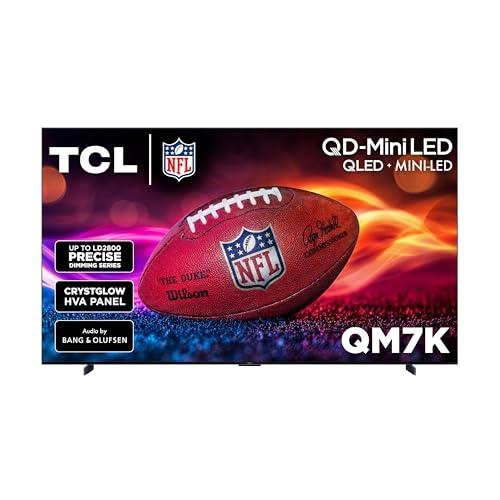
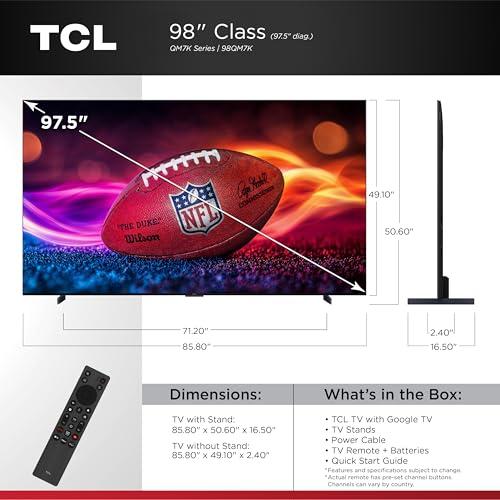
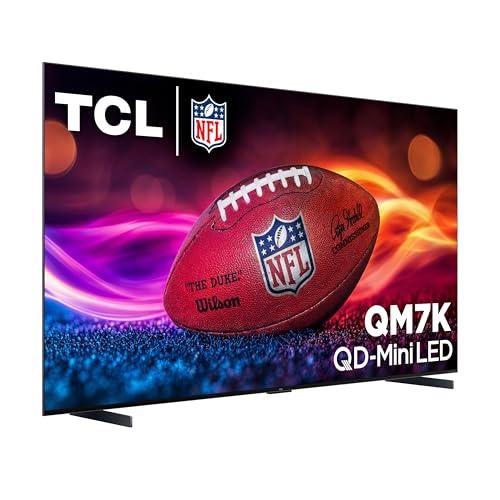
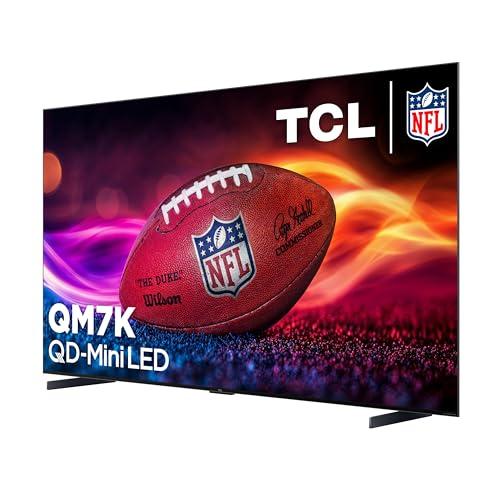
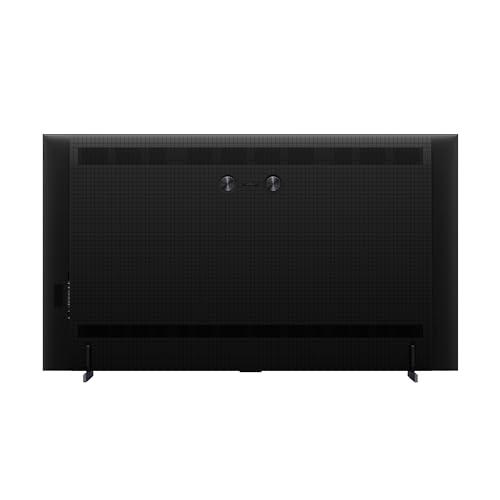
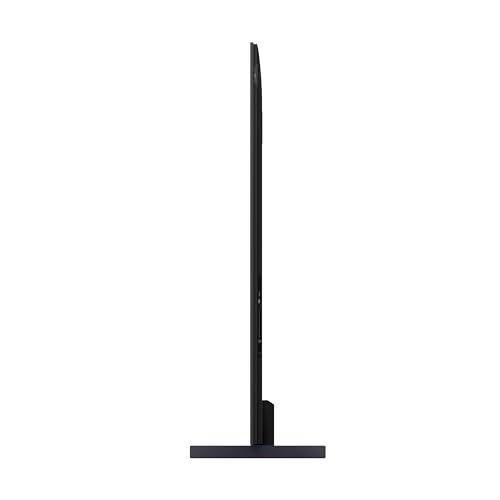
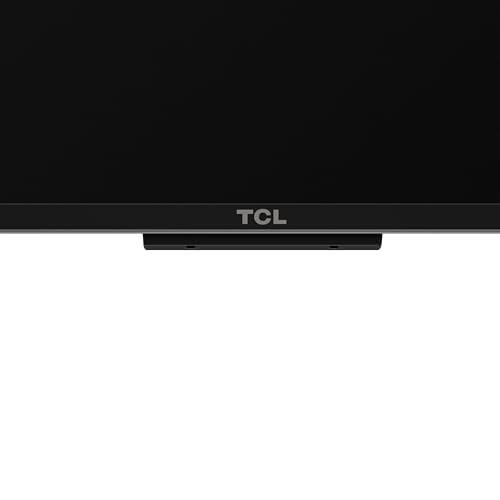
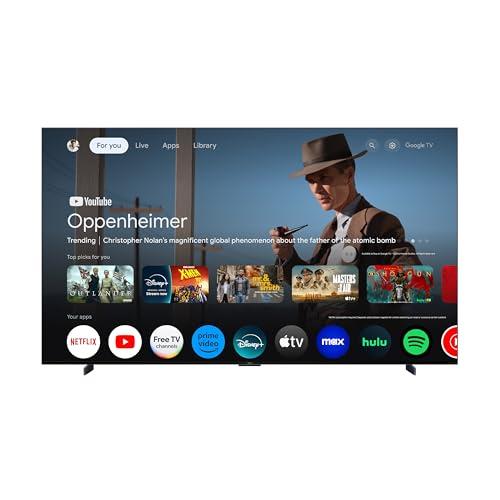
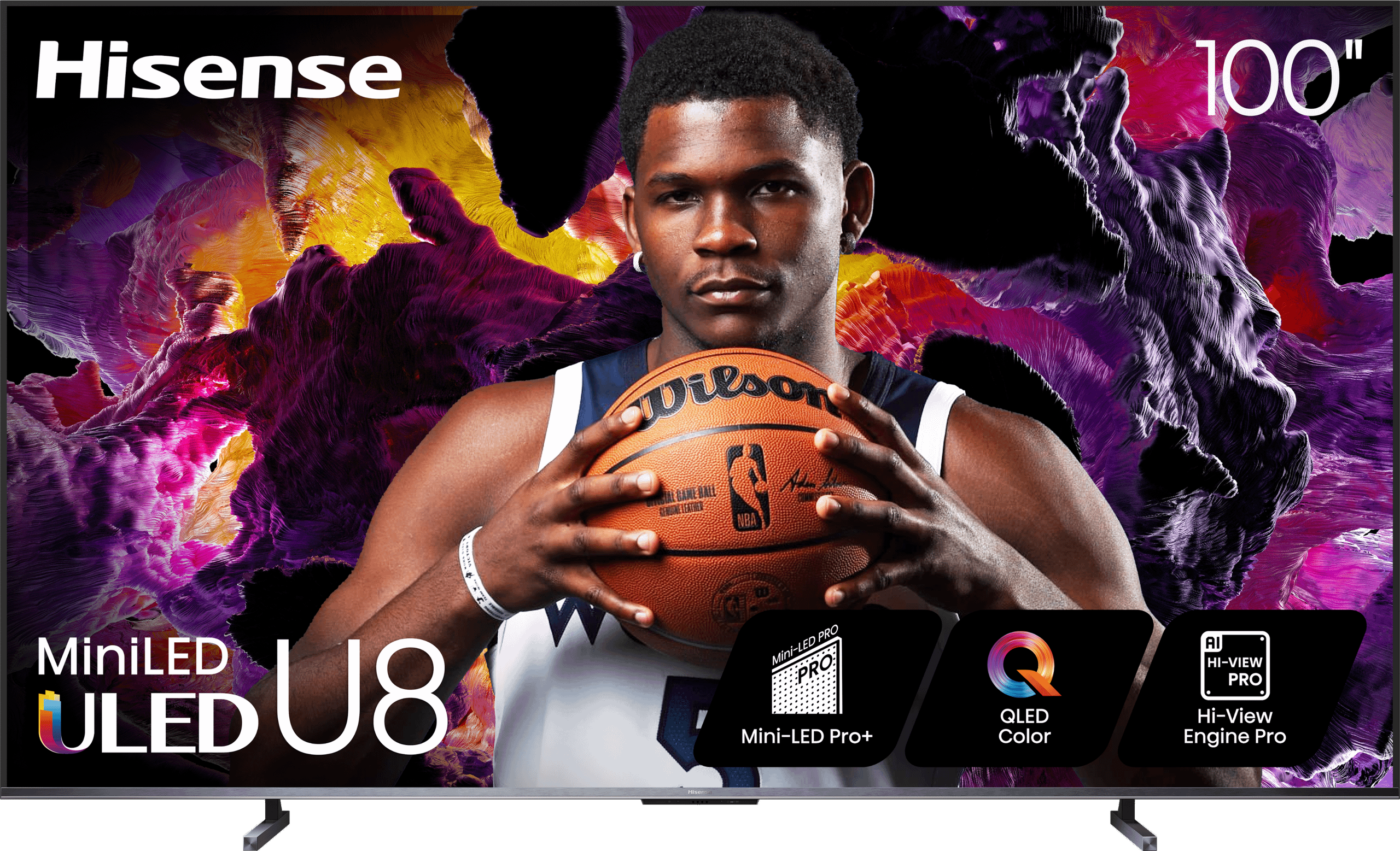

When you're ready to transform your living room into a home theater, few decisions matter more than choosing the right massive TV. The TCL 98" QM7K and Hisense 100" Class U8 Series represent two compelling approaches to delivering cinema-sized entertainment at home. Both released in 2023, these displays showcase how far large-format TV technology has advanced, but they take notably different paths to reach similar price points at the time of writing.
The world of 95+ inch TVs has exploded over the past few years, driven by falling Mini LED costs and improved manufacturing techniques. Where a 100-inch display might have cost $10,000+ just five years ago, today's market offers compelling options that deliver exceptional performance without requiring a second mortgage.
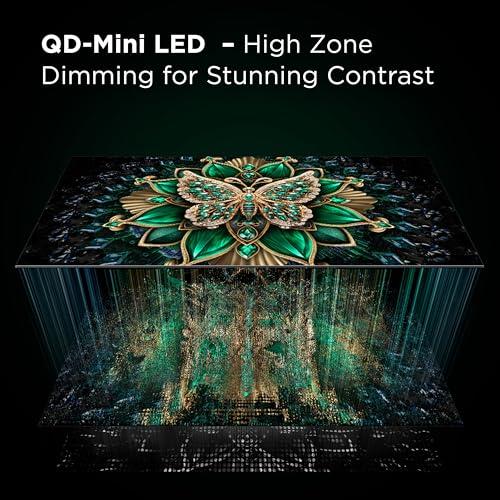
The key breakthrough has been Mini LED technology, which uses thousands of tiny LEDs as backlighting instead of traditional edge-lit or full-array systems. Think of it like replacing a few powerful flashlights with hundreds of precise pen lights – you get much better control over where light goes and where darkness should remain. This creates the deep blacks and bright highlights that make HDR content truly shine.
When evaluating these massive displays, several technical specifications matter most. Peak brightness determines how punchy HDR highlights appear and how well the TV performs in bright rooms. Local dimming zones control how precisely the TV can create contrast between bright and dark areas within the same scene. Color gamut coverage affects how vibrant and accurate colors appear, particularly in premium content like 4K Blu-rays and streaming services.
For gaming, refresh rate and variable refresh rate (VRR) support determine how smooth motion appears, especially in fast-paced games. Input lag – the delay between pressing a controller button and seeing the action on screen – can make or break competitive gaming experiences.
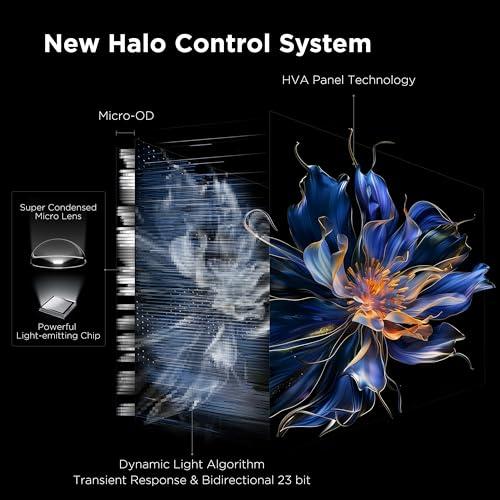
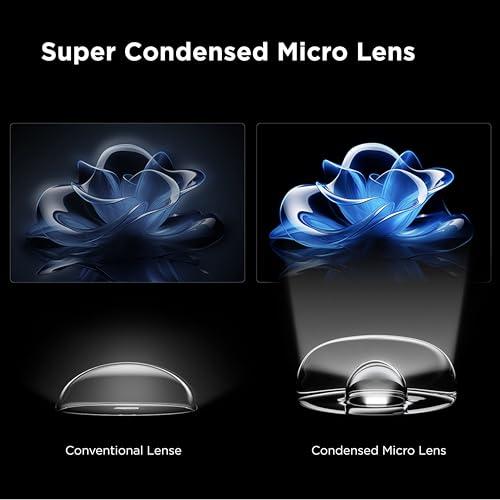
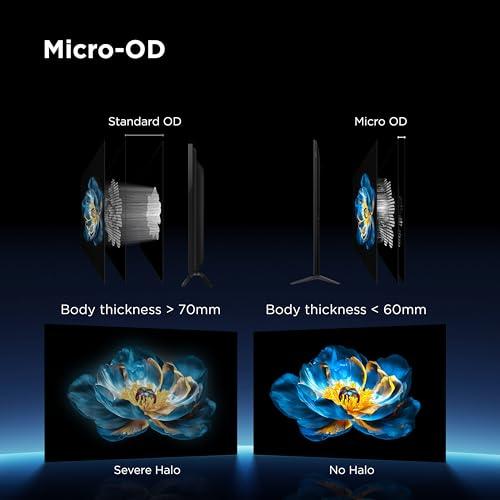
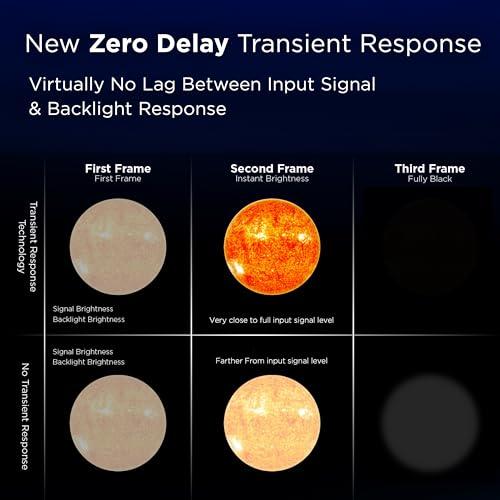
The TCL 98" QM7K represents TCL's flagship approach: pack cutting-edge display technology into a slightly smaller package while maintaining competitive pricing. Released in 2023, it showcases TCL's latest Halo Control System, designed to eliminate the "blooming" effect that has historically plagued Mini LED displays. When a bright star appears against a dark sky, traditional Mini LED TVs often create unwanted halos of light around bright objects. TCL's solution involves ultra-precise LED control and advanced optical engineering.
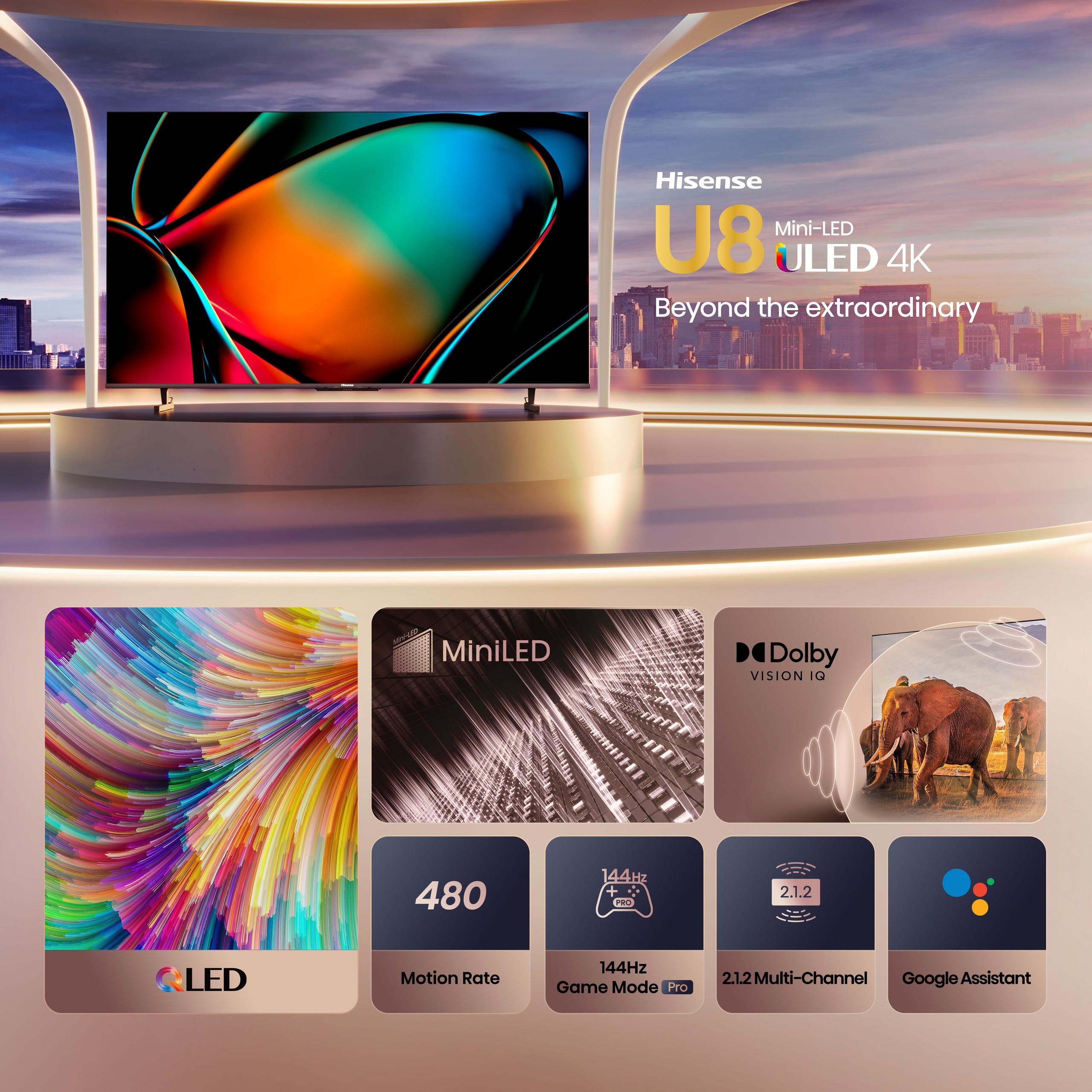
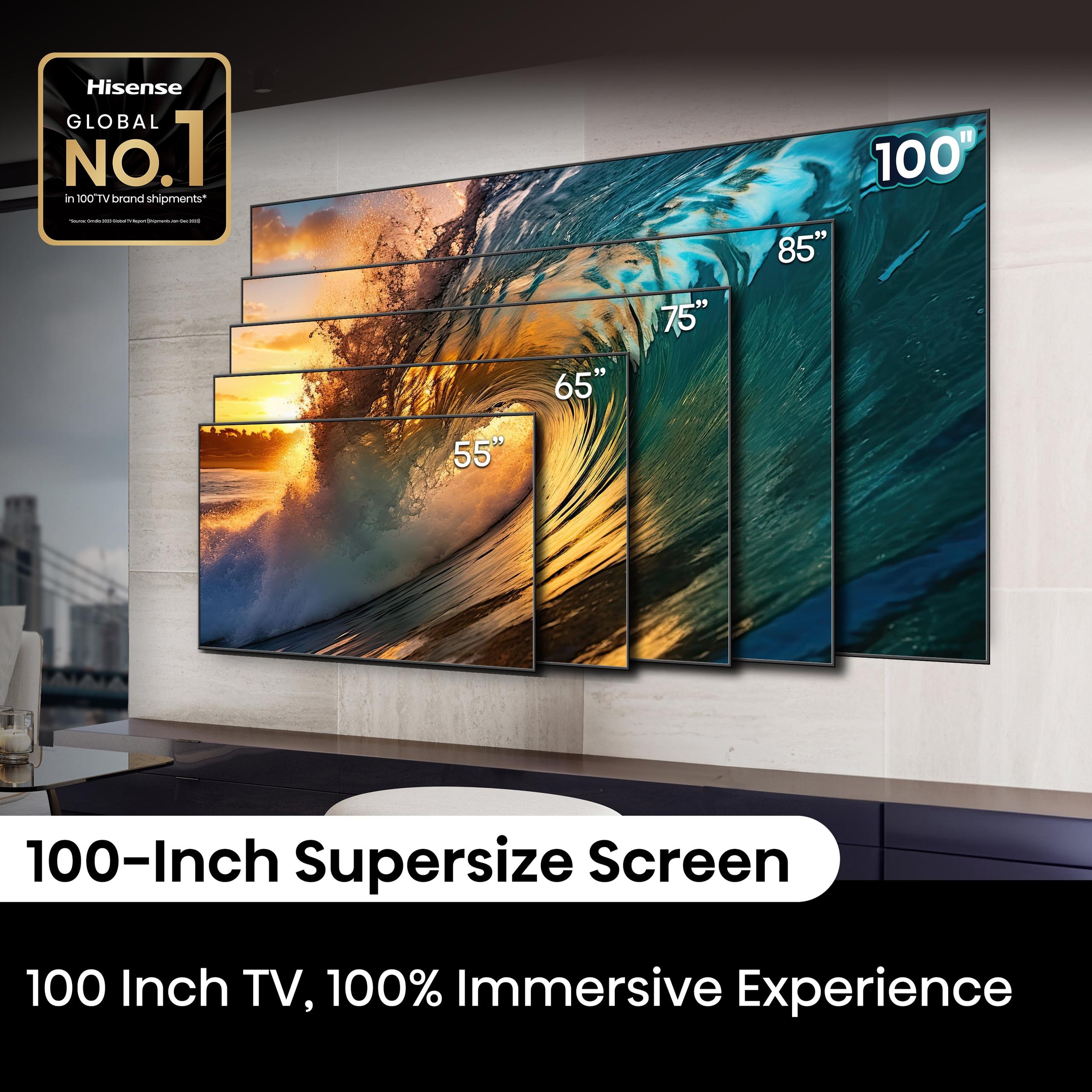
The Hisense 100" Class U8 Series, also from 2023, takes the "bigger is better" philosophy. Rather than chase the absolute bleeding edge of display technology, Hisense focuses on delivering solid performance across a genuinely massive 100-inch screen. It's the classic value proposition: more screen real estate for your money, with performance that's very good rather than exceptional.
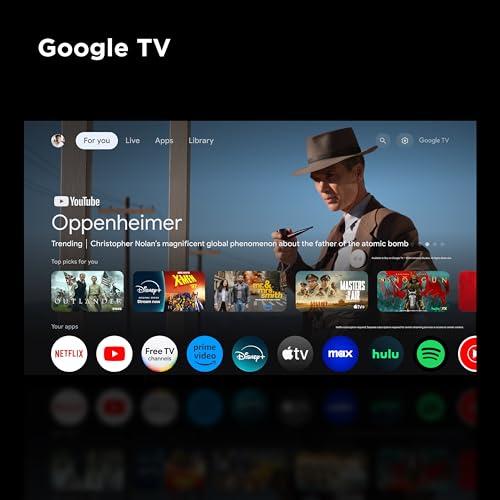
Both TVs use Google TV as their smart platform, which has matured significantly since its rocky early days. The interface now organizes content intelligently across streaming services, making it easier to discover what to watch next rather than hunting through individual apps.
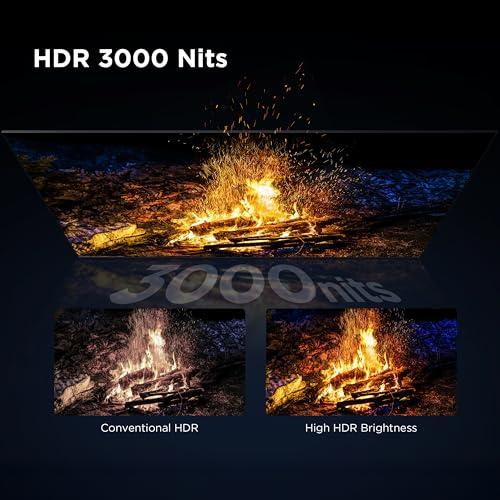
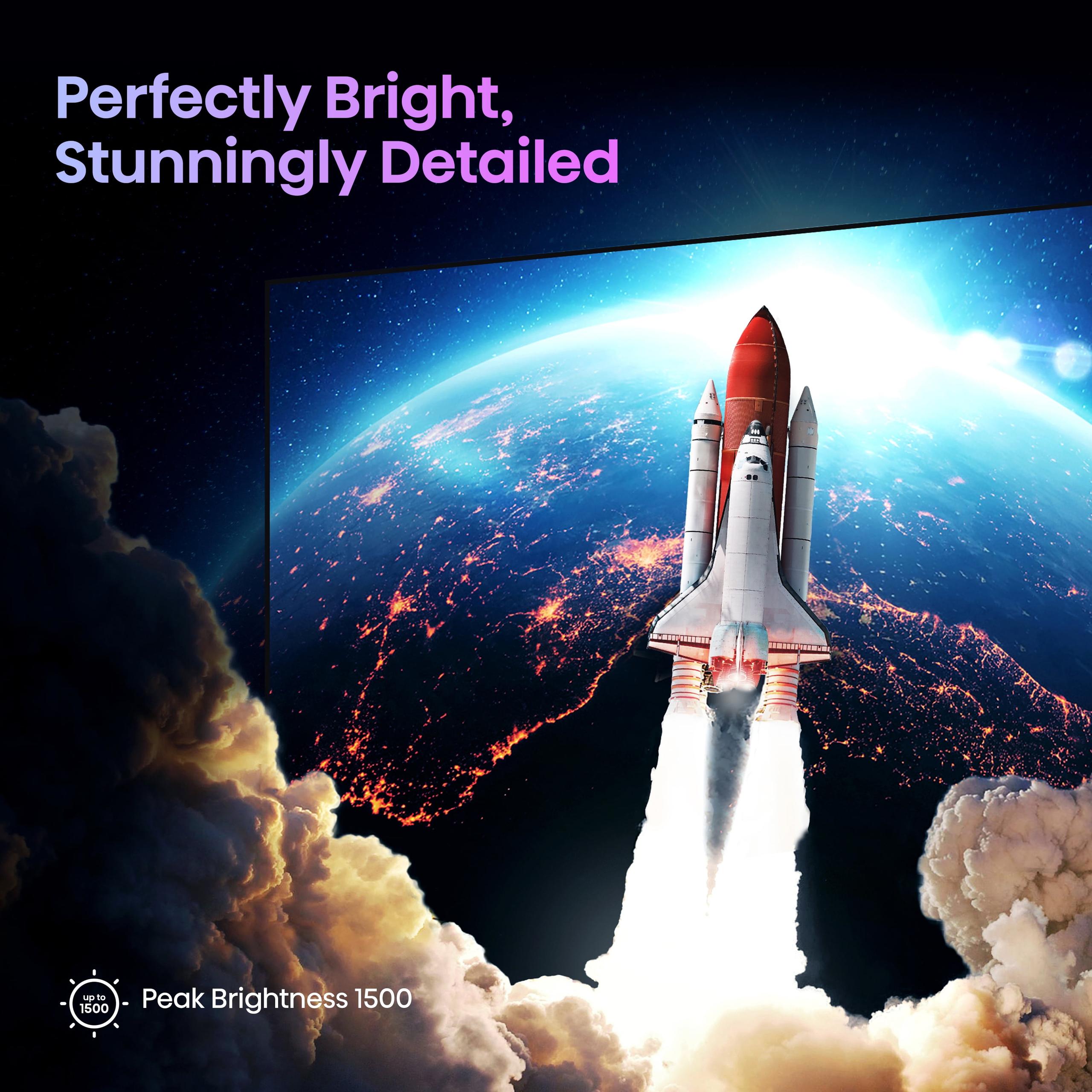
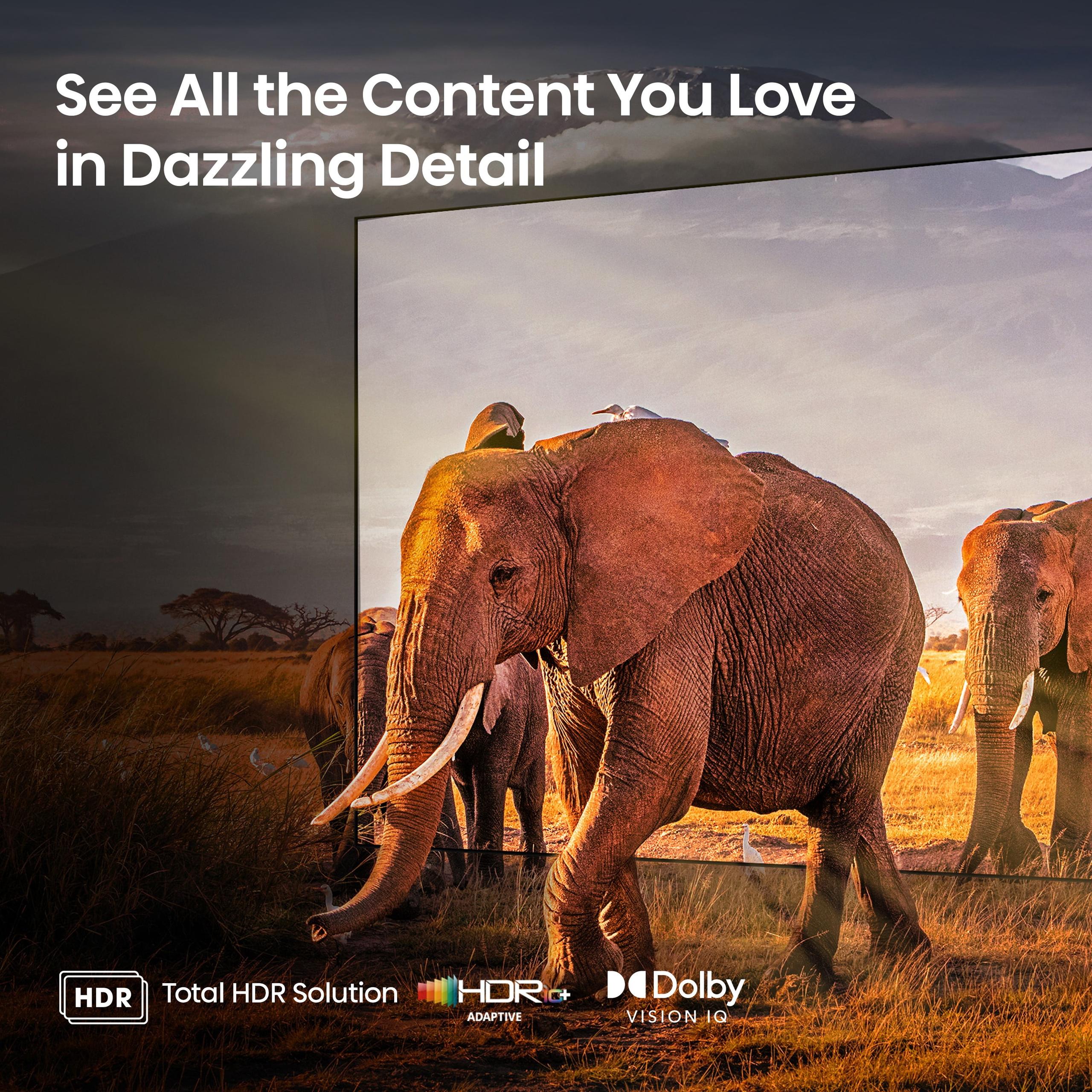
The most significant performance gap between these TVs lies in peak brightness capability. The TCL QM7K achieves an extraordinary 3,000 nits of peak brightness, while the Hisense U8 reaches 1,500 nits – still impressive, but exactly half of TCL's output.
Why does this matter? Peak brightness directly translates to HDR impact. When you're watching a movie scene with sunlight streaming through a window or explosions lighting up a dark battlefield, higher peak brightness makes these highlights appear more realistic and impactful. In practical terms, the TCL can make bright objects in HDR content appear genuinely bright, not just brighter than their surroundings.
This brightness advantage becomes even more important in typical living room environments. Many people assume they need to darken their room for the best TV experience, but the reality is that most viewing happens with some ambient light present. The TCL's superior brightness helps it maintain contrast and color accuracy even when table lamps are on or sunlight is filtering through windows.
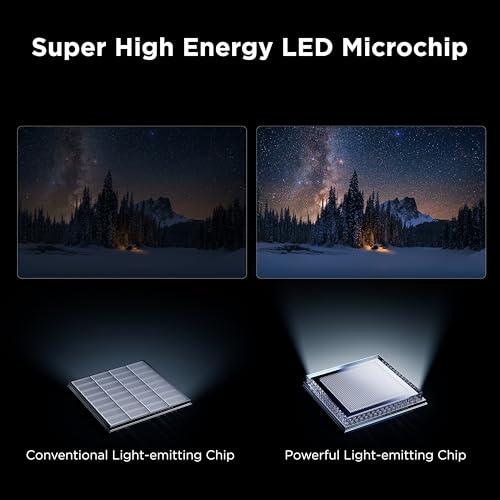
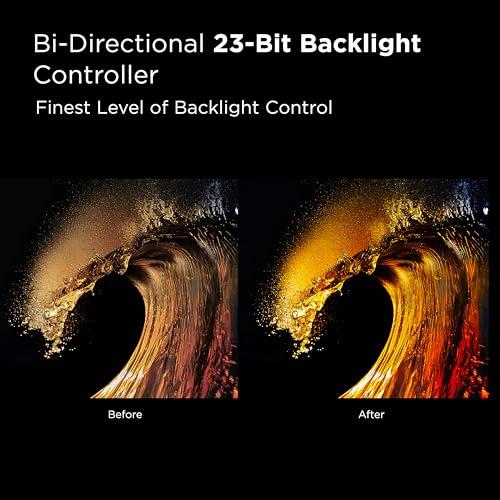
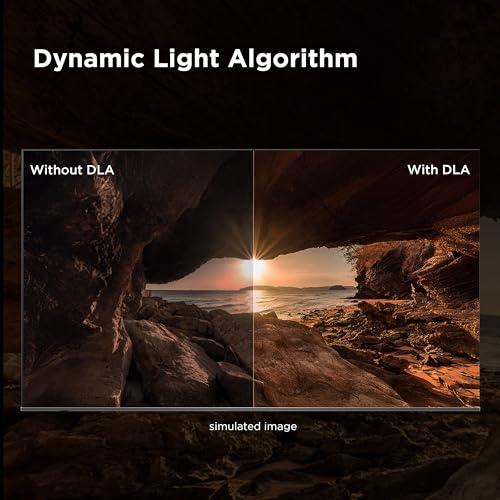
The TCL QM7K employs up to 2,500 individual dimming zones, each capable of independent brightness control. This massive array of zones, combined with TCL's Halo Control System, creates what they call "pixel-level precision" in brightness control. The system includes several technical innovations worth understanding: a Super High Energy LED microchip provides both higher brightness and efficiency, while Micro-OD (Optical Distance) technology reduces the space between the backlight and screen surface, minimizing light bleeding between zones.
The Hisense U8 uses Full Array Local Dimming but doesn't specify exact zone counts in most documentation. Based on our research of similar Hisense models and expert reviews, it likely employs several hundred zones – respectable for the price point but significantly fewer than the TCL's implementation.
In practical viewing, this translates to better black levels and less blooming on the TCL. When watching content with bright objects against dark backgrounds – think spaceship battles in dark space or car headlights on a night road – the TCL maintains cleaner separation between light and dark areas.
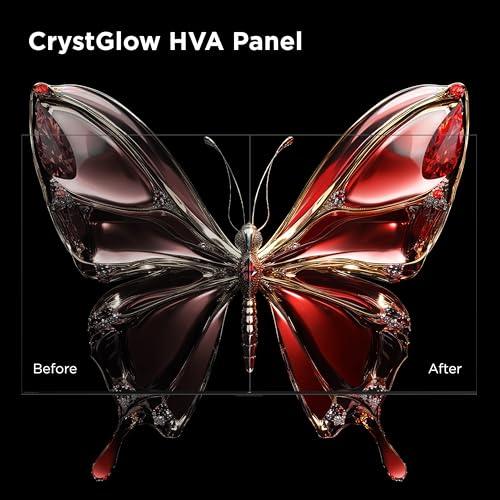
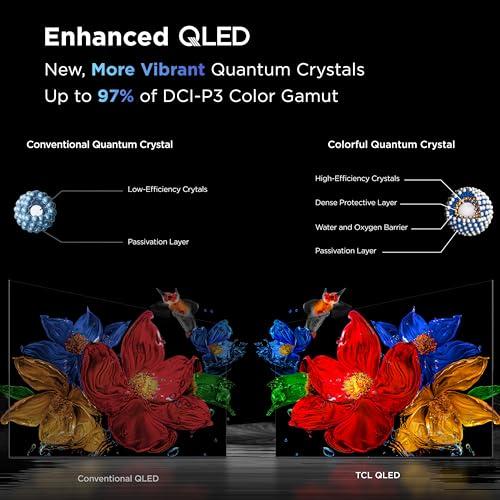
Both TVs use quantum dot technology for enhanced color reproduction, but with different implementations. The TCL QM7K features what they call "enhanced QLED" with quantum crystal alloy structures designed for longer lifespan and more stable colors. It covers nearly the entire DCI-P3 color gamut used in premium movie production.
The Hisense U8 uses traditional quantum dot color technology, delivering over 1 billion color combinations. While this sounds impressive – and it is – the practical difference comes down to color accuracy and long-term stability rather than just the raw number of possible colors.
In our evaluation of expert reviews and user feedback, both TVs deliver vibrant, engaging colors out of the box. However, the TCL tends to maintain color accuracy better over time and handles subtle color gradations more smoothly, particularly important for skin tones in movies and TV shows.
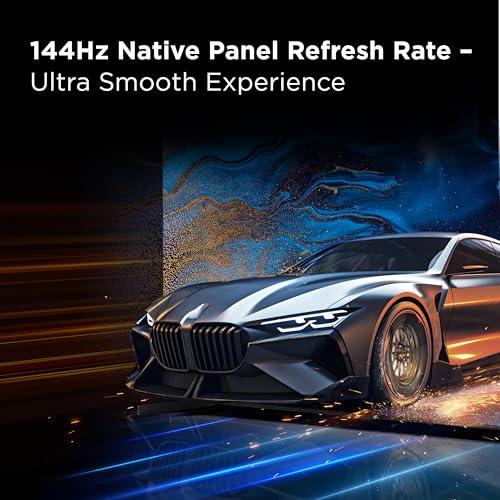
The gaming landscape has evolved dramatically since 2023, with next-generation consoles like the PlayStation 5 and Xbox Series X pushing higher frame rates and variable refresh rate gaming into the mainstream. Both TVs support 144Hz native refresh rates, a significant upgrade from the 120Hz standard that was cutting-edge just a few years ago.
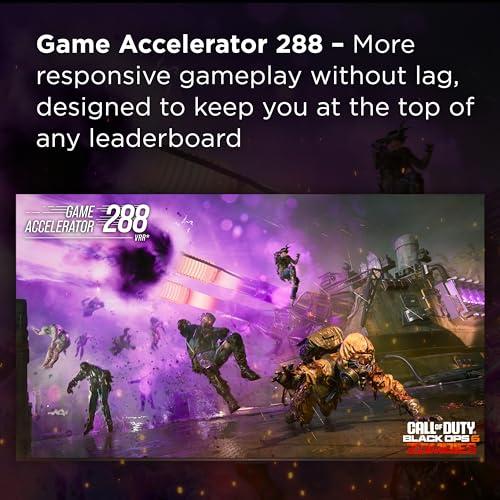
The TCL QM7K goes further with its Game Accelerator 288 feature, supporting up to 288Hz variable refresh rate at 1080p resolution. For competitive gamers playing esports titles like Valorant or Counter-Strike, this ultra-high refresh rate can provide a genuine competitive advantage by reducing motion blur and improving reaction times.
The Hisense U8 supports 144Hz VRR with a range of 48-144Hz and includes AMD FreeSync Premium Pro certification. This ensures smooth gaming across a wide range of frame rates without the screen tearing that can occur when game frame rates don't match display refresh rates.
Both TVs include Auto Low Latency Mode (ALLM), which automatically switches to game mode when it detects a gaming console, minimizing input lag without requiring manual menu navigation.
For PlayStation 5 and Xbox Series X owners, both displays offer excellent compatibility. They support 4K gaming at 120Hz or 144Hz, depending on the game's capabilities, and handle VRR seamlessly. The TCL includes specific optimizations for gaming, with its AI processor automatically adjusting picture settings for different game types – darker settings for horror games, enhanced motion clarity for racing games, and vibrant colors for adventure titles.
The Hisense U8 includes Dolby Vision Gaming support, a newer standard that provides enhanced HDR specifically tuned for gaming content. While still limited in game support, this feature ensures future compatibility as more developers adopt the standard.
Both TVs run Google TV, but their implementations differ slightly. The TCL QM7K includes far-field microphone arrays for hands-free voice control, allowing you to change channels or search for content without finding the remote. The Hisense U8 offers similar voice control functionality with Google Assistant integration.
Google TV has matured significantly since its introduction, now providing genuinely useful content recommendations that span multiple streaming services. The platform learns viewing habits and suggests content based on actual preferences rather than promotional priorities.
The Hisense U8 provides a notable advantage in future-proofing with Wi-Fi 6E support and an ATSC 3.0 tuner. Wi-Fi 6E offers significantly better performance in crowded wireless environments – important for streaming 4K content reliably, especially in apartment buildings or neighborhoods with many wireless networks.
ATSC 3.0, also known as NextGen TV, represents the future of broadcast television with support for 4K over-the-air content and interactive features. While content is still limited, early adopters in major metropolitan areas can already receive some 4K broadcasts.
The TCL QM7K sticks with Wi-Fi 5 and traditional broadcast standards, focusing its engineering budget on display technology rather than connectivity features.
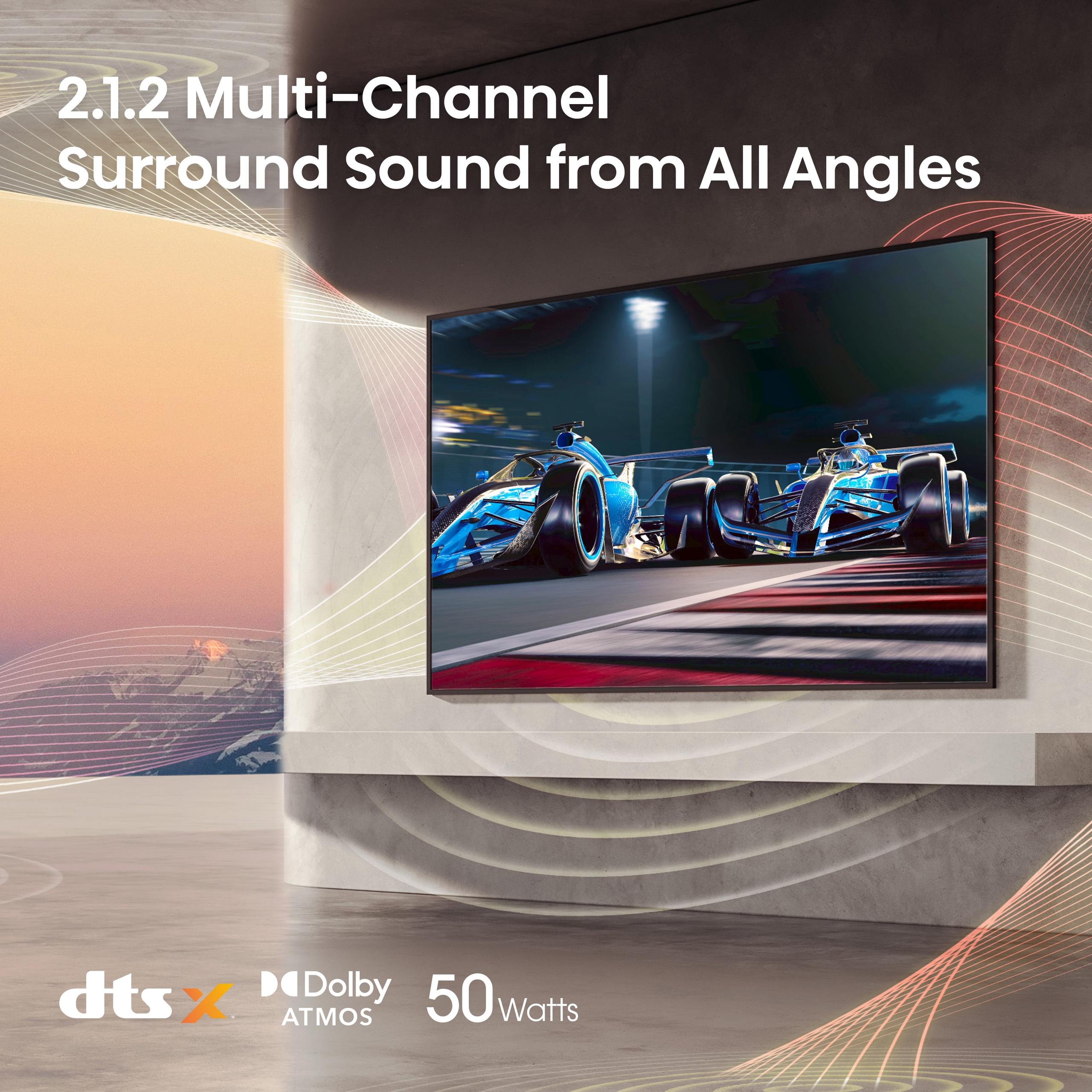
Large TVs often struggle with audio quality because their thin profiles don't accommodate substantial speaker systems. The Hisense U8 addresses this with a more comprehensive approach, featuring a 50W 2.1.2 channel system that includes overhead speakers and a dedicated subwoofer. This creates a more immersive audio experience with better bass response and spatial audio effects.
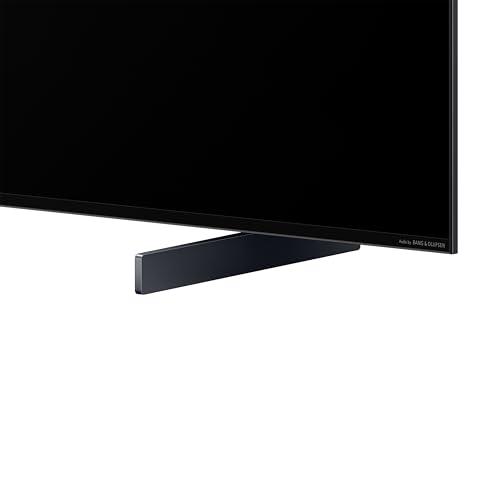
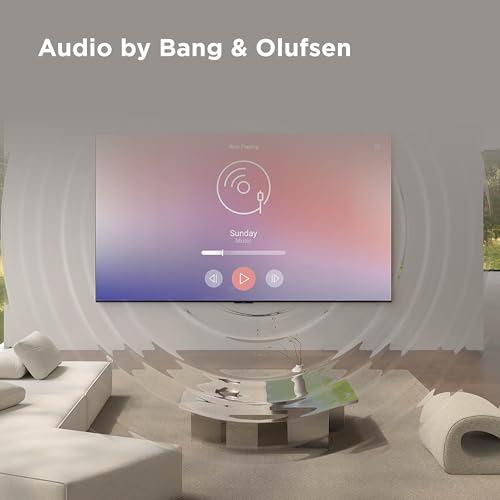
The TCL QM7K partners with Bang & Olufsen for audio tuning, focusing on accuracy and clarity rather than raw power. While it may not match the Hisense's bass output, it provides more refined sound quality that complements rather than competes with the visual experience.
For serious home theater setups, both TVs work excellently with external sound systems. They pass through Dolby Atmos and DTS audio formats without compression, ensuring your soundbar or receiver gets the full audio signal for processing.
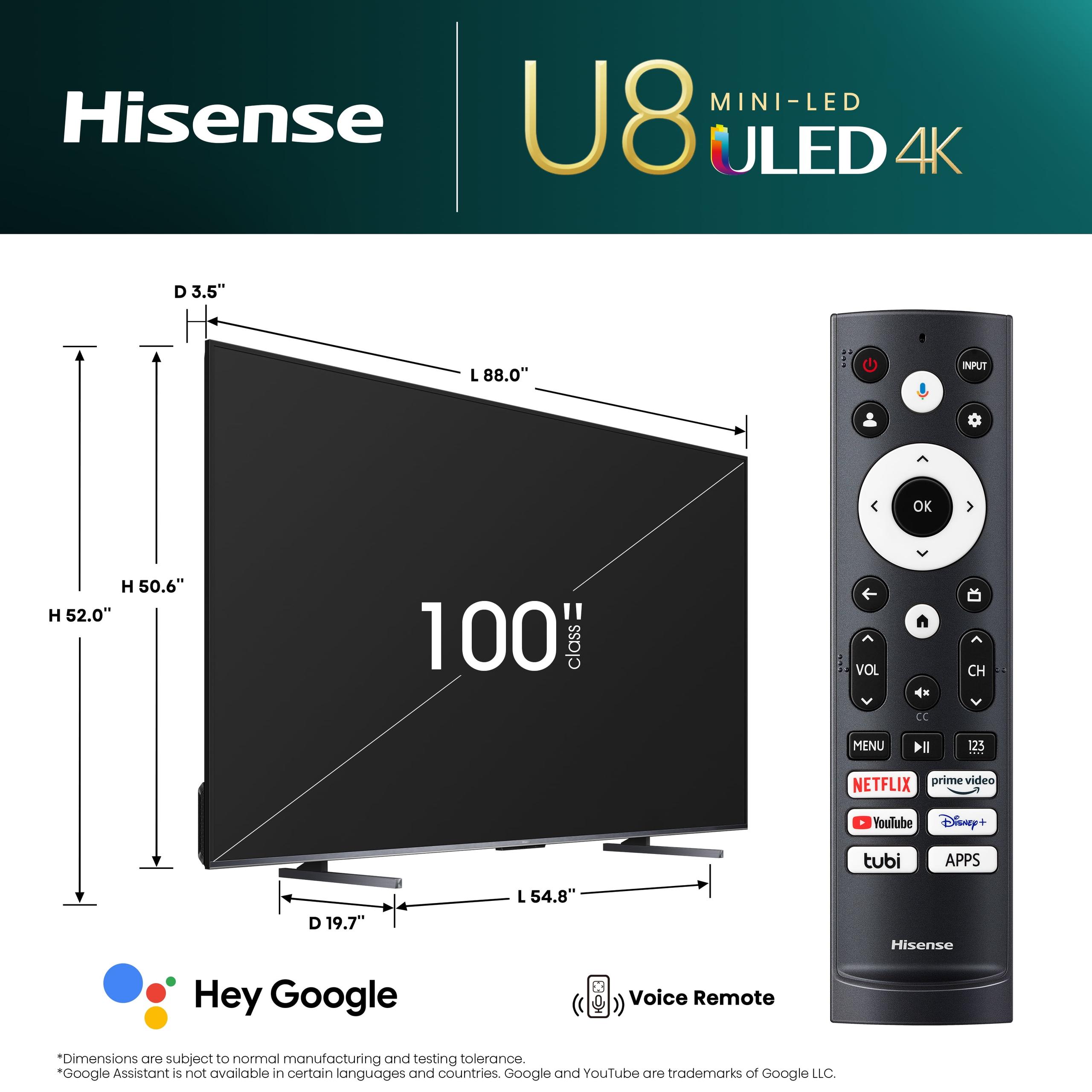
The 2-inch screen size difference might seem minimal, but it translates to a more significant difference in viewing experience than the numbers suggest. The Hisense 100" provides approximately 4% more screen area, which becomes noticeable during extended viewing sessions.
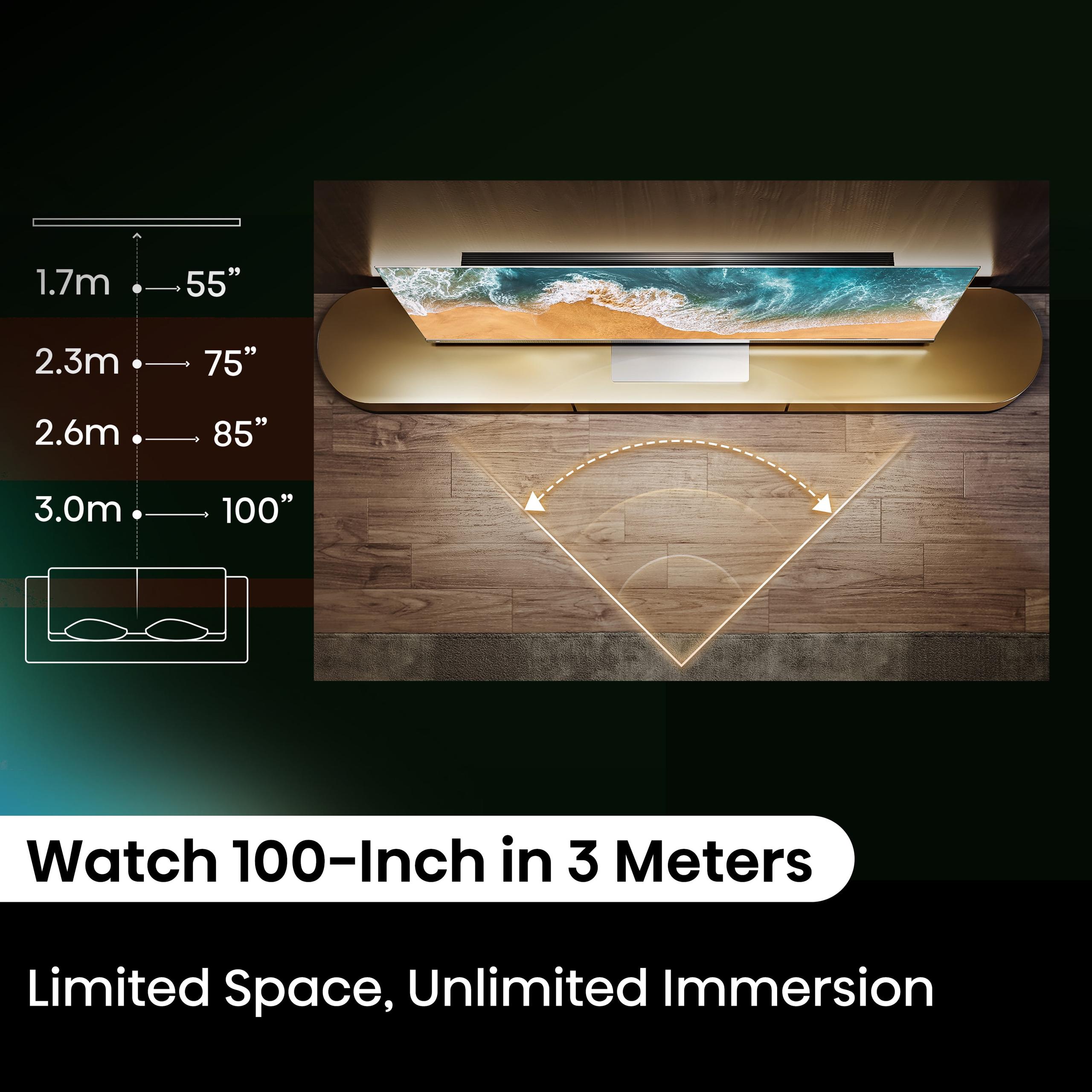
Optimal viewing distance for the TCL 98" falls between 12-14 feet, while the Hisense 100" works best at 12.5-15 feet. These recommendations ensure you can see fine details without the screen overwhelming your field of vision.
The TCL's superior peak brightness provides a significant advantage in rooms with ambient light. During daytime viewing or in rooms with multiple light sources, it maintains better contrast and color saturation. The Hisense performs well in controlled lighting but may struggle to compete with bright room environments.
Both TVs include anti-reflective screen treatments, but they can't completely eliminate reflections from direct light sources. Proper room setup remains important regardless of which display you choose.
At the time of writing, both TVs occupy similar price territories, making the decision less about budget and more about priorities. The TCL QM7K delivers premium display technology in a slightly smaller package, while the Hisense U8 maximizes screen size with solid performance.
For home theater enthusiasts who prioritize picture quality above all else, the TCL provides measurably superior performance in brightness, contrast control, and color accuracy. These advantages compound over time, ensuring the display remains impressive as content quality continues to improve.
Budget-conscious buyers seeking maximum impact might prefer the Hisense approach. The larger screen creates a more immersive experience for casual viewing, while solid performance handles all content types competently.
The TCL 98" QM7K emerges as the choice for discerning viewers who want the best possible picture quality in this size range. Its superior brightness, advanced local dimming, and gaming capabilities justify choosing it over the larger Hisense for anyone prioritizing performance over pure size.
Choose the TCL if you're building a dedicated home theater, game competitively, or want the most future-proof display technology. Its advantages in brightness and contrast control will remain relevant as HDR content continues to improve.
The Hisense 100" Class U8 Series makes sense for buyers who want maximum screen impact with respectable performance. Its larger size creates a more immersive experience for casual viewing, while features like Wi-Fi 6E and ATSC 3.0 provide practical future-proofing.
Choose the Hisense if screen size is your primary concern, you value built-in audio quality, or you want the latest connectivity standards. It delivers an impressive big-screen experience without the premium cost typically associated with cutting-edge display technology.
Both represent excellent values in the premium large TV market, but they serve different priorities. The TCL excels through technological superiority, while the Hisense impresses through sheer scale and practical features. Your choice should align with how you plan to use your new giant screen and what aspects of the viewing experience matter most to your household.
| TCL 98" QM7K QD-Mini LED 4K TV | Hisense 100" Class U8 Series 4K Mini-LED QLED Google TV |
|---|---|
| Screen Size - Bigger isn't always better, consider your room size and viewing distance | |
| 98 inches (requires 12-14 feet viewing distance) | 100 inches (requires 12.5-15 feet viewing distance) |
| Peak Brightness - Critical for HDR impact and bright room performance | |
| 3,000 nits (exceptional HDR highlights, dominates bright rooms) | 1,500 nits (solid HDR performance, best in controlled lighting) |
| Local Dimming Zones - More zones mean better contrast and less blooming around bright objects | |
| Up to 2,500 zones with Halo Control System | Full Array Local Dimming (zone count unspecified, likely several hundred) |
| Gaming Refresh Rate - Higher rates provide smoother motion for competitive gaming | |
| 144Hz native, up to 288Hz VRR (Game Accelerator 288) | 144Hz native, 144Hz VRR range (48-144Hz) |
| Smart Platform - Both use Google TV but with different voice control implementations | |
| Google TV with far-field voice control | Google TV with hands-free voice control |
| Wi-Fi Standard - Newer standards provide better streaming performance and future-proofing | |
| Wi-Fi 5 (adequate for current 4K streaming) | Wi-Fi 6E (superior performance in crowded wireless environments) |
| Audio System - Built-in sound quality affects whether you need external speakers | |
| Audio by Bang & Olufsen tuning, Dolby Atmos | 50W 2.1.2 system with subwoofer and overhead speakers |
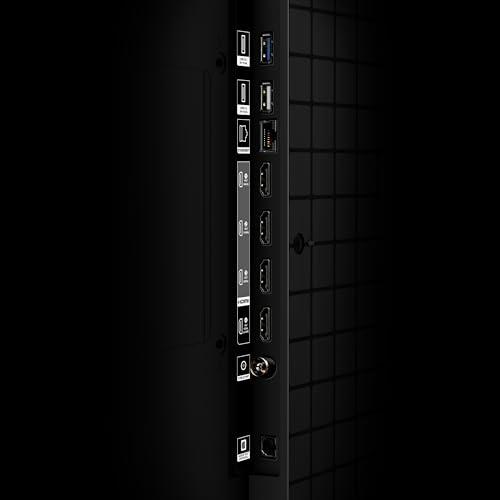
| HDMI Connectivity - HDMI 2.1 ports essential for next-gen gaming consoles | |
| 4 ports (2 HDMI 2.1, 2 HDMI 2.0) | 4 ports (2 HDMI 2.1 supporting 4K@144Hz, 2 standard) |
| HDR Format Support - More formats ensure compatibility with premium content | |
| Dolby Vision IQ, HDR10+, HDR10, HLG | Dolby Vision, HDR10, HDR10+, HLG |
| Gaming Features - Specialized features for console and PC gaming optimization | |
| ALLM, Game Accelerator 288, advanced motion processing | ALLM, Dolby Vision Gaming, FreeSync Premium Pro |
| Future-Proofing Features - Standards that will matter in coming years | |
| Advanced display technology, premium gaming support | ATSC 3.0 NextGen TV tuner, Wi-Fi 6E, Dolby Vision Gaming |
The TCL 98" QM7K is significantly better for bright rooms due to its 3,000 nits peak brightness compared to the Hisense 100" U8's 1,500 nits. This means the TCL QM7K can maintain better contrast and color accuracy even with windows open or lights on during daytime viewing.
The Hisense 100" U8 has a 100-inch screen while the TCL 98" QM7K has a 98-inch screen. Though only 2 inches different, the Hisense U8 provides about 4% more screen area, which becomes noticeable during extended viewing sessions.
The TCL 98" QM7K offers superior gaming performance with its Game Accelerator 288 supporting up to 288Hz VRR at 1080p, while the Hisense 100" U8 maxes out at 144Hz. However, the Hisense U8 includes FreeSync Premium Pro and Dolby Vision Gaming for enhanced compatibility with PC gaming.
Yes, both the TCL QM7K and Hisense U8 use Google TV as their smart platform. They both offer voice control capabilities, though the TCL QM7K features far-field microphone arrays while the Hisense U8 has hands-free voice control with Google Assistant.
The Hisense 100" U8 has superior built-in audio with its 50W 2.1.2 channel system that includes overhead speakers and a dedicated subwoofer. The TCL 98" QM7K features Bang & Olufsen tuned audio that focuses on clarity and accuracy rather than raw power.
The TCL 98" QM7K features up to 2,500 local dimming zones with advanced Halo Control System for precise brightness control. The Hisense 100" U8 uses Full Array Local Dimming but doesn't specify exact zone counts, likely using several hundred zones compared to the TCL's thousands.
The TCL 98" QM7K is better suited for dedicated home theaters due to its superior contrast ratio (30 million:1), higher peak brightness, and more precise local dimming. These features provide better black levels and HDR performance that home theater enthusiasts prioritize over the slightly larger screen of the Hisense U8.
Yes, both the TCL QM7K and Hisense U8 support 4K gaming at 144Hz with their HDMI 2.1 ports. Both include Auto Low Latency Mode (ALLM) for reduced input lag, making them excellent choices for PlayStation 5 and Xbox Series X gaming.
The Hisense 100" U8 offers better connectivity future-proofing with Wi-Fi 6E support and ATSC 3.0 NextGen TV tuner, while the TCL 98" QM7K uses Wi-Fi 5 and standard broadcast tuners. However, the TCL QM7K provides better display technology future-proofing with its advanced Mini LED implementation.
The TCL 98" QM7K works best at 12-14 feet viewing distance, while the Hisense 100" U8 requires 12.5-15 feet for optimal viewing. Both need substantial room space to avoid overwhelming your field of vision during extended viewing sessions.
Both TVs typically occupy similar price ranges, making this a choice between priorities rather than budget. The TCL QM7K offers better value for picture quality enthusiasts, while the Hisense U8 provides better value for those prioritizing maximum screen size and comprehensive built-in features.
Yes, both support major HDR formats, but the TCL 98" QM7K delivers superior HDR performance due to its 3,000 nits peak brightness versus the Hisense 100" U8's 1,500 nits. The TCL QM7K makes HDR highlights appear more realistic and impactful, especially in premium movie content and HDR gaming.
We've done our best to create useful and informative comparisons to help you decide what product to buy. Our research uses advanced automated methods to create this comparison and perfection is not possible - please contact us for corrections or questions. These are the sites we've researched in the creation of this article: bestbuy.com - tcl.com - youtube.com - rtings.com - tcl.com - youtube.com - youtube.com - tcl.com - tomsguide.com - manuals.plus - youtube.com - tcl.com - whathifi.com - bestbuy.com - queencityonline.com - electronicexpress.com - tcl.com - valueelectronics.com - tcl.com - bestbuy.com - bestbuy.com - youtube.com - woodruffappliance.com - karlsonline.com - tcl.com - bestbuy.com - valueelectronics.com - pcrichard.com - youtube.com - cnet.com - bargainoutletandmore.com - bestbuy.com - files.hisense-usa.com - fouanistore.com - bestbuy.com - salesindia.com

Privacy Policy
Terms and Conditions - Affiliate Policy
Home Security
© Copyright 2008-2026.
11816 Inwood Rd #1211, Dallas, TX 75244