

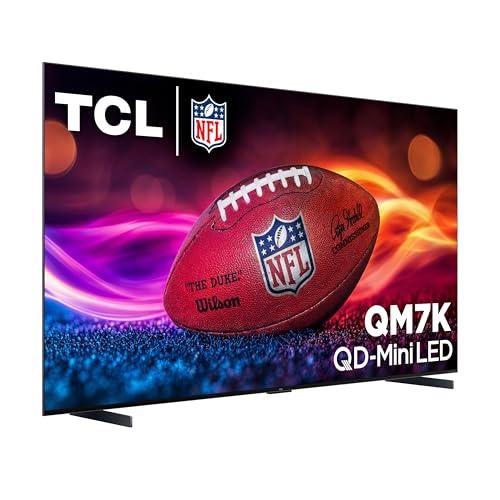
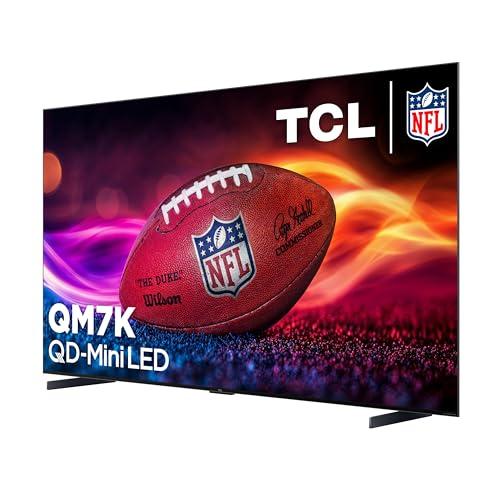
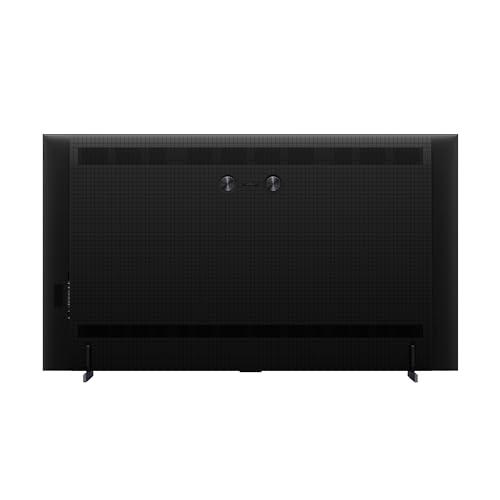
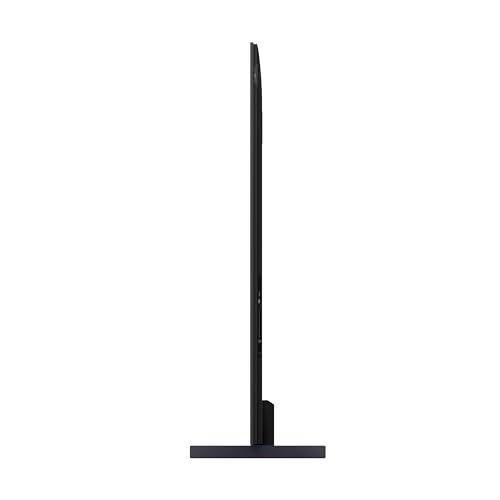
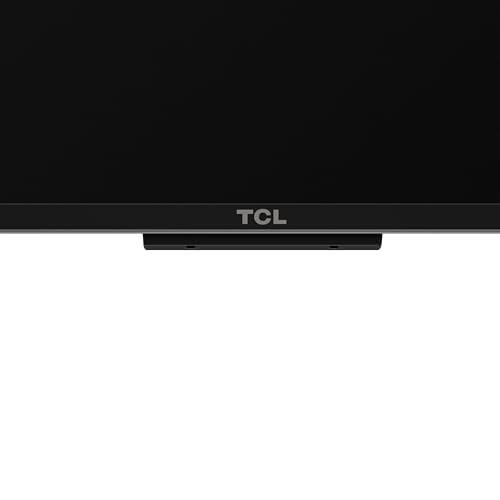
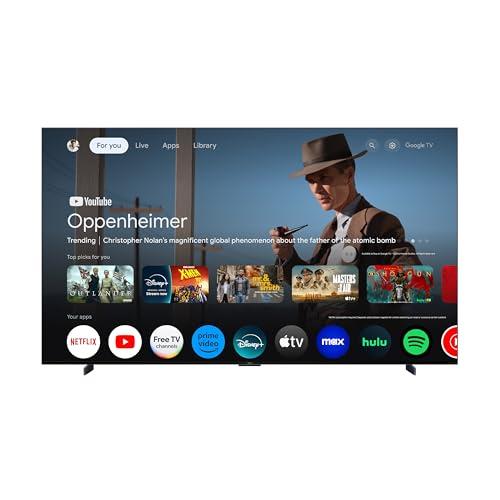
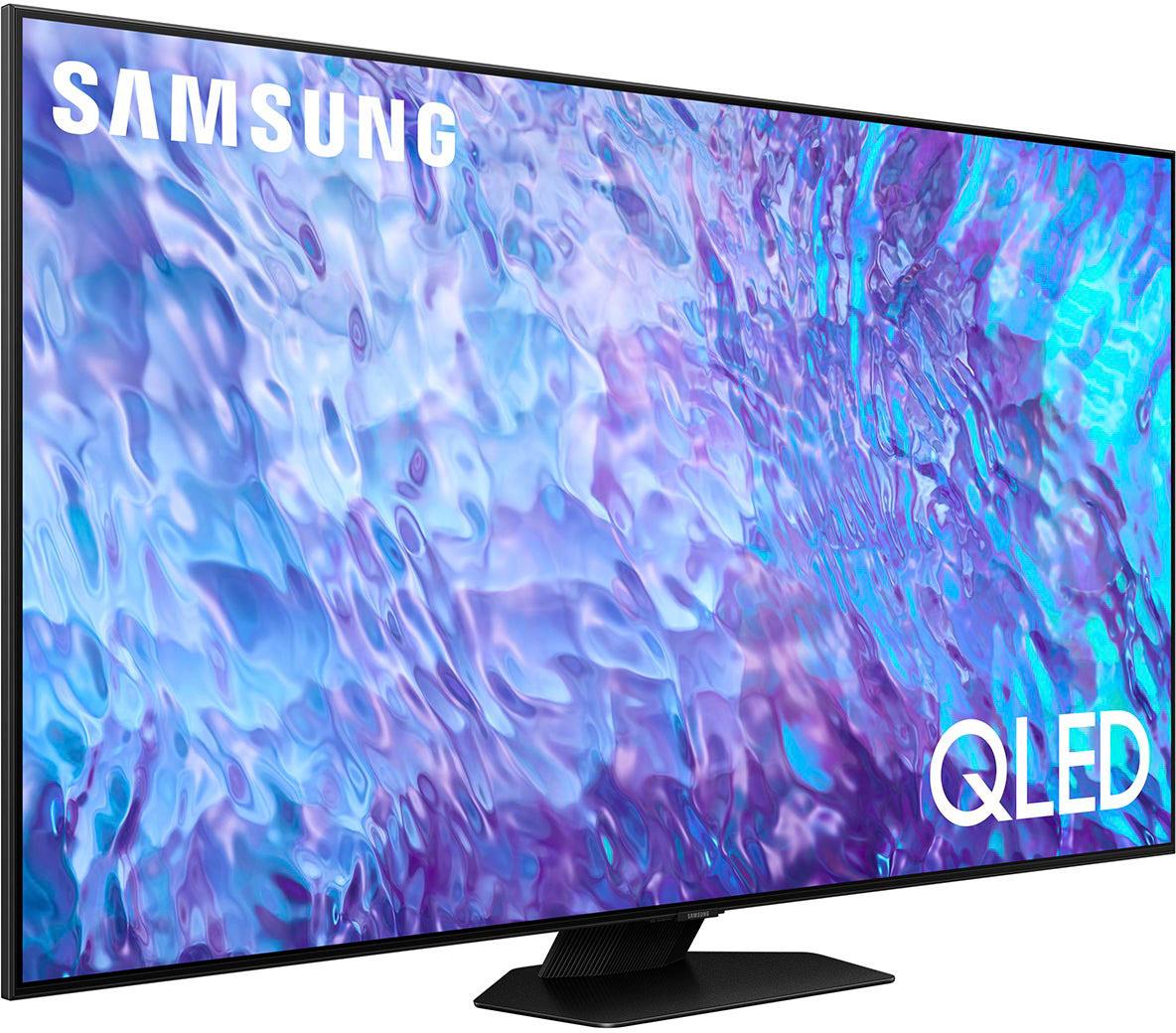
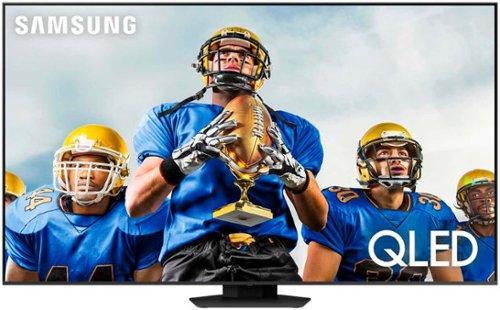
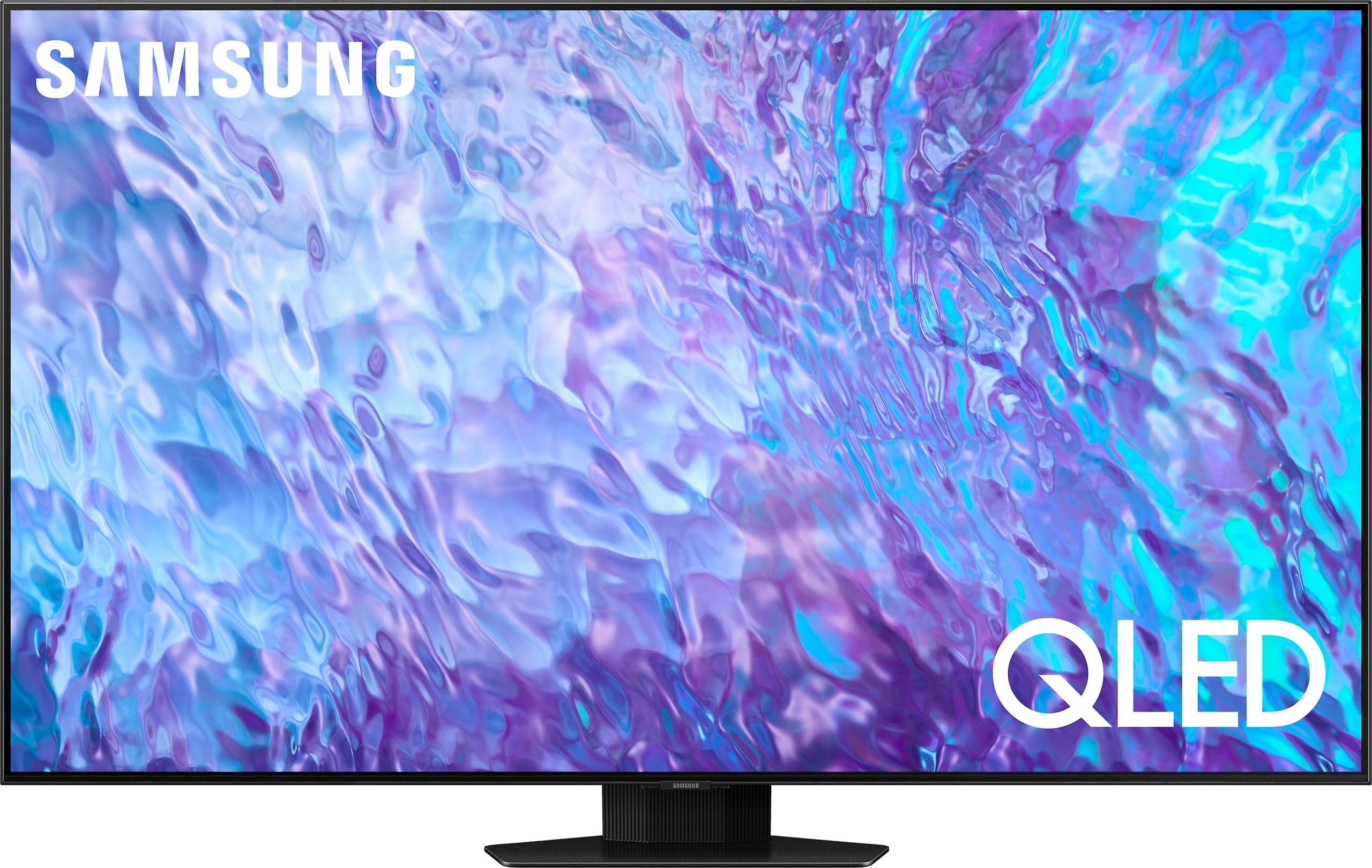
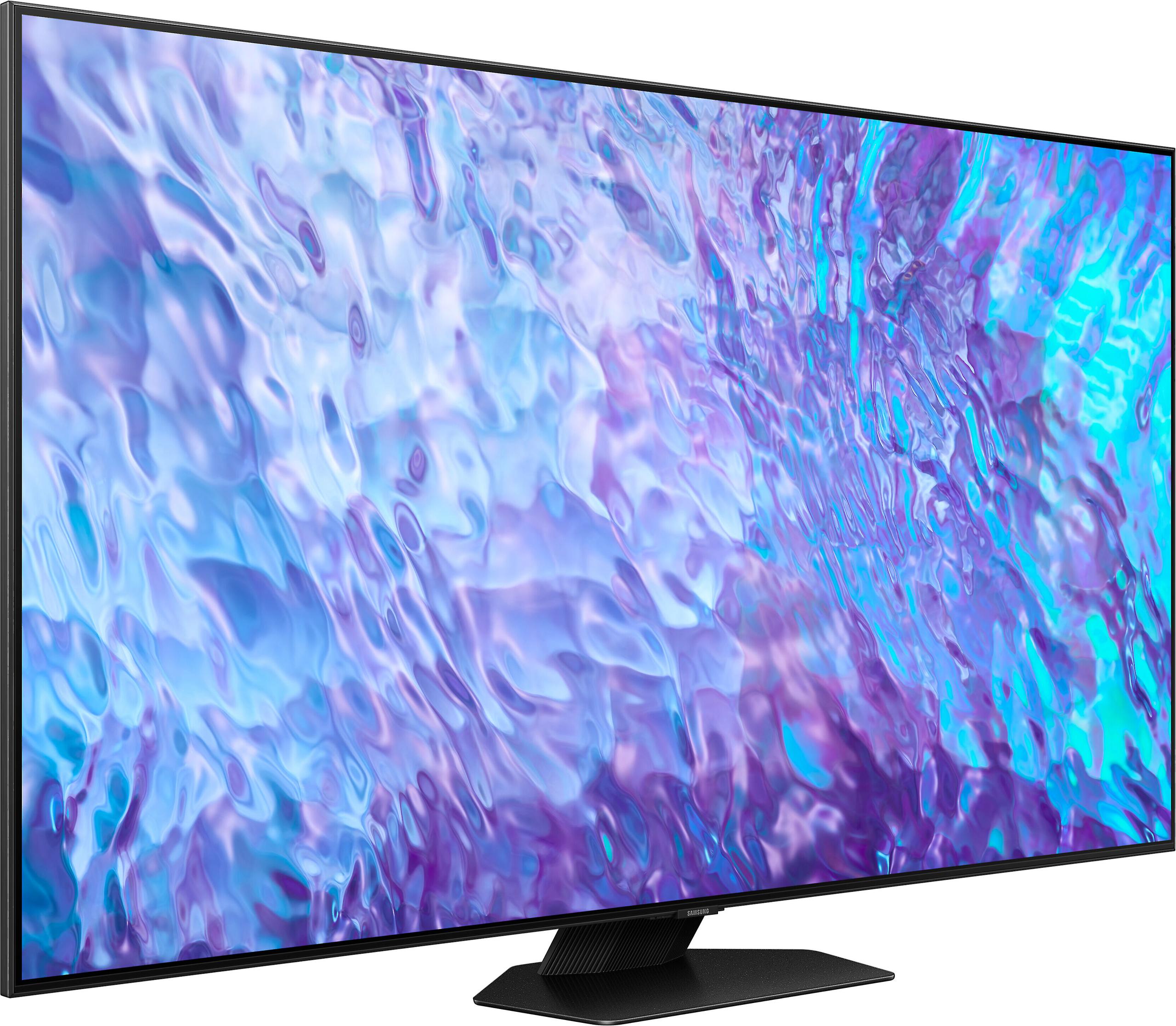
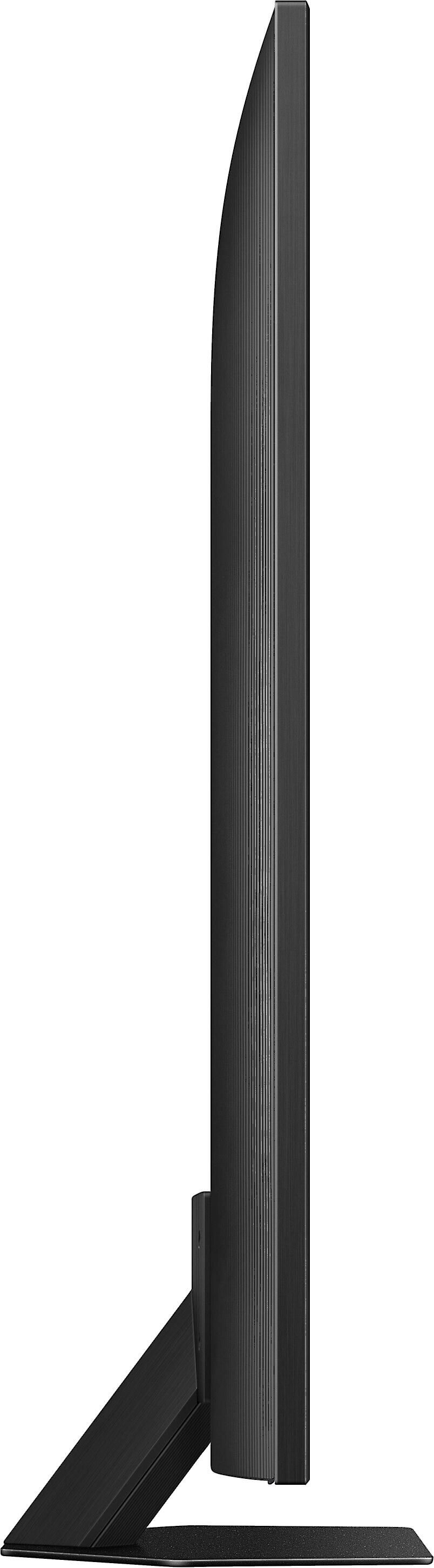
When you're shopping for a 98-inch TV, you're not just buying another piece of electronics—you're creating a home theater experience that rivals the local cinema. At this massive scale, every detail matters more. A slight blooming effect that's barely noticeable on a 65-inch screen becomes glaringly obvious when magnified to nearly 100 inches. That's why choosing between the TCL 98" QM7K and Samsung 98" Q80C requires understanding not just their features, but how those features translate to real-world viewing.
The 98-inch TV segment sits at the pinnacle of consumer displays, where picture quality technology truly matters. At this size, you'll need about 12-15 feet of viewing distance to appreciate the display properly without feeling overwhelmed. These aren't impulse purchases—they're centerpieces for dedicated home theaters or large family rooms.
The most critical considerations at this scale include backlight technology (which determines contrast and black levels), peak brightness capabilities for HDR content, local dimming zones for precise light control, gaming features for next-generation consoles, and smart platform integration. Unlike smaller TVs where minor differences might be forgettable, these characteristics become magnified and immediately apparent on massive screens.
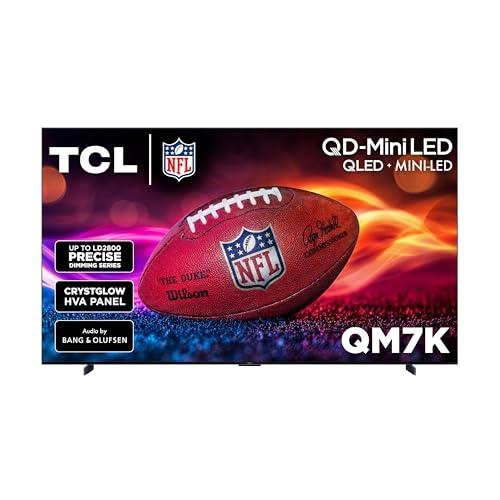
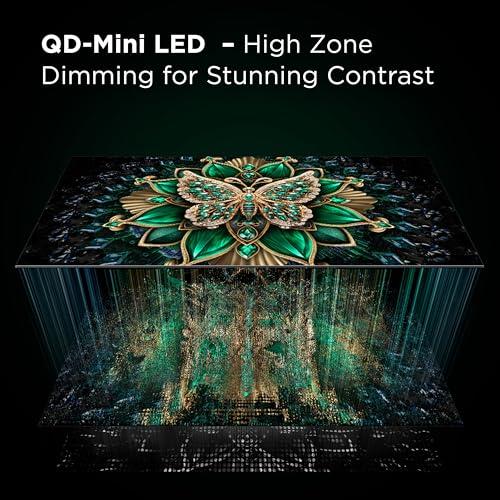
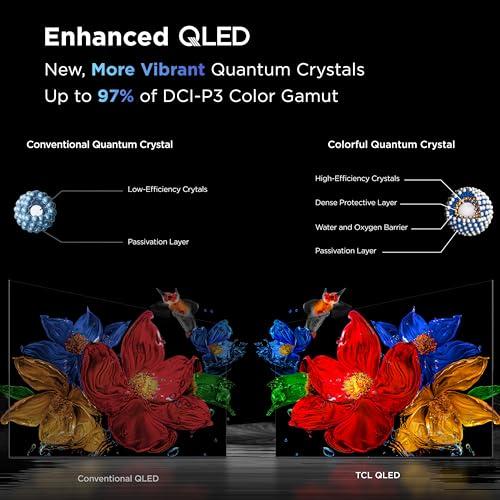
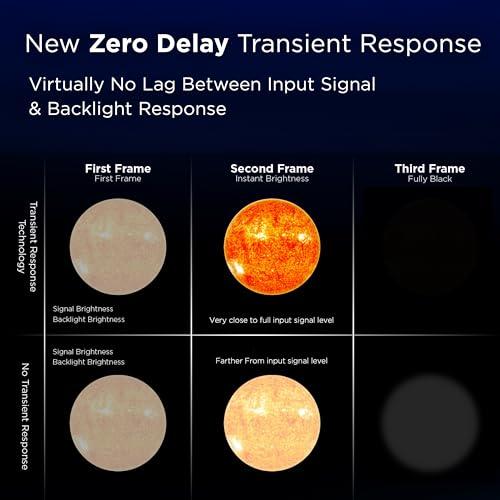
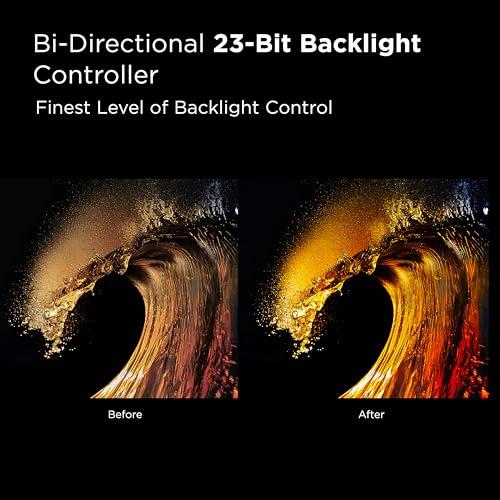
The TCL QM7K, released in 2025, employs what's called QD-Mini LED technology—a significant leap forward from traditional LED backlighting. Think of it like having 2,500 individual flashlights behind your screen instead of just a handful of larger ones. Each of these "mini" LEDs can be controlled independently through local dimming zones, which are essentially software-controlled switches that can turn individual sections of the backlight on or off.
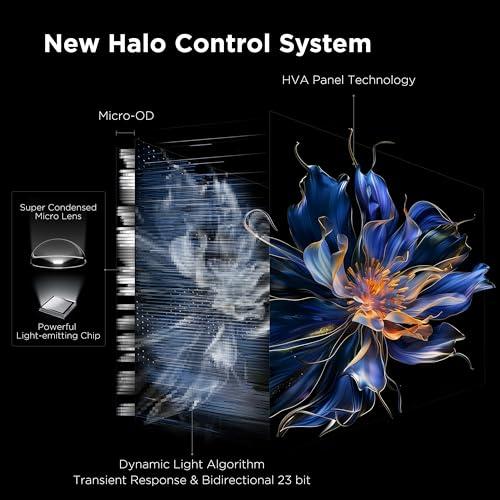
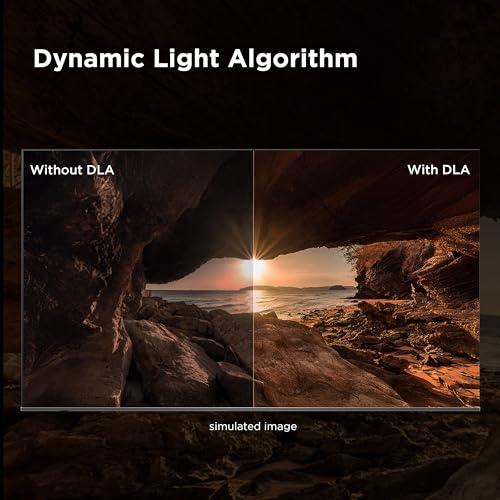
This technology matters enormously for contrast. When you're watching a space movie with bright stars against the blackness of space, traditional TVs struggle because their larger LED zones create a compromise—they can't make one area completely black while keeping an adjacent area brilliantly bright. The TCL QM7K solves this with its Halo Control System, which includes several innovations that work together.
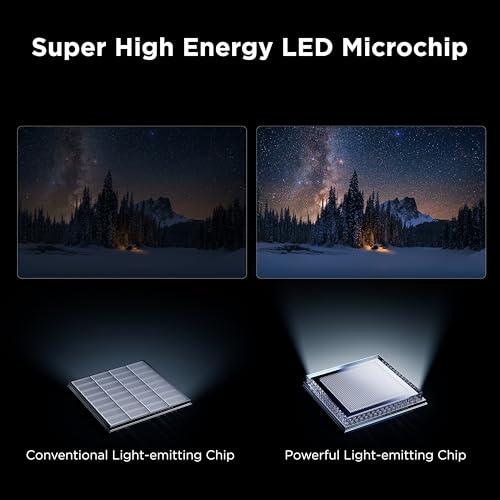
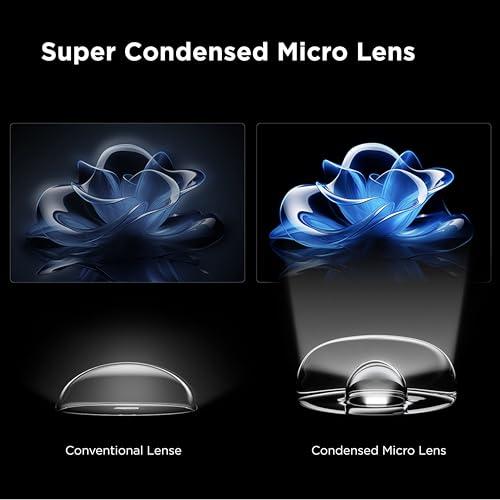
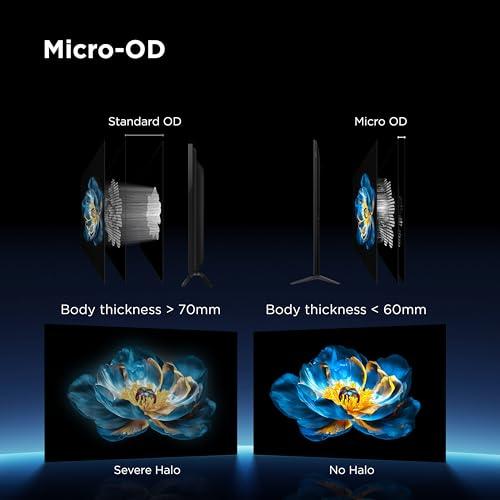
The Super High Energy LED Microchip delivers higher brightness while using less power than previous generations. The Super Condensed Micro Lens creates a narrower light path, preventing light from spilling into neighboring areas. Most importantly, the Micro-OD (Optical Distance) technology reduces the space between the backlight and the screen surface, virtually eliminating the light overlap that causes the dreaded "blooming" effect around bright objects.
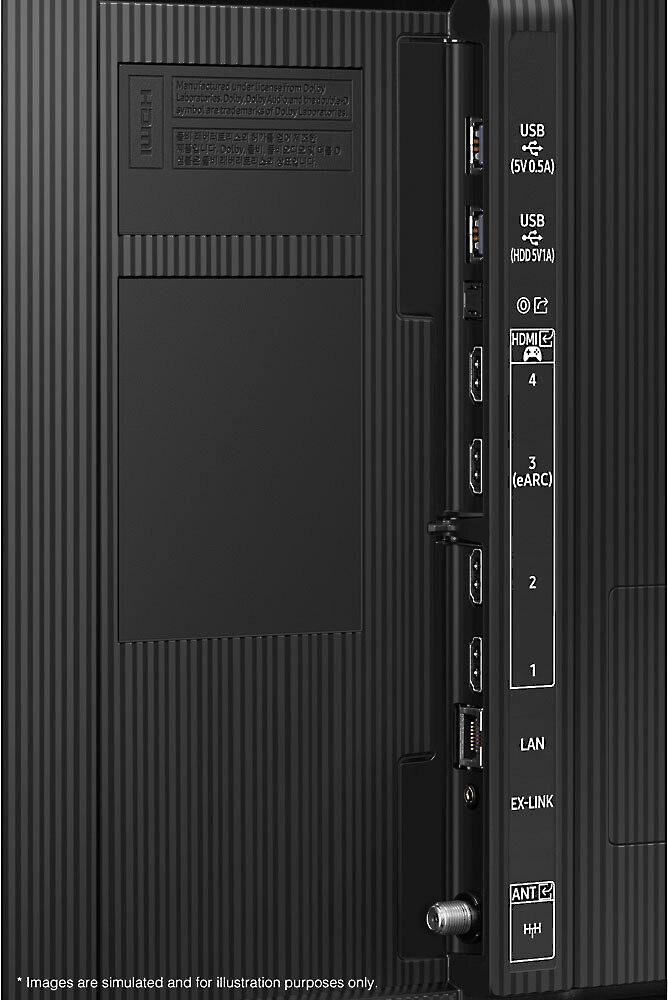
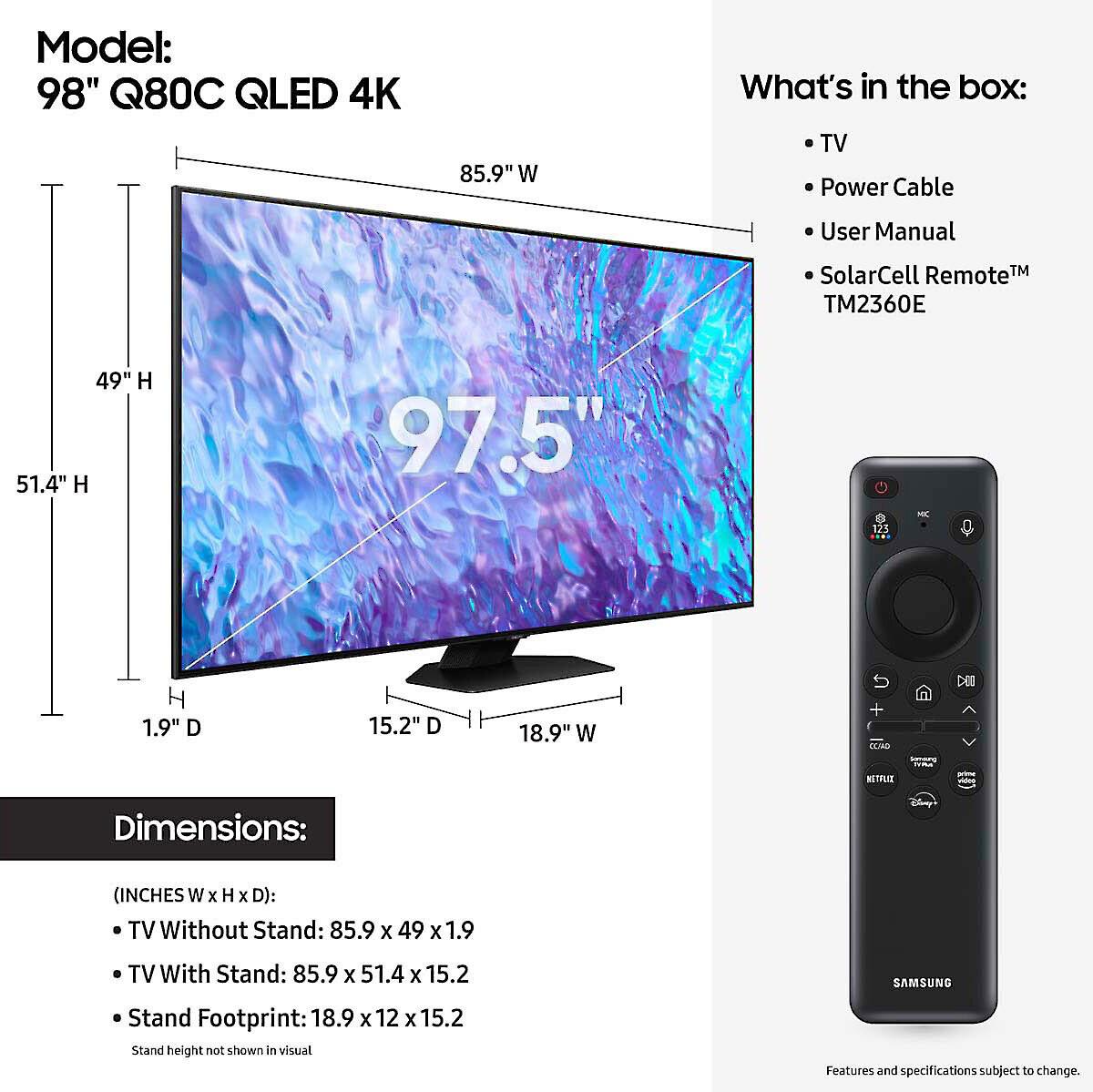
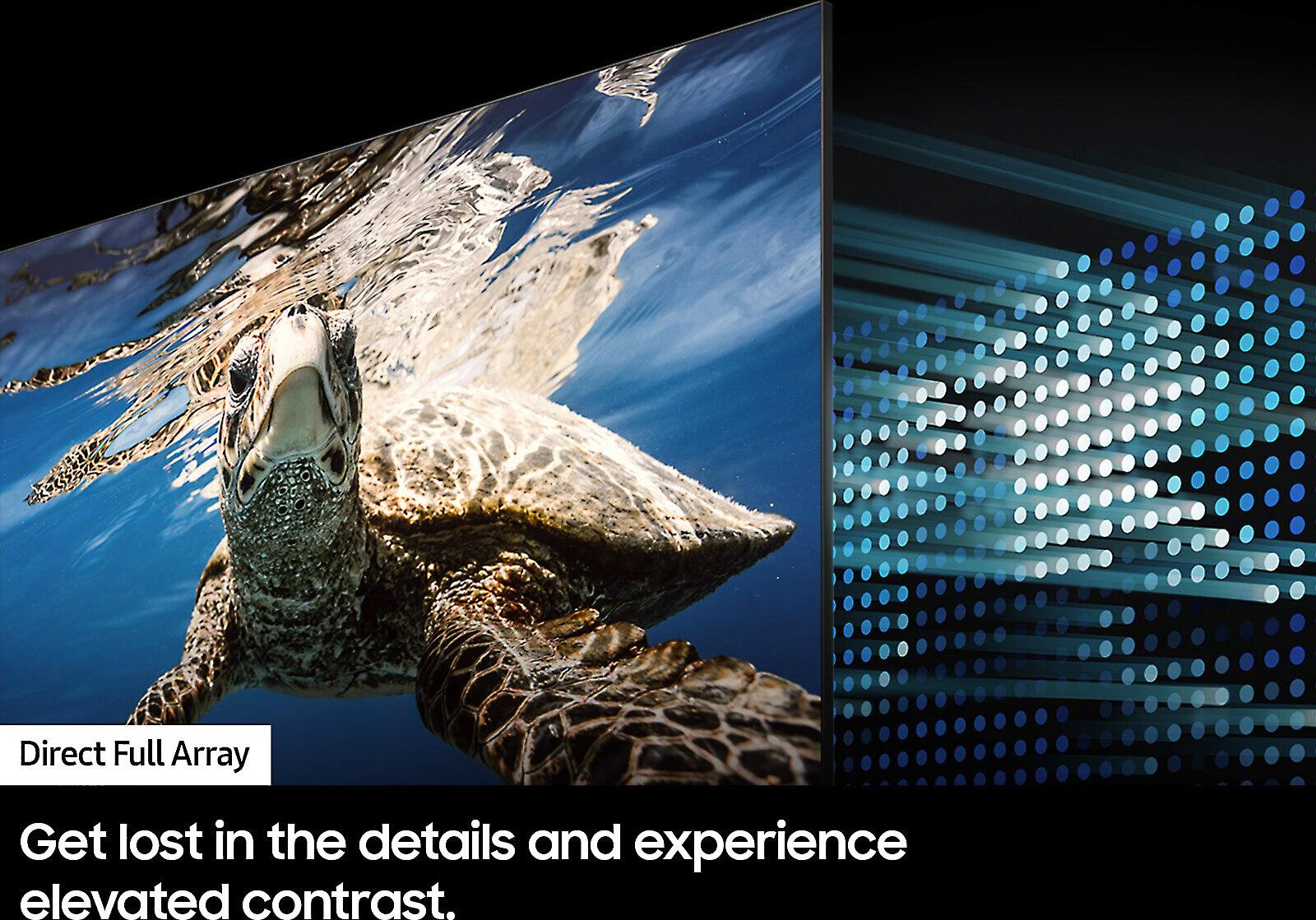
The Samsung Q80C, launched in 2023, uses traditional QLED with Direct Full Array backlighting. This system incorporates quantum dots—microscopic particles that convert blue LED light into precise colors—but relies on conventional LED backlighting with significantly fewer dimming zones than Mini LED systems.
While Samsung's approach is proven and reliable, it faces inherent limitations. The larger LED zones mean less precise control over brightness in specific areas. When a bright explosion appears against a dark background, some light inevitably bleeds into adjacent dark areas, creating a subtle but noticeable halo effect. Samsung's Neural Quantum Processor 4K works hard to minimize these issues through software processing, but it can't overcome the physical limitations of the backlighting system.
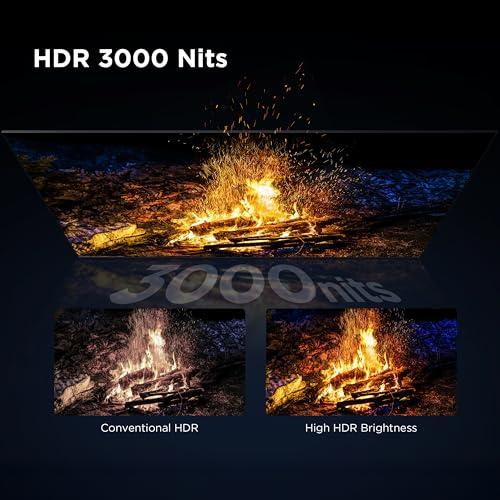
Peak brightness might seem like just another specification, but it's crucial for HDR (High Dynamic Range) content to look realistic. The TCL QM7K achieves an impressive 3,000 nits peak brightness, while the Samsung Q80C reaches approximately 1,500-2,000 nits. To put this in perspective, a typical sunny day measures about 100,000 nits, while indoor lighting ranges from 50-500 nits.
This brightness difference becomes immediately apparent when watching HDR movies. Sun reflections off water, car headlights, or explosion highlights should make you instinctively squint—that's how you know the TV is accurately reproducing the content creator's intent. The TCL QM7K delivers this impact consistently, while the Samsung Q80C may leave HDR content feeling somewhat muted, especially in well-lit rooms.
The brightness advantage extends beyond just peak highlights. In typical living rooms with windows, lamps, and ambient lighting, the TCL QM7K maintains color accuracy and contrast even when competing with room lighting. The Samsung Q80C can appear washed out in bright conditions, requiring either dimmed lights or closed curtains for optimal viewing.
HDR formats aren't just marketing terms—they represent different approaches to encoding brightness and color information in video content. The TCL QM7K supports every major HDR format: Dolby Vision IQ (which dynamically adjusts based on your room's lighting), HDR10+, HDR10, and HLG.
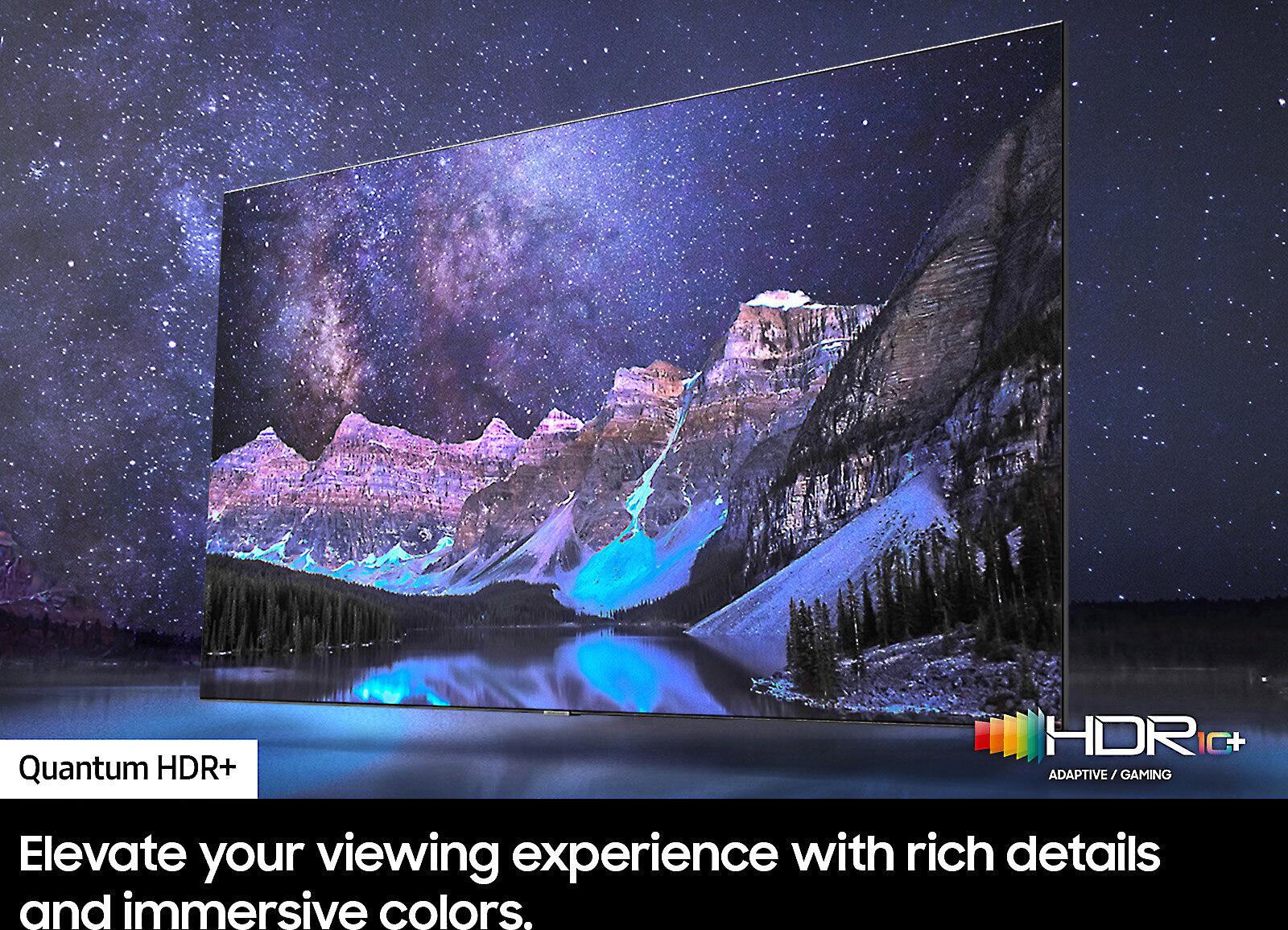
The Samsung Q80C notably omits Dolby Vision support entirely, instead offering Quantum HDR+, HDR10+, and HDR10. This limitation directly impacts your viewing experience. Many Netflix originals, Disney+ movies, and premium 4K Blu-rays use Dolby Vision as their preferred format. Without support, these titles default to standard HDR10, which lacks the dynamic metadata that helps optimize picture quality scene by scene.
This format limitation becomes more significant over time. As streaming services and content creators increasingly adopt Dolby Vision, the Samsung Q80C will miss out on the enhanced experience these formats provide.
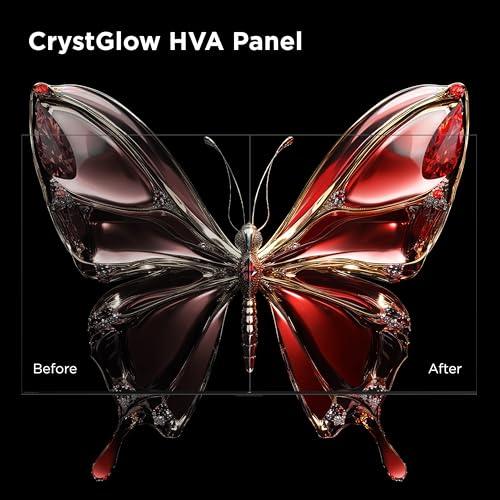
Our research into expert reviews consistently highlights the TCL QM7K's superior contrast capabilities. The combination of 2,500 local dimming zones and the CrystGlow HVA panel creates black levels that approach OLED territory while maintaining Mini LED's brightness advantages. Dark movie scenes appear with genuinely inky blacks rather than the grayish appearance common to traditional LCD TVs.
The Samsung Q80C delivers respectable contrast for its technology class, but the fundamental limitations of conventional backlighting prevent it from matching the TCL QM7K's precision. Professional reviews note some blooming around bright objects in dark scenes, though Samsung's processing minimizes this effect better than many competitors.
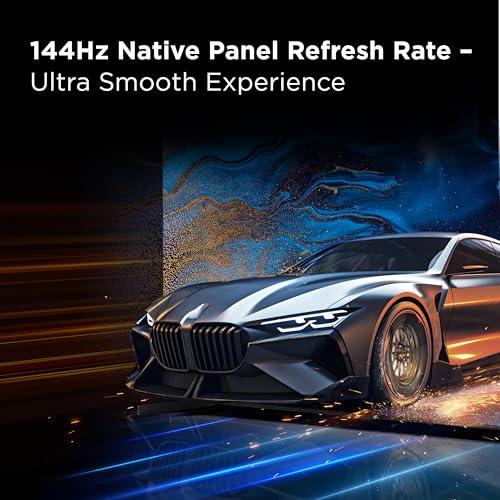
Gaming at 98 inches transforms the experience entirely—you're not just playing a game, you're inhabiting a digital world. The TCL QM7K supports a native 144Hz refresh rate throughout its entire signal processing chain. This means it can display 144 unique frames per second without any interpolation or processing tricks.
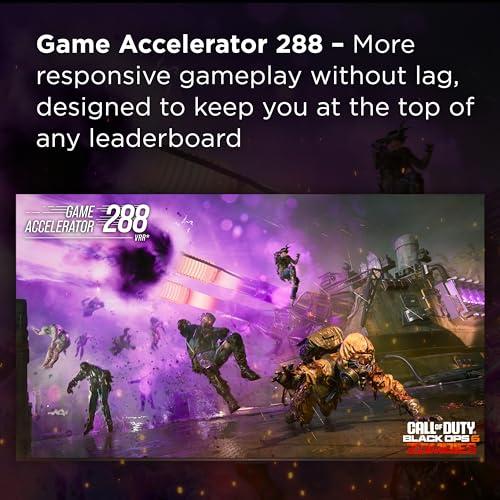
The practical impact is immediately noticeable in fast-paced games. Camera pans are silky smooth, fast-moving objects remain sharp, and the overall experience feels more responsive and immersive. The TV also features Game Accelerator 288, which can display up to 288Hz for specific gaming scenarios, though this feature is primarily useful for competitive PC gaming rather than console gaming.
The Samsung Q80C caps out at 120Hz, which is still excellent for current gaming consoles but lacks the future-proofing that higher refresh rates provide. As gaming technology evolves and PC gaming pushes beyond 120 frames per second, the Samsung Q80C will reach its limits while the TCL QM7K continues to deliver cutting-edge performance.
Both TVs measure around 9-10 milliseconds of input lag in gaming mode—fast enough that even competitive gamers won't notice delays between controller input and on-screen action.
Variable Refresh Rate (VRR) technology prevents screen tearing and stuttering by synchronizing the TV's refresh rate with the gaming device's frame output. Both TVs support AMD FreeSync Premium Pro, which works with gaming consoles and graphics cards to eliminate these visual artifacts.
The Samsung Q80C includes some unique gaming enhancements like Dynamic Black EQ, which intelligently brightens dark areas without washing out the overall image. This feature helps spot enemies hiding in shadows—a significant advantage in competitive gaming.
However, the TCL QM7K's higher refresh rate capabilities and superior contrast make it the better choice for most gaming scenarios, especially for users who plan to upgrade their gaming setups over the TV's lifespan.
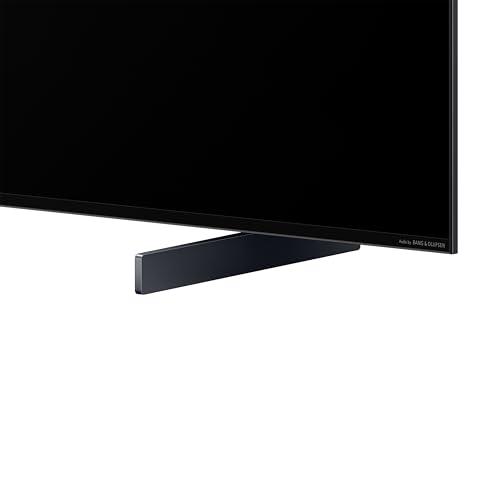
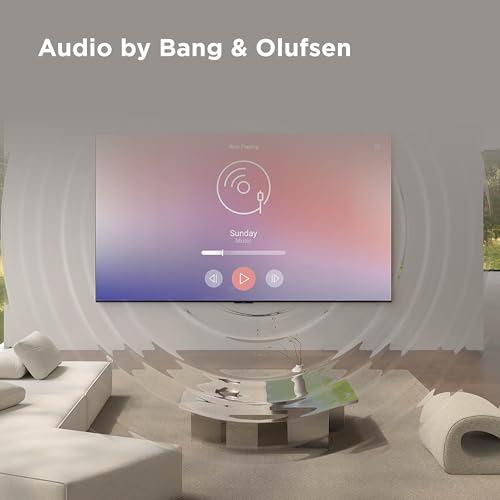
Built-in TV audio typically disappoints at this price level, but the TCL QM7K breaks this pattern. Its 100W Bang & Olufsen-tuned audio system delivers surprisingly rich sound with genuine bass response and clear dialogue reproduction. The Dolby Atmos processing creates a convincing surround sound experience for movies and shows.
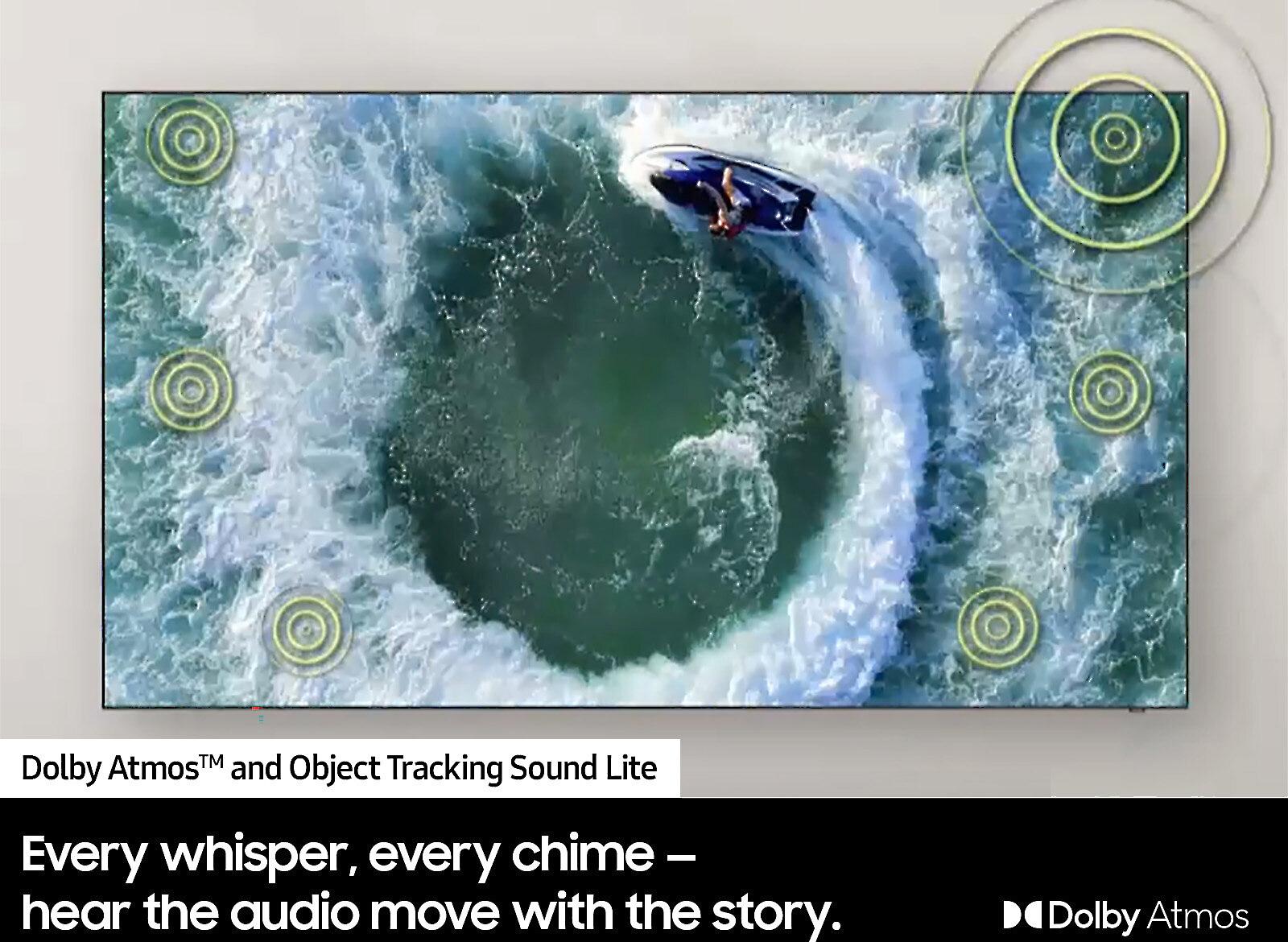
The Samsung Q80C includes a more modest 40W speaker system. While it supports Dolby Atmos processing, the limited power output and smaller drivers can't match the TCL QM7K's audio impact. Most buyers will need to invest in a dedicated soundbar system, typically costing $500-1,000, to achieve comparable audio quality.
This audio difference significantly impacts the total system cost and setup complexity, making the TCL QM7K more appealing for users who prefer an all-in-one solution.
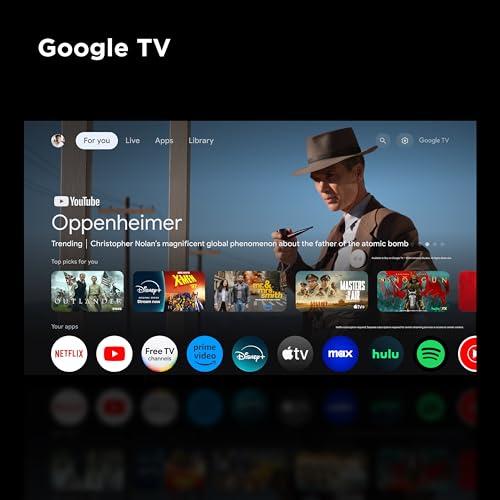
The choice between Google TV on the TCL QM7K and Tizen OS on the Samsung Q80C often comes down to ecosystem preferences. Google TV provides broader app compatibility, more frequent updates, and excellent content discovery that learns your viewing habits across different streaming services.
Samsung's Tizen OS excels if you're already invested in Samsung's ecosystem. The integration with Samsung phones, tablets, and smart home devices through SmartThings creates a seamless experience. You can easily share content from your phone, control smart home devices through the TV interface, and enjoy features like automatic audio switching between Samsung devices.
Both platforms handle the basics well—Netflix, Amazon Prime, Disney+, and other major streaming services work flawlessly on either system. The difference lies in long-term support and feature additions, where Google TV typically receives more frequent updates.
At the time of writing, the pricing difference between these TVs is substantial, with the TCL QM7K typically costing significantly less than the Samsung Q80C despite offering newer technology. This price advantage makes the value proposition even more compelling.
The TCL QM7K delivers superior display technology, higher peak brightness, better gaming capabilities, premium audio, and complete HDR format support—all while undercutting the Samsung's price. The technology generation gap works in TCL's favor here, as 2025 Mini LED manufacturing has become more efficient, allowing higher zone counts at reasonable costs.
The Samsung Q80C's higher price primarily reflects brand positioning and Samsung's established market presence rather than superior performance. While Samsung offers proven reliability and comprehensive service networks, these advantages don't justify the performance and price differential for most buyers.
Samsung brings decades of TV manufacturing experience and an established service network. Their track record for reliability and customer support provides peace of mind for buyers making such a significant investment. TCL has improved dramatically in recent years and now produces genuinely competitive products, but their premium TV track record remains shorter.
However, the technology generation gap between these models matters for longevity. The TCL QM7K's 2025 technology will likely remain relevant longer than the Samsung Q80C's 2023 implementation. As streaming services adopt higher brightness standards and gaming pushes toward higher refresh rates, the TCL's superior capabilities provide better future-proofing.
For most buyers seeking a premium 98-inch viewing experience, the TCL QM7K represents the clear choice. Its Mini LED technology delivers superior picture quality with better contrast and brightness. The comprehensive gaming features future-proof your investment, while the premium audio system eliminates the need for additional equipment purchases.
Choose the TCL QM7K if you want the best picture quality available, plan to game at high refresh rates, prefer complete HDR format compatibility, or simply want the most value for your money.
The Samsung Q80C makes sense for a smaller group of buyers who prioritize Samsung ecosystem integration above all else, or those who prefer established brand reliability over cutting-edge features. If you already own Samsung phones, tablets, and smart home devices, the seamless integration might justify the premium and performance trade-offs.
However, the performance and value gap is significant enough that most buyers will find the TCL QM7K delivers a superior experience at a better price—a rare combination in the premium TV market.
| TCL 98" QM7K QD-Mini LED 4K TV | Samsung 98" Q80C 4K Smart QLED TV |
|---|---|
| Display Technology - The foundation that determines picture quality | |
| QD-Mini LED with 2,500 local dimming zones | Traditional QLED with Direct Full Array (fewer zones) |
| Peak Brightness - Critical for HDR impact and bright room viewing | |
| 3,000 nits (exceptional HDR punch, works in any lighting) | ~1,500-2,000 nits (good but may look washed out in bright rooms) |
| Refresh Rate - Essential for smooth gaming and sports | |
| 144Hz native (future-proof for next-gen gaming) | 120Hz maximum (adequate for current consoles) |
| HDR Format Support - Determines compatibility with premium content | |
| Dolby Vision IQ, HDR10+, HDR10, HLG (complete support) | HDR10+, HDR10, HLG (missing Dolby Vision limits Netflix/Disney+ quality) |
| Gaming Features - Important for console and PC gaming | |
| 288Hz Game Accelerator, AMD FreeSync Premium Pro, 9.7ms lag | FreeSync Premium Pro, Dynamic Black EQ, ~10ms input lag |
| Built-in Audio - Affects total system cost | |
| 100W Bang & Olufsen system with rich bass (no soundbar needed) | 40W standard speakers (typically requires $500+ soundbar investment) |
| Smart Platform - Determines app selection and updates | |
| Google TV (broader compatibility, frequent updates) | Tizen OS (excellent Samsung device integration) |
| Release Year - Indicates technology generation | |
| 2025 (latest Mini LED manufacturing improvements) | 2023 (proven but older LED technology) |
| Contrast Performance - Most noticeable difference in dark room viewing | |
| Near-OLED blacks with Mini LED precision, minimal blooming | Good contrast but visible light bleeding around bright objects |
| Value Proposition - Performance per dollar spent | |
| Superior technology at lower typical pricing | Premium brand pricing for older, less capable technology |
The TCL 98" QM7K QD-Mini LED 4K TV delivers superior picture quality thanks to its advanced Mini LED technology with 2,500 local dimming zones and 3,000 nits peak brightness. This creates deeper blacks, brighter highlights, and minimal blooming compared to the Samsung 98" Q80C 4K Smart QLED TV, which uses traditional LED backlighting with fewer dimming zones and lower peak brightness.
Mini LED in the TCL QM7K uses thousands of tiny LEDs as individual light sources that can be controlled independently, providing precise brightness control and excellent contrast. QLED in the Samsung Q80C uses quantum dots to enhance colors but relies on conventional LED backlighting with larger zones, resulting in less precise light control and some light bleeding around bright objects.
The TCL 98" QM7K offers superior gaming performance with its 144Hz native refresh rate, 288Hz Game Accelerator feature, and comprehensive VRR support. The Samsung 98" Q80C maxes out at 120Hz but includes unique gaming features like Dynamic Black EQ for better enemy visibility in dark scenes.
No, only the TCL QM7K supports Dolby Vision IQ along with HDR10+ and HDR10. The Samsung Q80C lacks Dolby Vision support entirely, which limits picture quality when watching Netflix, Disney+, and other streaming services that use this premium HDR format.
The TCL 98" QM7K QD-Mini LED 4K TV features a significantly more powerful 100W Bang & Olufsen audio system that delivers rich bass and clear dialogue without needing external speakers. The Samsung 98" Q80C 4K Smart QLED TV has a basic 40W speaker system that typically requires a soundbar investment for satisfactory audio quality.
Google TV on the TCL QM7K offers broader app compatibility and more frequent updates, while Tizen OS on the Samsung Q80C provides excellent integration with Samsung devices and SmartThings smart home ecosystem. Choose based on your existing device ecosystem and preferences.
The TCL 98" QM7K achieves 3,000 nits peak brightness, making it exceptional for bright rooms and daytime viewing. The Samsung Q80C reaches approximately 1,500-2,000 nits, which is adequate but may appear washed out in very bright environments.
Yes, but the TCL QM7K excels for dedicated home theaters due to its superior contrast with 2,500 dimming zones, higher peak brightness, complete HDR format support, and premium built-in audio system. The Samsung Q80C works well for home theater but may require additional audio equipment and doesn't support Dolby Vision content.
The TCL 98" QM7K QD-Mini LED 4K TV typically offers exceptional value with newer Mini LED technology, superior performance specs, and premium features at a lower price point than the Samsung 98" Q80C 4K Smart QLED TV.
The TCL QM7K provides smoother motion with its 144Hz refresh rate, making fast-paced sports appear clearer with less motion blur. The Samsung Q80C offers 120Hz, which is still good for sports but not quite as smooth as the higher refresh rate option.
Samsung has a longer track record in premium TVs and established service networks, giving the Samsung Q80C an edge in proven reliability. However, TCL has significantly improved quality in recent years, and the TCL QM7K uses newer 2025 technology that may remain relevant longer.
Choose the TCL 98" QM7K for superior picture quality, gaming performance, and value, especially if you want the latest Mini LED technology and complete HDR format support. Choose the Samsung Q80C only if Samsung ecosystem integration is your top priority and you're willing to pay more for the brand name despite older technology.
We've done our best to create useful and informative comparisons to help you decide what product to buy. Our research uses advanced automated methods to create this comparison and perfection is not possible - please contact us for corrections or questions. These are the sites we've researched in the creation of this article: bestbuy.com - tcl.com - youtube.com - rtings.com - tcl.com - youtube.com - youtube.com - tcl.com - tomsguide.com - manuals.plus - youtube.com - tcl.com - whathifi.com - bestbuy.com - queencityonline.com - electronicexpress.com - tcl.com - valueelectronics.com - tcl.com - bestbuy.com - bestbuy.com - youtube.com - woodruffappliance.com - karlsonline.com - tcl.com - techradar.com - samsung.com - rtings.com - abt.com - trustedreviews.com - billsmith.com - samsung.com - samsung.com - images.samsung.com - samsung.com - youtube.com

Privacy Policy
Terms and Conditions - Affiliate Policy
Home Security
© Copyright 2008-2026.
11816 Inwood Rd #1211, Dallas, TX 75244