

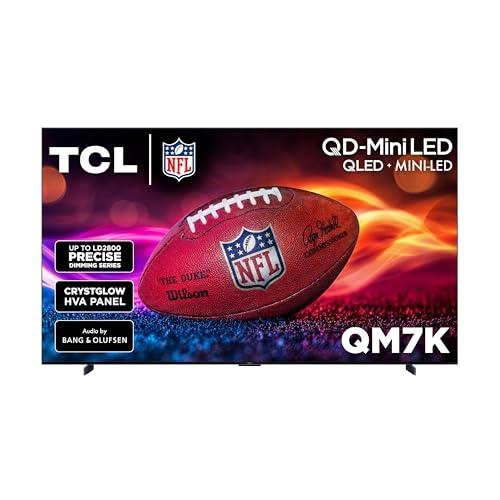
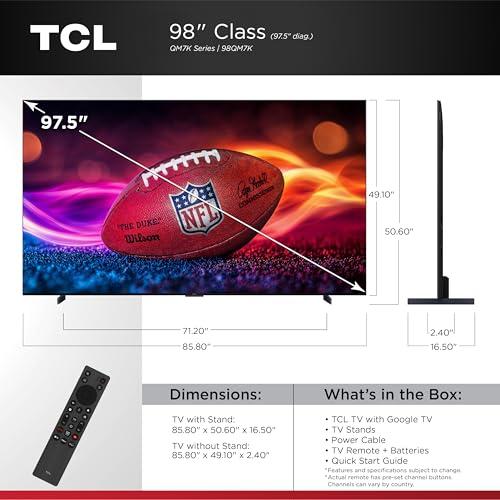

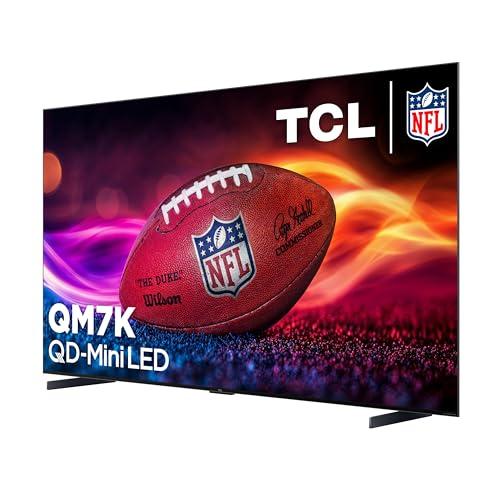
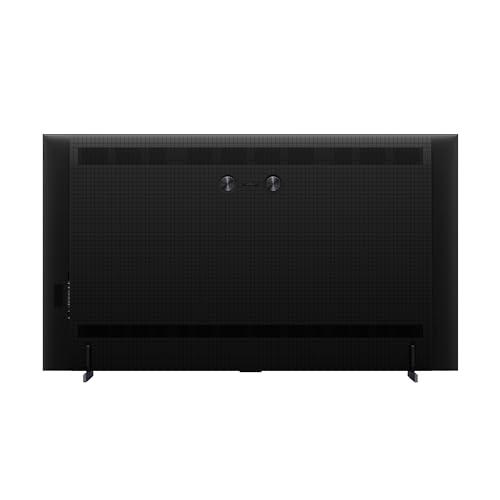
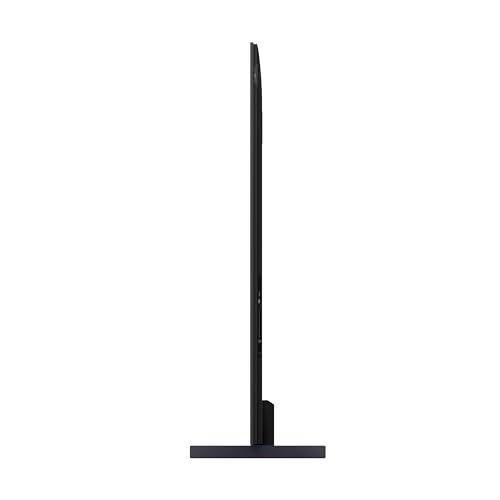
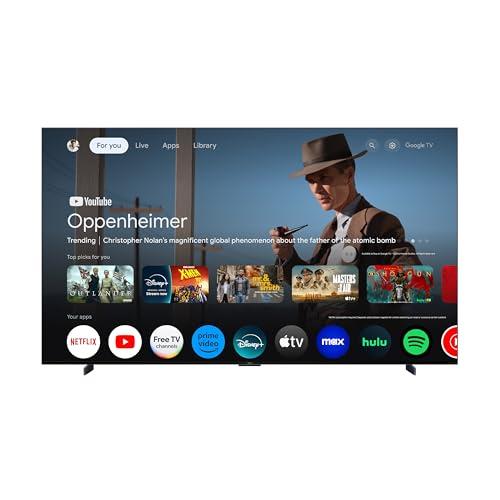
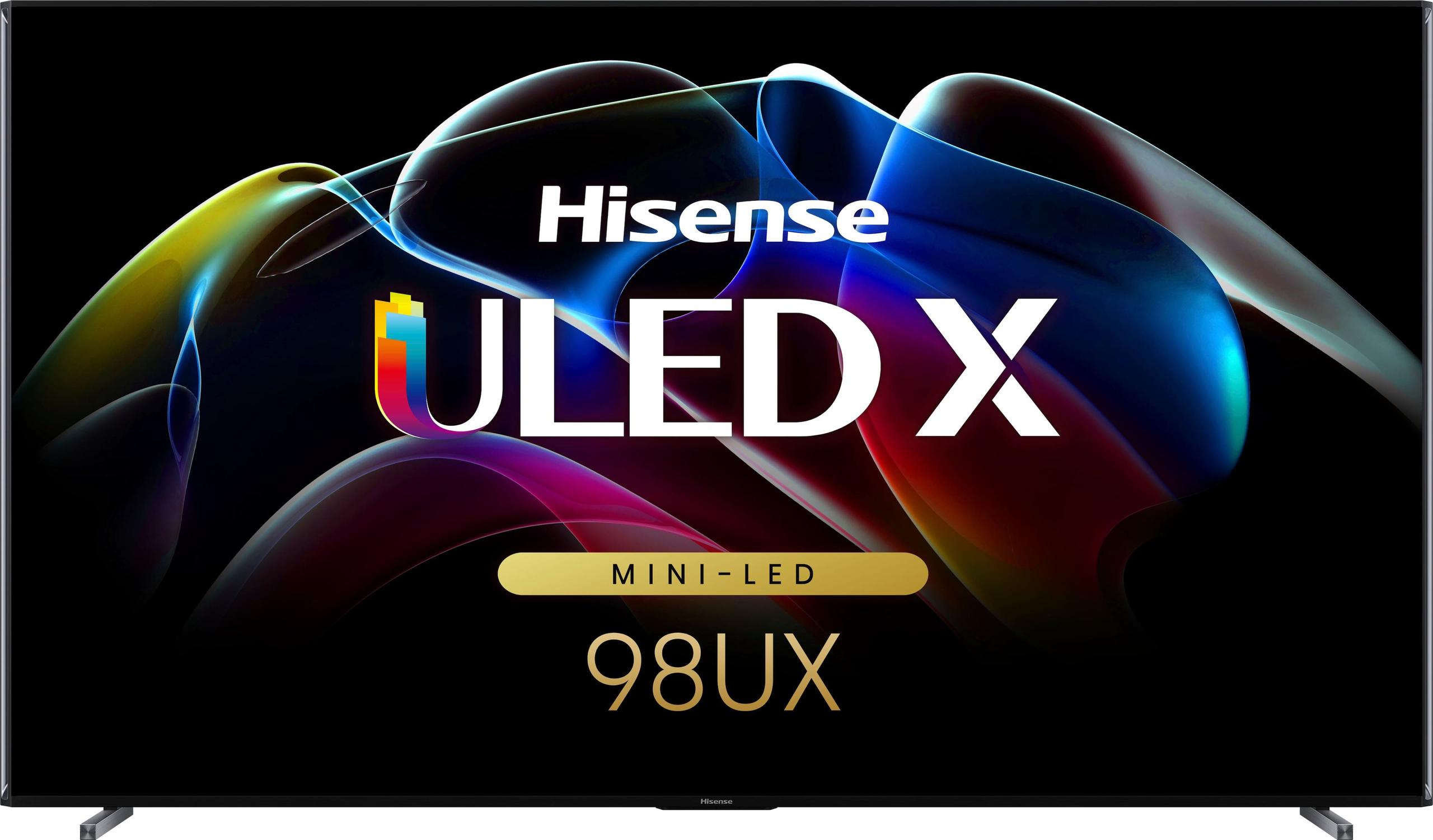


When you're shopping for a 98-inch TV, you're not just buying a display—you're investing in a centerpiece for your home entertainment setup. At this size, these televisions command attention and dominate any room they enter. The two standout options in 2024-2025 are the TCL 98" QM7K and the Hisense 98" UX Series, both representing different philosophies in premium Mini-LED technology.
The 98-inch TV market sits at the intersection of luxury and practicality. At this scale, you're getting a genuine cinema experience that can transform a family room into a movie theater. But with great size comes great responsibility—and significant investment. Understanding what separates these two titans is crucial for making the right choice.
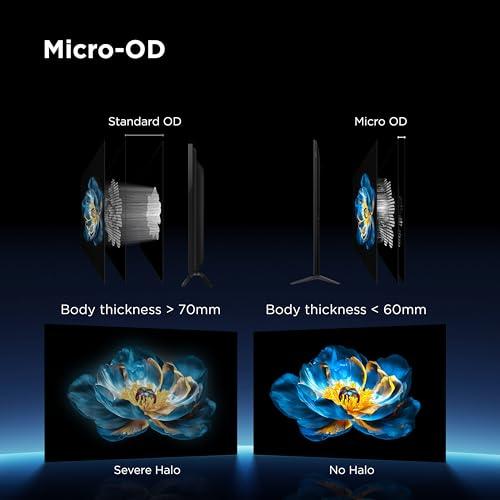
Before diving into the comparison, it's worth understanding what Mini-LED technology brings to the table. Traditional LED TVs use relatively large LEDs behind the screen, creating zones of brightness that can cause "blooming"—unwanted light halos around bright objects on dark backgrounds. OLED TVs solve this with pixels that turn completely off, but they can't get as bright as LEDs and may suffer from burn-in over time.
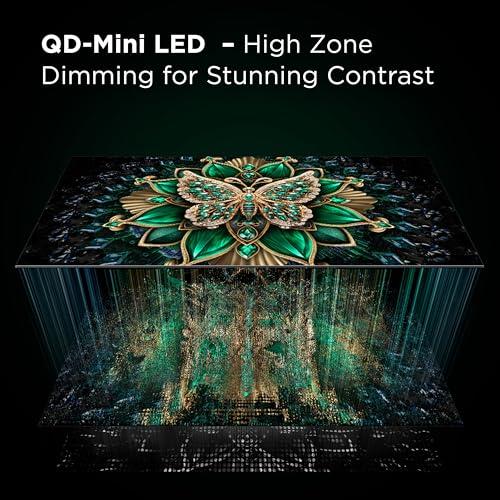
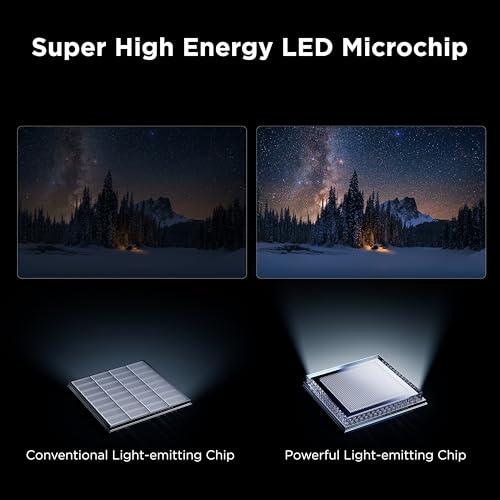
Mini-LED technology uses thousands of tiny LEDs, each smaller than a grain of rice, creating many more dimming zones. This allows for precise light control that approaches OLED's contrast capabilities while maintaining LED's superior brightness and longevity. Both the TCL QM7K and Hisense UX use this technology, but their implementations differ significantly.
The key specifications that matter most in this category are peak brightness (measured in nits), the number of local dimming zones, color accuracy, and gaming capabilities. Peak brightness determines how vivid HDR highlights appear and how well the TV performs in bright rooms. Local dimming zones control how precisely the TV can create deep blacks next to bright whites. More zones generally mean better contrast and less blooming.
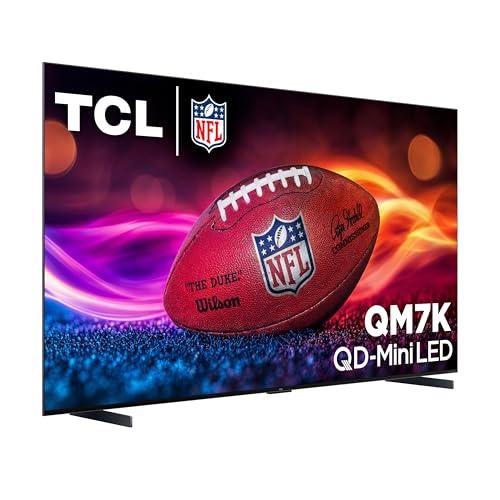
The TCL QM7K, released in 2025, represents TCL's value-focused approach to premium TV technology. At roughly half the price of its competitor (at the time of writing), it aims to deliver flagship-level performance without the flagship price tag. TCL has packed this model with gaming-specific features and their latest QD-Mini LED backlighting system.
The Hisense UX Series, which hit the market in 2024, takes a no-compromise approach to brightness and anti-glare performance. Hisense positioned this as their flagship model, targeting users who want the absolute best performance regardless of price. It's designed to excel in challenging lighting conditions where other premium TVs might struggle.
Both TVs run Google TV as their smart platform, support all major HDR formats including Dolby Vision and HDR10+, and include premium audio systems. However, their approaches to achieving premium performance differ substantially.
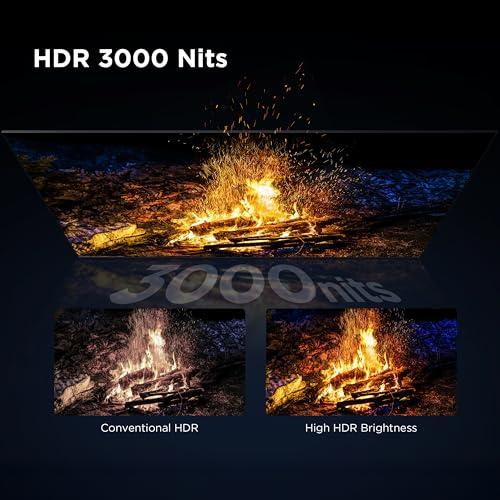
The most striking difference between these TVs is peak brightness. The Hisense UX delivers over 5,000 nits, while the TCL QM7K reaches 3,000 nits. To put this in perspective, most premium TVs max out around 1,000-1,500 nits, and even high-end OLEDs rarely exceed 800 nits.
This brightness difference isn't just about numbers—it translates to dramatically different viewing experiences. When watching HDR content like nature documentaries or action movies, specular highlights (think sunlight reflecting off water or explosions) appear significantly more realistic on the Hisense UX. The difference is particularly noticeable in scenes with bright skies, metallic surfaces, or fire effects.
However, the TCL QM7K's 3,000 nits still provides excellent HDR performance for most content. In a dedicated home theater with controlled lighting, this brightness level delivers impressive punch without the premium price. The question becomes whether the extra brightness justifies the significant cost difference.
The Hisense UX features over 10,000 local dimming zones compared to the TCL QM7K's 2,500 zones. Local dimming zones are individual areas of the backlight that can be independently controlled. More zones mean finer control over contrast—the TV can make smaller areas darker or brighter without affecting nearby regions.
This difference is most noticeable in challenging scenes like starfields, credits rolling over black backgrounds, or dark scenes with small bright elements. The Hisense UX's superior zone count virtually eliminates blooming, creating OLED-like contrast that's rare in LED-based displays.
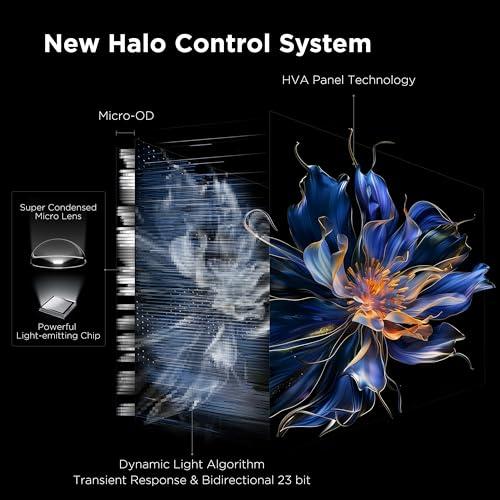
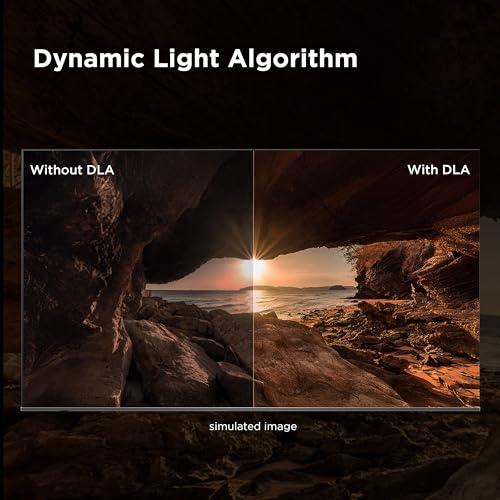
The TCL QM7K combats its zone disadvantage with advanced algorithms in their Halo Control System. This technology uses intelligent processing to minimize blooming effects and optimize the available zones. While it can't match the raw precision of 10,000+ zones, it's surprisingly effective at managing contrast in real-world content.
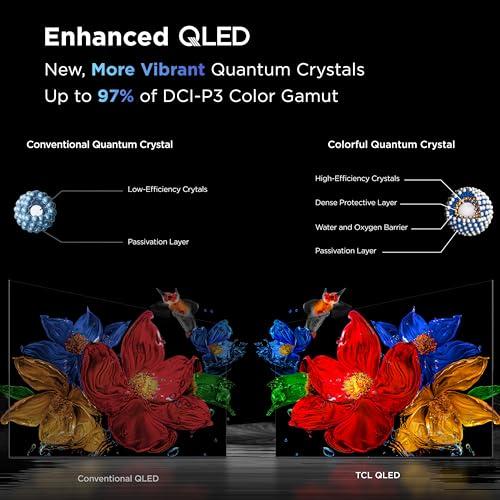
Both TVs use quantum dot technology (QLED) to enhance color reproduction. Quantum dots are microscopic crystals that emit pure colors when excited by light, allowing the displays to reproduce a wider color gamut than standard LED TVs.
The TCL QM7K uses their enhanced QLED technology with upgraded quantum crystal material designed for longer lifespan and more stable color reproduction. Their implementation covers nearly the entire DCI-P3 color space used in movie production, ensuring accurate color reproduction for film content.
The Hisense UX combines quantum dot enhancement with their ULED processing to achieve similar color coverage. Both TVs support over one billion color combinations, making them capable of displaying subtle color gradations that cheaper TVs miss.
In practical terms, both displays deliver excellent color performance. The differences are more subtle than the brightness and contrast disparities, making color accuracy less of a deciding factor between these specific models.
For serious gamers, the TCL QM7K clearly wins this category. Its Game Accelerator 288 technology supports variable refresh rates up to 288Hz at 1080p resolution, with 4K gaming at 144Hz. This ultra-high refresh rate support goes beyond what most competing TVs offer, even at much higher prices.
The TV includes two HDMI 2.1 ports that support these high refresh rates, along with Auto Low Latency Mode (ALLM) that automatically switches to game mode when it detects gaming input. AMD FreeSync Premium Pro support ensures tear-free gaming with compatible graphics cards.
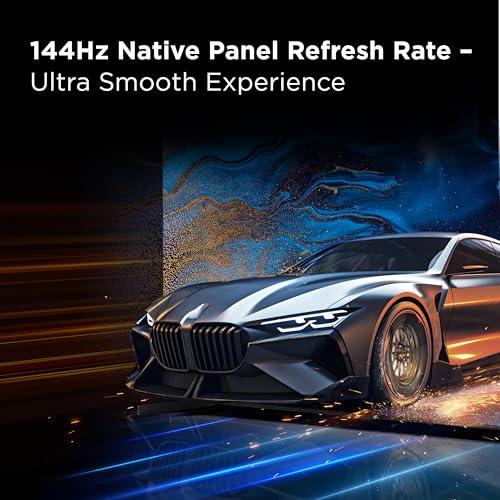
For context, most TVs in this category max out at 120Hz, making the TCL QM7K's 144Hz native panel refresh rate genuinely impressive. The difference between 120Hz and 144Hz might seem small, but it's noticeable in fast-paced games, especially first-person shooters or racing games where every millisecond of response time matters.
The Hisense UX offers capable gaming features but lacks the specialized high-refresh-rate capabilities that make the TCL QM7K stand out. If gaming is a priority, especially PC gaming with high-end graphics cards capable of pushing high frame rates, the TCL is the clear choice.
Audio represents another area where these TVs take different approaches. The Hisense UX features a CineStage X 4.2.2 surround system with a built-in subwoofer, emphasizing power and bass response. This system excels at action movies, delivering the rumbling explosions and impactful sound effects that complement the TV's bright, punchy picture.
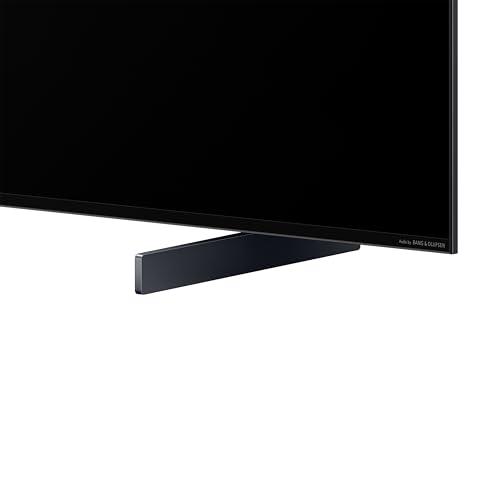
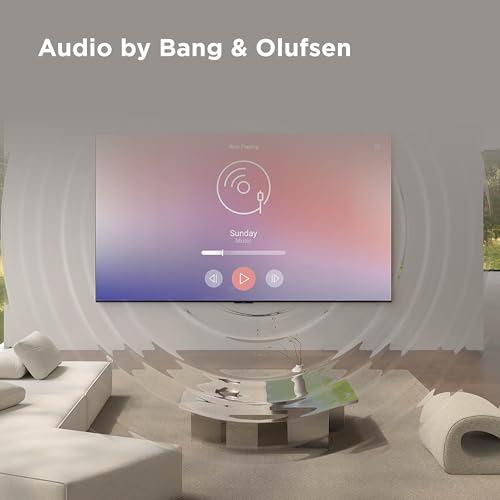
The TCL QM7K uses an audio system tuned by Bang & Olufsen, the premium Danish audio company. This collaboration emphasizes clarity and spatial imaging over raw power, making it excellent for dialogue reproduction and music playback. The Bang & Olufsen tuning creates a more refined, audiophile-oriented sound signature.
Both systems support Dolby Atmos for spatial audio processing, but their characters differ significantly. The Hisense delivers more cinema-like impact, while the TCL offers more nuanced, detailed sound reproduction. However, at this price point and screen size, most users will likely pair either TV with a dedicated sound system or soundbar for optimal audio performance.
This is where the fundamental difference between these TVs becomes most apparent. The Hisense UX excels in challenging lighting conditions thanks to its extreme brightness and advanced anti-glare coating that reduces reflections by up to 75%. If your TV room has large windows, bright overhead lighting, or generally challenging ambient light, the Hisense maintains picture quality where other TVs would wash out.
The TCL QM7K, while still bright by most standards, performs best in controlled lighting environments. In a dedicated home theater with blackout curtains and controlled lighting, it delivers excellent performance. However, in bright family rooms with afternoon sunlight streaming through windows, the picture quality may suffer compared to the Hisense.
This room compatibility factor often determines which TV makes more sense for specific installations. The Hisense UX works well in multi-purpose family rooms that serve various functions throughout the day. The TCL QM7K shines in dedicated viewing spaces where lighting can be controlled.
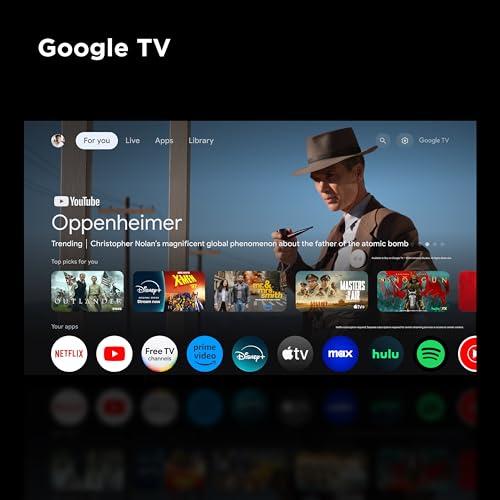
Both TVs run Google TV, which provides access to all major streaming services along with Chromecast built-in and voice control capabilities. The interfaces are essentially identical, making smart features less of a differentiating factor.
The TCL QM7K includes a backlit remote control, which might seem like a minor detail but proves valuable in dark home theaters where finding buttons on a standard remote can be frustrating. Both TVs support integration with smart home systems including Amazon Alexa, Google Assistant, and Apple HomeKit.
At the time of writing, the price difference between these TVs is substantial—the TCL QM7K costs roughly half as much as the Hisense UX. This creates an interesting value proposition discussion.
The TCL QM7K delivers approximately 80% of the Hisense UX's picture quality at roughly 50% of the price. For many users, especially those with controlled viewing environments, this represents exceptional value. The money saved could fund a premium audio system, professional calibration, or other home theater improvements that might provide more overall benefit than the brightness and zone count advantages of the Hisense.
The Hisense UX justifies its premium pricing for users who need maximum performance, particularly in challenging room conditions. If your viewing space has significant ambient light, the Hisense's superior brightness and anti-glare performance could be worth the investment. The additional local dimming zones also provide genuinely superior contrast control that's noticeable in demanding content.
The TCL QM7K, being a 2025 model, incorporates the latest developments in QD-Mini LED technology and gaming features. The gaming capabilities in particular represent current state-of-the-art, with refresh rate support that exceeds what most content currently requires. This makes it well-positioned for future gaming and content standards.
The Hisense UX, despite being a 2024 model, still represents cutting-edge display technology. Its extreme brightness and zone count specifications remain impressive by current standards. However, the gaming features are less forward-looking than the TCL's implementation.
Both TVs should remain relevant for many years, but the TCL QM7K's gaming focus makes it more future-proof for that specific use case.
Choose the TCL QM7K if you have a dedicated home theater space with controlled lighting, prioritize gaming performance, or want to maximize value while still getting premium picture quality. It's also the better choice if you plan to invest in external audio equipment, as the money saved on the TV can fund a superior sound system.
The TCL QM7K makes particular sense for enthusiast gamers who want the latest in high refresh rate technology, or for users who appreciate the refined Bang & Olufsen audio tuning. In dark room environments, its picture quality competes effectively with displays costing much more.
Choose the Hisense UX if your viewing space receives significant ambient light, you want the absolute best peak brightness and anti-glare performance available, or you're willing to pay premium pricing for maximum performance. It's also better for users who prefer powerful, impactful built-in audio for action content.
The Hisense UX excels in challenging installations where other premium TVs might struggle—bright family rooms, spaces with large windows, or rooms where controlling lighting isn't practical.
Both TVs represent excellent choices in their respective contexts, but understanding your specific viewing environment and priorities will determine which approach serves you better. The TCL QM7K maximizes value and gaming performance, while the Hisense UX maximizes brightness and versatility across different room conditions.
| TCL 98" QM7K QD-Mini LED 4K TV | Hisense 98" UX Series 4K Mini-LED ULED Google TV |
|---|---|
| Peak Brightness - Critical for HDR impact and bright room viewing | |
| 3,000 nits (excellent for controlled lighting) | 5,000+ nits (superior for bright rooms and maximum HDR punch) |
| Local Dimming Zones - Controls contrast precision and blooming | |
| Up to 2,500 zones with Halo Control System | 10,000+ zones (dramatically better contrast control) |
| Native Refresh Rate - Essential for smooth gaming and sports | |
| 144Hz with Game Accelerator 288 (up to 288Hz VRR) | Standard gaming features (specific refresh rate not specified) |
| Gaming Features - Important for console and PC gaming | |
| Optimized for gaming: 4K@144Hz, 1080p@288Hz, AMD FreeSync Premium Pro, ALLM | Basic gaming support without specialized high refresh features |
| Audio System - Affects built-in sound quality | |
| Bang & Olufsen tuned system (clarity-focused) | CineStage X 4.2.2 with subwoofer (power-focused) |
| Anti-Glare Technology - Crucial for bright room performance | |
| Standard anti-reflective coating | Advanced anti-glare reduces reflections by up to 75% |
| Smart Platform - User experience and app selection | |
| Google TV with backlit remote | Google TV with hands-free voice control |
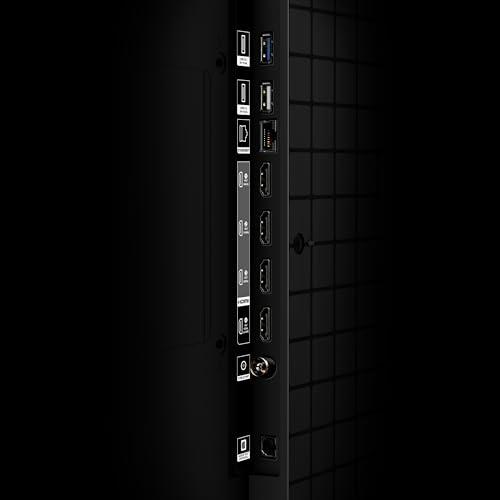
| HDMI Connectivity - Important for multiple devices | |
| 4 HDMI ports (2x HDMI 2.1) | 4 HDMI ports (2x HDMI 2.1 at 4K/144Hz) |
| Release Year - Affects latest technology and features | |
| 2025 model (latest QD-Mini LED tech) | 2024 model (established reliability) |
| Best Use Case - Where each TV excels | |
| Dedicated home theaters, gaming setups, value-focused buyers | Bright rooms, maximum performance regardless of cost |
The TCL 98" QM7K is significantly better for gaming with its 144Hz native refresh rate, Game Accelerator 288 supporting up to 288Hz VRR, and AMD FreeSync Premium Pro. The Hisense UX Series offers basic gaming features but lacks the specialized high refresh rate capabilities that serious gamers need.
The Hisense UX Series delivers over 5,000 nits peak brightness compared to the TCL QM7K's 3,000 nits. This 67% brightness advantage makes the Hisense significantly better for bright rooms and more impactful HDR highlights, while the TCL still provides excellent brightness for controlled lighting environments.
The Hisense UX Series features over 10,000 local dimming zones compared to the TCL QM7K's 2,500 zones. More zones mean better contrast control and less blooming around bright objects, giving the Hisense superior precision in dark scene performance.
The Hisense UX Series excels in bright rooms with its 5,000+ nits brightness and advanced anti-glare coating that reduces reflections by up to 75%. The TCL QM7K performs best in controlled lighting environments and may struggle with picture quality in very bright spaces.
The Hisense UX Series features a CineStage X 4.2.2 system with built-in subwoofer for powerful, cinema-oriented sound. The TCL QM7K uses Bang & Olufsen tuning that emphasizes clarity and spatial imaging, making it better for dialogue and music reproduction.
The TCL QM7K offers exceptional value, delivering roughly 80% of the Hisense UX Series's picture quality at approximately half the cost. The significant savings could fund premium audio equipment or other home theater improvements.
Both TVs work well in home theaters, but the TCL QM7K is optimized for controlled lighting environments with excellent contrast and gaming features. The Hisense UX Series provides superior performance if your theater space has any ambient light challenges.
Both the TCL QM7K and Hisense UX Series run Google TV with identical app selection and streaming capabilities. The TCL includes a backlit remote for dark room use, while the Hisense offers hands-free voice control with built-in microphones.
The Hisense UX Series delivers superior HDR performance due to its extreme 5,000+ nits brightness, making highlights more realistic and impactful. The TCL QM7K still provides excellent HDR quality with its 3,000 nits, supporting all major formats including Dolby Vision IQ.
While the TCL QM7K achieves an 8,000:1 native contrast ratio, the Hisense UX Series's 10,000+ dimming zones provide superior overall contrast control in real-world content, virtually eliminating blooming effects for OLED-like black levels.
The TCL QM7K is the newer 2025 model with the latest QD-Mini LED technology and gaming innovations. The Hisense UX Series launched in 2024 and has established market reliability, though both represent current state-of-the-art display technology.
Choose the TCL QM7K for dedicated home theaters, gaming setups, or value-focused purchases where lighting is controlled. Select the Hisense UX Series if you have bright rooms, want maximum performance regardless of cost, or need superior anti-glare capabilities for challenging lighting conditions.
We've done our best to create useful and informative comparisons to help you decide what product to buy. Our research uses advanced automated methods to create this comparison and perfection is not possible - please contact us for corrections or questions. These are the sites we've researched in the creation of this article: bestbuy.com - tcl.com - youtube.com - rtings.com - tcl.com - youtube.com - youtube.com - tcl.com - tomsguide.com - manuals.plus - youtube.com - tcl.com - whathifi.com - bestbuy.com - queencityonline.com - electronicexpress.com - tcl.com - valueelectronics.com - tcl.com - bestbuy.com - bestbuy.com - youtube.com - woodruffappliance.com - karlsonline.com - tcl.com - bestbuy.com - walmart.com - stealthoptional.com - youtube.com - soundandvision.com - youtube.com - hdtvtest.co.uk - avsforum.com - hisense-canada.com - fouanistore.com - displayspecifications.com

Privacy Policy
Terms and Conditions - Affiliate Policy
Home Security
© Copyright 2008-2026.
11816 Inwood Rd #1211, Dallas, TX 75244