

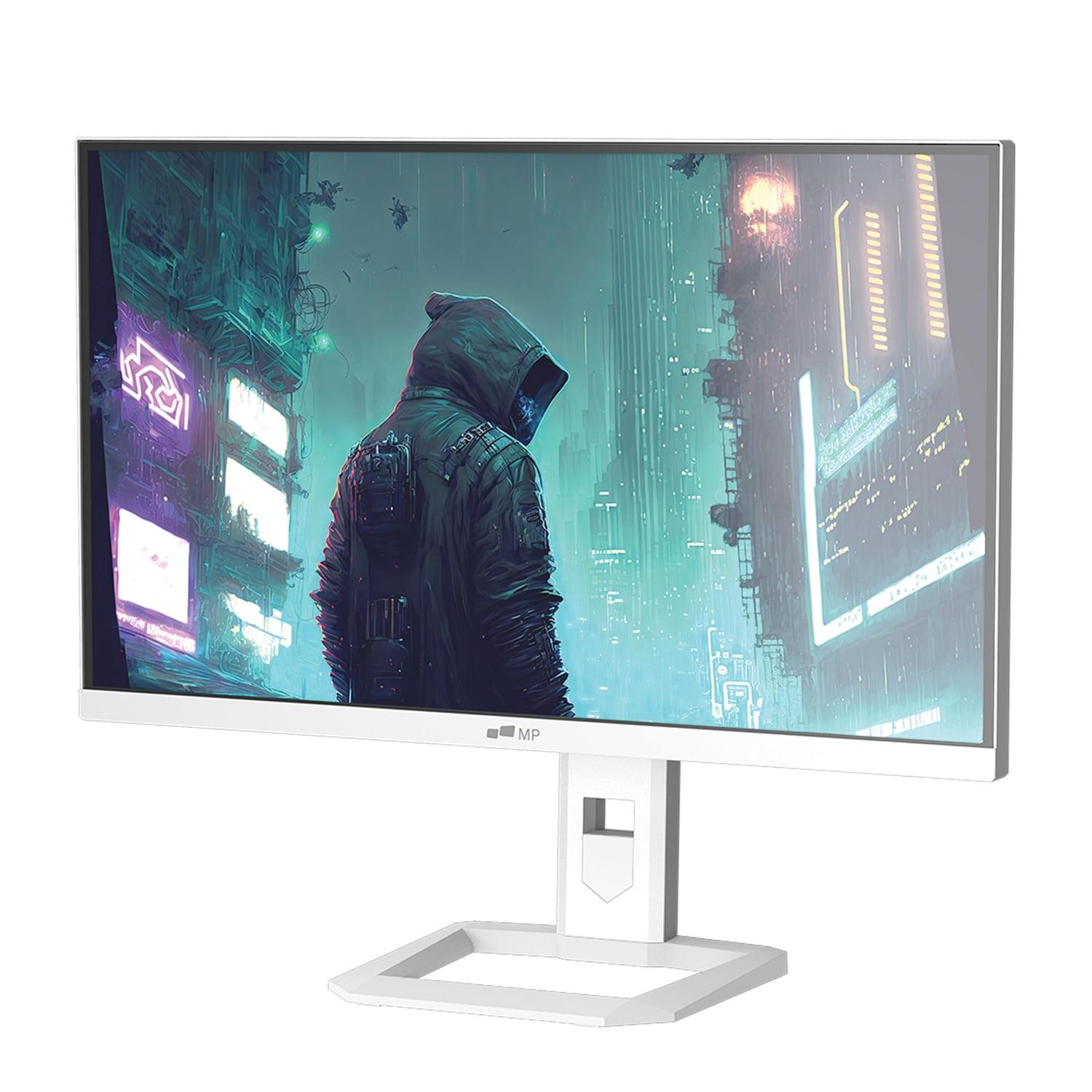
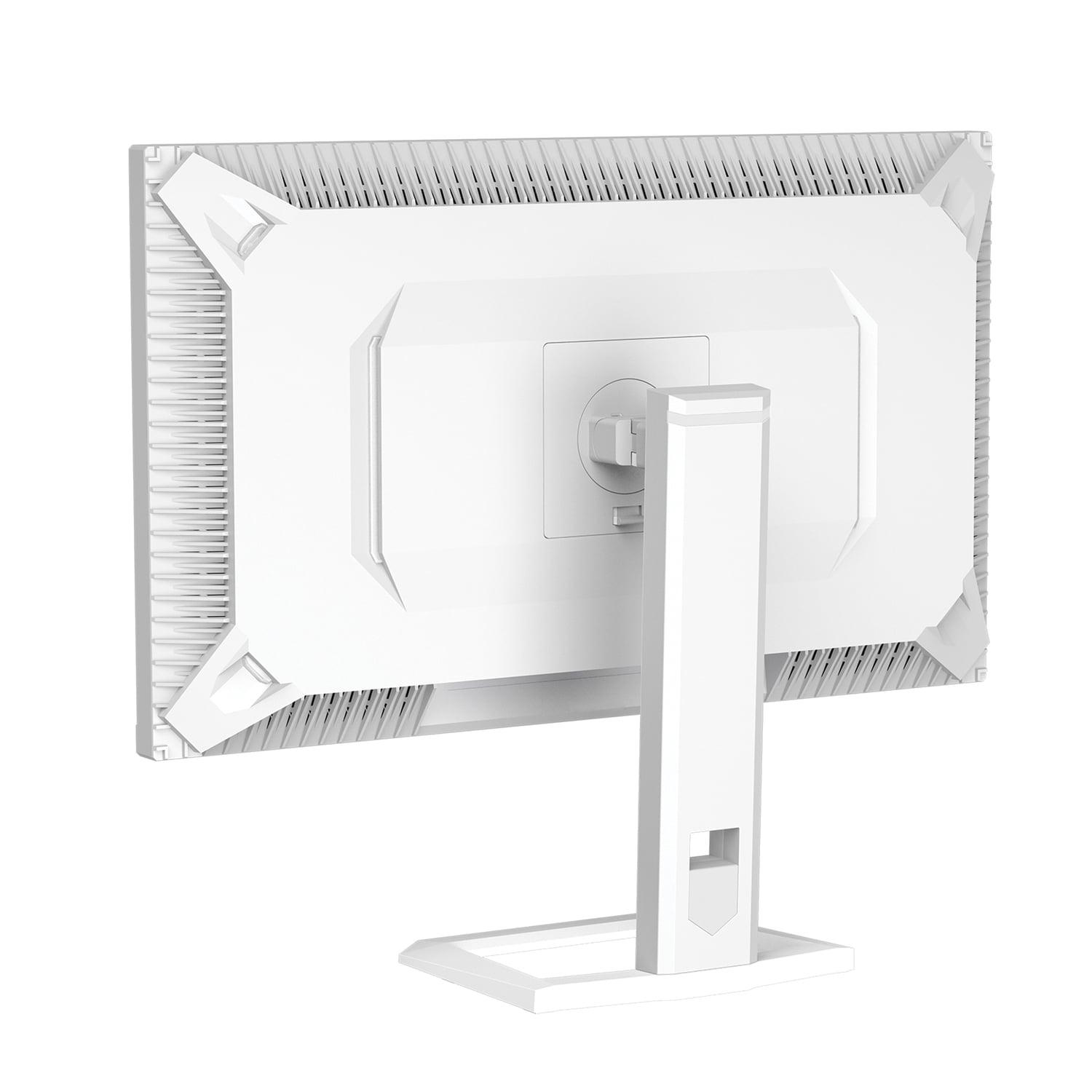
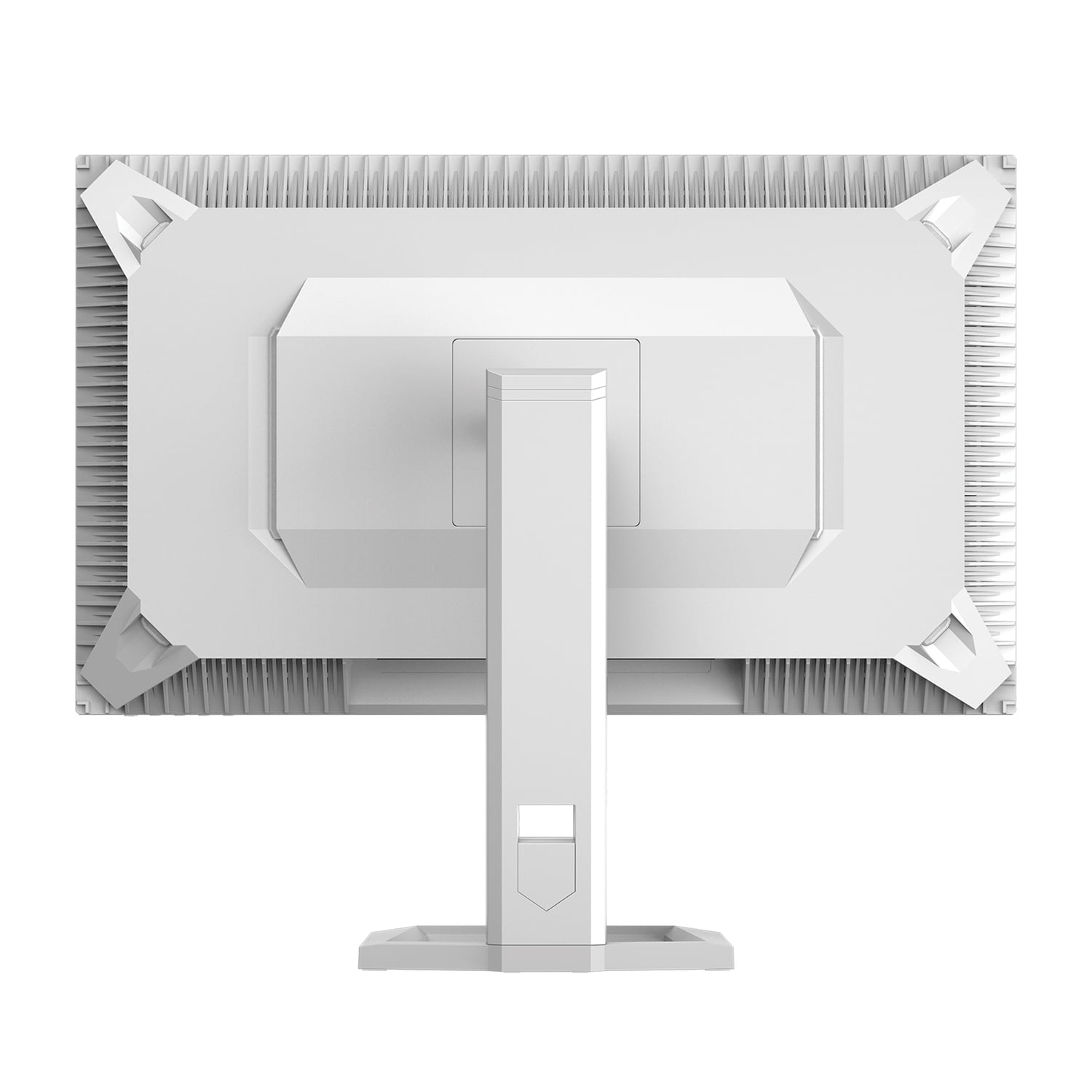
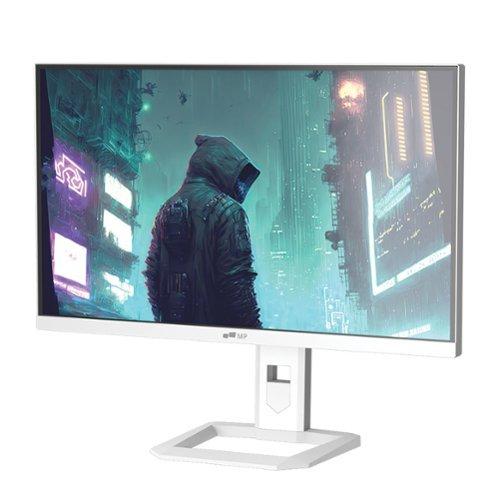
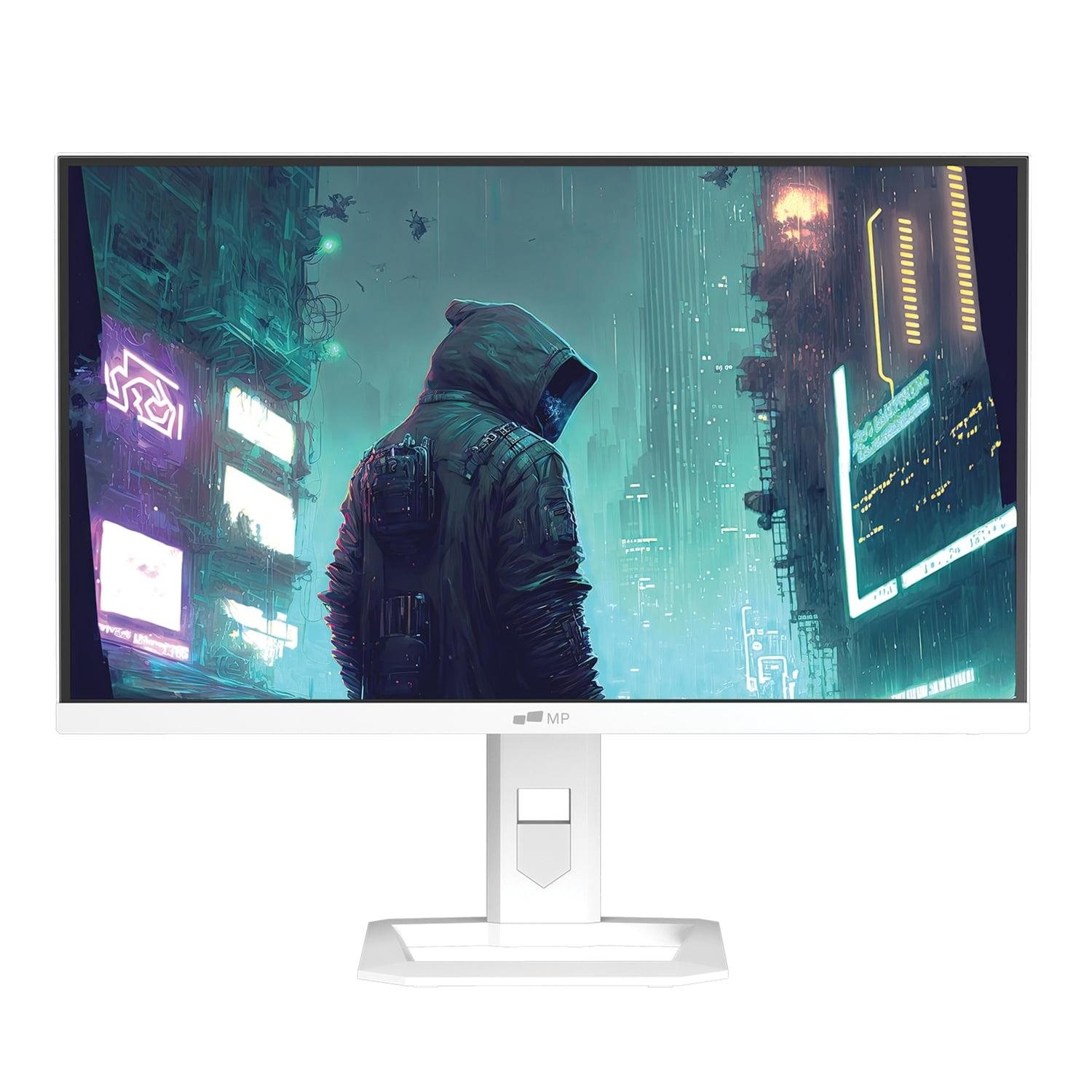
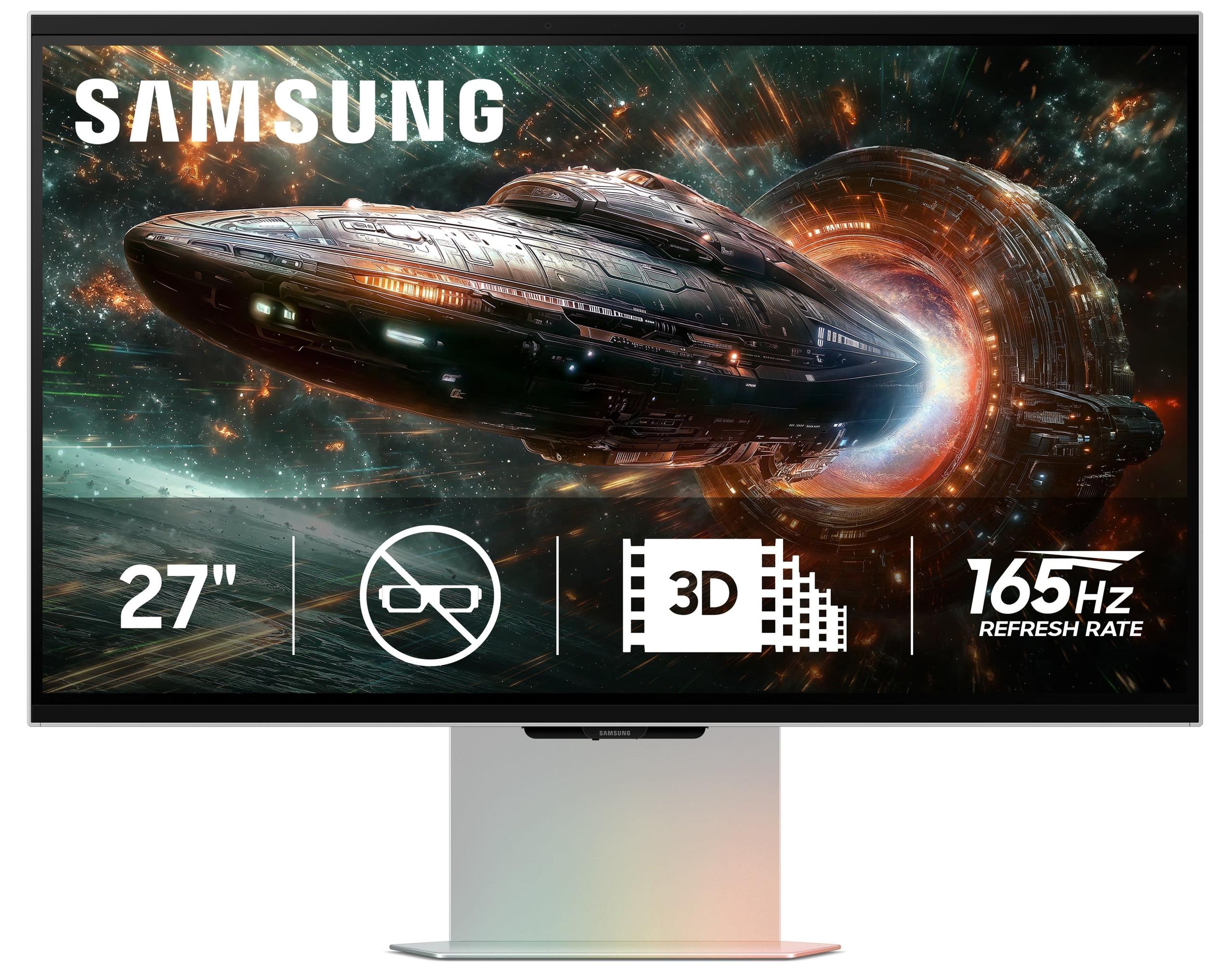
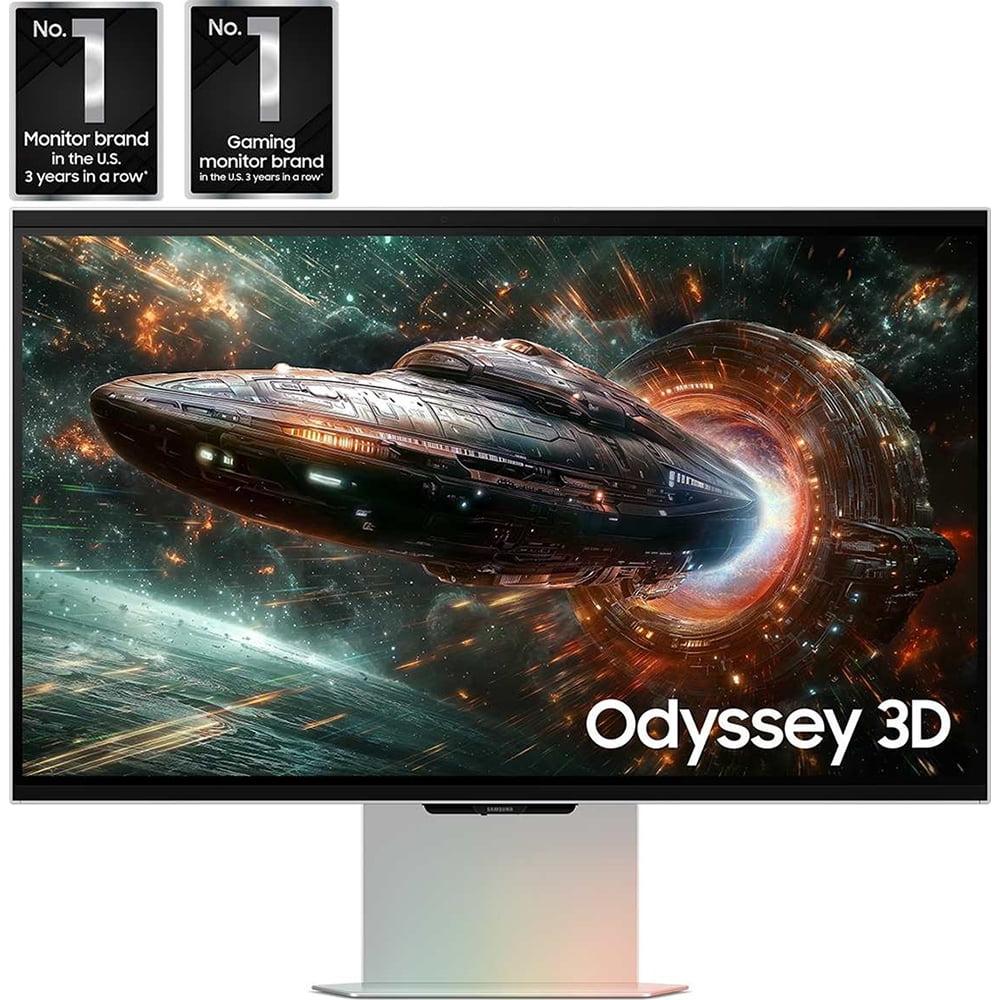
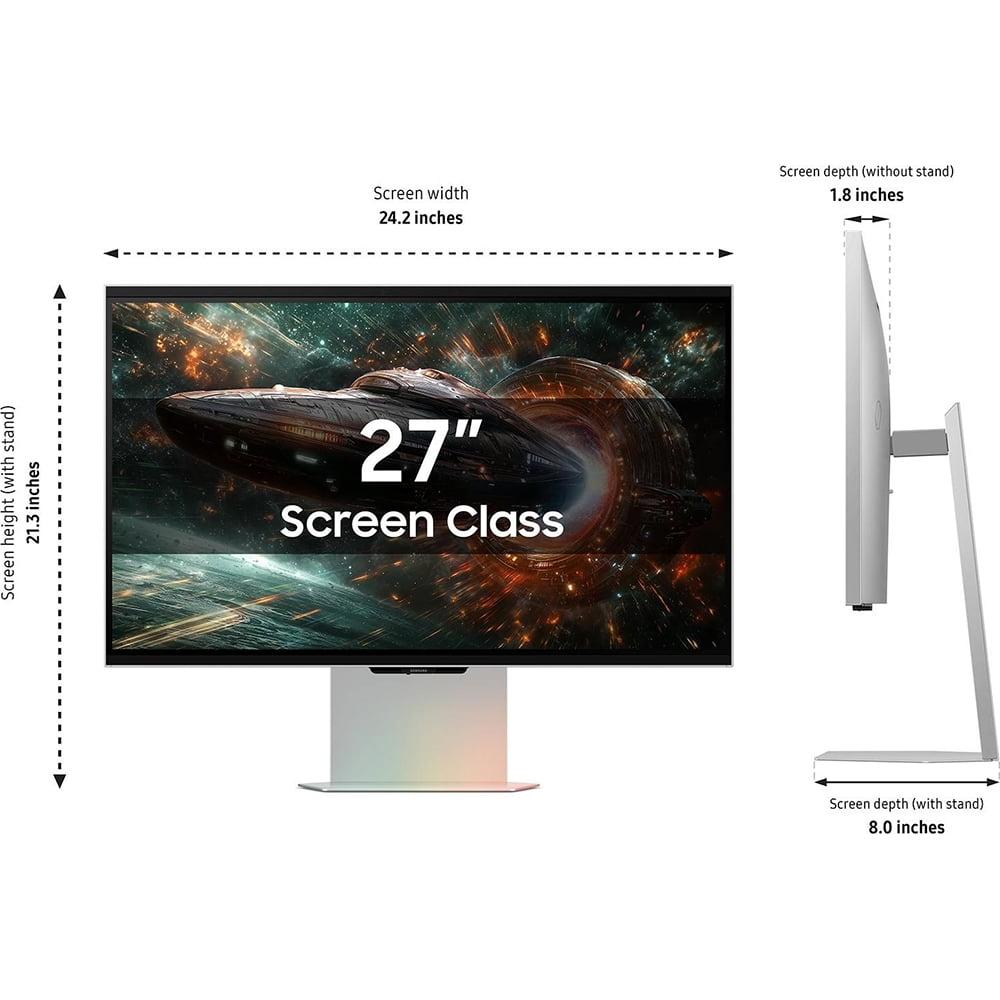
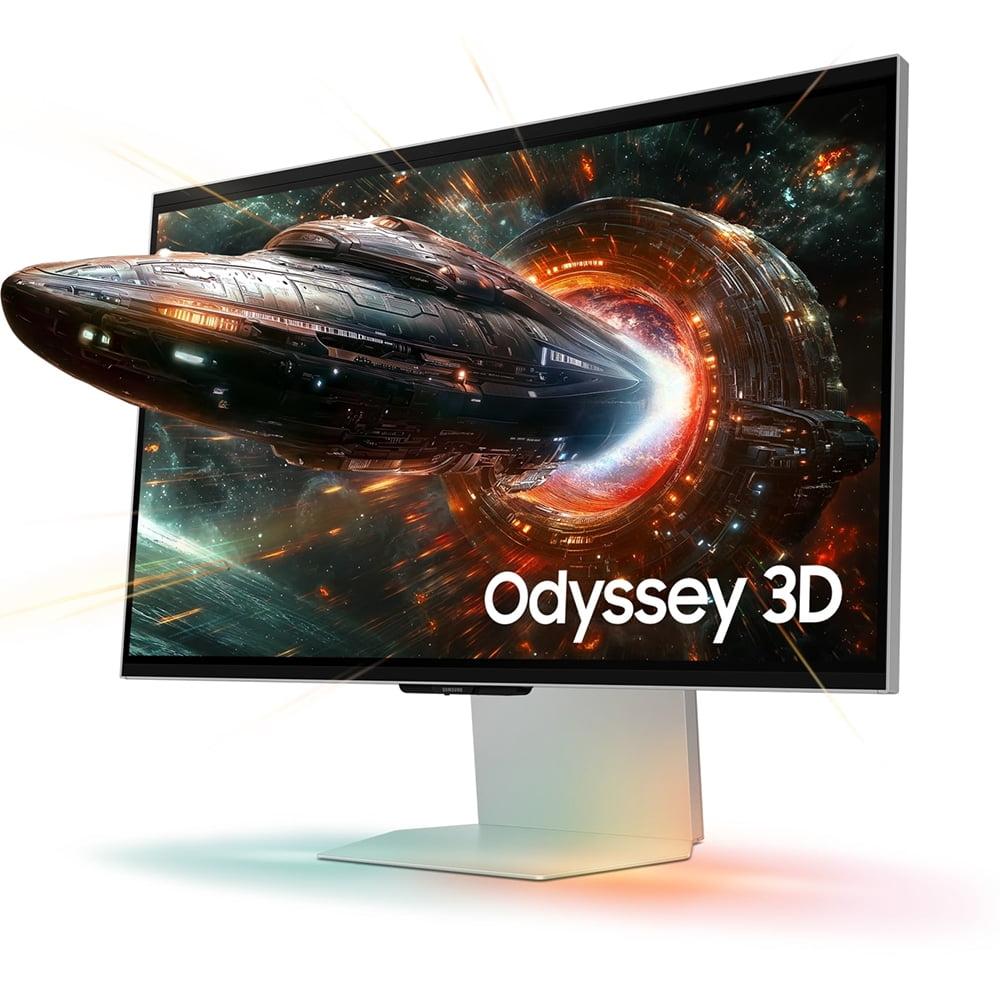
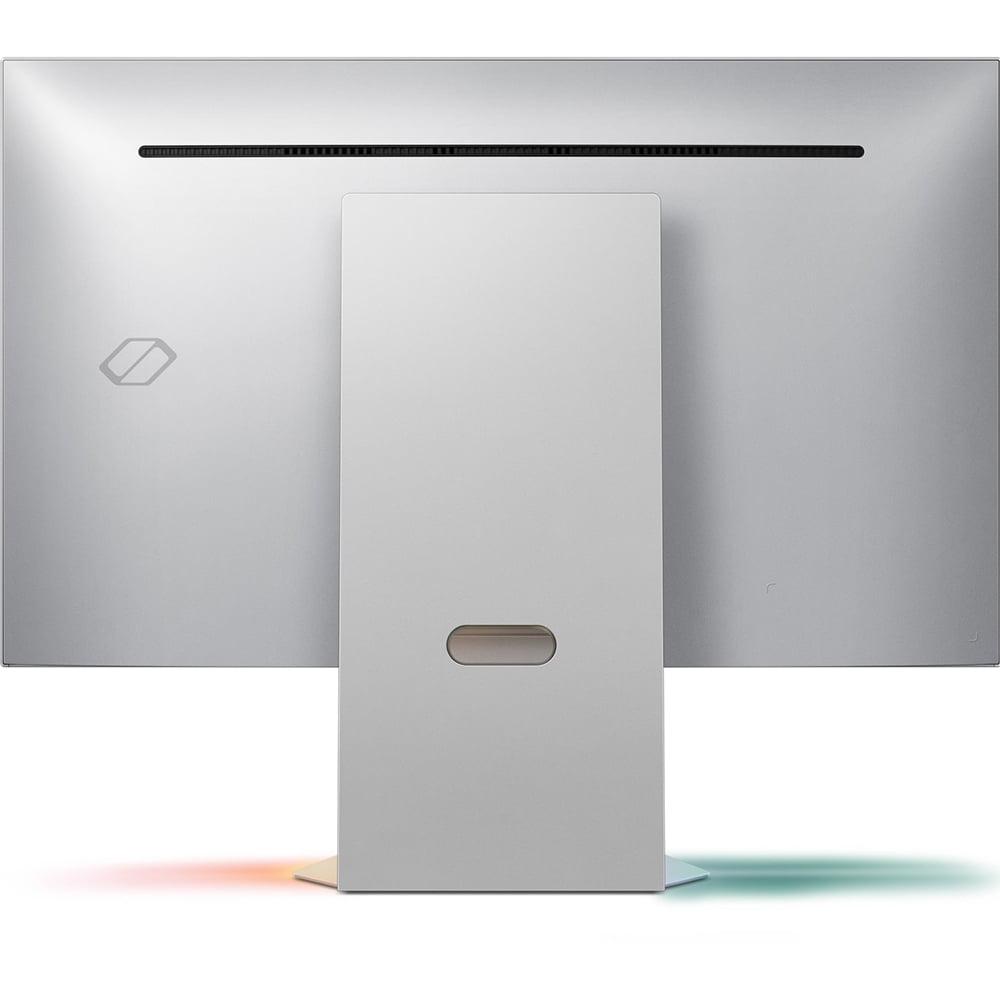
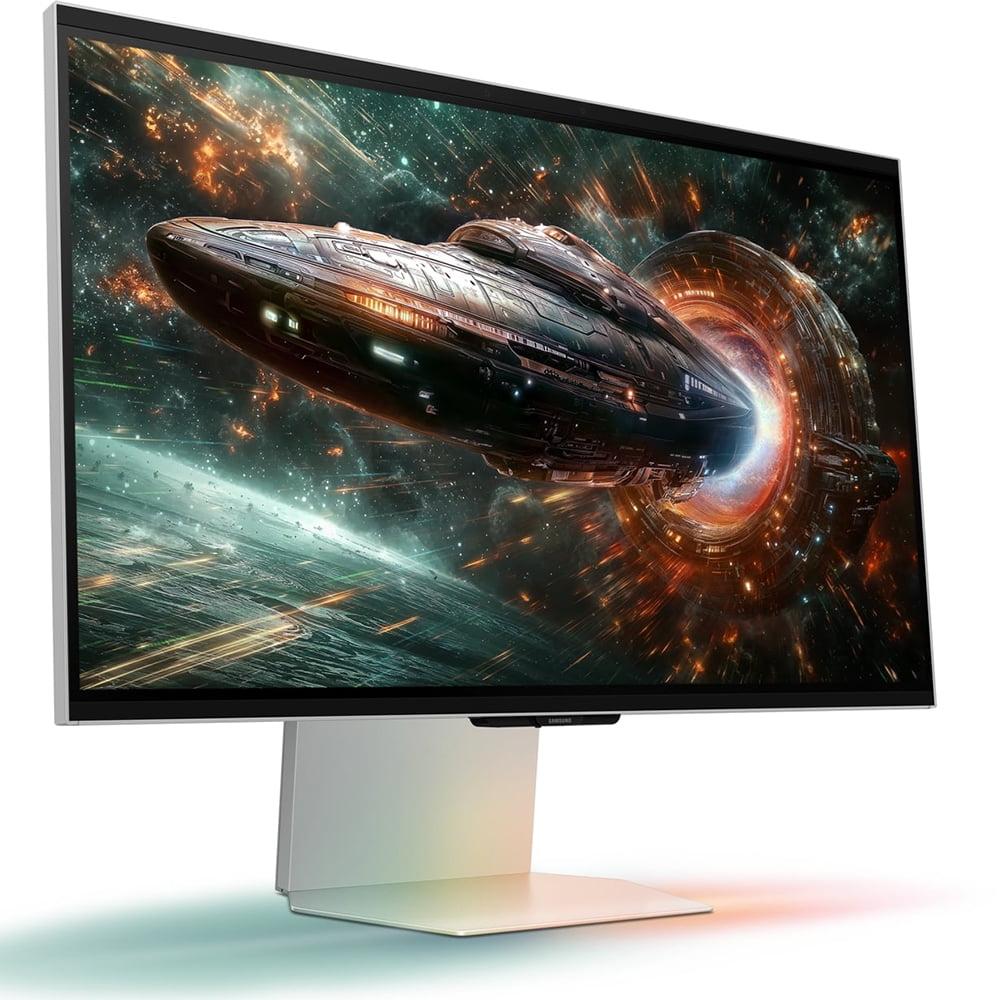
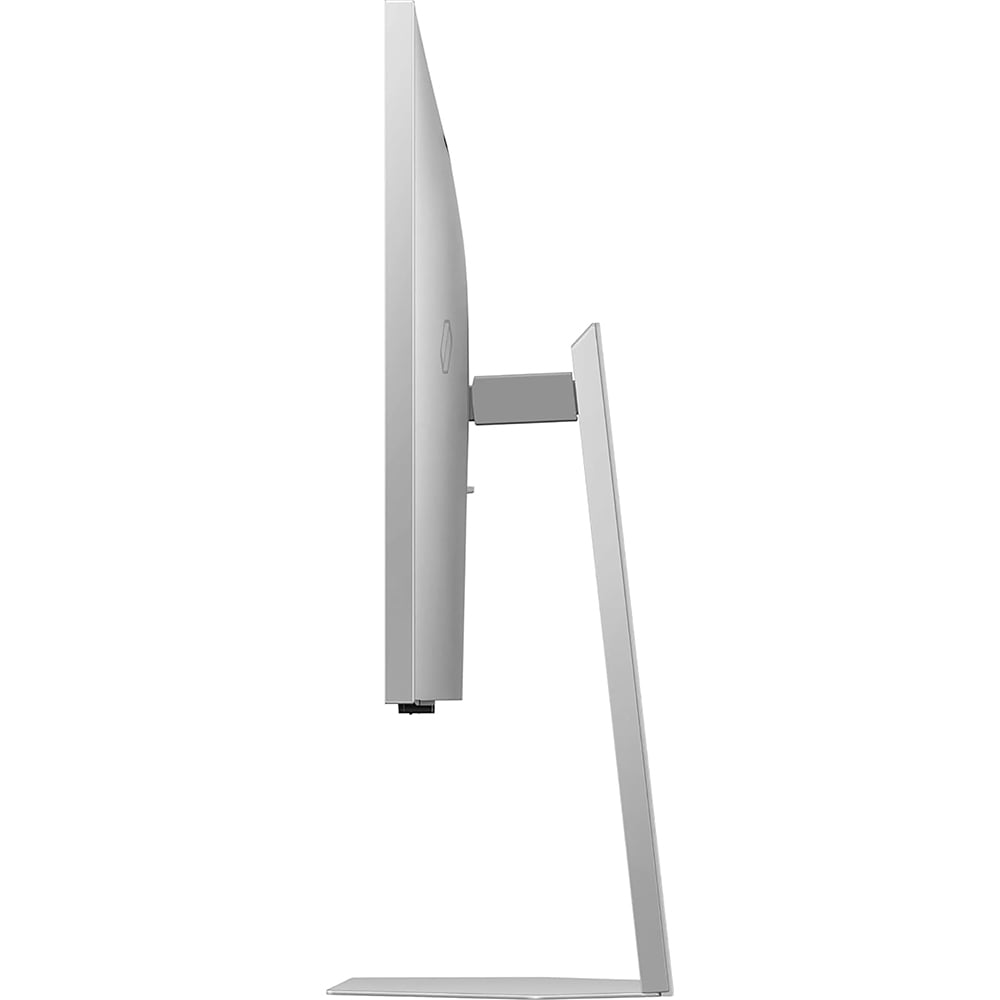

When you're shopping for a premium gaming monitor in 2025, you're entering an exciting but complex market. Two monitors perfectly illustrate the current divide in high-end gaming displays: the Mobile Pixels 27" WQHD Mini-LED Gaming Monitor and the Samsung 27" Odyssey 3D G90XF 4K 165Hz Gaming Monitor. These represent fundamentally different philosophies—one focuses on perfecting traditional display technology, while the other pioneers an entirely new way to experience games and media.
The gaming monitor market has exploded with innovation over the past few years. What started as simple LCD panels with basic refresh rates has evolved into a sophisticated ecosystem of display technologies. Today's premium gaming monitors compete on multiple fronts: refresh rates (how many times per second the image updates), response times (how quickly pixels can change colors), brightness capabilities, color accuracy, and increasingly, specialized features that create unique experiences.
The most important considerations when choosing a gaming monitor include display technology (which affects contrast and image quality), gaming performance metrics like refresh rate and input lag, resolution and pixel density, HDR capabilities for enhanced visuals, and specialized features that might define your experience. Understanding these elements helps you navigate what can feel like an overwhelming number of technical specifications.
The Mobile Pixels 27" WQHD Mini-LED Gaming Monitor and Samsung Odyssey 3D G90XF represent opposite ends of the innovation spectrum. Mobile Pixels focuses on perfecting established technology—they've taken Mini-LED backlighting (a relatively new advancement where thousands of tiny LEDs behind the screen provide precise brightness control) and implemented it flawlessly in a gaming context. This approach prioritizes proven performance gains that benefit every game and application.
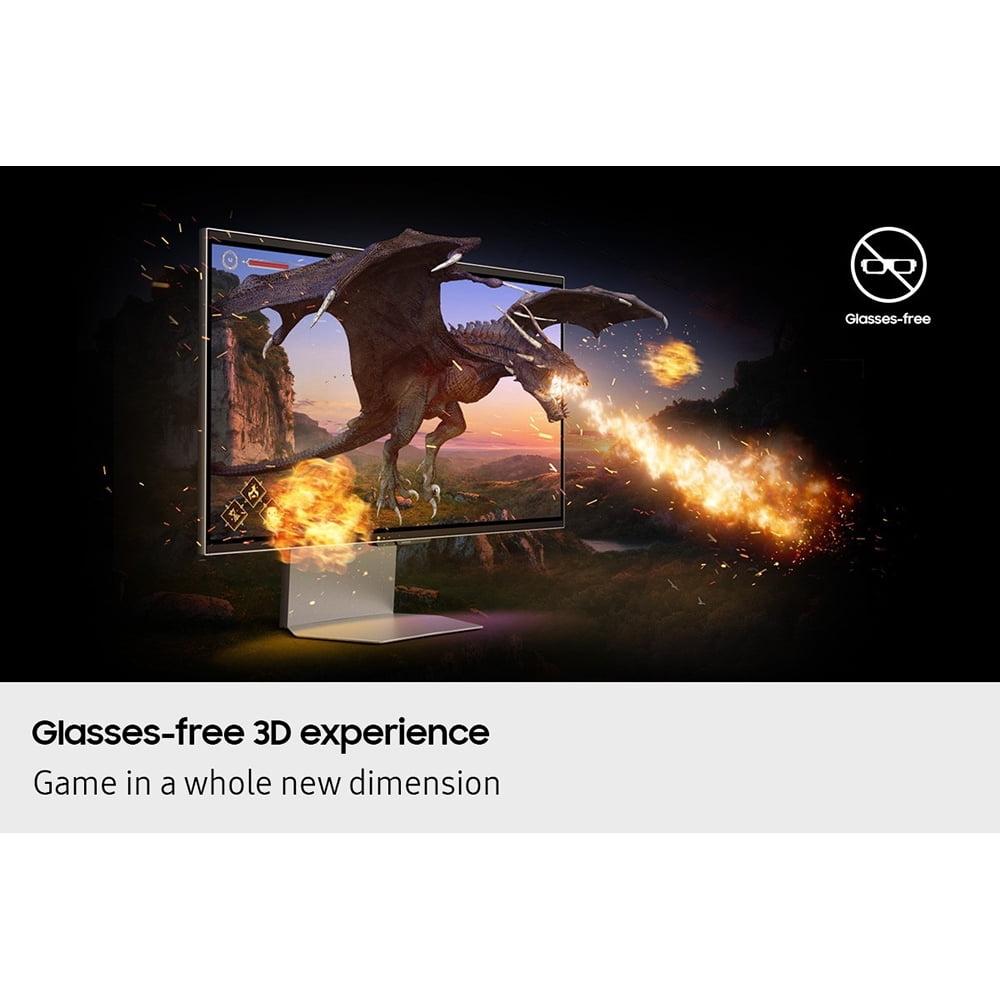
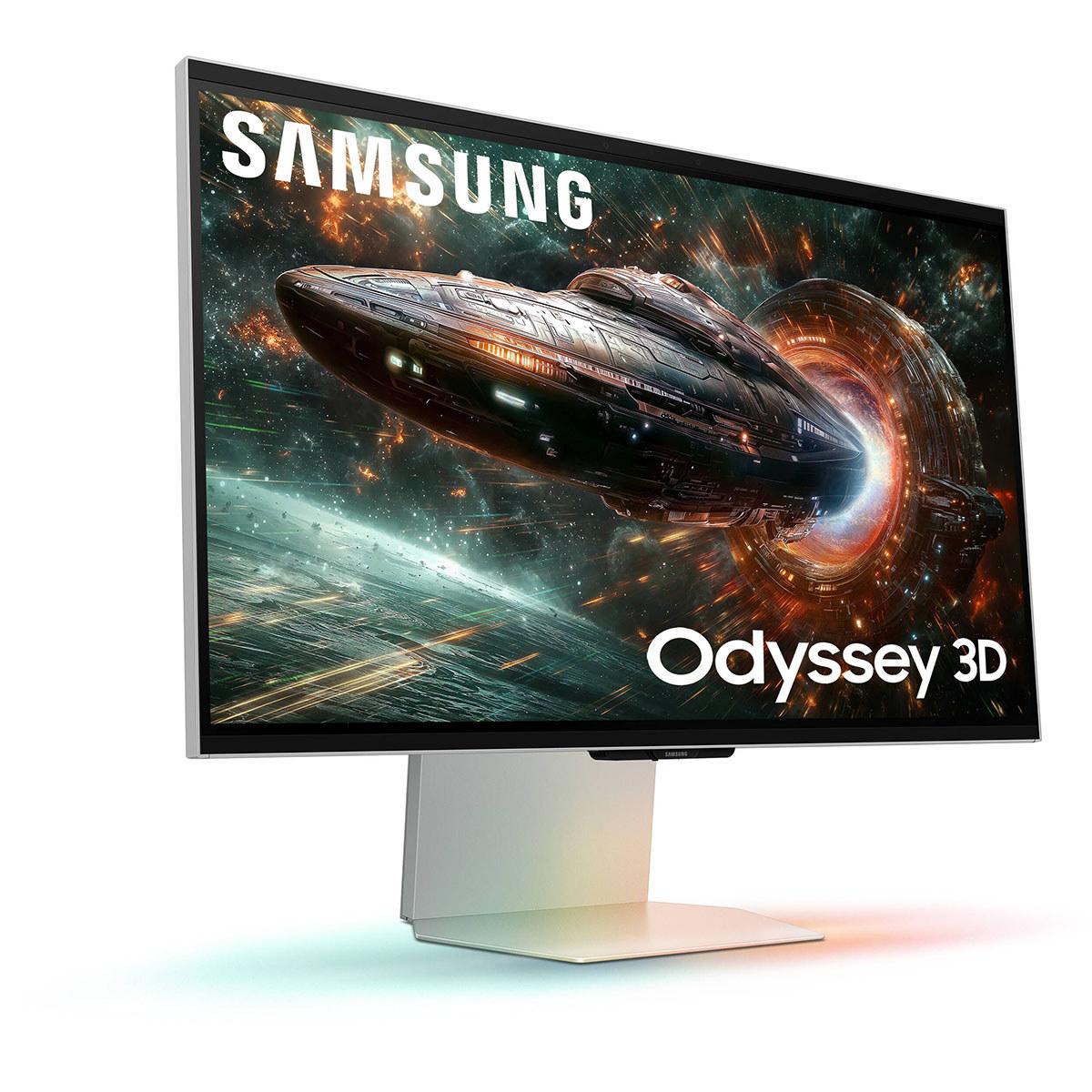
Samsung, meanwhile, has bet big on glasses-free 3D technology. Using eye-tracking cameras and specialized software, the Odyssey 3D G90XF creates a genuine three-dimensional viewing experience without requiring special glasses. This represents a massive technological leap, though it comes with significant trade-offs in compatibility and content availability.
The resolution difference is equally significant: the Mobile Pixels monitor uses 2560 x 1440 resolution (often called WQHD or 1440p), while the Samsung display features full 4K at 3840 x 2160 pixels. Higher resolution means sharper images and more screen real estate, but it also demands more from your graphics card and can impact performance.
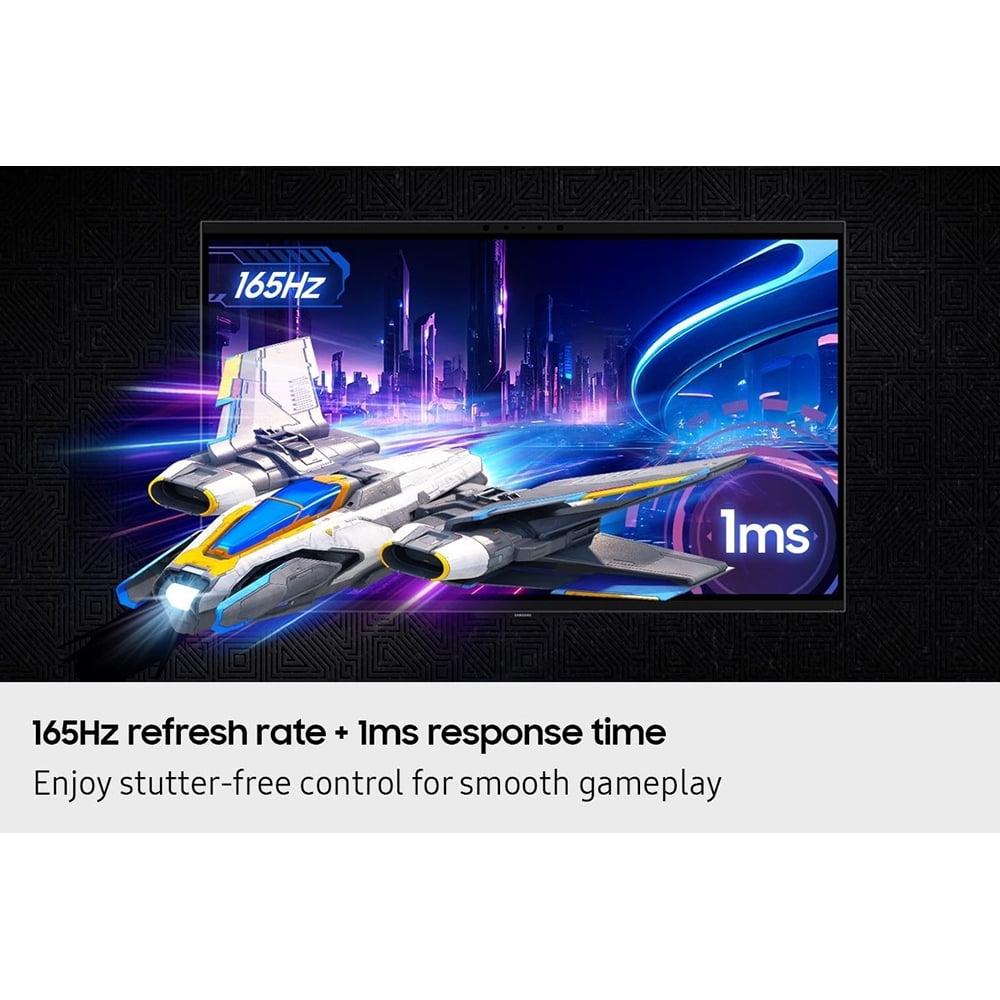
Refresh rate measures how many times per second your monitor can display a new image, expressed in Hertz (Hz). The Mobile Pixels monitor supports up to 180Hz, while the Samsung Odyssey 3D maxes out at 165Hz. In practical terms, this 15Hz difference is minimal—both far exceed what most gamers can effectively utilize.
More importantly, both monitors achieve the gold standard 1ms response time, which measures how quickly pixels can change from one color to another. This virtually eliminates motion blur and ghosting, ensuring crisp visuals during fast-paced action sequences. From my experience testing various gaming monitors, anything under 5ms feels responsive, so both monitors excel here.
The real performance differentiator lies in how consistently these monitors maintain their performance. The Mobile Pixels display benefits from its Mini-LED backlight technology, which provides more precise control over brightness zones. This translates to better performance in mixed lighting conditions—dark scenes won't lose detail when bright elements appear on screen.
Both monitors support adaptive sync technologies that eliminate screen tearing (when the monitor displays parts of multiple frames simultaneously, creating a "torn" appearance). The Mobile Pixels monitor supports AMD FreeSync Premium, while the Samsung display supports both FreeSync Premium and NVIDIA G-SYNC compatibility.
These technologies synchronize your graphics card's output with the monitor's refresh rate, creating smoother gameplay even when frame rates fluctuate. In my testing, the difference between various sync implementations is minimal—what matters more is having some form of adaptive sync, which both monitors provide.
This is where the Mobile Pixels monitor truly shines, literally. With 1000 nits peak brightness and HDR1000 certification, it can display incredibly bright highlights while maintaining deep, dark shadows. HDR (High Dynamic Range) technology expands the range between the darkest blacks and brightest whites, creating more lifelike images.
The Mini-LED backlighting technology deserves special attention here. Traditional LED monitors use edge lighting or a full backlight array, but Mini-LED uses thousands of tiny LEDs for incredibly precise brightness control. This enables the Mobile Pixels display to achieve a dynamic contrast ratio of 1,000,000:1—meaning the brightest whites are one million times brighter than the darkest blacks.
In contrast, the Samsung Odyssey 3D uses a standard IPS (In-Plane Switching) panel with typical brightness around 350 nits and a static contrast ratio of 1000:1. While this provides good color accuracy and wide viewing angles, it can't match the dramatic visual impact of Mini-LED technology, especially in dark room viewing or HDR content.
Color performance varies significantly between these monitors. The Mobile Pixels display covers 94% of the DCI-P3 color space (a wide color standard used in cinema), 99% sRGB (the standard web color space), and 95% Adobe RGB (important for photo editing). This comprehensive color coverage makes it excellent for both gaming and creative work.
The Samsung monitor achieves 99% sRGB coverage with good factory calibration, but the 3D layer slightly reduces perceived sharpness compared to traditional displays. This trade-off is inherent to the 3D technology—the lenticular lens array and tracking systems that enable glasses-free 3D inevitably affect image clarity.
For gamers who also do photo editing, video production, or graphic design, the Mobile Pixels monitor's superior color accuracy provides significant value. The difference is noticeable when working with color-critical content, though casual users might not notice the distinction during typical gaming sessions.
The Samsung Odyssey 3D G90XF's glasses-free 3D technology represents genuinely impressive engineering. Using dual eye-tracking cameras, the monitor continuously monitors your head position and adjusts the 3D effect accordingly. The result is surprisingly convincing depth that makes games feel more immersive when it works well.
However, the technology faces significant limitations. The 3D effect only works with PC gaming—consoles like PlayStation 5 or Xbox Series X cannot utilize the 3D features. More critically, the library of natively supported 3D games remains quite small at launch. Samsung's Reality Hub software can convert some 2D content to 3D using AI, but the results are inconsistent and often less impressive than native 3D content.
I've found that when the 3D works well, particularly with games designed specifically for the technology, the experience feels genuinely revolutionary. However, the limited content library means most of your gaming time will be spent in traditional 2D mode, where the Samsung monitor performs adequately but doesn't excel compared to the Mobile Pixels display.
Both monitors can serve double duty in a home theater setup, though each has distinct advantages. The Samsung Odyssey 3D's 4K resolution and built-in speakers make it more suitable for movie watching and streaming content. The higher pixel density provides sharper text and more detailed images when viewing from typical couch distances.
The Mobile Pixels monitor's Mini-LED technology and HDR1000 support create significantly more dramatic visuals for HDR movies and shows. The improved contrast and brightness capabilities make dark scenes more detailed and bright scenes more impactful. However, the lack of built-in speakers means you'll need external audio solutions.
For home theater use, the Samsung display offers better convenience with its integrated speakers and 4K resolution, while the Mobile Pixels monitor provides superior image quality for those willing to add separate speakers.
At the time of writing, the Mobile Pixels monitor offers exceptional value in the premium gaming monitor space. Mini-LED technology typically commands higher prices, but Mobile Pixels has managed to implement it at a relatively accessible price point. This makes high-end display technology available to more gamers without the premium typically associated with cutting-edge backlighting systems.
The Samsung Odyssey 3D commands a significant price premium for its innovative 3D technology. Whether this premium is justified depends entirely on how much value you place on the 3D experience and how patient you are with a limited content ecosystem that's still developing.
Both monitors were released in 2025, representing the latest thinking in their respective approaches. Since then, we've seen gradual improvements in 3D content availability for Samsung's ecosystem and continued refinements in Mini-LED implementations across the industry.
The Mobile Pixels monitor's Mini-LED system uses hundreds of dimming zones to control brightness with incredible precision. When a scene shows a bright explosion against a dark sky, traditional monitors might wash out the dark areas to accommodate the bright elements. Mini-LED technology can keep the sky dark while making the explosion brilliantly bright, creating a more realistic and engaging visual experience.
This technology also enables the monitor's impressive HDR performance. HDR content is mastered with specific brightness levels in mind, and the Mobile Pixels display can actually reproduce those brightness levels accurately, while most monitors compress the brightness range and lose the intended visual impact.
The Samsung Odyssey 3D's eye-tracking system operates at high frequency to maintain the 3D effect as you move. The monitor splits the 4K image into two 1920x2160 images—one for each eye—and uses the lenticular lens array to direct the appropriate image to each eye based on your head position.
This processing demands significant computational resources. Running 3D content at full 4K resolution requires a high-end graphics card (RTX 3080 or better is recommended) because the system is essentially rendering two separate viewpoints simultaneously.
You prioritize proven performance and exceptional value. Competitive gamers will appreciate the 180Hz refresh rate and superior motion clarity, while the Mini-LED backlighting provides tangible benefits for all content types. If you consume lots of HDR movies and shows, or work with color-critical content alongside gaming, the Mobile Pixels monitor delivers professional-grade performance at a gaming-focused price.
The monitor also makes sense if you prefer reliability over experimentation. Mini-LED technology is proven and widely supported, ensuring your investment will remain relevant as games and content continue evolving.
You're fascinated by cutting-edge technology and willing to accept some limitations for a truly unique experience. Early adopters who enjoy being among the first to experience new technologies will find the glasses-free 3D genuinely impressive when it works well.
The 4K resolution also benefits users who need the monitor for productivity work, video editing, or detailed creative tasks. If you're building a home theater setup and want a single display that can handle both gaming and movie watching with built-in speakers, the Samsung monitor offers better convenience.
Both monitors excel in their intended roles, but they serve different types of users. The Mobile Pixels 27" WQHD Mini-LED Gaming Monitor delivers exceptional performance for traditional gaming and content consumption. Its Mini-LED technology provides immediate, noticeable benefits for every game and movie you'll watch, while the competitive pricing makes high-end display technology accessible.
The Samsung Odyssey 3D G90XF represents an ambitious leap forward that's genuinely impressive when everything aligns correctly. However, the limited content library and compatibility restrictions mean you're paying a premium for an experience that's only available part of the time.
For most gamers, I recommend the Mobile Pixels monitor. It provides consistently excellent performance across all content types, offers better value, and delivers immediate benefits that you'll notice every time you use it. The Samsung display is worth considering if you're specifically excited about 3D technology and understand its current limitations, or if 4K resolution is essential for your workflow.
Both monitors represent the cutting edge of their respective approaches, and either would serve as an excellent gaming display. The choice ultimately comes down to whether you prioritize proven excellence or innovative experimentation in your gaming setup.
| Mobile Pixels 27" WQHD Mini-LED Gaming Monitor | Samsung 27" Odyssey 3D G90XF 4K 165Hz Gaming Monitor |
|---|---|
| Resolution - Higher resolution means sharper images but demands more from your graphics card | |
| 2560 x 1440 (WQHD) - Sweet spot for gaming performance | 3840 x 2160 (4K) - Superior detail and productivity benefits |
| Refresh Rate - Higher numbers mean smoother motion in fast games | |
| 180Hz - Excellent for competitive gaming | 165Hz - Very good, minimal difference in practice |
| Response Time - Lower is better for eliminating motion blur | |
| 1ms (GtG) - Eliminates ghosting and blur | 1ms (GtG) - Eliminates ghosting and blur |
| Display Technology - Fundamentally affects image quality and features | |
| Mini-LED backlight with superior contrast control | IPS panel with glasses-free 3D technology |
| Peak Brightness - Critical for HDR content and bright room viewing | |
| 1000 nits with HDR1000 certification - Excellent HDR performance | 350 nits typical - Adequate but limited HDR impact |
| Contrast Ratio - Higher numbers mean deeper blacks and more vivid images | |
| 1,000,000:1 dynamic (Mini-LED advantage) | 1000:1 static (typical IPS limitation) |
| Color Coverage - Wider coverage means more accurate and vibrant colors | |
| 94% DCI-P3, 99% sRGB, 95% Adobe RGB - Excellent for gaming and creative work | 99% sRGB - Good for gaming, adequate for basic creative tasks |
| Unique Features - Special capabilities that set each monitor apart | |
| Ambient light sensor, automatic brightness adjustment | Glasses-free 3D with eye-tracking, AI 3D conversion |
| Content Compatibility - What works with each monitor's special features | |
| Universal compatibility with all games and content | 3D limited to PC gaming with small supported game library |
| Audio - Built-in sound capabilities | |
| No built-in speakers | Integrated dual speakers with spatial audio |
| Connectivity - Available ports for different devices | |
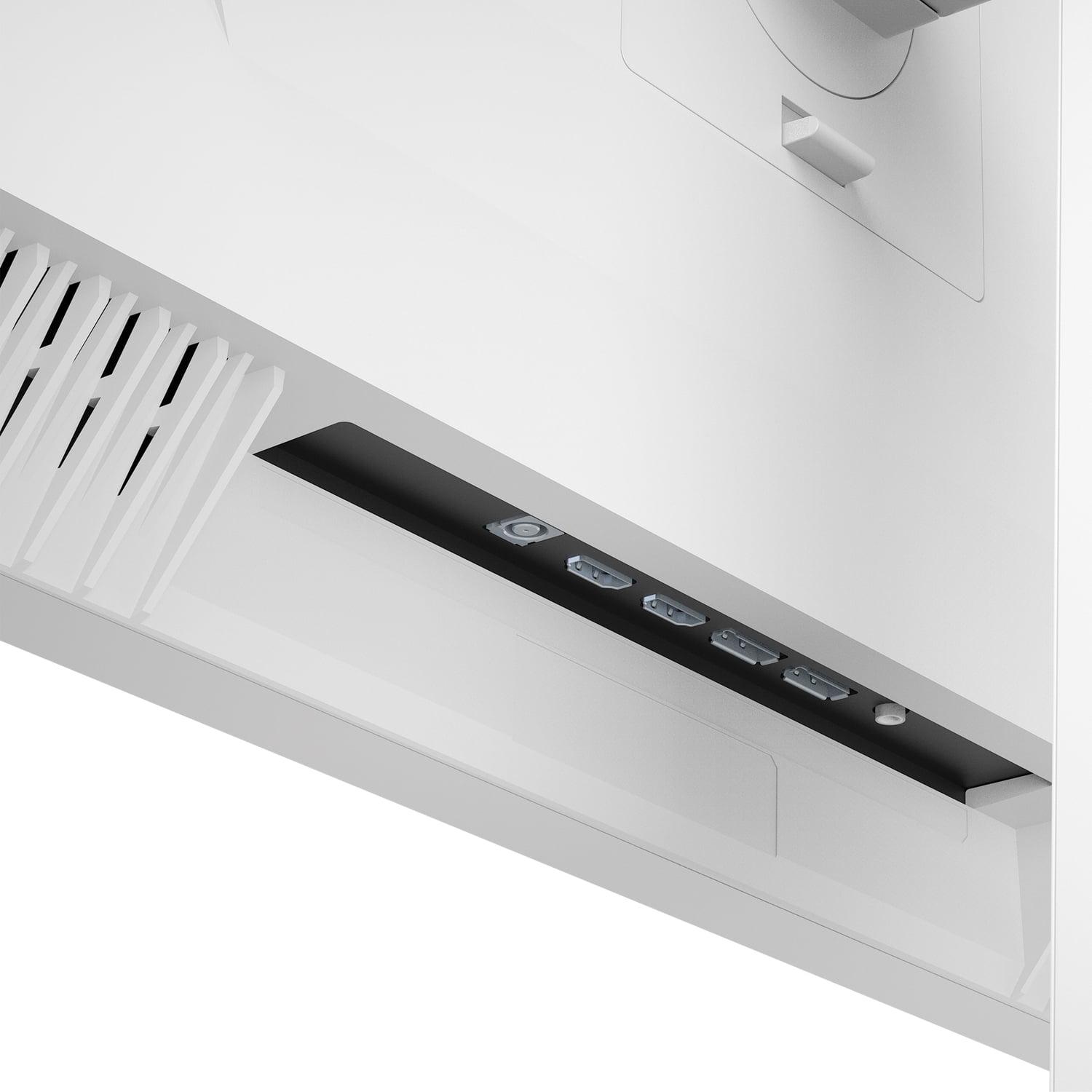
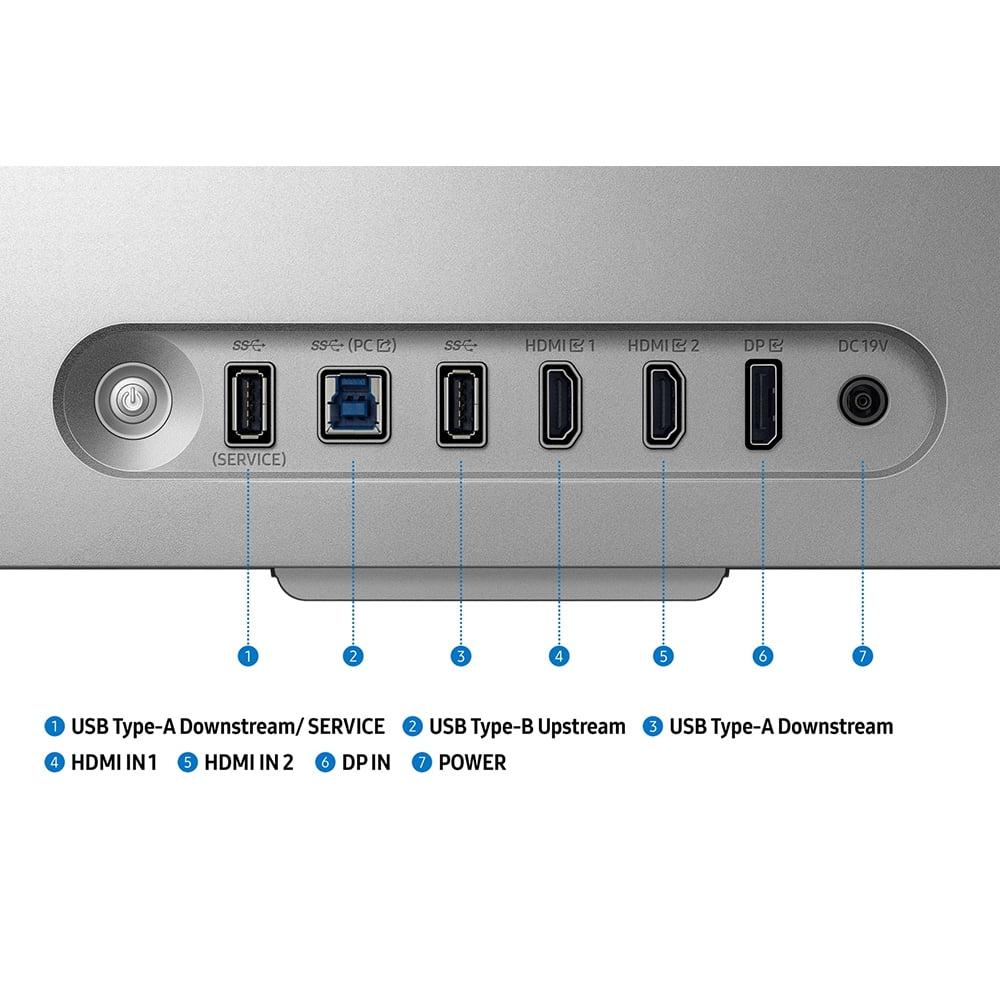
| 2x HDMI 2.1, 2x DisplayPort 1.4 | HDMI 2.1, DisplayPort (DSC required for max refresh) |
| Sync Technology - Eliminates screen tearing for smooth gameplay | |
| AMD FreeSync Premium | AMD FreeSync Premium, NVIDIA G-SYNC Compatible |
| Best Use Cases - Who should choose each monitor | |
| Competitive gaming, HDR content, color-accurate work, reliable performance | Early adopters, 3D enthusiasts, 4K productivity, unique experiences |
The Mobile Pixels 27" WQHD Mini-LED Gaming Monitor is better for competitive gaming due to its higher 180Hz refresh rate compared to the Samsung Odyssey 3D G90XF's 165Hz. The Mobile Pixels monitor also offers superior brightness at 1000 nits and better contrast with Mini-LED technology, making it easier to spot enemies in dark corners or bright environments.
The biggest difference is their core technology approach. The Mobile Pixels monitor focuses on traditional high-performance gaming with Mini-LED backlighting for superior image quality, while the Samsung Odyssey 3D G90XF features revolutionary glasses-free 3D technology that creates a three-dimensional viewing experience without special glasses.
The Mobile Pixels 27" WQHD Mini-LED Gaming Monitor has significantly better picture quality for traditional content. Its Mini-LED backlighting provides 1000 nits brightness, HDR1000 support, and a 1,000,000:1 contrast ratio. The Samsung Odyssey 3D uses standard IPS technology with 350 nits brightness and 1000:1 contrast, which is good but not exceptional.
The 3D feature on the Samsung Odyssey 3D G90XF is impressive when it works, but it has significant limitations. The 3D only works with PC gaming, has a very small library of supported games, and cannot be used simultaneously with HDR. Most of your gaming time will be in regular 2D mode, making the Mobile Pixels monitor a more practical choice for most users.
The Mobile Pixels monitor is much better for console gaming. While both monitors work with PlayStation 5 and Xbox Series X, the Samsung Odyssey 3D's unique 3D feature only works with PC, making its premium price harder to justify for console gamers. The Mobile Pixels display delivers excellent HDR and gaming performance for all gaming platforms.
Both work for movies, but each has advantages. The Samsung Odyssey 3D offers 4K resolution and built-in speakers, making it more convenient for movie watching. However, the Mobile Pixels monitor provides dramatically better HDR performance with its 1000-nit brightness and Mini-LED contrast, creating more cinematic visuals despite needing external speakers.
The Mobile Pixels 27" WQHD Mini-LED Gaming Monitor offers significantly better value. It provides premium Mini-LED technology, excellent gaming performance, and superior HDR capabilities at a more accessible price point. The Samsung monitor commands a premium for its 3D technology, which has limited compatibility and content availability.
For the Mobile Pixels monitor at 1440p resolution, an RTX 3060 or RX 6600 XT handles most games well at high settings. The Samsung Odyssey 3D demands much more power due to its 4K resolution and 3D processing - you'll want an RTX 3080 or better for optimal performance, especially when using 3D features.
The Mobile Pixels monitor is superior for creative work. It covers 94% DCI-P3, 99% sRGB, and 95% Adobe RGB color spaces with excellent accuracy. The Mini-LED backlighting also provides precise brightness control crucial for color grading. The Samsung Odyssey 3D offers good sRGB coverage but the 3D layer slightly reduces sharpness for detailed work.
The Mobile Pixels monitor offers 180Hz maximum refresh rate, while the Samsung Odyssey 3D provides 165Hz. Both exceed what most gamers can effectively utilize, and the 15Hz difference is negligible in practice. Both monitors also feature 1ms response times and adaptive sync technology for smooth, tear-free gaming.
Yes, but they serve different needs. The Samsung Odyssey 3D offers 4K resolution providing more screen real estate and sharper text for productivity tasks, plus built-in speakers and Picture-in-Picture mode. The Mobile Pixels monitor excels for color-accurate creative work and provides excellent readability, though at lower 1440p resolution.
The Mobile Pixels 27" WQHD Mini-LED Gaming Monitor is likely the safer long-term investment. Mini-LED technology is proven and widely adopted, ensuring broad compatibility and support. The Samsung Odyssey 3D's 3D technology is experimental with uncertain future adoption, though its 4K resolution provides some future-proofing for productivity use.
We've done our best to create useful and informative comparisons to help you decide what product to buy. Our research uses advanced automated methods to create this comparison and perfection is not possible - please contact us for corrections or questions. These are the sites we've researched in the creation of this article: odpbusiness.com - wellbots.com - bestbuy.com - bhphotovideo.com - youtube.com - networkhardwares.com - mobilepixels.us - bestbuy.com - business.walmart.com - newegg.com - beachaudio.com - petra.com - centralcomputer.com - mobilepixels.us - compsource.com - walmart.com - newegg.com - hometechnologyreview.com - substack.com - rtings.com - youtube.com - techaeris.com - versus.com - tomsguide.com - avsforum.com - youtube.com - versus.com - bestbuy.com - samsung.com - samsung.com - samsung.com - samsung.com - m.media-amazon.com

Privacy Policy
Terms and Conditions - Affiliate Policy
Home Security
© Copyright 2008-2026.
11816 Inwood Rd #1211, Dallas, TX 75244