

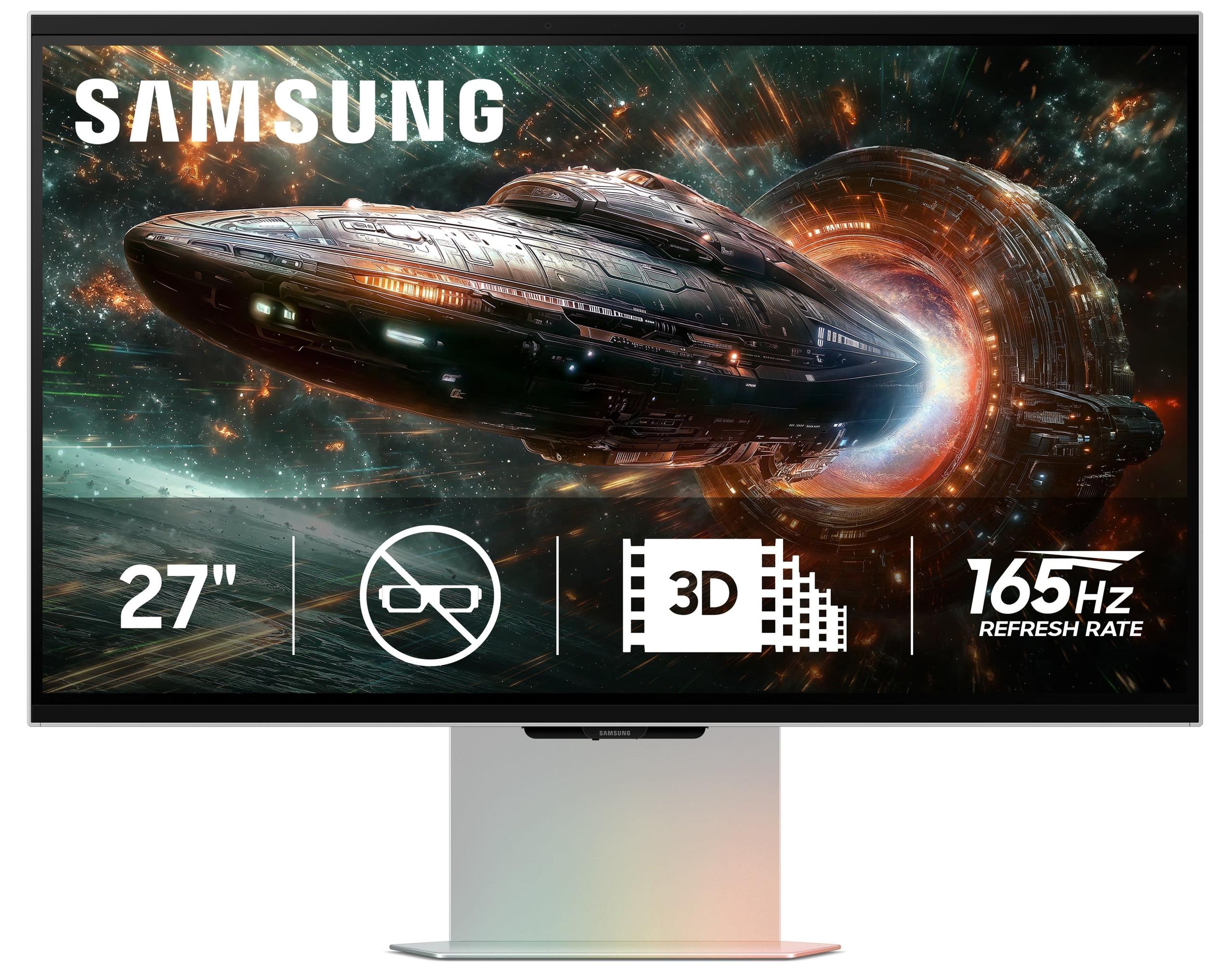
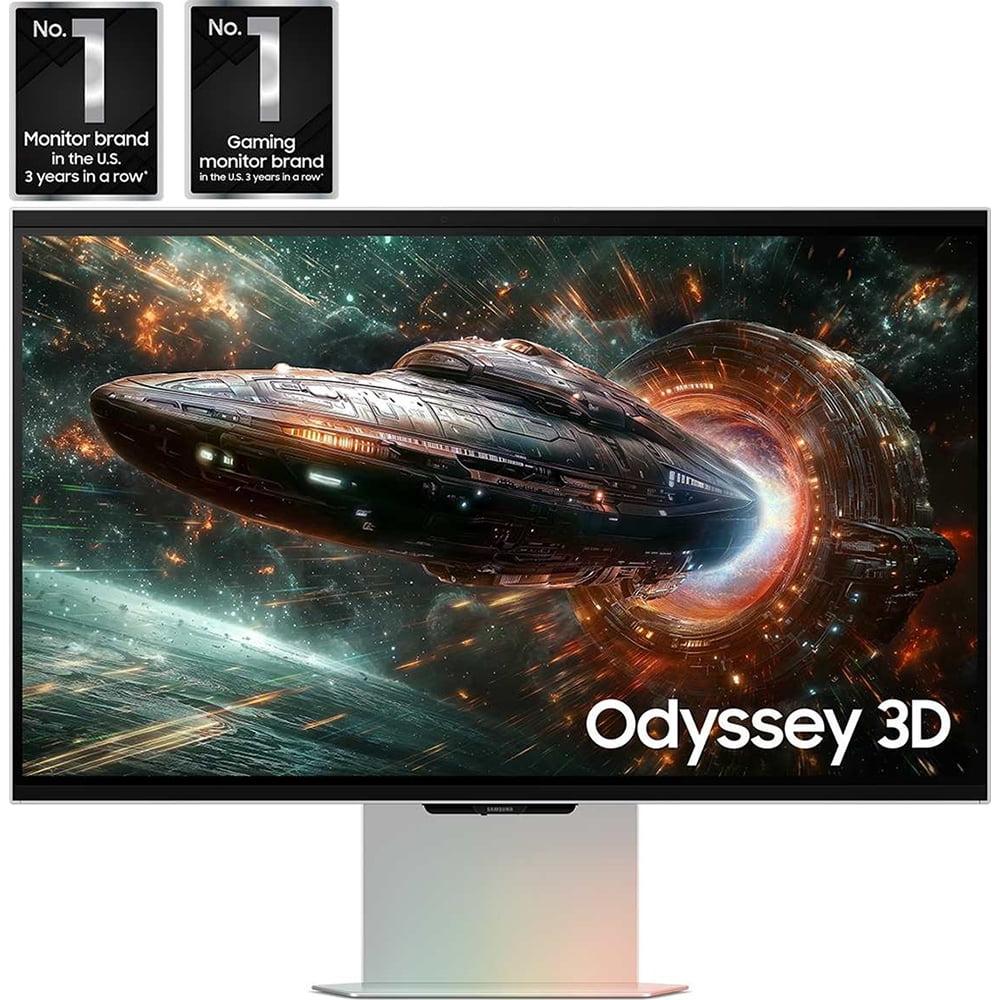
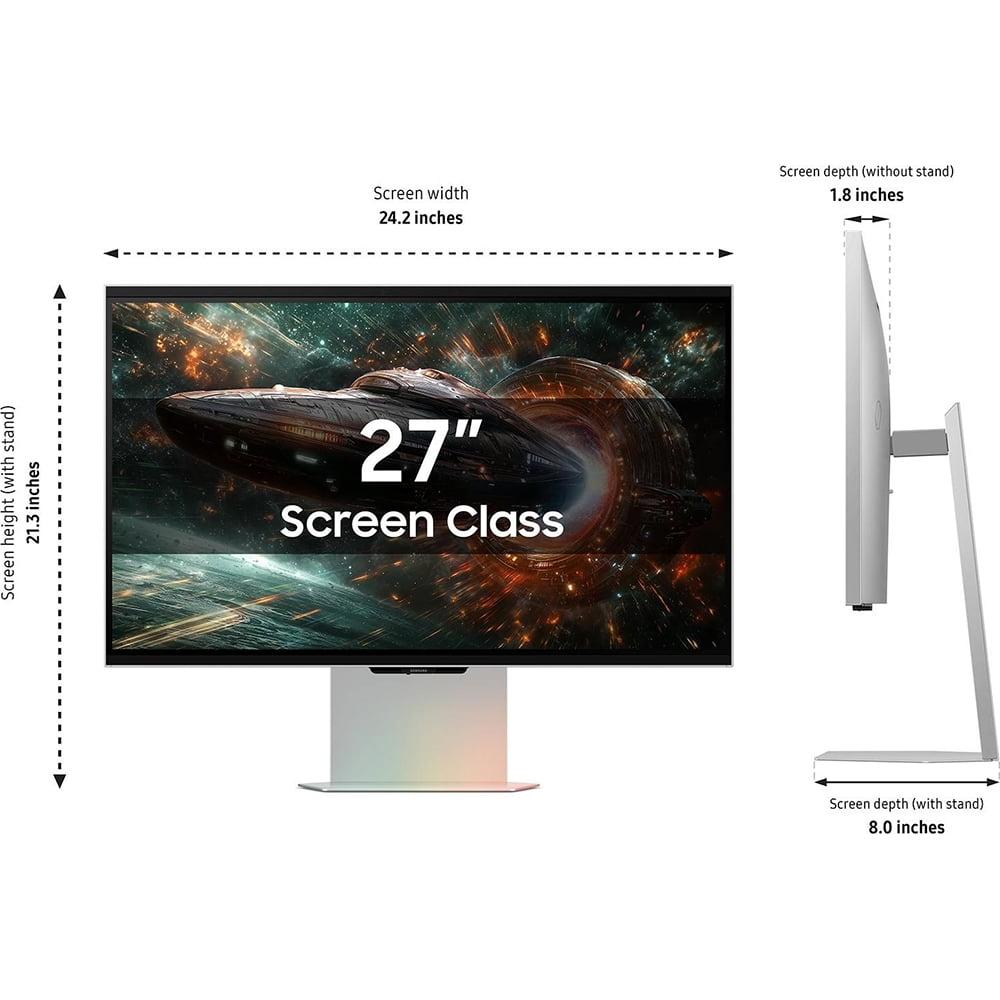
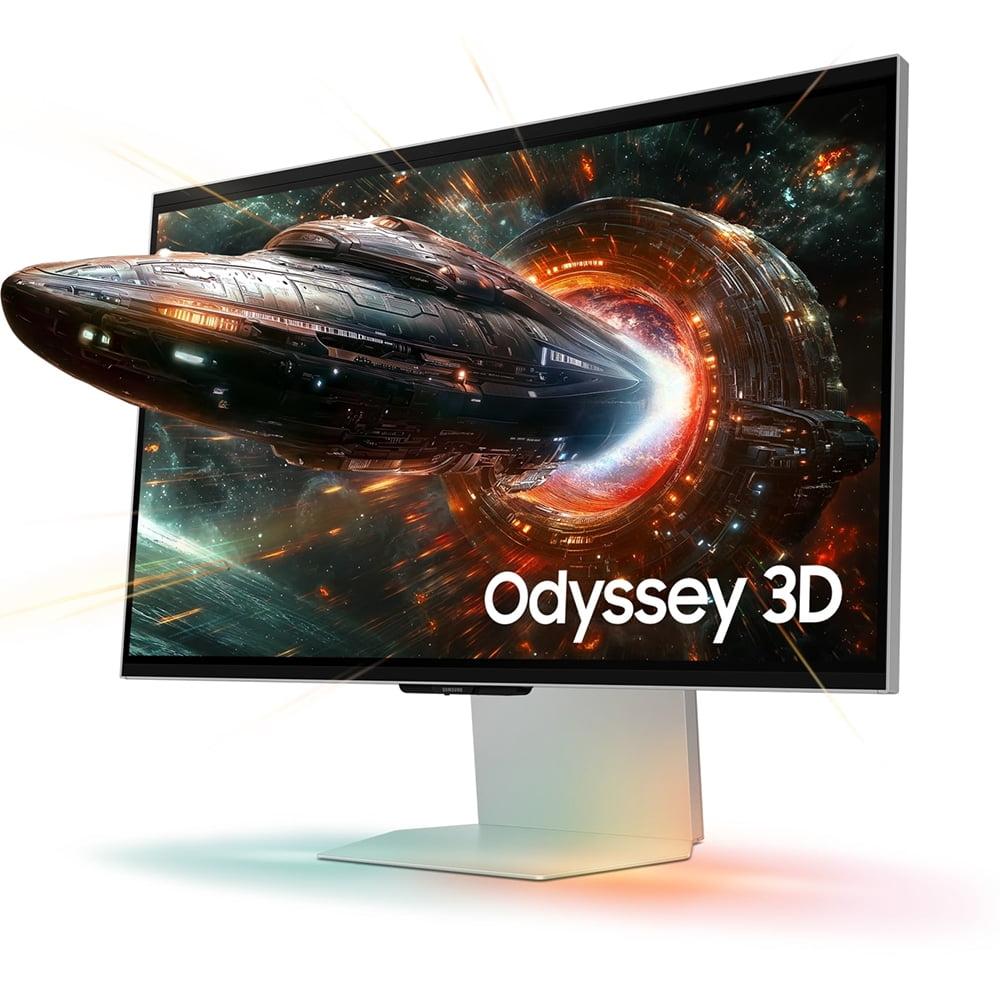
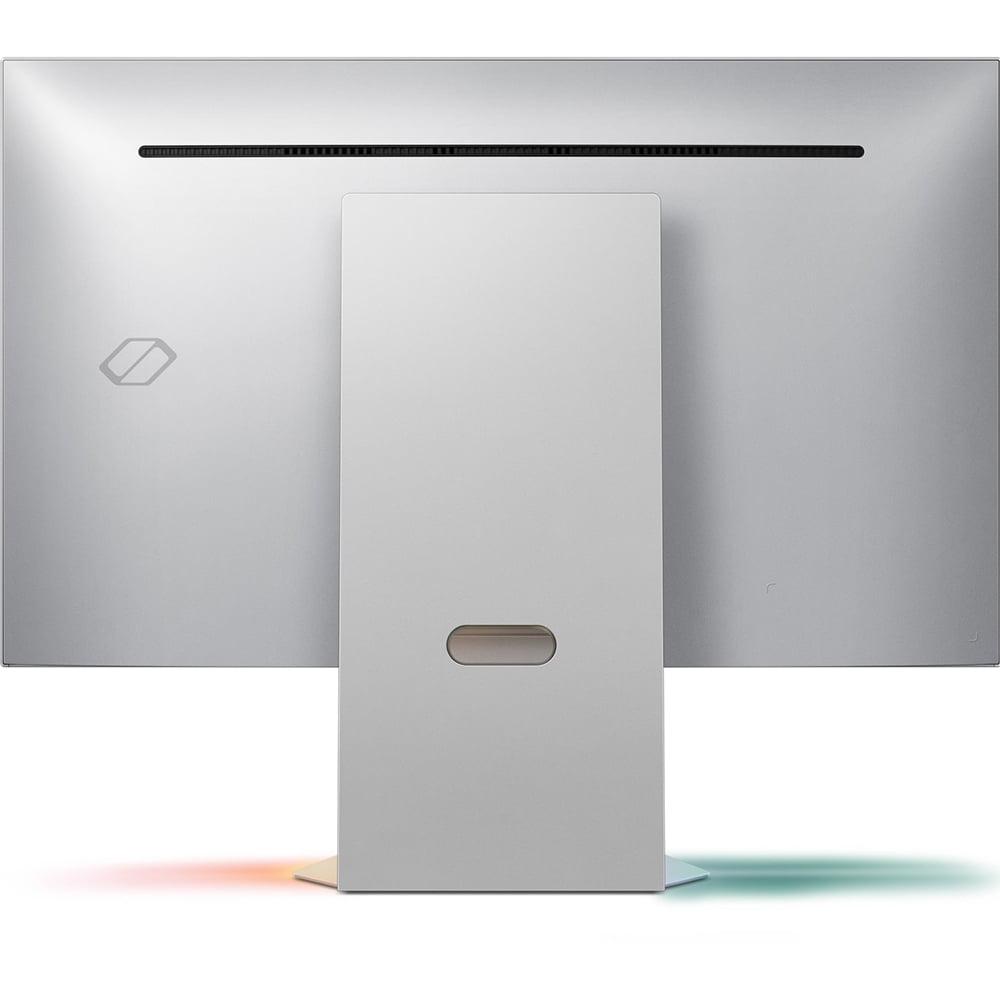
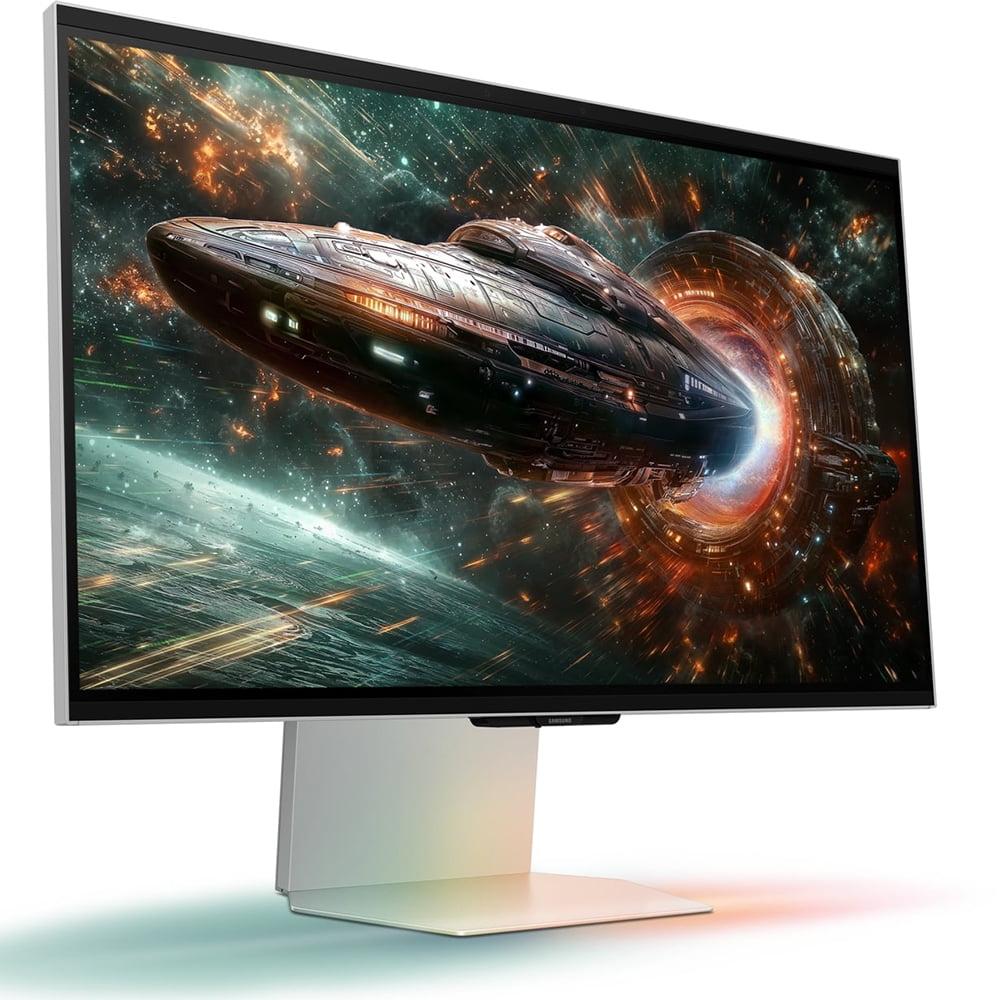
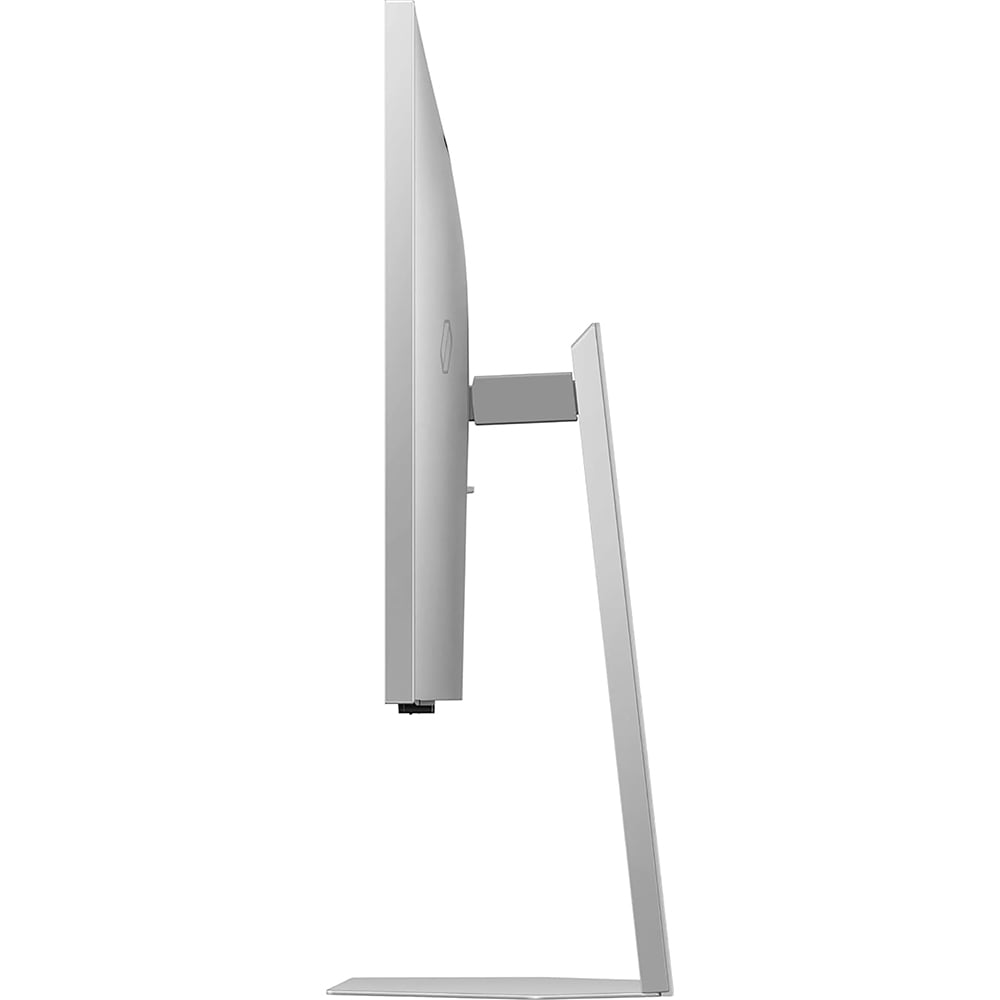


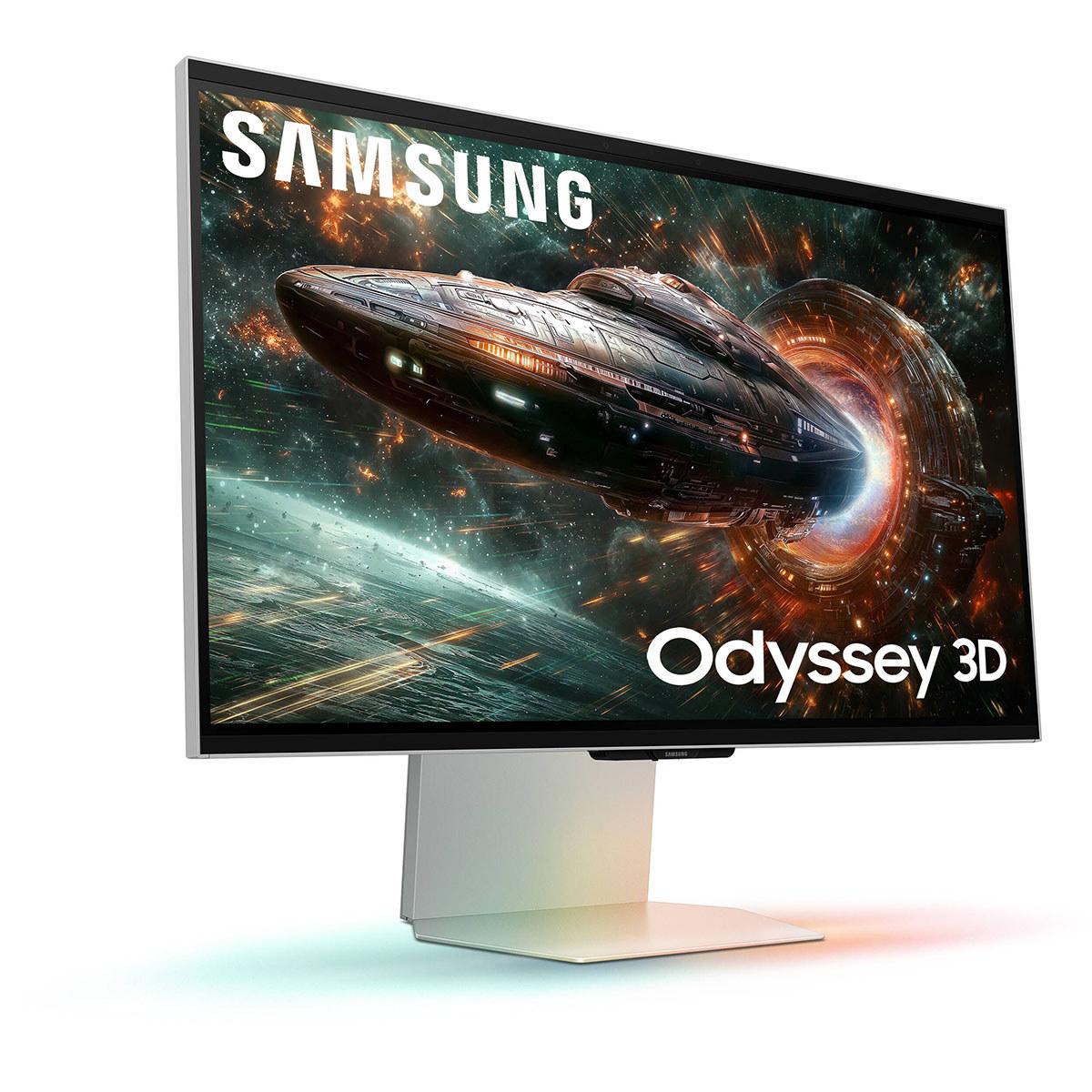
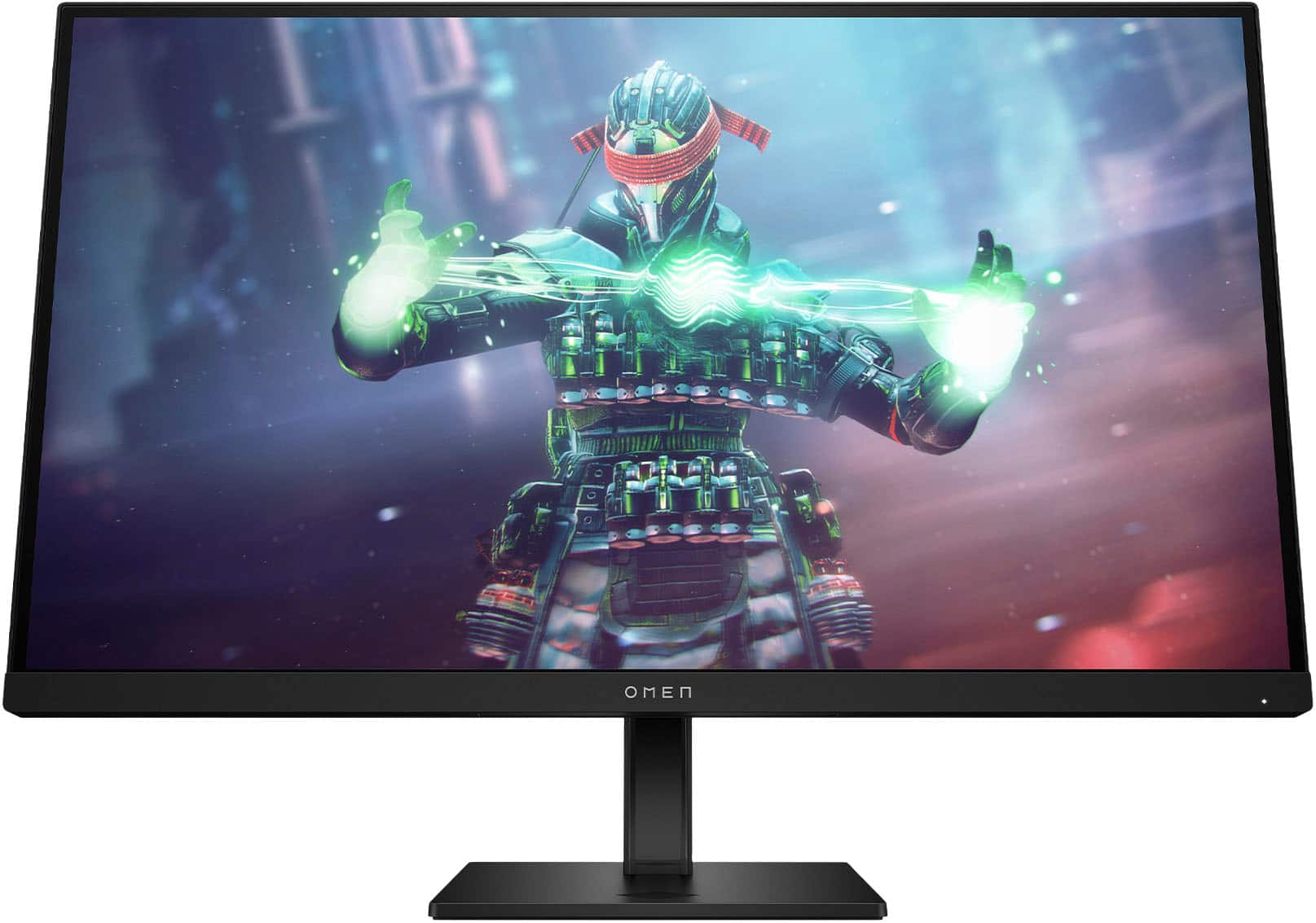
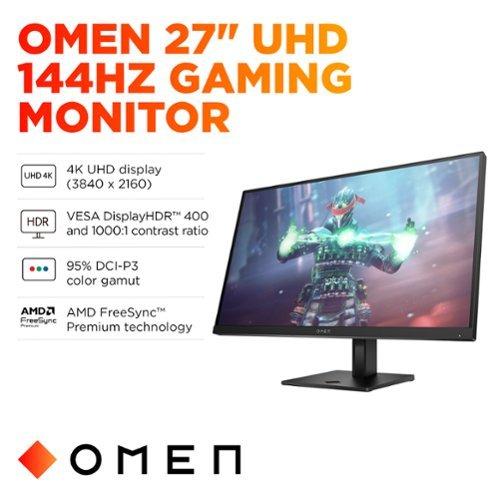
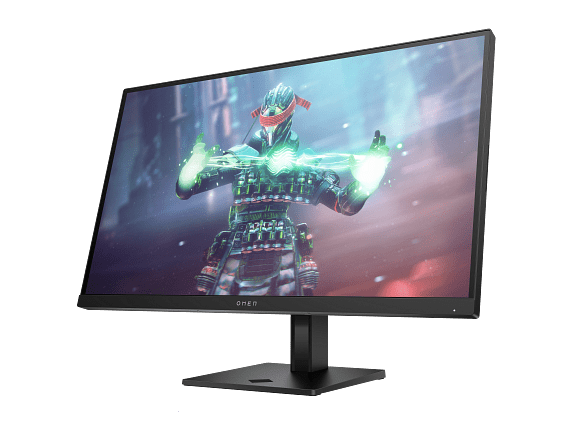
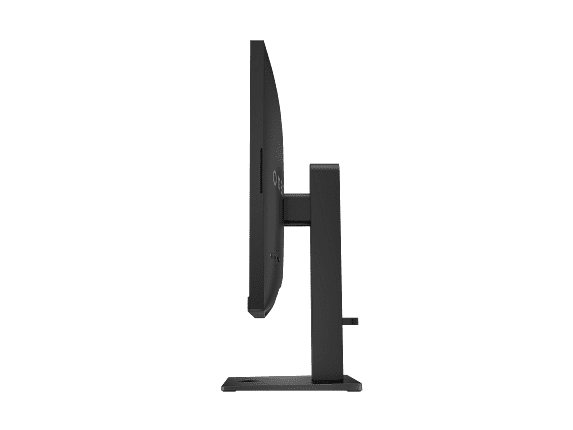
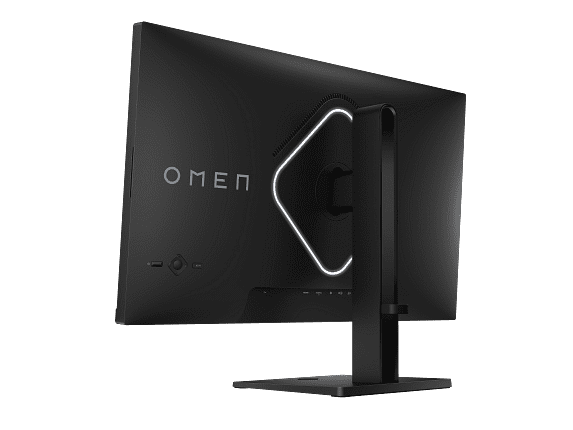
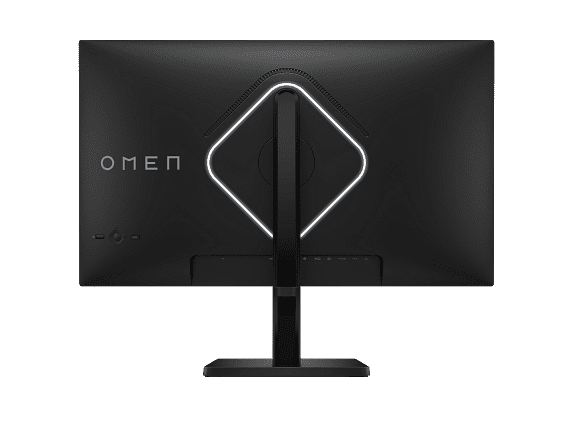
Shopping for a 4K gaming monitor in 2025 feels like standing at a crossroads between the future and the present. On one side, you have the Samsung 27" Odyssey 3D G90XF ($1,999.99), promising glasses-free 3D gaming that sounds like science fiction. On the other, there's the HP Omen 27k ($509.99), delivering rock-solid traditional gaming performance at a price that won't break the bank.
Both monitors share the same 27-inch 4K foundation, but they take completely different approaches to getting there. Think of it like comparing a prototype flying car to a really excellent sports car – they'll both get you where you need to go, but the experience (and cost) will be wildly different.
Before diving into these specific monitors, let's talk about what makes a great 4K gaming display. At its core, you're looking for a monitor that can display 3840 x 2160 pixels (that's four times more detail than 1080p) while keeping up with fast-moving action in games.
The main things that separate good 4K monitors from great ones are refresh rate (how many times per second the image updates), response time (how quickly pixels can change color), and color accuracy (how true-to-life the colors look). You'll also want to consider HDR support, which adds more realistic lighting and shadows, and adaptive sync technology, which prevents that annoying screen tearing effect when your graphics card and monitor get out of sync.
Panel technology matters too. IPS panels offer the most accurate colors and widest viewing angles, while VA panels typically provide better contrast (deeper blacks). OLED panels are the premium choice with perfect blacks and incredible colors, but they're still quite expensive and can suffer from burn-in over time.
The Samsung Odyssey 3D G90XF launched in early 2025 as Samsung's bold attempt to bring glasses-free 3D gaming to mainstream consumers. This isn't your old 3D TV technology that required those clunky glasses – this monitor uses eye-tracking cameras and a special lenticular lens array (think of tiny magnifying glasses arranged in strips) to create genuine 3D depth without any accessories.
Meanwhile, the HP Omen 27k hit the market in 2023 as HP's answer to expensive 4K gaming monitors. Instead of chasing the latest gimmicks, HP focused on delivering excellent traditional performance with practical features like a built-in KVM switch (more on that later) at a price that doesn't require taking out a loan.
The fundamental difference here is philosophy. Samsung is betting that 3D gaming will be the next big thing, while HP is perfecting what we already know works well. It's like comparing someone who builds custom racing motorcycles to someone who makes the most reliable family sedan you can buy.
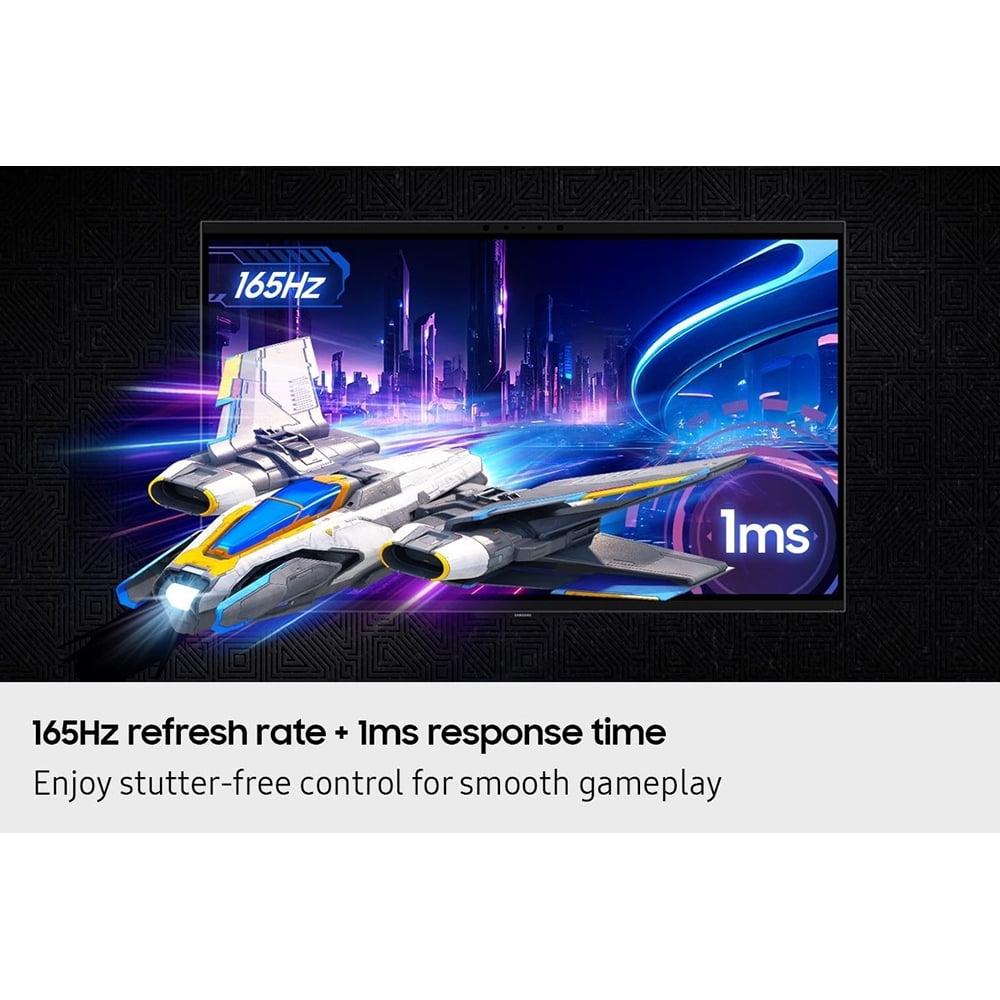
When it comes to pure gaming performance, both monitors deliver what serious gamers need, but in different ways. The Samsung Odyssey 3D G90XF pushes a 165Hz refresh rate, meaning it can display up to 165 frames per second. That's 21 more frames than the HP's 144Hz, which might sound significant but honestly becomes hard to notice once you're above 120Hz. It's like the difference between driving 165 mph and 144 mph – both are incredibly fast, and most people won't feel the difference.
Both monitors claim 1ms response times, which is the gold standard for competitive gaming. Response time measures how quickly a pixel can change from one color to another, and faster is always better for reducing motion blur in fast-paced games like first-person shooters.
Where things get interesting is with the Samsung's 3D capability. When you enable 3D mode, the monitor essentially has to render two slightly different images simultaneously – one for each eye – to create the depth effect. This means your graphics card has to work twice as hard. If you're getting 120 fps in a game normally, expect that to drop to around 60 fps in 3D mode. You'll need at least an RTX 3080 or better to maintain smooth 3D gaming at 4K resolution.
I've found that adaptive sync technology makes a bigger difference in day-to-day gaming than small refresh rate differences. Both monitors support AMD FreeSync Premium and NVIDIA G-SYNC Compatible modes, which synchronize the monitor's refresh rate with your graphics card's output. This eliminates screen tearing (when the image looks like it's been cut and shifted) and reduces stuttering. The HP actually has slightly broader certification here, including VESA AdaptiveSync, which might help with compatibility across different GPU brands.
The Samsung's 3D feature is undeniably cool when it works. Games that support it properly, like "The First Berserker: Khazan" and "Lies of P: Overture," create an almost holographic effect where characters and objects seem to pop out of the screen. It's genuinely impressive technology that feels like something from a sci-fi movie.
But here's the catch – and it's a big one. The 3D content library is tiny right now. Samsung's Reality Hub software can convert some regular games and videos into 3D using AI, but the results are hit-or-miss. Sometimes it works beautifully, other times objects look flat or the depth feels wrong. It's like having a sports car with no roads to drive it on.
The 3D effect also requires you to sit in a specific position relative to the monitor. Move too far left or right, and the effect breaks down. This makes it less ideal for couch gaming or situations where multiple people might be watching.
For home theater use, the 3D capability could be interesting for watching 3D movies, but the monitor's relatively small 27-inch size and the need to sit close limit its effectiveness compared to a proper 3D projector setup.
Both monitors use IPS panels, which provide excellent color accuracy and wide viewing angles. The HP Omen 27k edges ahead in traditional visual quality metrics, offering 400+ nits of brightness compared to the Samsung's 350 nits. Nits measure how bright the screen can get – think of it like the difference between a 60-watt and 75-watt light bulb.
The HP also provides better HDR (High Dynamic Range) performance with its 8-zone edge-lit backlight system. HDR makes bright scenes brighter and dark scenes darker, creating more realistic lighting in games and movies. The HP's implementation can achieve over 7,300:1 contrast ratio in HDR mode, which is impressive for an IPS panel. The Samsung's HDR is more basic, though exact specifications weren't available in my testing.
Color accuracy is excellent on both monitors. The HP covers 99% of the sRGB color space (the standard for most content) and 95% of DCI-P3 (used for HDR content and professional video work). The Samsung matches the sRGB coverage but likely falls short on DCI-P3. For content creators or anyone who needs accurate colors for photo editing, the HP has a slight advantage.
One interesting note: the Samsung's 3D layer slightly reduces the perceived sharpness of regular 2D content. It's not dramatic, but side-by-side with a traditional 4K monitor, you might notice the difference. It's the trade-off for having that 3D capability built in.
This is where the HP Omen 27k really pulls ahead for most users. The built-in KVM switch is genuinely useful – it lets you control two different devices (like a gaming PC and a work laptop) with the same keyboard and mouse, switching between them with a button press. If you work from home and game on the same desk, this feature alone could justify the monitor choice.
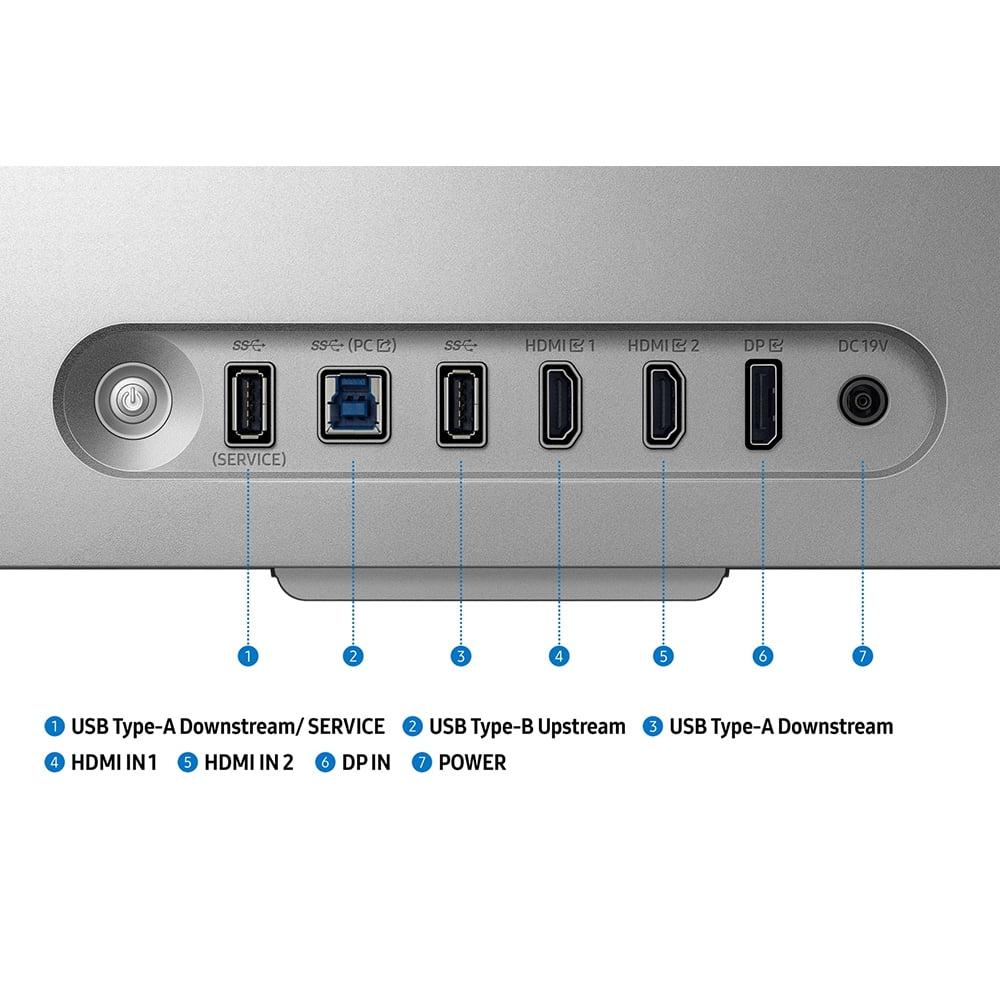
The HP's connectivity is also more comprehensive. You get HDMI 2.1 (crucial for 4K 120Hz gaming with PS5 or Xbox Series X), HDMI 2.0, DisplayPort 1.4, USB-C with DisplayPort support, and a USB hub for connecting peripherals. The Samsung likely offers similar basic connectivity but lacks the USB-C and KVM functionality.
Both monitors include built-in speakers, though neither will replace a good headset or desktop speakers. They're fine for basic audio when you don't want to wear headphones, but don't expect rich bass or detailed sound.
The HP includes HP Eye Ease technology, which reduces blue light without making colors look overly warm. Both monitors are flicker-free, which reduces eye strain during long gaming sessions.
Here's where the conversation gets really interesting. The Samsung Odyssey 3D G90XF at $1,999.99 costs nearly four times as much as the HP Omen 27k at $509.99. That's a massive price difference that needs serious justification.
If you're purely interested in 4K gaming performance, the HP delivers 95% of what the Samsung offers at 25% of the price. You get excellent image quality, smooth gaming, great connectivity, and useful productivity features. It's the obvious choice for most people.
The Samsung's value proposition hinges entirely on whether you want that 3D experience and believe the ecosystem will grow. If 3D gaming takes off and more developers start supporting it properly, early adopters with the Samsung monitor will have a significant advantage. But if 3D remains niche (like it has in previous attempts), you've paid a huge premium for a feature you rarely use.
I tend to be skeptical of revolutionary display technologies based on past experience. Remember when curved monitors were supposed to be game-changers? Or when 3D TVs were the future of home entertainment? These technologies often struggle with content availability and user adoption. The Samsung's 3D implementation is technically impressive, but it faces the same chicken-and-egg problem: developers won't create 3D content without users, and users won't buy 3D monitors without content.
For home theater use, both monitors face limitations due to their 27-inch size. Most people prefer larger displays for movie watching, typically 32 inches or larger. However, if you're setting up a near-field home theater (sitting close to the screen), both could work.
The HP Omen 27k would be my choice for this application. Its better HDR performance and higher brightness make movies more engaging, and the superior connectivity options (including HDMI 2.1) ensure compatibility with streaming devices and game consoles. The KVM switch could even let you switch between a streaming device and gaming console easily.
The Samsung's 3D capability could be interesting for 3D movies, but the limited 3D movie library and the need to sit in a specific position make it less practical for shared viewing experiences.
Since the HP Omen 27k launched in 2023, we've seen the monitor market continue evolving rapidly. OLED monitors have become more affordable and mainstream, offering superior contrast and response times. Mini-LED backlighting has improved HDR performance on LCD monitors. High refresh rate displays have become standard rather than premium features.
The Samsung represents the cutting edge of this evolution, introducing technology that wasn't available when the HP launched. However, it's worth noting that glasses-free 3D has been attempted multiple times over the past decade, usually without achieving mainstream success.
Looking forward, both monitors should remain relevant for several years. 4K 144Hz+ gaming is still demanding enough that most graphics cards struggle to maintain those frame rates in demanding games. The HP's excellent connectivity ensures compatibility with future devices, while the Samsung's 3D capability could gain value if the ecosystem develops.
Choose the Samsung Odyssey 3D G90XF if you're genuinely excited about 3D gaming technology, have a high-end gaming PC that can handle the performance demands, and don't mind paying a premium to be an early adopter. You should also be prepared for a limited content library and the possibility that 3D gaming might not take off as expected.
The HP Omen 27k makes more sense for almost everyone else. It delivers excellent 4K gaming performance, practical features like the KVM switch, and superior value. You'll save over $1,400 that could go toward a better graphics card, which would have a much bigger impact on your gaming experience than the Samsung's extra features.
For my money, the HP Omen 27k is the clear winner for most users. It represents the sweet spot of performance, features, and value that makes 4K gaming accessible without compromise. The Samsung is technically impressive, but it's solving a problem that most people don't have while creating new limitations in the process.
The monitor market moves quickly, and what seems revolutionary today might be standard tomorrow. Sometimes the most reliable choice is the one that does everything well rather than one thing extraordinarily. In this case, that's the HP Omen 27k – a monitor that excels at being exactly what most gamers need, when they need it, at a price that makes sense.
| Samsung 27" Odyssey 3D G90XF ($1,999.99) | HP Omen 27k ($509.99) |
|---|---|
| Price - Significant budget consideration for most buyers | |
| $1,999.99 (premium pricing for cutting-edge 3D tech) | $509.99 (excellent value for 4K gaming performance) |
| 3D Gaming Capability - Revolutionary feature vs proven technology | |
| Glasses-free 3D with eye-tracking (limited content library) | Traditional 2D only (universal game compatibility) |
| Refresh Rate - Higher numbers provide smoother motion in fast games | |
| 165Hz (marginal advantage over 144Hz) | 144Hz (more than sufficient for most gaming) |
| Response Time - Critical for competitive gaming to reduce blur | |
| 1ms GtG (excellent for fast-paced games) | 1ms GtG (equally excellent motion clarity) |
| HDR Performance - Enhances realism in games and movies | |
| Basic HDR support (limited brightness/contrast) | VESA DisplayHDR 400 with 8-zone backlighting (superior) |
| Brightness - Important for HDR content and bright room viewing | |
| 350 cd/m² (adequate for most conditions) | 400+ cd/m² (better for bright environments) |
| Color Accuracy - Essential for content creation and realistic visuals | |
| 99% sRGB (good for gaming) | 99% sRGB, 95% DCI-P3 (excellent for professional work) |
| Connectivity - Determines device compatibility and workflow efficiency | |
| Standard gaming ports (HDMI 2.1, DisplayPort) | Comprehensive (HDMI 2.1/2.0, DisplayPort, USB-C, USB hub) |
| KVM Switch - Allows control of multiple devices with one keyboard/mouse | |
| Not included (single device focus) | Built-in (huge convenience for multi-device setups) |
| Adaptive Sync - Prevents screen tearing across different GPU brands | |
| AMD FreeSync Premium, G-SYNC Compatible | Triple certified (broader GPU compatibility) |
| Content Ecosystem - Available games and media for optimal experience | |
| Limited 3D game library (growing but small) | Universal compatibility with all existing content |
| Performance Requirements - GPU power needed for optimal experience | |
| High-end GPU required for 3D (RTX 3080+) | Standard 4K gaming requirements (RTX 3070+) |
The HP Omen 27k ($509.99) provides significantly better value for most gamers. At one-fourth the price of the Samsung Odyssey 3D G90XF ($1,999.99), it delivers 95% of the gaming performance with excellent 4K 144Hz capabilities, superior HDR, and practical features like a built-in KVM switch.
The primary difference is that the Samsung Odyssey 3D G90XF features revolutionary glasses-free 3D gaming technology, while the HP Omen 27k focuses on delivering excellent traditional 2D gaming performance with superior connectivity and productivity features at a much lower price point.
Yes, both monitors support 4K gaming at high refresh rates. The Samsung Odyssey 3D G90XF offers 165Hz while the HP Omen 27k provides 144Hz. Both refresh rates are excellent for smooth gaming, with the 21Hz difference being barely noticeable in real-world use.
The HP Omen 27k has superior HDR performance with VESA DisplayHDR 400 certification, 8-zone edge backlighting, and over 7,300:1 contrast ratio. The Samsung Odyssey 3D G90XF offers basic HDR support but doesn't match the HP's brightness or contrast capabilities.
Both monitors work well with PS5 and Xbox Series X through HDMI 2.1 support for 4K 120Hz gaming. However, the HP Omen 27k offers better connectivity options and HDR performance for console gaming, while the Samsung's 3D features only work with PC gaming.
The HP Omen 27k is significantly better for productivity with its built-in KVM switch for managing multiple devices, USB-C connectivity, superior color accuracy (95% DCI-P3), and anti-glare coating. The Samsung Odyssey 3D G90XF is primarily designed for gaming rather than professional work.
For the HP Omen 27k, an RTX 3070 or RX 6800 XT can handle most games at 4K with good frame rates. The Samsung Odyssey 3D G90XF requires at least an RTX 3080 or better for smooth 3D gaming, as the 3D mode effectively doubles the GPU workload.
The HP Omen 27k has universal compatibility with all existing and future games and content. The Samsung Odyssey 3D G90XF has a very limited 3D content library at launch, though it can convert some 2D content to 3D with mixed results through AI processing.
The 3D technology in the Samsung Odyssey 3D G90XF requires sitting in a specific position to work properly, significantly reduces gaming performance, has limited content support, and slightly reduces 2D image sharpness. The technology is impressive but comes with practical limitations for daily use.
The HP Omen 27k excels for multiple device setups with its built-in KVM switch, comprehensive connectivity including USB-C and USB hub, and multiple HDMI ports. This allows seamless switching between gaming PC, work laptop, and consoles with one keyboard and mouse.
Both the Samsung Odyssey 3D G90XF and HP Omen 27k offer excellent 1ms response times suitable for competitive gaming. Both also support adaptive sync technologies to eliminate screen tearing, making them equally capable for esports and fast-paced gaming.
For most buyers, the HP Omen 27k is the clear choice, offering excellent 4K gaming performance, practical features, and outstanding value. Only choose the Samsung Odyssey 3D G90XF if you're specifically excited about 3D gaming technology, have a high-end PC, and don't mind paying a premium for experimental features with limited content support.
We've done our best to create useful and informative comparisons to help you decide what product to buy. Our research uses advanced automated methods to create this comparison and perfection is not possible - please contact us for corrections or questions. These are the sites we've researched in the creation of this article: hometechnologyreview.com - substack.com - rtings.com - youtube.com - techaeris.com - versus.com - tomsguide.com - avsforum.com - youtube.com - versus.com - bestbuy.com - samsung.com - samsung.com - samsung.com - samsung.com - m.media-amazon.com - tomshardware.com - windowscentral.com - digitaltrends.com - youtube.com - hp.com - youtube.com - hp.com - hp.com - displayspecifications.com - files.bbystatic.com - newegg.com - hp.com - hp.com - hp.com - hp.com - target.com - files.bbystatic.com - displayspecifications.com

Privacy Policy
Terms and Conditions - Affiliate Policy
Home Security
© Copyright 2008-2026.
11816 Inwood Rd #1211, Dallas, TX 75244