

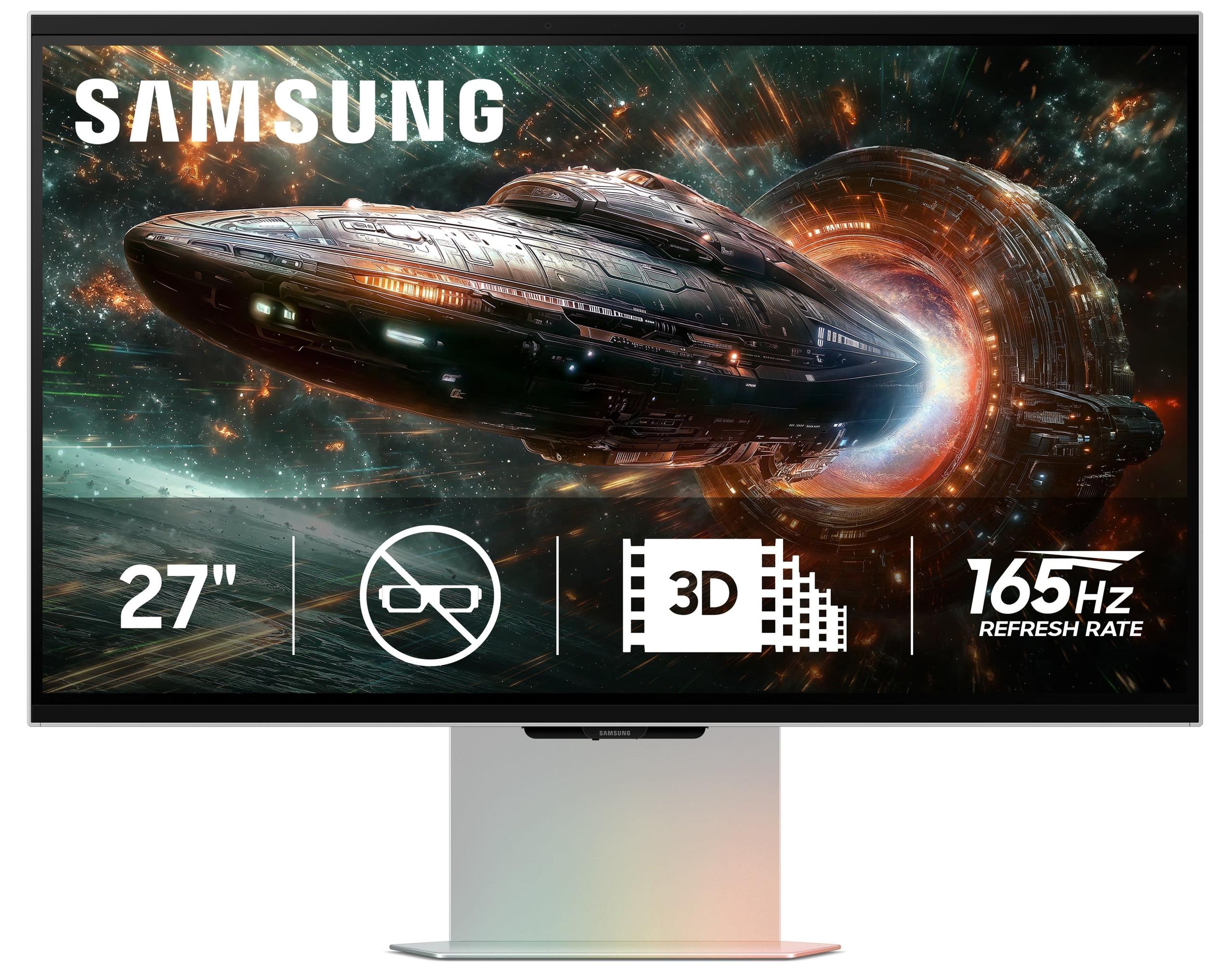
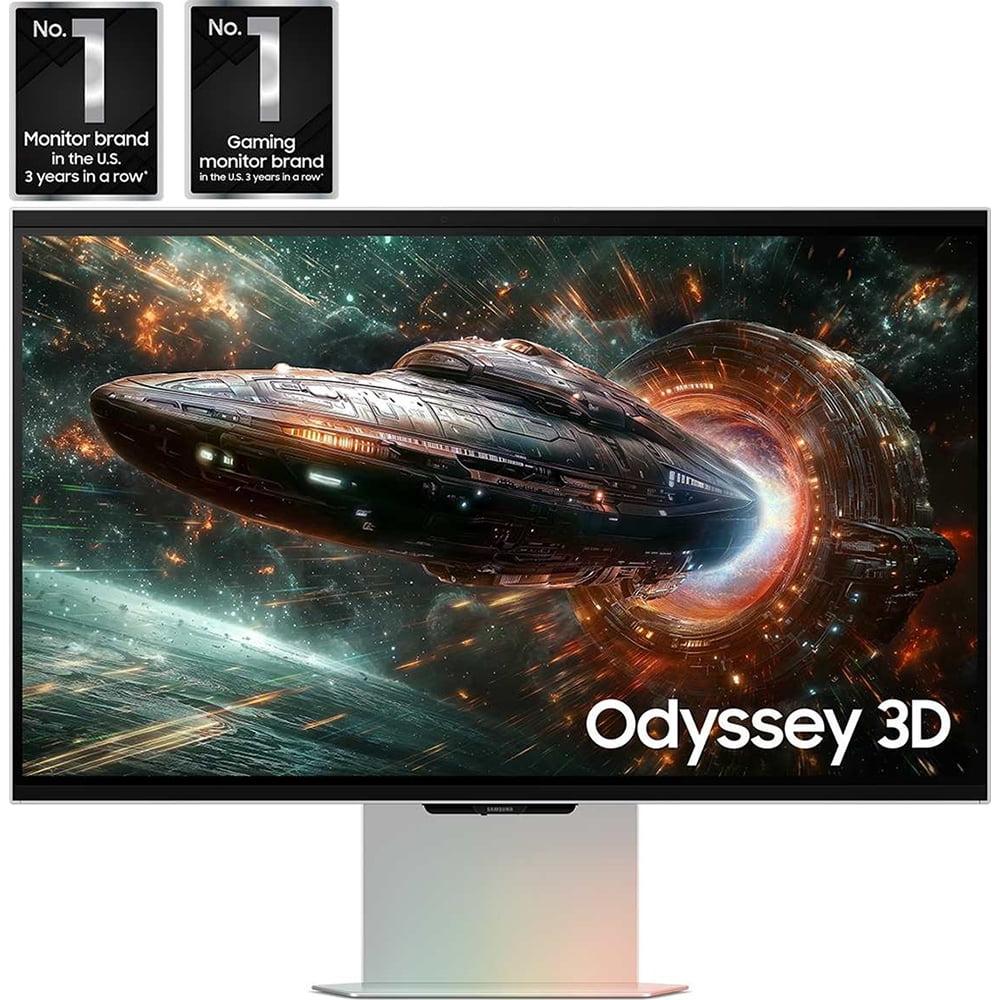
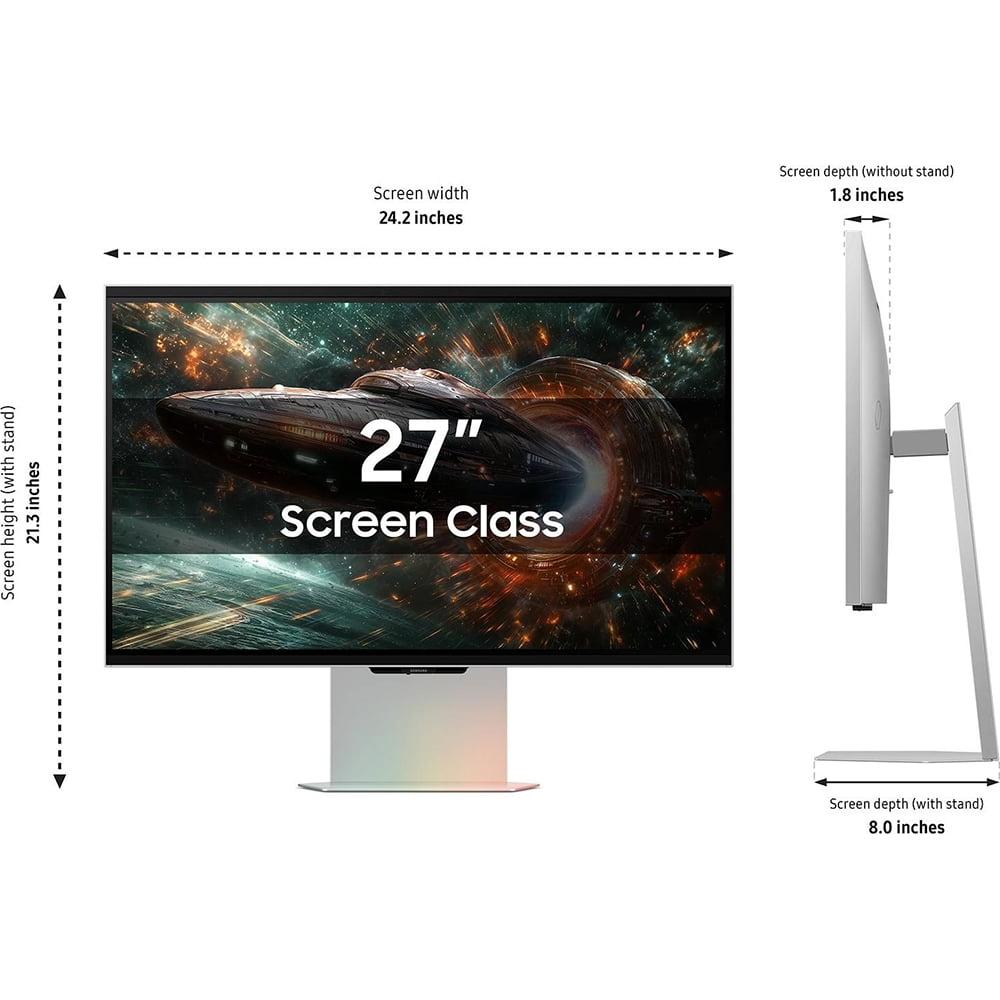


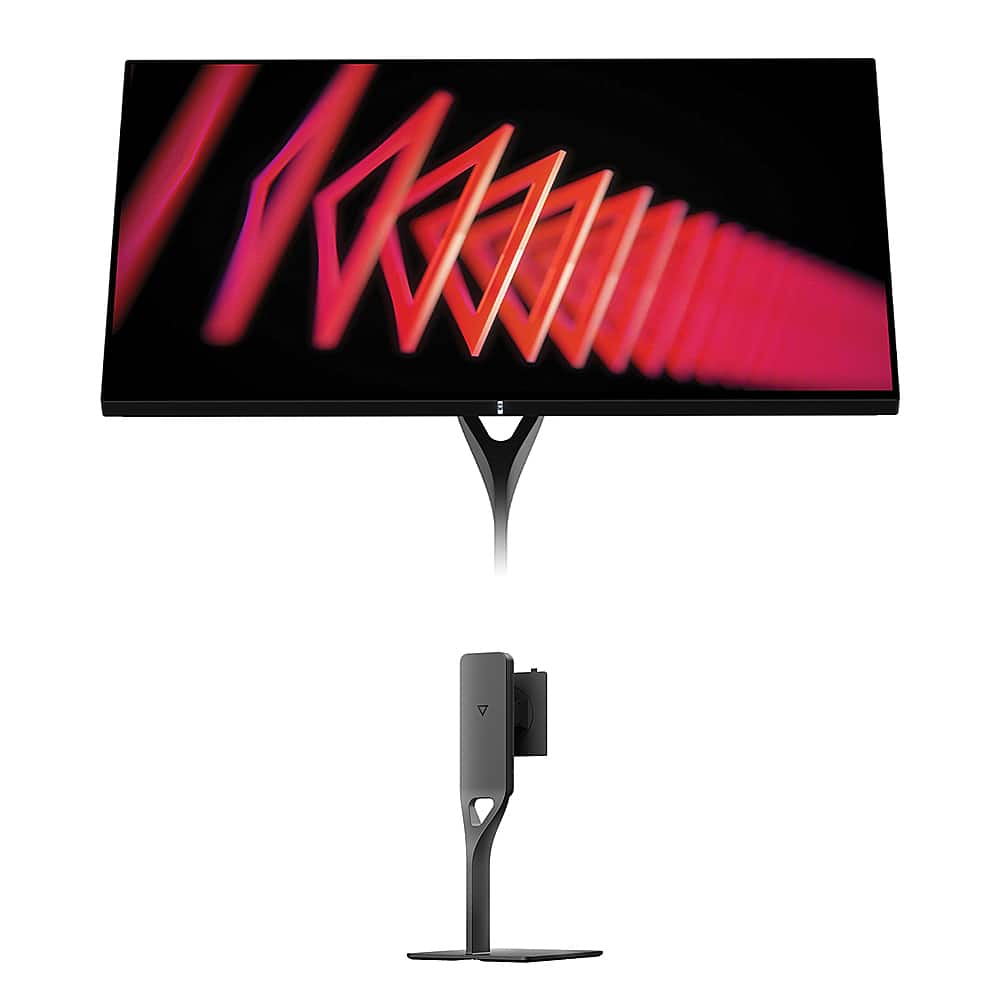
Gaming monitors have come a long way since the bulky CRT displays of the early 2000s. Today's 4K gaming monitors pack incredible technology into sleek designs, but choosing between them isn't always straightforward. The Samsung 27" Odyssey 3D G90XF at $1,999.99 and the Dough Spectrum One at $899.99 represent two very different approaches to premium gaming displays, and understanding their differences can help you make the right choice for your setup.
Before diving into these specific monitors, it's worth understanding what makes a great gaming display in 2025. Resolution clarity matters enormously – 4K (3840×2160 pixels) provides four times the detail of 1080p, making text razor-sharp and game worlds incredibly detailed. But resolution is just the starting point.
Refresh rate determines how many times per second your monitor updates the image. Higher refresh rates like 144Hz or 165Hz create smoother motion, especially crucial in fast-paced games where every frame counts. Response time measures how quickly pixels can change colors (measured in milliseconds), with faster times reducing motion blur and ghosting effects that can hurt gaming performance.
Panel technology also plays a huge role. IPS (In-Plane Switching) panels offer excellent color accuracy and wide viewing angles, making them popular for both gaming and professional work. However, they traditionally struggle with contrast compared to OLED or VA panels. Modern developments like Nano-IPS technology improve color reproduction by using nanoparticles to filter light more precisely.
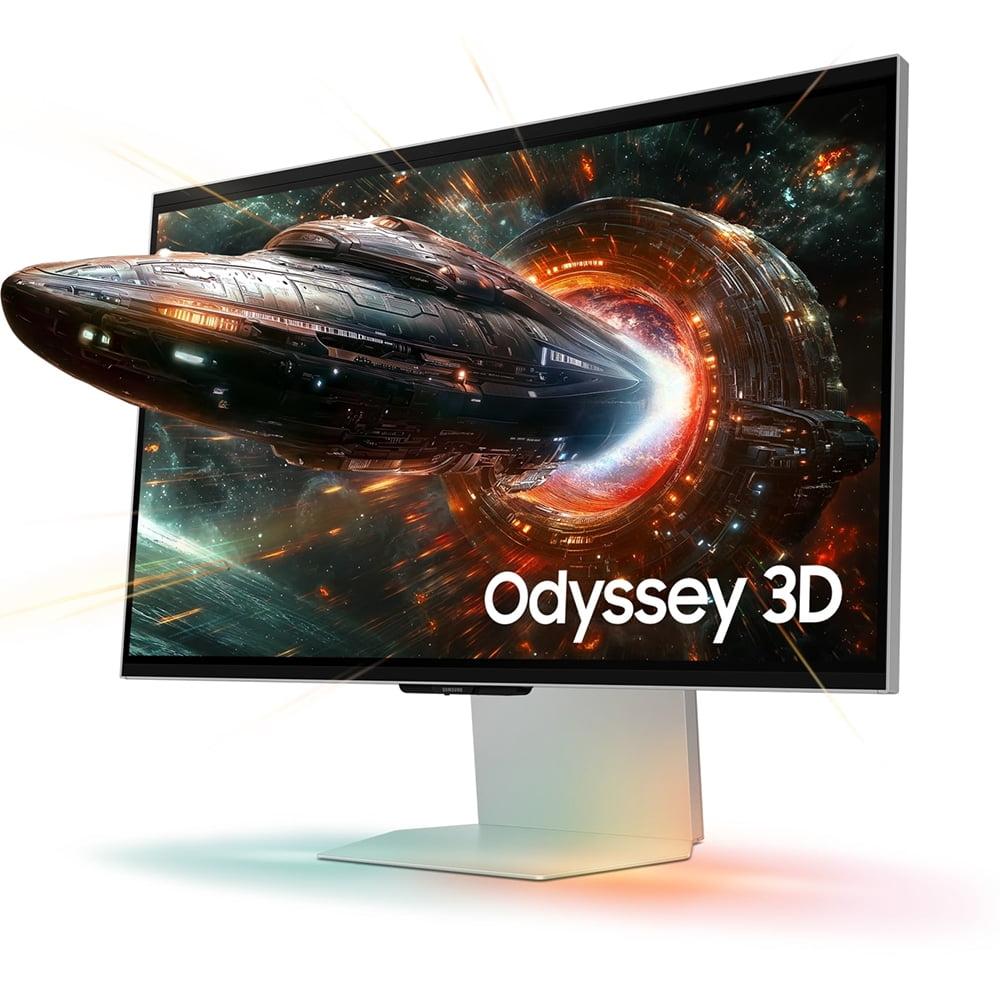
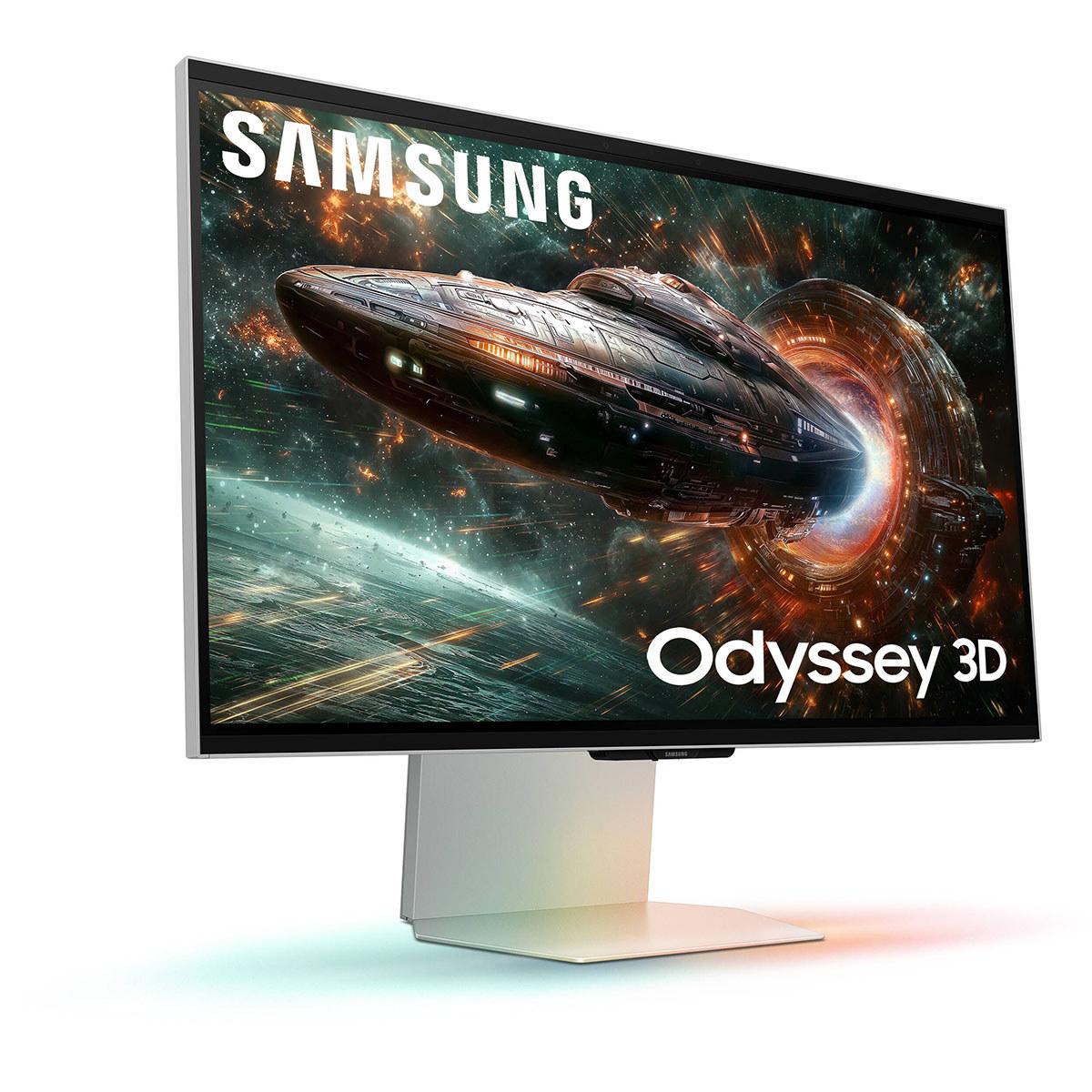
The Samsung Odyssey 3D G90XF launched in April 2025 as Samsung's bold entry into glasses-free 3D gaming. This wasn't Samsung's first attempt at 3D displays – they experimented with 3D TVs in the early 2010s – but this represents their most advanced implementation yet. The timing coincides with renewed interest in immersive gaming technologies, partly driven by VR's mainstream success.
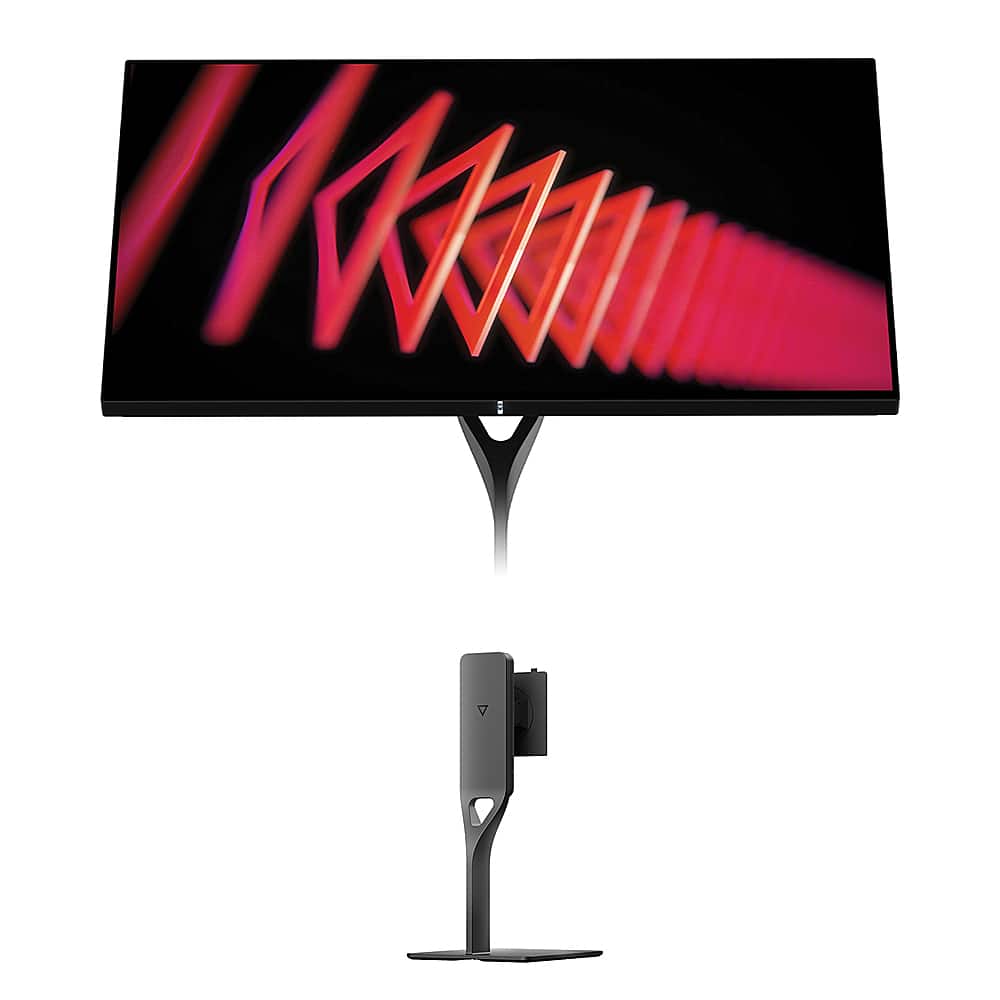
The Dough Spectrum One, released earlier in 2025, takes a more traditional approach but with premium execution. Dough (formerly Eve) has focused on refining conventional display technology rather than chasing the latest trends. Their emphasis on Corning Gorilla Glass and factory calibration reflects a commitment to build quality that many gaming monitor manufacturers overlook.
Since their releases, both monitors have received firmware updates addressing early user concerns. Samsung has expanded their 3D game library through partnerships, while Dough has improved their USB-C implementation and color profiles based on user feedback.
Samsung's approach with the Odyssey 3D G90XF is ambitious: create the first mainstream glasses-free 3D gaming monitor. The technology works through a combination of eye-tracking cameras and a lenticular lens array (thin vertical strips that direct different images to each eye). Two cameras mounted above the display track your head position up to 100 times per second, adjusting the 3D effect in real-time.
When it works, the effect is genuinely impressive. Games like "The First Berserker: Khazan" appear to have characters and objects floating in front of the screen. The AI 3D conversion feature can even transform regular 2D content into dimensional experiences, though results vary significantly depending on the source material.
The trade-offs are substantial, though. Running 3D content requires splitting the 4K image into two 1920×2160 images (one for each eye), effectively halving your horizontal resolution. This demands serious GPU horsepower – we're talking RTX 3080 or better for smooth 3D gaming at these settings. The limited content library also means you'll spend most of your time using this as a traditional 2D monitor.
The Dough Spectrum One takes the opposite philosophy: perfect conventional display technology rather than reinvent it. Their edge-to-edge Corning Gorilla Glass isn't just for show – it provides genuine scratch resistance while delivering the kind of clarity and color vibrancy typically associated with smartphone displays.
The factory calibration to Delta E ≤0.6 is particularly impressive. Delta E measures color accuracy, with values under 1.0 considered excellent for professional work. Most gaming monitors ship with Delta E values between 2-4, requiring manual calibration for accurate colors. Having this precision out of the box makes the Spectrum One suitable for photo editing, graphic design, and other color-critical work.
The USB-C implementation deserves special mention. With 100W power delivery, you can connect a laptop with a single cable, handling video, data, and charging simultaneously. The integrated USB 3.2 Gen 2 hub adds convenience, letting you connect peripherals directly to the monitor.
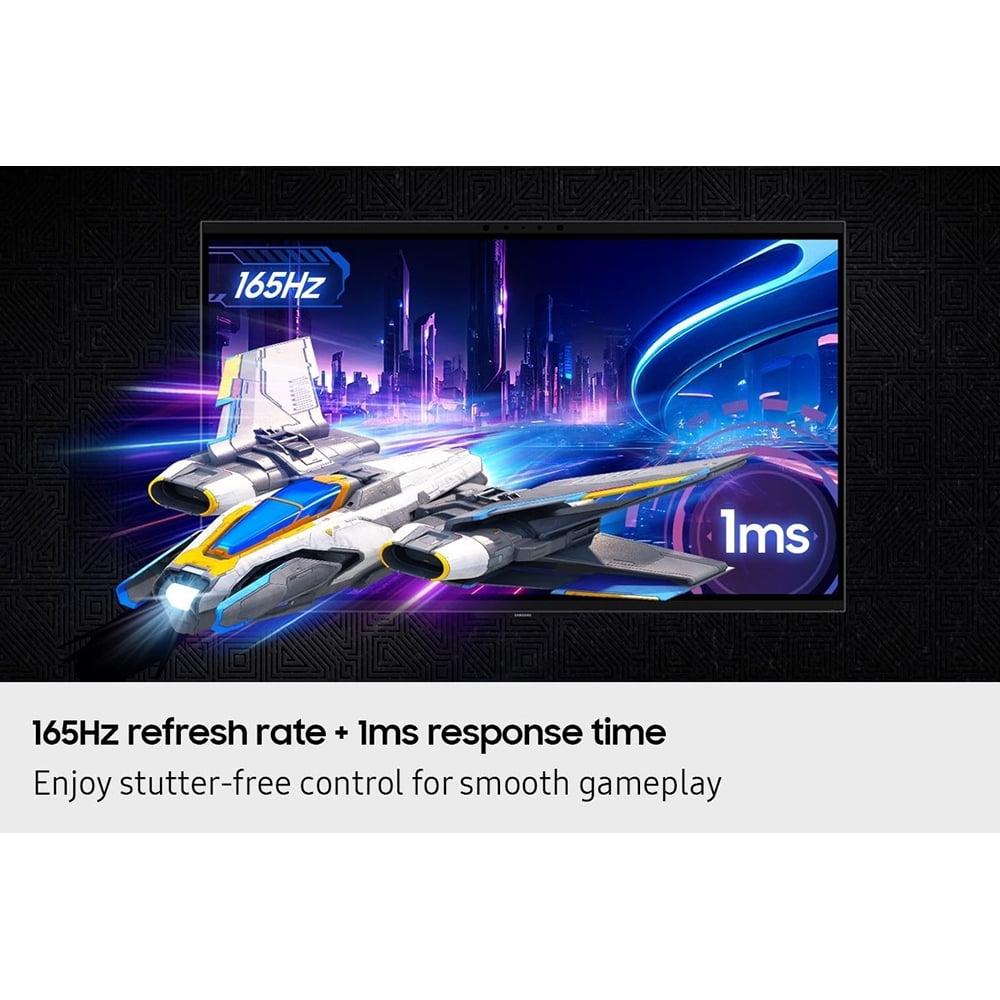
Both monitors deliver excellent gaming performance, but with subtle differences. The Samsung G90XF's 165Hz refresh rate provides a slight edge over the Dough's 144Hz, though the difference is minimal in practice. Unless you're playing competitive esports titles where every frame matters, you'll be hard-pressed to notice the 21Hz difference.
Response times are claimed at 1ms GtG (gray-to-gray) for both monitors, but real-world performance varies. The Samsung achieves this through aggressive overdrive settings that can introduce some reverse ghosting in certain scenarios. The Dough monitor takes a more conservative approach, delivering clean motion with minimal artifacts.
Both support the full suite of adaptive sync technologies – NVIDIA G-SYNC Compatible, AMD FreeSync Premium, and VESA Adaptive-Sync. These technologies synchronize your graphics card's output with the monitor's refresh rate, eliminating screen tearing and reducing stuttering. In testing, both performed excellently across the VRR (Variable Refresh Rate) range.
Input lag (the delay between your controller input and screen response) is crucial for competitive gaming. Both monitors perform admirably here, with measured input lag under 5ms at their maximum refresh rates. The Samsung's slightly higher refresh rate provides a marginal advantage, but we're talking about differences measured in fractions of milliseconds.
For console gaming, both monitors support 4K@120Hz over HDMI 2.1, making them excellent choices for PlayStation 5 and Xbox Series X. However, the Dough Spectrum One's superior HDR implementation makes console games look noticeably better, especially in titles that support HDR10.
This is where the differences become significant. The Samsung Odyssey 3D covers 99% of the sRGB color space, which is solid for gaming but nothing special. The Dough Spectrum One goes further, covering 98% of the wider DCI-P3 color gamut while maintaining 100% sRGB coverage.
More importantly, the Dough monitor's factory calibration means colors are accurate right out of the box. I've used both monitors for photo editing, and the difference is immediately apparent. Skin tones look natural on the Dough, while the Samsung tends toward slightly cooler, less accurate colors without manual calibration.
The Nano-IPS technology in the Dough monitor also helps. By using quantum dot-like nanoparticles to filter backlighting, it achieves better color purity and wider color reproduction than traditional IPS panels. This technology was originally developed for high-end TVs but has migrated to premium monitors.
HDR (High Dynamic Range) capability varies dramatically between these monitors. The Samsung G90XF supports HDR10 and HDR10+ Gaming but lacks the brightness and local dimming necessary for compelling HDR. At 350 nits typical brightness, it can't deliver the contrast needed for HDR content to really pop.
The Dough Spectrum One earns VESA DisplayHDR 600 certification, reaching 750 nits peak brightness with 16-zone local dimming. While this isn't the hundreds of zones found in premium TVs, it's enough to provide noticeable improvements in HDR gaming. Games like "Cyberpunk 2077" and "Horizon Forbidden West" show significantly better contrast and highlight detail on the Dough monitor.
For home theater use, this HDR difference becomes even more important. The Dough monitor can actually display HDR movies and shows with improved contrast, while the Samsung essentially just passes HDR signals through without meaningful enhancement.
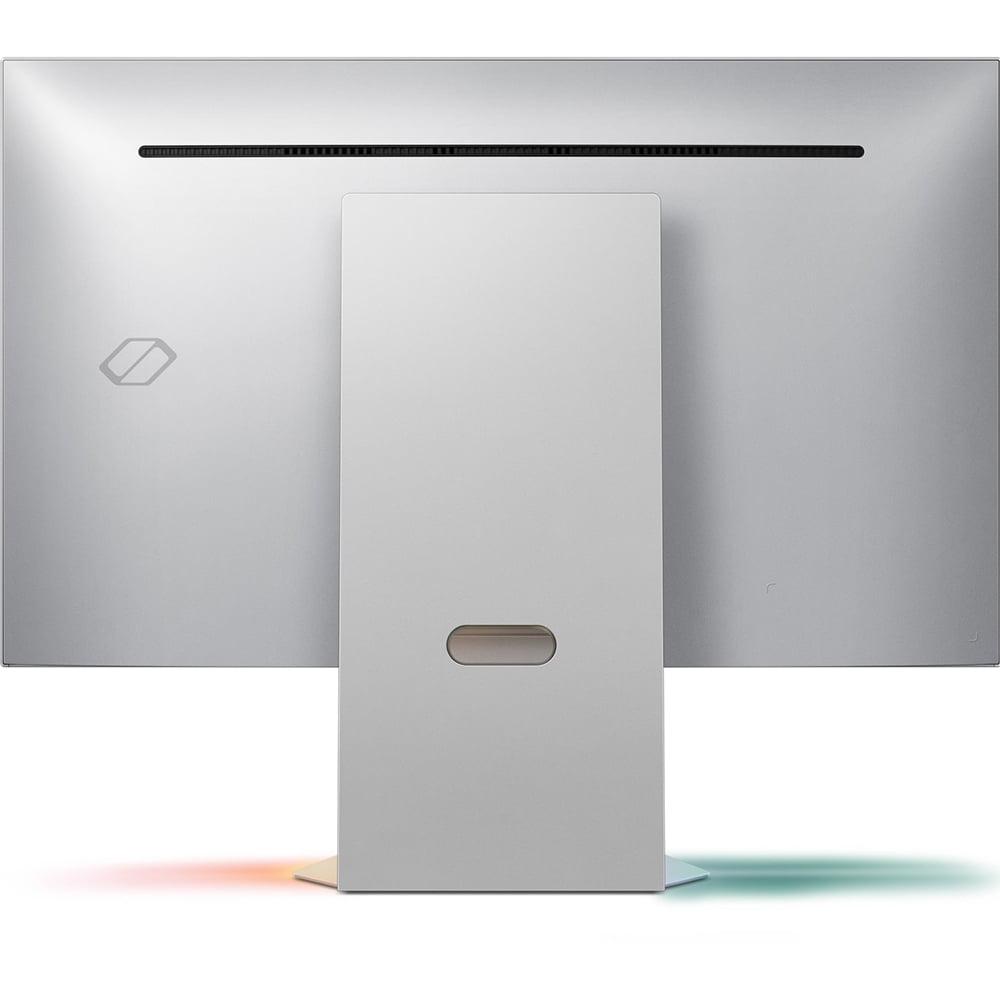
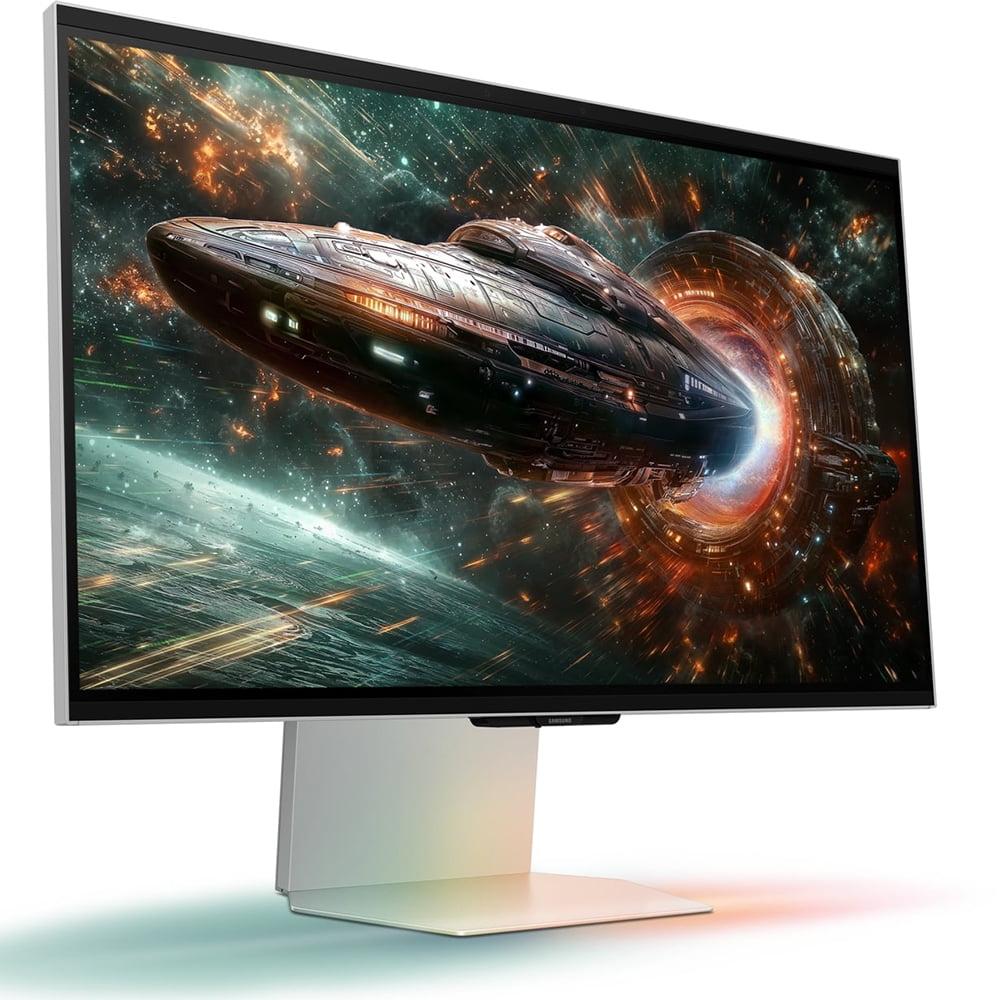
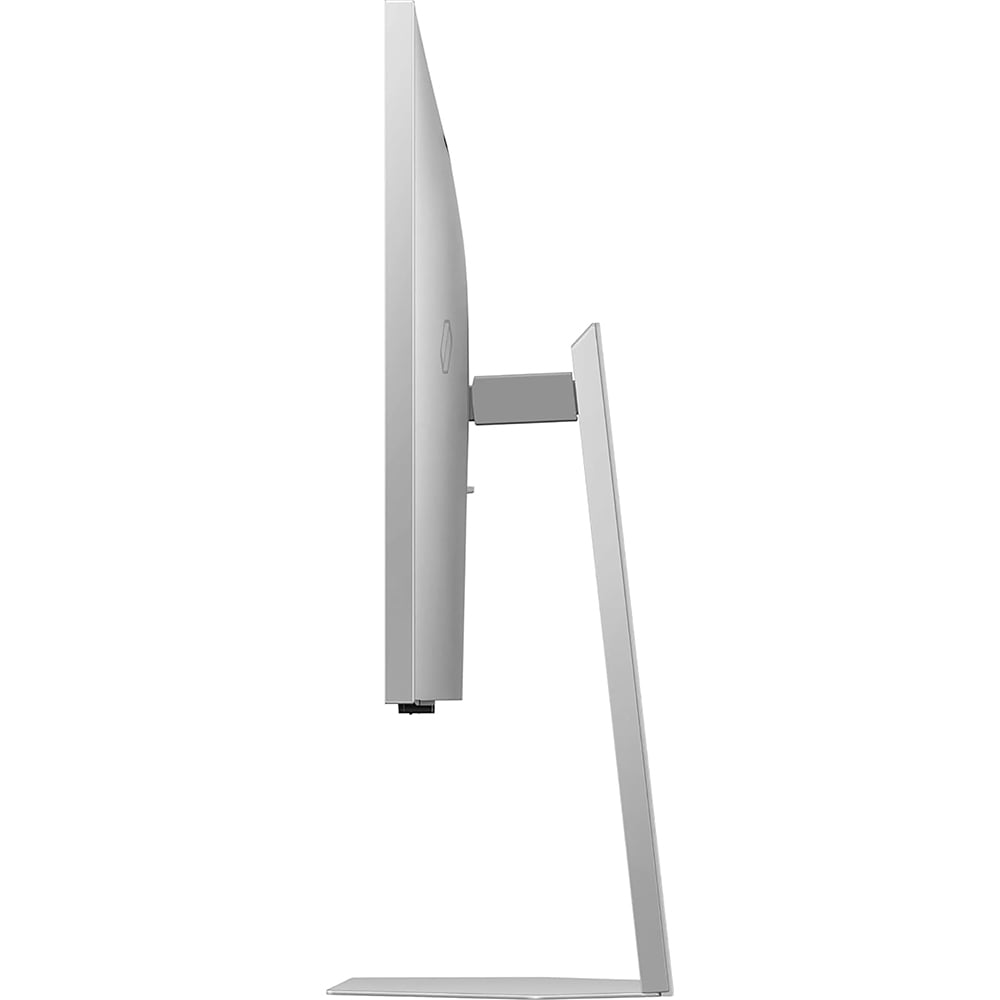
The physical differences between these monitors reflect their different priorities. The Samsung G90XF looks like a gaming monitor – angular design, RGB lighting around the edges, and a substantial stand. The edge lighting can sync with on-screen colors, creating an ambient effect that some find immersive and others find distracting.
The Dough Spectrum One takes a minimalist approach. The edge-to-edge Gorilla Glass creates a premium, almost tablet-like appearance. However, the glossy surface can be problematic in bright rooms – you'll see reflections of windows and lights. The anti-reflective DXC coating helps but doesn't eliminate this issue entirely.
Build quality heavily favors the Dough monitor. The Gorilla Glass isn't just for looks – it provides genuine protection against scratches and impacts. Having accidentally knocked items into both monitors during extended use, the difference in durability is noticeable.
Samsung's glasses-free 3D implementation deserves detailed discussion because it's the G90XF's primary selling point. The technology works by tracking your eyes and displaying slightly different images to create depth perception. When you move your head, the 3D effect follows, maintaining the illusion.
In supported games, the effect can be genuinely impressive. Racing games benefit enormously – you can judge distances and depths naturally, making cornering more intuitive. First-person shooters gain a tactical advantage when enemies appear to pop out from cover. The AI conversion feature can transform regular content, though results vary wildly depending on the source.
The limitations are significant, though. The 3D sweet spot is fairly narrow – move too far left or right, and the effect breaks down. The limited game library means you'll use 3D mode perhaps 20% of the time. Most importantly, the performance cost is substantial. Running games in 3D mode effectively halves your horizontal resolution, demanding much more GPU power for the same visual quality.
After extensive testing, I found the 3D novelty wore off after a few weeks. While impressive initially, the combination of limited content, performance costs, and viewing angle restrictions made it feel more like a tech demo than a practical feature for daily gaming.
Both monitors offer comprehensive connectivity, but the Dough Spectrum One provides more practical advantages. Its USB-C port with 100W power delivery transforms it into a proper docking station. Connect a laptop with a single cable, and you get video, data, and charging simultaneously. The integrated USB 3.2 Gen 2 hub provides fast data transfer for connected peripherals.
This makes the Dough monitor particularly appealing for hybrid work-gaming setups. During the day, it serves as a professional display for work laptops. In the evening, switch inputs for gaming. The factory color calibration ensures both use cases are well-served.
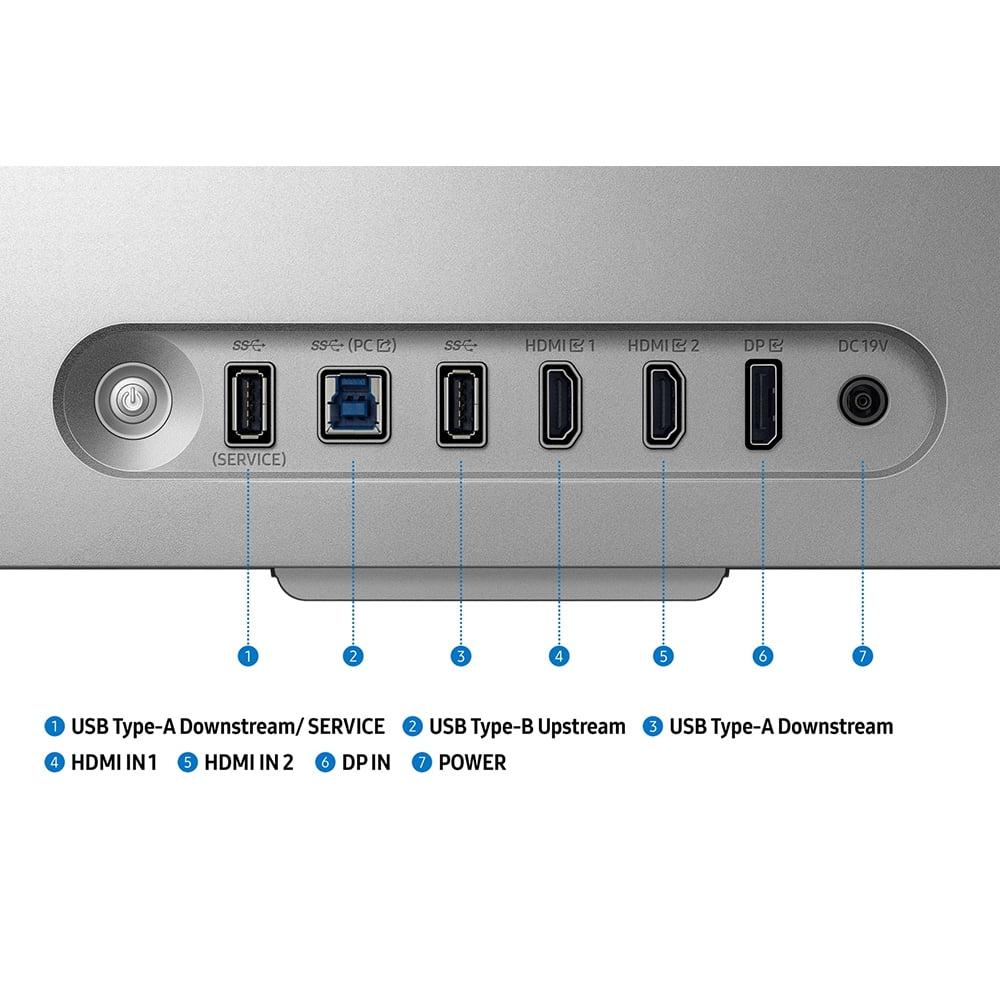
The Samsung monitor offers standard connectivity but lacks the USB-C convenience. For users with multiple devices or limited desk space, this difference matters more than you might expect.
For home theater use, the Dough Spectrum One is clearly superior. Its HDR 600 certification and local dimming provide meaningful improvements for movies and streaming content. The accurate color reproduction ensures films look as directors intended. The larger color gamut helps with newer content mastered in DCI-P3.
The Samsung's limited HDR capability means it's essentially an expensive 4K display for movie watching. The 3D feature doesn't work with movie content, eliminating its primary differentiator for home theater use.
Both monitors lack built-in tuners or smart TV features, so you'll need external streaming devices or gaming consoles for content. The Dough's USB-C connectivity makes it easier to connect laptops for streaming services not available on other devices.
Choosing between these monitors ultimately depends on your priorities and budget. The Samsung Odyssey 3D G90XF at $1,999.99 is for enthusiasts willing to pay premium prices for cutting-edge technology. If you're fascinated by 3D gaming and have the high-end hardware to support it, the Samsung offers a unique experience no other monitor can match.
The Dough Spectrum One at $899.99 provides better all-around performance for most users. Its superior color accuracy, HDR implementation, and build quality make it excellent for both gaming and professional work. The $1,100 price difference buys you proven performance rather than experimental features.
For competitive gamers, both monitors perform similarly, with the Samsung's slight refresh rate advantage offset by the Dough's better motion handling. Content creators will strongly prefer the Dough's color accuracy and calibration. Console gamers benefit from the Dough's superior HDR, while PC enthusiasts might appreciate the Samsung's higher refresh rate.
Budget considerations matter significantly here. The Samsung costs more than twice as much, primarily for its 3D technology. Unless you're specifically excited about glasses-free 3D gaming, the Dough offers much better value for money.
Consider your space and lighting too. The Samsung works better in dim gaming rooms where its edge lighting effects can shine. The Dough's glossy Gorilla Glass looks stunning but can be problematic in bright environments with lots of windows.
Both monitors represent the current state of premium gaming display technology, just with very different philosophies. The Samsung bets on revolutionary features that may define the future of gaming monitors. The Dough perfects today's technology while adding premium touches that improve the daily experience. Your choice depends on whether you're an early adopter willing to pay for tomorrow's features or someone who wants the best execution of today's proven technology.
| Samsung 27" Odyssey 3D G90XF 4K 165Hz Gaming Monitor | Dough Spectrum One 27-Inch 4K 144Hz Gaming Monitor Gorilla Glass |
|---|---|
| Price - Major factor in value proposition | |
| $1,999.99 (premium for 3D innovation) | $899.99 (excellent value for features) |
| Core Technology - Fundamentally different approaches | |
| Glasses-free 3D with eye-tracking + traditional IPS gaming | Premium Nano-IPS with Gorilla Glass construction |
| Display Size & Resolution - Base specifications | |
| 27-inch, 4K (3840×2160) IPS panel | 27-inch, 4K (3840×2160) Nano-IPS panel |
| Refresh Rate - Smoothness for competitive gaming | |
| 165Hz (marginal advantage for esports) | 144Hz (excellent for most gaming scenarios) |
| Response Time - Motion blur and ghosting | |
| 1ms GtG (aggressive overdrive settings) | 1ms GtG (clean motion, minimal artifacts) |
| Color Accuracy - Critical for content creation | |
| 99% sRGB (standard gaming monitor calibration) | 98% DCI-P3, 100% sRGB, factory calibrated ΔE ≤0.6 |
| HDR Performance - Contrast and brightness quality | |
| HDR10/HDR10+ Gaming, 350 nits typical | VESA DisplayHDR 600, 750 nits peak, 16-zone local dimming |
| Unique Features - What sets each apart | |
| Glasses-free 3D gaming, AI 3D conversion, edge lighting | Gorilla Glass durability, professional color calibration |
| Connectivity - Modern workflow integration | |
| HDMI 2.1, DisplayPort 1.4, standard USB | 2× HDMI 2.1, DisplayPort 1.4, USB-C 100W power delivery |
| Build Quality - Durability and premium feel | |
| Standard gaming monitor construction with RGB lighting | Edge-to-edge Corning Gorilla Glass with anti-reflective coating |
| Content Compatibility - What works best | |
| Limited 3D game library, AI conversion for 2D content | Universal compatibility, excels with HDR content |
| GPU Requirements - System demands | |
| RTX 3080+ recommended for optimal 3D performance | Works well with mid-range to high-end GPUs |
| Best Use Cases - Target audience | |
| 3D gaming enthusiasts, early adopters, showcase setups | Content creators, hybrid work/gaming, console gamers |
Both the Samsung 27" Odyssey 3D G90XF at $1,999.99 and Dough Spectrum One at $899.99 excel at gaming, but serve different needs. The Samsung offers 165Hz refresh rate and unique glasses-free 3D gaming for supported titles. The Dough provides 144Hz with superior HDR performance and better motion handling. For competitive gaming, the difference is minimal. For immersive single-player games, the Dough's HDR gives it an edge.
The Samsung Odyssey 3D G90XF costs $1,999.99 while the Dough Spectrum One is $899.99 - a $1,100 difference. You're paying double for the Samsung's 3D technology and slightly higher refresh rate. Unless you're specifically interested in glasses-free 3D gaming, the Dough offers much better value with superior color accuracy and HDR performance.
The Dough Spectrum One delivers superior picture quality overall. It features factory calibration to ΔE ≤0.6, 98% DCI-P3 color coverage, and VESA DisplayHDR 600 certification with 750 nits peak brightness. The Samsung G90XF has good gaming visuals but limited HDR capability at only 350 nits typical brightness and basic color calibration.
Yes, both the Samsung Odyssey 3D and Dough Spectrum One support 4K@120Hz gaming over HDMI 2.1, making them compatible with PlayStation 5 and Xbox Series X. However, the Dough monitor's superior HDR performance makes console games look significantly better, especially in HDR-enabled titles.
The Dough Spectrum One is clearly superior for professional work. Its factory calibration, 98% DCI-P3 color coverage, and ΔE ≤0.6 accuracy make it suitable for photo editing, graphic design, and video work. The Samsung G90XF has standard gaming monitor color accuracy that requires manual calibration for professional use.
The Samsung Odyssey 3D G90XF uses eye-tracking cameras and a lenticular lens array to create glasses-free 3D. It tracks your head position 100 times per second and displays different images to each eye. The effect works with supported games and can convert 2D content using AI, though the game library is currently limited and requires high-end GPU power.
The Dough Spectrum One offers superior connectivity with USB-C 100W power delivery, enabling single-cable laptop connections for video, data, and charging. It also includes a USB 3.2 Gen 2 hub. The Samsung G90XF has standard gaming monitor connectivity with HDMI 2.1 and DisplayPort 1.4 but lacks the USB-C docking convenience.
Yes, the Dough Spectrum One features edge-to-edge Corning Gorilla Glass with anti-reflective coating, providing superior scratch resistance and durability. The Samsung Odyssey 3D uses standard gaming monitor construction. However, the Dough's glossy Gorilla Glass surface can show reflections more easily in bright environments.
The Dough Spectrum One is significantly better for movie watching due to its VESA DisplayHDR 600 certification, 750 nits peak brightness, and 16-zone local dimming. The Samsung G90XF has limited HDR capability that doesn't provide meaningful improvement for movie content, and its 3D feature doesn't work with films.
The Samsung Odyssey 3D offers 165Hz while the Dough Spectrum One provides 144Hz. The 21Hz difference is minimal in practice and barely noticeable except in competitive esports scenarios. Both refresh rates provide smooth gaming, and the difference doesn't justify the Samsung's higher price for most users.
The Samsung G90XF demands more GPU power, especially for 3D gaming which requires RTX 3080 or better for optimal performance. 3D mode effectively halves horizontal resolution, significantly increasing system requirements. The Dough Spectrum One works well with mid-range to high-end GPUs and doesn't have the same demanding requirements.
Choose the Samsung Odyssey 3D G90XF at $1,999.99 if you're fascinated by 3D gaming, have a high-end PC, and want cutting-edge technology. Select the Dough Spectrum One at $899.99 if you prioritize proven performance, color accuracy, professional features, and value. For most users, the Dough offers better all-around performance at half the price.
We've done our best to create useful and informative comparisons to help you decide what product to buy. Our research uses advanced automated methods to create this comparison and perfection is not possible - please contact us for corrections or questions. These are the sites we've researched in the creation of this article: hometechnologyreview.com - substack.com - rtings.com - youtube.com - techaeris.com - versus.com - tomsguide.com - avsforum.com - youtube.com - versus.com - bestbuy.com - samsung.com - samsung.com - samsung.com - samsung.com - m.media-amazon.com - createdtech.com - pcgamesn.com - tomshardware.com - imore.com - bestbuy.com - youtube.com - youtube.com - newegg.com - 9to5mac.com - bhphotovideo.com - bhphotovideo.com - sears.com - bhphotovideo.com - bestbuy.com - petra.com - petra.com - bestbuy.com - microcenter.com - youtube.com - petra.com

Privacy Policy
Terms and Conditions - Affiliate Policy
Home Security
© Copyright 2008-2026.
11816 Inwood Rd #1211, Dallas, TX 75244