


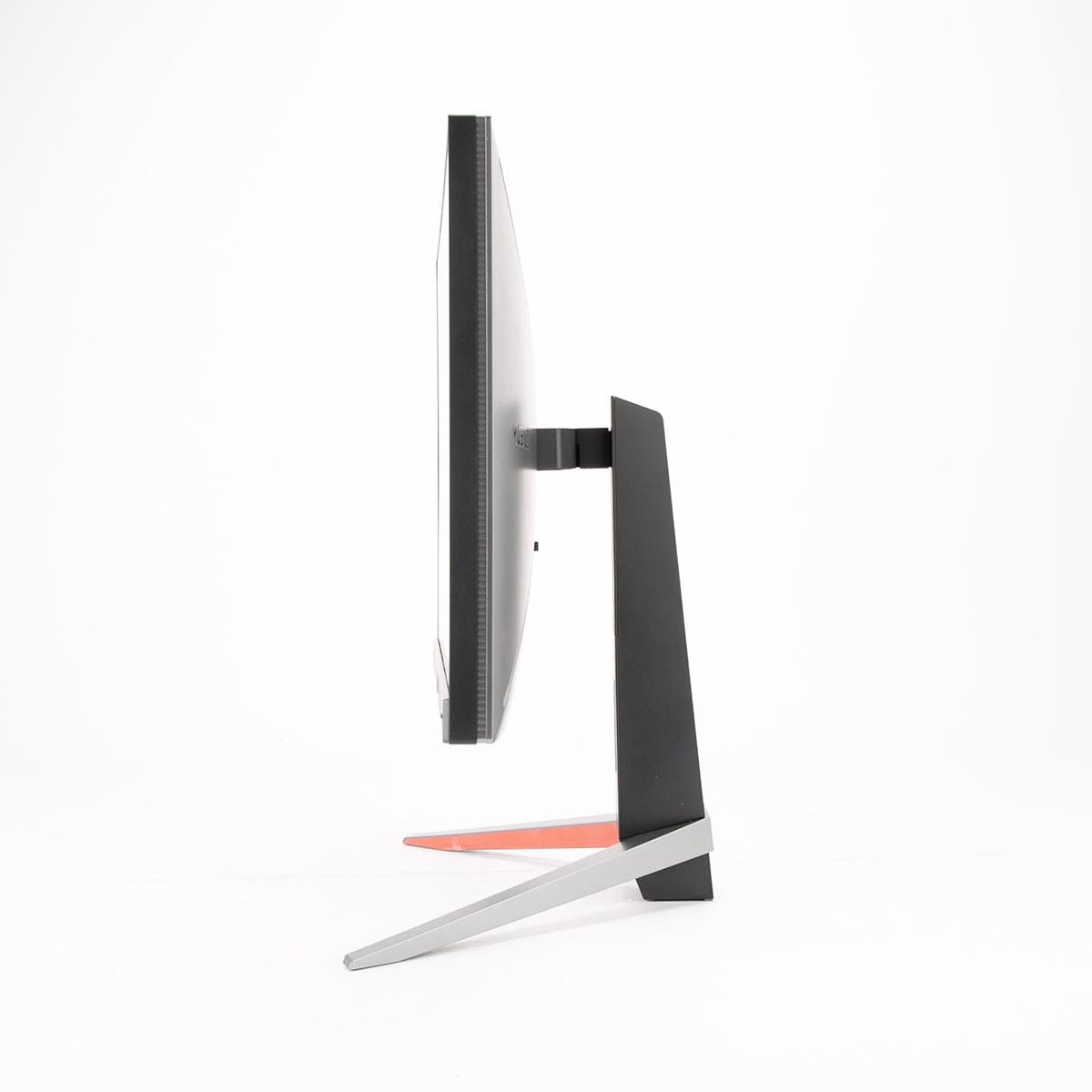
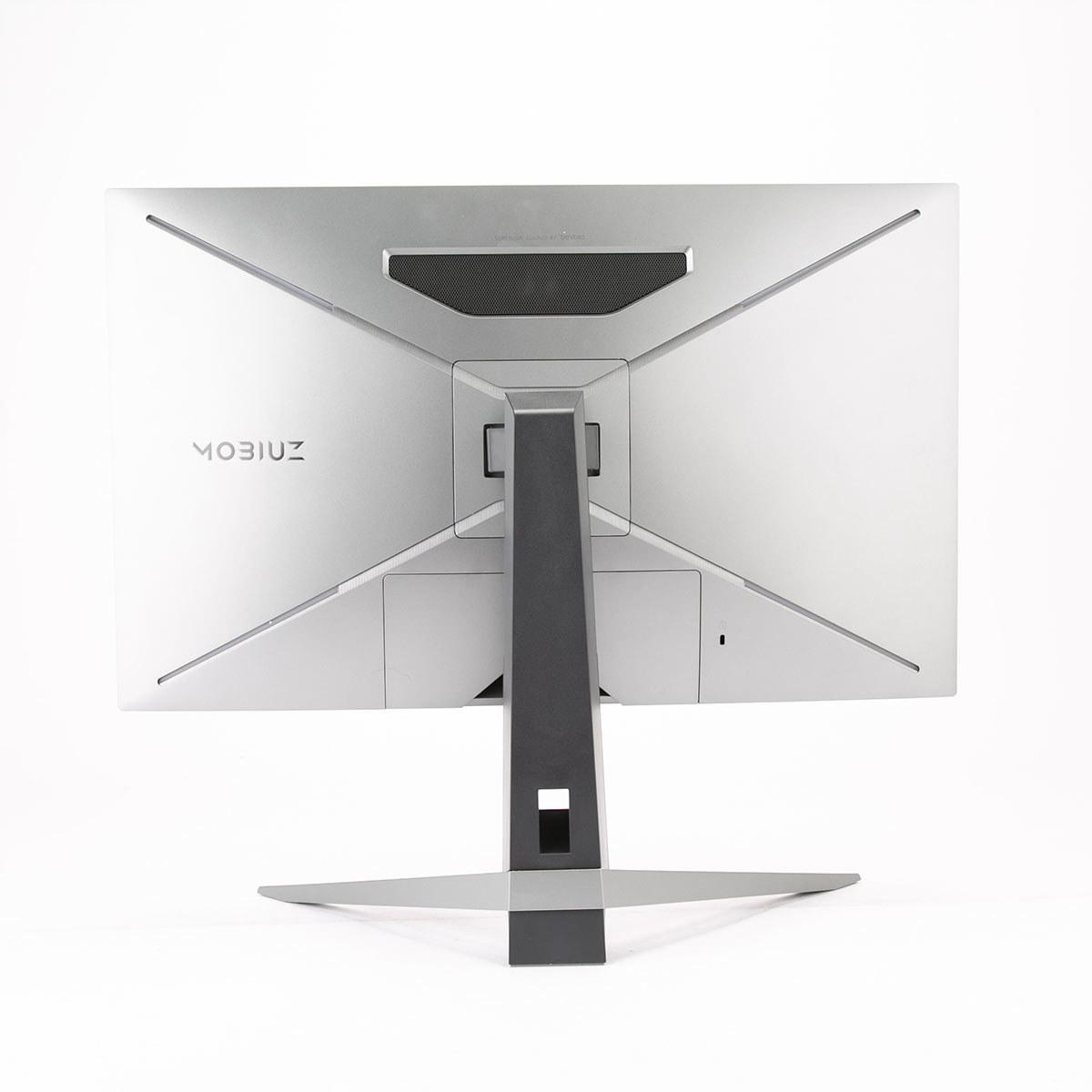
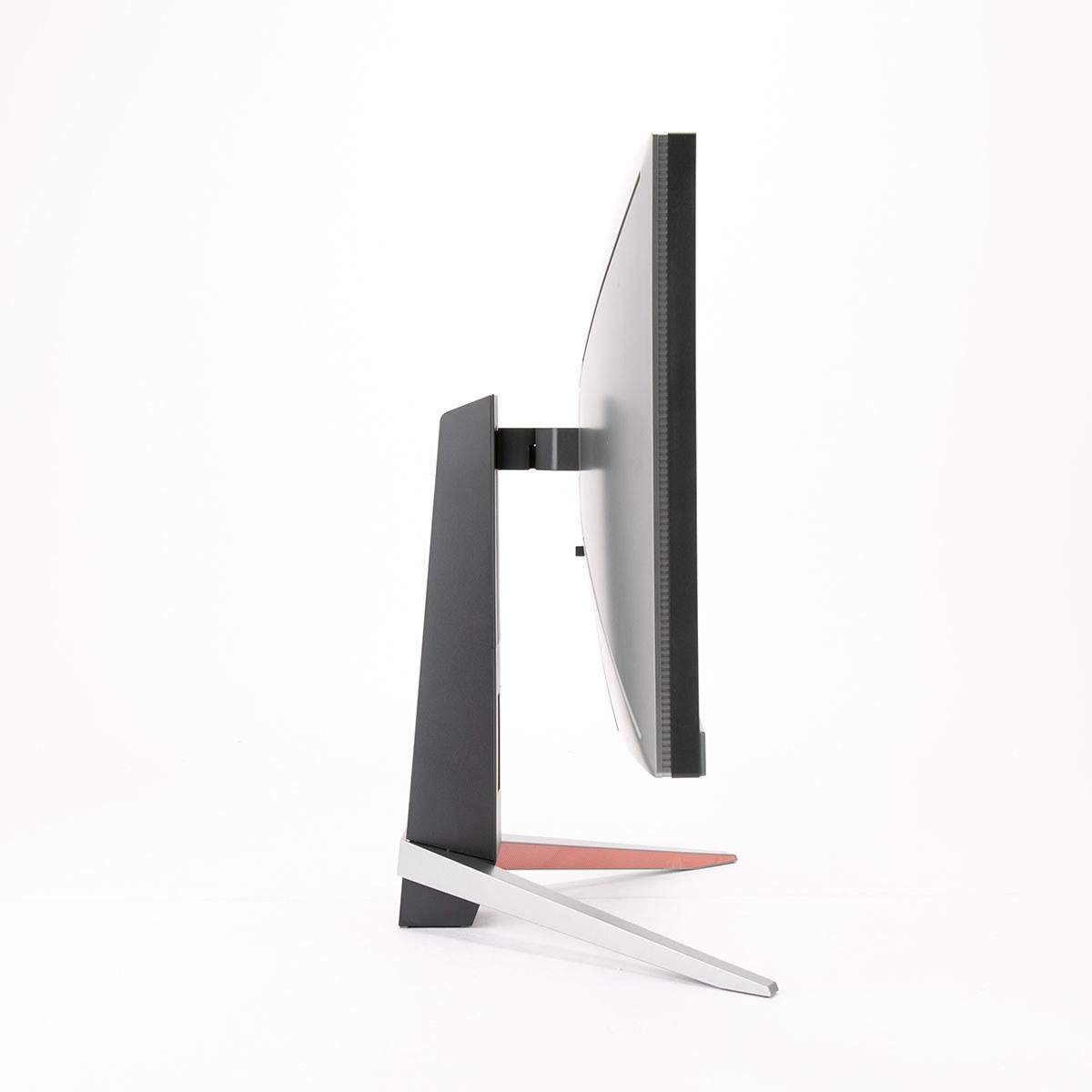
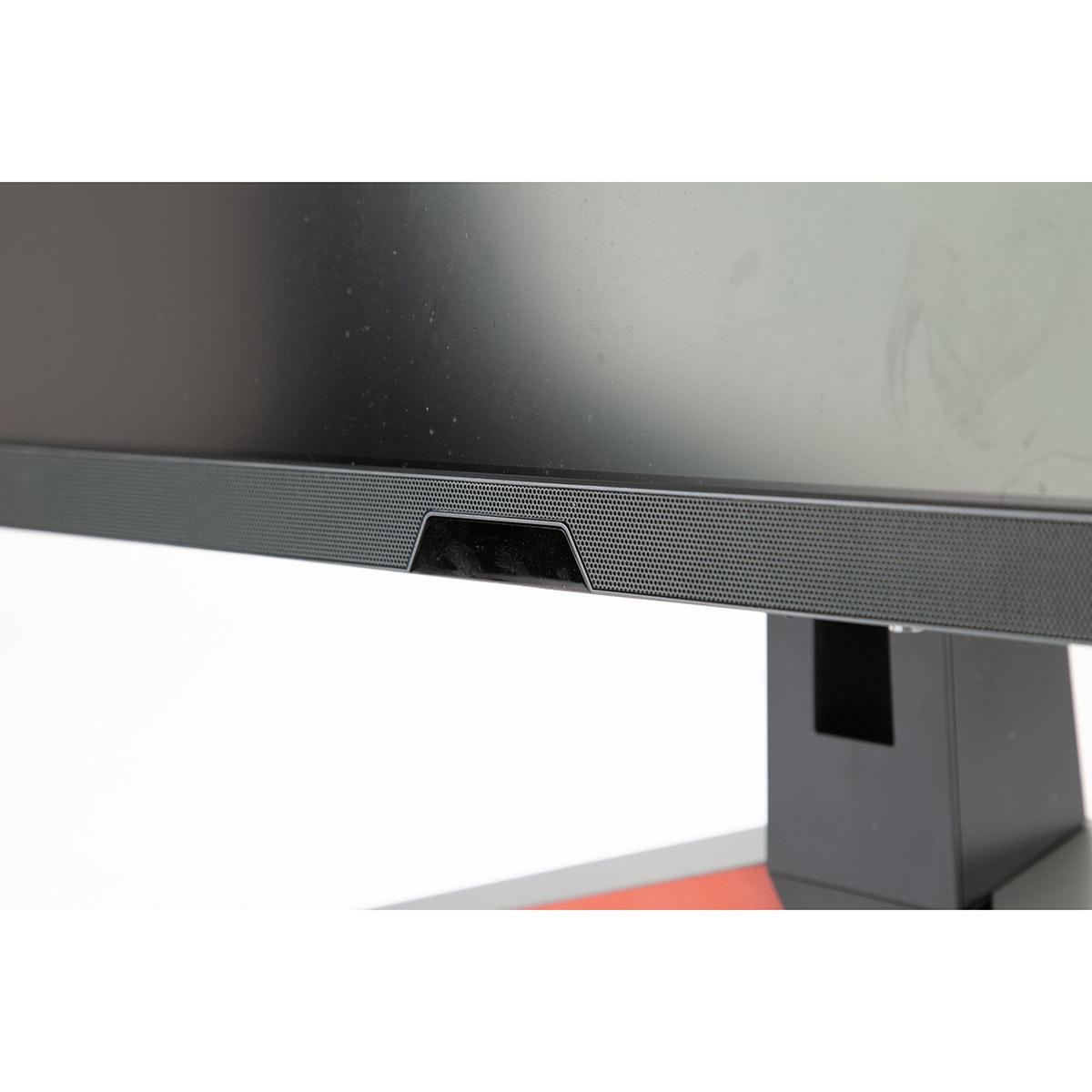


When I first started reviewing gaming monitors five years ago, the biggest debate was whether 144Hz was worth the upgrade from 60Hz. Today, we're comparing a lightning-fast 240Hz display against a monitor that literally adds a third dimension to your games. The gaming monitor landscape has evolved dramatically, and these two displays represent completely different philosophies about what makes gaming better.
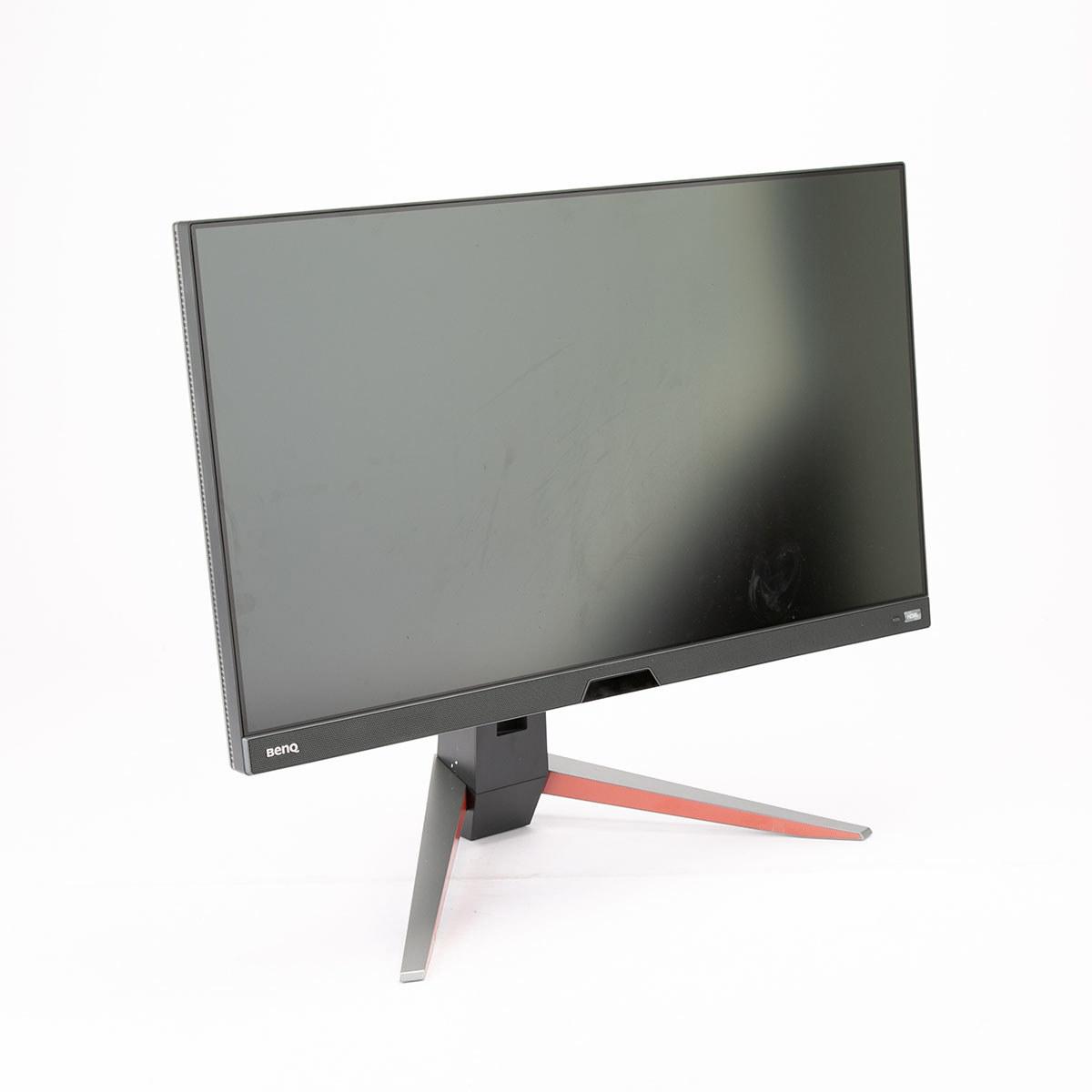
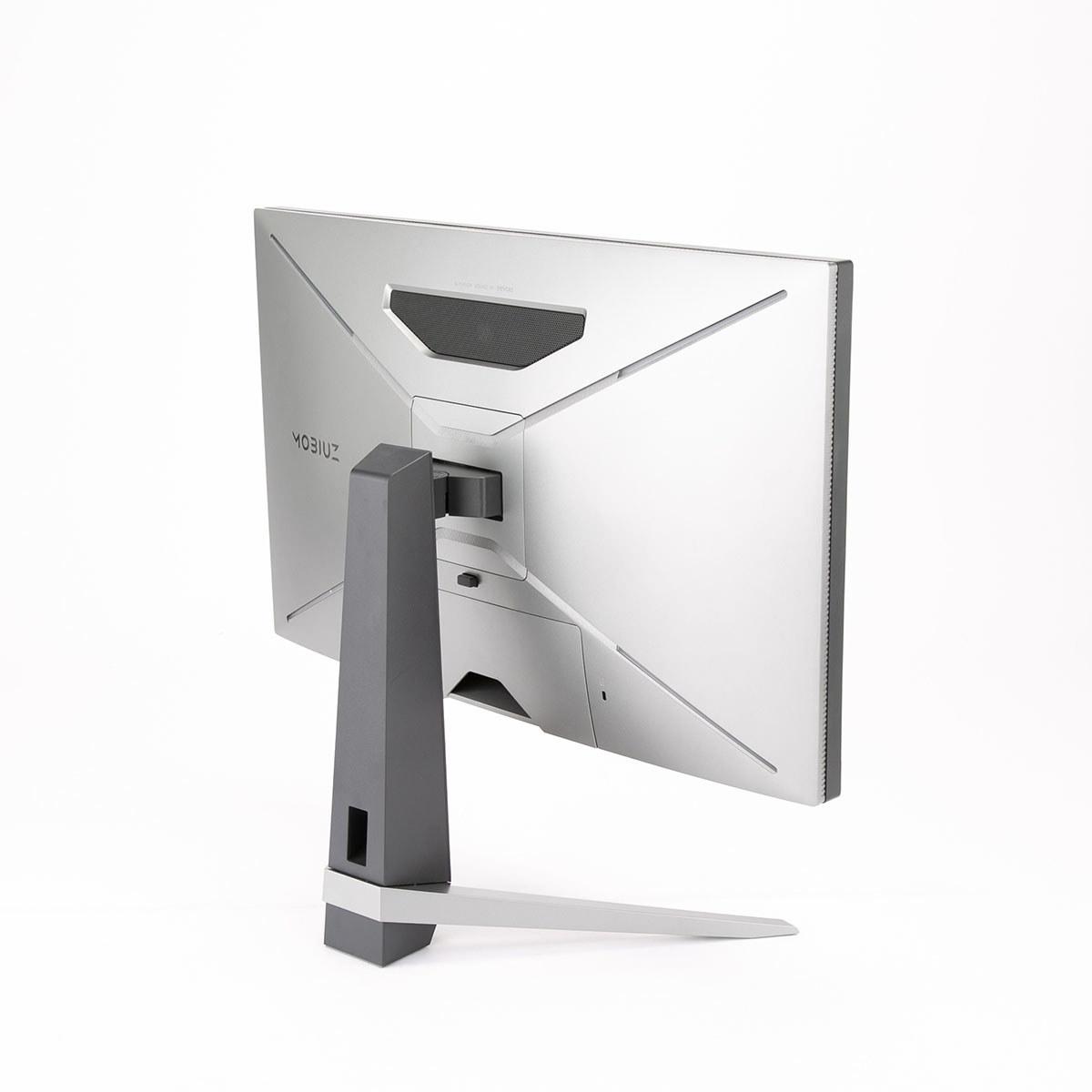
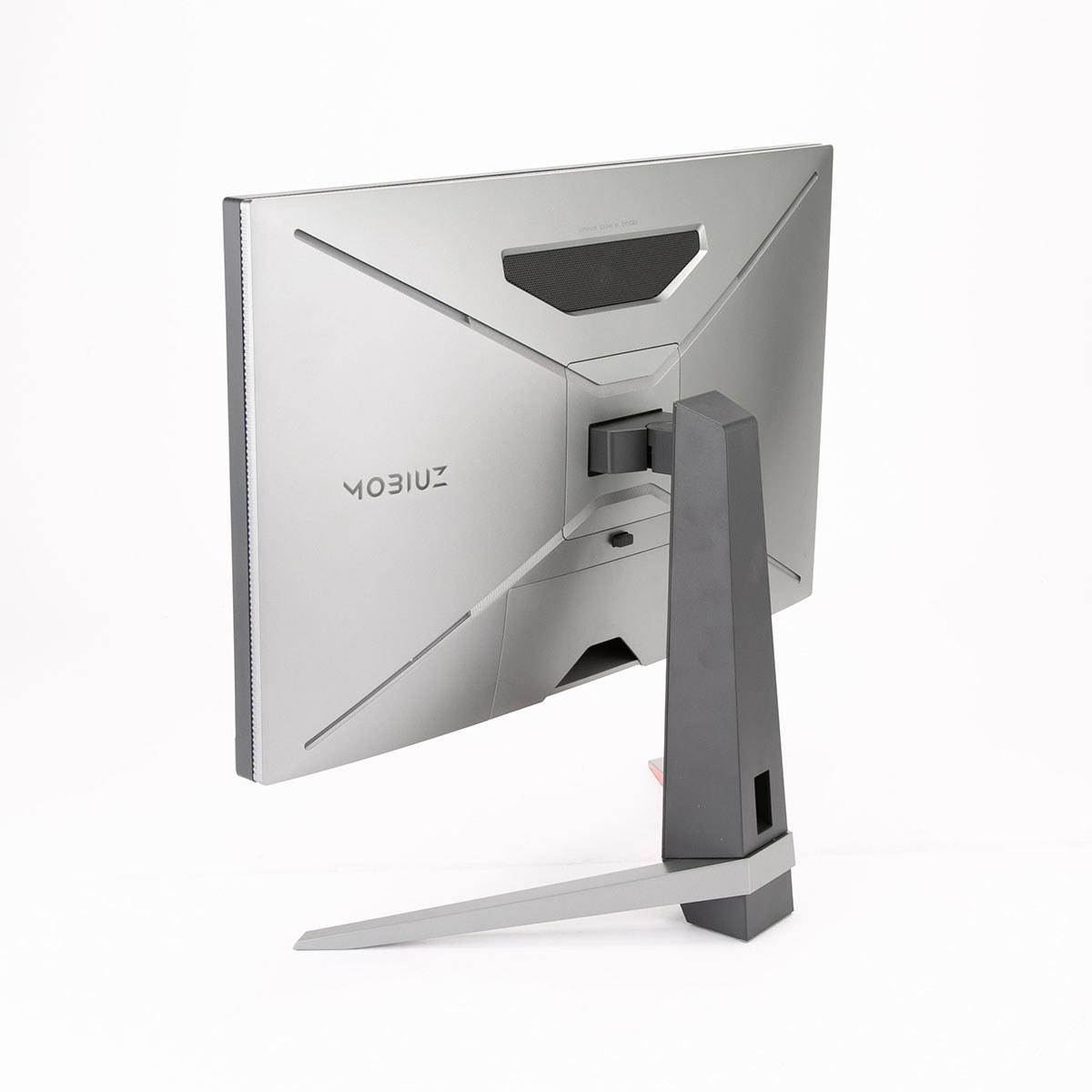
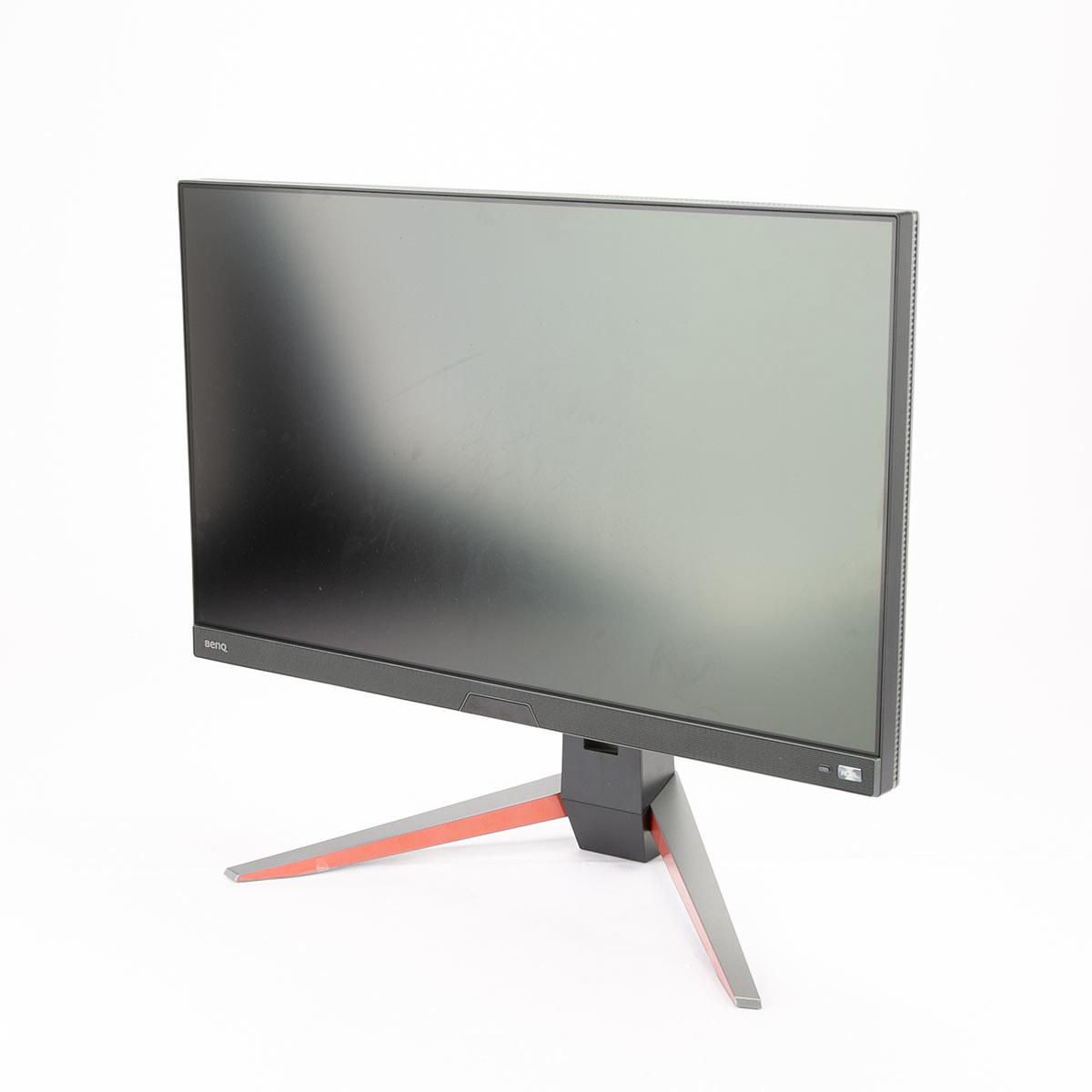
The BenQ MOBIUZ EX270QM ($399.99) launched in early 2023 as BenQ's answer to the competitive gaming crowd, while the Samsung Odyssey 3D G90XF ($1,799.99) arrived in April 2025 as Samsung's bold vision for the future of immersive gaming. That nearly $1,400 price difference tells you immediately that we're dealing with two very different approaches to gaming excellence.
Gaming monitors aren't just regular displays with fancy marketing. They're engineered specifically for interactive entertainment, where every millisecond of delay can mean the difference between victory and defeat. The key specifications that matter most are refresh rate (how many times per second the screen updates), response time (how quickly pixels can change colors), and resolution (how sharp and detailed the image appears).
Think of refresh rate like frames per second in a movie, except interactive. A 60Hz monitor updates 60 times per second, while a 240Hz display like the BenQ EX270QM refreshes four times faster. Response time, measured in milliseconds, determines how quickly the monitor can display changes – crucial for tracking fast-moving objects in games. Resolution affects both visual quality and performance demands on your graphics card.
Over the past few years, we've seen gaming monitors split into two distinct camps. Performance-focused displays prioritize speed above all else, pushing refresh rates higher while maintaining reasonable prices. Innovation-focused monitors experiment with new technologies like OLED panels, mini-LED backlighting, or in Samsung's case, glasses-free 3D viewing.
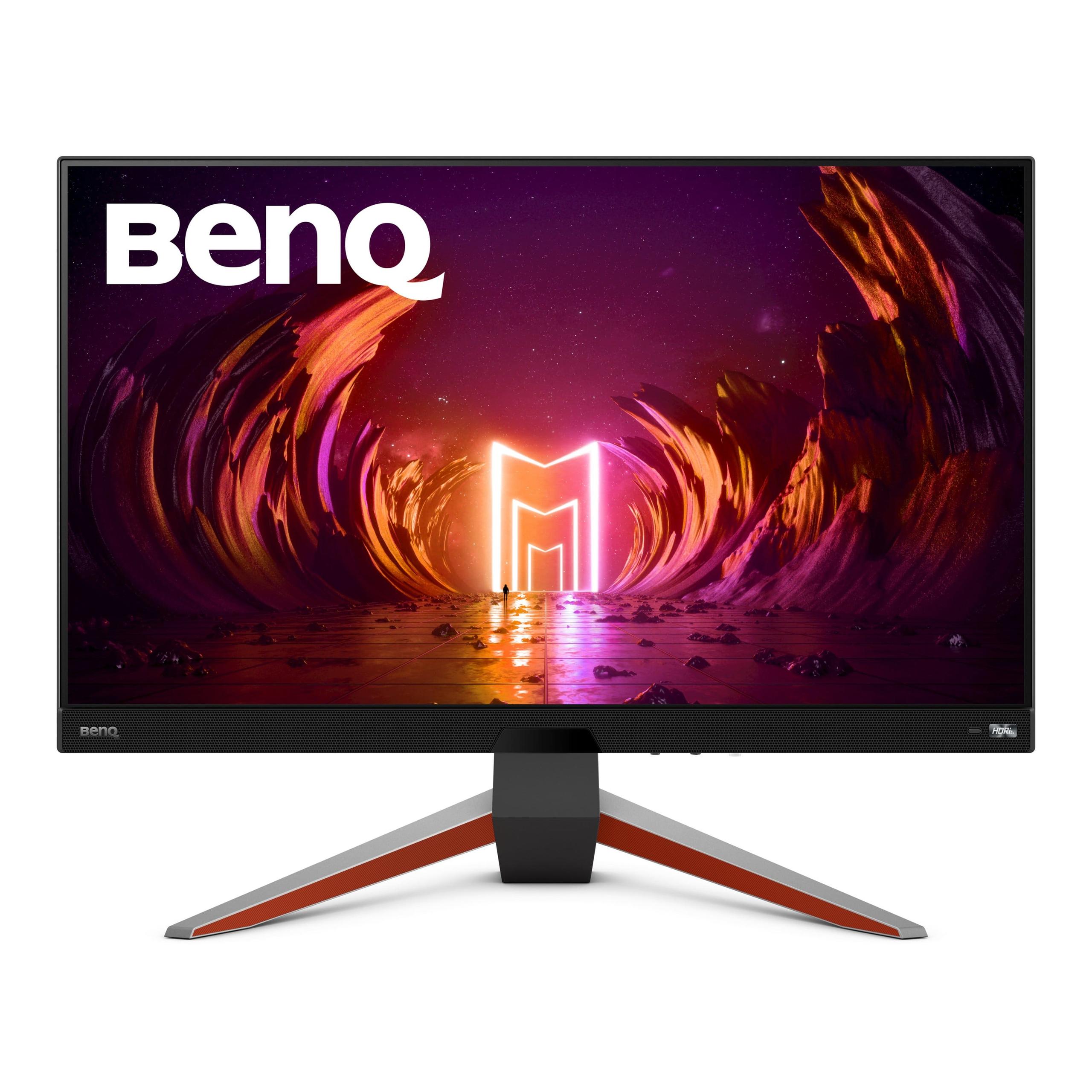
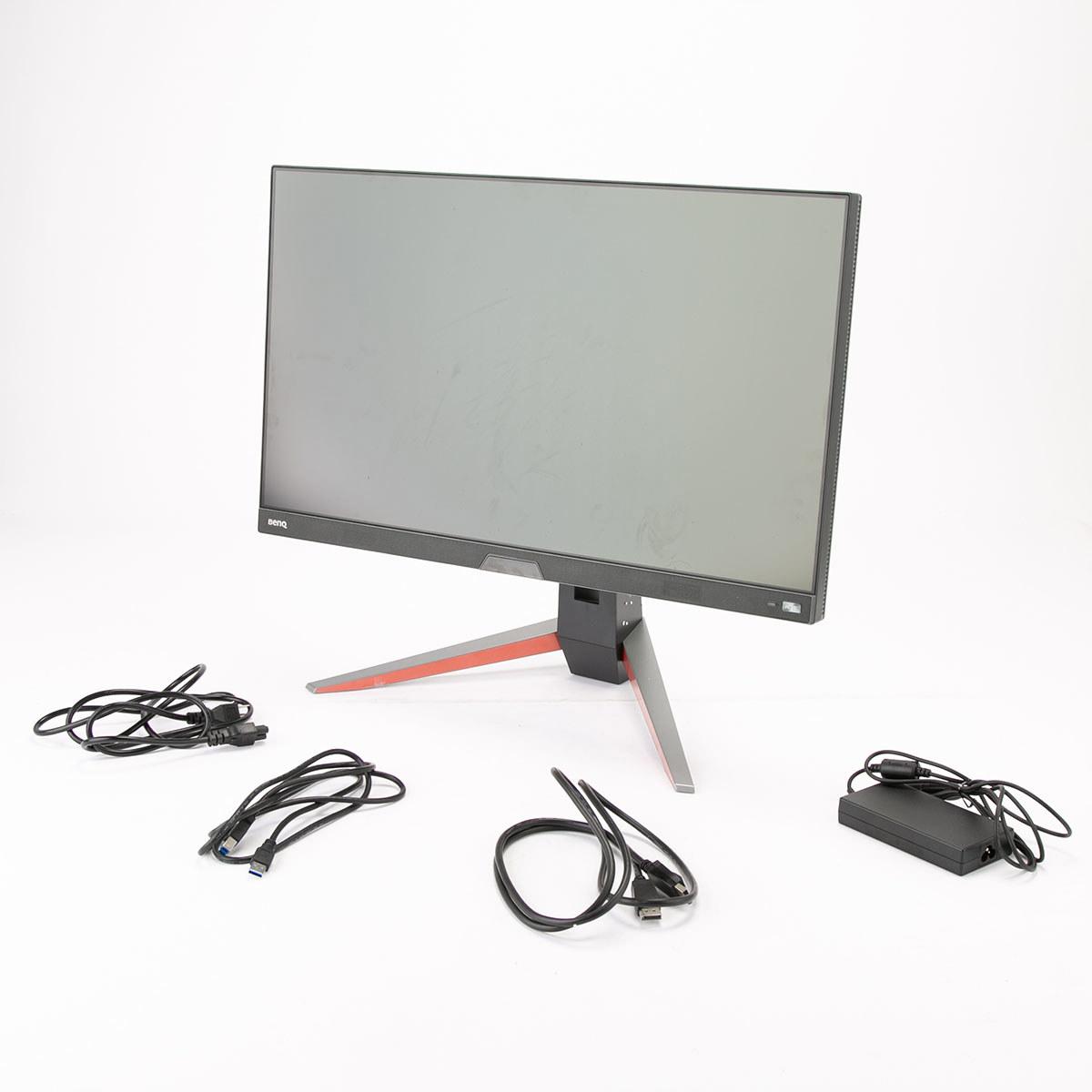
The BenQ MOBIUZ EX270QM represents the sweet spot that many competitive gamers have been seeking. When BenQ released this monitor in March 2023, they were targeting the gap between expensive 240Hz displays and more affordable 144Hz options. At 27 inches with QHD resolution (2560x1440), it delivers 109 pixels per inch – sharp enough for detailed gaming without overwhelming your graphics card.
What sets this monitor apart is its combination of IPS panel technology with genuine 240Hz performance. IPS (In-Plane Switching) panels have traditionally been slower than TN (Twisted Nematic) panels, but recent advances have eliminated that disadvantage. The result is a display that offers both the color accuracy and viewing angles of IPS with the speed that competitive gamers demand.
The 1ms response time (both GTG and MPRT) deserves explanation. GTG (Gray-to-Gray) measures how quickly pixels transition between different shades of gray, while MPRT (Moving Picture Response Time) accounts for motion blur reduction. Having both specifications at 1ms means the BenQ EX270QM handles both color transitions and motion equally well.
BenQ's HDRi technology caught my attention during testing. Unlike standard HDR implementations that simply boost brightness and contrast, HDRi uses an ambient light sensor to continuously adjust the display based on your room's lighting conditions. Gaming at 2 AM with the lights off? The monitor automatically dims and shifts to warmer colors. Afternoon session with sunlight streaming through windows? It brightens up and adjusts contrast accordingly.
The built-in 2.1 channel audio system surprised me. Most monitor speakers are afterthoughts, but BenQ partnered with their treVolo audio division to create something genuinely useful. The two 2W speakers handle mids and highs while a 5W subwoofer adds actual bass response. It's not replacing a dedicated sound system, but it's perfectly adequate for casual gaming sessions.
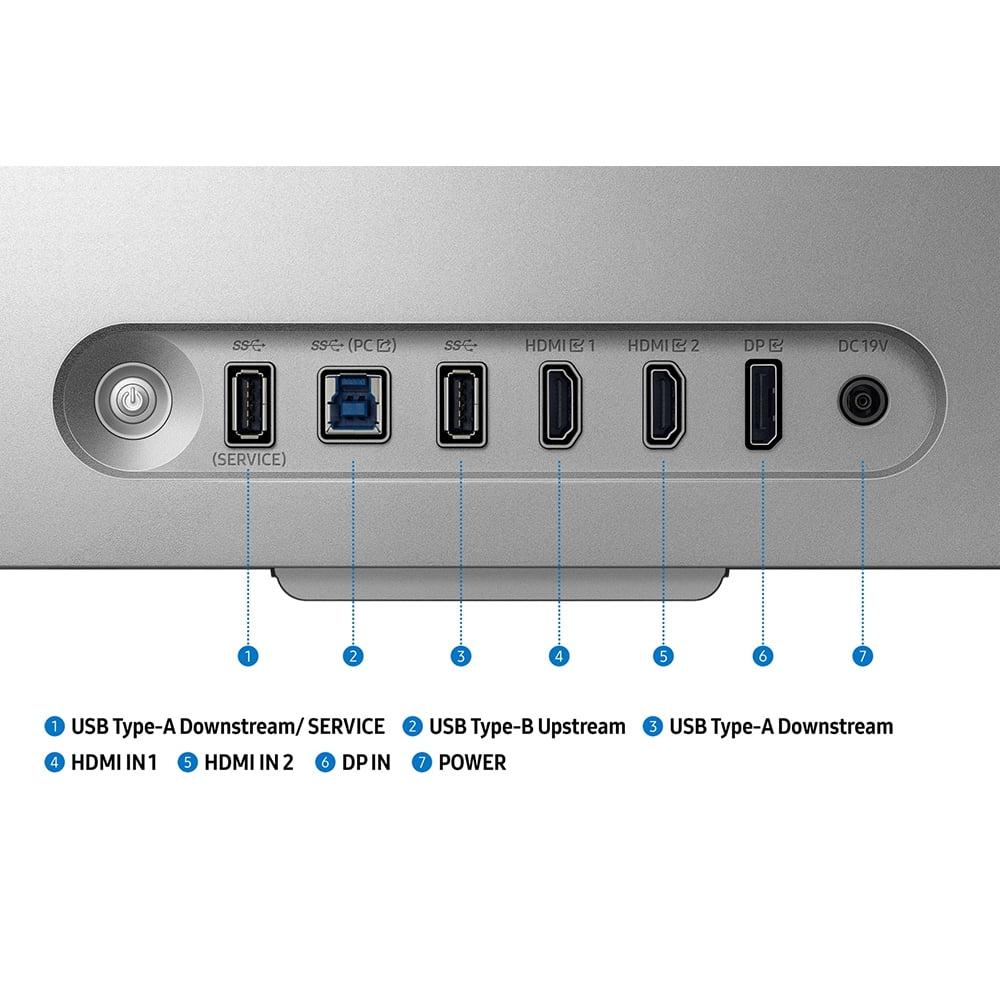
Connectivity options reflect modern gaming needs. Two HDMI 2.1 ports support next-generation consoles at their maximum capabilities, while DisplayPort 1.4 handles full 240Hz from compatible graphics cards. The USB 3.0 hub adds convenience for peripherals, and the headphone jack includes a decent amplifier for driving higher-impedance gaming headsets.
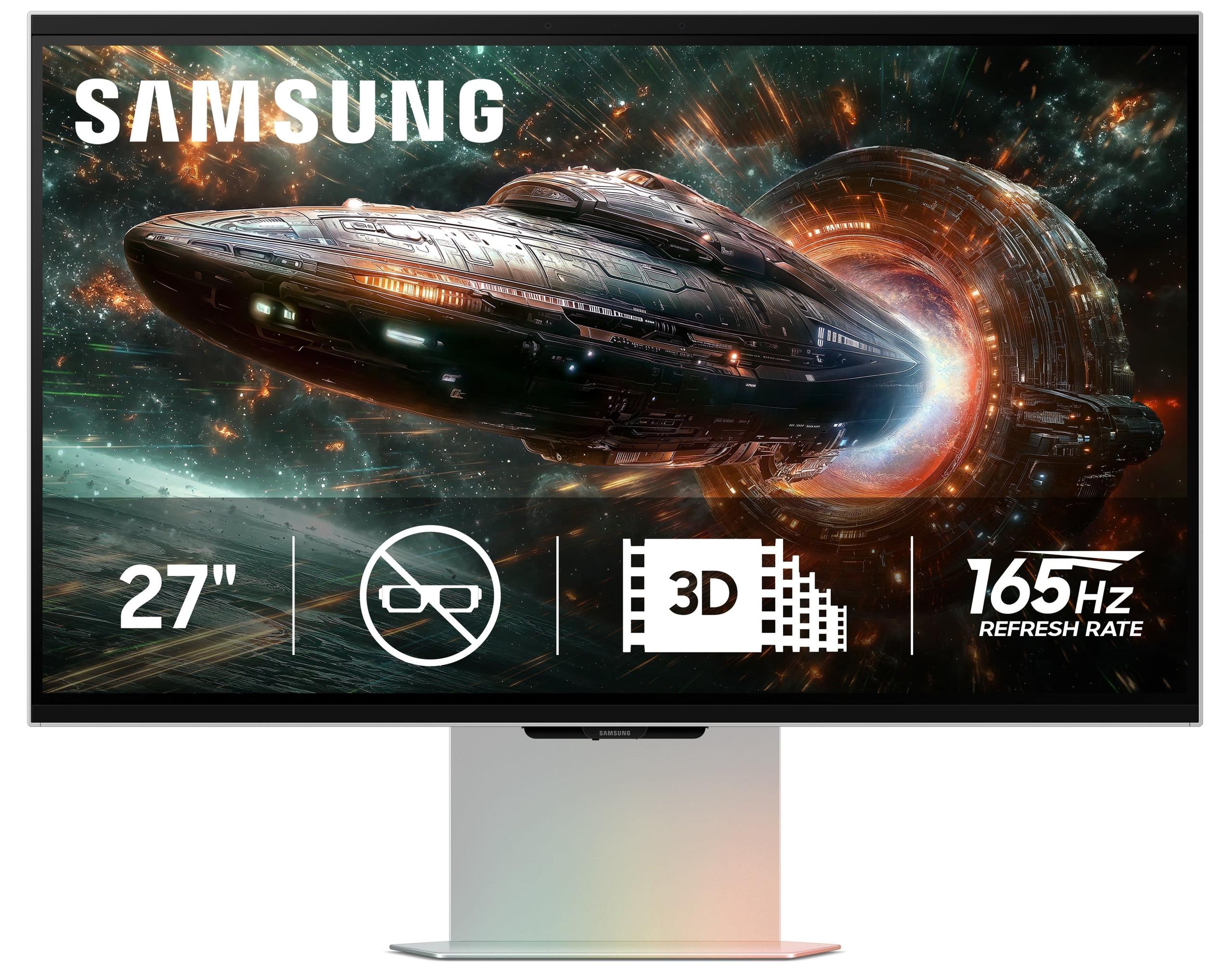
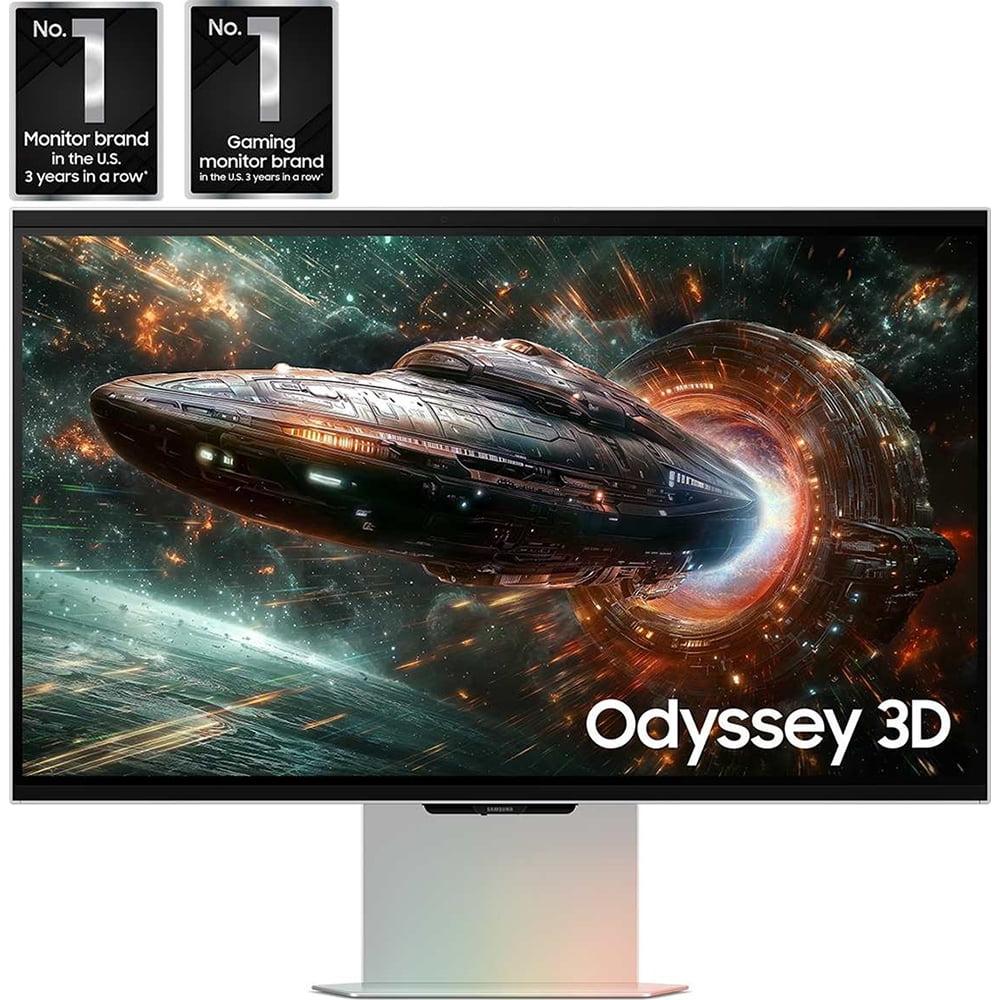
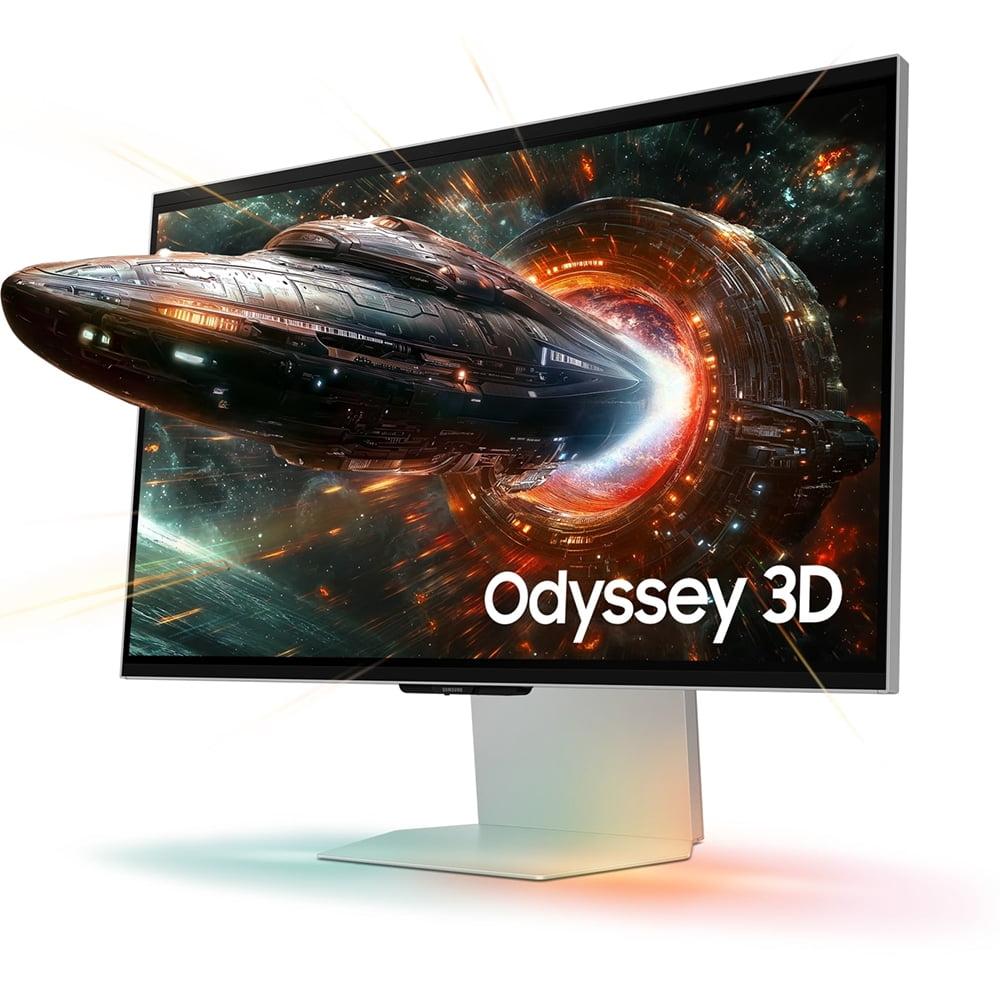
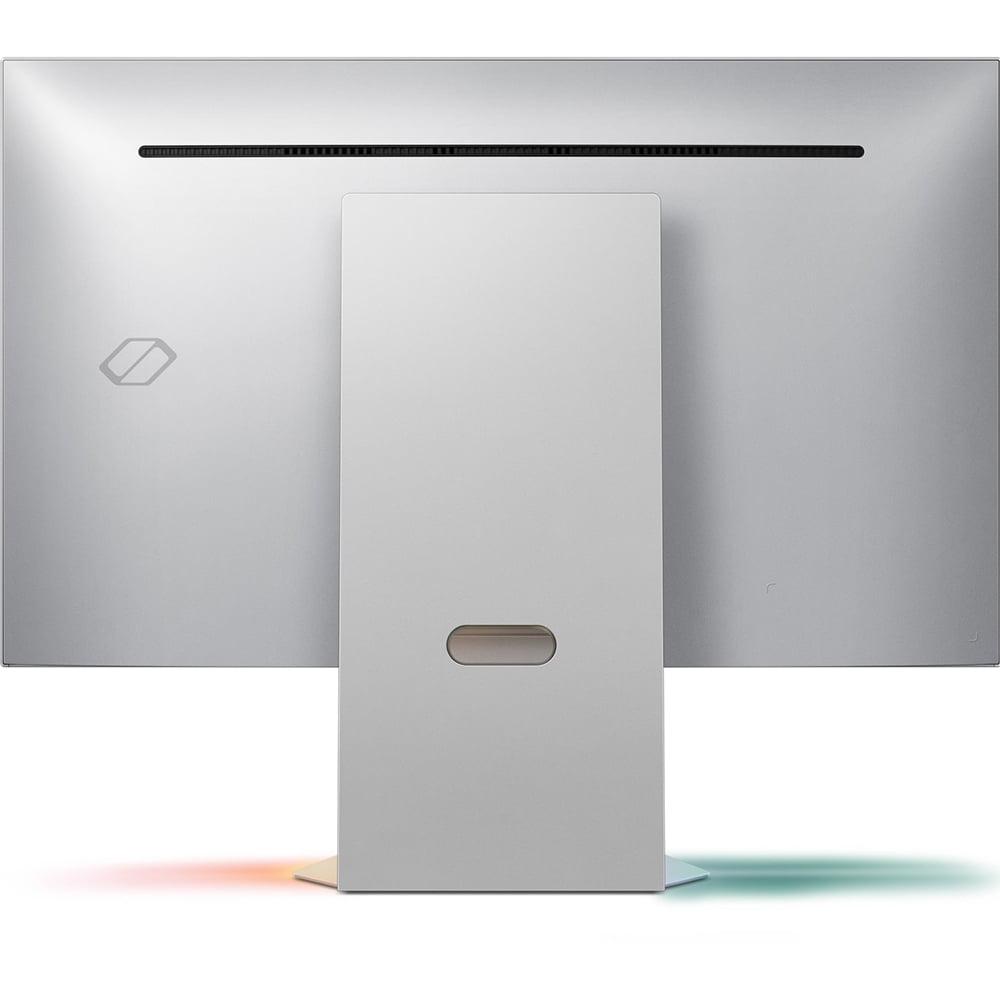
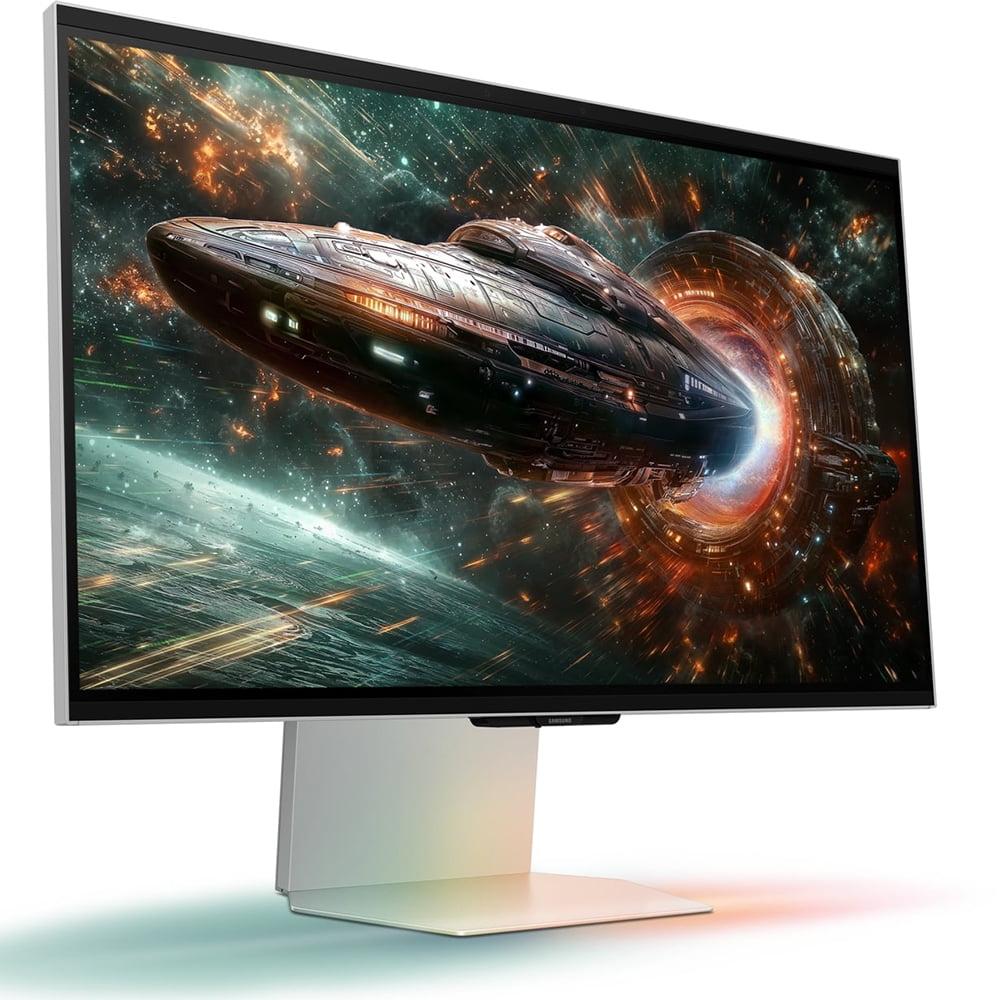
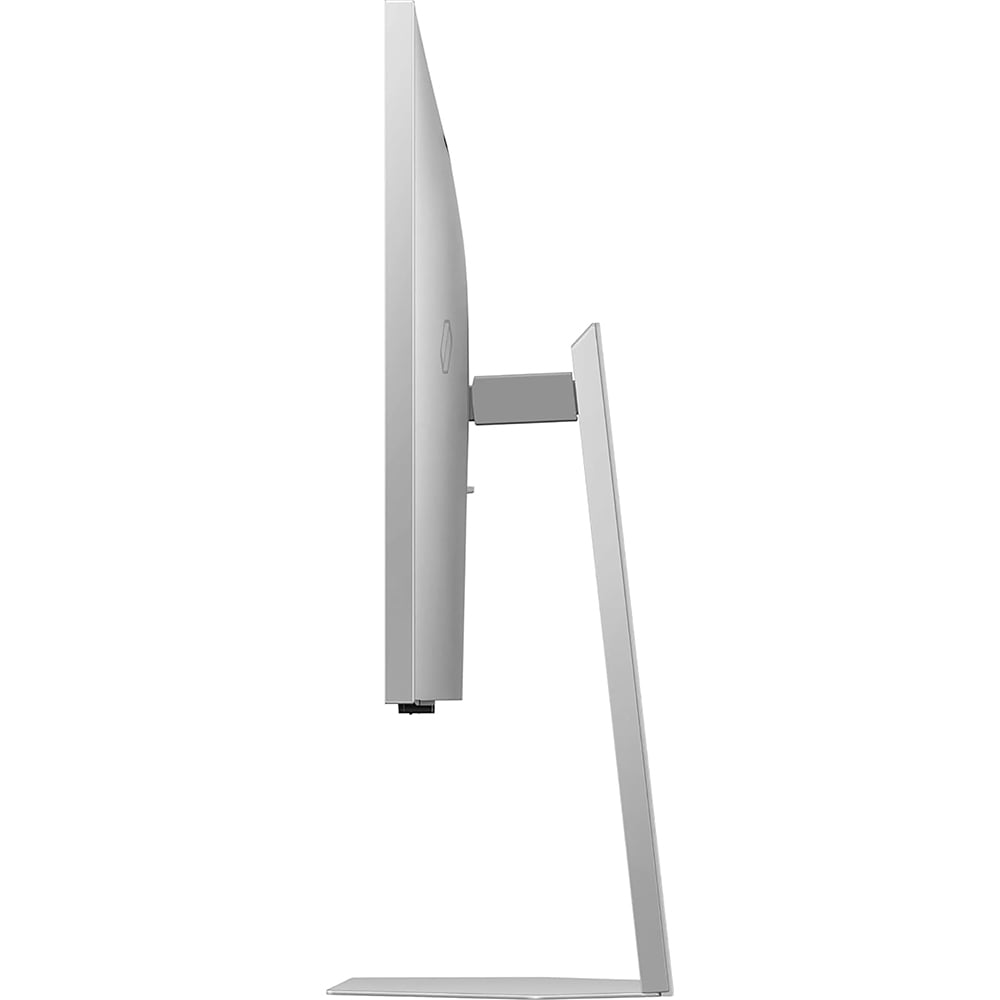
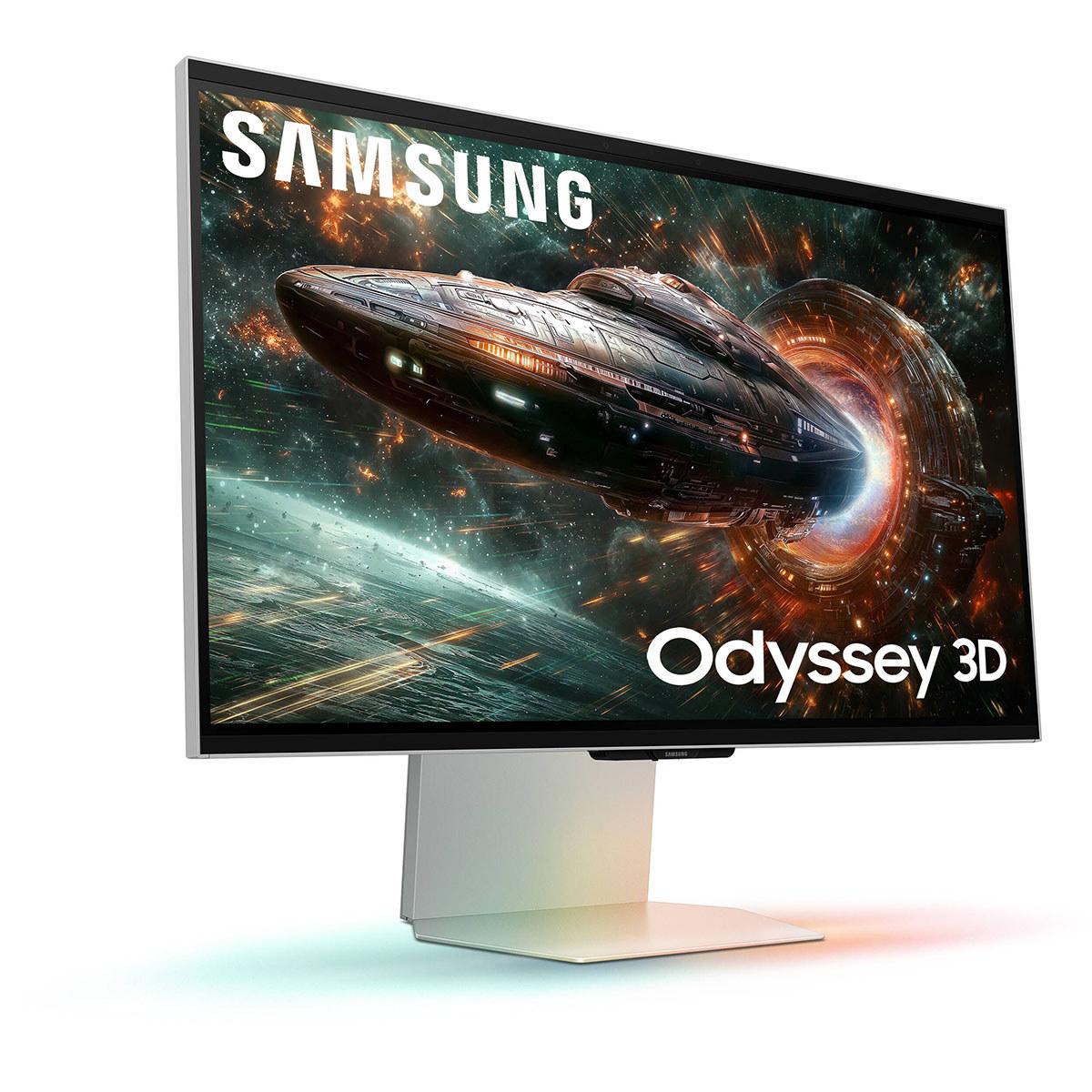
The Samsung Odyssey 3D G90XF represents Samsung's most ambitious gaming monitor project to date. Released in April 2025, it's the company's first consumer display to offer glasses-free 3D gaming. This isn't the gimmicky 3D of previous decades – Samsung has developed a sophisticated system that actually works.
The core technology combines a lenticular lens array (think of it as thousands of tiny magnifying lenses) with dual eye-tracking cameras that monitor your head position 120 times per second. This system creates separate images for each eye, generating genuine depth perception without requiring special glasses. The effect is immediately noticeable and genuinely impressive in supported content.
What makes this implementation special is the eye-tracking system. Earlier glasses-free 3D displays required you to sit in a specific "sweet spot" to see the effect properly. Samsung's cameras continuously track your position and adjust the 3D mapping accordingly, maintaining the effect even as you lean forward during intense gaming moments or shift in your chair during longer sessions.
The AI 3D Video Conversion feature deserves special attention. Using machine learning algorithms, the monitor analyzes 2D content in real-time and adds depth information to create a 3D effect. It's not as convincing as native 3D content, but it works surprisingly well with many games and videos. I tested it with everything from YouTube videos to older games, and while results vary, the effect is often quite convincing.
Samsung's Reality Hub (also called Odyssey 3D Hub) serves as the control center for 3D experiences. This software manages 3D settings, maintains a library of supported games, and handles the AI conversion features. The interface is straightforward, though the supported game library remains limited compared to the vast catalog of 2D games.
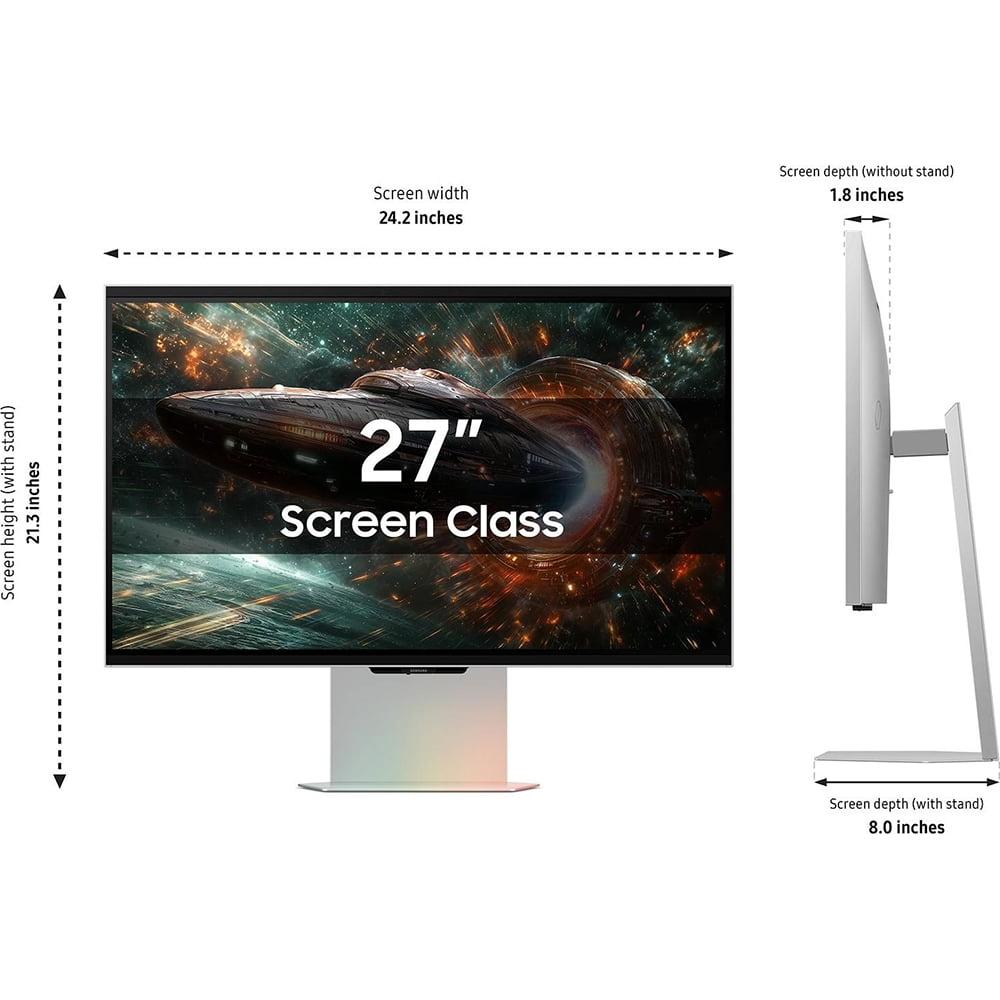
The 4K resolution (3840x2160) provides significantly sharper imagery than the BenQ's QHD panel. At 27 inches, 4K delivers 163 pixels per inch – every texture, UI element, and distant detail appears crisp and clear. However, this resolution demands serious graphics horsepower, especially when rendering the dual images required for 3D mode.
The resolution difference between these monitors is immediately apparent. The Samsung G90XF's 4K display makes text razor-sharp and reveals details in games that simply aren't visible at QHD resolution. However, the BenQ EX270QM strikes an excellent balance – sharp enough for immersive gaming while remaining achievable with mid-range graphics cards.
Brightness capabilities favor the BenQ monitor at 400 nits typical output versus Samsung's 350 nits. This difference becomes crucial in bright rooms or when gaming near windows. The BenQ's anti-glare coating also handles reflections better than Samsung's glossy finish, which can be distracting in well-lit environments.
Color accuracy tells an interesting story. Both monitors achieve excellent color reproduction, but through different approaches. The BenQ EX270QM comes well-calibrated from the factory and maintains consistent colors across its viewing angles. The Samsung G90XF offers wider color gamut coverage but may require calibration for perfect accuracy.
The 3D effect on the Samsung monitor transforms compatible content completely. Games like "Lies of P" and "The First Berserker: Khazan" become dramatically more immersive, with characters and environments appearing to project beyond the screen surface. However, this magic only works with supported titles, and the library remains limited compared to standard 2D gaming.
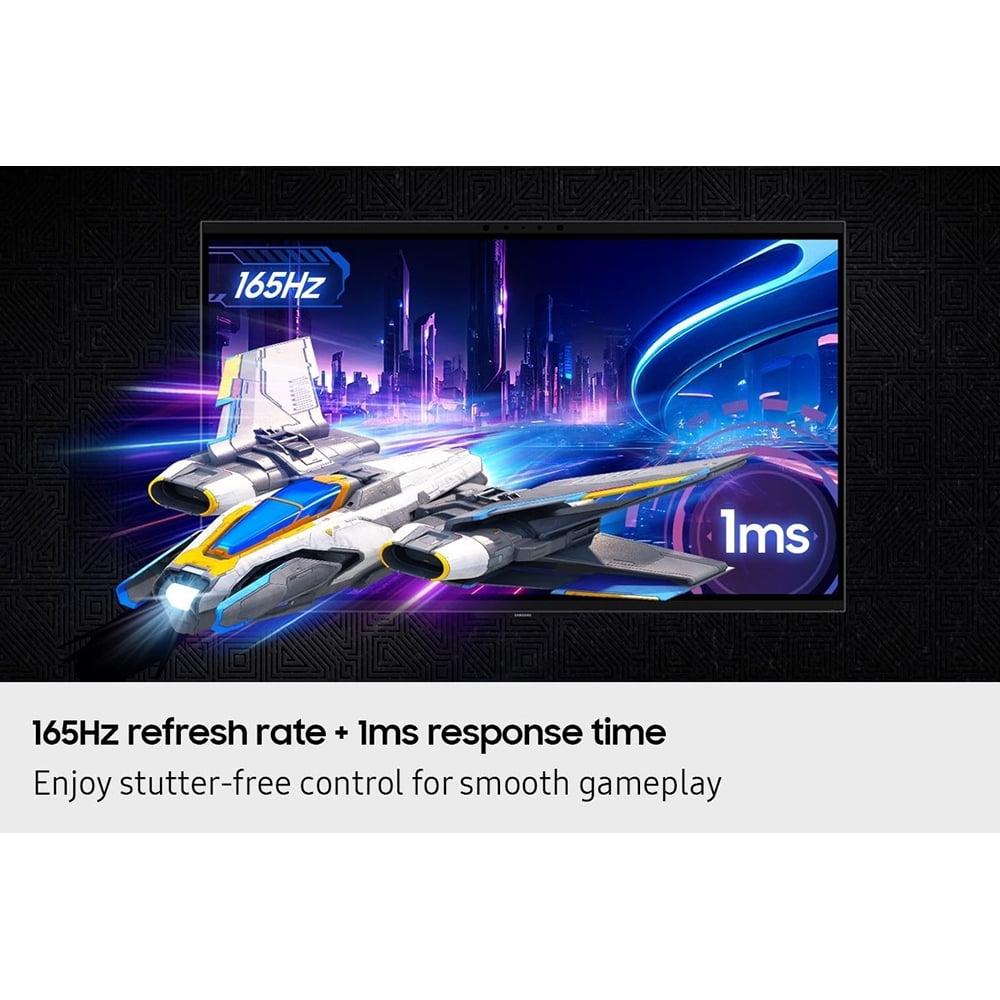
Here's where the philosophical differences become clear. The BenQ EX270QM's 240Hz refresh rate provides tangible benefits in fast-paced competitive games. In titles like Counter-Strike 2 or Valorant, the additional frames make tracking moving targets noticeably smoother. The difference between 165Hz and 240Hz might seem small mathematically, but it's perceptible during gameplay.
Input lag measurements show both monitors performing excellently, with the BenQ achieving slightly lower latency due to its simpler processing pipeline. The Samsung G90XF adds minimal delay even with 3D processing active, but competitive players will appreciate every millisecond advantage.
Motion handling reveals each monitor's priorities. The BenQ EX270QM excels at displaying fast motion clearly, with minimal blur or ghosting artifacts. The Samsung monitor handles motion well too, but the lenticular lens array can occasionally create slight visual artifacts during extremely rapid movements.
The hardware demands differ dramatically between these monitors. The BenQ EX270QM works beautifully with mid-range graphics cards. An RTX 4060 or RX 7600 XT can maintain high frame rates at QHD resolution across most games, making the 240Hz capability accessible to more gamers.
The Samsung G90XF demands premium hardware. 4K gaming at 165Hz requires at least an RTX 4070 Super for good performance, and 3D mode effectively doubles the rendering load. You'll want an RTX 4080 or better to truly take advantage of this monitor's capabilities. The system requirements extend beyond just the graphics card – CPU, RAM, and storage all need to support the higher data throughput.
Console compatibility tells another story. The BenQ monitor works excellently with PlayStation 5 and Xbox Series X, supporting their 1440p high refresh rate modes. The Samsung display handles console 4K gaming well, but the 3D features only work with PC gaming setups.
For esports and competitive gaming, the BenQ MOBIUZ EX270QM emerges as the clear winner. The 240Hz refresh rate provides genuine advantages in reaction-based games. In my testing with Apex Legends and Overwatch 2, the additional frames made tracking fast-moving opponents noticeably easier. The lower resolution also ensures consistent high frame rates, crucial when every frame could determine the outcome.
The monitor's gaming-specific features enhance competitive play. Black eQualizer brightens dark areas without overexposing bright zones, revealing enemies hiding in shadows. Motion Blur Reduction eliminates trailing artifacts that could obscure targets. These features might seem minor, but they accumulate into meaningful competitive advantages.
Here's where the Samsung Odyssey 3D G90XF truly shines. Playing supported games in 3D creates experiences unlike anything available on traditional monitors. The depth perception adds layers of immersion that transform familiar games into something entirely new. Even without 3D, the 4K resolution reveals environmental details and textures that enhance storytelling and world-building.
The AI 3D conversion works surprisingly well with many single-player titles. While not as convincing as native 3D content, it adds noticeable depth to games like Cyberpunk 2077 or The Witcher 3. The effect works best with third-person games where you can appreciate the layered depth of environments.
Both monitors serve admirably for movie watching and content consumption, though with different strengths. The BenQ EX270QM offers excellent brightness for HDR content and its 2.1 channel audio system provides decent sound for casual viewing. The treVolo-tuned speakers actually deliver respectable dialogue clarity and some bass response.
The Samsung G90XF brings 4K resolution and 3D capabilities to video content. YouTube videos converted to 3D can be genuinely entertaining, though results vary by content type. The higher resolution makes streaming 4K content more worthwhile, revealing details that would be lost at lower resolutions.
The price difference between these monitors reflects their different target markets and technologies. At $399.99, the BenQ EX270QM delivers exceptional value for competitive gamers. You're getting premium IPS panel quality, genuine 240Hz performance, and comprehensive gaming features at a price that won't break the bank.
The $1,799.99 Samsung G90XF asks for a significant investment, but it's pricing reflects the cutting-edge 3D technology and 4K resolution. This is clearly positioned as a premium product for enthusiasts willing to pay for innovation. The question becomes whether the 3D experience and 4K resolution justify the nearly 4.5x price difference.
From a future-proofing perspective, both monitors make compelling but different cases. The BenQ monitor's proven technology ensures consistent performance for years to come. High refresh rate gaming isn't going away, and QHD resolution remains the sweet spot for performance-focused gaming.
The Samsung display bets on emerging technology and higher resolution standards. As graphics cards become more powerful and 3D content support expands, this monitor could become more valuable over time. However, it's worth noting that 3D gaming has had several false starts in the past, and widespread adoption isn't guaranteed.
Since the BenQ EX270QM launched in 2023, we've seen continued improvements in high refresh rate IPS panels. Manufacturers have reduced costs while maintaining quality, making 240Hz gaming more accessible. The monitor's specifications remain competitive today, demonstrating how BenQ correctly identified the performance characteristics that matter most to gamers.
The Samsung G90XF represents a more significant technological leap. Glasses-free 3D displays have been theoretical possibilities for years, but Samsung's implementation is the first consumer version that actually works well. The eye-tracking system and AI conversion capabilities showcase genuine innovation rather than gimmicky features.
Both monitors reflect broader industry trends. Gaming displays are increasingly specialized, with manufacturers focusing on specific use cases rather than trying to be everything to everyone. The days of "good enough" monitors are ending as gamers become more sophisticated about the relationship between display technology and gaming performance.
Choosing between these monitors ultimately depends on your gaming priorities, budget, and hardware setup. The BenQ MOBIUZ EX270QM ($399.99) makes sense if you prioritize competitive gaming performance, want excellent value, or have mid-range hardware that would struggle with 4K gaming. It's the safe choice that delivers proven benefits immediately.
The Samsung Odyssey 3D G90XF ($1,799.99) appeals to gamers who want cutting-edge technology, have high-end hardware to support 4K gaming, and are excited about 3D gaming experiences. It's the adventurous choice that offers unique capabilities but requires significant investment in both the monitor and supporting hardware.
Consider your gaming habits honestly. If you spend most of your time in competitive multiplayer games, the BenQ's speed advantages will benefit you daily. If you prefer immersive single-player experiences and enjoy being an early adopter of new technology, Samsung's 3D capabilities could transform your gaming experience.
Both monitors represent excellent engineering within their respective categories. The BenQ EX270QM perfects the high refresh rate gaming formula at an accessible price, while the Samsung G90XF pioneers new territory in gaming display technology. Your choice should align with your gaming preferences, budget constraints, and willingness to invest in emerging technology.
The gaming monitor market continues evolving rapidly, but these two displays showcase the current state of the art in their respective approaches. Whether you choose speed or innovation, both represent significant upgrades over standard displays and will enhance your gaming experience in their own distinct ways.
| BenQ MOBIUZ EX270QM ($399.99) | Samsung Odyssey 3D G90XF ($1,799.99) |
|---|---|
| Price - Major factor determining value proposition | |
| $399.99 (exceptional value for 240Hz IPS) | $1,799.99 (premium pricing for cutting-edge 3D tech) |
| Resolution - Affects both visual quality and GPU requirements | |
| QHD 2560x1440 (109 PPI, optimal for mid-range GPUs) | 4K UHD 3840x2160 (163 PPI, demands high-end hardware) |
| Refresh Rate - Critical for competitive gaming smoothness | |
| 240Hz (maximum fluidity for esports and fast-paced games) | 165Hz (smooth for most gaming, prioritizes resolution over speed) |
| Unique Technology - The defining feature of each monitor | |
| HDRi with ambient light sensor (auto-adjusts based on room lighting) | Glasses-free 3D with eye tracking and AI 2D-to-3D conversion |
| Panel Type - Determines color quality and viewing angles | |
| IPS with 1ms response (excellent colors and speed combination) | IPS with lenticular lens array (good colors, slight sharpness reduction) |
| Brightness - Important for HDR and bright room gaming | |
| 400 nits typical, 600 nits peak with anti-glare coating | 350 nits typical with glossy finish (may reflect light) |
| Audio System - Built-in sound quality | |
| 2.1 channel with dedicated 5W subwoofer (surprisingly good) | Standard dual speakers with spatial audio enhancement |
| GPU Requirements - Hardware needed for optimal performance | |
| Mid-range (RTX 4060/RX 7600 XT for high frame rates) | High-end (RTX 4080+ required for 4K 3D gaming) |
| Gaming Focus - Primary intended use case | |
| Competitive esports and high refresh rate gaming | Immersive single-player gaming with 3D experiences |
| Content Support - Available games and media | |
| All games benefit from 240Hz (universal compatibility) | Limited 3D game library, AI conversion for others |
| Console Compatibility - PlayStation 5 and Xbox Series support | |
| Excellent (1440p high refresh rate modes supported) | Good for 4K gaming, but 3D features PC-only |
The BenQ MOBIUZ EX270QM ($399.99) is significantly better for competitive gaming due to its 240Hz refresh rate versus the Samsung's 165Hz. The higher refresh rate provides smoother motion tracking and reduced input lag, giving competitive players a real advantage in fast-paced games like Counter-Strike 2 and Valorant.
The key difference is their focus: the BenQ EX270QM prioritizes speed with 240Hz refresh rate at QHD resolution for competitive gaming, while the Samsung Odyssey 3D G90XF ($1,799.99) offers revolutionary glasses-free 3D gaming technology at 4K resolution for immersive experiences.
The BenQ MOBIUZ EX270QM ($399.99) offers exceptional value, delivering premium 240Hz IPS performance at under $400. The Samsung G90XF costs 4.5 times more at $1,799.99, justified only if you specifically want cutting-edge 3D gaming technology.
The BenQ EX270QM works well with mid-range GPUs like RTX 4060 or RX 7600 XT for high frame rates at 1440p. The Samsung Odyssey 3D G90XF requires high-end hardware like RTX 4080 or better for optimal 4K gaming, especially in 3D mode.
The Samsung Odyssey 3D G90XF ($1,799.99) excels for immersive single-player games with its 4K resolution and unique 3D capabilities that transform supported titles. However, the BenQ EX270QM still provides excellent single-player gaming at a much lower cost.
The Samsung G90XF uses eye-tracking cameras and a lenticular lens array to create glasses-free 3D. It tracks your head position 120 times per second and adjusts the 3D effect accordingly. AI technology can also convert 2D content into 3D in real-time.
The Samsung Odyssey 3D G90XF has sharper image quality due to its 4K resolution (163 PPI vs 109 PPI). However, the BenQ MOBIUZ EX270QM ($399.99) offers better brightness at 400 nits and superior anti-glare coating for bright room gaming.
The BenQ EX270QM is excellent for PlayStation 5 and Xbox Series X, supporting 1440p high refresh rate modes. The Samsung G90XF ($1,799.99) handles console 4K gaming well, but its unique 3D features only work with PC gaming.
Both work well for movies, but the Samsung Odyssey 3D G90XF offers 4K resolution for sharper streaming content and can convert some videos to 3D. The BenQ EX270QM has better built-in audio with a 2.1 channel system including a subwoofer.
The Samsung G90XF works at normal desk distances (2-3 feet) thanks to its eye-tracking system. Unlike older 3D displays that required specific positioning, this monitor maintains the 3D effect even when you move your head or lean forward during gaming.
The BenQ MOBIUZ EX270QM ($399.99) uses proven high refresh rate technology that will remain relevant for competitive gaming. The Samsung Odyssey 3D G90XF bets on emerging 3D gaming adoption and 4K becoming standard, but 3D gaming success isn't guaranteed.
The Samsung G90XF ($1,799.99) has a limited library of native 3D games at launch, including titles like "The First Berserker: Khazan" and "Lies of P." However, its AI conversion can add 3D effects to many existing games, though results vary by title. The BenQ EX270QM benefits all games with its 240Hz performance.
We've done our best to create useful and informative comparisons to help you decide what product to buy. Our research uses advanced automated methods to create this comparison and perfection is not possible - please contact us for corrections or questions. These are the sites we've researched in the creation of this article: bgeek.eu - youtube.com - tomshardware.com - youtube.com - t3.com - versus.com - pcgamer.com - versus.com - gamesradar.com - pangoly.com - benq.eu - techaeris.com - shi.com - benq.com - bestbuy.com - benq.com - displayspecifications.com - benq.com - benq.eu - bhphotovideo.com - benq.com - hometechnologyreview.com - substack.com - rtings.com - youtube.com - techaeris.com - versus.com - tomsguide.com - avsforum.com - youtube.com - versus.com - bestbuy.com - samsung.com - samsung.com - samsung.com - samsung.com - m.media-amazon.com

Privacy Policy
Terms and Conditions - Affiliate Policy
Home Security
© Copyright 2008-2026.
11816 Inwood Rd #1211, Dallas, TX 75244