

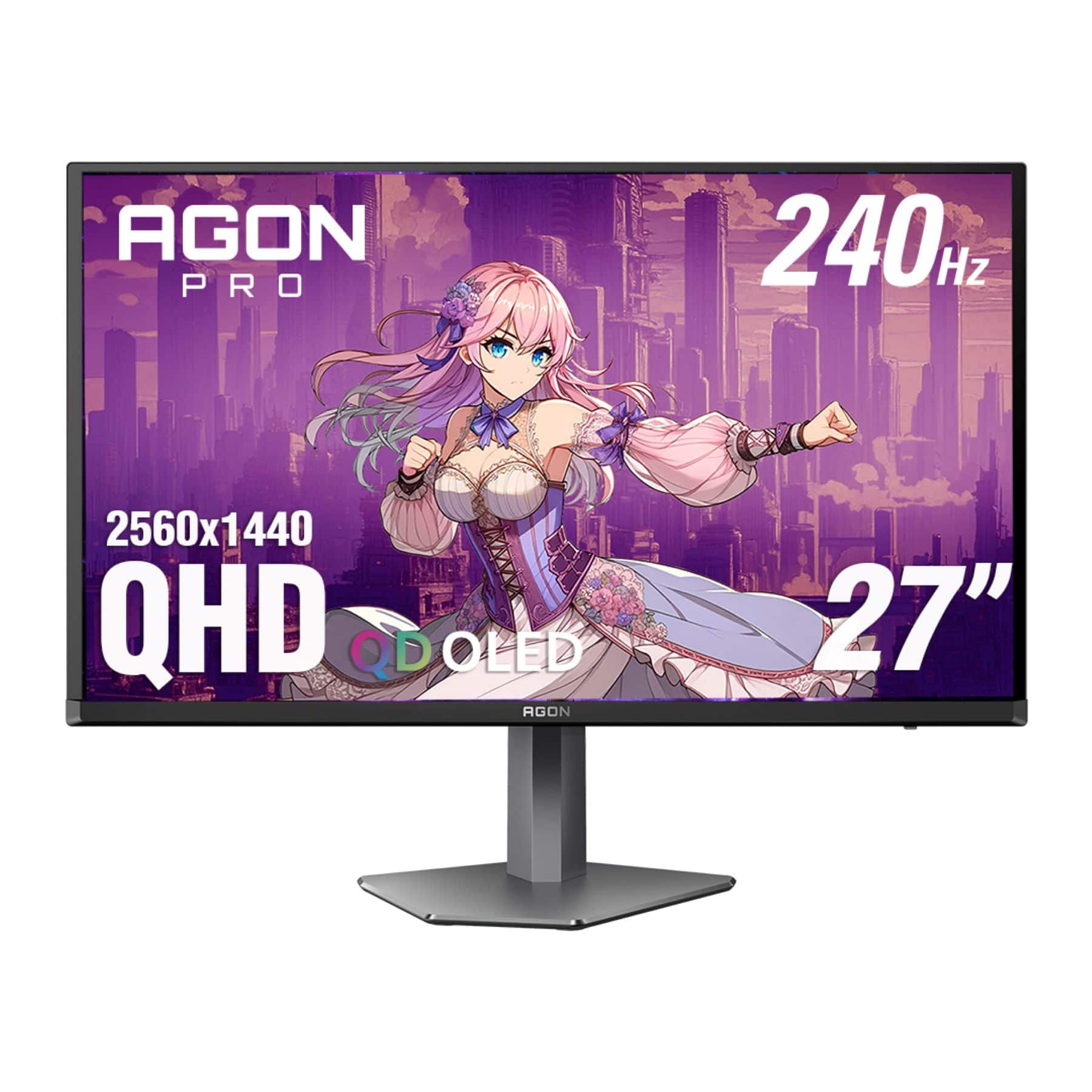
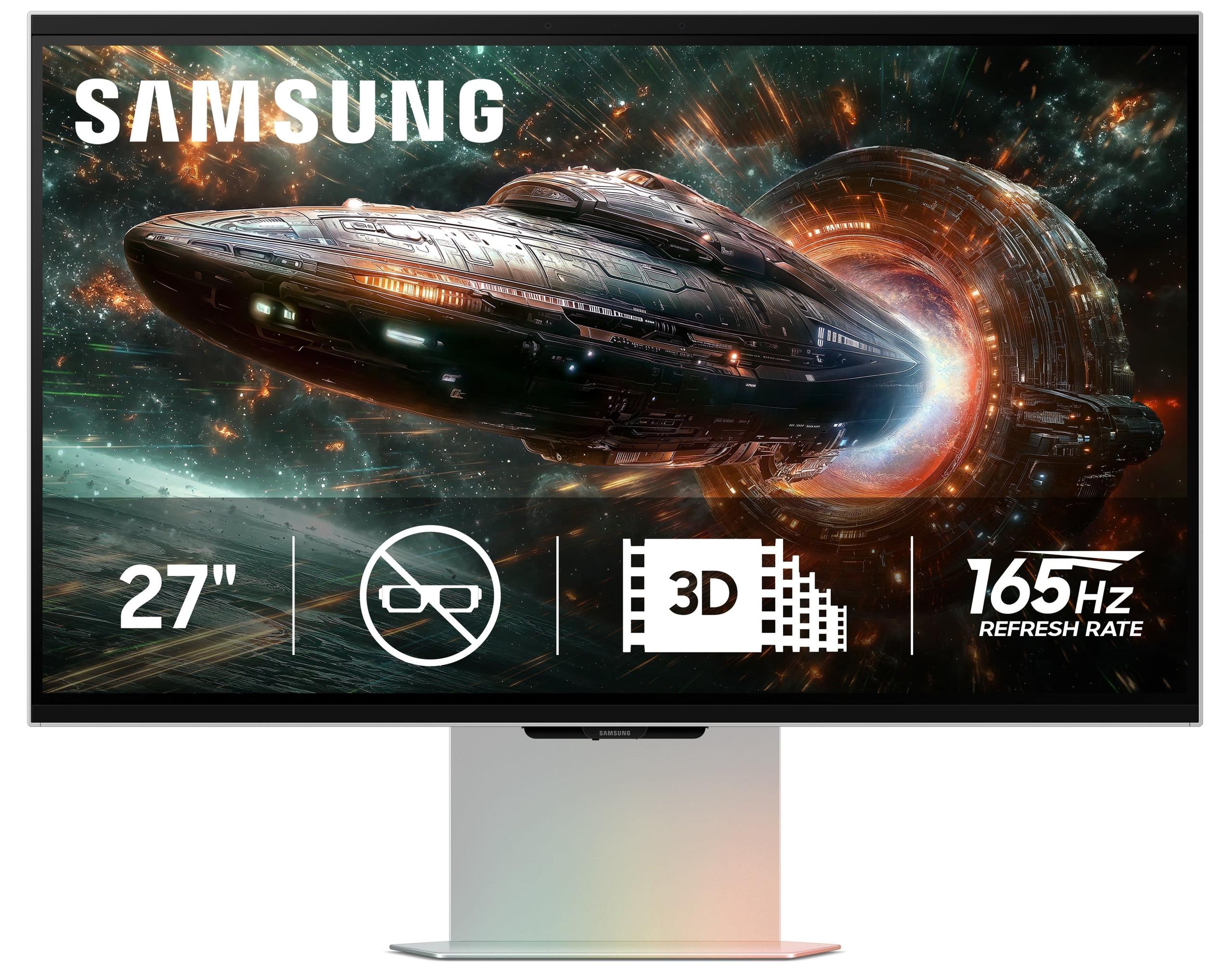
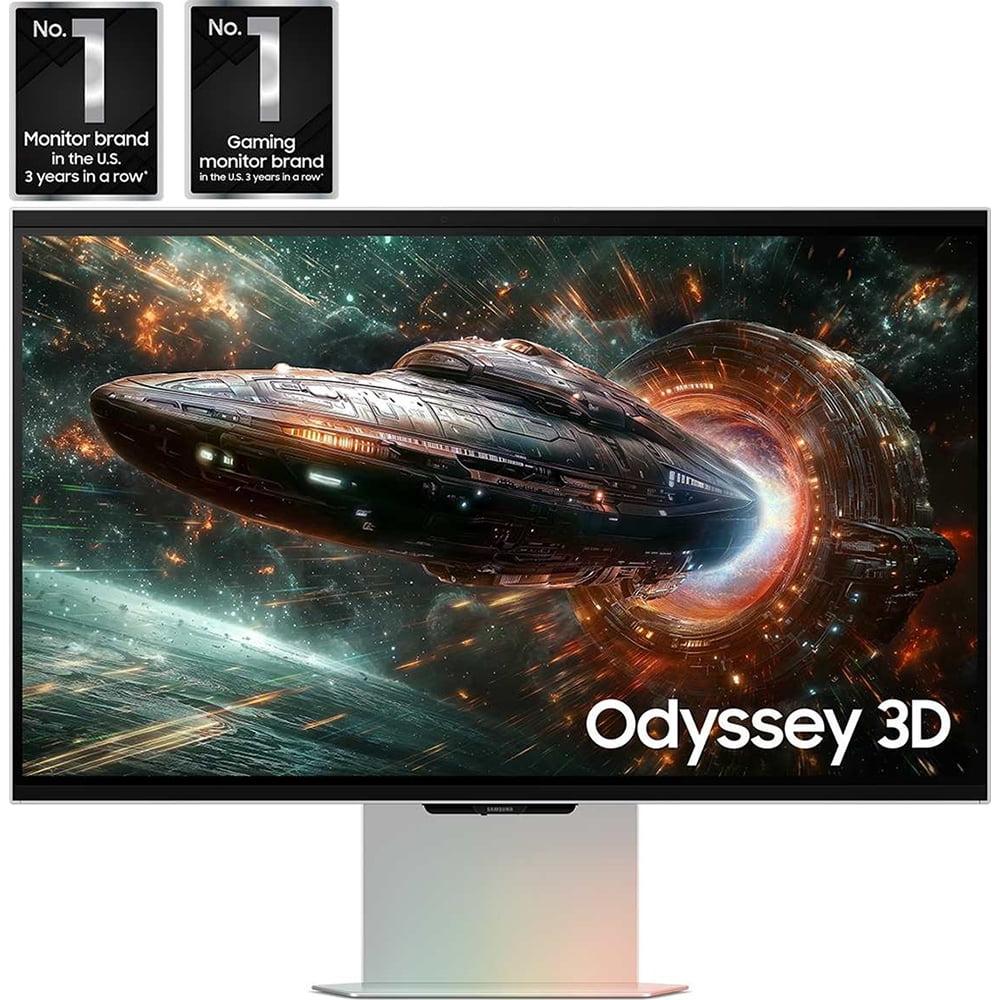
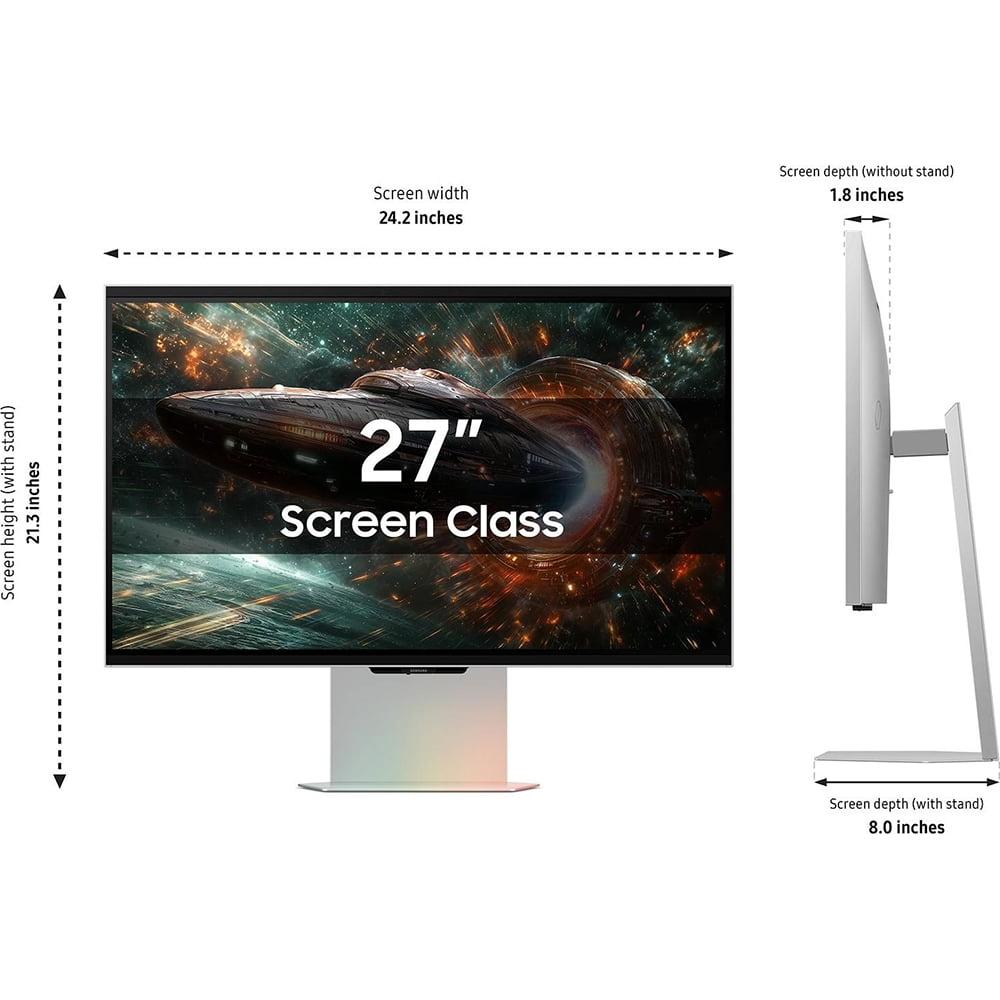
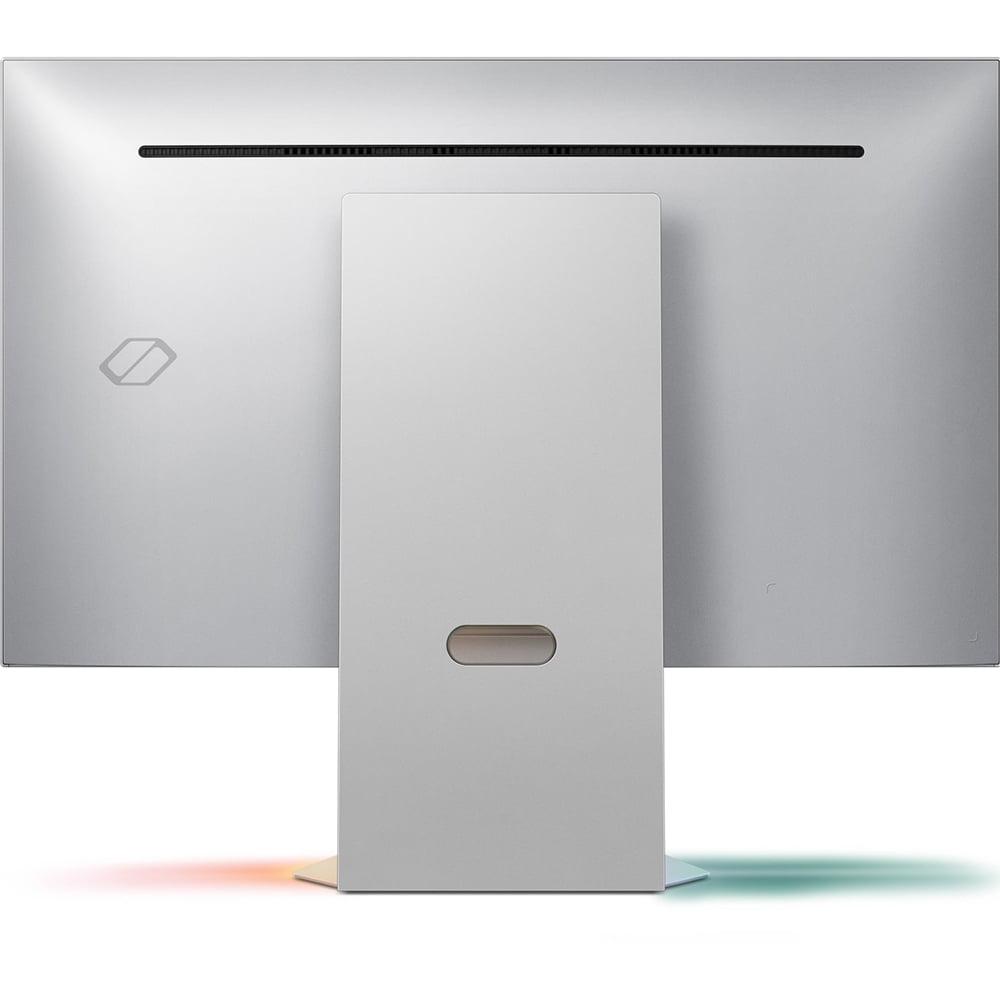
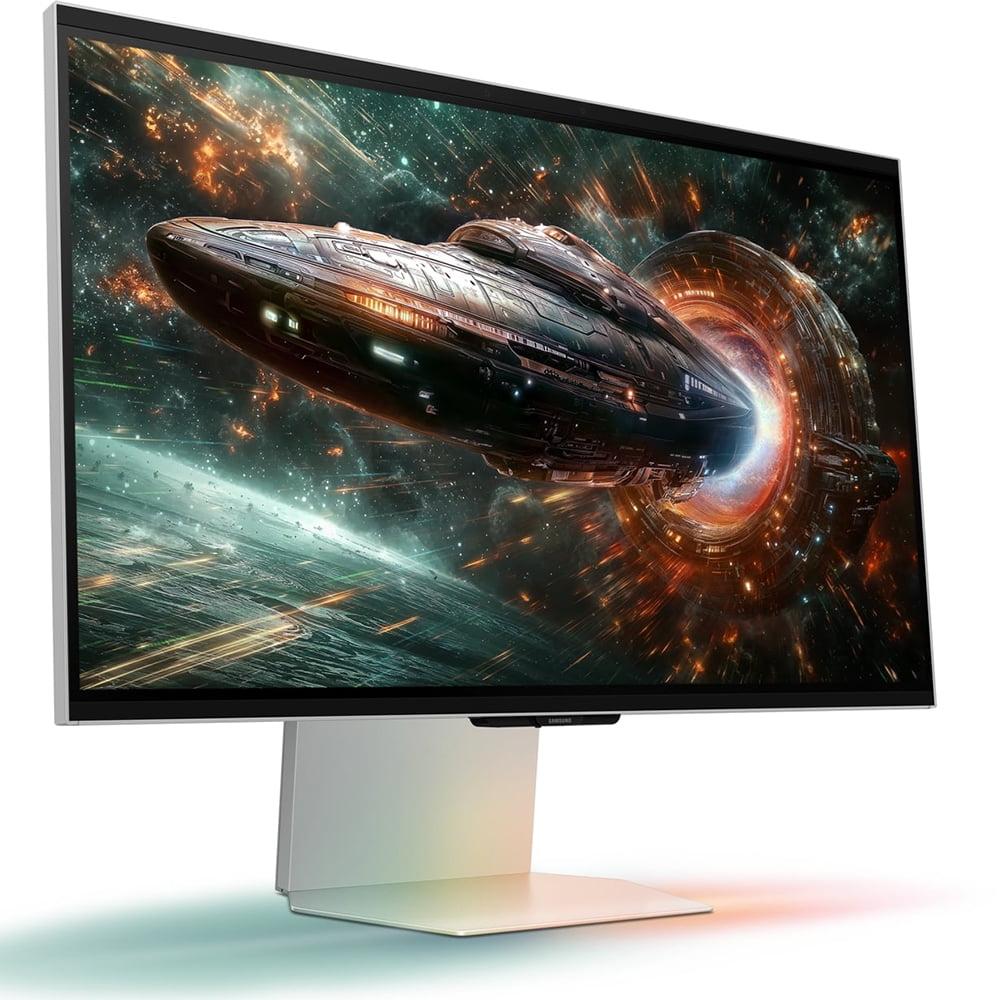
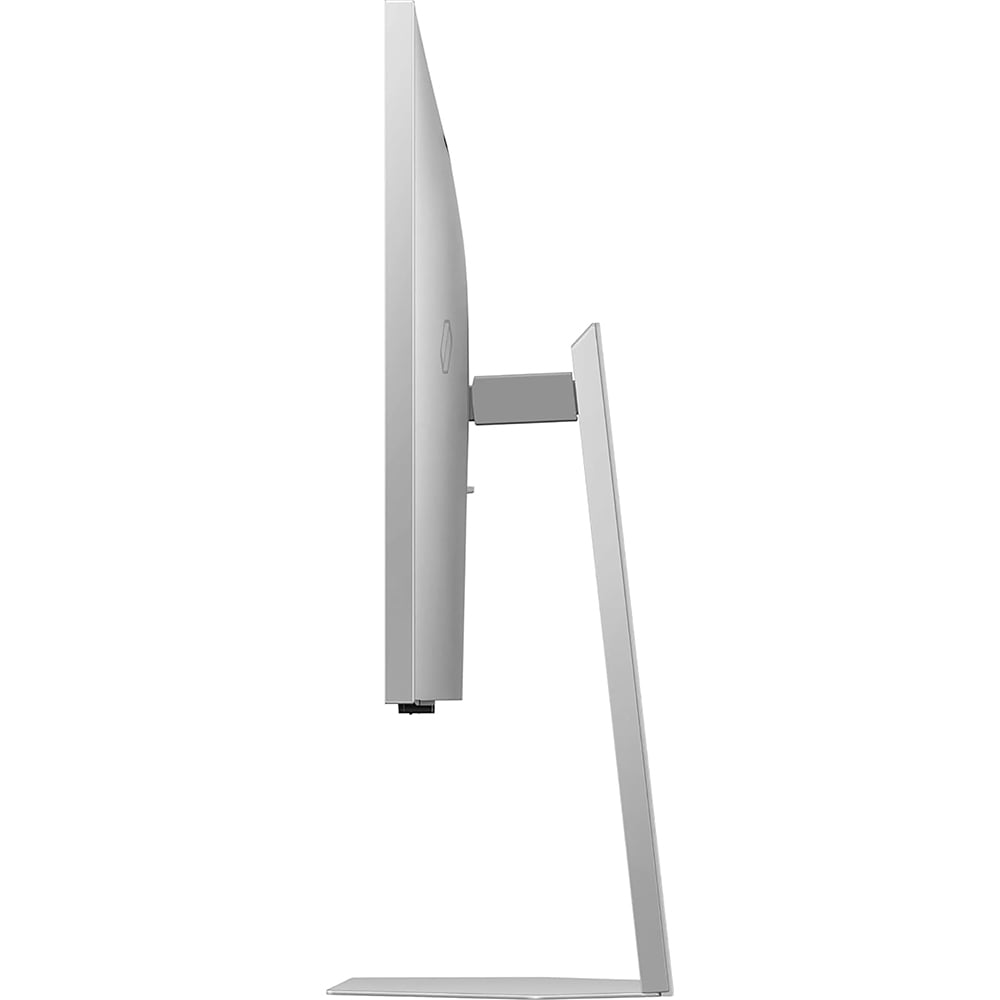
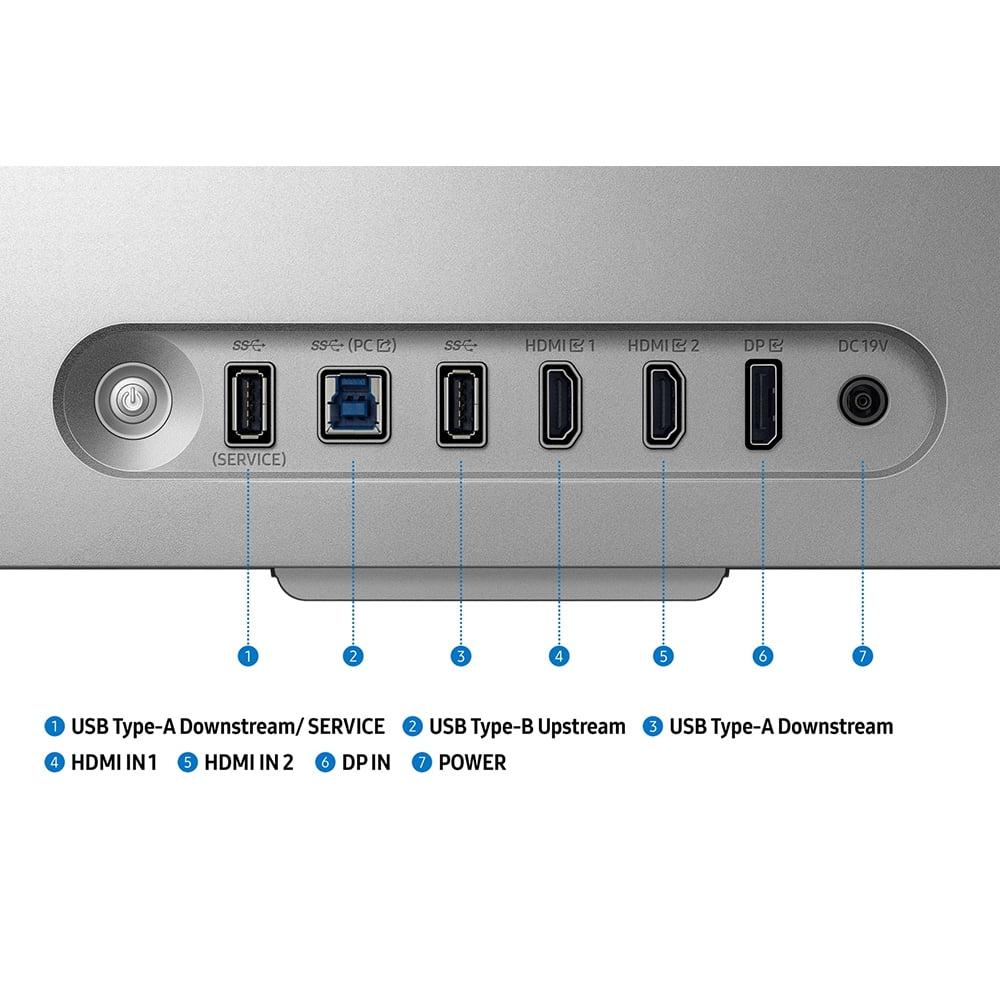


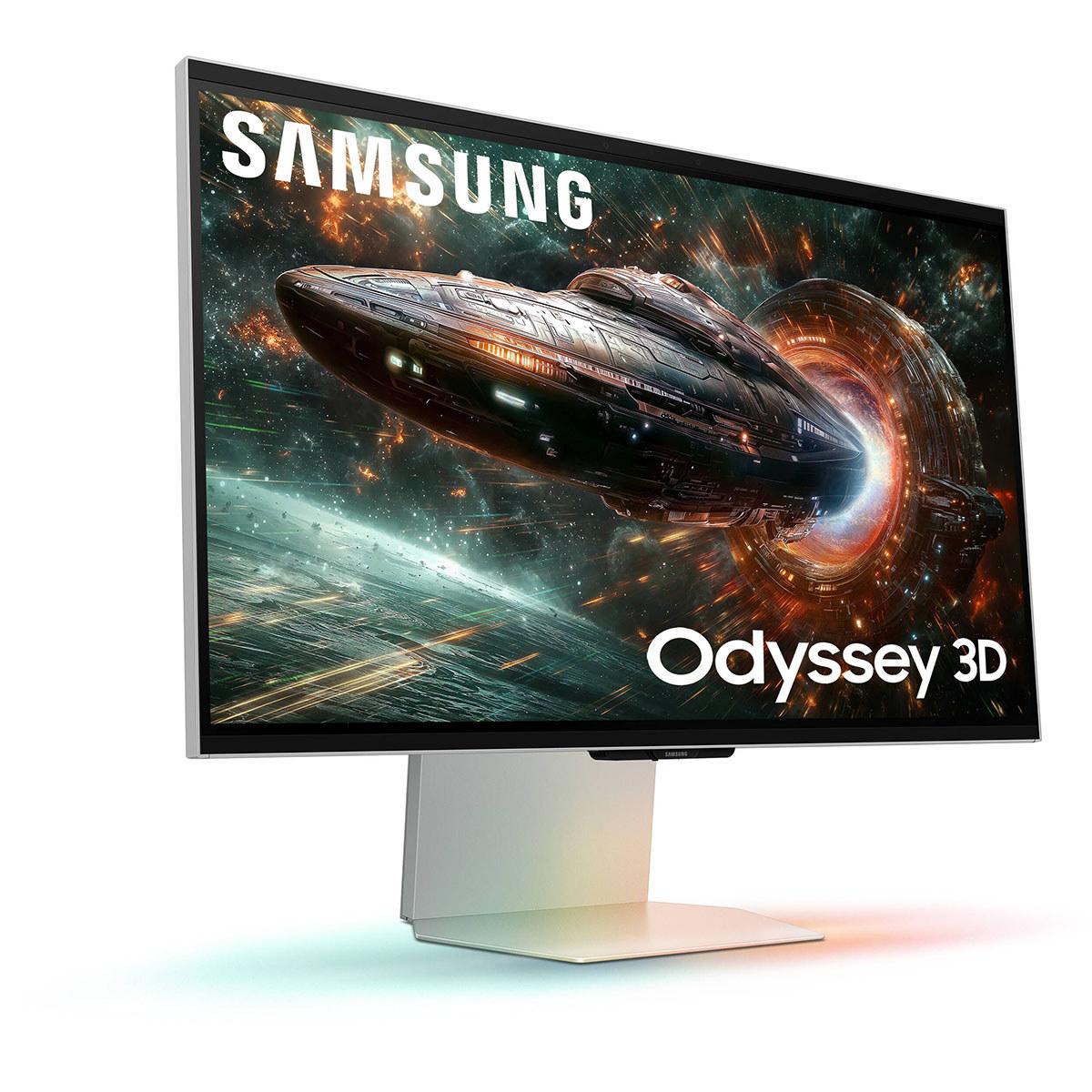
When you're shopping for a premium gaming monitor, you're essentially choosing between two very different philosophies. The AOC Agon Pro 27" QD-OLED 240Hz Gaming Monitor represents the pursuit of competitive gaming perfection at an accessible price point, while the Samsung 27" Odyssey 3D G90XF 4K 165Hz Gaming Monitor pushes into entirely new territory with glasses-free 3D technology. Both monitors hit the market in 2024, but they're targeting completely different types of gamers.
Gaming monitors have evolved dramatically over the past few years. We've moved beyond the days when 144Hz was considered blazingly fast, and now we're seeing technologies that were science fiction just a decade ago. OLED panels, which were once exclusive to TVs costing thousands of dollars, have become accessible in gaming monitors. Meanwhile, companies like Samsung are experimenting with 3D displays that don't require those clunky glasses we remember from movie theaters.
The AOC Agon Pro launched in late 2024 at $484.99, positioned as AOC's answer to expensive OLED gaming monitors that often cost over $800. Samsung's approach with the Odyssey 3D G90XF was different entirely – they wanted to create something that had never been done before in the consumer monitor space, resulting in a much higher price point but offering an experience you literally can't get anywhere else.
The AOC Agon Pro uses something called QD-OLED technology, which sounds complicated but is actually pretty straightforward once you break it down. Traditional monitors use a backlight that shines through liquid crystals to create images – think of it like a flashlight shining through colored glass. The problem is that this backlight can never be completely blocked, so you get grayish blacks instead of true black.
OLED is different because each pixel creates its own light. When a pixel needs to be black, it simply turns off completely. QD-OLED takes this a step further by adding quantum dots (tiny particles that emit pure colors when hit with light) to make colors even more vibrant and accurate. The result is infinite contrast – meaning the difference between the brightest white and darkest black is essentially unlimited.
I've spent hours gaming on OLED monitors, and the difference is immediately noticeable, especially in dark games. When you're exploring a cave in an RPG or playing a horror game, those deep shadows actually look black instead of gray. It's one of those improvements you can't unsee once you experience it.
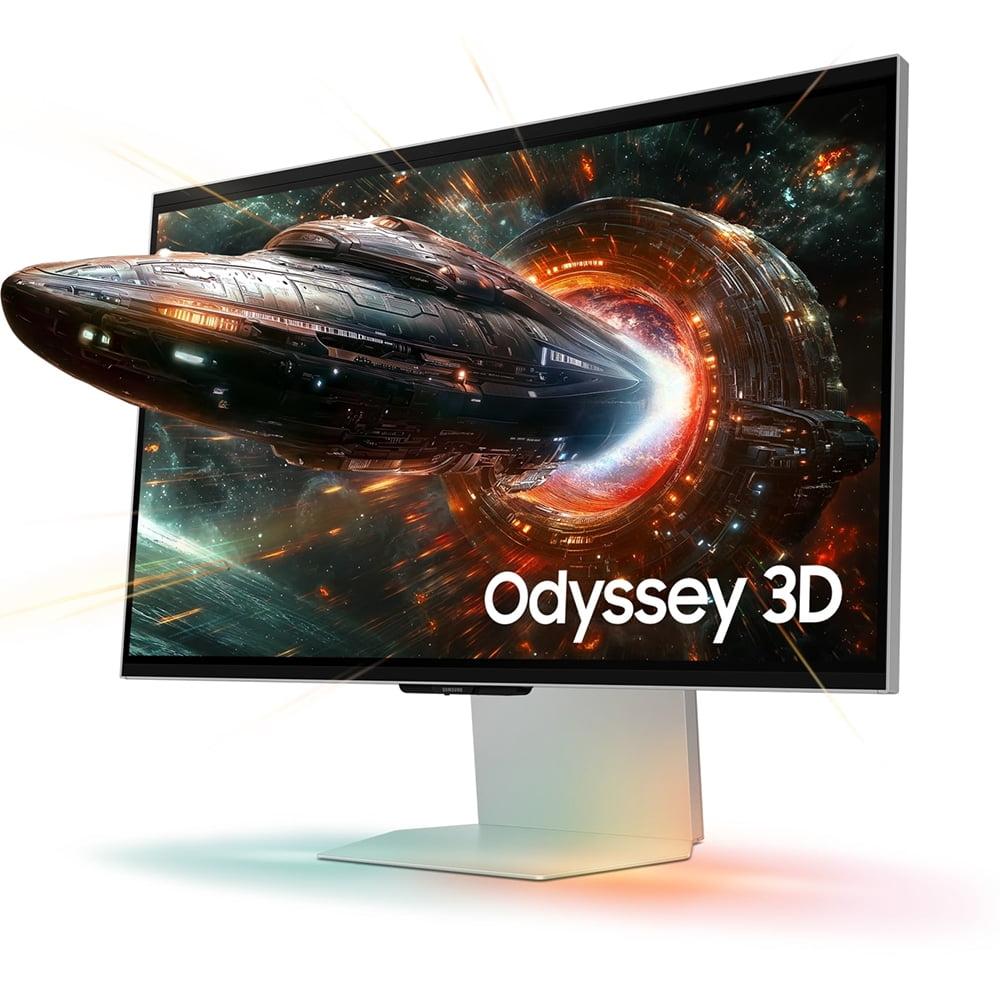
The Samsung Odyssey 3D uses completely different technology that's honestly pretty mind-blowing when it works. Instead of relying on special glasses, it uses eye-tracking cameras and something called lenticular lenses – basically tiny ridges across the screen that direct different images to each eye. The monitor tracks where your eyes are and adjusts the image in real-time to create a 3D effect.
This isn't the gimmicky 3D we saw in the early 2010s. Samsung has developed AI algorithms that can convert regular 2D content into 3D on the fly. When I first heard about this technology, I was skeptical – most 3D implementations feel forced or cause eye strain. But early reviews suggest Samsung has created something genuinely impressive, though with important limitations we'll discuss.
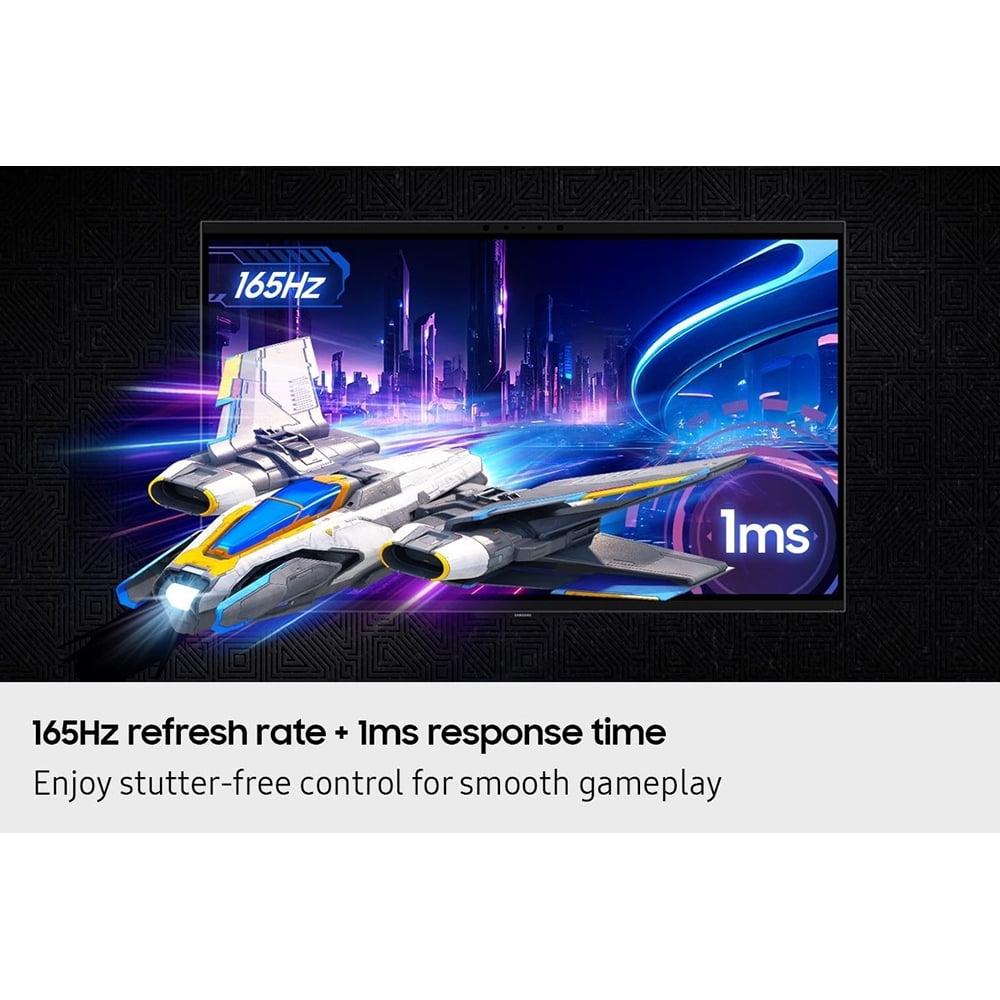
For competitive gaming, the AOC Agon Pro is clearly the winner. Its 240Hz refresh rate means it can display 240 individual frames every second, compared to the Samsung's 165Hz. More importantly, the AOC's 0.03ms response time is nearly instant – that's thirty times faster than the Samsung's 1ms response time.
These numbers matter more than you might think. In competitive games like Counter-Strike or Valorant, enemies can appear and disappear in milliseconds. The faster your monitor can display new information and respond to changes, the better your reaction time will be. Professional esports players often say they can feel the difference between 144Hz and 240Hz, and while not everyone is that sensitive, the improvement is real.
The Samsung monitor focuses on different strengths. At 4K resolution, it displays 8.3 million pixels compared to the AOC's 3.7 million pixels at 1440p. For single-player games where you want to appreciate detailed environments – think Cyberpunk 2077 or Red Dead Redemption 2 – that extra resolution creates noticeably sharper images. Text is crisper, distant objects are clearer, and the overall image has more depth and detail.
Here's where things get interesting. The AOC's QD-OLED panel produces some of the most accurate and vibrant colors you'll see on any monitor. It covers 99% of the DCI-P3 color space (the standard used for digital cinema) and an impressive 138% of the sRGB space that most content is designed for. This means colors pop with an intensity that IPS panels simply can't match.
The infinite contrast ratio is the real game-changer though. In practice, this means you can see details in both the brightest and darkest parts of an image simultaneously. HDR content, which is designed to show a wider range of brightness levels, finally looks the way developers intended.
The Samsung's IPS panel takes a more traditional approach with solid but not exceptional color reproduction. It covers 99% of sRGB, which is perfectly adequate for most content, but lacks the color volume and contrast that makes OLED so compelling. Where it does shine is in bright rooms – IPS panels handle ambient light much better than OLED, which can look washed out if there's too much light hitting the screen.
This is where the Samsung monitor gets really interesting. The glasses-free 3D technology represents a genuine breakthrough in display technology. Unlike the 3D TVs of the past that gave many people headaches, Samsung's implementation uses sophisticated eye-tracking to create a more natural 3D effect.
The technology works by displaying different images to each eye simultaneously, creating the perception of depth. Samsung's Reality Hub software can convert 2D games and videos into 3D using AI, though the effect varies significantly depending on the content. Games specifically designed for 3D show impressive depth, with characters and objects appearing to float in front of the screen.
However, the 3D experience comes with significant limitations. The library of supported 3D games is currently small, and the AI conversion doesn't work with all content. You also can't use HDR and 3D simultaneously, which limits the visual quality when using the monitor's signature feature.
For competitive gaming, the AOC Agon Pro is simply better suited. The combination of 240Hz refresh rate, 0.03ms response time, and OLED's instant pixel switching creates an incredibly responsive gaming experience. Input lag – the delay between pressing a button and seeing the result on screen – is minimal at the monitor's maximum refresh rate.
The monitor supports both G-SYNC and FreeSync, which synchronize the display's refresh rate with your graphics card's output to eliminate screen tearing (when parts of different frames are displayed simultaneously, creating a jarring visual artifact). This technology works well across the monitor's entire refresh rate range, ensuring smooth gameplay whether you're getting 100 fps or 240 fps.
One area where the AOC struggles is console gaming. While it works fine with PlayStation and Xbox consoles, the input lag increases significantly when running at 60Hz or 120Hz – the refresh rates these consoles typically use. This makes it less ideal if you plan to use it primarily with consoles rather than a PC.
The Samsung Odyssey 3D excels in single-player games where you want to be immersed in the world rather than focused on competitive performance. The 4K resolution provides incredible detail in games like Assassin's Creed or The Witcher 3, where you want to appreciate the artistry of the environments.
The 3D effect, when it works well, adds a genuinely impressive layer of immersion. Characters appear to have real depth and weight, and environments feel more three-dimensional. However, this experience requires a powerful graphics card – rendering 4K at reasonable frame rates is demanding enough, and the 3D effect essentially requires rendering two slightly different 4K images simultaneously.
The monitor's spatial audio system enhances the 3D experience by providing directional sound that matches the visual depth, though serious gamers will likely prefer a dedicated headset or speaker system.
For home theater use, both monitors present interesting but imperfect options. The AOC Agon Pro offers excellent movie-watching quality thanks to its OLED panel. Dark scenes look properly black, colors are vibrant and accurate, and HDR content displays with good contrast. However, at 27 inches, it's on the smaller side for dedicated movie watching, and OLED panels can suffer from burn-in if static images (like movie letterbox bars) are displayed for extended periods.
The Samsung monitor brings unique advantages for home theater use. Its AI 3D conversion can transform regular movies and TV shows into 3D experiences, which is genuinely novel. The 4K resolution also provides excellent detail for high-quality movie content. However, the IPS panel's limited contrast makes dark movie scenes look gray rather than black, which significantly impacts the cinematic experience.
Both monitors include built-in speakers, but they're adequate at best. For serious home theater use, you'll want external speakers or a soundbar regardless of which monitor you choose.
The AOC Agon Pro makes several compromises to achieve its attractive price point. The HDR performance, while decent, doesn't match more expensive QD-OLED monitors. Peak brightness is limited, and the HDR color gamut is narrower than what you'll find on premium competitors.
The monitor also suffers from VRR flicker – a phenomenon where the screen brightness fluctuates when frame rates vary significantly. This can be distracting in games where performance isn't consistent. Additionally, the glossy screen coating makes it less suitable for bright rooms, as reflections can wash out the image.
The Samsung Odyssey 3D faces different challenges. The 3D technology requires specific system requirements and doesn't work with all content. The limited library of native 3D games means you'll often rely on AI conversion, which produces inconsistent results.
The IPS panel's traditional limitations – poor contrast and grayish blacks – are particularly noticeable when compared to OLED alternatives. For a monitor at this price point, these limitations feel more significant than they would on a budget display.
Want the best competitive gaming performance at an accessible price. The AOC monitor delivers OLED quality with incredibly fast response times for under $500, making it excellent value for serious gamers. It's particularly good if you primarily game on PC, prefer darker room setups, and prioritize smooth, responsive gameplay over cutting-edge features.
Are fascinated by new technology and want to experience something genuinely unique. The Samsung monitor offers an experience you can't get anywhere else, with impressive 3D capabilities and 4K resolution. It's best for single-player gaming enthusiasts with high-end systems who are willing to pay a premium for innovative features.
These monitors represent two completely different approaches to premium gaming displays. The AOC Agon Pro focuses on proven technology executed well at an attractive price, while the Samsung Odyssey 3D pushes boundaries with experimental features that may define the future of gaming monitors.
For most gamers, especially those focused on competitive play, the AOC offers better value and performance. But if you're the type of person who wants to experience the latest display technology and doesn't mind paying extra for genuinely unique features, Samsung's 3D innovation is genuinely impressive, even if it's not quite ready for mainstream adoption.
The choice ultimately comes down to whether you want the best gaming performance for your money, or if you're willing to invest in tomorrow's technology today.
| AOC Agon Pro 27" QD-OLED 240Hz Gaming Monitor | Samsung 27" Odyssey 3D G90XF 4K 165Hz Gaming Monitor |
|---|---|
| Display Technology - Determines color quality, contrast, and overall visual experience | |
| QD-OLED with infinite contrast and perfect blacks | IPS with standard contrast but better ambient light handling |
| Resolution - Higher resolution means sharper images but requires more GPU power | |
| 2560 x 1440 (QHD) - easier to drive at high frame rates | 3840 x 2160 (4K) - 78% more pixels for superior detail |
| Refresh Rate - Higher rates provide smoother motion, crucial for competitive gaming | |
| 240Hz - exceptional for competitive gaming | 165Hz - good for most gaming, adequate for immersive experiences |
| Response Time - Lower times reduce motion blur in fast-paced games | |
| 0.03ms GtG - among the fastest available | 1ms GtG - good but noticeably slower for competitive play |
| Unique Technology - Special features that differentiate each monitor | |
| Premium OLED quality at budget pricing | Industry-first glasses-free 3D with eye tracking |
| HDR Support - Enhanced brightness and color range for compatible content | |
| DisplayHDR True Black 400 with perfect blacks but limited peak brightness | HDR10+ Gaming but cannot use simultaneously with 3D mode |
| Gaming Sync Technology - Eliminates screen tearing and stuttering | |
| G-SYNC Compatible + FreeSync with excellent VRR range | G-SYNC Compatible + FreeSync Premium with solid performance |
| Price Point - Value proposition for the features offered | |
| $484.99 - exceptional value for OLED technology | Significantly higher - premium price for cutting-edge 3D tech |
| Best Use Case - Primary scenarios where each monitor excels | |
| Competitive gaming, dark room setups, OLED quality on budget | Immersive single-player gaming, tech enthusiasts, 3D content |
| System Requirements - Hardware needed to maximize performance | |
| Mid-range GPU can drive QHD at 240Hz | High-end GPU required for 4K gaming, especially with 3D |
| Room Lighting Compatibility - How ambient light affects viewing experience | |
| Best in dark/dim rooms - OLED struggles with bright ambient light | Better for bright rooms - IPS handles reflections well |
| Content Library - Available games and media optimized for each technology | |
| All games benefit from OLED quality and high refresh rate | Limited native 3D games, AI conversion varies in quality |
The AOC Agon Pro 27" QD-OLED 240Hz Gaming Monitor is significantly better for competitive gaming. It offers a 240Hz refresh rate compared to the Samsung's 165Hz, and an extremely fast 0.03ms response time versus 1ms. These faster specs reduce motion blur and input lag, giving competitive players a real advantage in fast-paced games like Counter-Strike or Valorant.
The core difference is their focus: the AOC Agon Pro prioritizes competitive gaming performance with OLED technology at $484.99, while the Samsung 27" Odyssey 3D G90XF introduces revolutionary glasses-free 3D gaming technology at 4K resolution. The AOC excels at speed and contrast, while the Samsung offers a unique 3D experience you can't get anywhere else.
The AOC Agon Pro delivers superior picture quality overall thanks to its QD-OLED panel, which provides infinite contrast, perfect blacks, and more vibrant colors. However, the Samsung Odyssey 3D offers higher 4K resolution for sharper detail. The AOC's OLED technology makes colors pop more dramatically, especially in dark scenes.
Yes, both work well for entertainment, but with different strengths. The AOC Agon Pro excels for movies in dark rooms due to its perfect OLED blacks and vibrant colors. The Samsung Odyssey 3D can convert regular movies into 3D experiences using AI, which is unique but works better in brighter rooms due to its IPS panel.
The AOC Agon Pro at $484.99 offers exceptional value, delivering premium OLED technology typically found in much more expensive monitors. The Samsung Odyssey 3D costs significantly more but provides cutting-edge 3D technology that's completely unique in the monitor market. Choose AOC for proven performance value, Samsung for innovative features.
The AOC Agon Pro is easier to drive due to its 1440p resolution, making it suitable for mid-range to high-end systems. The Samsung Odyssey 3D requires a powerful graphics card due to its 4K resolution, and even more GPU power when using 3D features since it essentially renders two images simultaneously.
The AOC Agon Pro is far superior for dark room gaming. Its OLED panel produces true blacks by turning pixels completely off, creating incredible contrast in dark scenes. The Samsung Odyssey 3D has an IPS panel that shows grayish blacks instead of true black, which significantly reduces immersion in dark games or movies.
The Samsung Odyssey 3D uses eye-tracking cameras and lenticular lenses to create glasses-free 3D. It tracks your eye position and displays different images to each eye, creating depth perception. The monitor can also use AI to convert regular 2D games and videos into 3D, though the effect varies depending on the content quality.
The AOC Agon Pro provides better color accuracy and coverage, supporting 99% DCI-P3 and 138% sRGB color spaces with more vibrant, true-to-life colors thanks to its QD-OLED technology. The Samsung Odyssey 3D offers good but standard color accuracy at 99% sRGB, which is adequate for most users but less impressive than OLED quality.
The Samsung Odyssey 3D is better for console gaming due to its 4K resolution matching console capabilities, though the 3D features only work with PC. The AOC Agon Pro has higher input lag at 60Hz and 120Hz console refresh rates, making it less ideal for PlayStation or Xbox gaming despite its superior PC performance.
The AOC Agon Pro includes a comprehensive 3-year warranty that covers OLED burn-in protection, addressing the main longevity concern with OLED displays. The Samsung Odyssey 3D comes with standard 1-year warranty coverage. OLED panels can potentially suffer burn-in from static images, while IPS panels like Samsung's are generally more durable long-term.
Choose the AOC Agon Pro if you prioritize competitive gaming, want proven OLED quality, and prefer excellent value at $484.99. Select the Samsung Odyssey 3D if you're fascinated by cutting-edge 3D technology, primarily play single-player games, have a high-end system, and want a unique experience that no other monitor can provide.
We've done our best to create useful and informative comparisons to help you decide what product to buy. Our research uses advanced automated methods to create this comparison and perfection is not possible - please contact us for corrections or questions. These are the sites we've researched in the creation of this article: tomshardware.com - techpowerup.com - tomshardware.com - aoc.com - tftcentral.co.uk - aoc.com - rtings.com - bestbuy.com - youtube.com - displayspecifications.com - aoc.com - microcenter.com - guru3d.com - hometechnologyreview.com - substack.com - rtings.com - youtube.com - techaeris.com - versus.com - tomsguide.com - avsforum.com - youtube.com - versus.com - bestbuy.com - samsung.com - samsung.com - samsung.com - samsung.com - m.media-amazon.com

Privacy Policy
Terms and Conditions - Affiliate Policy
Home Security
© Copyright 2008-2026.
11816 Inwood Rd #1211, Dallas, TX 75244