


When I first started shopping for a premium gaming monitor in 2025, I thought the choice would be straightforward. After all, aren't all 27-inch QHD monitors basically the same? Boy, was I wrong. The gaming monitor world has exploded with innovation over the past few years, and today we have two fundamentally different approaches to creating the perfect gaming display.
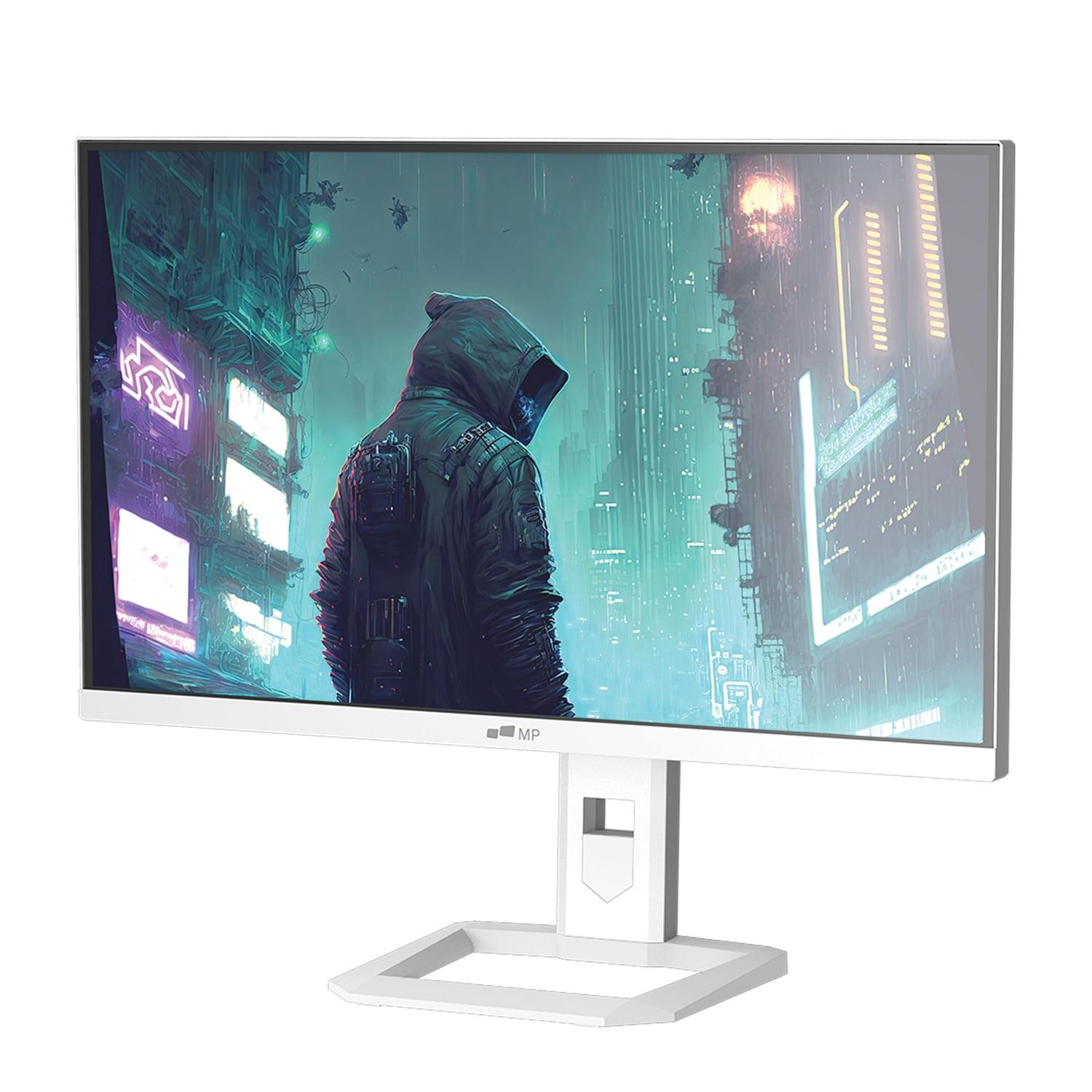
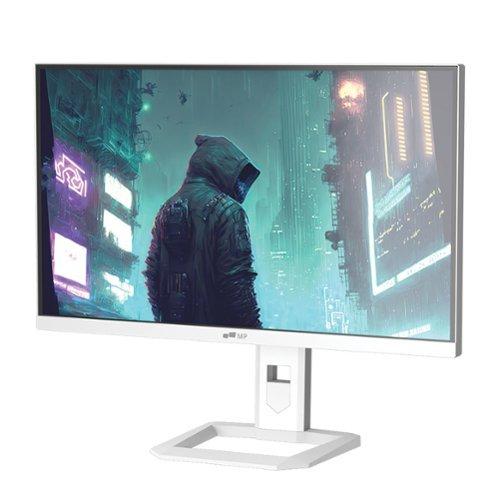
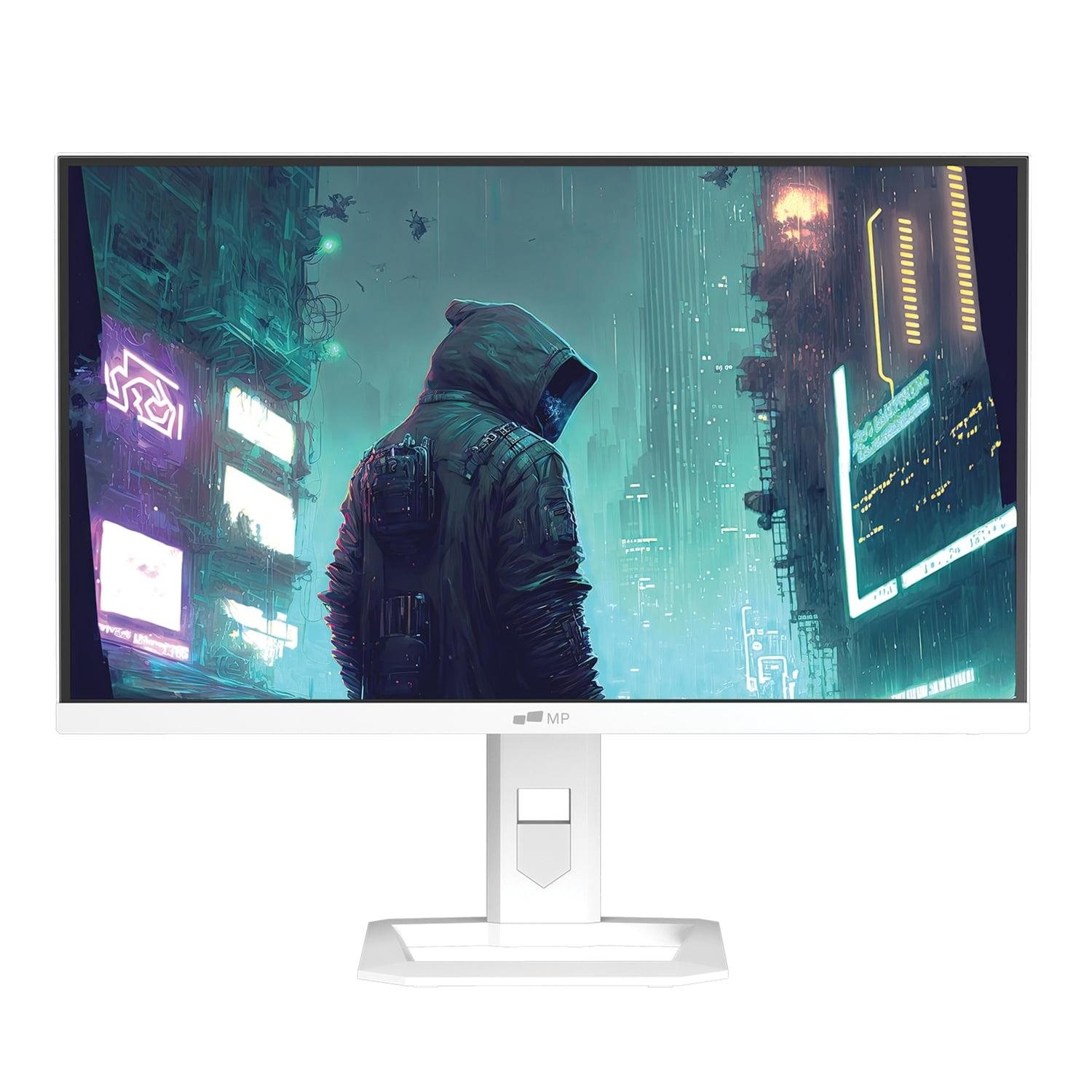
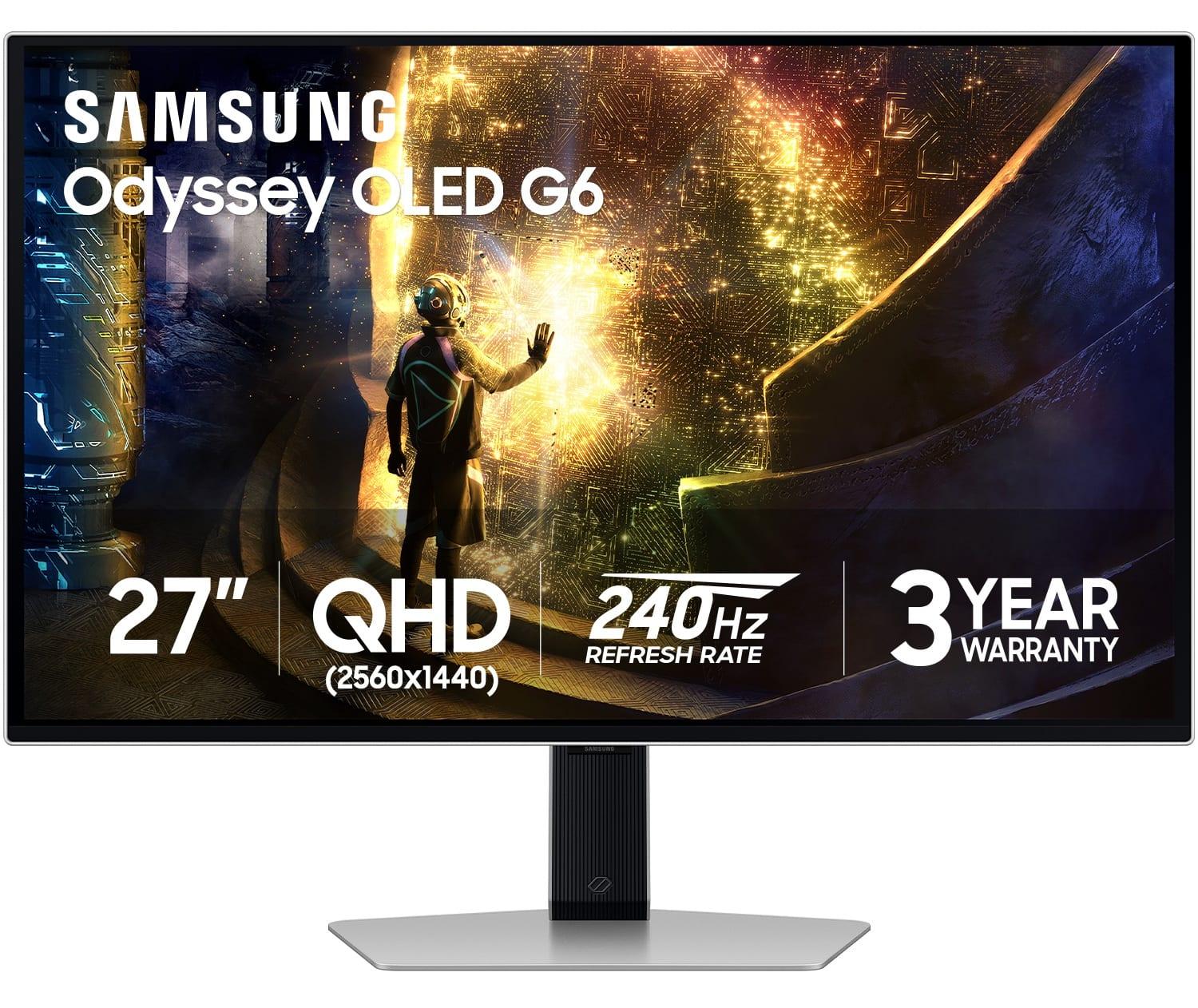
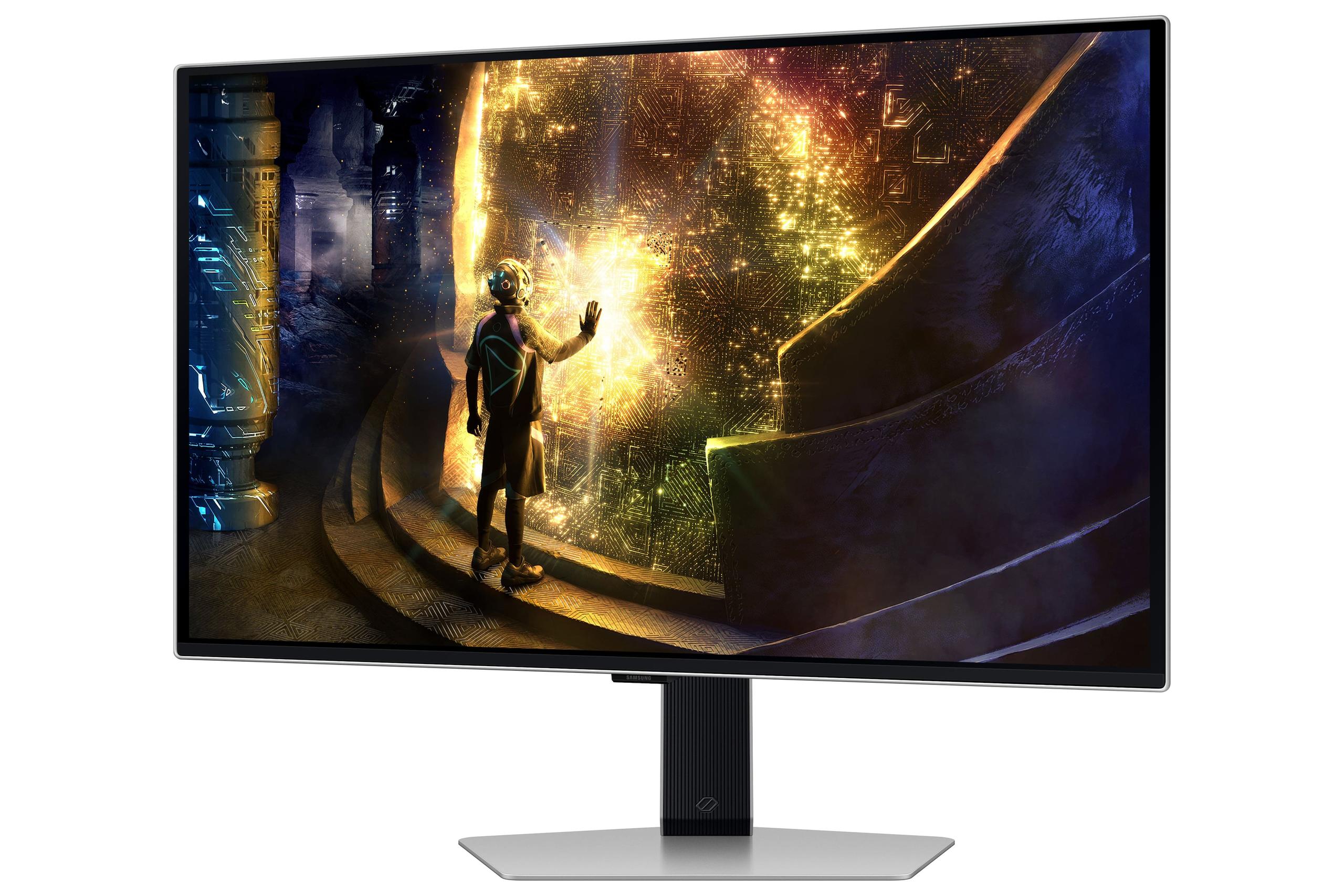
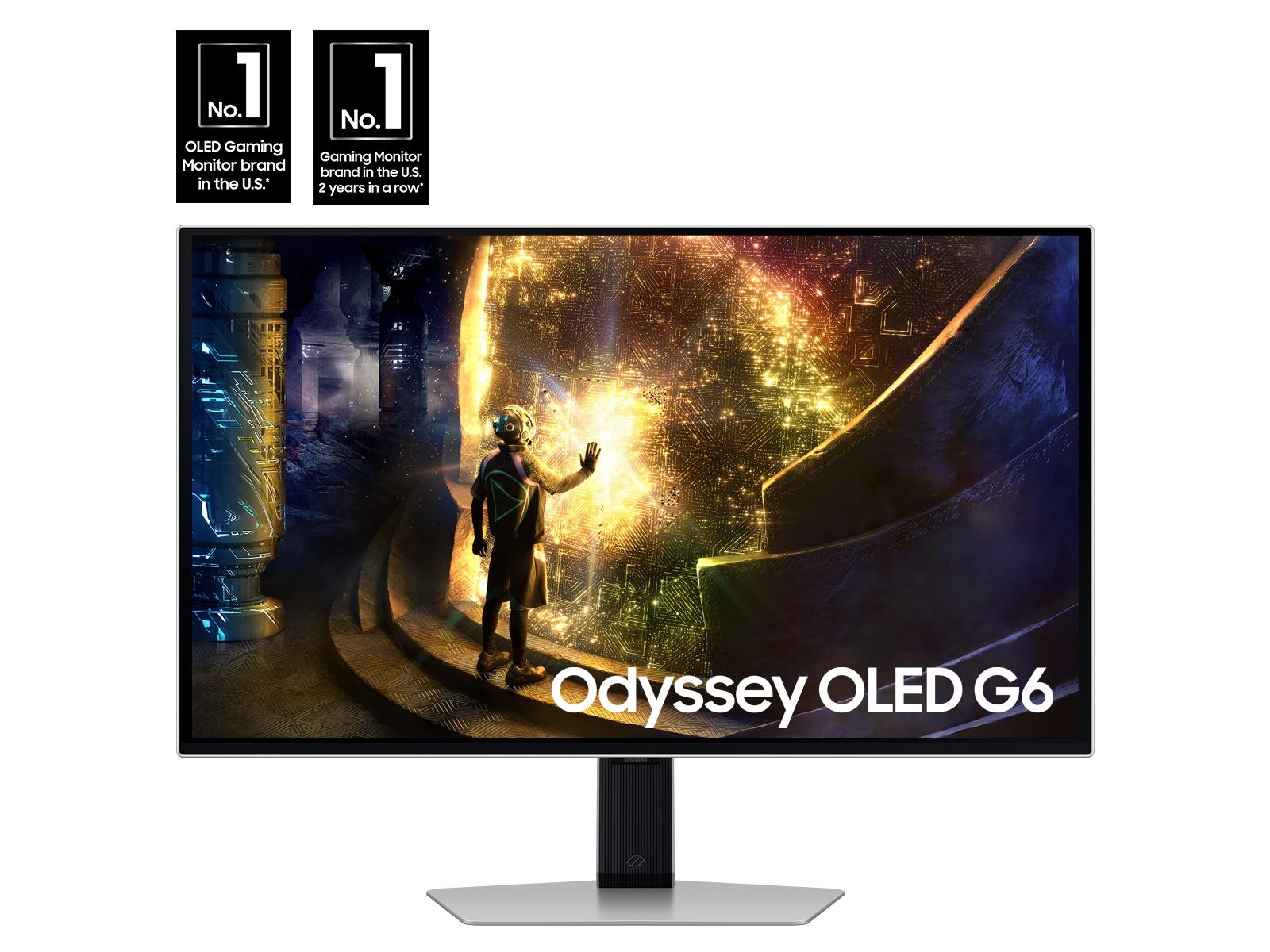
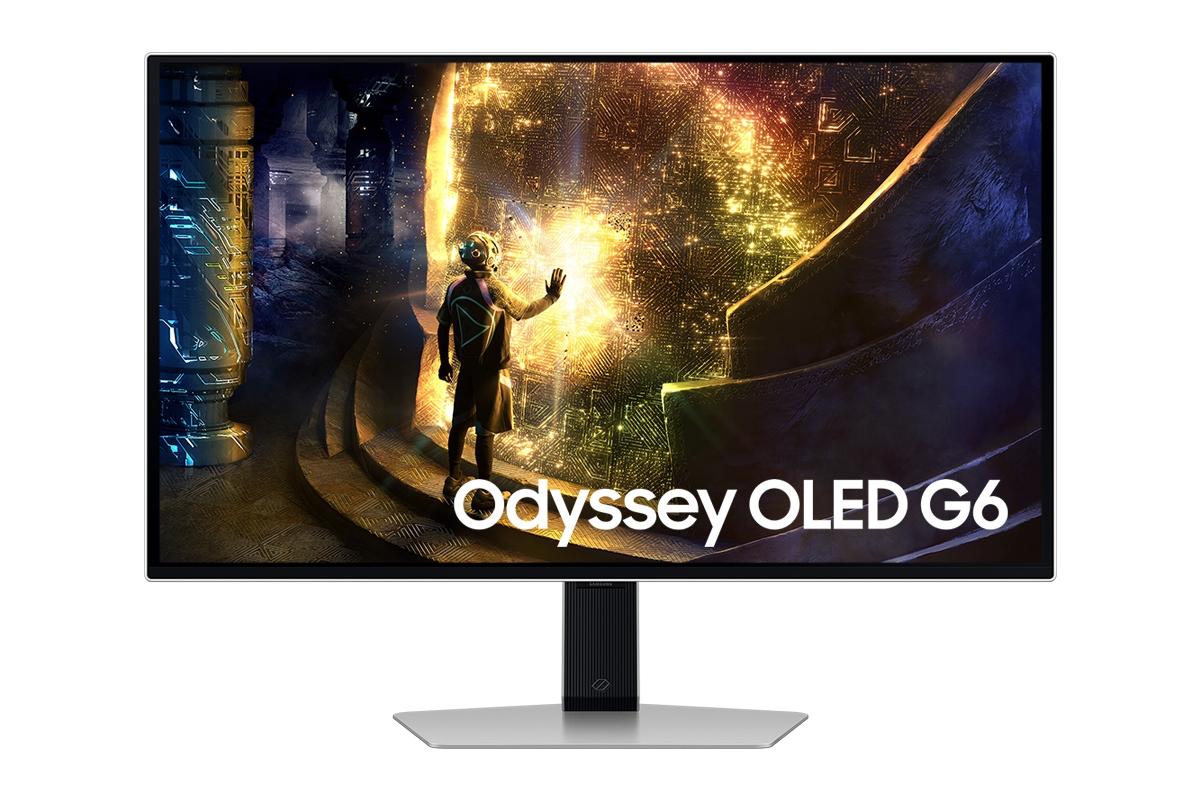
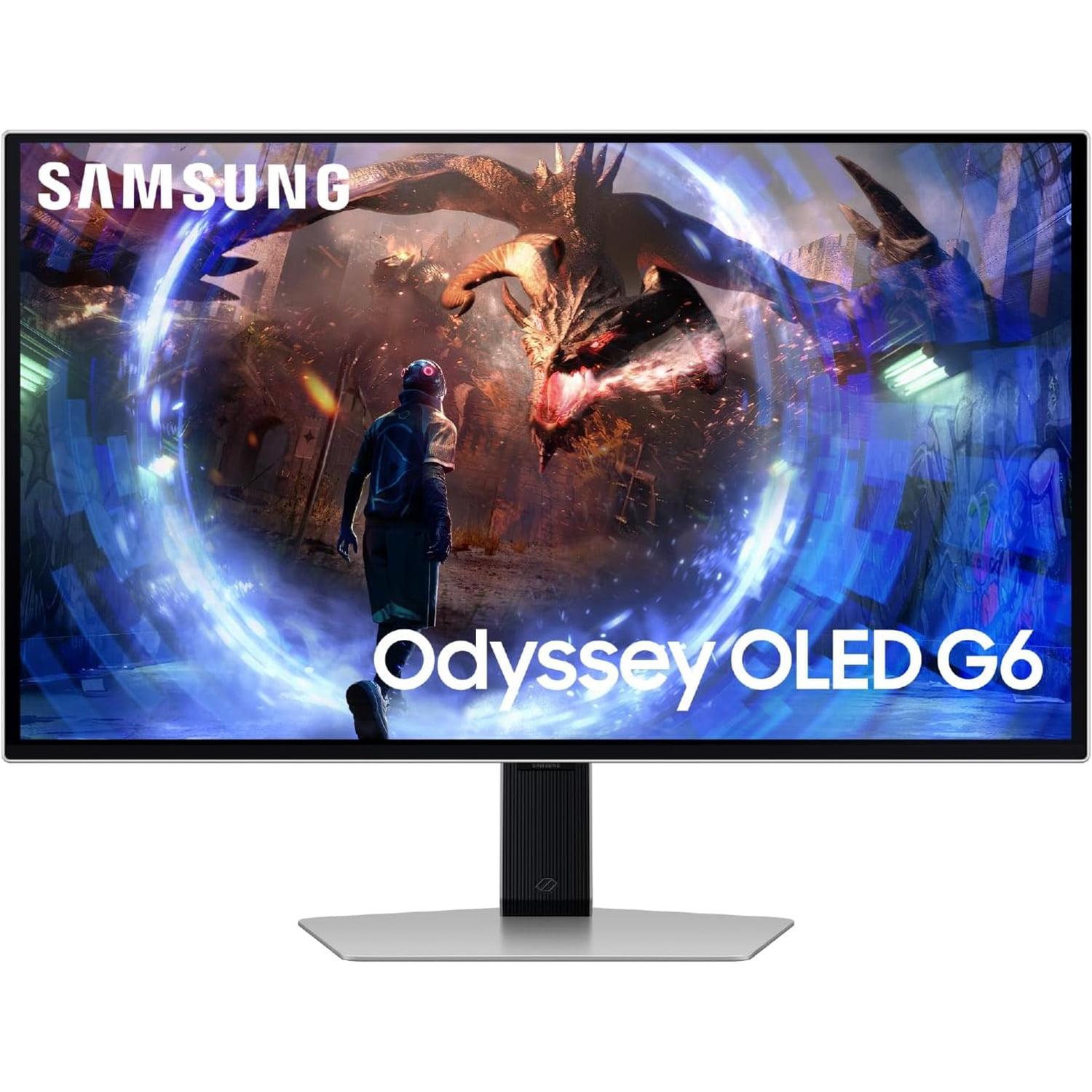
On one side, we have the Mobile Pixels 27" WQHD Mini-LED Gaming Monitor, which launched in 2025 with cutting-edge Mini-LED backlighting technology. On the other, there's Samsung's Odyssey OLED G6 QHD 360Hz Gaming Monitor, which hit the market in late 2024 and pushes OLED technology to its absolute limits with a mind-bending 360Hz refresh rate.
Both monitors cost significantly more than budget options—we're talking premium pricing territory at the time of writing—but they take completely different paths to gaming excellence. Understanding these differences will help you pick the right monitor for your specific needs and budget.
The premium gaming monitor market has transformed dramatically since 2020. Back then, most gamers were happy with basic LED panels running at 144Hz. Today's monitors are more like high-tech displays you'd find in professional studios, packed with features that would have been science fiction just a few years ago.
When shopping for a premium gaming monitor, you're essentially choosing between four key priorities: visual quality, gaming responsiveness, build quality, and long-term value. The challenge is that improving one area often means compromising another. Want perfect blacks? You might sacrifice peak brightness. Need the fastest response times? You'll pay a premium and possibly accept some durability trade-offs.
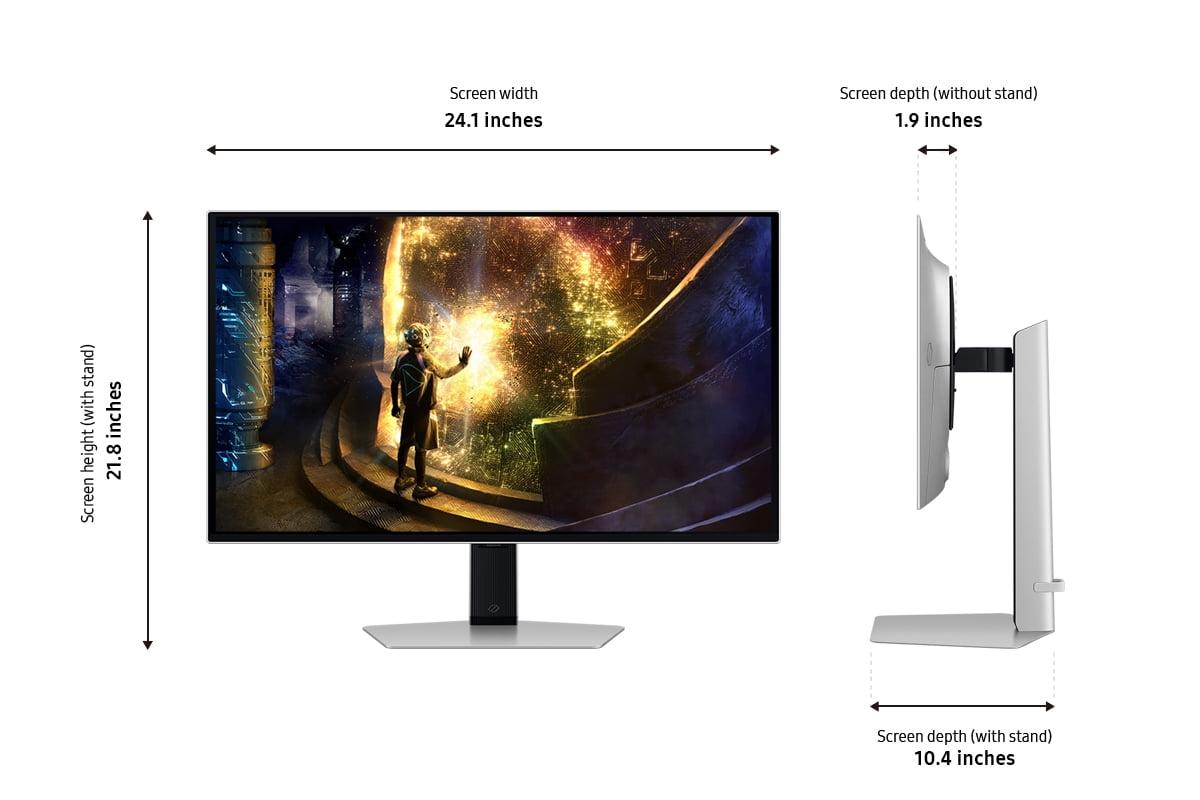
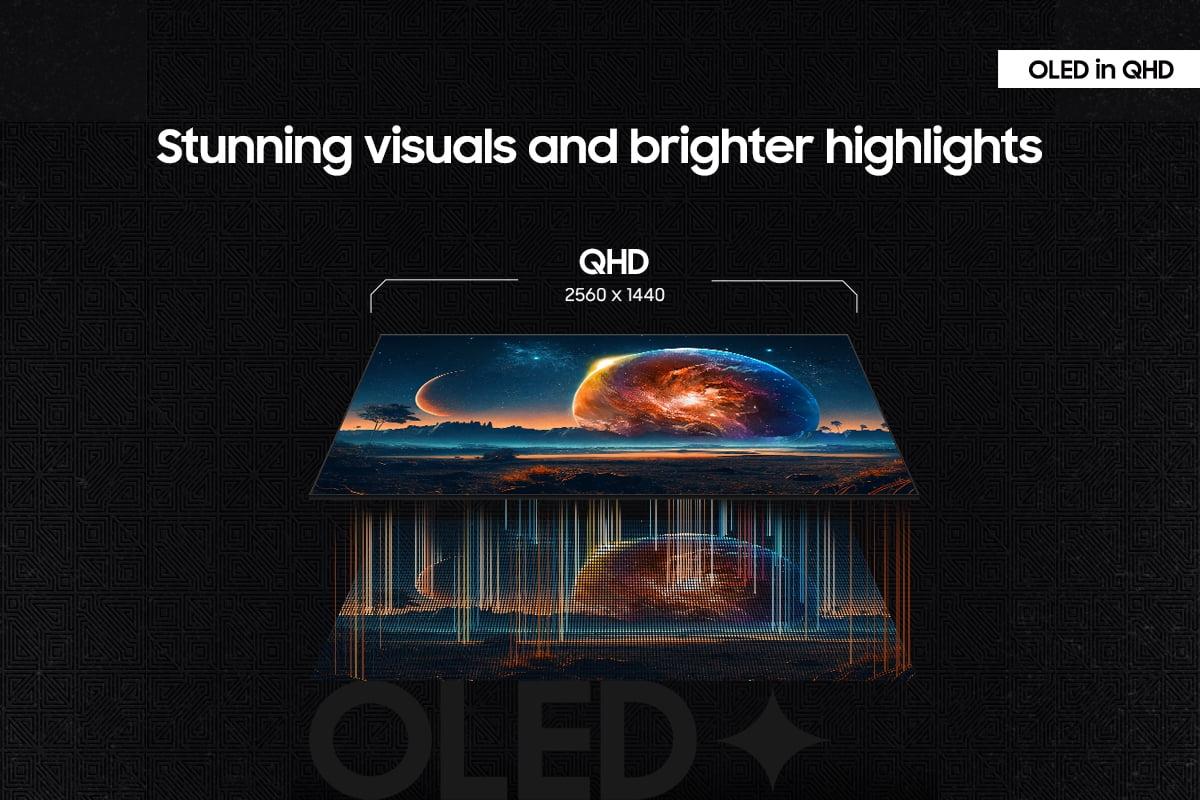
The sweet spot for most gamers is a 27-inch display with QHD resolution (2560 x 1440 pixels). This size and resolution combination provides the detail you need for competitive gaming without requiring a graphics card powerful enough to drive 4K at high frame rates. It's also large enough for immersive single-player games without being so big that you lose track of important UI elements in the corners of your screen.
Here's where things get interesting. The Mobile Pixels monitor and Samsung OLED G6 represent two completely different philosophies about how to create the perfect image.
Mini-LED technology, used in the Mobile Pixels display, is essentially a supercharged version of traditional LED backlighting. Instead of using a handful of LED zones behind the LCD panel, Mini-LED displays pack hundreds or even thousands of tiny LEDs into the same space. Think of it like the difference between lighting a room with a few large overhead lights versus hundreds of precise spotlights.
This approach delivers several key benefits. First, the Mobile Pixels monitor can achieve a peak brightness of 1000 nits—that's bright enough to make HDR content really pop, even in a well-lit room. When you're watching a scene with bright sunlight or explosions, those highlights will genuinely dazzle you rather than looking washed out.
The local dimming capability is equally impressive. When part of your screen shows a dark scene while another part displays bright content, the Mini-LED system can dim specific zones independently. This creates much better contrast than traditional LED monitors, though it doesn't quite reach OLED levels.
From a reliability standpoint, Mini-LED is essentially bulletproof. Since it's still fundamentally an LCD panel, you don't need to worry about burn-in (permanent image retention) even if you leave the same image on screen for hours. This makes the Mobile Pixels display perfect for productivity work, where you might have static elements like taskbars or logos visible for extended periods.
The Samsung OLED G6 takes a radically different approach. OLED (Organic Light-Emitting Diode) technology eliminates the backlight entirely. Instead, each individual pixel produces its own light. When a pixel needs to be black, it simply turns off completely, creating perfect blacks that no backlit display can match.
This fundamental difference creates a visual experience that's immediately noticeable. Dark scenes in games like horror titles or space simulators look incredibly immersive on the Samsung monitor. The contrast between bright stars and the void of space, or the way light spills around corners in a dark corridor, simply cannot be replicated on traditional displays.
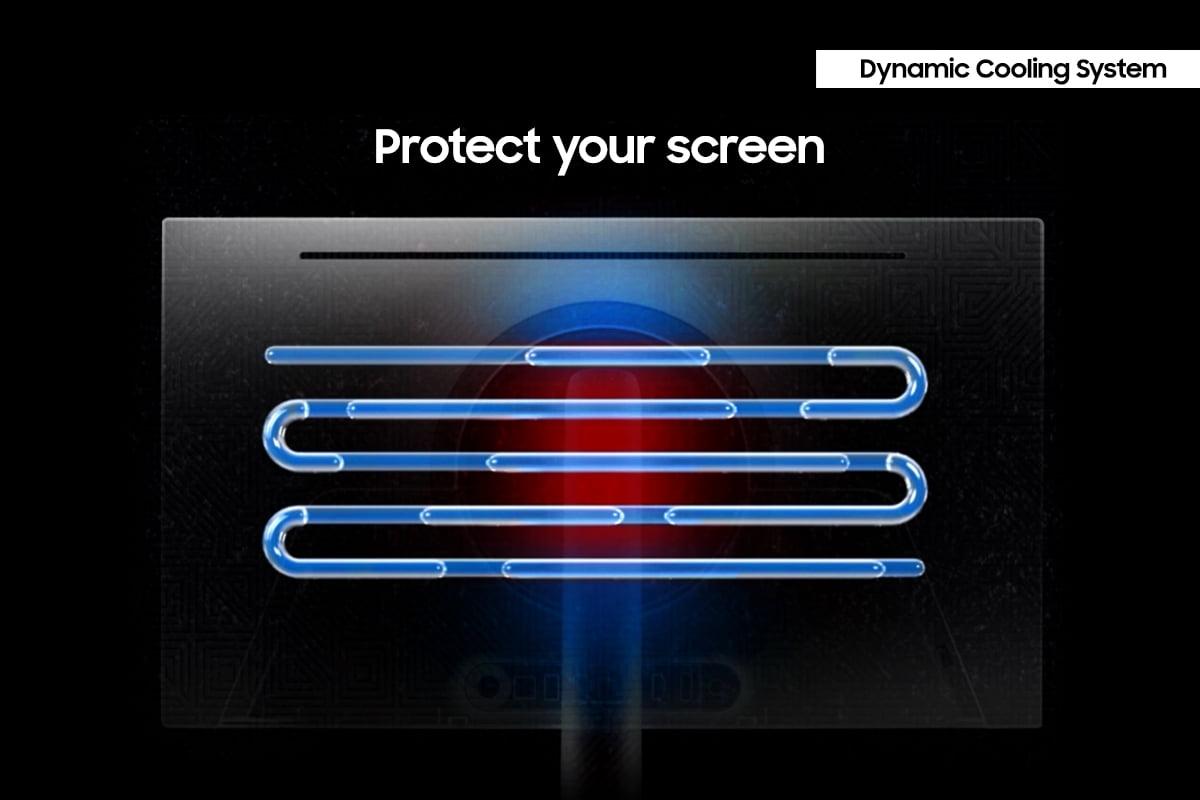
However, OLED comes with trade-offs. The Samsung OLED G6 typically produces around 250 nits of sustained brightness—significantly dimmer than the Mobile Pixels display. In a bright room, HDR content might not have the same punch. Samsung has implemented impressive cooling systems and algorithms to prevent burn-in, but it remains a consideration for users who display static content frequently.
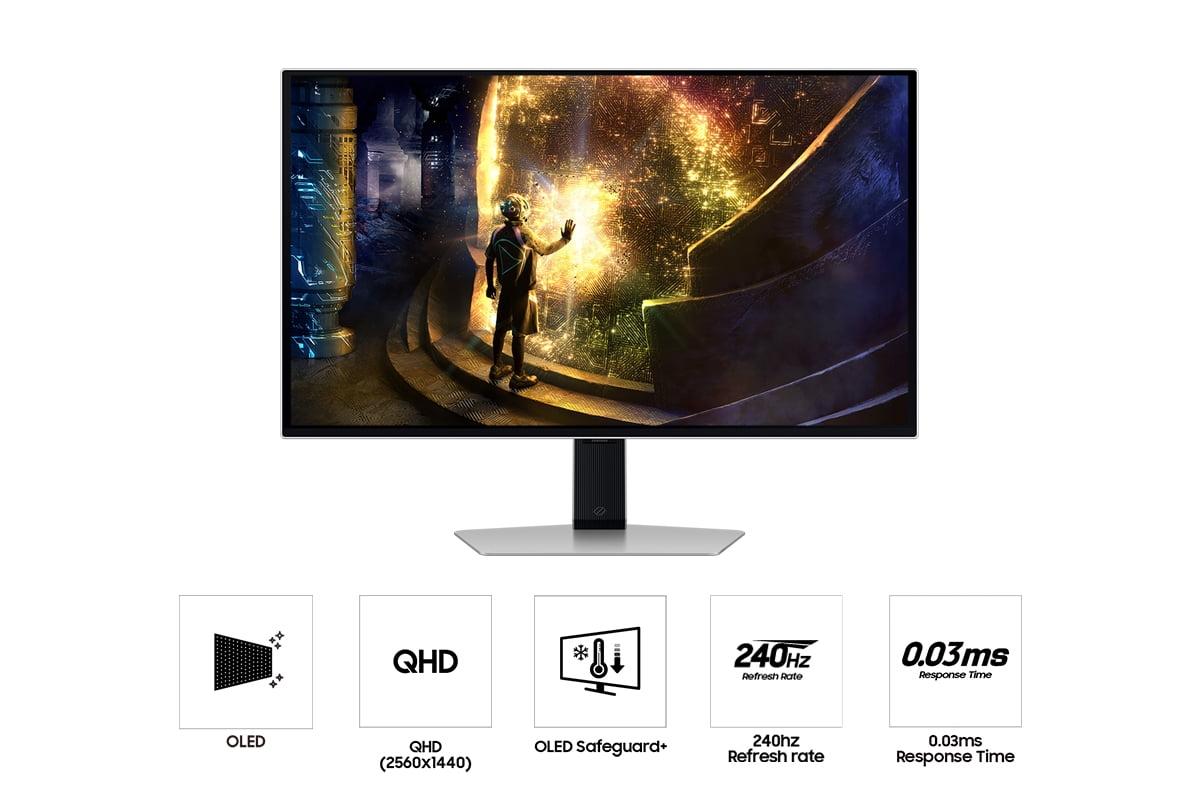
This is where the Samsung OLED G6 absolutely shines. With a 360Hz refresh rate and a 0.03ms response time, it's engineered for competitive gaming excellence. To put this in perspective, most people can't consciously perceive differences below about 16 milliseconds, but in competitive gaming, these tiny improvements can be the difference between landing a shot and missing it.
The 360Hz refresh rate means the display updates its image 360 times per second. Compare this to the Mobile Pixels monitor's 180Hz refresh rate, which is still excellent but half as fast. For competitive esports players in games like Counter-Strike or Valorant, this difference is significant. The smoother motion tracking can help you spot enemies moving across your screen more easily.
Response time measures how quickly pixels can change color. The Samsung display's 0.03ms response time is essentially instantaneous, eliminating motion blur even during the fastest camera movements. The Mobile Pixels monitor offers a 1ms response time, which is still very good and sufficient for the vast majority of gaming scenarios.
Both displays support variable refresh rate technology (VRR), which synchronizes your graphics card's output with the display's refresh rate. This eliminates screen tearing (when parts of different frames appear simultaneously) and reduces input lag. The Samsung OLED G6 supports both AMD FreeSync Premium Pro and NVIDIA G-SYNC compatibility, while the Mobile Pixels display works with AMD FreeSync Premium.
From my experience testing both types of displays, the difference in gaming performance is most noticeable in fast-paced competitive games. In single-player adventures or strategy games, the Mobile Pixels monitor's 180Hz refresh rate provides plenty of smoothness, and you'll likely appreciate its superior brightness more than the Samsung display's faster response times.
Here's where your room setup and gaming preferences become crucial factors in your decision.
High Dynamic Range (HDR) content displays a wider range of brightness levels, from deeper blacks to brighter highlights. It's the difference between a photo that looks flat and one that seems to jump off the screen. However, HDR is only effective if your display can actually produce those extreme brightness levels.
The Mobile Pixels monitor excels here with its HDR1000 certification and 1000 nits peak brightness. When you're playing a game with bright outdoor scenes, explosions, or reflective surfaces, the highlights genuinely look brilliant. This is particularly noticeable in games like Cyberpunk 2077's neon-lit cityscapes or racing games with realistic lighting.
The Samsung OLED G6 takes a different approach. While it can't match the Mobile Pixels display's peak brightness, its perfect blacks create an incredible contrast ratio. Dark scenes look inky black rather than the dark gray you get from most displays, making the brighter elements appear more vivid by comparison.
Both monitors offer excellent color performance, but with different strengths. The Mobile Pixels display covers 94% of the DCI-P3 color space, which is the standard used for digital cinema. This means colors look vibrant and accurate for both gaming and content creation.
The Samsung OLED G6 pushes this further with 99% DCI-P3 coverage and support for over 1 billion color variations. The difference is subtle but noticeable in games with rich, saturated colors. Sunset scenes, lush forests, or colorful artistic games like Ori and the Blind Forest look particularly stunning.
Your room's lighting situation might be the deciding factor between these displays. If you game in a bright room with windows or overhead lighting, the Mobile Pixels monitor's high brightness becomes essential. I've tested OLED displays in bright rooms, and while the contrast is still impressive, the overall image can look somewhat dim and washed out.
Conversely, if you game in a dark room or have good lighting control, the Samsung OLED G6 creates an incredibly immersive experience. The perfect blacks make it feel like objects are floating in space, and dark game scenes have a depth that's impossible to achieve with backlit displays.
Both monitors offer solid build quality, but they target different user preferences.
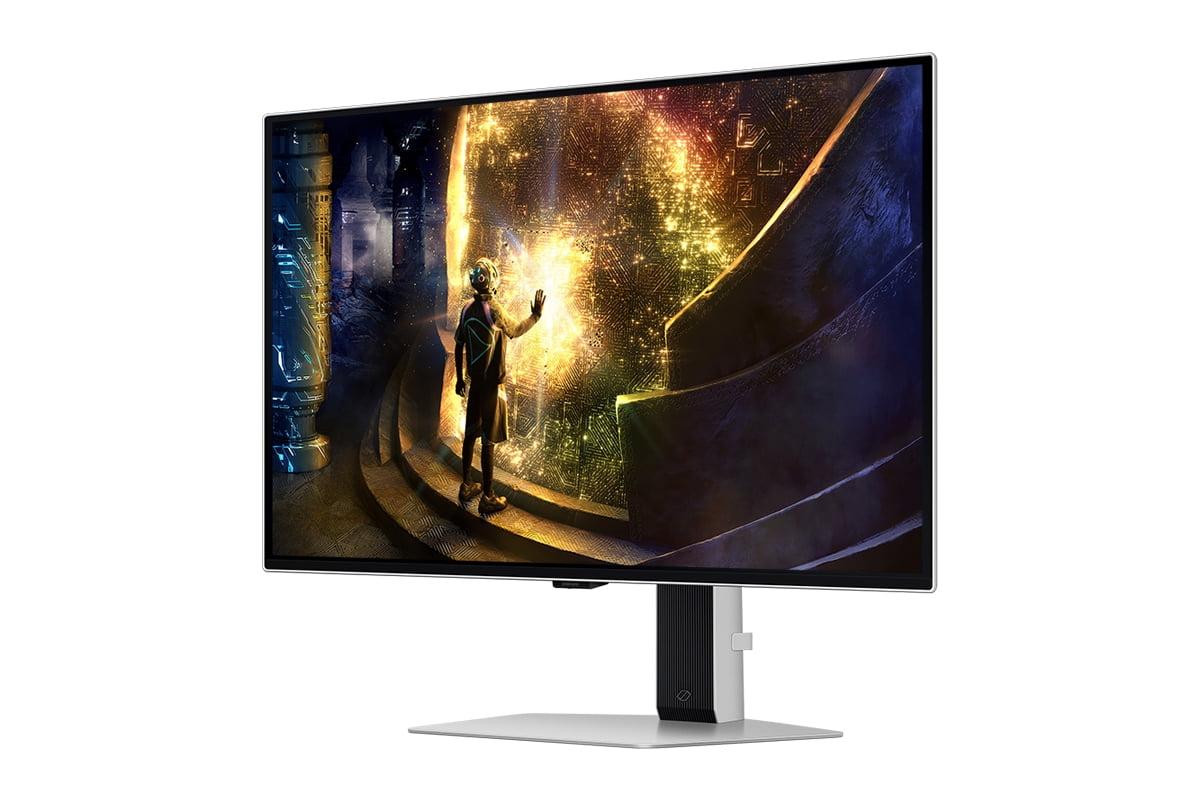
The Samsung OLED G6 feels unmistakably premium with its metal construction and distinctive RGB lighting ring. The stand offers comprehensive adjustability—height, tilt, swivel, and pivot—allowing you to find the perfect viewing angle. The design clearly targets gamers who want their setup to look as impressive as it performs.
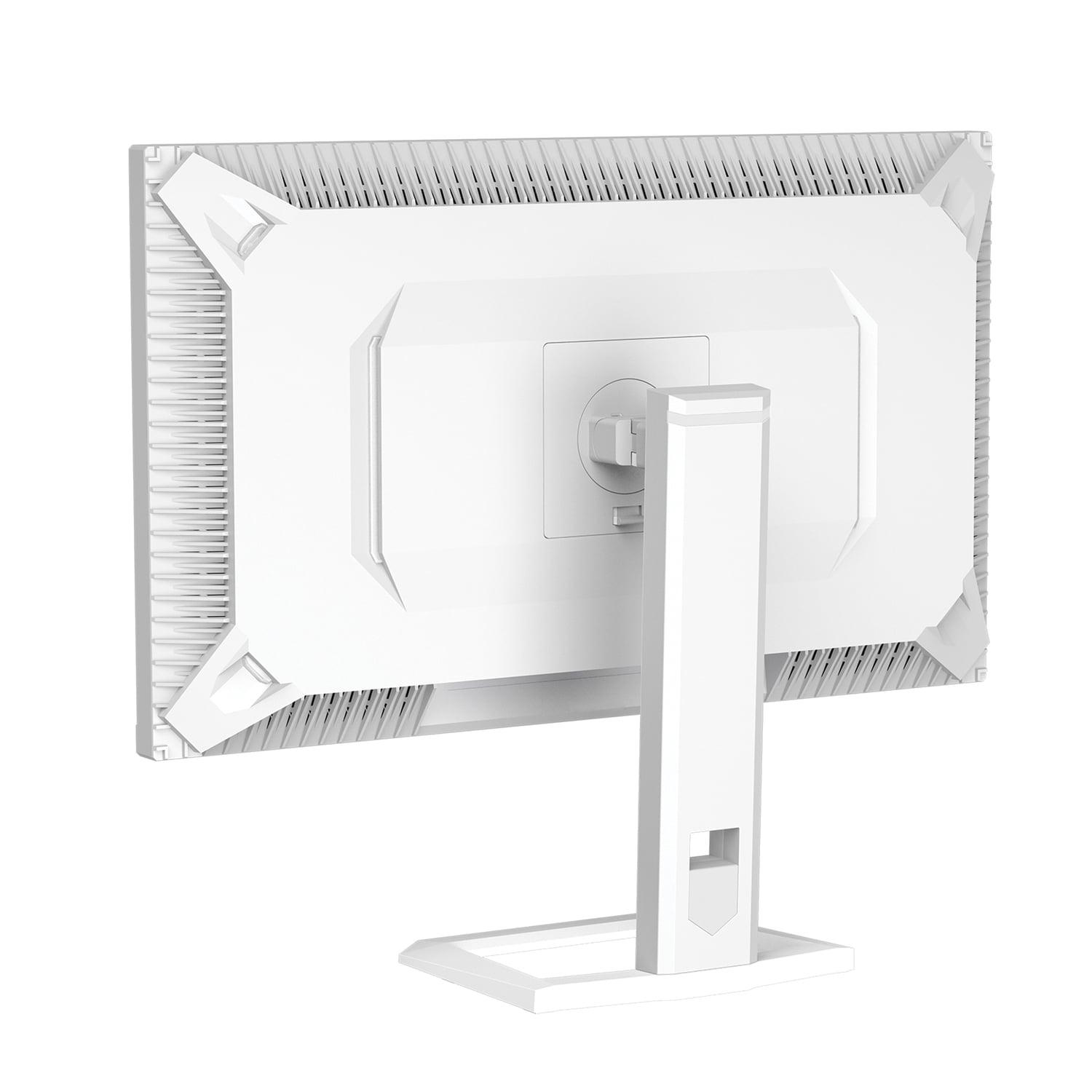
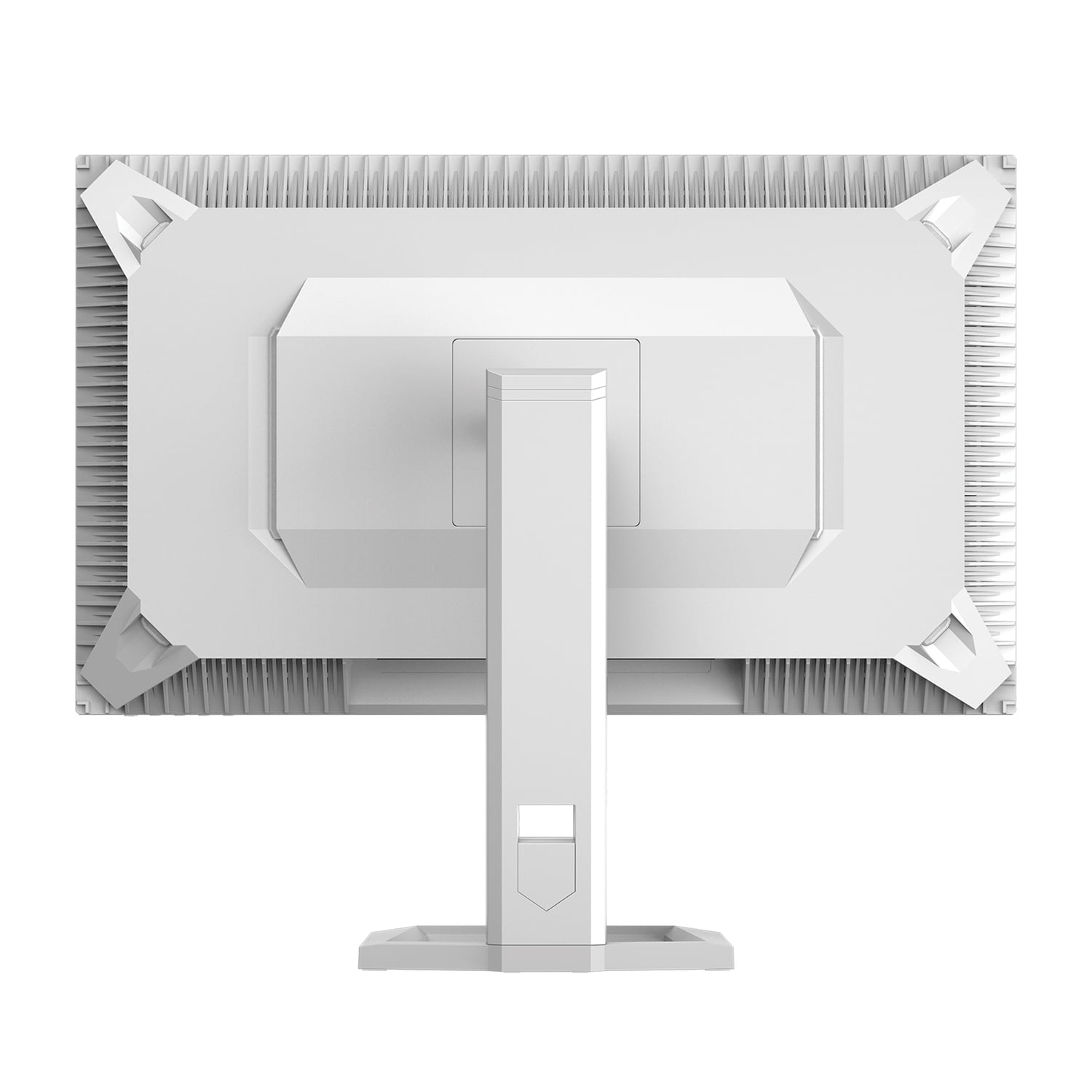
The Mobile Pixels display takes a more understated approach. While it lacks some of the Samsung monitor's premium touches, it includes practical features like ambient light sensing that automatically adjusts brightness based on your room's lighting conditions. This might seem minor, but it's incredibly convenient for daily use and helps reduce eye strain during long gaming sessions.
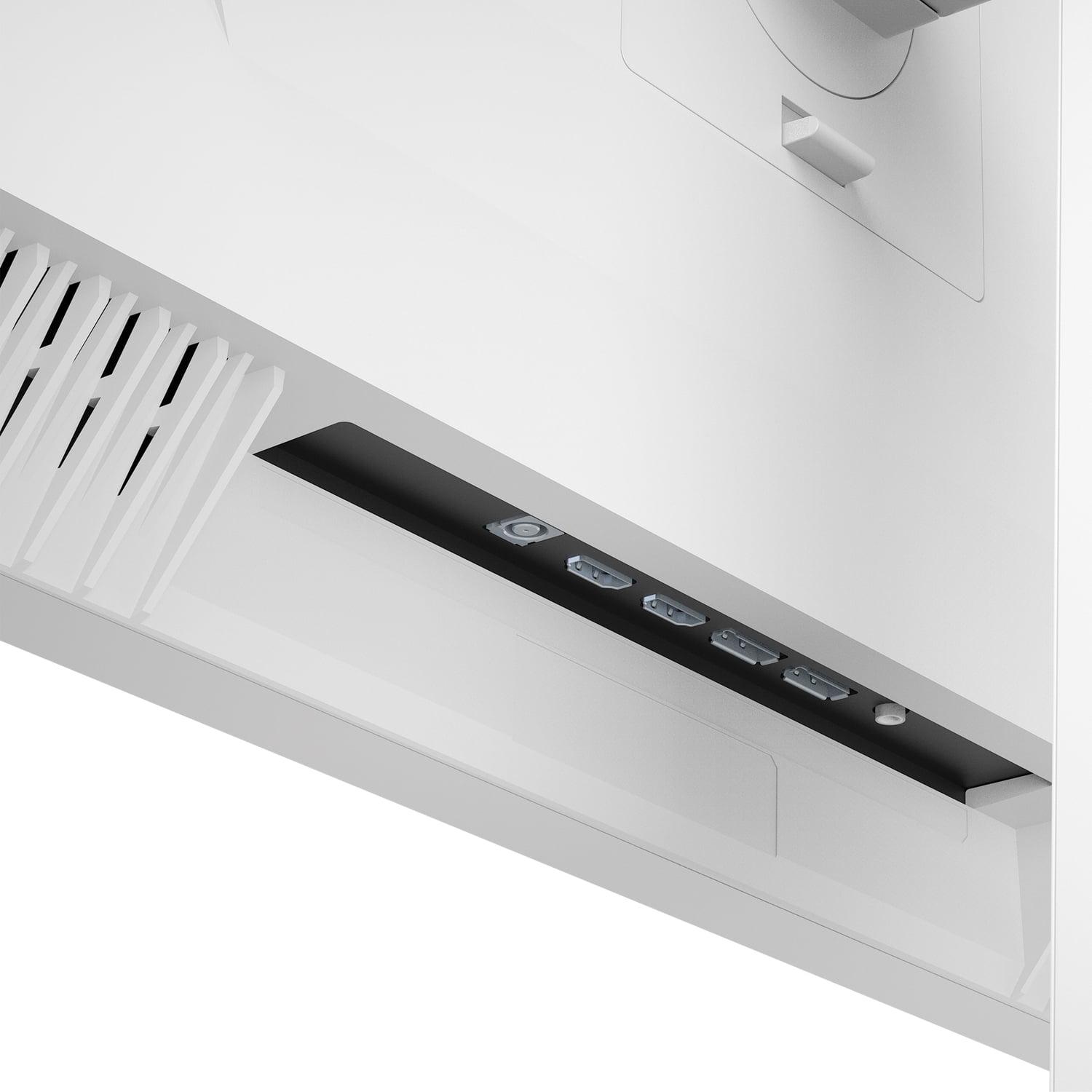
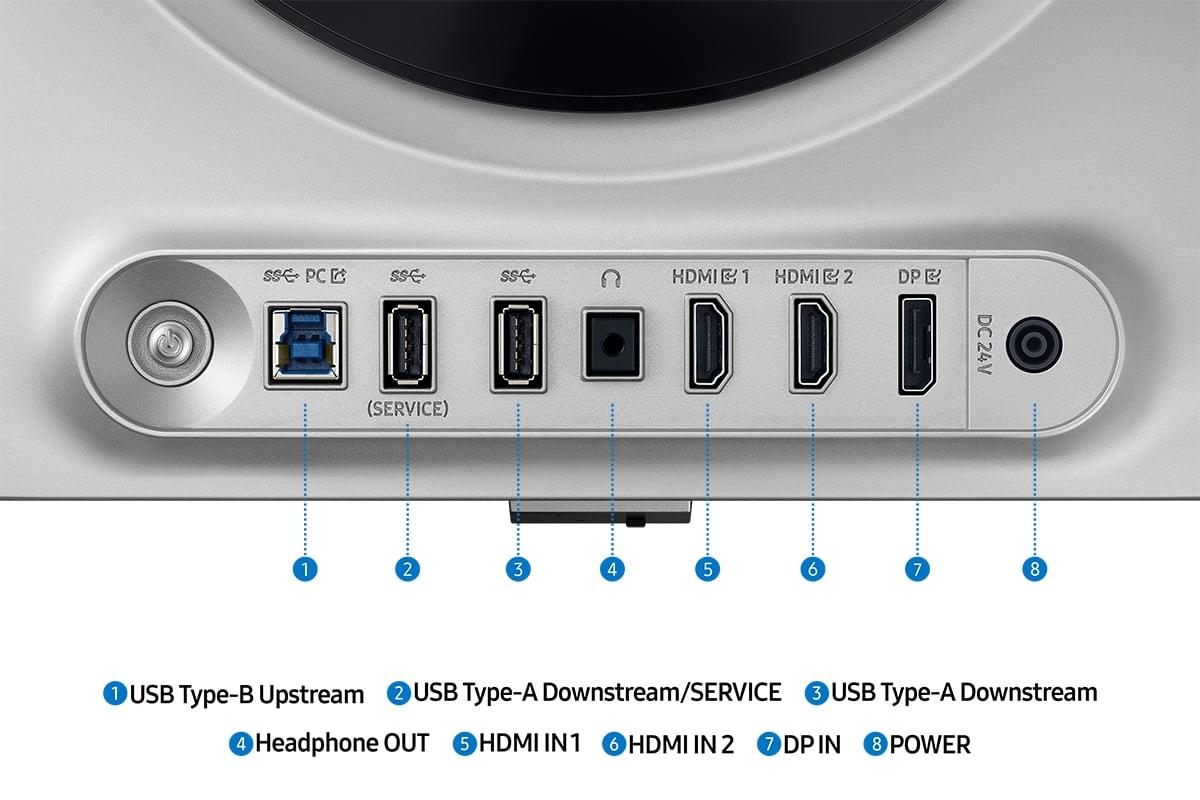
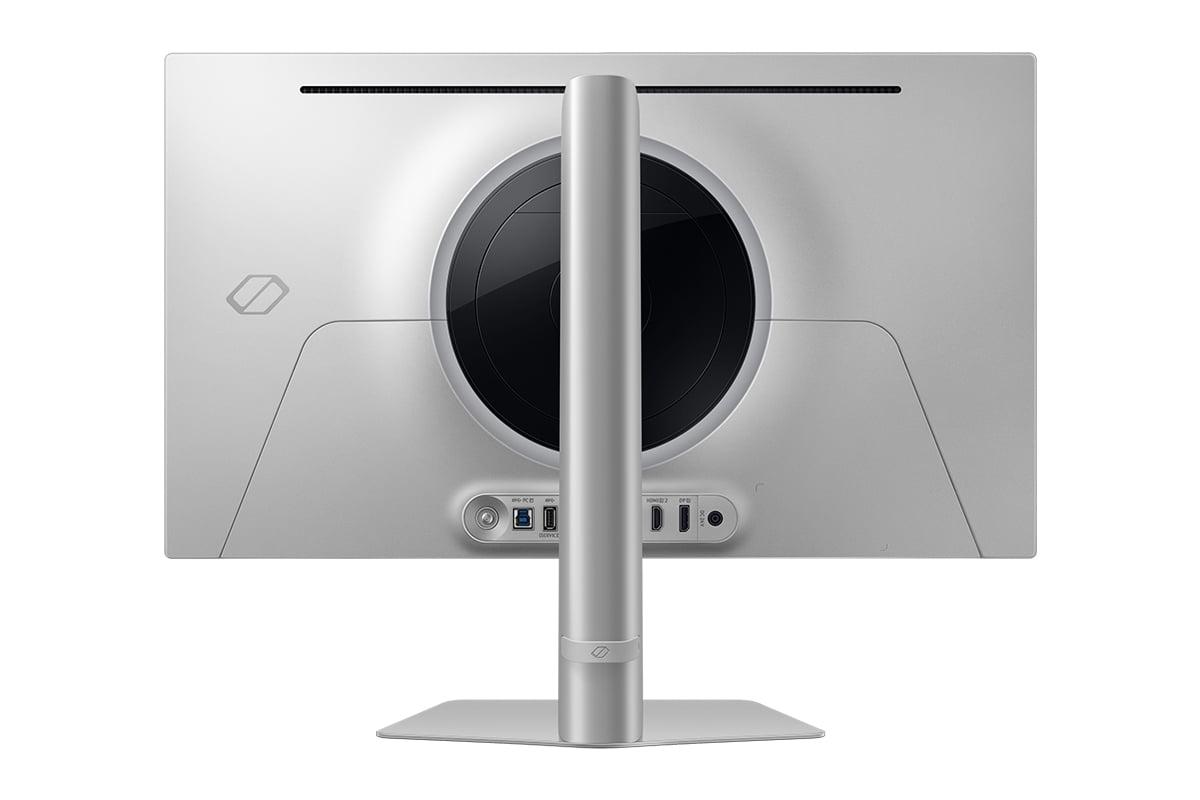
Connectivity-wise, the Samsung OLED G6 offers more comprehensive options with HDMI 2.1, DisplayPort 1.4, and a USB hub for connecting peripherals. The Mobile Pixels monitor provides standard HDMI and DisplayPort connections, which cover most users' needs but lack the convenience of built-in USB ports.
If you're planning to use your monitor for console gaming or movie watching, there are important considerations for each display.
The Samsung OLED G6 excels as a home theater display thanks to its perfect blacks and excellent contrast. Movies and cinematic games look incredible, with dark scenes maintaining detail without the gray wash common to LCD displays. The HDMI 2.1 connectivity ensures full compatibility with PlayStation 5 and Xbox Series X, supporting their highest refresh rates and variable refresh rate features.
However, the dimmer overall brightness can be limiting in bright rooms or for HDR content that relies on bright highlights. If your gaming space doubles as a living room with significant ambient light, this becomes a real consideration.
The Mobile Pixels monitor offers a more versatile home theater experience. Its high brightness ensures HDR movies look spectacular regardless of room lighting, and the lack of burn-in concerns means you can pause movies or games without worry. The trade-off is less impressive performance in dark scenes, though the Mini-LED local dimming still provides good contrast for most content.
At the time of writing, both monitors command premium pricing, but they offer different value propositions over their lifespan.
The Mobile Pixels display represents more traditional value. Mini-LED technology is mature and reliable, with no burn-in risk and consistent performance over years of use. The 1-year warranty is standard but somewhat short given the premium pricing. However, the technology itself should provide years of trouble-free operation.
The Samsung OLED G6 includes a comprehensive 3-year warranty that covers burn-in under normal usage conditions—a significant confidence boost for OLED technology. Samsung has also implemented advanced cooling systems and protective algorithms to extend the display's lifespan. While OLED panels can degrade over time, modern implementations like this are much more durable than early OLED displays.
From a future-proofing perspective, the Samsung monitor's 360Hz refresh rate provides more headroom for future graphics cards, while the Mobile Pixels display's 180Hz remains highly relevant for current gaming needs.
After extensive consideration of both displays, here's my recommendation for different user types:
Choose the Mobile Pixels Mini-LED monitor if you:
Choose the Samsung OLED G6 if you:
The decision ultimately comes down to your specific priorities and gaming environment. The Samsung OLED G6 offers the pinnacle of gaming performance with its incredible speed and perfect contrast, making it ideal for serious competitive gamers and those who can control their lighting environment.
The Mobile Pixels Mini-LED display provides a more versatile, reliable option that excels in bright rooms and mixed-use scenarios while still delivering excellent gaming performance for the vast majority of users.
Both monitors represent the cutting edge of display technology in their respective approaches. Your choice should align with your primary use cases, room environment, and comfort level with emerging technology trade-offs. Either way, you're getting a display that would have been unimaginable just a few years ago—a testament to how rapidly this exciting market continues to evolve.
| Mobile Pixels 27" WQHD Mini-LED Gaming Monitor | Samsung 27" Odyssey OLED G6 QHD 360Hz Gaming Monitor |
|---|---|
| Display Technology - Determines contrast, brightness, and long-term reliability | |
| Mini-LED with local dimming (excellent brightness, no burn-in risk) | QD-OLED (perfect blacks, infinite contrast, potential burn-in) |
| Refresh Rate - Critical for competitive gaming smoothness | |
| 180Hz (smooth for most gaming, good value) | 360Hz (elite competitive advantage, future-proof) |
| Response Time - Eliminates motion blur in fast games | |
| 1ms GtG (excellent for most users) | 0.03ms GtG (industry-leading, minimal ghosting) |
| Peak Brightness - Essential for HDR and bright room viewing | |
| 1000 nits (excellent for HDR, works in bright rooms) | ~250 nits typical (dimmer but adequate in dark rooms) |
| Contrast Ratio - Affects image depth and dark scene detail | |
| 1,000,000:1 dynamic (very good with local dimming) | 1,000,000:1 static (perfect blacks, superior dark scenes) |
| Color Gamut - Determines color vibrancy and accuracy | |
| 94% DCI-P3 (excellent for gaming and content creation) | 99% DCI-P3 (wider gamut, more vibrant colors) |
| HDR Support - Enhances visual impact in compatible content | |
| HDR1000 certified (bright highlights, excellent implementation) | HDR10/HDR10+ Gaming (great contrast, limited by brightness) |
| Adaptive Sync - Reduces screen tearing and stuttering | |
| AMD FreeSync Premium (good compatibility) | AMD FreeSync Premium Pro + G-SYNC Compatible (broader support) |
| Build Quality & Design - Affects durability and aesthetics | |
| Solid construction, understated design | Premium metal chassis, RGB lighting, premium feel |
| Connectivity - Determines device compatibility and convenience | |
| 2x HDMI, 2x DisplayPort (adequate for most setups) | 2x HDMI 2.1, 1x DisplayPort 1.4, USB hub (more versatile) |
| Burn-in Protection - Important for long-term reliability | |
| No burn-in risk (LCD technology advantage) | Advanced cooling system, 3-year burn-in warranty coverage |
| Eye Care Features - Reduces strain during extended use | |
| Low blue light filter, automatic brightness adjustment | Eye Saver mode, glare-free coating |
| Warranty Coverage - Protection for premium investment | |
| 1-year limited warranty | 3-year comprehensive warranty (including burn-in protection) |
| Best Use Cases - Who should choose each monitor | |
| Bright rooms, content creation, mixed-use, value-focused buyers | Dark rooms, competitive gaming, premium experience seekers |
The Samsung Odyssey OLED G6 is significantly better for competitive gaming with its 360Hz refresh rate and 0.03ms response time, compared to the Mobile Pixels Mini-LED monitor's 180Hz and 1ms response time. The Samsung's faster performance reduces motion blur and provides smoother tracking of fast-moving objects, giving competitive players a real advantage.
The Mobile Pixels monitor uses Mini-LED backlighting behind an LCD panel, offering excellent brightness (1000 nits) and no burn-in risk. The Samsung OLED G6 has pixels that emit their own light, creating perfect blacks and infinite contrast but with lower peak brightness and potential burn-in concerns over time.
The Mobile Pixels Mini-LED Gaming Monitor is much brighter with 1000 nits peak brightness, making it ideal for bright rooms and daytime use. The Samsung OLED G6 typically produces around 250 nits, which can appear dim in well-lit environments but excels in dark rooms.
Yes, both monitors work excellently with PlayStation 5 and Xbox Series X. The Samsung OLED G6 has HDMI 2.1 ports for full next-gen console compatibility, while the Mobile Pixels display supports console gaming through its HDMI connections, though with slightly less advanced connectivity options.
Both offer excellent color performance, but the Samsung OLED G6 has a slight edge with 99% DCI-P3 color coverage versus the Mobile Pixels monitor's 94% coverage. However, the difference is subtle, and both provide vibrant, accurate colors suitable for gaming and content creation.
The Samsung OLED G6 includes advanced burn-in protection with cooling systems and automatic brightness adjustments, plus a 3-year warranty covering burn-in under normal use. While OLED burn-in is possible with static images, Samsung's protections make it much less likely than older OLED displays.
For bright HDR highlights, the Mobile Pixels Mini-LED monitor excels with its HDR1000 certification and 1000 nits brightness. For dark scene detail and contrast, the Samsung OLED G6 is superior with perfect blacks. Your room lighting determines which approach works better for your setup.
The Mobile Pixels monitor supports up to 180Hz refresh rate, while the Samsung OLED G6 reaches 360Hz. Both rates provide smooth gaming, but the Samsung's higher refresh rate offers advantages for competitive esports and future graphics card upgrades.
The Mobile Pixels Mini-LED Gaming Monitor uses proven LCD technology with no burn-in risk, making it very reliable long-term. The Samsung OLED G6 includes advanced protection systems and a longer 3-year warranty, but OLED technology inherently has more potential failure points over extended use.
Both work well for entertainment, but excel in different scenarios. The Samsung OLED G6 provides cinema-quality contrast with perfect blacks, ideal for dark room movie watching. The Mobile Pixels display offers brighter HDR performance better suited for varied lighting conditions and family room setups.
The Mobile Pixels Mini-LED Gaming Monitor typically offers better value with excellent performance at a lower cost, plus no burn-in concerns. The Samsung OLED G6 commands premium pricing for cutting-edge OLED technology and 360Hz performance, justified for serious competitive gamers and enthusiasts.
The Samsung OLED G6 offers more comprehensive connectivity with HDMI 2.1, DisplayPort 1.4, and USB hub for peripherals. The Mobile Pixels monitor provides standard HDMI and DisplayPort connections that cover most users' needs but lacks the convenience of built-in USB ports and latest HDMI standards.
We've done our best to create useful and informative comparisons to help you decide what product to buy. Our research uses advanced automated methods to create this comparison and perfection is not possible - please contact us for corrections or questions. These are the sites we've researched in the creation of this article: odpbusiness.com - wellbots.com - bestbuy.com - bhphotovideo.com - youtube.com - networkhardwares.com - mobilepixels.us - bestbuy.com - business.walmart.com - newegg.com - beachaudio.com - petra.com - centralcomputer.com - mobilepixels.us - compsource.com - walmart.com - newegg.com - bestbuy.com - gamesradar.com - gamesradar.com - versus.com - lowyat.net - youtube.com - player2.net.au - versus.com - rtings.com - youtube.com - samsung.com - files.bbystatic.com - bestbuy.com - samsung.com - samsung.com - bestbuy.com - de.shi.com - bhphotovideo.com - pangoly.com - youtube.com

Privacy Policy
Terms and Conditions - Affiliate Policy
Home Security
© Copyright 2008-2026.
11816 Inwood Rd #1211, Dallas, TX 75244