

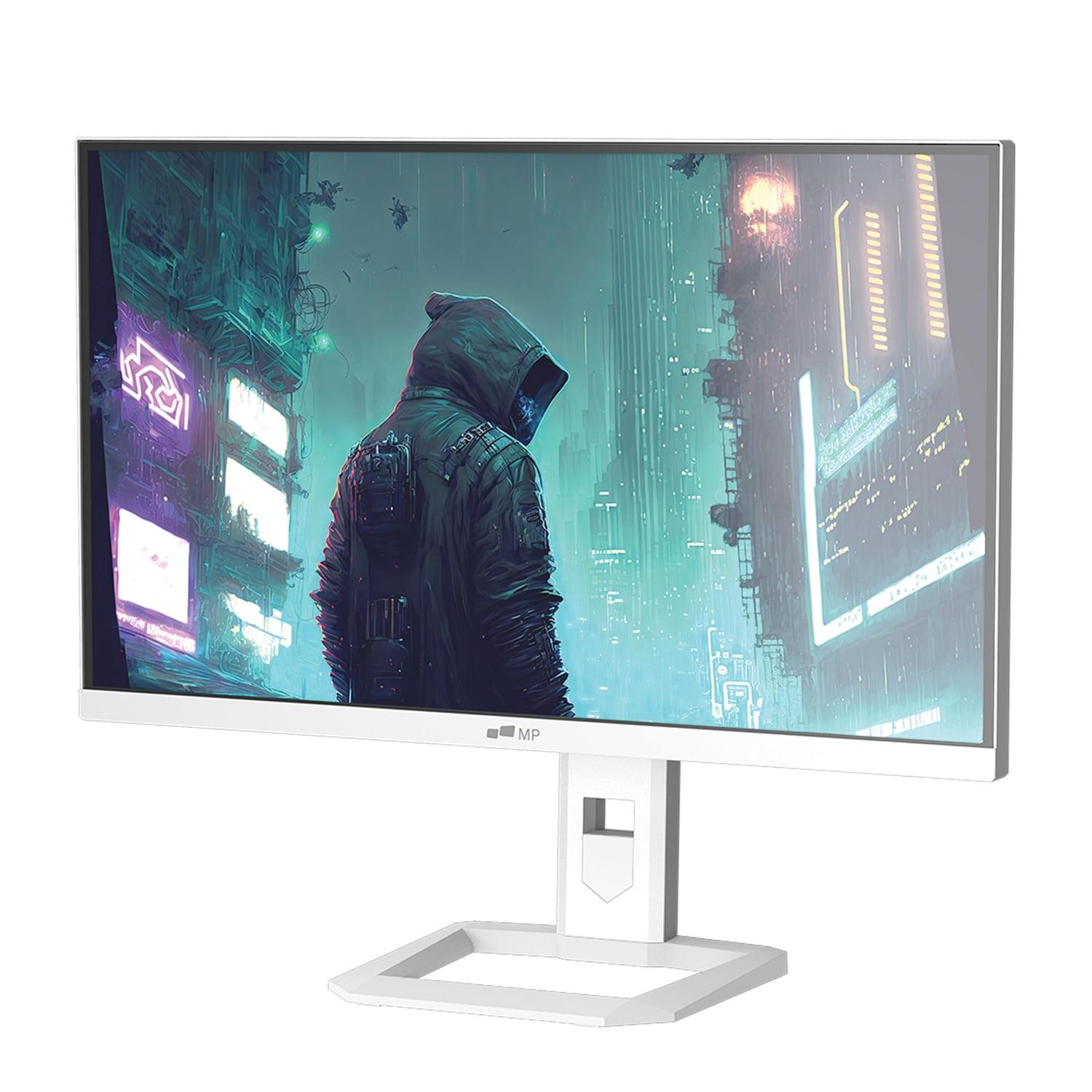
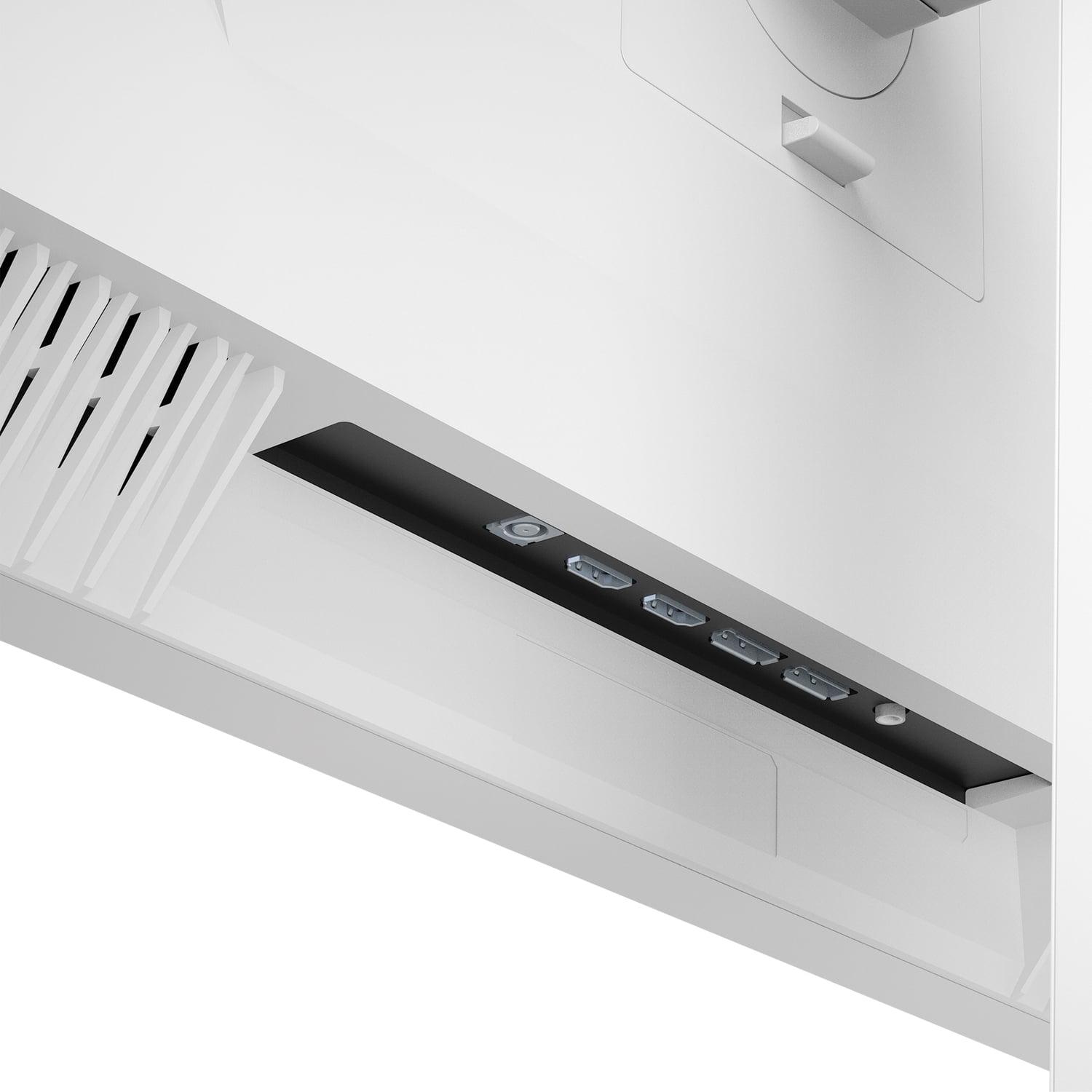
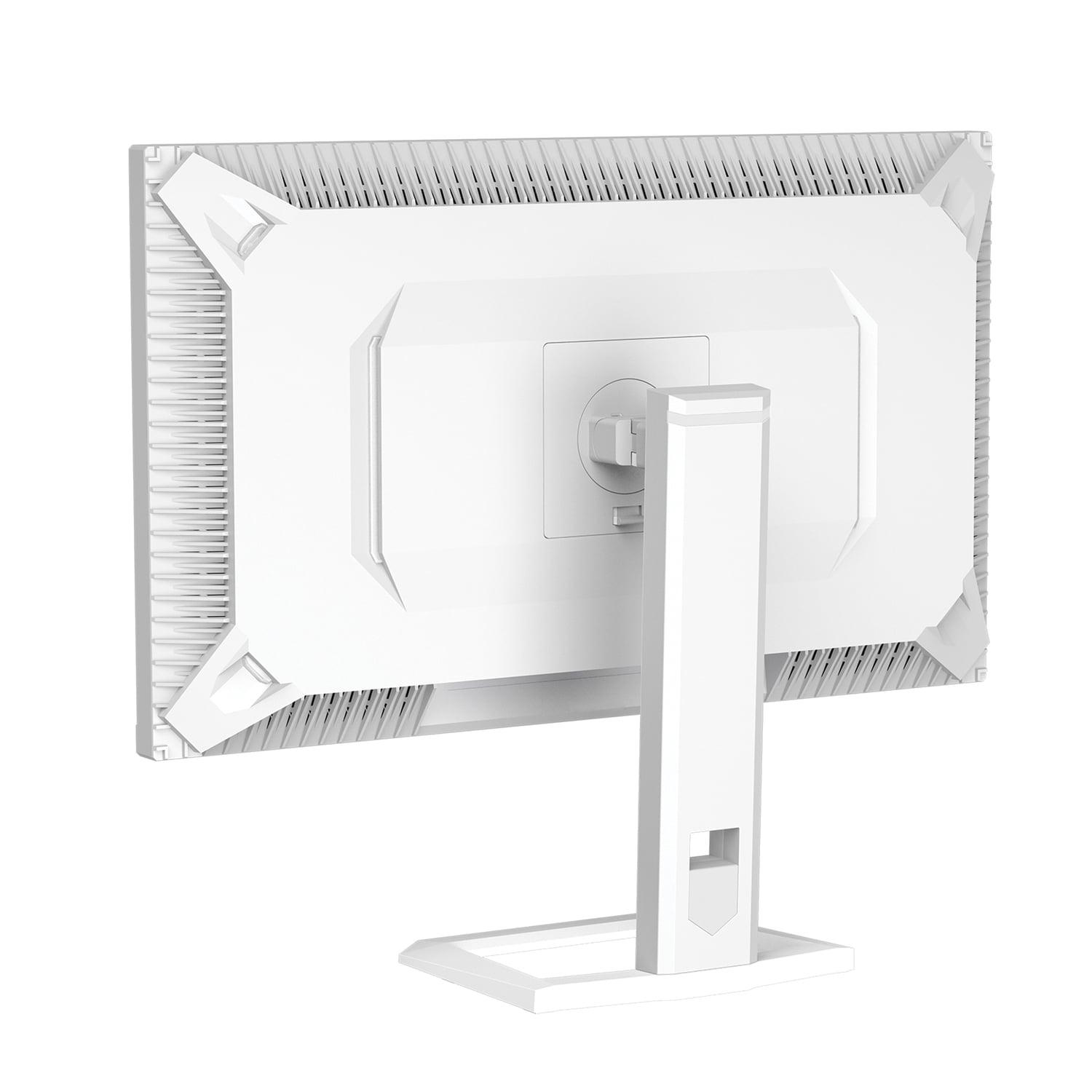
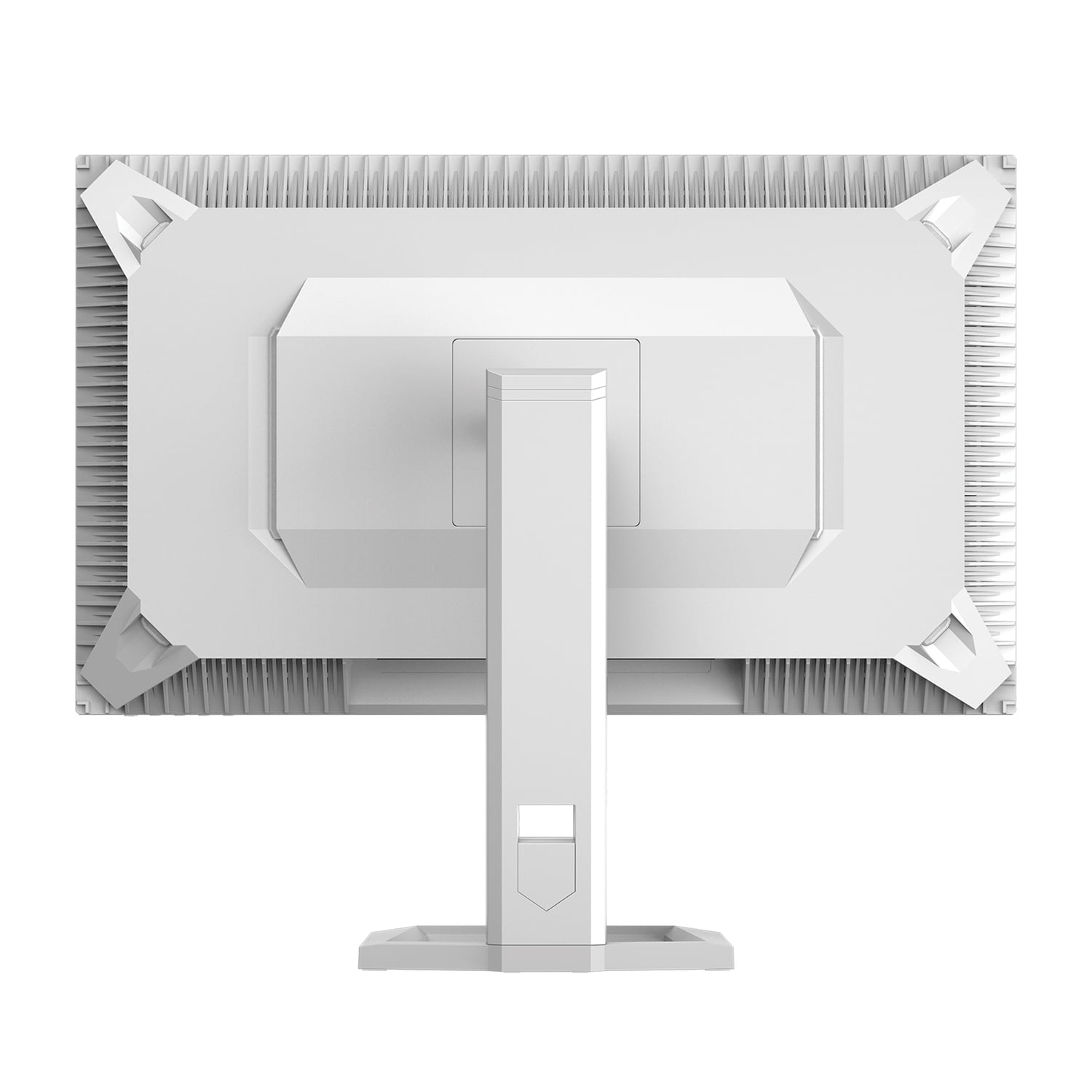
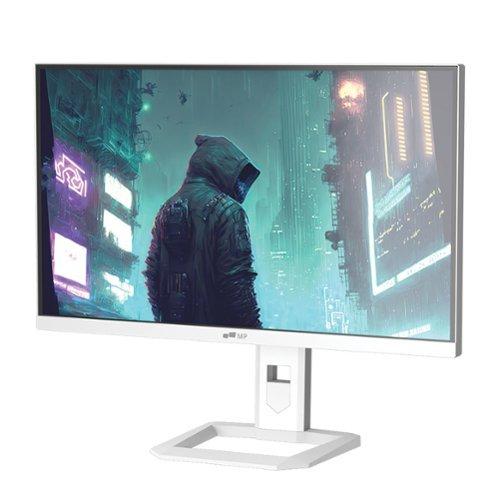
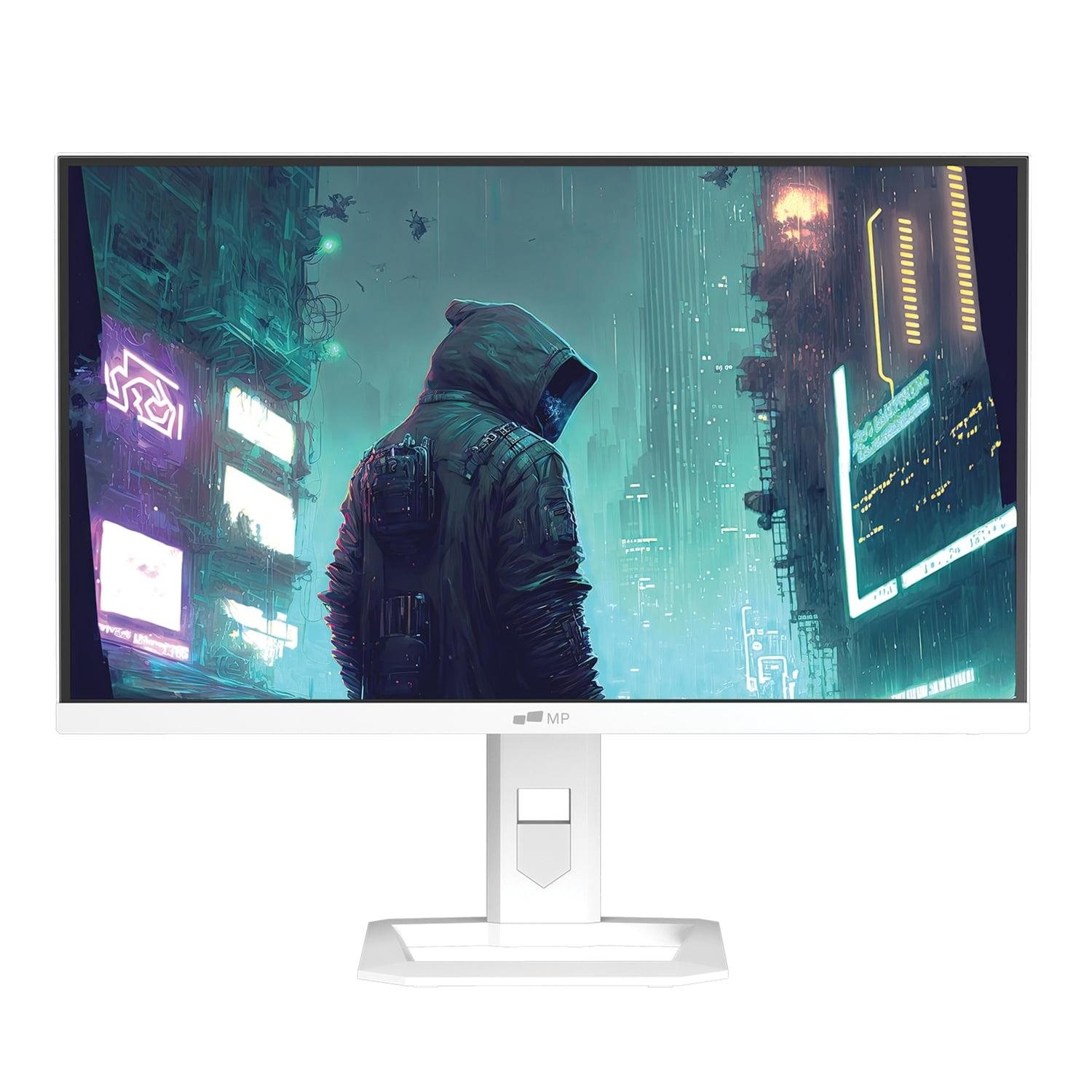
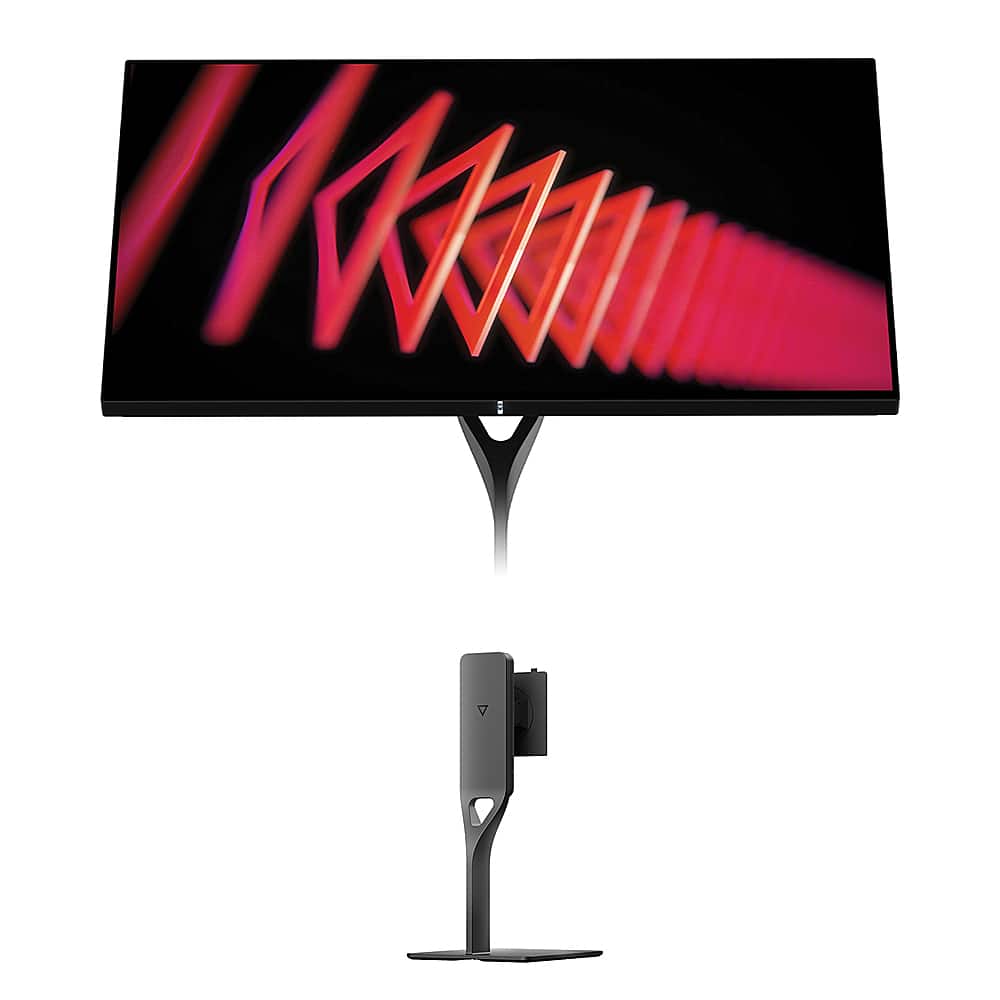
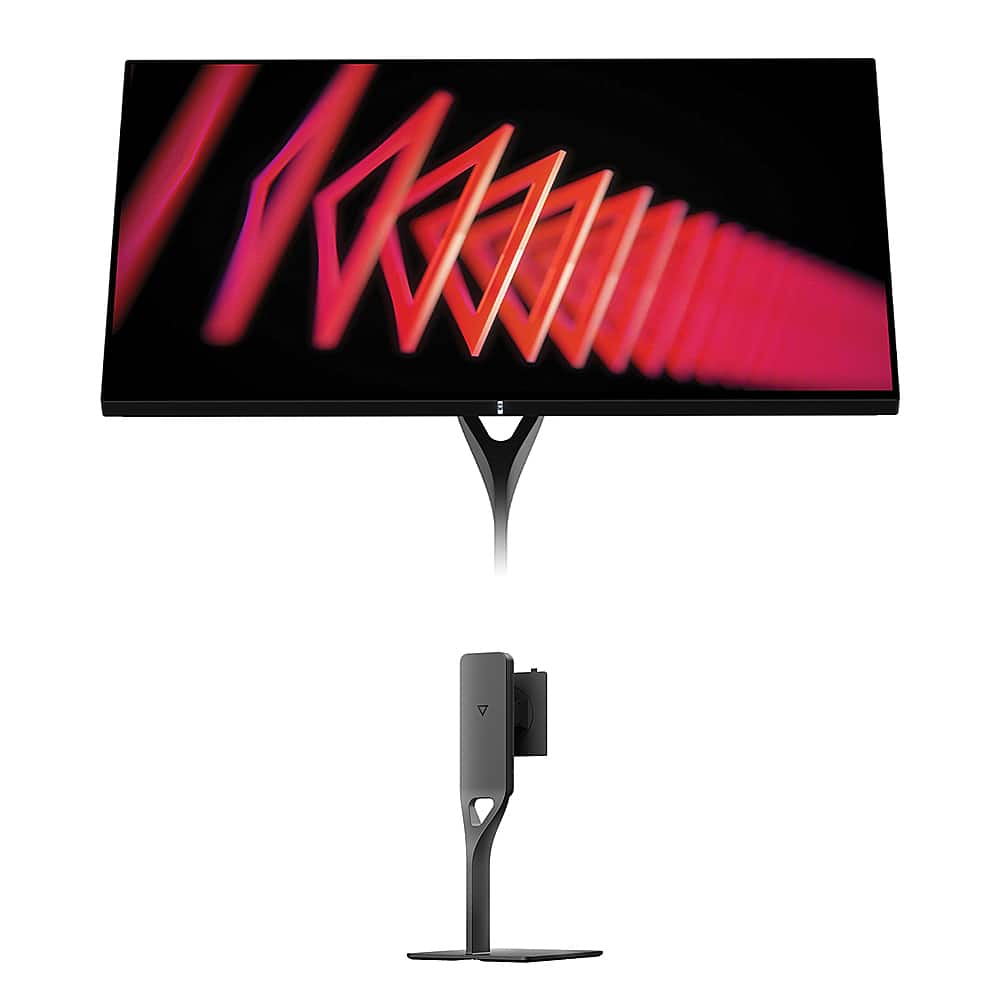
The 27-inch gaming monitor market has become incredibly competitive over the past few years, with manufacturers pushing the boundaries of what's possible in display technology. Two monitors that perfectly illustrate different approaches to high-end gaming are the Mobile Pixels 27" WQHD Mini-LED Gaming Monitor and the Dough Spectrum One 27-Inch 4K 144Hz Gaming Monitor.
These displays represent fascinating opposing philosophies: one prioritizes blazing brightness and competitive gaming speed, while the other focuses on pixel-perfect accuracy and professional versatility. Having spent considerable time with both types of monitors, I can tell you that your choice between them will fundamentally shape your entire computing experience.
Before diving into these specific models, it's worth understanding what separates a good gaming monitor from a great one. The 27-inch size has become the sweet spot for most users because it provides enough screen real estate for immersive gaming without requiring you to turn your head to see the edges – something that becomes important during long gaming sessions.
The key factors that define monitor performance are resolution (how many pixels you get), refresh rate (how many times the screen updates per second), response time (how quickly pixels can change color), and display technology (the method used to create the image). Think of these as the four pillars of gaming monitor performance, and different monitors excel in different combinations of these areas.
Modern gaming monitors also need to handle HDR (High Dynamic Range) content effectively. HDR essentially means the monitor can display a wider range of brightness levels, from deeper blacks to more brilliant whites, creating more realistic and vibrant images. However, not all HDR implementations are created equal – some are genuinely impressive, while others are marketing checkboxes.
The Mobile Pixels 27" WQHD Mini-LED Gaming Monitor, released in 2025, represents one of the first mainstream attempts to bring Mini-LED technology to gaming monitors. Mini-LED is essentially a more advanced backlighting system that uses thousands of tiny LED lights behind the screen instead of traditional larger LEDs. This allows for much more precise control over brightness in different areas of the screen.
What makes this monitor special is its incredible peak brightness of 1000 nits – that's genuinely bright enough to make HDR content look stunning even in a well-lit room. To put that in perspective, most standard monitors max out around 250-400 nits. The difference is immediately apparent when you're playing games with dramatic lighting, like exploring dark caves in The Witcher 3 or experiencing the neon-soaked streets of Cyberpunk 2077.
The Mobile Pixels monitor runs at 2560 x 1440 resolution, commonly called 1440p or WQHD (Wide Quad HD). This resolution hits a sweet spot for gaming – it's sharp enough that games look detailed and crisp, but not so demanding that you need an extremely powerful graphics card to run games at high frame rates. The 180Hz refresh rate means the screen can update 180 times per second, creating incredibly smooth motion during fast-paced gaming.
From my experience testing high-refresh monitors, the jump from 60Hz to 144Hz is dramatic and immediately noticeable, while the improvement from 144Hz to 180Hz is more subtle but still valuable for competitive gaming. Every frame counts in esports titles like Counter-Strike or Valorant, where spotting an enemy a few milliseconds earlier can determine the outcome of a round.
The Mini-LED backlighting also enables exceptional contrast ratios. Traditional LED monitors often struggle with "blooming" – when bright objects create halos of light around them on dark backgrounds. The Mobile Pixels monitor's Mini-LED system minimizes this problem significantly, creating more realistic lighting that doesn't distract from your gaming experience.
The Dough Spectrum One, which arrived in 2024, takes a completely different approach. Instead of maximizing brightness and refresh rate, it focuses on resolution and color accuracy. At 3840 x 2160 pixels (4K resolution), it packs four times as many pixels as a 1080p display and 2.25 times more than the Mobile Pixels' 1440p panel.
What's immediately striking about the Dough Spectrum One is its Corning Gorilla Glass front panel – the same material used in high-end smartphones. Most monitors use plastic or basic glass, but Gorilla Glass is engineered to be incredibly scratch-resistant and durable. More importantly, it creates a premium visual experience where the image appears to sit right at the surface of the glass, similar to how modern smartphones look.
The monitor's factory calibration is particularly impressive. Each Dough Spectrum One unit is individually tuned to achieve a Delta E of 0.6 or better. Delta E is a measurement of color accuracy – values under 1.0 are considered professional-grade accurate, meaning colors appear exactly as the content creator intended. This level of precision is typically found only in expensive professional monitors costing thousands of dollars.
For color coverage, the Dough Spectrum One delivers 100% sRGB and 98% DCI-P3. These are industry-standard color spaces – sRGB covers most web content and older games, while DCI-P3 is used for modern HDR content and movies. Having complete coverage of both means you're seeing every color the content was designed to display.
The 144Hz refresh rate might seem lower than the Mobile Pixels' 180Hz, but it's still excellent for gaming. In practice, the difference between 144Hz and 180Hz is much less noticeable than the difference between 1440p and 4K resolution, especially for single-player games where visual fidelity matters more than competitive advantage.
For competitive gaming, the Mobile Pixels monitor has clear advantages. That extra 36Hz of refresh rate translates to about 6 milliseconds less input lag – not huge, but potentially meaningful in high-level competitive play. The lower resolution also means your graphics card doesn't have to work as hard, allowing for higher and more consistent frame rates.
However, the Dough Spectrum One's 4K resolution transforms single-player gaming experiences. Text in RPGs becomes razor-sharp, environmental details pop with clarity, and user interfaces look crisp rather than pixelated. Games like Microsoft Flight Simulator or Red Dead Redemption 2 benefit enormously from the additional pixel density.
The response time specifications (1ms for both) are largely marketing figures. In real-world testing, both monitors perform excellently for gaming, with minimal ghosting or motion blur. The difference in gaming responsiveness comes down to the refresh rate gap rather than response time.
This is where the differences become most apparent. The Mobile Pixels monitor's 1000-nit peak brightness and HDR1000 certification create genuinely impressive HDR performance. Games with dramatic lighting scenarios – sunrise scenes in Horizon Zero Dawn or the neon-lit rain in Blade Runner-inspired games – look spectacular with deep blacks and brilliant highlights.
The Dough Spectrum One, with its 750-nit peak brightness and DisplayHDR 600 certification, offers more modest HDR performance. It's still noticeably better than standard monitors, but the highlights don't have quite the same punch. However, its superior color accuracy means that even SDR (Standard Dynamic Range) content looks more realistic and true-to-life.
For dark room gaming, both monitors excel, but for different reasons. The Mobile Pixels creates more dramatic contrast with its brighter highlights, while the Dough Spectrum One delivers more accurate shadows and subtle color gradations.
The connectivity story heavily favors the Dough Spectrum One. Its USB-C port with 100W power delivery essentially turns it into a laptop docking station. You can connect a laptop with a single cable and get video, data transfer, and laptop charging simultaneously. For anyone who switches between gaming desktop and work laptop, this feature is genuinely life-changing.
The Mobile Pixels monitor takes a more straightforward approach with DisplayPort and HDMI connections, plus some gaming-focused features like ambient lighting that can sync with on-screen content. It's simpler but less versatile for mixed-use scenarios.
At the time of writing, there's a significant price gap between these monitors, with the Dough Spectrum One commanding a substantial premium over the Mobile Pixels model. However, the value equation isn't straightforward.
The Mobile Pixels monitor includes everything you need out of the box – stand, cables, and quick setup guide. The Dough Spectrum One requires purchasing the stand separately, which adds to the total cost but also provides flexibility for users who prefer desk mounting or have existing monitor arms.
When considering long-term value, the Dough Spectrum One's Gorilla Glass construction and professional color accuracy may justify its premium for users who plan to keep the monitor for several years. The 4K resolution also provides better future-proofing as games increasingly support higher resolutions.
For pure gaming value, the Mobile Pixels monitor delivers exceptional HDR performance and high refresh rates at a more accessible price point. It's particularly compelling for users building a dedicated gaming setup rather than a multi-purpose workstation.
Both monitors can serve double duty as home theater displays, but with different strengths. The Mobile Pixels monitor's exceptional brightness makes it excellent for HDR movie content, especially in rooms with ambient lighting. Its 1440p resolution is perfectly adequate for movie watching, and the high contrast ratio enhances the cinematic experience.
The Dough Spectrum One excels with 4K movie content, providing the full resolution of Ultra HD Blu-ray discs. Its professional color accuracy ensures movies appear exactly as the director intended. The HDMI 2.1 connectivity also supports advanced features from modern game consoles and streaming devices.
For a dedicated dark-room home theater setup, I'd lean toward the Mobile Pixels monitor for its superior brightness and contrast. For a multi-purpose entertainment and work space, the Dough Spectrum One offers more versatility.
Choose the Mobile Pixels 27" WQHD Mini-LED Gaming Monitor if you're building a dedicated gaming setup where performance is paramount. It's ideal for competitive gamers, anyone who plays a lot of HDR-enabled games, or users who want premium display technology without breaking the budget. The Mini-LED backlighting and high refresh rate create an exceptional gaming experience that rivals much more expensive displays.
The Dough Spectrum One makes sense for users who need professional color accuracy, frequently work with 4K content, or want a single display that excels at both gaming and productivity. It's particularly compelling for content creators, photographers, or anyone who values build quality and connectivity options over pure gaming performance.
Both monitors represent excellent examples of their respective approaches to display technology. The Mobile Pixels monitor pushes brightness and gaming performance to new levels, while the Dough Spectrum One delivers professional-grade accuracy with premium construction. Your choice should align with your primary use case and budget priorities.
In my experience, most users are happier when they choose a monitor that excels in their most frequent use case rather than trying to find a compromise that does everything adequately. These two monitors make that choice clear – one is built for gaming excellence, the other for professional versatility with solid gaming performance.
| Mobile Pixels 27" WQHD Mini-LED Gaming Monitor | Dough Spectrum One 27-Inch 4K 144Hz Gaming Monitor Gorilla Glass |
|---|---|
| Resolution - Higher resolution means sharper text and game details | |
| 2560 x 1440 (1440p/WQHD) - Sweet spot for gaming performance | 3840 x 2160 (4K) - 2.25x more pixels for razor-sharp clarity |
| Refresh Rate - Higher rates create smoother motion in fast games | |
| 180Hz (DisplayPort) / 144Hz (HDMI) - Competitive gaming advantage | 144Hz - Still excellent for gaming, prioritizes resolution over speed |
| Peak Brightness - Critical for HDR impact and bright room viewing | |
| 1000 nits (HDR1000 certified) - Exceptional HDR with dramatic highlights | 750 nits (DisplayHDR 600) - Good HDR but less impactful in bright rooms |
| Display Technology - Different approaches to backlighting and image quality | |
| Mini-LED backlighting - Superior local dimming and contrast control | Nano-IPS with Corning Gorilla Glass - Professional color accuracy and durability |
| Color Accuracy - Important for content creation and realistic visuals | |
| 94% DCI-P3 coverage - Good for gaming, adequate for creative work | 100% sRGB, 98% DCI-P3, factory calibrated to ΔE ≤ 0.6 - Professional grade |
| Build Quality - Affects durability and premium feel | |
| Standard monitor construction with ambient lighting features | Edge-to-edge Corning Gorilla Glass - Smartphone-level scratch resistance |
| Connectivity - Determines compatibility with devices and workflows | |
| 2x HDMI, 2x DisplayPort - Gaming-focused, simple setup | 2x HDMI 2.1, DisplayPort 1.4, USB-C with 100W charging, USB hub - Laptop docking capable |
| Included Accessories - Affects total setup cost | |
| Complete package with stand, power cable, HDMI cable | Monitor only - stand sold separately (adds significant cost) |
| Target Use Case - Who each monitor serves best | |
| Competitive gamers wanting maximum HDR brightness and refresh rate | Content creators and professionals needing 4K resolution and color accuracy |
| Best Value Scenario - When the price premium is justified | |
| Exceptional gaming performance per dollar with premium Mini-LED tech | Professional features and build quality justify higher cost for mixed-use setups |
The Mobile Pixels 27" WQHD Mini-LED Gaming Monitor is superior for competitive gaming due to its 180Hz refresh rate compared to the Dough Spectrum One's 144Hz. The higher refresh rate provides smoother motion and potentially faster response times in esports titles like Counter-Strike and Valorant. The 1440p resolution also allows graphics cards to maintain higher frame rates more easily than 4K.
The Mobile Pixels monitor uses 1440p (2560 x 1440) while the Dough Spectrum One features 4K (3840 x 2160). 4K has 2.25 times more pixels, resulting in sharper text, clearer game details, and more screen real estate. However, 1440p is easier for graphics cards to drive at high frame rates and still looks excellent on a 27-inch screen.
The Mobile Pixels 27" WQHD Mini-LED Gaming Monitor offers superior HDR with 1000 nits peak brightness and HDR1000 certification, compared to the Dough Spectrum One's 750 nits and DisplayHDR 600. The Mini-LED backlighting also provides better local dimming control, creating more dramatic contrast between bright and dark areas in games and movies.
Mini-LED technology in the Mobile Pixels monitor uses thousands of tiny LED lights for backlighting instead of traditional larger LEDs. This allows for more precise brightness control across different areas of the screen, reducing blooming effects and creating better contrast ratios. It's a significant upgrade over standard LED backlighting found in most monitors.
The Dough Spectrum One excels for content creation with its factory color calibration (ΔE ≤ 0.6), 100% sRGB coverage, and 98% DCI-P3 color gamut. The 4K resolution also provides more workspace for editing applications. While the Mobile Pixels monitor has good color coverage, it's not factory calibrated for professional accuracy.
The Dough Spectrum One is designed for laptop connectivity with USB-C that provides video, data, and 100W power delivery in a single cable. It also includes a USB hub with multiple ports. The Mobile Pixels monitor requires separate video and power connections for laptops, making it less convenient for laptop users who frequently dock and undock.
The Mobile Pixels 27" WQHD Mini-LED Gaming Monitor typically offers better value for pure gaming, delivering premium Mini-LED technology and high refresh rates at a lower cost. The Dough Spectrum One commands a premium for its 4K resolution, professional color accuracy, and Gorilla Glass construction, making it better value for users needing professional features.
Both monitors support gaming consoles, but the Dough Spectrum One has advantages with its HDMI 2.1 ports that enable 4K 120Hz gaming on PlayStation 5 and Xbox Series X. The Mobile Pixels monitor offers exceptional HDR brightness that enhances console HDR games, but maxes out at 144Hz over HDMI for console gaming.
The Mobile Pixels monitor includes everything needed: the display, stand, power cable, and HDMI cable. The Dough Spectrum One requires purchasing the stand separately, which significantly increases the total setup cost but provides flexibility for users with existing monitor arms or desk mounts.
The Dough Spectrum One features premium build quality with edge-to-edge Corning Gorilla Glass that's scratch-resistant and provides a smartphone-like premium feel. The Mobile Pixels 27" WQHD Mini-LED Gaming Monitor uses standard monitor construction but includes practical gaming features like ambient lighting and automatic brightness adjustment.
Both excel for different movie-watching scenarios. The Mobile Pixels monitor provides exceptional brightness for HDR movies and works well in lit rooms, while the Dough Spectrum One delivers full 4K resolution for Ultra HD content with professional color accuracy. For dark room movie watching, the Mini-LED contrast gives the Mobile Pixels monitor an edge.
The Dough Spectrum One is ideal for mixed use thanks to its 4K resolution for sharp text, USB-C laptop docking, professional color accuracy, and versatile connectivity. The Mobile Pixels monitor is better suited for dedicated gaming setups where high refresh rates and HDR brightness are prioritized over productivity features.
We've done our best to create useful and informative comparisons to help you decide what product to buy. Our research uses advanced automated methods to create this comparison and perfection is not possible - please contact us for corrections or questions. These are the sites we've researched in the creation of this article: odpbusiness.com - wellbots.com - bestbuy.com - bhphotovideo.com - youtube.com - networkhardwares.com - mobilepixels.us - bestbuy.com - business.walmart.com - newegg.com - beachaudio.com - petra.com - centralcomputer.com - mobilepixels.us - compsource.com - walmart.com - newegg.com - createdtech.com - pcgamesn.com - tomshardware.com - imore.com - bestbuy.com - youtube.com - youtube.com - newegg.com - 9to5mac.com - bhphotovideo.com - bhphotovideo.com - sears.com - bhphotovideo.com - bestbuy.com - petra.com - petra.com - bestbuy.com - microcenter.com - youtube.com - petra.com

Privacy Policy
Terms and Conditions - Affiliate Policy
Home Security
© Copyright 2008-2026.
11816 Inwood Rd #1211, Dallas, TX 75244