

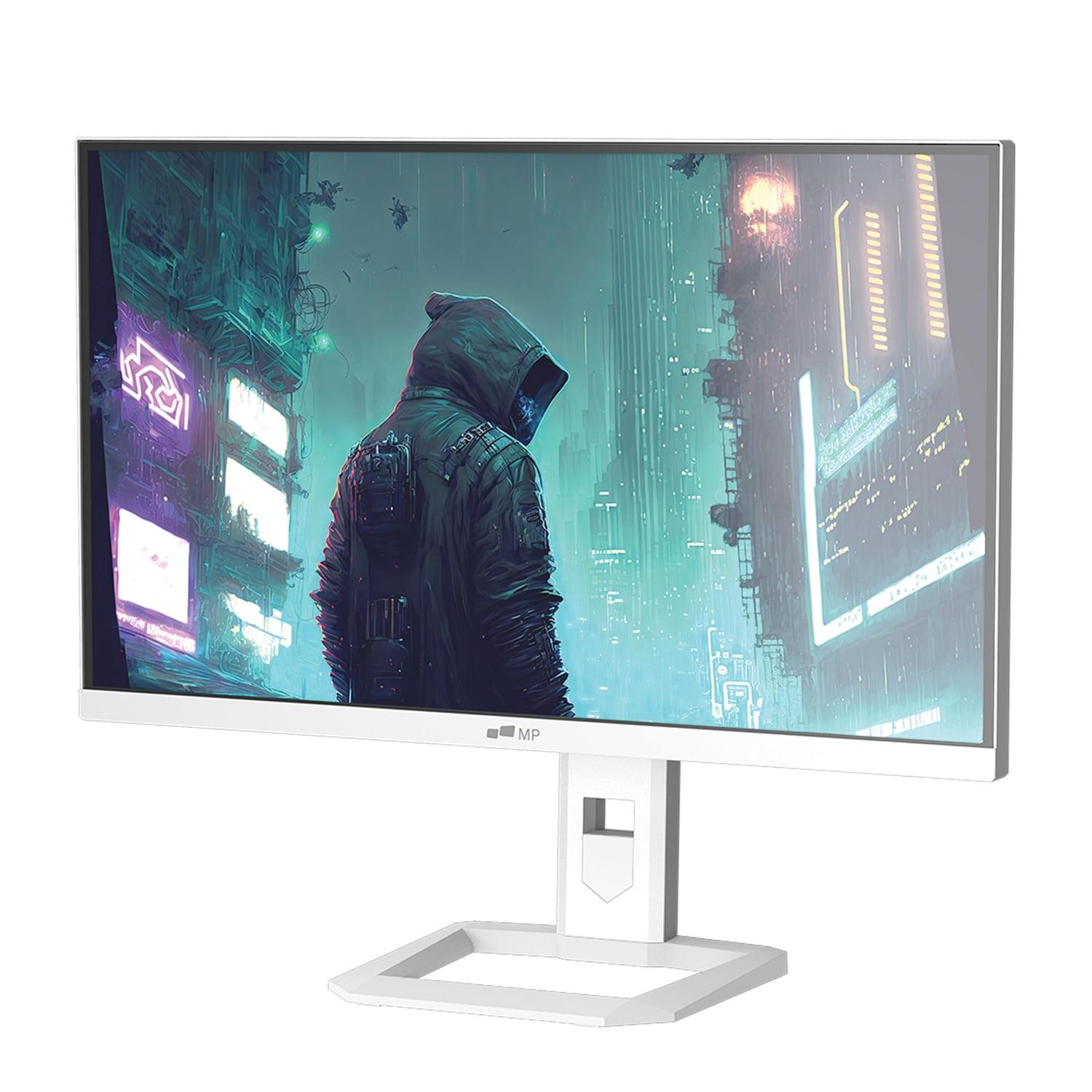
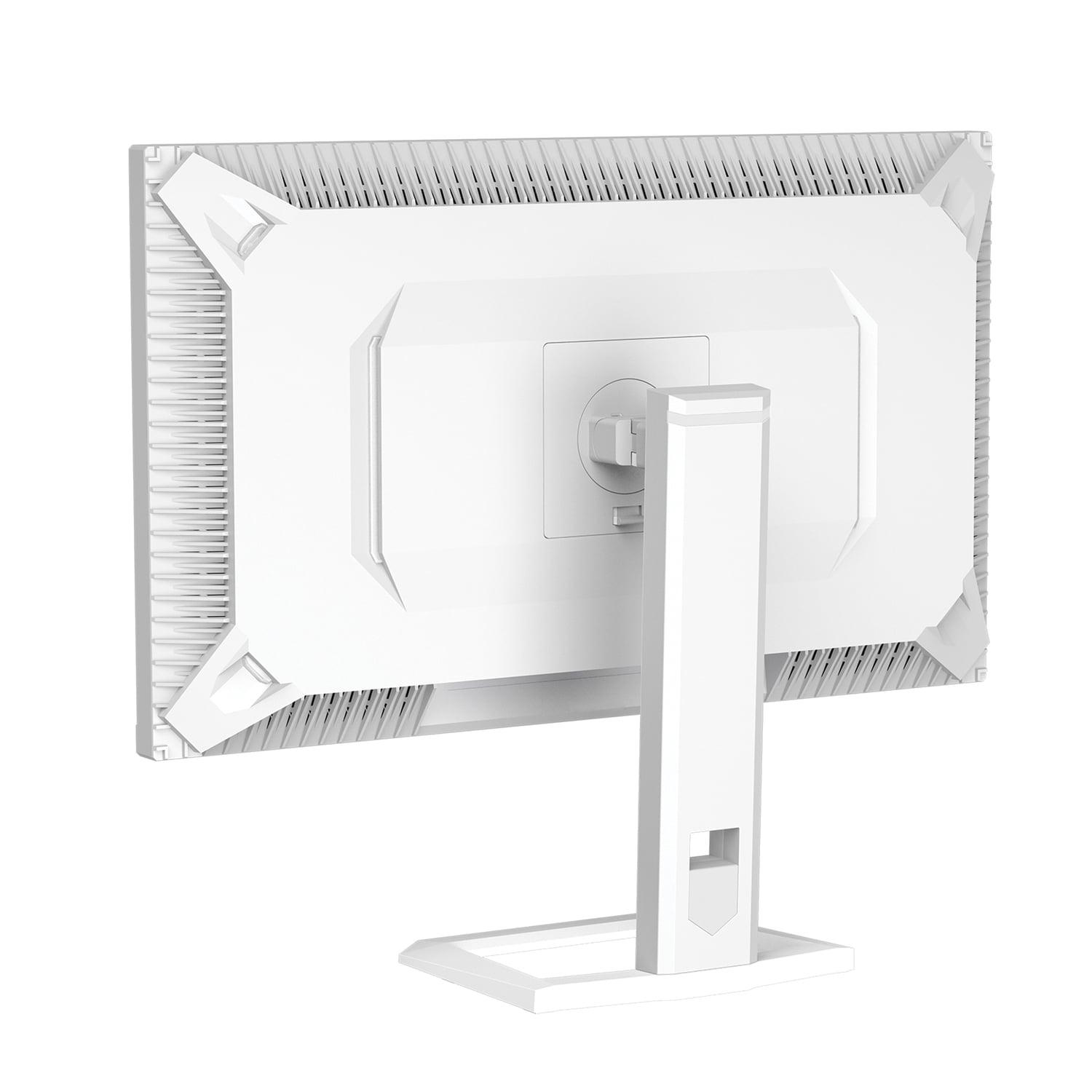
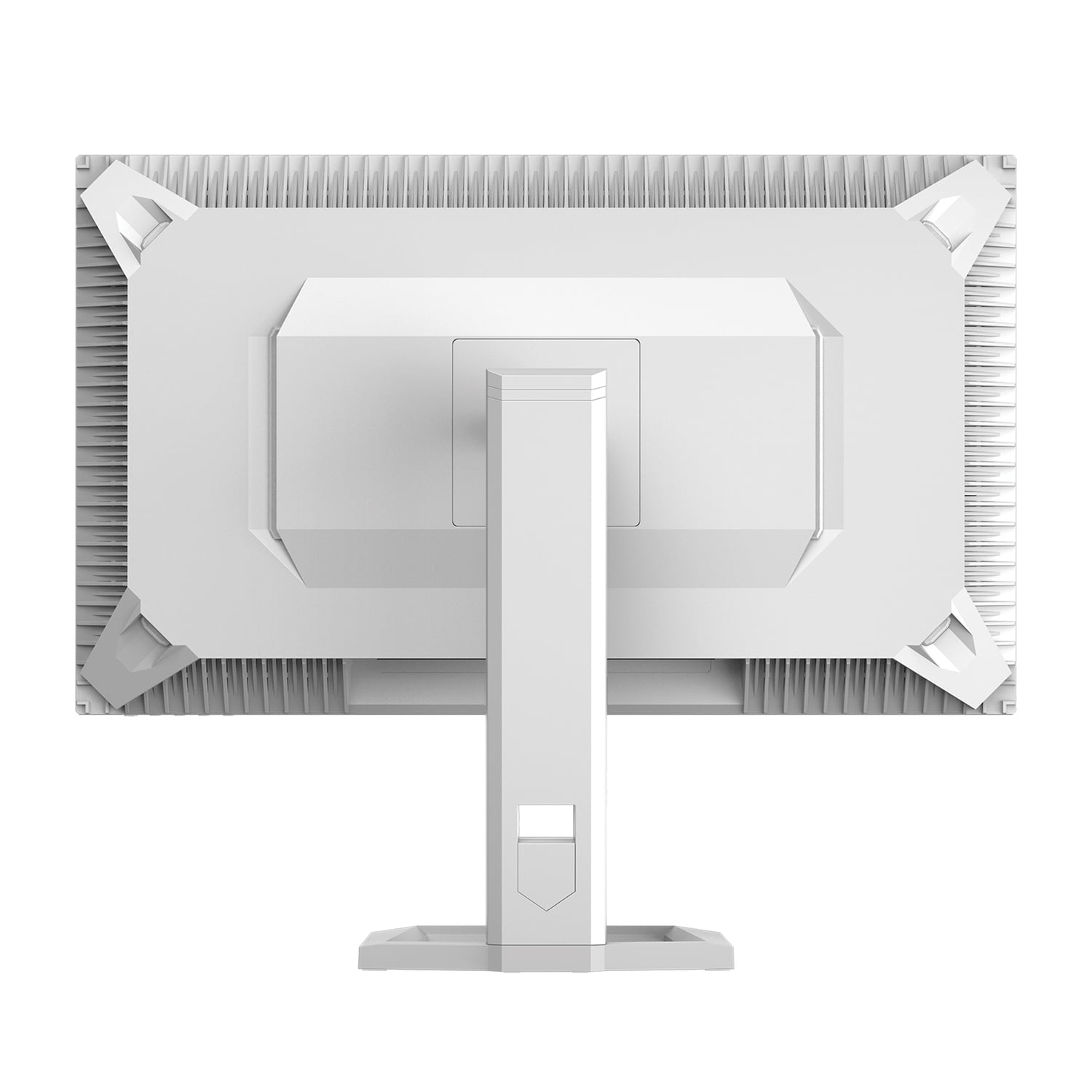
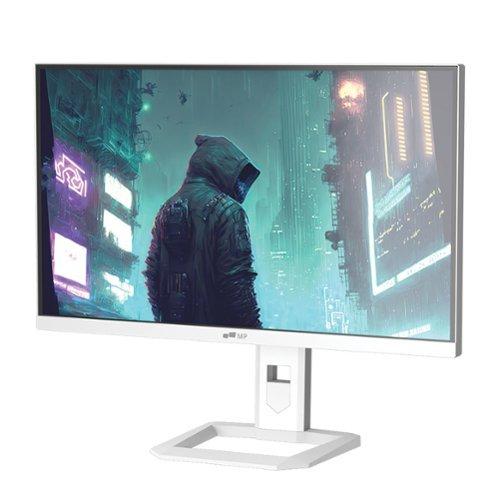
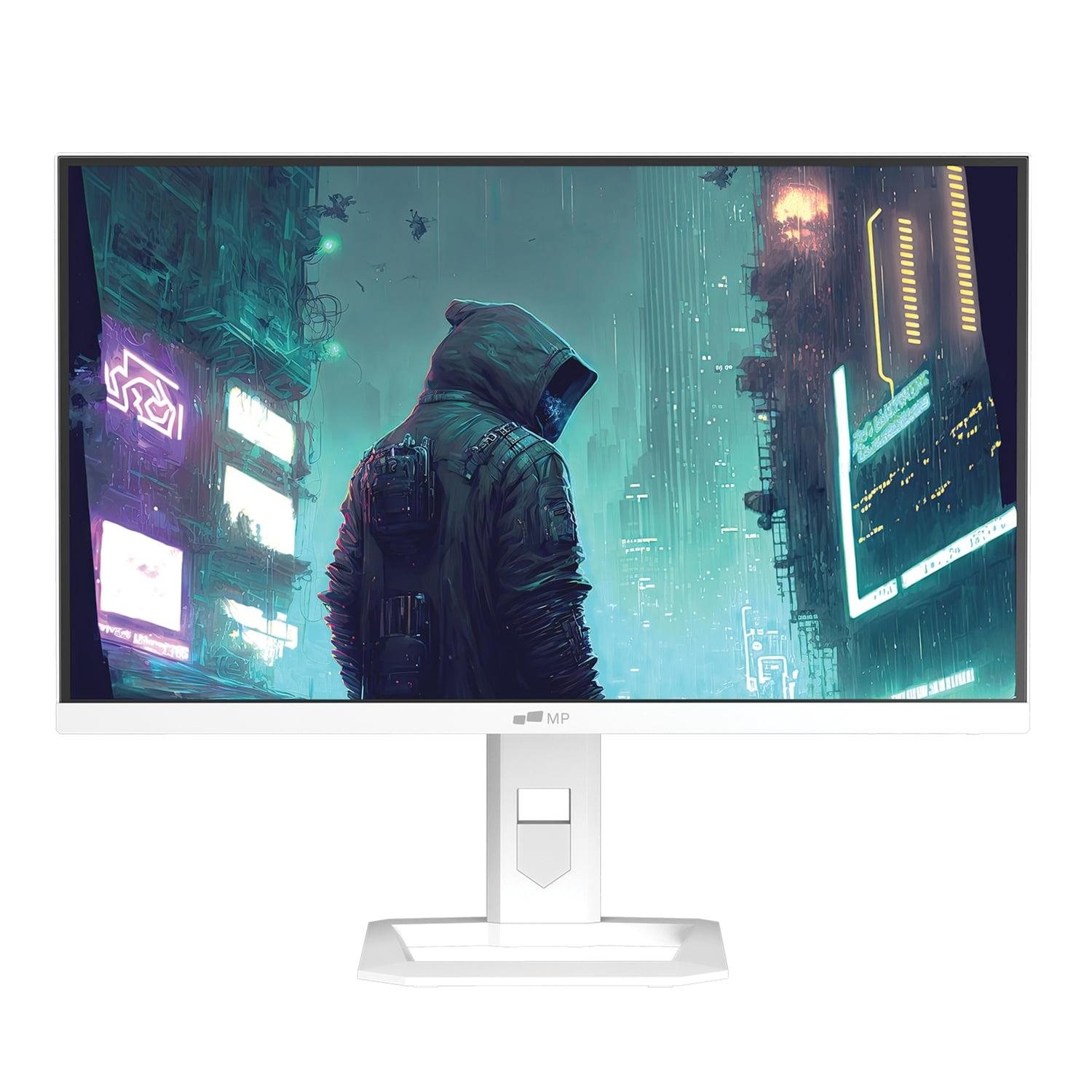

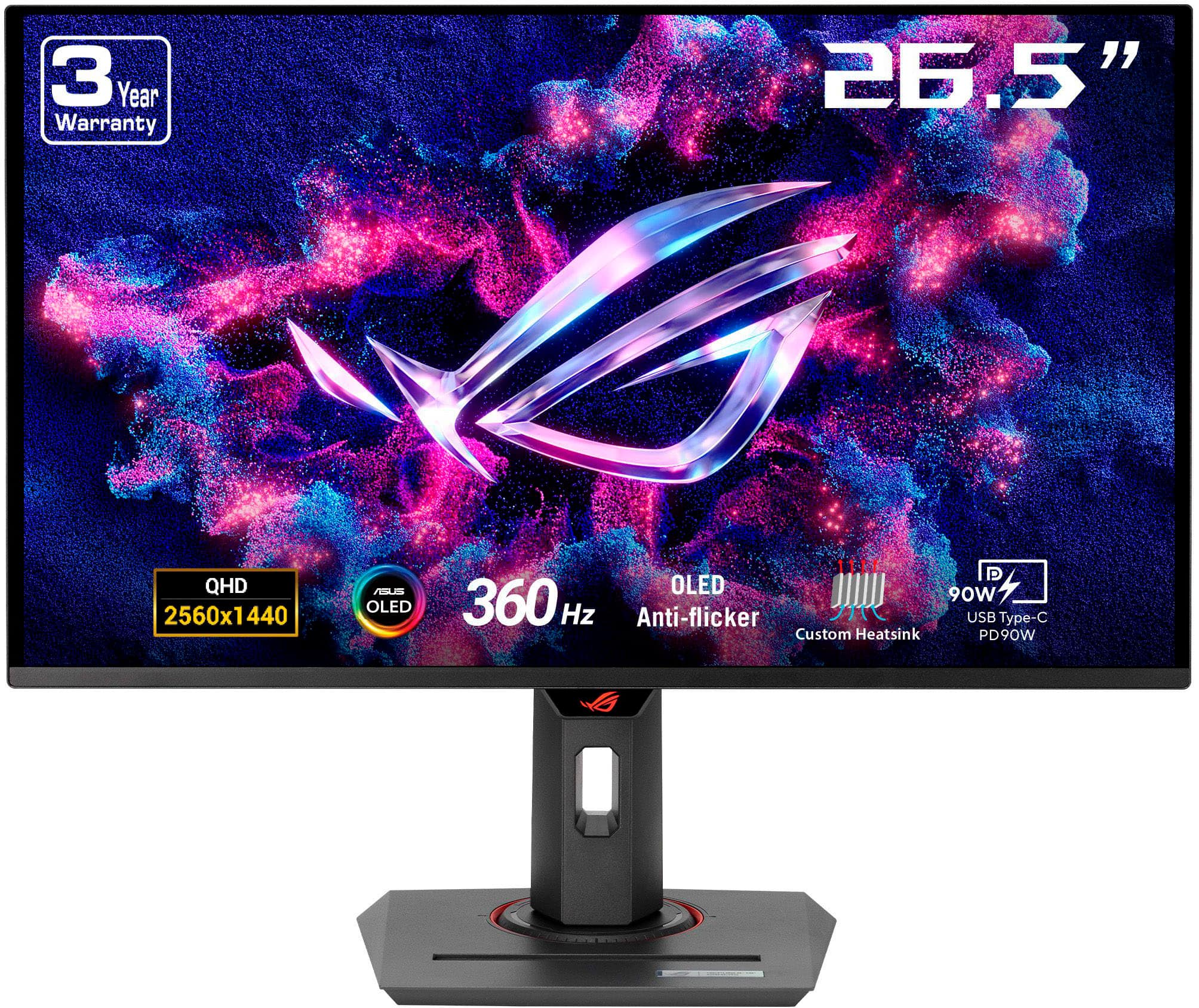
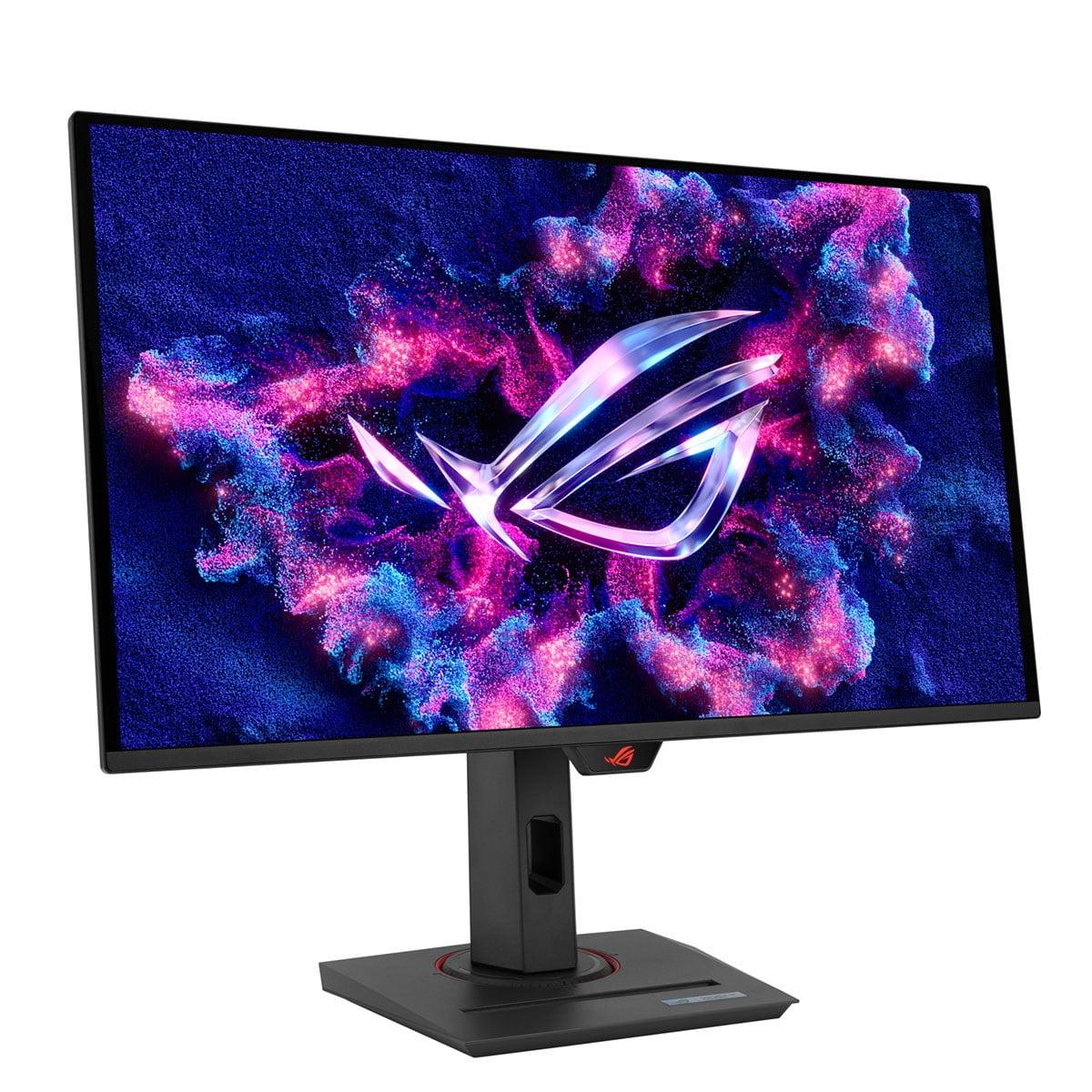
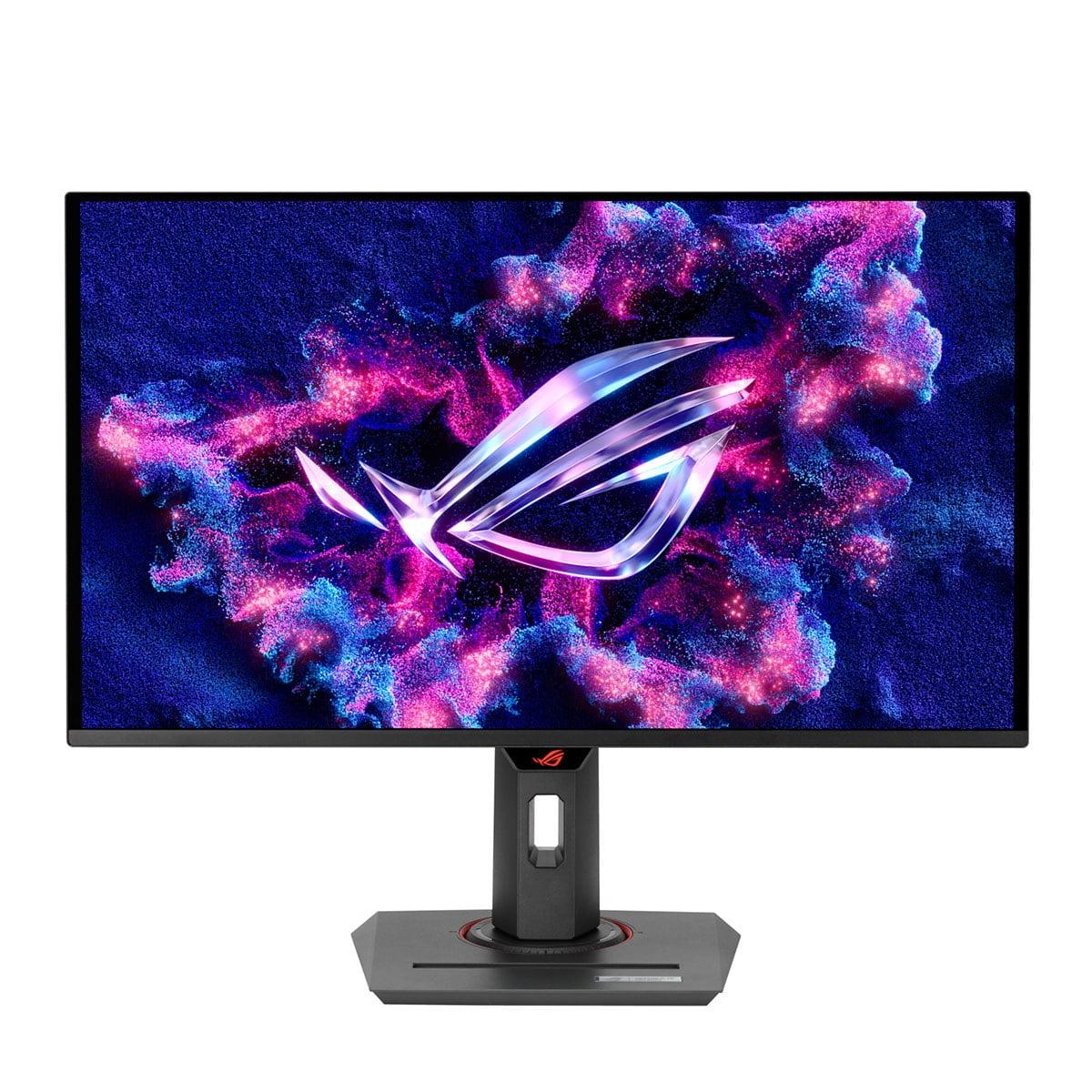
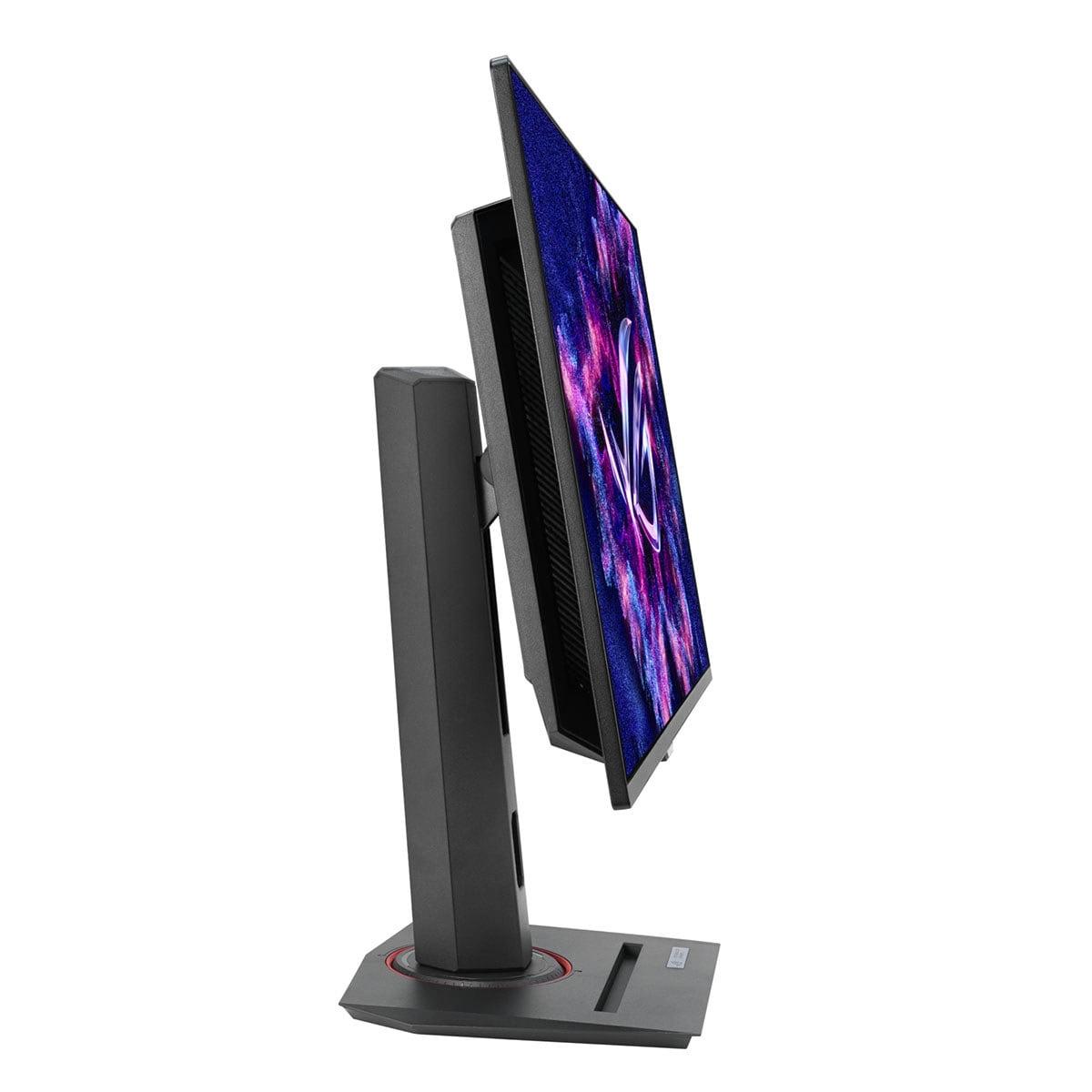
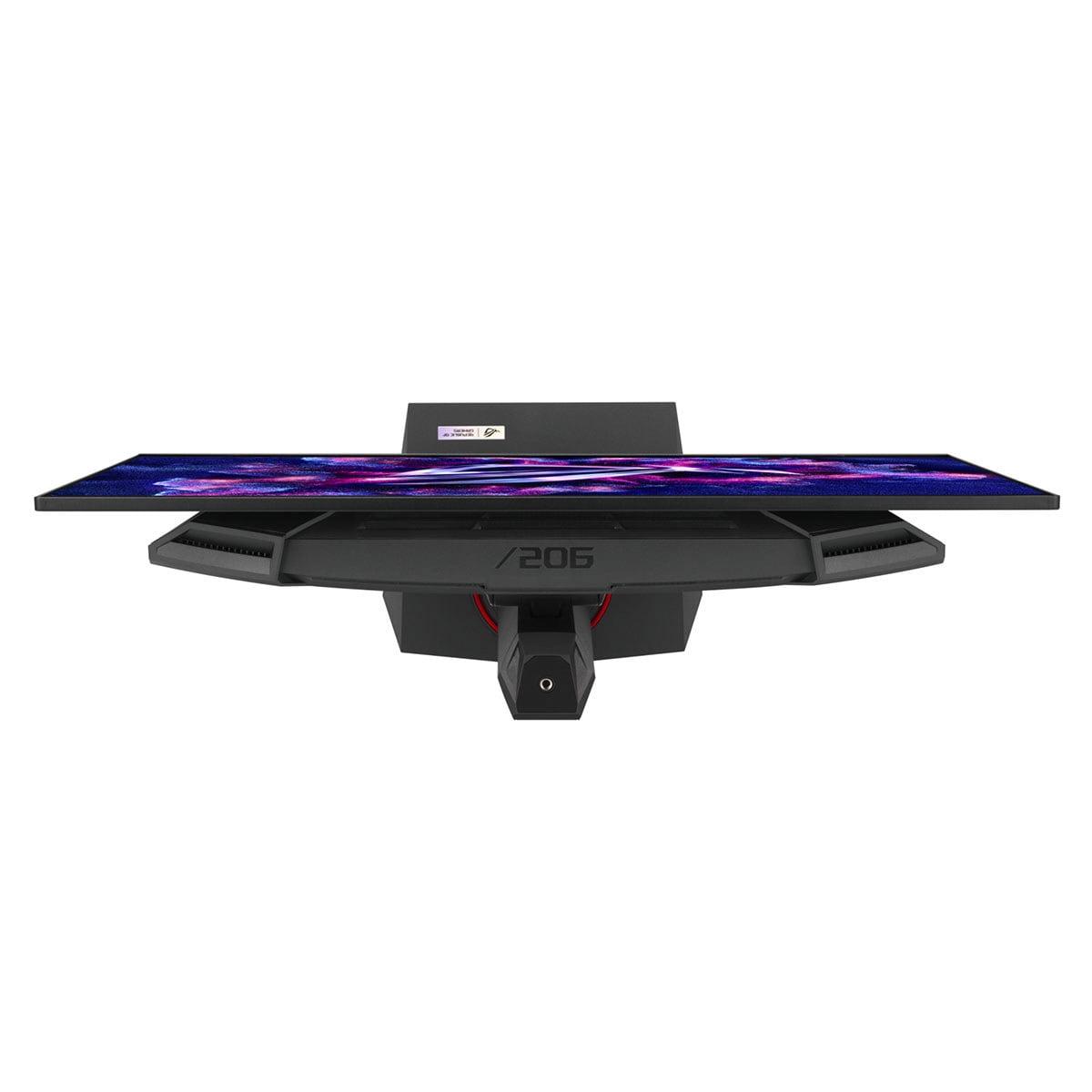
When I first started reviewing gaming monitors seriously back in 2018, the landscape looked dramatically different. Most gamers were choosing between basic 1080p TN panels or expensive 4K displays that crushed even high-end graphics cards. Fast-forward to 2025, and we're living in what I consider the golden age of gaming displays—with two standout examples being the Mobile Pixels 27" WQHD Mini-LED Gaming Monitor and the ASUS ROG Strix OLED XG27ACDNG.
These monitors represent fascinating approaches to the same fundamental challenge: delivering exceptional gaming visuals at 27 inches with 2560x1440 resolution. But they couldn't be more different in their execution, pricing, and target audience.
The 27-inch QHD segment has become the sweet spot for serious gamers, and for good reason. At 2560x1440 pixels, you get significantly sharper visuals than 1080p without the crushing GPU requirements of 4K gaming. It's that perfect middle ground where even mid-range graphics cards can push high frame rates while delivering crisp, detailed imagery.
However, the real revolution has been in display technologies themselves. Traditional LCD monitors used basic LED backlighting—essentially strips of white LEDs behind the entire panel. This created decent brightness but terrible contrast because the backlight was always on, making "black" areas appear gray.
The Mobile Pixels monitor uses Mini-LED technology, which represents a major step forward. Instead of a few dozen LEDs, Mini-LED displays pack hundreds or even thousands of tiny LEDs behind the panel. These can dim independently in zones (called "local dimming"), creating much better contrast. When a game shows a dark cave scene, the Mini-LEDs behind those dark areas actually dim down, producing deeper blacks than traditional LCDs.
The ASUS ROG Strix, meanwhile, takes a completely different approach with OLED technology. OLED stands for Organic Light-Emitting Diode, and each individual pixel produces its own light. No backlight needed. When a pixel needs to be black, it simply turns off completely—producing perfect, infinite blacks that make HDR content look absolutely stunning.
Let me be honest about refresh rates: the difference between 180Hz and 360Hz isn't as dramatic as the numbers suggest. The Mobile Pixels monitor offers 180Hz, which provides incredibly smooth motion that will satisfy 95% of gamers. I've spent countless hours gaming on 180Hz displays, and the experience is genuinely transformative compared to standard 60Hz or even 120Hz screens.
The ASUS OLED pushes this to 360Hz—and yes, it's noticeably smoother if you're playing fast-paced competitive games like Counter-Strike or Valorant at high frame rates. But here's the reality check: you need a graphics card capable of pushing 300+ fps to see the benefit. Most gamers with RTX 4070 or similar cards will see their frame rates cap out well below that in modern AAA games at 1440p.
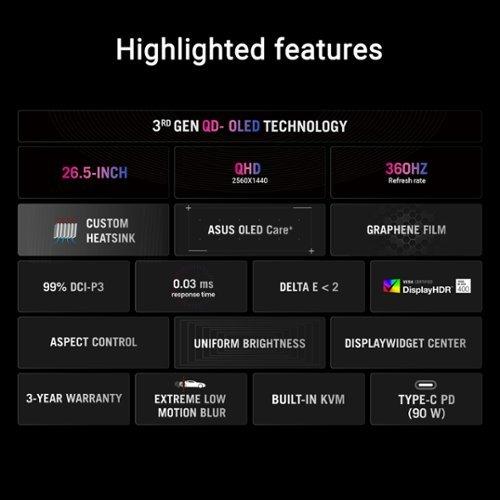
Response time tells a more interesting story. The Mobile Pixels achieves 1ms gray-to-gray response, which eliminates motion blur in all practical gaming scenarios. The ASUS claims 0.03ms response time—essentially instantaneous. In practice, both monitors deliver sharp, clear motion without ghosting, but the OLED does have a slight edge in the most demanding competitive scenarios.
This is where the technology differences become impossible to ignore. The ASUS OLED produces visuals that genuinely made me pause the first time I experienced them. Perfect blacks, infinite contrast, and colors that seem to leap off the screen. When you're exploring a cave in The Elder Scrolls or watching the space scenes in a sci-fi game, OLED's ability to display true darkness transforms the experience.
The Mobile Pixels Mini-LED can't match that infinite contrast, but it delivers something OLED can't: consistent performance in any lighting condition. OLED panels have a quirk where blacks can appear purple-ish in bright rooms due to ambient light reflection. The Mini-LED approach maintains its image quality whether you're gaming in a dark basement or a bright living room.
Color accuracy represents another significant divide. The ASUS monitor comes factory-calibrated to professional standards, covering 99% of the DCI-P3 color space used in modern movies and games. Colors appear exactly as developers intended without any adjustment needed. The Mobile Pixels covers 94% of DCI-P3—still excellent for gaming, though creative professionals might want the ASUS for color-critical work.
Both monitors support HDR (High Dynamic Range), which expands the range between the darkest and brightest parts of an image. However, their approaches differ significantly.
The Mobile Pixels achieves HDR1000 certification, meaning it can display highlights at 1000 nits of brightness—significantly brighter than standard monitors. Combined with its local dimming zones, it creates impressive HDR that makes explosions, sunsets, and bright UI elements pop with realistic intensity.
The ASUS OLED also hits 1000 nits peak brightness, but its infinite contrast ratio creates more dramatic HDR. When you see a torch flickering in a dark dungeon, the flame appears brilliant white while the surrounding darkness remains completely black—something impossible on LCD technology.
The Mobile Pixels monitor represents the mature evolution of LCD technology. Mini-LED addresses LCD's biggest weakness—poor contrast—while maintaining all of LCD's strengths. You get improved blacks and better HDR without worrying about burn-in, image retention, or the gradual degradation that affects OLED panels over time.
The implementation includes ambient light sensing, which automatically adjusts brightness based on your room's lighting. This might sound like a small feature, but after using it, manually adjusting monitor brightness feels archaic. The low blue light filtering also reduces eye strain during late-night gaming sessions—something I've personally appreciated during marathon weekend sessions.
The ASUS OLED delivers what many consider the pinnacle of display technology. Each pixel controls its own light output, creating perfect contrast and instantaneous response times. Colors appear more saturated and lifelike than any LCD can achieve.
However, OLED comes with considerations. Burn-in—permanent image retention—remains a possibility if you leave static images onscreen for extended periods. ASUS includes "OLED Care+" technology with pixel refresh cycles and screen movement features to minimize this risk, plus they cover burn-in under warranty. Still, it requires more mindful usage than LCD.
Text clarity presents another OLED challenge. The subpixel arrangement can cause color fringing around text, making extensive reading or productivity work less pleasant than on LCD panels.
At the time of writing, these monitors occupy very different price segments. The Mobile Pixels typically costs several hundred dollars less than the ASUS OLED, representing exceptional value for premium gaming performance.
Consider what you're getting with the Mobile Pixels: 180Hz QHD gaming with local dimming, HDR1000 support, and solid build quality at a price that won't devastate your budget. For most gamers, this delivers 90% of the premium gaming experience at roughly 60% of the cost.
The ASUS monitor commands a significant premium for cutting-edge technology. You're paying for perfect contrast, ultimate gaming performance, and professional-grade color accuracy. The price reflects the complexity of OLED manufacturing and the advanced features included.
Both monitors excel for movie watching and console gaming, though with different strengths. The ASUS OLED transforms movie nights with its perfect blacks and infinite contrast—dark scenes in films like "Dune" or "Blade Runner 2049" look absolutely cinematic. The color accuracy ensures movies appear as directors intended.
The Mobile Pixels offers a more practical entertainment solution. Its ambient light sensing adjusts perfectly for daytime viewing, and you never worry about static movie UI elements causing burn-in. The consistent brightness works better in typical living room lighting scenarios.
For console gaming, both support 120Hz input from PlayStation 5 and Xbox Series X, though the ASUS can accept 120Hz signals through HDMI 2.1 while maximizing image quality.
The Mobile Pixels monitor entered the market in early 2025, representing the latest refinement in Mini-LED technology. Since 2023, Mini-LED has matured significantly, with manufacturers improving local dimming algorithms and reducing costs.
The ASUS OLED launched in late 2024, incorporating third-generation QD-OLED panels that address earlier OLED limitations. Compared to first-generation OLED gaming monitors from 2022-2023, current panels offer better brightness, improved longevity, and more effective burn-in protection.
You're building a solid gaming setup without breaking the bank. The Mobile Pixels monitor excels for gamers who want premium LCD performance with modern features like local dimming and HDR support. It's perfect if you game in various lighting conditions, use your monitor for productivity work, or simply want worry-free ownership without OLED's maintenance considerations.
The 180Hz refresh rate provides genuinely smooth gaming that will satisfy all but the most competitive esports players. Combined with solid color reproduction and reliable HDR, it delivers an excellent overall experience.
You prioritize absolute image quality and have the budget for premium technology. The ASUS monitor is ideal for enthusiasts who want the best possible gaming visuals, content creators who need perfect color accuracy, or anyone who primarily games in controlled lighting environments.
The 360Hz capability future-proofs your setup for next-generation graphics cards, while the infinite contrast creates genuinely breathtaking visuals in properly mastered games and movies.
Both monitors represent excellent choices within their respective market segments. The Mobile Pixels Mini-LED offers outstanding value with premium LCD performance that will satisfy most gamers' needs. The ASUS OLED delivers cutting-edge technology with no-compromise performance for those willing to pay for the absolute best.
Your choice ultimately depends on whether you prioritize exceptional value or ultimate performance. Either way, you're getting a monitor that represents the current state-of-the-art in gaming display technology—something that would have seemed impossible just a few years ago.
| Mobile Pixels 27" WQHD Mini-LED Gaming Monitor | ASUS ROG Strix OLED XG27ACDNG |
|---|---|
| Display Technology - Fundamental difference in how the screen produces images | |
| Mini-LED LCD with local dimming zones | QD-OLED with per-pixel lighting control |
| Refresh Rate - Higher numbers mean smoother motion in fast games | |
| 180Hz (excellent for most gaming scenarios) | 360Hz (overkill for many, but future-proof) |
| Response Time - Lower is better for eliminating motion blur | |
| 1ms GTG (eliminates ghosting in practice) | 0.03ms GTG (virtually instantaneous) |
| Peak Brightness - Important for HDR content and bright room viewing | |
| 1,000 nits (strong HDR performance) | 1,000 nits (dramatic HDR with perfect blacks) |
| Color Accuracy - Critical for content creation and realistic visuals | |
| 94% DCI-P3 coverage (very good for gaming) | 99% DCI-P3, factory calibrated (professional grade) |
| Contrast Ratio - Affects how deep blacks appear | |
| 1,000,000:1 with local dimming | Infinite contrast (true blacks) |
| Text Clarity - Important for productivity and reading | |
| Excellent LCD text rendering | Good but with some color fringing |
| Burn-in Risk - Long-term reliability consideration | |
| None (LCD technology immune to burn-in) | Possible but covered under 3-year warranty |
| Eye Care Features - Reduces strain during long sessions | |
| Ambient light sensing, low blue light mode | Standard OLED flicker-free technology |
| Connectivity - Ports and features for different setups | |
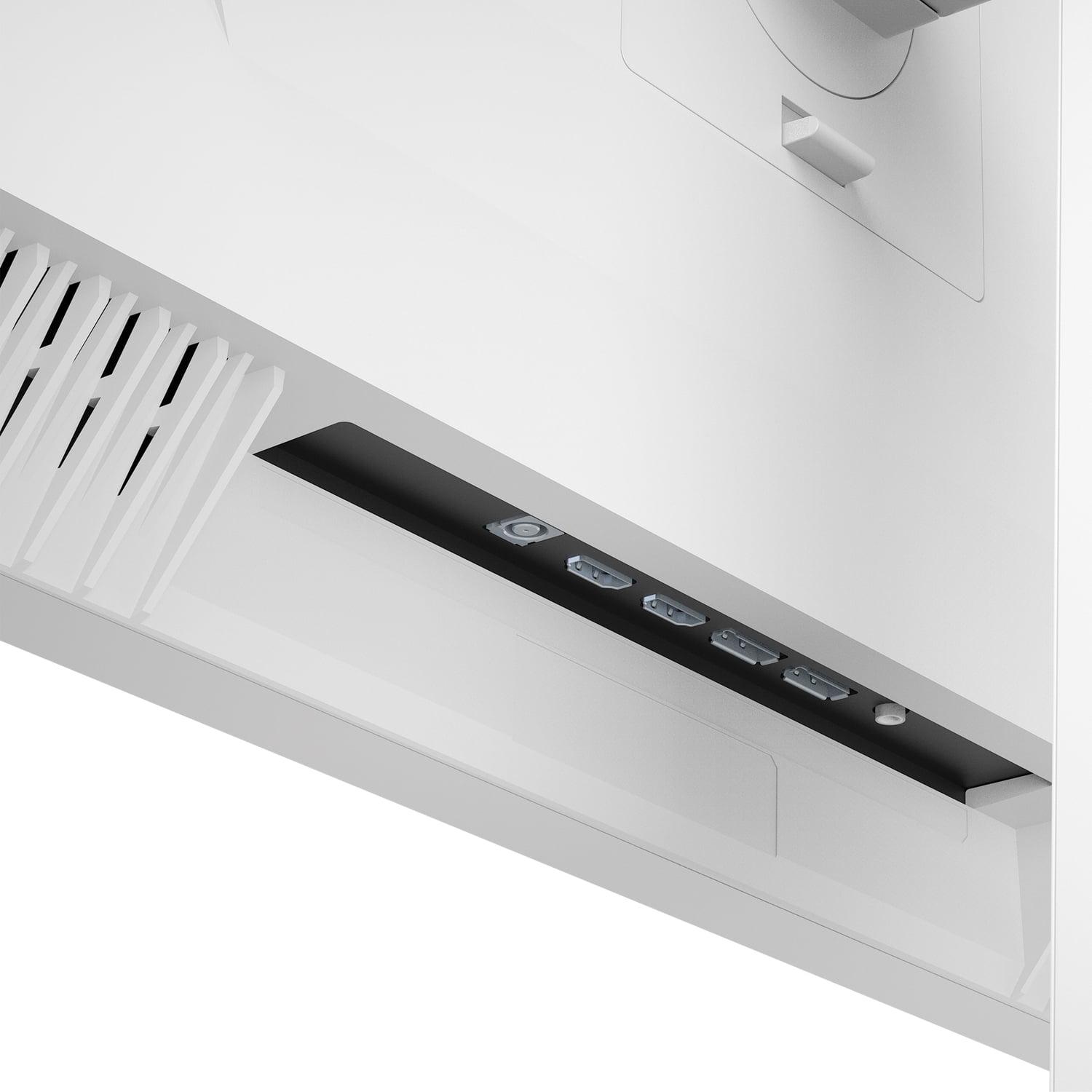
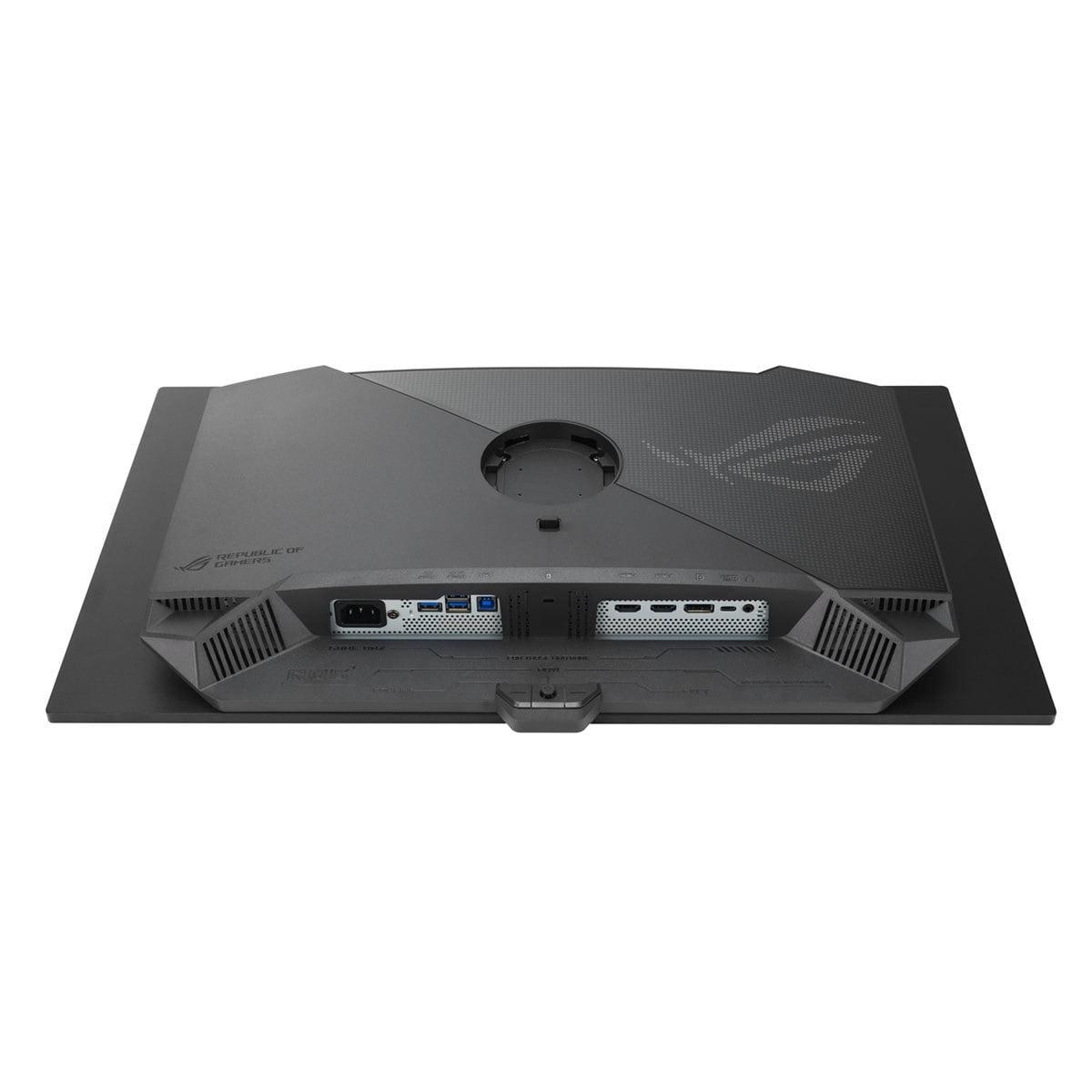
| 2x HDMI 2.1, 2x DisplayPort 1.4 | 2x HDMI 2.1, DisplayPort 1.4, USB-C with 90W power |
| Gaming Features - Adaptive sync and competitive advantages | |
| AMD FreeSync Premium support | FreeSync Premium Pro + G-Sync Compatible |
| Warranty Coverage - Protection for your investment | |
| 1 year limited | 3 years including burn-in protection |
| Best Use Case - Who should consider each monitor | |
| Budget-conscious gamers wanting premium LCD performance | Enthusiasts prioritizing ultimate image quality and performance |
The ASUS ROG Strix OLED XG27ACDNG offers superior gaming performance with its 360Hz refresh rate and 0.03ms response time, making it ideal for competitive esports. However, the Mobile Pixels 27" WQHD Mini-LED Gaming Monitor provides excellent gaming at 180Hz for significantly less cost, satisfying most gamers' needs without the premium price tag.
Mini-LED in the Mobile Pixels monitor uses thousands of small LEDs behind an LCD panel for improved contrast and local dimming. OLED in the ASUS monitor has pixels that emit their own light, creating perfect blacks and infinite contrast. OLED offers better image quality, while Mini-LED provides worry-free longevity without burn-in risks.
The ASUS ROG Strix OLED delivers superior picture quality with perfect blacks, infinite contrast, and 99% DCI-P3 color coverage. The Mobile Pixels Mini-LED offers excellent picture quality with local dimming and 94% DCI-P3 coverage, though it cannot match OLED's contrast performance.
Both monitors excel for movie watching. The ASUS OLED provides cinematic experience with perfect blacks ideal for dark movie scenes. The Mobile Pixels Mini-LED offers consistent performance in various lighting conditions with ambient light sensing, making it more versatile for daytime movie viewing.
The Mobile Pixels 27" WQHD Mini-LED Gaming Monitor offers exceptional value, delivering premium gaming performance at a significantly lower cost than the ASUS monitor. You get 90% of the premium gaming experience for much less investment, making it ideal for budget-conscious enthusiasts.
Yes, both monitors support gaming consoles. The Mobile Pixels monitor and ASUS ROG Strix OLED both feature HDMI 2.1 ports that support 120Hz input from PlayStation 5 and Xbox Series X, delivering smooth console gaming at 1440p resolution.
The Mobile Pixels Mini-LED monitor performs better in bright rooms due to LCD technology that maintains consistent blacks regardless of ambient light. The ASUS OLED can appear washed out in very bright environments, as OLED blacks may look purple-ish under strong ambient lighting.
The ASUS ROG Strix OLED includes OLED Care+ technology and covers burn-in under its 3-year warranty. However, burn-in remains a possibility with static images. The Mobile Pixels Mini-LED has no burn-in risk whatsoever due to LCD technology, offering worry-free long-term usage.
The Mobile Pixels 27" WQHD Mini-LED Gaming Monitor provides superior text clarity with sharp LCD rendering ideal for productivity work. The ASUS OLED monitor can exhibit color fringing around text due to its subpixel arrangement, making it less suitable for extensive reading or office tasks.
The ASUS ROG Strix OLED offers 360Hz refresh rate for ultimate competitive advantage, while the Mobile Pixels monitor provides 180Hz. Both deliver smooth gaming, but 360Hz requires high-end graphics cards to see benefits, making 180Hz perfectly adequate for most competitive scenarios.
The ASUS OLED provides more comprehensive connectivity with USB-C power delivery (90W), built-in KVM switch, and USB hub alongside HDMI and DisplayPort. The Mobile Pixels Mini-LED focuses on essential gaming connections with dual HDMI 2.1 and DisplayPort inputs without additional features.
The ASUS ROG Strix OLED XG27ACDNG includes a comprehensive 3-year warranty covering burn-in protection. The Mobile Pixels 27" WQHD Mini-LED Gaming Monitor offers a standard 1-year limited warranty, though LCD technology typically requires less long-term protection due to its inherent durability.
We've done our best to create useful and informative comparisons to help you decide what product to buy. Our research uses advanced automated methods to create this comparison and perfection is not possible - please contact us for corrections or questions. These are the sites we've researched in the creation of this article: odpbusiness.com - wellbots.com - bestbuy.com - bhphotovideo.com - youtube.com - networkhardwares.com - mobilepixels.us - bestbuy.com - business.walmart.com - newegg.com - beachaudio.com - petra.com - centralcomputer.com - mobilepixels.us - compsource.com - walmart.com - newegg.com - tomshardware.com - versus.com - pcguide.com - rog.asus.com - rtings.com - youtube.com - youtube.com - versus.com - displayninja.com - youtube.com - rog.asus.com - cdw.com - shi.com - colamco.com - rog.asus.com - microcenter.com - bestbuy.com - rtings.com - displayspecifications.com - compsource.com - rog.asus.com

Privacy Policy
Terms and Conditions - Affiliate Policy
Home Security
© Copyright 2008-2026.
11816 Inwood Rd #1211, Dallas, TX 75244